ArtXpose – Naomi Malone

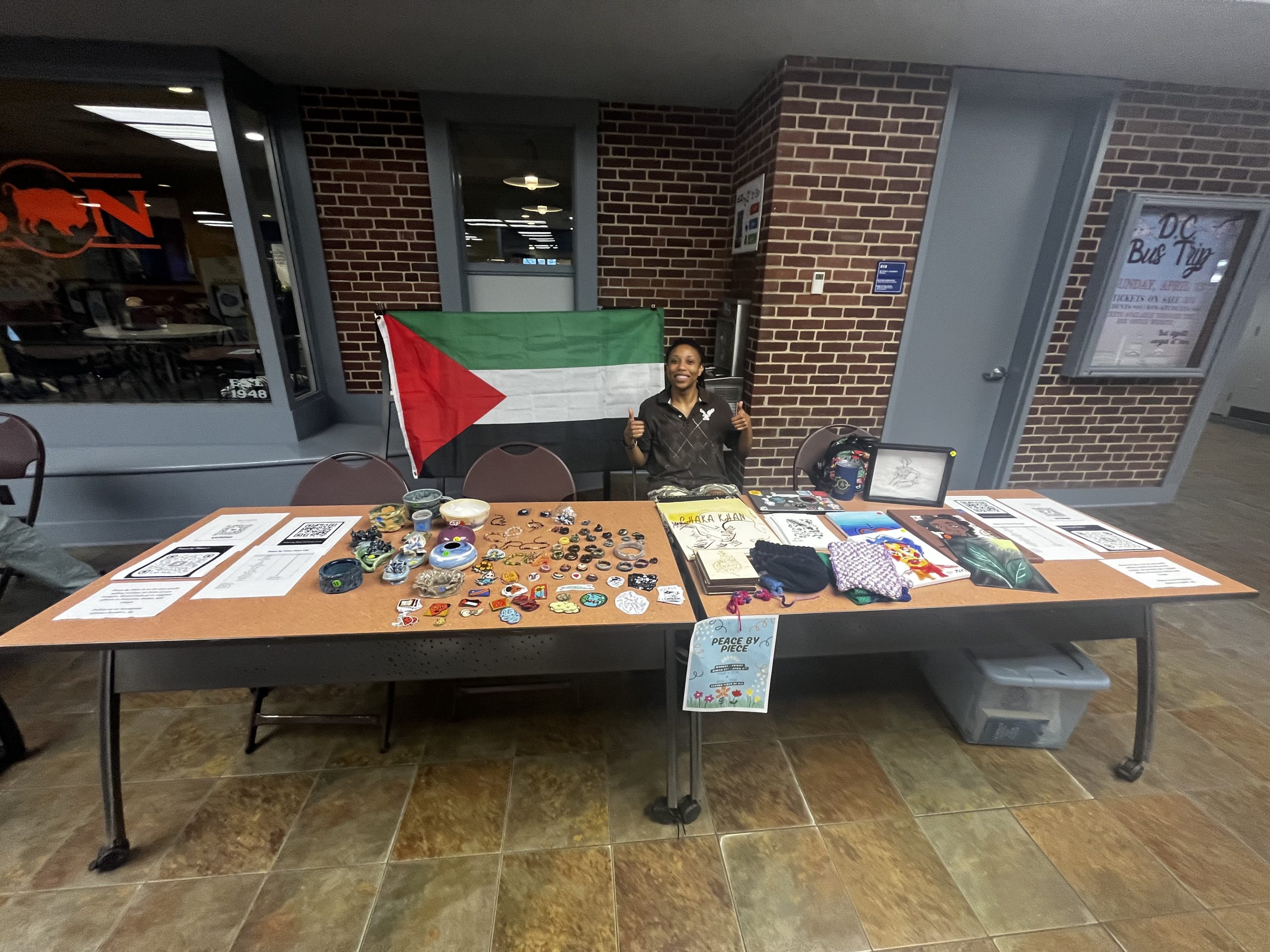
Event: Peace by Piece Art Sale

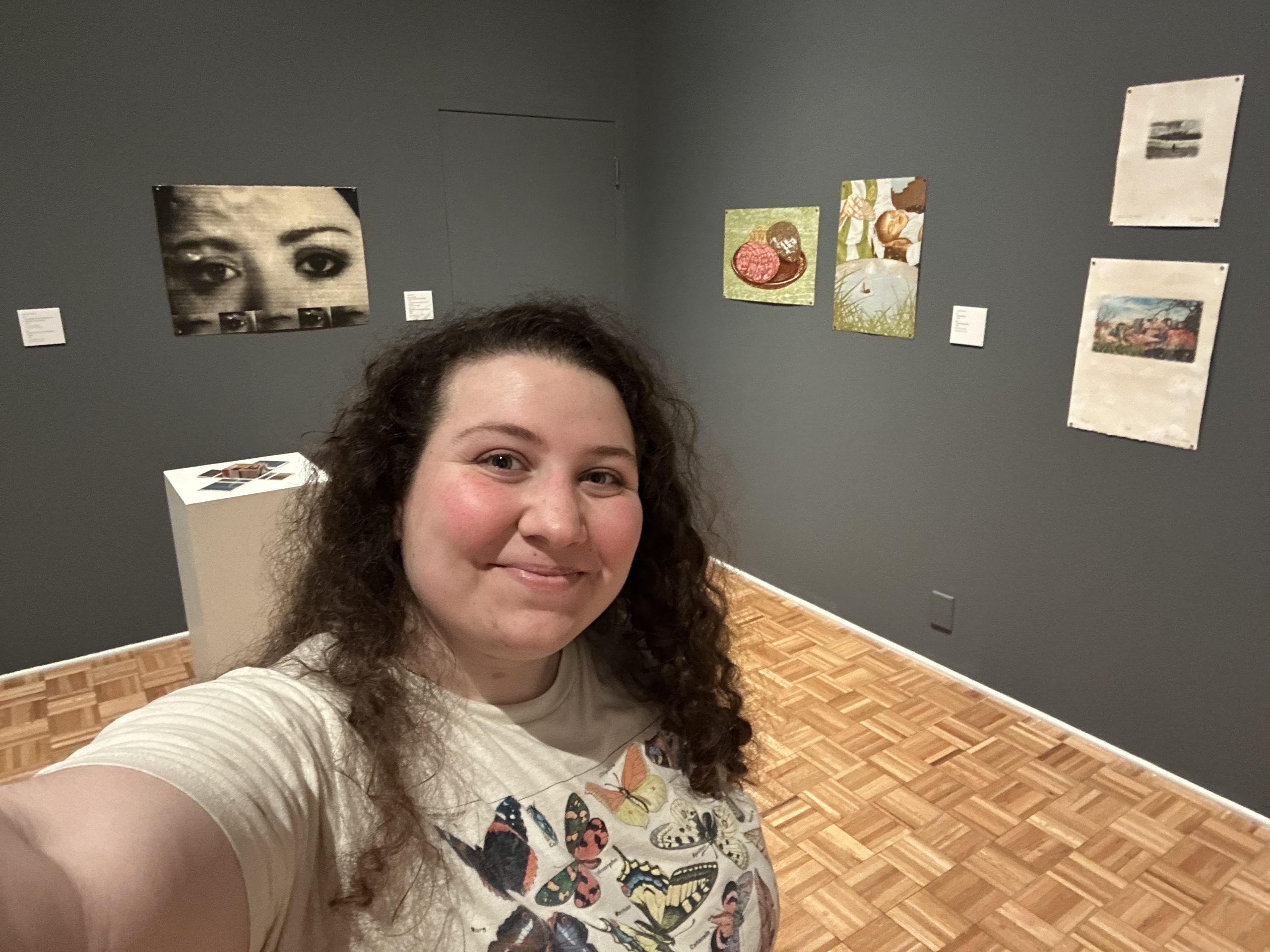
Description: Peace by Piece is an art non-profit I started last year with the help of a few of my friends. Students from across campus donate their art to us and we sell it. All of the proceeds go toward efforts in Palestine, Congo, and Sudan.

Location: ELC Ground Floor

Date: March 31, 2025

Published
Categorized as artsXpose

Borrow a strategy – Project 2- Case Sylvester

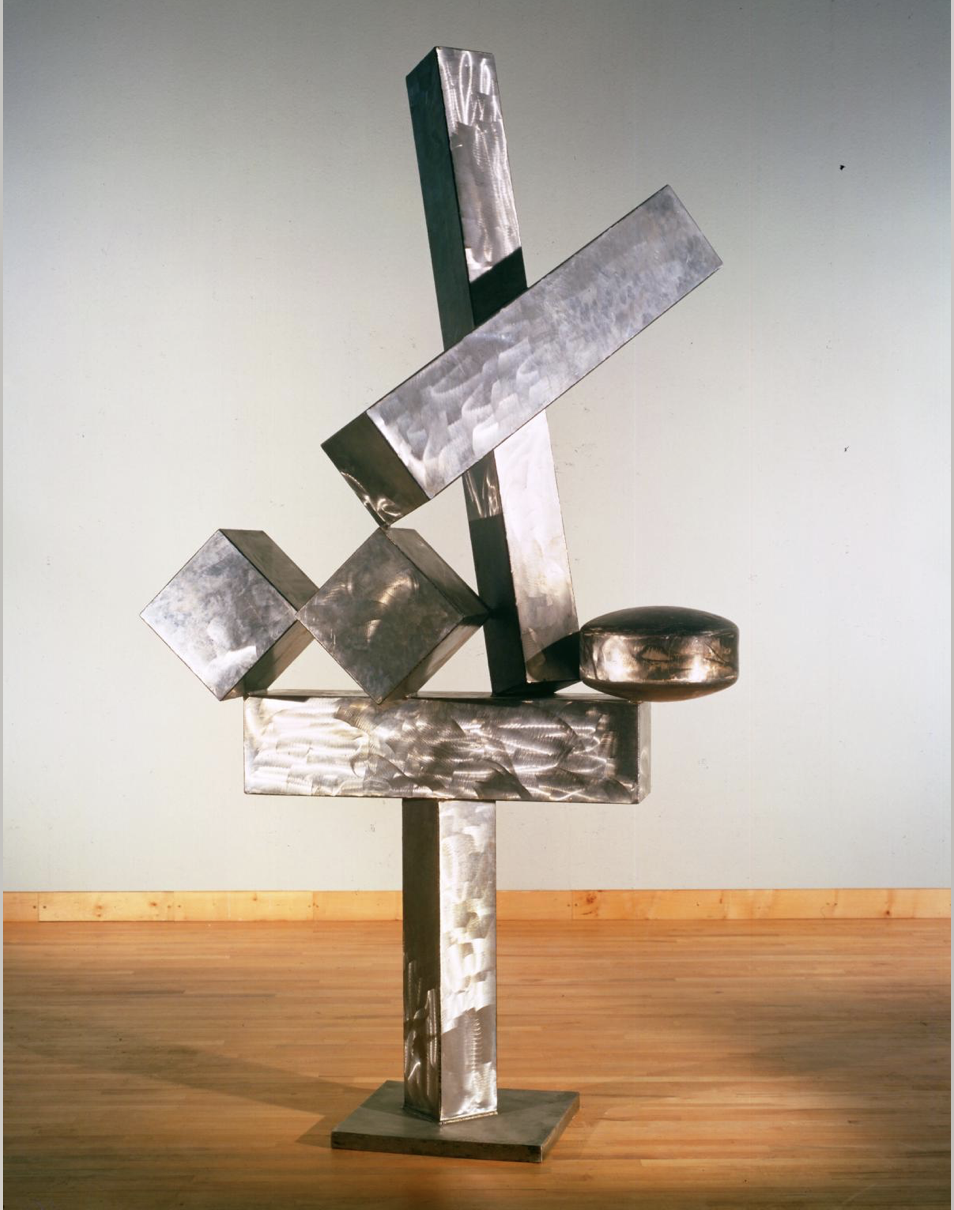
Artist: David Smith
Title: Cubi XIX (1964)

Strategy to Borrow:

I will borrow David Smith’s industrial look and unfinished aesthetic in this piece. In my project, I intend to incorporate unrefined materials like wood shavings and tools to reflect the rawness unfinished look of wooden boat building as a craft and process.

Project 2 – 200 Word Writing Assignment – Case Sylvester

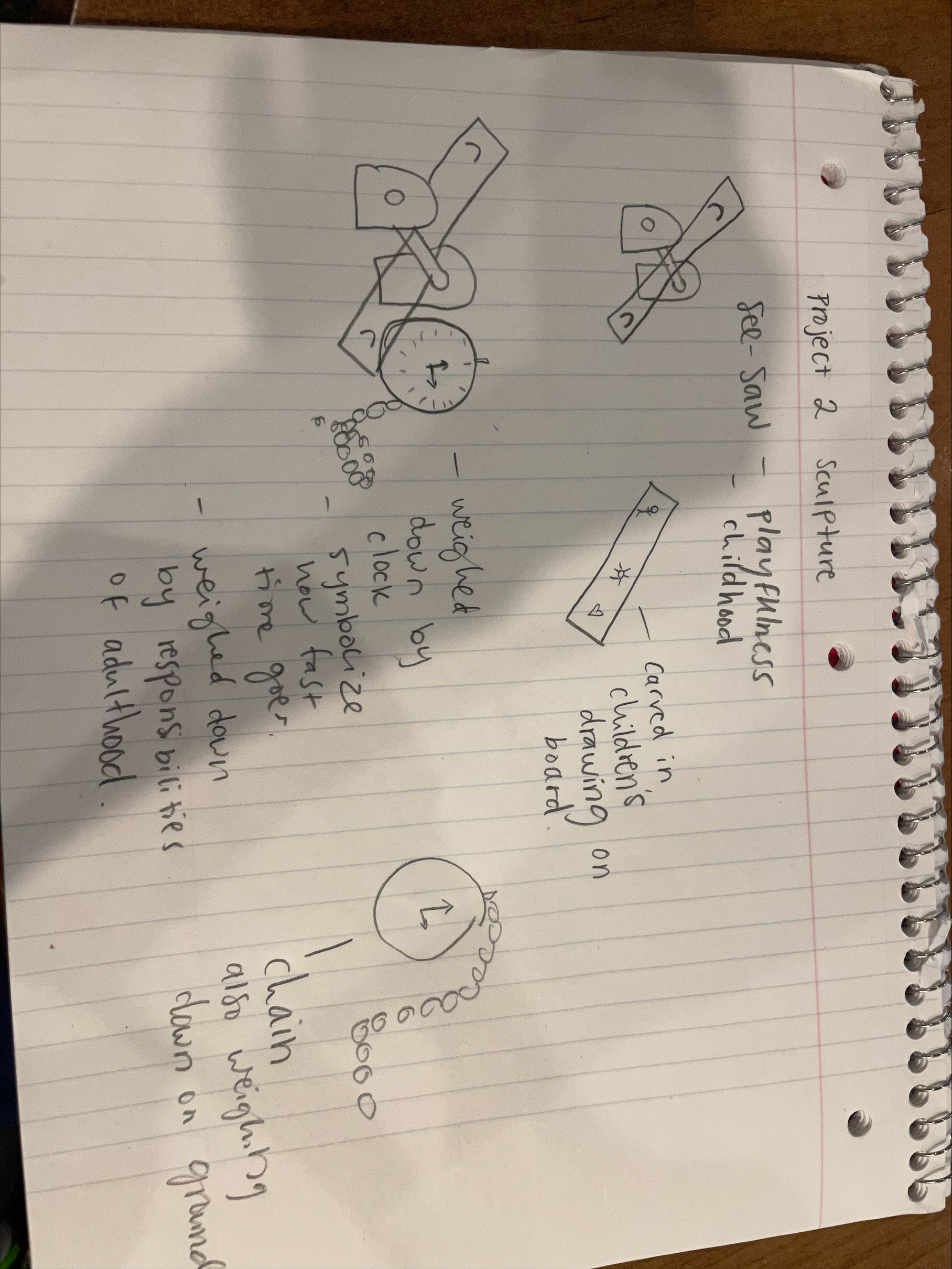
My shrine will focus on the somewhat lost craft of wooden boat making, which in my mind is an art form that has shaped human history yet is rapidly fading due to the use of modern materials and manufacturing processes. Wooden boats were the backbone of exploration, trade, and survival, and the process of making them required a deep understanding of materials, craftsmanship, and patience. Today, fiberglass, molds, and mass production have replaced the traditional techniques once passed down through generations. I chose this as my topic because I have a deep passion for boating, and love learning about how boats are made. I also have a large amount of respect for the craft of making wooden boats, and I want to experience in some way what it takes to build one. 

The selection of wood and the reliance on different hand tools all reflect a deep respect for craftsmanship that is increasingly rare. I think the art barn is the best place on campus that I have access to to get as close as I can to understanding how wooden boats are assembled and built. As someone who is drawn to both design and the marine industry, I want to honor the dedication and skill that once defined this craft.  

In designing my shrine, I aim to highlight the physical labor, artistry, and materials that make wooden boats. The boat itself will serve as both a centerpiece of my shrine. However, I want to include surrounding elements like wood shavings, hand tools, or unfinished pieces of a boat, illustrating the process of creation rather than just the final product. 

My audience includes both myself and others. I want this shrine to serve as a personal reminder of why craftsmanship matters, but also as an invitation for viewers to reflect on the loss of traditional skills. By showcasing the artistry of wooden boat making, I hope to inspire appreciation for handmade work and encourage the preservation of these valuable techniques.
Tom Sachs 100 Word Response – Case Sylvester

For this assignment, I watched 10 Bullets. By Tom Sachs. While this video/movie was not super interesting, as it was just a list of rules or “code” to follow in order to be a productive and successful employee of Tom’s, I thought it was filmed in an interesting way, and made it very clear to anyone working with Tom what they should and should not do. I also really liked how the film gave the audience a tour of the studio where Tom and his team works. Whenever I am interested in a particular artist, I really want to know how they set up their studio, and what it looks like inside, as I believe their studio says a lot about who they are. Another thing I will note that goes beyond the basic ten bullets of this film, was the inclusion of music and movie clips. I thought this video not only showed what it’s like to work in Tom’s studio, but it also showed his creativity just in the ways the film was shot and put together.

Project 2 Maquette – Naomi Malone

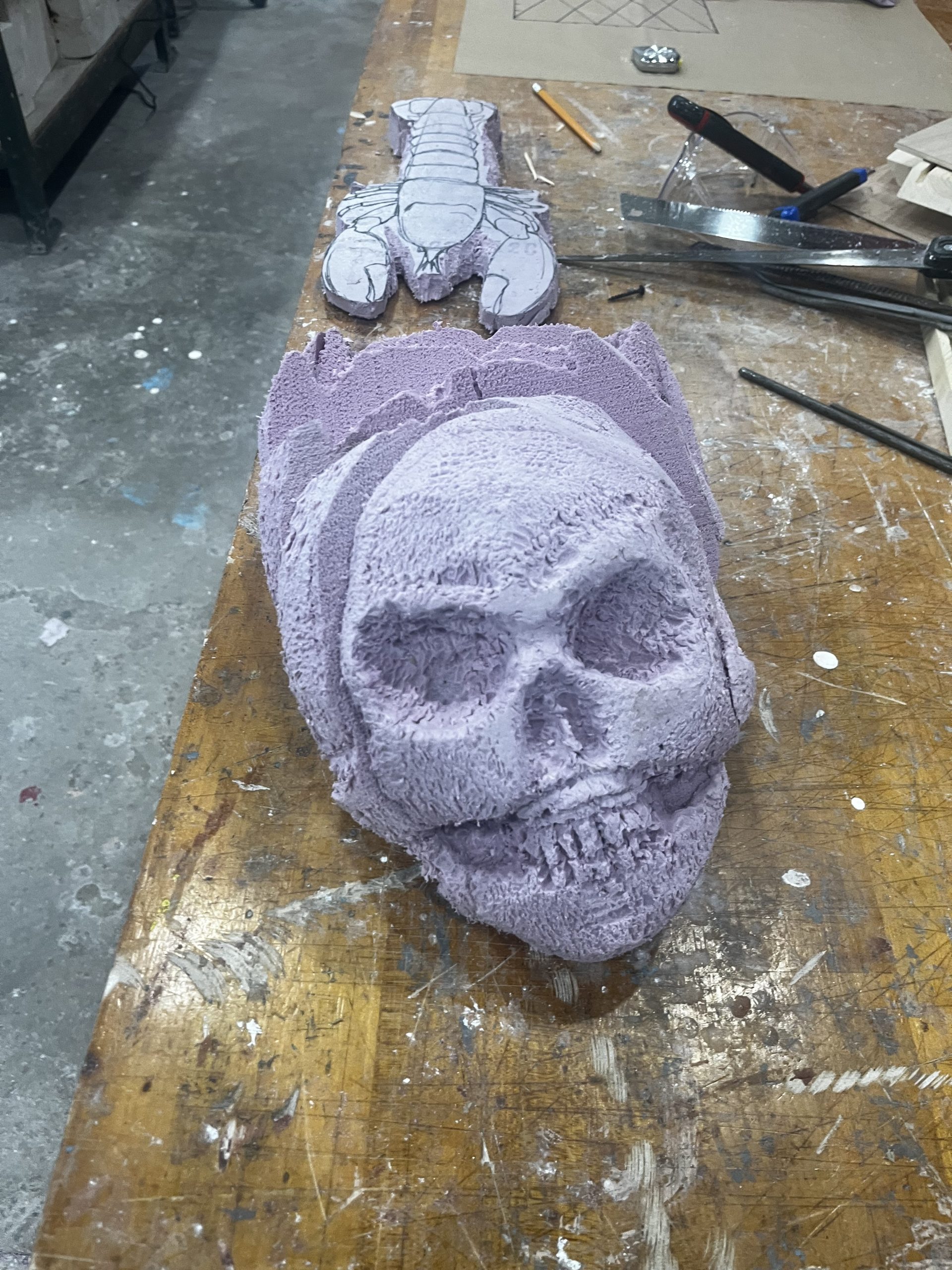
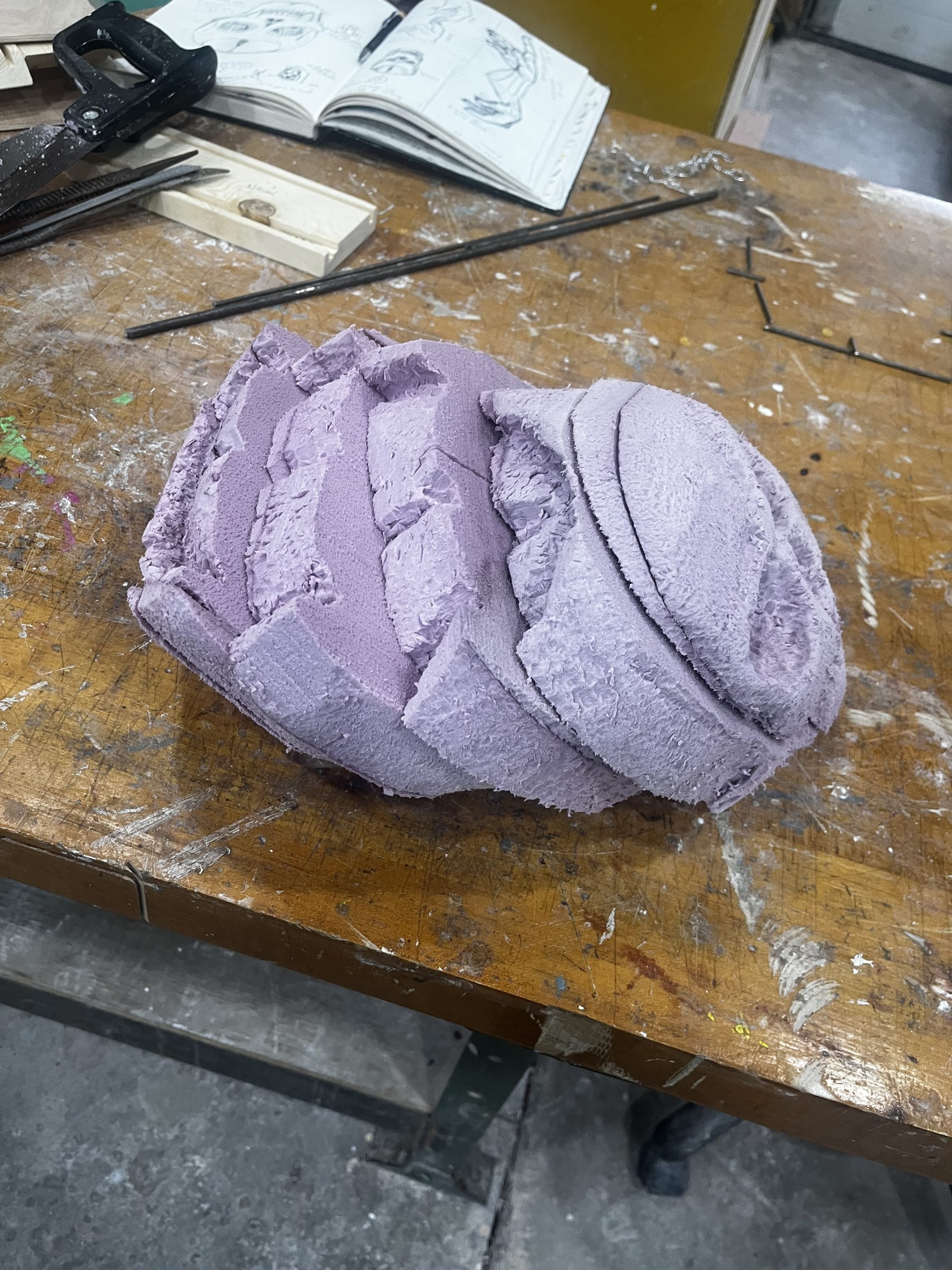
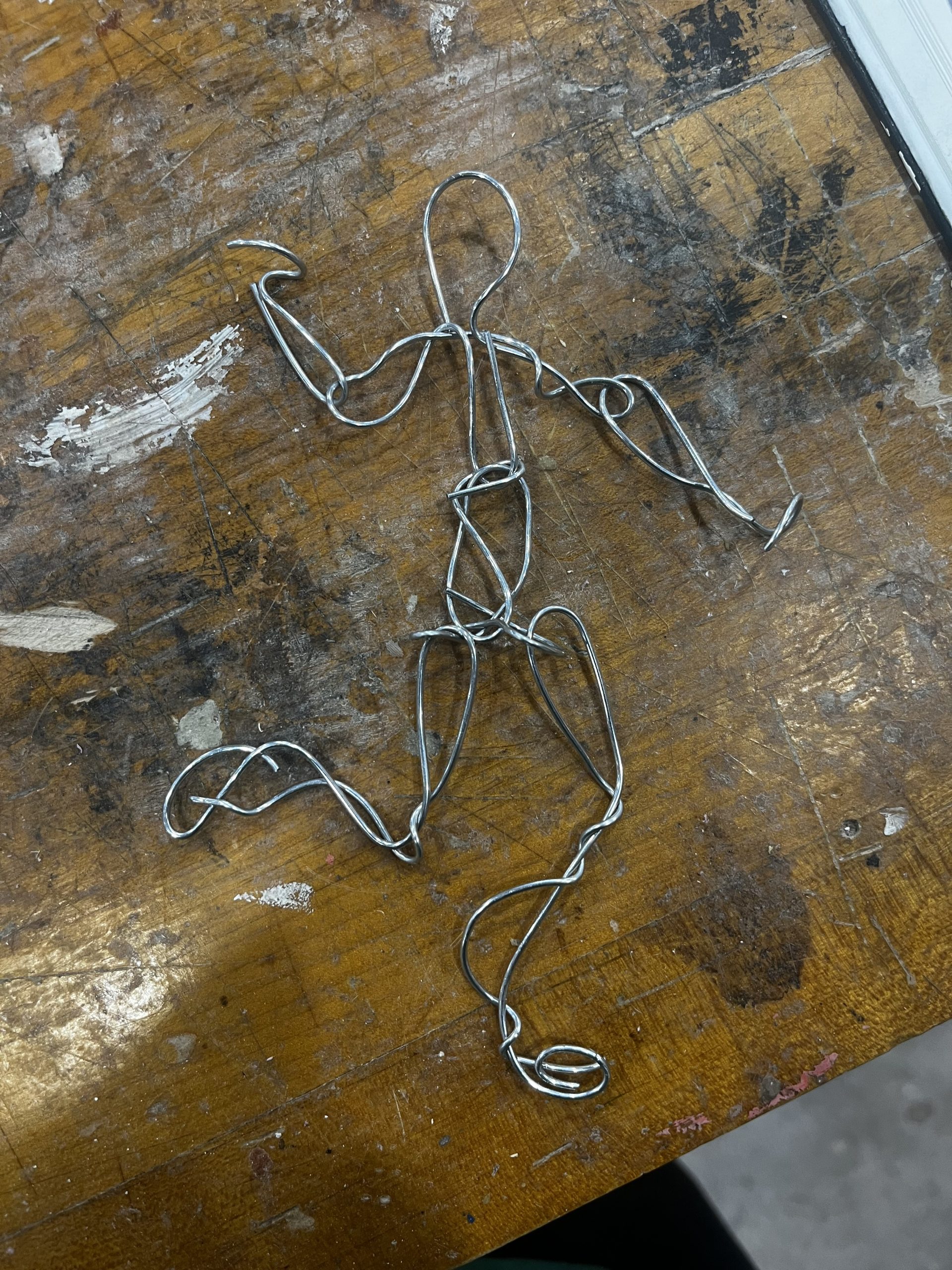
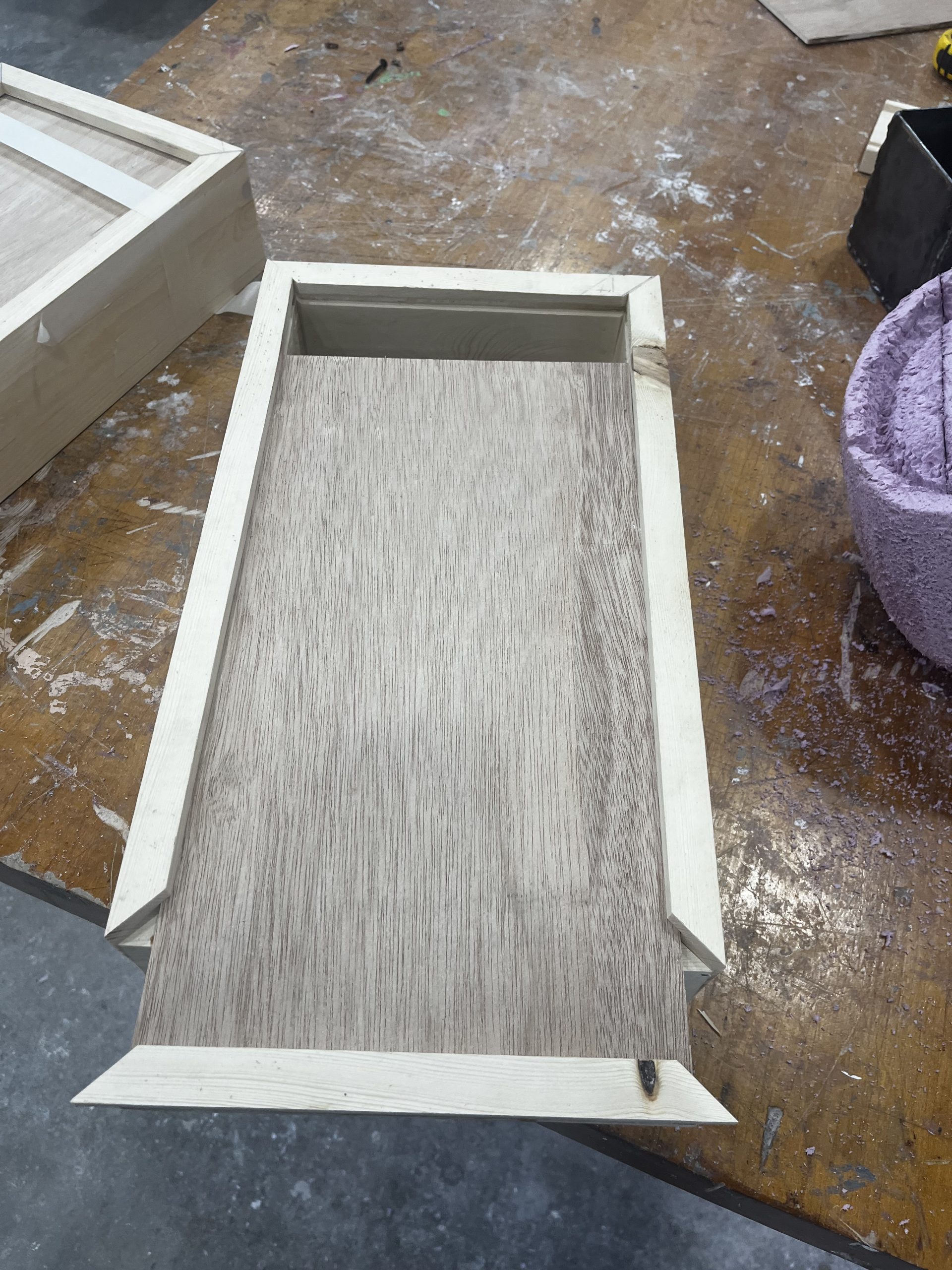
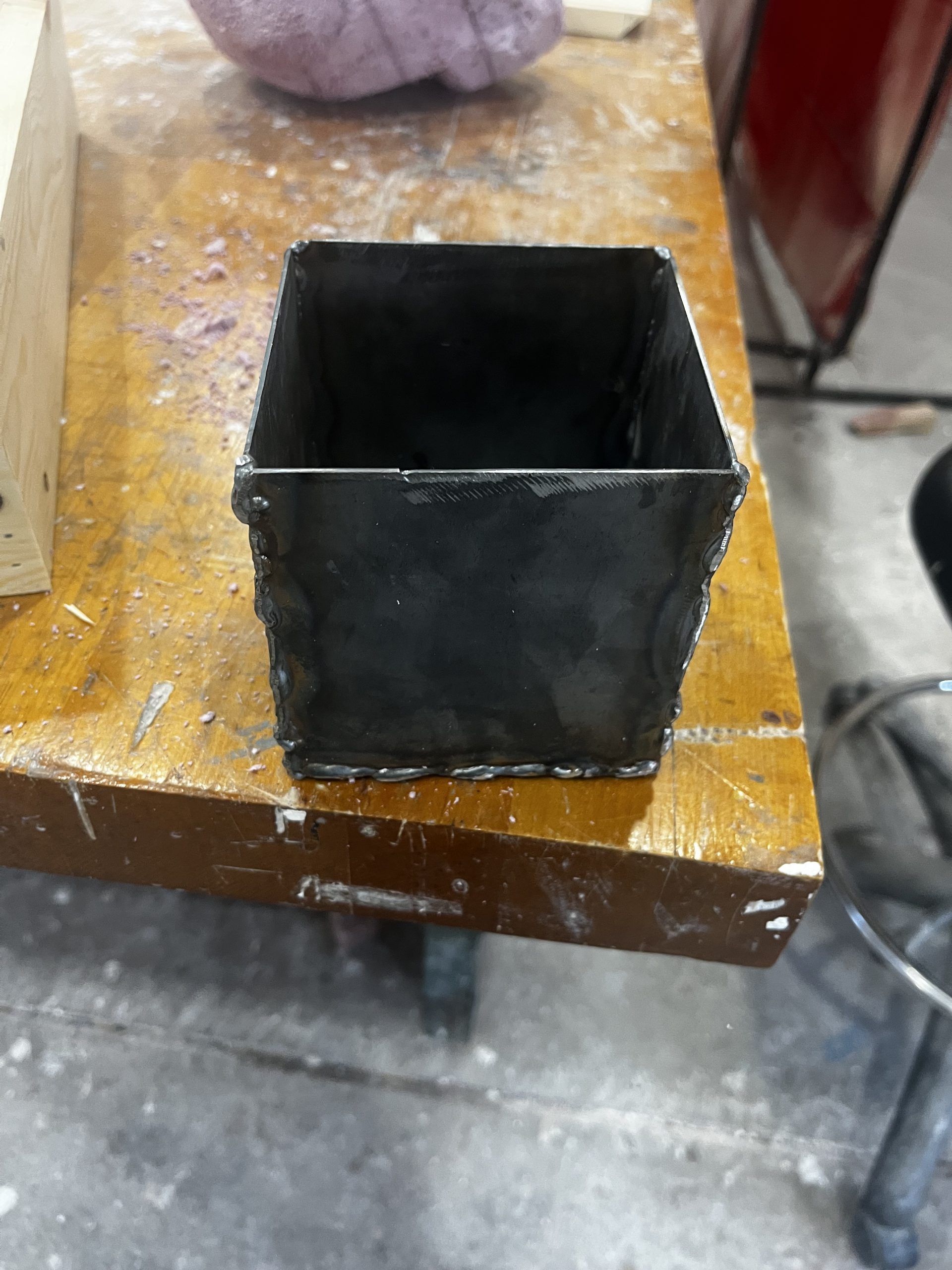
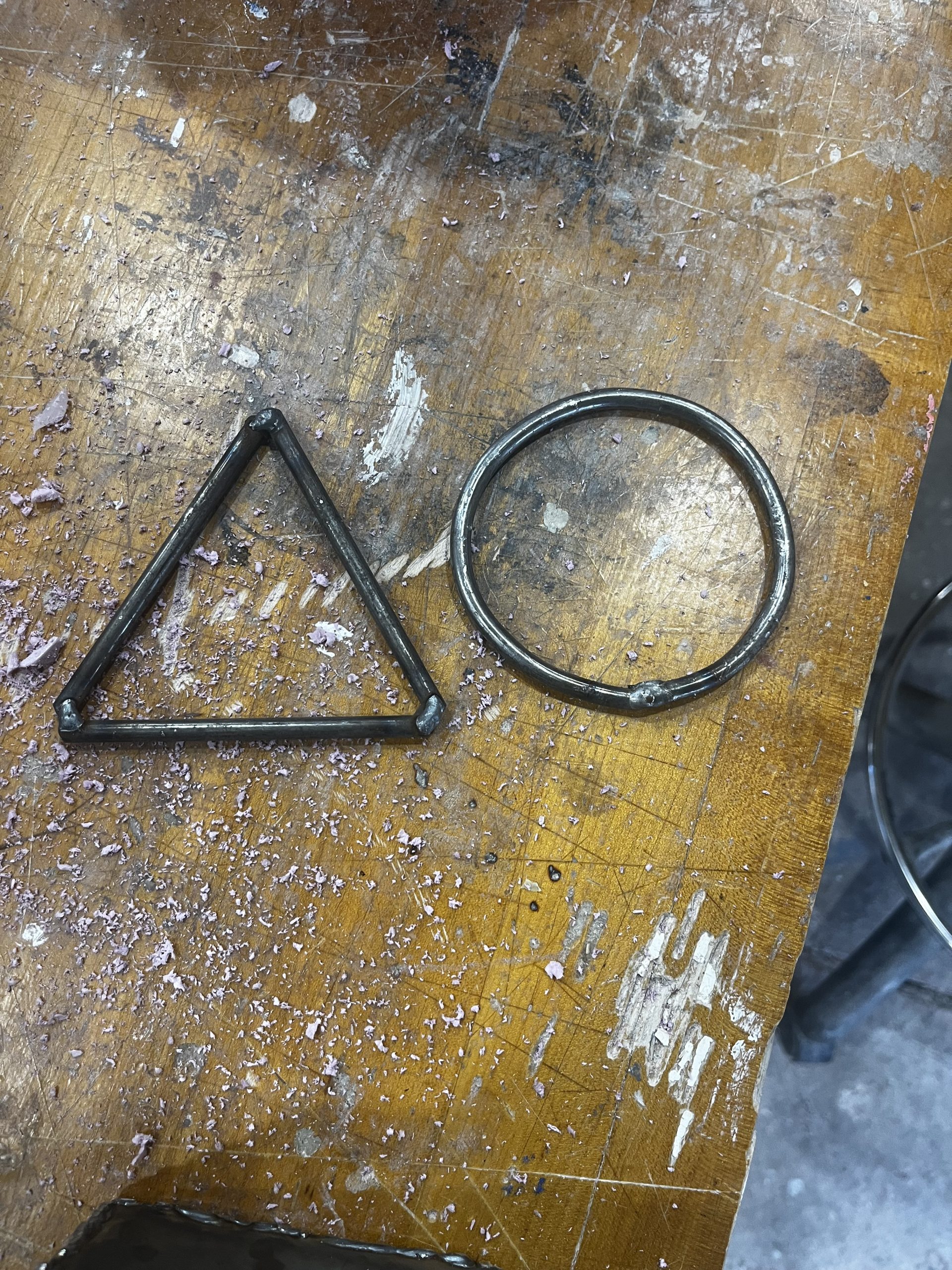
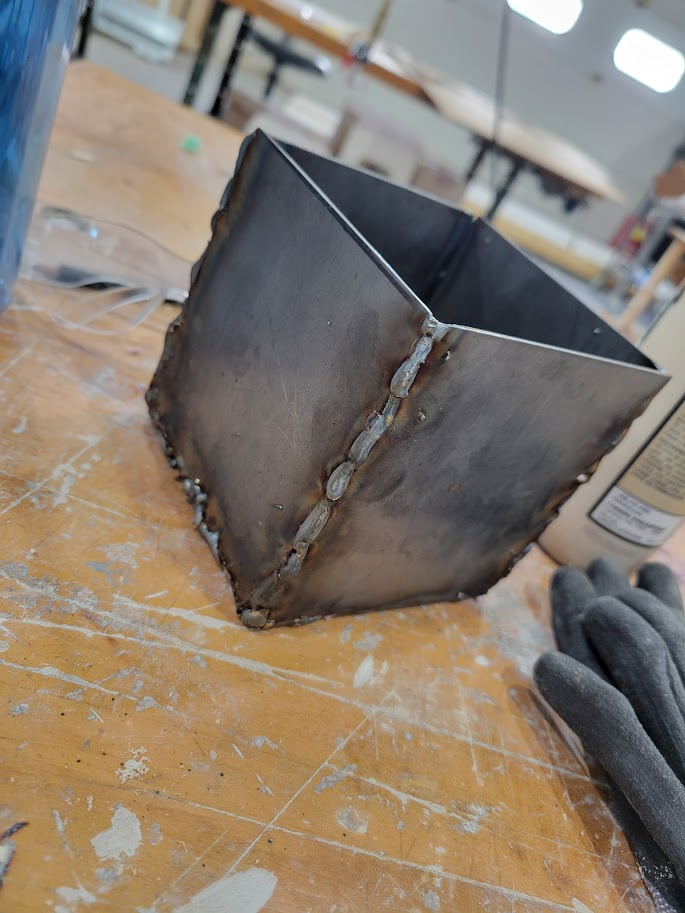
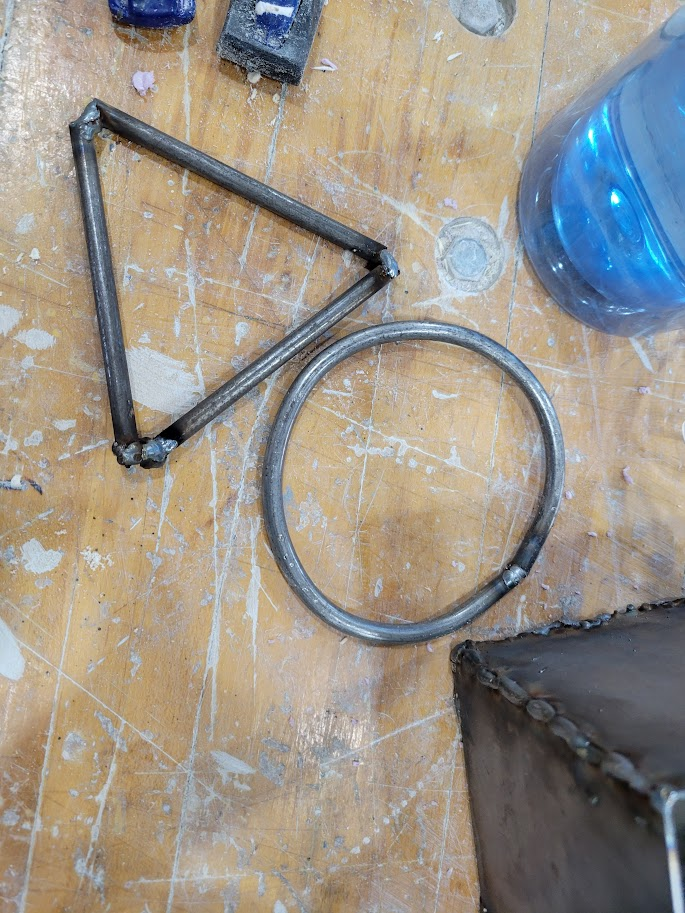
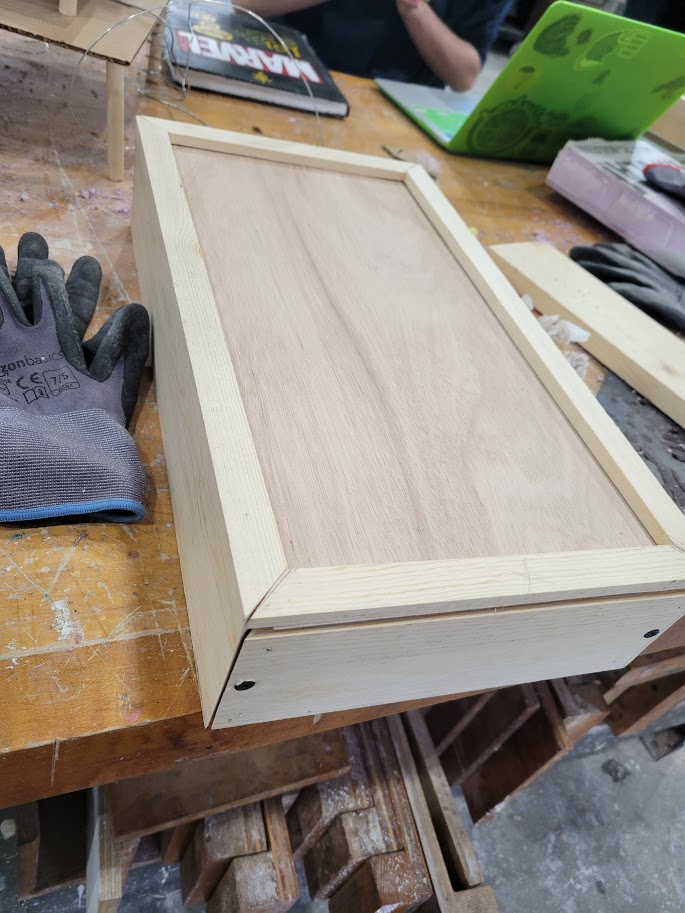
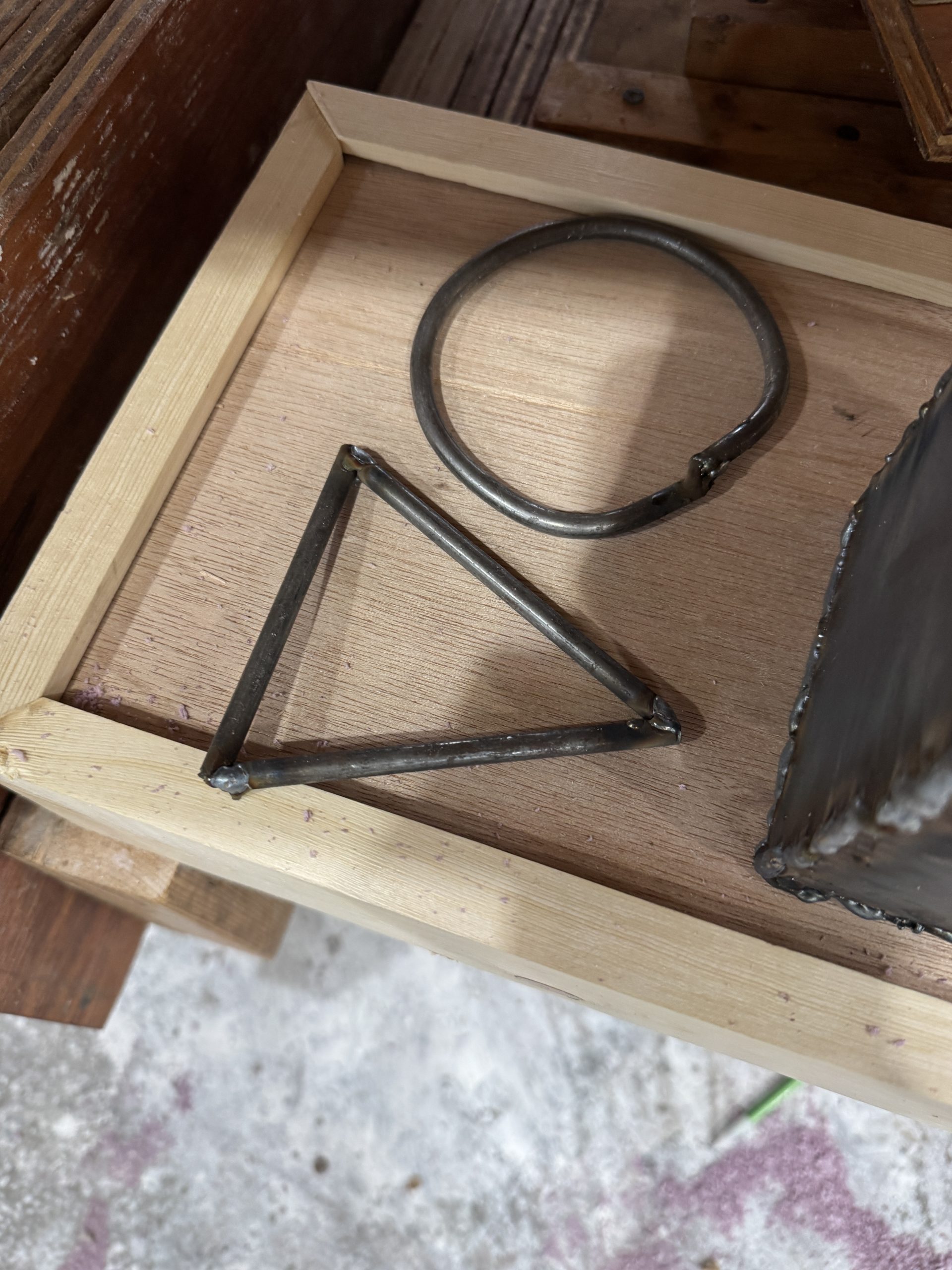
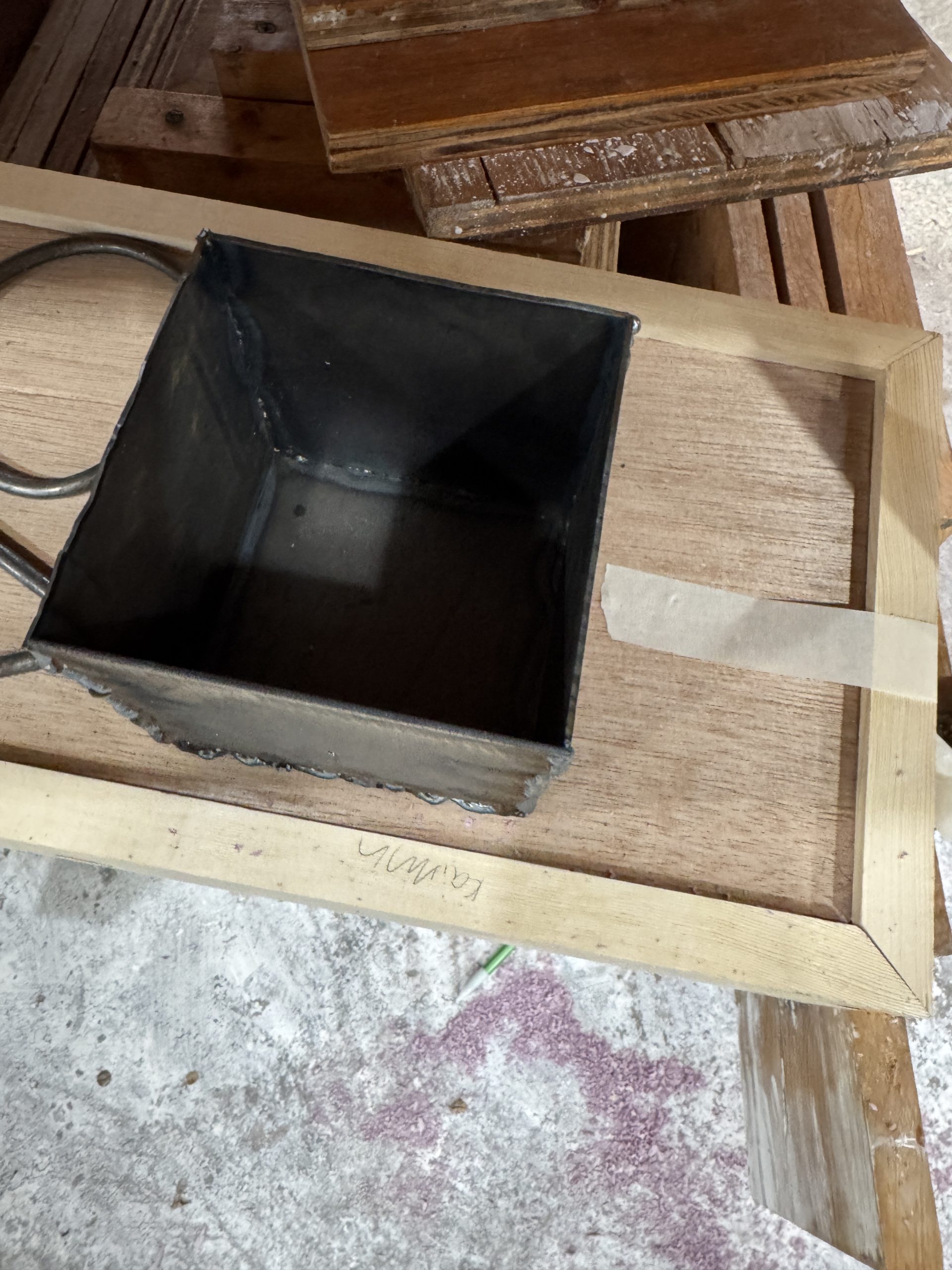
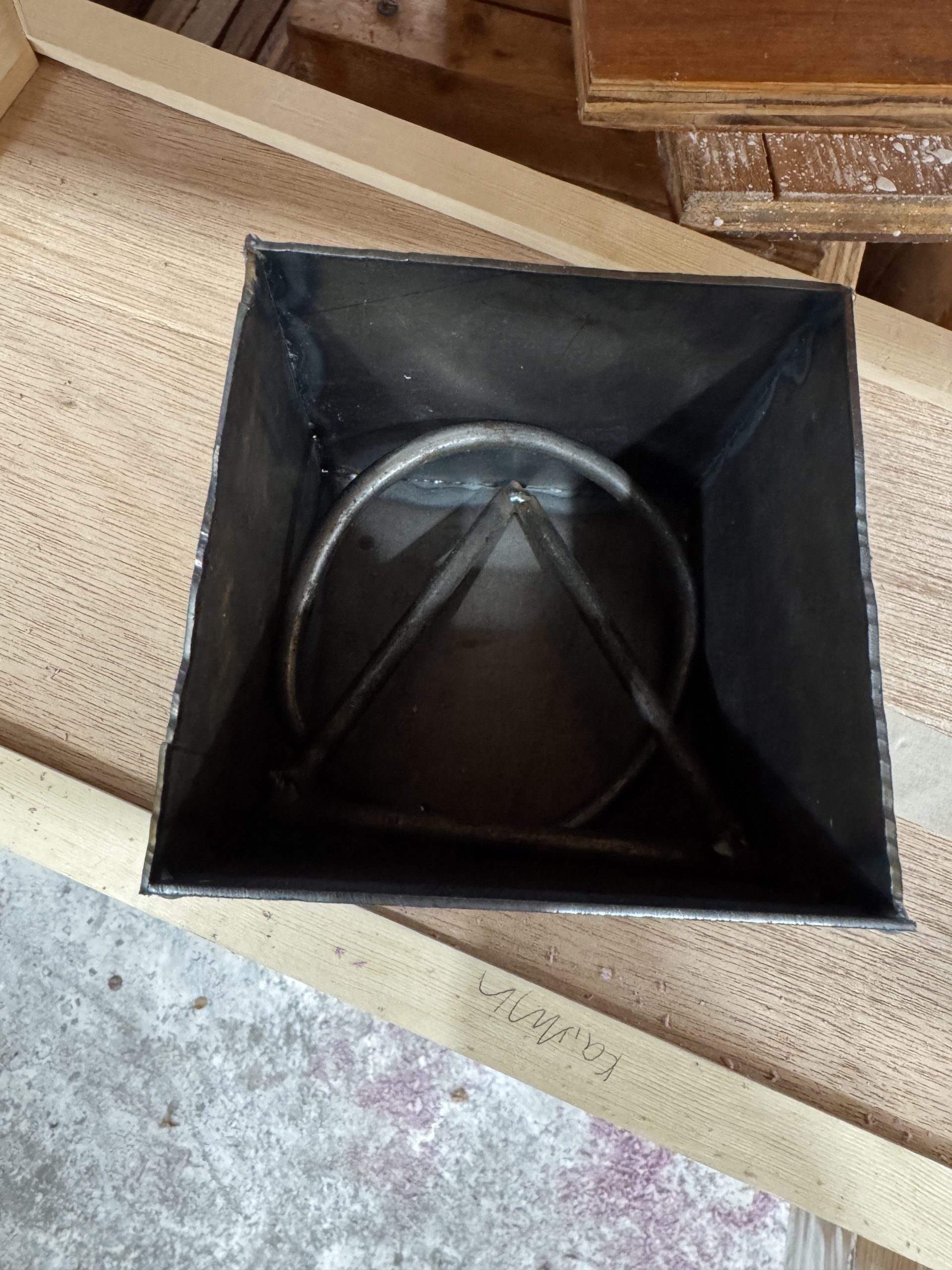
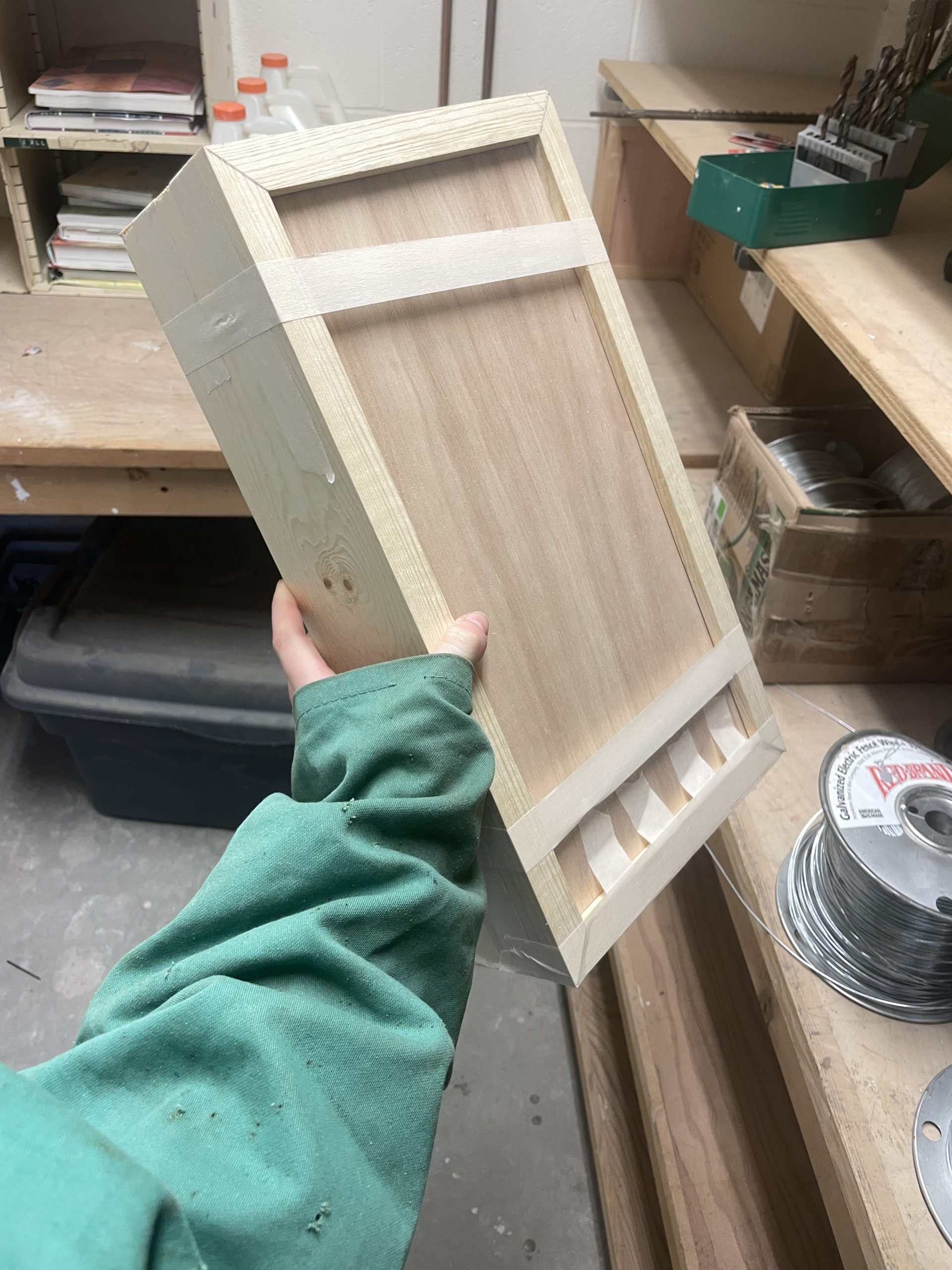
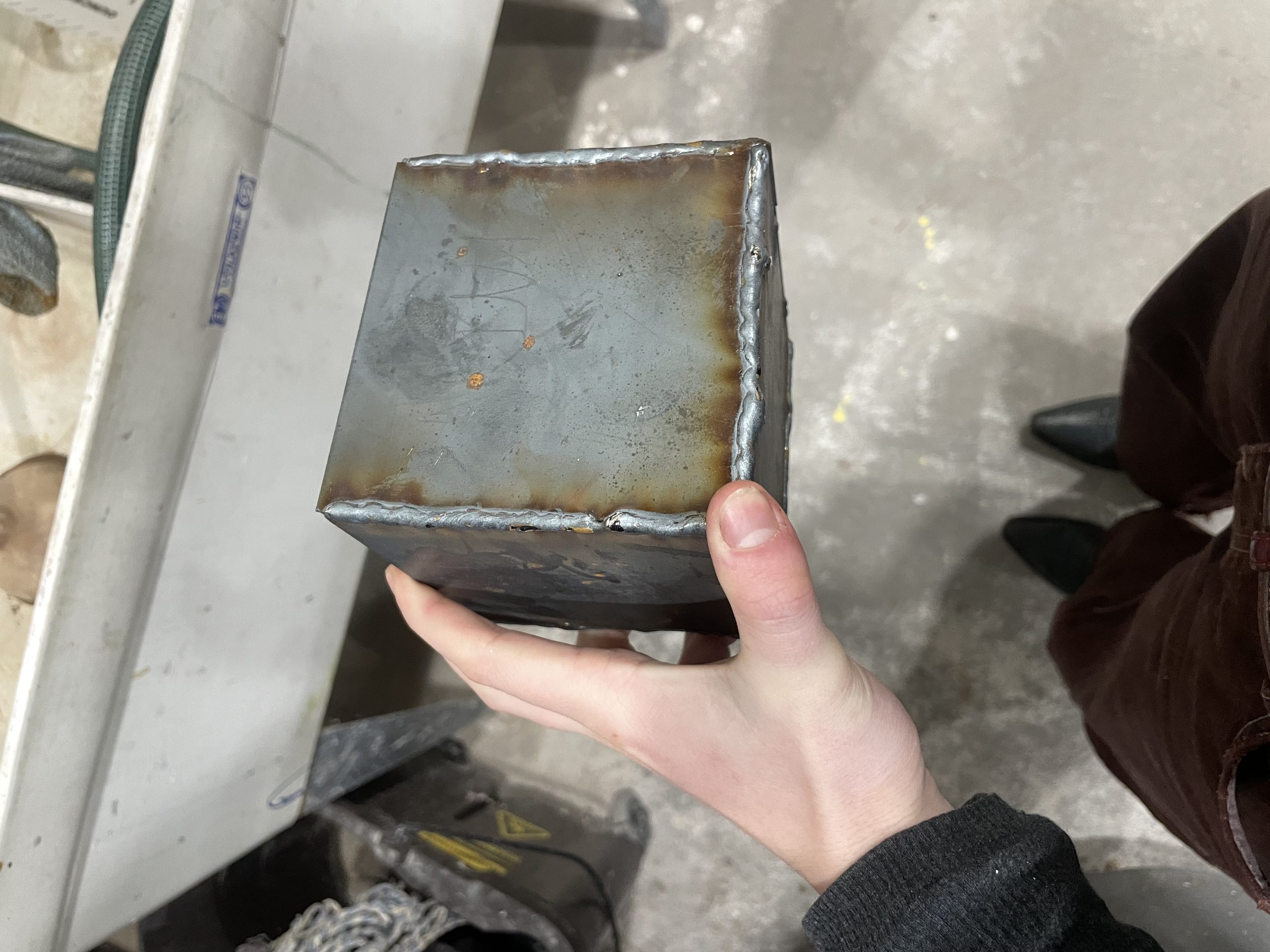
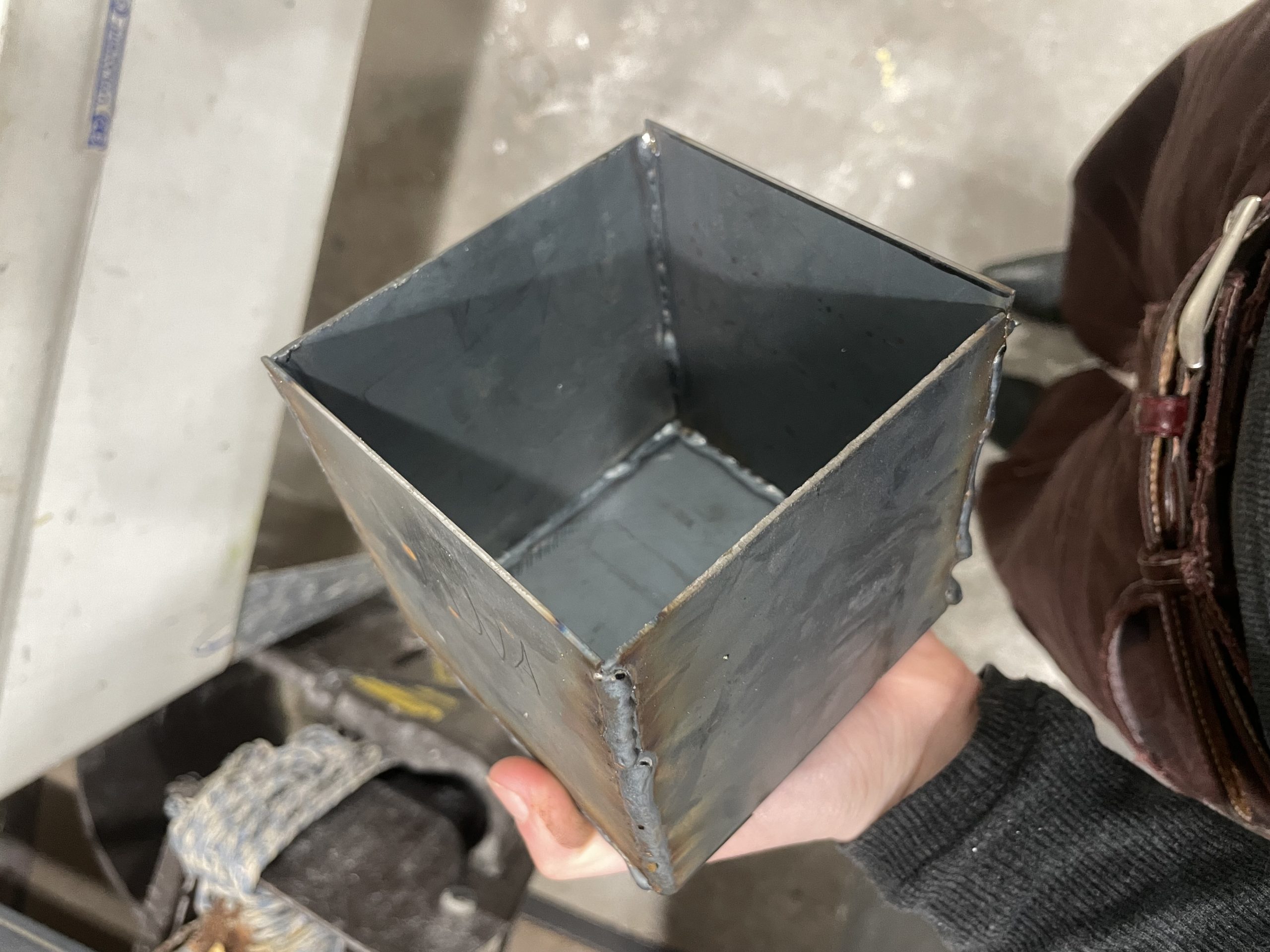
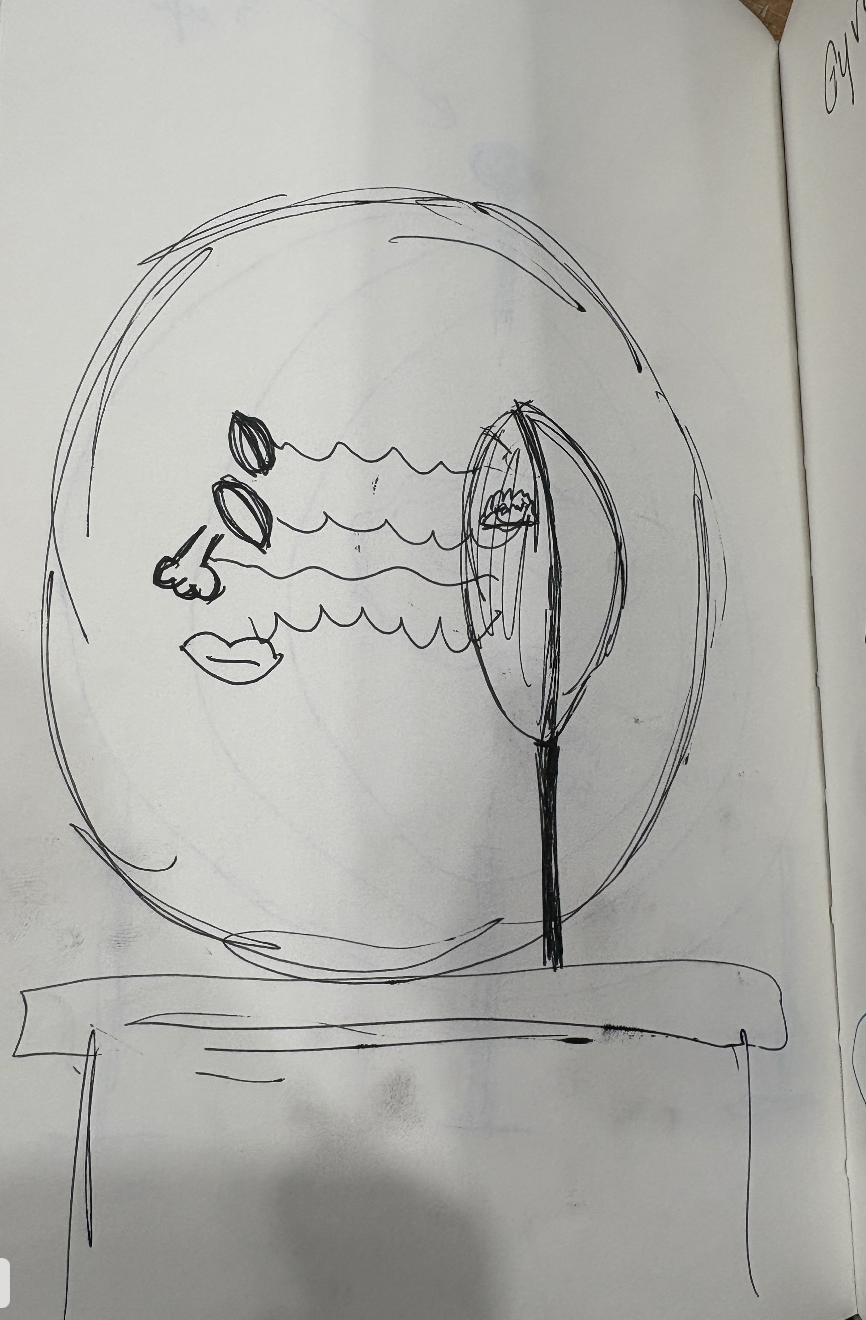
I don’t have any pictures of before my maquette was cut up, but the pictures shown still give a general idea of what I was going for. The person made out of wire will sit on top of the skull.

Doris Salcedo – Naomi Malone

I looked at Doris Salcedo. She spoke about how she leaned into the fact that she comes from a third world country, Colombia, and how that is the inspiration behind her art. She talked briefly about how if she were to be labeled with anything, she would want it to be that she’s from a third world country. I appreciated how she spoke openly about the struggles of her ideas and the knowledge she shared being taken as less than when compared to the knowledge shared by someone from a first world country. It goes to show how many barriers are present that block minorities from excelling. It can be 10 times harder to get to the same place as someone who fits into the majority. Salcedo drawing inspiration from third world countries and making pieces that shed light on the hard reality of living in a third world country that is typically looked over, is really powerful. It’s like some of her pieces are snapshots of history and I like that. 

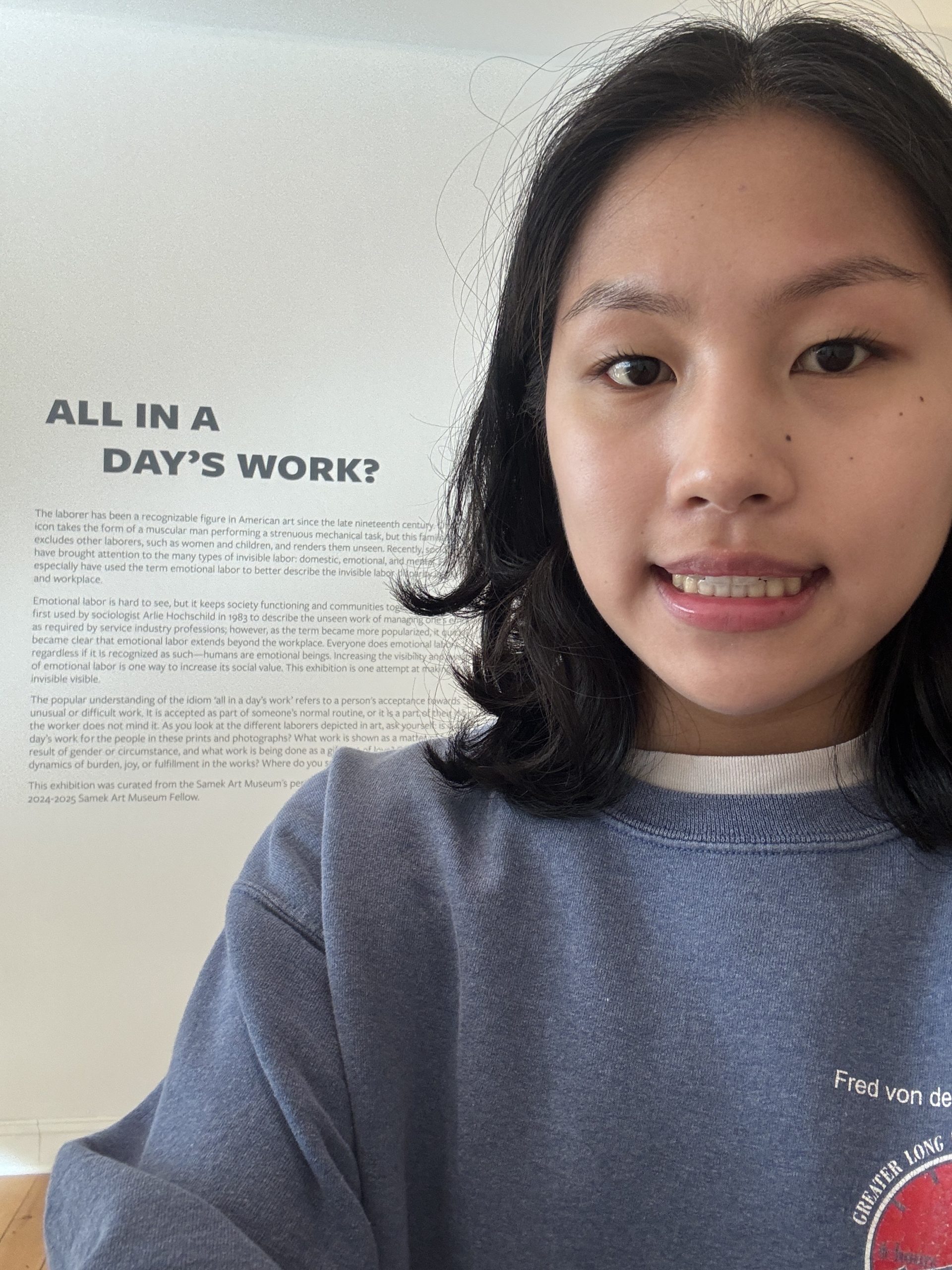
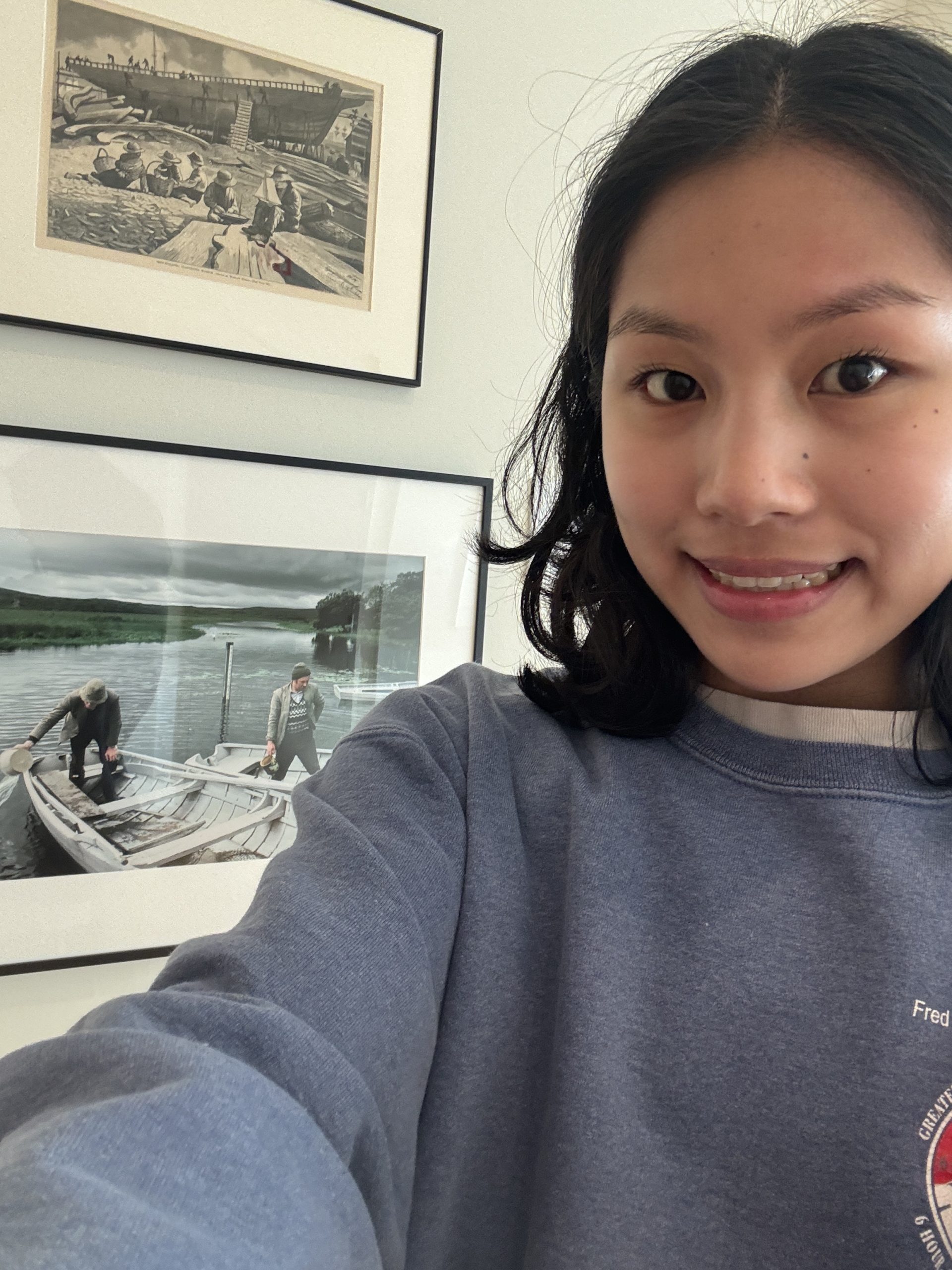
Kaitlyn Segreti – artsXpose #3

Title of Event: All in a day’s work?

Date & Time of Event: Visited on March 18th, 2025

Location of Event: Dewitt Building, Samek Art Museum Downtown Gallery Exhibitions

Type of event: Gallery Attendance

Published
Categorized as artsXpose

Leonardo Drew video- Julia Heiden

Leonardo Drew talks about his creative process in the video, highlighting how he uses aged materials to make sculptures that are compelling and address themes of memory, history, and transformation. Drew evokes deterioration, rebirth, and time passing by using materials like rusty metal, wood, and cloth. His work turns trash into art with a strong connection to the individual and societal histories these materials hold. Drew talks about how his sculptures evolve naturally and how the materials frequently influence the finished product. Unexpectedly, he incorporated string in one of his compositions, tying up all of his “failures” from seven years of experimentation. Drew uses disaster to produce something fresh and significant which I found very interesting.

Judy Pfaff Video – Willow Perakovich

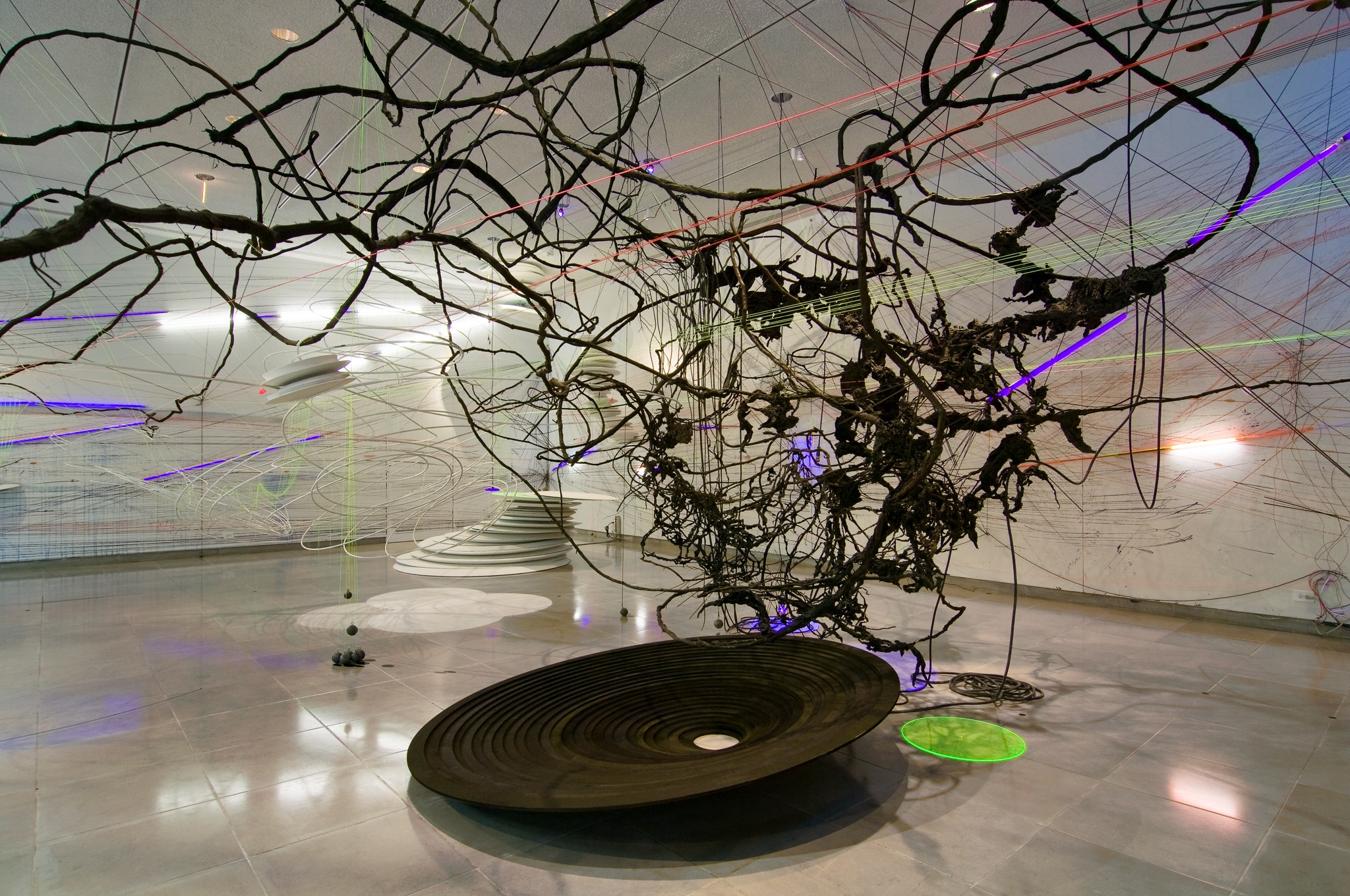
I found it really interesting that she never thought she would be a sculpture. It was also interesting how she changed her point of view on welders and those working in metal work. I’m still a little confused on her method of sweep molding but the end product was interesting. The entire finished project was very visually pleasing. I think the colors are what bring the feelings of sadness and loss. The beautiful roots at the top show this love and hope and purity. But then at the bottom, its the dark metals that create this feeling of absorbing the whiteness. Using the space to create the black mass spreading across the floor and enveloping the light in the center invoked that feeling of loss in me. It felt almost hopeless.

Katie Skinner – Judy Pfaff Writing

The most shocking thing for me was that she was wearing no ppe, which was kind of amazing, but I was nervous for her because she was welding close to her hand (with no gloves) and no eye protection at all. I like how she has such a close relationship with tools, I think a lot of her work is focused on the process. I see a lot of her emotional state influenced her art and it was a way for her to cope and come to terms with her grief while also calming her mind. I absolutely loved the complexity and clutteredness of the roots, I think it was an extremely cool (almost?) centerpiece.

Case – Judy Pfaff Art21

Judy Pfaff in “Romance”

I really liked Judy’s artwork, and I thought it was super interesting how she was originally a painter, but found a love for sculpture and mostly pursues that medium now. When she came to America from London, she was very “unruly” and explained how she hated school. She went on to explain how at Yale, her teacher realized that she had an eye for material and thought that sculpture would work better for the ways she is put together. Relating this to our class and me personally, I agree with Judy that sculpture is a longer creative process, and I really enjoy leaving my work and coming back to it over the span of several weeks or even months. I relate to her in this way because I tend to always want to finish what I am working on in one sitting, but with art and artistic processes, I think this can be disastrous. Lastly, another thing I appreciated in Judy’s work was her use of natural objects, like tree roots. Overall, I not only find her work visually appealing, but I am more drawn to the fact that Judy has figured out what kind of person she is and reflects that through the processes and techniques she uses in her artwork.

Olivia S.P.– Reflection For Judy Pfaff, Liz Magic Laser, and Jeff Koons

There was a lot to reflect on in these three artists’ work. I thought that Judy Pfaff’s progression into the sculpture work was interesting– she used to paint, and then her professor encouraged her to try something new, and now she’s welding (by the way I felt extreme anxiety watching her weld without gloves on). I really love Liz Magic Laser’s discussion and commentary on politicians and their lack of decorum as a performance piece and I really enjoyed watching her work with the actors on trying to get the delivery correct. I think the one person I was particularly unnerved by was Jeff Koons. I think going into these videos I wasn’t entirely aware of how many assistants are involved in sculptor’s work, and it feels weird that they aren’t really credited. The painting stuff was also weird–– they mentioned it’s 3 real-life painters to a painting that Jeff rendered on a computer, which felt unusual after Jeff mentioned he doesn’t run a huge factory to produce his work… but given the shots of at least 30 or more people working on his stuff at a time, I don’t think I entirely believe that.

Aidan LH Art21 Judy Pfaff

I thought it was interesting to get the behind the scenes of Judy Pfaff’s exhibition. I enjoyed understanding the reasons and meaning behind her sculptures. Loss is something everyone can connect to at some point in their lives and it’s a difficult thing to experience. Seeing Pfaff’s interpretation of death is really compelling, and the fact that she got emails talking about loss after people have viewed the exhibition proves her interpretation is relatable. Having never been connected with an exhibition, I never knew how much went into one and how many people are involved. I enjoyed that she said that she’s not sure how the exhibition would turn out as she always changes her mind. Art is ever changing and that was a good reminder you don’t need to plan everything out, and sometimes it’s good to go with the flow.
Nina Kent – ARt21 – Pfaff

Judy Pfaff explains her, large-scale installations that blur the line between sculpture, painting, and architecture in the video “Romance” (October 28, 2007). For Pfaff, art-making is a physical and intuitive process that embraces both structure and spontaneity. I like how her work therefore combines many organic shapes and industrial materials.
I enjoyed the way she described her process, as it resonated with me how emotional and personable the work is. For me, who tends to over-plan my work instead of just jumping in, its inspirational to see an artist create amazing work by just diving in and letting the work lead to itself. However, I appreciate her expressing that there is a degree of planning baked into sculpture compared to an abstract expressionist letting their unconscious hand create a large stroke of paint.
I also like how she discussed the importance of scale in her work. It’s technically impressive, but also conceptually additive to the experience of art; instead of looking at a painting, one can be enveloped in the physical space of her work.

Kaitlyn Segreti – Art21 Pfaff reflection

One thing I found interesting was that Pfaff claimed that she was never interested in becoming a sculptor. Being a painter first, she was inspired by artists like Elizabeth Murray and was deterred by welding because of their dirty, alcoholic associations. But when she began with her first welder, she noted that she got a thin sheet metal which she described as a “sweet welder.” With this, she connected it to the process of sewing or using a hot glue gun. I found this fascinating as Pfaff was able to rewrite her preconceived prejudices of welding as stereotypically male-centric, into something more applicable to her. In other words, she reclaims the artform by regendering and realigning it with more traditional “female” artforms. I think that this is crucial when participating in anything unfamiliar and initially unappealing. The ability to enter into a previously exclusive field is a feat definitely worth celebrating.

Another aspect I found intriguing was Pfaff’s distinction between painters and sculptures. When painting, she found that she couldn’t stop until the work was finished. During this time, she wouldn’t allow any extraneous thoughts to inhibit her progress. With sculpture, however, she felt that she could extend the work for months. She claims that they tell different kinds of stories and function as sequences of moments, ultimately serving as a better fit for her artistic vision. I found this comment to be striking and somewhat relatable. As someone used to painting more than sculpture, I agree that painting is all-consuming, yet usually has a clear endpoint. But with sculpture, I can see the inclination one may have to keep adding and evolving it to better suit their end goal. 

Katie Skinner – Tom Sachs Writing

I found it very interesting how he and Adam Savage both talked a little about how ‘blue collared’ jobs and skills are a dying craft and I completely agree. There is much more that I want to say about that but what I mainly connected that to is that I have found that people cannot wrap their heads around ancient people being able to build and create massive or intricate crafts/structures anymore and part of that is because foundational crafts such as stoneworking, smithy, etc are no longer as common or people have little interactions with other people who can do those things. They also brought up an interesting point in that vein that I hadn’t thought of which was that people really look down on those jobs now, in part because we live in such an individualistic world. I also liked that Tom Sachs talked about how he was inspired (in the beginning) by Duchamps and his work with the ready-made. I was also fascinated with what he said about ADD because I also have ADHD and completely agree, there’s something about doing physical work like this that just calms your mind and shuts off any thoughts going a mile a minute. 

Tom Sachs Writing-Riley

I watched the Tom Sachs interview with Adam Savage and found it really interesting how Sachs first got into using machinery in college. Growing up, his parents weren’t big on drills or tools, but once he started taking classes, his interest in them really took off.

I like how all the art pieces he created have a personal story behind them, like how he sculpted a clay camera because his dad always wanted one or how his odd fascination with guns led him to sculpturing one as well. It was also surprising to hear that Sach has about 10 assistants working for him. I didn’t realize artists could have that many people helping them on an art piece!

Tom Sachs Reflection

Aidan Larsen-Humphreys

I watched home made mission to mars and Tom Sachs interview with Adam Savage. What was really interesting to me was the performative aspect of the mission to mars. It was almost like the set of a movie/play with actors and everything. It was interesting to see how Sachs himself seemed to be acting during the entire video, he seems like a completely different person during the Adam Savage interview. It was interesting to hear Sachs and Savage talk about their differences when approaching building something. Savage is more obsessive and wants to know every detail and have everything planned out. On the other hand, Sachs prefers to have “the right amount of ignorance”. He says that he measures once and cuts twice, because it’s the mistakes that make an object special and stand out against the “perfect” things.

Tom Sachs Reflection – Nora Frederick

I watched parts of the New York Times keynote and interview with Adam Savage. What really stood out to me about Tom Sachs’ work was his attention to detail. Every piece her created was built with pain staking detail. The project where this is most evident is the Mission to Mars. Him and his team made sure that every part of the project looked realistic to an actual NASA project. I also enjoyed his work concerning consumerism. He spoke about it in the interview with Adam Savage. By turning mundane objects such as a McDonald’s meal into a luxury brand he makes the viewer question how they consume objects.

Olivia S.P.–Tom Sachs Reflection

I watched the Home Made Mission to Mars and the Ten Bullets videos. I think the overlap between these two videos was the showcase of ambition via the artists and his assistants. The idea of doing an exhibition while working with actual rocket scientists is incredible and a wonderful showcase of STEAM at work. It’s interesting how Tom seems to run his studio as professionally as someone actually working at NASA– I wonder how much inspiration he took from NASA when developing the Ten Bullets video. The Ten Bullets video was also interesting because even though it talked about 10 serious tenets of working under Tom, I couldn’t entirely tell how much of the video was serious and how much was for fun. It reminded me a little bit of Wes Anderson movies the way things were shot and organized. 

Tom Sachs Video – Naomi Malone

I watched the video titled “10 Bullets” by Tom Sachs. In the video, he went over the 10 “bullets” or rules of the studio. The way that the video was shot, with splices of random somewhat unrelated clips, reminded me a lot of the YouTube videos from the 2010s. Like with bullet number five, “I understand”, footage from an art studio was spliced with soldiers in war. The 2010s feel of the video makes sense because the video was made 14 years ago, but it really brought me back while watching it. It also, in a weird way, reminded me of Fantastic Mr. Fox or just Wes Anderson movies in general. I think it was his commentary and the camera angles throughout the video that reminded me of the director’s films. In general, I think that this video was definitely applicable to the art studio for Sculpture II. For example, bullet 7, “Keep a list” is definitely going to be important as we continue throughout the rest of Project 2 and most likely in Project 3. Having a record of what you need to get done and how you’re going to divide and conquer is important. Overall, I like the way the video was formatted and I will try and take away tips that I watched.

Tom Sachs’ Video – Willow Perakovich

I chose to watch the video titled “10 bullets.” The video depicted the rules of his studio in a way to try and help his assistants and all others who visit the studio remember them.

  1. Work to Code
  2. Sacred Space
  3. Be on Time
  4. Be Thorough
  5. I Understand
  6. Sent Does Not Mean Received
  7. Keep a List
  8. Always Be Knolling
  9. Sacrifice to Leatherface
  10. Persistence

My first reaction to the second half of the video where he mentioned making lists and being thorough, was that is was ironic given the majority of the class forgot this assignment… I did however enjoy the video itself and all of the analogies he made as well as the video clips. I didn’t think this gave me a good idea of his work though so I couldn’t compare our current project to anything, but it definitely connected to how we should conduct ourselves in the studio. To see some more of his work I watched some of the clips from the “Homemade Mission to Mars.” That one was a very interesting project. I found the project itself interesting but I mostly found the viewpoints of him and his assistants very intriguing. The fact they worked with the Jet Propulsion Lab was intriguing.

Abby Wrightsmith- Tom Sachs video response

The “Homemade Mission to Mars by Tom Sachs” video presents Tom Sachs’ installation that mimics a space program.  Tom Sachs combined his long interest in space and science with art by creating his own “space administration”.  Though his administration does not actually conduct space travel or research, they mimic everything a space program does, with the focus of a fabricated mission to Mars.  Tom Sachs also partners with the Jet Propulsion Laboratory to discuss ideas together and trade concepts between their different focuses on science and art.  The goal of the Homemade Mission to Mars is to spread interest in space and the process of studying it.  I thought this idea was very interesting because it blurs the line between art and science.  I also was impressed that Tom Sachs was actually working with JPL and NASA to discuss ideas and concepts.

Kaitlyn Segreti – reflection on videos

I watched the 10 Bullets video by Tom Sachs. It seemed like a satirical video based on employee rules within a business. The 10 bullets referred to the different rules required to be followed by the employees. I found the video entertaining as each bullet was assisted by a seemingly helpful quote, but then followed by humorous video clips or voiceovers. Although it was probably done to mock these types of videos, it is interesting to think about how Sachs chose to make it regardless. It goes to show that a work can still be entertaining and provide value even if it lacks stereotypically deep messages and ideas. 

Nina Kent – Tom Sachs “Authenticity” response

In the New York Times keynote on authenticity, Tom Sachs explains what he thinks it means to be authentic in life and art. He breaks down the idea that authenticity is perfect or high-end, mass-produced; he instead implies that authenticity is found in the process and the intent of the making.

Sachs’ perspective has echoed my own considerations of the relationship between art and identity. Although I’m aware that authenticity in art is not so much about being loyal to an external but furthering one’s personal vision, It’s difficult to actualize in practice. If art is an extension of oneself, it’s therefore implied that one must be in tune with oneself to a nearly enlightened extent to make “good” art.

Sachs tells us that authenticity in art does not depend upon originality or perfection but on being genuine and true to the deeper realities of the human condition. Not only does he discuss this in the context of modernistic consumerism choking out individualism, but in regard to the artist’s personal journey. I find it difficult to release the urge to perfect my work, and hearing an artist I admire affirm that it is not only nonessential, but gross, is very profound to me.

Nina Kent – ArtsXpose 3

Title of Event: Sites in Flux – Particia Villalobos Escheverria
Date & Time of Event: Attended on March 18th, 2025
Location of Event: 103 Gallery, Holmes Hall
Type of event: Gallery Attendance

Published
Categorized as artsXpose

ArtsXpose 2 – Willow Perakovich

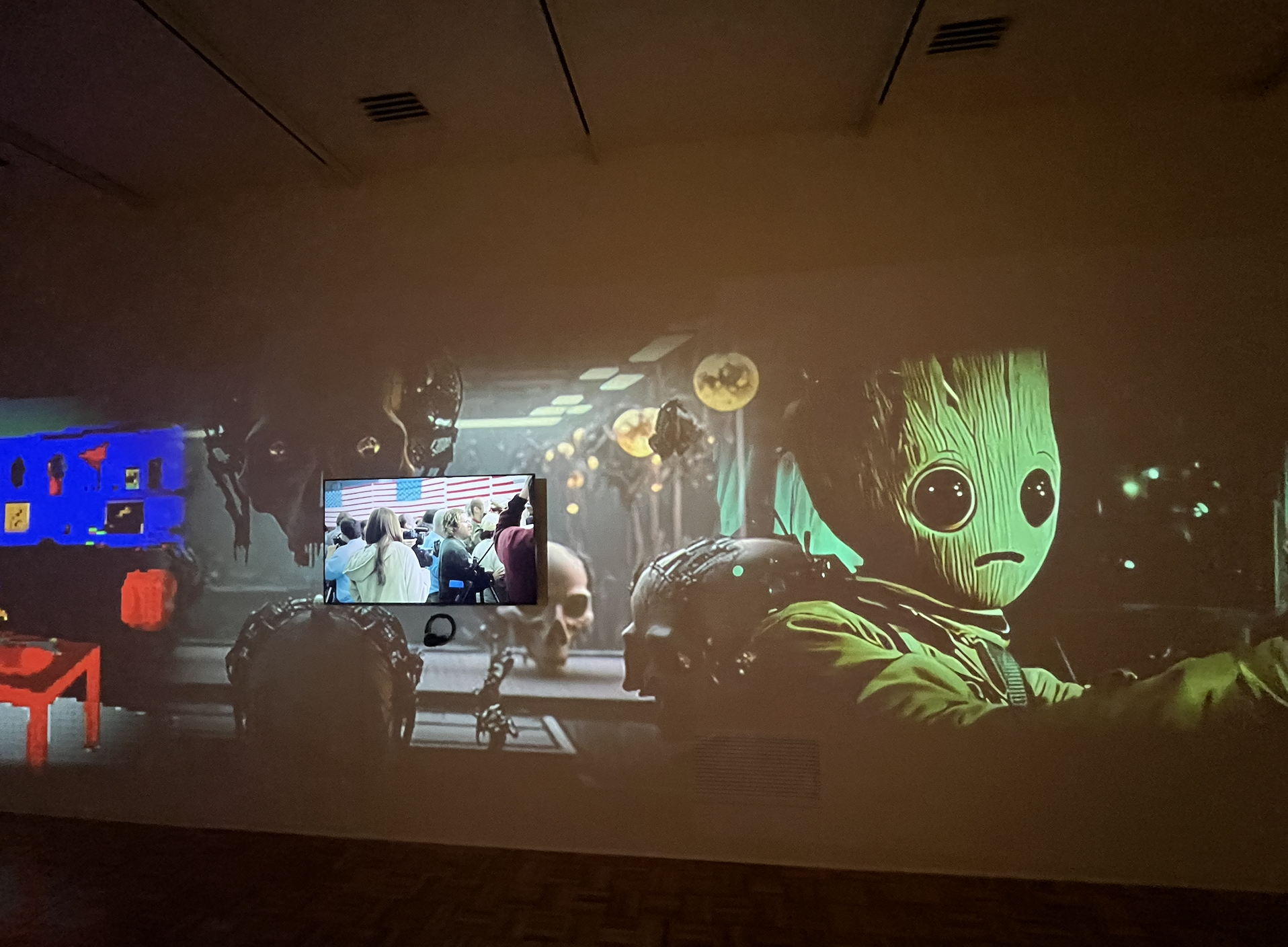
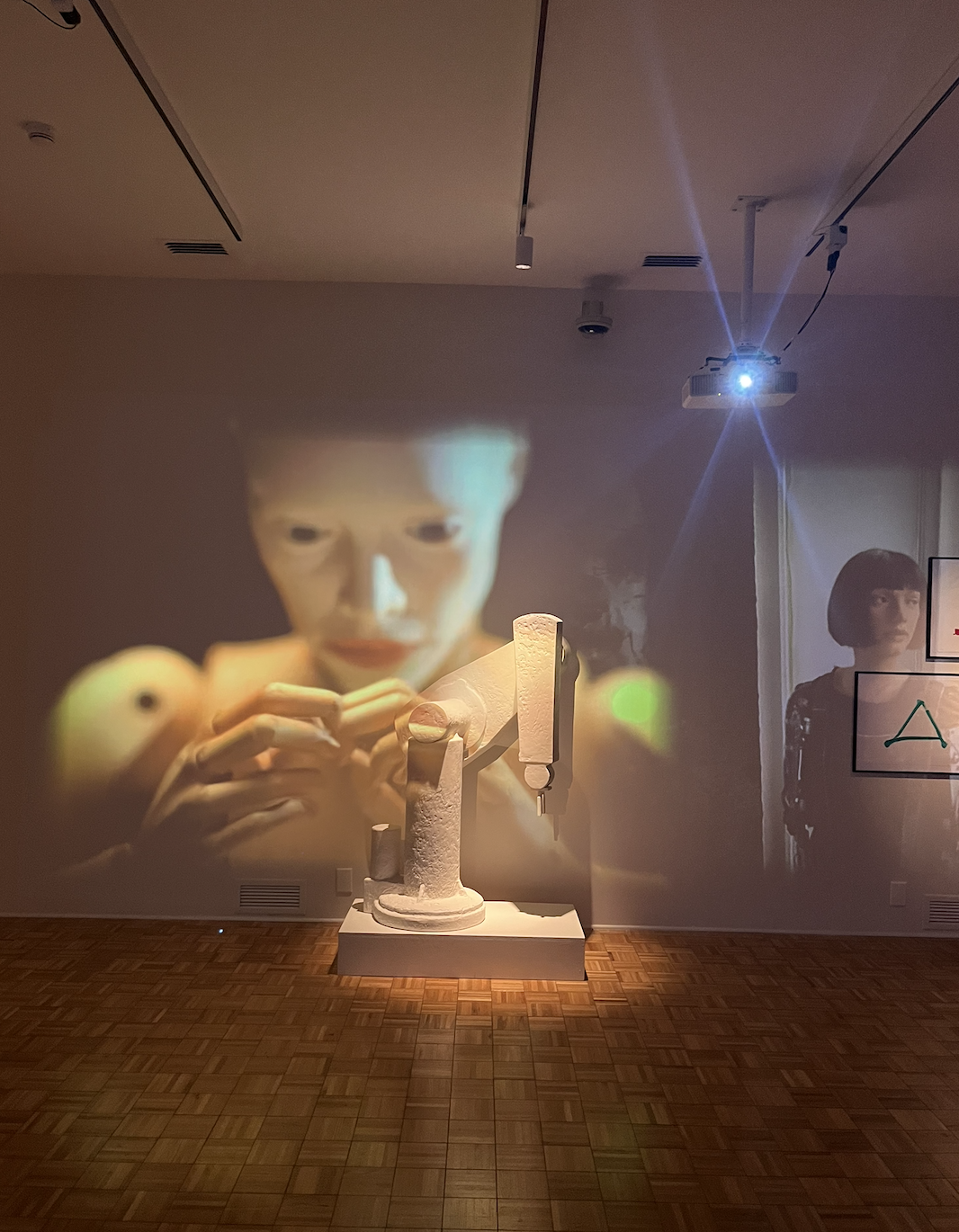
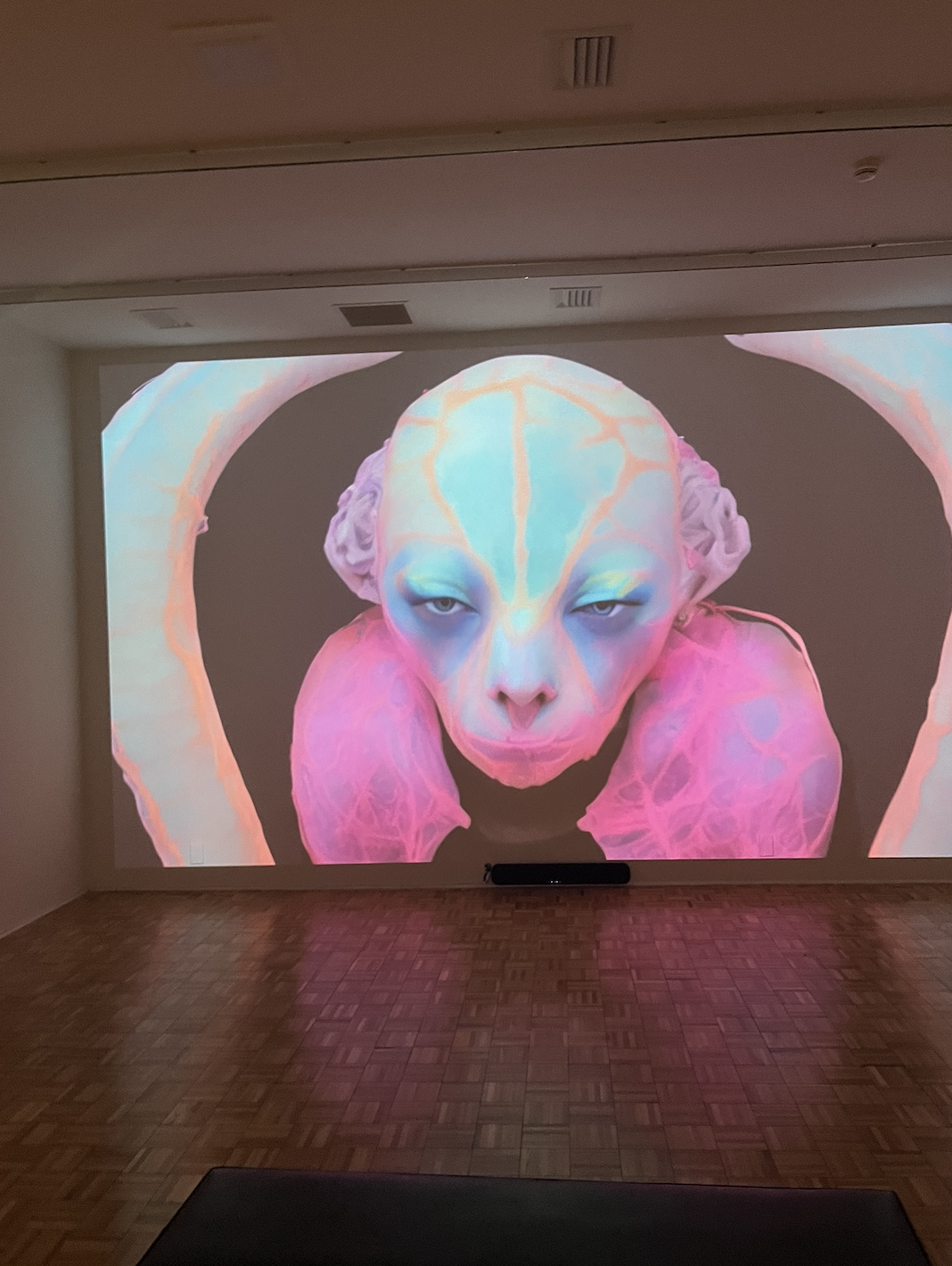
Title of Event: A Ver, – Y Tus Papeles? & The Comfortable Alienation of AI

Date and Time: Wednesday March 5th 12PM

Location of Event: Samek Art Gallery

Type of Event: Gallery Viewing

Comfortable Alienation of AI
A Ver, – Y Tus Papeles

Published
Categorized as artsXpose

ArtsXpose 1 – Willow Perakovich

Title of Event: Sites in Flux – Patricia Villalobos Echeverria & Tukituktuk

Date and Time: Tuesday March 4th 5PM

Location: Holmes Auditorium and 103 Exhibition Space

Type of event: Artist lecture and reception

Tukituktuk – 103 Exhibition Room
At lecture by artist Patricia Villalobos Echeverria
Published
Categorized as artsXpose

Olivia S.P. ArtsXPose 2

Title of Event:  Show Me Your Papers/ A Ver, Y Tus Papeles?
Date & Time of Event: March 5 2025, 3pm
Location of Event: Samek Art Gallery
Type of event: Exhibition

I was under the impression that the downtown exhibition was still open, and then I quickly found out it wasn’t. And then I realized I hadn’t been to the semester-long exhibition in the Samek, so I ended up there for this ArtsXPose.

Published
Categorized as artsXpose

Aidan ArtxPose 2

Title of Event: Bucknell Samek
Date & Time of Event: Wednesday March 5th 1:30 pm
Location of Event: ELC
Type of event: The Comfortable Alienation of AI

Aidan ArtXpose 1

Title of Event: Artist Lecture: Patricia Villalobos Echeverria
Date & Time of Event: Tuesday March 4th 5 pm
Location of Event: Holmes Auditorium
Type of event: Artist lecture and reception

Published
Categorized as artsXpose

Katie Skinner – Borrow a strategy

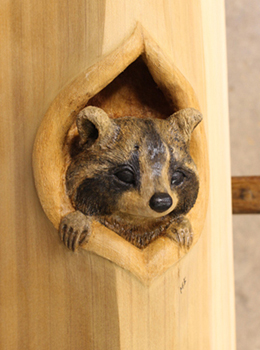
https://www.mkono.net/1_timberraccoonenlarged.html

Title: Raccoon in a hole on timber post

Artist: Mori (Moriyuki) Kono

Material: Western red cedar

Size: 8″ x 8″ (20cm x 20cm)

Location: Japan

Mori Kono uses full logs and carves out animals from them.

Katie Skinner – Project 2 Writing

Katie Skinner

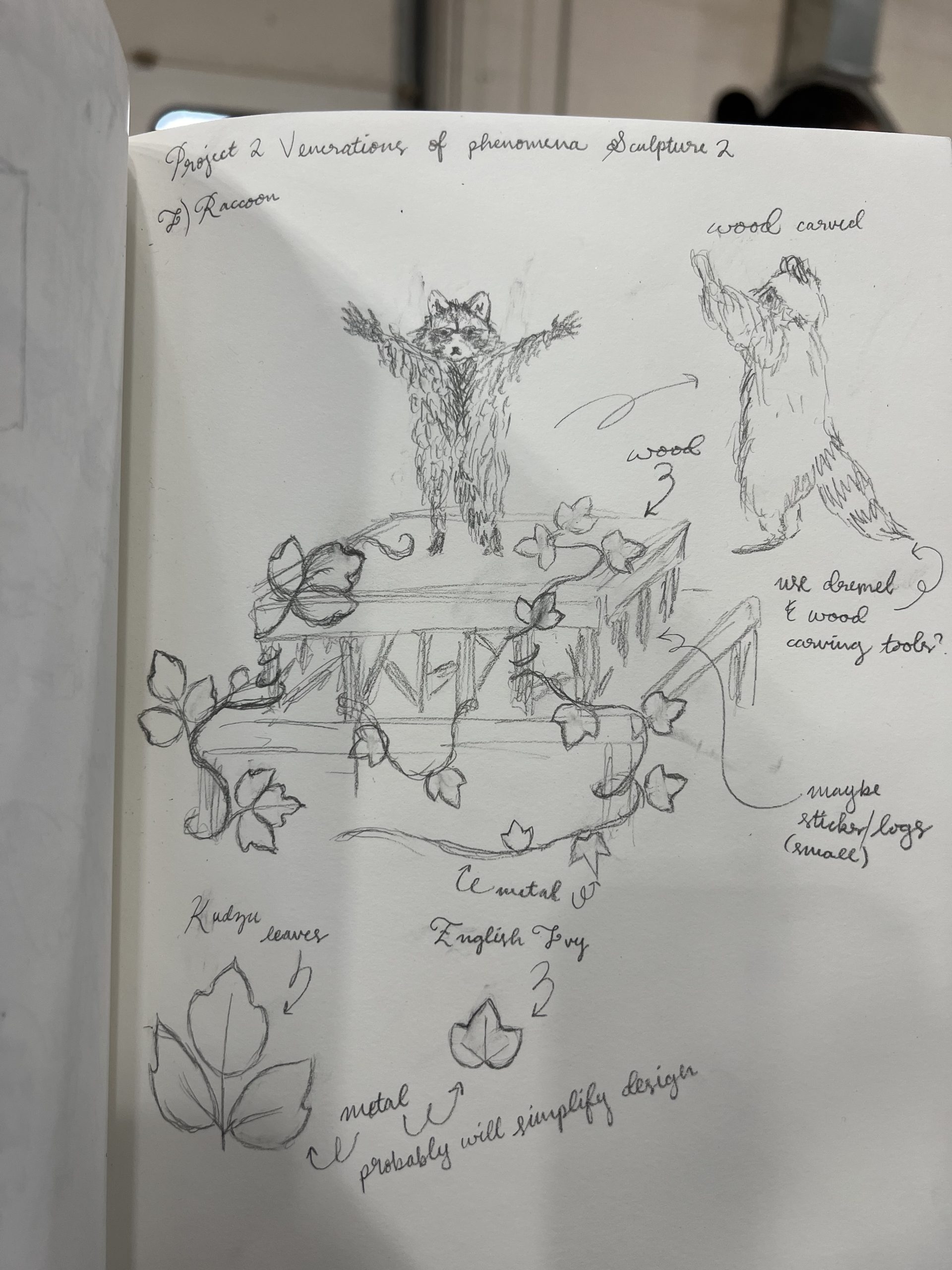
My shrine is focused on a raccoon, whose name I have yet to come up with, who is up on a raised platform that is slowly being invaded/taken over by Kudzu and English Ivy. Raccoons, in general, are very important to me because I feel like I like them the most. They are clever, yet silly, and dumb at the same time. They are often associated with chaos, and I feel like I can relate to them (at least people who know me well enough can agree). They are also just special to me because they’re cute and I also have worked on representations of them since high school, so there are certain sentimental reasons behind it too. But the main reason is that I feel as though they are, in a way, a representation of myself and simply because I love raccoons. Additionally, the Kudzu and English Ivy are an actual representation of how many of the native North American wildlife is being taken over and forced out by invasive species. The metaphor that I am primarily going for is that the vines are a representation of all negative, harmful, and stressful things that are trying to get to me and take me over, whether that be outside forces or something I caused myself. But I also want to, and not necessarily from a white guilt perspective, just a blunt and factual way, that while at the same time I might see a raccoon as a representation of myself, I acknowledge that I am in a way an invasive species too but that is not my focal point of my piece. I want to represent the raccoon by its iconic imagery, i.e. ringed tail and masked face, which might mean I’ll need to either dye part of it or find some other way of conveying that. The vines are physically reaching for him (I know I said him but I just feel like those are his vibes, it’s not really a commentary on my gender) and the leaves mimic those of the actual plant.