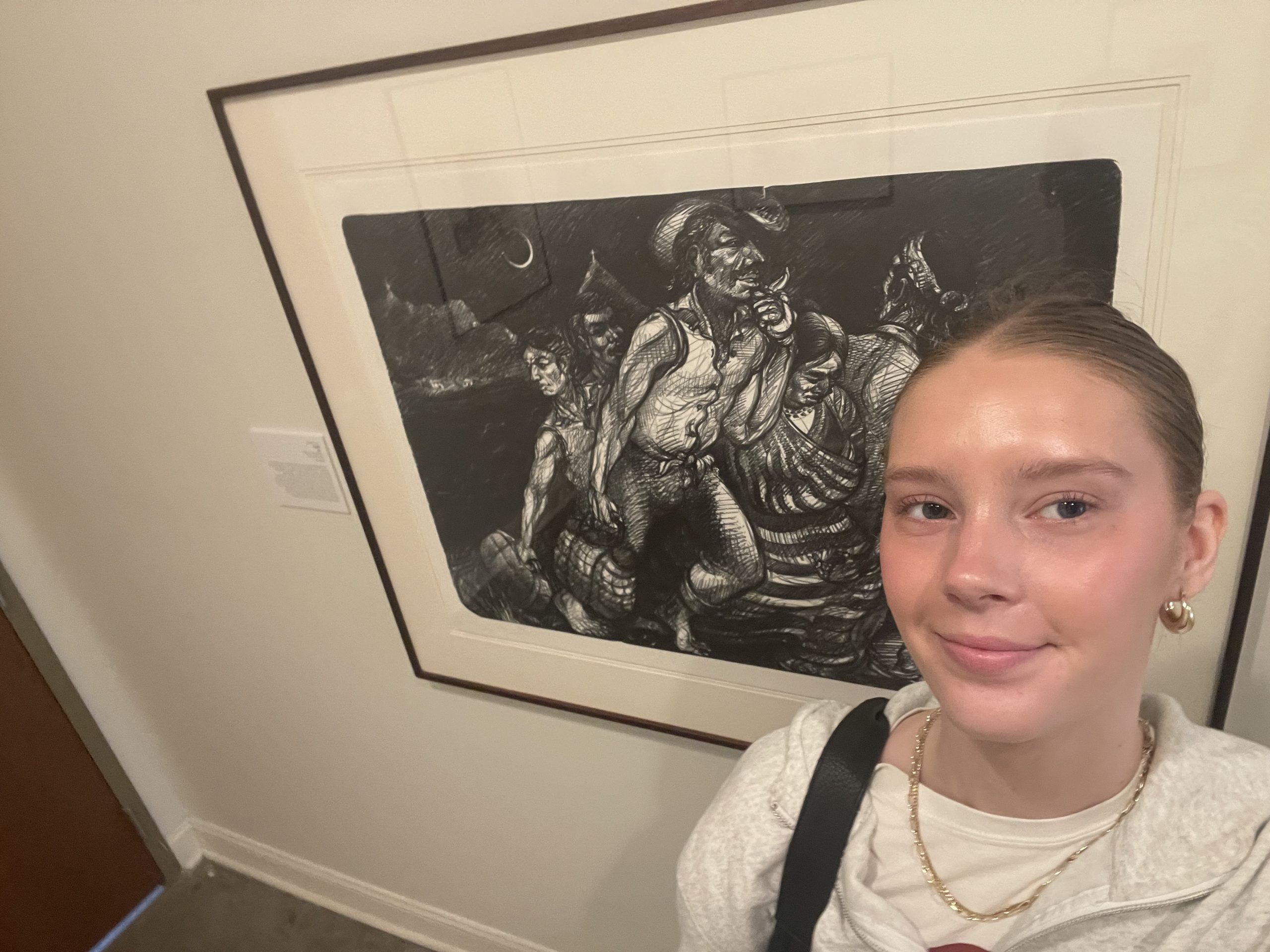
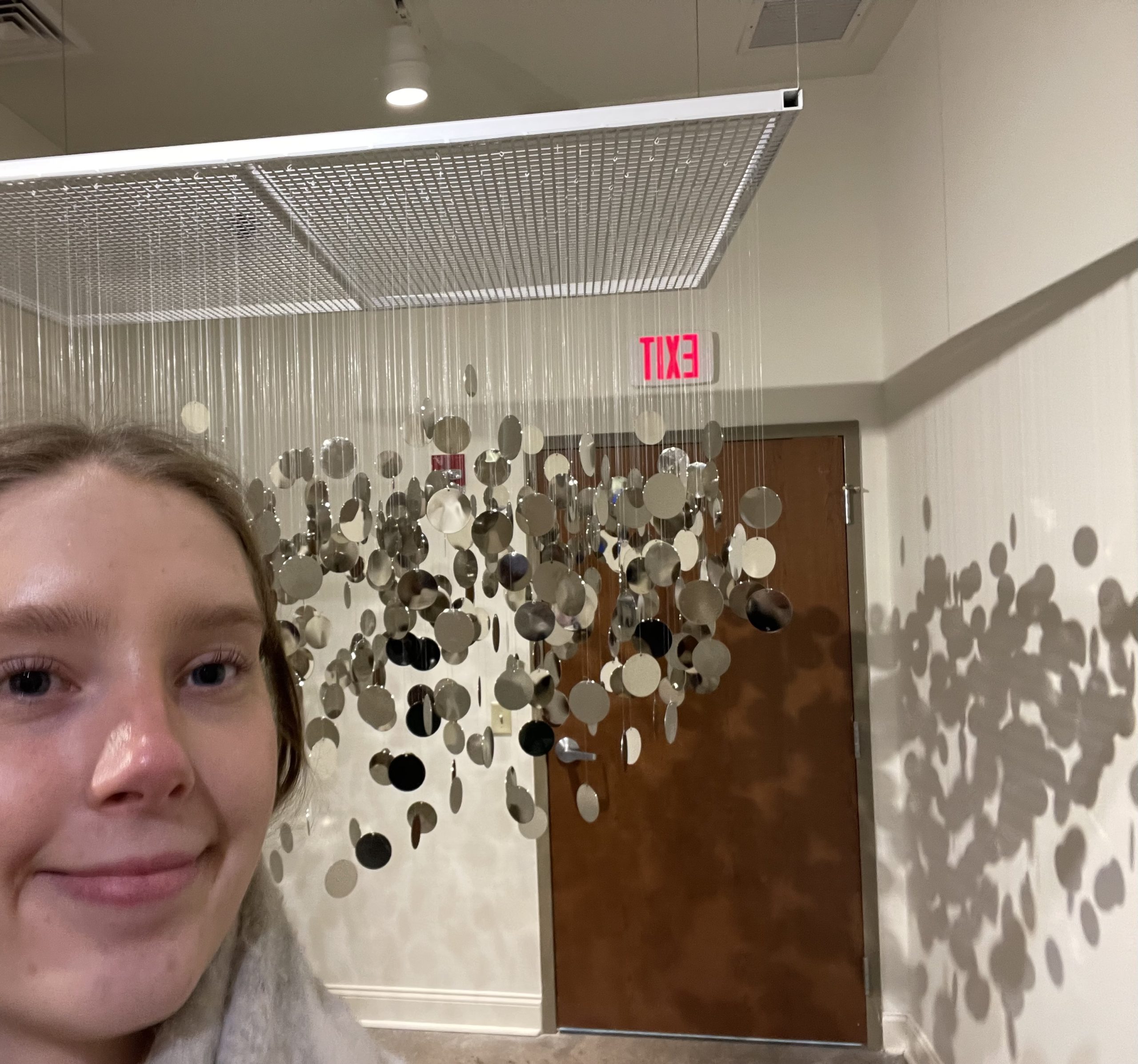
- All in a day’s work exhibition. Samek Downtown gallery, April 13th. Painting: “illegals”.
- All the stars in the sea exhibition. Samek Downtown gallery, February 20th
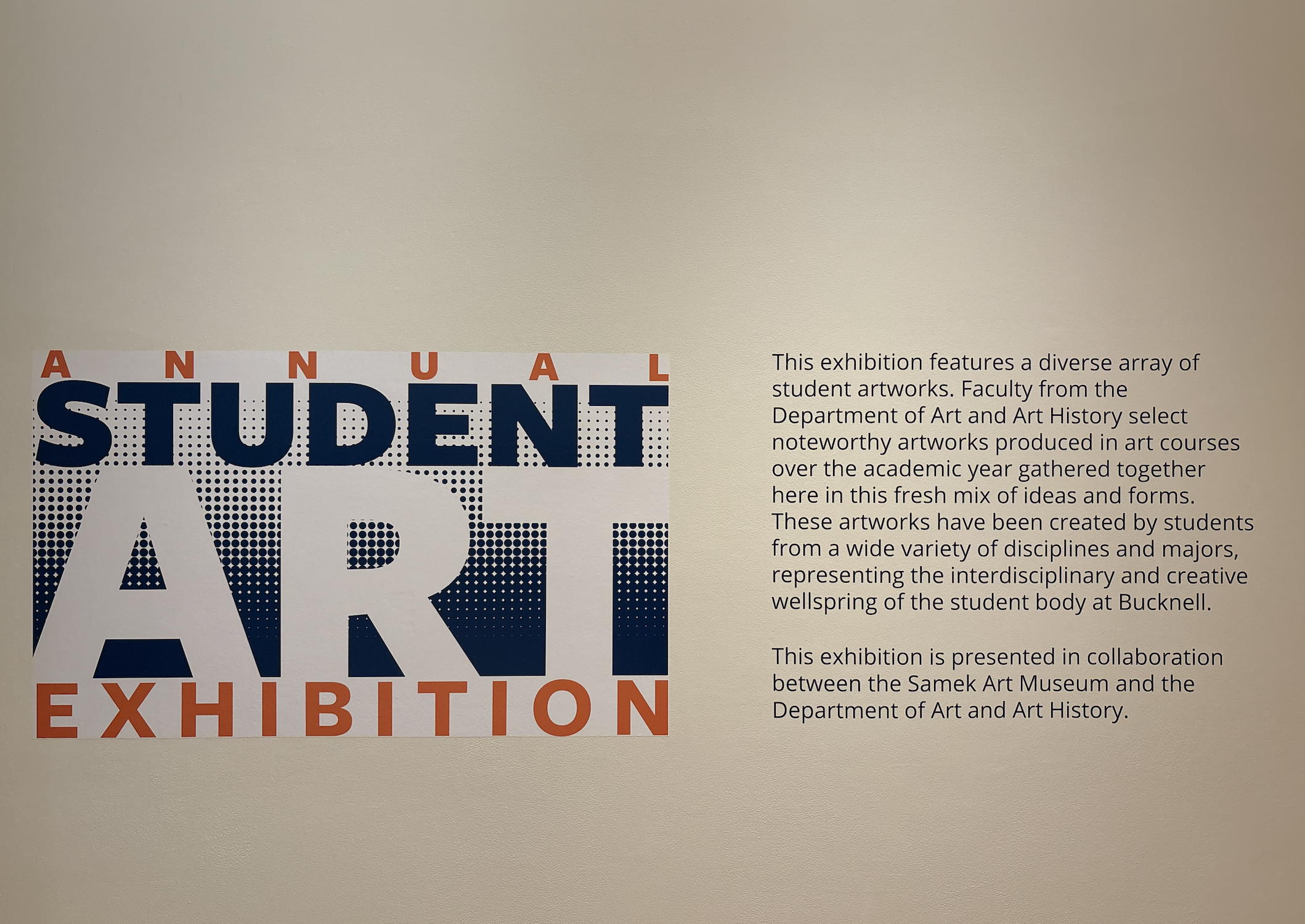
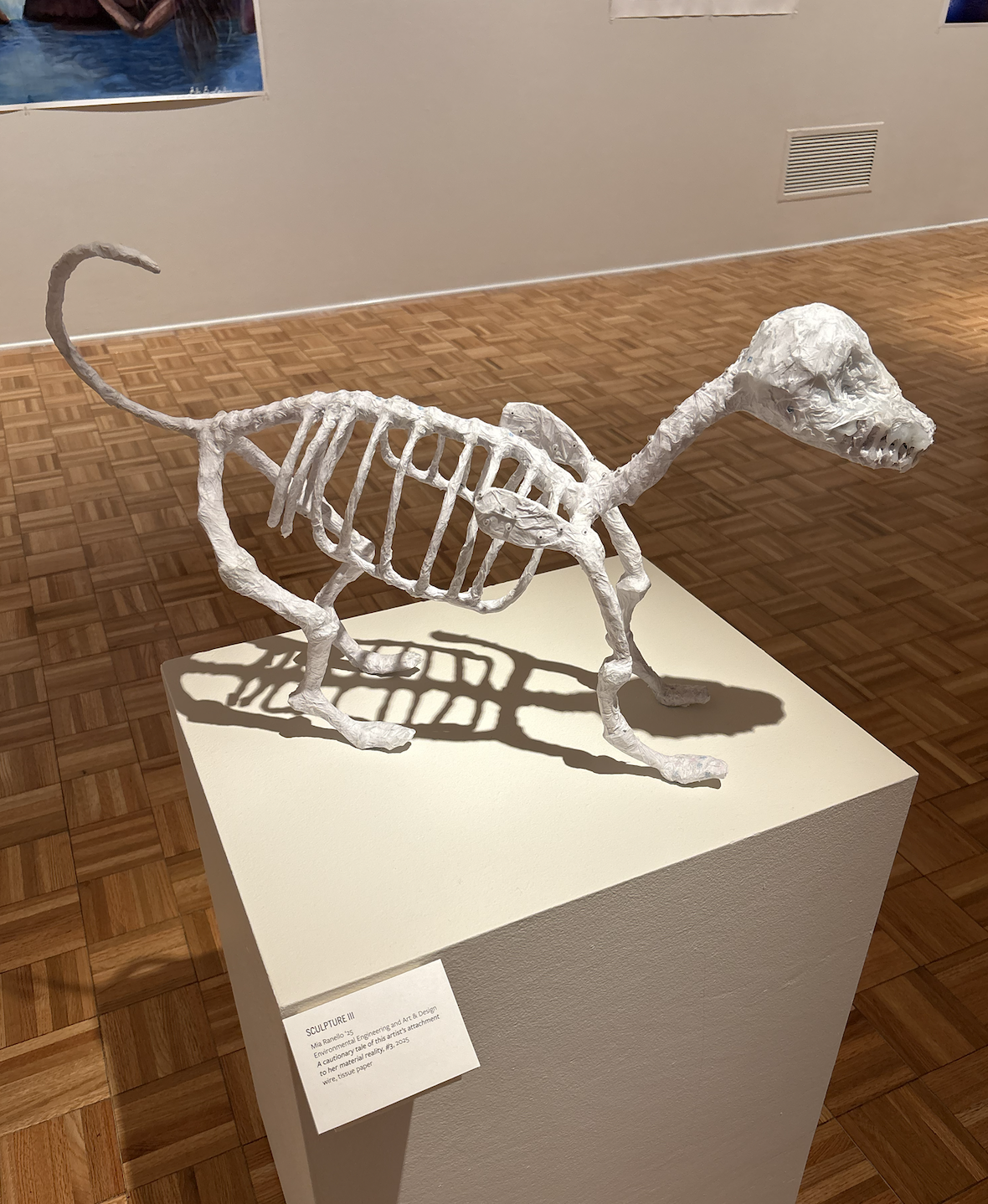
Title of Event: Annual Student Art Exhibition
Date & Time of Event: Wednesday April 30th, 4 pm
Location of Event: Samek Art Gallery (Elaine Langone Center)
Type of event: Student Art Exhibition
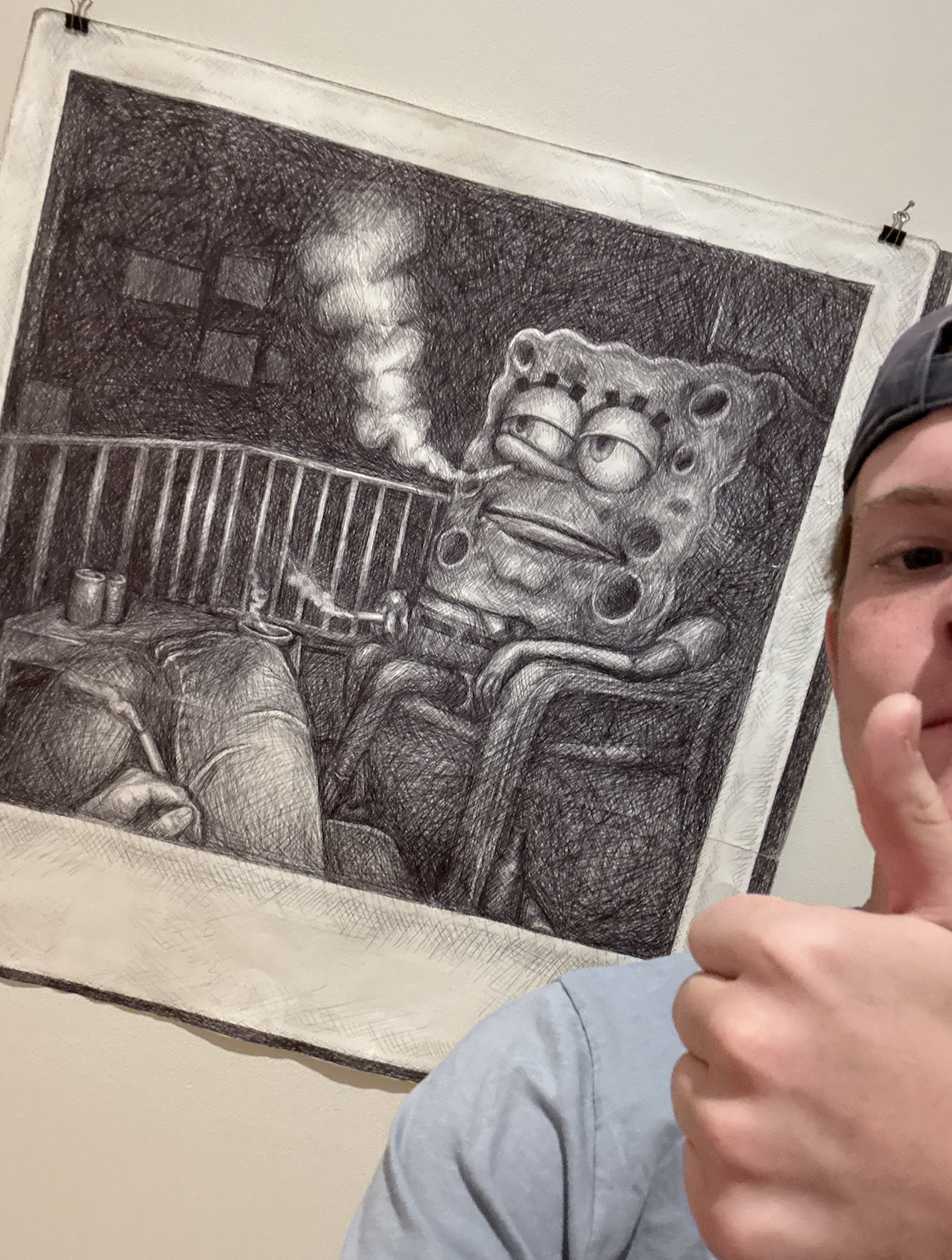
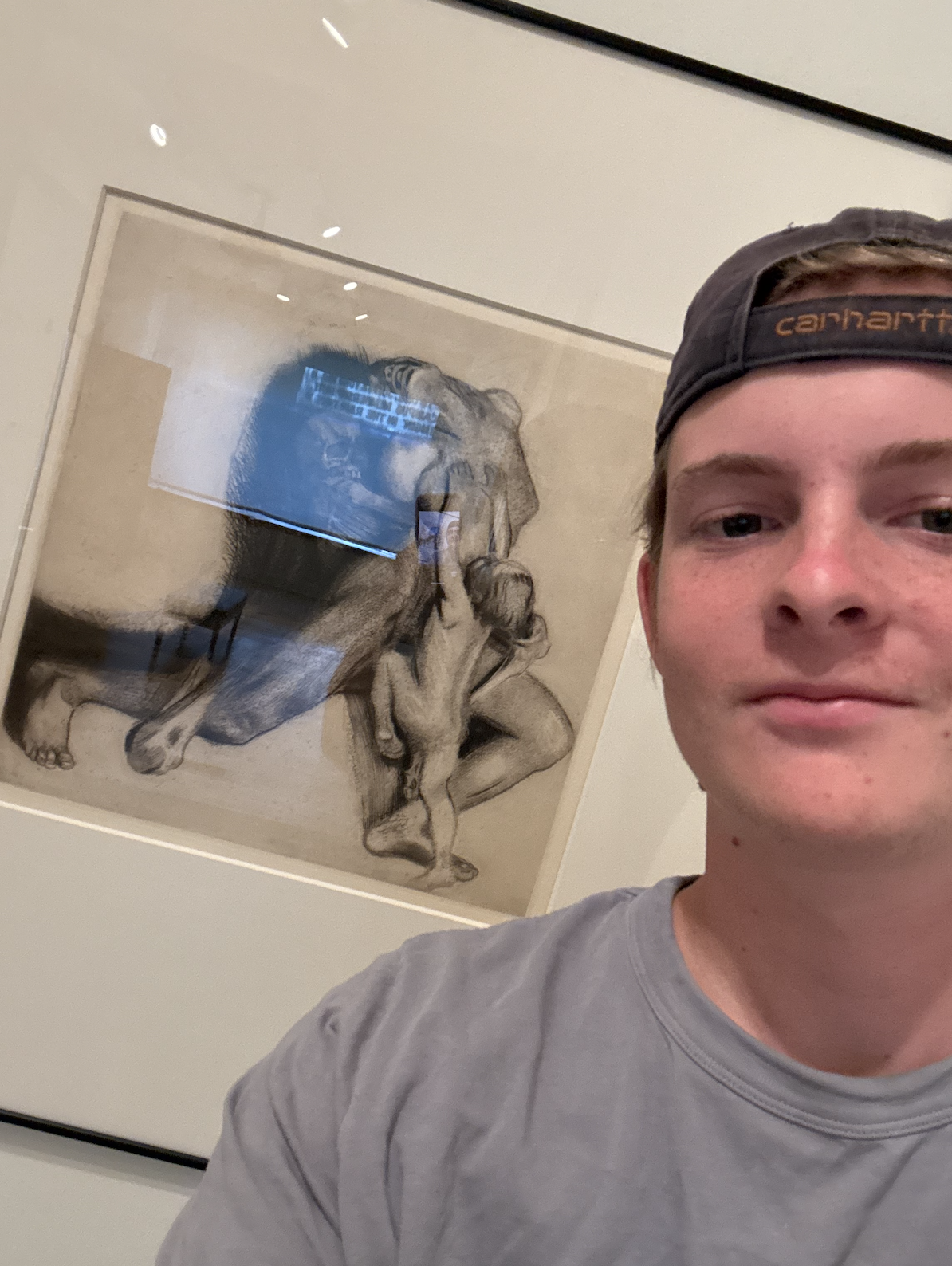
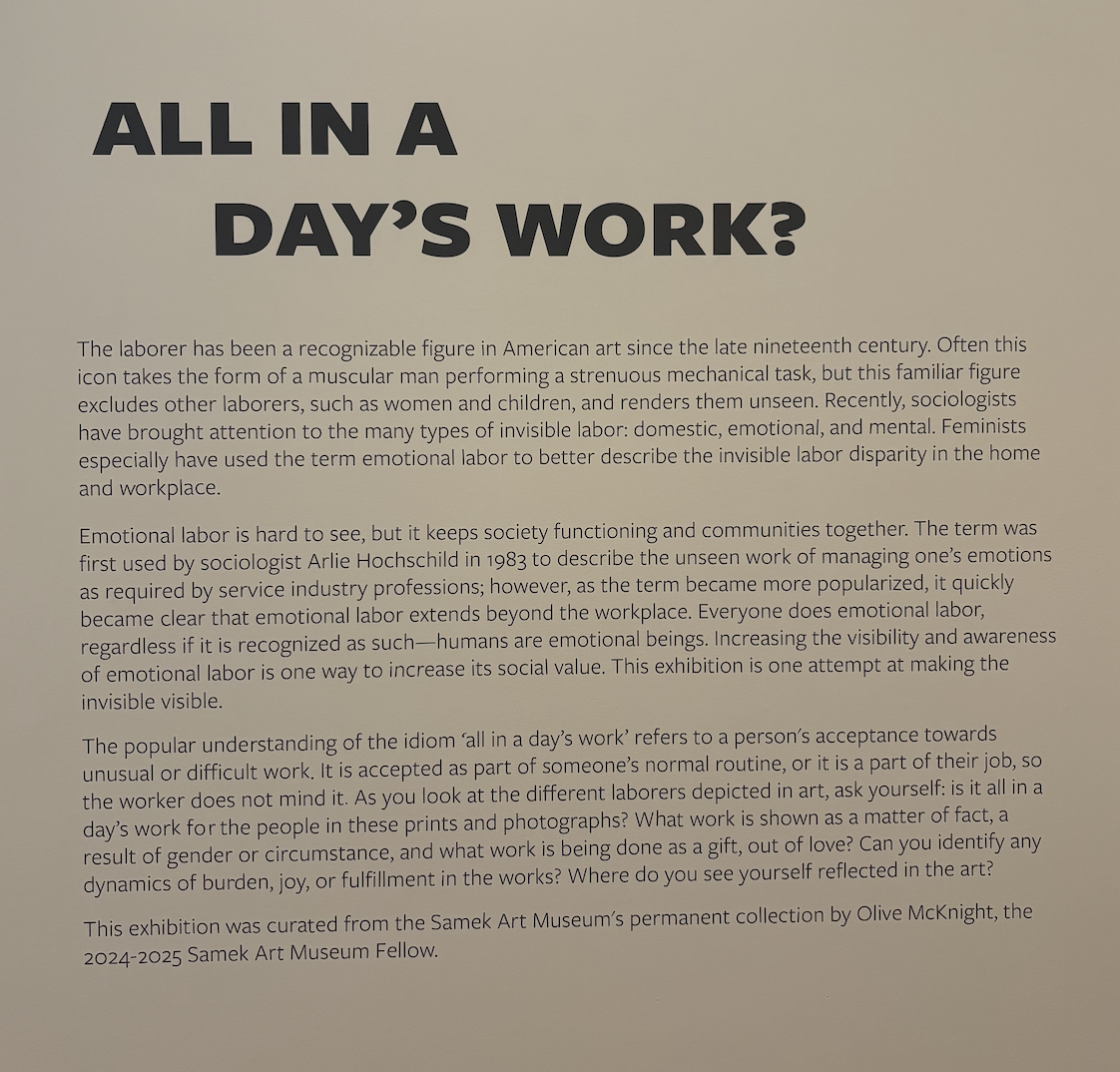
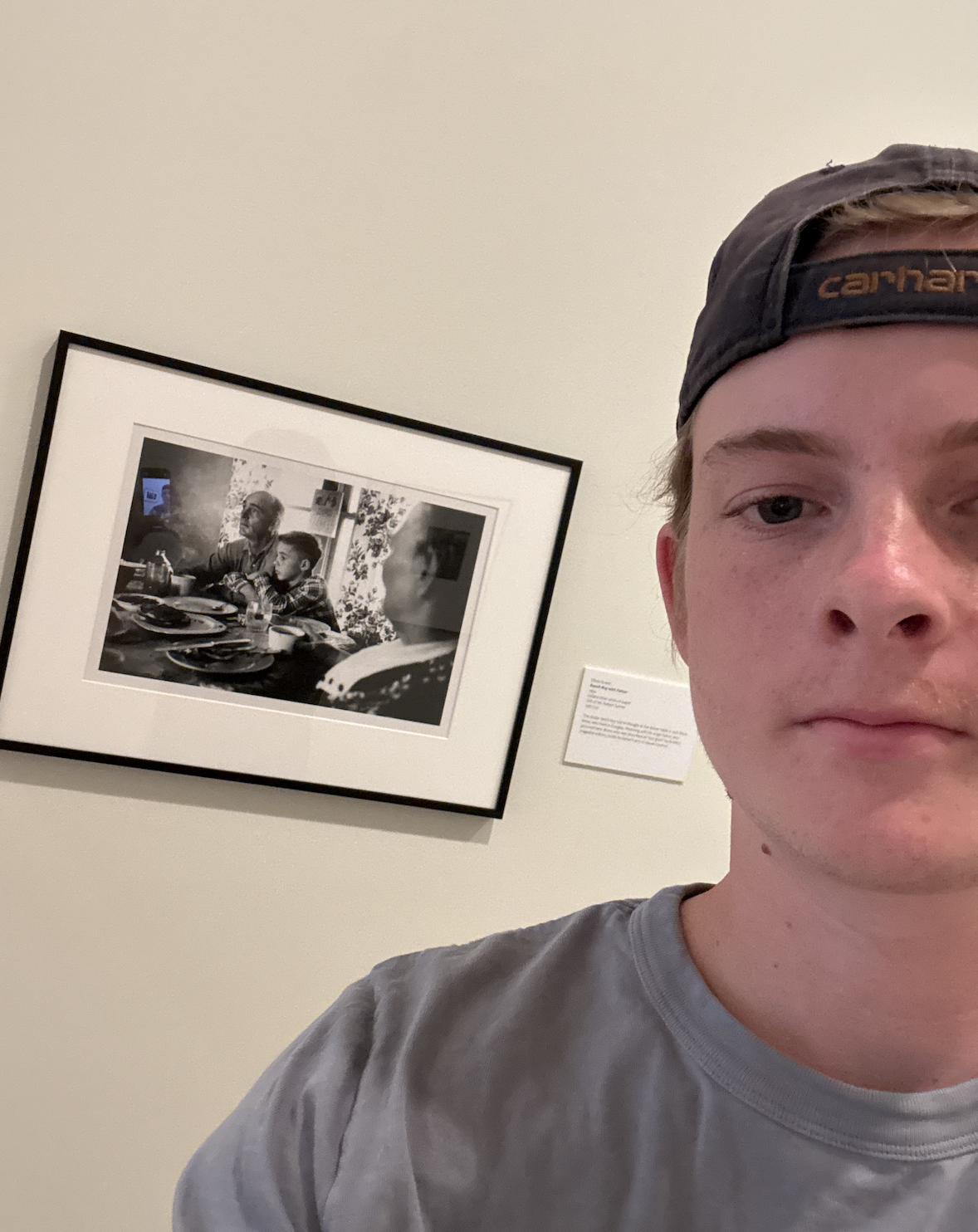
Title of Event: ALL IN A DAY’S WORK?
Date & Time of Event: Wednesday April 30th, 3 pm
Location of Event: Samek Art Gallery (Downtown)
Type of event: Art Exhibition Exploring Prints and Photographs
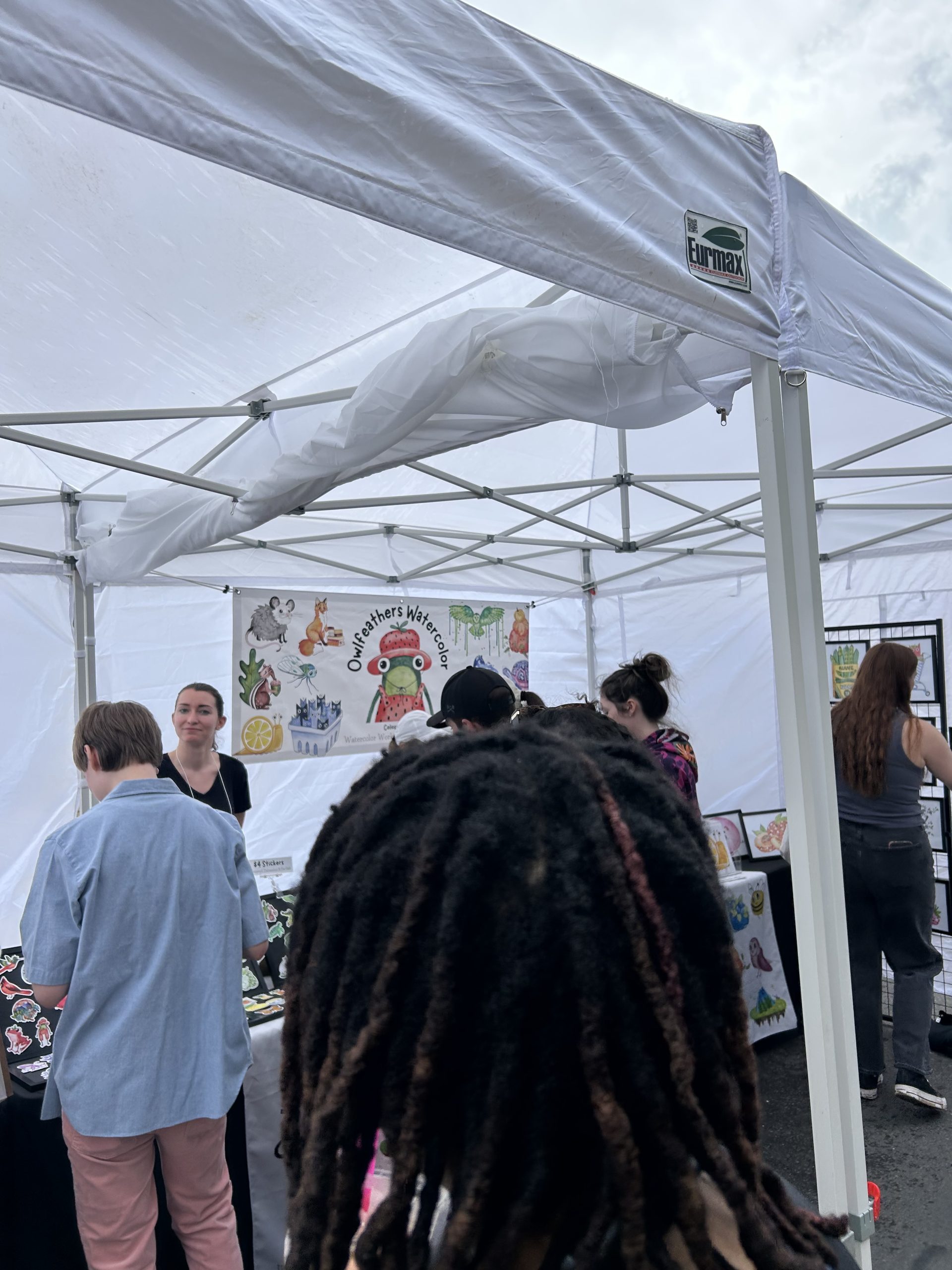
Event: Lewisburg Arts Festival
Location: Downtown Lewisburg
Date: April 26, 2025
I apologize for it being the back of my head, but it’s the only photo I have.
The artist explores how her feelings and past experiences have a significant impact on her sculptures. She talks about how she uses materials like plaster and stone to make pieces that delve into themes of power, emotion, and memory. Bourgeois highlights that her work is intensely personal and seeks to evoke viewers’ emotions. She feels that she has failed as an artist if her creations don’t emotionally engage the audience.
I was especially intrigued by Bourgeois’s willingness to admit that she uses her art to process difficult feelings and face her history. It is brave and captivating that she is prepared to show her weaknesses in her sculptures. Finding just how much her own experiences, including childhood traumas, influence her art was unexpected. The traditional division between an artist’s personal story and their work is challenged by this close relationship between her life and art.
The emotional depth of her art represents one of its most challenging characteristics. In order to interact with her sculptures, you must be prepared to face painful emotions while reflecting on personal experiences. Her work is emotionally demanding and has a deep impact because of this complexity.
Tom Sachs demonstrates how he blends strict discipline with creativity. Sachs and his crew demonstrate how big ideas can arise from simple things in Homemade Mission to Mars by building a complete Mars mission out of duct tape and plywood. He outlines the guidelines for working in his studio in 10 Bullets, emphasizing the importance of punctuality, organization, and adherence to well-defined procedures.
I was intrigued by Sachs’s ability to give ordinary things a sense of significance and strength. His use of a lot of rigid rules, particularly the notion that “creativity is the enemy,” which is quite different from how artists are typically viewed, was surprising. It was difficult for me to comprehend how such a rigid system could nonetheless produce such creative and lighthearted work. The videos collectively demonstrate that Sachs views creating art as a serious task requiring both imagination and a strong sense of discipline.
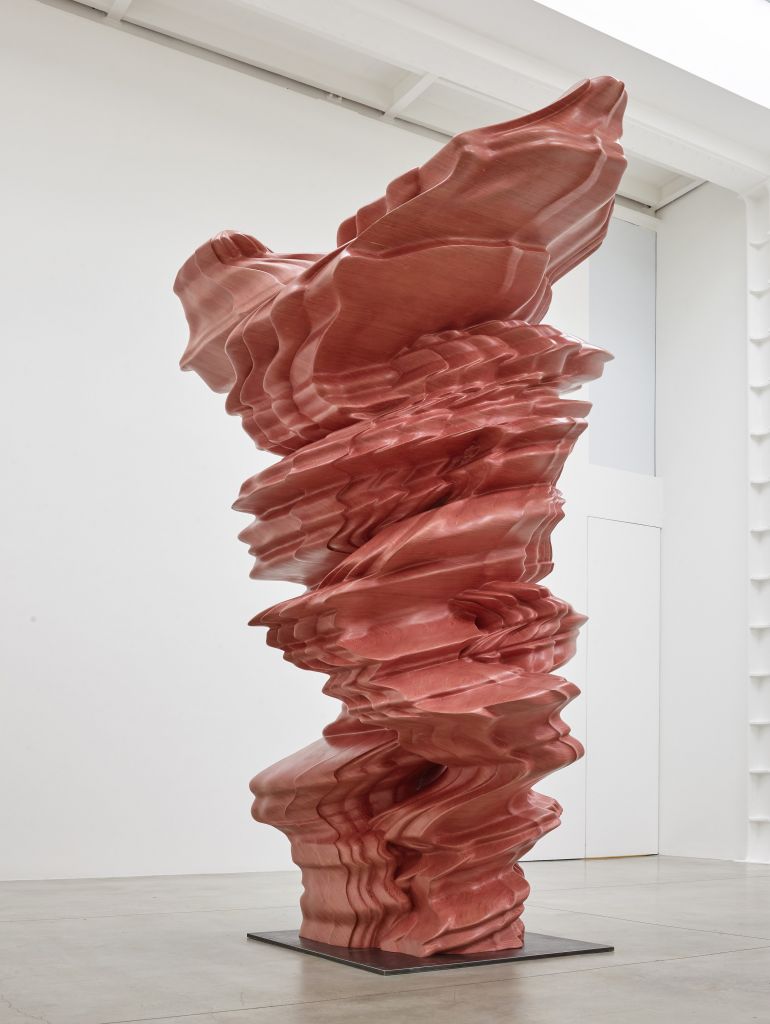
The artist’s name: Tony Cragg
The title of the artwork you’ve selected: Stack
An image of the artwork:
Immediate Response
My first reaction to Stack by Tony Cragg was several mixed feelings. It feels both carefully planned but at the same time chaotic and completely spontaneous. It immediately reminds me of certain rock formations that you would likely see at the Grand Canyon or in the desert in Arizona, despite being made out of wood. There’s also a feeling of compression, like some sort of matter being squeezed into a tight space. It feels alive in a way as well, and heavy, as though it’s either growing upward or being compacted downward. I also felt a sense of anxiety, as it looks like it could fall over at any moment, even though it’s clearly stable.
Objective Description
The sculpture is tall and wide, but surprisingly flat in depth. It is 360 cm tall, 262 cm wide, and only 18 cm deep. It’s composed entirely of wood, but not in a uniform or smooth way. The surface is built from layers or segments of various wood types and colors, stacked irregularly and extending in protrusions. The edges are rough and organic, with some segments jutting out more than others, creating a visual look that makes the piece feel like it is melting or contracting in certain ways. The overall shape appears rectangular, but the form is far from rigid or boxy, and everything is in one piece.
Technical Decisions
Cragg’s choice of wood as a material adds warmth, while the form resists comfort—it’s dense, overwhelming, and strangely shaped. The craftsmanship is clear in the piece, as each piece is carefully integrated to avoid uniformity and to create this smoothed texture and feel. Its presentation forces the viewer to confront it head-on, like a doorway or barrier. The title Stack emphasizes the visual components of the piece, as the wood layerings appeared to be stacked together.
The Work in the World
Tony Cragg began his career in the 1970s, rising to prominence in the 1980s as part of the New British Sculpture movement, which reacted against minimalism by reintroducing narrative, metaphor, and unconventional materials. By 2019, Cragg had been exploring the interaction between natural and synthetic forms, and Stack reflects some of these practices.
The Story it Tells
I don’t know exactly what story Stack is trying to tell here. Maybe it’s a story of accumulation of different things, like time, effort, memory, or material. It could also be about how the use of wood evokes life and growth, yet the compression implies stress or density, or even burden. I think it could be speaking of the tension between order and chaos as well…every piece is precisely placed and smoothed, but the whole feels unruly. Others might see it as purely visual, like an exploration of texture and shape, but I see it as how certain things form under pressure.
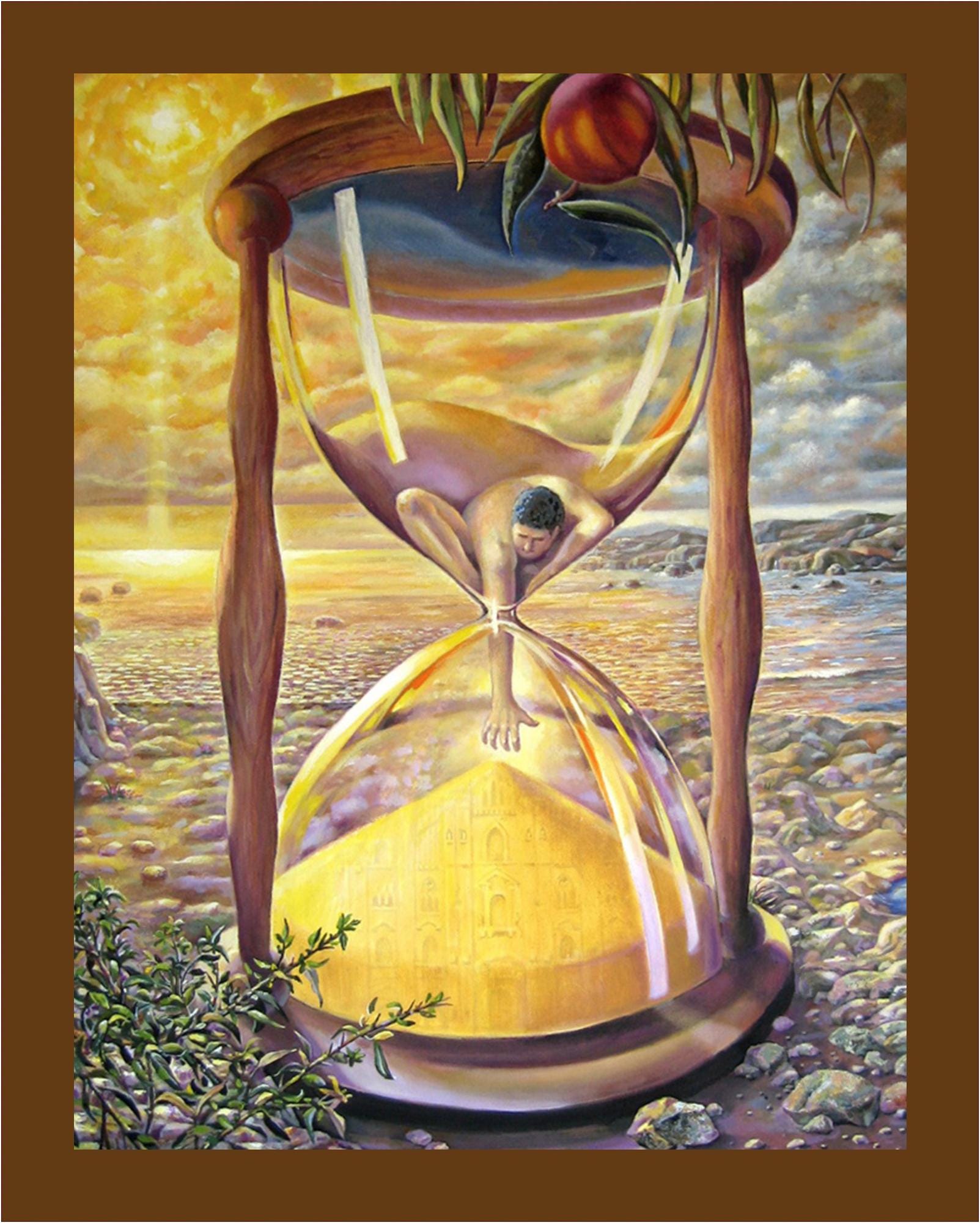
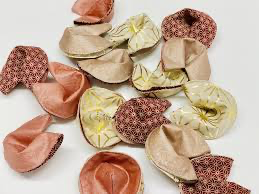
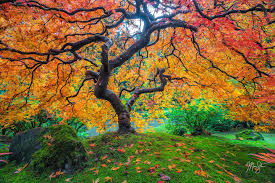
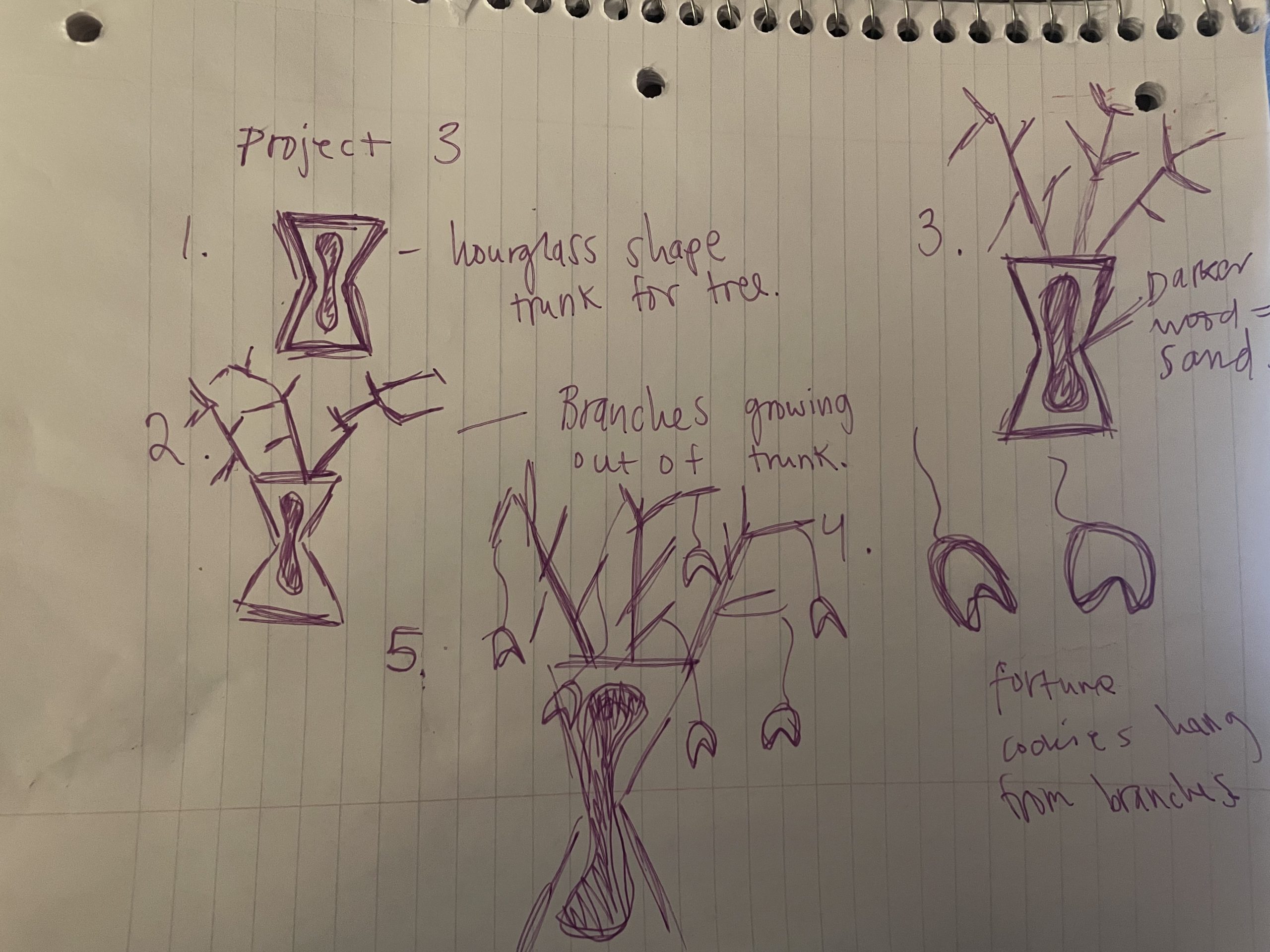
I watched several videos on the Art21 website all about Bruce Nauman and his work. If I am being completely honest, I thought he was a super strange man whose art really didn’t stick with me all that much. However, I thought he had several interesting ideas and ways of approaching art and the work he makes. In one of the videos, he explains how he always thought that he could make something that appears to be functional, but when he would try and use it he couldn’t figure out what its function might be. He said that that’s what he loves about his art…figuring out what to do with it. He also talked a lot about teaching and his love of raising and training horses which is something I found very cool because he mentioned that he didn’t know anything about horses until he was forty years old, so he had a lot of catching up to do. Another video showed his staircase artwork, which was my personal favorite series. I liked how he intentionally makes the stairs not perfectly symmetrical so you have to really be paying attention to where you step whilst climbing or descending on it. One final video I thought was weird and interesting was one that was all about videos in slow motion of Nauman poking himself. He said he wanted to experiment with uncomfortability and forcing viewers to pay attention to the formal qualities of each frame, as the video was slowed. Overall, Nauman explores turning everyday activities, speech, and objects into works that challenge what people typically think of those things as, which is why I thought most of his art is very weird and unfamiliar.
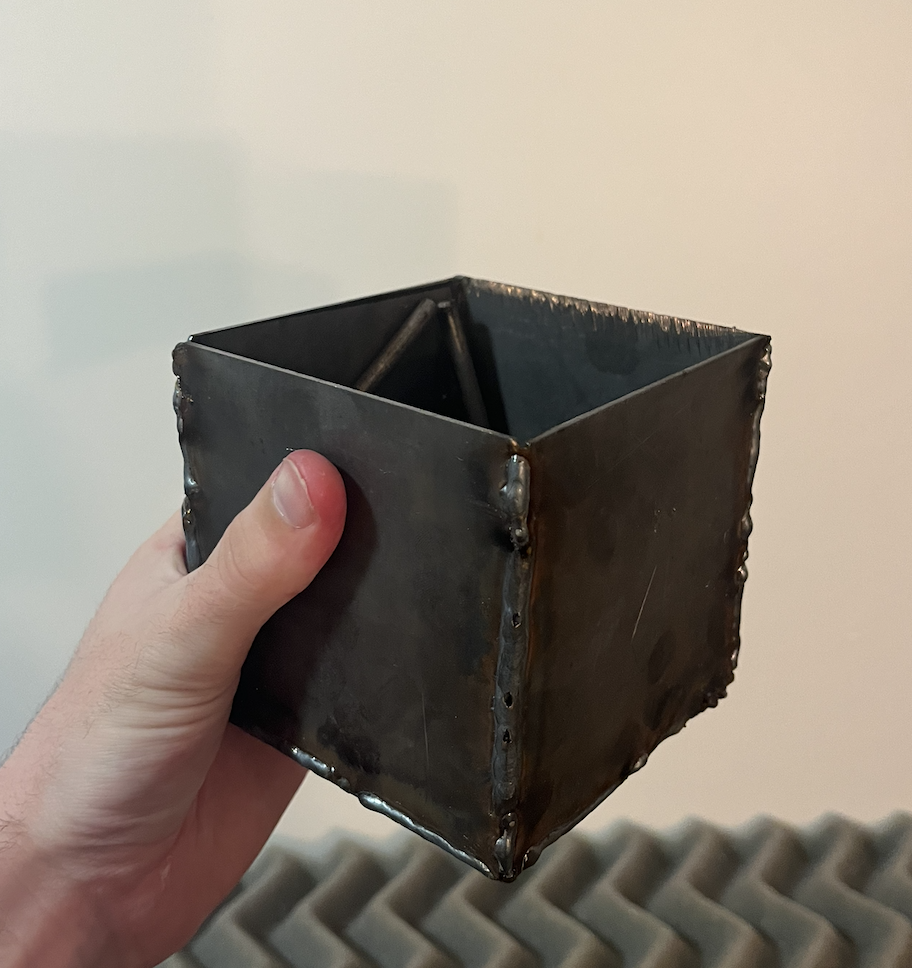
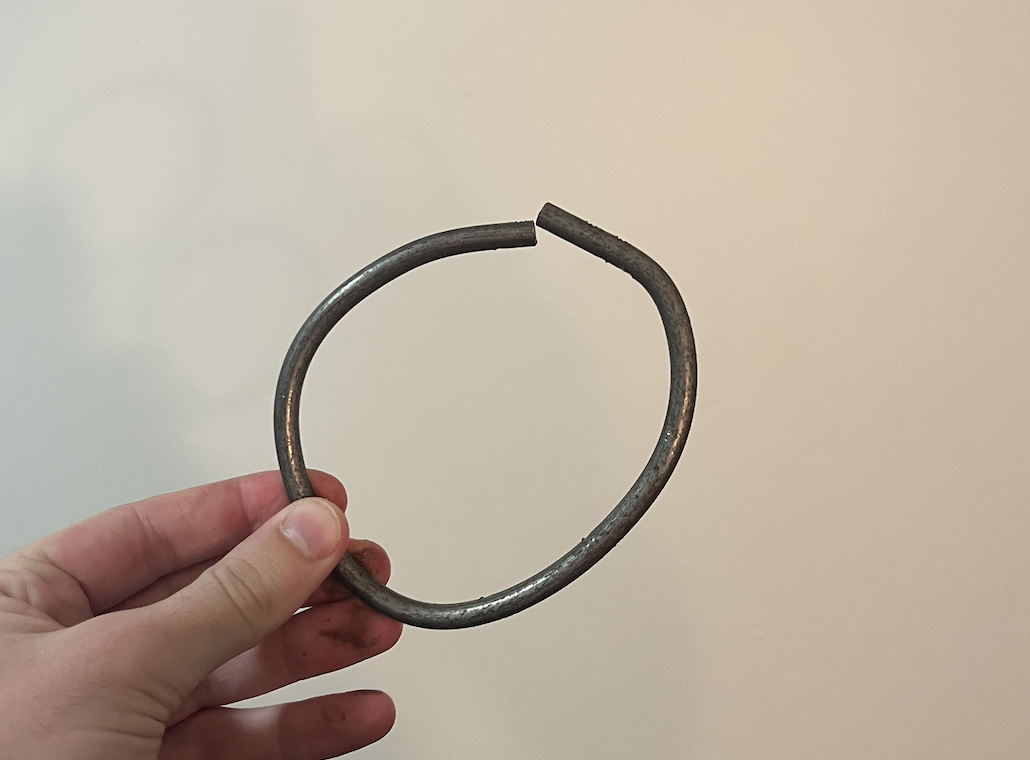
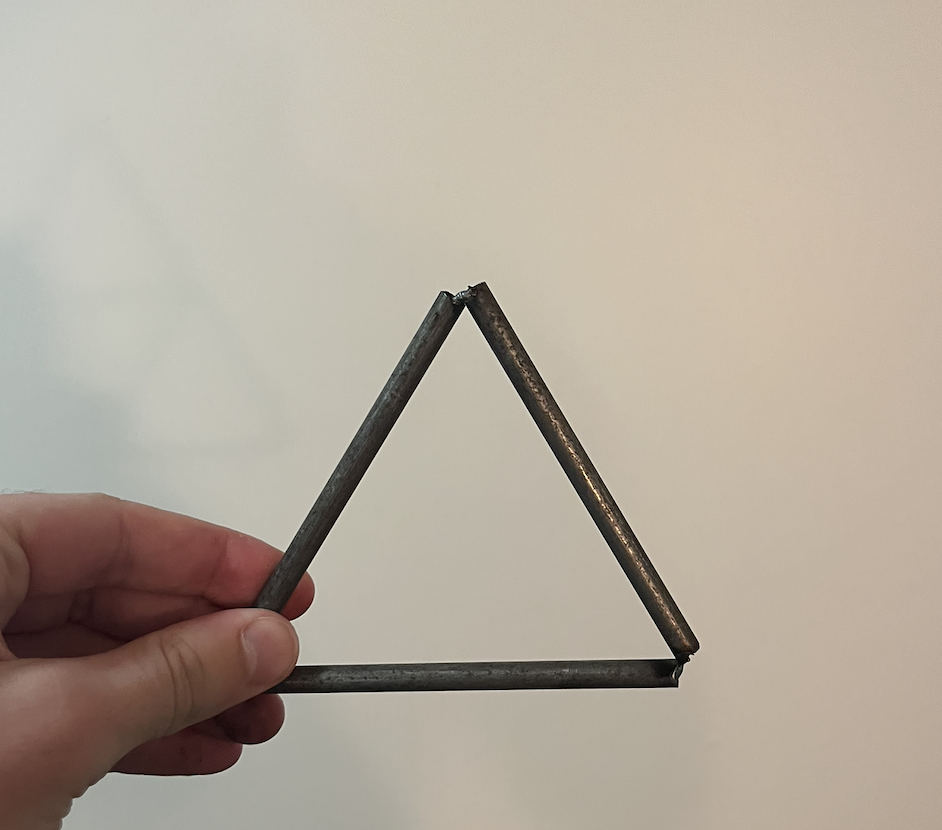
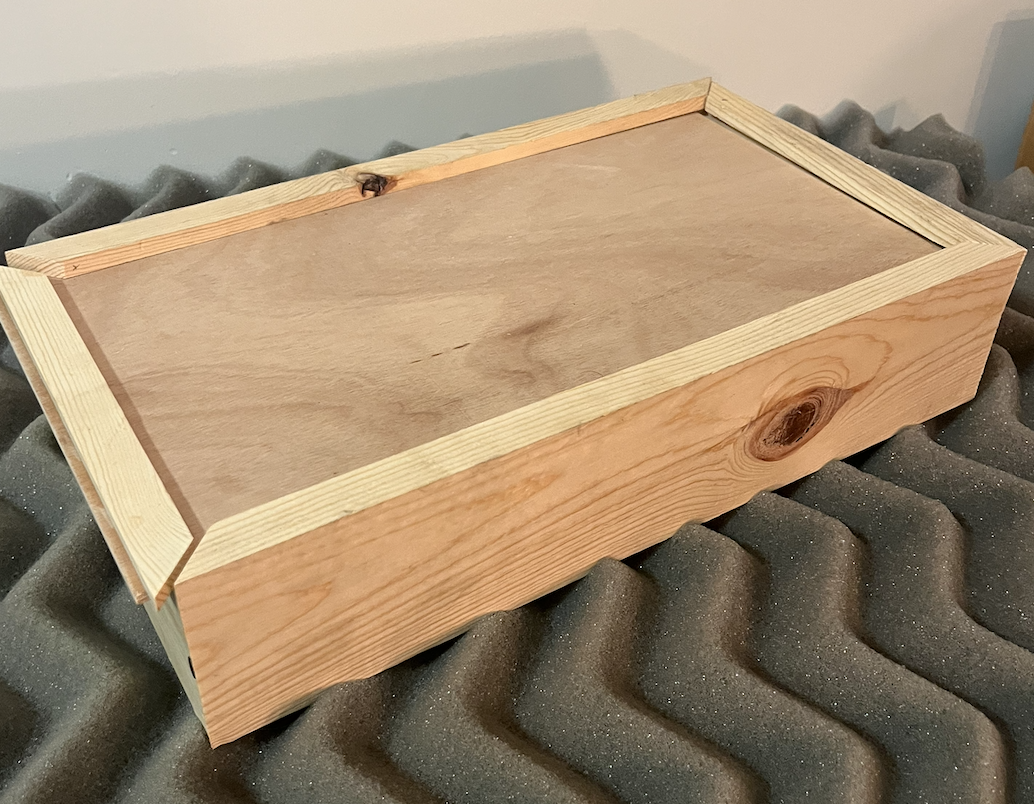
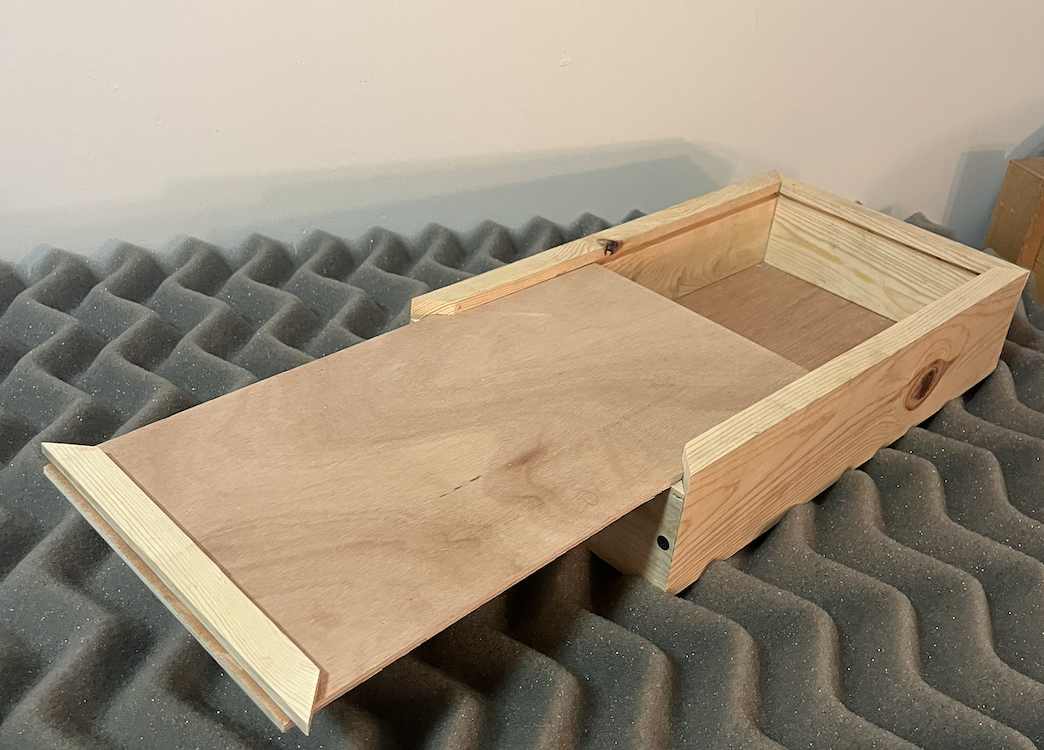
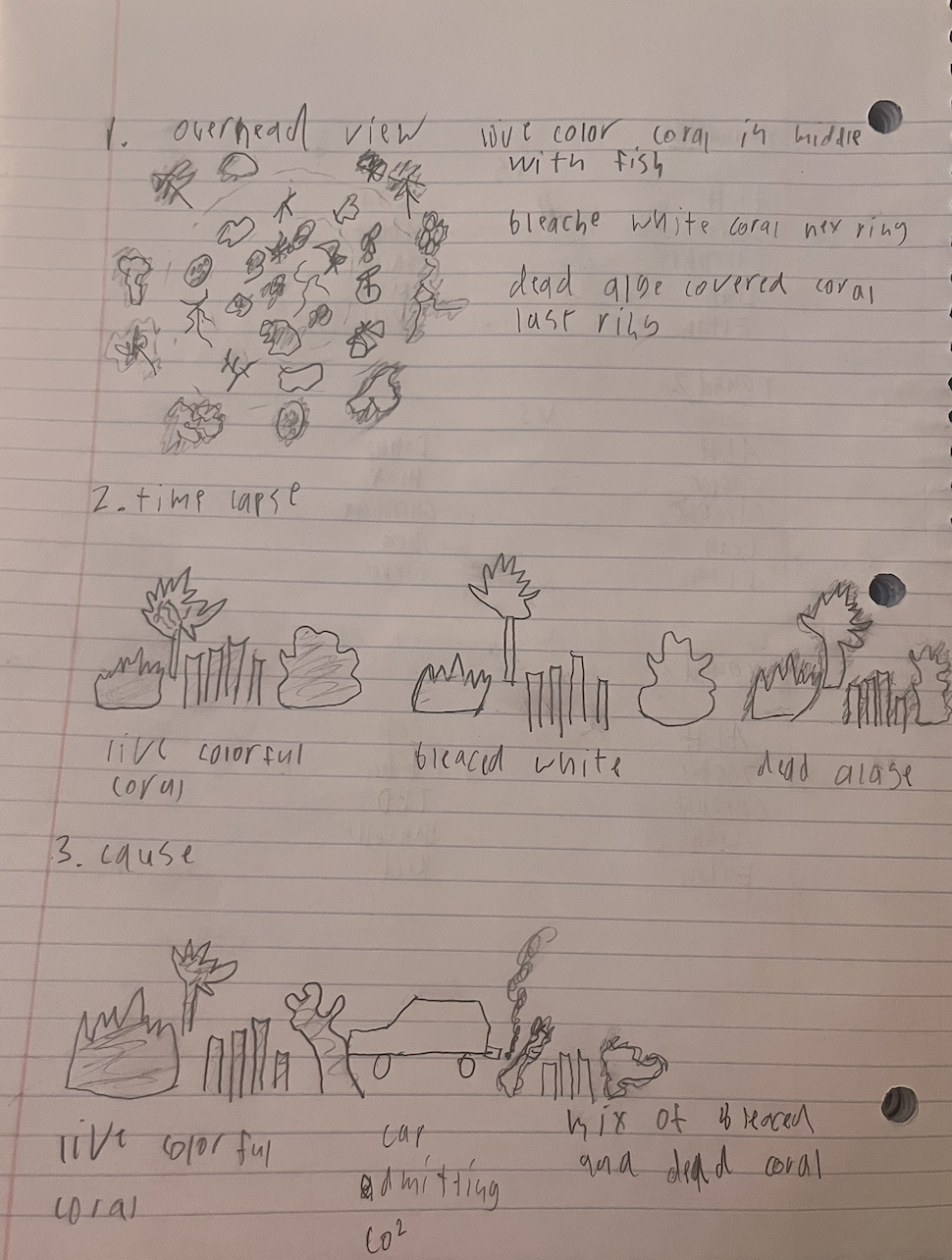
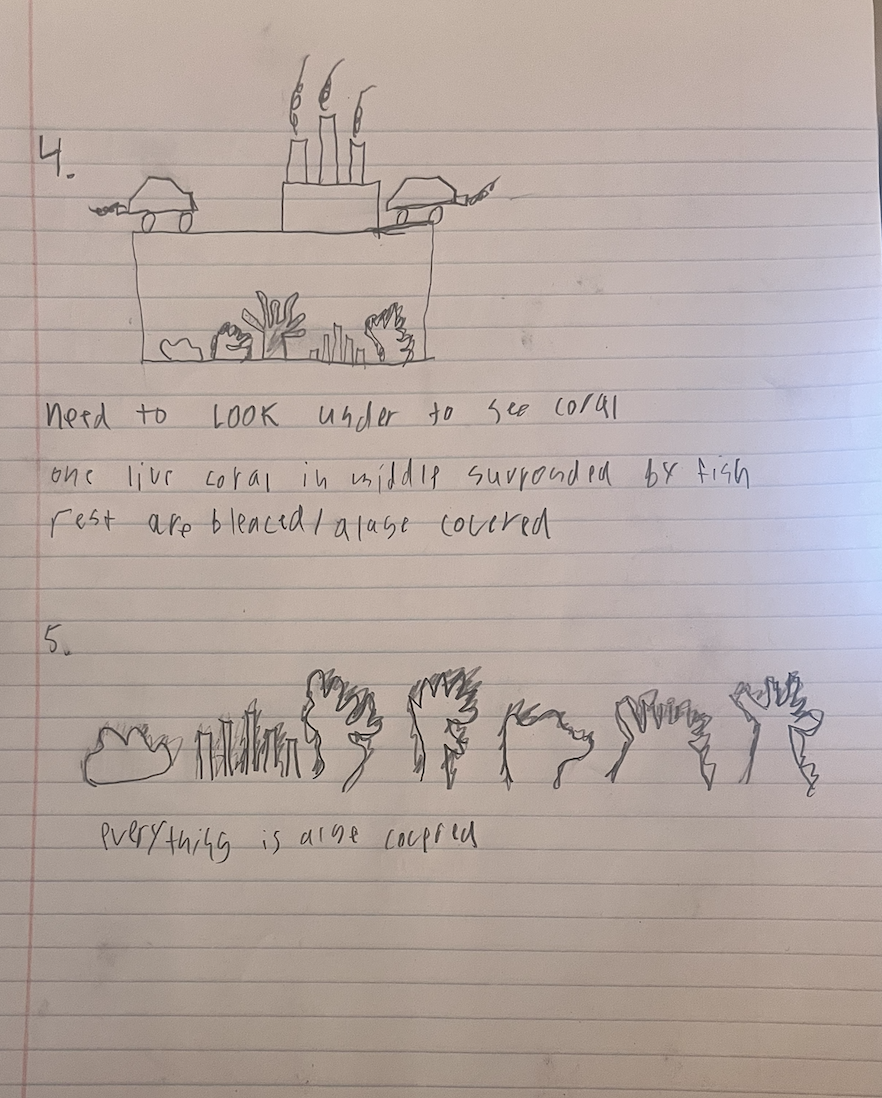
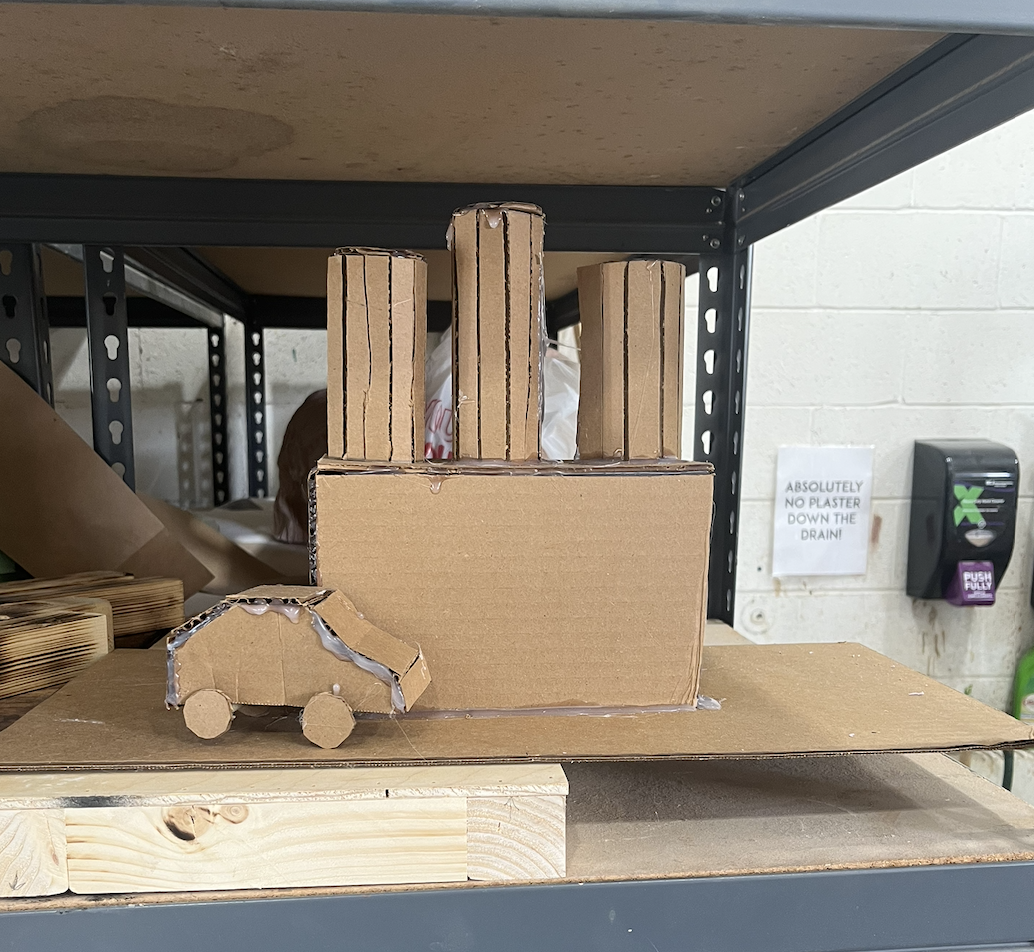
For my project I wanted to focus on the problem of Coral Reefs dying off. During my Sustaining Natures class this semester we watched a documentary about how coral reefs are dying and the impacts it is having/will have on the world. The documentary was really emotional and moving. I showed it to my parents/friends because of how important the problem is. It also inspired me to go abroad to Australia next semester so I can see the Great Barrier Reef for myself before it potentially dies off. 25% of all marine life depends on reefs, while millions of people use it as a source of food. Reefs also protect costs from storms and floods. Reefs are considered the rainforests of the ocean because of their biodiversity and impact on the global climate. Raising water temperatures causes coral bleaching and eventual death. They are then covered by algae, which harms the local fish life.


My object is a plastic toy gorilla that resembles King Kong, standing upright on its hind legs. Literally, it’s a mass-produced children’s toy. Symbolically, the toy denotes the myth of King Kong, which is a creature that represents the clash between nature and civilization, and power and vulnerability. Connotatively, the toy evokes ideas of monster movies and childhood play. It also reminds me of action figures and the way we often reduce complex characters or fears into playful, collectible forms. For my project, I want to explore how actual gorillas in the wild are threatened by humans, and I think it ties in nicely with the story of King Kong and how his character was captured and used for entertainment purposes.
Artwork: The Persistence of Memory.
Artist: Salvador Dalí.
Image link: https://www.moma.org/collection/works/79018 .
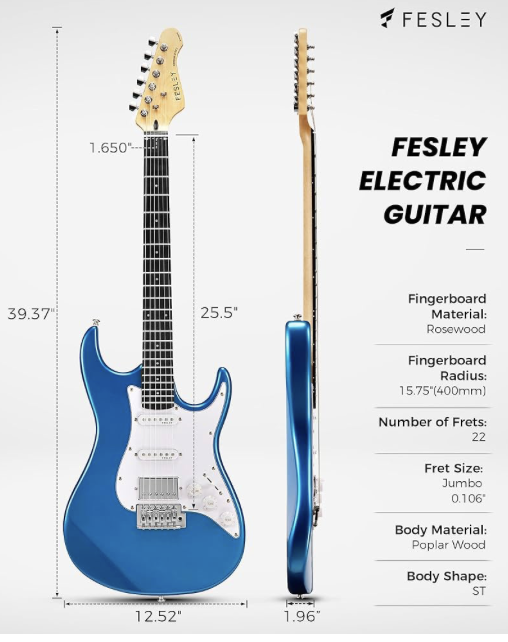
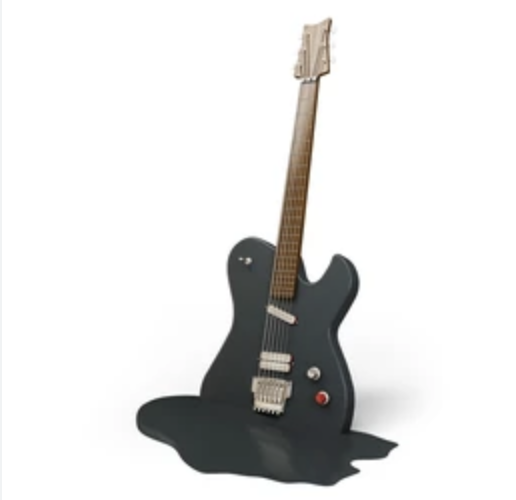
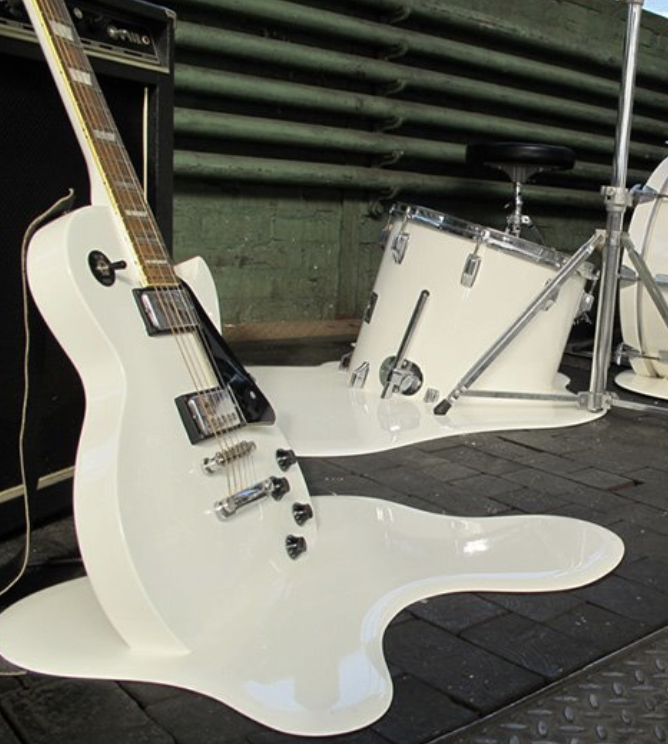
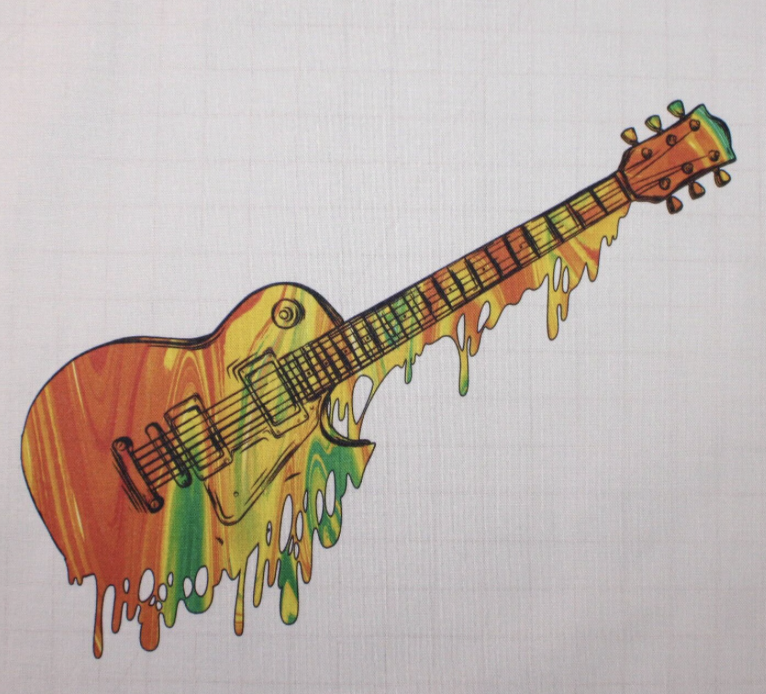
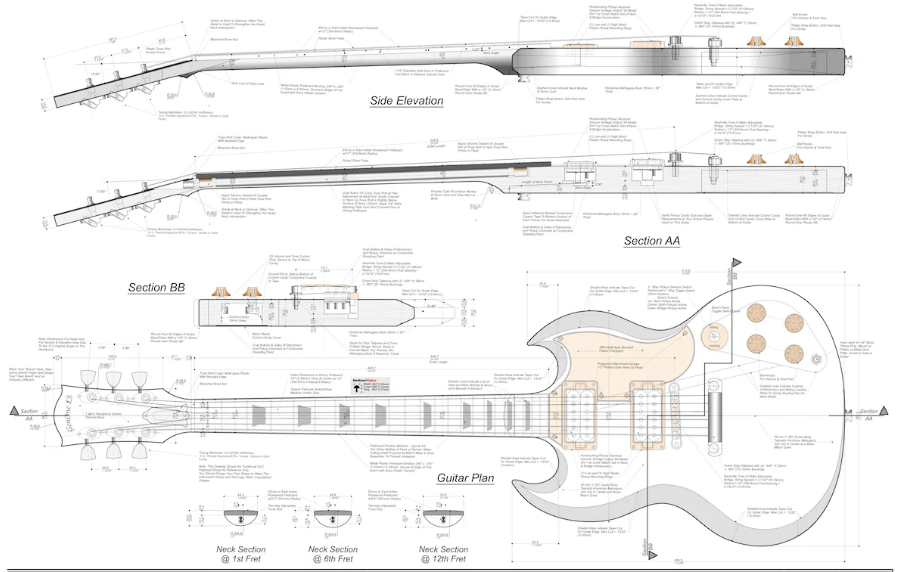
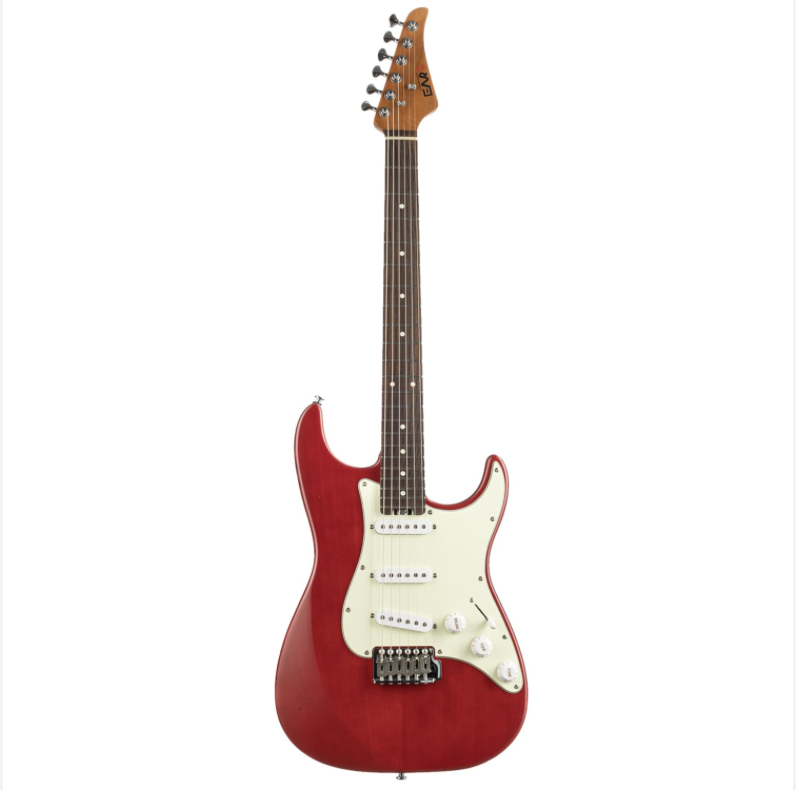
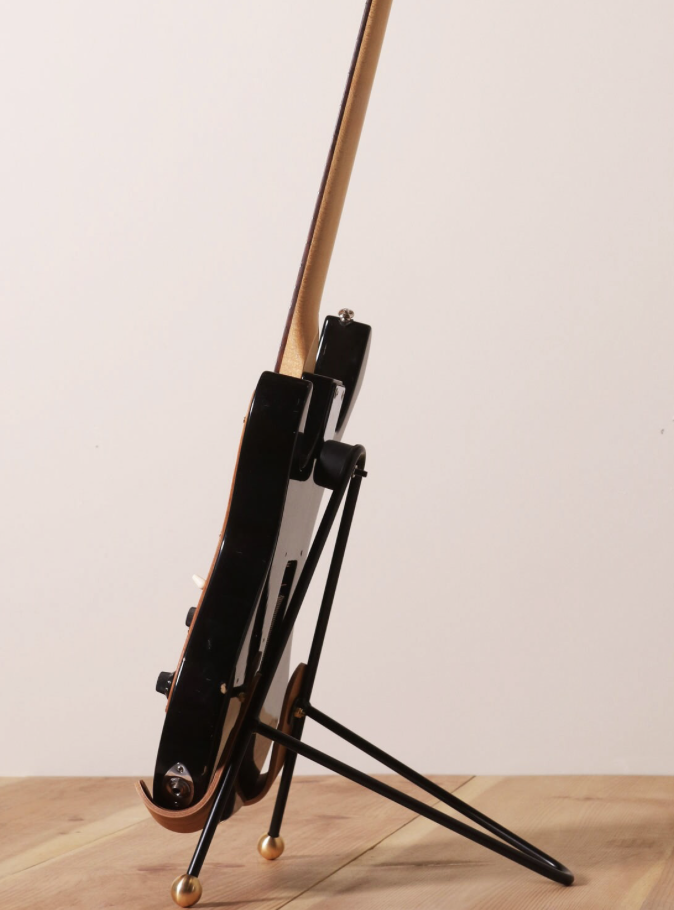
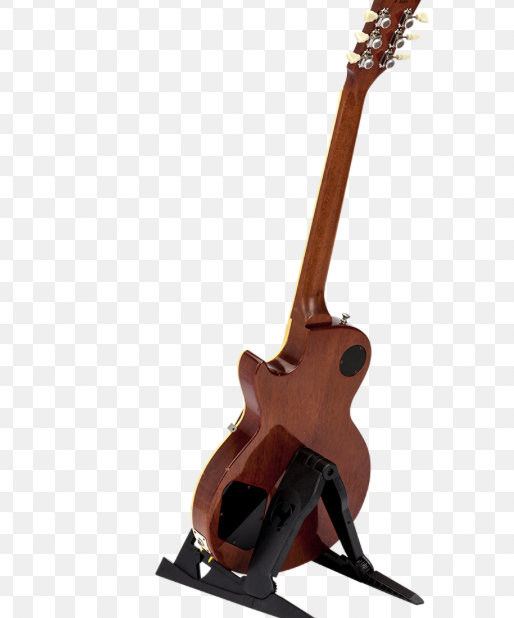
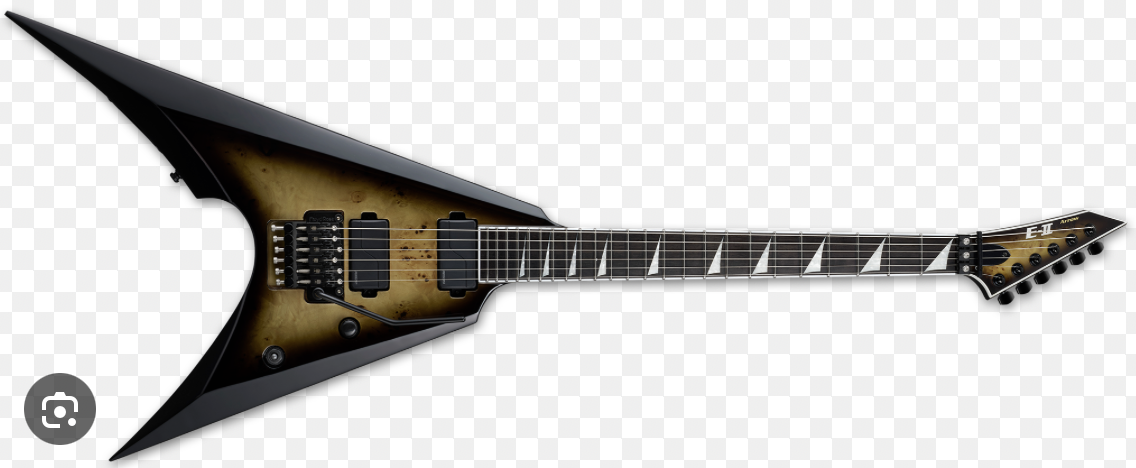
Sentence: While it may be slightly obvious, I am borrowing Dalí’s surreal strategy of melting solid objects to evoke a dreamlike distortion of reality in my sculpture project, as I am trying to make it seem as if the electric guitar is melting.

Part 3: Borrow a Strategy
I’d like to mimic the well defined primary and secondary feathers on the wings like how this artist did them in this piece.
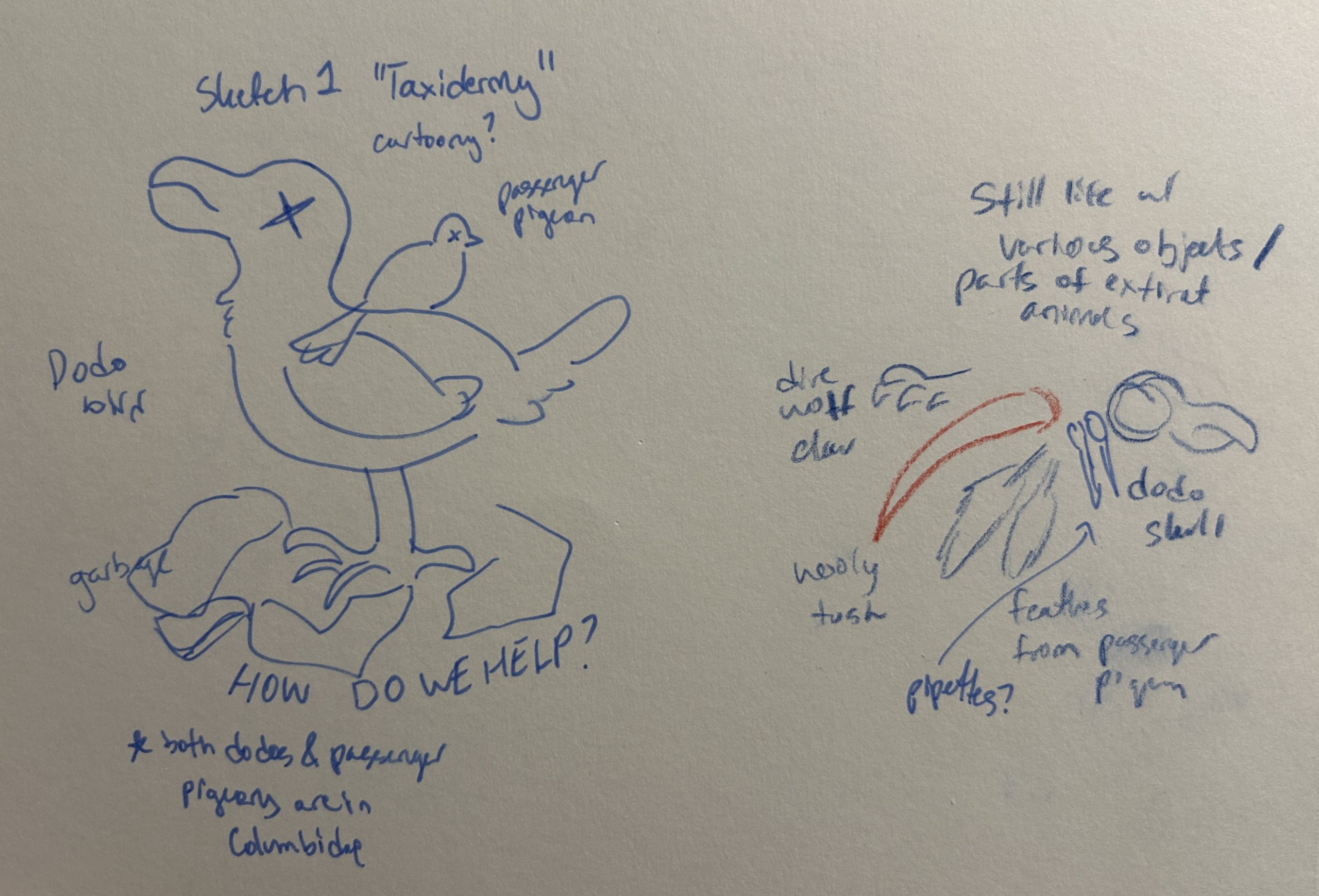
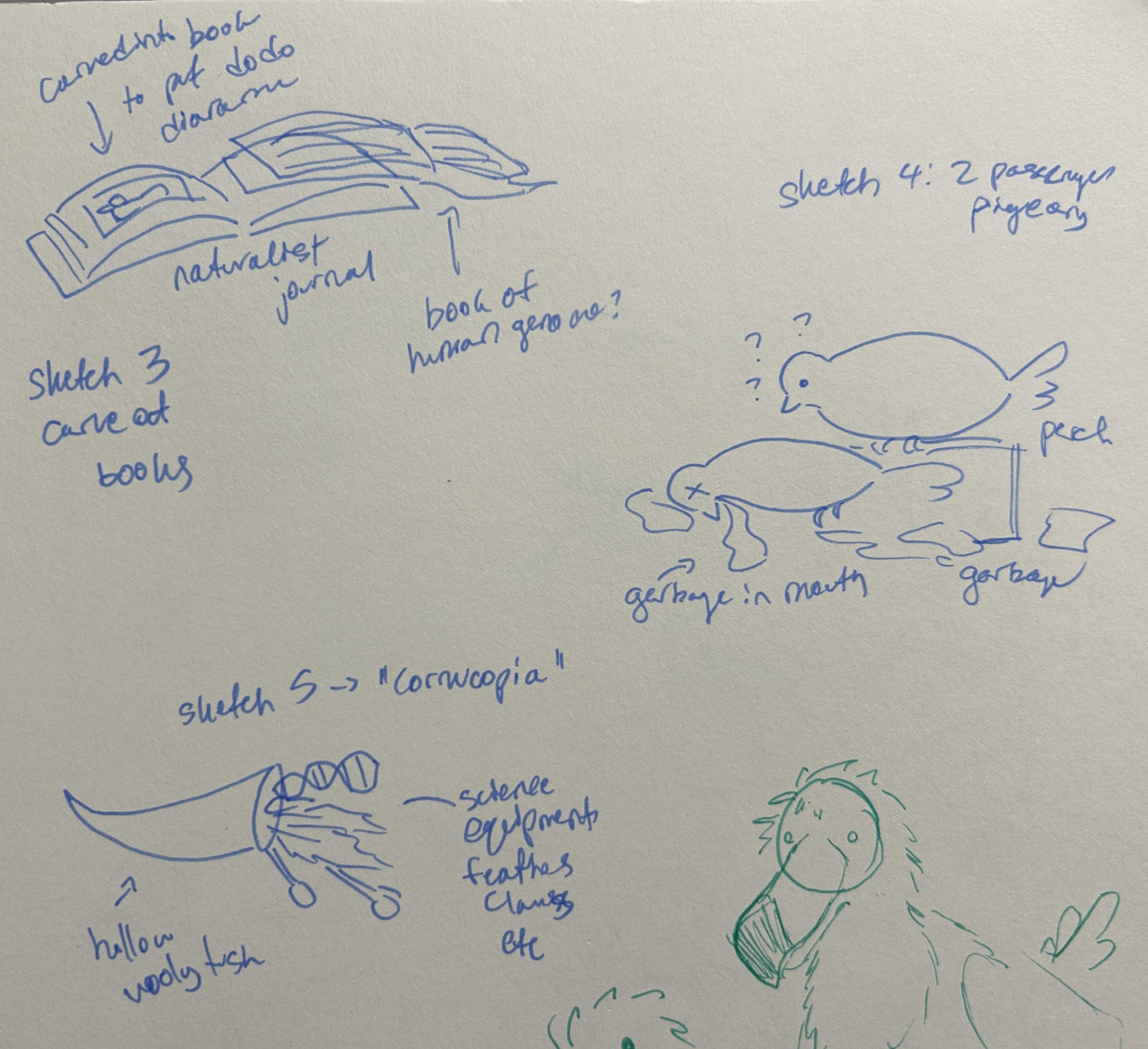
Part 4: Sketches
I did my art21 on Leonardo Drew and I watched “Leonardo Drew in ‘Investigation’”, “Traveling & Making”, “Finding Piet Mondrian”, and a bit of “Investigation.” I really liked how he kept his childhood sketches and how he started out with comics and cartoons which I really can relate to a lot, I also really appreciated that he utilized all of the materials he had access to. I also found it interesting that he stopped himself from drawing and painting to realize his full potential in sculpture. His process is fascinating, he works on about 7 pieces at the same time and they all influence and affect each other. The way that he also aged his material by ‘cooking’ it on the roof of his building was very cool and he was more into ‘the already made’ rather than ‘found object’ style although he didn’t necessarily call it that. His different processes for ‘aging’ the materials were also very cool because he bought them all new, so the process itself also becomes part of his art in a sense too. I also appreciated how when he felt he had explored a subject matter to his satisfaction, he no longer dwelled on it and instead moved on, almost like it was closure for him.
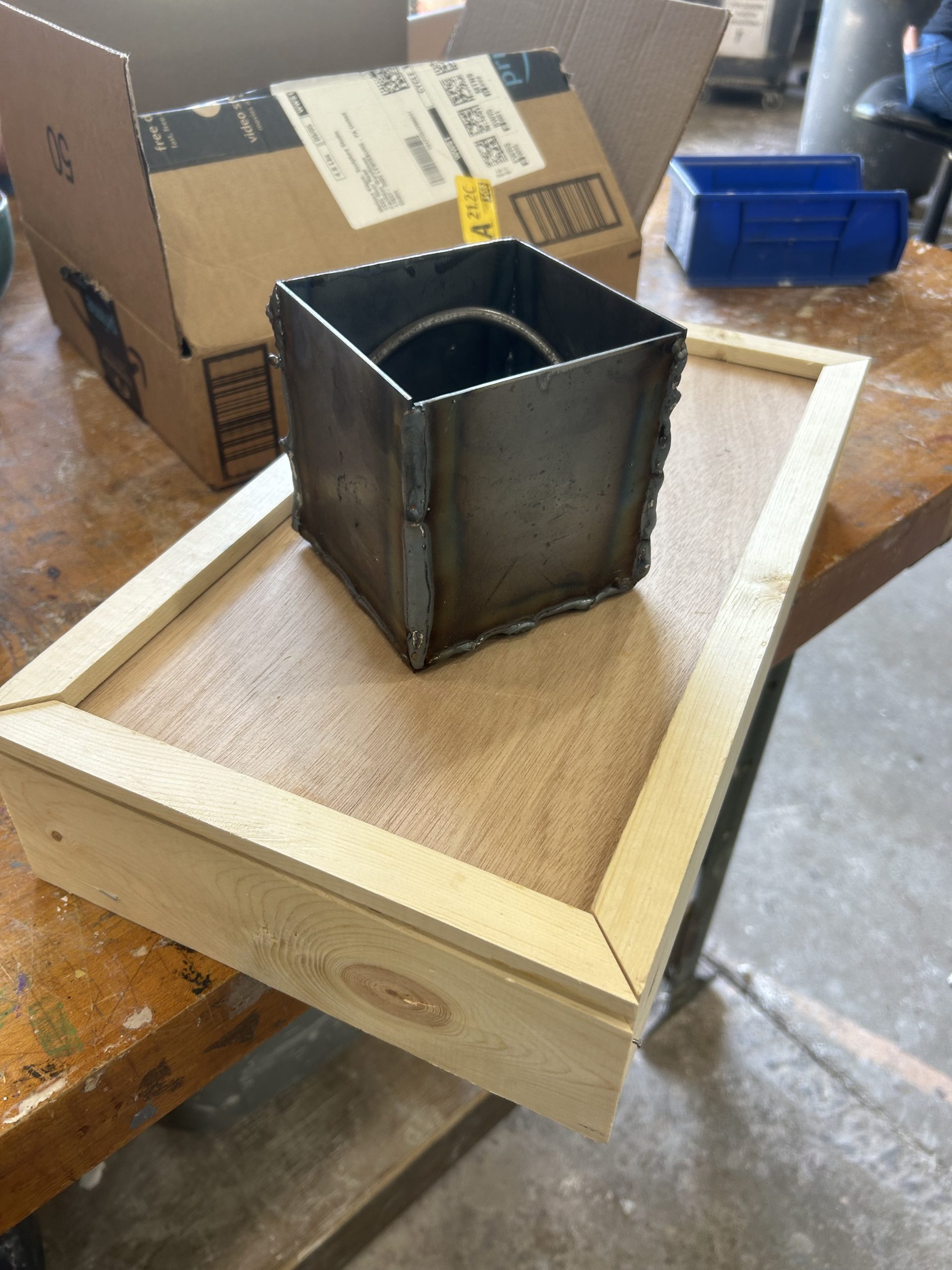
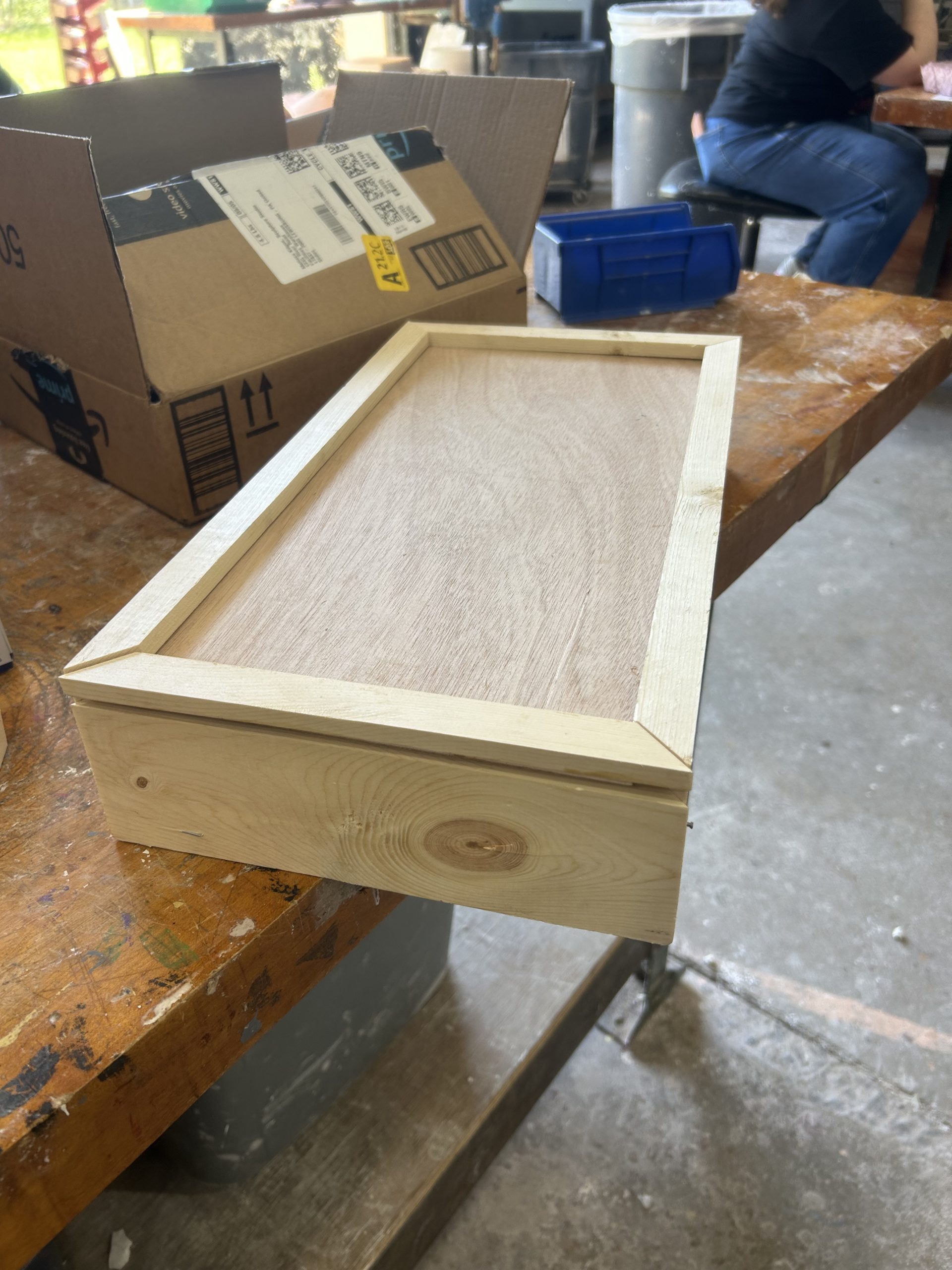
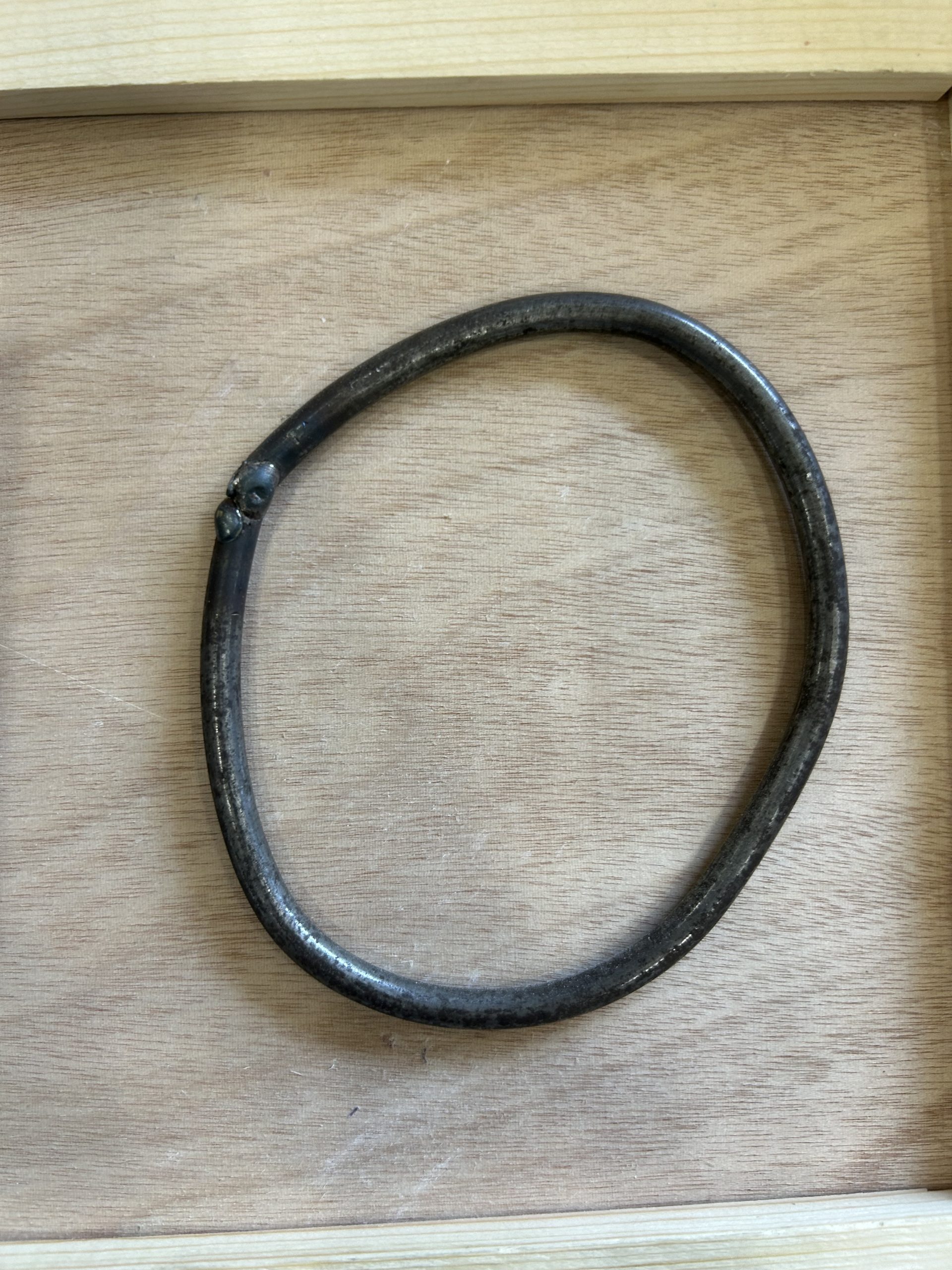
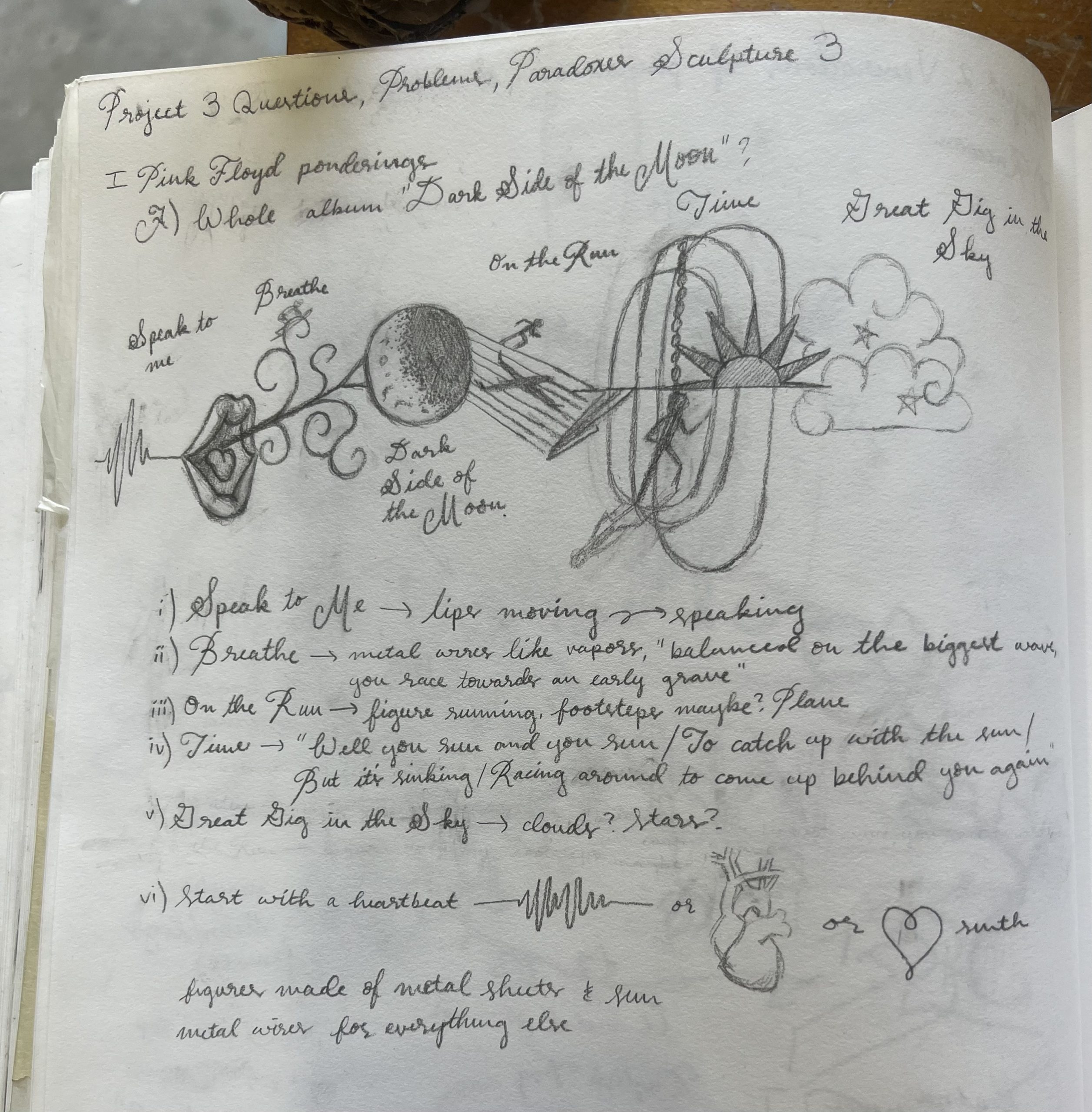
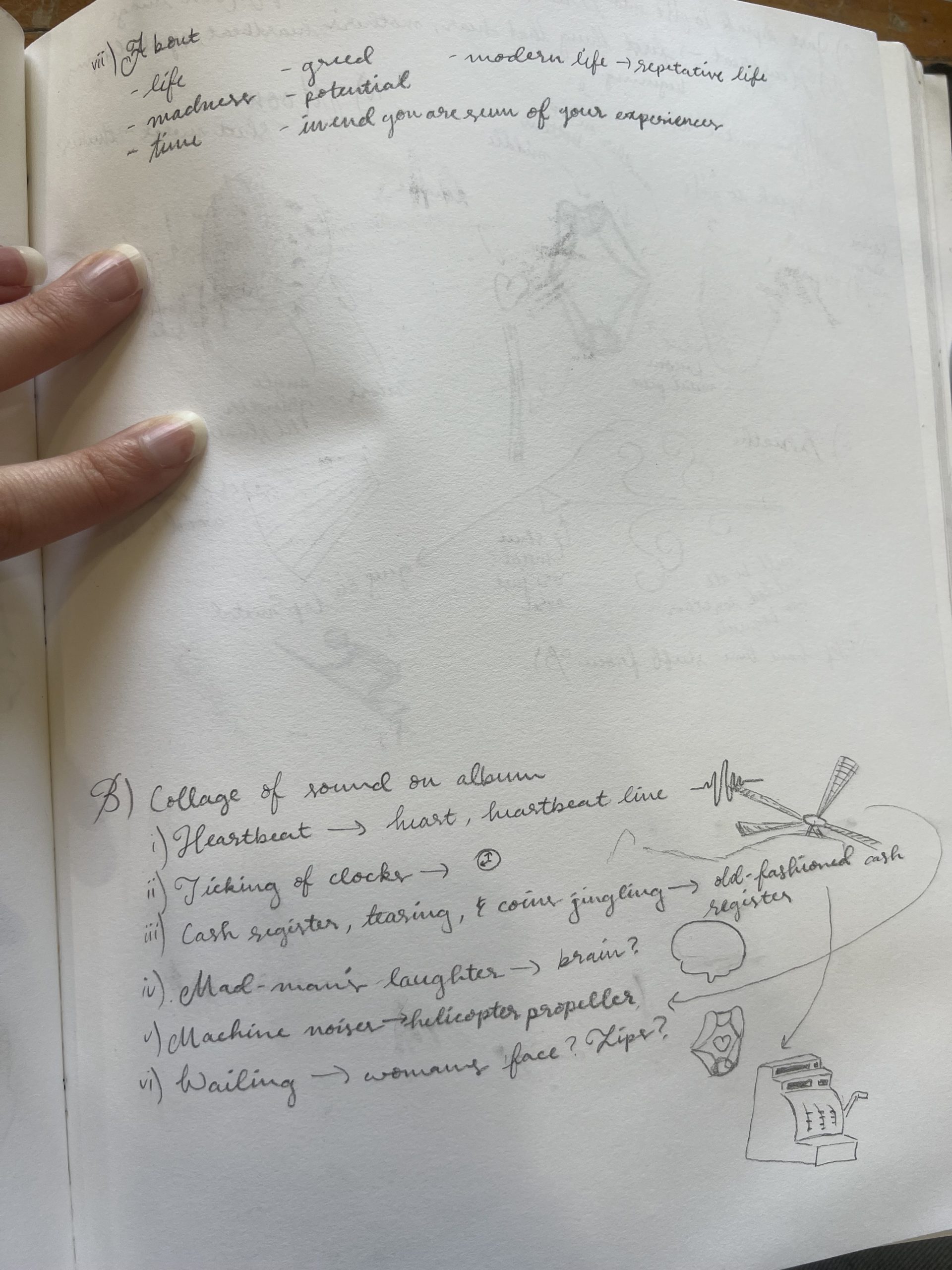
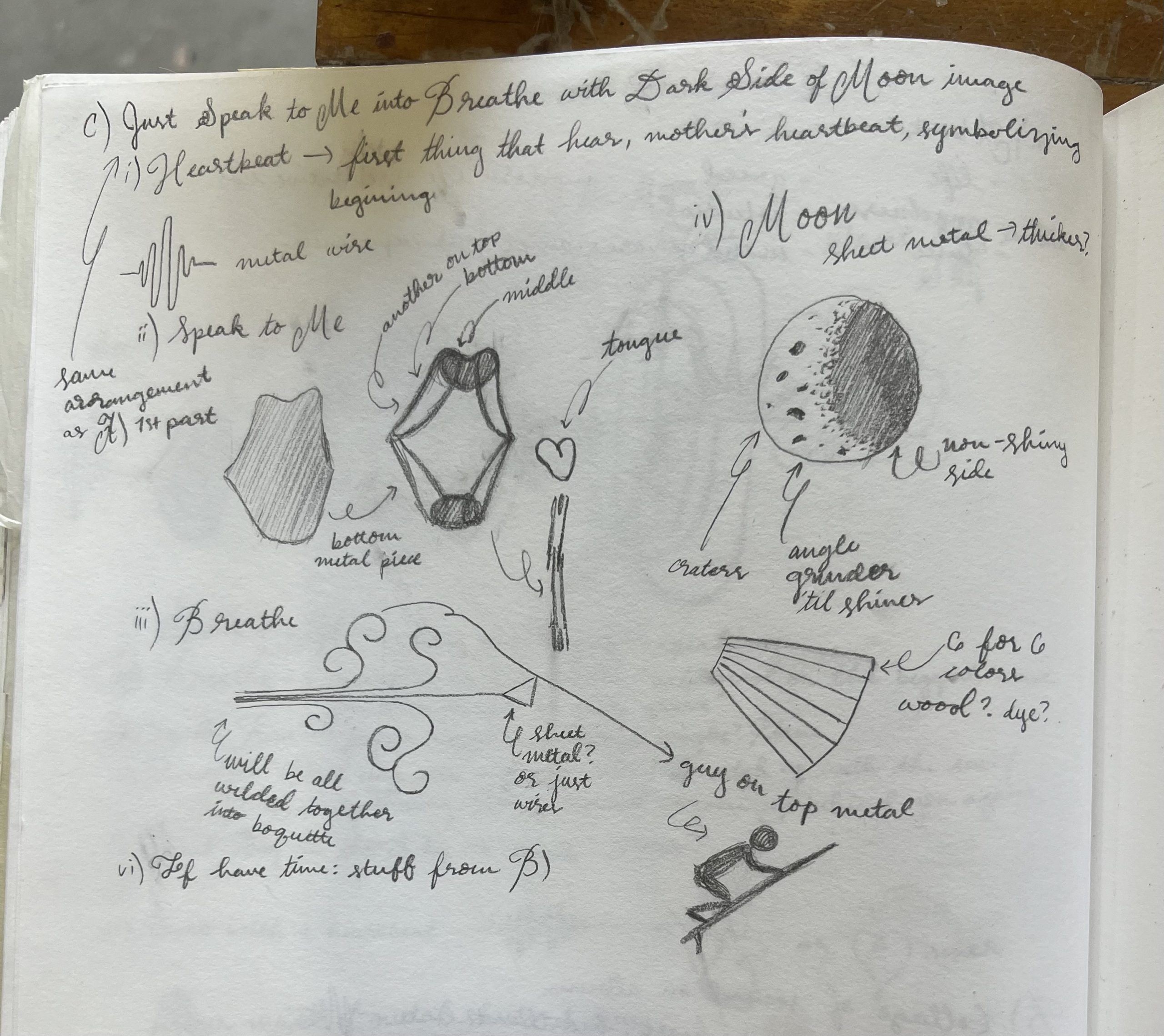
I wanted to explore the conundrum that is Pink Floyd’s album The Dark Side of the Moon. The album itself is a masterpiece and I have always loved Pink Floyd’s music (brought up listening to them by my dad) and have been listening to them for all 21 years of my life. Despite this, I still am uncovering new things in the album and other albums that I never thought of before. These things can be anything from new notes that I never noticed before or diving deeper into the meanings behind words and sounds on the album. I am still finding new things and I believe that I will continue to do so for a long while still. To make this easier to do in the timeframe that I have, I chose to stick with the first two (although it is really just one) songs off of the album: Speak to Me and Breathe. Speak to Me is a short song, about ~40 seconds, that opens the album with a single heartbeat fading into existence. It goes on to sets up the thematic score for the rest of the album including the Doppler effect/helicopter from On the Run, the ticking clocks of Time, Clare Torry’s wailing vocals from The Great Gig in the Sky, the cash register and change from Money, and the mad man’s laugh from Brain Damage. I wanted to include these motifs too if time permitted. I wanted to represent the heartbeat as it’s something that ties us all together when we are all thrust into this world. The album is a dedication to the stresses, struggles, sorrows, joys, and pleasures of life. The words make you think while the music takes you to another place entirely (I’m not talking about the psychedelic sense although that is often closely tied to Pink Floyd, I personally steer clear). I am always trying to figure out the meanings behind the words. I wanted to represent the heartbeat, lips to create the idea of ‘speak to me’, which is followed closely by breath both physically and in the album. The surfer on top of the curl of one of the breaths is a reference to the line “Long you live, and high you fly/But only if you ride the tide/Balanced on the biggest wave/You race towards an early grave” an allusion to how one can achieve the greatest things if you put yourself out there, but it comes with a warning because in those highest highs, there’s the chance that you will burn out, crash down and it can lead to your early death. I then wanted to follow up this imagery with the combination of the iconic album art (the prism scattering light) combined with a moon that actually has a shrouded ‘dark side’. The question I am focusing on is ‘what does the dark side of the moon mean/represent in these two songs.’
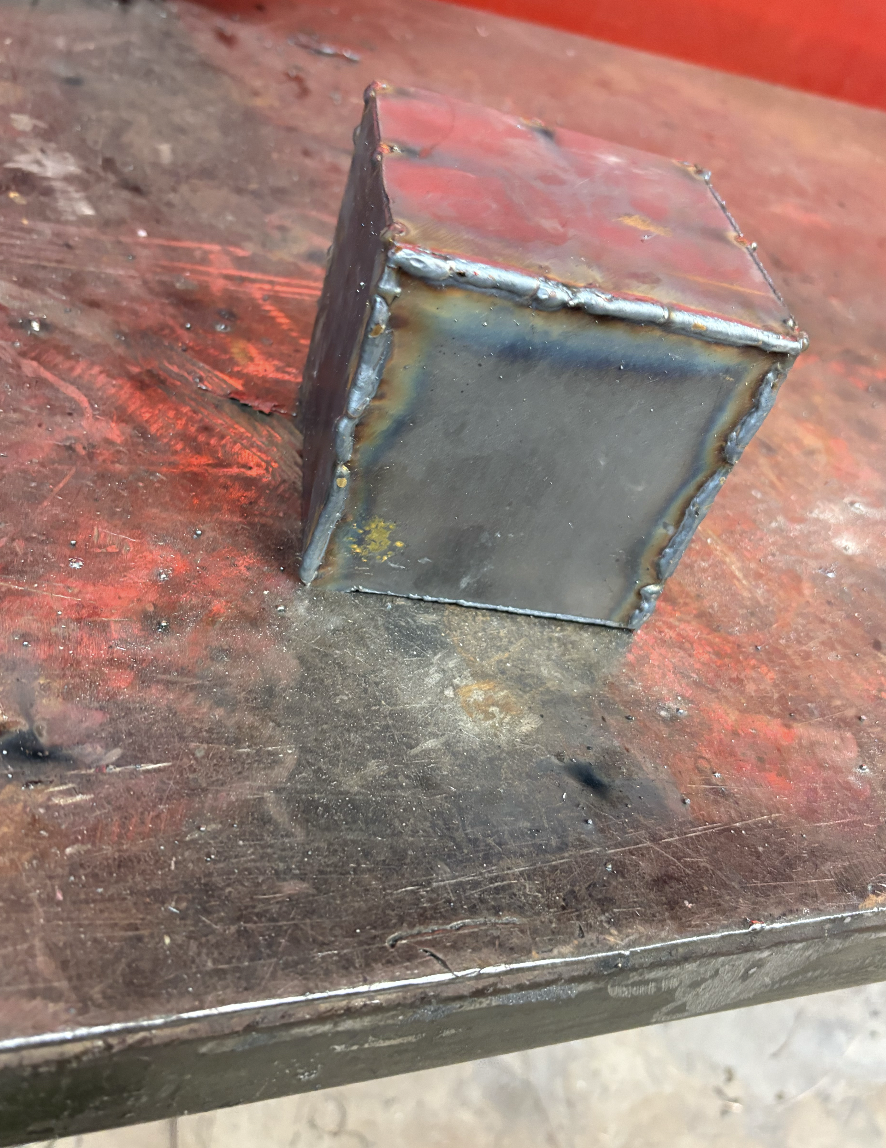
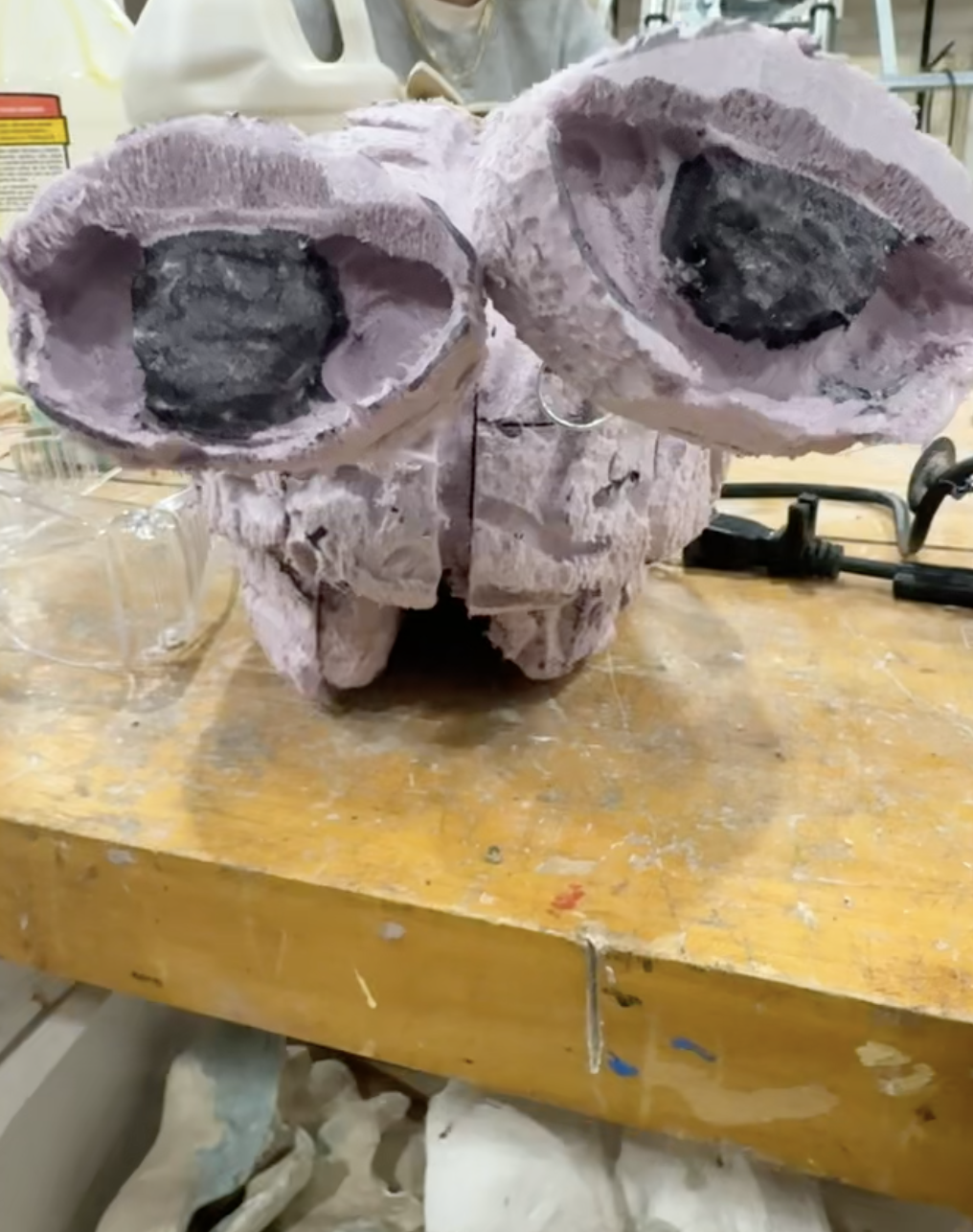
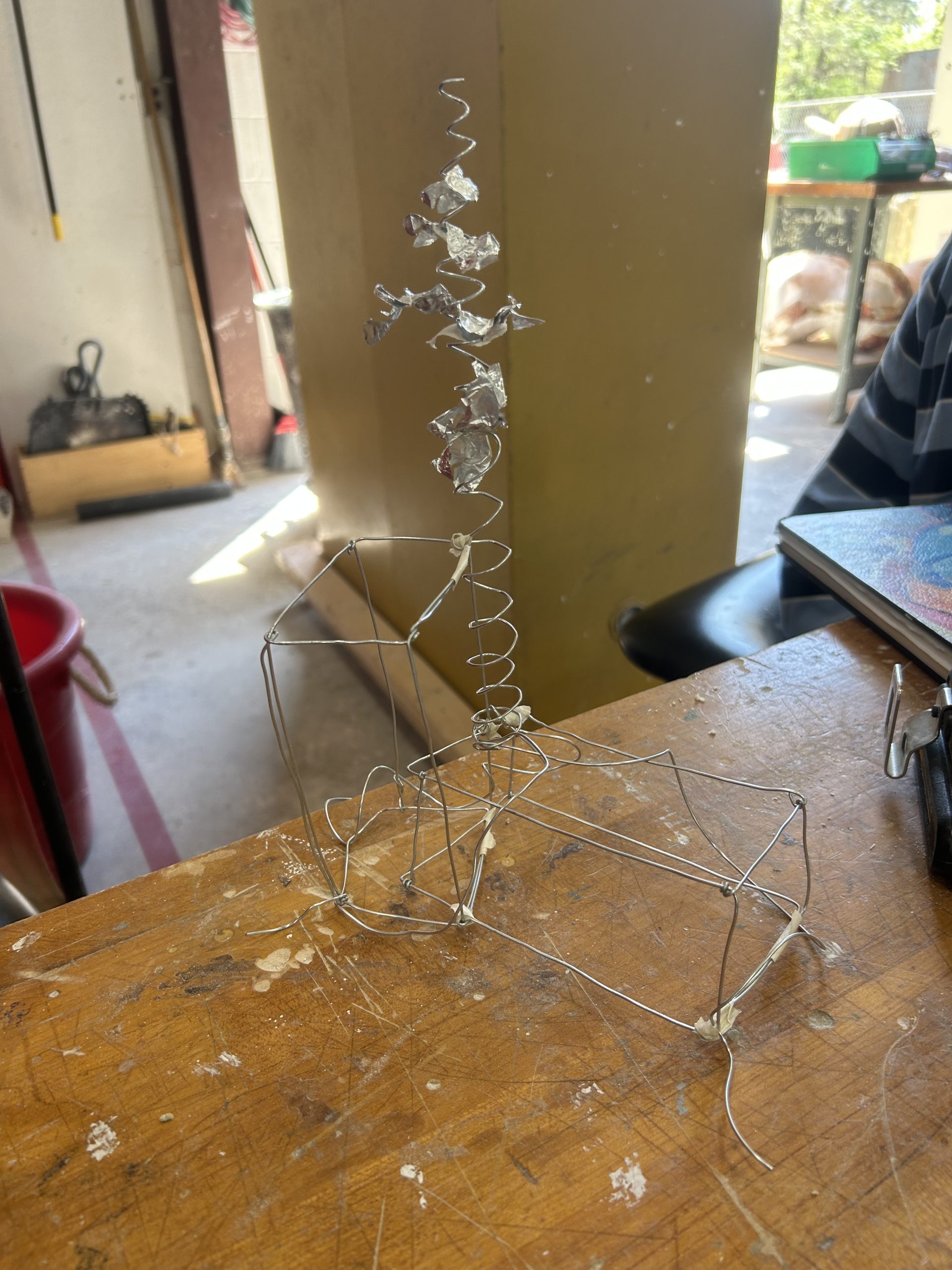
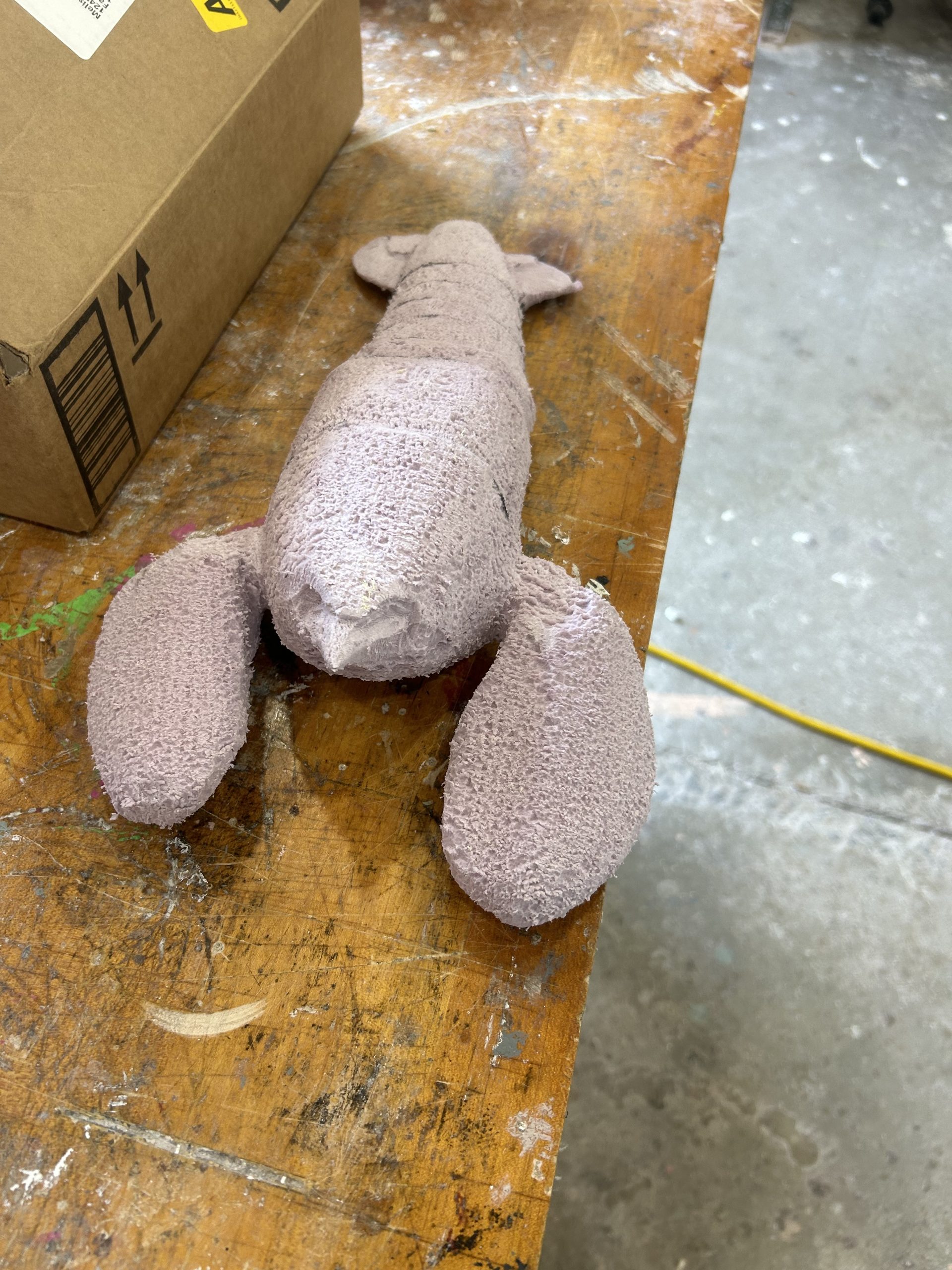

Julia Heiden’s piece
I really liked how she made the puddle shiny and wanted to use a similar technique with making my moon shiny.


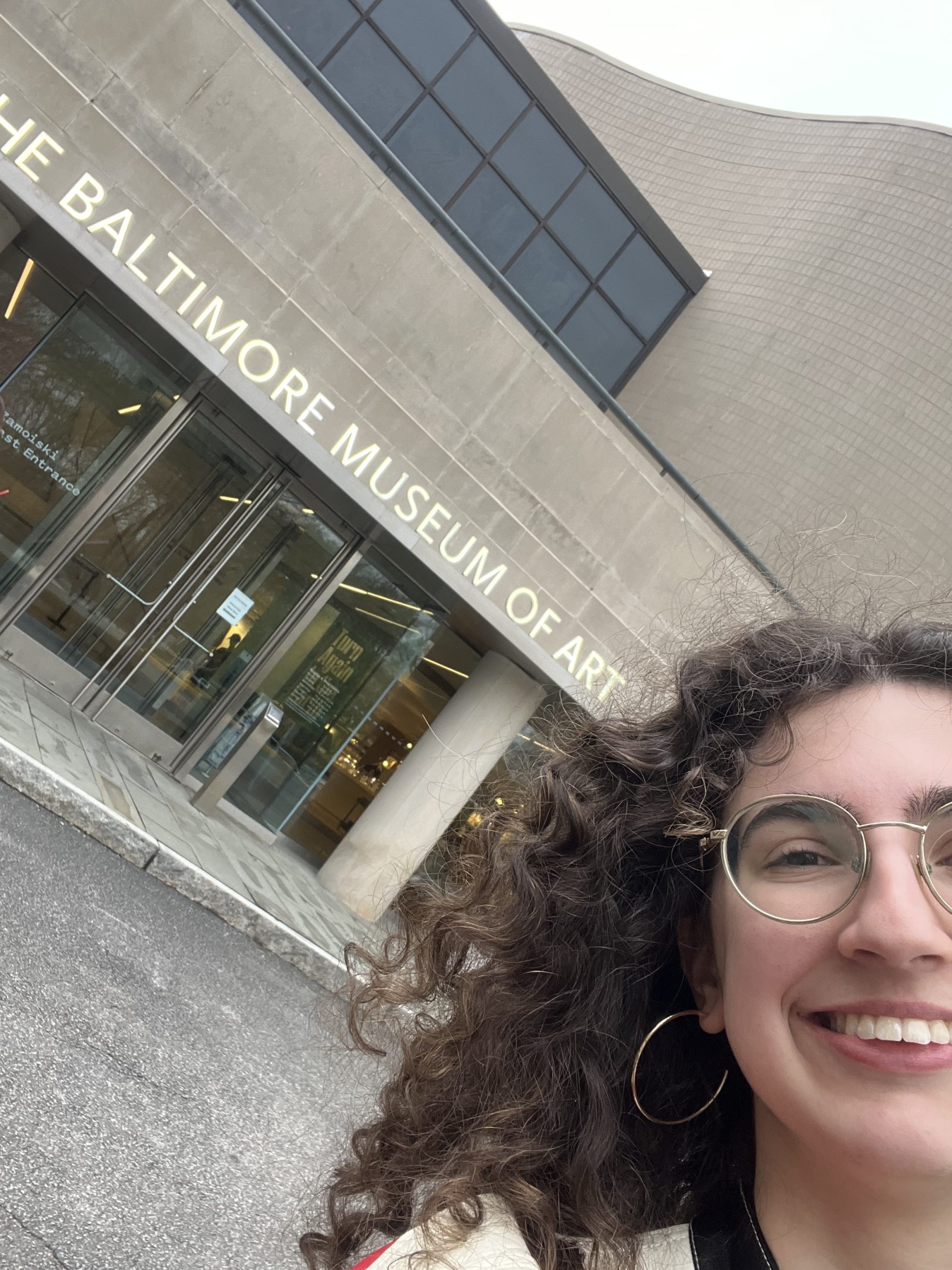
Title of Event: Trevisani Student Advised Art Acquisition
Date & Time of Event: Saturday, April 5th all day
Location of Event: Baltimore Museum of Art, Resident Artists’ Studios at Creative Alliance, Goya Contemporary
Type of event: Samek event, art acquisition, artist visits, and gallery visit






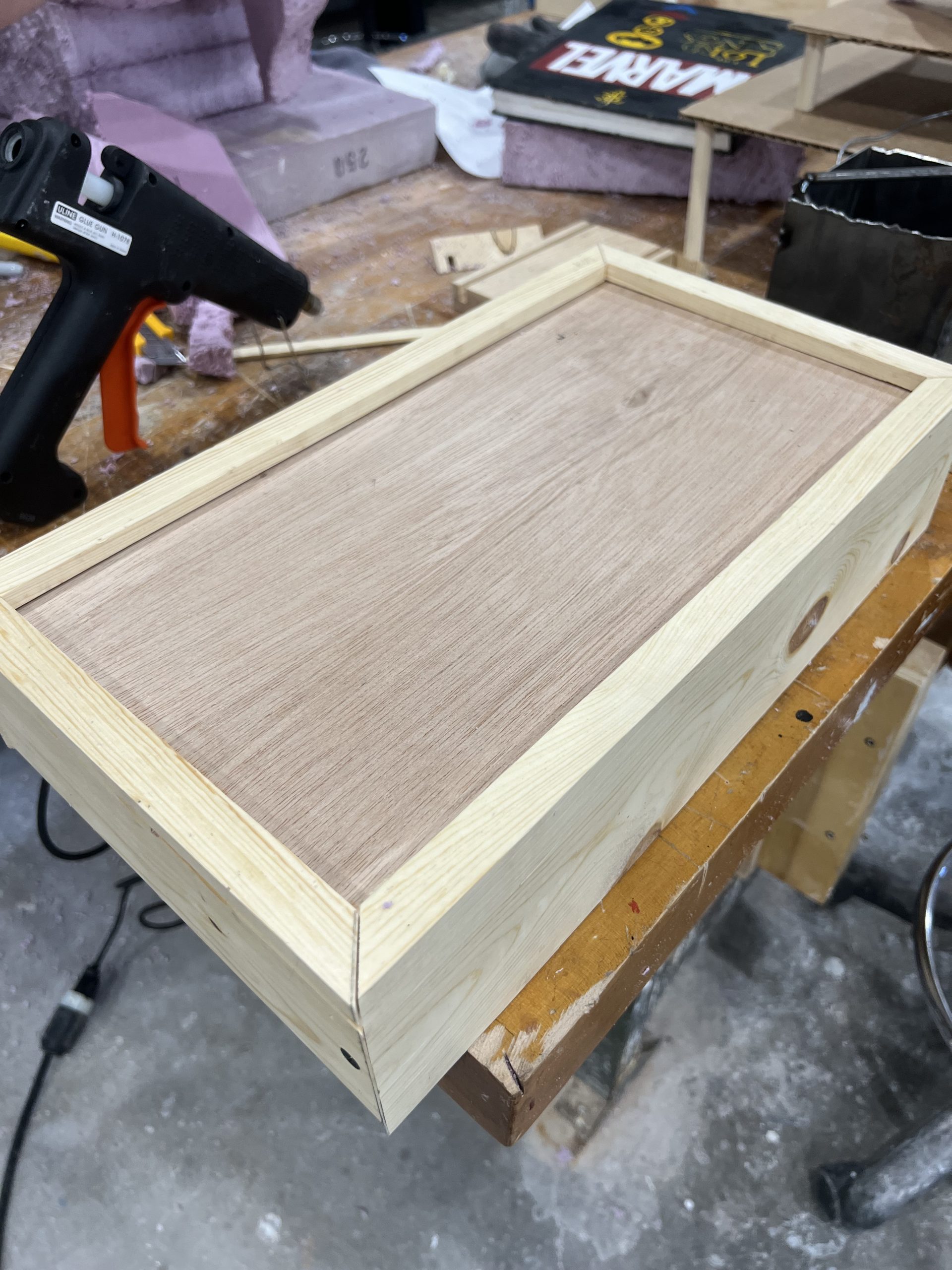
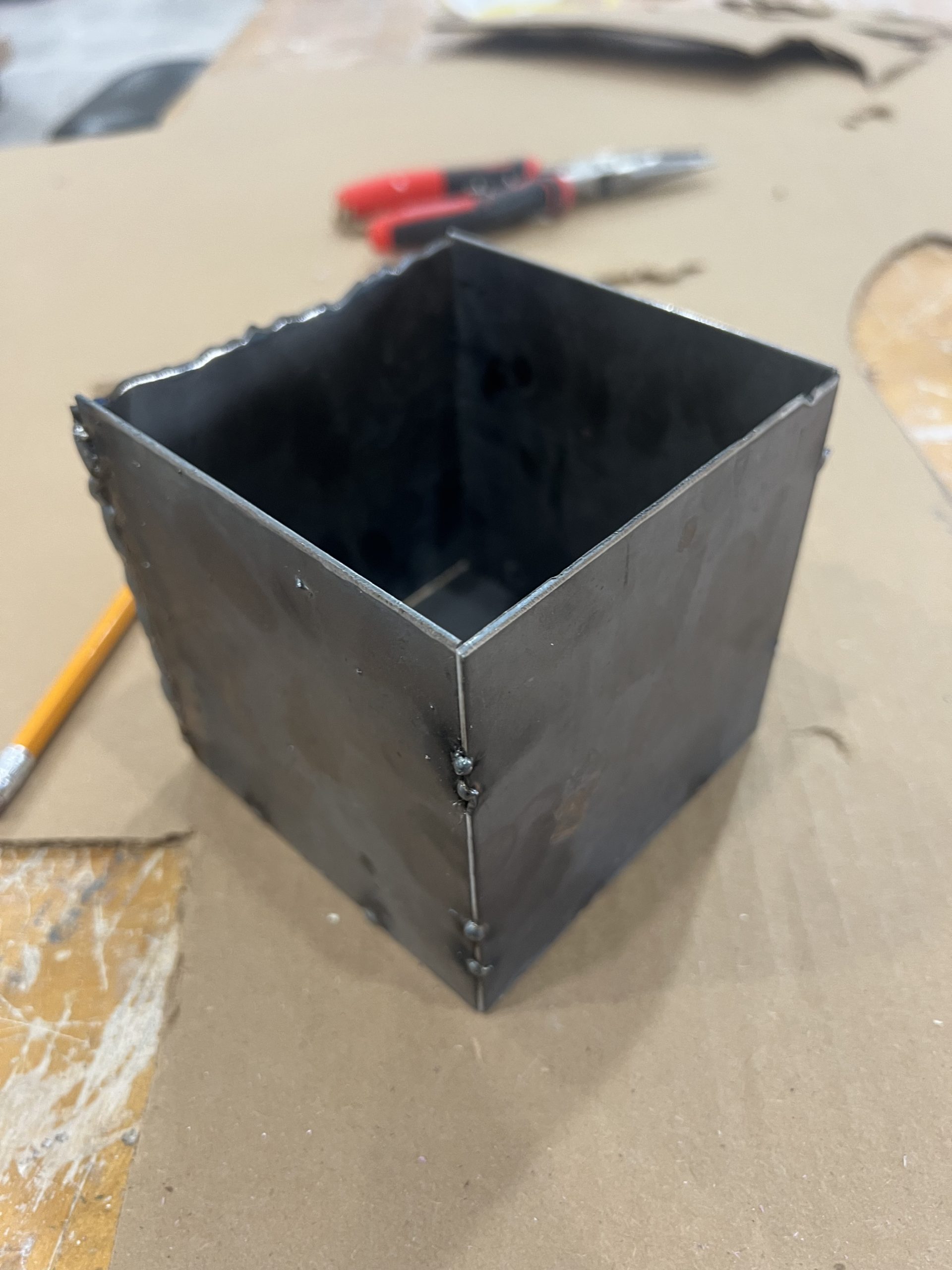
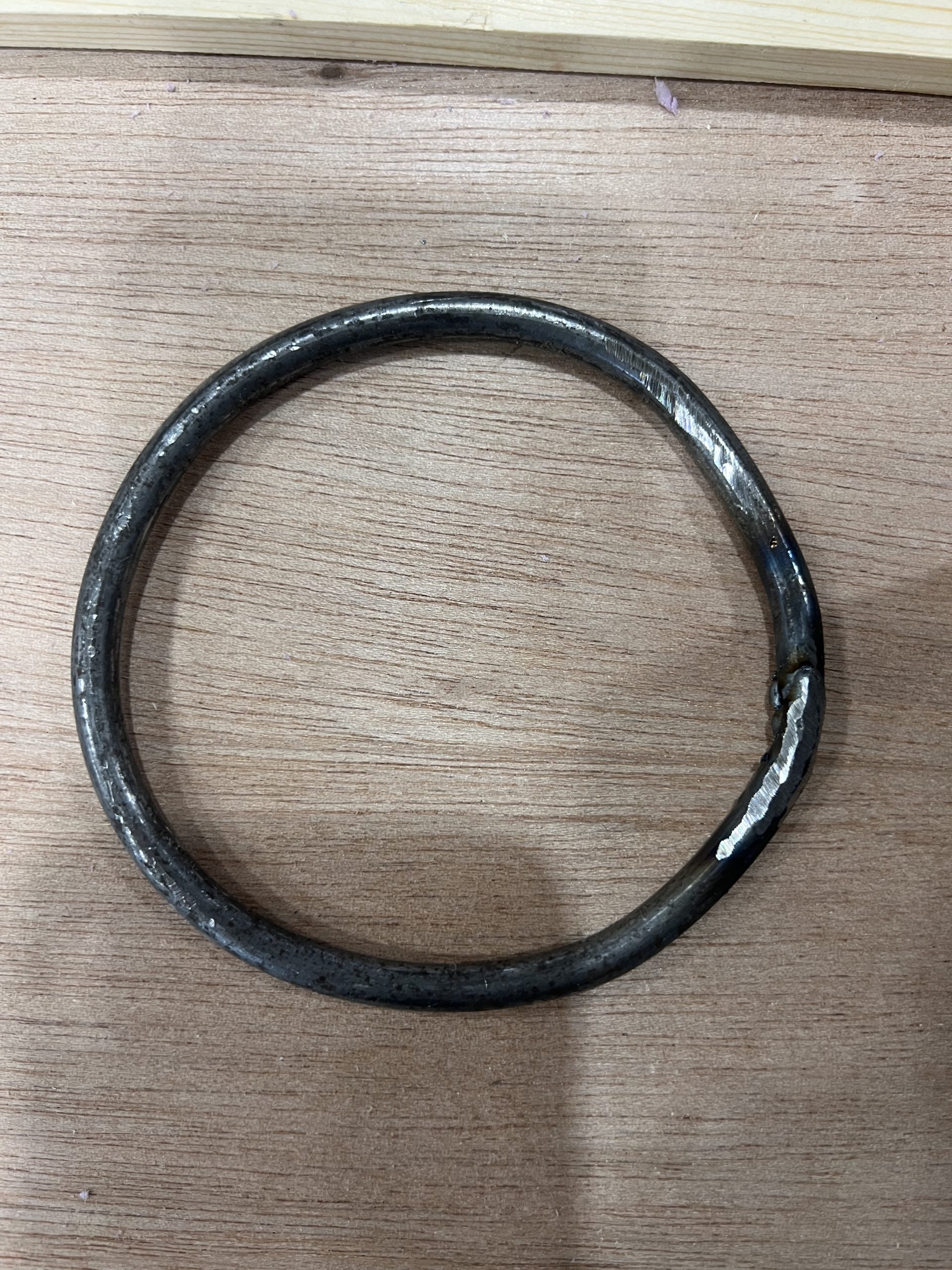
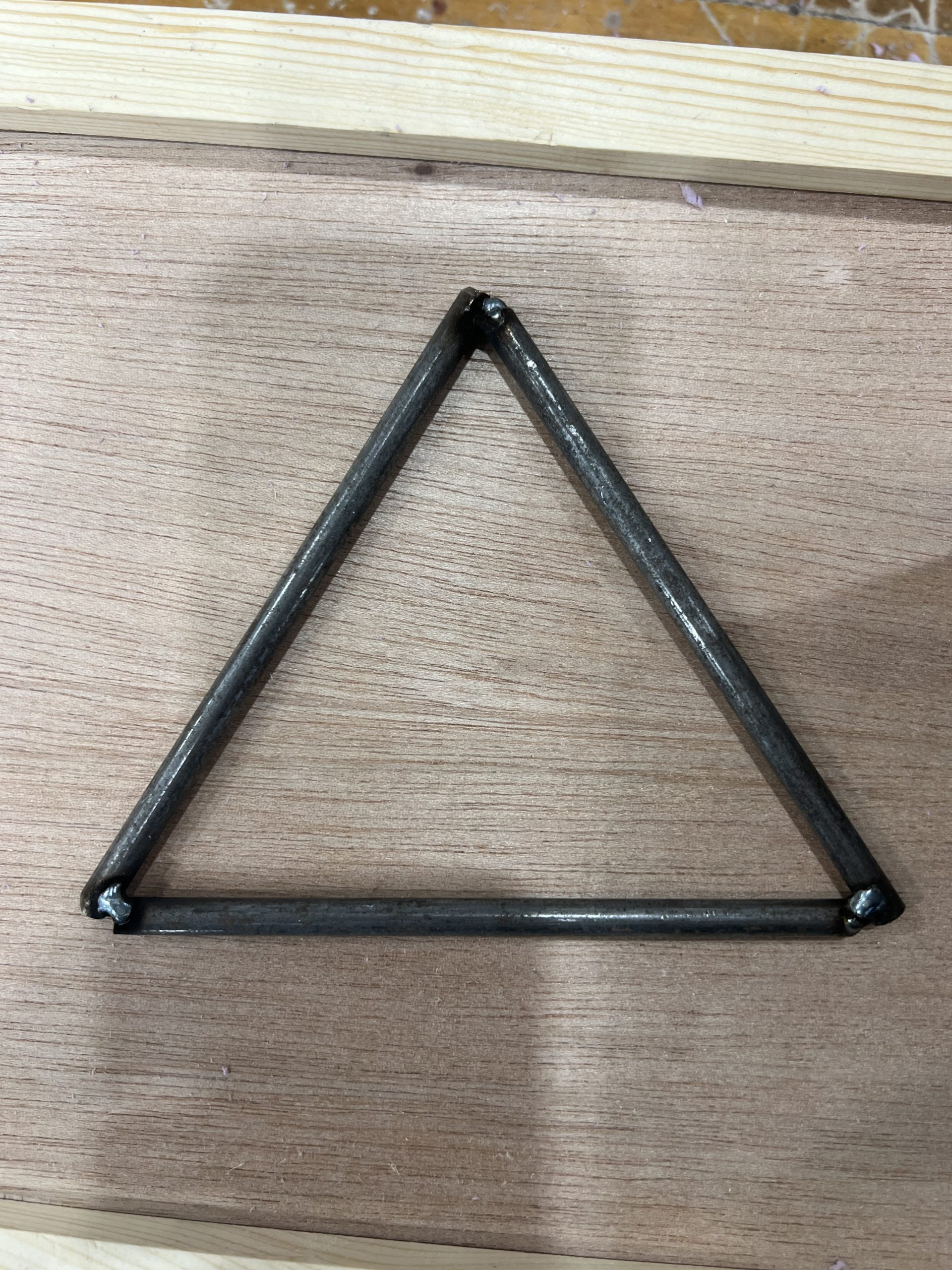
Out of the videos that I watched, I enjoyed Liz Magor the most. While I am not sure how I feel about her art being a mold casting of a paper bag, I liked the way she discussed her process. I liked how her studio almost seems sacred to her. It is her space alone where she can create in peace. I think I relate to the way that she likes to make her art. I also liked the idea that she keeps her studio very basic with the tools that she keeps so that she can pivot if she desires. I would have enjoyed more information as to why she chose paper bags and the story behind them. The page said she is looking at the junk and waste that humans leave behind and would have liked to hear more about that in the video.
Really enjoyed the art that Pfaff makes. I thought it was particularly interesting that she did not want to be a sculpture and that she was a painter to begin. I like how sculpture allowed her to spend more time on her projects, whereas when she was a painter she would finish the pieces almost in one sitting. She likes how a sculpture allows her to step back and spend more time. I like the kind of chaos of the pieces she makes, you can see her process through the final piece and how it has evolved as she created it.
I was a little terrified of her lack of safety equipment while welding. Her hand was so close to the weld and she had no eye protection.
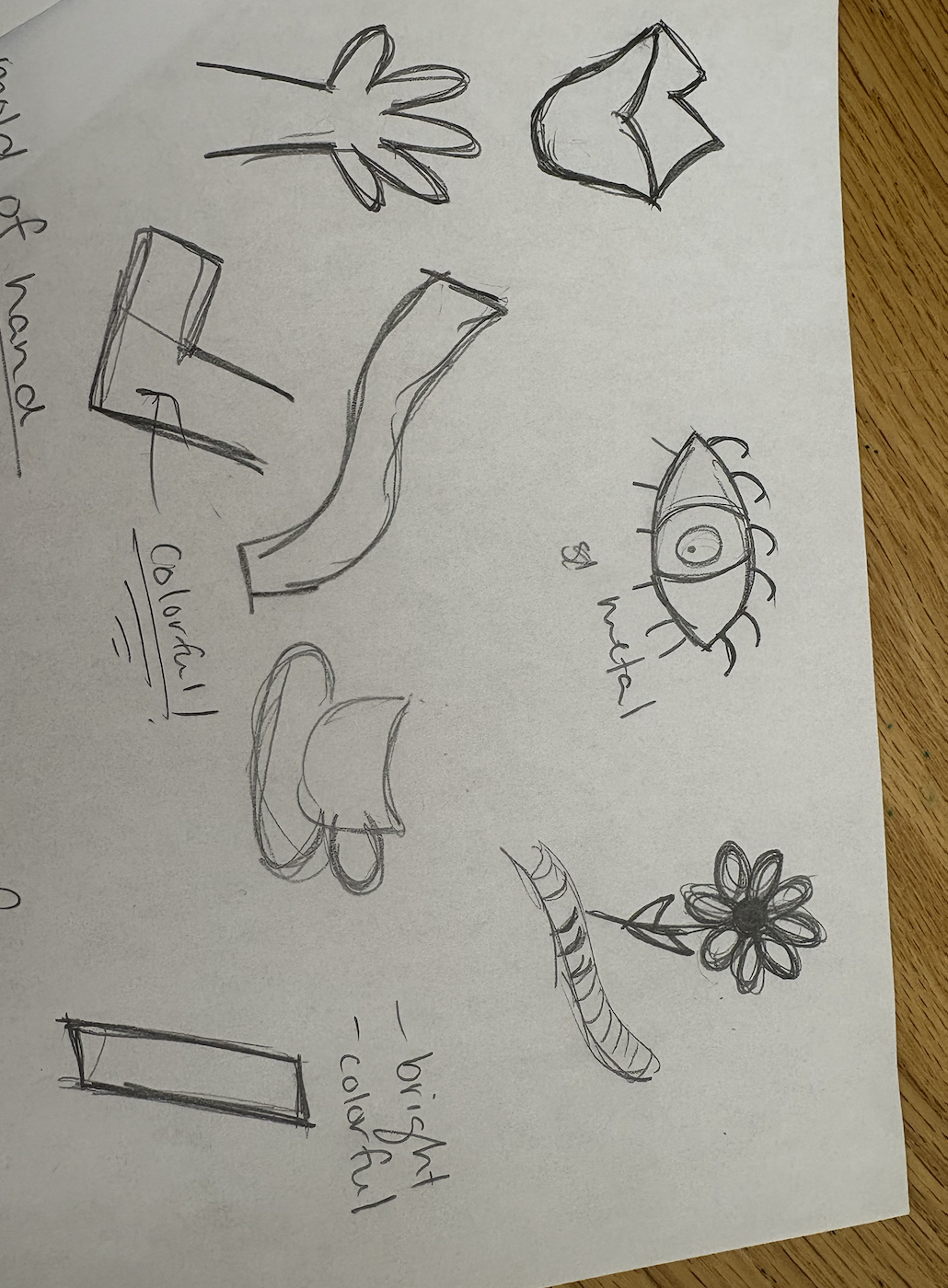
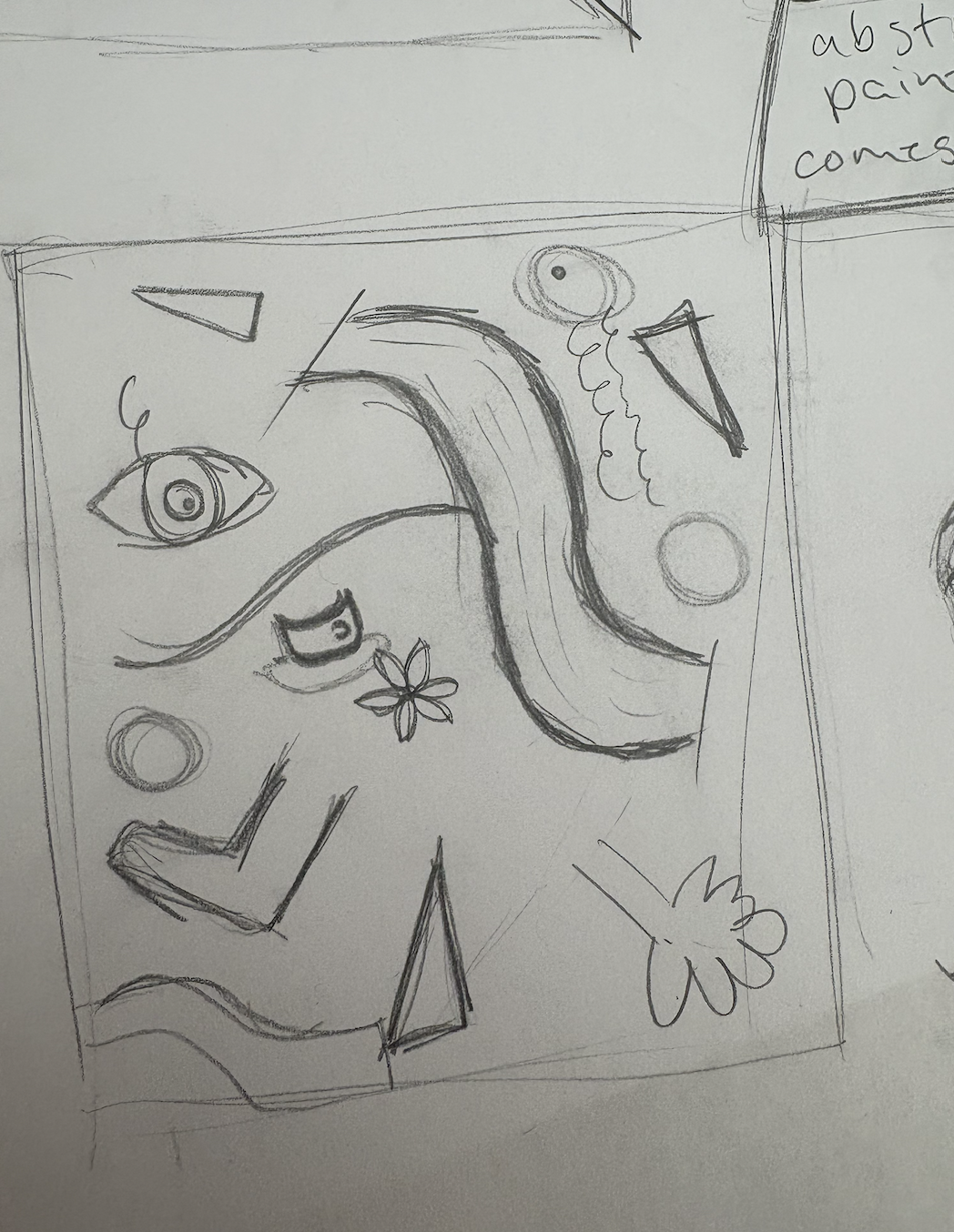
For this project, I wanted to take inspiration from 2D images and turn them into 3D art. I was especially interested in using abstract shapes and forms to build something new—kind of like reimagining flat designs in a more sculptural way. I chose this topic because it is something different from what I typically do. This is more abstract, and I tend to be a bit of a perfectionist with my work. I wanted to try to push myself to let go a bit and be more free with this art piece. Although this is a bit more abstract, I believe this will be a bit of a challenge to make a cohesive sculpture out of wood and metal parts.
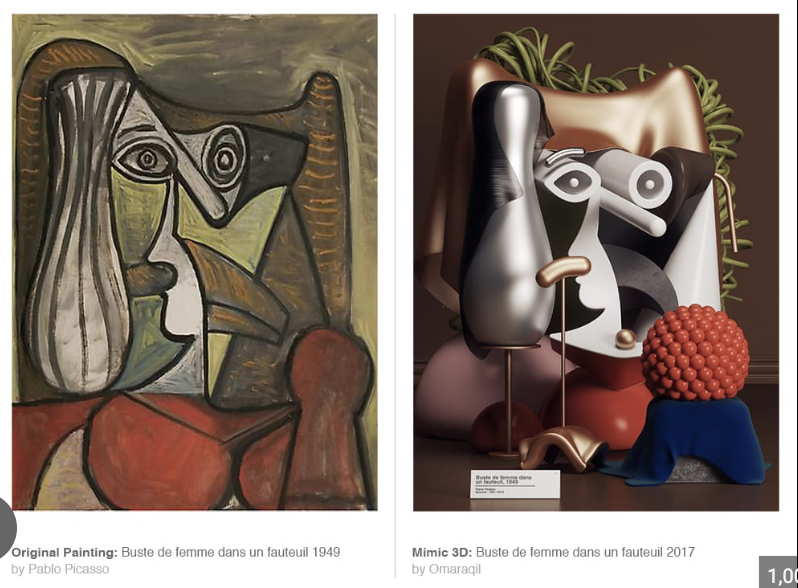
The work below is created by Omar Aqil. I want to reference his way of how he created 3d objects from a 2d painting
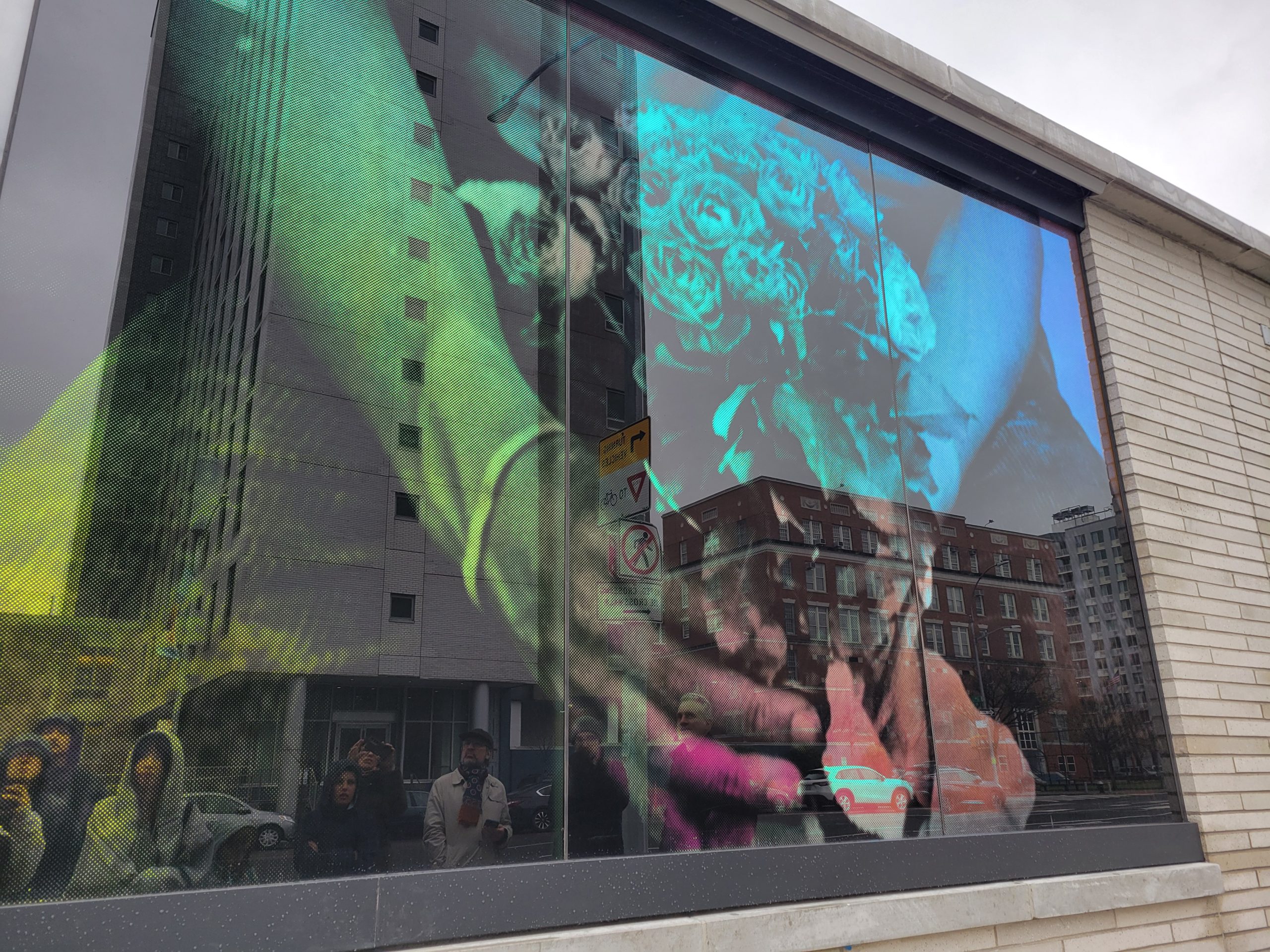
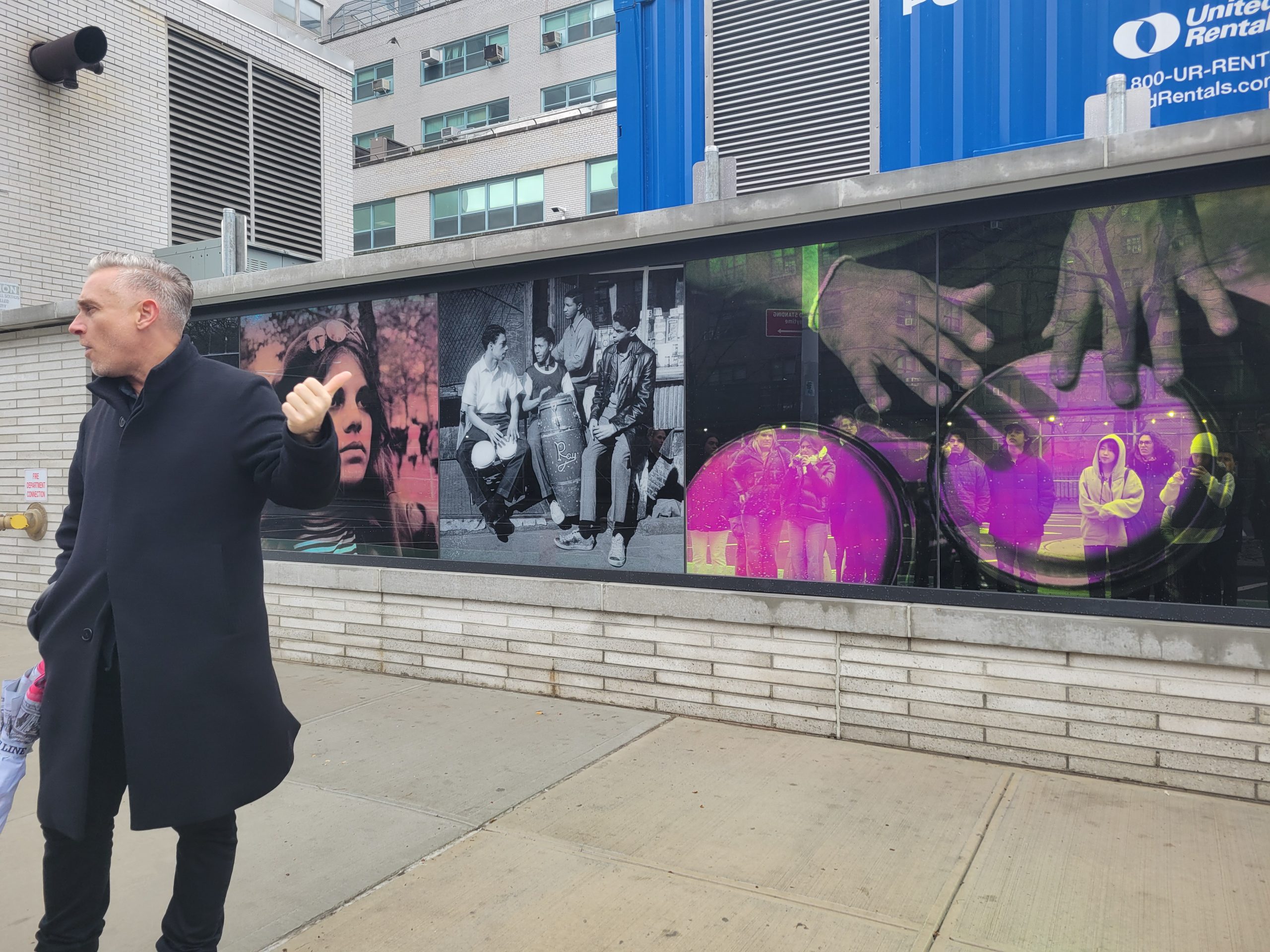
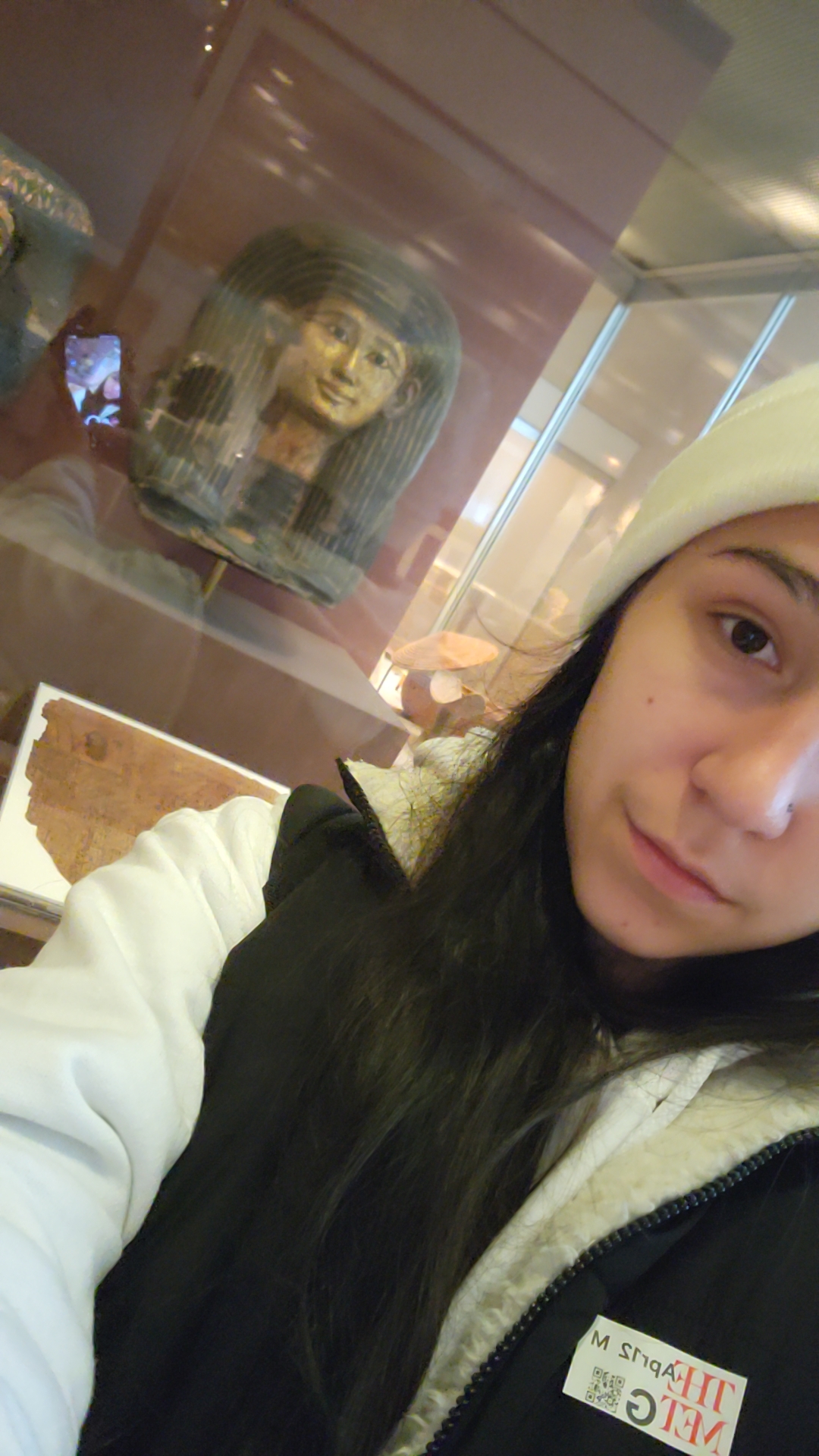
Title of Event: Rothschild-Johnson NYC Art Experience
Date & Time: April 12th – All Day
Location of Event: East Harlem, and The Met
Type of Event: Trip to New York
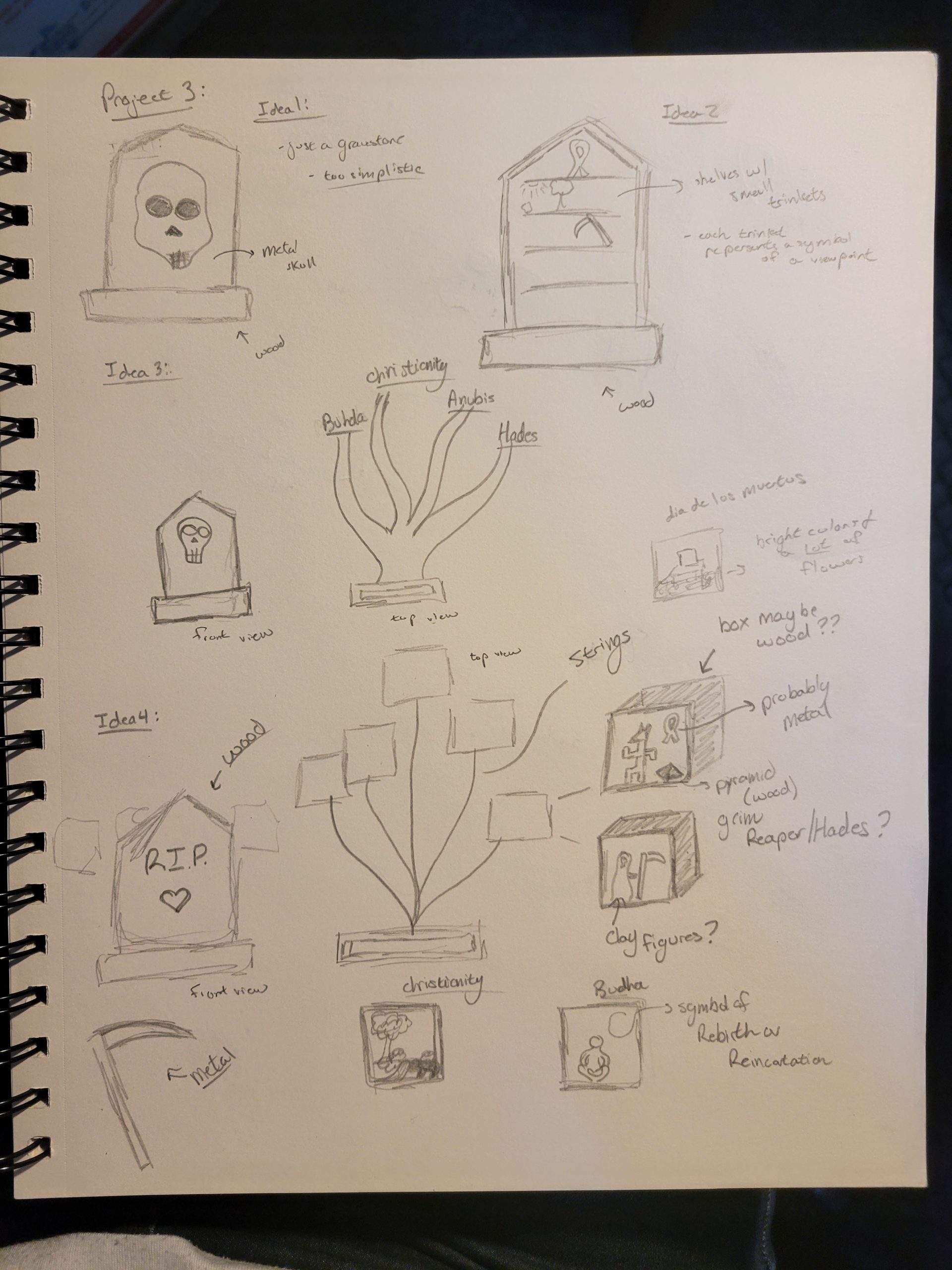
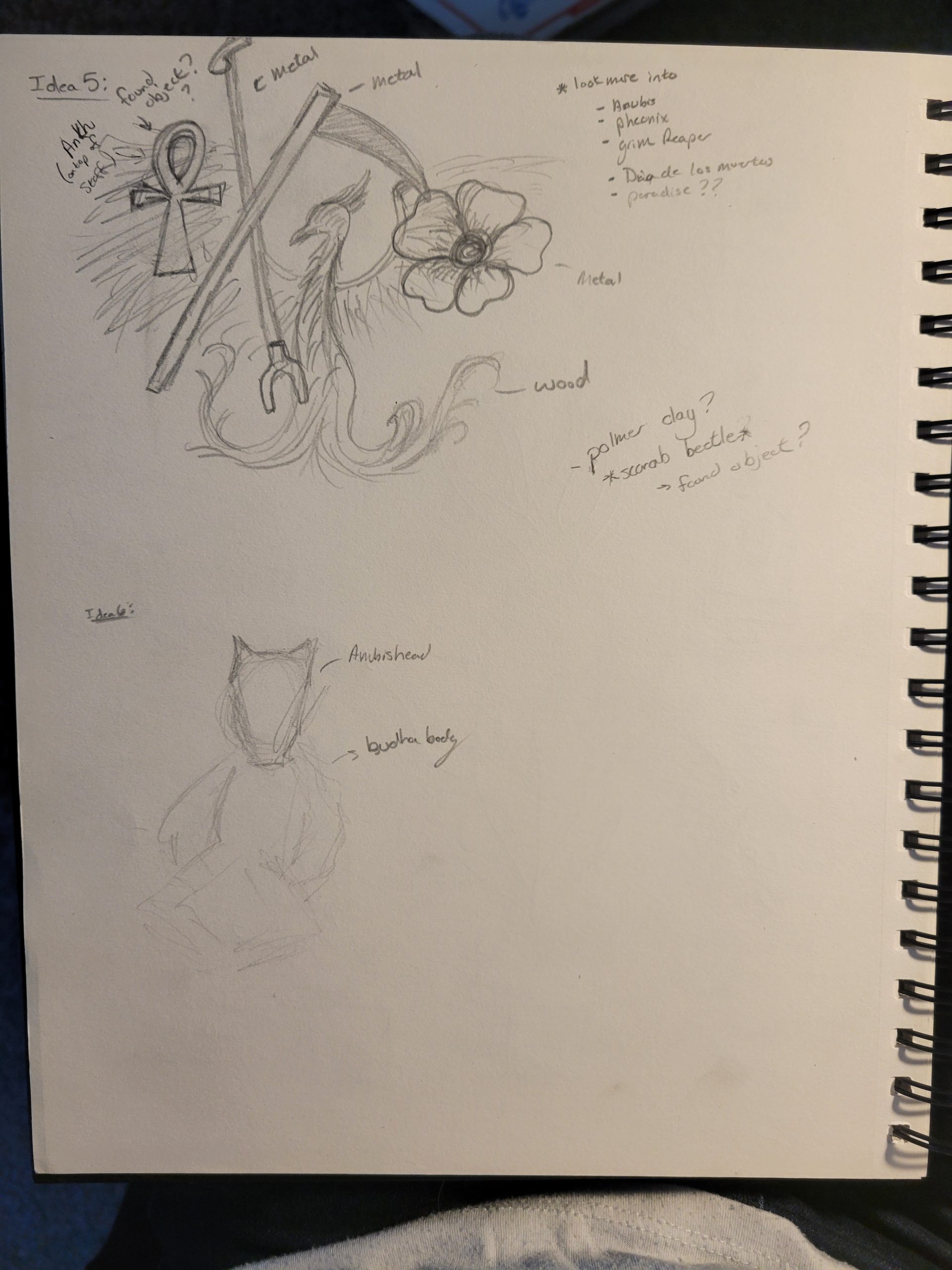
These are the twenty images from the ideation stages. Some images you can see where they were reflected in my finished project, others were scrapped or my ideas themselves changed as the project continued.
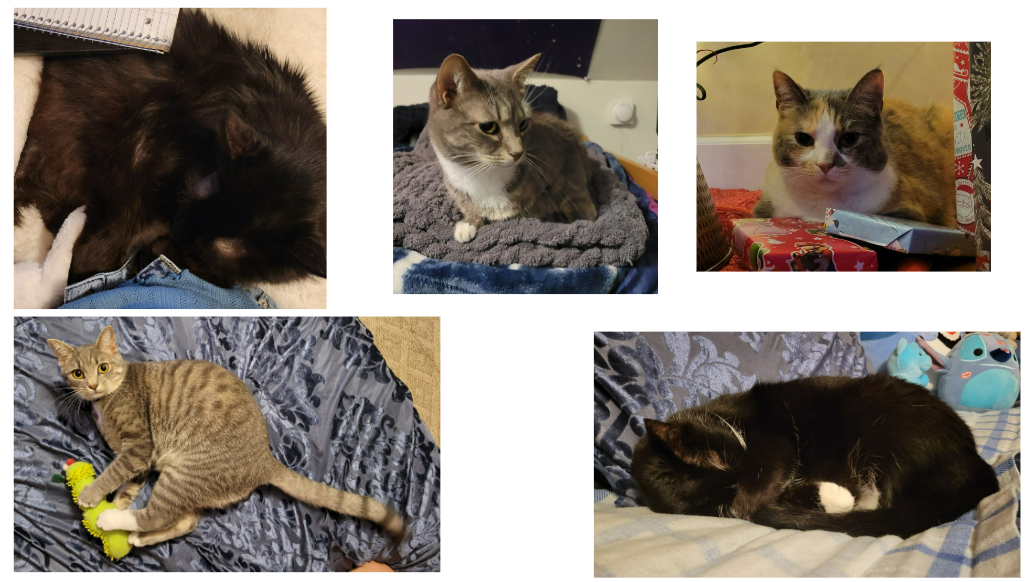
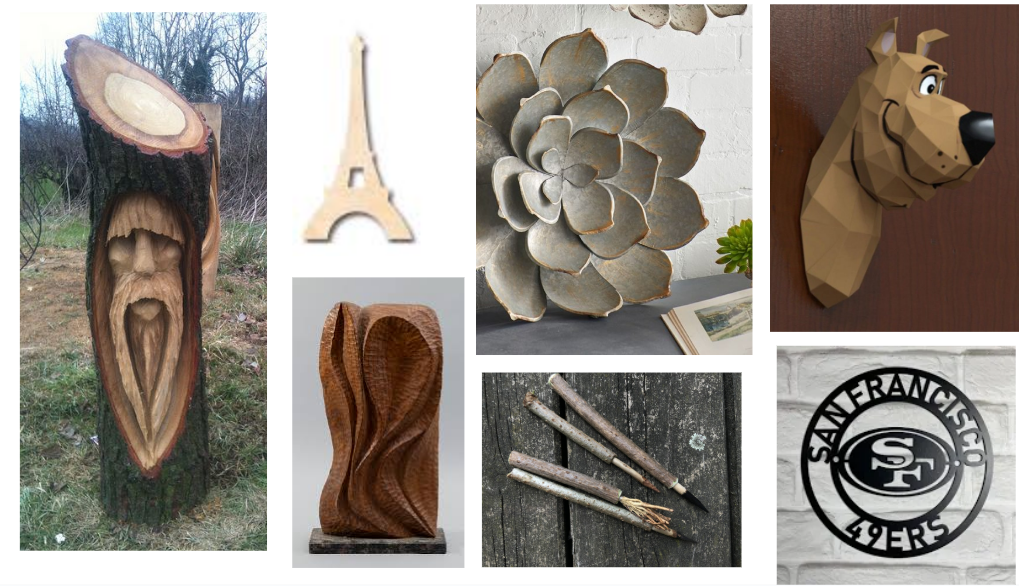
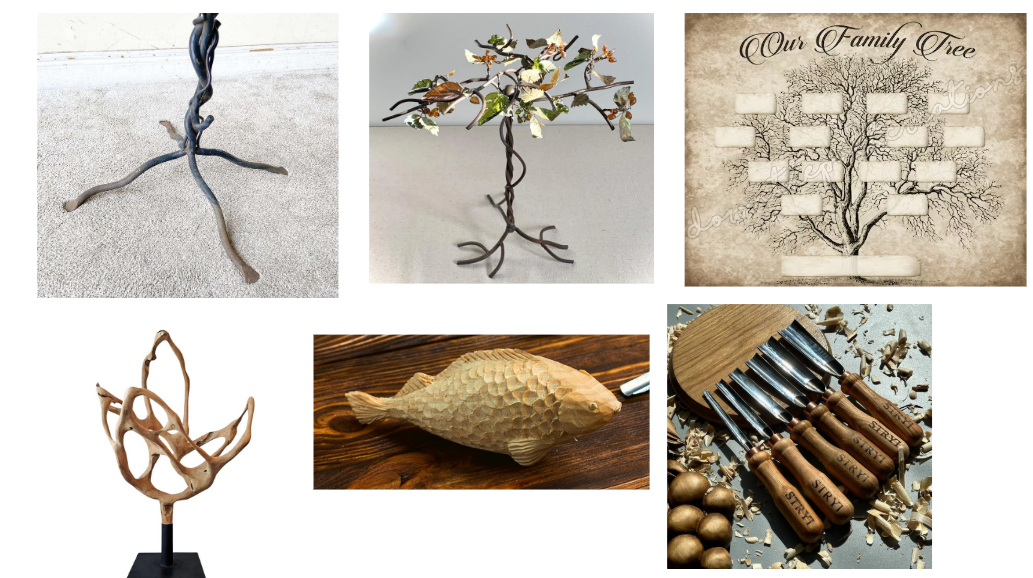
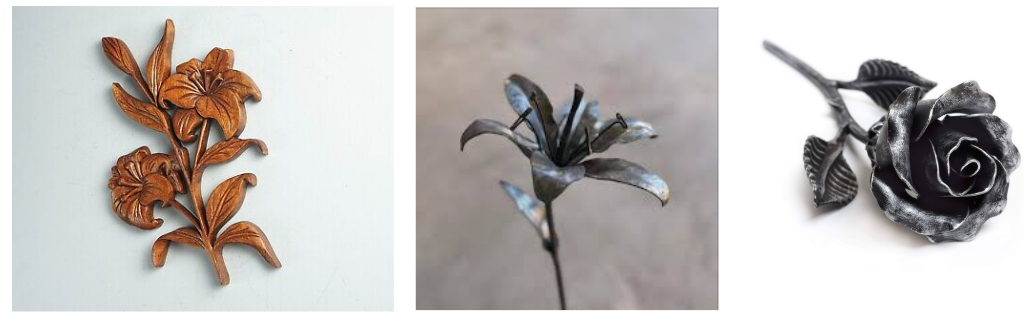
These are screenshots taken from the collage I made of my ten images.
2. Clarify Topic
In this project I want to investigate the difference between space and ocean exploration. Many scientists believe that we know more about space than we know about our oceans. More than 80 percent of the ocean remains unseen and unexplored. This means that humans have seen and mapped more of Mars and the moon than we have of the ocean. This goes against everything that seems logical. Most people have been to the ocean and space remains this mystical thing that only astronauts (and the insanely wealthy) can explore. How can we have the technology to send people into a vacuum but not to the ocean?
The ocean covers 71 percent of the planet. With less than 80 percent of that ocean mapped, it seems like we know very little about the planet we live on. The deepest trenches in the ocean are deep enough that if Everest was put at the ocean floor it would not break the surface of the water. The amount of pressure that a vessel would have to withstand to travel that deep is hard to imagine. There is also no light at this depth. The vastness of the ocean means that scientists have no idea how many animals could be living in these deep trenches. To me it feels like these ocean creatures that could exist are as mystical as the possibility of aliens.
This sort of paradox between space and the ocean has always perplexed me. I grew up around water, visiting the beach and sailing every summer. The ocean is a large part of my life. Despite constantly being surrounded by the ocean I always have been a little wary of it. The fact that you can jump in and not know what’s below you is always a little unsettling.


3. Barrow a Strategy

Free Fall (Cast bronze sculpture of a Diver Plunging ceiling mounted) Sculpture by Vya Vya
I really like how this bronze sculpture is hanging from the ceiling.
4. Sketches


1. Choose Topic
I would like to focus my project on the beauty of the national parks, specifically Accadia. I live a few hours from Accadia and it is one of my favorite places to visit. Unfortunately, many of the National Parks are being put in jeopardy due to politics. These parks are critical for preserving the beauty found in the United States and serve as a place where people can connect with nature. I want this project to exemplify the importance and beauty of Accadia, as this park is very special to me. I would also like to exemplify how the towns surrounding the parks often rely heavily on the park and nature around them. Particularly Bar Harbour thrives on tourists and also on the ocean. Without Accadia this town would be significantly smaller, like most towns in northern Maine, and many of the residents would be unable to make a living. I would like to show how the parks on their own preserve the natural beauty of this country and are critical to the environment while also showing how they impact the people and towns surrounding them. I would like other people to understand the importance of parks like Accadia when looking at this shrine.
2. Visual Research


3. Barrow a Strategy

Welded Metal Pine Trees by Rich Crnich
I really like the way that the artist was able to create the texture of the tree with the welds. I hope to make something similar if I make a pine tree.
4. Sketches

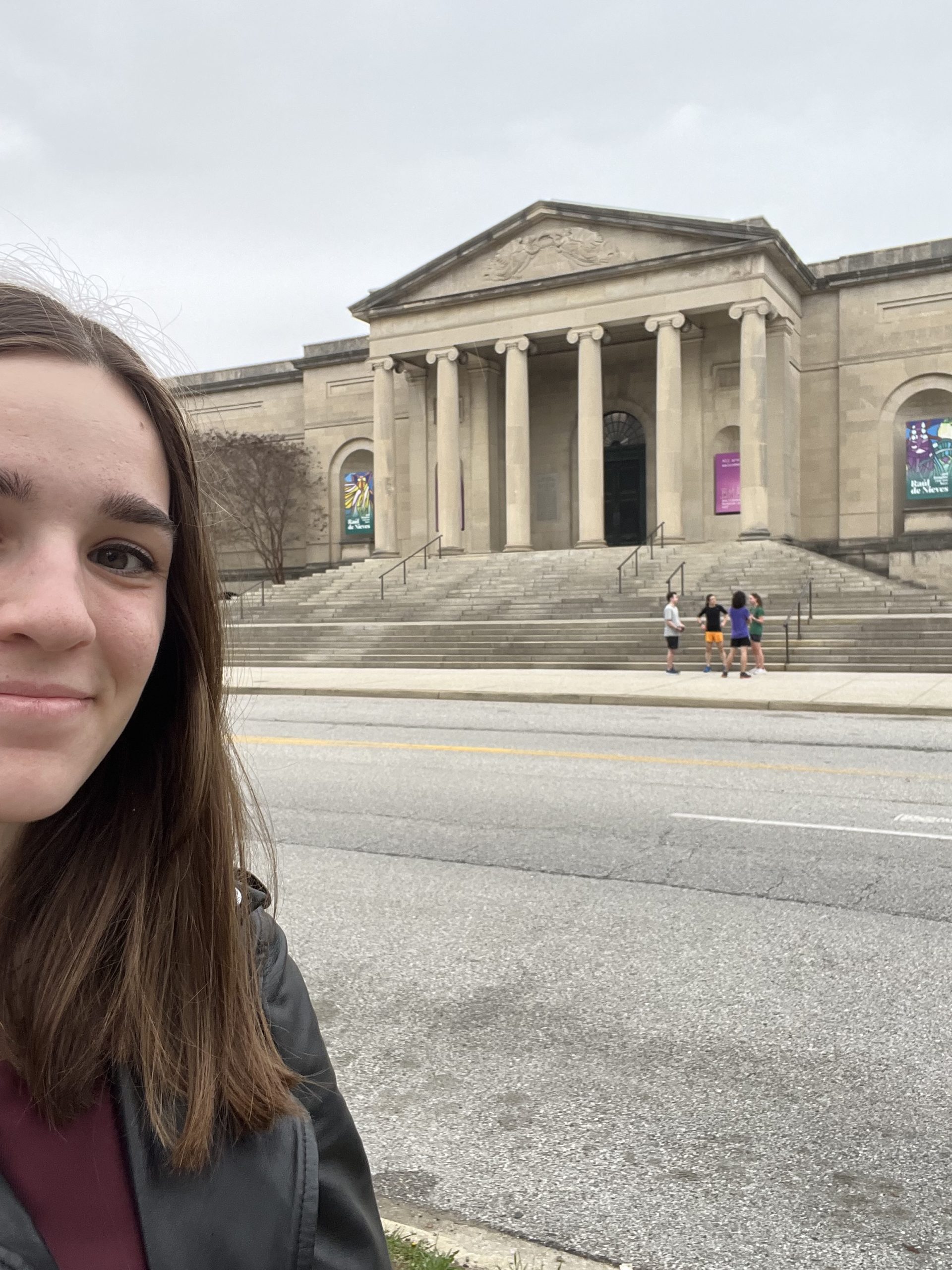
Trevisani Student Art Acquisition Trip – April 5, 2025 – Baltimore, MD – Museum, gallery, and artist visits to decide a piece to purchase for the Samek Gallery
In watching the interviews, I found the most interesting artists and works to be ones that experimented with non-traditional, found media and materials. One of the artists, Mark Dion, used found materials to show “windows into the past”. I liked that he went to flea markets and antique stores to find old objects to use in his works, because I also enjoy going to these places and like the idea of giving old things new meanings. Another big focus of his work was his concern about the destruction of natural spaces and the environment. However, I felt some of his work contradicted this idea because he took a large downed tree, that he said housed animals, plants, and bugs, and moved it to an indoor greenhouse in a city, taking apart and removing part of nature with his work. However, I do understand that this was also a statement about human detachment from nature.
Another artist I explored was Theaster Gates, whose art focuses on the collections people have and how that expresses their personality. I enjoyed his pieces that contain magazines and books arranged to mimic a painting. It used a material that you wouldn’t associate with painting, while simultaneously making the viewer wonder what information they contain, almost wanting to take apart the art piece to find out.
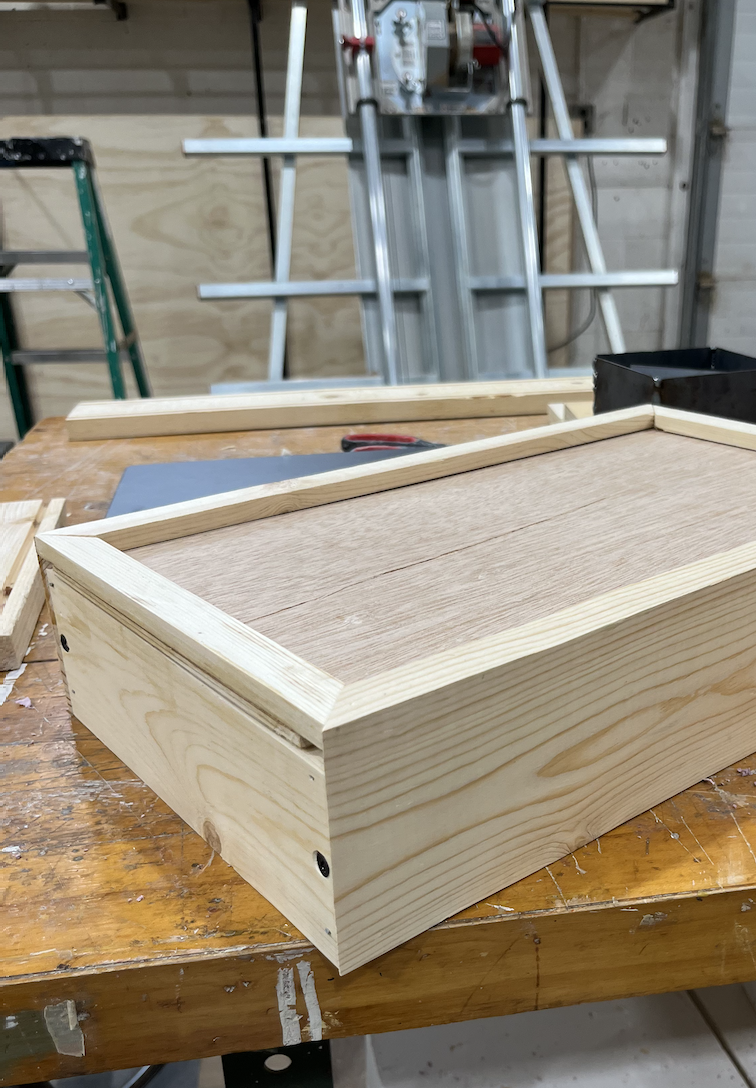
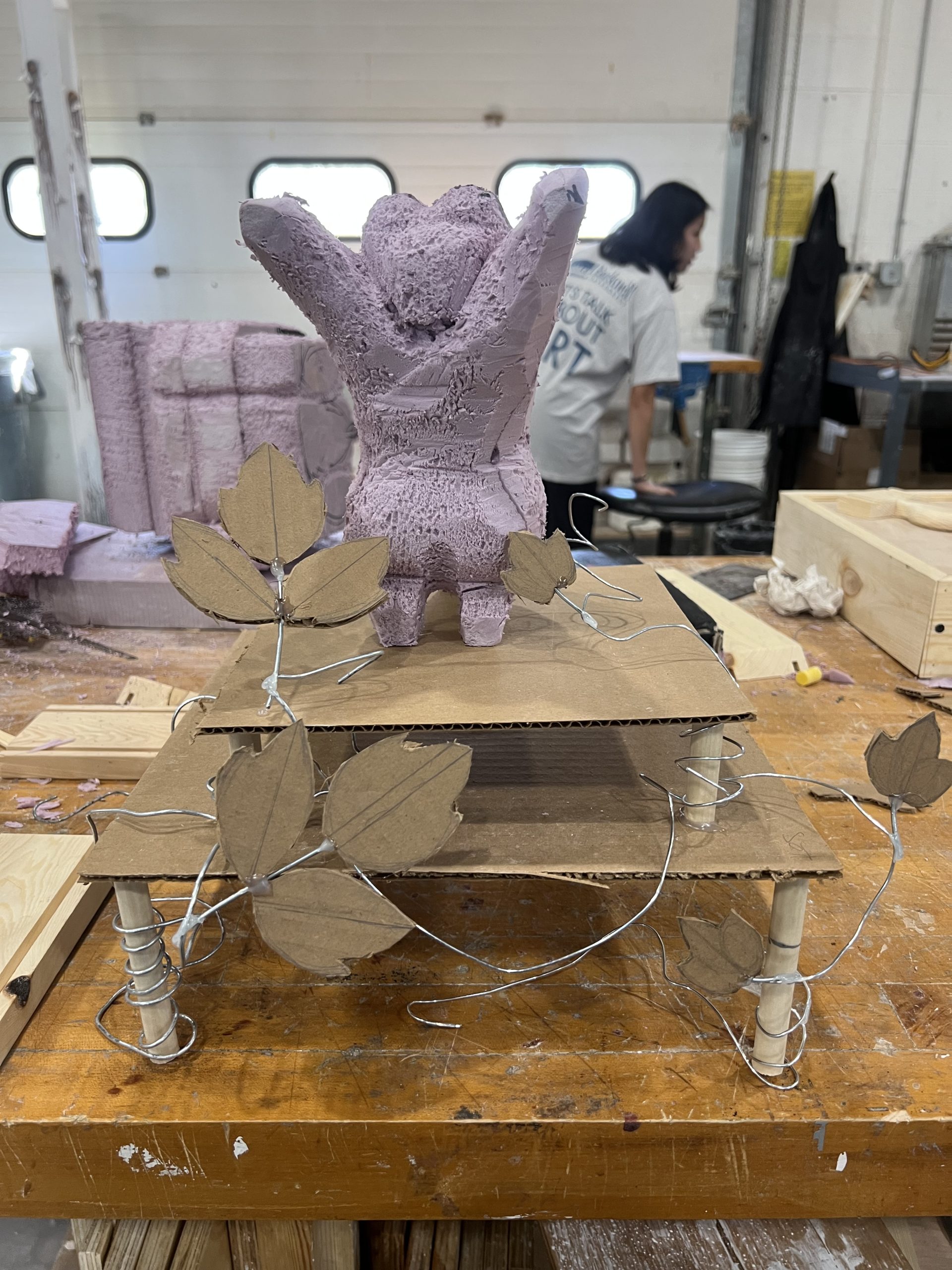
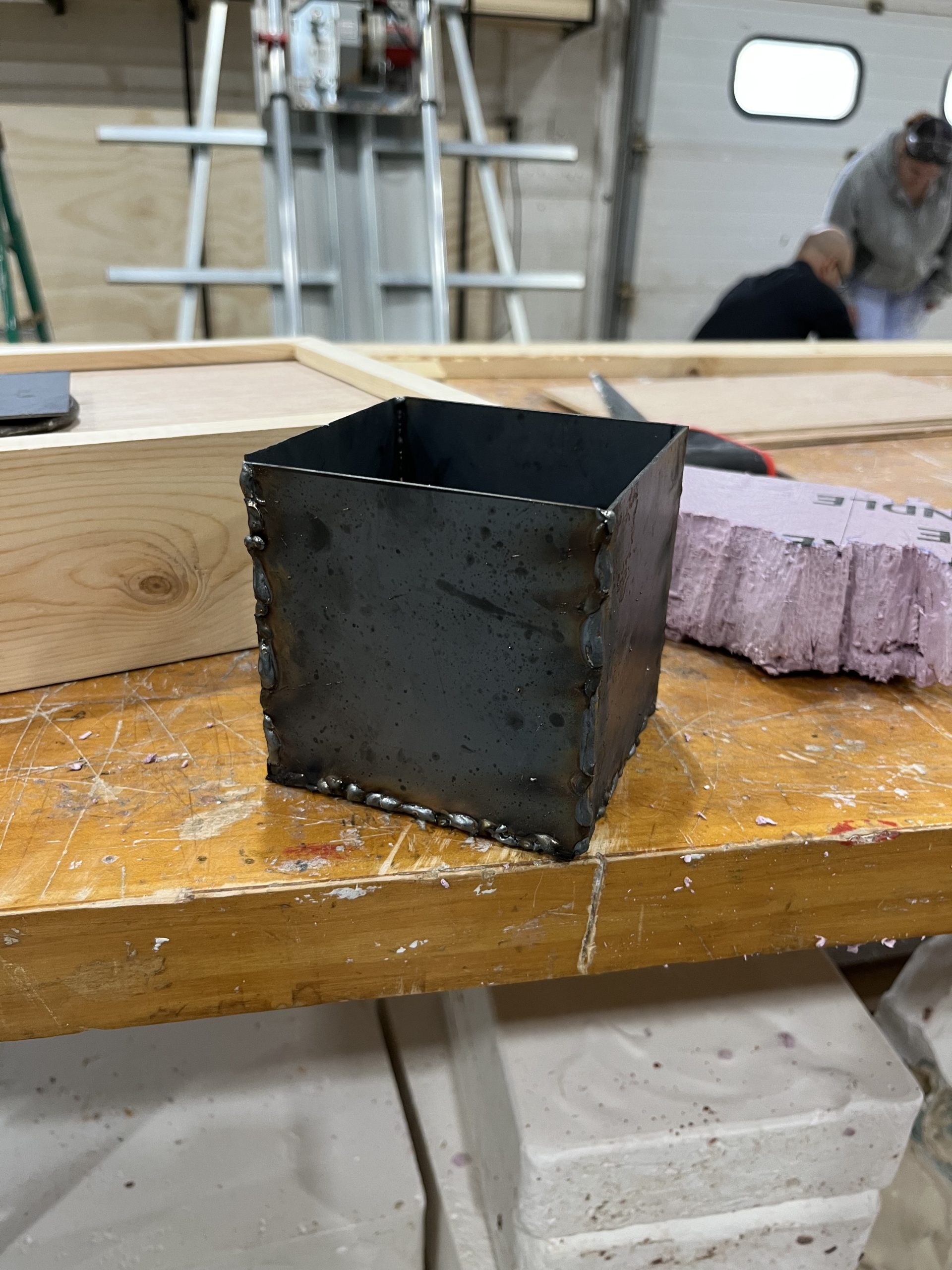
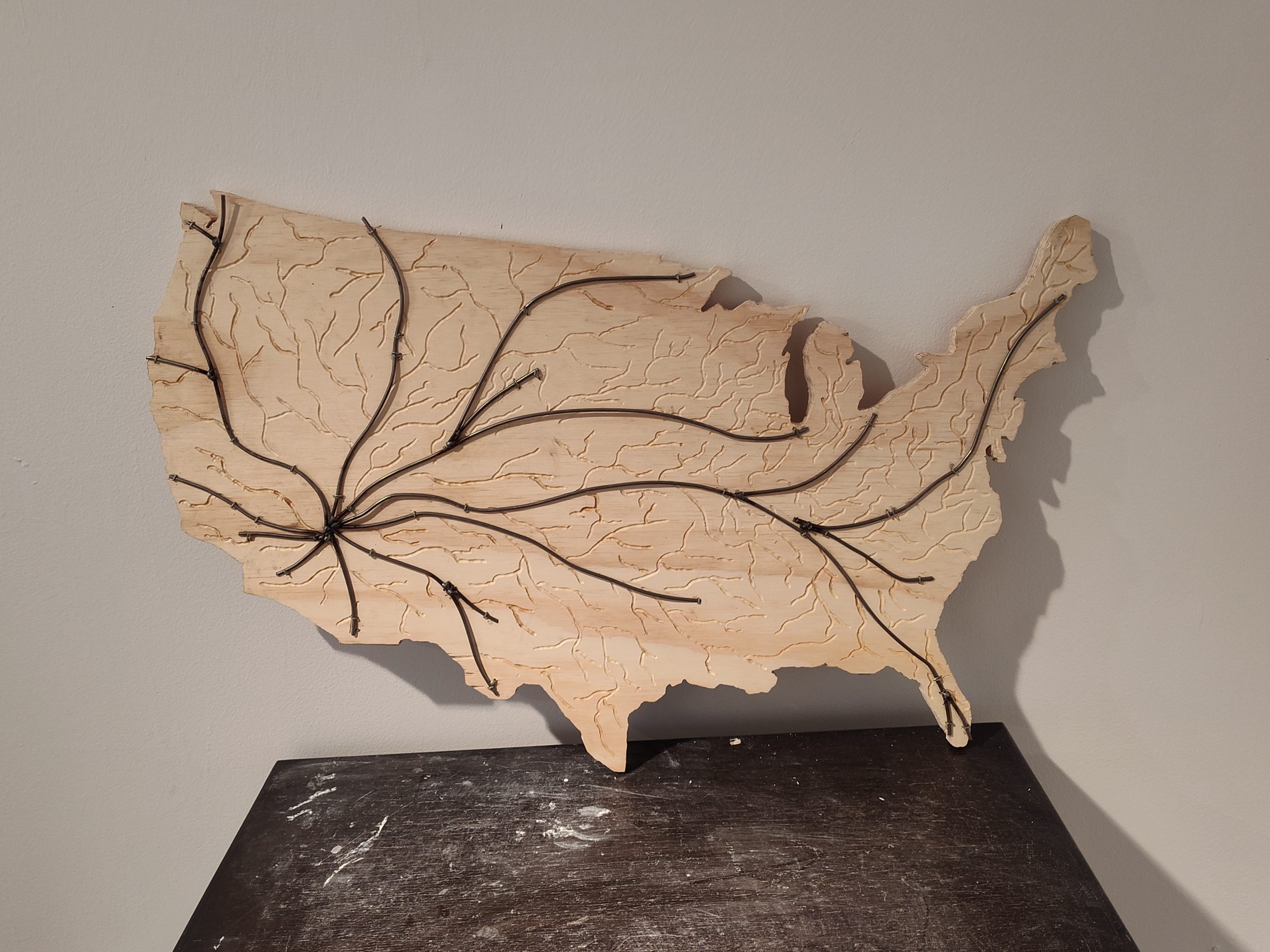
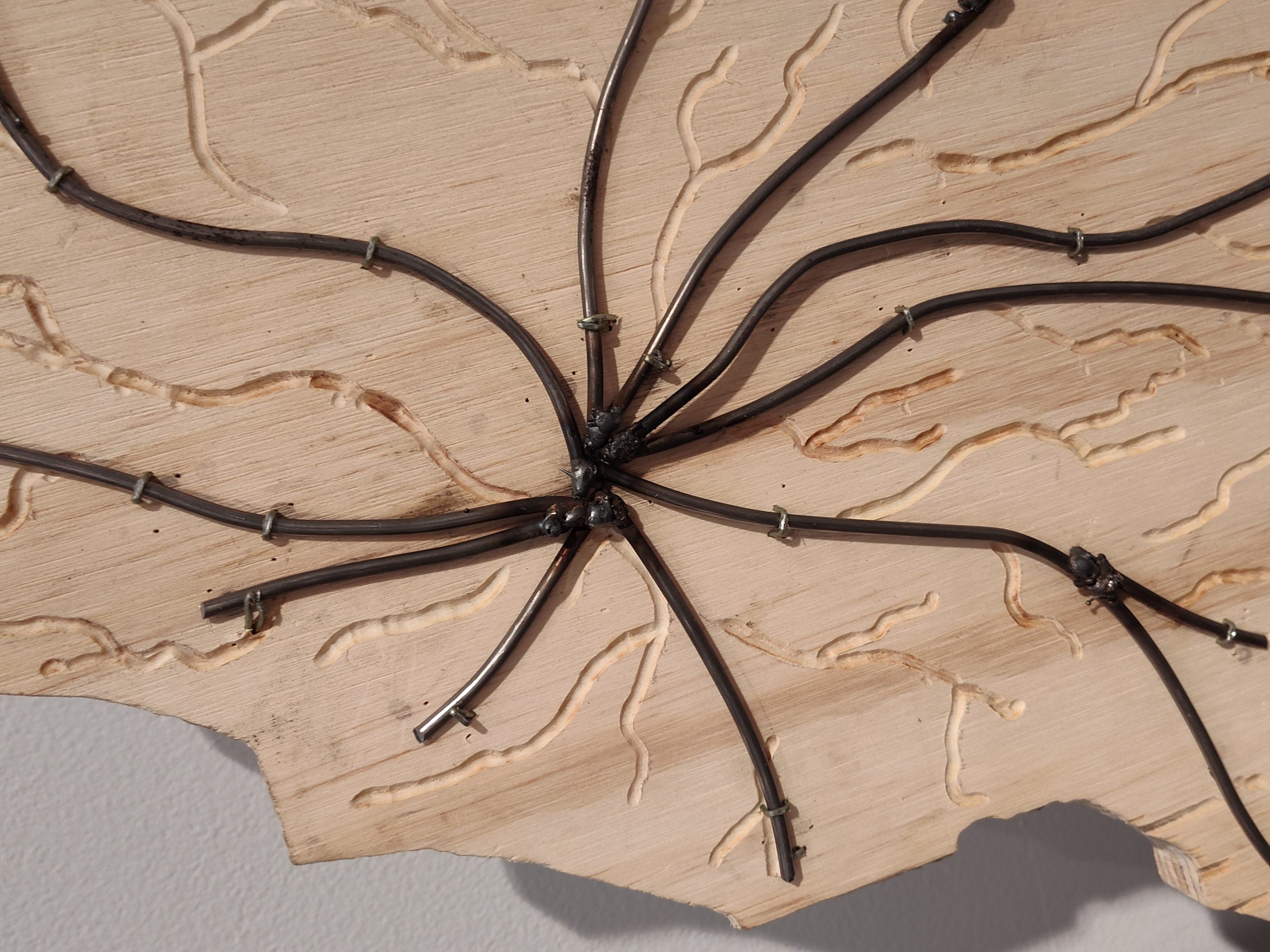
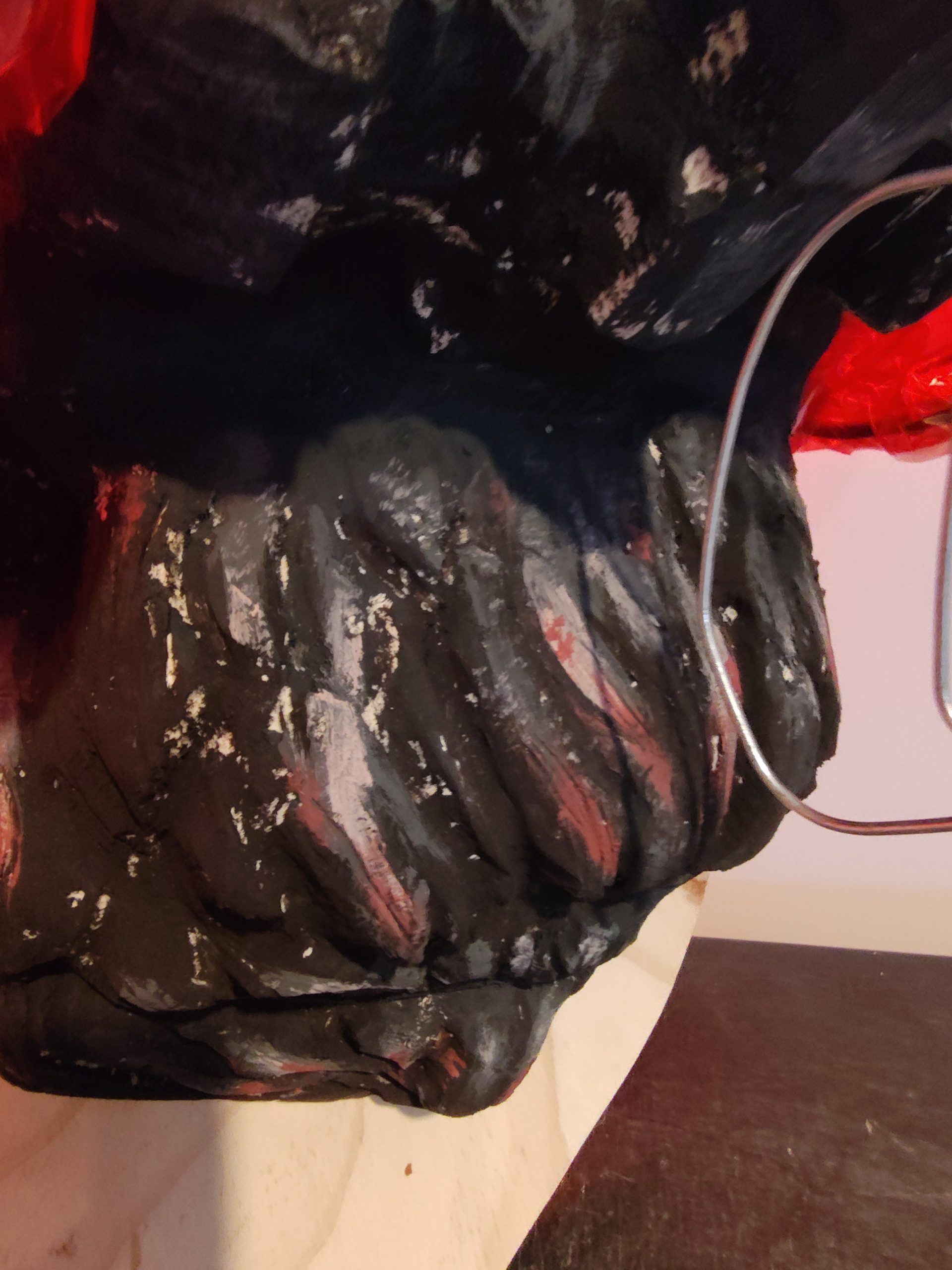
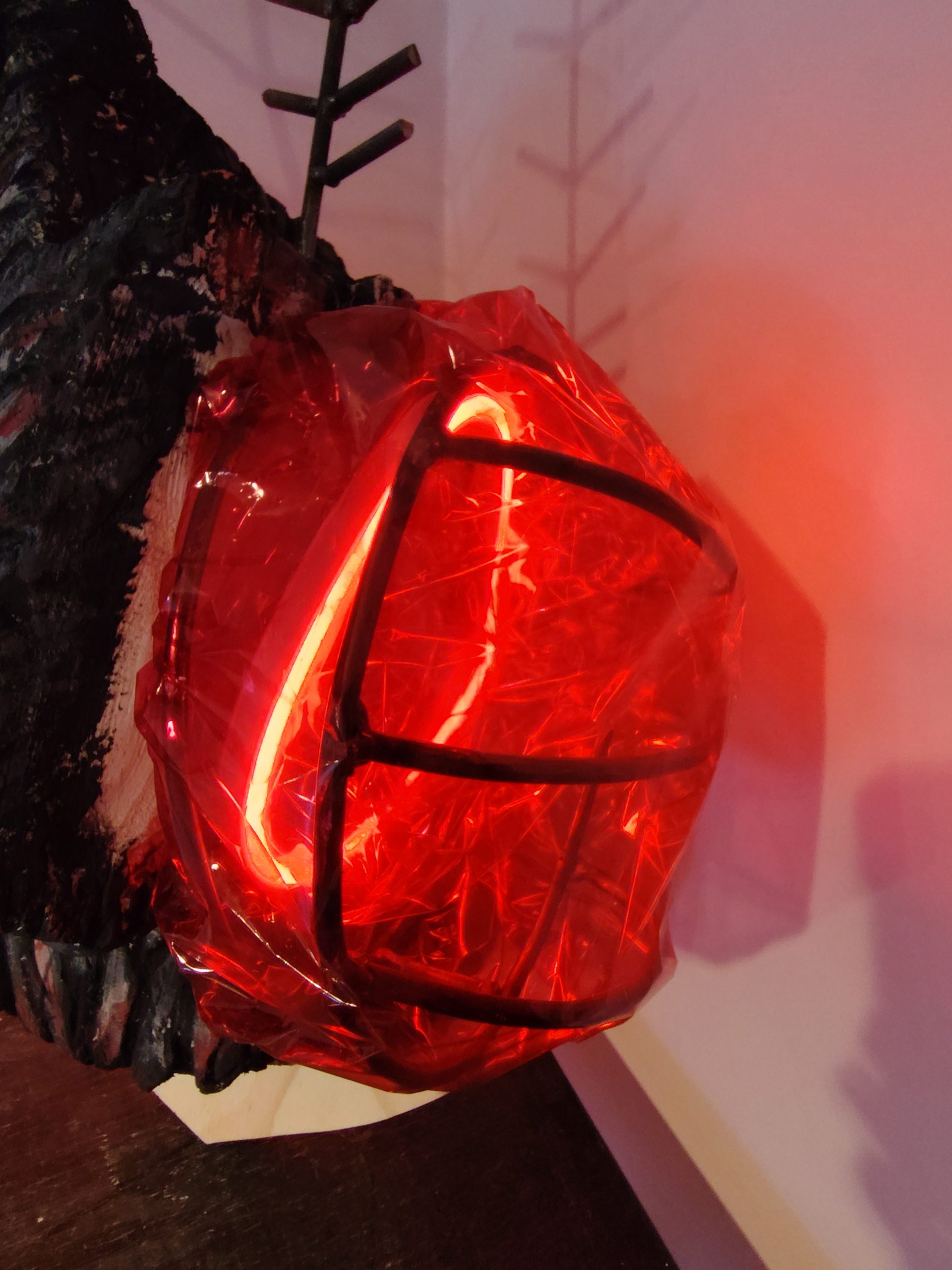
I forgot to take a picture of my maquette, but its in the background of this picture.
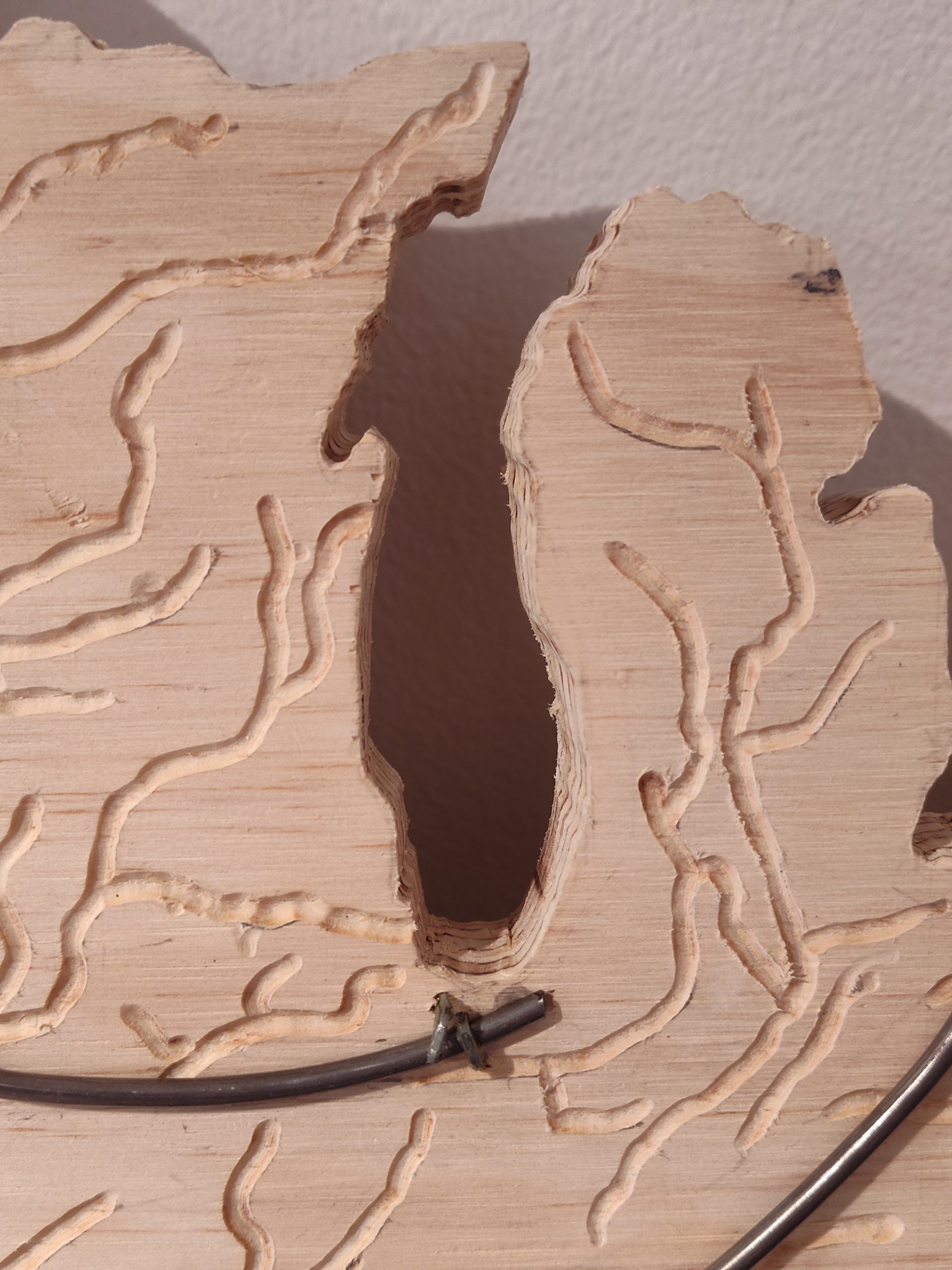
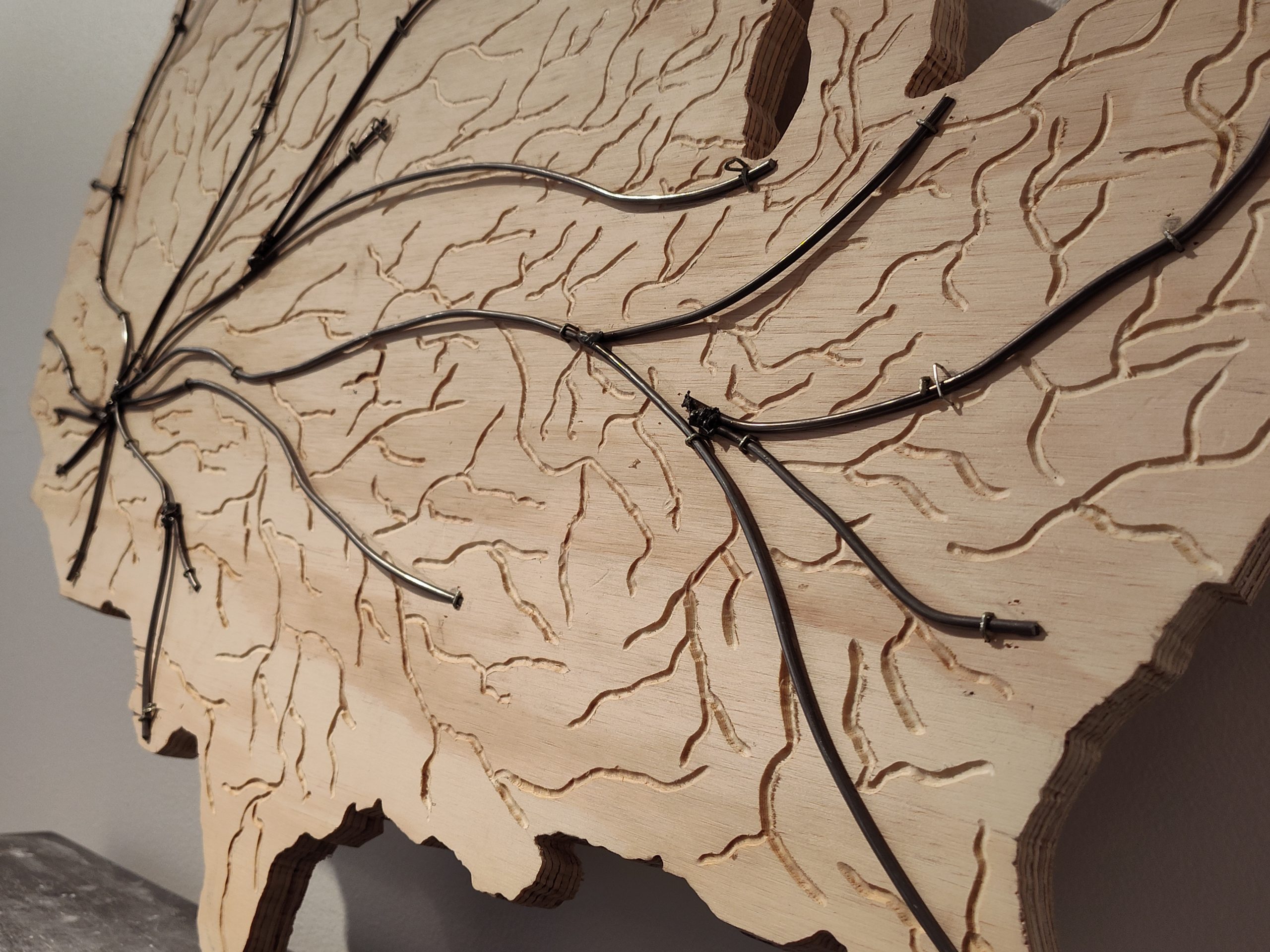
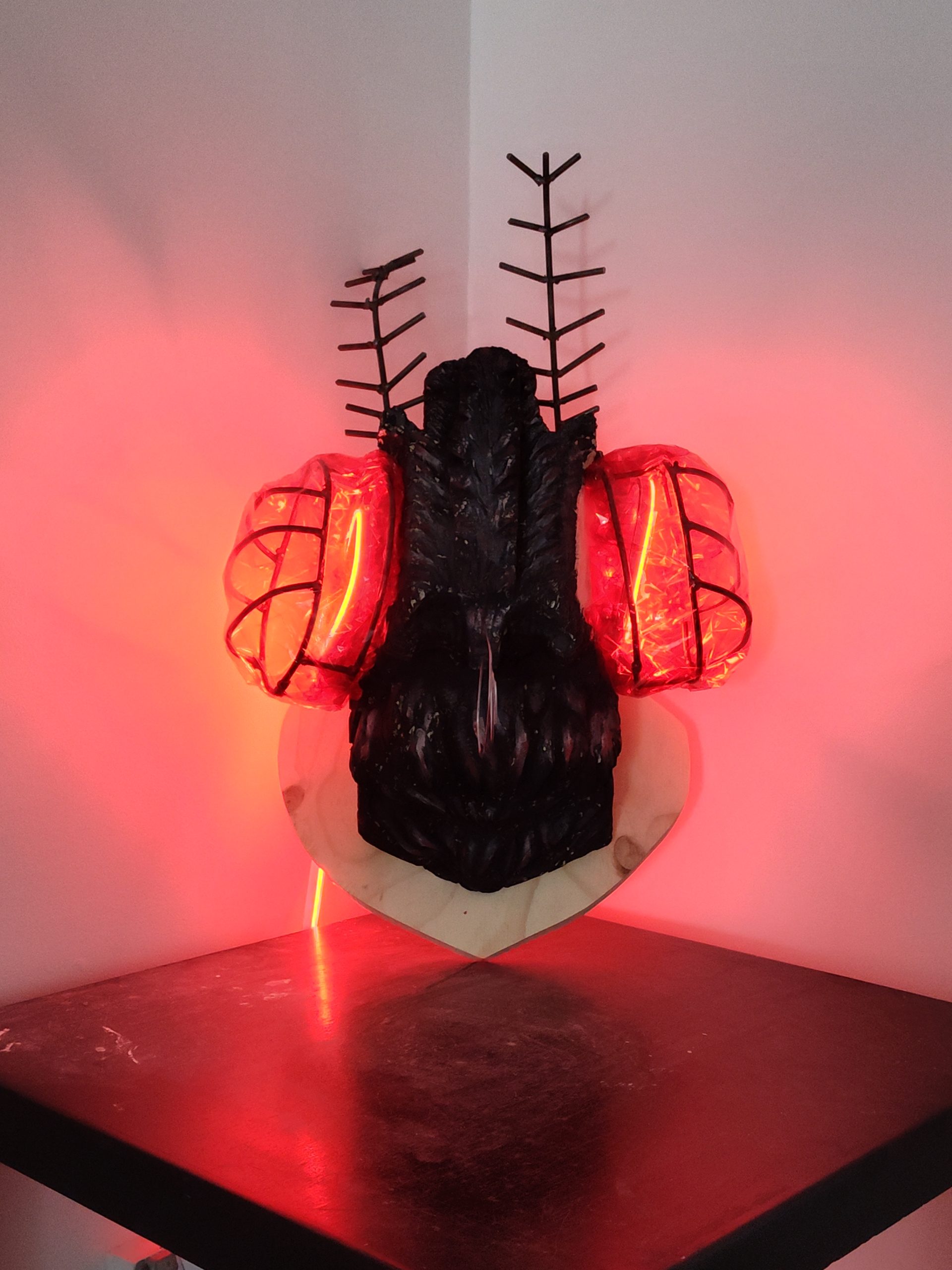
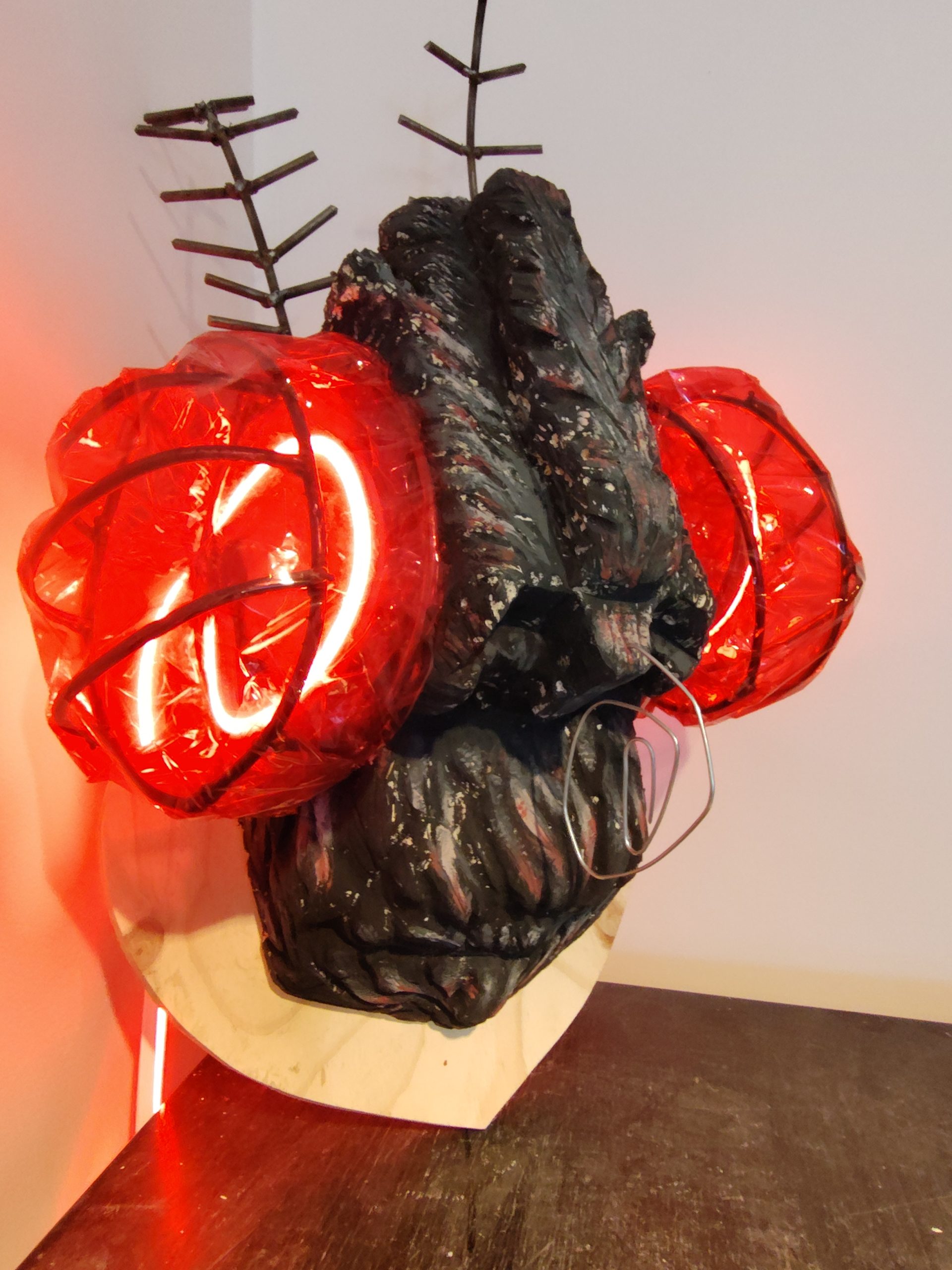
Title of Event: Gallery opening/attendance – Student art show
Date & Time of Event: Attended on April 17th, 2025
Location of Event: Samek, ELC
Type of event: Gallery opening/Attendance
Event: Student Art Show
Description: Reception for Student Art Show
Location: Samek Gallery
Date: April 17, 2025
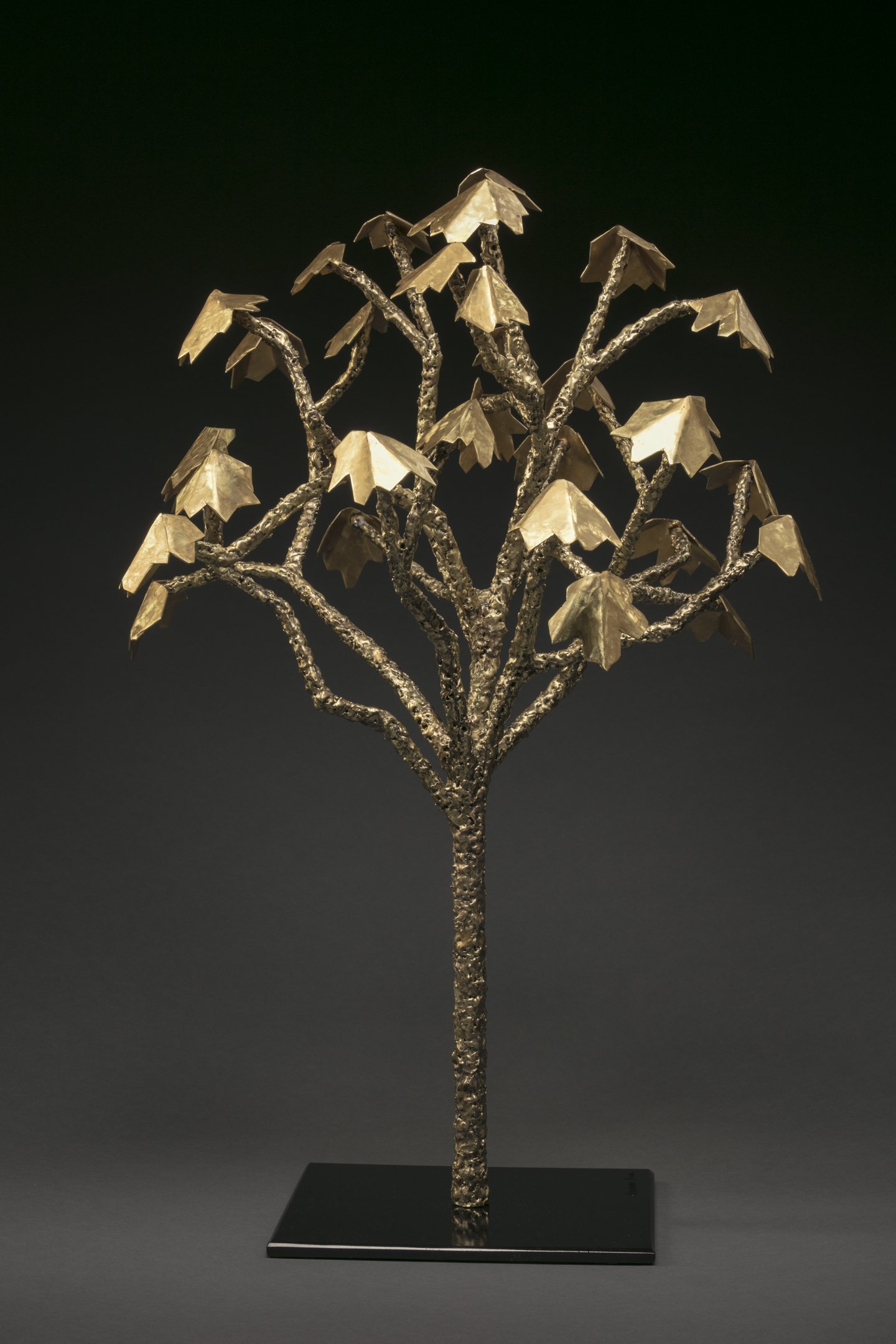
“Arabesque”
28”H x 22”W x 22”D
By Jeannine Young
I also want to make a tree for my project, so I am borrowing the technique for the branches.
What question/problem did you choose?
I chose to address the question: How has the electric guitar lost its cultural and stylistic significance in modern music, and what does that mean for the future of the instrument? My sculpture will explore this by depicting an electric guitar melting into a puddle, symbolizing the decline in its prominence within contemporary music culture. I want to create the guitar and the melted puddle out of all wood, and then include the equipment (strings, buttons, etc) out of metal. I would also love to paint this project as well to give it a bright pop color like most electric guitars have.
Why did I choose this topic and why does it matter to me?
The electric guitar has been a symbol of rebellion, self-expression, and musical innovation for as long as it has been around. As a fanatic of all different kinds of music, especially rock and roll, I feel a connection to the electric guitar and what it has stood for throughout its history. However, in the modern music industry, it’s increasingly overshadowed by electronic instruments, digital production, and auto-tune. This shift, to me, represents a loss of the raw, emotional connection that the electric guitar embodies. The instrument’s gradual fading from mainstream music concerns me because it signifies not just a shift in technology, but in the way we connect with and express emotion through sound.
Explanation of the problem:
The electric guitar, once central to genres like rock, blues, and metal, now finds itself on the periphery of popular music. As technology advances, music is becoming more synthesized and reliant on digital production, leaving the playing of the physical guitar behind as less of a dominant tool in the creation of contemporary hits. This shift affects the identity of musicians and fans alike, as the guitar once represented a raw talent.
10 Tangible people/places/things associated with this problem:
This problem resonates with me because it represents a larger issue in how we view music and its evolution—what is lost when traditional instruments fade into the background? I also want to honor the guitar and everything it stands for in this project, along with all things that no longer take center stage because of the digital age.
Many people experience the fear of the future and the thought of an identity crisis, particularly amid significant life transitions, when you don’t know who you are or who you’re becoming. You may feel as though you’ve lost yourself or that the person you once believed you were has changed. This emotion is frequently accompanied by fear of the future because it is impossible to know where you are headed if you do not know who you are now.
I chose this subject for my final project since I have experienced it personally and believe that many others can too. Through sculpture, I am able to transform these emotions into something tangible and real. I aim to convey through the forms, materials, and shapes I employ what it’s like to be unsure, to doubt oneself, and to confront the unknown. I want to make an art piece that conveys both uncertainty and hope, the complexity of not knowing everything yet still going forward. This project is personal, and I think it addresses the silent battles that many people face as they try to define their identities and future plans.
The first one I watched was the short video on Diana Al-Hadid. I loved her use of sculpture in creating pieces for architecture. Her work looks organic in a way with how the paint looks to be dripping down. It reminded me of hanging flowers. Another one I watched was Nick Cave. His take on contemporary art was something I’ve never thought of before. The meaning behind it like his first sound suit, being for the LA riots, felt close to our current project. We are also touching on issues or questions in the present. His take on being discarded felt hopeful and brought to light with protection and hopefulness. I watched a few of the other ones but these two were the ones that most interested me of the ones I watched. A close second was “paradox” by Allora & Calzadilla. Their biology background intrigued me especially when coupled with the cactus sculpture they were working on or had already finished.
