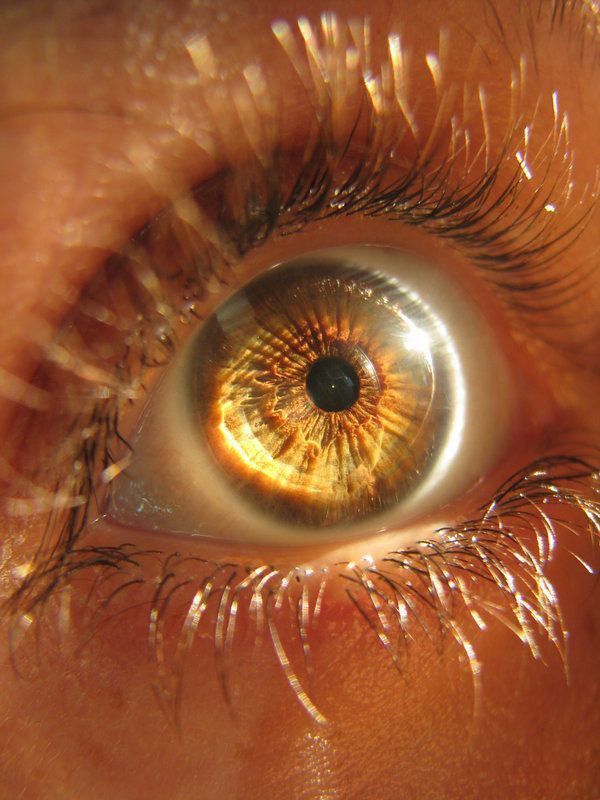
For my final project, I will focus on the concept of dreams, particularly the irregularity of dream landscapes. I find dreams to be an extremely fascinating phenomenon. While psychologists, philosophers, and scientists have grappled with their meaning for centuries, dreams have yet to be fully understood and explained. Therefore, their mysterious ambiguity continues to intrigue me.
Rather than concentrating on a specific dream type, such as a particular nightmare or recurring dream scene, I want to highlight the peculiar spatial dimensions experienced when dreaming. In other words, they are known to have a phantasmagoric quality. At first, a person in their dreams is usually in a recognizable environment. When the dream progresses, however, the landscape shifts, often dramatically and nonsensically. I want to explore this conundrum of dreams and their fleeting spatial boundaries.
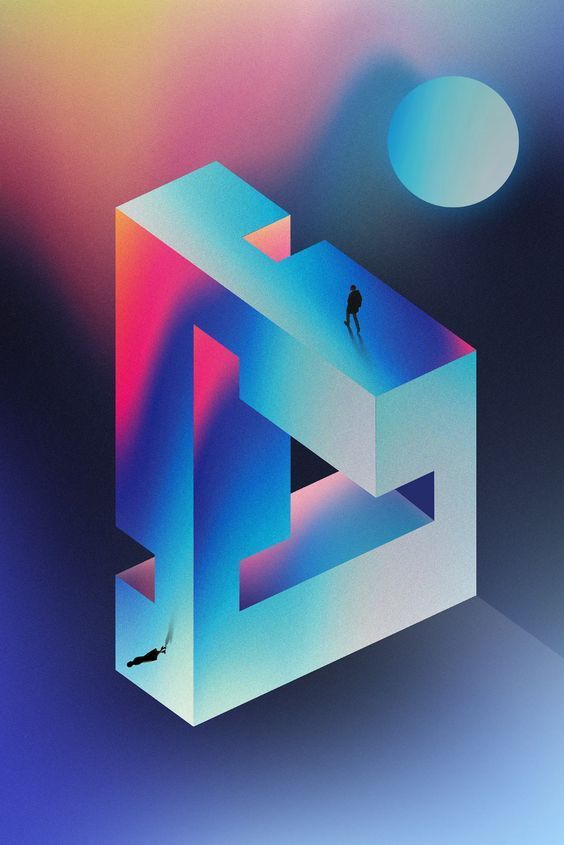
My main question is: what does a dream landscape look like? This is highly individual depending on the person, but should follow the same bizarre characteristics that all dreams share. That is, dream landscapes are spaces that don’t follow the logical orientation of what we see in the real world. They defy conventional dimensions, evade rules of time, and feature things both real and imagined buried deep within our subconscious. I want to try to illustrate this question through sculpture because I think it takes the concept of depicting a dream one step further. Instead of merely portraying the scene of a dream through a drawing or painting, I wish to replicate the different spaces in which the dreams take place and intersect with each other. This will result in an optical illusion-like sculpture that will hopefully be visually interesting in its composition.
The topic of dreams is important to me because of its relation to both sleep and imagination. Obviously dreams only occur during sleep, which is our bodies’ ingrained time to relax and rejuvenate. Dreams are most prominent during the REM cycle, the time in which such repair happens. As well as providing physical benefits, dreams also foster cognitive relations. Whether outlandish or ordinary, dreams allow our brains to wander freely. In turn, new ideas and creative insights may be uncovered. With this, dreams can spark inspiration which can be applied to artistic projects.
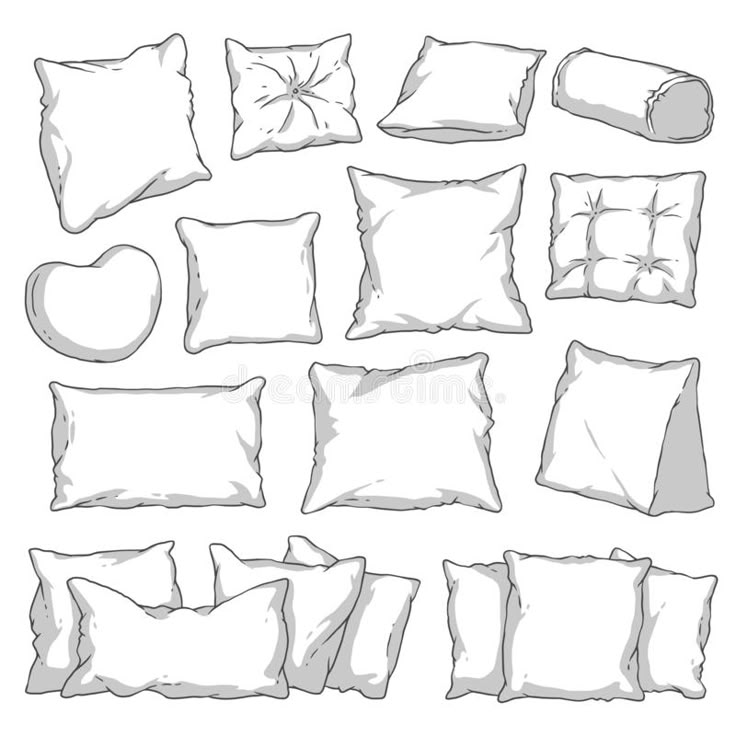
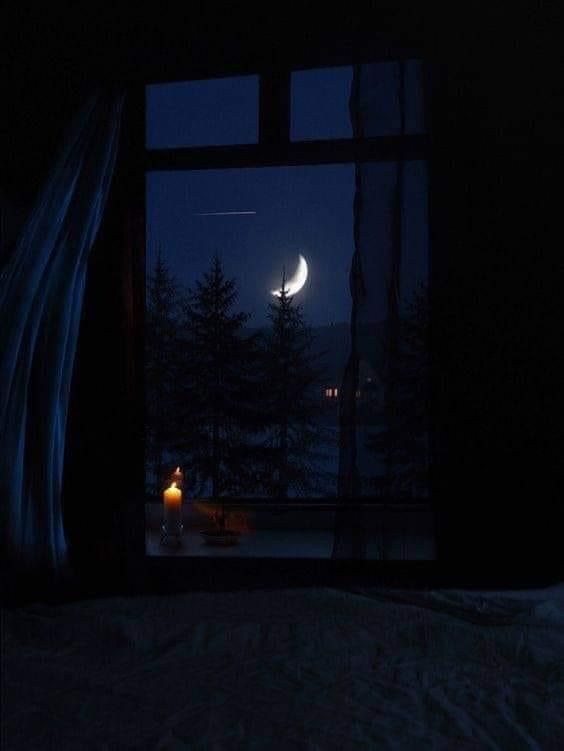
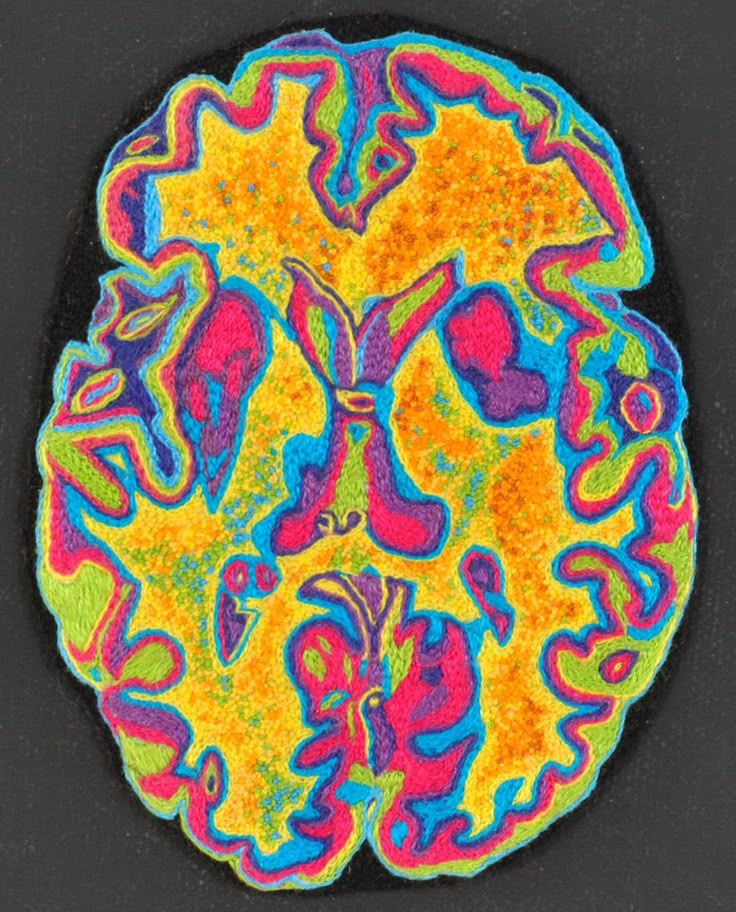
Ten tangible things related to dreams and their different spatial dimensions are as followed: beds, pillows, dream journals, clouds (flying dreams), mazes, nighttime, brains, optical illusions, fantasy stories, and eyes.