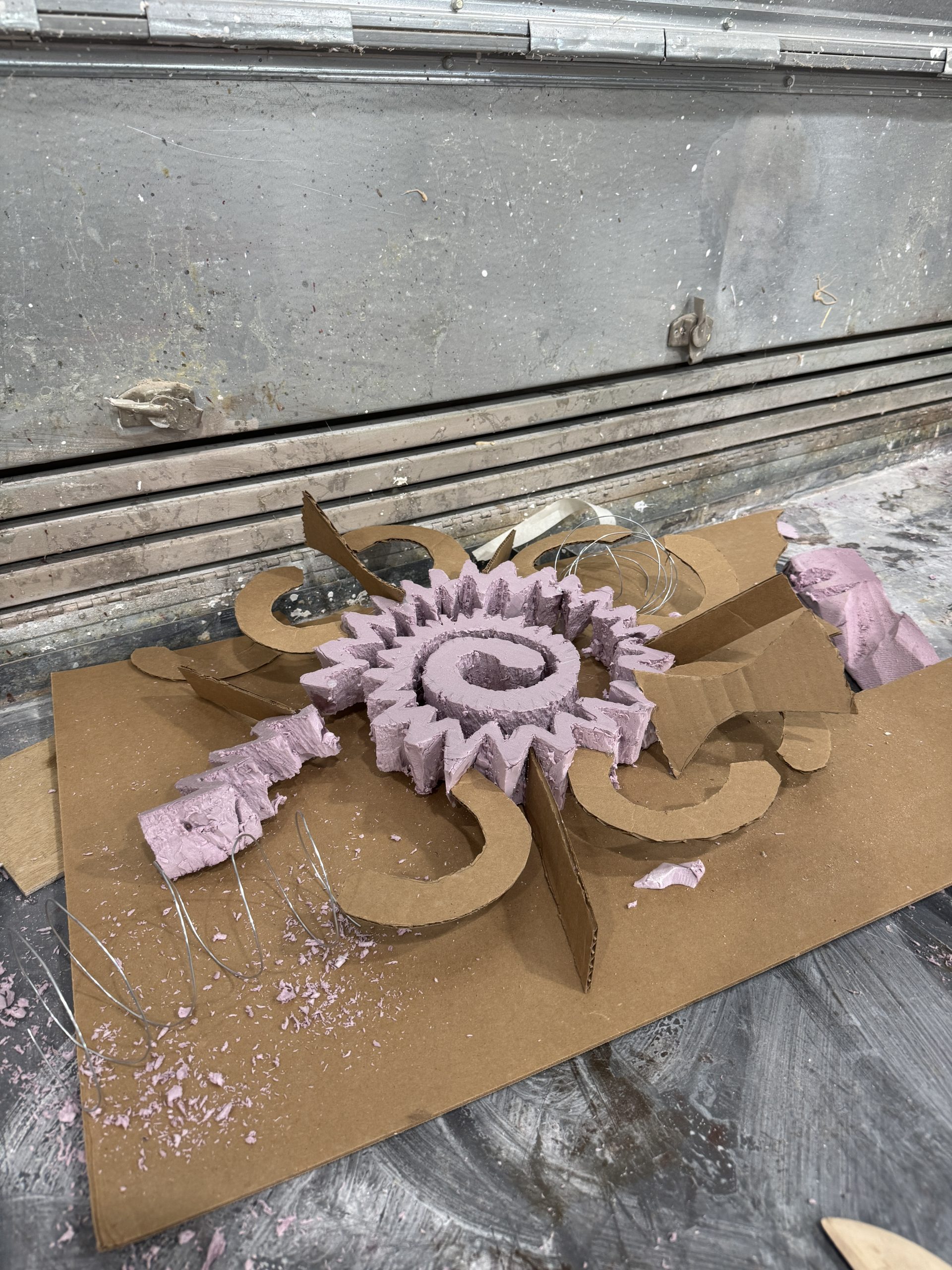
Month: April 2025
Art 21 4/15 Olivia S.P.
I chose to watch videos from Mary Reid Kelley, Mika Tajima, and Doris Salcedo– between the three artists, there was a general theme of giving voices to the unspoken. Kelley was producing films that were giving voices to women in history and their traumas, which she explains are hardly focused on during the time of WWI in the face of male trauma. I was really interested in the way she drew women from that time period and how they appeared monotone in her films. Tajima was focused on showing the art of the “behind the scenes” and how each part of behind the scenes work in films is an art in of itself, and she employed people like those from Toastmasters to help with her work. Salcedo is interested in showing the suffering from the violence people undergo in Columbia because of the bad conditions in some areas of the country, and a large part of her project was depicting a crack in the street. I find it interesting that every woman here is trying to give voice to the unvoiced and that their projects are hoping to represent even a smidge of representation to those who don’t have voices.
Project 3 Step 3 (Borrowed Strategy) – Willow Perakovich
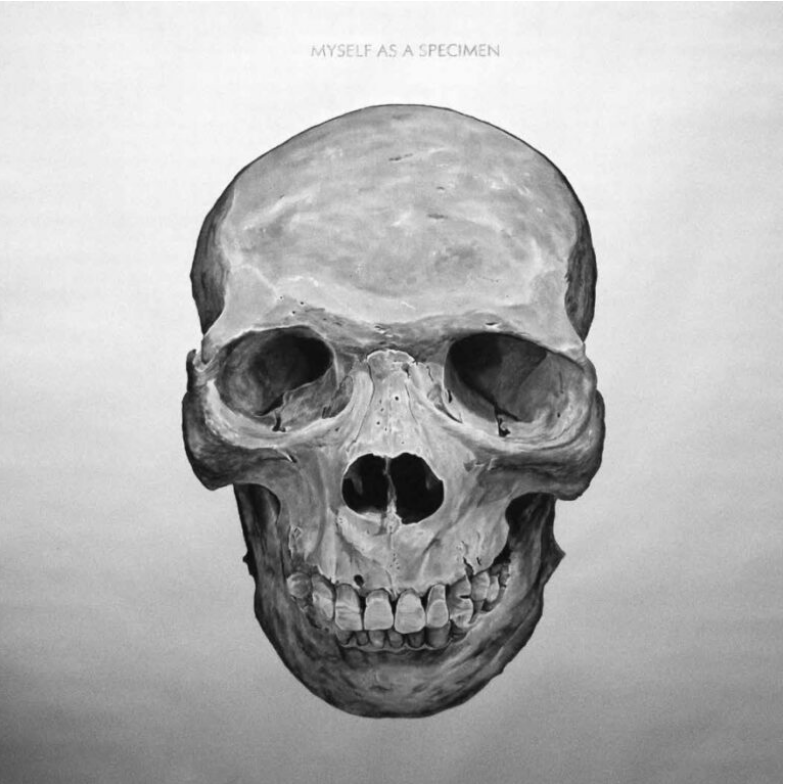
Myself as a Specimen 2009 by Trevor Guthrie
The aesthetic of the piece and possibly the idea of a skull incorporated into my work.
Olivia S.P. Project 3 Parts 1 and 2
1. Choose a topic
Is it possible and ethical to revive species?
2. Consider and clarify your topic
I chose the question of “is it possible to revive extinct species?” With climate change beginning to shadow over our current level of biodiversity, it’s become clear to some scientists that the only way to fix the problem is to bring back species that were hunted to extinction by humans, like wooly mammoths, or one of their predators, dire wolves. But this also brings up a lot of ethical questions; we’re so fixated on the idea of doing this that we haven’t stopped to consider “should we?” Another thing to consider is that the concept of a species is VERY human in terms of categorization, and I don’t think it’s fair to box organisms in these categories just to try and “de-extinct” imaginary categories we deem more important to an ecosystem. Even if we do “de-extinct” something liek the dire wolves, it isn’t… *really* that species. De-extincting species by major companies feels like a ploy to get more funding for science, which is just another lovely side effect of our capitalist society. It’s really depressing to watch biologists overcomplicate solutions to climate change when the real solution that feels more viable and proximal is to change the fact that big companies aren’t curbing their emissions. Ten Things:
DNA, dire wolves, wooly mammoths, dodo birds, great auks, pipettes, plastic waste, passenger pigeon, Carolina parakeet, elephant bird
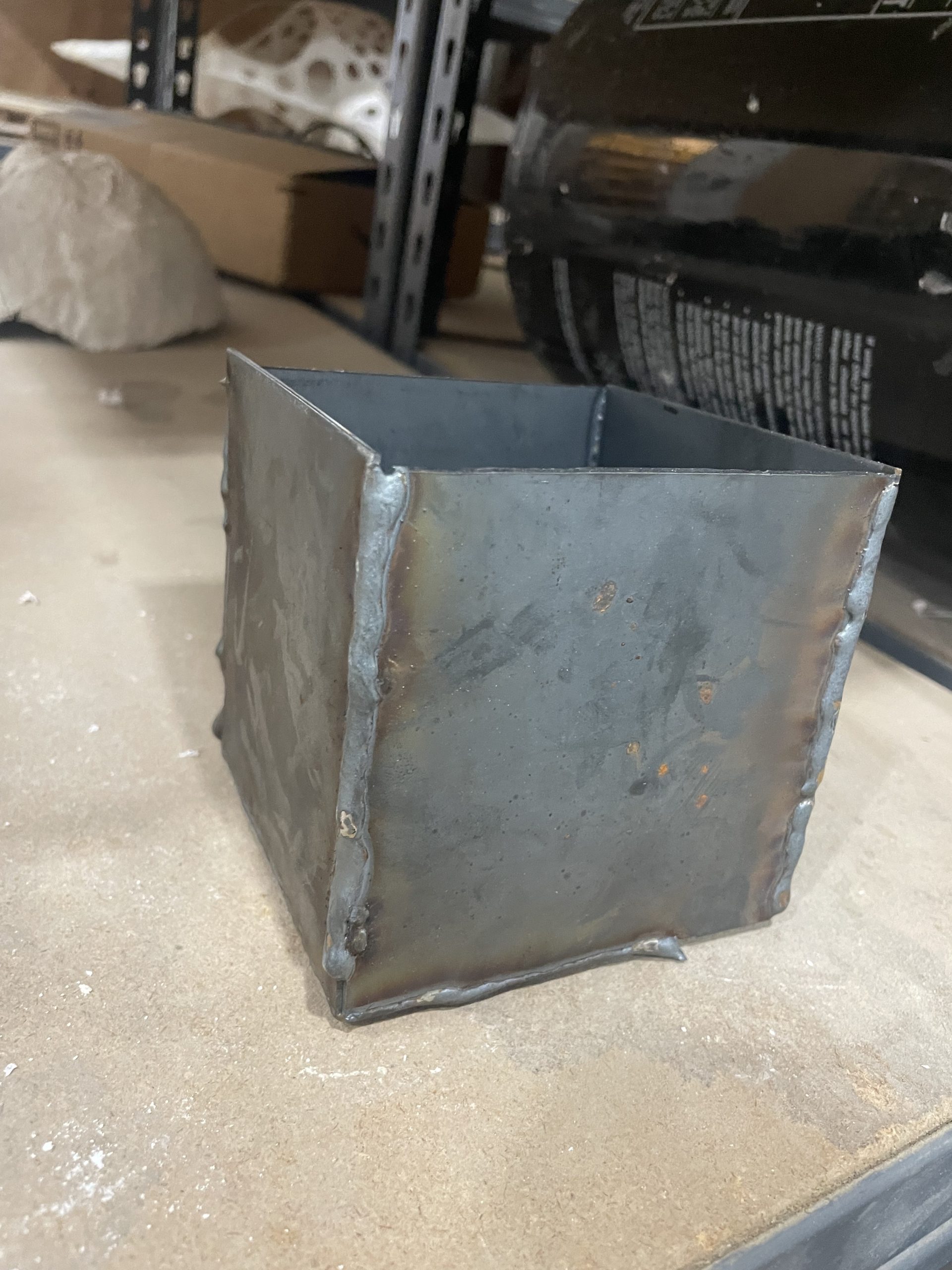
maquette project 2 + boxes
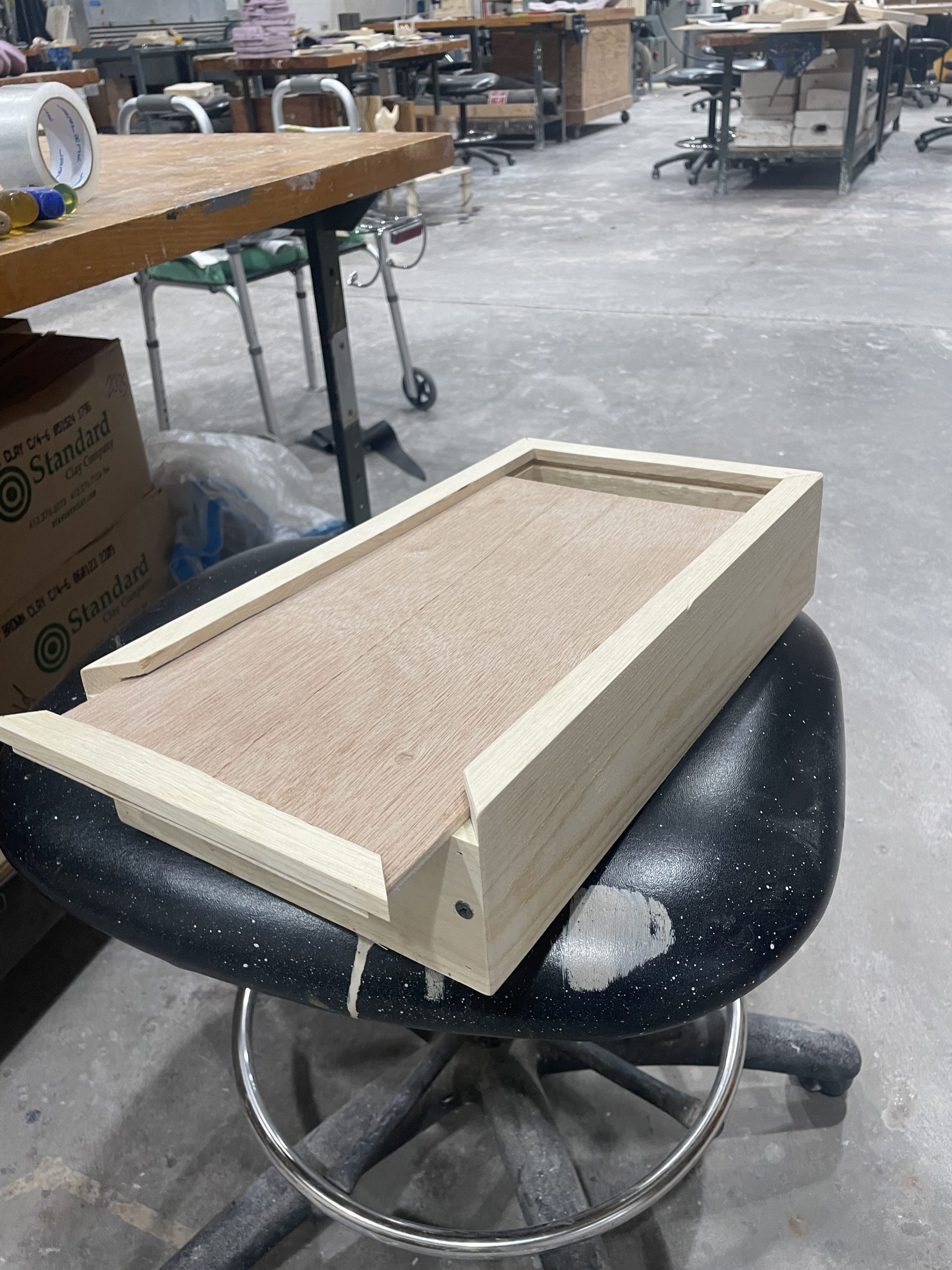
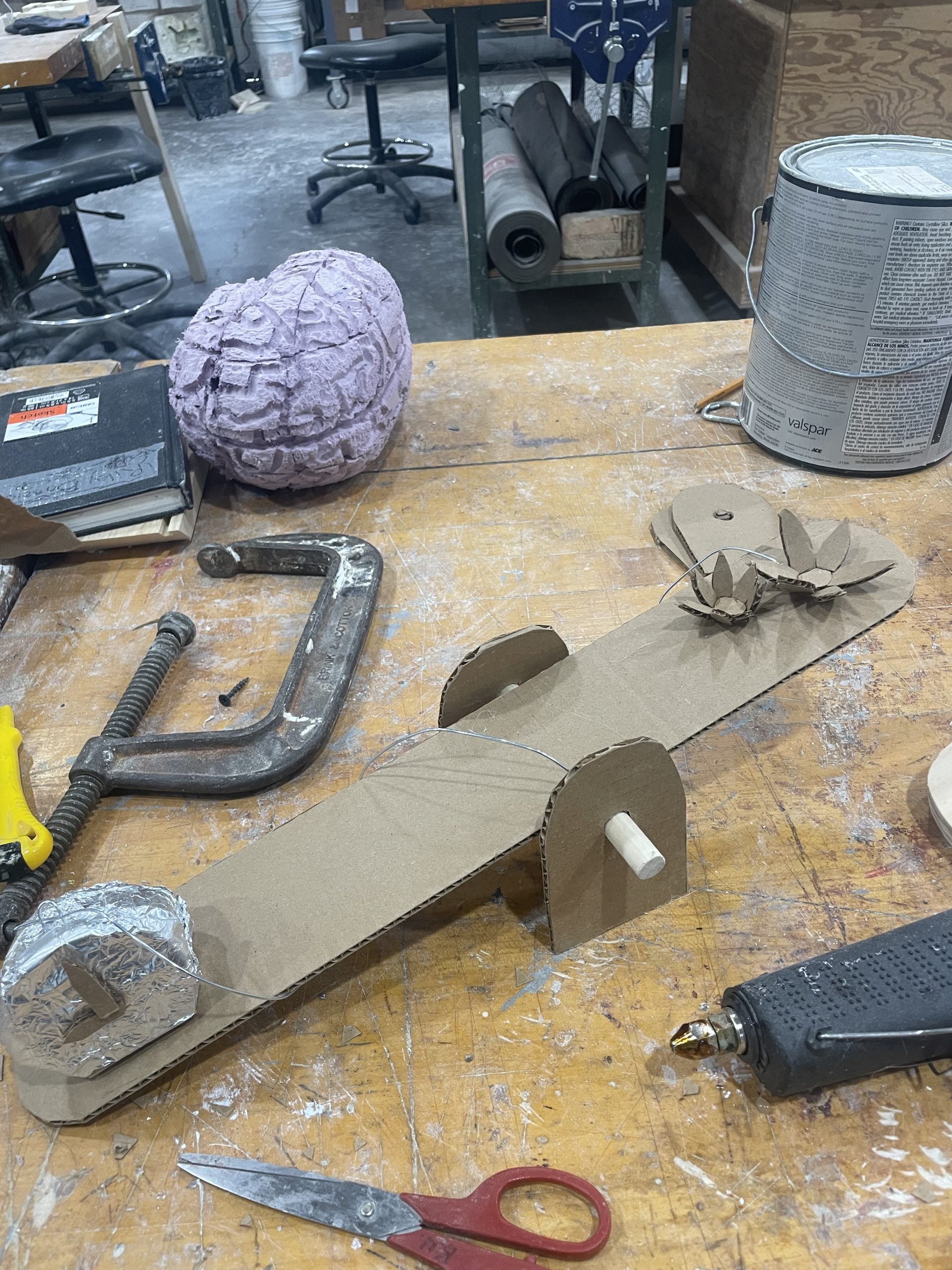
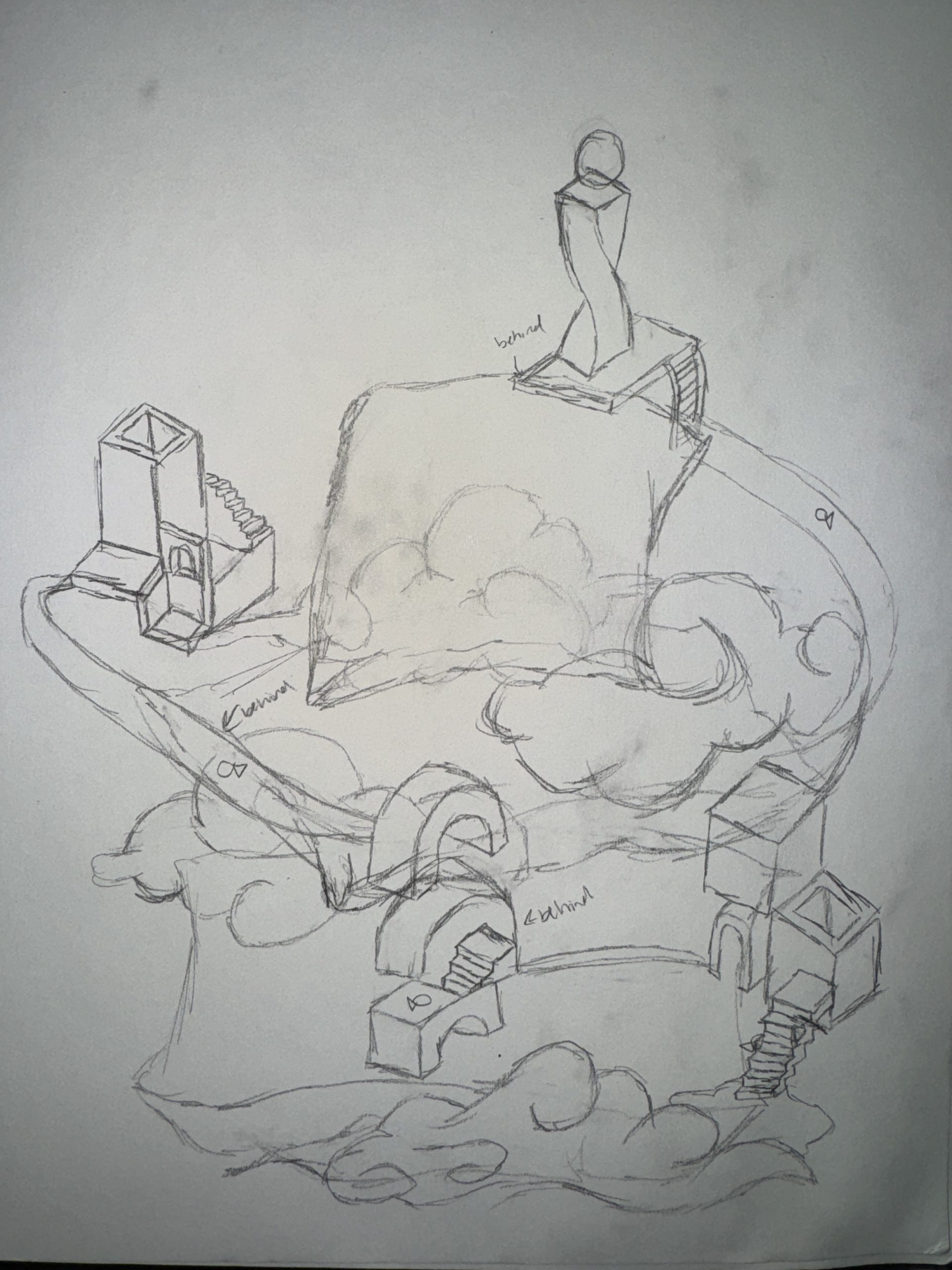
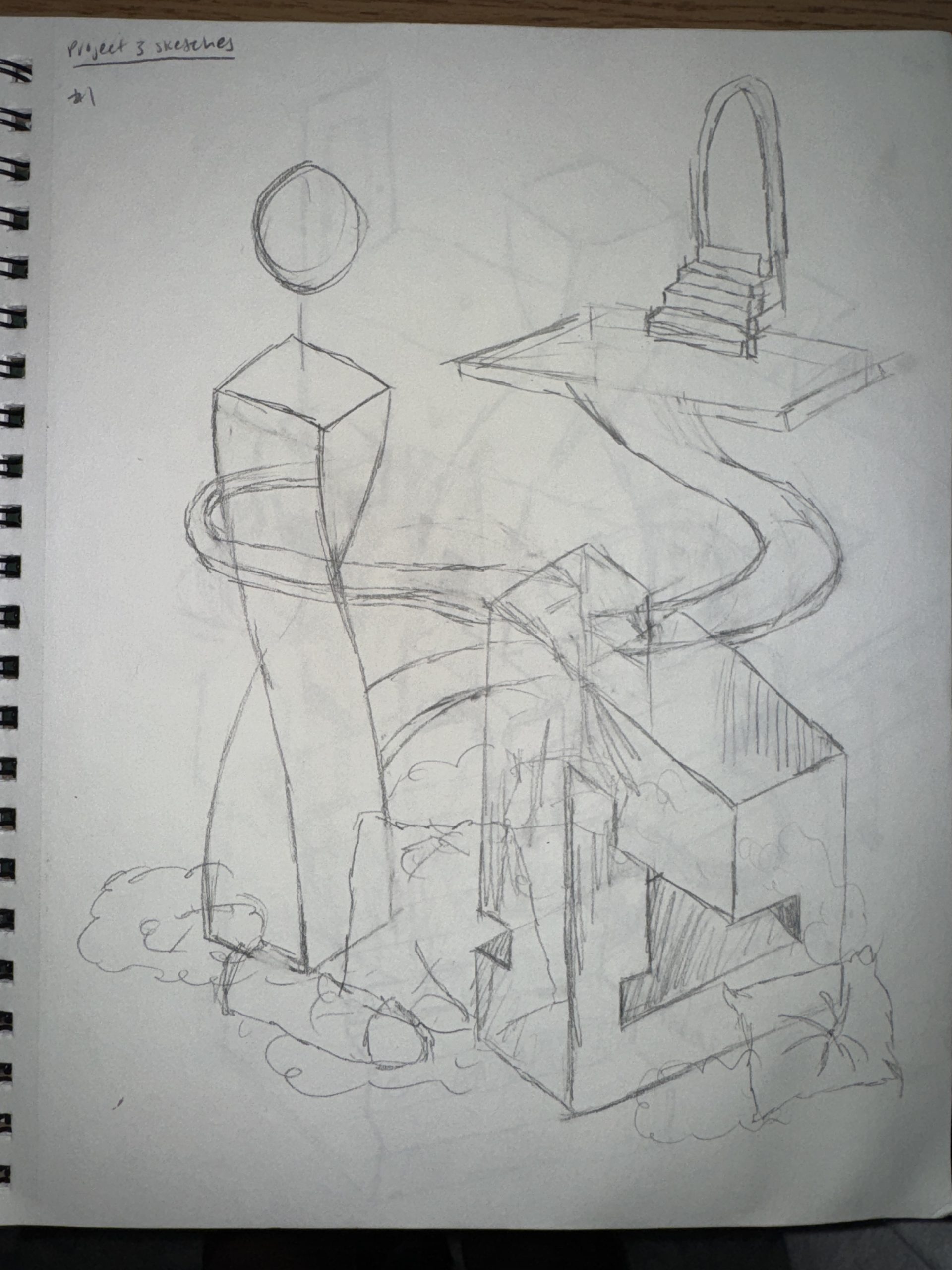
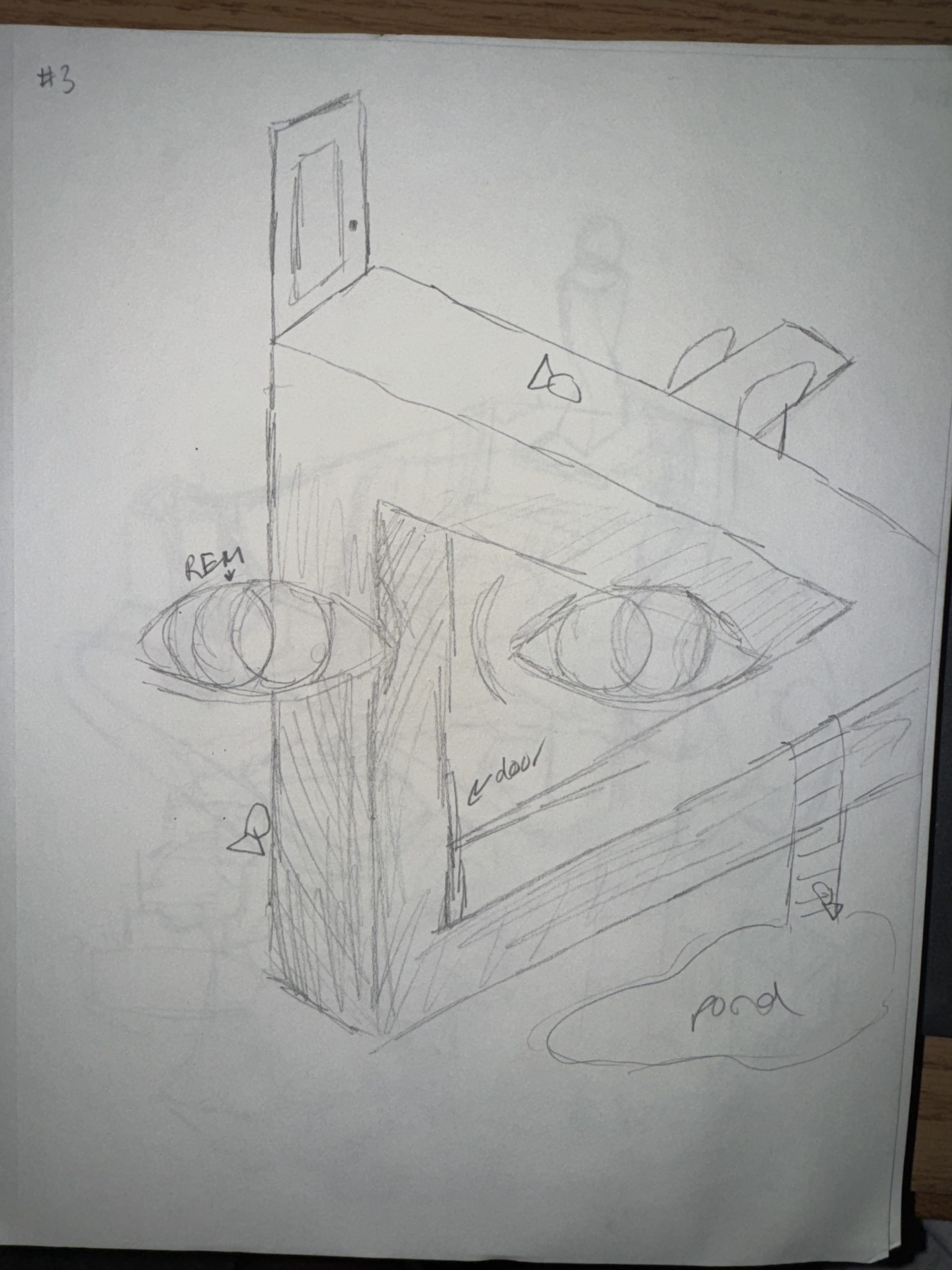
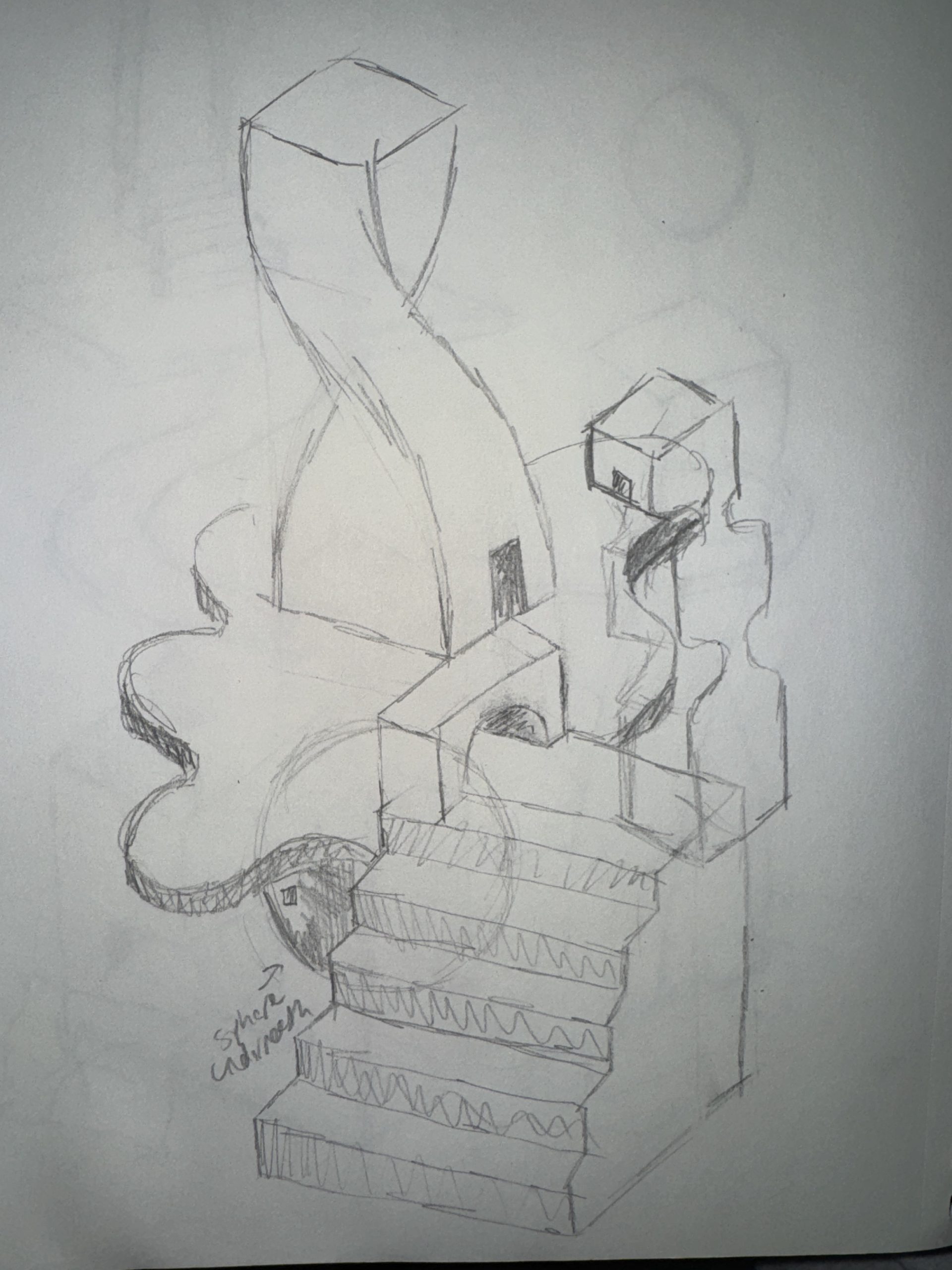
Kaitlyn Segreti – project 3 sketches
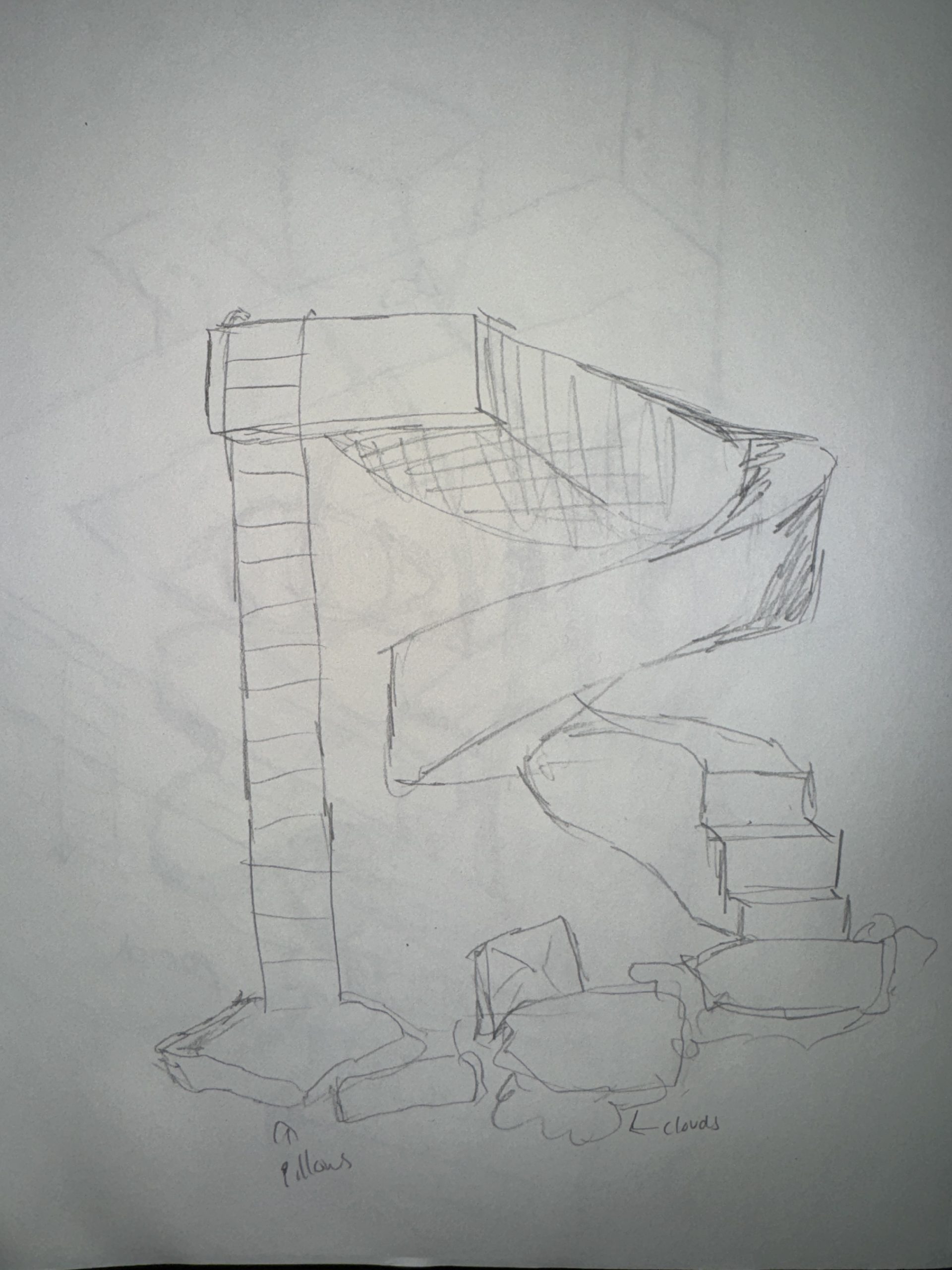
Kaitlyn Segreti – project 3 research 3
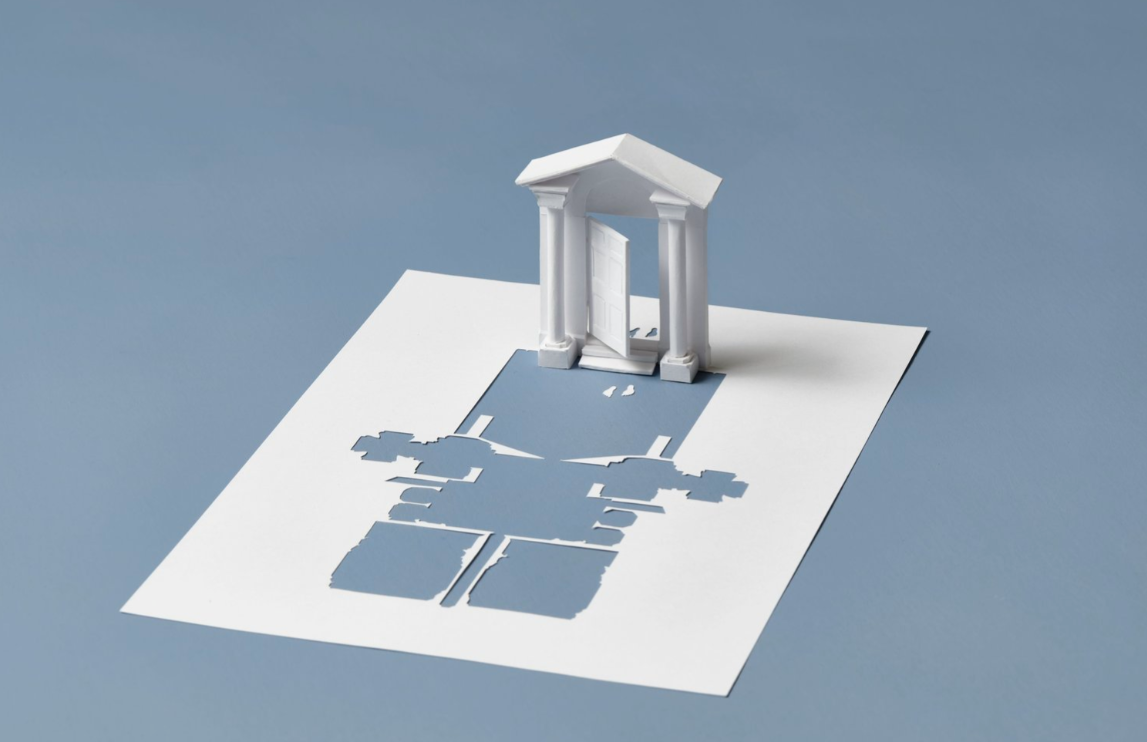
Peter Callesen, On the Other Side
I intend to borrow the smooth architectural design that Callesen uses while also using paper.
Abby Wrightsmith- Project 3 Research 3
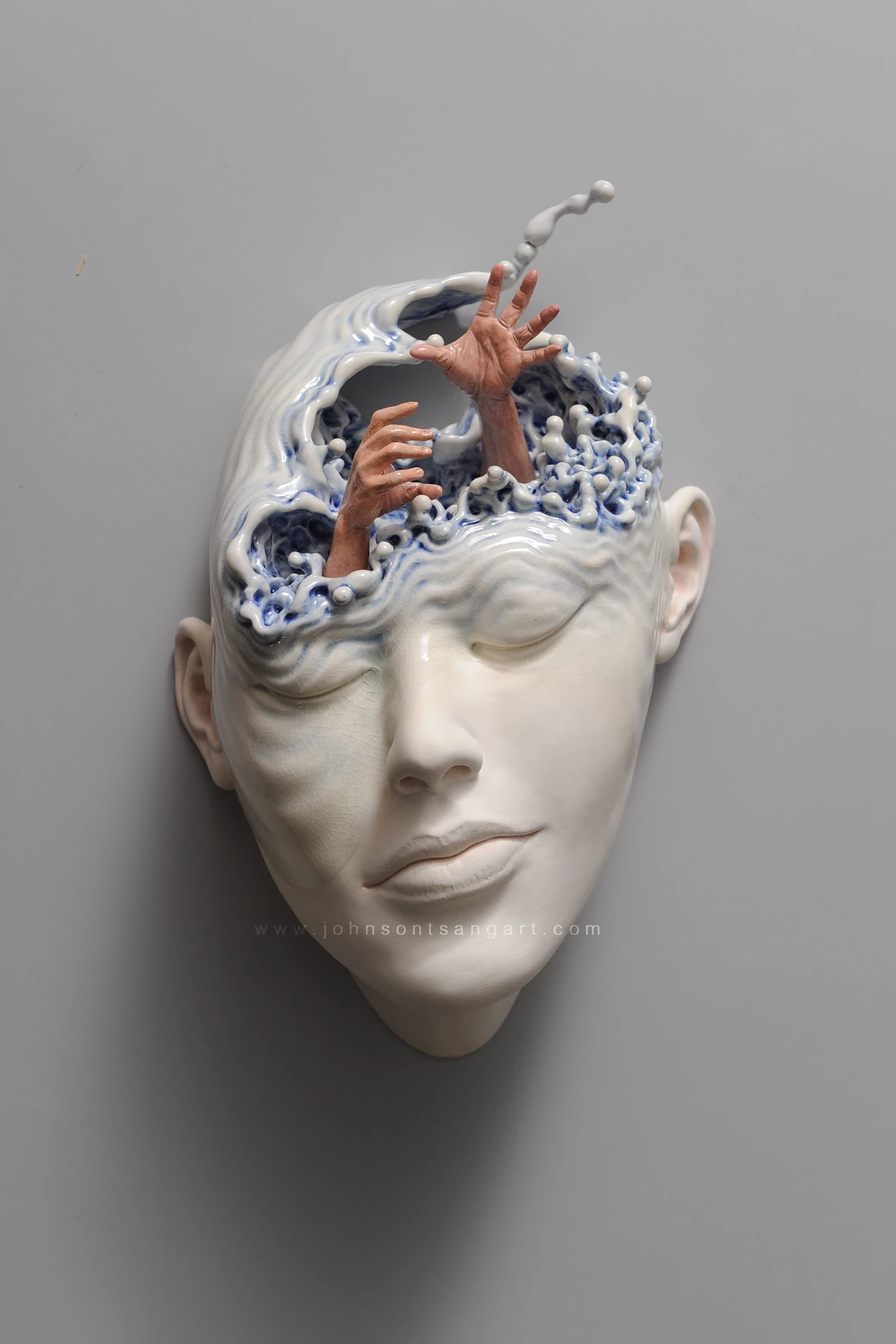
Johnson Tsang- Falling in Love –
I intend to borrow the concept of something coming out of the mind/head in my project.
Abby Wrightsmith- Project 3 Research 1+2
I chose to make my project #3 about dreams. Dreams have always interested me because I don’t understand how or why the brain creates them. I have very detailed dreams and often lucid dream, so I’m interested in understanding them. I think it’s interesting to think about if dreams have meaning or not, as well as how they work. I think the range of dreams is also intriguing because it can range from nightmares to having superpowers, from extremely realistic to completely unrealistic. To explore this idea, I will be thinking about my own dreams as well as researching the most common dreams others have. I also want to use different materials and colors to express how dreams feel different and surreal.
I researched common dreams, which I want to draw on in my piece. The most common dreams I found were flying, falling, teeth falling out, drowning, being late for something, snakes, spiders, dying, and car crashes. I found images that I may be able to draw from that I think connect to these ideas. In addition, I want to include a mirror or some shiny aspect that mimics a mirror because that is how people often start to lucid dream (by seeing themselves in a mirror). I want my piece to be kind of chaotic, like dreams are, but I also want the viewer to be able to recognize that I am attempting to depict dreams. To accomplish this, I will likely include imagery of the brain or head to help clarify the images.
Judy Pfaff Video Response- Abby Wrightsmith
In the video of Judy Pfaff’s work, I found it interesting that she seemed to always be combining ideas. I thought how she combined painting and sculpture, as well as natural forms and technology/industrial forms was very interesting and gave her work another level of meaning. I especially liked her use of the tree roots and how she combined welded rings within the roots because I think it poses an interesting question about the natural world’s relationship with art and technology. I thought her process of creating works was interesting as well. She stated that she was always changing her ideas as she developed them and said several times that she wasn’t entirely sure what her work was going to mean or end up as. I found this intriguing because I don’t always have a solid idea when I start a piece, so I found this encouraging that other artists are similar in that way.
Nina Kent – Project 3 research steps 3-4
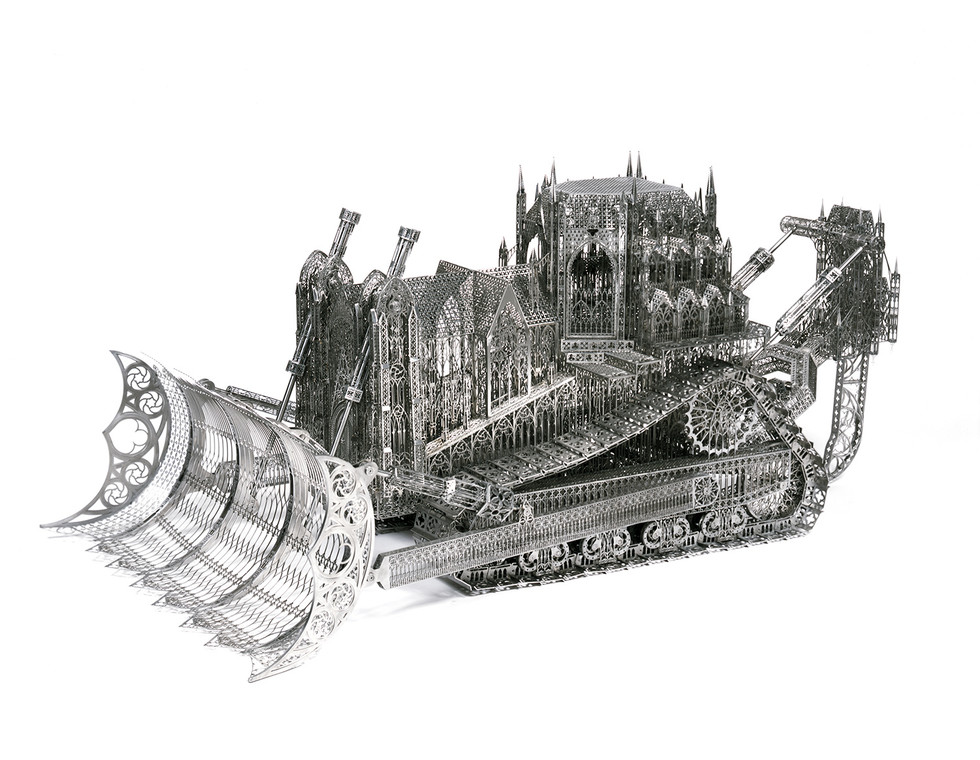
D11, 2007, William Delvoye
I love Delvoye’s work, first introduced to me in Digital Sculpture I. I’d like to adapt some of his medieval/gothic influence combined with modern forms into my own work.
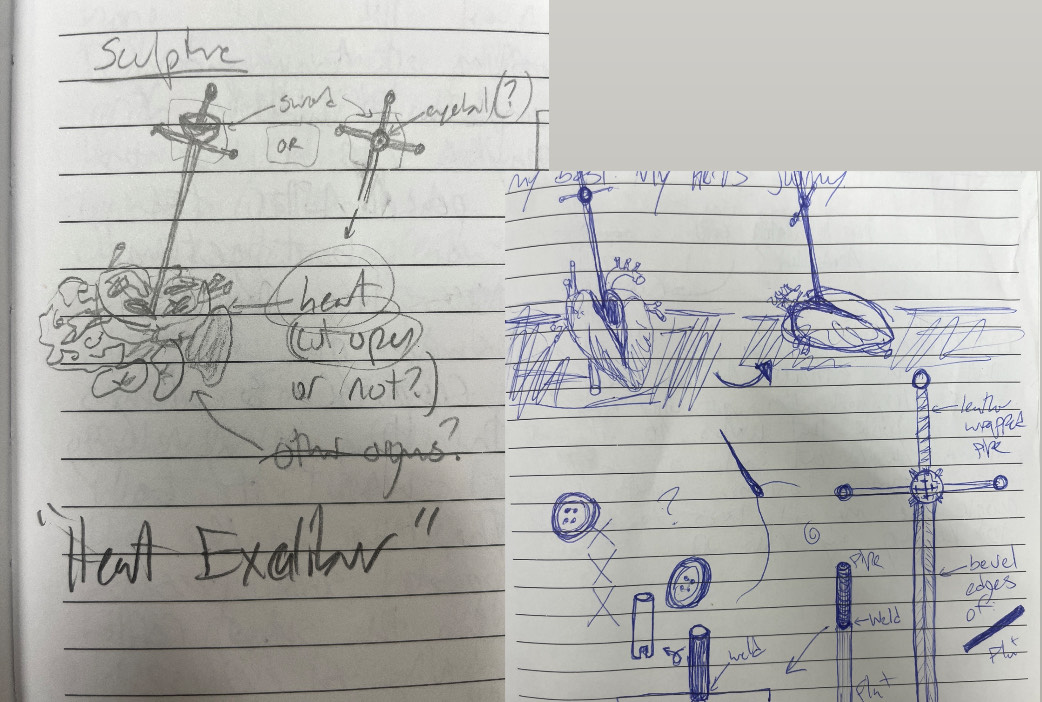
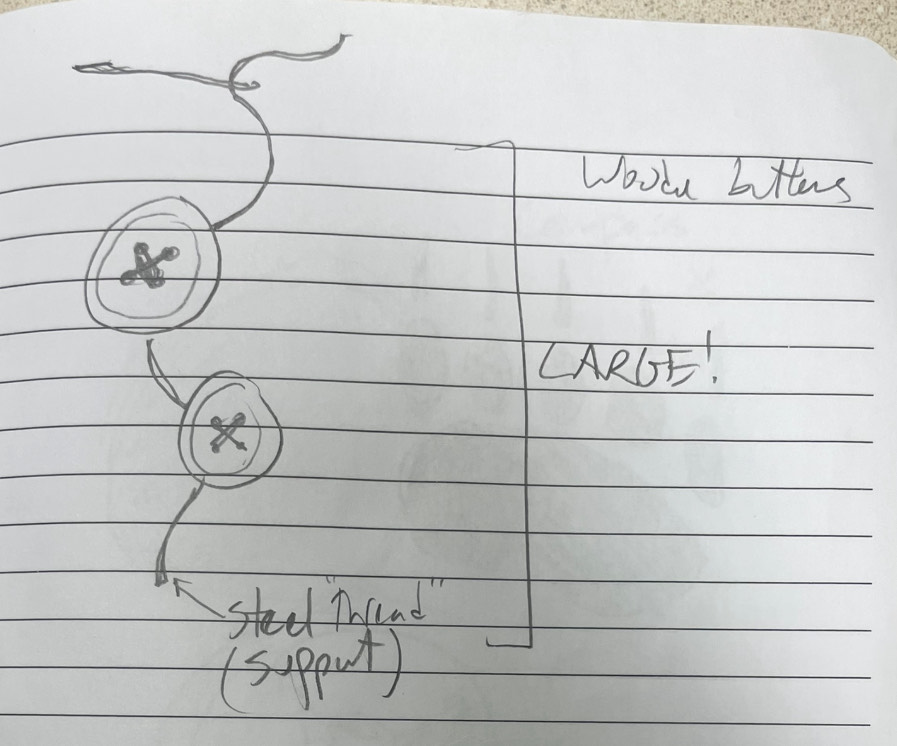
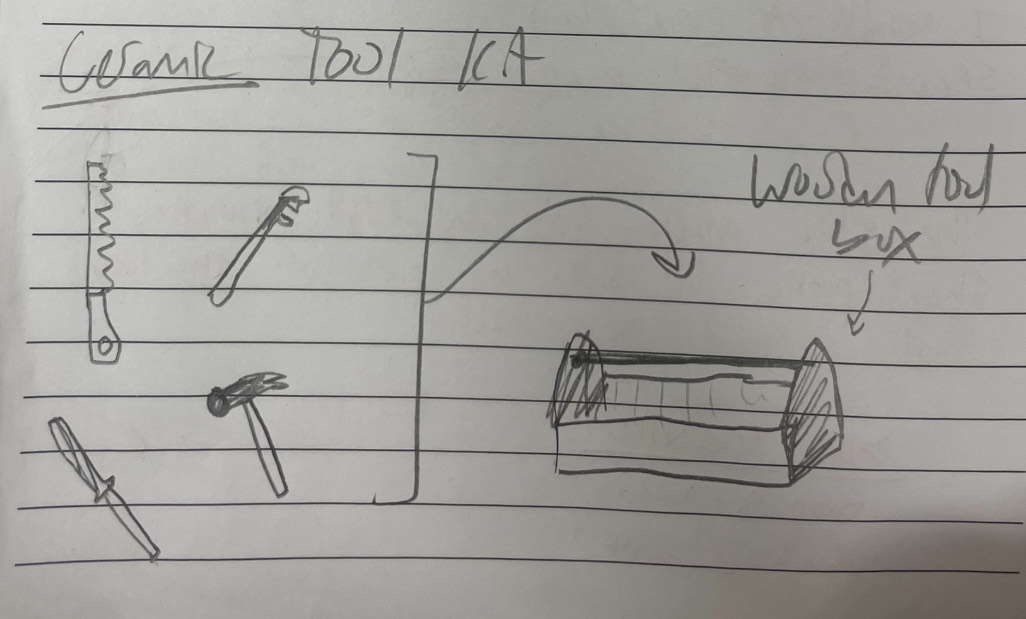
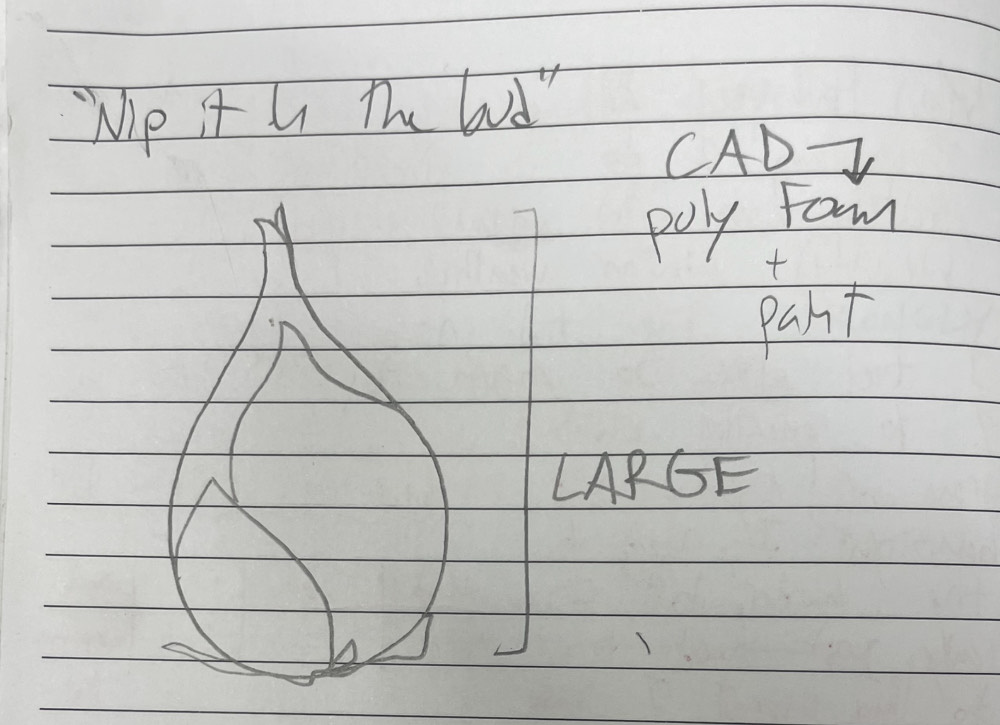
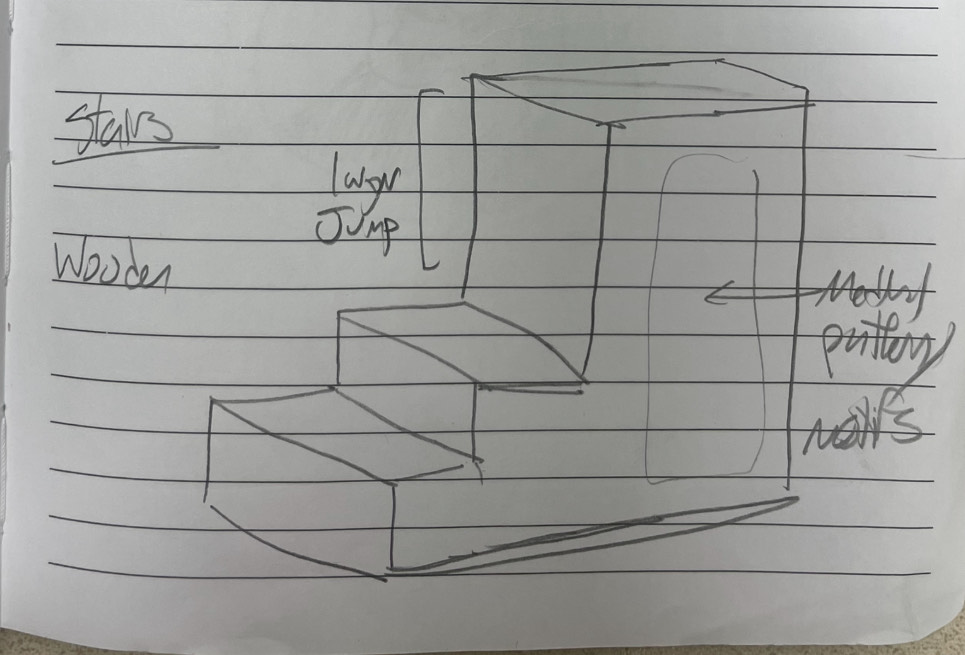
Sketches:
Nina Kent – ARt21 – Lynda Benglis and Keltie Ferris
I watched segments from the videos on Lynda Benglis and ___ as they both dealt with abstract forms. For Benglis, her colorful and blobby sculptures express the technical aspects of painting in a 3D form. I enjoy how her pieces interact with the physical space, as their position in the gallery space molds how the works look. Seeing gravity have an effect on an artwork is always interesting, as an artist typically must choose between accepting their work is impermanent as tautologically essential to the use of material, or lean into the fact that they’re working with that impermanent material. Some of Lynda’s work rides the line: holding the form of something organic, moving, and ultimately impermanent while using a tough material like bronze.
Keltie Ferris’s abstract spray paintings are also very entrancing for me as the blurry edges make interesting plays into perspective and foreground/background differentiation. However, I found most interesting their commentary on what it means to be an artist in the modern era. They express the isolation and guilt they experience sometimes, spending time doing art instead of doing something more “proactively positive directly in the world.” I understand this fear of indulgence and narcissism when creating art; they state, “It’s hard to do something that’s not justified by anything.”
Project 3 Research (3 & 4) – Naomi Malone
3.

Bob Jones, Wire Sculpture, Wire & Clay
I will incorporate the use of wire and clay in my piece and how the wire is exposed.
4.


Judy Pfaff Reflection – Naomi Malone
One of the things that stood out to me the most from the video was that she was able to take things that she found around her and manipulate them to tell a story. More specifically, I think of the tree stumps and their roots that she used in one of the pieces for her installation. She was able to use nature to depict grief and show balance. I also like how she used the room that her pieces were in to complete her work. I liked how she ordered her pieces in a way that people would observe them starting on the right of the room and working their way around. I also thought it was interesting how she finished some of her pieces as she was installing them. With the tree roots, she added foam and painted parts of her piece in the exhibition room, as it was being installed. To me, it makes her whole art process more genuine for some reason. Like the work is never truly done, and there is never a perfect image that’s being sought after. The art is allowed to take whatever form it wants in a way, and I find that beautiful. Another thing I found interesting about the video was her lack of safety equipment. For example, when she was welding without gloves or eye protection. It was so interesting to see after being told how important safety is in class. It was like knowing the risk that comes with using different tools and seeing someone just ignore it.
Project 2 Documentation
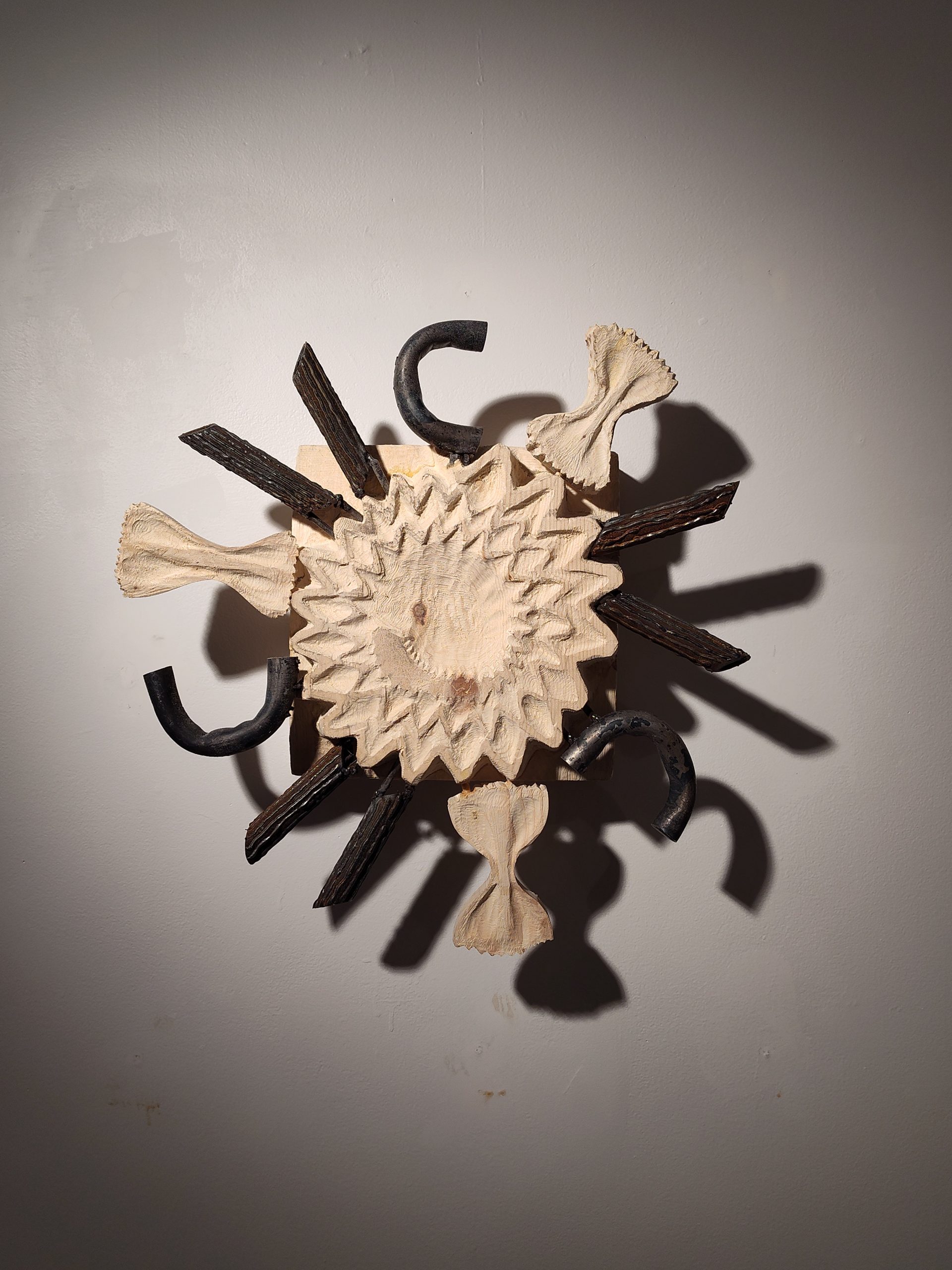

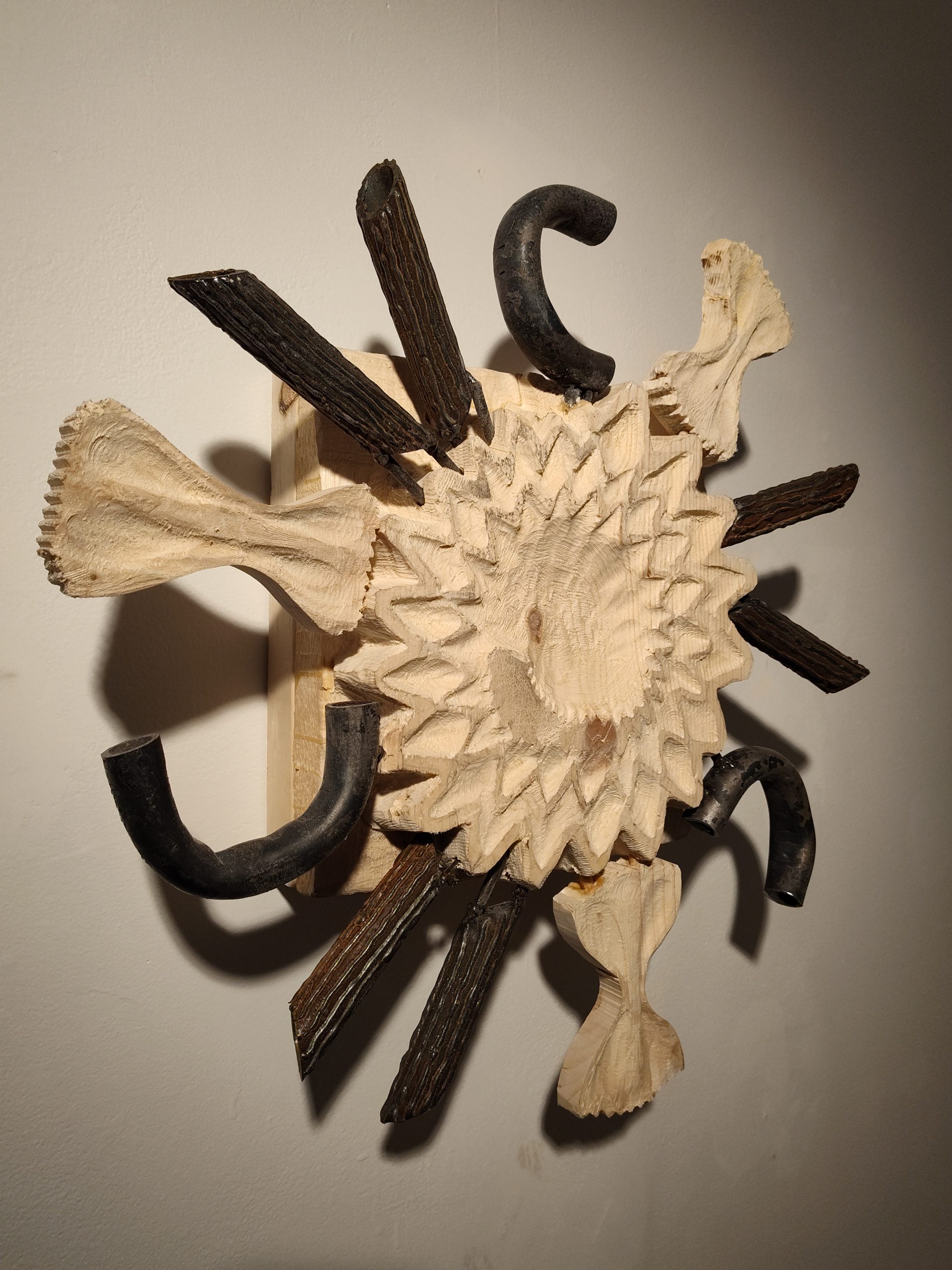
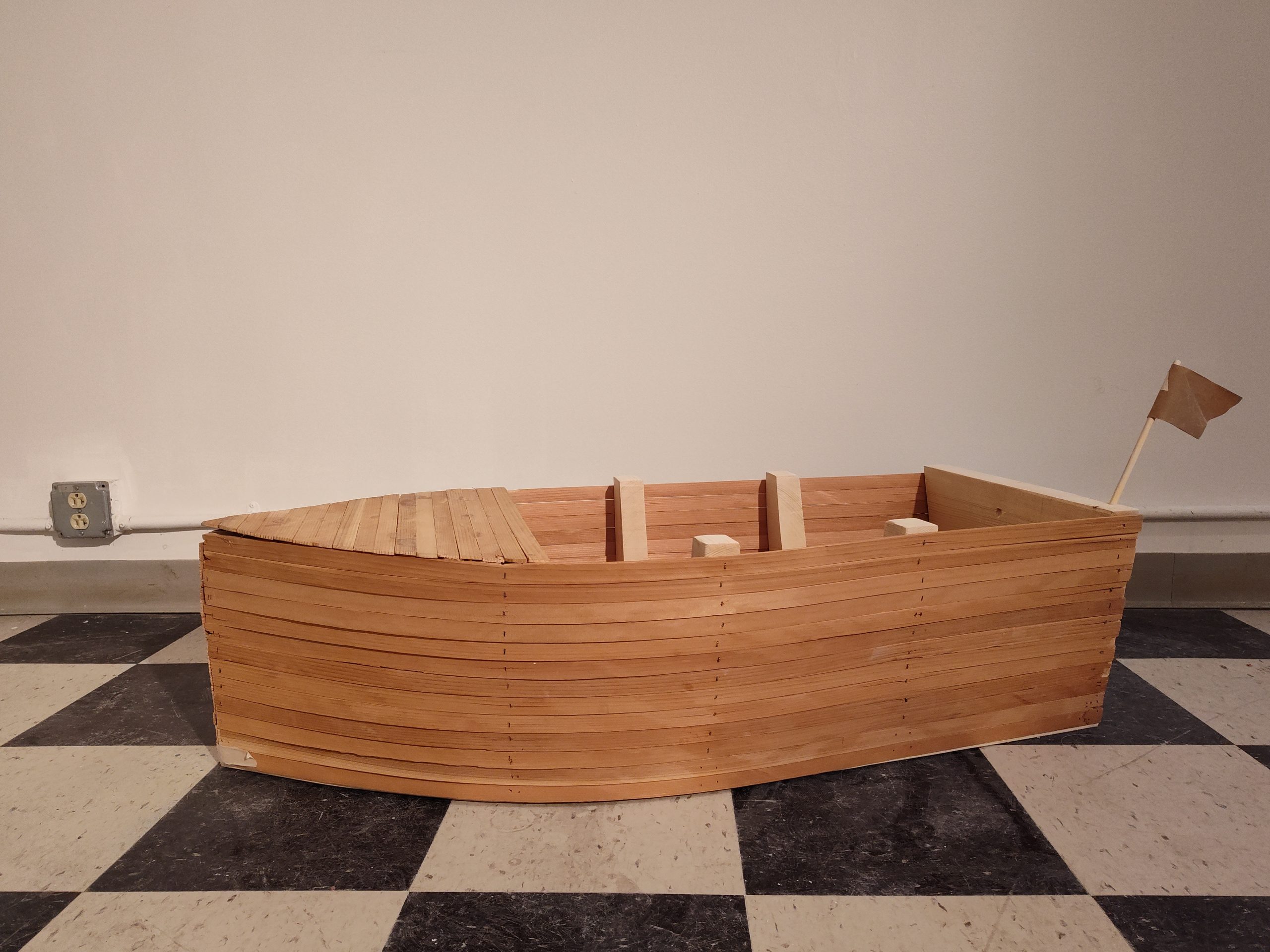
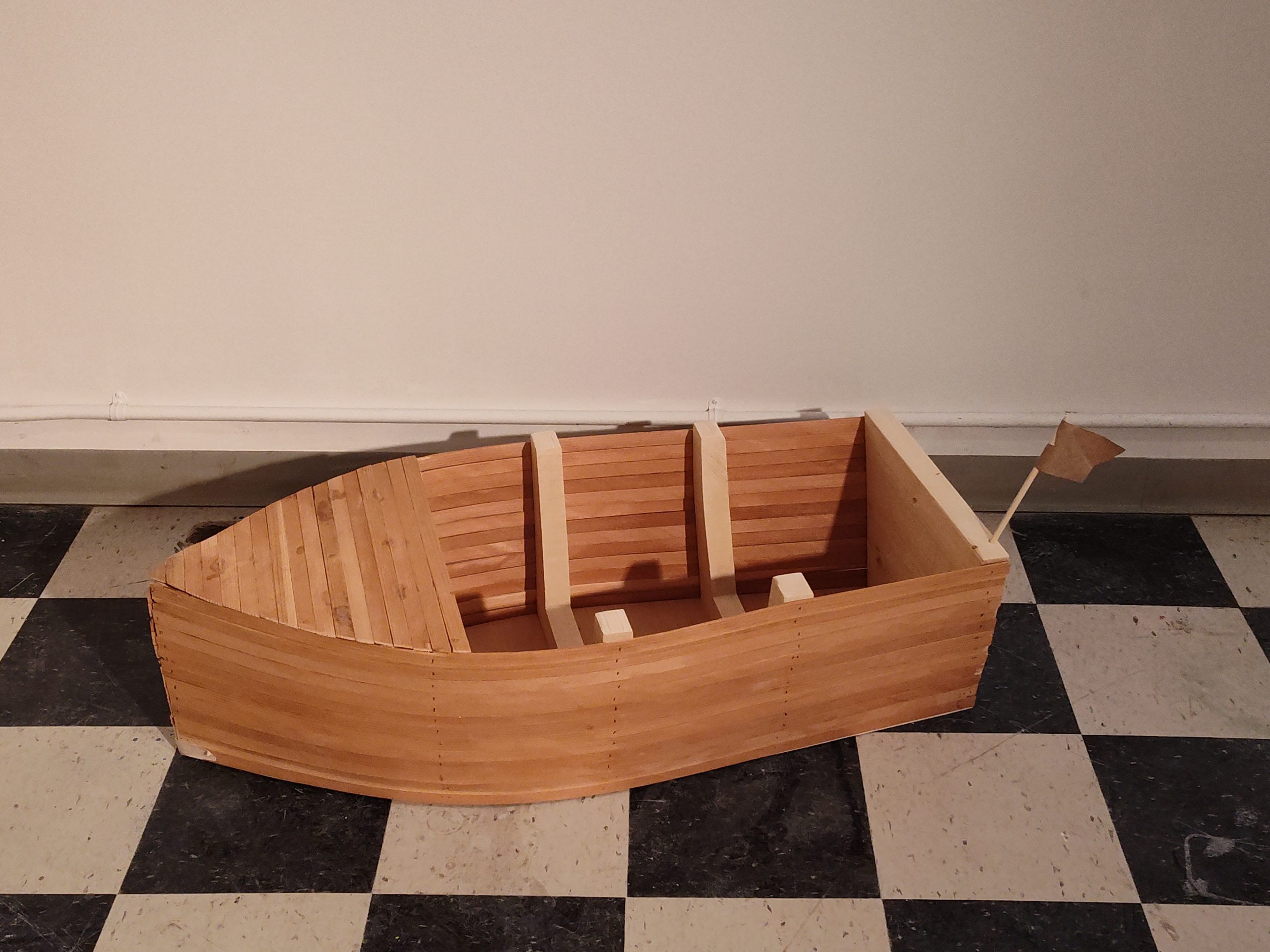
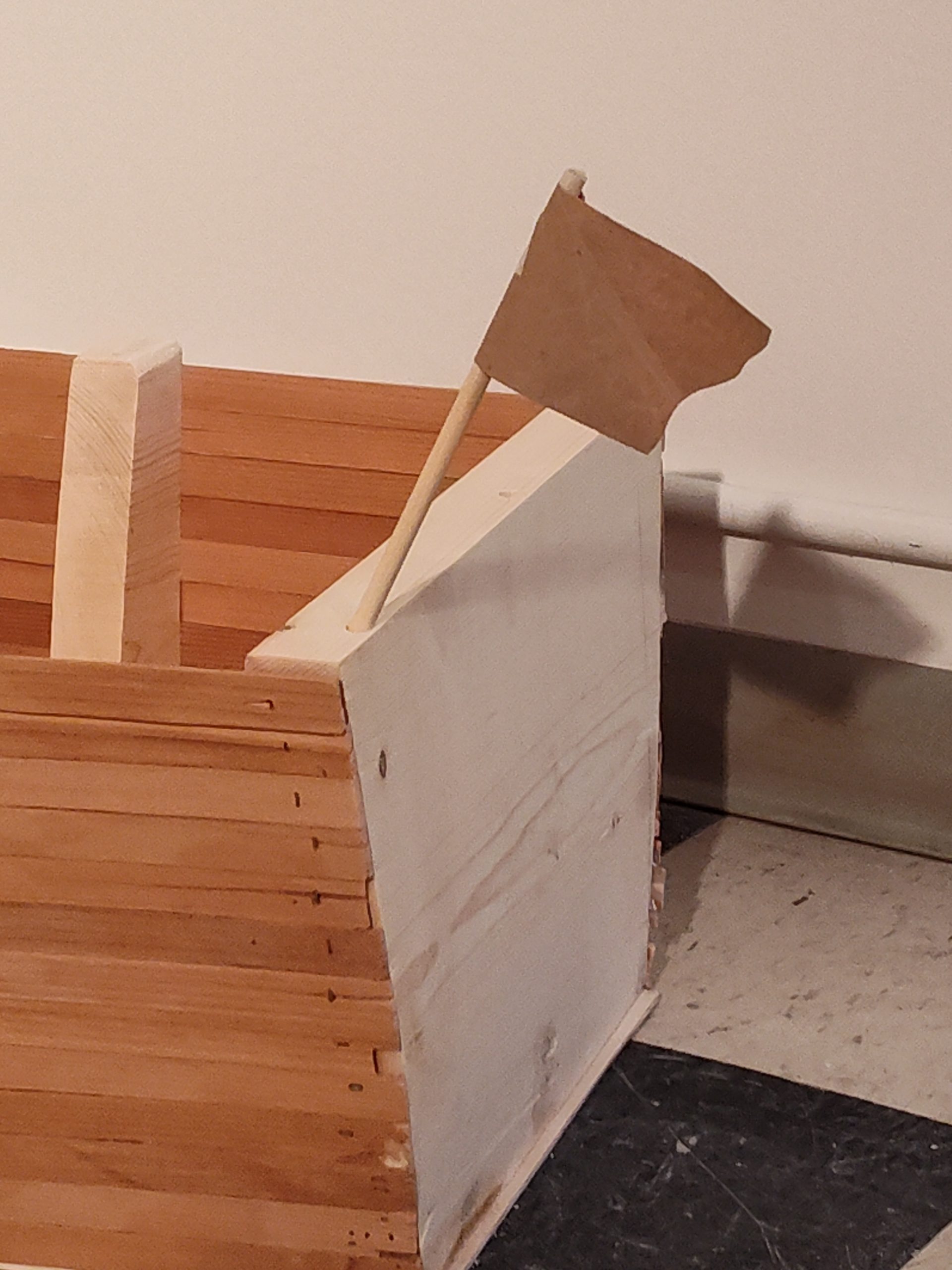
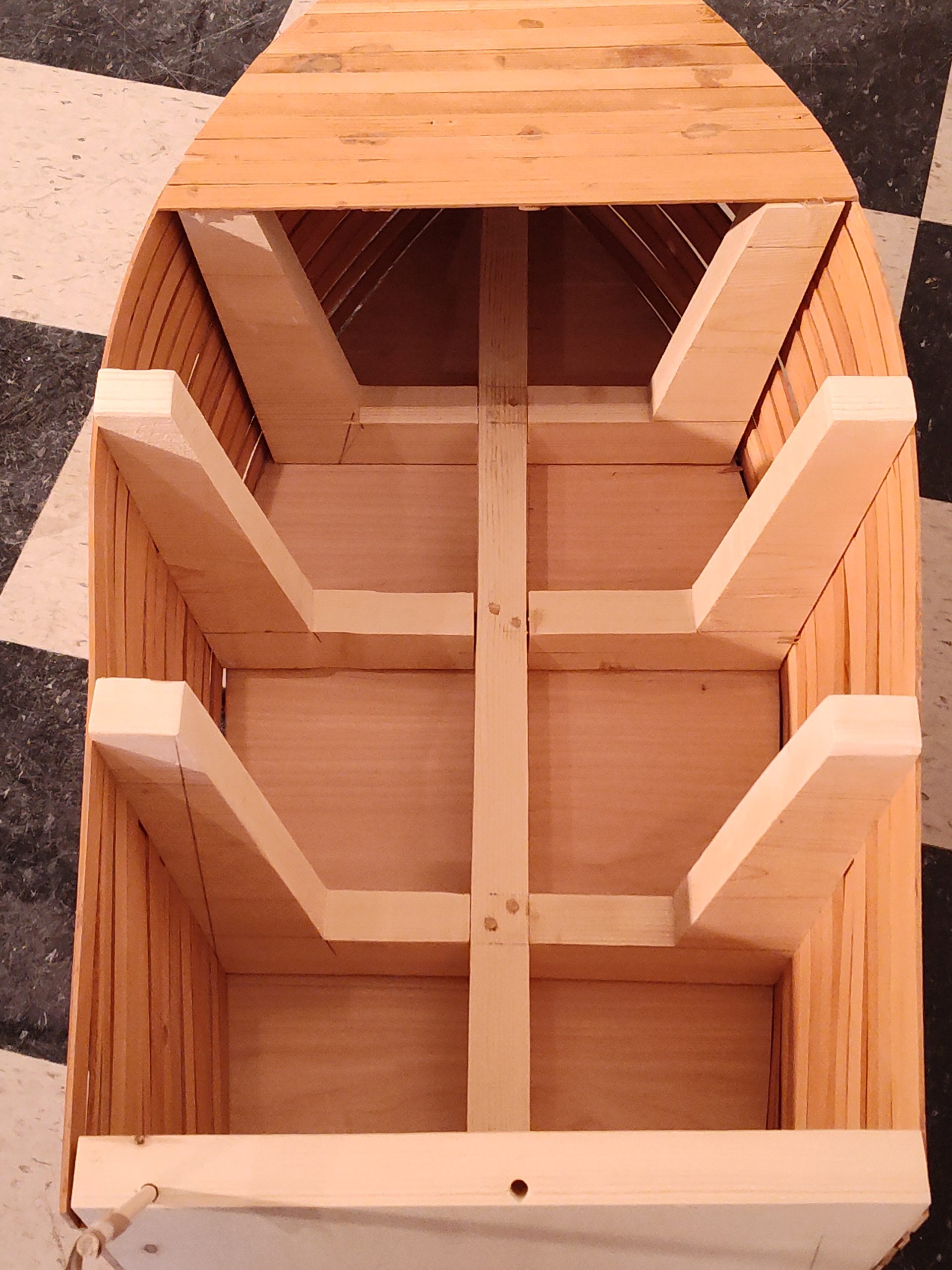
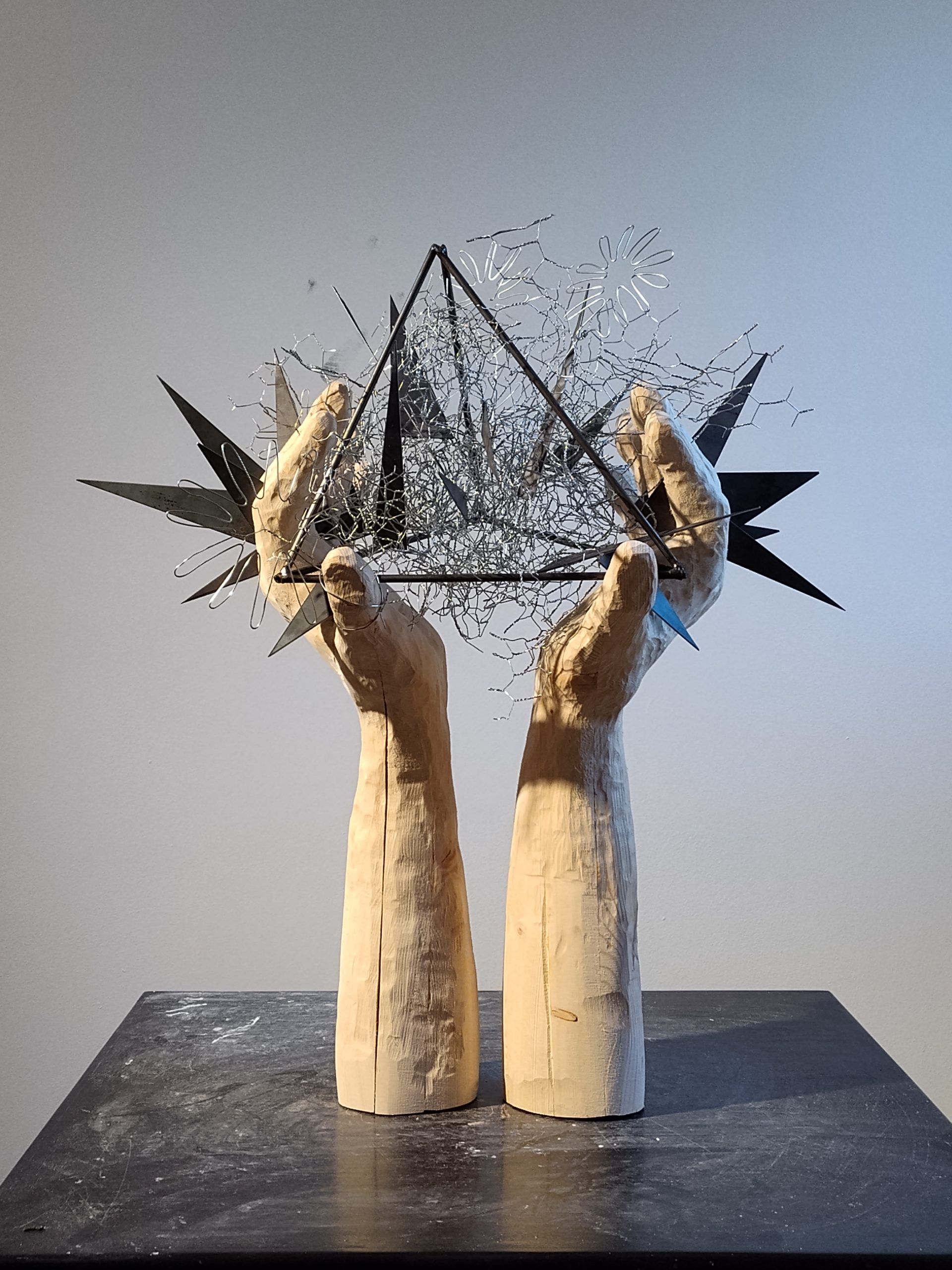
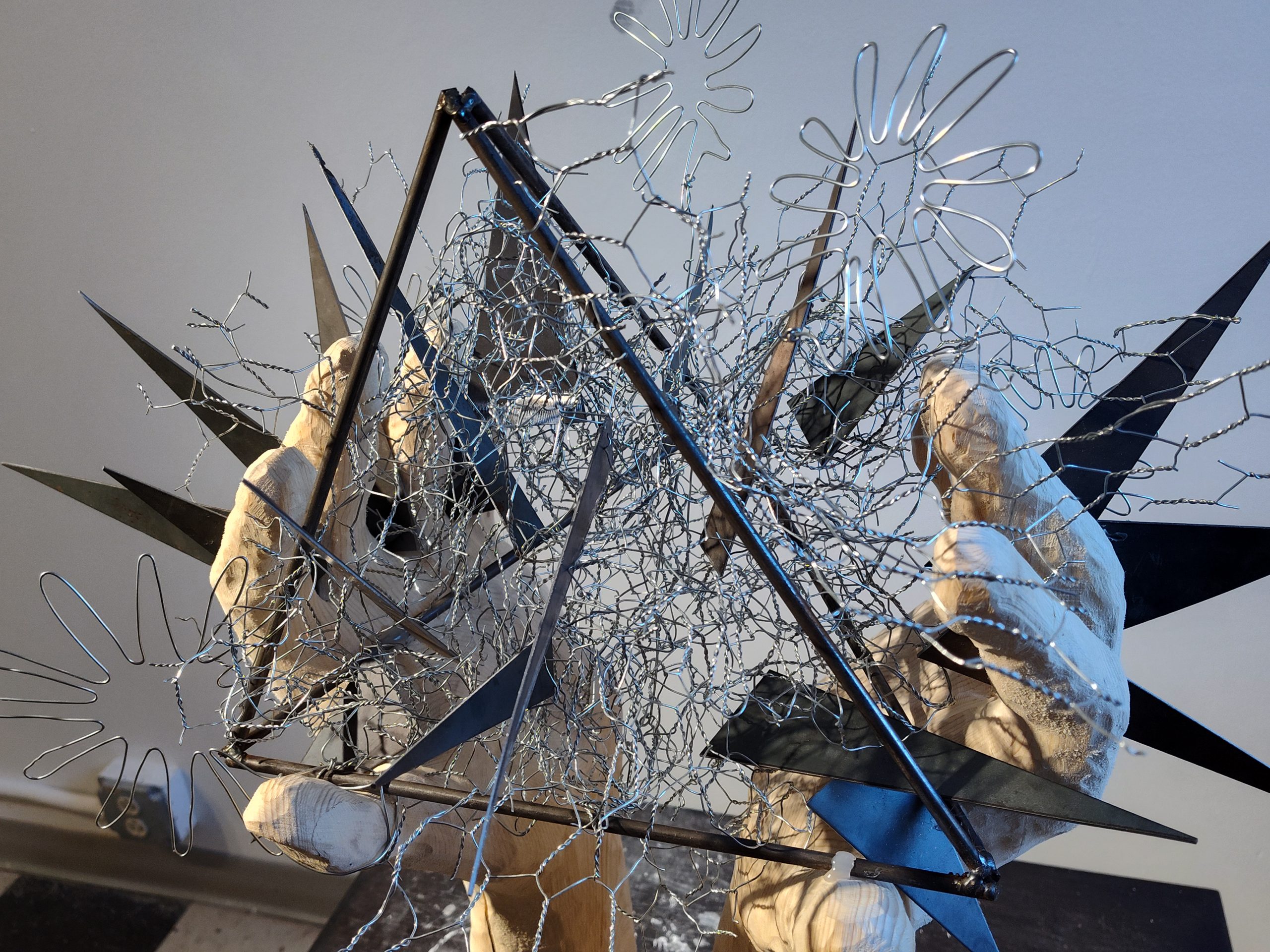
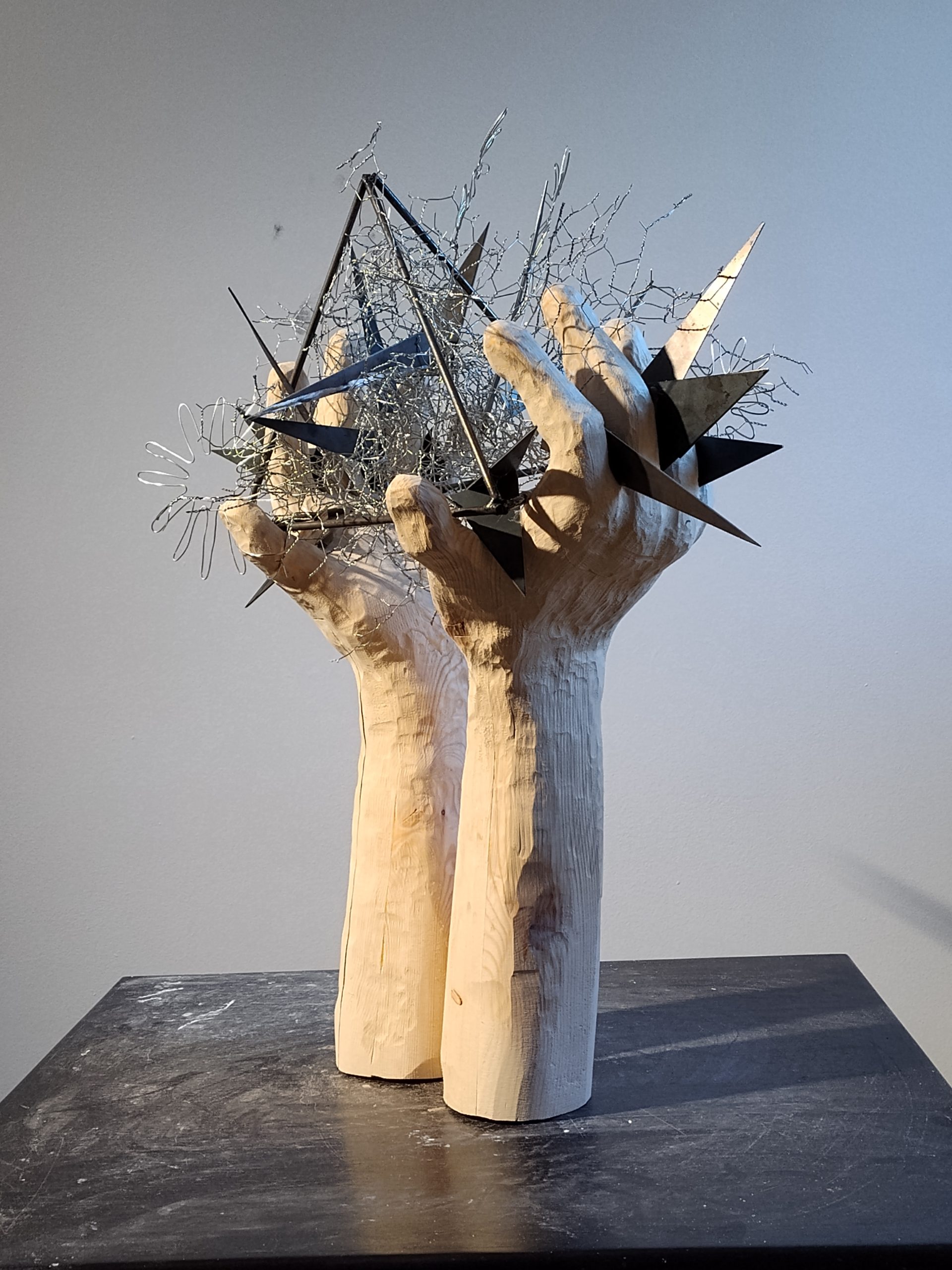
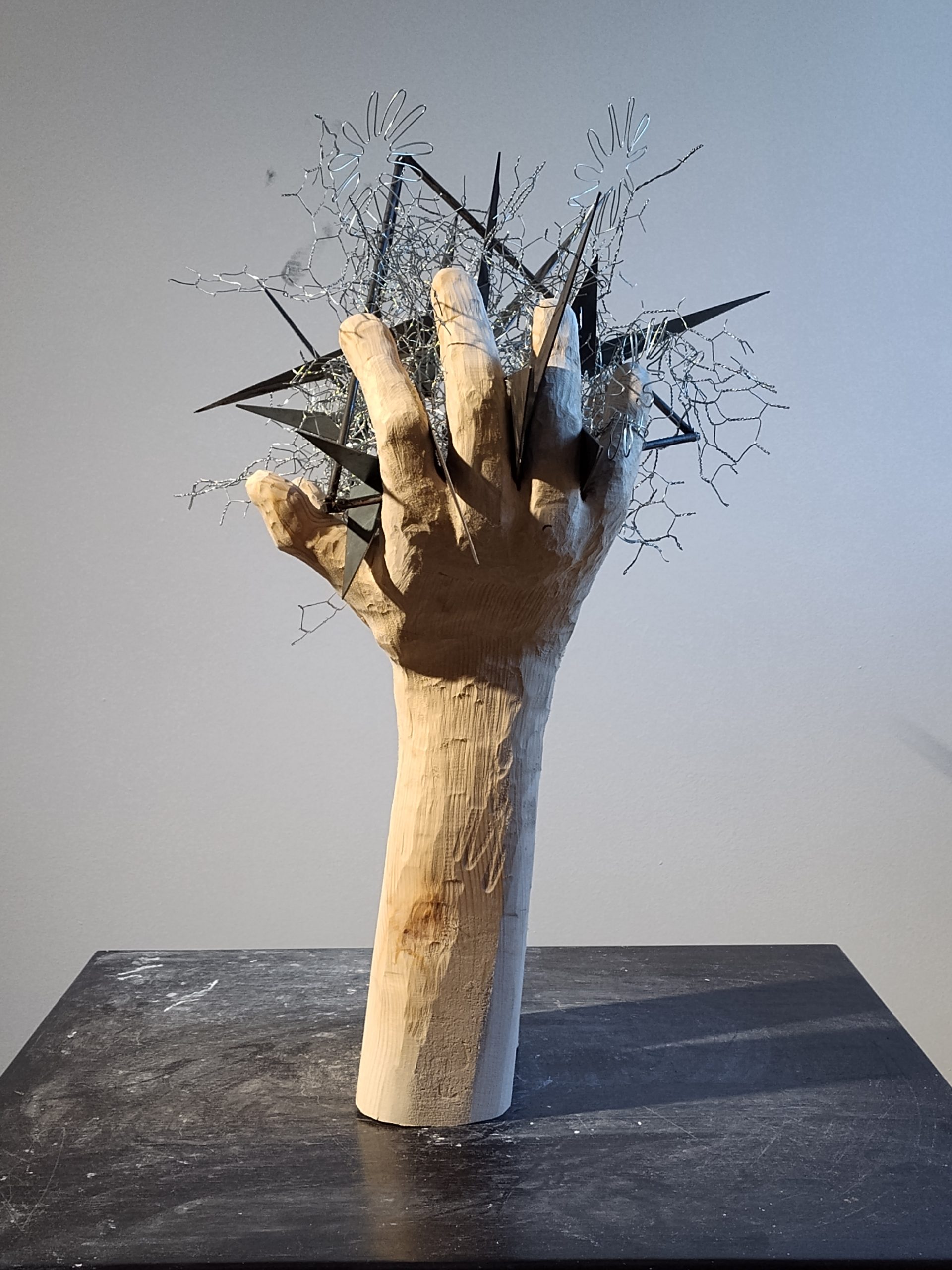

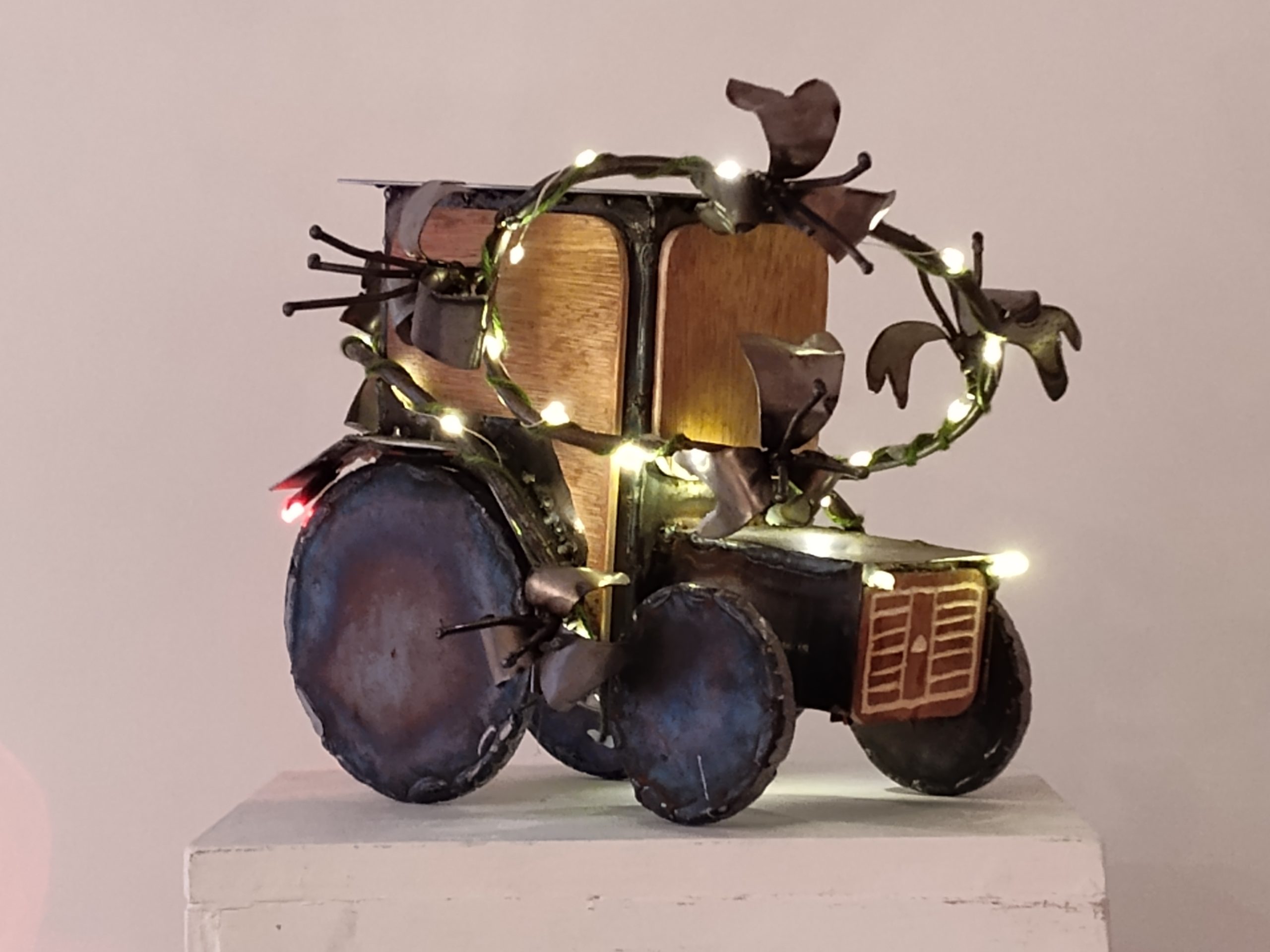
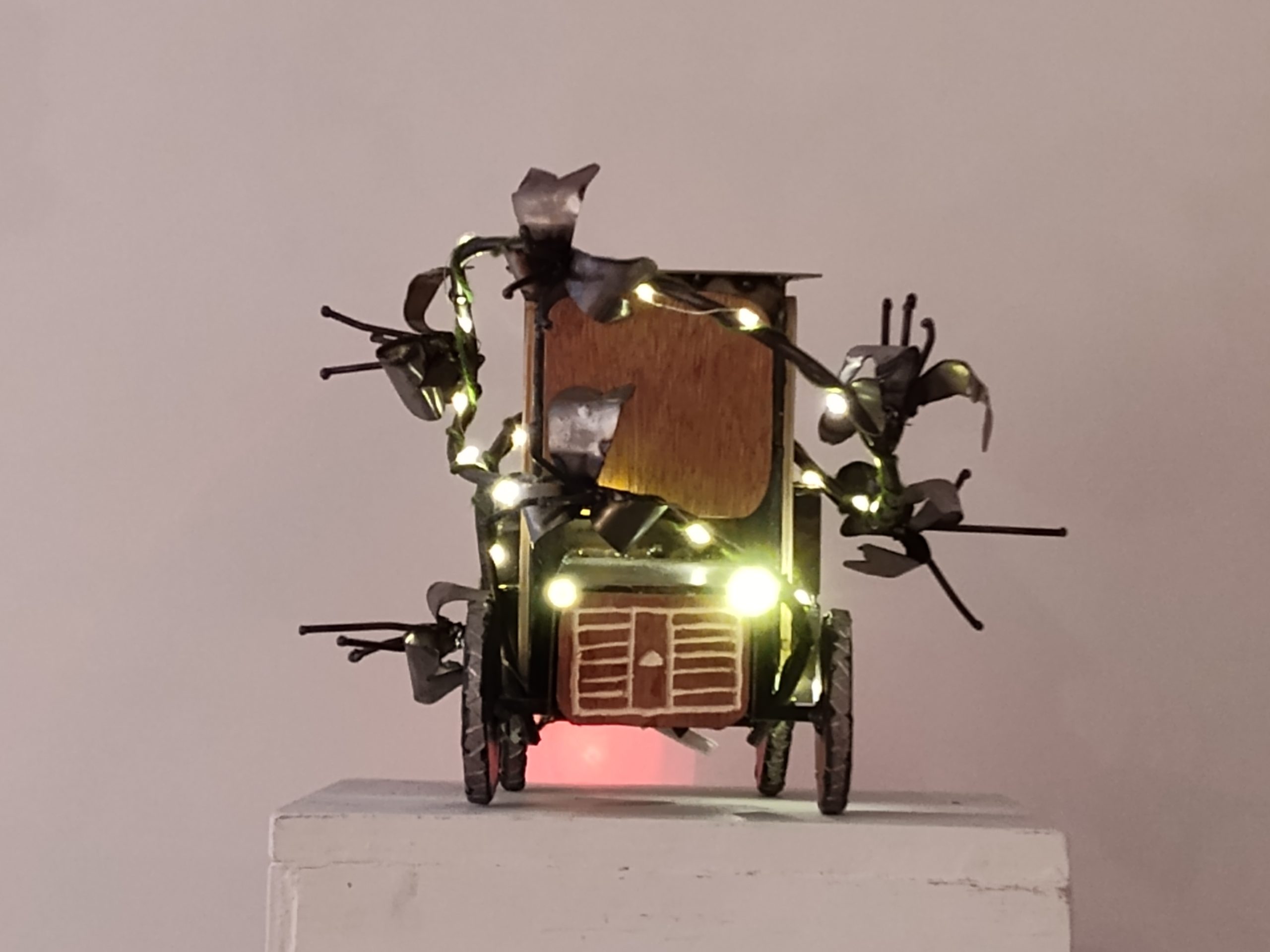
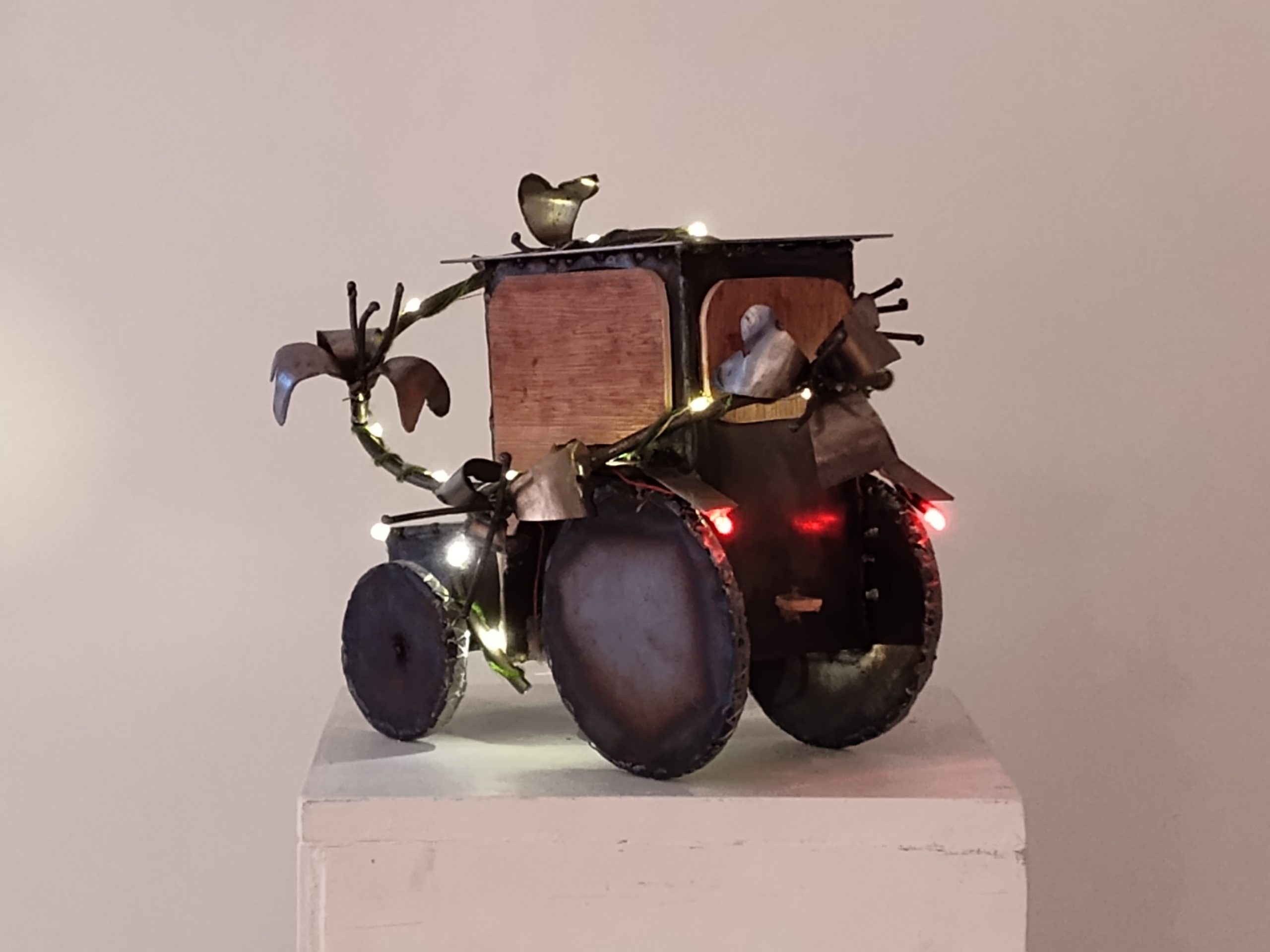
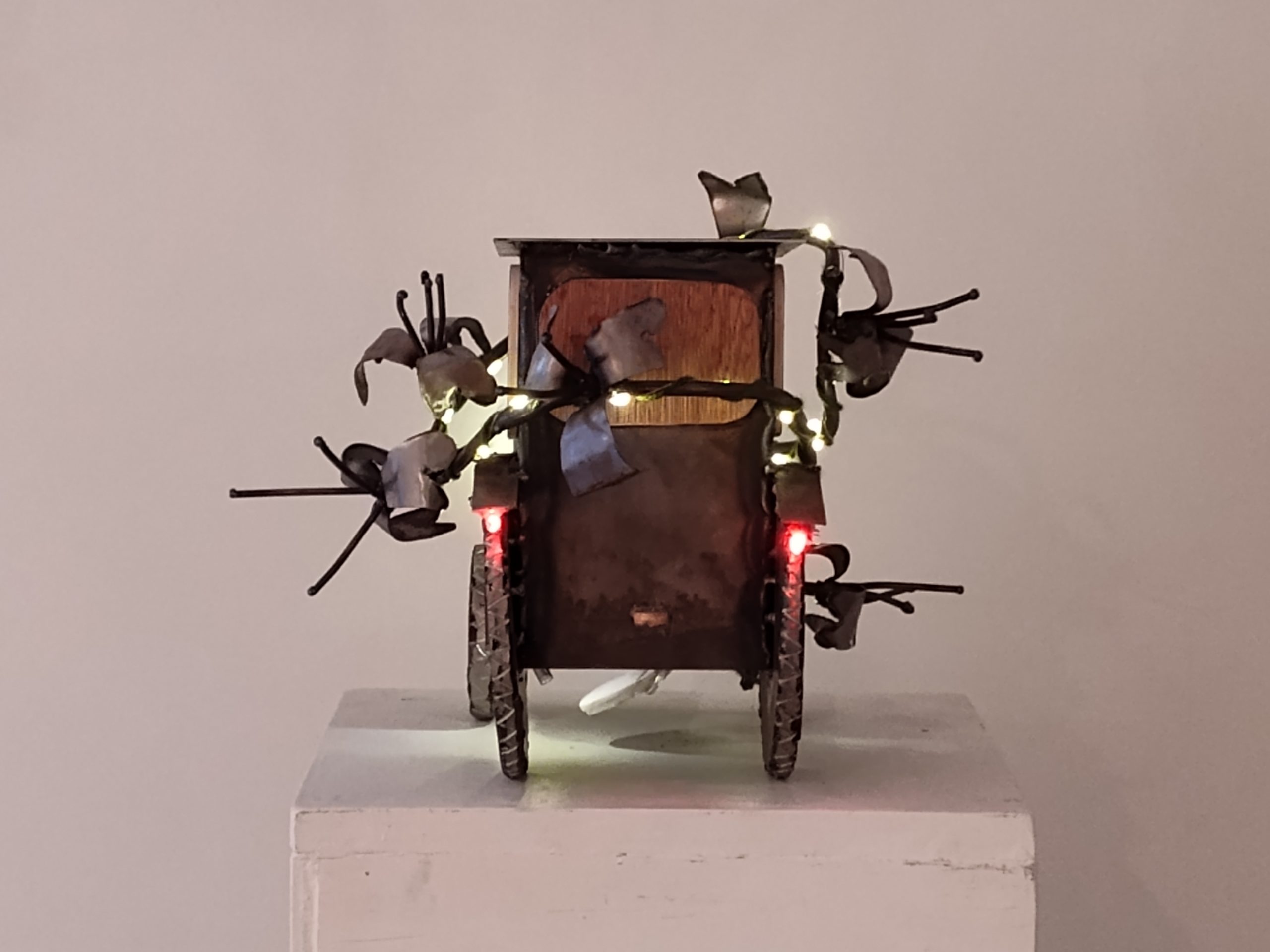
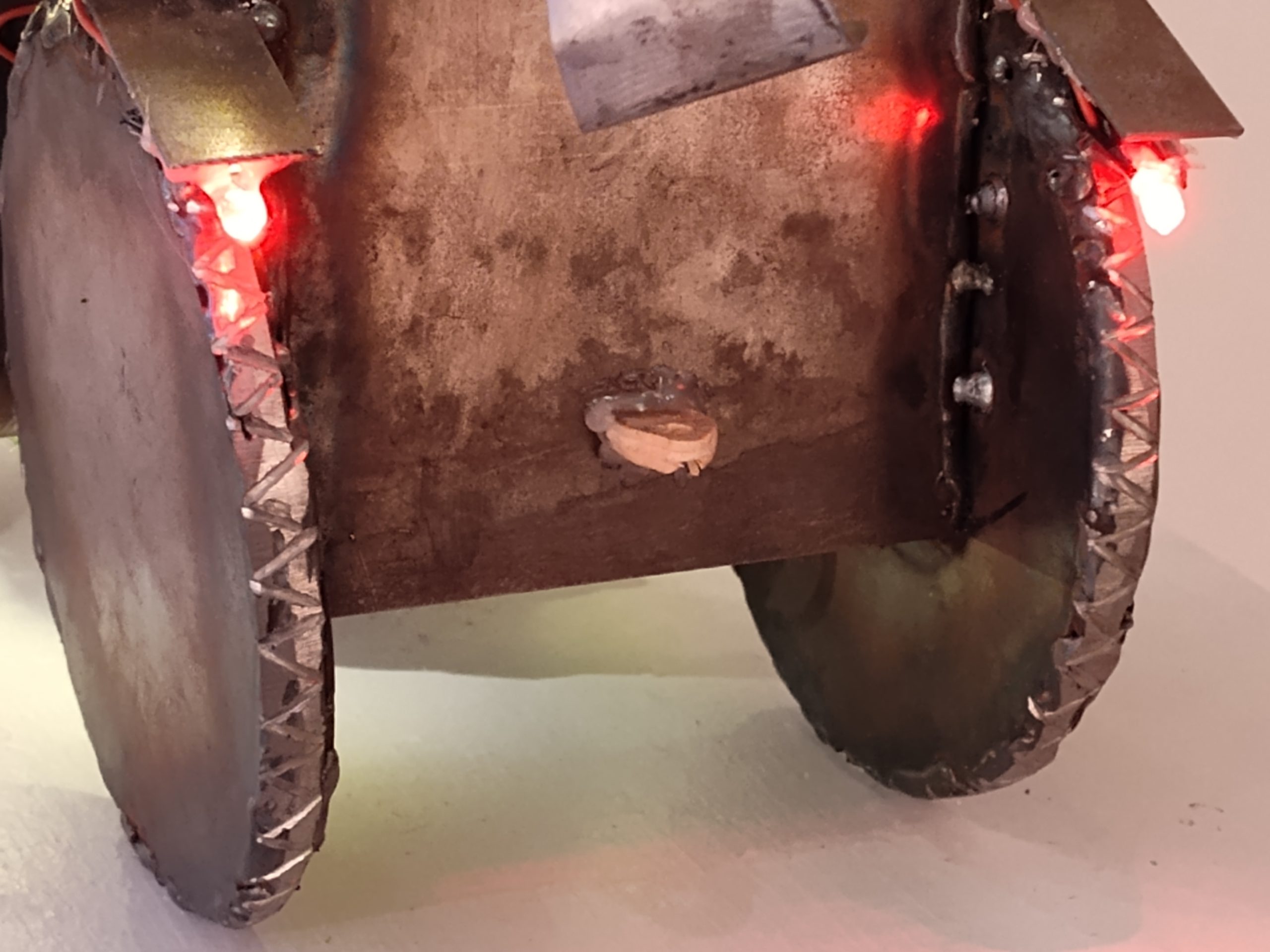
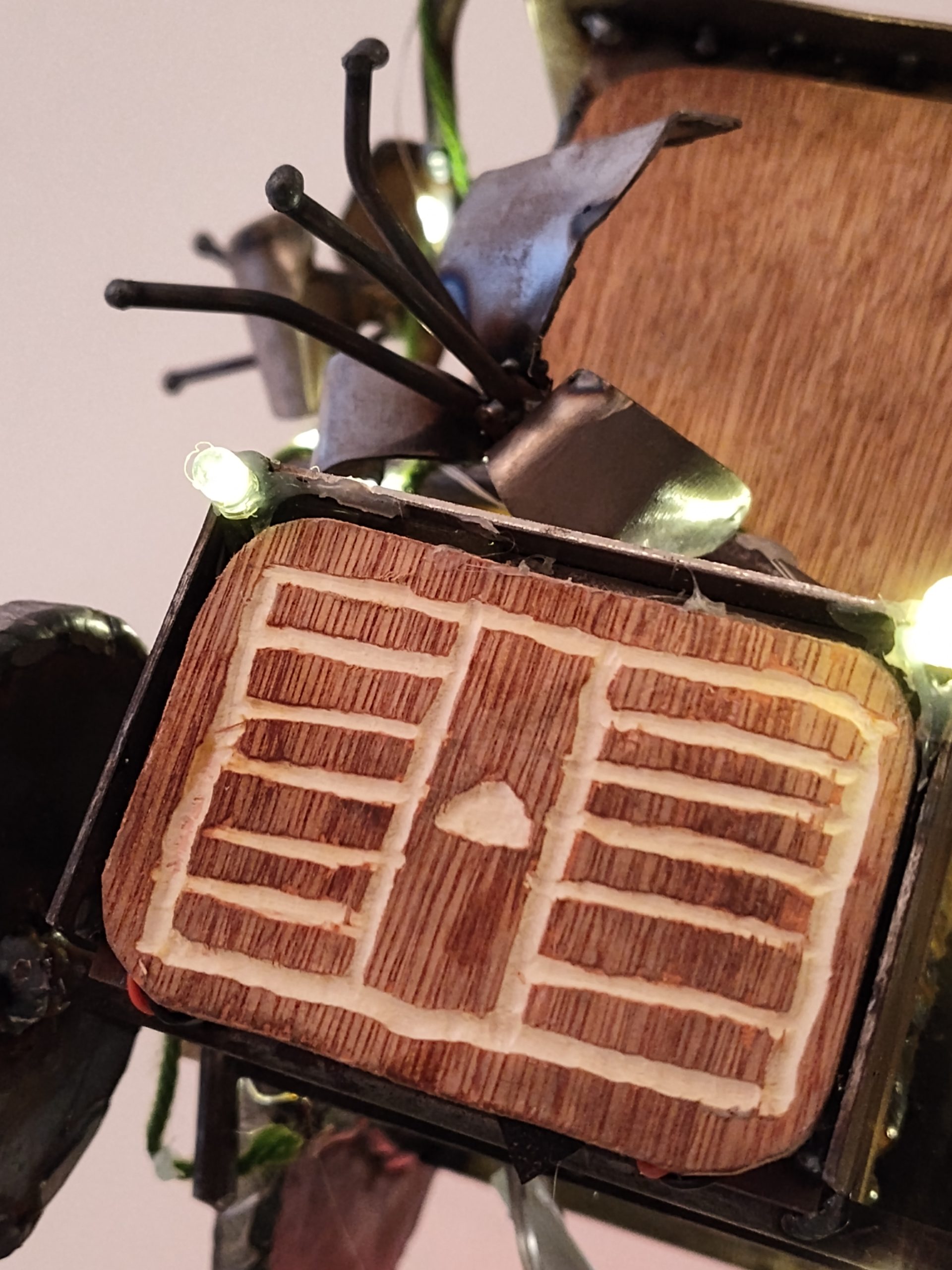
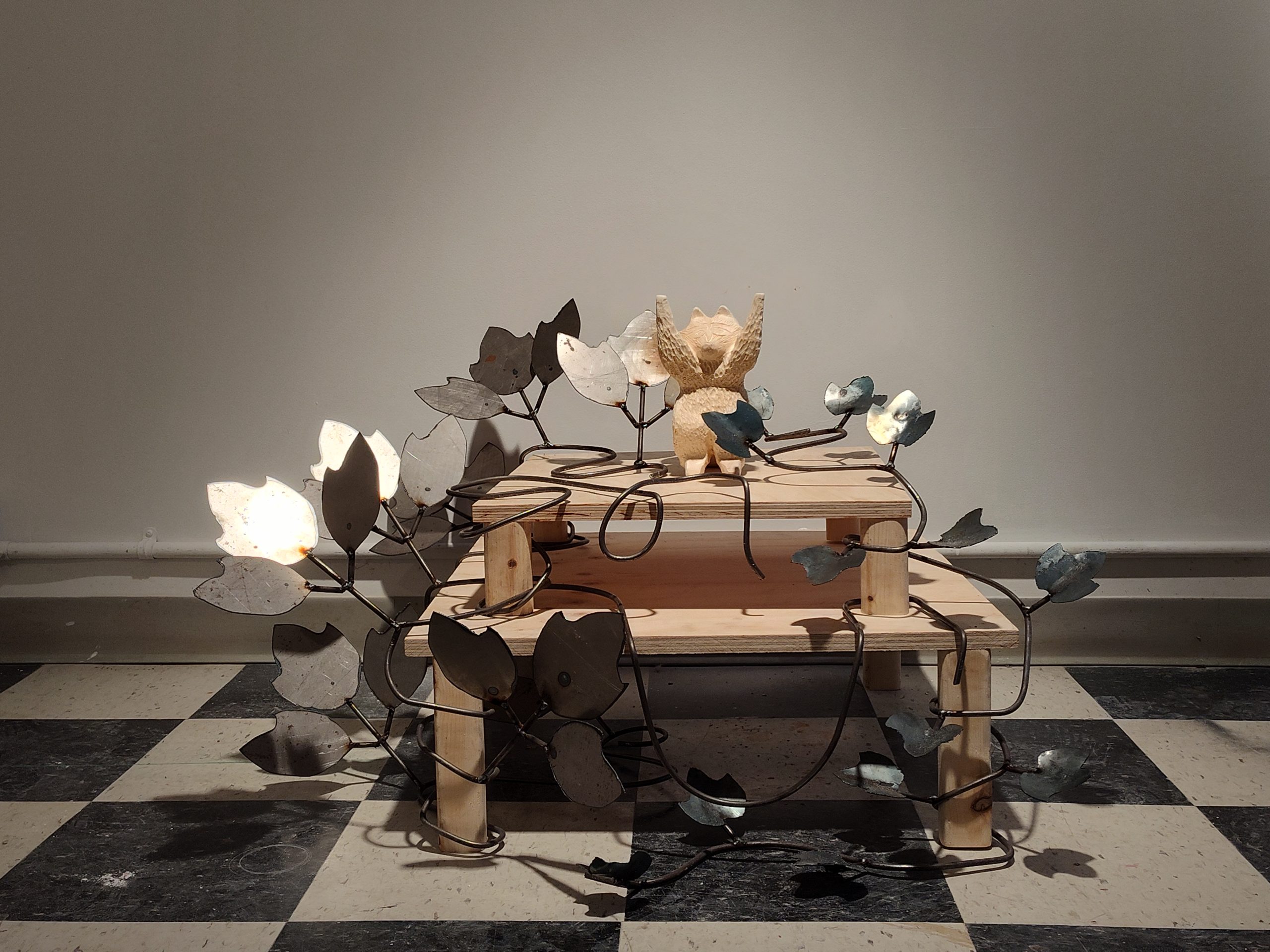
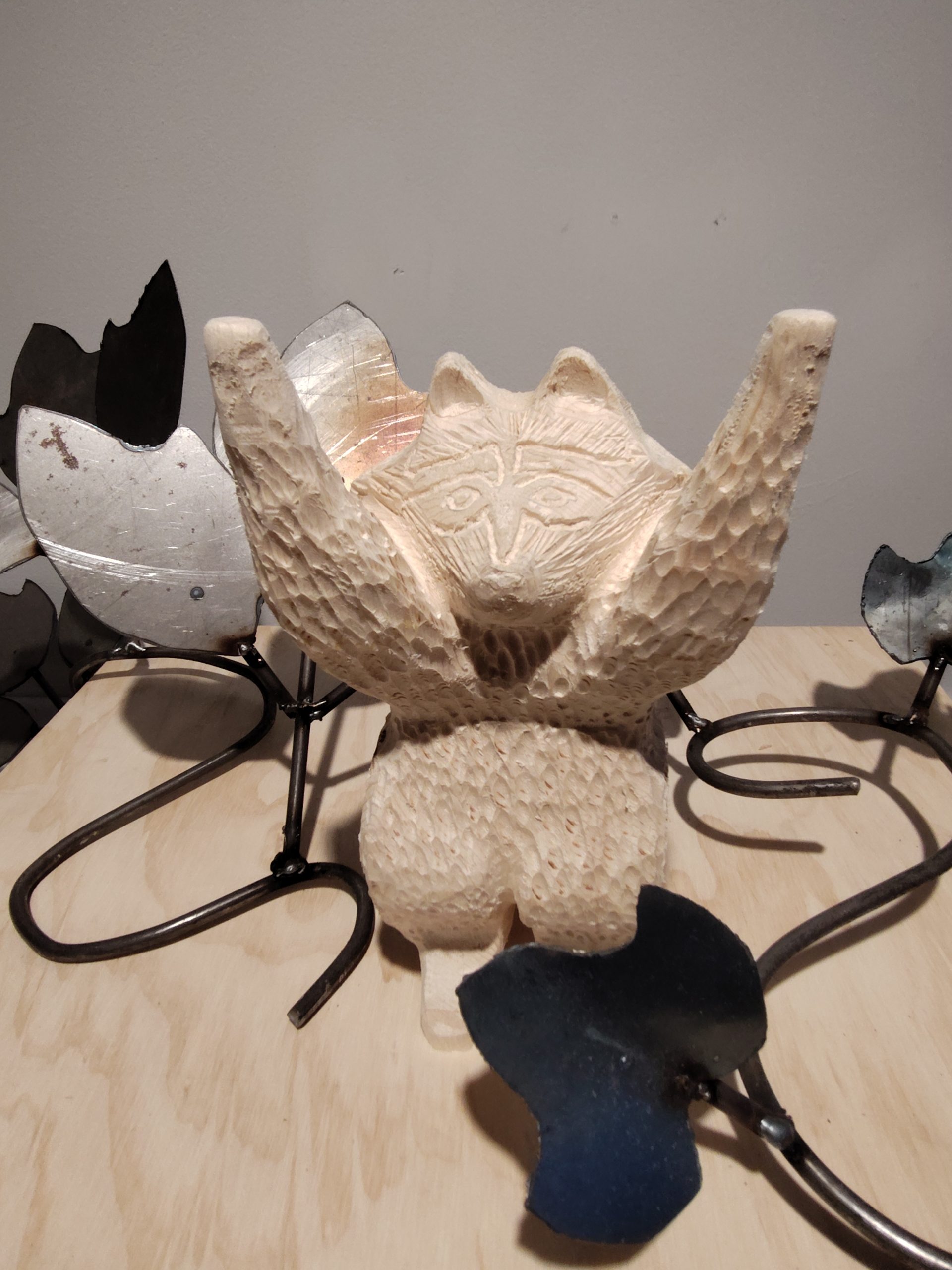
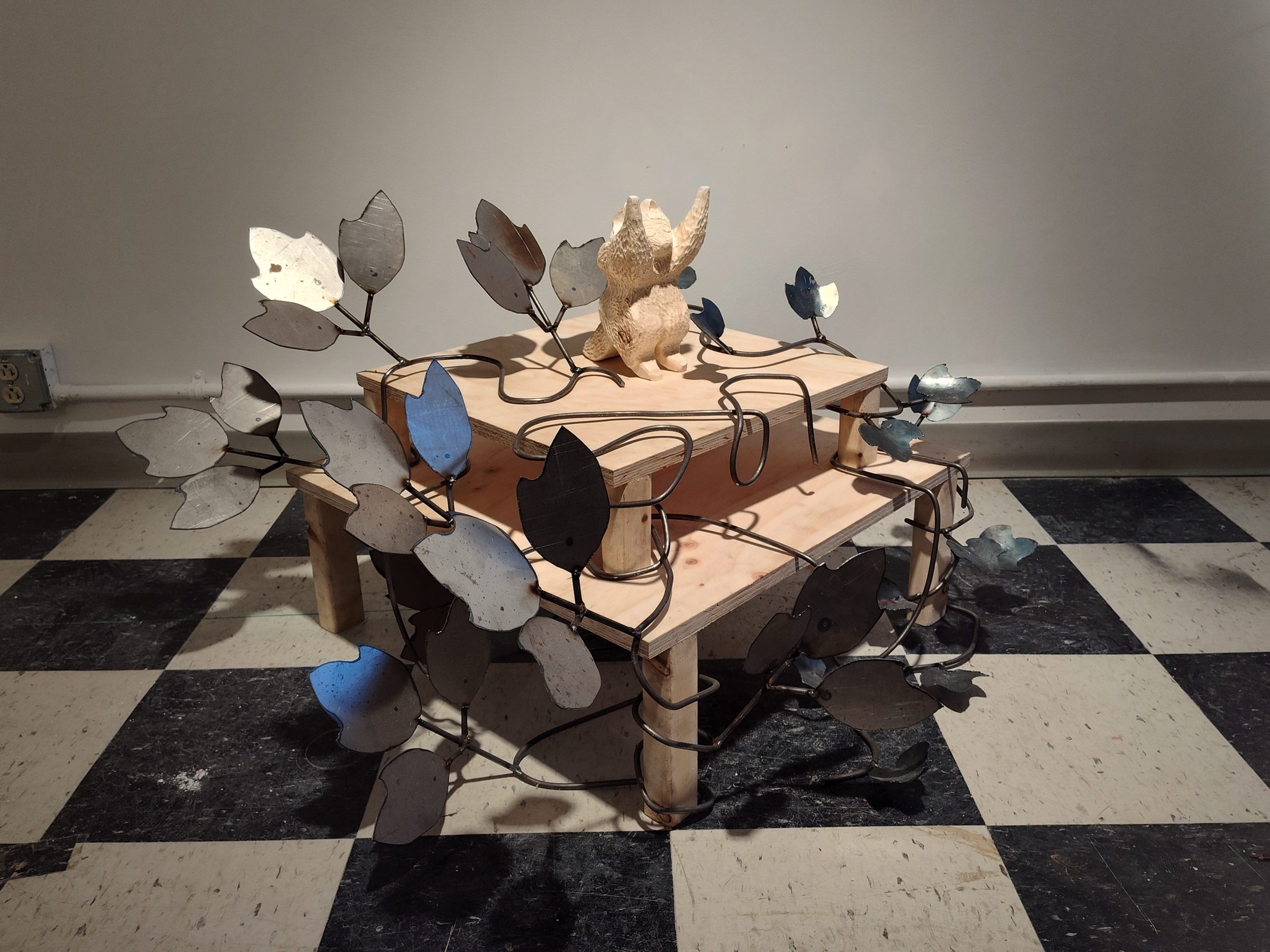

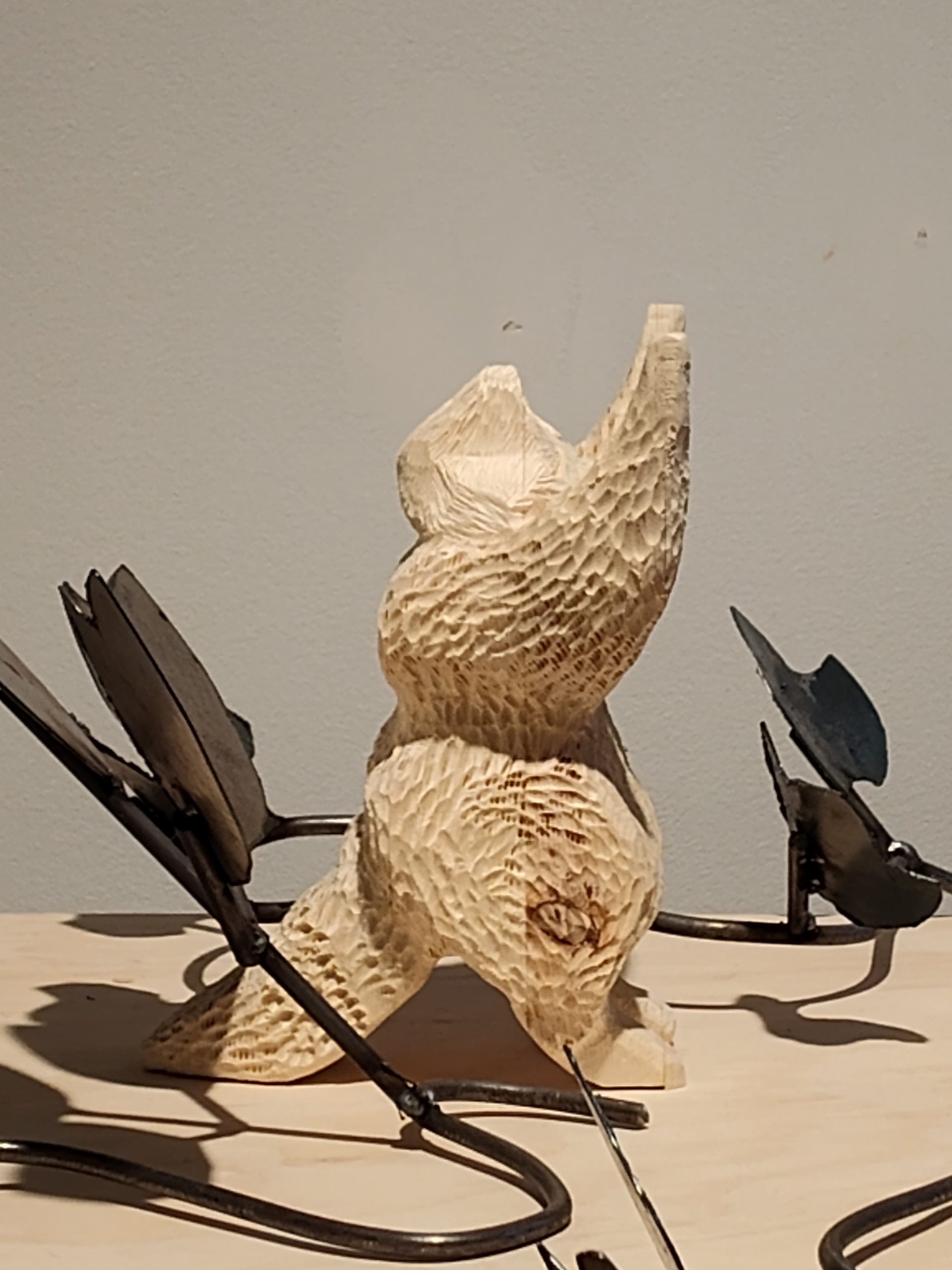

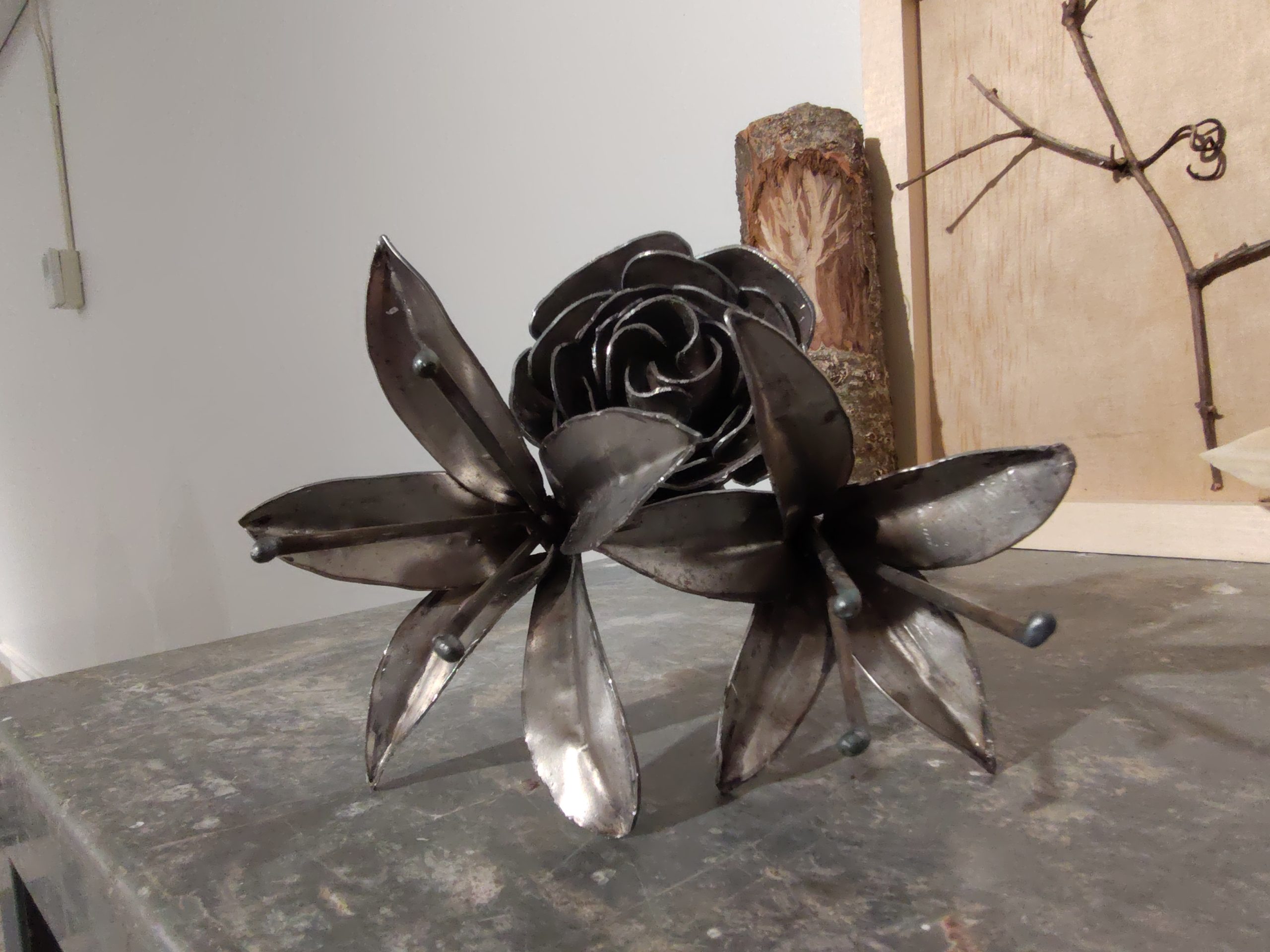
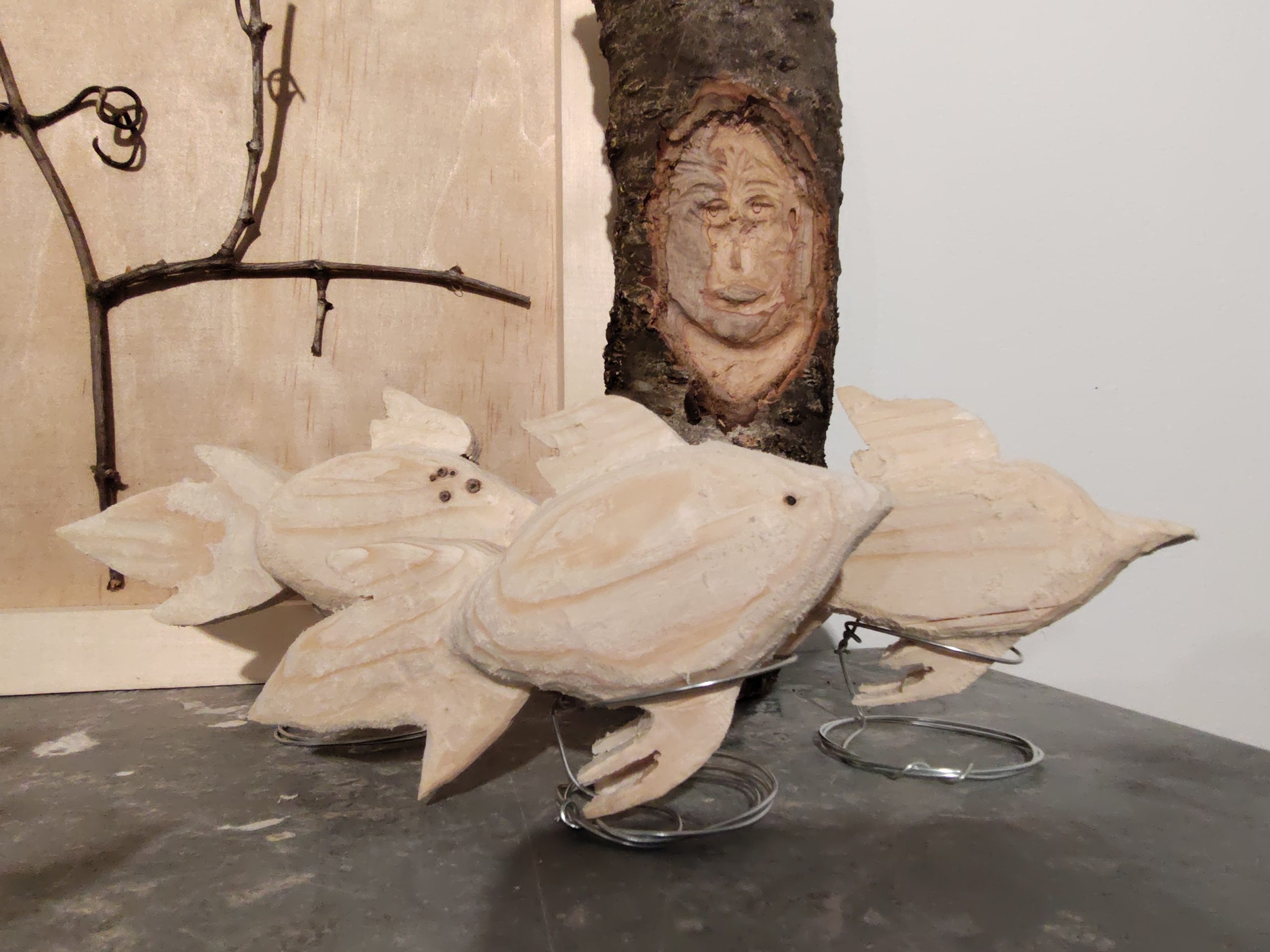
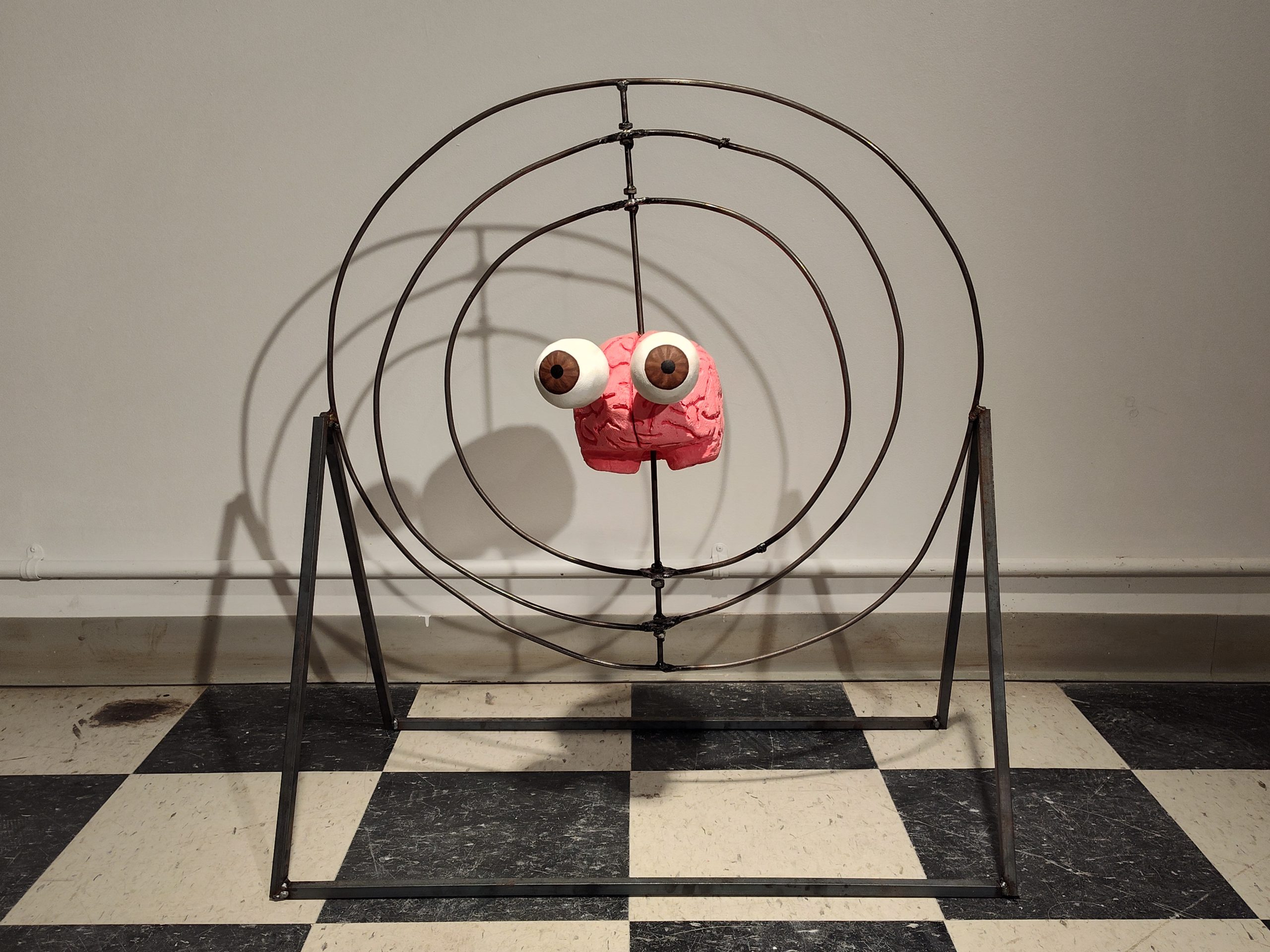
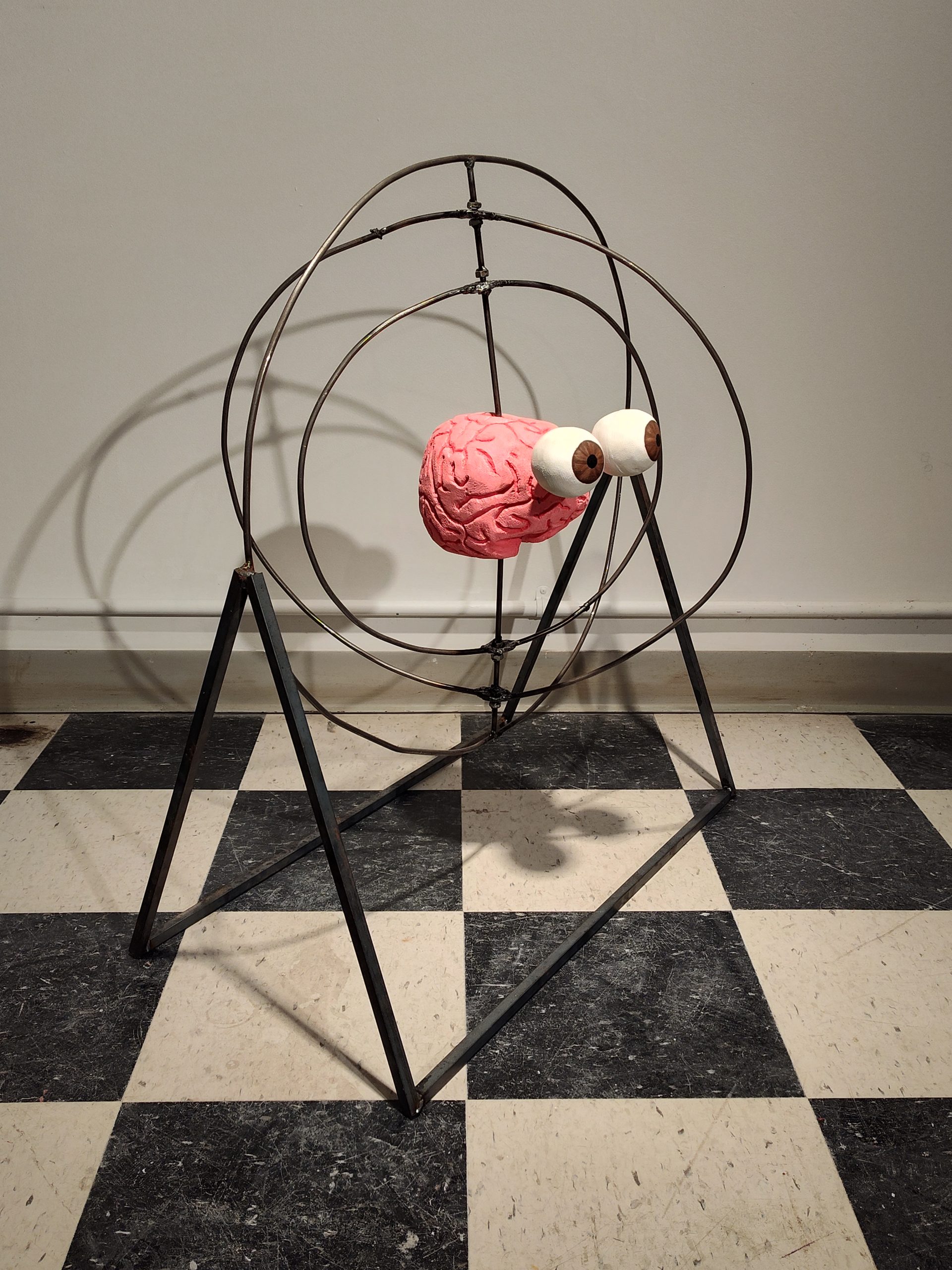
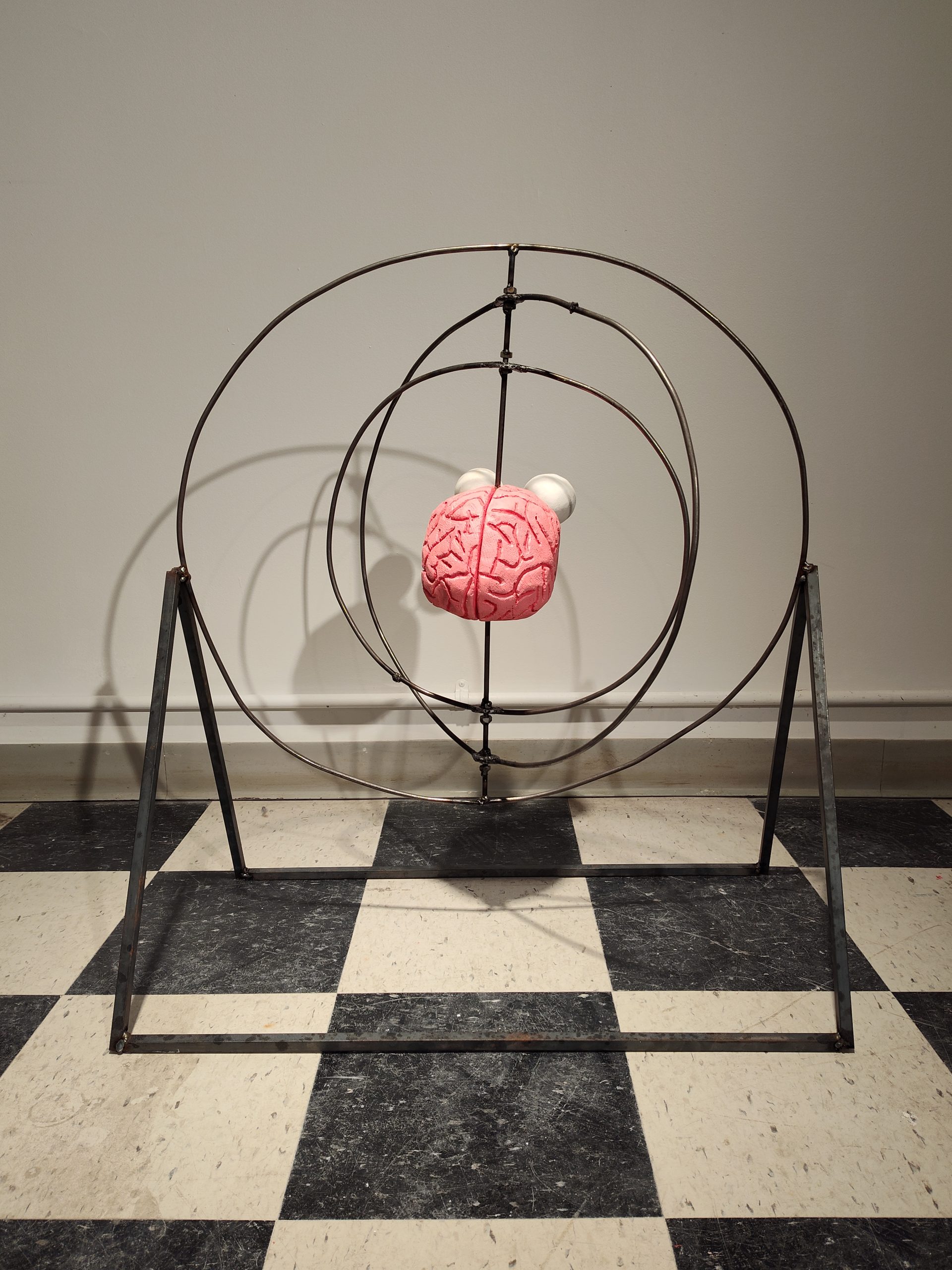
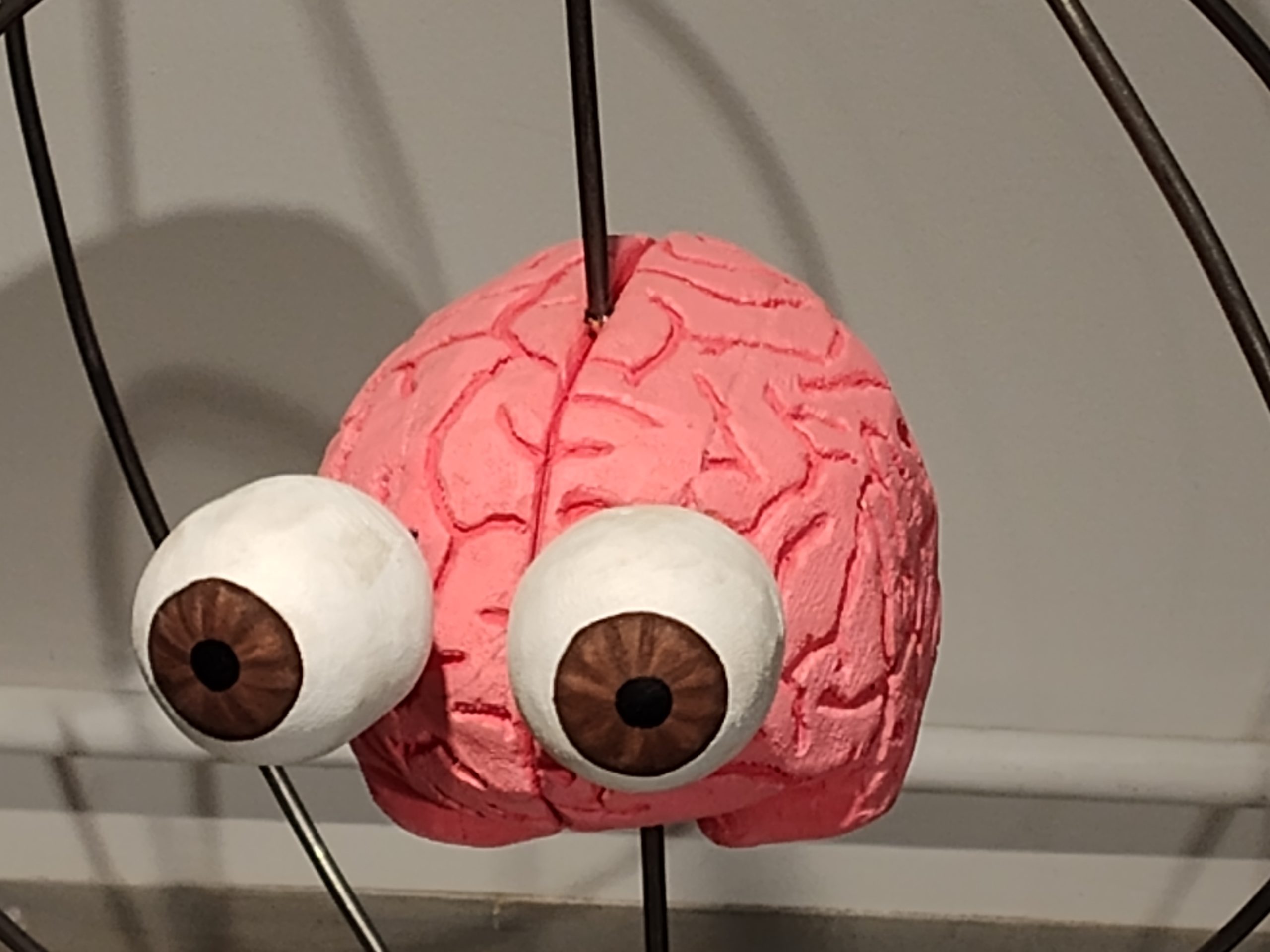
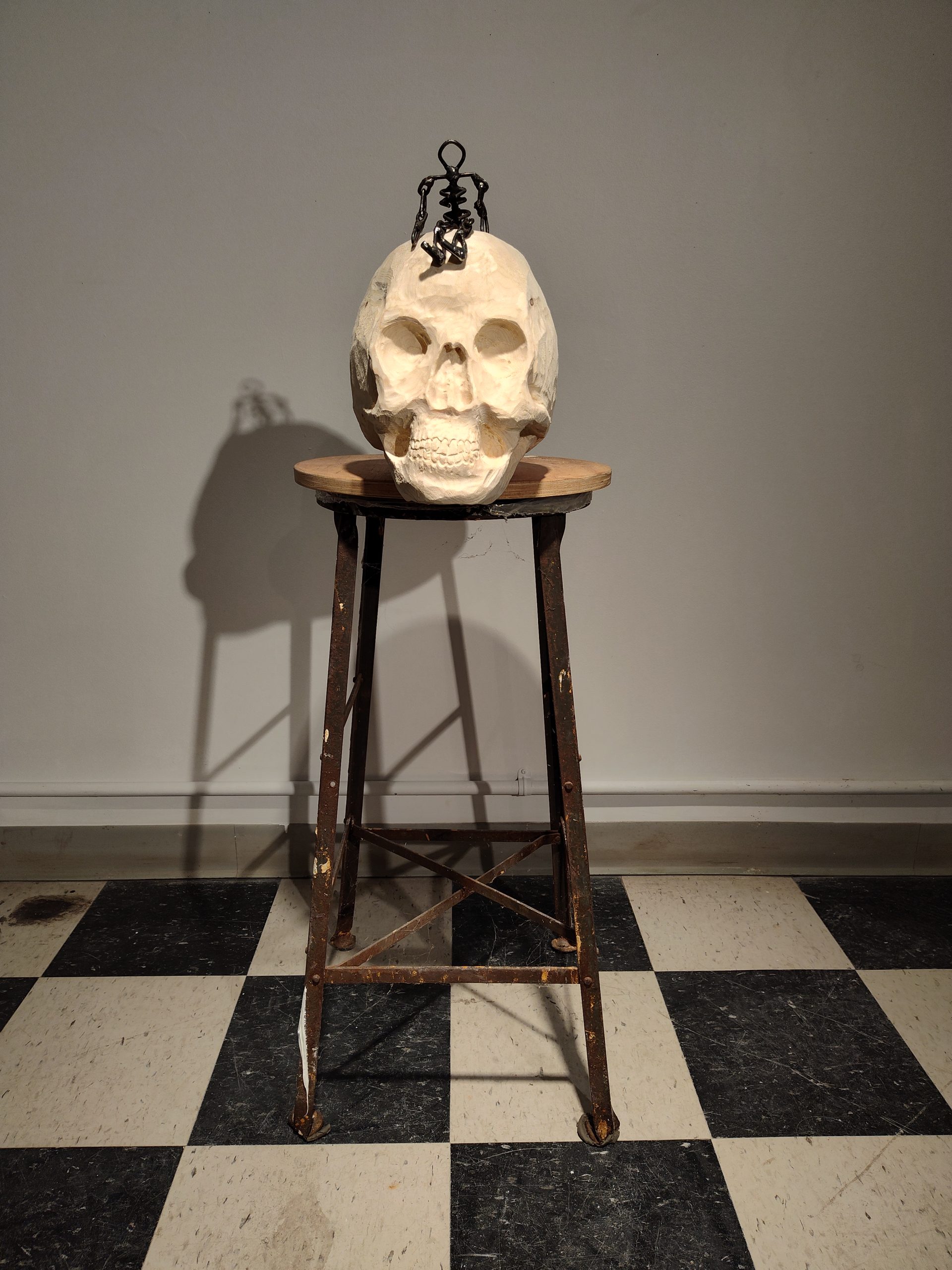
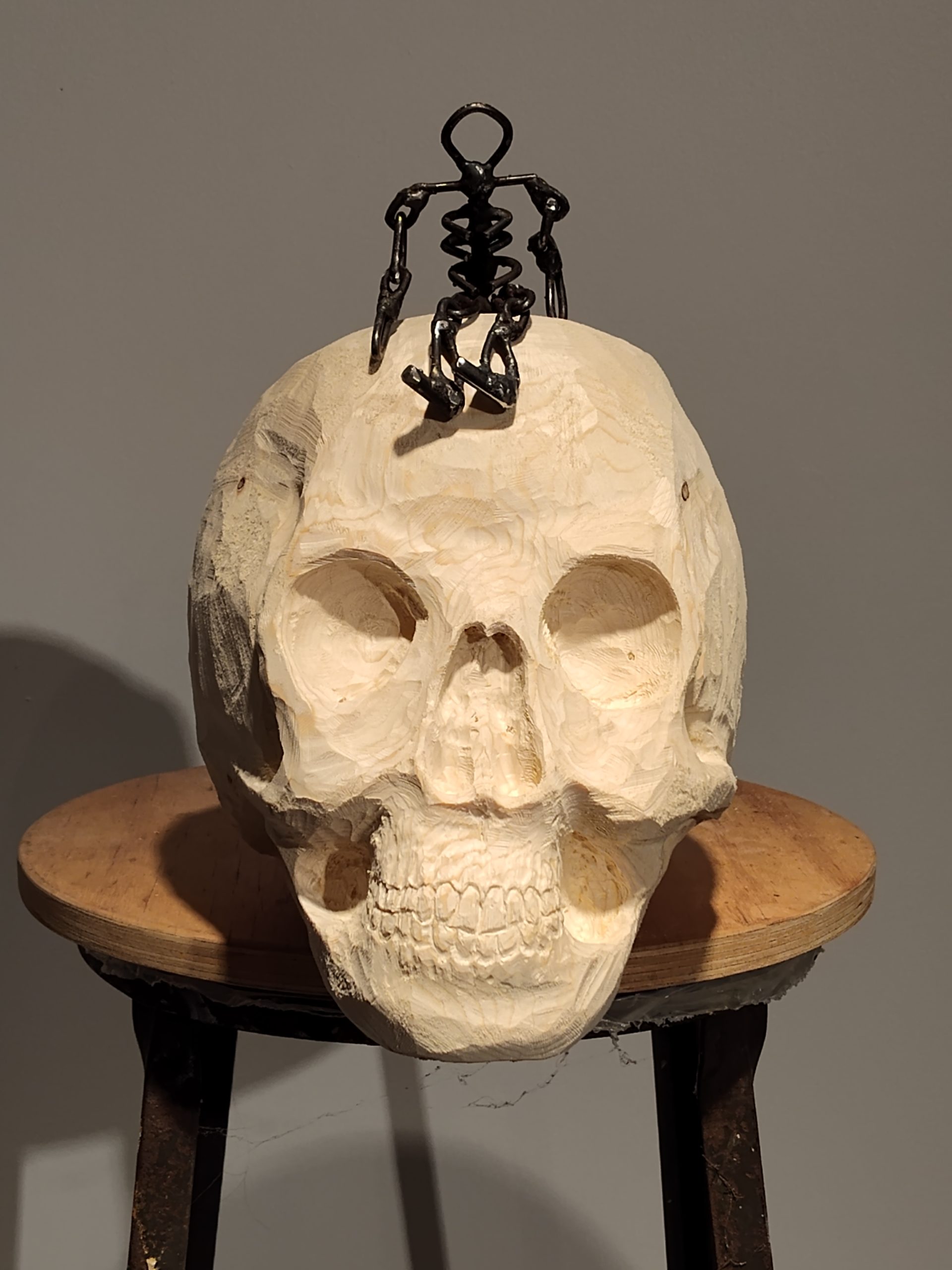
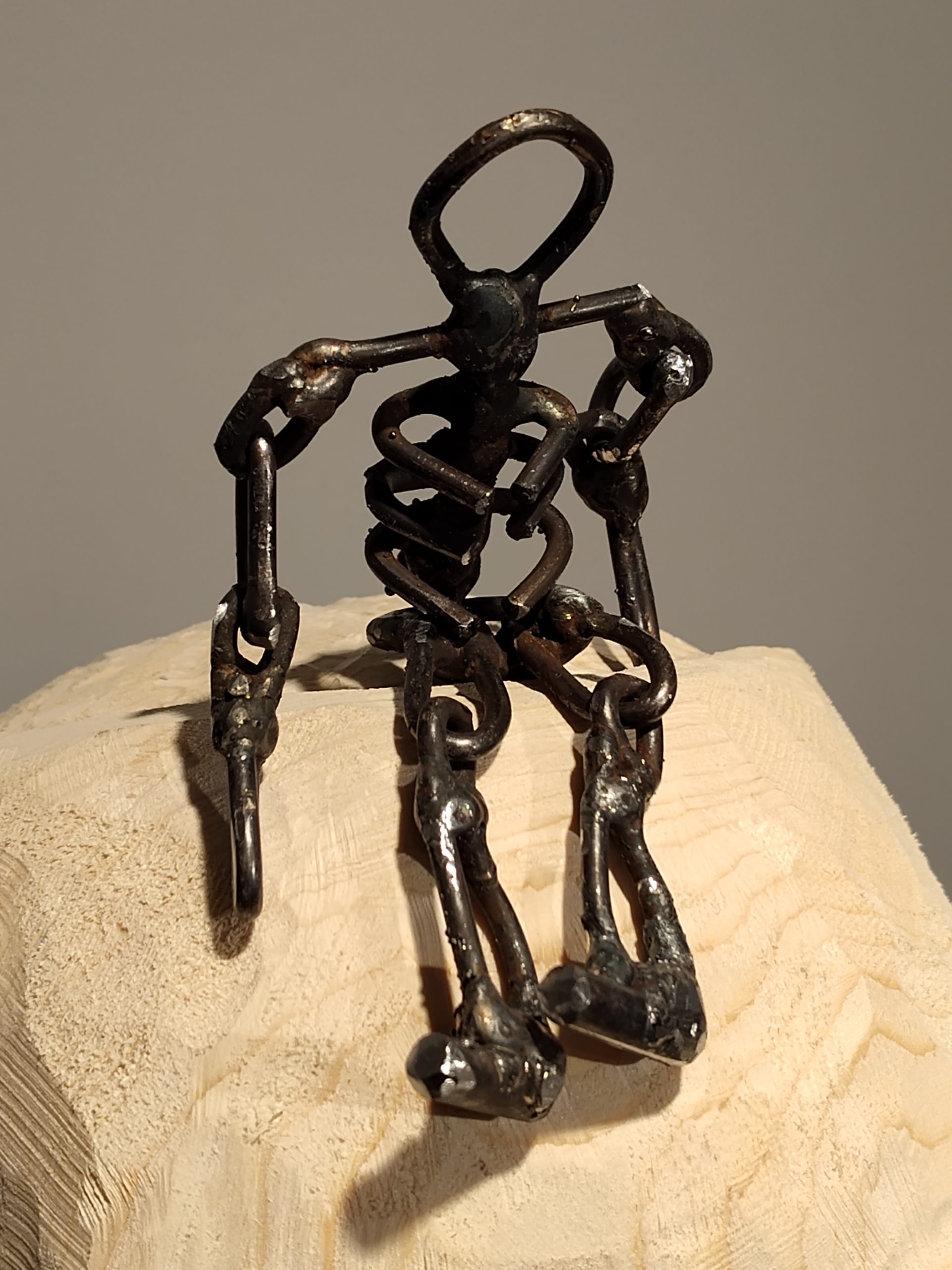
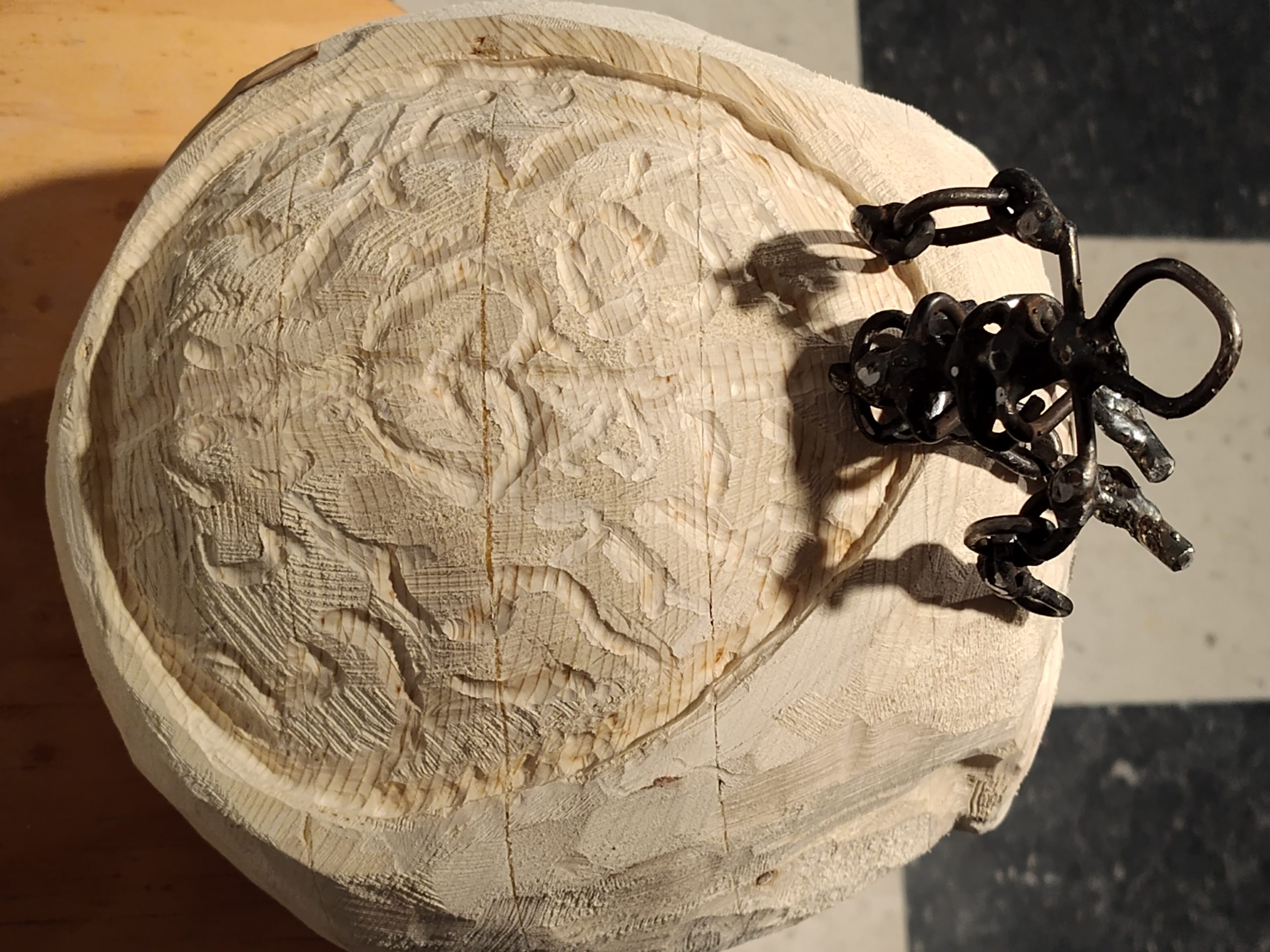
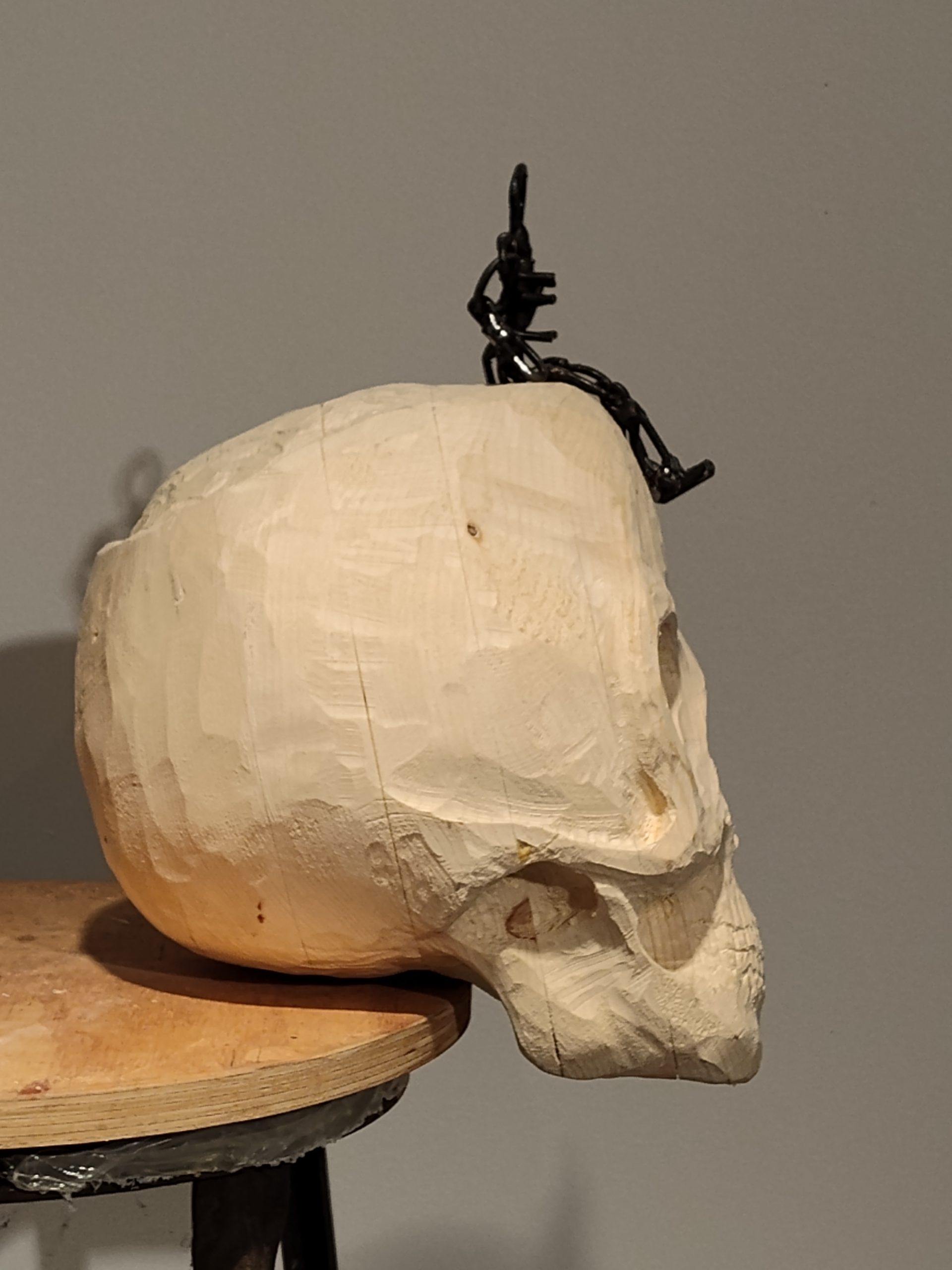
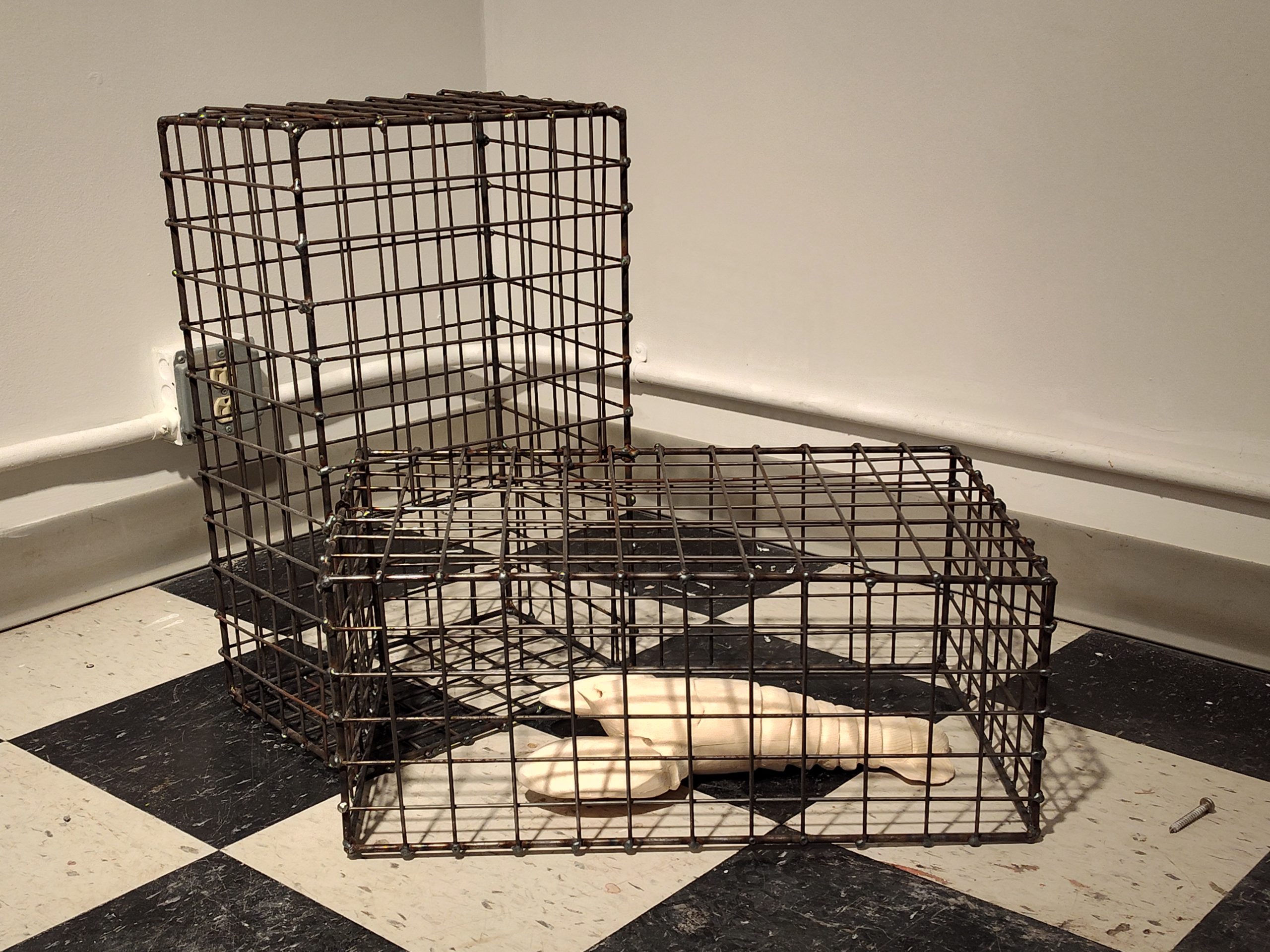
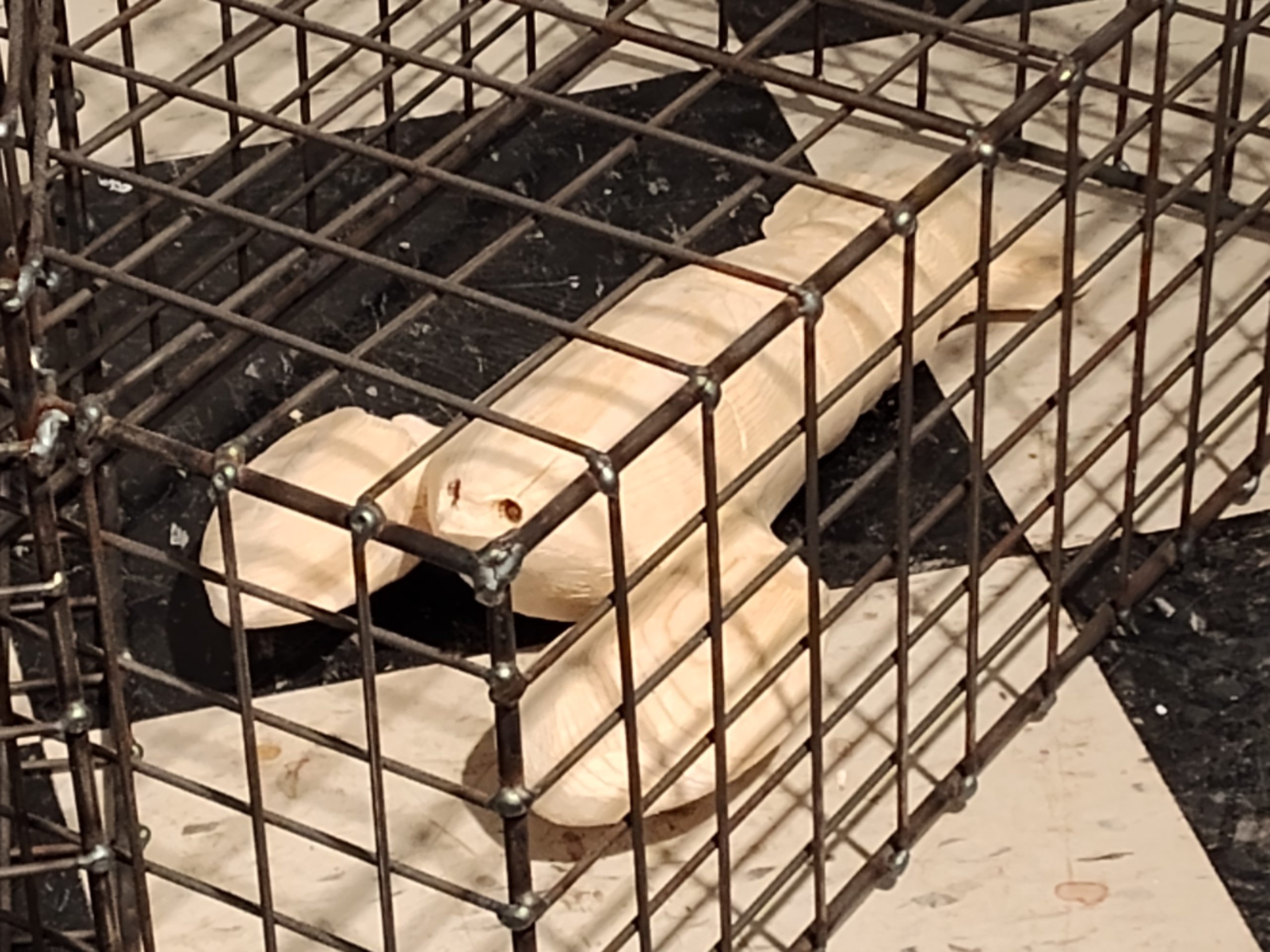
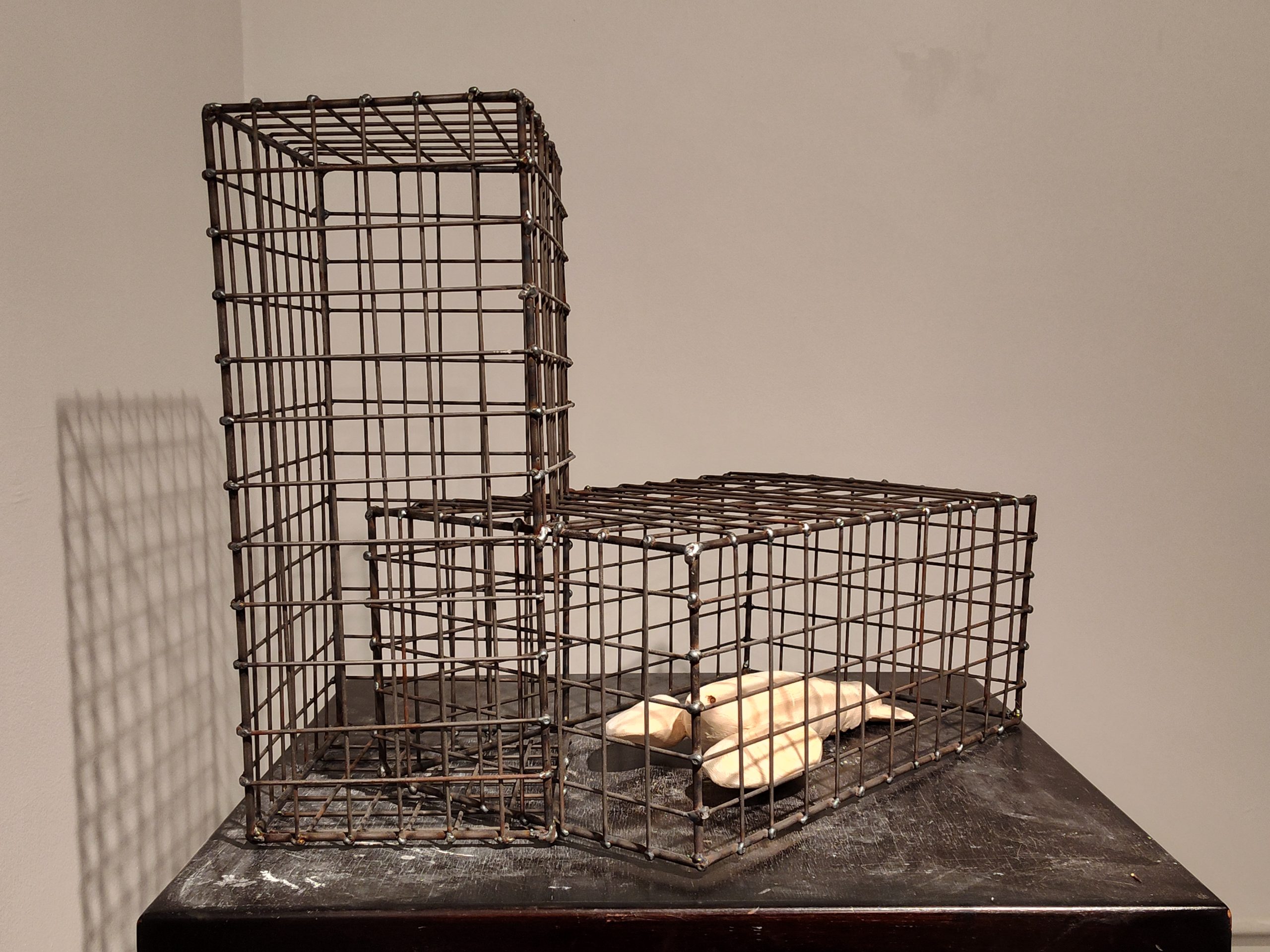

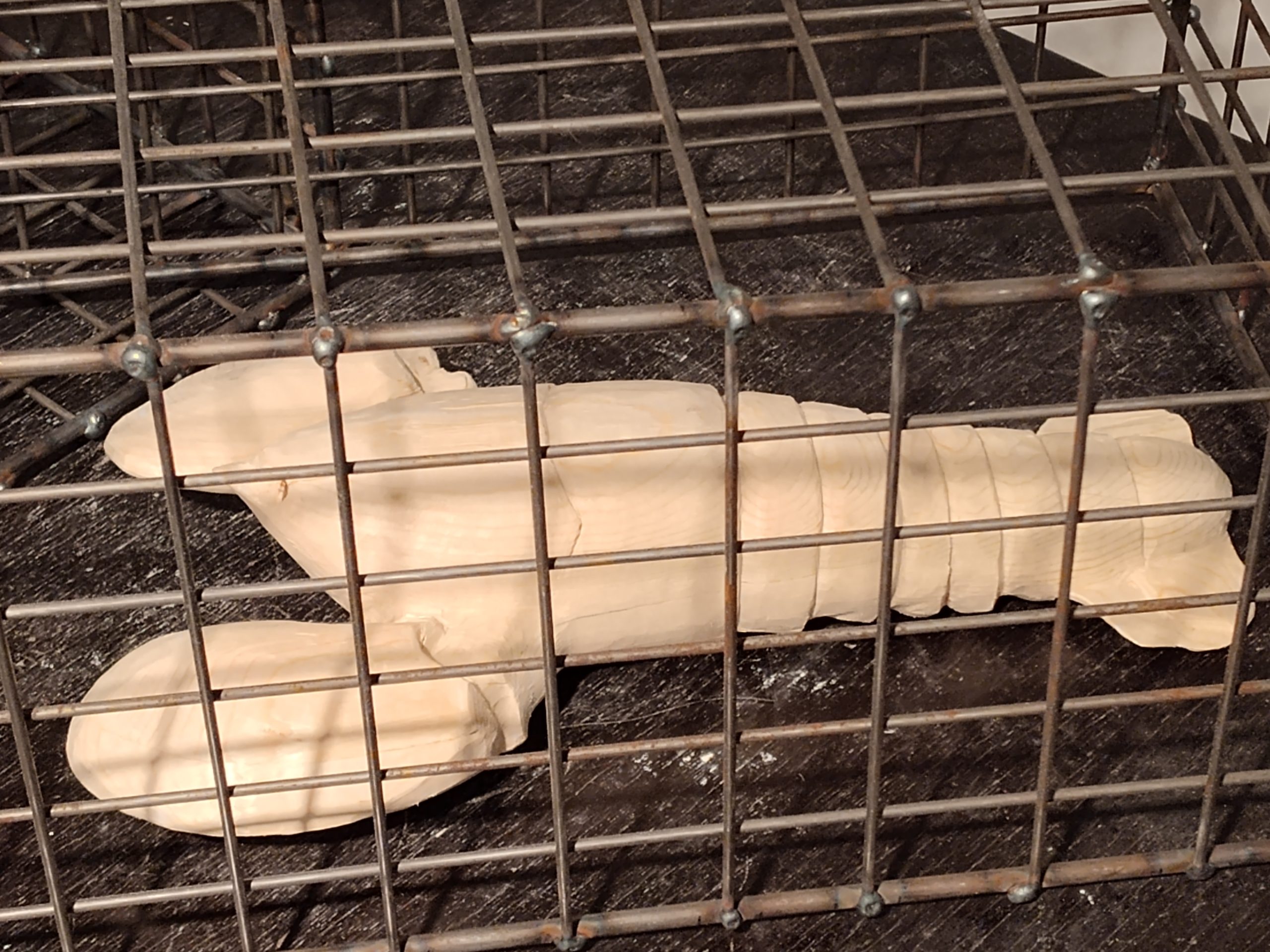
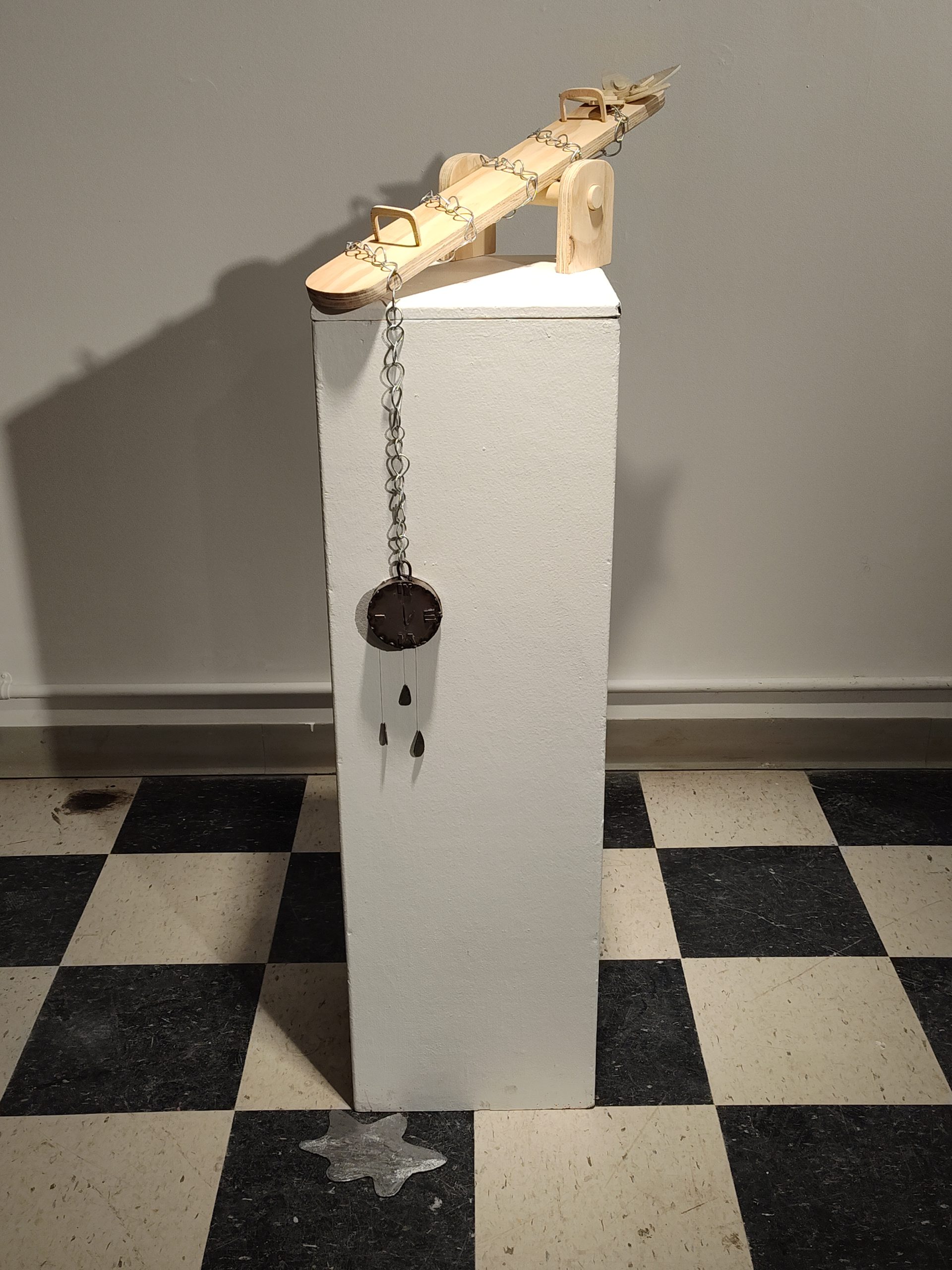
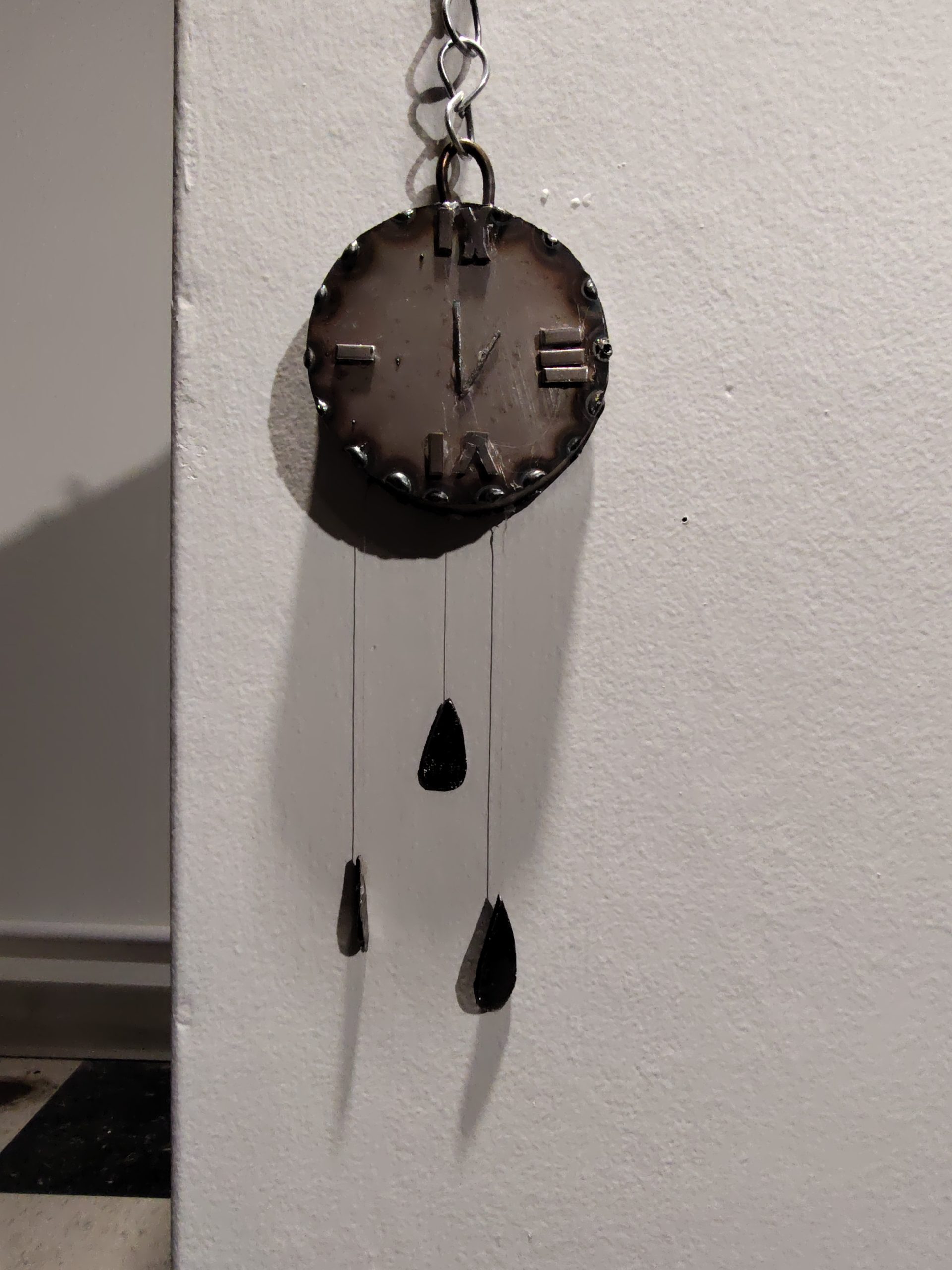
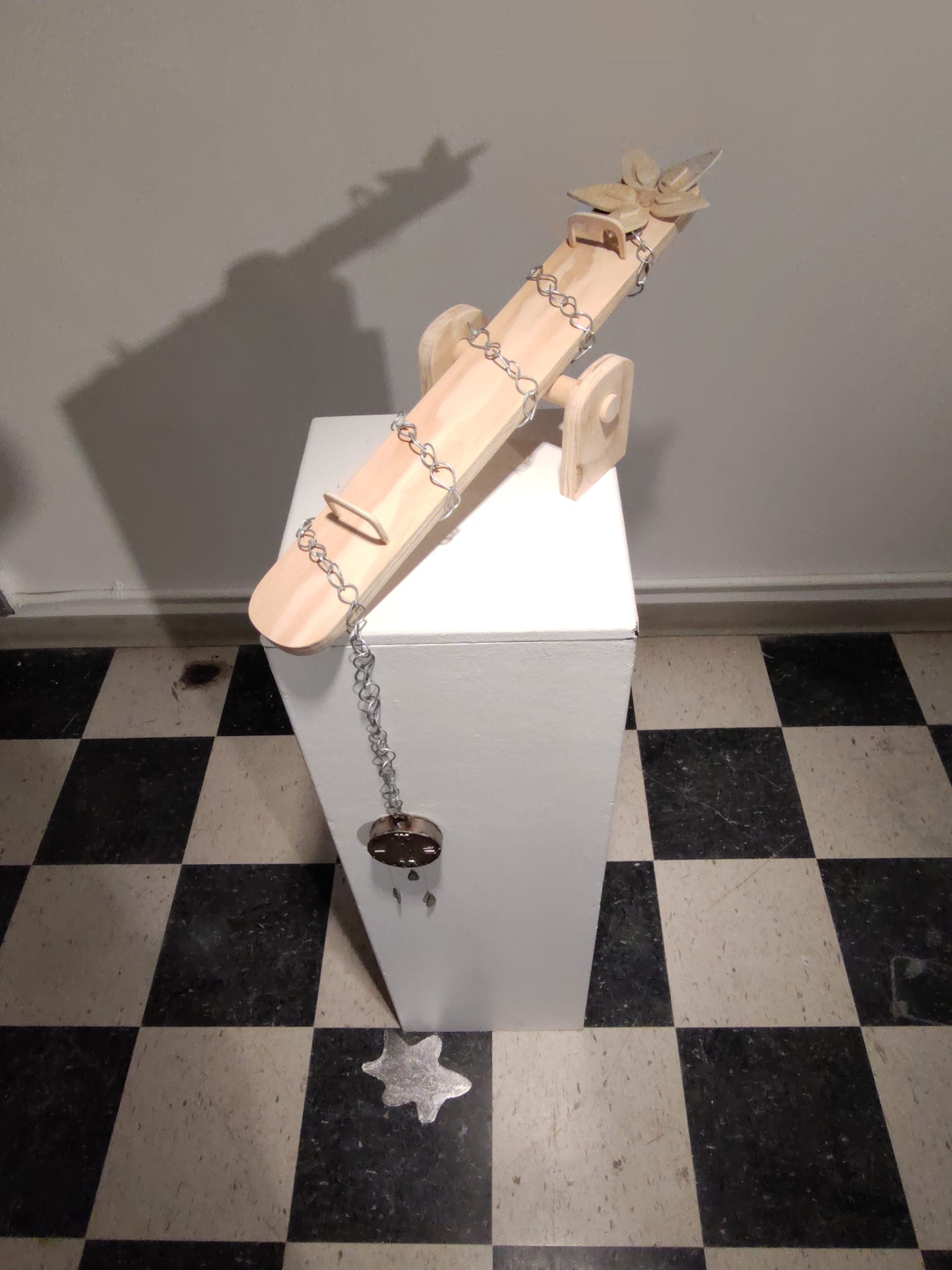
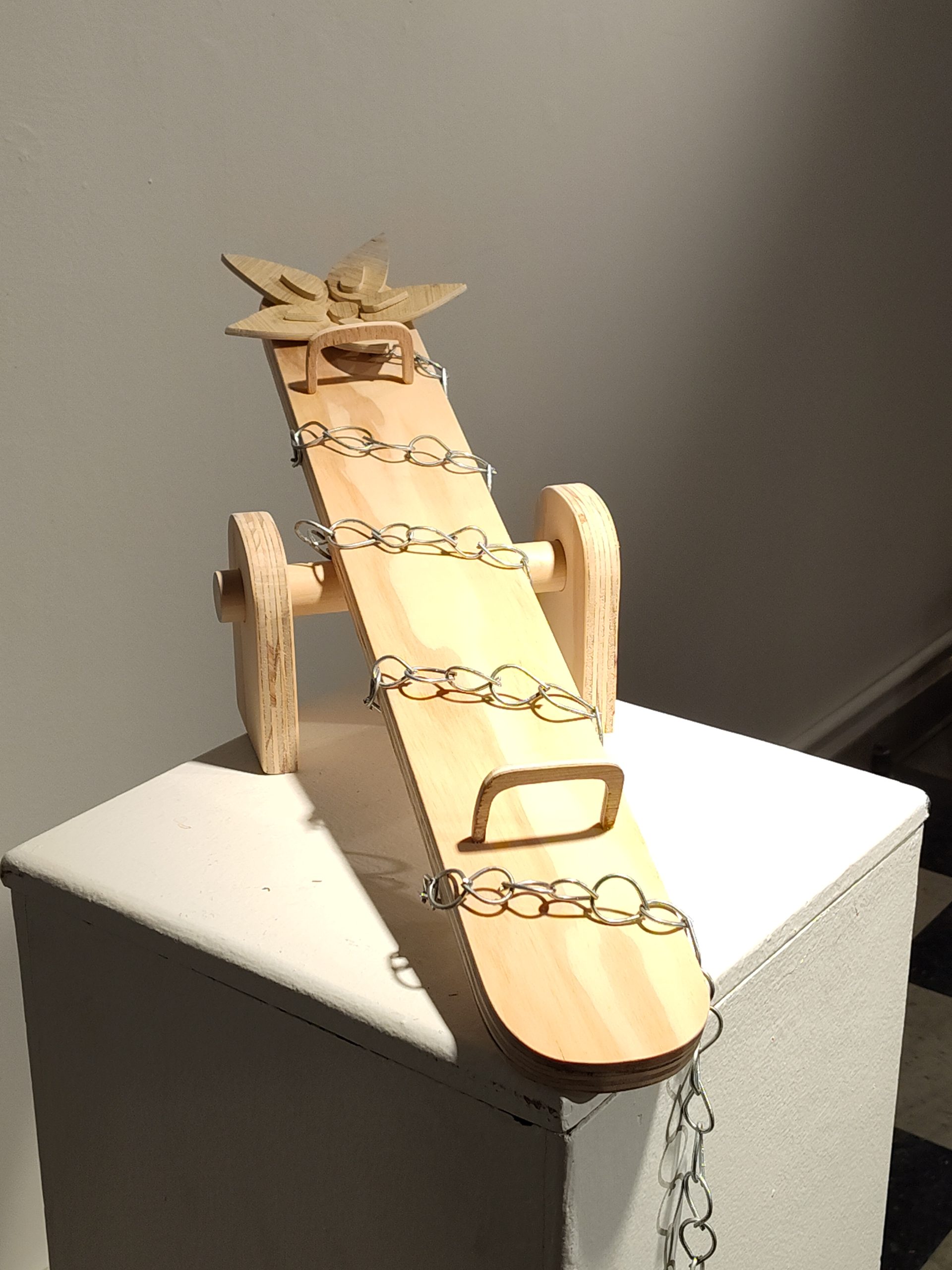
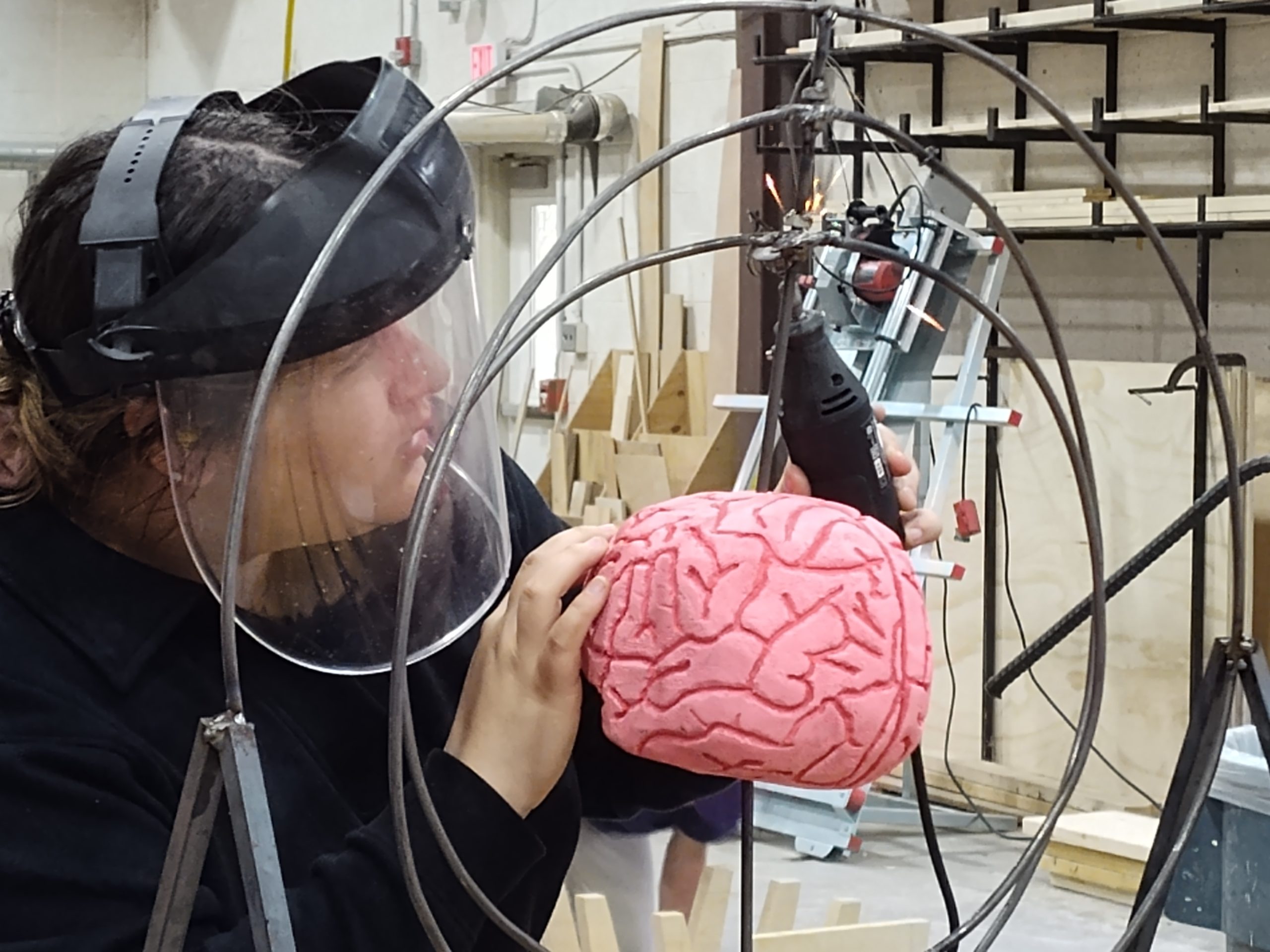
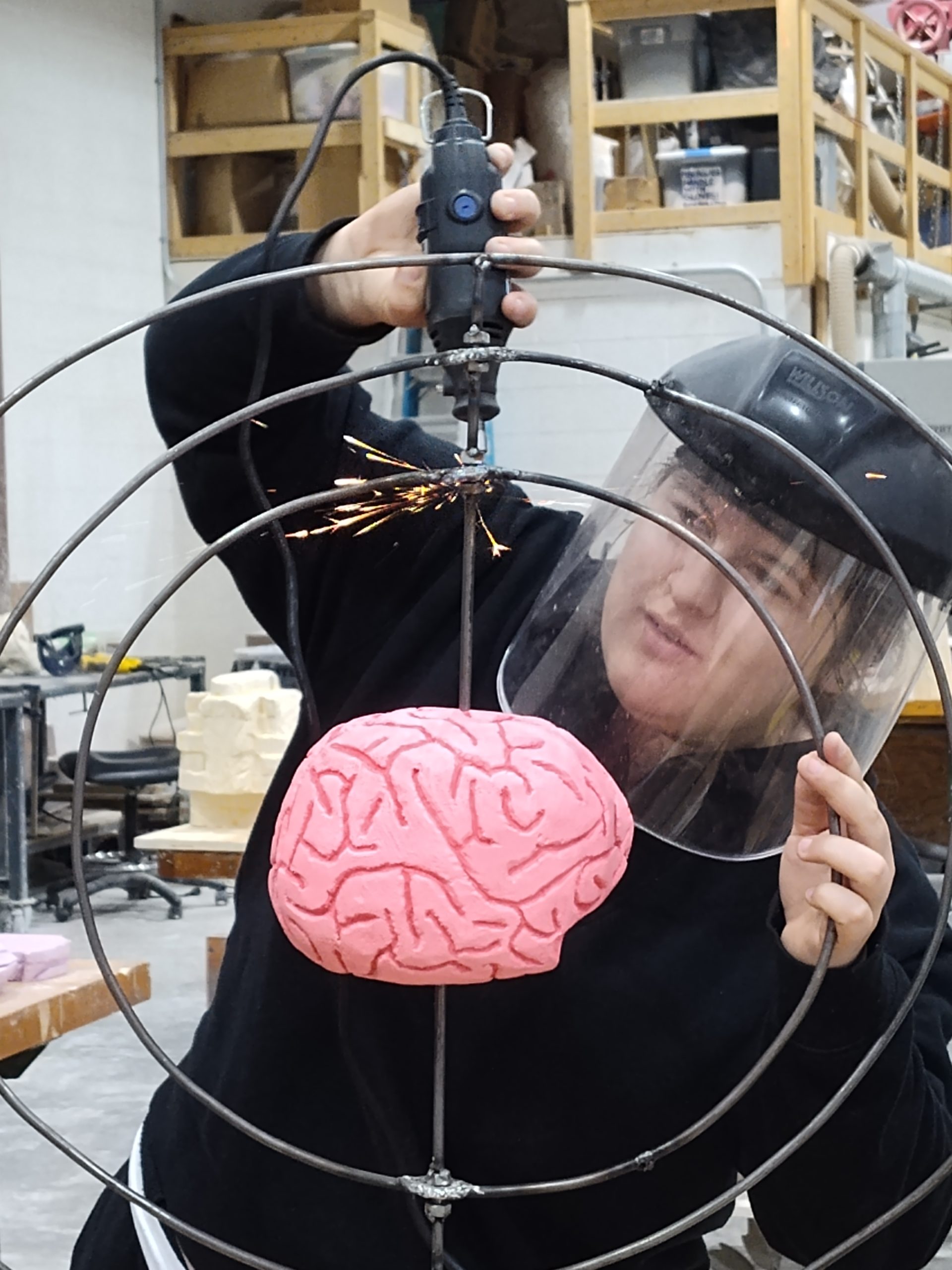
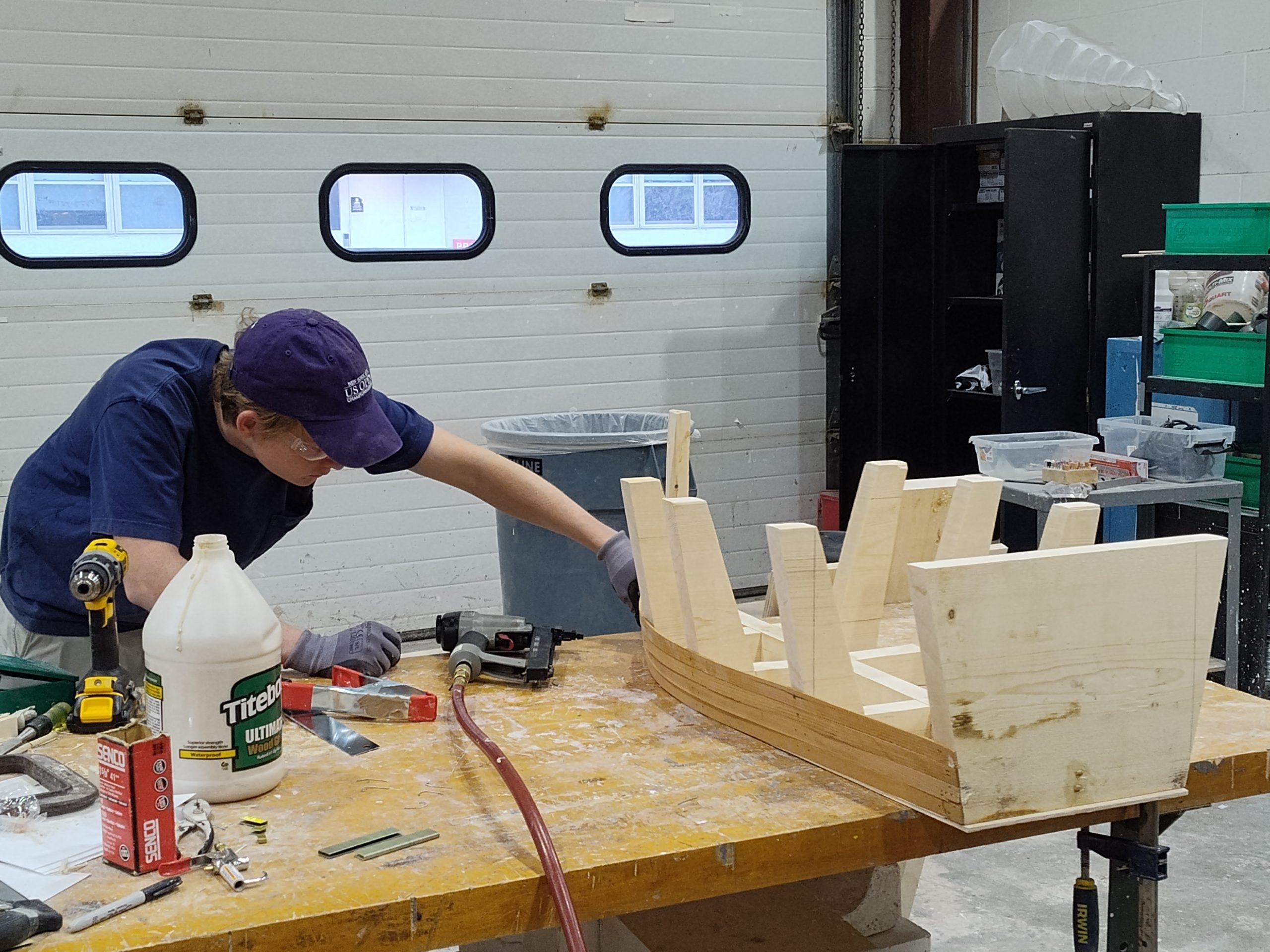
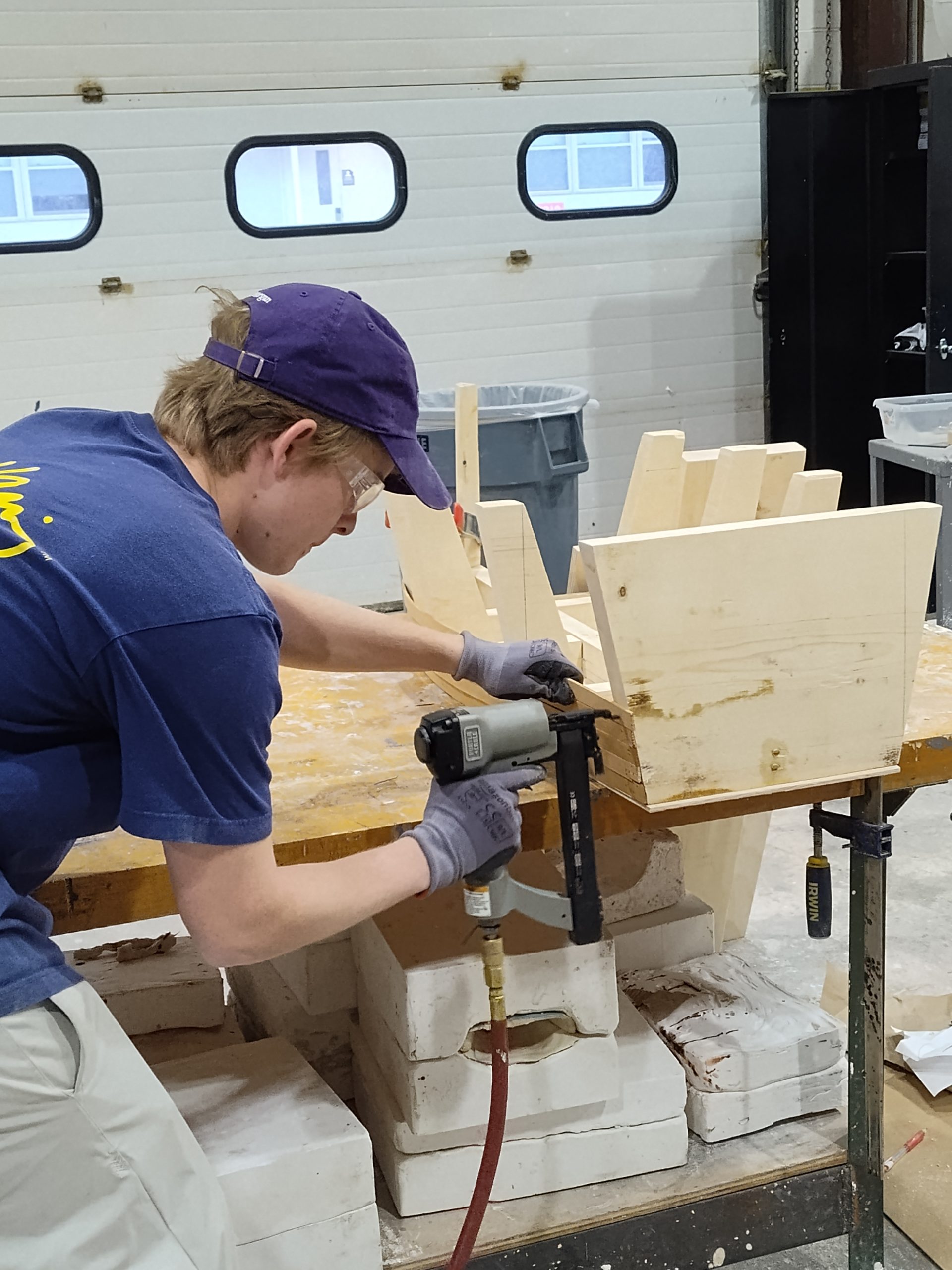
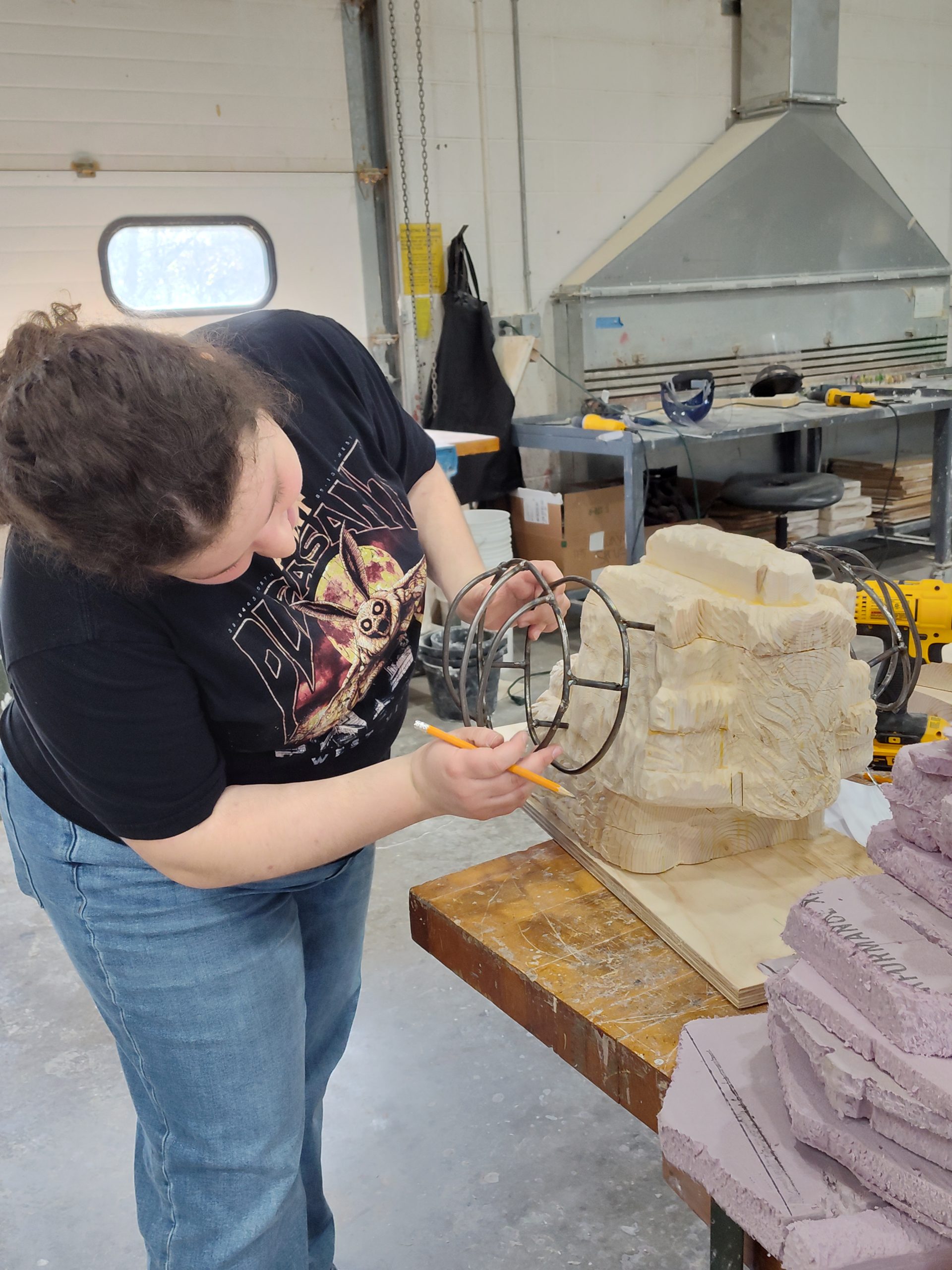
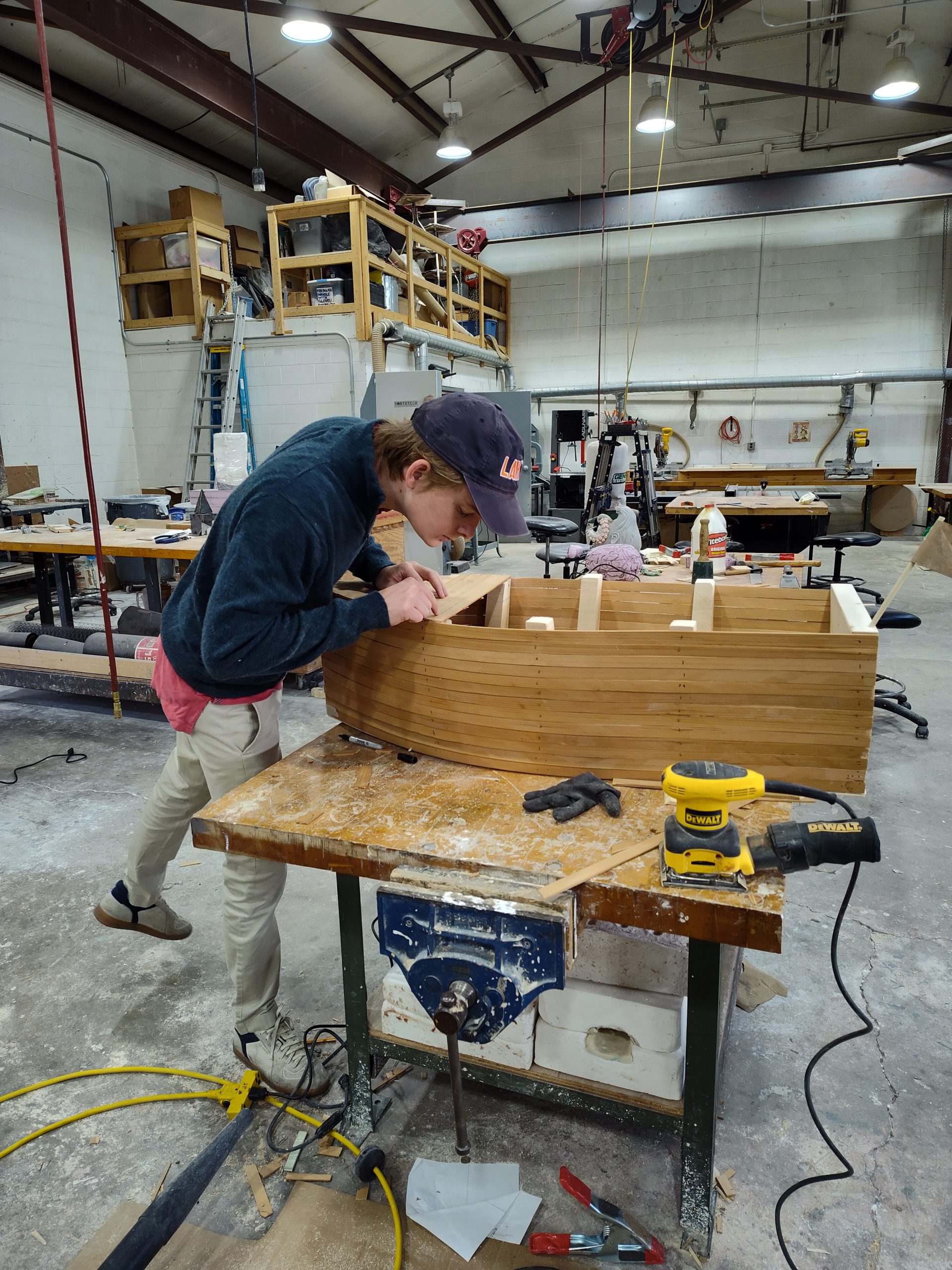
the last of the progress pics! :)
Nina Kent – Project 3 research steps 1 & 2
- Choose a topic
- What question/problem did you choose?
- Difficulties/challenges/problems in fulfillment of love and personhood.
- Tell why you chose this topic and why it matters to you.
- I’ve spent a lot of time grappling with philosophy and how this connects to meaning and fulfillment in my own life. Challenging, yes, but fulfilling—much like a sort of hero’s journey. Specifically, love is a force that keeps coming up for me—not just romantic love, but love as a kind of striving, a reaching for something greater: connection, wholeness, understanding. Love as guiding principle, not just an emotion. I chose this topic because it feels like the core of so many philosophical questions I always return to (e.g. what does it mean to live well, how do we live meaningfully, etc.)
- Give some details on the problem/question—explain it in depth.
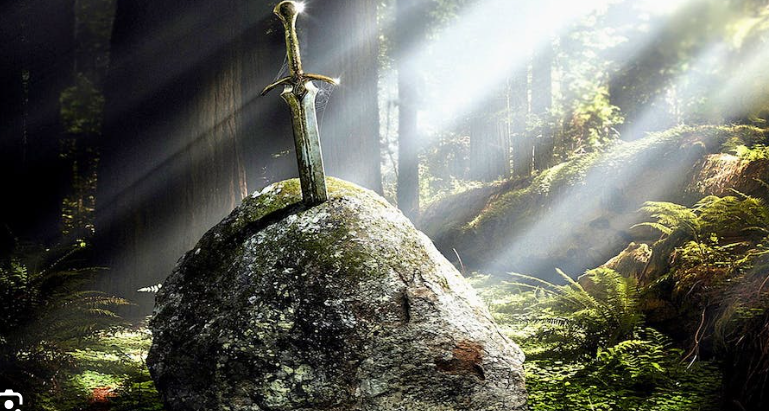
- The journey to self-fulfillment and self-knowing is a struggle. There’s this constant tension between who we are and who we’re becoming, between our ideals and our limitations. That’s why I’m pulling motif inspiration from Excalibur, the medieval, and Greek myth. These stories externalize internal conflicts—they use swords and monsters and quests to commentate on the same battles we fight within ourselves. The sword in the stone becomes a symbol of potential—something that only reveals itself when you’re ready, when you’ve become the kind of person who can wield it. I’ll include organs as motifs to provide an even larger sense of personal connection and grandeur.
- List out 10 tangible people/places/things that are associated with your question/problem.
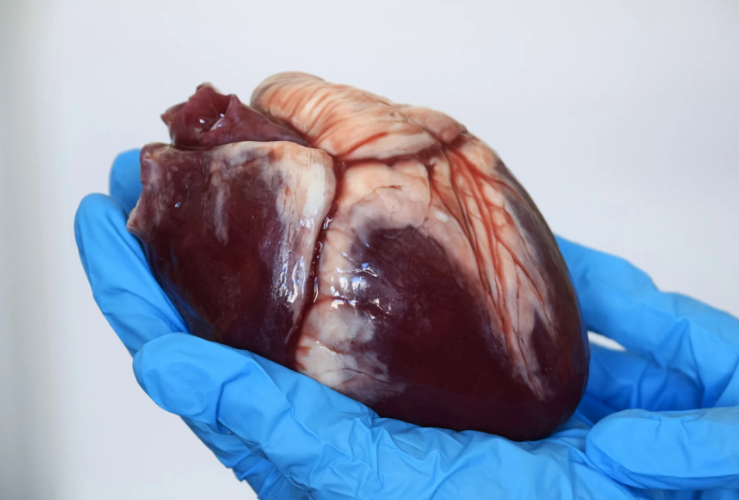
- The heart
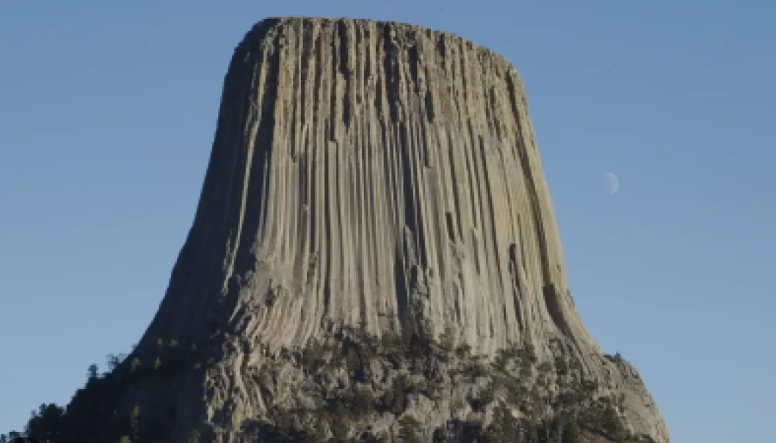
- Rock formations
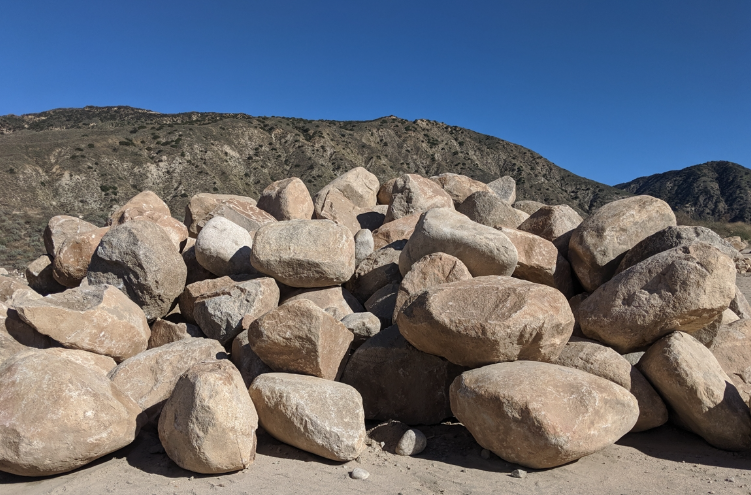
- Boulders
- The eyes
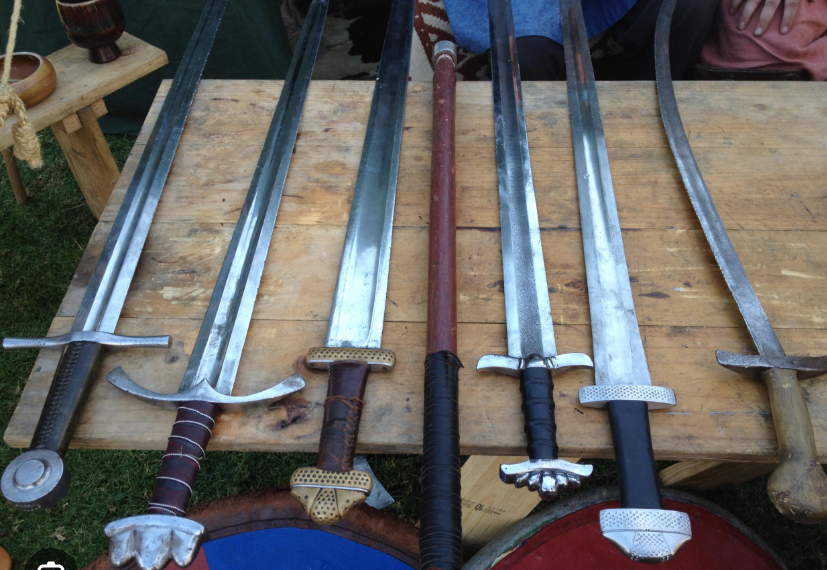
- Swords
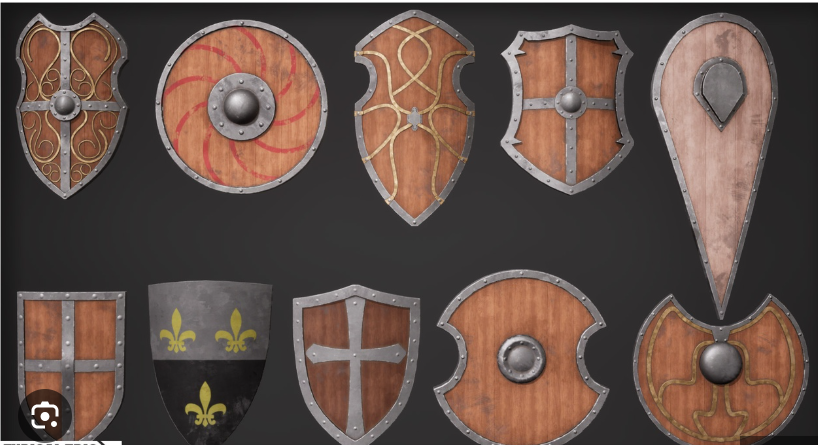
- Shields
- Excalibur
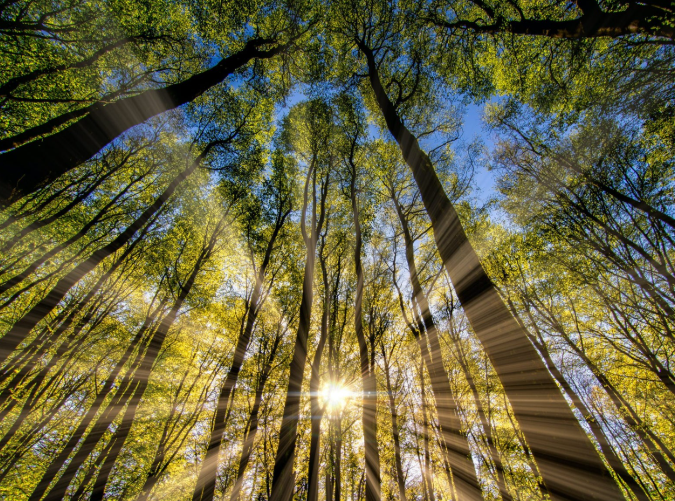
- Sun/sunlight
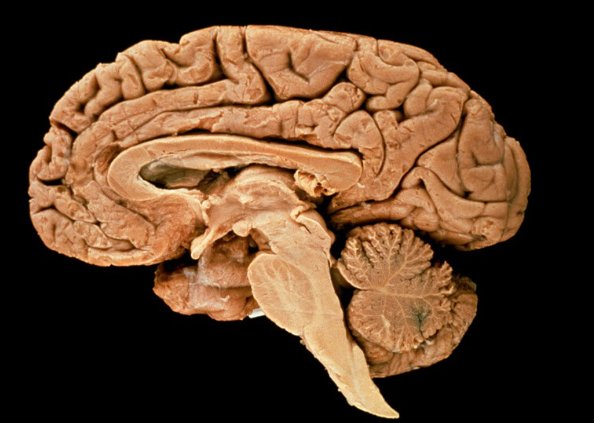
- The brain
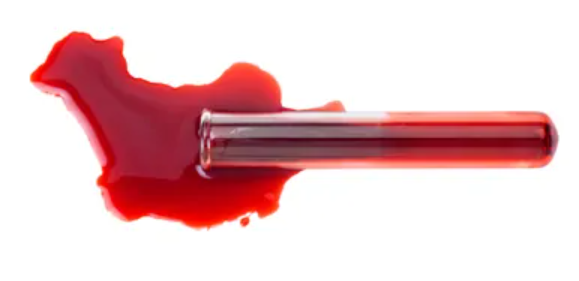
- Blood
- Find and print an image for each of the 10 people/places/things that you listed above.

Project 3 Ideation – Willow Perakovich
What happens after death?
I have always been intrigued with different religion’s views on the topic of death. This has been a very recent topic in my life so I wish to look into it more. I would love to see how different religions and different groups of people view these differently and ultimately take some of them and develop a sculpture behind it.
Death is usually a very challenging topic for people to grasp so there are many different viewpoints on what happens at death and beyond. I feel that this is usually a very polarized view and so many different religions and groups of people find it difficult to hear what others have to say about their view on death and what comes next. I want to dive into this and find commonplace between religions and differences and highlight those to make a sculpture that brings this topic together since it usually never is. I want to highlight the uncertainty in this question. Things like reincarnation, rebirth, paradise and judgement. I want to touch on the Egyptians and Anubis, as well as Greece and Hades. I want to showcase that they all believe in judgement but have it happen in different ways before getting to this paradise. I want to show the different views on reincarnation and rebirth while also showcasing how they differ. In the end, this will hopefully bring together these different viewpoints and show some common ground and really showcase the human need for answers.
- cemeteries
- graves
- religions
- Christian God
- Anubis
- Hades
- urn
- paradise
- ghosts
- Buddha
Naomi Malone – project 3 research assignments 1 and 2
- Choose a Topic:
Paradox: Sometimes you have to end a friendship so that you don’t become who they think you are
Question: Am I who I think I am? (The concept of beauty and body dysmorphia)
- Consider and Clarify Your Topic:
What question/problem did you choose?
Am I who I think I am? (The concept of beauty and body dysmorphia)
Tell why you chose this topic and why it matters to you.
I chose this topic because I feel like many people struggle with body dysmorphia and the feeling of not being enough or perfect. I also wanted to work more with the materials that I’ve used in both Sculpture I and II. I want to work with clay, I think, and the thought of clay and the question I chose reminded me of marble sculptures. Combining these two thoughts led to the question that made and gave me an idea of what I want to do for my project.
Give some details on the problem/question – explain in depth.
For my question, “Am I who I think I am?” I will be addressing body dysmorphia. I want to make a sculpture that resembles something close to a stone sculpture by Michelangelo, like The David. I want that part of the sculpture to just be a female body without a head. If I do add a head, I don’t want the face to be recognizable. I also want there to be a mirror that distorts the reflection of the sculpture. The warped reflection is supposed to represent how despite what you actually look like, your mind can distort reality and make you feel less than. I want to use stone and marble sculptures as reference for my piece because I feel like they have a way of capturing the beauty of the human body in a truly unique way.
List out 10 tangible people/places/things that are associated with your question/problem.
- Mirror
- Scale
- Michaelangelo
- Male Body
- Female Body
- Camera
- Stone Sculpture
- Sharp metal
- Puddle
Find and print an image for each of the 10 people/places/things that you listed above.
- Distorted Mirror
- Scale
- Michaelangelo
- Male Body
- Female Body
- Instagram
- Camera
- Stone Sculpture
- Sharp metal
- Puddle


Kaitlyn Segreti – project 3 research assignments 1 and 2
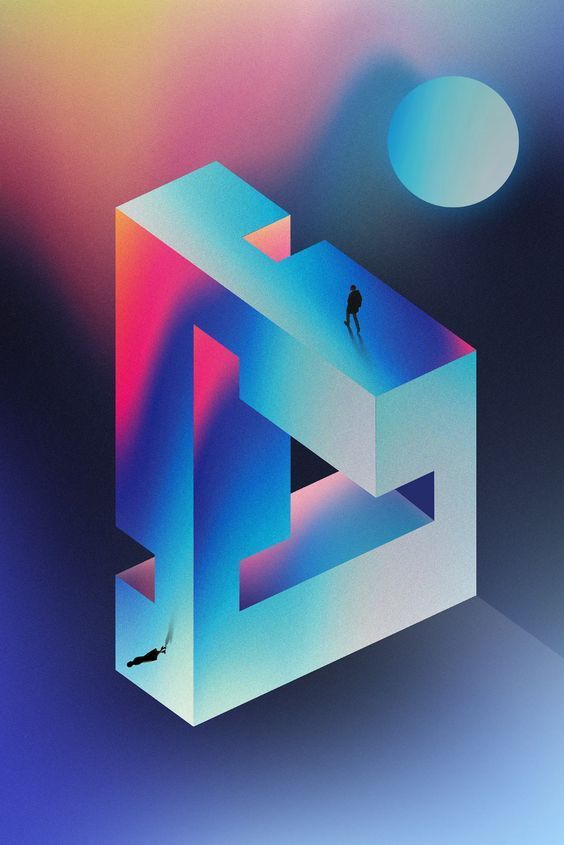
For my final project, I will focus on the concept of dreams, particularly the irregularity of dream landscapes. I find dreams to be an extremely fascinating phenomenon. While psychologists, philosophers, and scientists have grappled with their meaning for centuries, dreams have yet to be fully understood and explained. Therefore, their mysterious ambiguity continues to intrigue me.
Rather than concentrating on a specific dream type, such as a particular nightmare or recurring dream scene, I want to highlight the peculiar spatial dimensions experienced when dreaming. In other words, they are known to have a phantasmagoric quality. At first, a person in their dreams is usually in a recognizable environment. When the dream progresses, however, the landscape shifts, often dramatically and nonsensically. I want to explore this conundrum of dreams and their fleeting spatial boundaries.
My main question is: what does a dream landscape look like? This is highly individual depending on the person, but should follow the same bizarre characteristics that all dreams share. That is, dream landscapes are spaces that don’t follow the logical orientation of what we see in the real world. They defy conventional dimensions, evade rules of time, and feature things both real and imagined buried deep within our subconscious. I want to try to illustrate this question through sculpture because I think it takes the concept of depicting a dream one step further. Instead of merely portraying the scene of a dream through a drawing or painting, I wish to replicate the different spaces in which the dreams take place and intersect with each other. This will result in an optical illusion-like sculpture that will hopefully be visually interesting in its composition.
The topic of dreams is important to me because of its relation to both sleep and imagination. Obviously dreams only occur during sleep, which is our bodies’ ingrained time to relax and rejuvenate. Dreams are most prominent during the REM cycle, the time in which such repair happens. As well as providing physical benefits, dreams also foster cognitive relations. Whether outlandish or ordinary, dreams allow our brains to wander freely. In turn, new ideas and creative insights may be uncovered. With this, dreams can spark inspiration which can be applied to artistic projects.
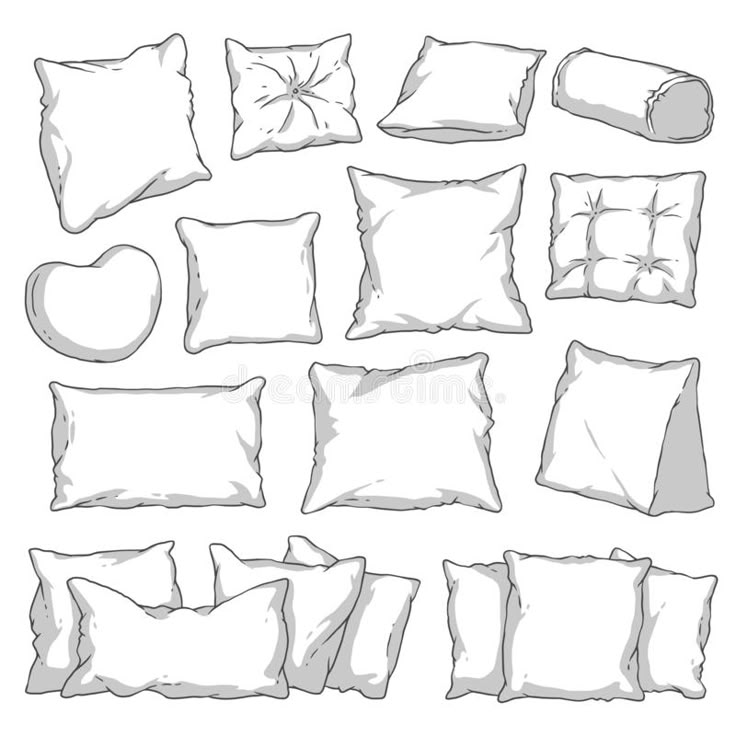
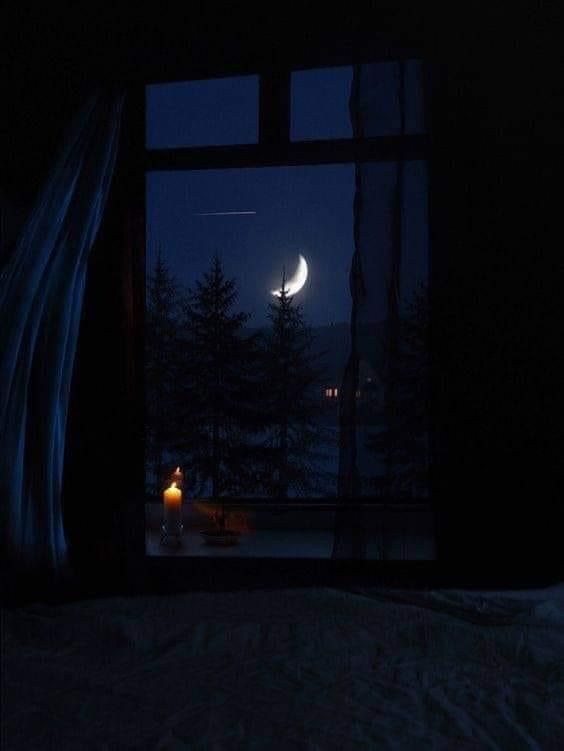
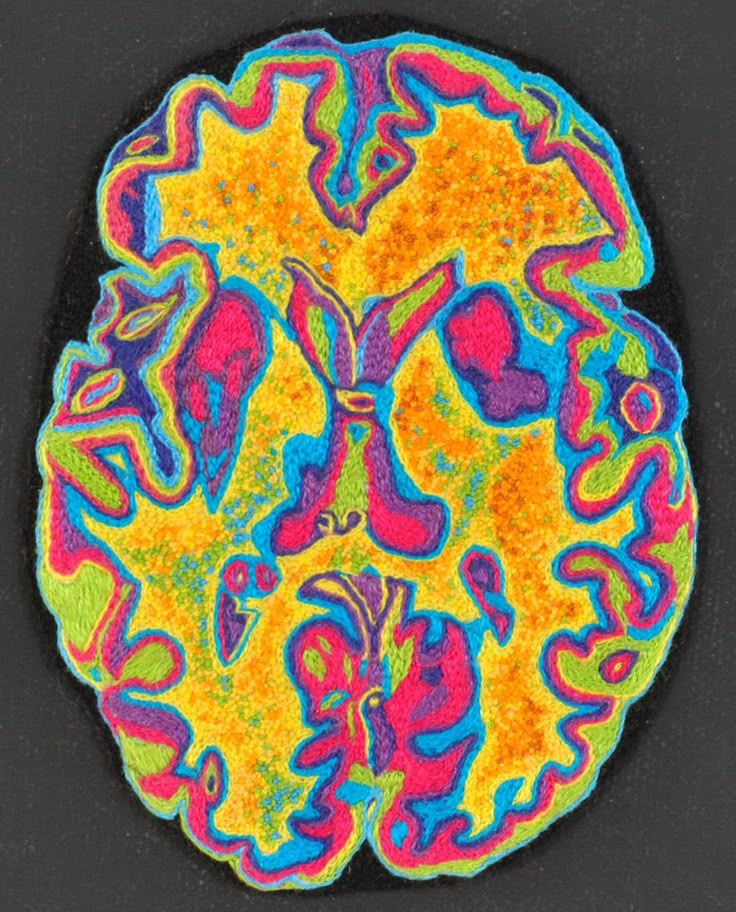
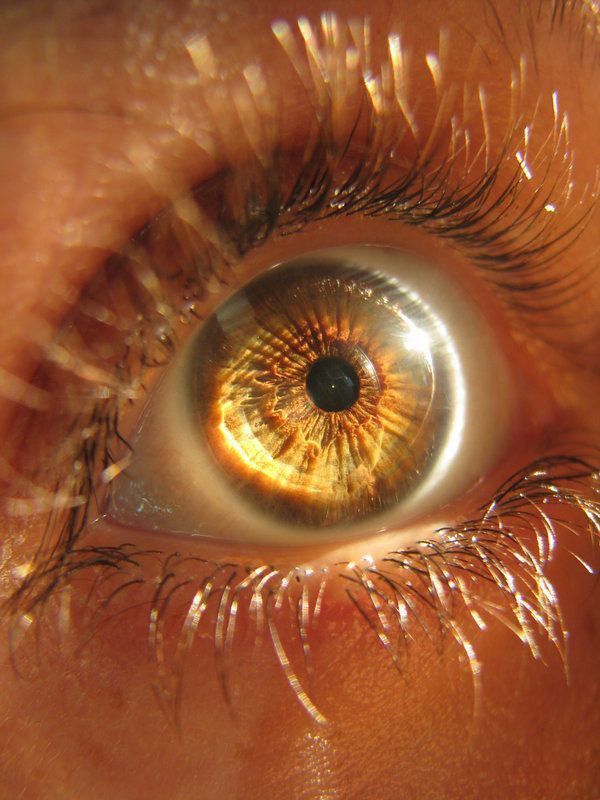
Ten tangible things related to dreams and their different spatial dimensions are as followed: beds, pillows, dream journals, clouds (flying dreams), mazes, nighttime, brains, optical illusions, fantasy stories, and eyes.




Kaitlyn Segreti – Art21 contemporary sculpture assignment
The first artist interview I watched featured Judith Scott. Scott is a deaf artist with Down syndrome who began creating art at age 43 after being introduced to Creative Growth Art Center in 1987. Creative Growth Art Center is a nonprofit organization designed to support artists with disabilities. In the video, Scott captures the humanistic inclination to art, displaying that it should be accessible to all people. The video explained that Scott had been institutionalized for most of her life, isolating from her family and preventing her from developing language. Thus, her engagement with art became her way to communicate.
Another artist interview I watched highlighted Kevin Beasley and his work. The video discussed how the artist created sculptures and installations using found materials like clothing and sports equipment. I found it interesting how these materials were deliberately chosen to display themes of power and race within America. For example, he speaks about how the material of raw cotton is significant to him because of the actual context for said material. I also liked how the artist incorporated audio devices, connecting sound to his installations and making them a more interactive, immersive experience.
Finally, I watched KING COBRA’s (documented as Doreen Lynette Garner) videos. In “Doreen Garner on Her Own Terms,” she notes how since COVID, she has changed her material tone within her artmaking a lot. She discusses her newfound awareness of how Black people are beginning to view Black bodies in public spaces, especially in terms of violent insinuations. She now works with more white flesh, and associates it with “disease and toxicity.” I found this point interesting as it contrasts stereotypical portrayals of white beauty. For instance, white skin is likened to the word “fair,” both literally meaning light in tone, but also connoting a positive, innocent demeanor.
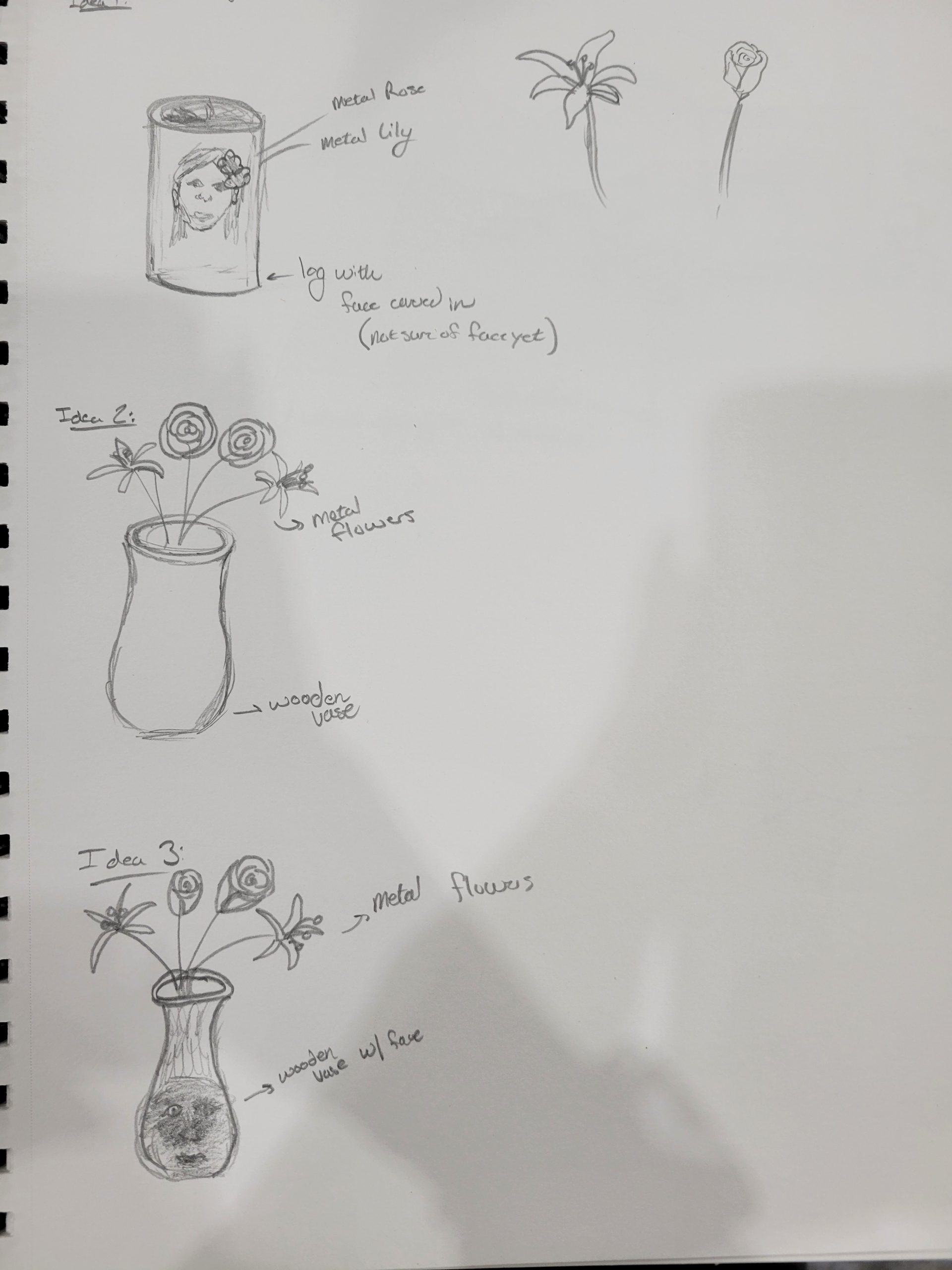
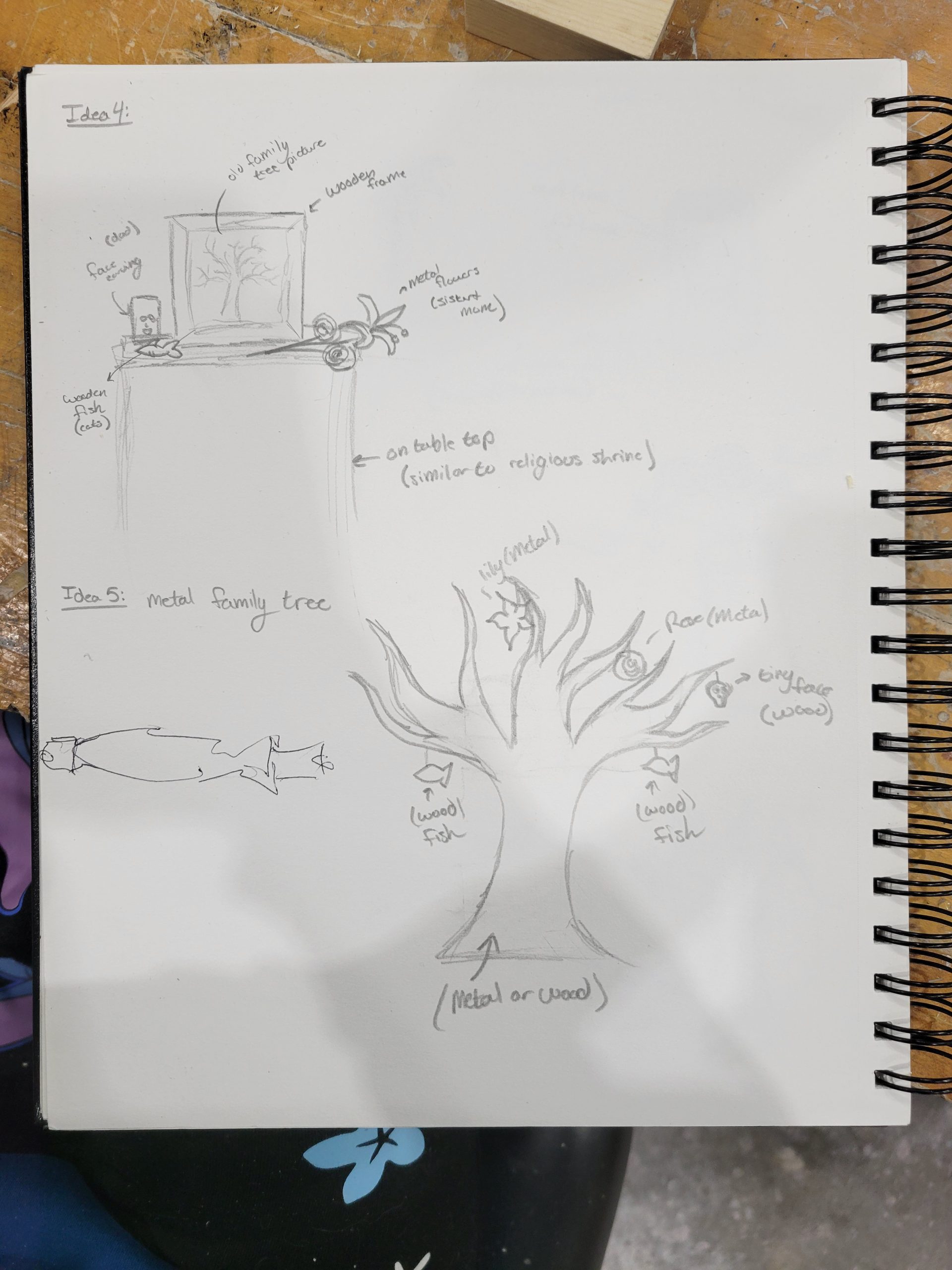
Project 2 – Sketches – Willow Perakovich
Project 2 – Maquettes – Willow Perakovich
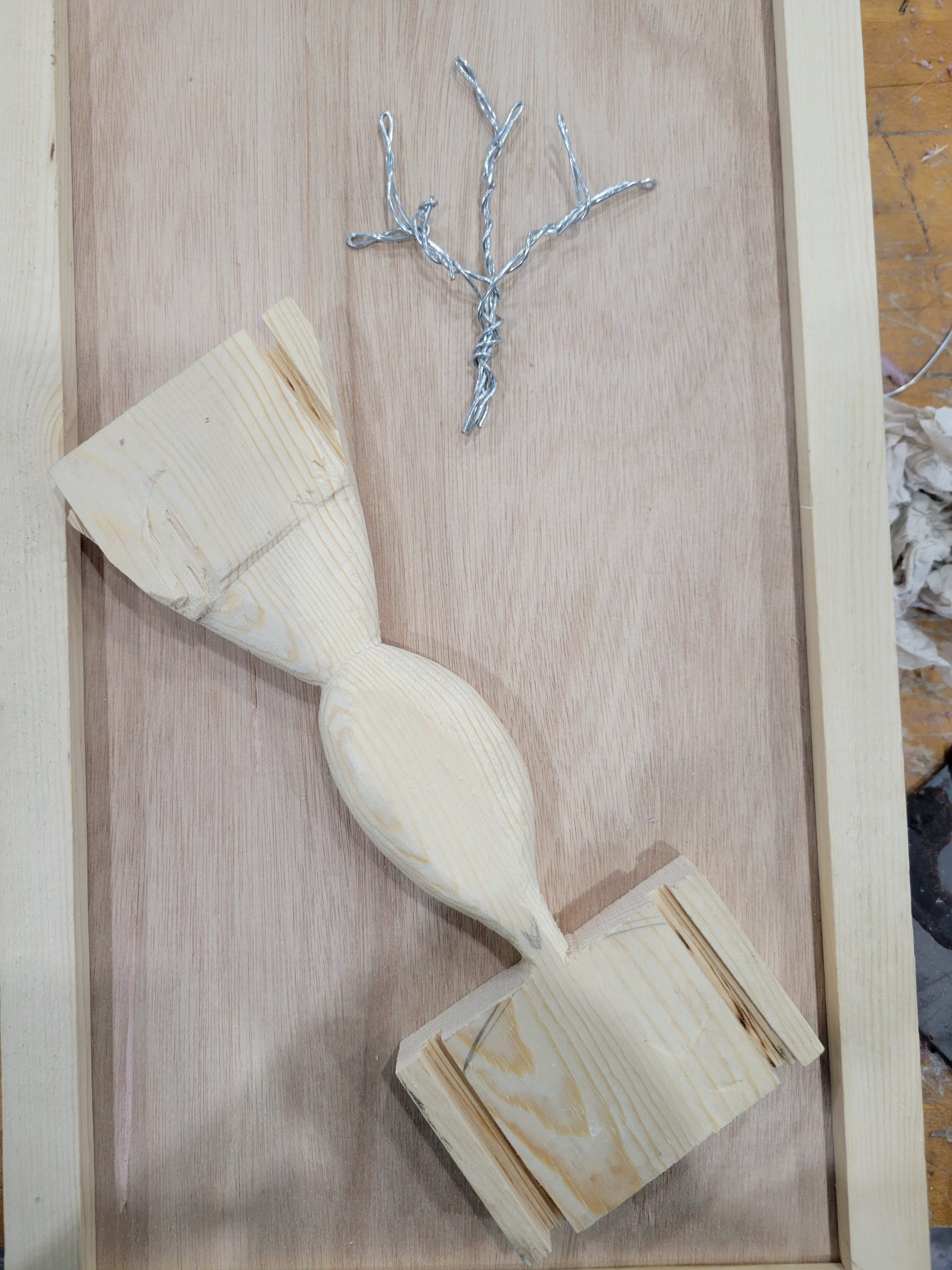
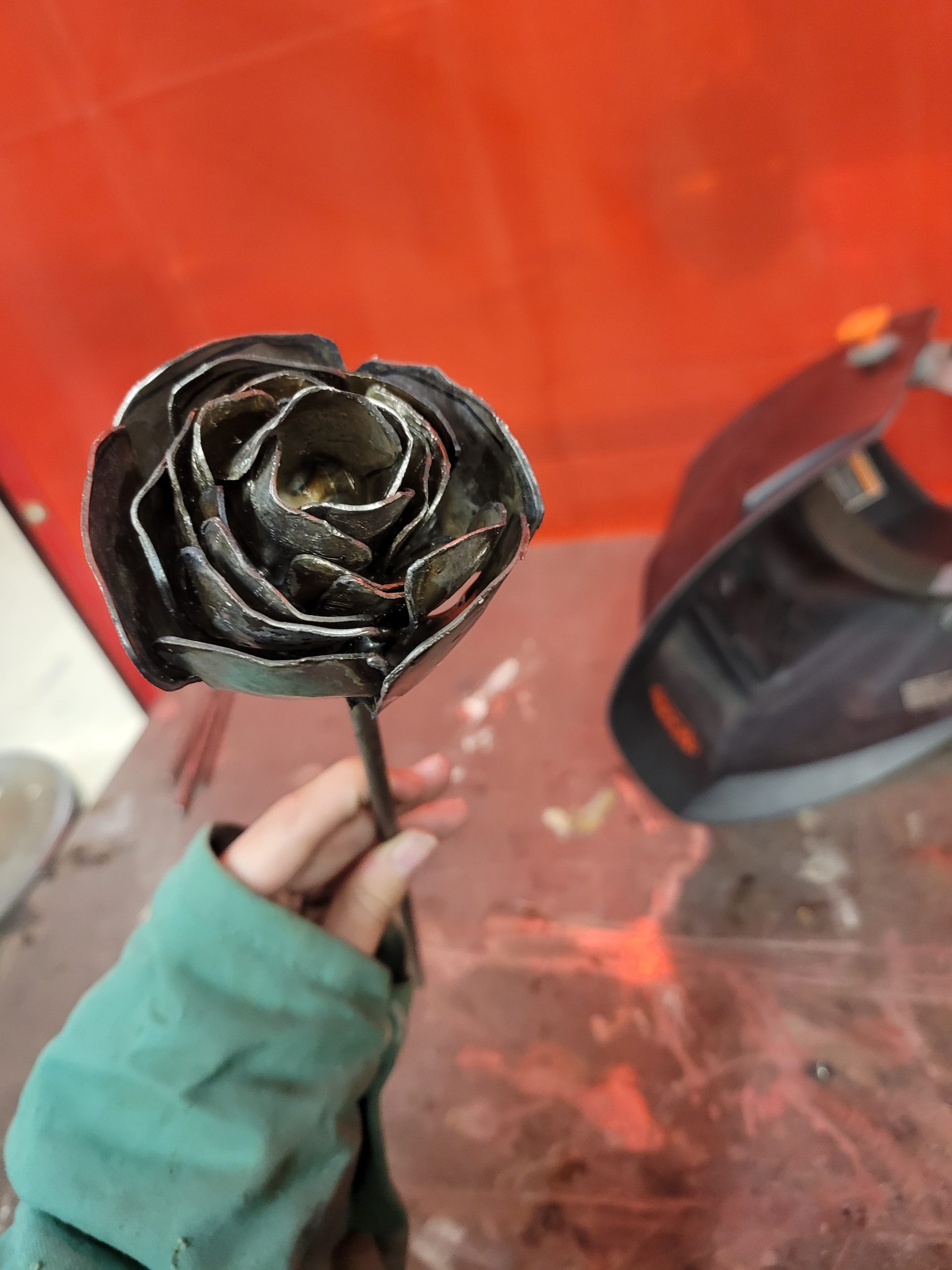
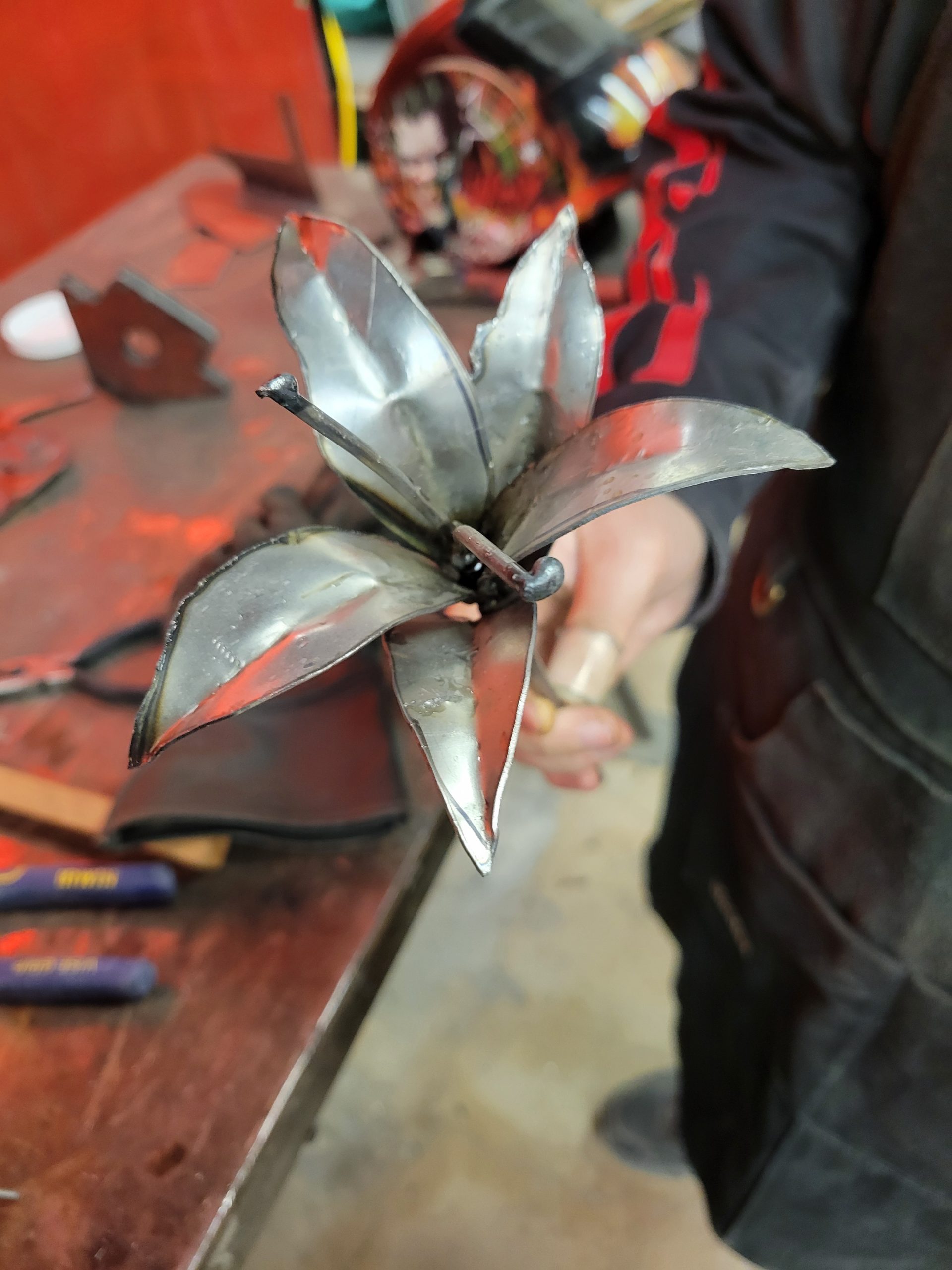
amazing work everyone!
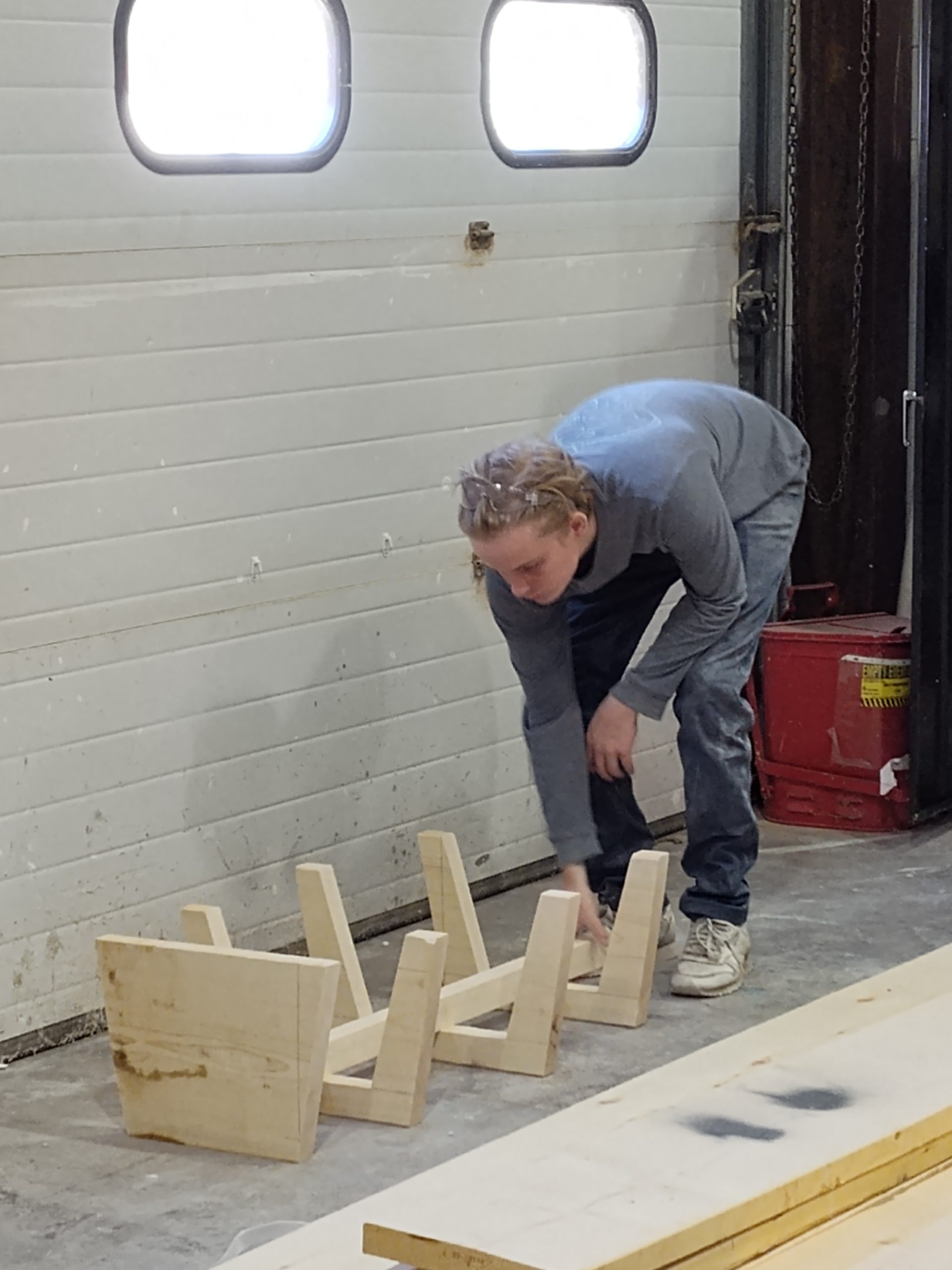
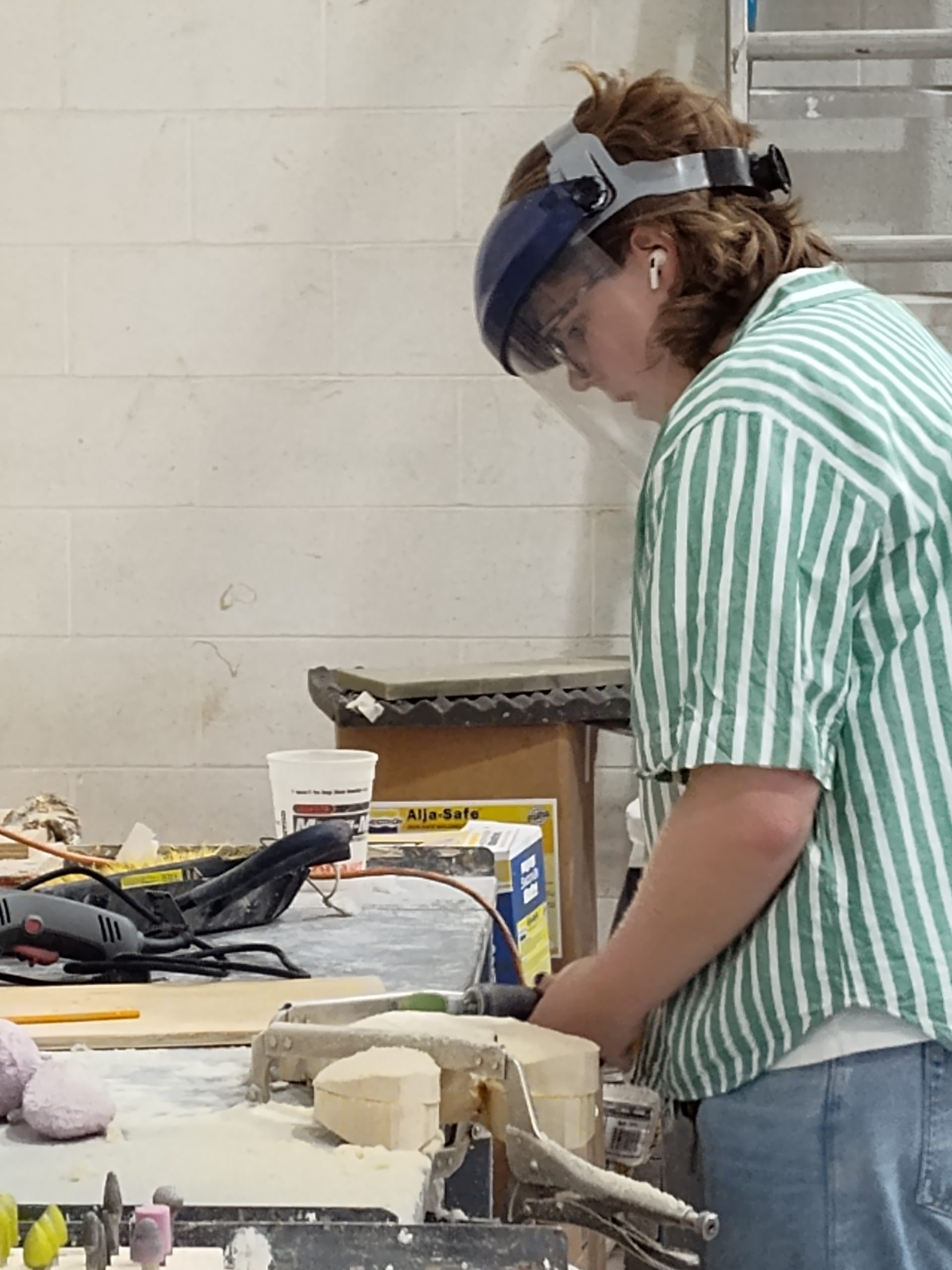
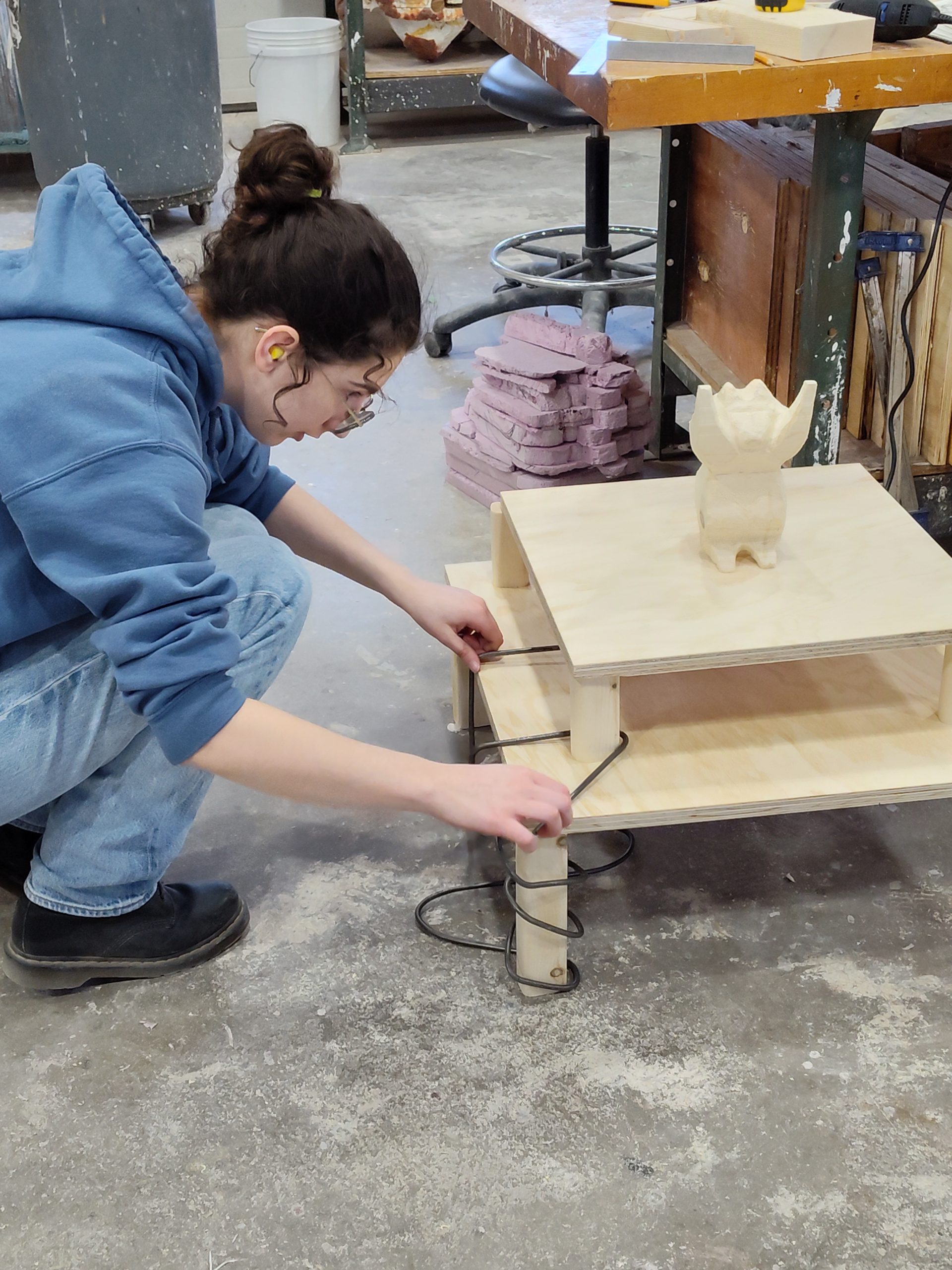
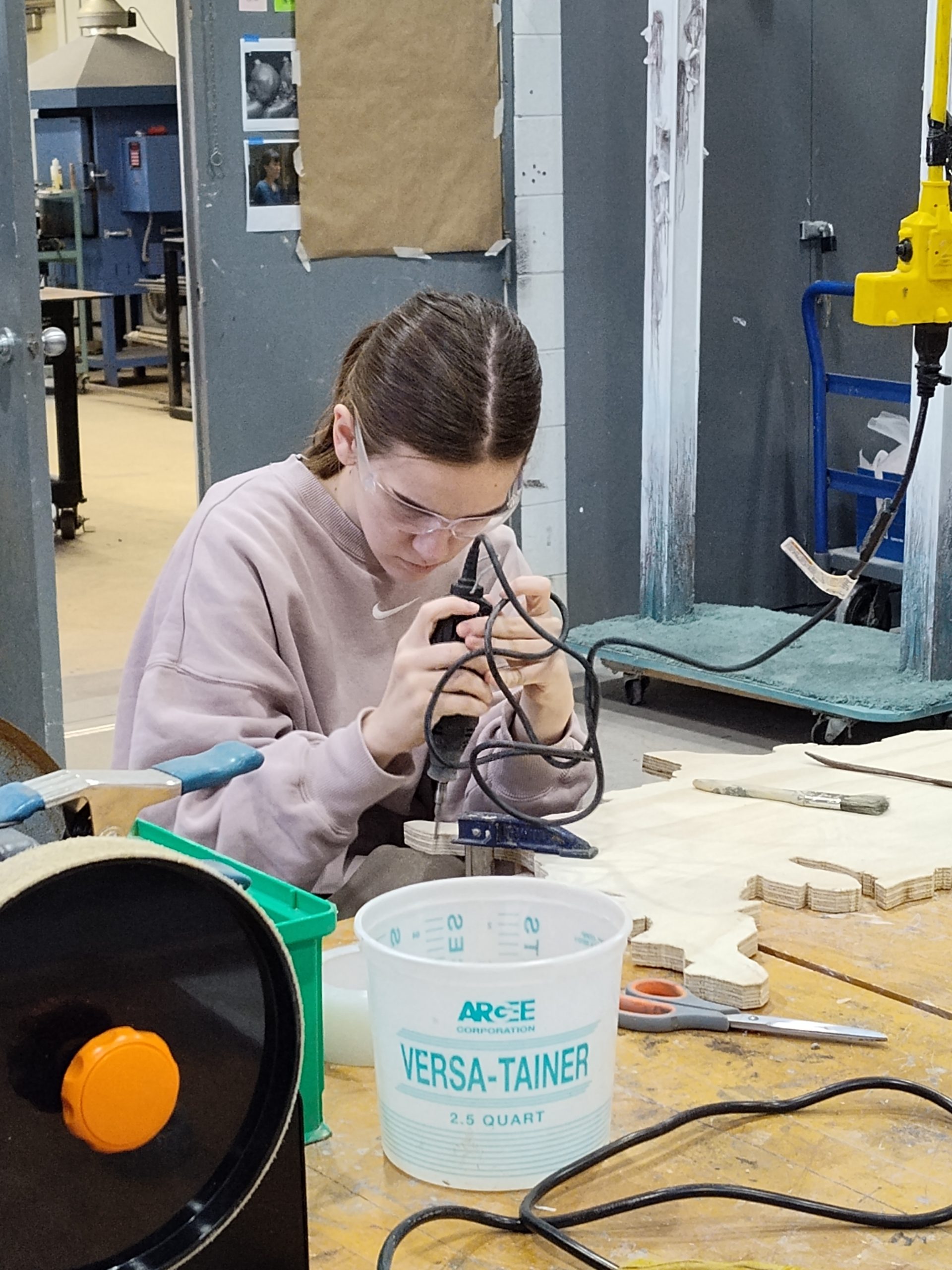
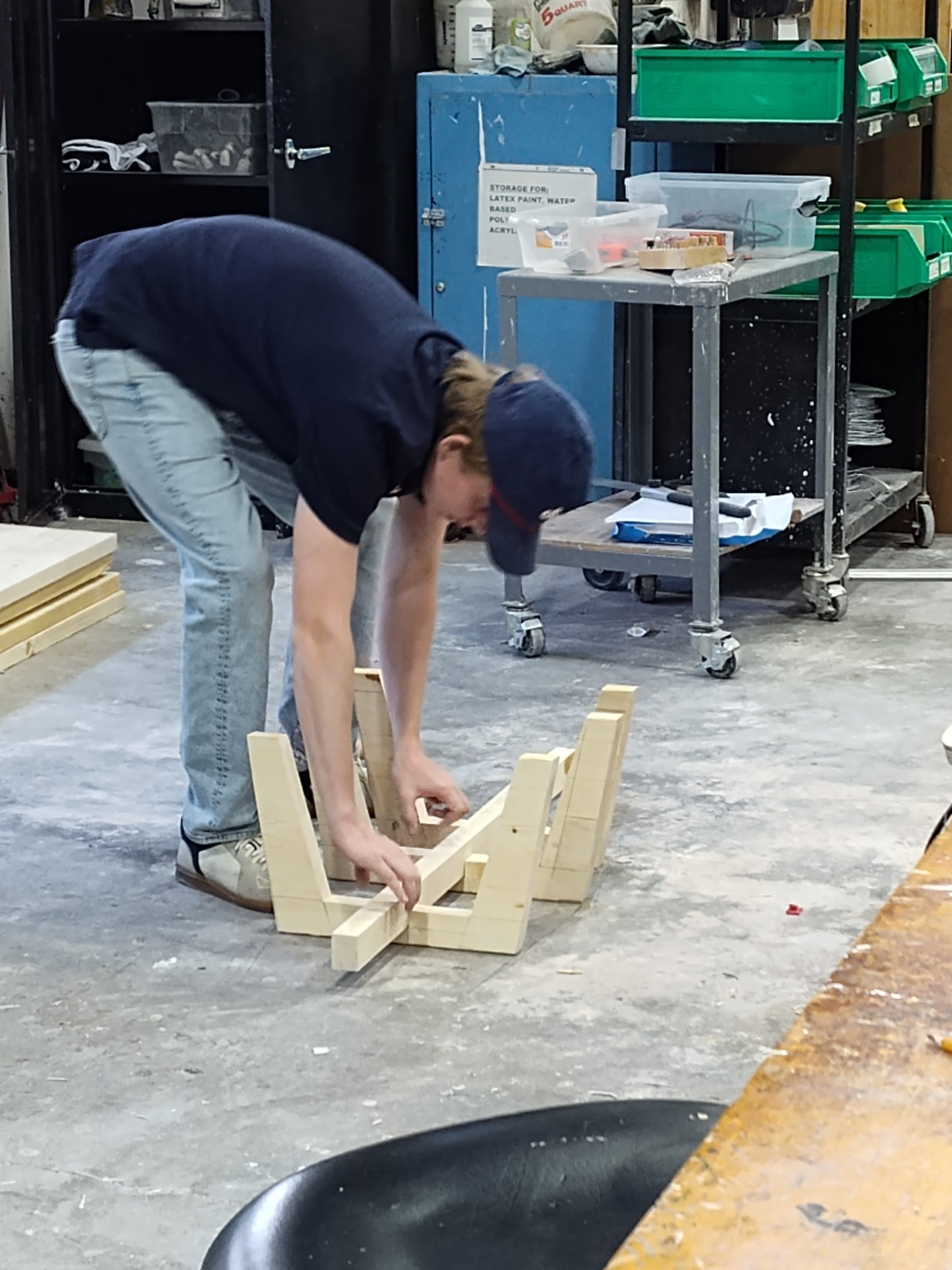
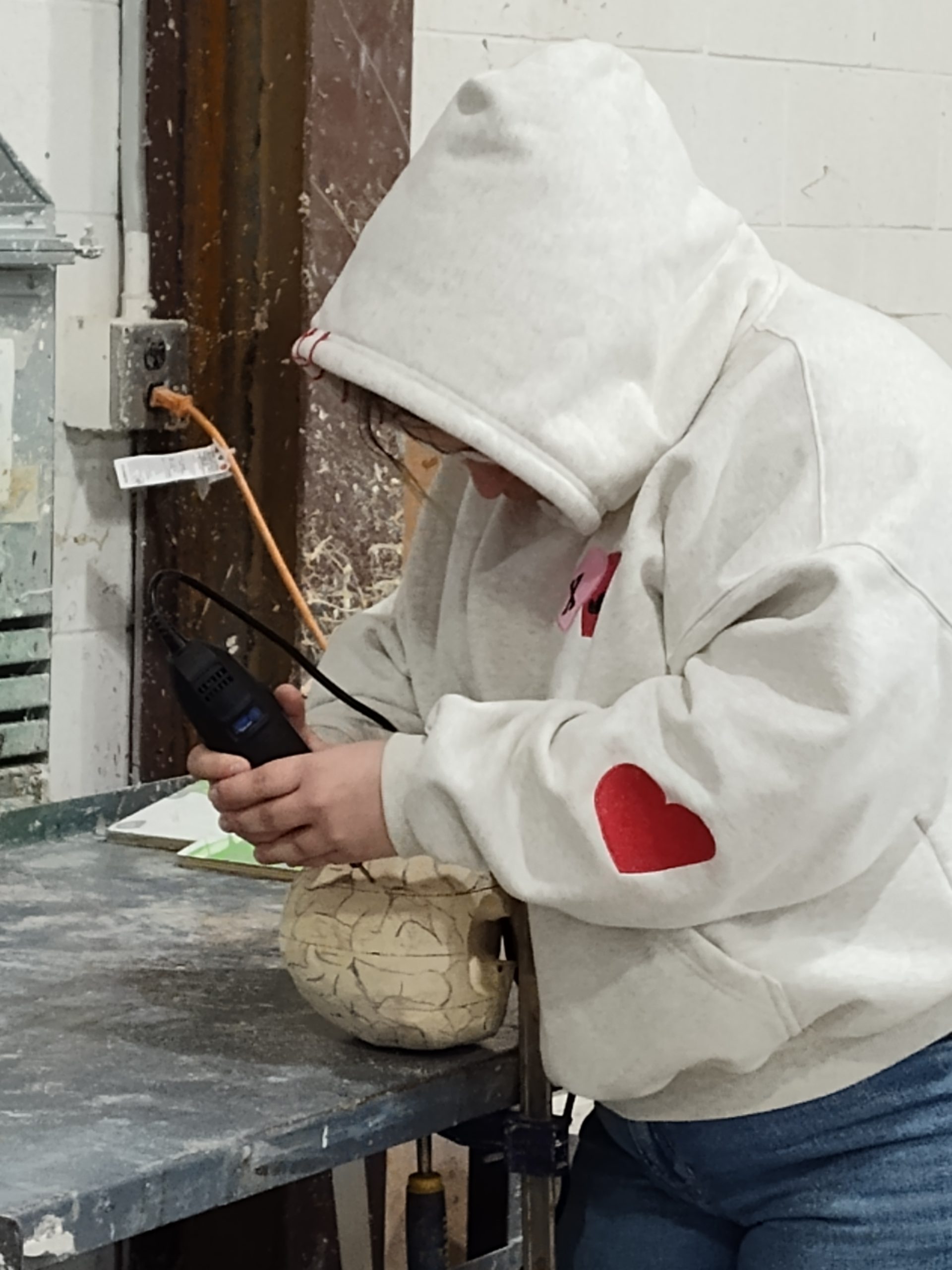
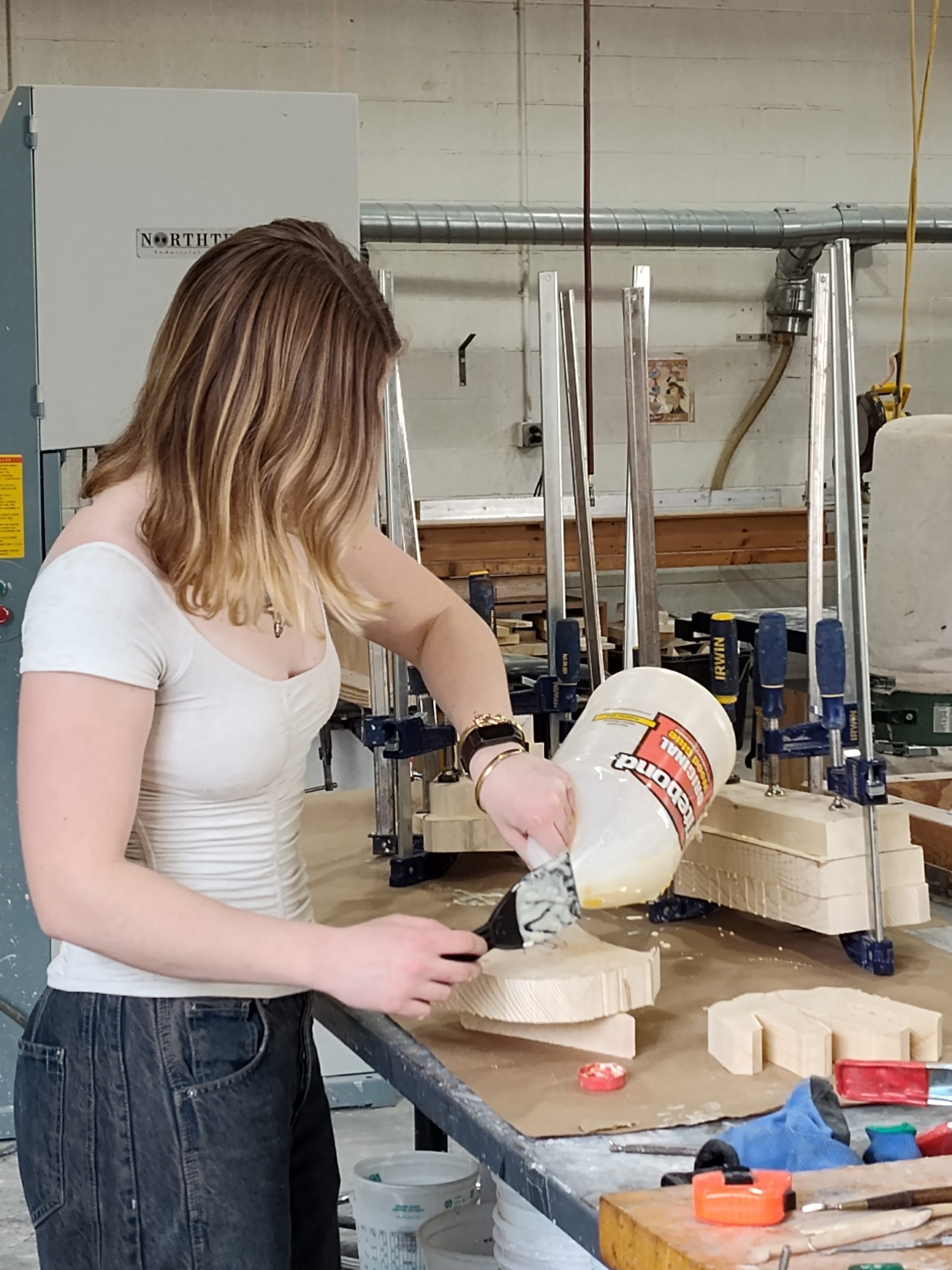
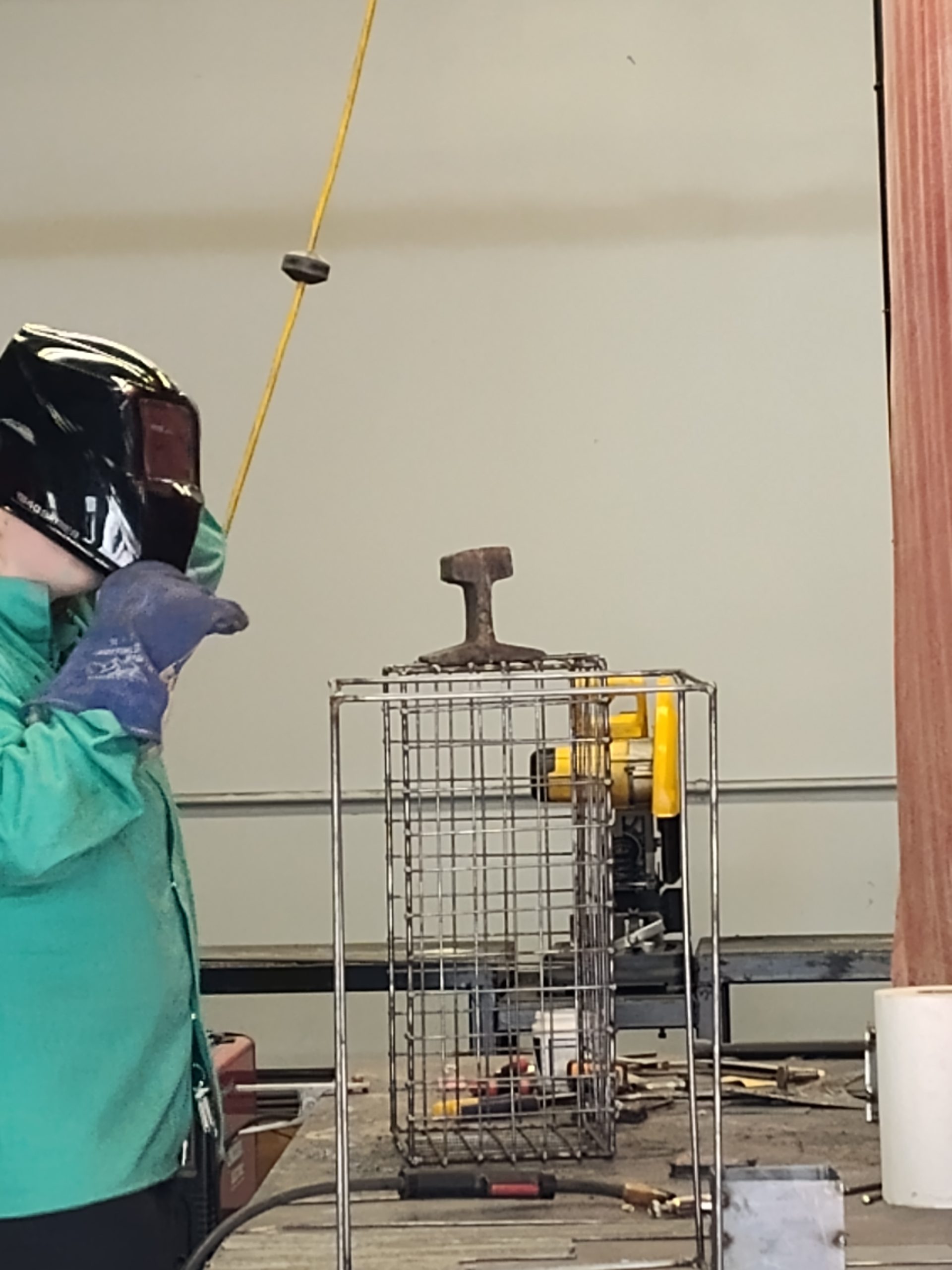
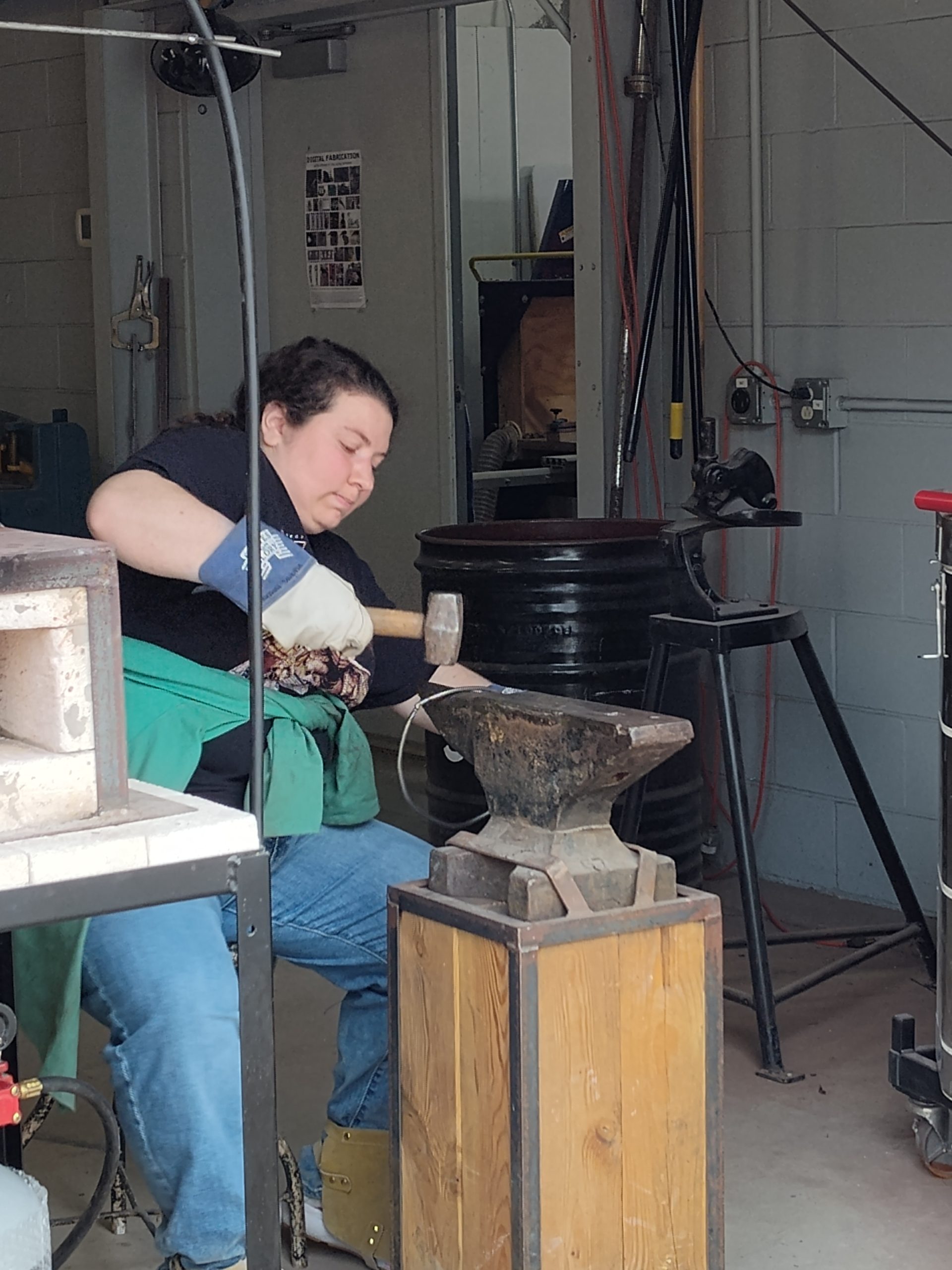

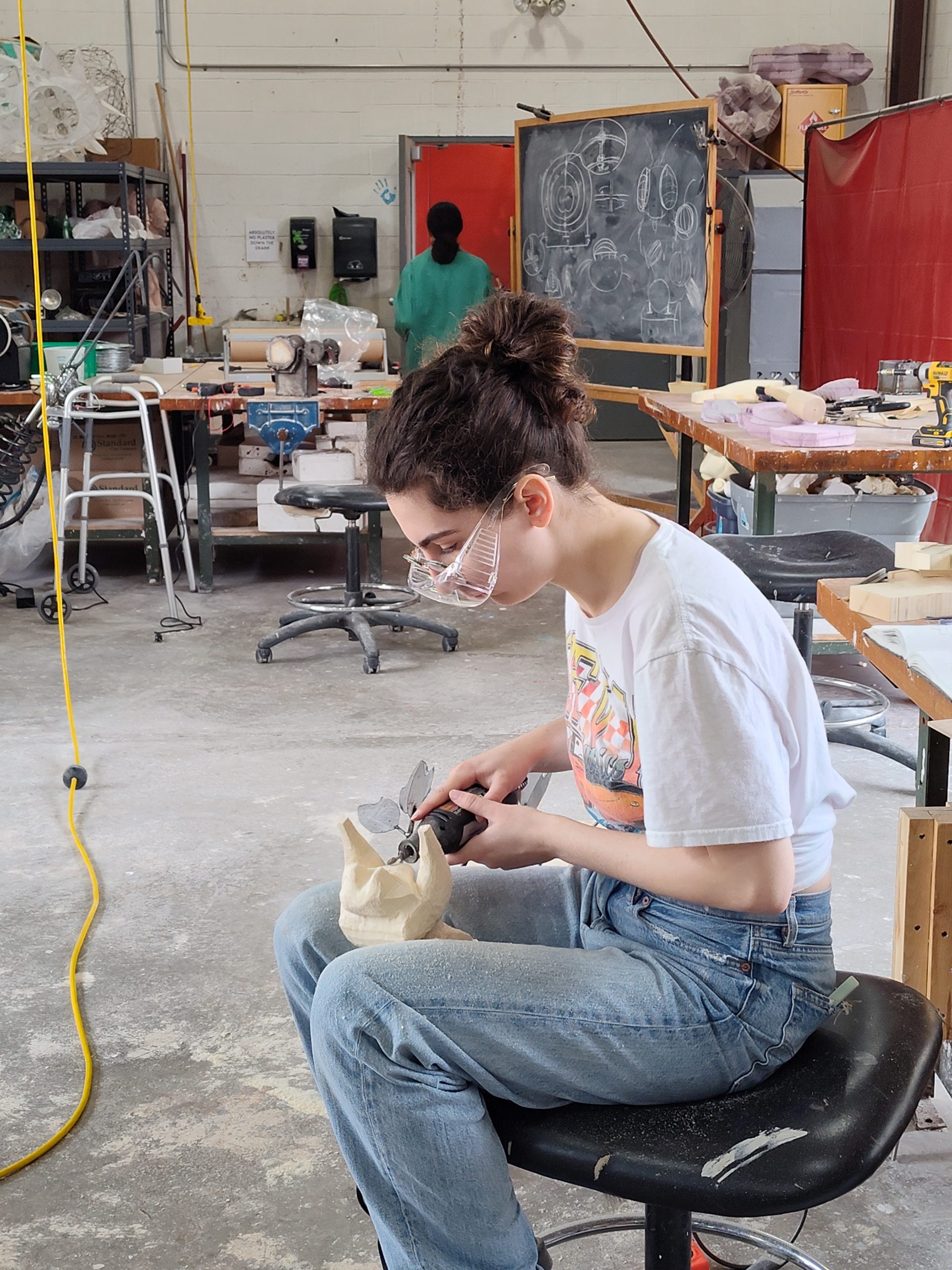


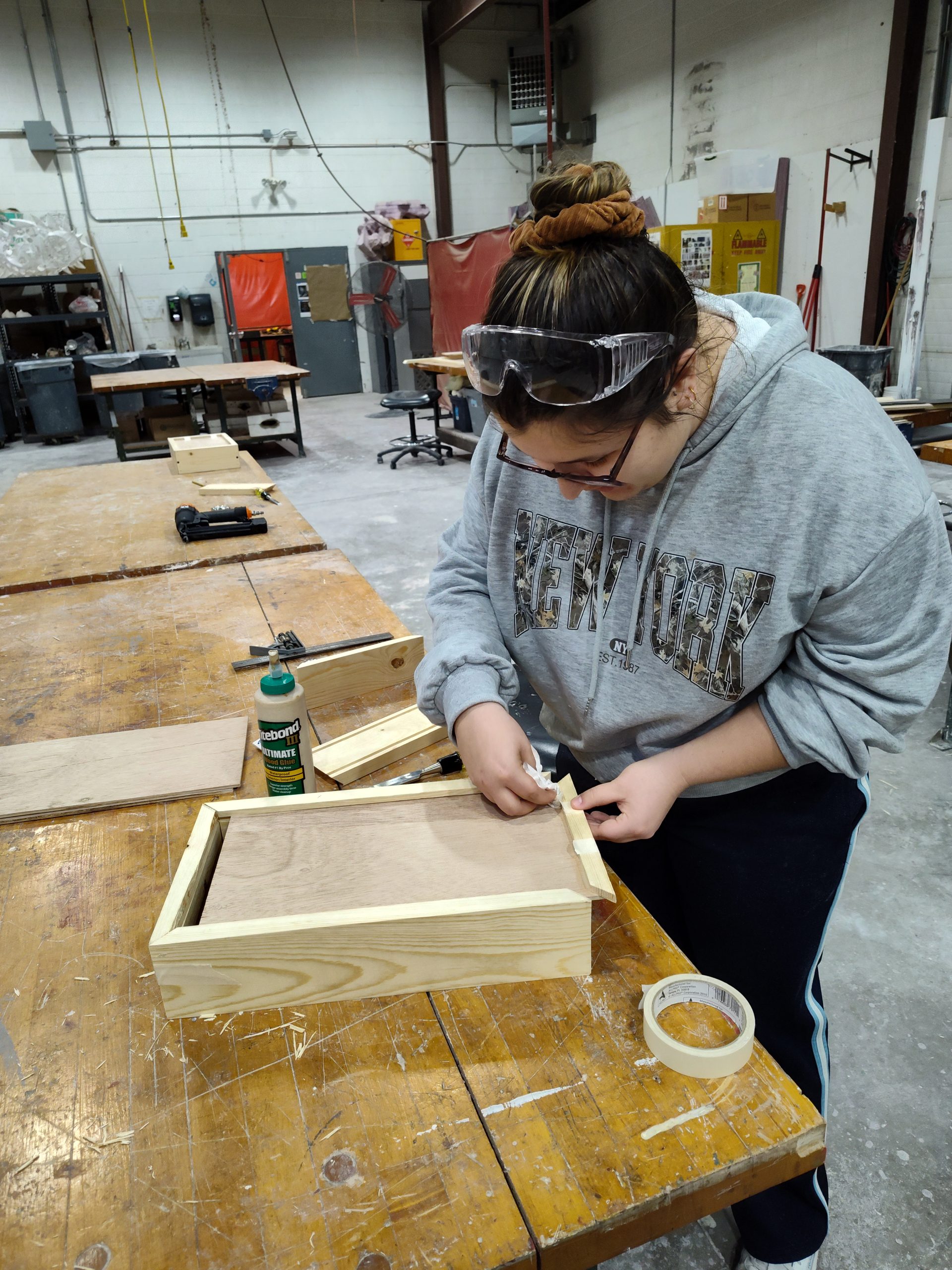
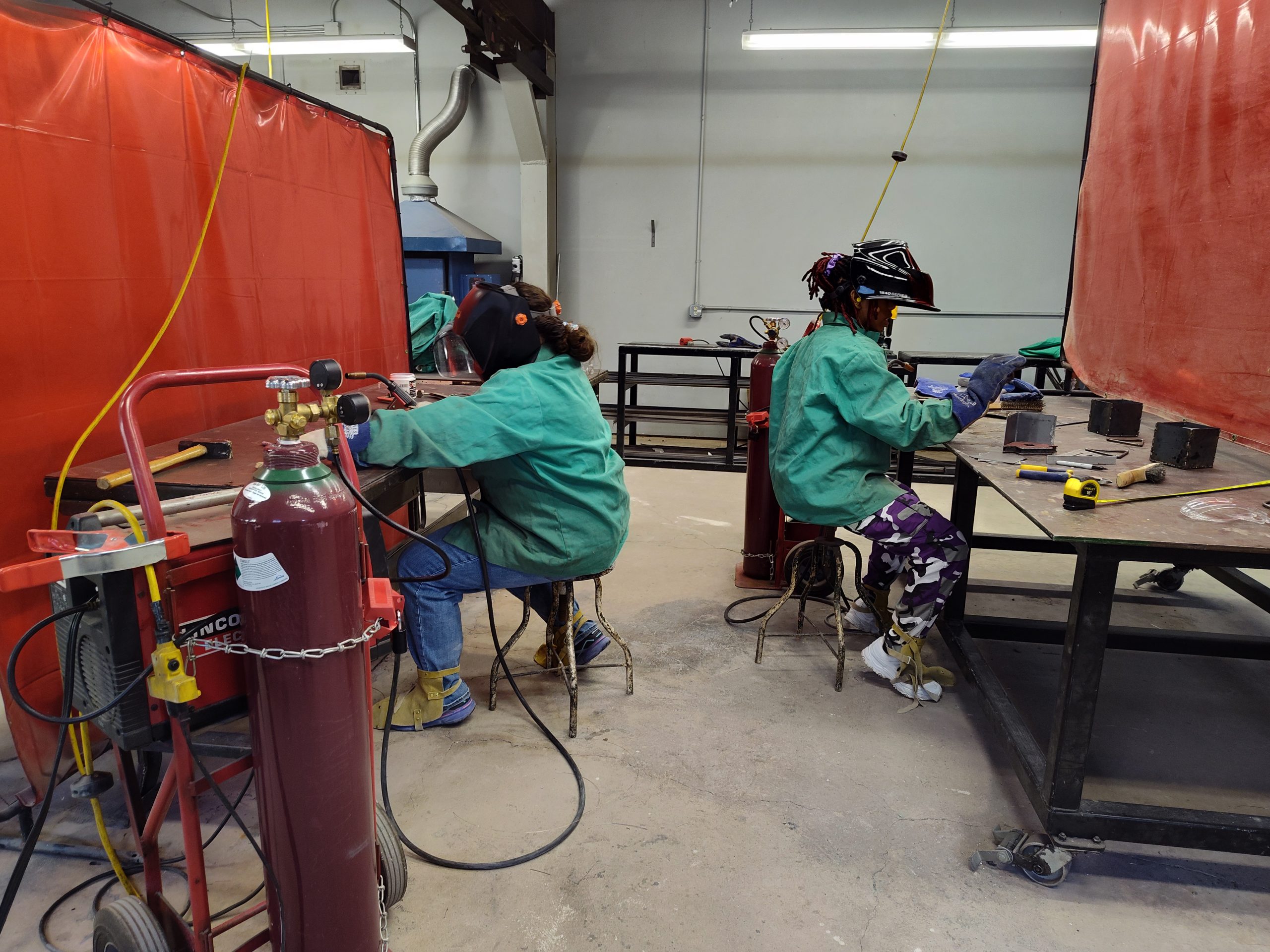
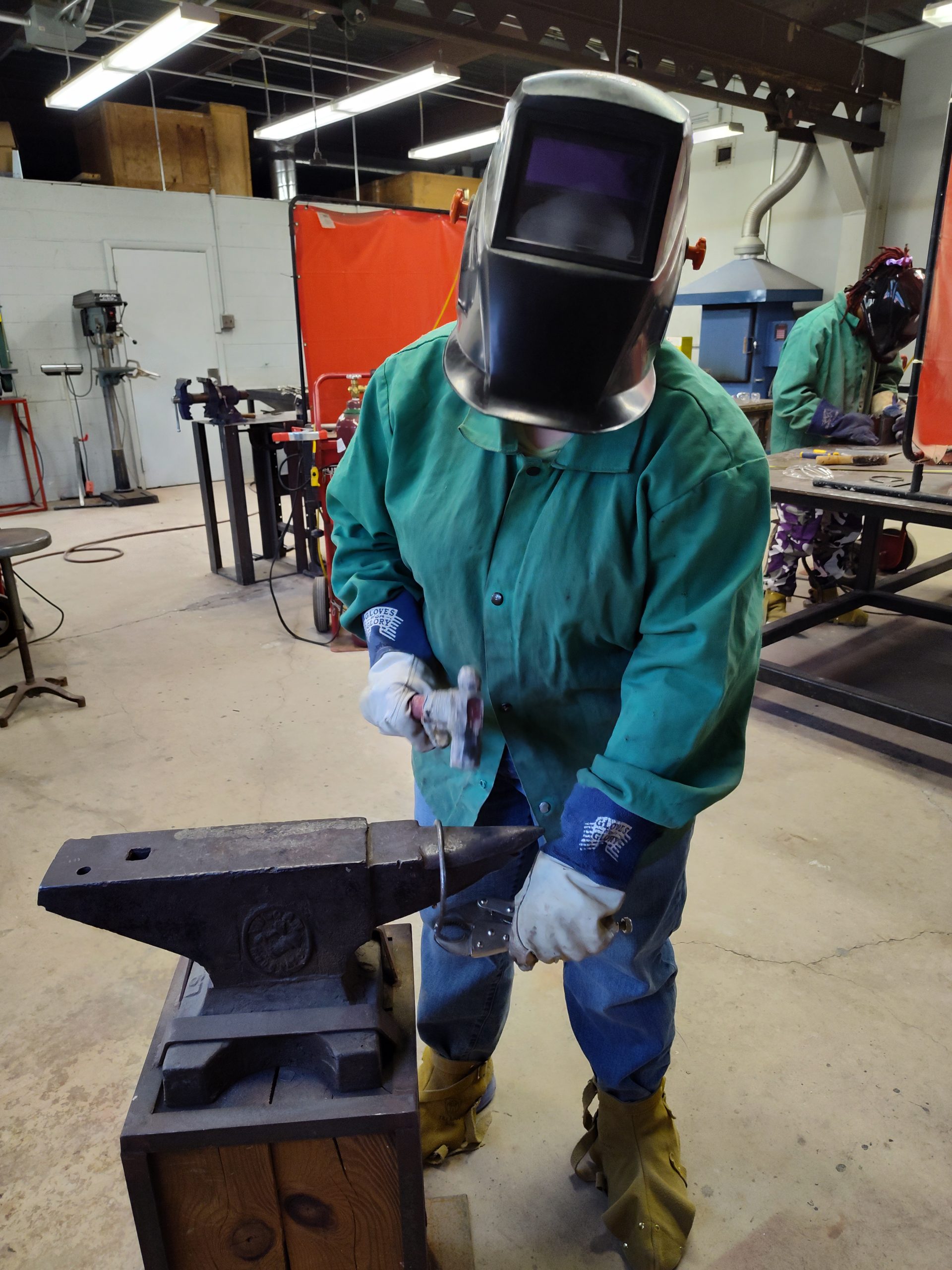
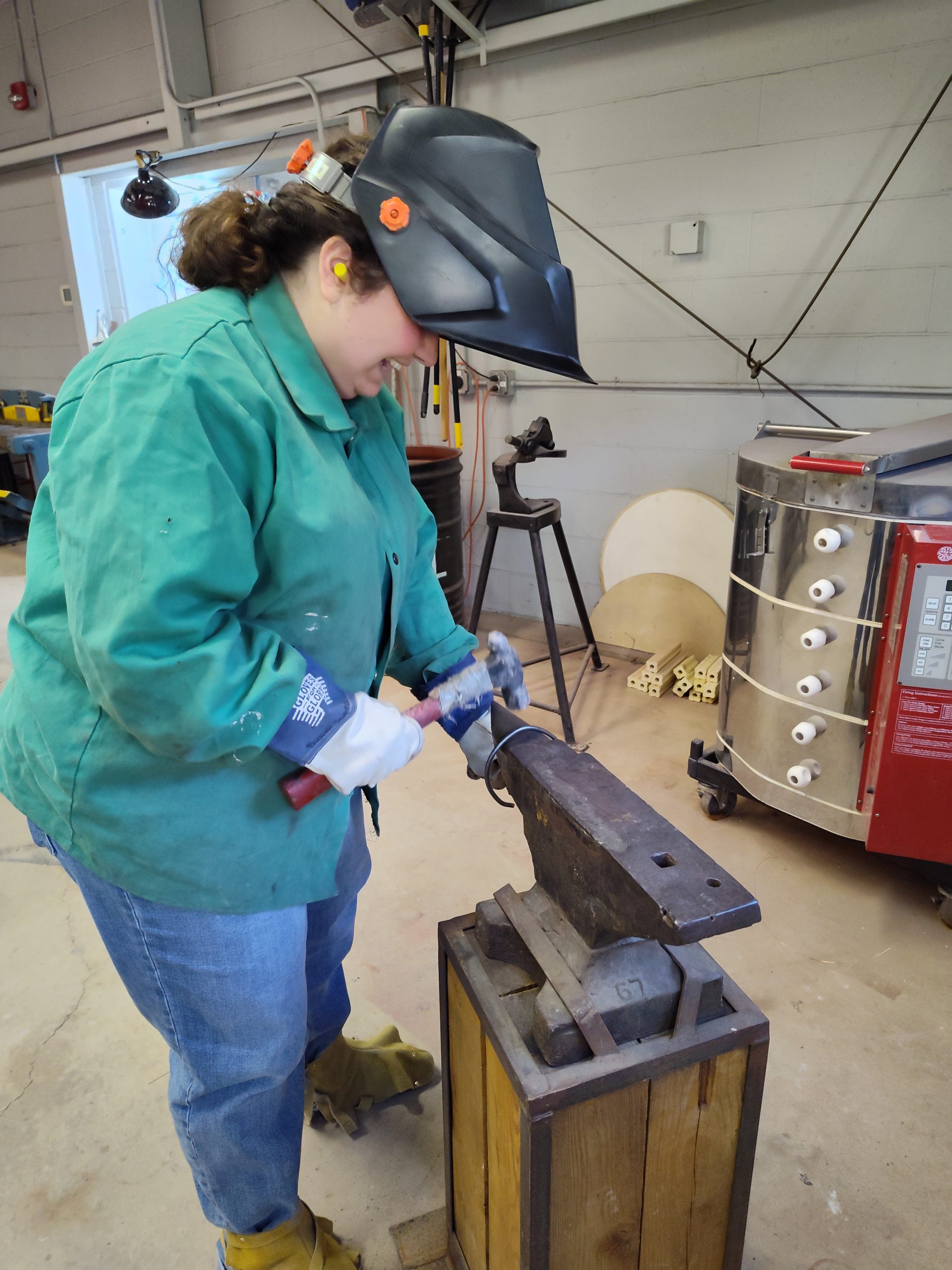
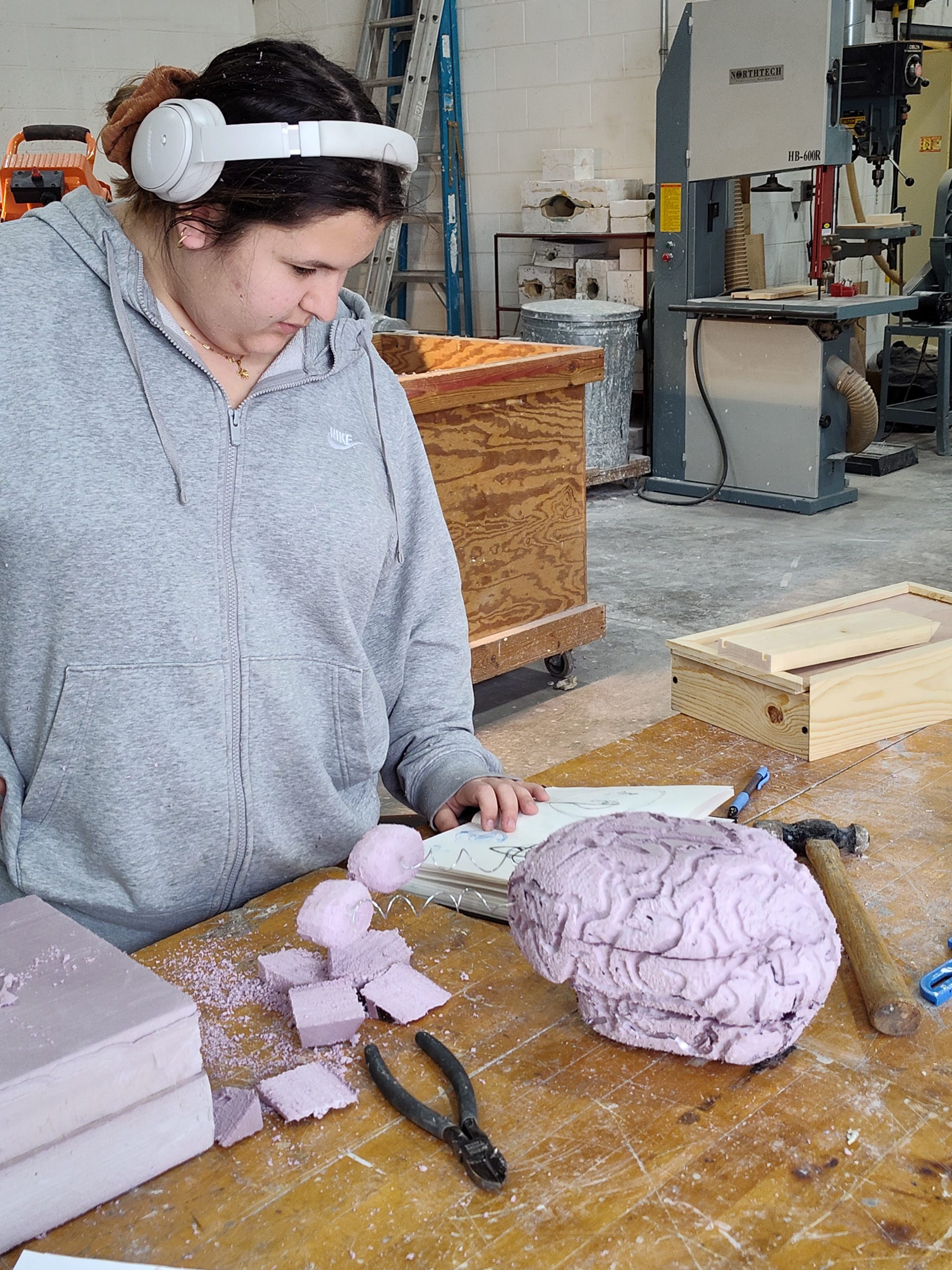
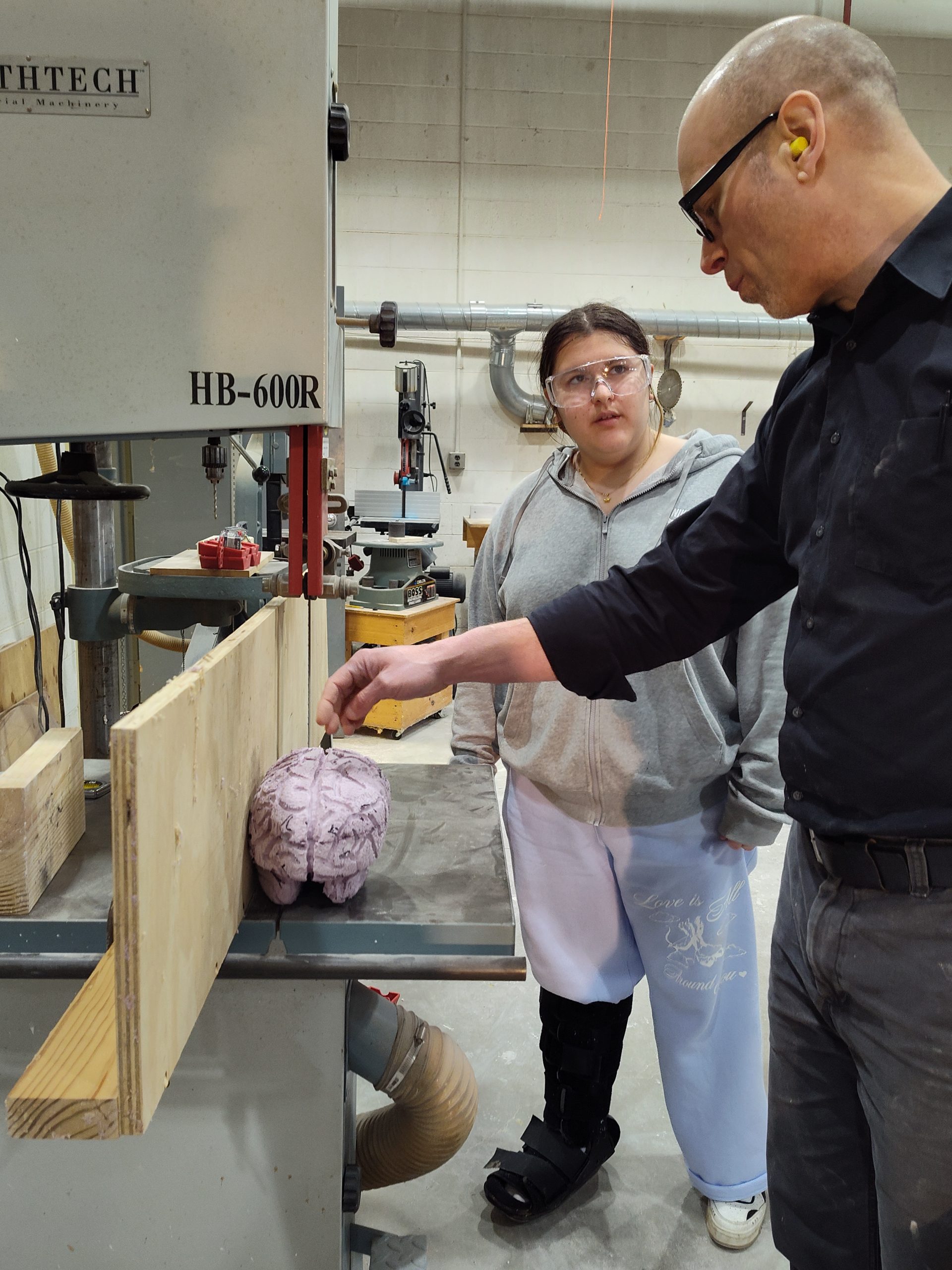
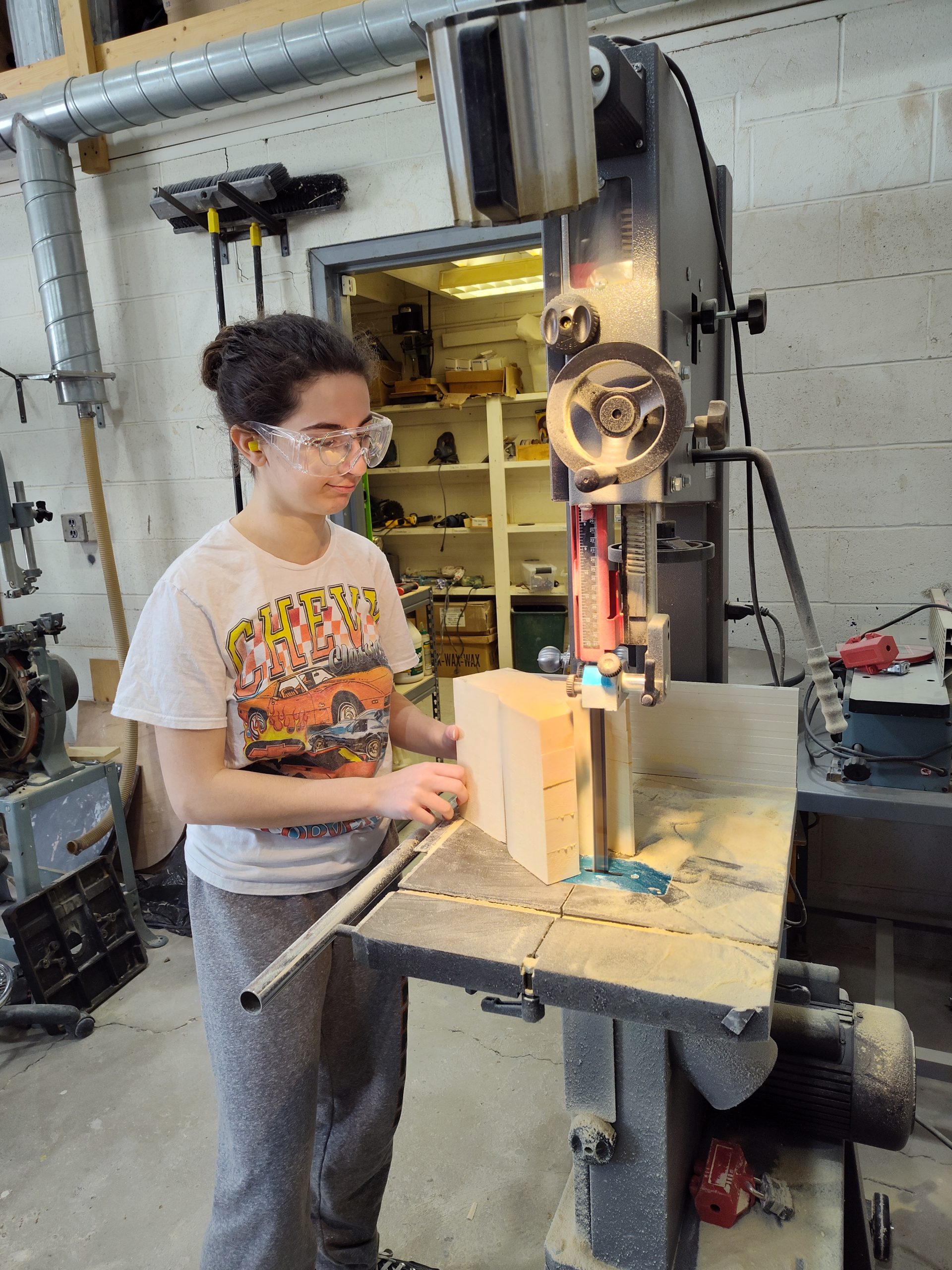
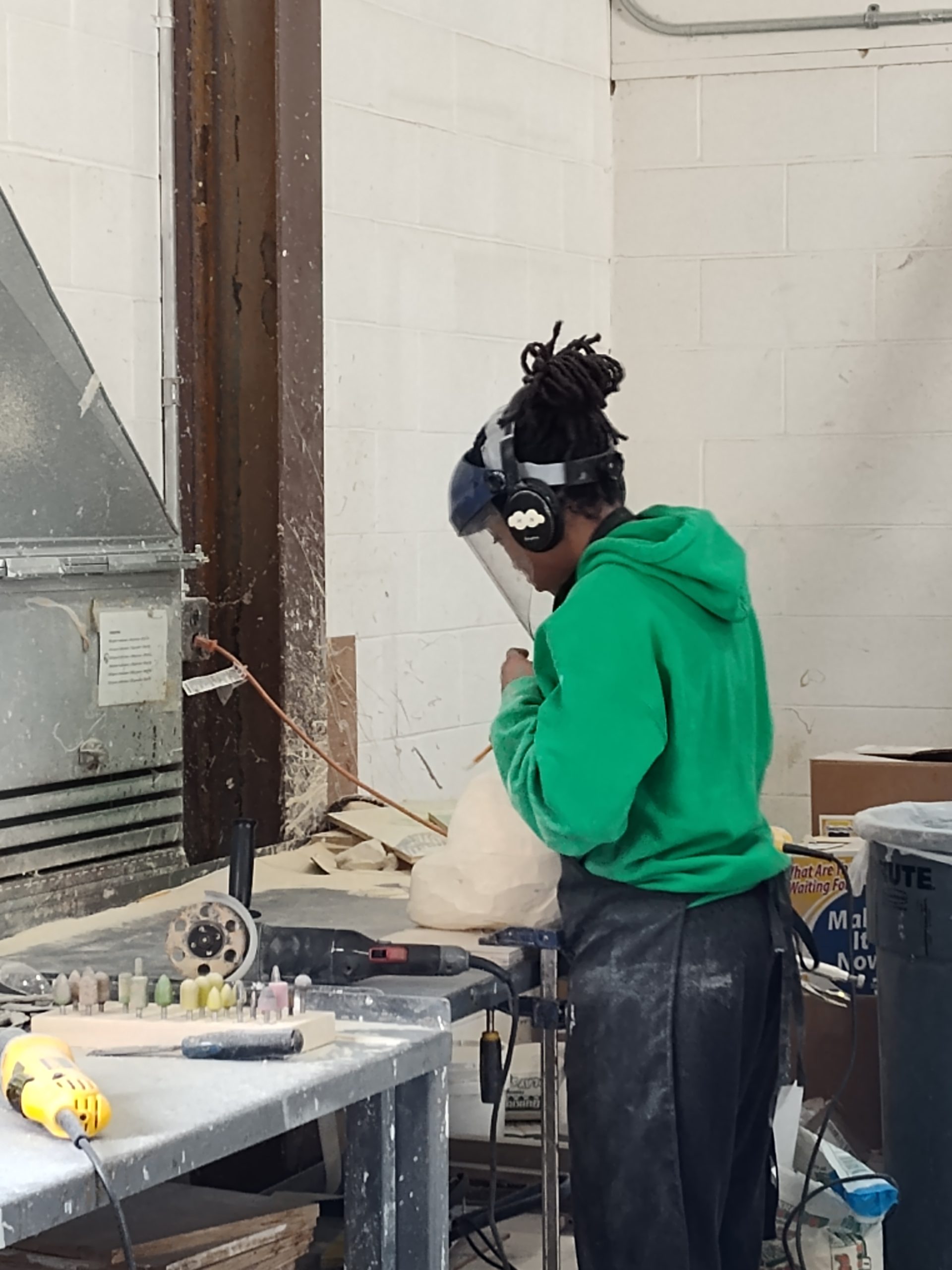
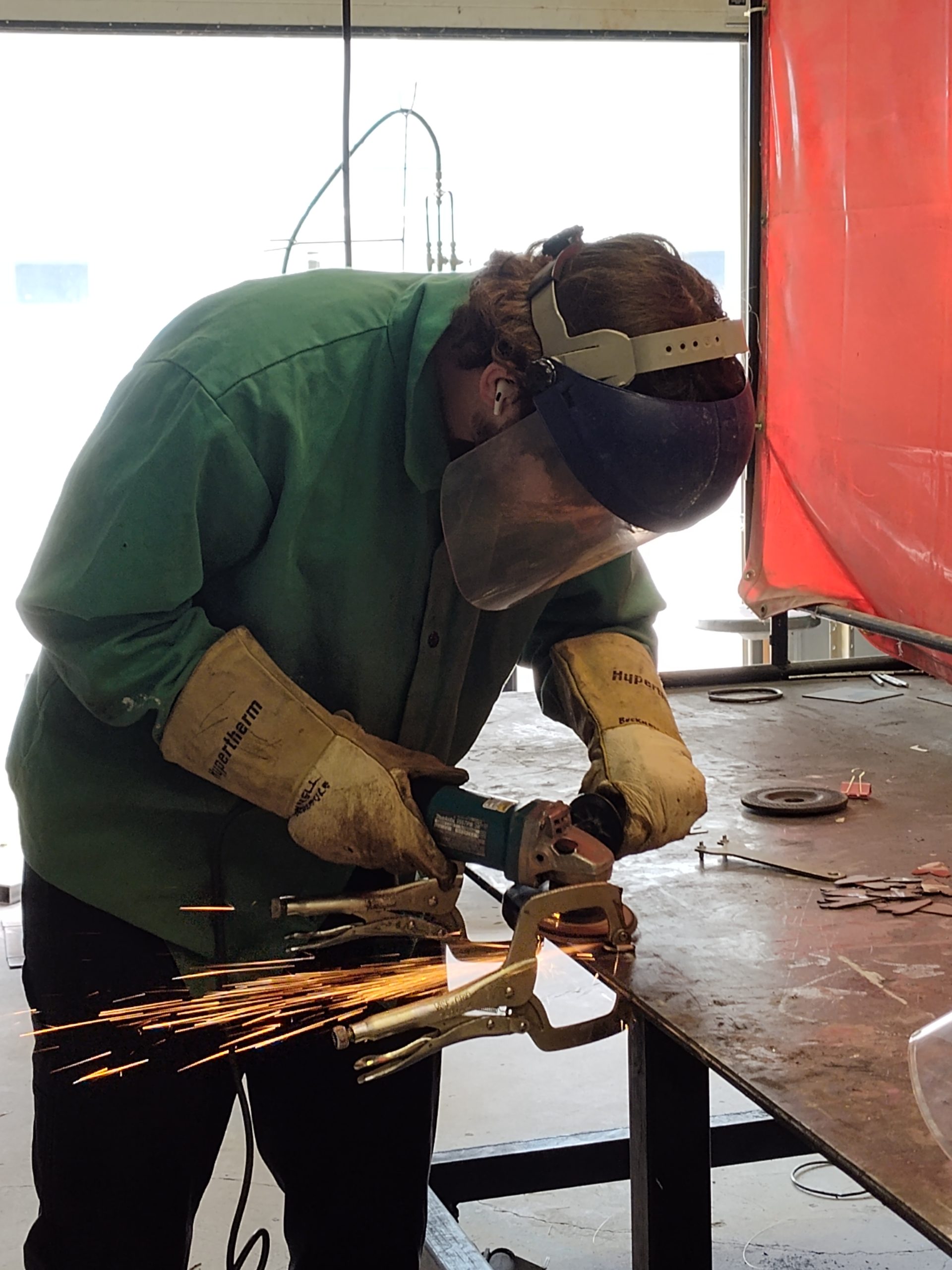
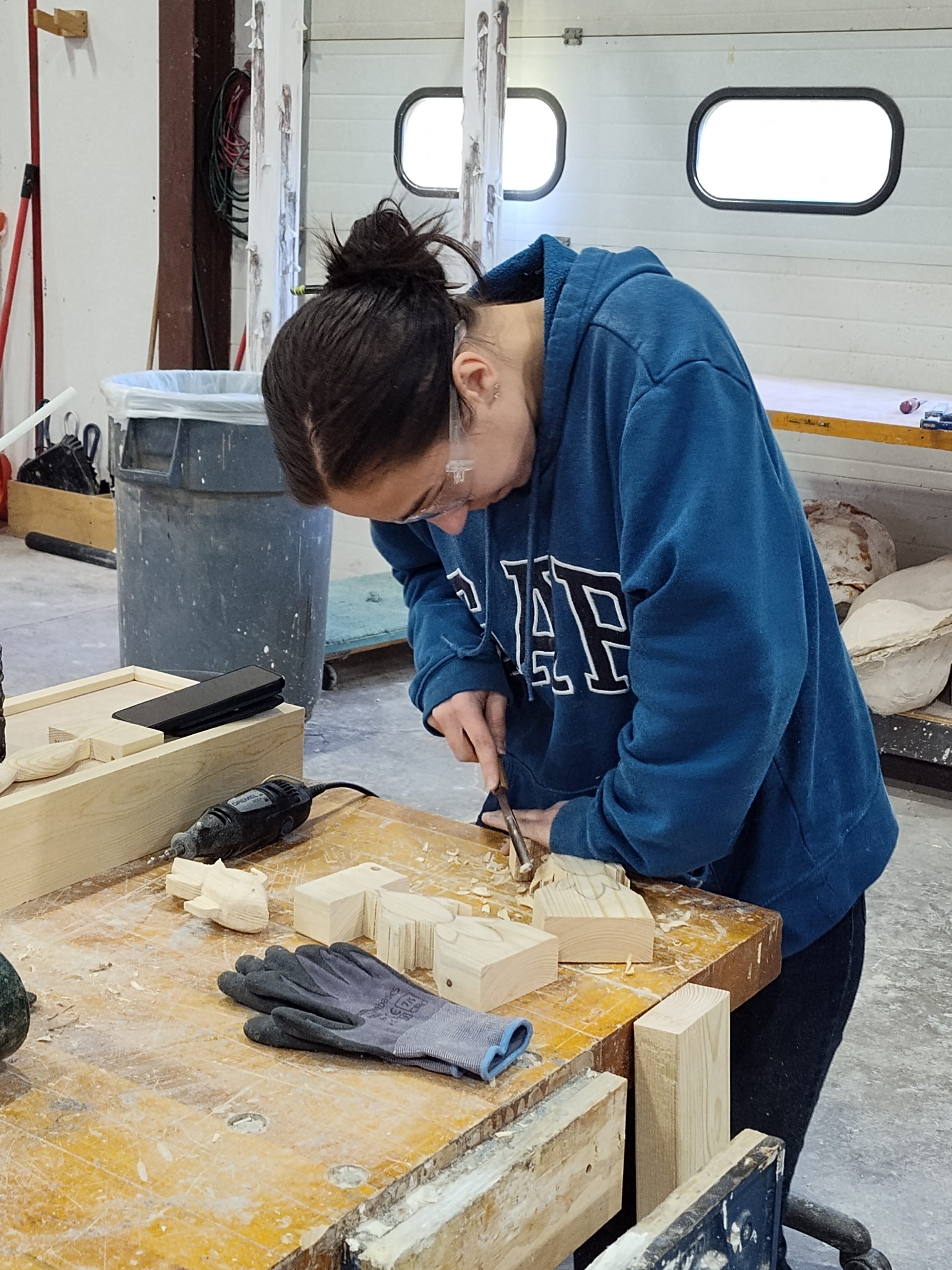
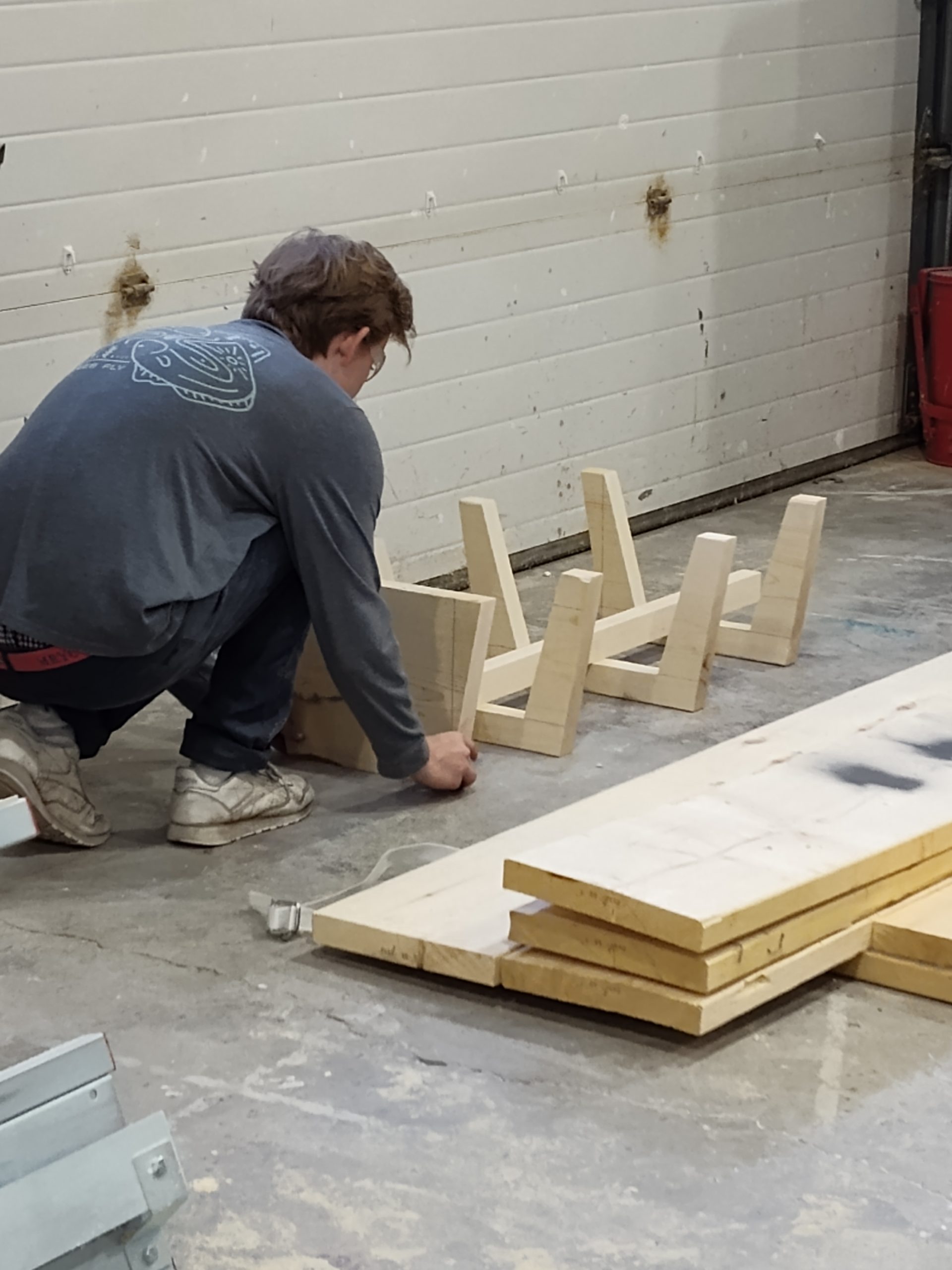
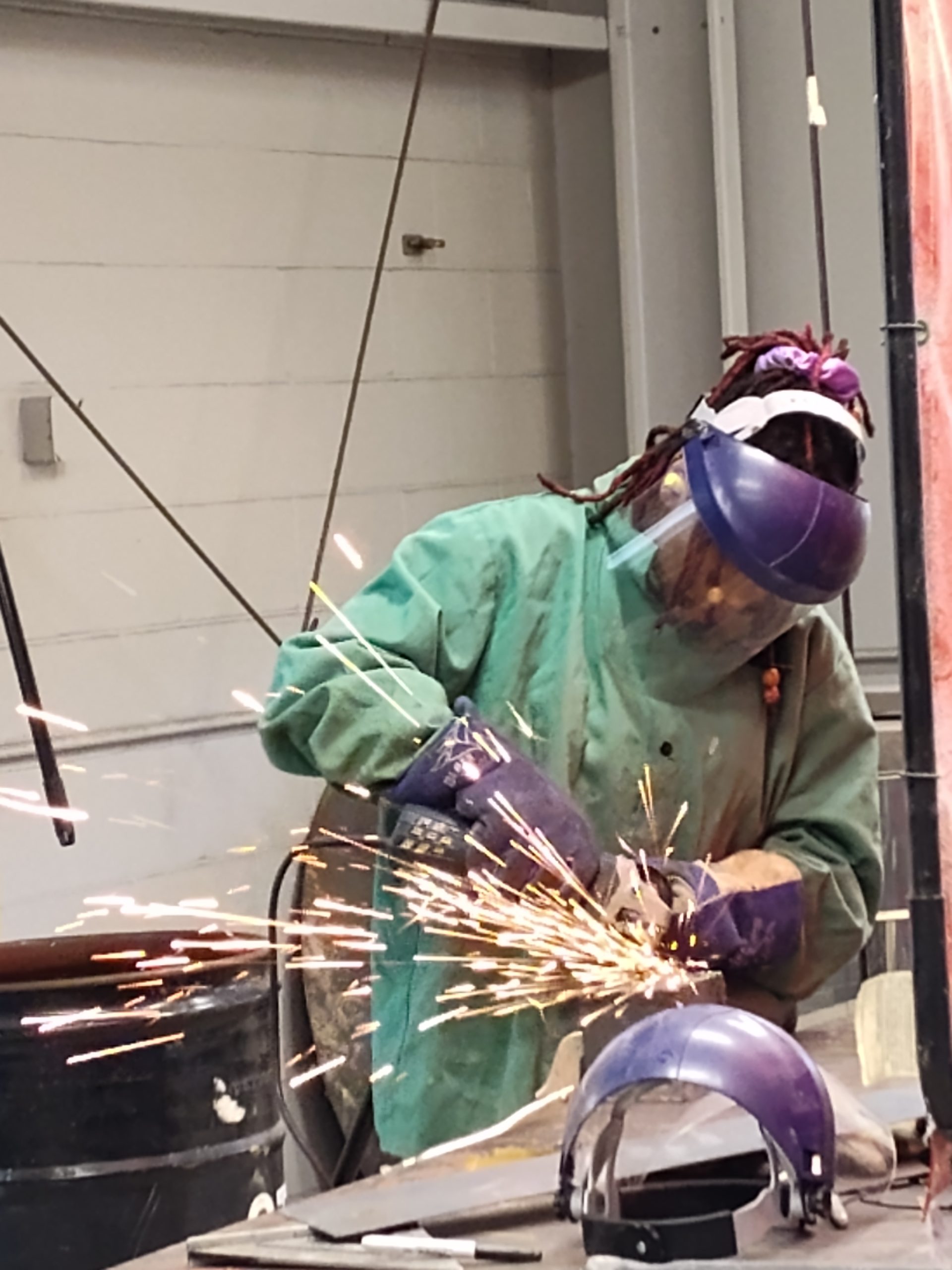
Kaitlyn Segreti – project 2 maquette