Title of Event: Annual Student Art Exhibition
Date & Time of Event: Wednesday April 30th, 4 pm
Location of Event: Samek Art Gallery (Elaine Langone Center)
Type of event: Student Art Exhibition
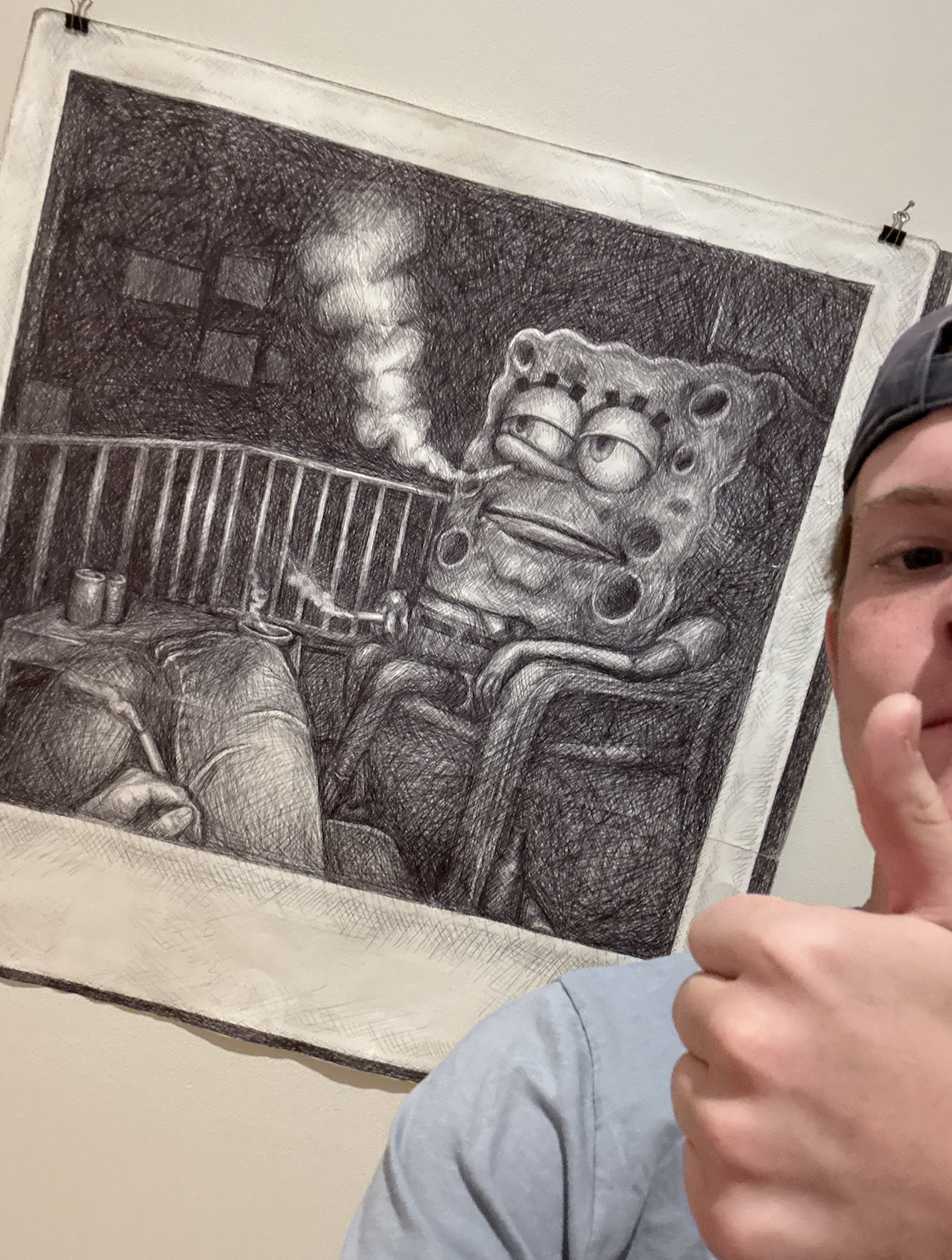
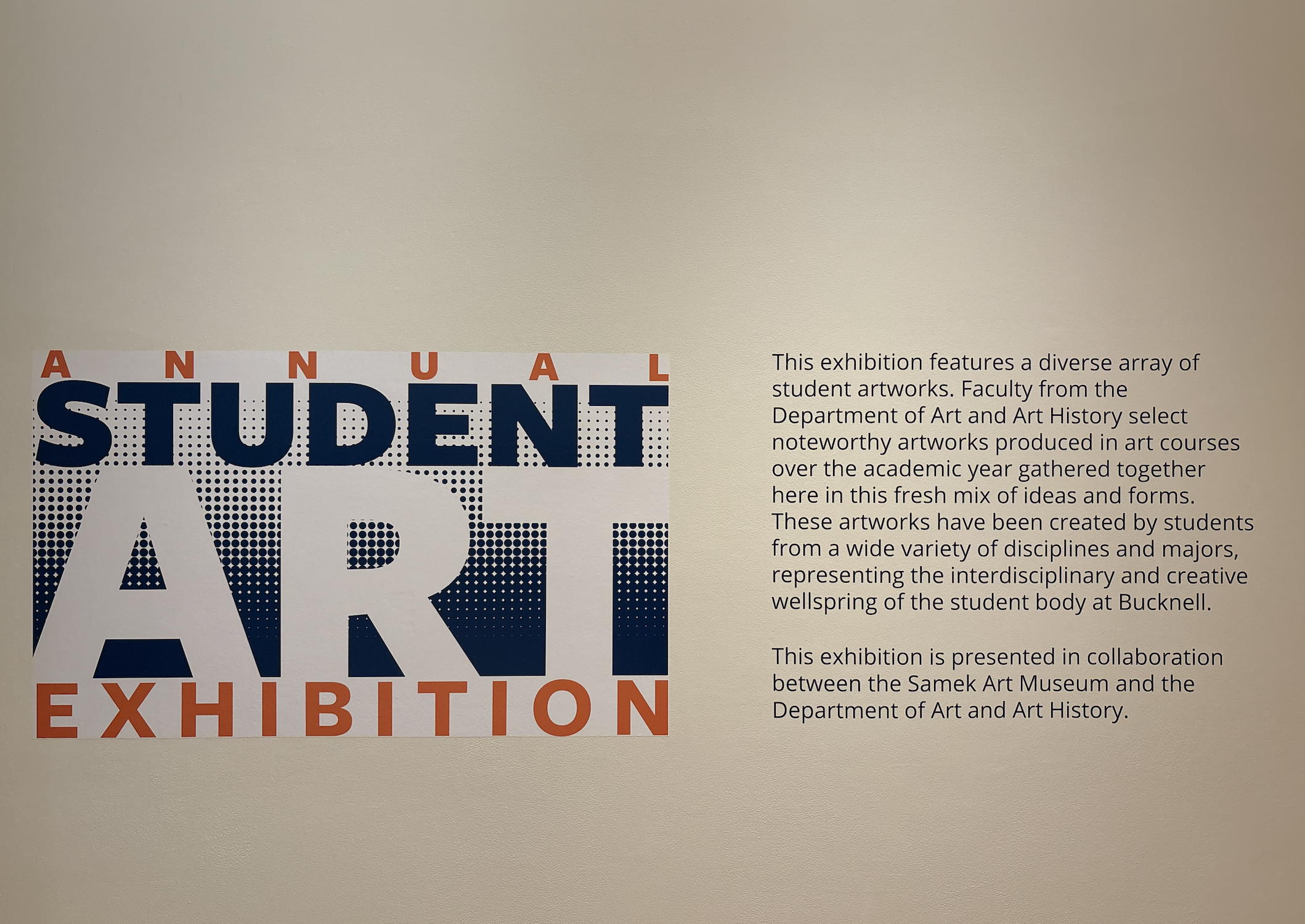
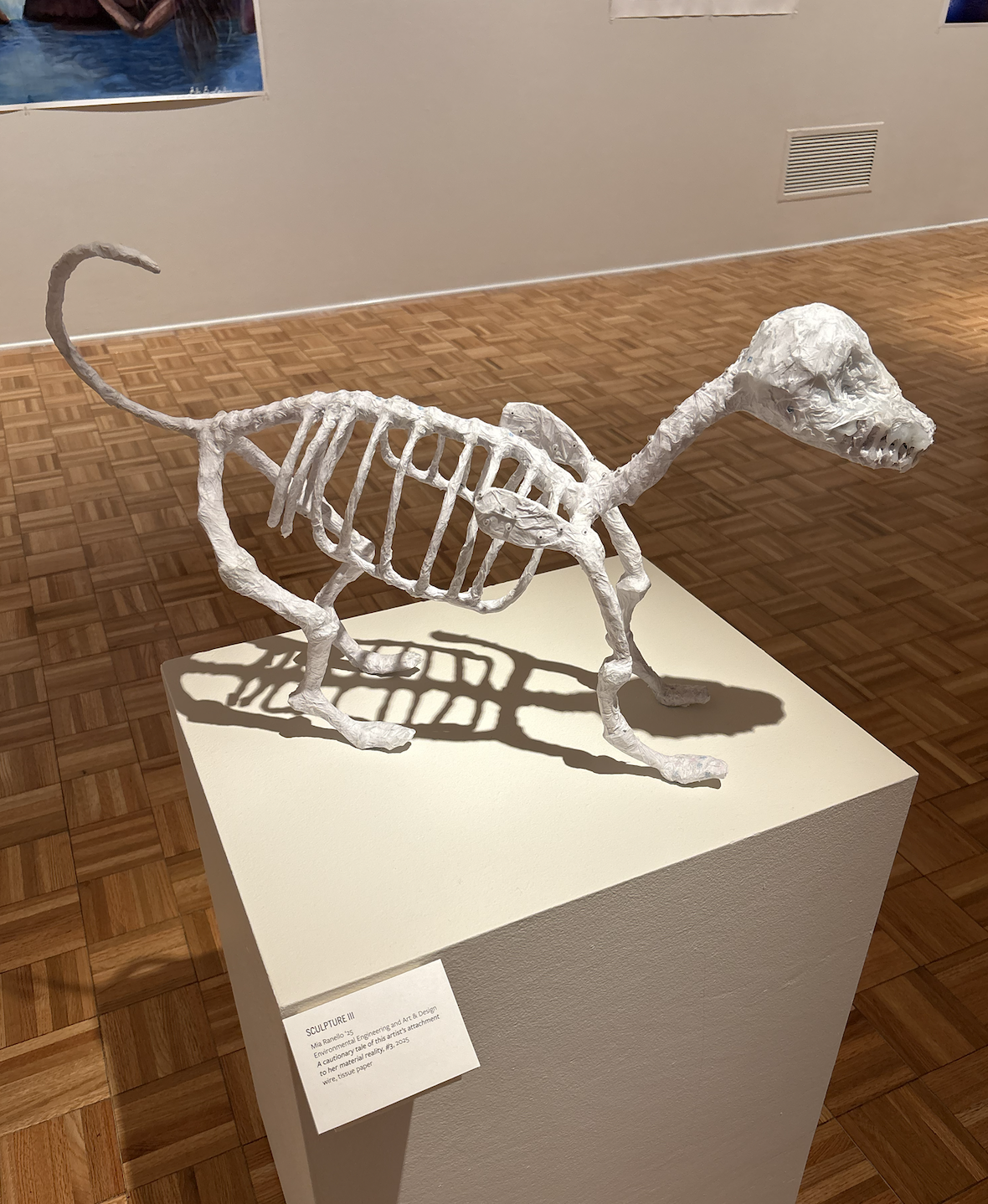
Title of Event: Annual Student Art Exhibition
Date & Time of Event: Wednesday April 30th, 4 pm
Location of Event: Samek Art Gallery (Elaine Langone Center)
Type of event: Student Art Exhibition
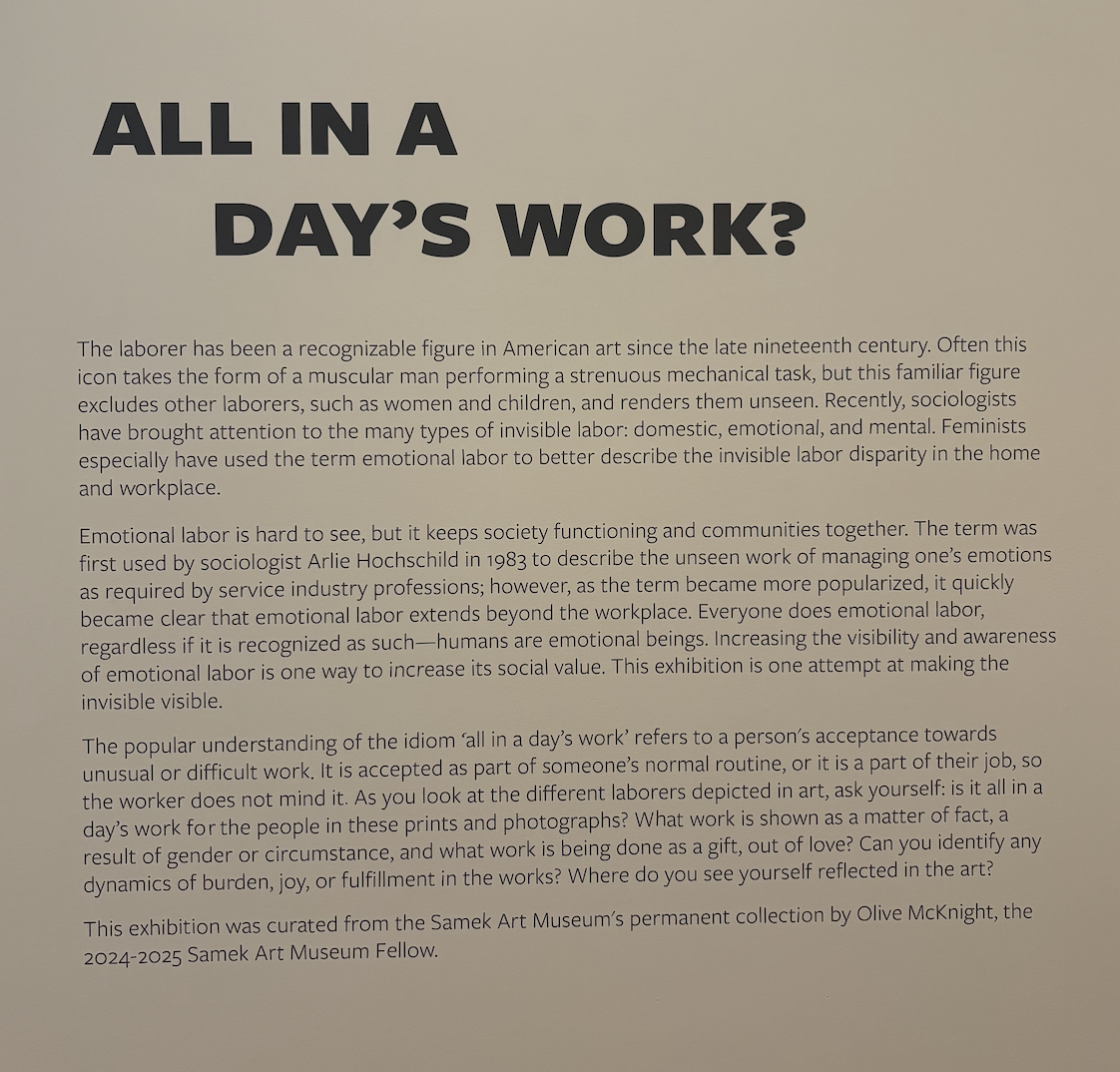
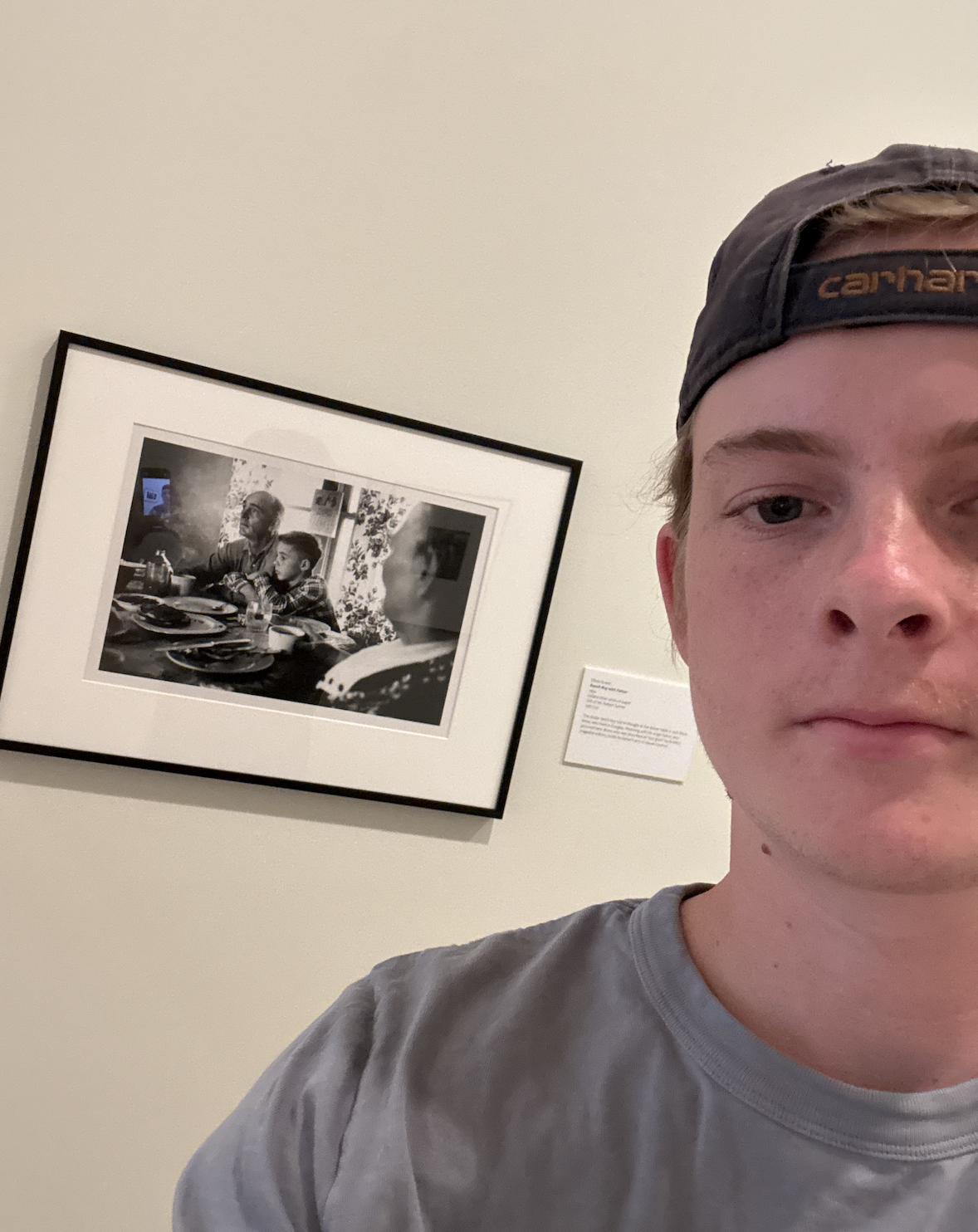
Title of Event: ALL IN A DAY’S WORK?
Date & Time of Event: Wednesday April 30th, 3 pm
Location of Event: Samek Art Gallery (Downtown)
Type of event: Art Exhibition Exploring Prints and Photographs
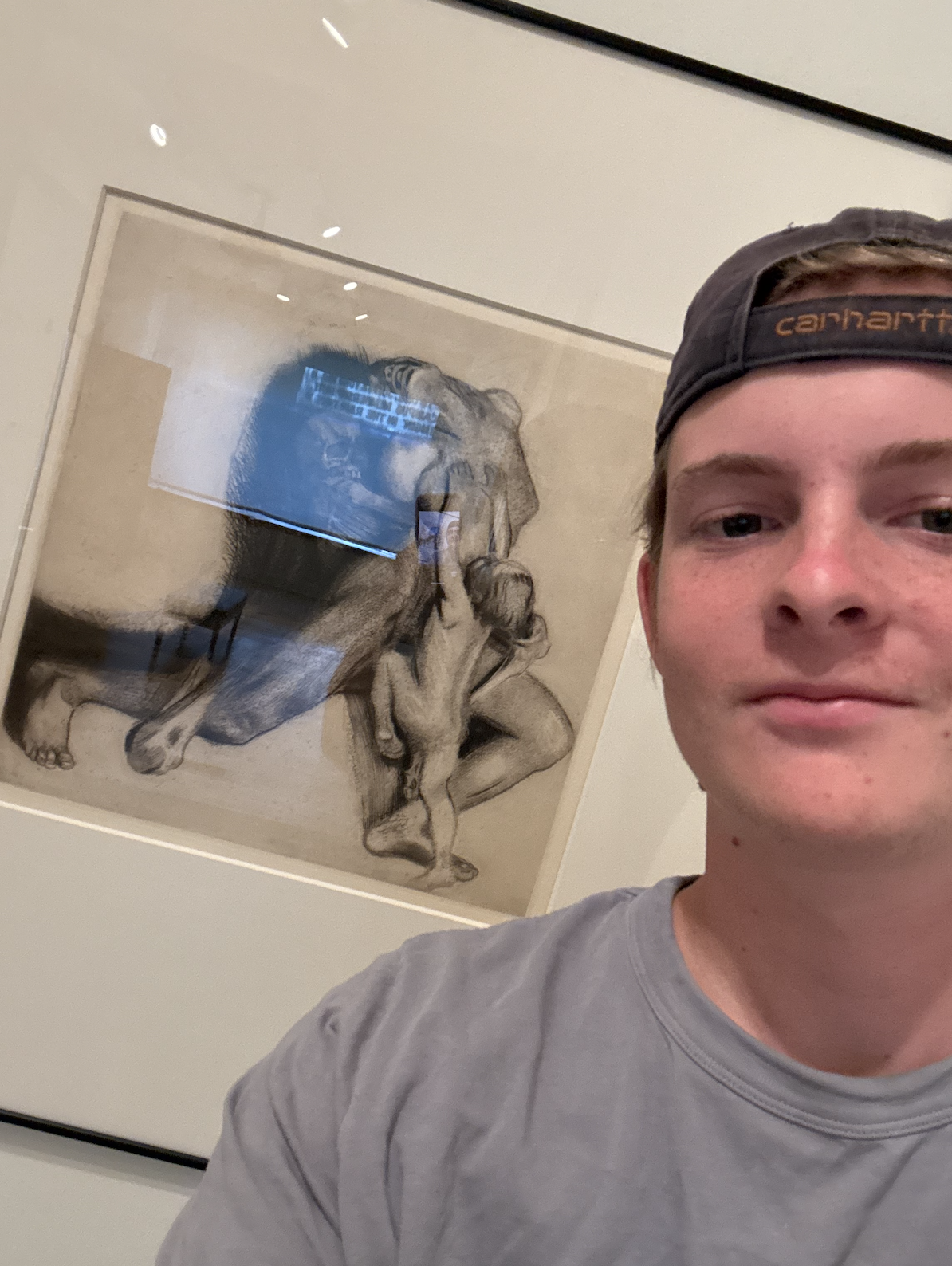
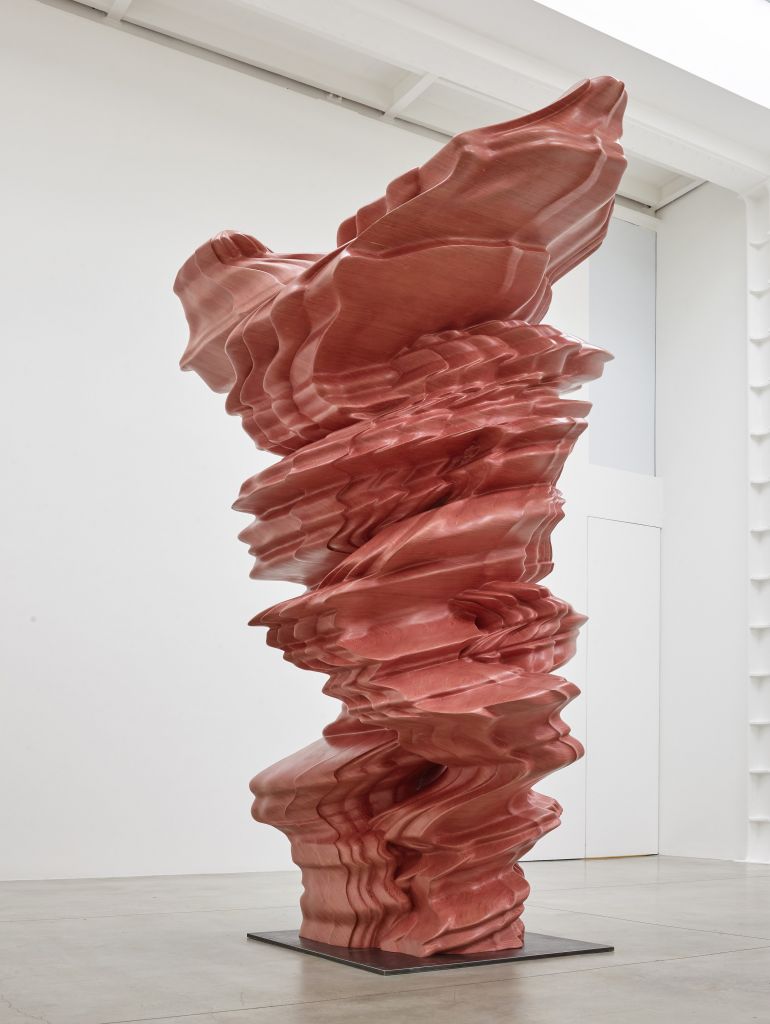
The artist’s name: Tony Cragg
The title of the artwork you’ve selected: Stack
An image of the artwork:
Immediate Response
My first reaction to Stack by Tony Cragg was several mixed feelings. It feels both carefully planned but at the same time chaotic and completely spontaneous. It immediately reminds me of certain rock formations that you would likely see at the Grand Canyon or in the desert in Arizona, despite being made out of wood. There’s also a feeling of compression, like some sort of matter being squeezed into a tight space. It feels alive in a way as well, and heavy, as though it’s either growing upward or being compacted downward. I also felt a sense of anxiety, as it looks like it could fall over at any moment, even though it’s clearly stable.
Objective Description
The sculpture is tall and wide, but surprisingly flat in depth. It is 360 cm tall, 262 cm wide, and only 18 cm deep. It’s composed entirely of wood, but not in a uniform or smooth way. The surface is built from layers or segments of various wood types and colors, stacked irregularly and extending in protrusions. The edges are rough and organic, with some segments jutting out more than others, creating a visual look that makes the piece feel like it is melting or contracting in certain ways. The overall shape appears rectangular, but the form is far from rigid or boxy, and everything is in one piece.
Technical Decisions
Cragg’s choice of wood as a material adds warmth, while the form resists comfort—it’s dense, overwhelming, and strangely shaped. The craftsmanship is clear in the piece, as each piece is carefully integrated to avoid uniformity and to create this smoothed texture and feel. Its presentation forces the viewer to confront it head-on, like a doorway or barrier. The title Stack emphasizes the visual components of the piece, as the wood layerings appeared to be stacked together.
The Work in the World
Tony Cragg began his career in the 1970s, rising to prominence in the 1980s as part of the New British Sculpture movement, which reacted against minimalism by reintroducing narrative, metaphor, and unconventional materials. By 2019, Cragg had been exploring the interaction between natural and synthetic forms, and Stack reflects some of these practices.
The Story it Tells
I don’t know exactly what story Stack is trying to tell here. Maybe it’s a story of accumulation of different things, like time, effort, memory, or material. It could also be about how the use of wood evokes life and growth, yet the compression implies stress or density, or even burden. I think it could be speaking of the tension between order and chaos as well…every piece is precisely placed and smoothed, but the whole feels unruly. Others might see it as purely visual, like an exploration of texture and shape, but I see it as how certain things form under pressure.
I watched several videos on the Art21 website all about Bruce Nauman and his work. If I am being completely honest, I thought he was a super strange man whose art really didn’t stick with me all that much. However, I thought he had several interesting ideas and ways of approaching art and the work he makes. In one of the videos, he explains how he always thought that he could make something that appears to be functional, but when he would try and use it he couldn’t figure out what its function might be. He said that that’s what he loves about his art…figuring out what to do with it. He also talked a lot about teaching and his love of raising and training horses which is something I found very cool because he mentioned that he didn’t know anything about horses until he was forty years old, so he had a lot of catching up to do. Another video showed his staircase artwork, which was my personal favorite series. I liked how he intentionally makes the stairs not perfectly symmetrical so you have to really be paying attention to where you step whilst climbing or descending on it. One final video I thought was weird and interesting was one that was all about videos in slow motion of Nauman poking himself. He said he wanted to experiment with uncomfortability and forcing viewers to pay attention to the formal qualities of each frame, as the video was slowed. Overall, Nauman explores turning everyday activities, speech, and objects into works that challenge what people typically think of those things as, which is why I thought most of his art is very weird and unfamiliar.
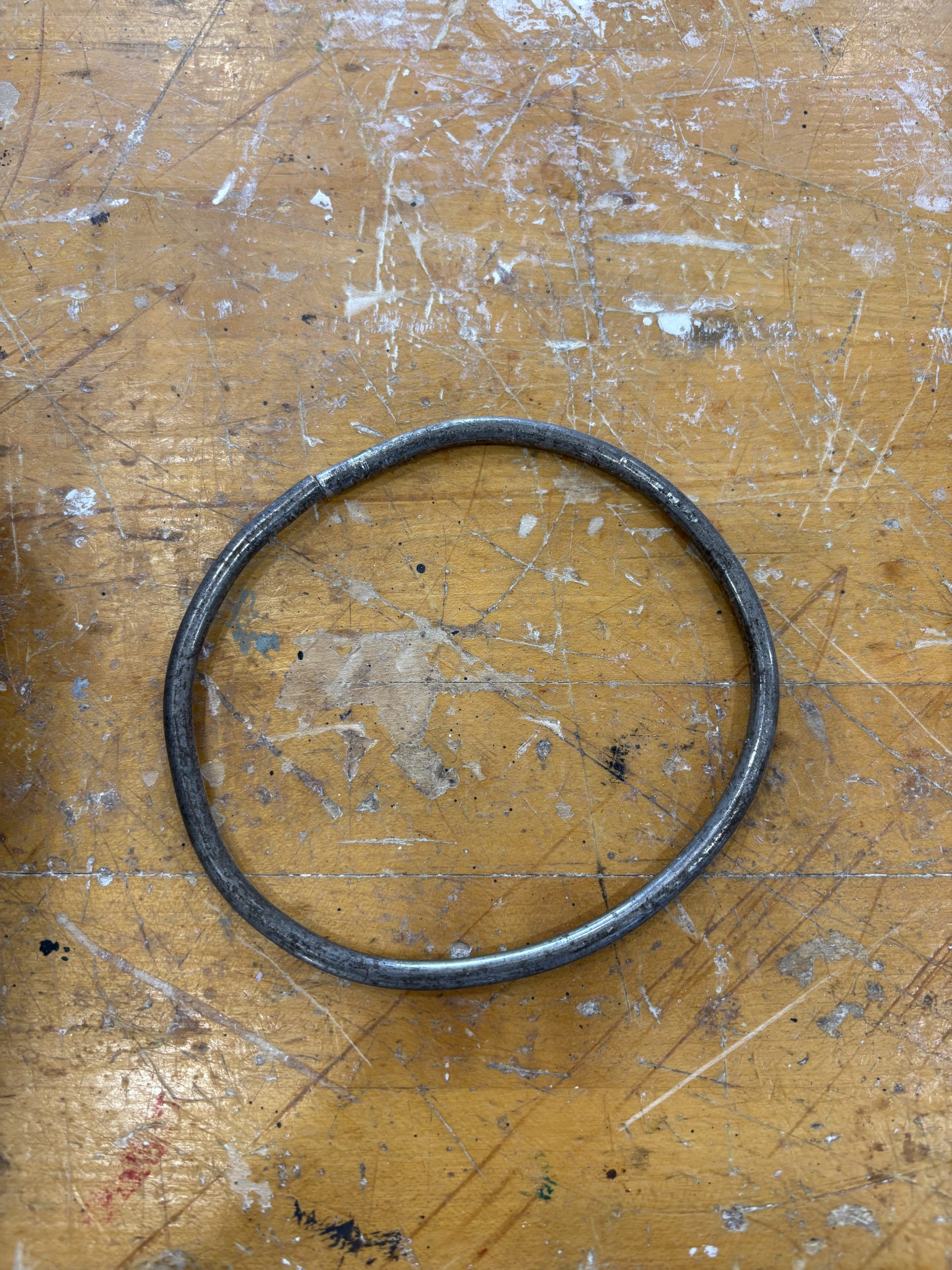
My object is a plastic toy gorilla that resembles King Kong, standing upright on its hind legs. Literally, it’s a mass-produced children’s toy. Symbolically, the toy denotes the myth of King Kong, which is a creature that represents the clash between nature and civilization, and power and vulnerability. Connotatively, the toy evokes ideas of monster movies and childhood play. It also reminds me of action figures and the way we often reduce complex characters or fears into playful, collectible forms. For my project, I want to explore how actual gorillas in the wild are threatened by humans, and I think it ties in nicely with the story of King Kong and how his character was captured and used for entertainment purposes.
Artwork: The Persistence of Memory.
Artist: Salvador Dalí.
Image link: https://www.moma.org/collection/works/79018 .
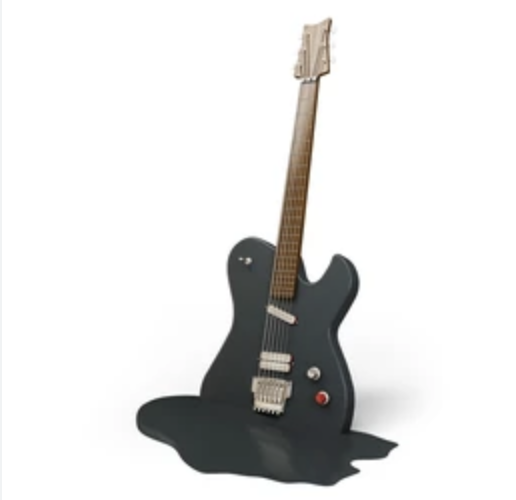
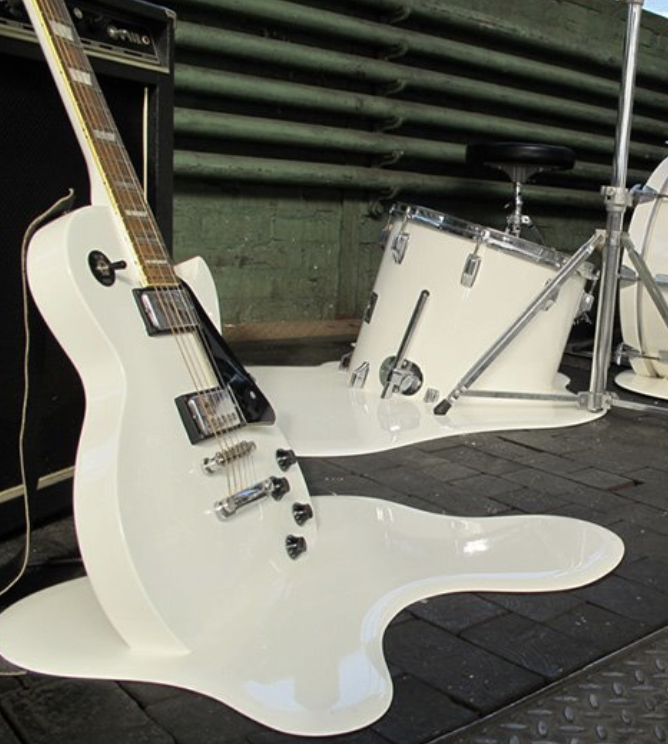
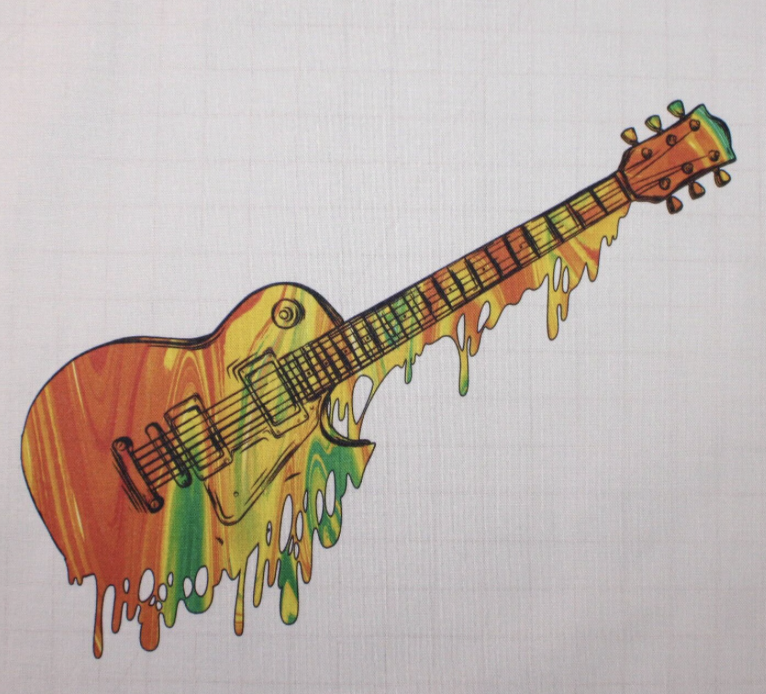
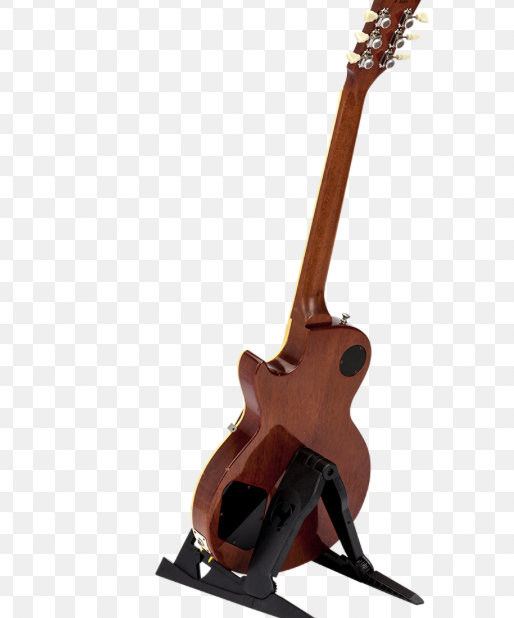
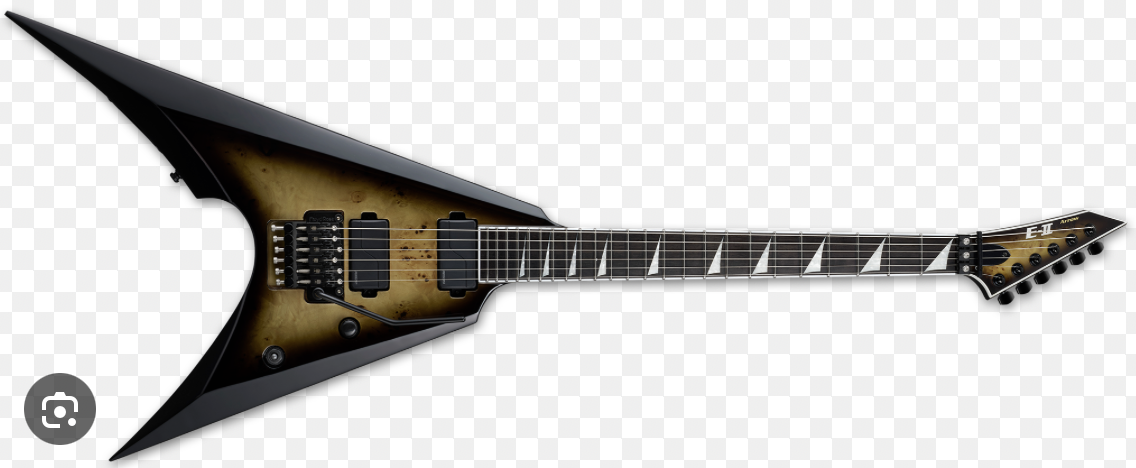
Sentence: While it may be slightly obvious, I am borrowing Dalí’s surreal strategy of melting solid objects to evoke a dreamlike distortion of reality in my sculpture project, as I am trying to make it seem as if the electric guitar is melting.
What question/problem did you choose?
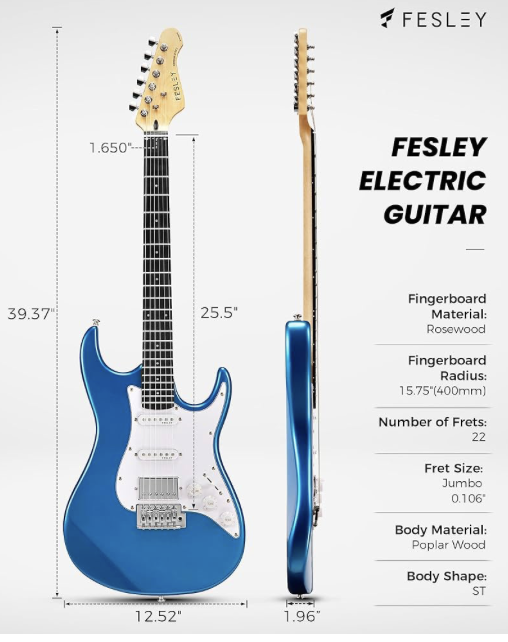
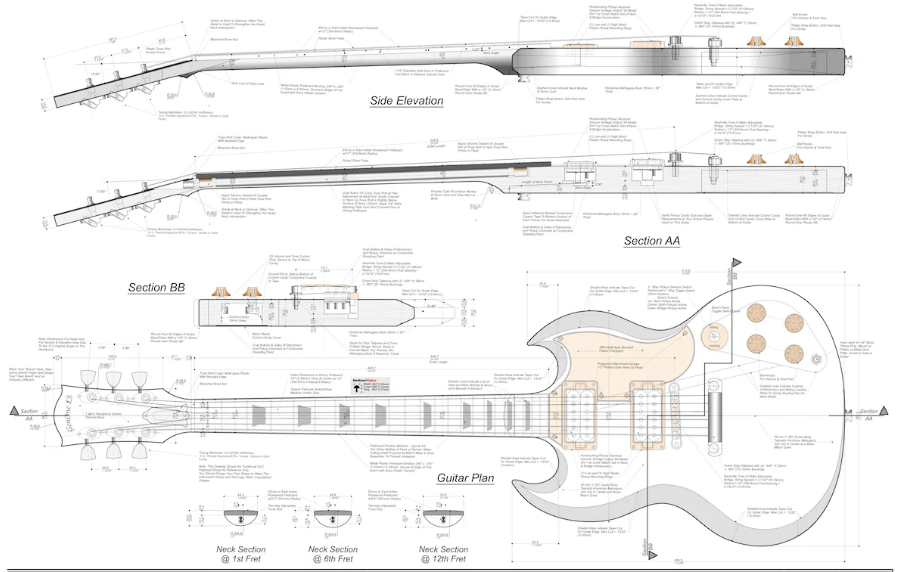
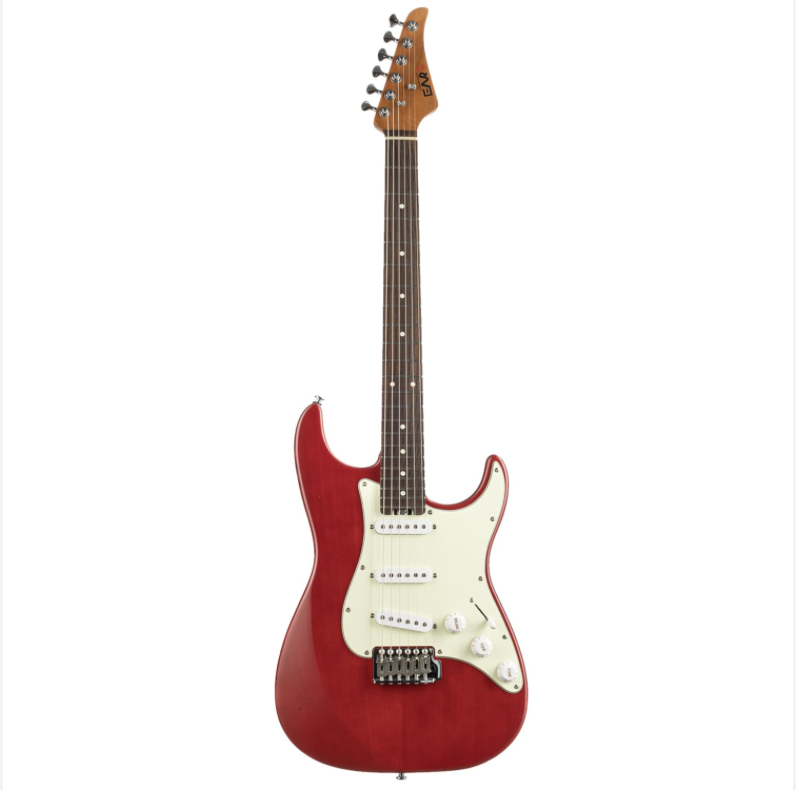
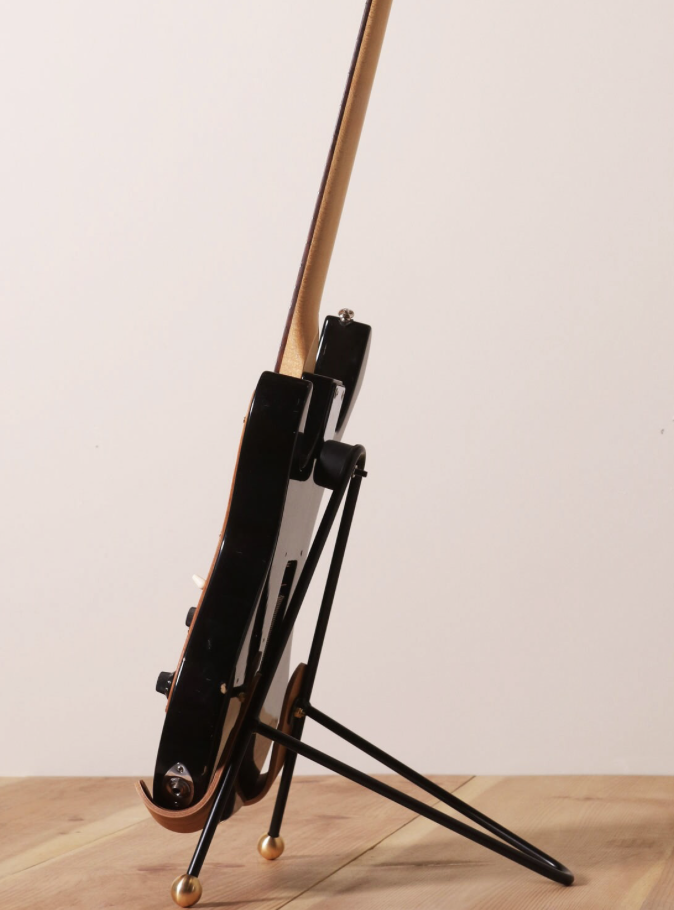
I chose to address the question: How has the electric guitar lost its cultural and stylistic significance in modern music, and what does that mean for the future of the instrument? My sculpture will explore this by depicting an electric guitar melting into a puddle, symbolizing the decline in its prominence within contemporary music culture. I want to create the guitar and the melted puddle out of all wood, and then include the equipment (strings, buttons, etc) out of metal. I would also love to paint this project as well to give it a bright pop color like most electric guitars have.
Why did I choose this topic and why does it matter to me?
The electric guitar has been a symbol of rebellion, self-expression, and musical innovation for as long as it has been around. As a fanatic of all different kinds of music, especially rock and roll, I feel a connection to the electric guitar and what it has stood for throughout its history. However, in the modern music industry, it’s increasingly overshadowed by electronic instruments, digital production, and auto-tune. This shift, to me, represents a loss of the raw, emotional connection that the electric guitar embodies. The instrument’s gradual fading from mainstream music concerns me because it signifies not just a shift in technology, but in the way we connect with and express emotion through sound.
Explanation of the problem:
The electric guitar, once central to genres like rock, blues, and metal, now finds itself on the periphery of popular music. As technology advances, music is becoming more synthesized and reliant on digital production, leaving the playing of the physical guitar behind as less of a dominant tool in the creation of contemporary hits. This shift affects the identity of musicians and fans alike, as the guitar once represented a raw talent.
10 Tangible people/places/things associated with this problem:
This problem resonates with me because it represents a larger issue in how we view music and its evolution—what is lost when traditional instruments fade into the background? I also want to honor the guitar and everything it stands for in this project, along with all things that no longer take center stage because of the digital age.
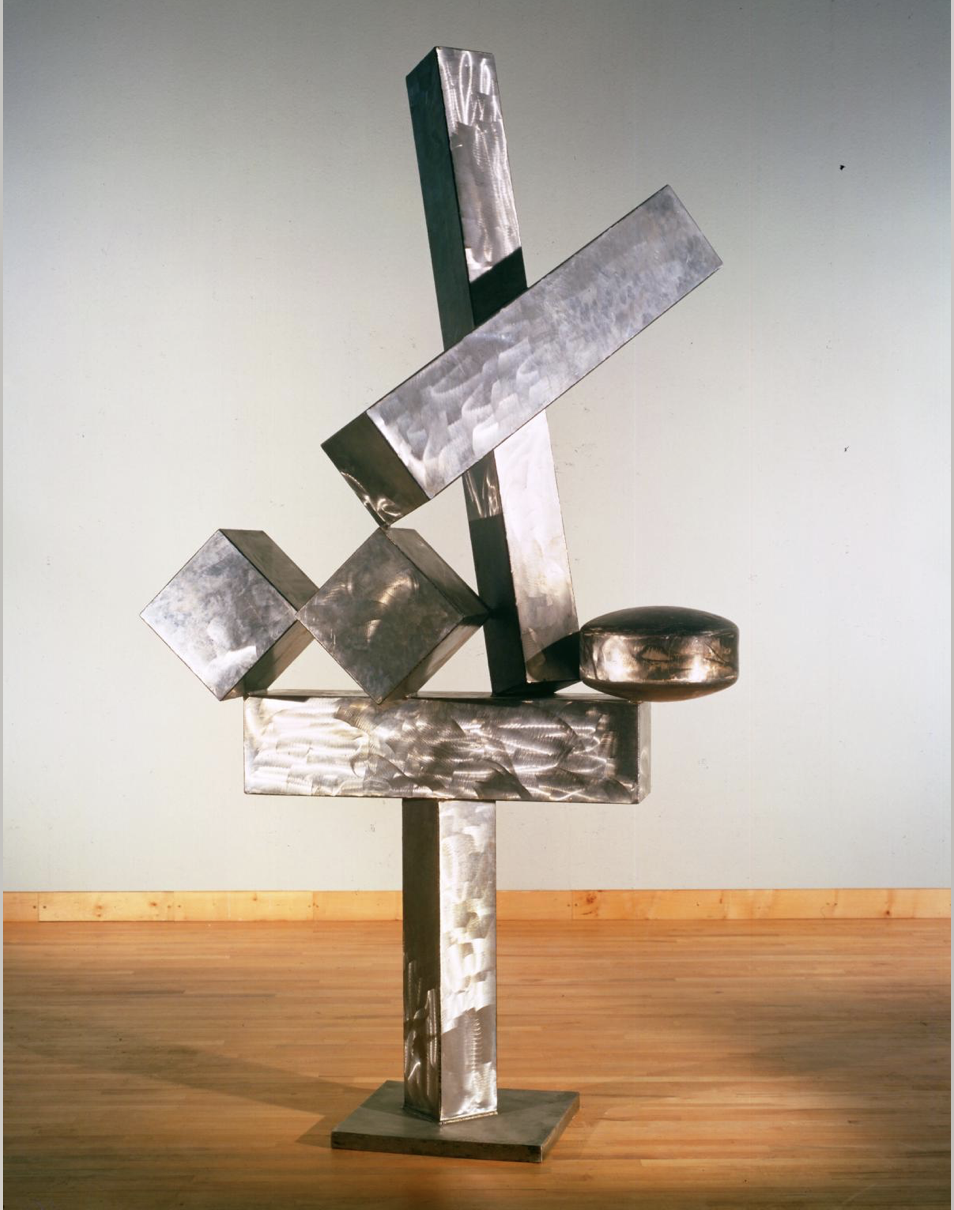
Artist: David Smith
Title: Cubi XIX (1964)
I will borrow David Smith’s industrial look and unfinished aesthetic in this piece. In my project, I intend to incorporate unrefined materials like wood shavings and tools to reflect the rawness unfinished look of wooden boat building as a craft and process.
My shrine will focus on the somewhat lost craft of wooden boat making, which in my mind is an art form that has shaped human history yet is rapidly fading due to the use of modern materials and manufacturing processes. Wooden boats were the backbone of exploration, trade, and survival, and the process of making them required a deep understanding of materials, craftsmanship, and patience. Today, fiberglass, molds, and mass production have replaced the traditional techniques once passed down through generations. I chose this as my topic because I have a deep passion for boating, and love learning about how boats are made. I also have a large amount of respect for the craft of making wooden boats, and I want to experience in some way what it takes to build one.
The selection of wood and the reliance on different hand tools all reflect a deep respect for craftsmanship that is increasingly rare. I think the art barn is the best place on campus that I have access to to get as close as I can to understanding how wooden boats are assembled and built. As someone who is drawn to both design and the marine industry, I want to honor the dedication and skill that once defined this craft.
In designing my shrine, I aim to highlight the physical labor, artistry, and materials that make wooden boats. The boat itself will serve as both a centerpiece of my shrine. However, I want to include surrounding elements like wood shavings, hand tools, or unfinished pieces of a boat, illustrating the process of creation rather than just the final product.
My audience includes both myself and others. I want this shrine to serve as a personal reminder of why craftsmanship matters, but also as an invitation for viewers to reflect on the loss of traditional skills. By showcasing the artistry of wooden boat making, I hope to inspire appreciation for handmade work and encourage the preservation of these valuable techniques.
For this assignment, I watched 10 Bullets. By Tom Sachs. While this video/movie was not super interesting, as it was just a list of rules or “code” to follow in order to be a productive and successful employee of Tom’s, I thought it was filmed in an interesting way, and made it very clear to anyone working with Tom what they should and should not do. I also really liked how the film gave the audience a tour of the studio where Tom and his team works. Whenever I am interested in a particular artist, I really want to know how they set up their studio, and what it looks like inside, as I believe their studio says a lot about who they are. Another thing I will note that goes beyond the basic ten bullets of this film, was the inclusion of music and movie clips. I thought this video not only showed what it’s like to work in Tom’s studio, but it also showed his creativity just in the ways the film was shot and put together.
Judy Pfaff in “Romance”
I really liked Judy’s artwork, and I thought it was super interesting how she was originally a painter, but found a love for sculpture and mostly pursues that medium now. When she came to America from London, she was very “unruly” and explained how she hated school. She went on to explain how at Yale, her teacher realized that she had an eye for material and thought that sculpture would work better for the ways she is put together. Relating this to our class and me personally, I agree with Judy that sculpture is a longer creative process, and I really enjoy leaving my work and coming back to it over the span of several weeks or even months. I relate to her in this way because I tend to always want to finish what I am working on in one sitting, but with art and artistic processes, I think this can be disastrous. Lastly, another thing I appreciated in Judy’s work was her use of natural objects, like tree roots. Overall, I not only find her work visually appealing, but I am more drawn to the fact that Judy has figured out what kind of person she is and reflects that through the processes and techniques she uses in her artwork.