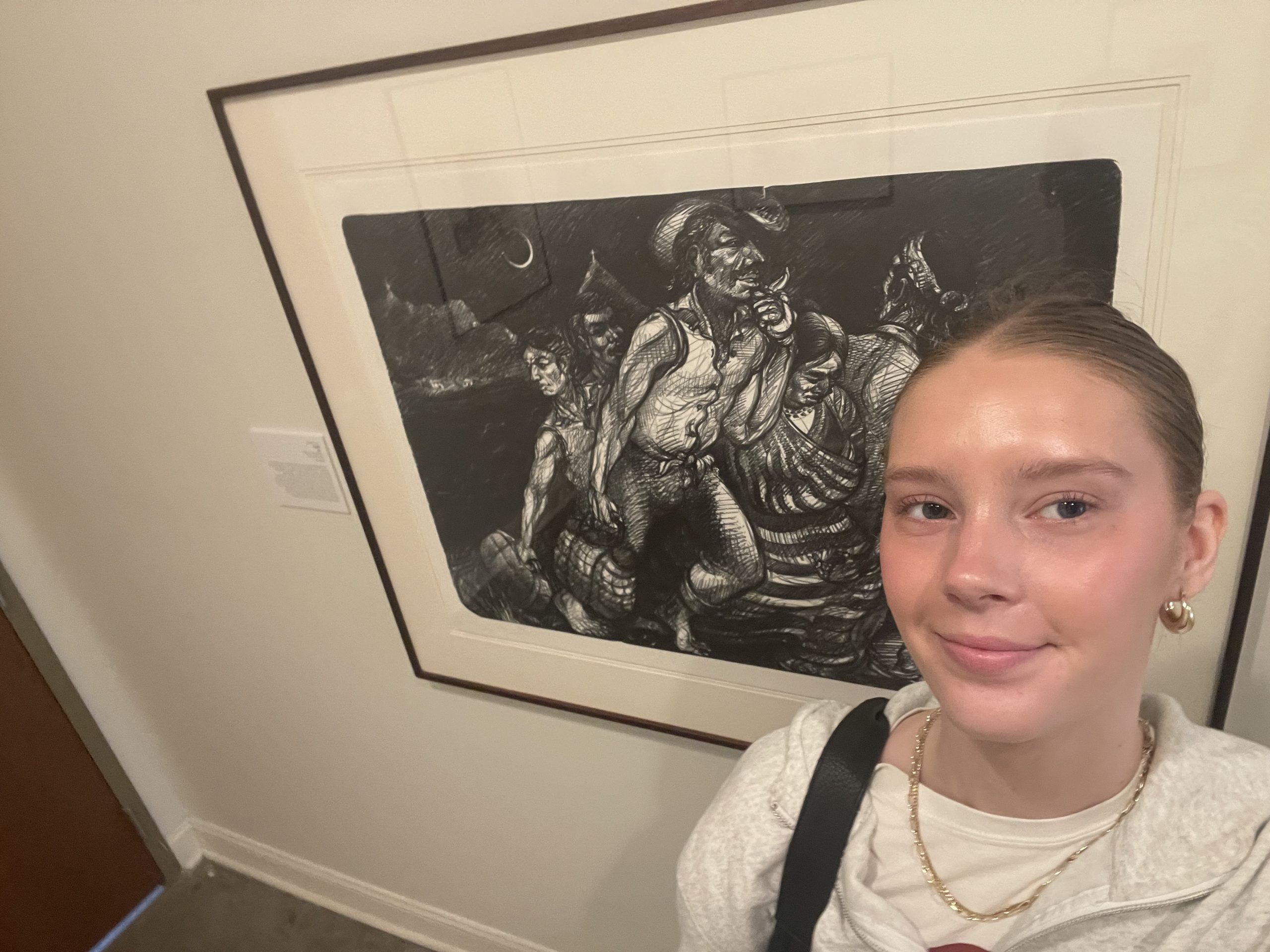
- All in a day’s work exhibition. Samek Downtown gallery, April 13th. Painting: “illegals”.
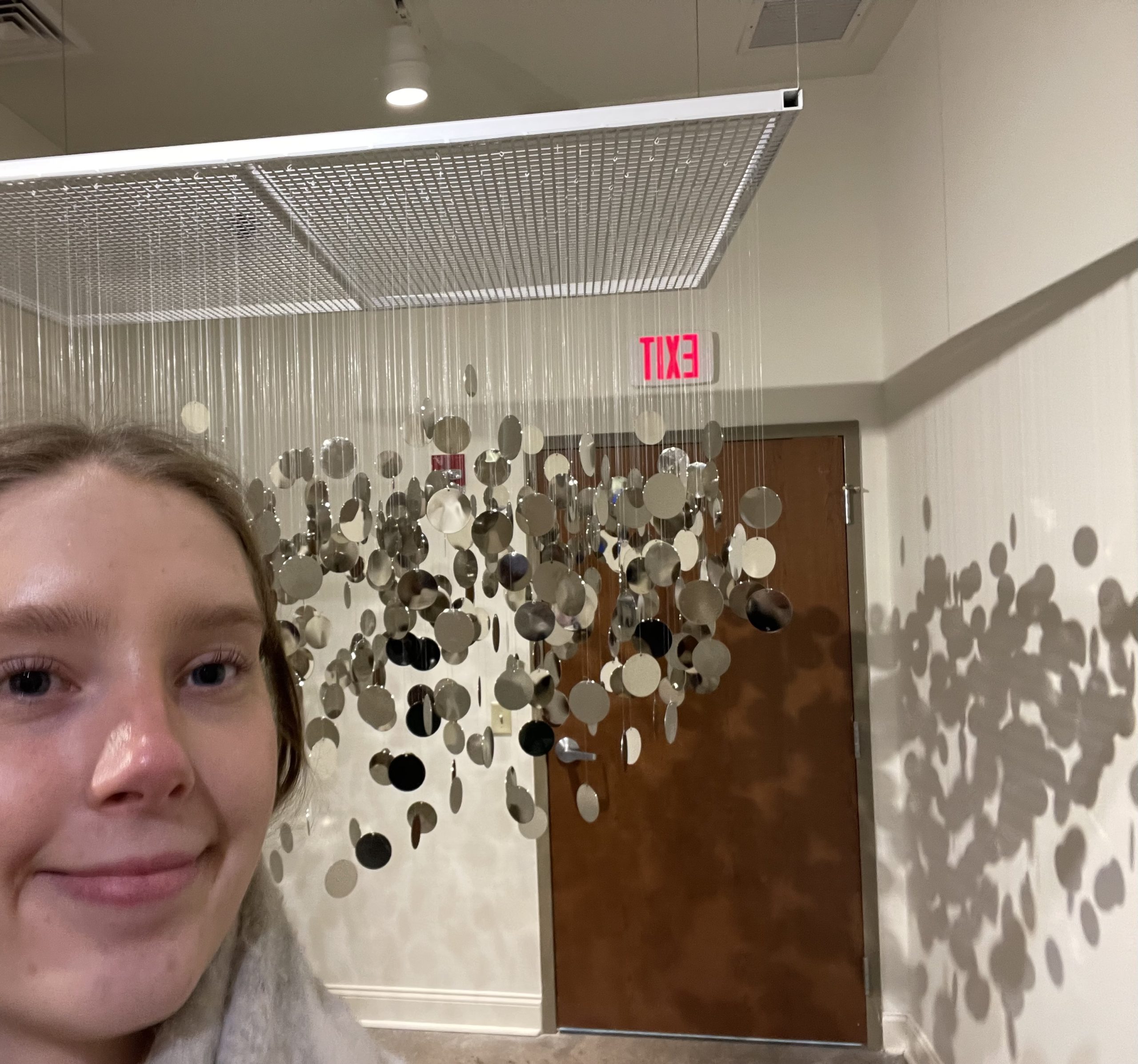
- All the stars in the sea exhibition. Samek Downtown gallery, February 20th
The artist explores how her feelings and past experiences have a significant impact on her sculptures. She talks about how she uses materials like plaster and stone to make pieces that delve into themes of power, emotion, and memory. Bourgeois highlights that her work is intensely personal and seeks to evoke viewers’ emotions. She feels that she has failed as an artist if her creations don’t emotionally engage the audience.
I was especially intrigued by Bourgeois’s willingness to admit that she uses her art to process difficult feelings and face her history. It is brave and captivating that she is prepared to show her weaknesses in her sculptures. Finding just how much her own experiences, including childhood traumas, influence her art was unexpected. The traditional division between an artist’s personal story and their work is challenged by this close relationship between her life and art.
The emotional depth of her art represents one of its most challenging characteristics. In order to interact with her sculptures, you must be prepared to face painful emotions while reflecting on personal experiences. Her work is emotionally demanding and has a deep impact because of this complexity.
Tom Sachs demonstrates how he blends strict discipline with creativity. Sachs and his crew demonstrate how big ideas can arise from simple things in Homemade Mission to Mars by building a complete Mars mission out of duct tape and plywood. He outlines the guidelines for working in his studio in 10 Bullets, emphasizing the importance of punctuality, organization, and adherence to well-defined procedures.
I was intrigued by Sachs’s ability to give ordinary things a sense of significance and strength. His use of a lot of rigid rules, particularly the notion that “creativity is the enemy,” which is quite different from how artists are typically viewed, was surprising. It was difficult for me to comprehend how such a rigid system could nonetheless produce such creative and lighthearted work. The videos collectively demonstrate that Sachs views creating art as a serious task requiring both imagination and a strong sense of discipline.
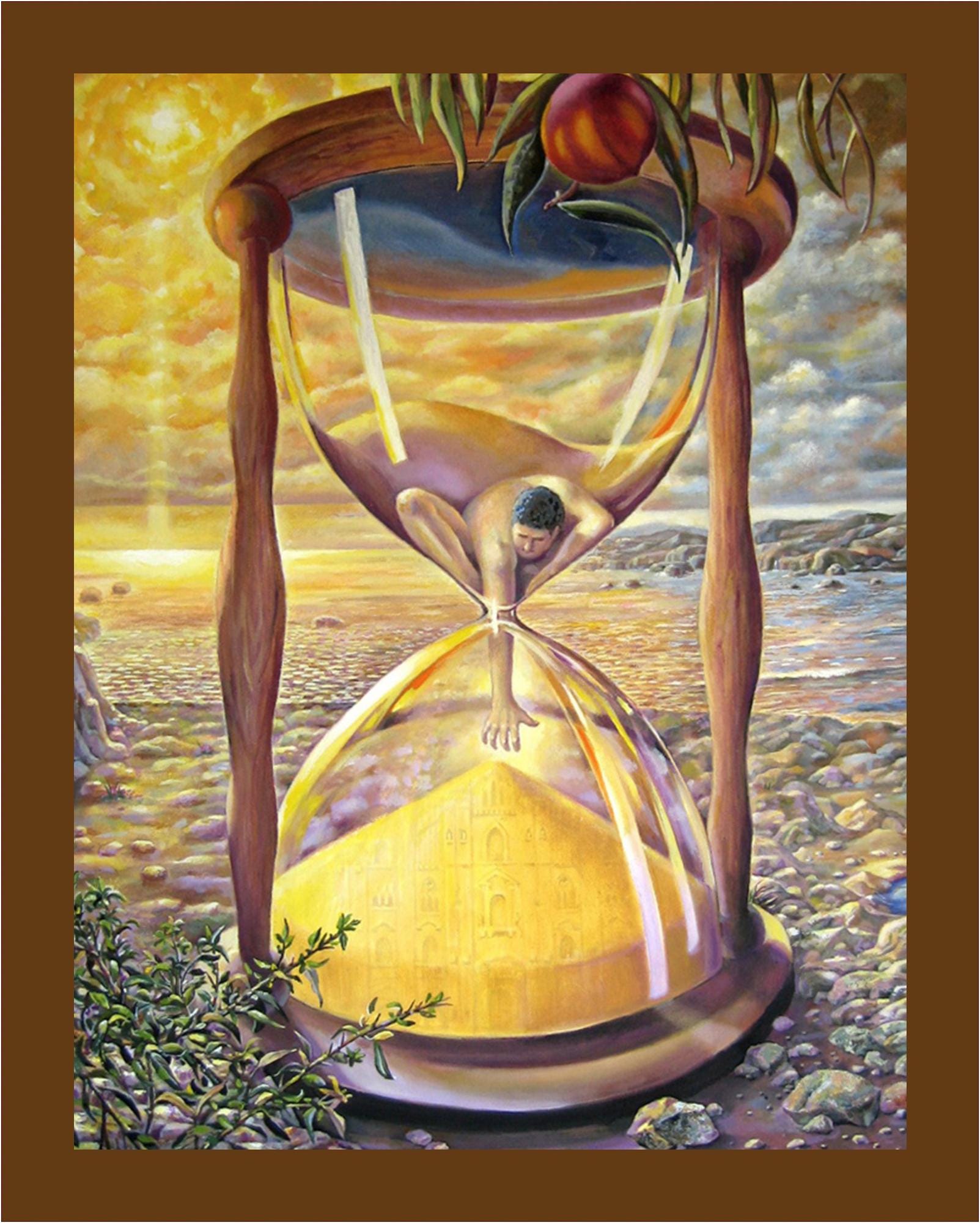
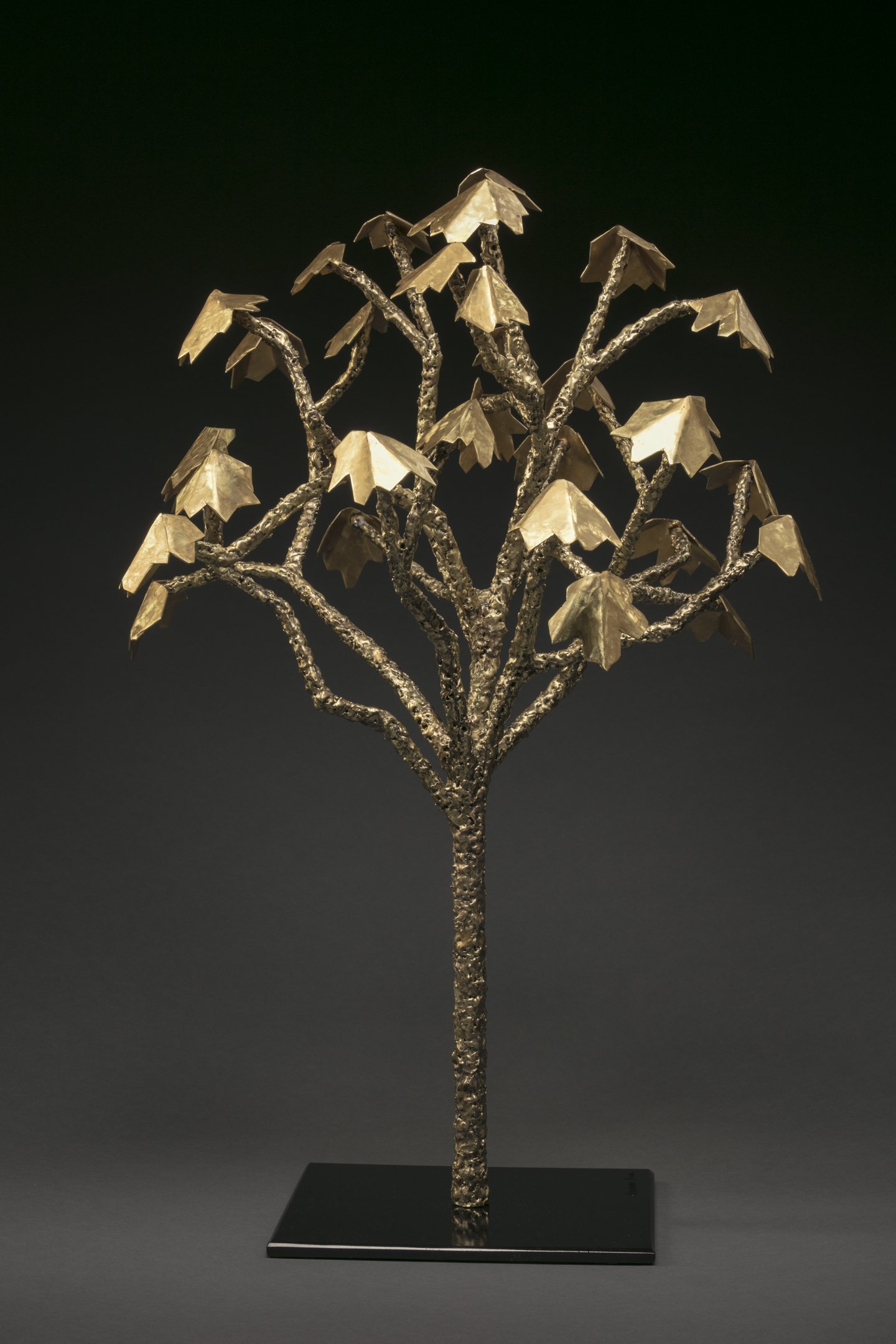
“Arabesque”
28”H x 22”W x 22”D
By Jeannine Young
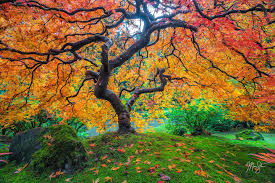
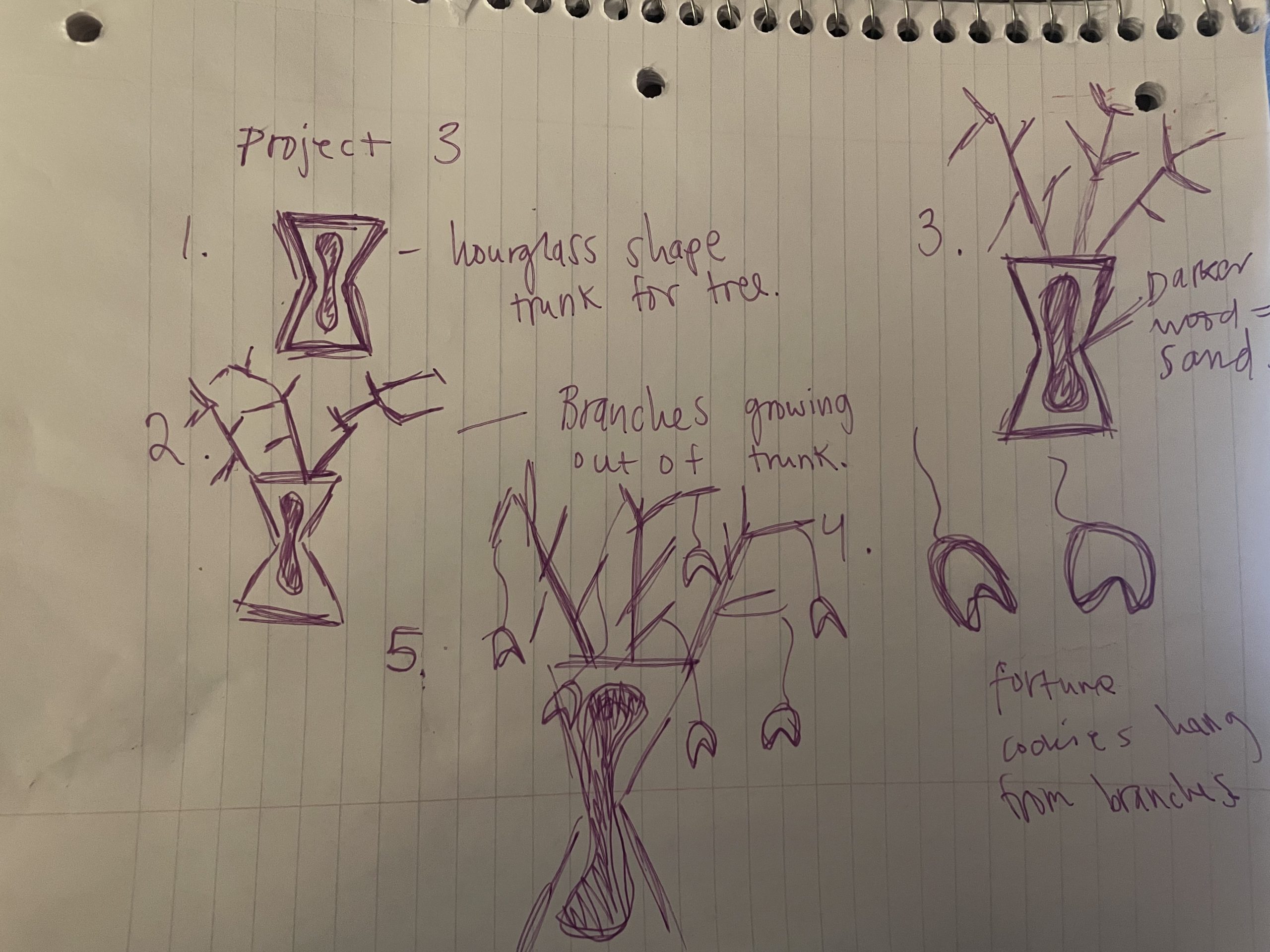
I also want to make a tree for my project, so I am borrowing the technique for the branches.
Many people experience the fear of the future and the thought of an identity crisis, particularly amid significant life transitions, when you don’t know who you are or who you’re becoming. You may feel as though you’ve lost yourself or that the person you once believed you were has changed. This emotion is frequently accompanied by fear of the future because it is impossible to know where you are headed if you do not know who you are now.
I chose this subject for my final project since I have experienced it personally and believe that many others can too. Through sculpture, I am able to transform these emotions into something tangible and real. I aim to convey through the forms, materials, and shapes I employ what it’s like to be unsure, to doubt oneself, and to confront the unknown. I want to make an art piece that conveys both uncertainty and hope, the complexity of not knowing everything yet still going forward. This project is personal, and I think it addresses the silent battles that many people face as they try to define their identities and future plans.
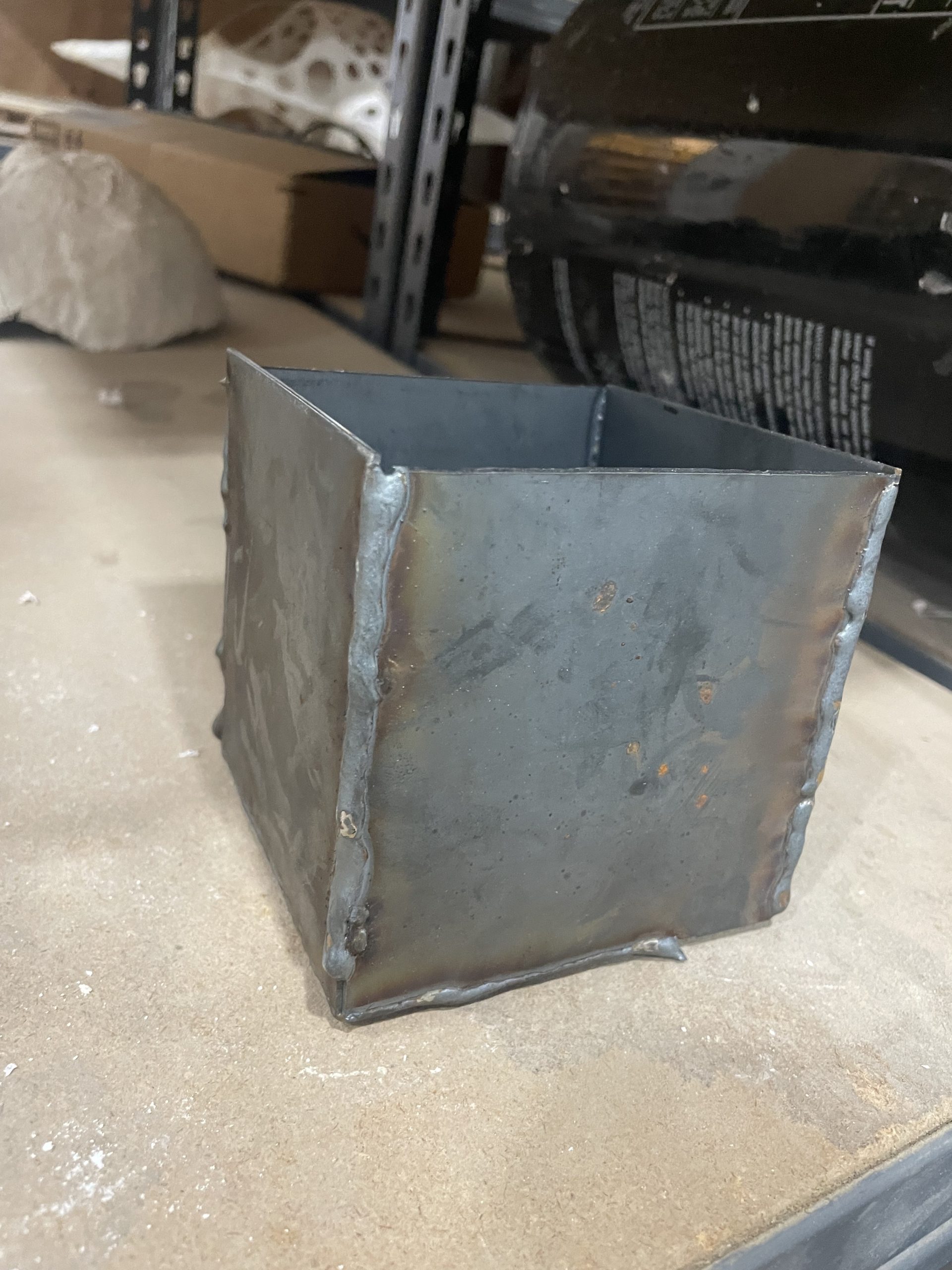
Leonardo Drew talks about his creative process in the video, highlighting how he uses aged materials to make sculptures that are compelling and address themes of memory, history, and transformation. Drew evokes deterioration, rebirth, and time passing by using materials like rusty metal, wood, and cloth. His work turns trash into art with a strong connection to the individual and societal histories these materials hold. Drew talks about how his sculptures evolve naturally and how the materials frequently influence the finished product. Unexpectedly, he incorporated string in one of his compositions, tying up all of his “failures” from seven years of experimentation. Drew uses disaster to produce something fresh and significant which I found very interesting.
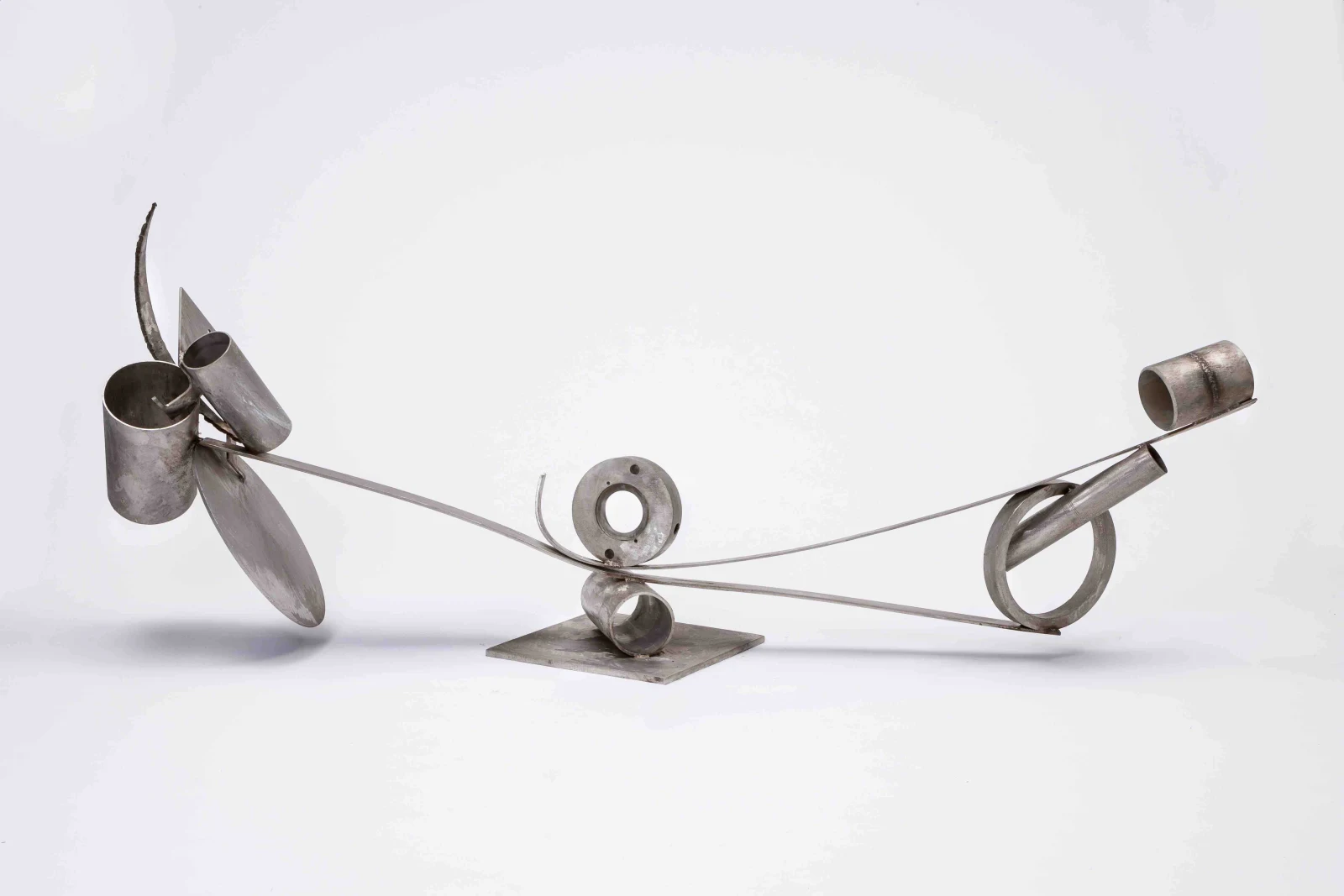
Dina Wind
See-Saw, 1989
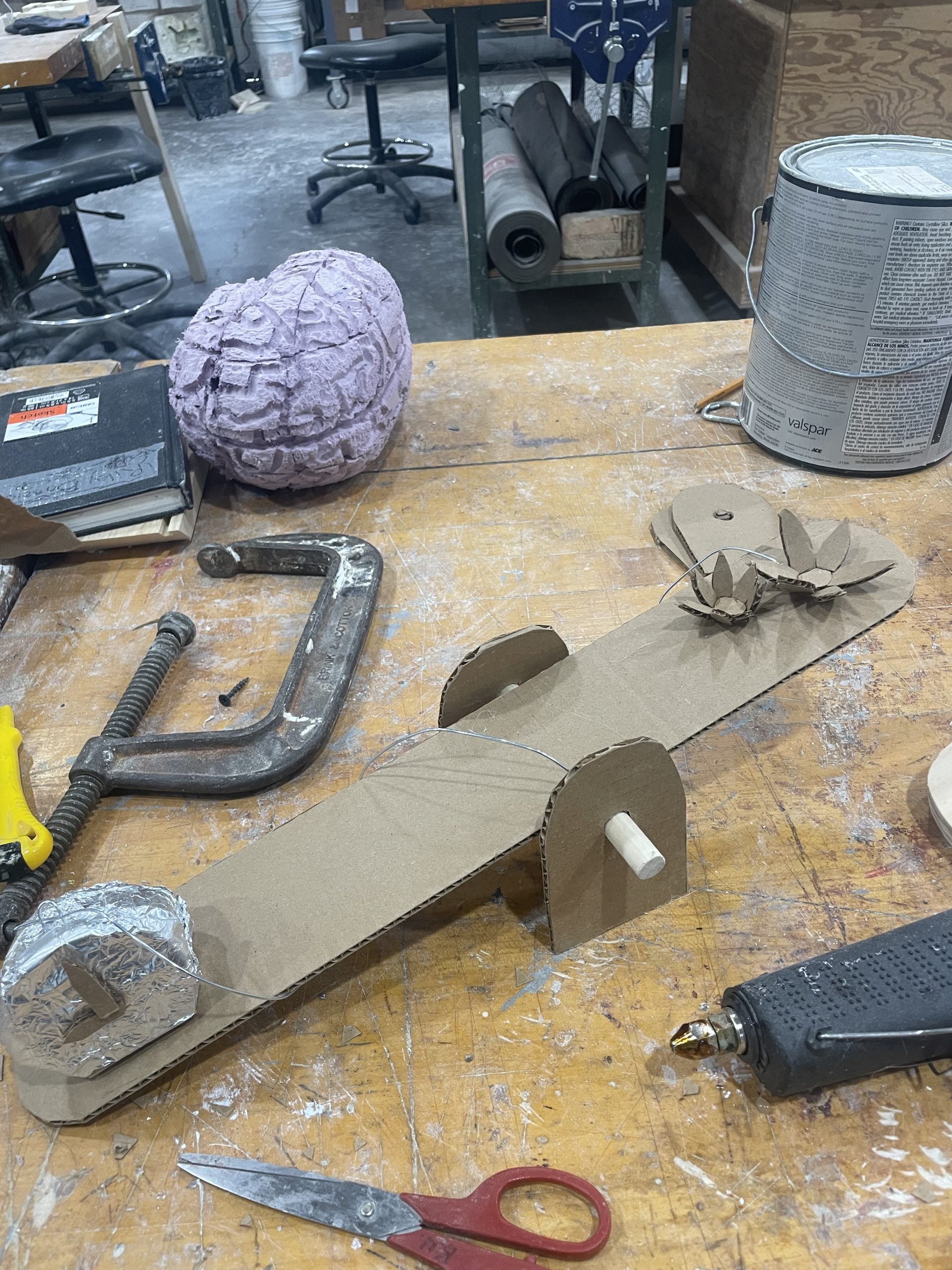
I chose this piece because I will be borrowing the idea of a see-saw for my work.
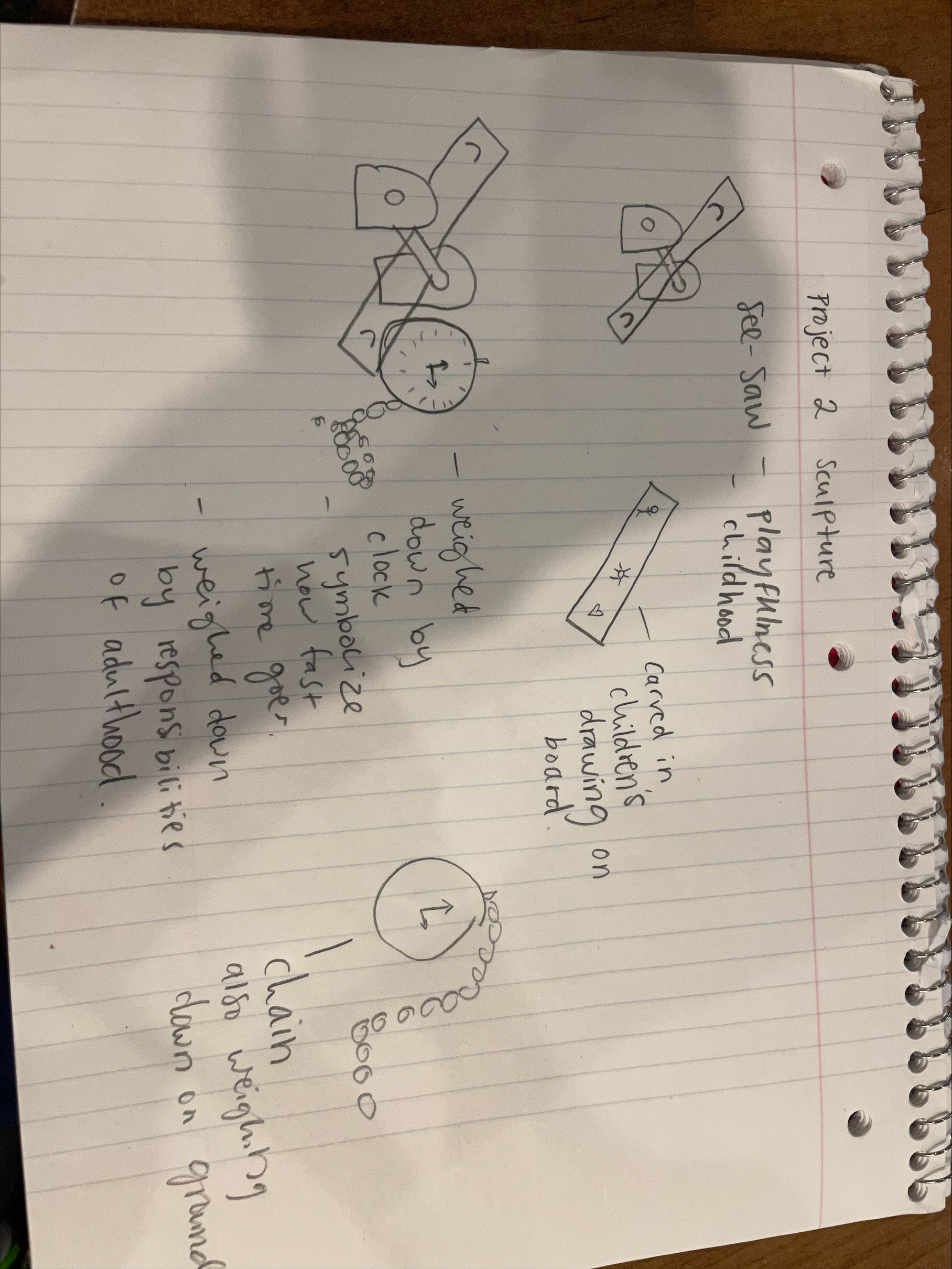
Children once experience the world with endless curiosity and imagination, where even the simplest moments hold magic. As we grow, however, that sense of wonder is often overshadowed by the weight of responsibilities and routines. I often think back to my own childhood, when creativity flowed freely and playfulness was encouraged. This creation is a tribute to that lost freedom, a reminder of the importance of holding on to the playful spirit even as life grows more complex.
This piece will embody the shifting balance between childhood joy and the burdens of adulthood. The contrast between lightness and weight, movement and stillness, speaks to the gradual fading of imagination and how responsibilities erode creativity. The audience will be encouraged to reflect on the balance between work and play in their own lives, reconnecting with the joy and curiosity of their younger selves.
I decided to work with a hedgehog light. I chose a hedgehog specifically because of their detailed and sharp exterior. I thought it would be interesting to create a mold with their unique texture.
I developed the idea for this project from a mindfulness class last semester, where we read Stolen Focus by Johann Hari. In the book, Hari stresses the urgent need to protect our attention spans, highlighting how the digital world constantly distracts and diminishes our ability to focus. He explains how social media, notifications, and algorithm-driven content are deliberately designed to keep us addicted, prioritizing engagement over well-being. This manipulation, driven by large tech companies, gradually erodes our focus. He also explains how modern lifestyles contribute to sleep deprivation, further weakening our attention spans. To counteract this, he suggests solutions such as digital detoxes, deep work, and systemic changes to reclaim our ability to concentrate.
Although I initially chose the hedgehog at random, it ended up perfectly symbolizing the themes of Stolen Focus. In my project, the hedgehogs represent humans, in a sense hypnotized by the digital world’s distractions. Just as Hari describes how external forces hijack our attention, especially through social media, hedgehogs, despite their natural defenses, often fall into traps due to curiosity and poor eyesight. This reflects how even self-aware individuals can be manipulated.
The book also emphasizes the importance of uninterrupted rest, which modern life frequently disrupts. Hedgehogs, sleeping most of the day and hibernating to conserve energy, embody nature’s prioritization of rest for survival, just as humans require deep focus and proper sleep for optimal function. Additionally, hedgehogs move cautiously and deliberately, contrasting with modern society’s relentless push for multitasking. This serves as a reminder that slowing down and minimizing distractions is essential for maintaining control over our focus.

