Event: Student Art Show
Description: Reception for Student Art Show
Location: Samek Gallery
Date: April 17, 2025
Event: Student Art Show
Description: Reception for Student Art Show
Location: Samek Gallery
Date: April 17, 2025
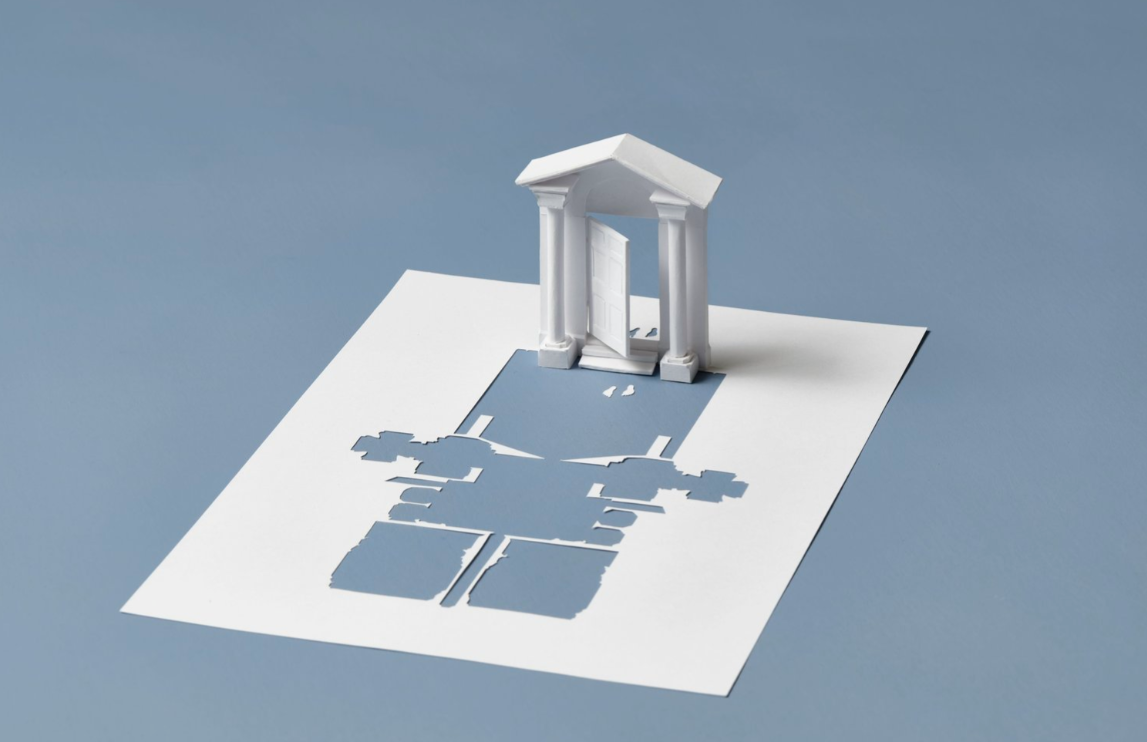
Peter Callesen, On the Other Side
I intend to borrow the smooth architectural design that Callesen uses while also using paper.
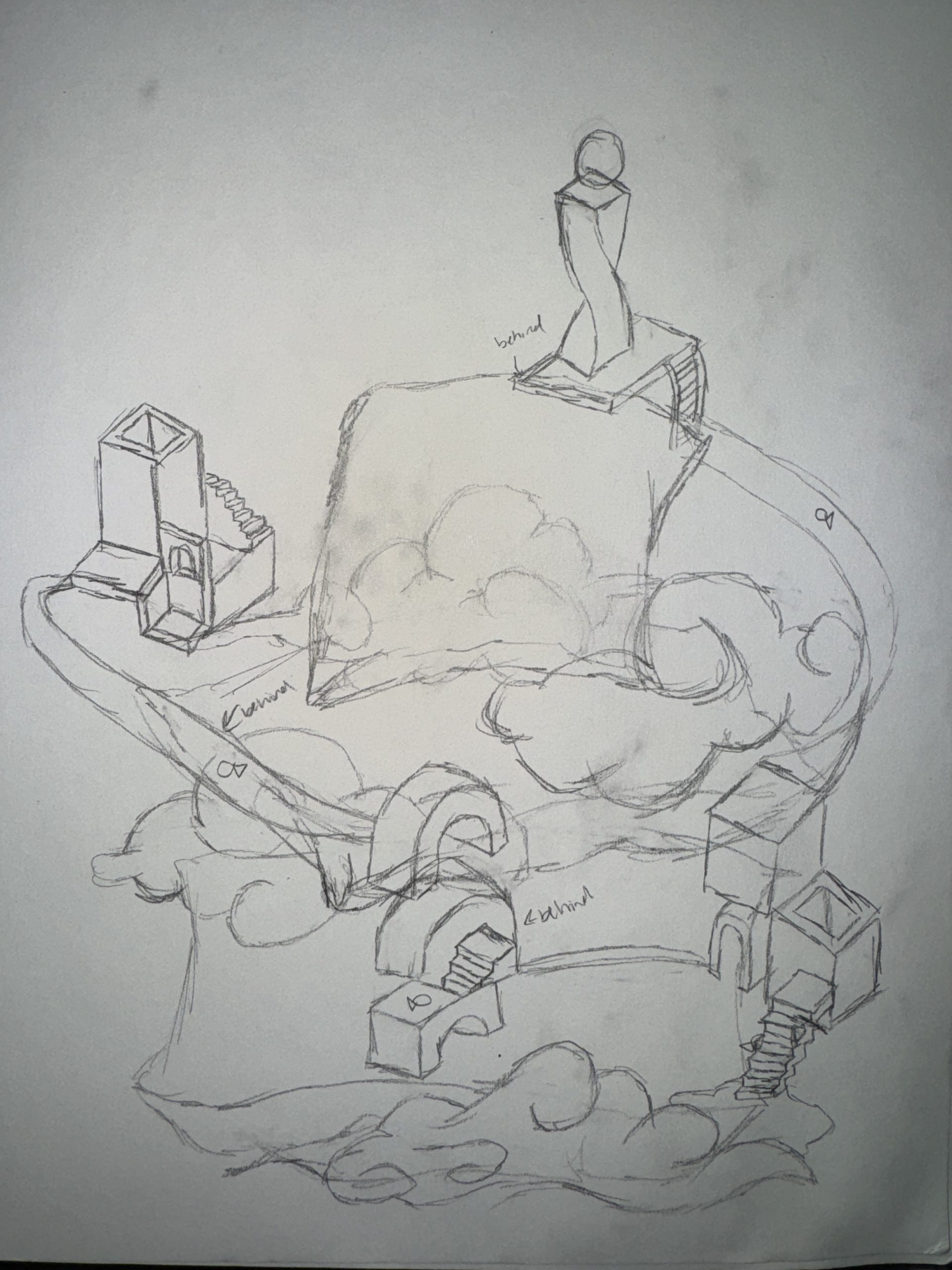
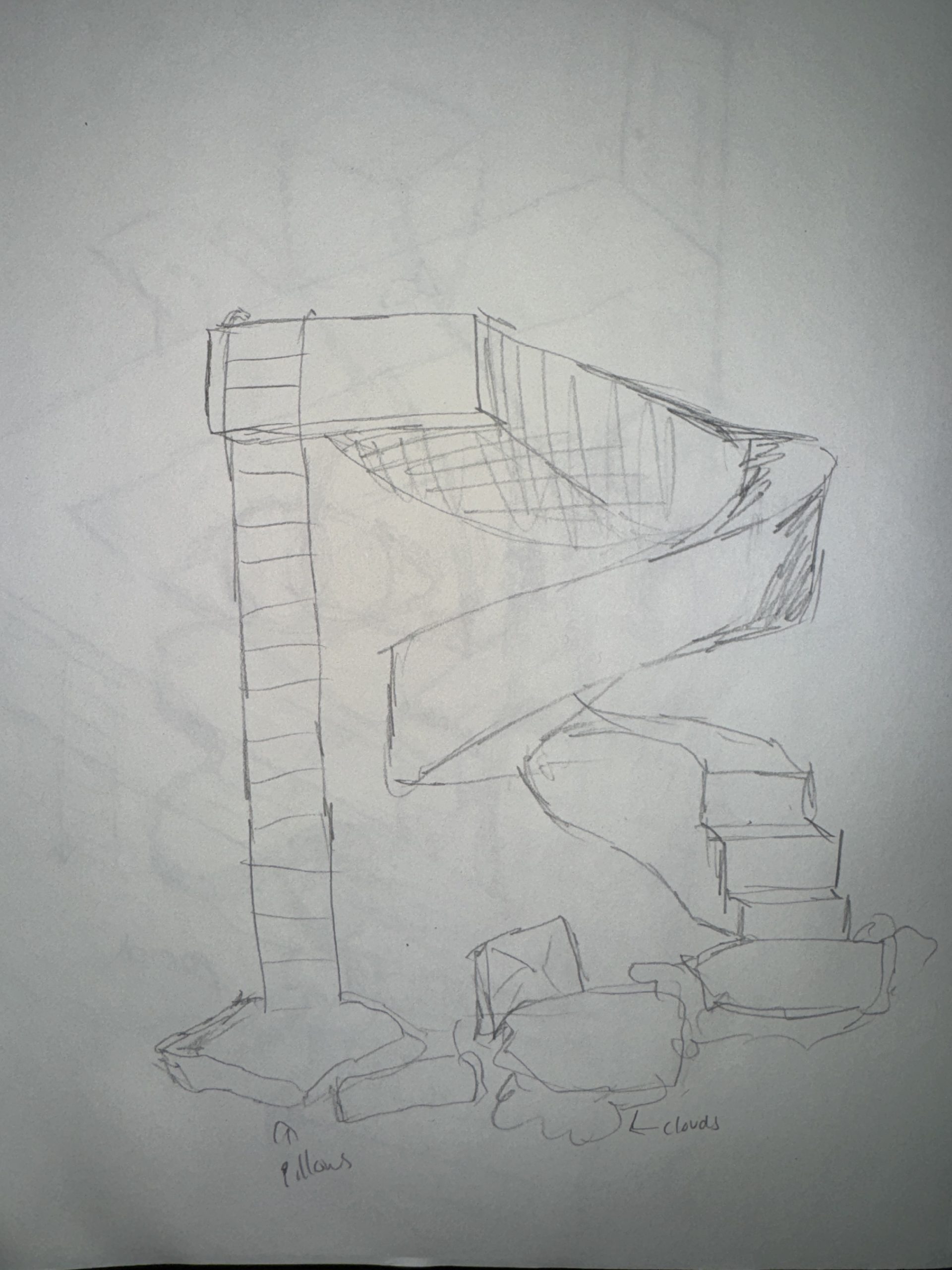
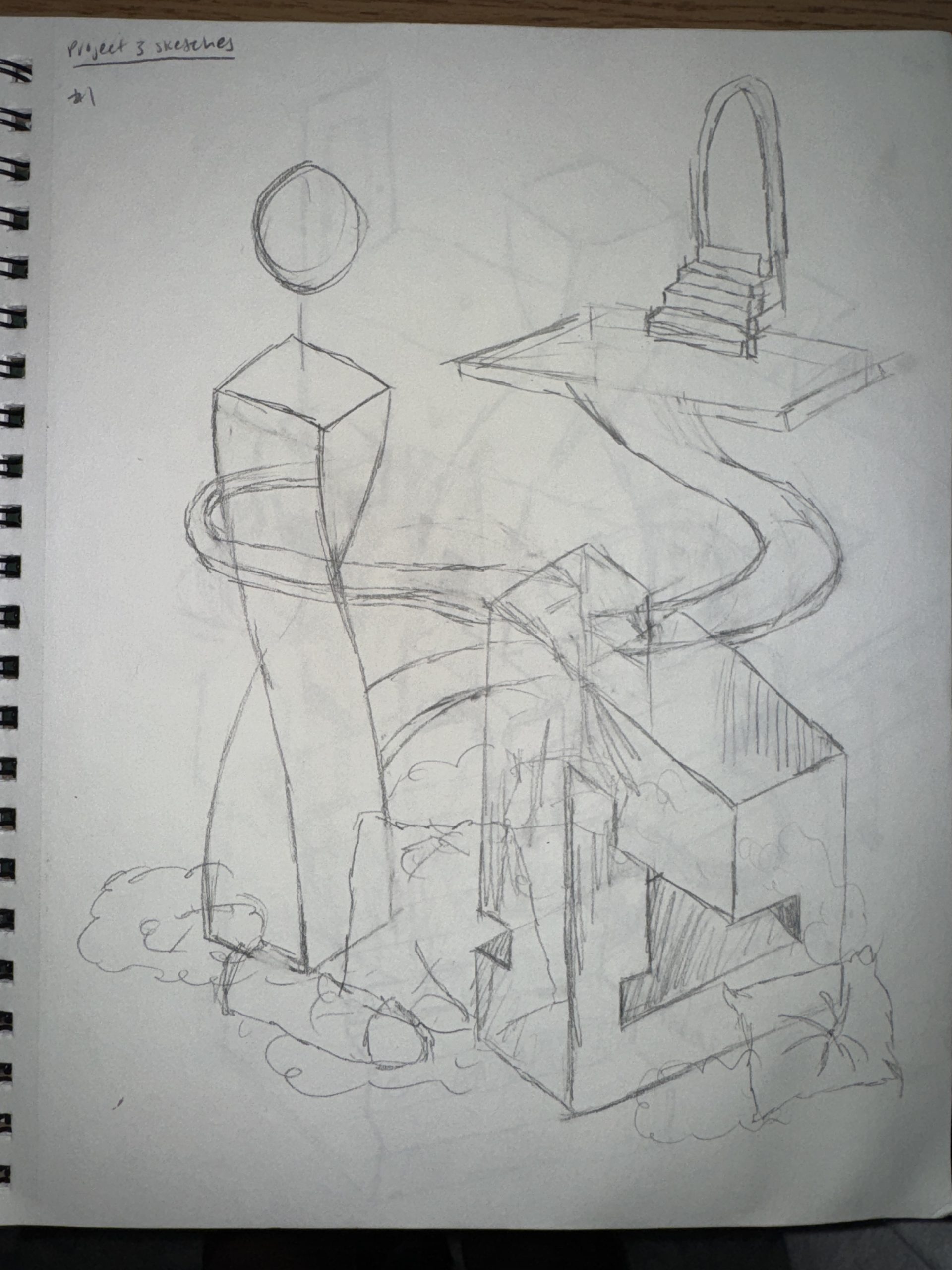
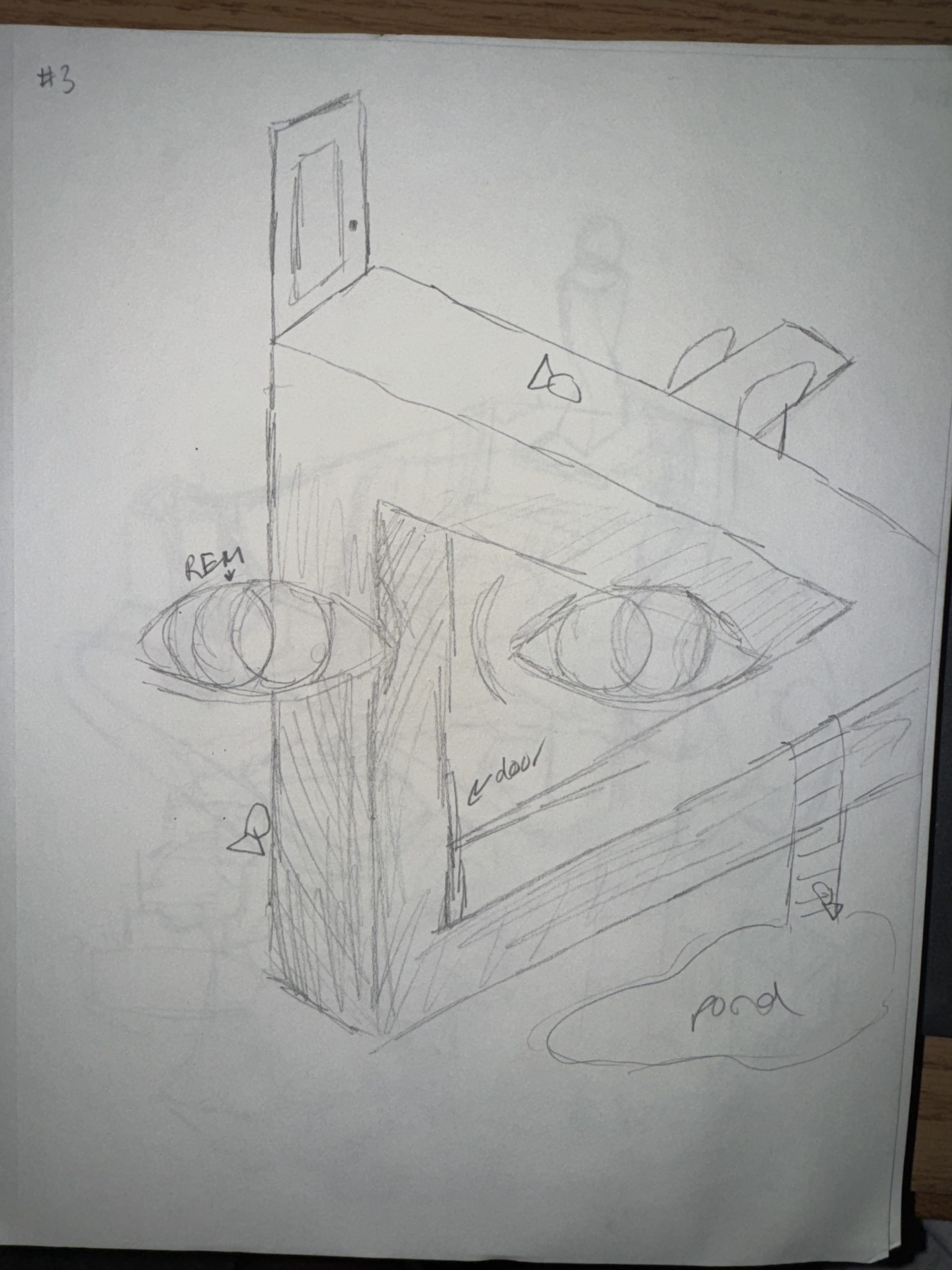
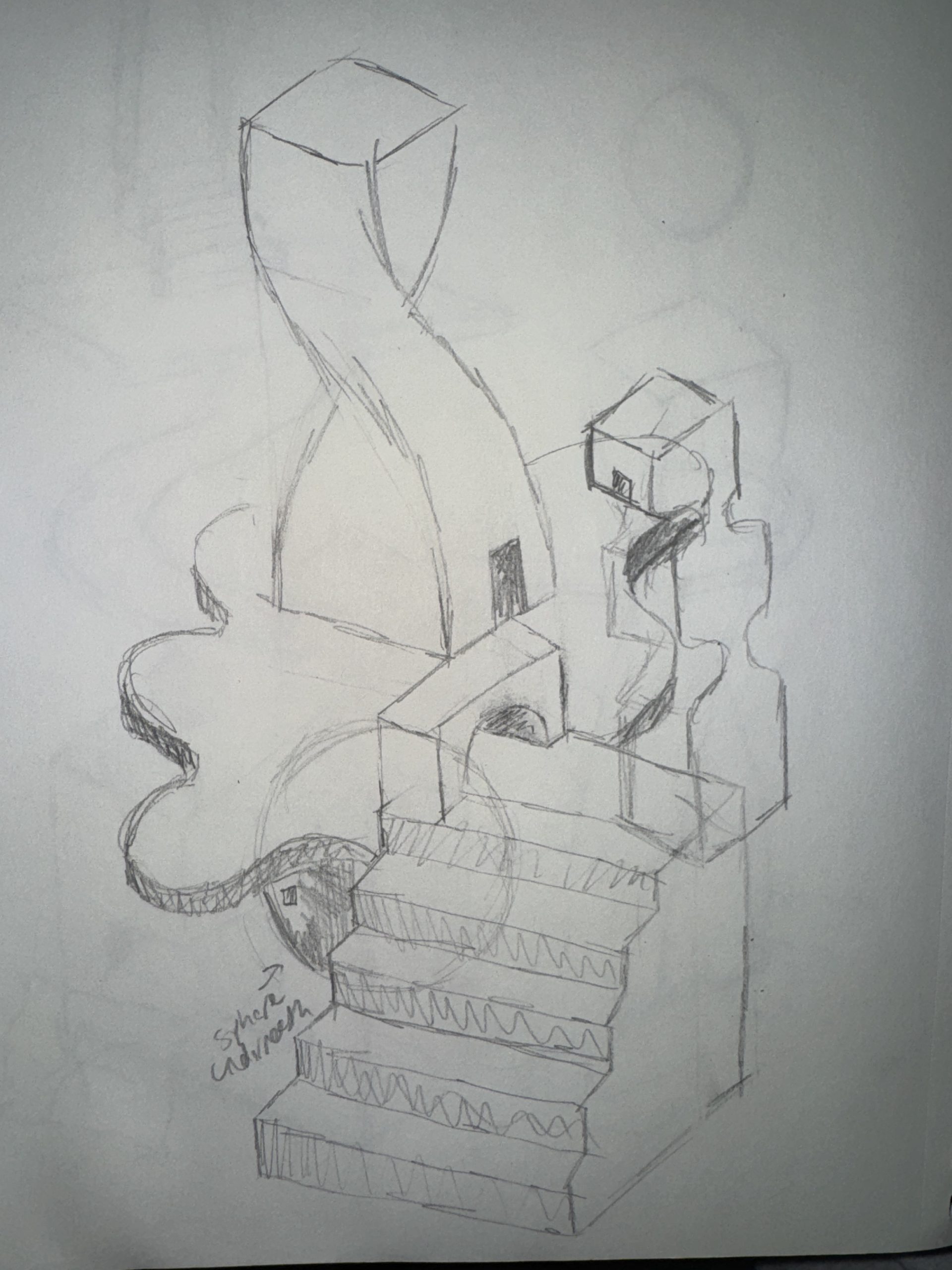
For my final project, I will focus on the concept of dreams, particularly the irregularity of dream landscapes. I find dreams to be an extremely fascinating phenomenon. While psychologists, philosophers, and scientists have grappled with their meaning for centuries, dreams have yet to be fully understood and explained. Therefore, their mysterious ambiguity continues to intrigue me.
Rather than concentrating on a specific dream type, such as a particular nightmare or recurring dream scene, I want to highlight the peculiar spatial dimensions experienced when dreaming. In other words, they are known to have a phantasmagoric quality. At first, a person in their dreams is usually in a recognizable environment. When the dream progresses, however, the landscape shifts, often dramatically and nonsensically. I want to explore this conundrum of dreams and their fleeting spatial boundaries.
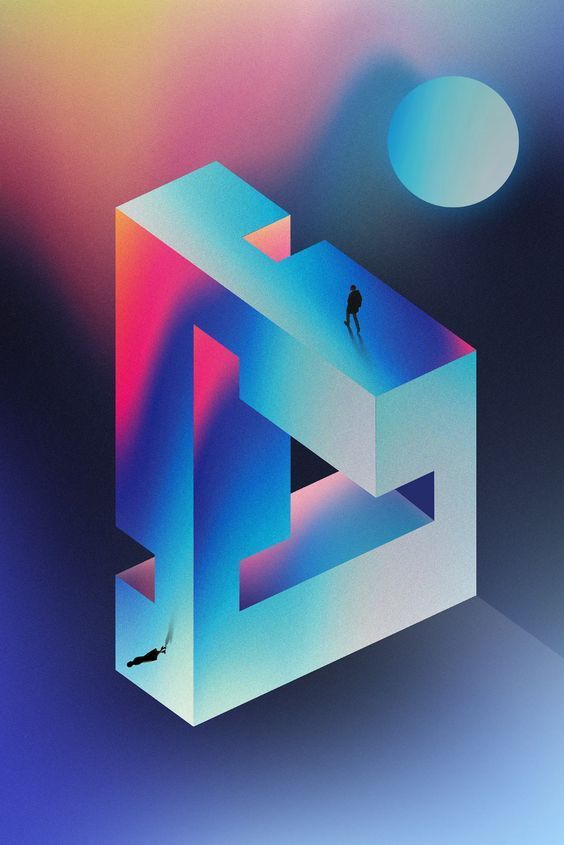
My main question is: what does a dream landscape look like? This is highly individual depending on the person, but should follow the same bizarre characteristics that all dreams share. That is, dream landscapes are spaces that don’t follow the logical orientation of what we see in the real world. They defy conventional dimensions, evade rules of time, and feature things both real and imagined buried deep within our subconscious. I want to try to illustrate this question through sculpture because I think it takes the concept of depicting a dream one step further. Instead of merely portraying the scene of a dream through a drawing or painting, I wish to replicate the different spaces in which the dreams take place and intersect with each other. This will result in an optical illusion-like sculpture that will hopefully be visually interesting in its composition.
The topic of dreams is important to me because of its relation to both sleep and imagination. Obviously dreams only occur during sleep, which is our bodies’ ingrained time to relax and rejuvenate. Dreams are most prominent during the REM cycle, the time in which such repair happens. As well as providing physical benefits, dreams also foster cognitive relations. Whether outlandish or ordinary, dreams allow our brains to wander freely. In turn, new ideas and creative insights may be uncovered. With this, dreams can spark inspiration which can be applied to artistic projects.
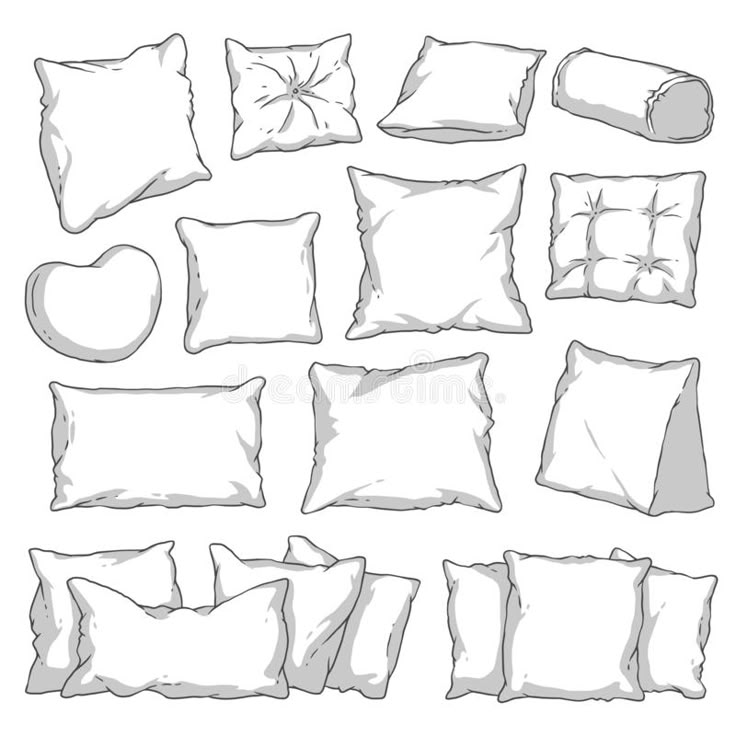
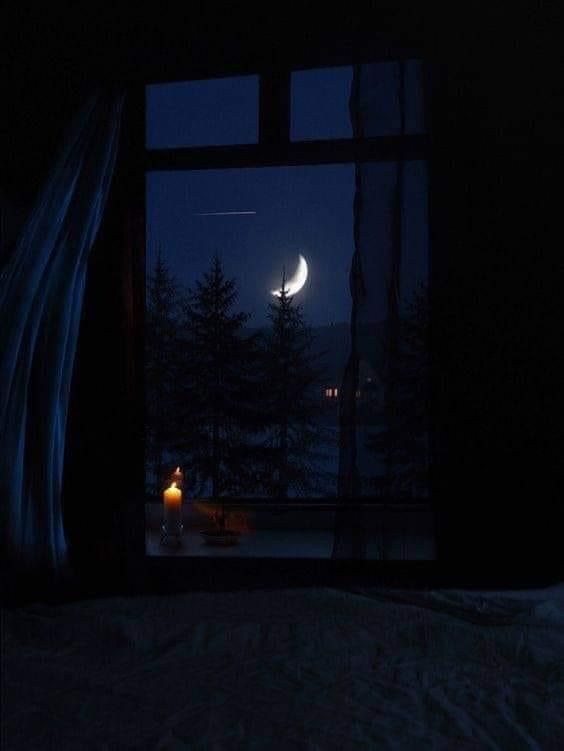
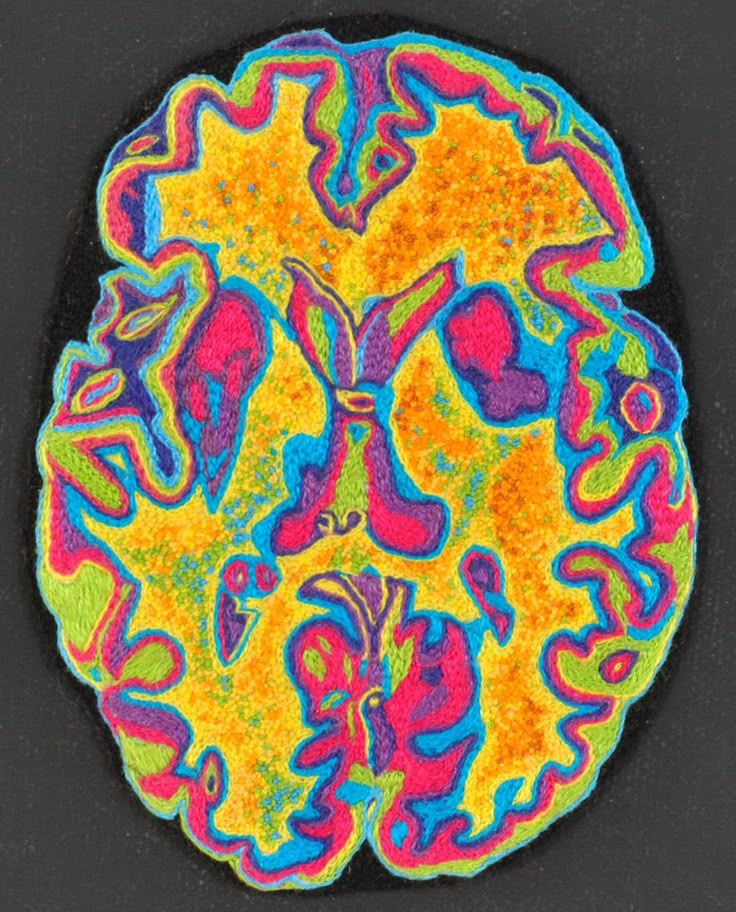
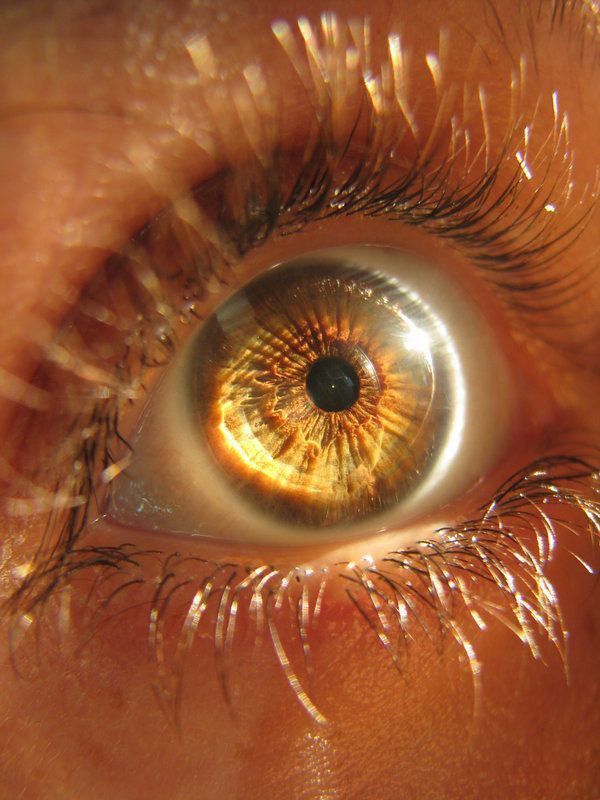
Ten tangible things related to dreams and their different spatial dimensions are as followed: beds, pillows, dream journals, clouds (flying dreams), mazes, nighttime, brains, optical illusions, fantasy stories, and eyes.




The first artist interview I watched featured Judith Scott. Scott is a deaf artist with Down syndrome who began creating art at age 43 after being introduced to Creative Growth Art Center in 1987. Creative Growth Art Center is a nonprofit organization designed to support artists with disabilities. In the video, Scott captures the humanistic inclination to art, displaying that it should be accessible to all people. The video explained that Scott had been institutionalized for most of her life, isolating from her family and preventing her from developing language. Thus, her engagement with art became her way to communicate.
Another artist interview I watched highlighted Kevin Beasley and his work. The video discussed how the artist created sculptures and installations using found materials like clothing and sports equipment. I found it interesting how these materials were deliberately chosen to display themes of power and race within America. For example, he speaks about how the material of raw cotton is significant to him because of the actual context for said material. I also liked how the artist incorporated audio devices, connecting sound to his installations and making them a more interactive, immersive experience.
Finally, I watched KING COBRA’s (documented as Doreen Lynette Garner) videos. In “Doreen Garner on Her Own Terms,” she notes how since COVID, she has changed her material tone within her artmaking a lot. She discusses her newfound awareness of how Black people are beginning to view Black bodies in public spaces, especially in terms of violent insinuations. She now works with more white flesh, and associates it with “disease and toxicity.” I found this point interesting as it contrasts stereotypical portrayals of white beauty. For instance, white skin is likened to the word “fair,” both literally meaning light in tone, but also connoting a positive, innocent demeanor.

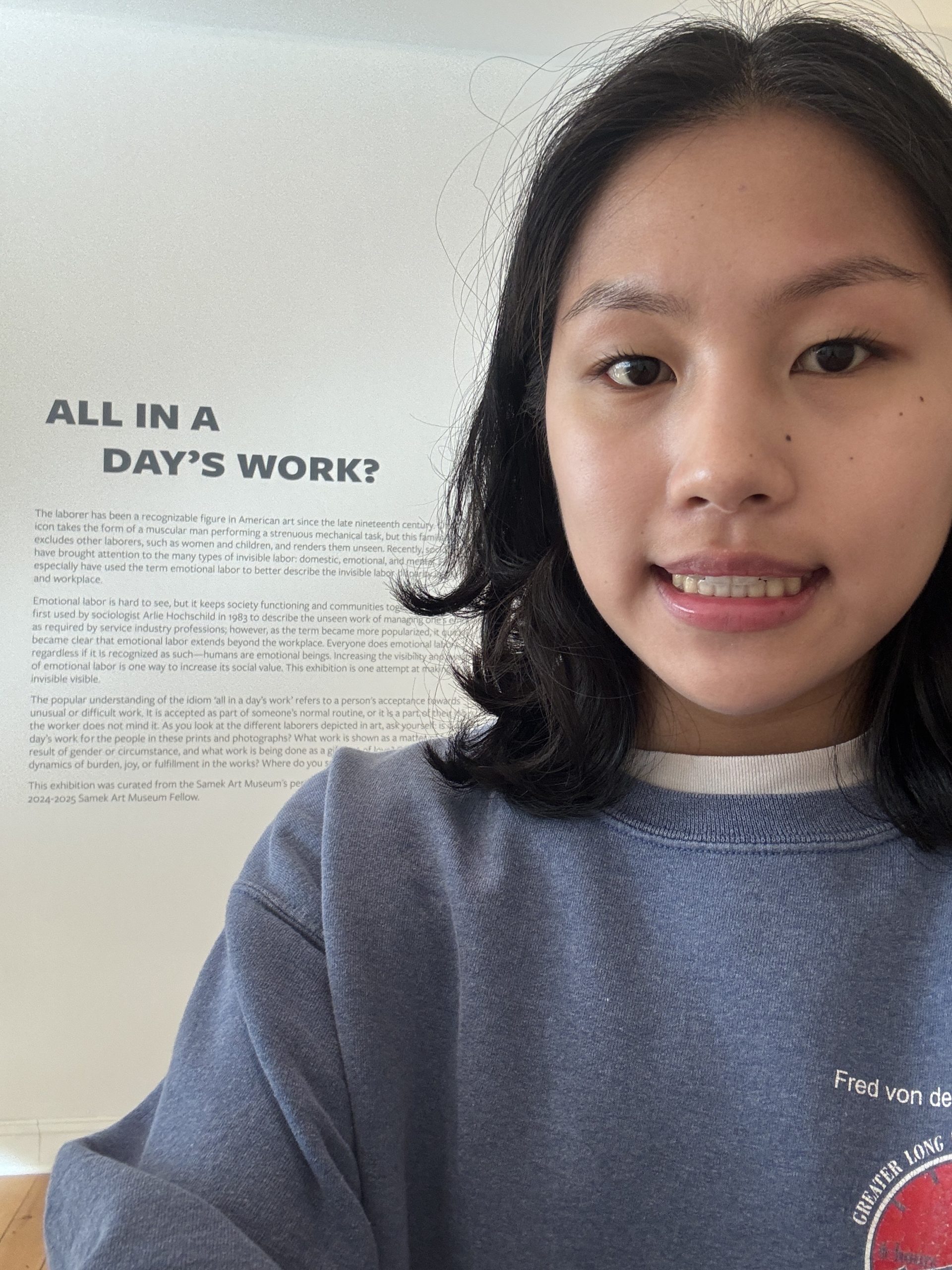
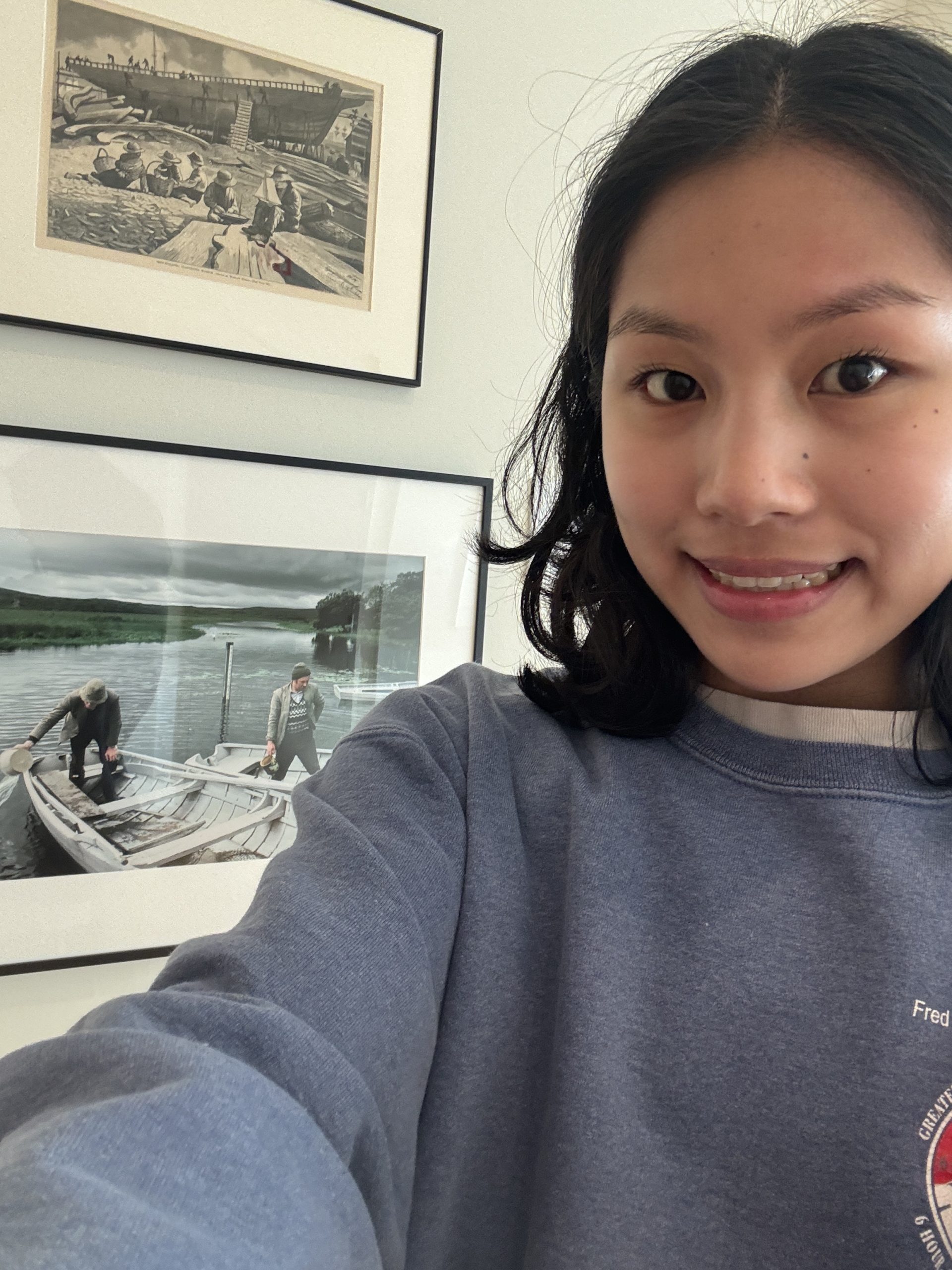
Title of Event: All in a day’s work?
Date & Time of Event: Visited on March 18th, 2025
Location of Event: Dewitt Building, Samek Art Museum Downtown Gallery Exhibitions
Type of event: Gallery Attendance
One thing I found interesting was that Pfaff claimed that she was never interested in becoming a sculptor. Being a painter first, she was inspired by artists like Elizabeth Murray and was deterred by welding because of their dirty, alcoholic associations. But when she began with her first welder, she noted that she got a thin sheet metal which she described as a “sweet welder.” With this, she connected it to the process of sewing or using a hot glue gun. I found this fascinating as Pfaff was able to rewrite her preconceived prejudices of welding as stereotypically male-centric, into something more applicable to her. In other words, she reclaims the artform by regendering and realigning it with more traditional “female” artforms. I think that this is crucial when participating in anything unfamiliar and initially unappealing. The ability to enter into a previously exclusive field is a feat definitely worth celebrating.
Another aspect I found intriguing was Pfaff’s distinction between painters and sculptures. When painting, she found that she couldn’t stop until the work was finished. During this time, she wouldn’t allow any extraneous thoughts to inhibit her progress. With sculpture, however, she felt that she could extend the work for months. She claims that they tell different kinds of stories and function as sequences of moments, ultimately serving as a better fit for her artistic vision. I found this comment to be striking and somewhat relatable. As someone used to painting more than sculpture, I agree that painting is all-consuming, yet usually has a clear endpoint. But with sculpture, I can see the inclination one may have to keep adding and evolving it to better suit their end goal.
I watched the 10 Bullets video by Tom Sachs. It seemed like a satirical video based on employee rules within a business. The 10 bullets referred to the different rules required to be followed by the employees. I found the video entertaining as each bullet was assisted by a seemingly helpful quote, but then followed by humorous video clips or voiceovers. Although it was probably done to mock these types of videos, it is interesting to think about how Sachs chose to make it regardless. It goes to show that a work can still be entertaining and provide value even if it lacks stereotypically deep messages and ideas.
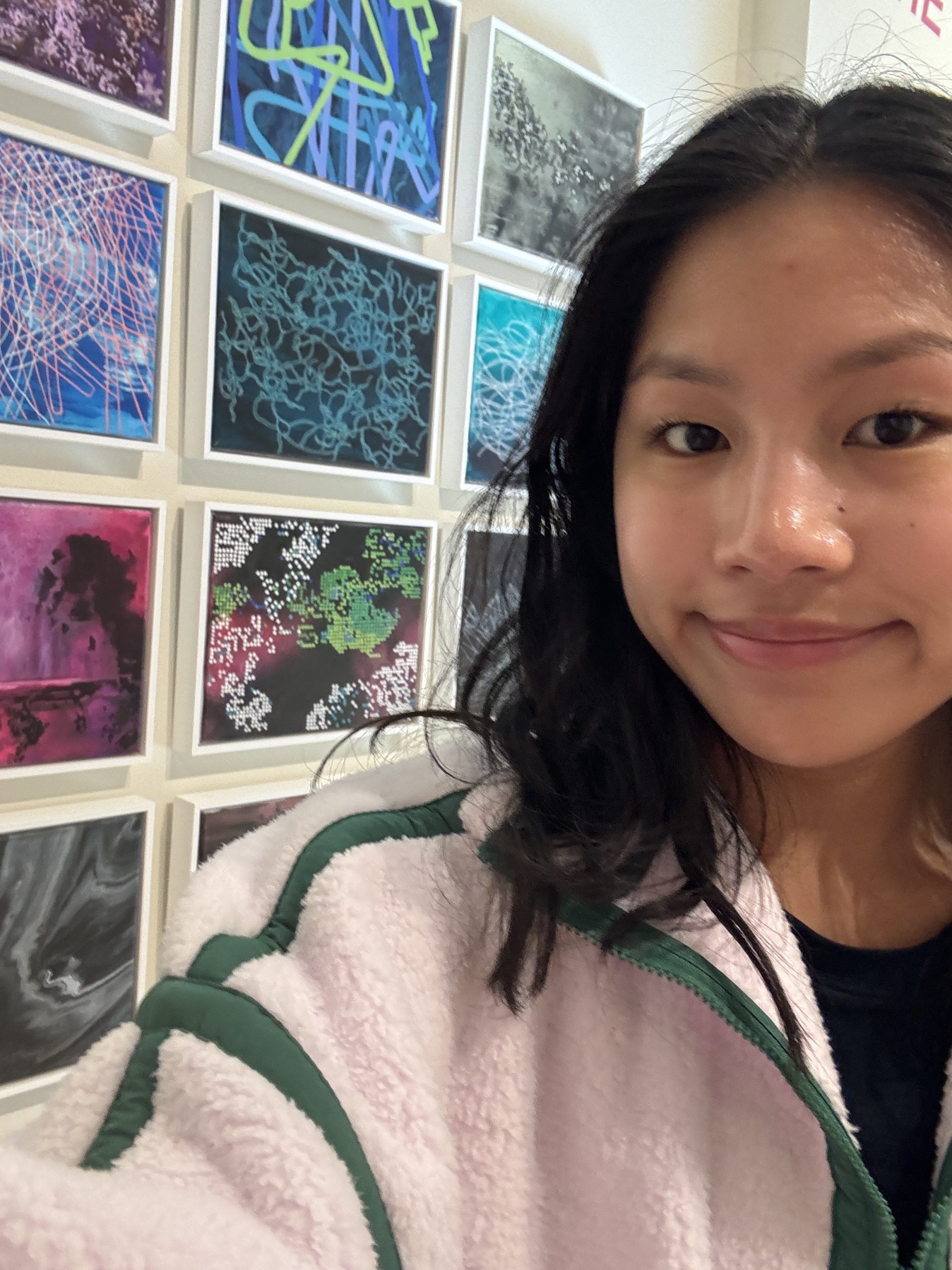
Title of Event: All the Stars in the Sea
Time of Event: February 23 (went at 12pm)
Location of Event: Samek Art Gallery, downtown
Type of event: Visual art exhibition
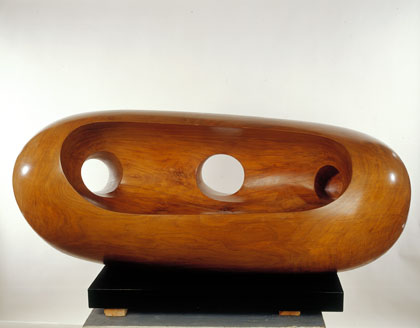
Barbara Hepworth. River Form, American walnut, 1965 (BH 401), Ashmolean Museum, Oxford.
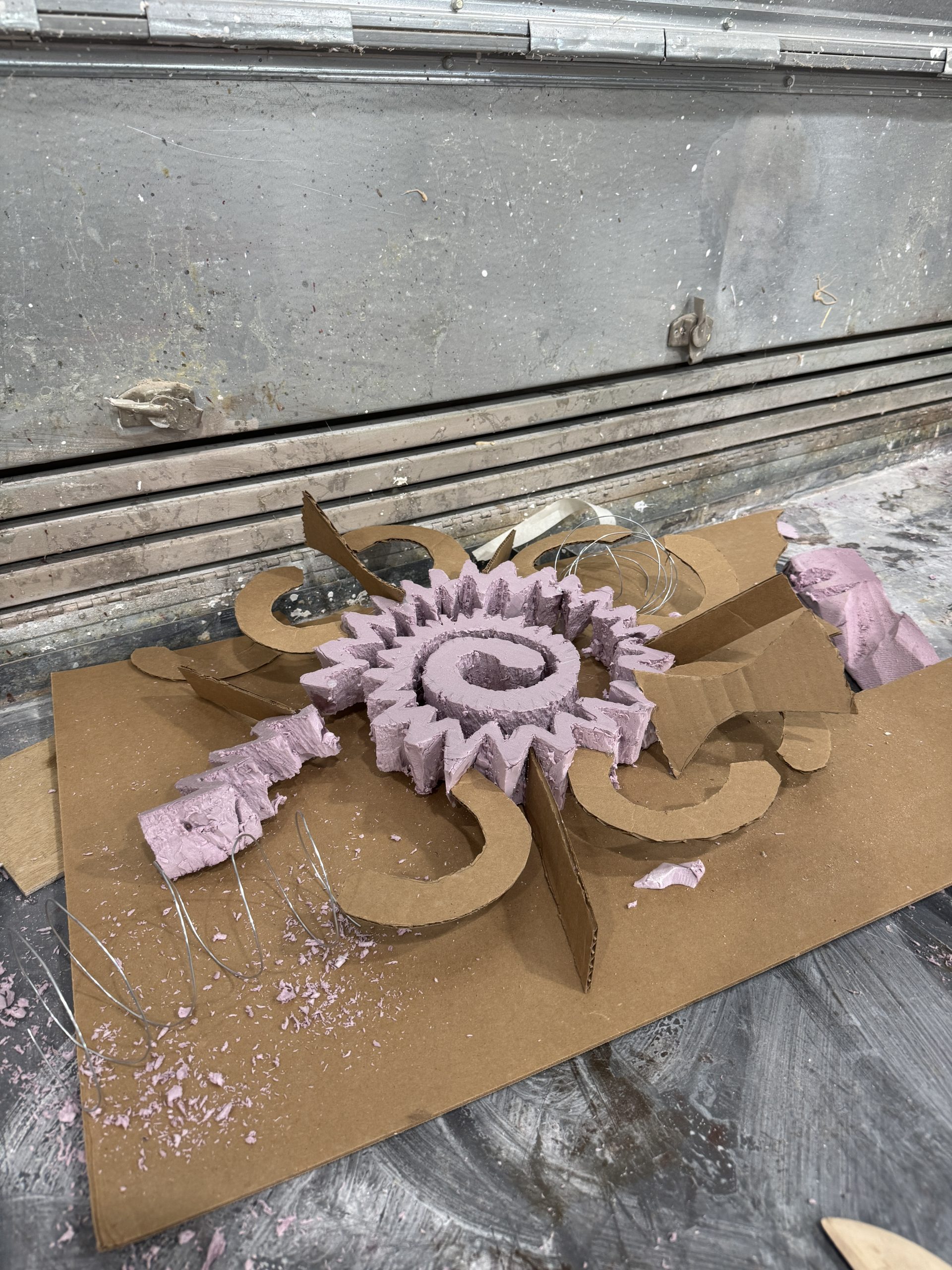
I intend to borrow the organic form and smooth finish and emulate them in my pasta shapes.
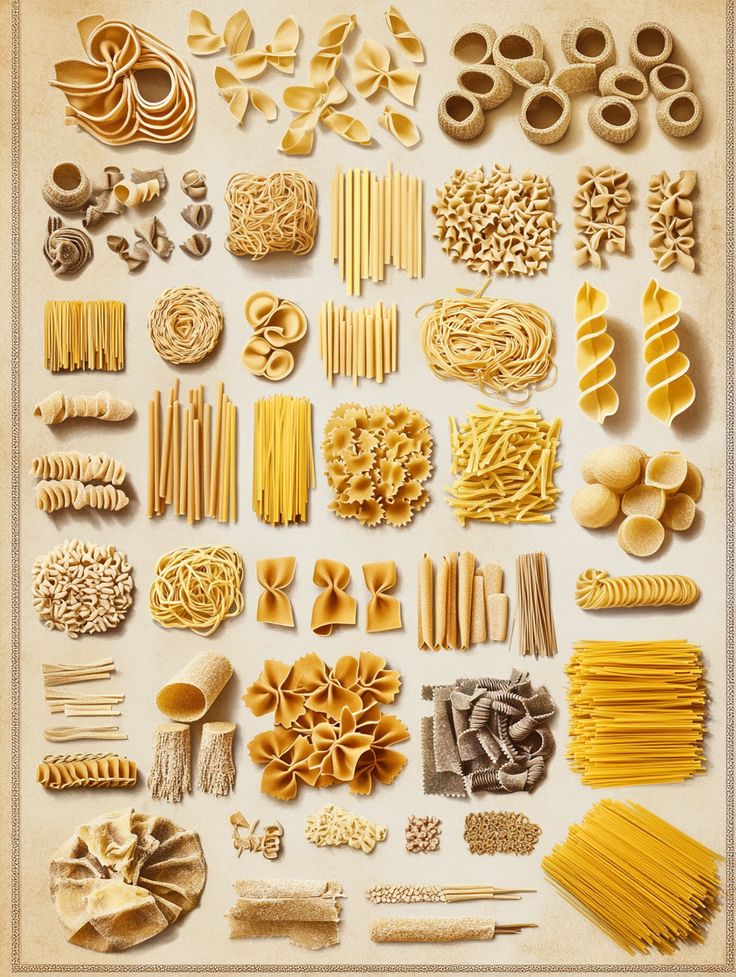
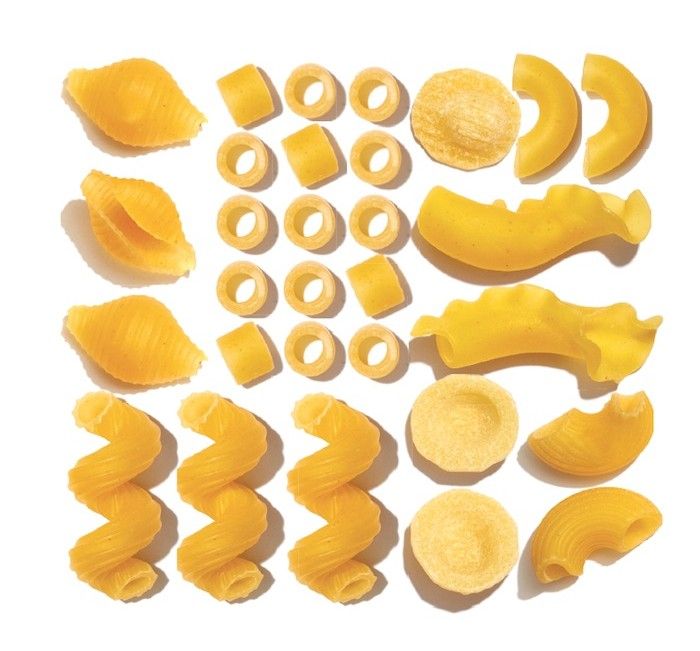
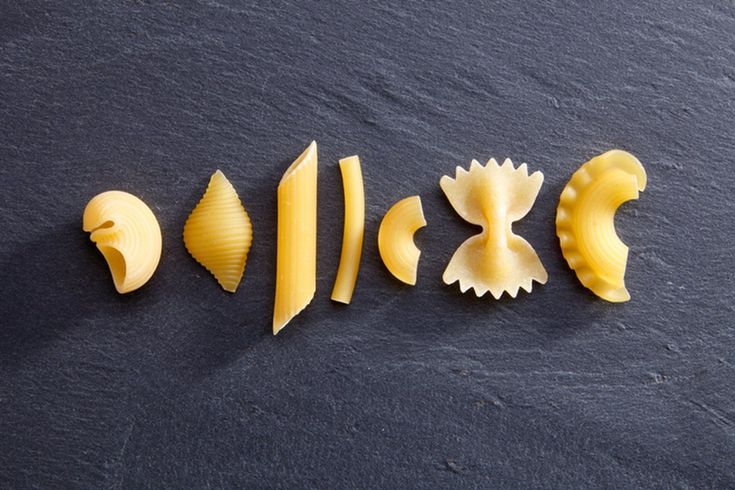
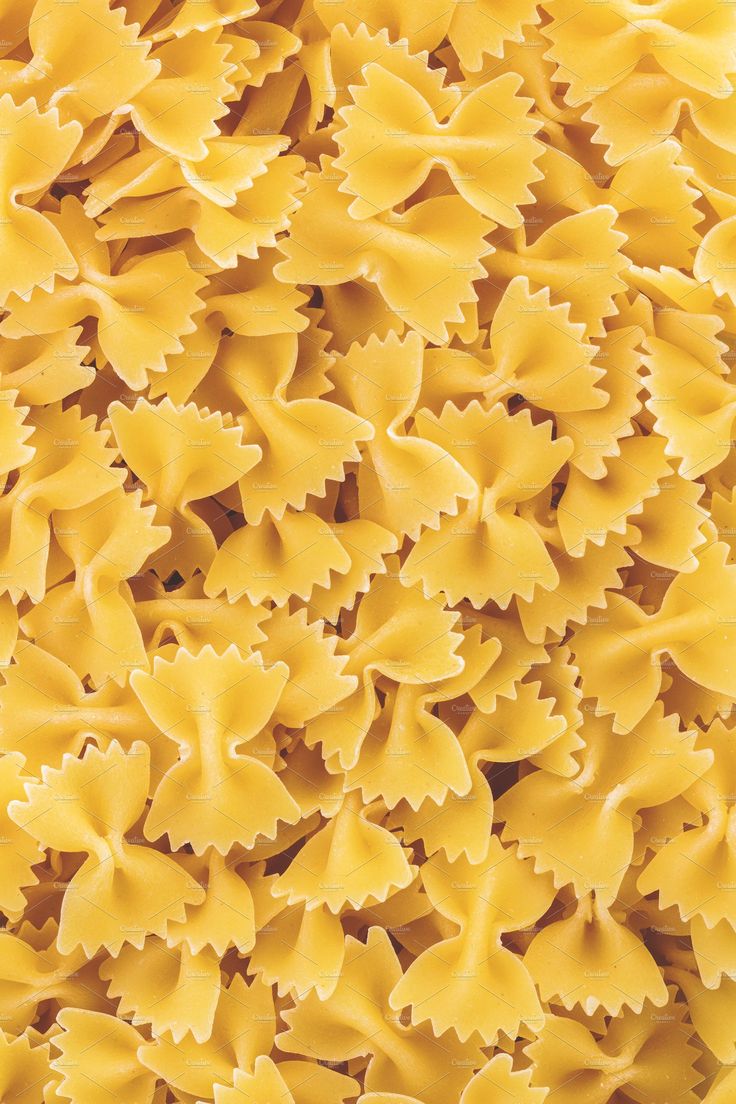
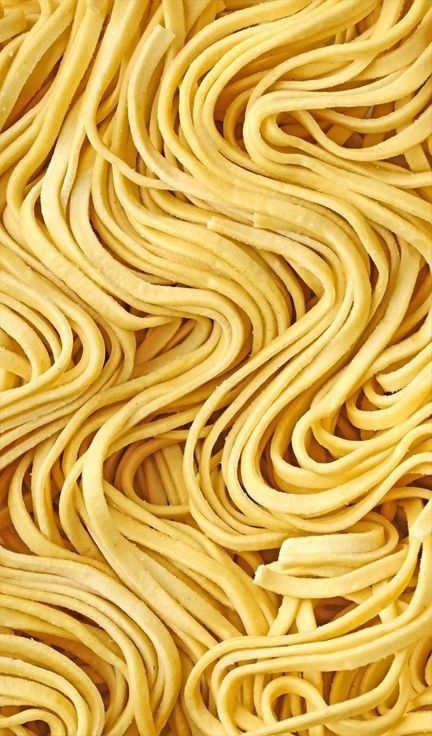
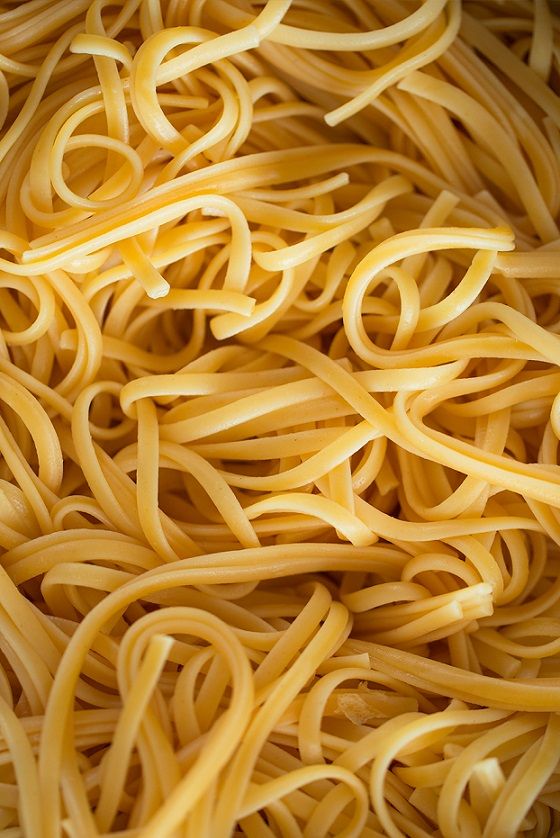
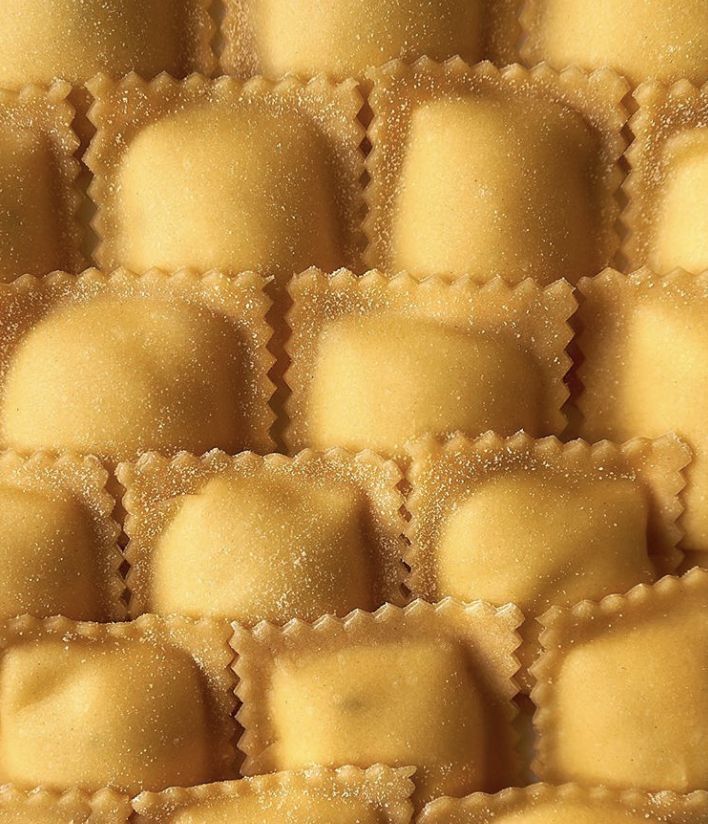
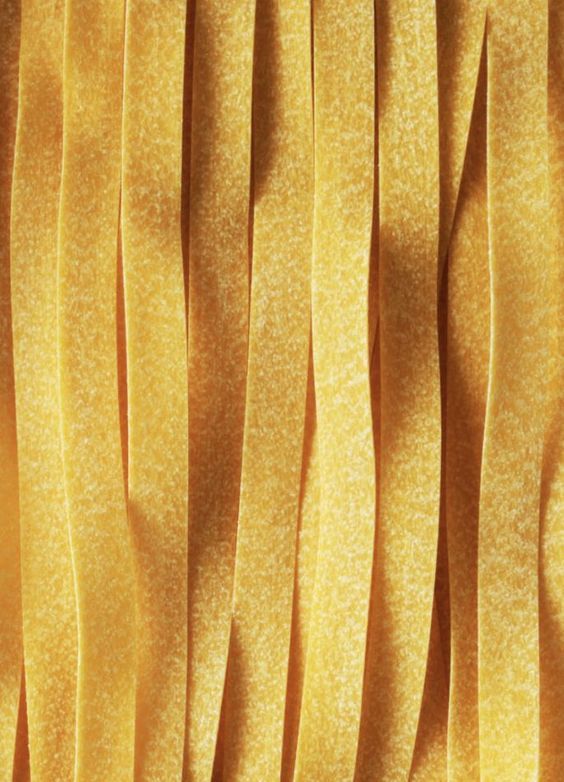
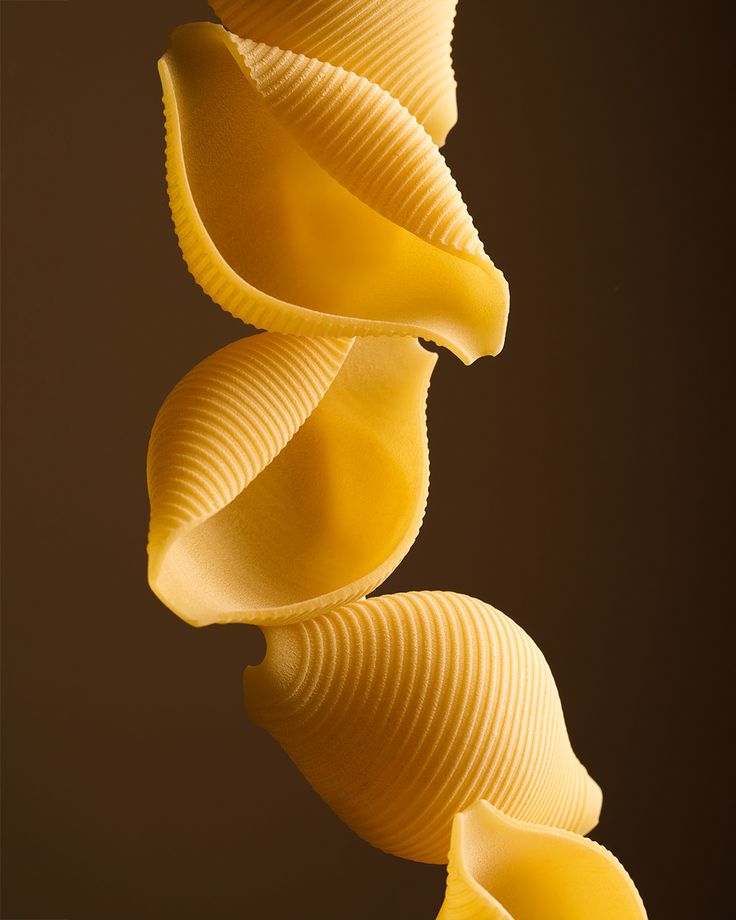
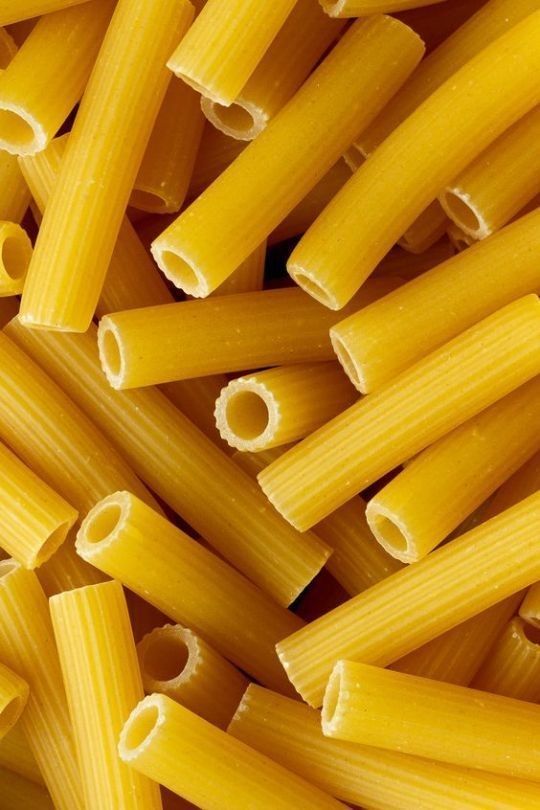
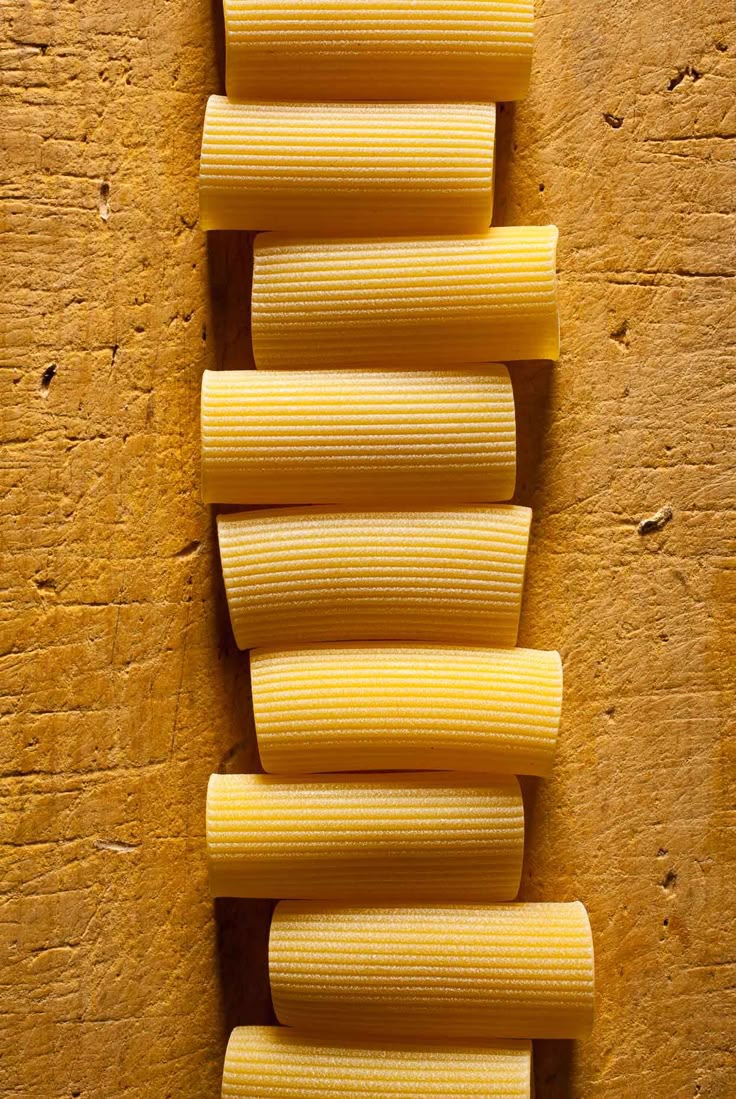
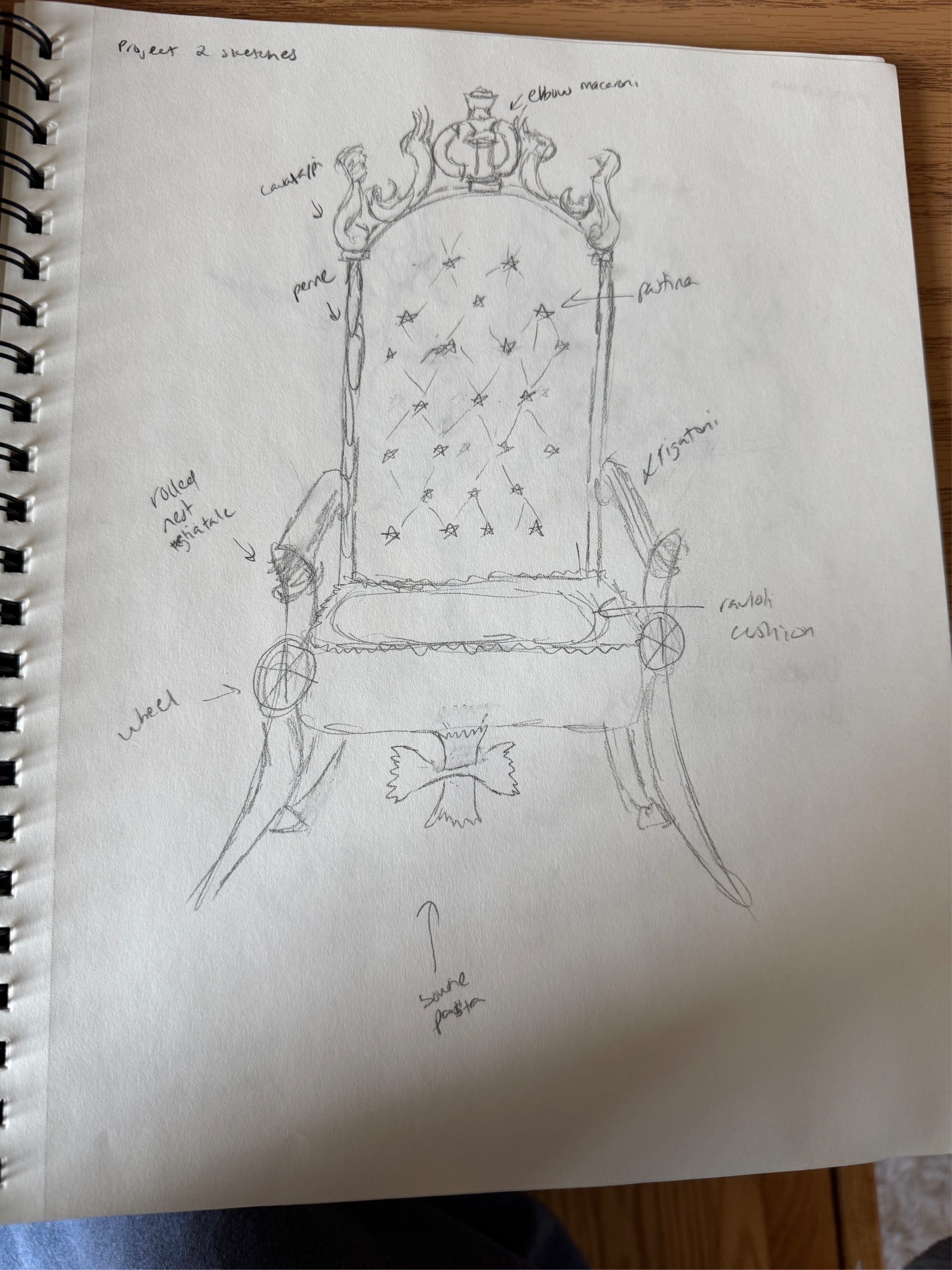
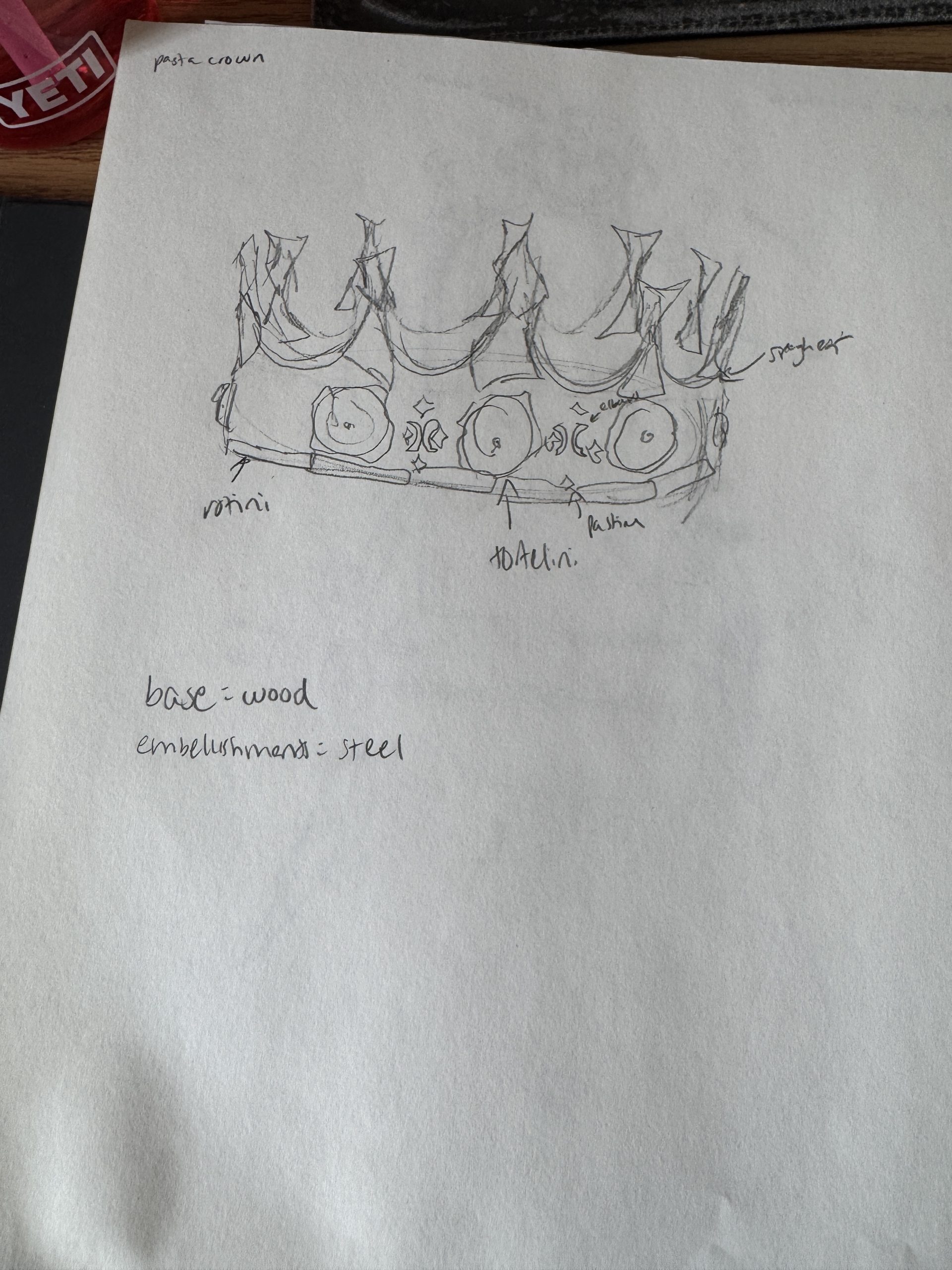
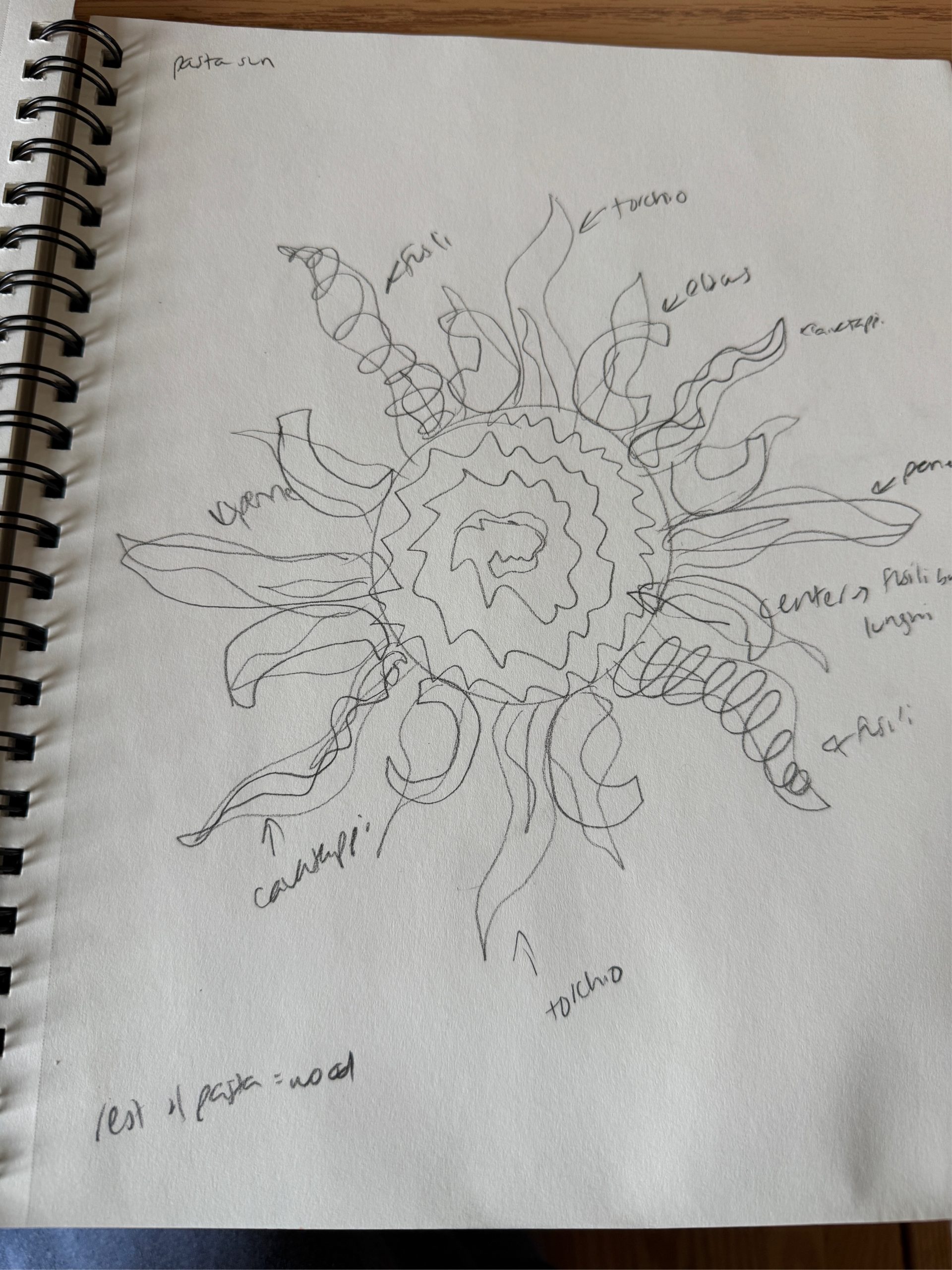
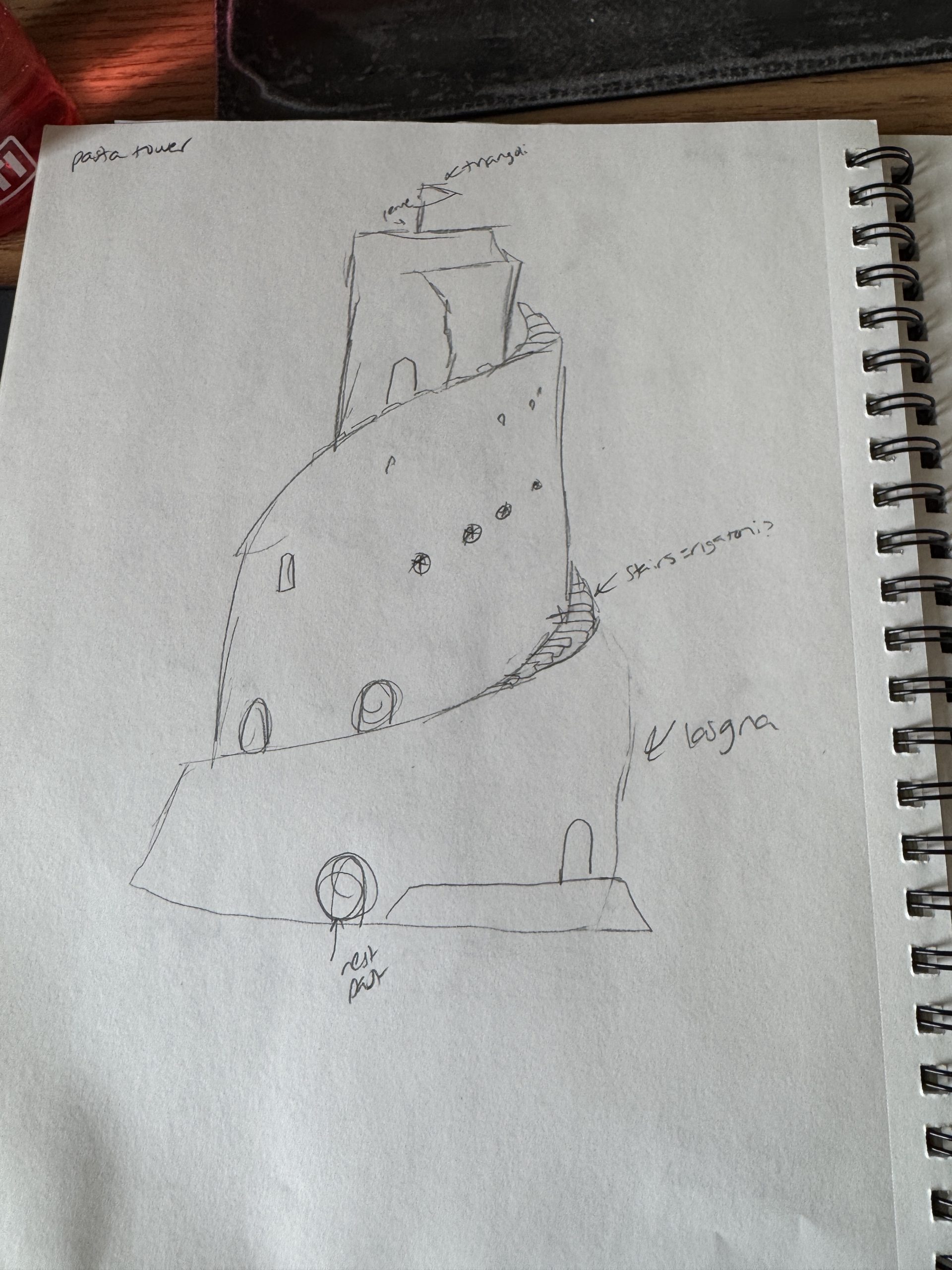
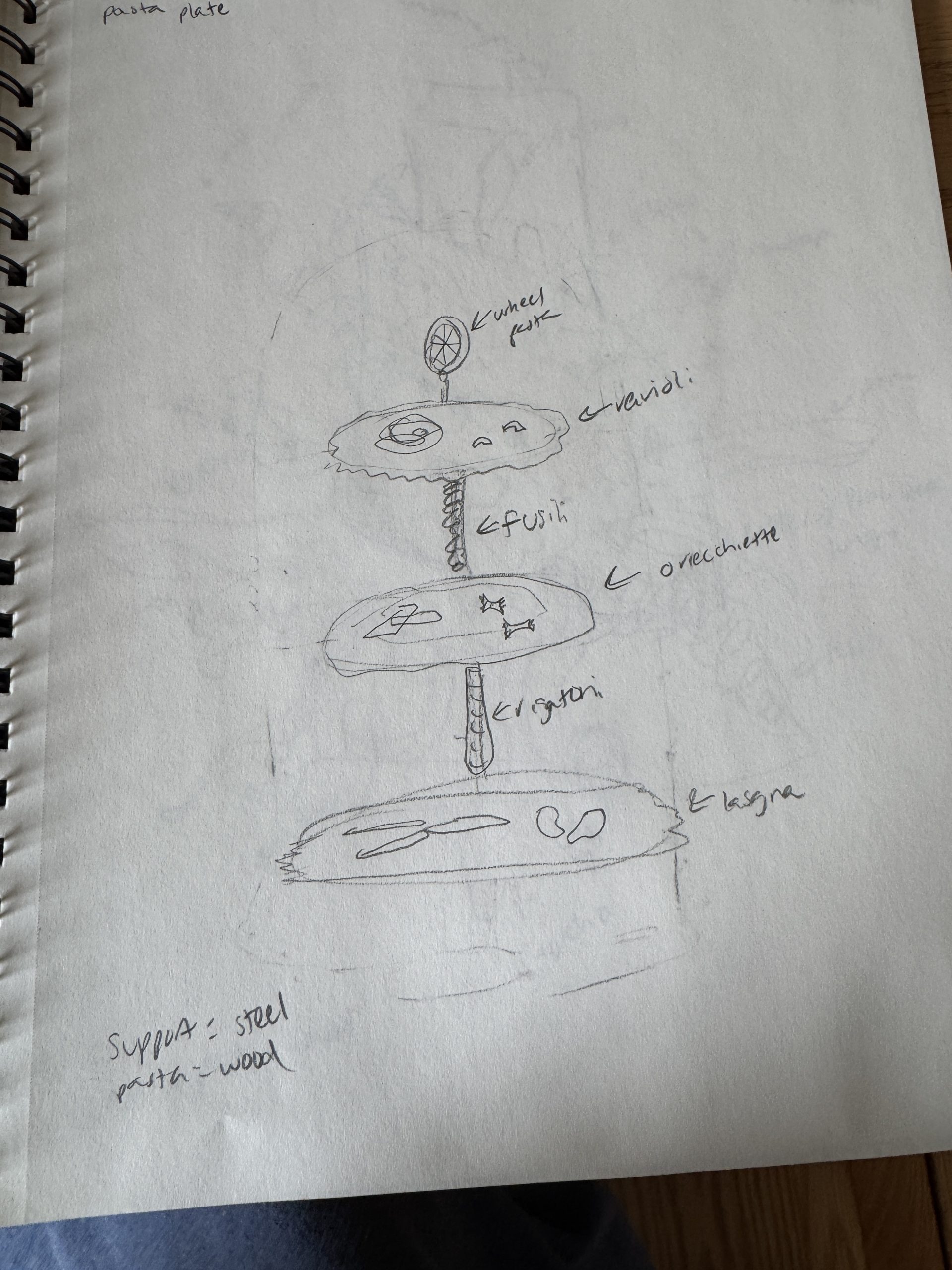
My shrine will focus on pasta and the different shapes it comes in. I am choosing this food to develop my project around because I consume and enjoy pasta weekly. As a distance runner, pasta is a staple food in my diet. I am also a vegetarian, so pasta is usually what I end up having to order at restaurants. Therefore, I feel very connected to pasta and feel that it would be interesting to explore this relationship visually.
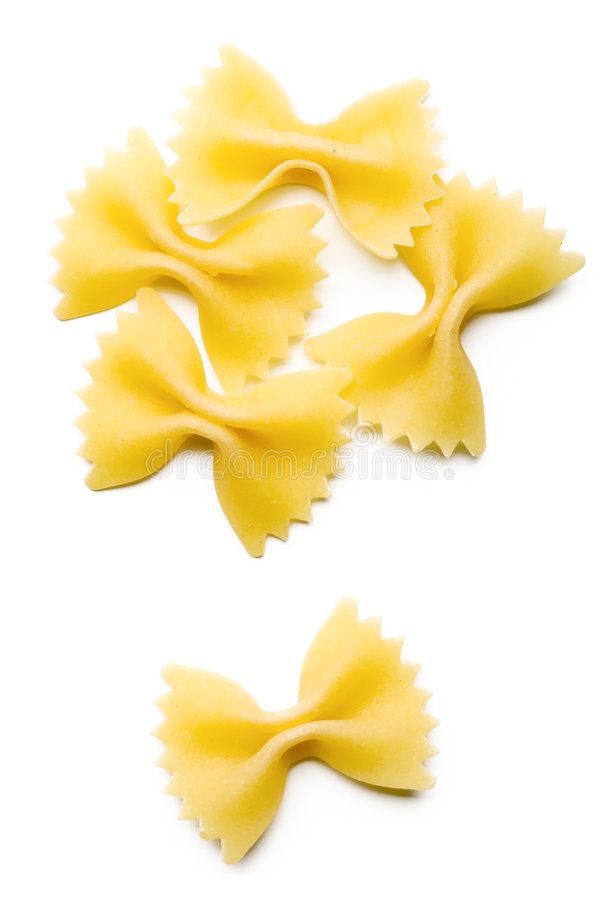
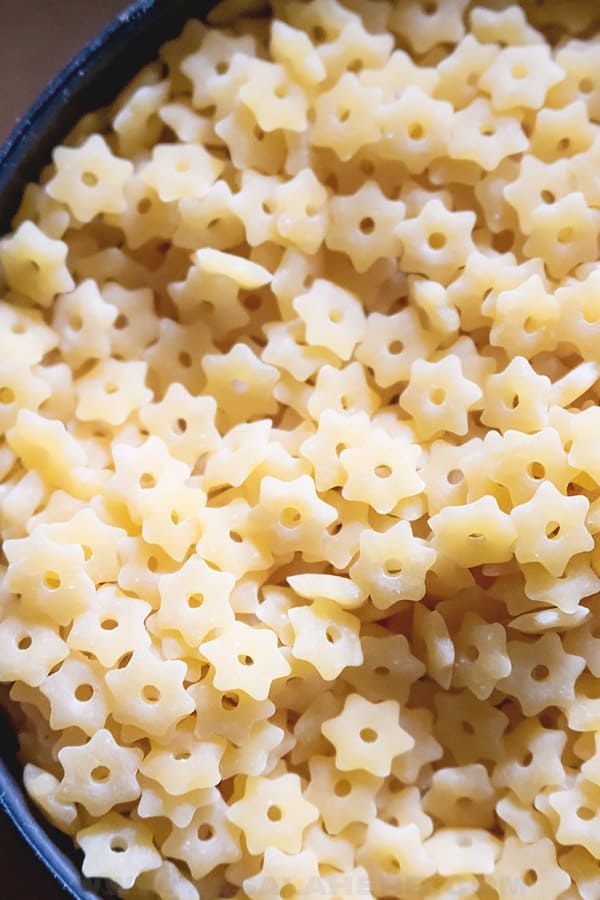
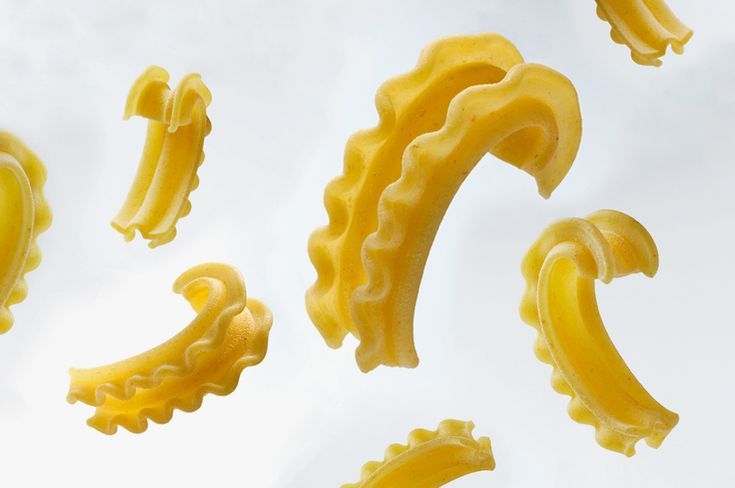
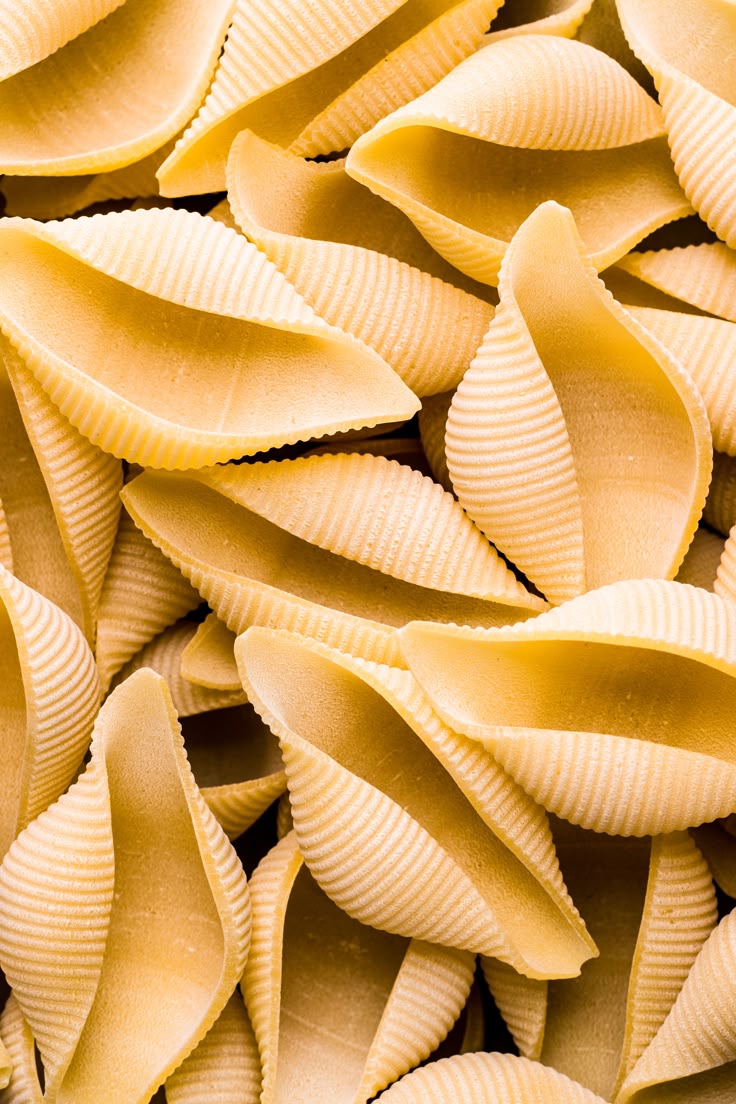
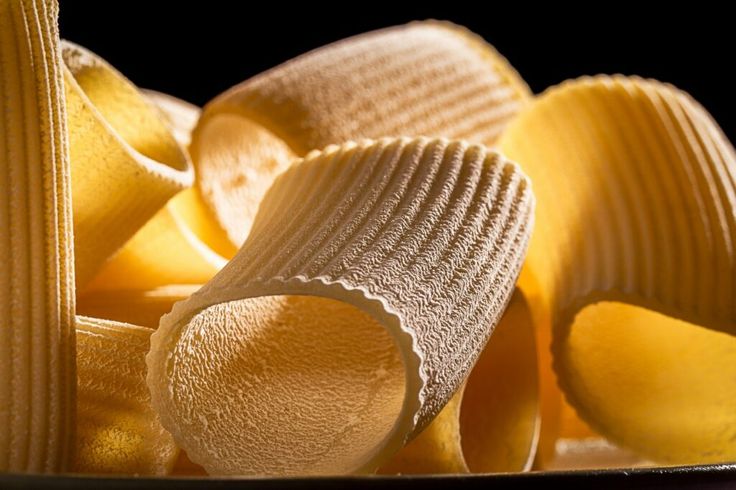
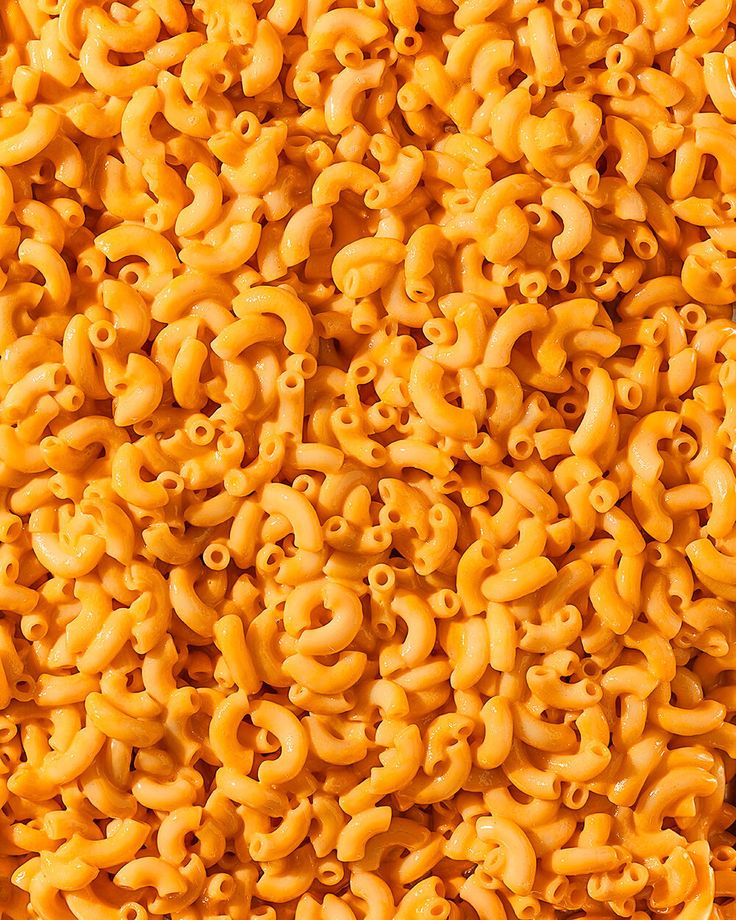
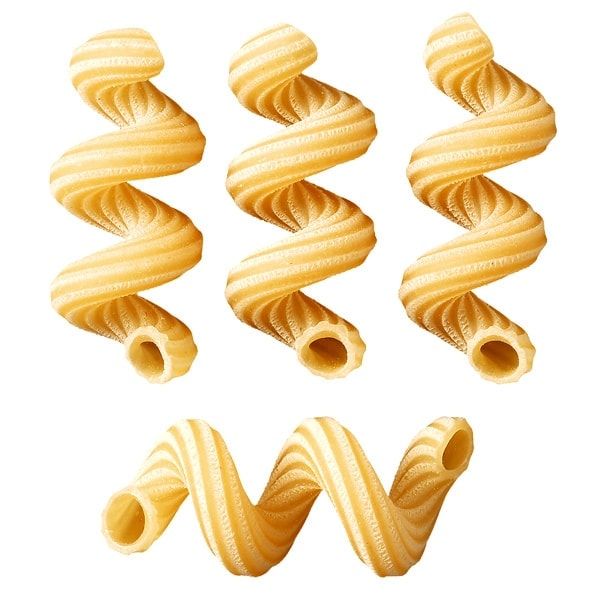
I want to highlight the many shapes that pasta can be made into. There are three types of pasta: short, long, and pastina. Within these types are a host of specific, individual shapes designed for certain dishes or to support various sauces. With this, I hope to include as many shapes as possible. My goal is to showcase recognizable shapes such as penne and bowtie, as well as more unique shapes like cavatappi. I also think that the sundry of shapes will be useful in creating a dynamic, interesting sculpture with texture and personality.
My audience for this project is anyone who has ever eaten pasta. The multiple recognizable pasta forms that I will be incorporating will hopefully intrigue many and remind them of the food that they most likely eat often. It is also for those who enjoy food presentation, or the aestheticization of meals. In general, however, I want to make this sculpture as a lighthearted, appreciative ode to pasta rather than elucidate any ulterior serious message about things like overconsumption or gluttony.
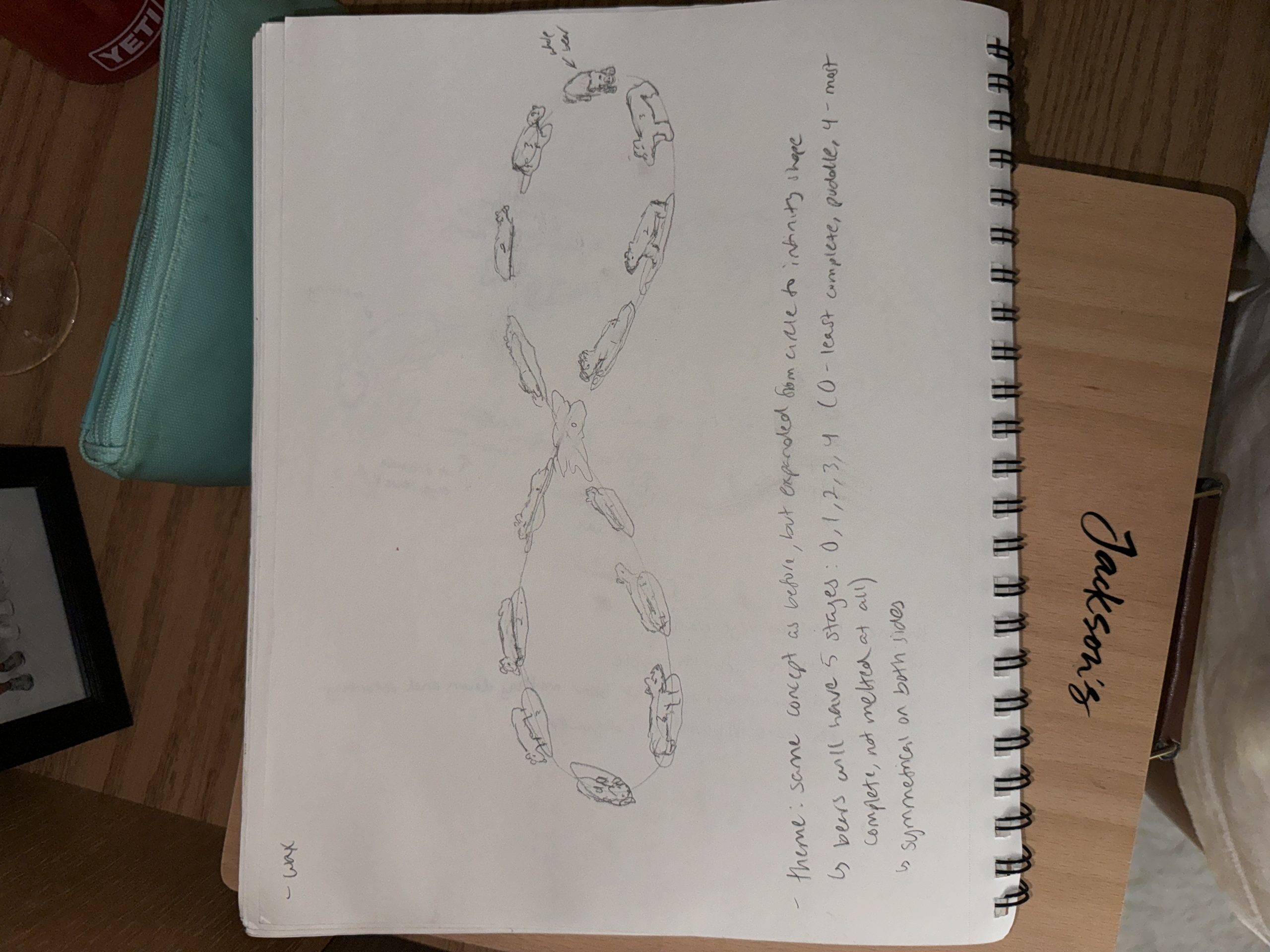
I have chosen to work with a 3D-printed bear. This bear is all black and features evidence of being 3D-printed through its thin plastic filament layers. The bear is about 6 inches long and 3 inches tall. It is posed standing on all four legs looking straight ahead. It is most likely depicting an American black bear. This object was likely designed to be decorational; for example, one can imagine purchasing the bear in order to display it on a desk or shelf. It could have also served as a children’s toy due to its small size and friendly animal appeal.
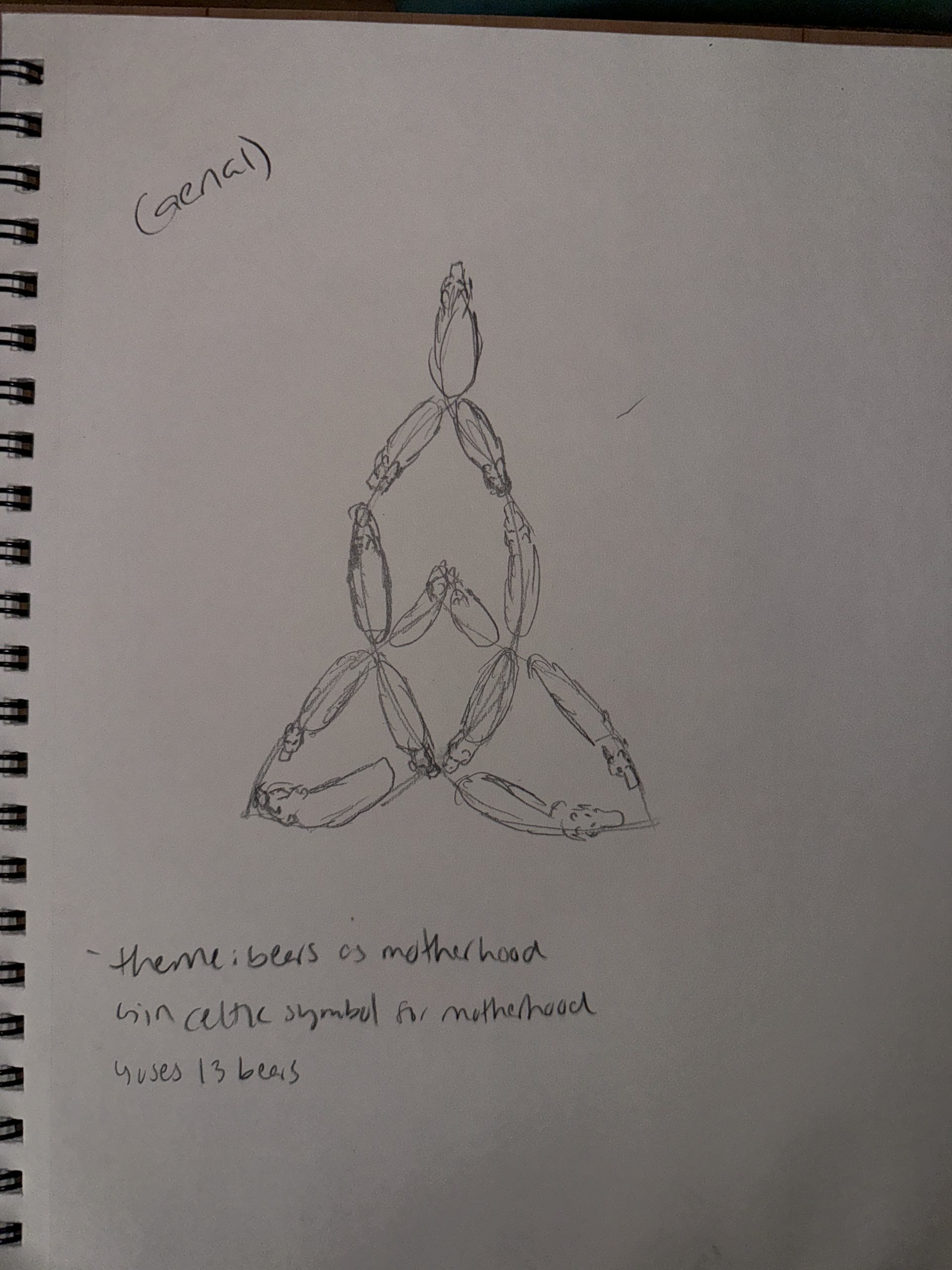
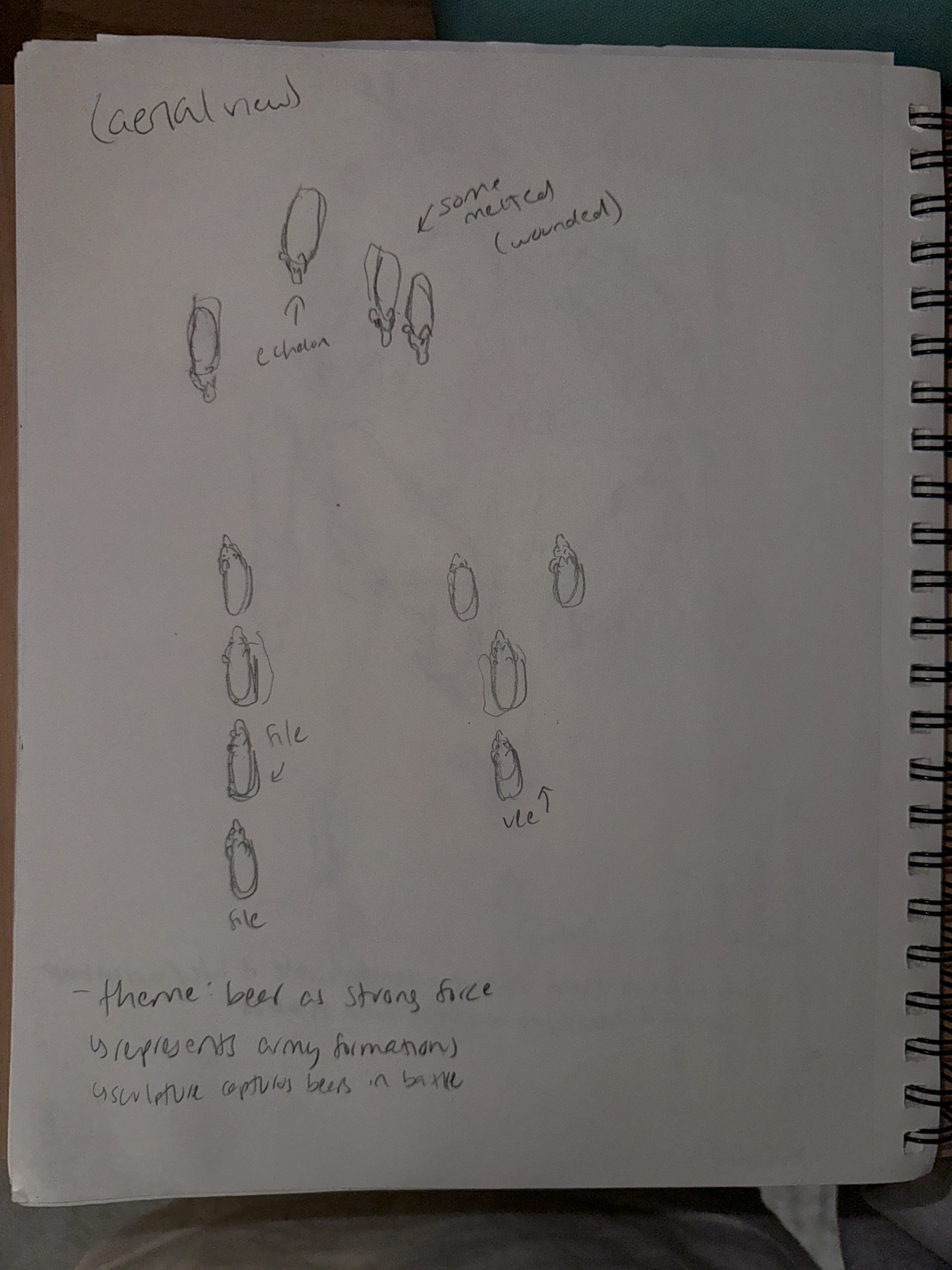
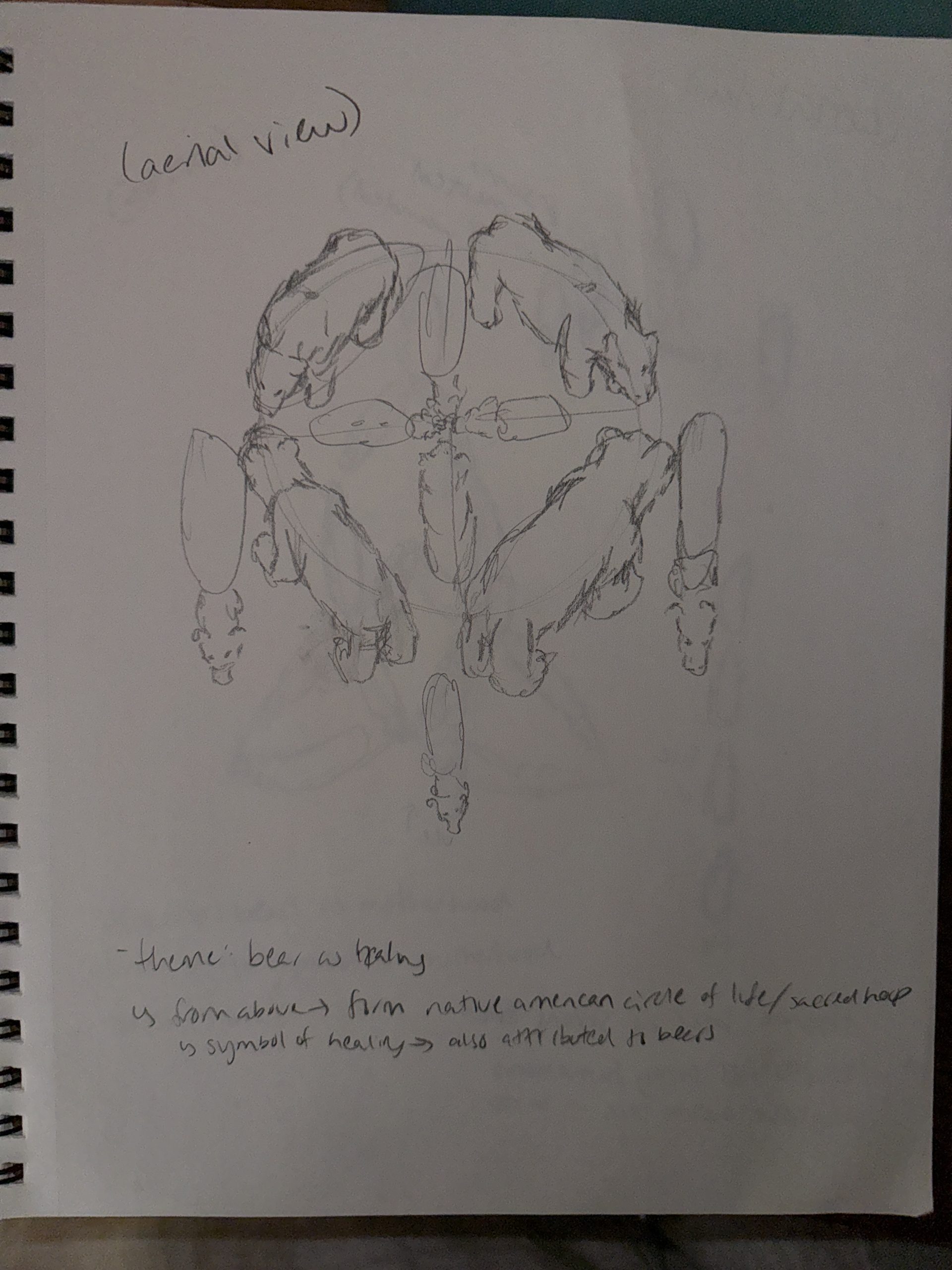
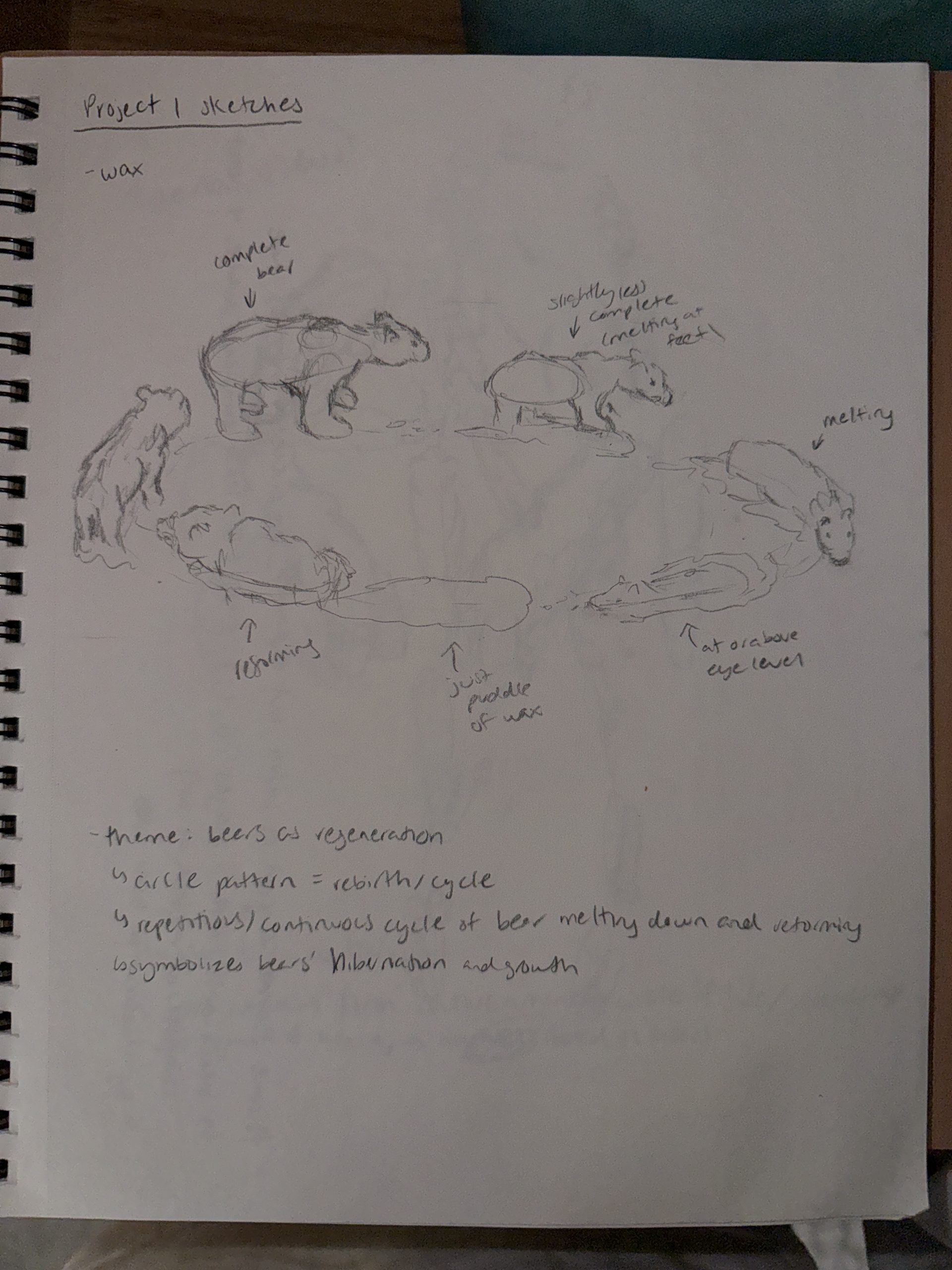
As a wild animal, the bear denotes connections to nature and the environment. Symbolically, the bear represents many different qualities according to different cultures and belief systems. For example, in Indigenous cultures of the Americas, bears are thought of as master healers and keepers of knowledge. In Norse mythology, however, bears are known for their powerful strength, endurance, and ferocity. In Greek mythology, bears are linked to motherhood and protection, as well as cycles of regeneration due to their hibernation periods.
The bear reminds me of teddy bears, which are one of the most common animals turned into stuffed animal toys. The teddy bear obviously drew inspiration from real bears, and has since been made and reiterated by different companies for many years. This, in turn, made me think about the cycle and evolution of the toy industry. Figurine animals have existed since 5000 BCE when Mesopotamian artists crafted them for religious and good luck purposes. Later in the 1880s, the first modern stuffed animal was created. The human fascination with creating small animal models is intriguing to me. Moreover, the captivation with teddy bears is especially curious.
In this project, I want to explore the popularity of the bear motif, particularly highlighting its regenerative symbolism. As aforementioned, the bear imagery has been appropriated into the teddy bear, which has been continuously re-envisioned, created, and sold by toy companies for years. To add to this cyclical theme, the bear has been associated with regeneration and rebirth due to its tendency to hibernate in winter. Therefore, I want to emphasize the rebirth quality that bears carry. The ideas that I want to avoid are depicting the bear as possessing brutal strength or having violent dispositions. I feel that this is quite cliche and difficult to portray since the expression of the 3D-printed bear is neutral.
Title of Event: FOR YOU: The Comfortable Alienation of AI
Date & Time of Event: January 28 (went at 11am)
Location of Event: Samek Art Gallery
Type of event: Visual art exhibition
