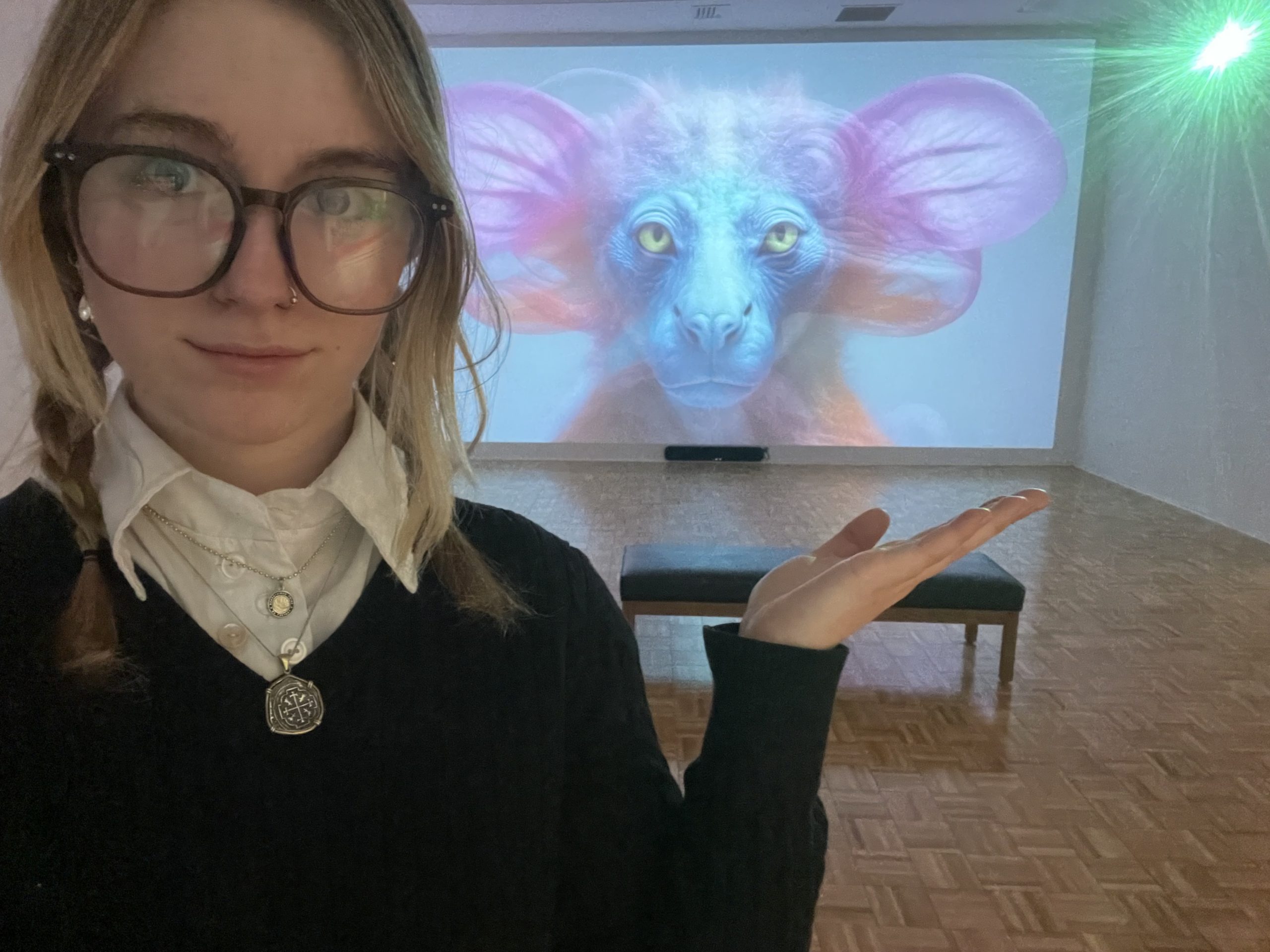
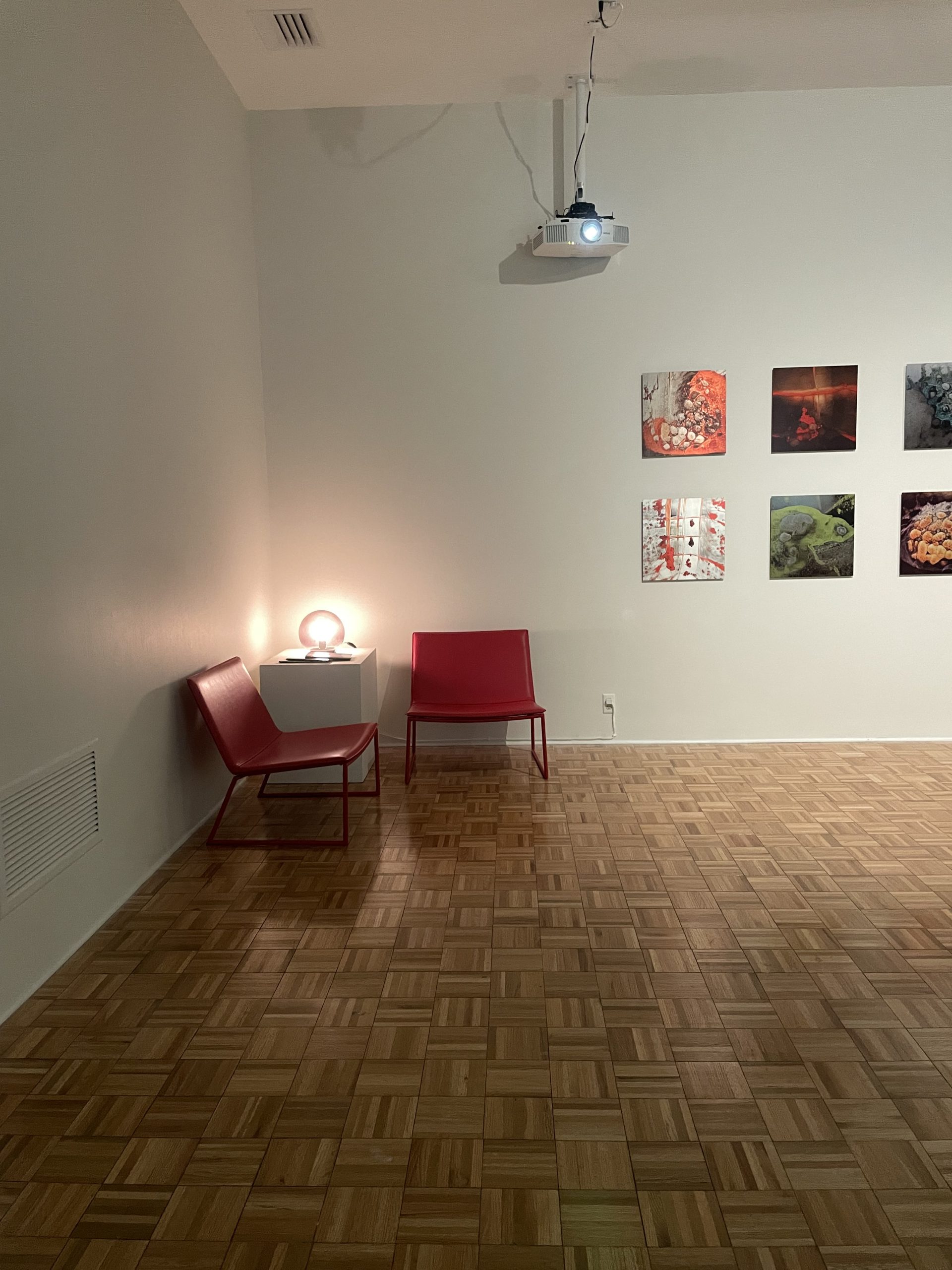
Title of Event: Gallery opening/attendance – Student art show
Date & Time of Event: Attended on April 17th, 2025
Location of Event: Samek, ELC
Type of event: Gallery opening/Attendance
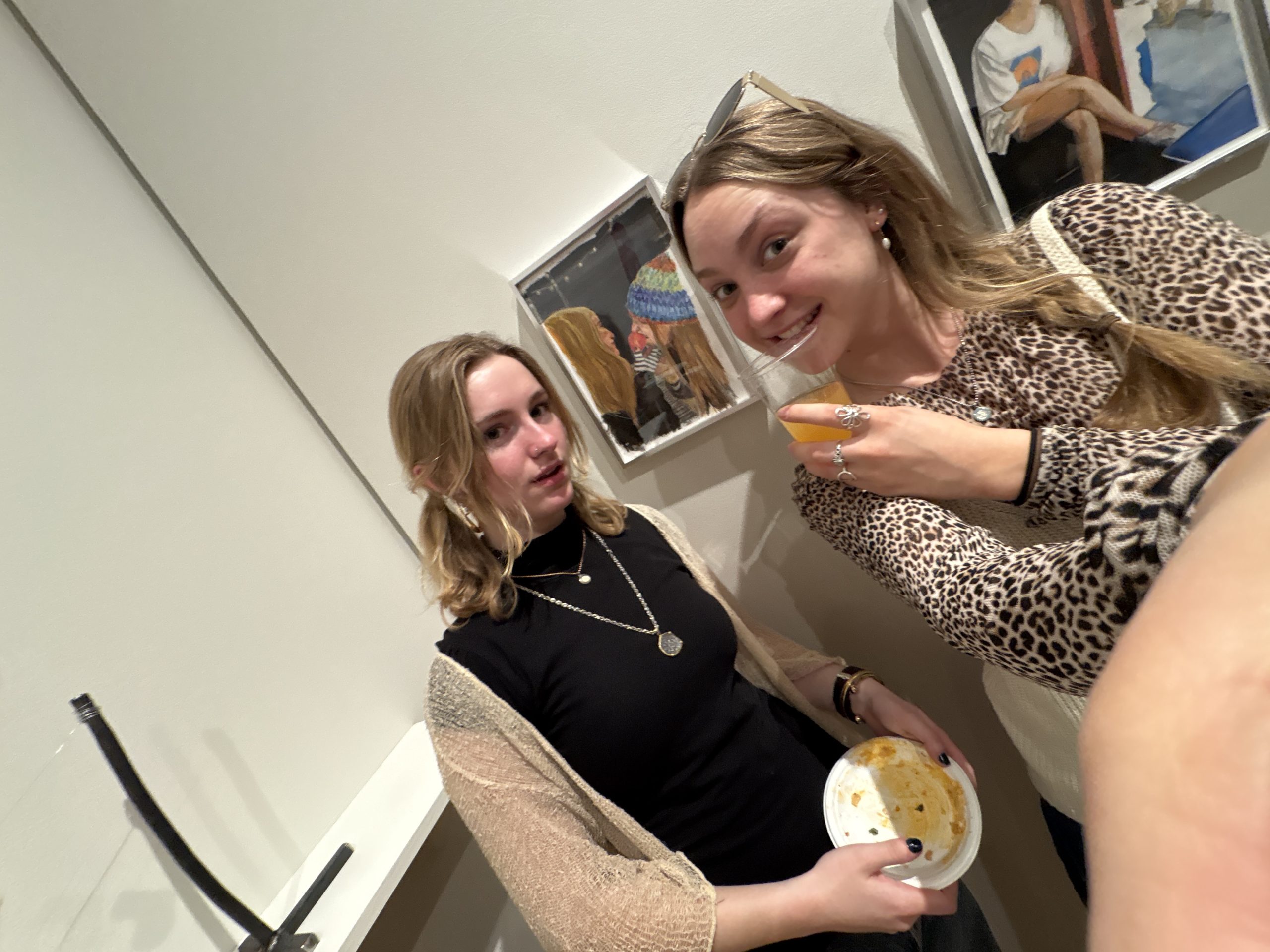
Title of Event: Gallery opening/attendance – Student art show
Date & Time of Event: Attended on April 17th, 2025
Location of Event: Samek, ELC
Type of event: Gallery opening/Attendance
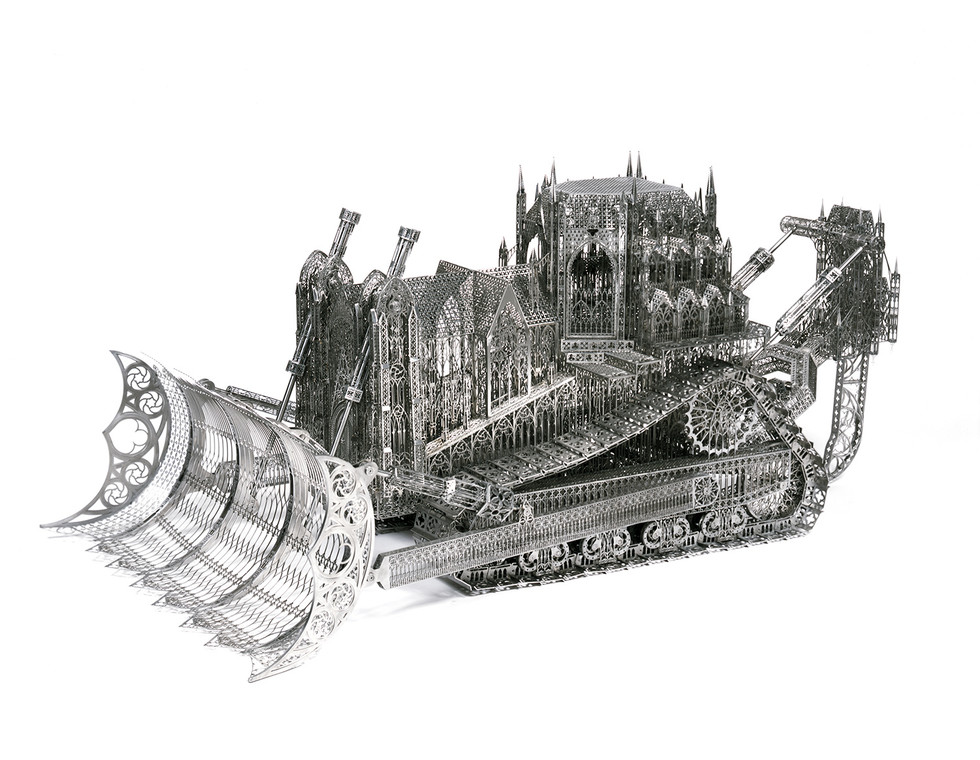
D11, 2007, William Delvoye
I love Delvoye’s work, first introduced to me in Digital Sculpture I. I’d like to adapt some of his medieval/gothic influence combined with modern forms into my own work.
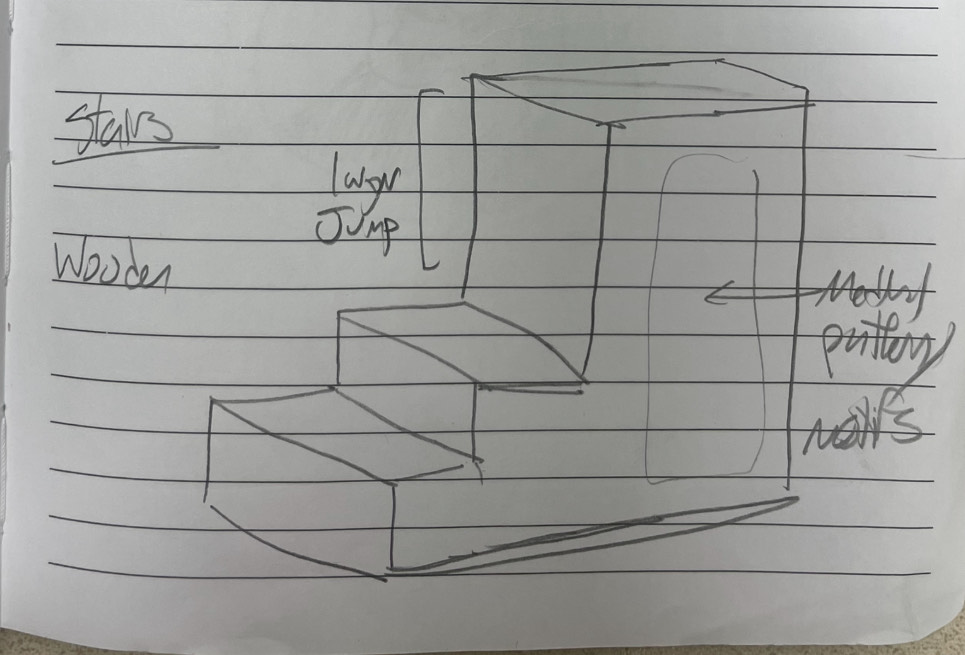
Sketches:
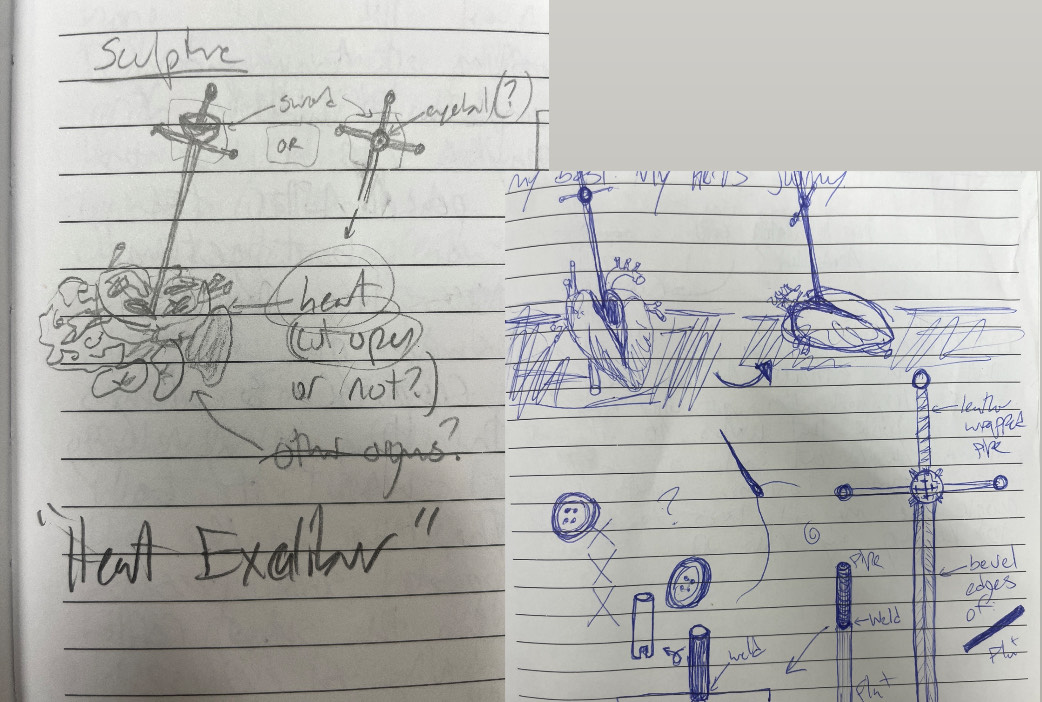
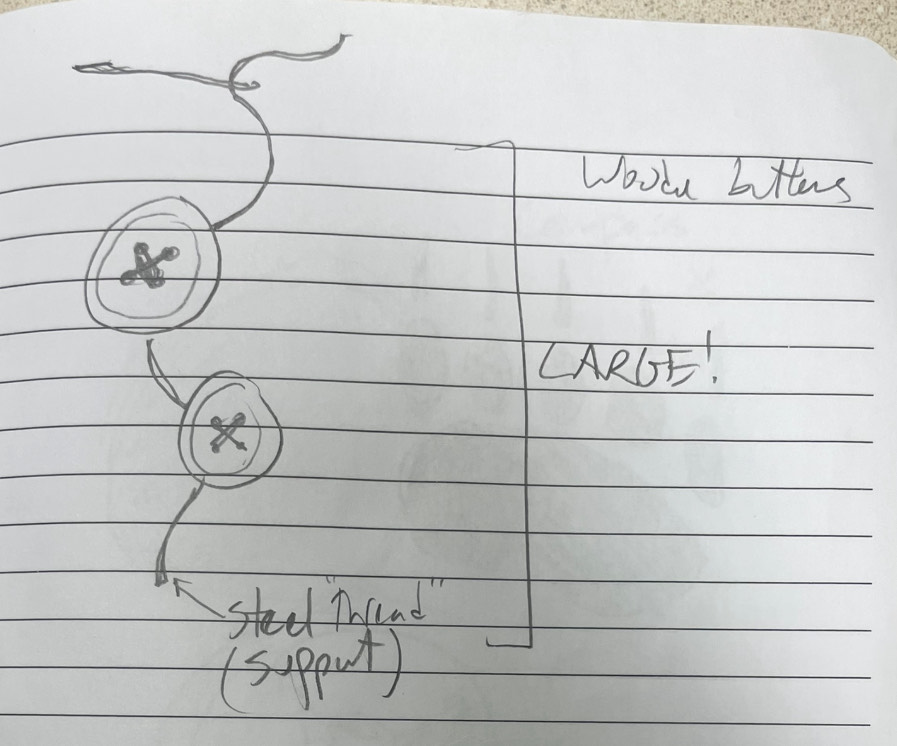
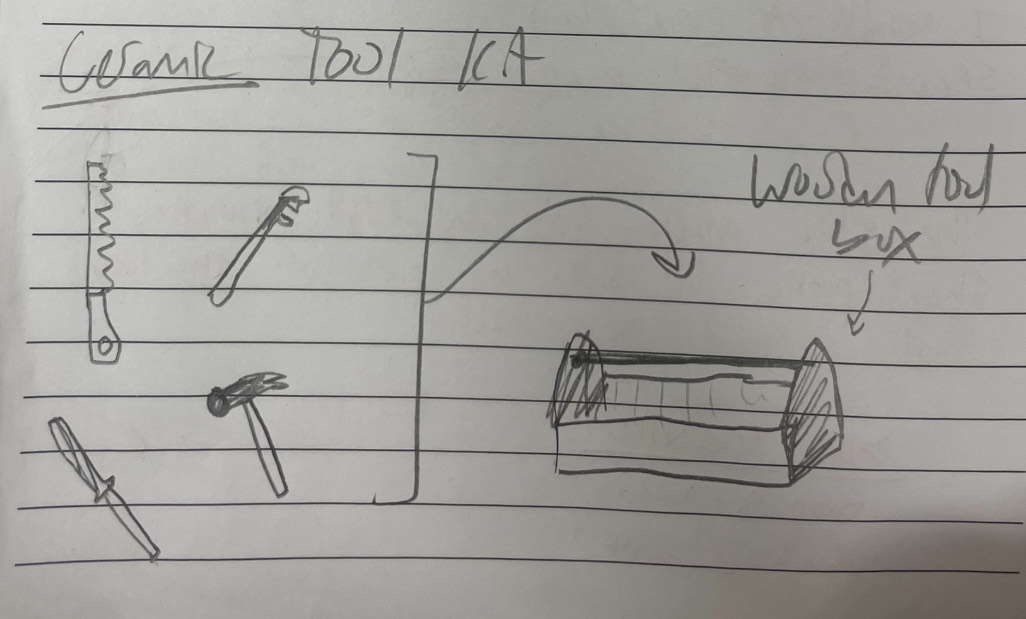
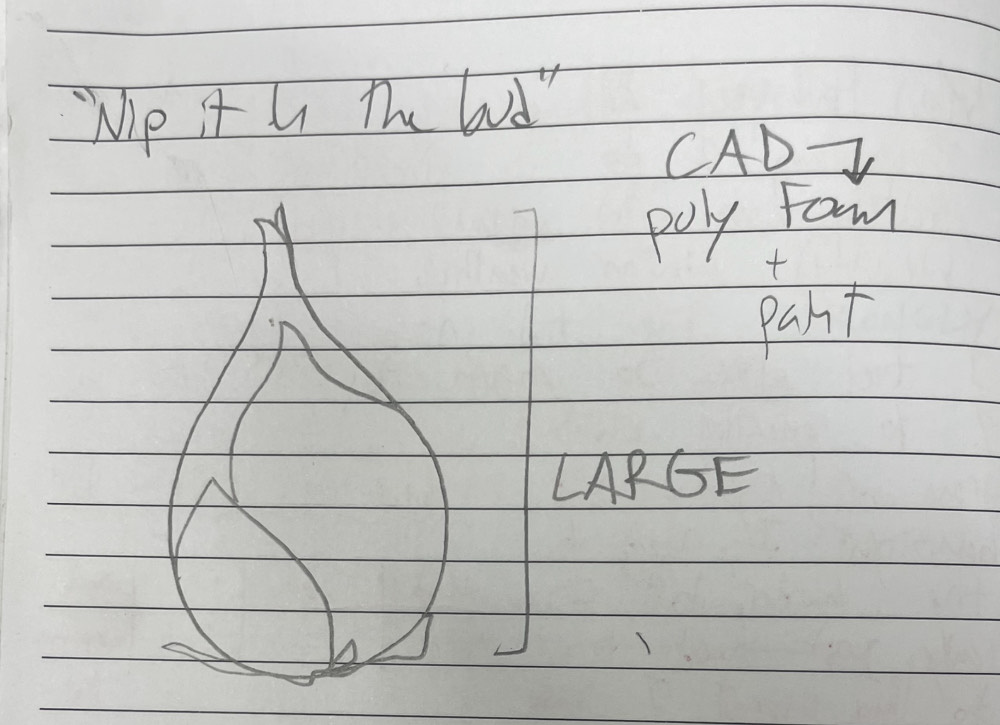
I watched segments from the videos on Lynda Benglis and ___ as they both dealt with abstract forms. For Benglis, her colorful and blobby sculptures express the technical aspects of painting in a 3D form. I enjoy how her pieces interact with the physical space, as their position in the gallery space molds how the works look. Seeing gravity have an effect on an artwork is always interesting, as an artist typically must choose between accepting their work is impermanent as tautologically essential to the use of material, or lean into the fact that they’re working with that impermanent material. Some of Lynda’s work rides the line: holding the form of something organic, moving, and ultimately impermanent while using a tough material like bronze.
Keltie Ferris’s abstract spray paintings are also very entrancing for me as the blurry edges make interesting plays into perspective and foreground/background differentiation. However, I found most interesting their commentary on what it means to be an artist in the modern era. They express the isolation and guilt they experience sometimes, spending time doing art instead of doing something more “proactively positive directly in the world.” I understand this fear of indulgence and narcissism when creating art; they state, “It’s hard to do something that’s not justified by anything.”
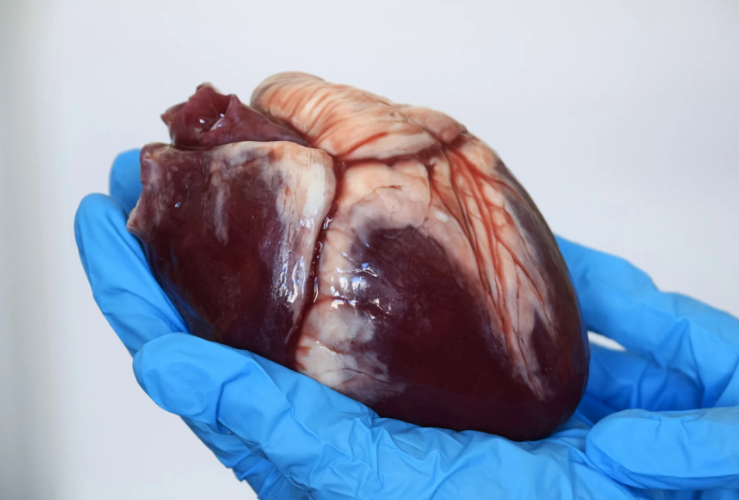
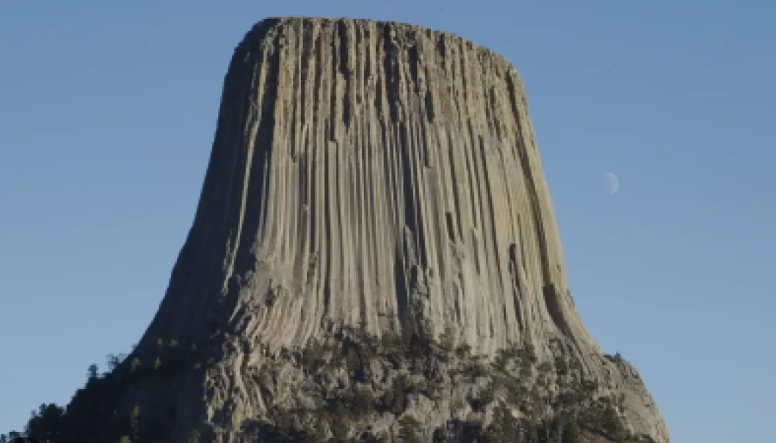
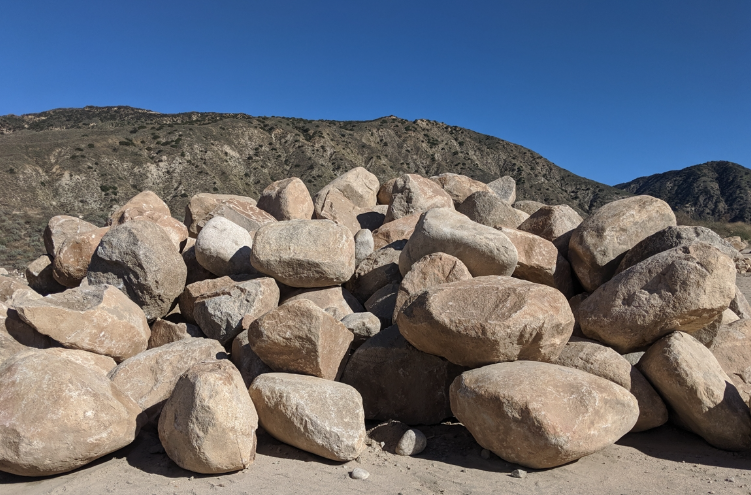

Judy Pfaff explains her, large-scale installations that blur the line between sculpture, painting, and architecture in the video “Romance” (October 28, 2007). For Pfaff, art-making is a physical and intuitive process that embraces both structure and spontaneity. I like how her work therefore combines many organic shapes and industrial materials.
I enjoyed the way she described her process, as it resonated with me how emotional and personable the work is. For me, who tends to over-plan my work instead of just jumping in, its inspirational to see an artist create amazing work by just diving in and letting the work lead to itself. However, I appreciate her expressing that there is a degree of planning baked into sculpture compared to an abstract expressionist letting their unconscious hand create a large stroke of paint.
I also like how she discussed the importance of scale in her work. It’s technically impressive, but also conceptually additive to the experience of art; instead of looking at a painting, one can be enveloped in the physical space of her work.
In the New York Times keynote on authenticity, Tom Sachs explains what he thinks it means to be authentic in life and art. He breaks down the idea that authenticity is perfect or high-end, mass-produced; he instead implies that authenticity is found in the process and the intent of the making.
Sachs’ perspective has echoed my own considerations of the relationship between art and identity. Although I’m aware that authenticity in art is not so much about being loyal to an external but furthering one’s personal vision, It’s difficult to actualize in practice. If art is an extension of oneself, it’s therefore implied that one must be in tune with oneself to a nearly enlightened extent to make “good” art.
Sachs tells us that authenticity in art does not depend upon originality or perfection but on being genuine and true to the deeper realities of the human condition. Not only does he discuss this in the context of modernistic consumerism choking out individualism, but in regard to the artist’s personal journey. I find it difficult to release the urge to perfect my work, and hearing an artist I admire affirm that it is not only nonessential, but gross, is very profound to me.
Title of Event: Sites in Flux – Particia Villalobos Escheverria
Date & Time of Event: Attended on March 18th, 2025
Location of Event: 103 Gallery, Holmes Hall
Type of event: Gallery Attendance
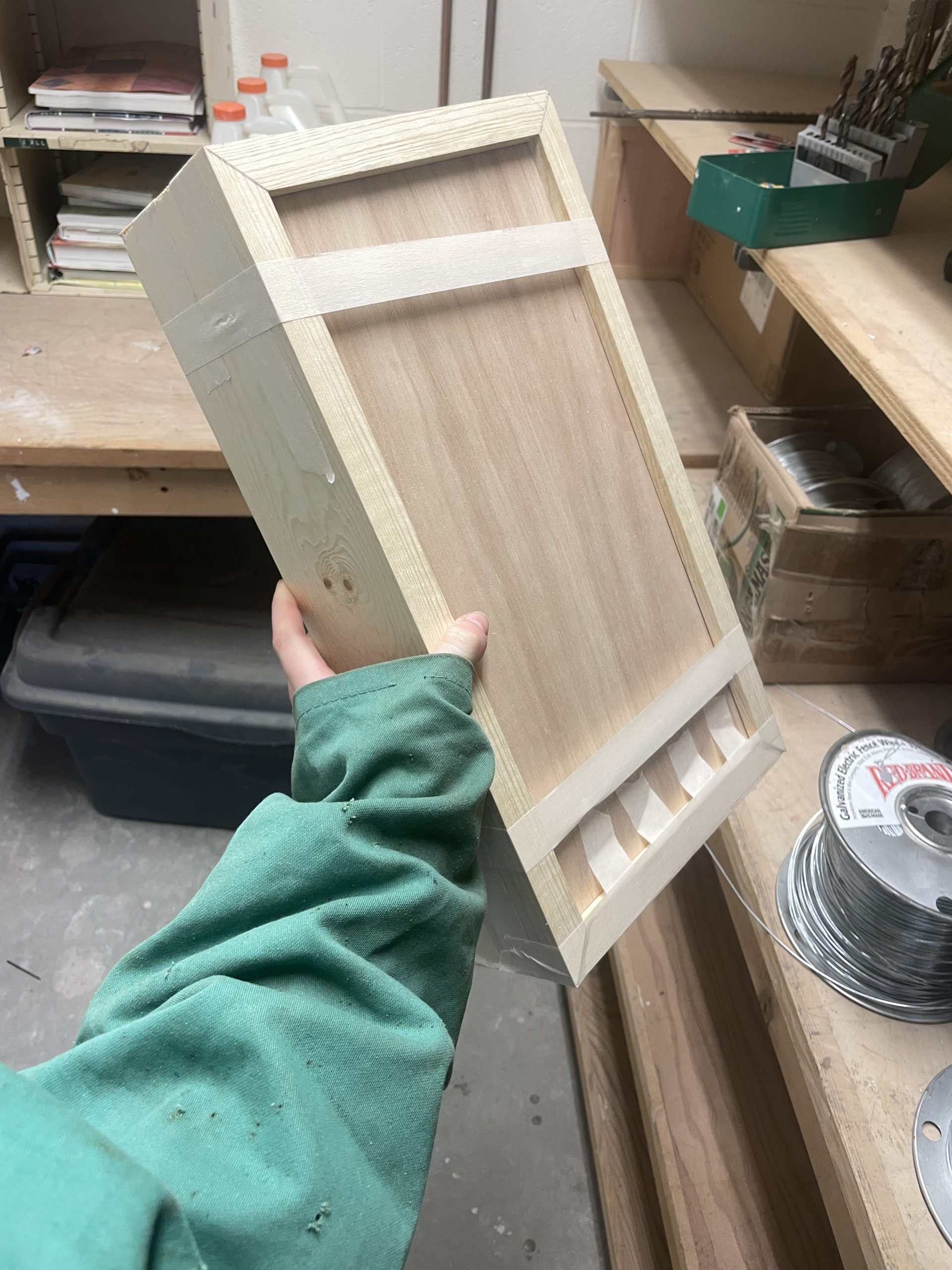
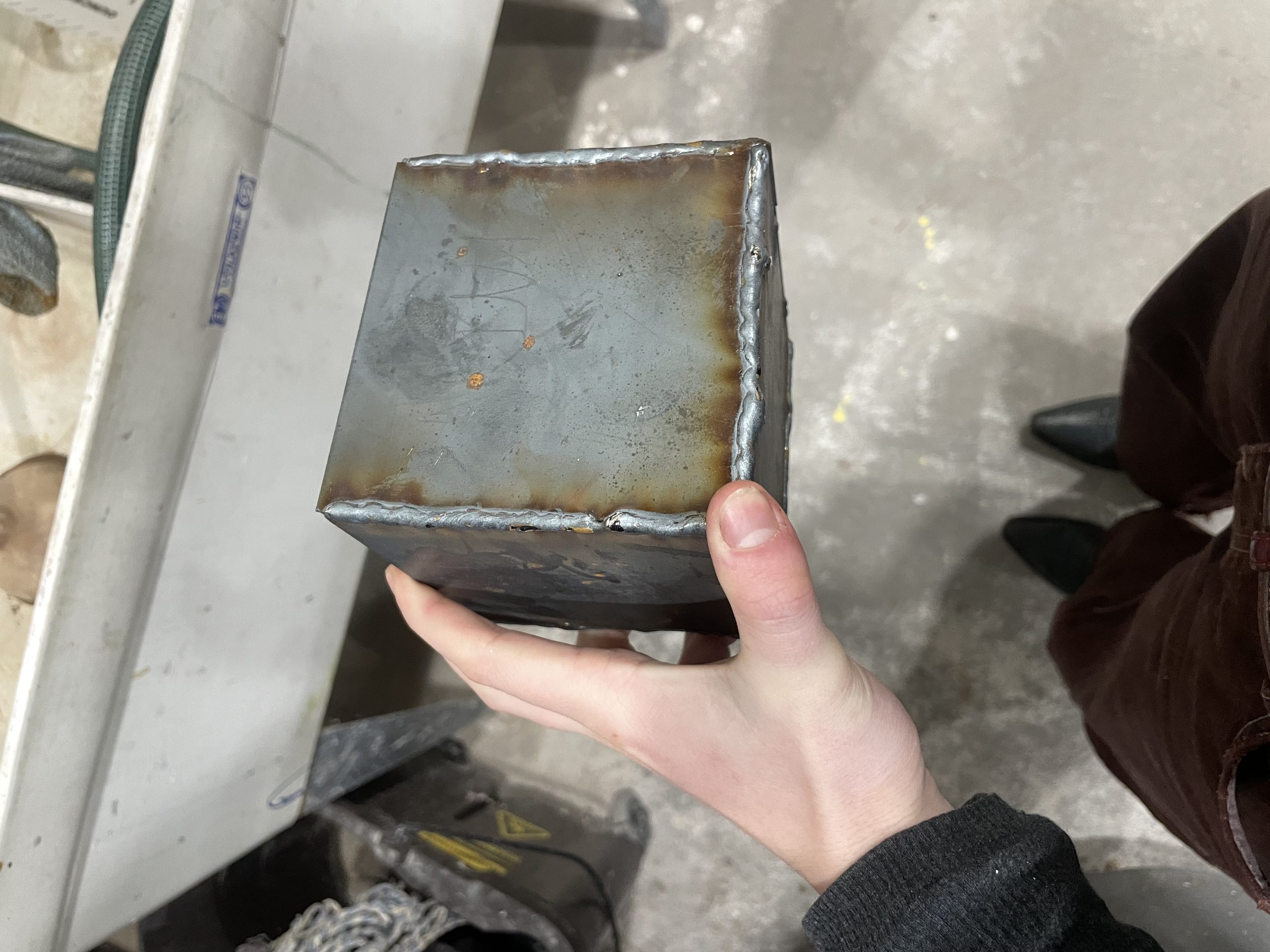
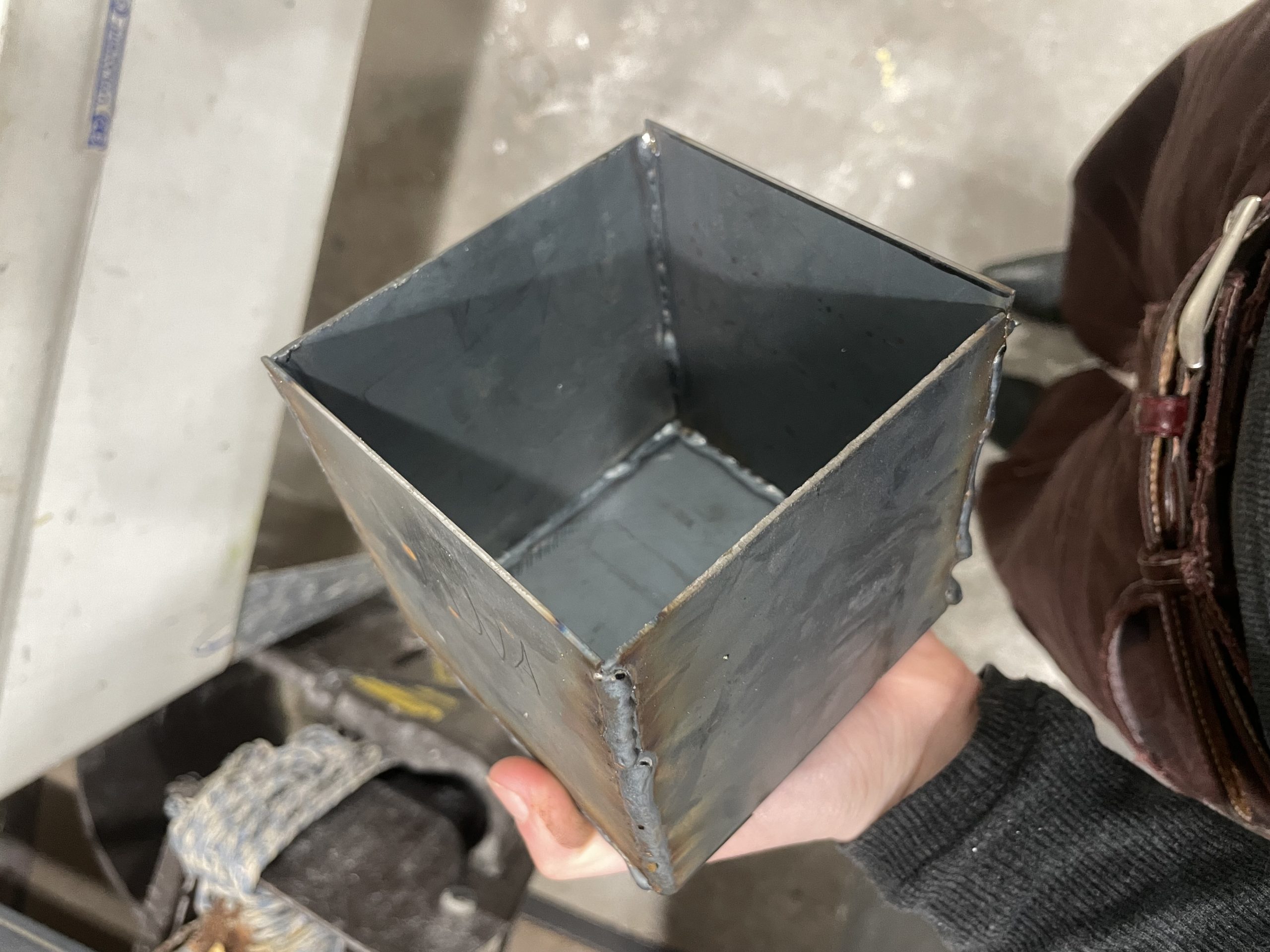

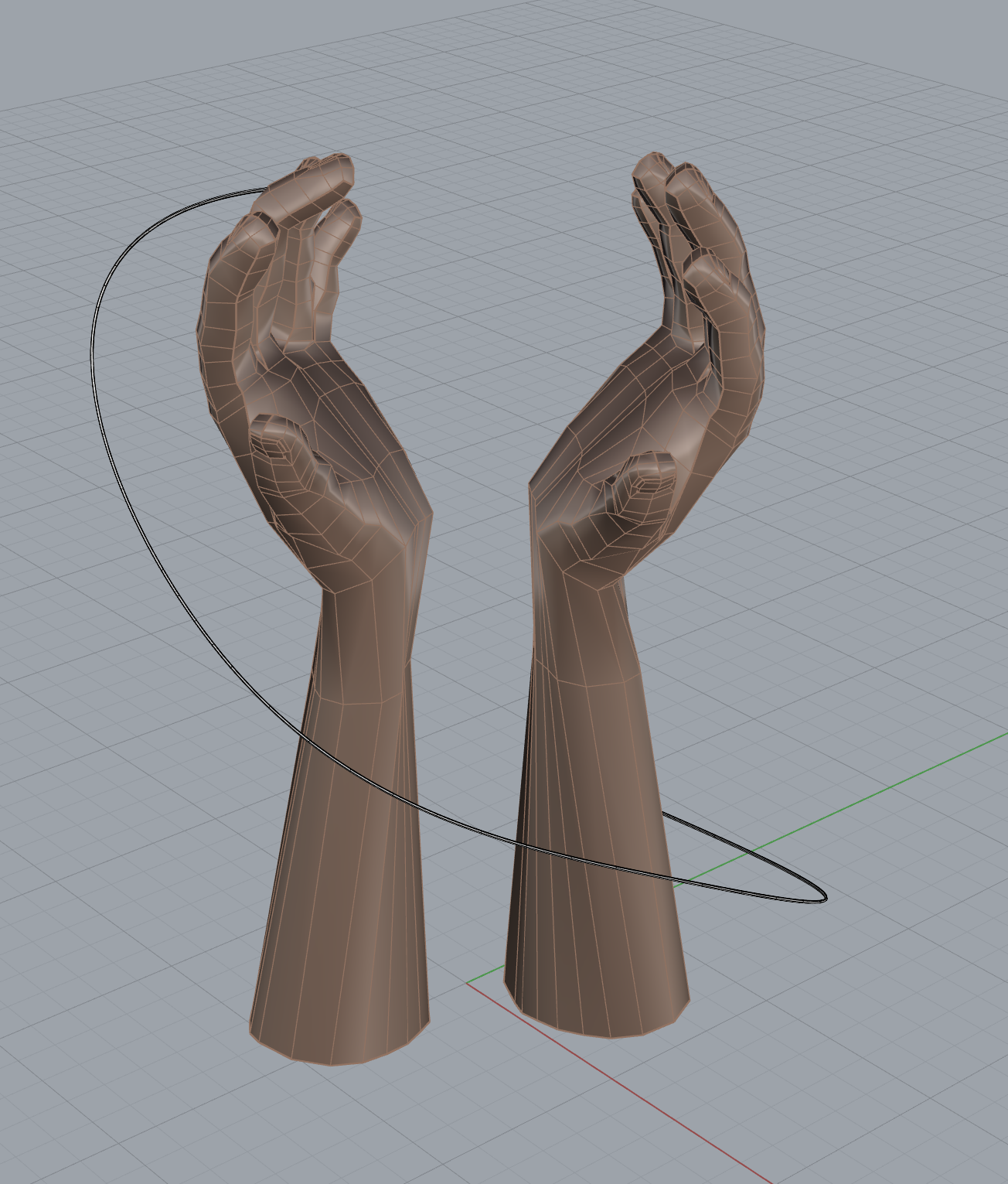
1. Choose, consider, and clarify your topic
For my project, I’d like to focus my shrine on stability/self-actualized fulfillment. I want to honor an ability that I’ve personally built extensively in myself; the ability to construct the peace that I desire in my own life and therefore true fulfillment. I’d like to highlight my own presence in the piece, perhaps including a body part to personalize the piece or add a personal metaphor. How exactly I depict the actual phenomenon/ability can differ greatly, as I explore in my sketches. For example, stability could be shown through the grounding of objects, sewn down with wire or nailed down to wood, or the use of hands could emphasize my relationship with the concepts of self-actualization. Although the subject matter is very personal to me, I aim to create physical metaphors that any audience could understand related in some way to stability and self-control. The piece will be a clear representation, a shrine to a concept that can easily be extrapolated from simply viewing. It will stand, not necessarily to inspire, but to prove its existence to itself. I’d like to make the sculpture quite large and intricate to emphasize the power that comes from adopting these skills in one’s own life, as I have in mine.
2. visual research


3. Borrow a strategy

Auguste Rodin, La Cathédrale (The Cathedral)
I intend to use the form of two intertwining hands in my own piece, highlighting the dance the appendages do with each other to create a satisfying composition.
4. Create sketches


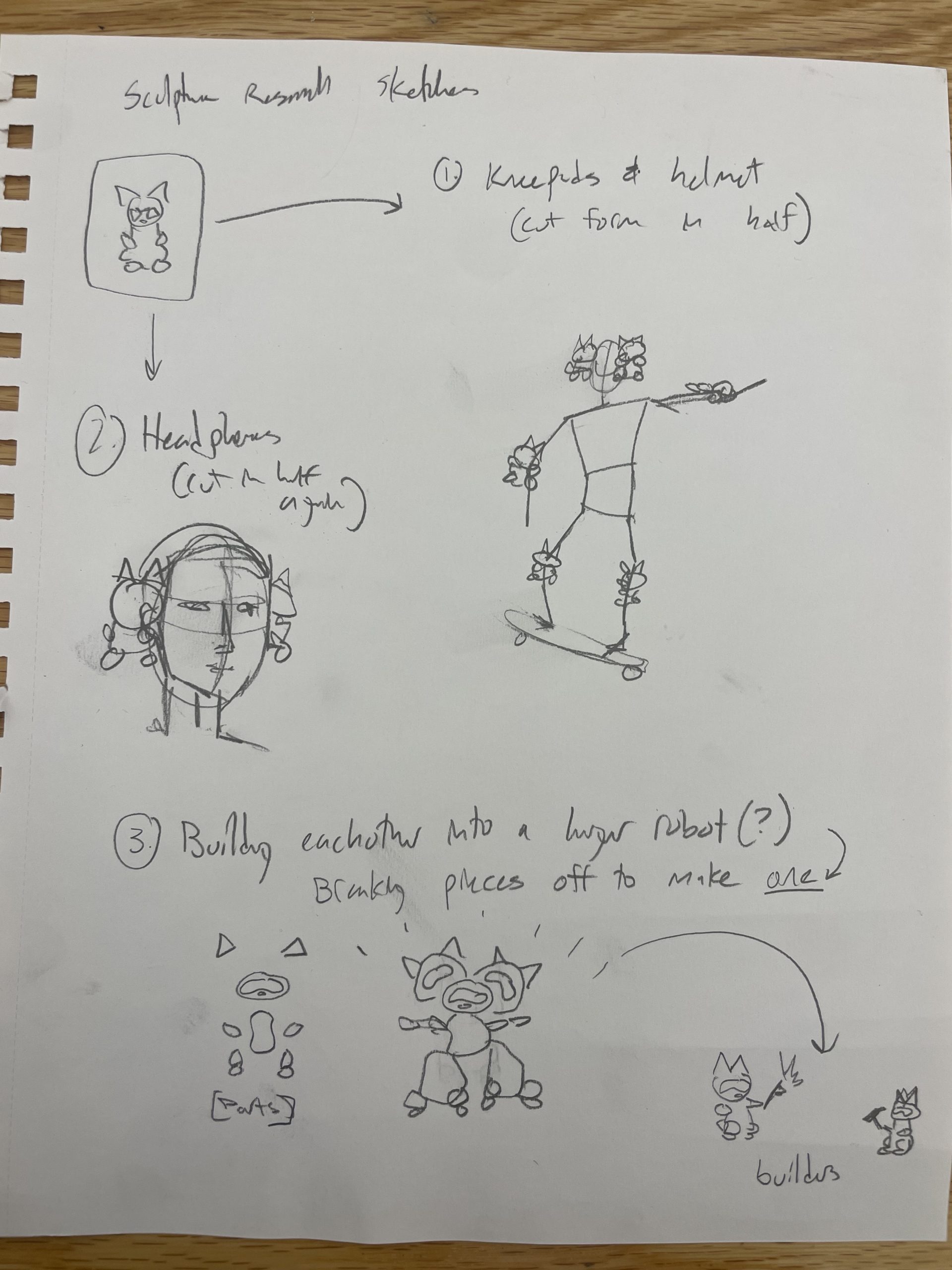
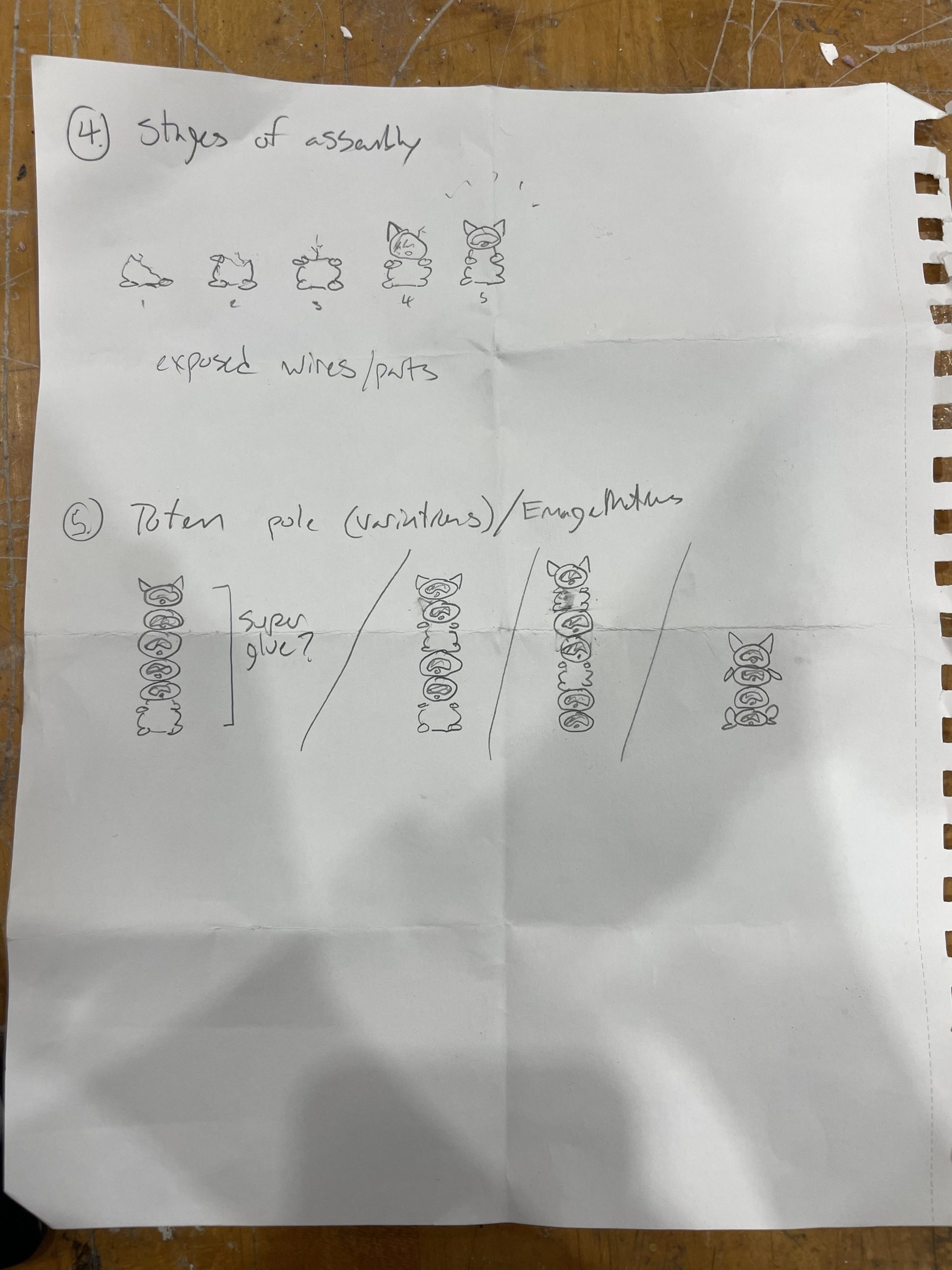
In a literal sense, my molded object is a robotic cat toy from the 2000’s. It is about 10 inches tall, 6 inches wide, and mostly silver and dark blue. It serves as a “throwback” a nod to 2000’s nostalgia and developing technology for a more playful purpose. It brings me back to my childhood, simpler times when this robotic cat (amongst other toys) was the primary source of fun and play. Conceptually, I’d like to relate these themes to the overall sculpture by creating something playful and fun. On the other hand, I could also use it as a contrasting element and create something serious, capitalistic/consumeristic, and non-playful. These robotic cats could be harnessing their powers to build a larger robot for evil purposes. This concept could also be turned around again to be playful and silly, as if the cats are plotting world demise but in a pitifully cute way. I attempted to communicate these ideas in my sketches below.
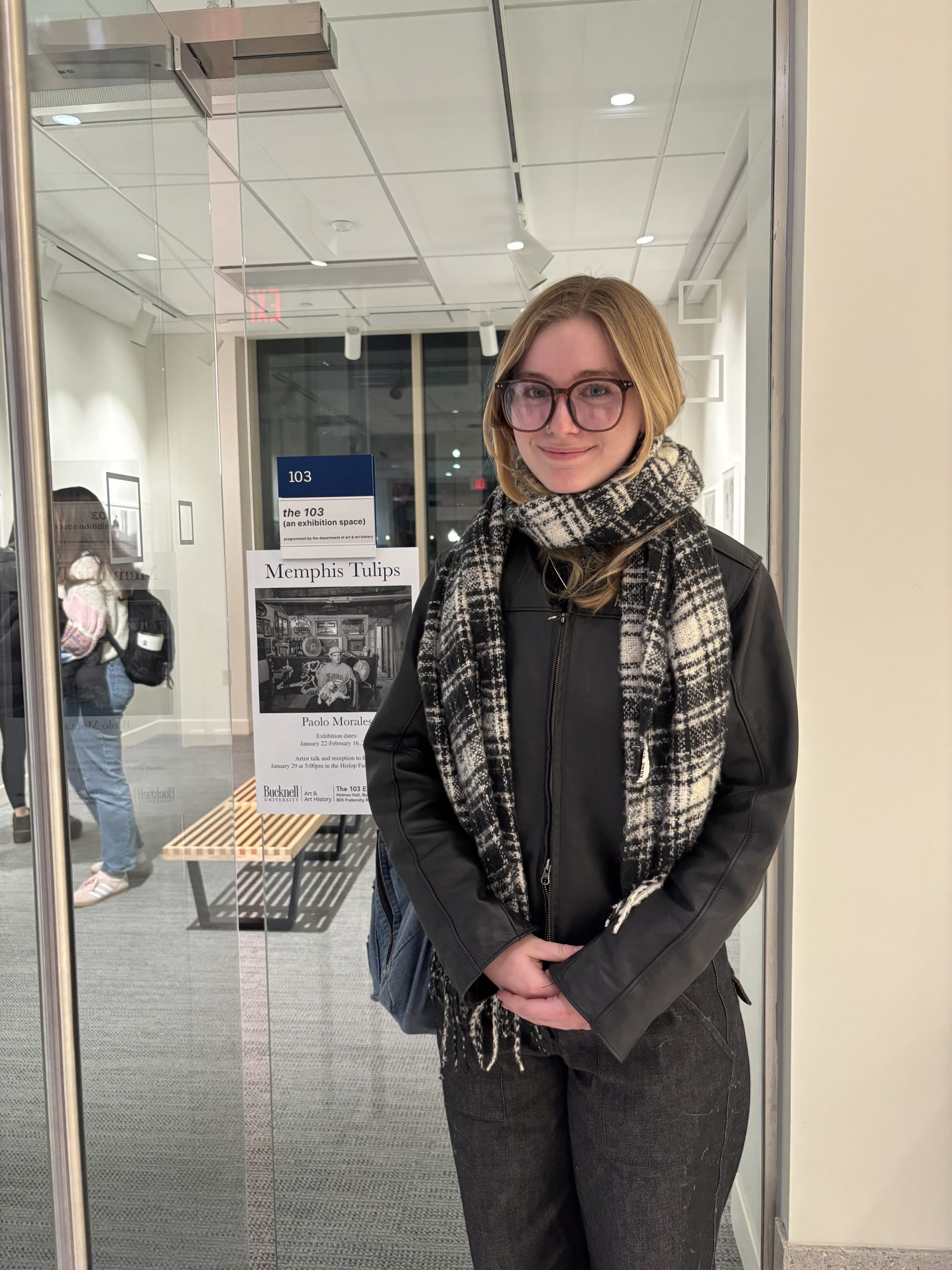
Title of Event: Memphis Tulips
Date & Time of Event: Wednesday, 7 pm, January 29th, 2025
Location of Event: Hislop Auditorium, Holmes Hall
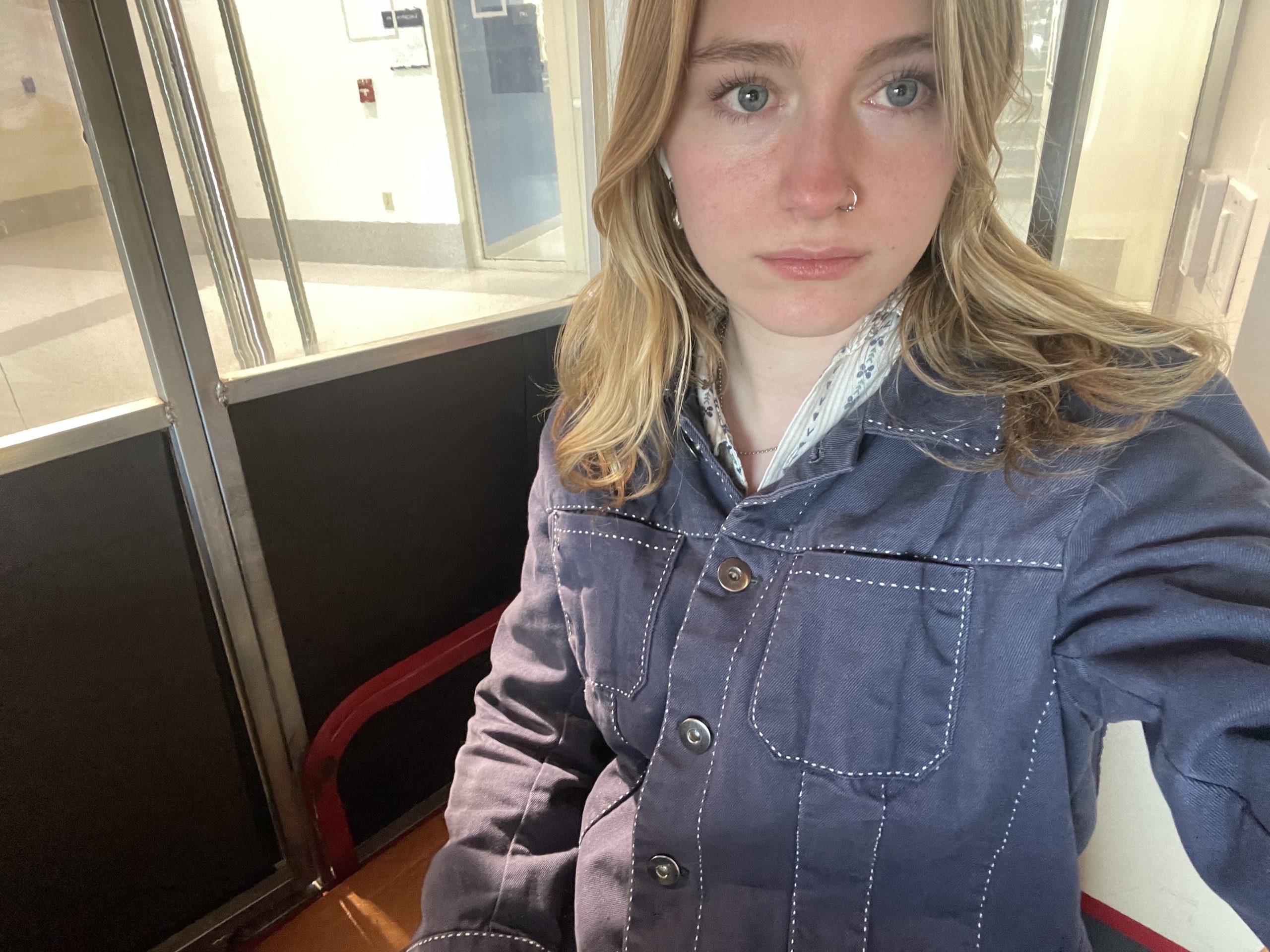
Type of event: Photography Artist Presentation + post-talk 103 gallery reception (pictured here)
Title of Event: The Comfortable Alienation of AI Exhibition
Date & Time of Event: Friday, January 24th, 4pm
Location of Event: Samek Art Gallery (ELC)
Type of event: Current Exhibition
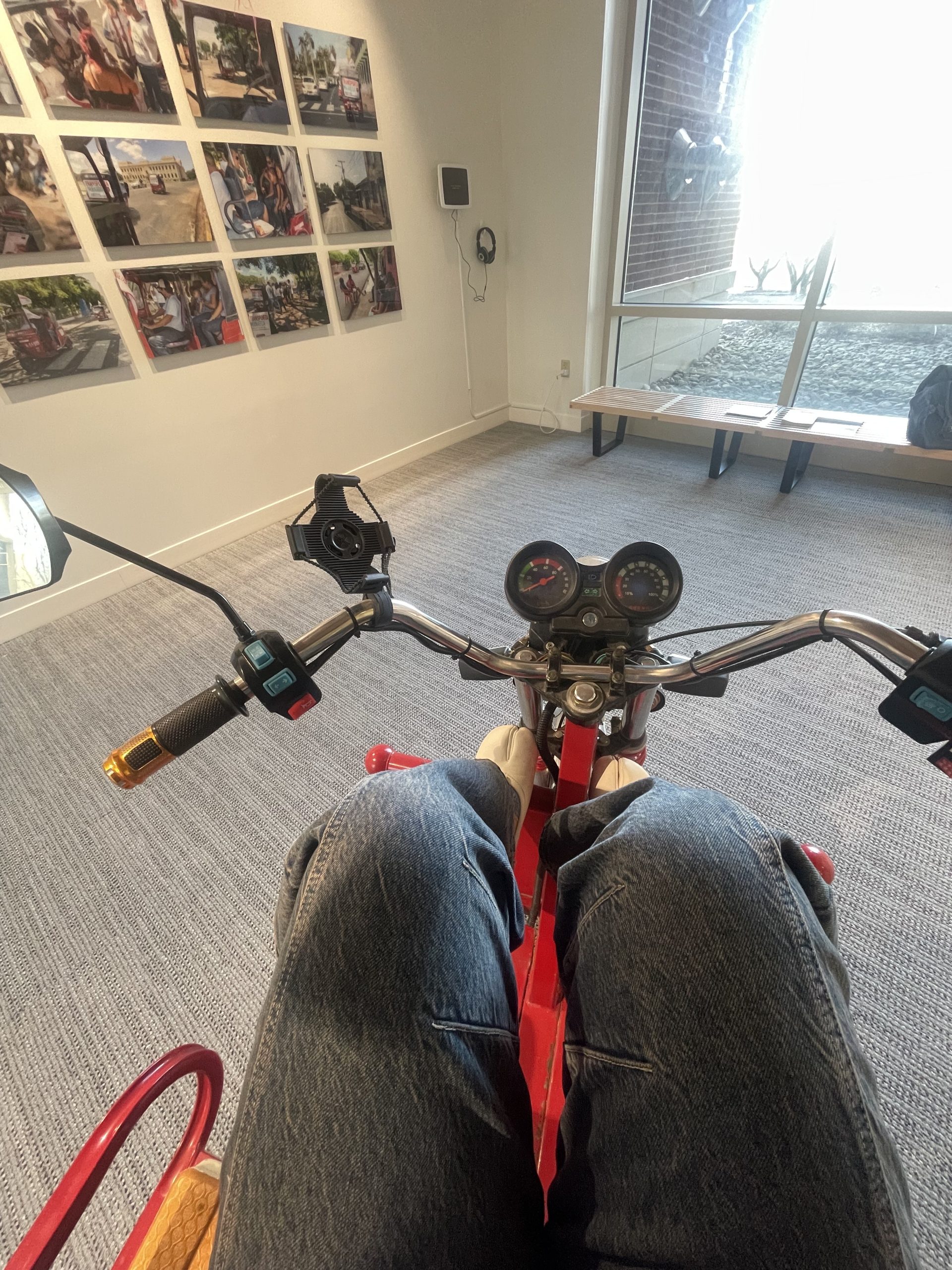
Notes: Super cool exhibit. Very trippy. Will be attending the “Funeral for Organic Intelligence” on March 1st.