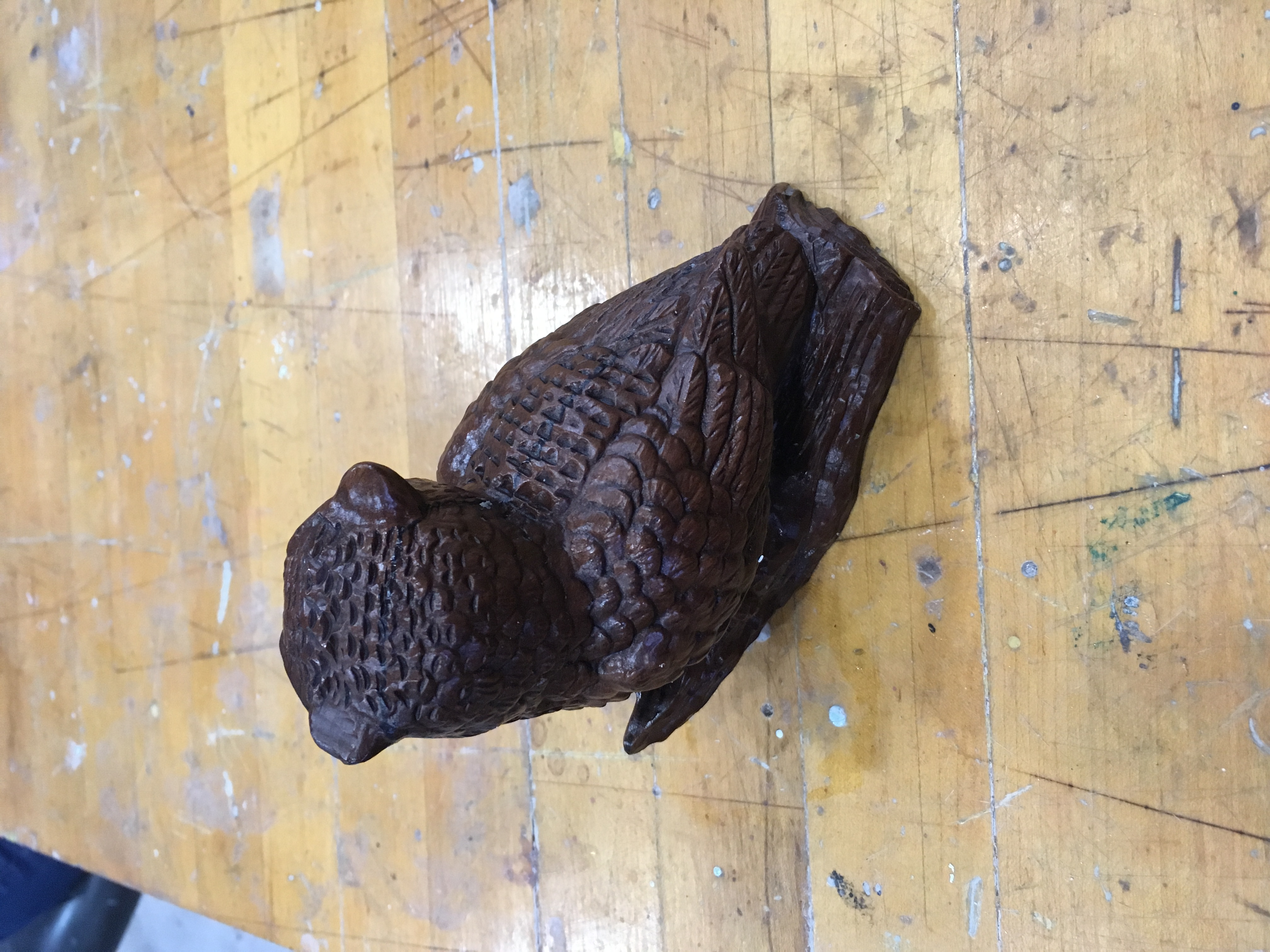
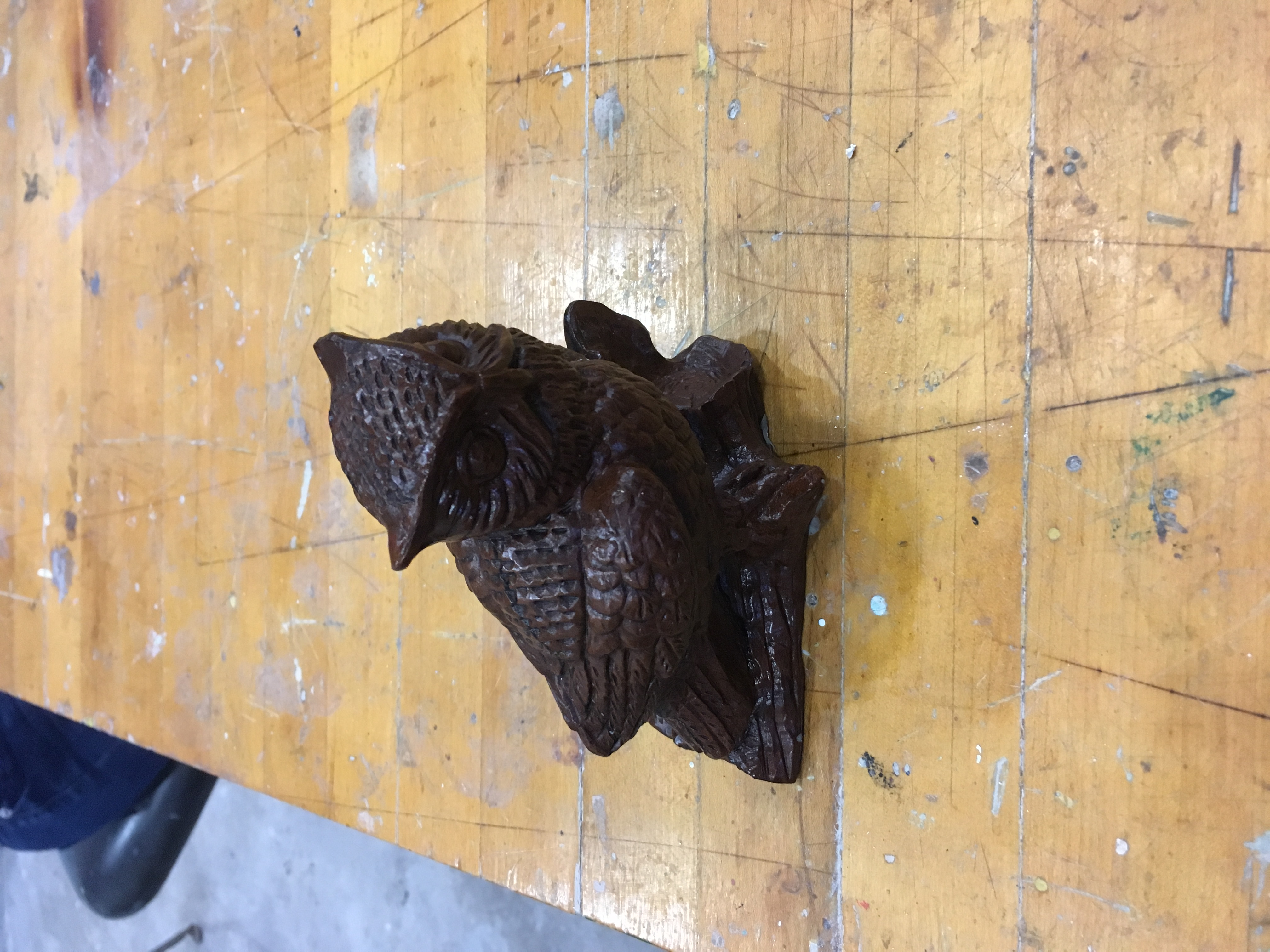
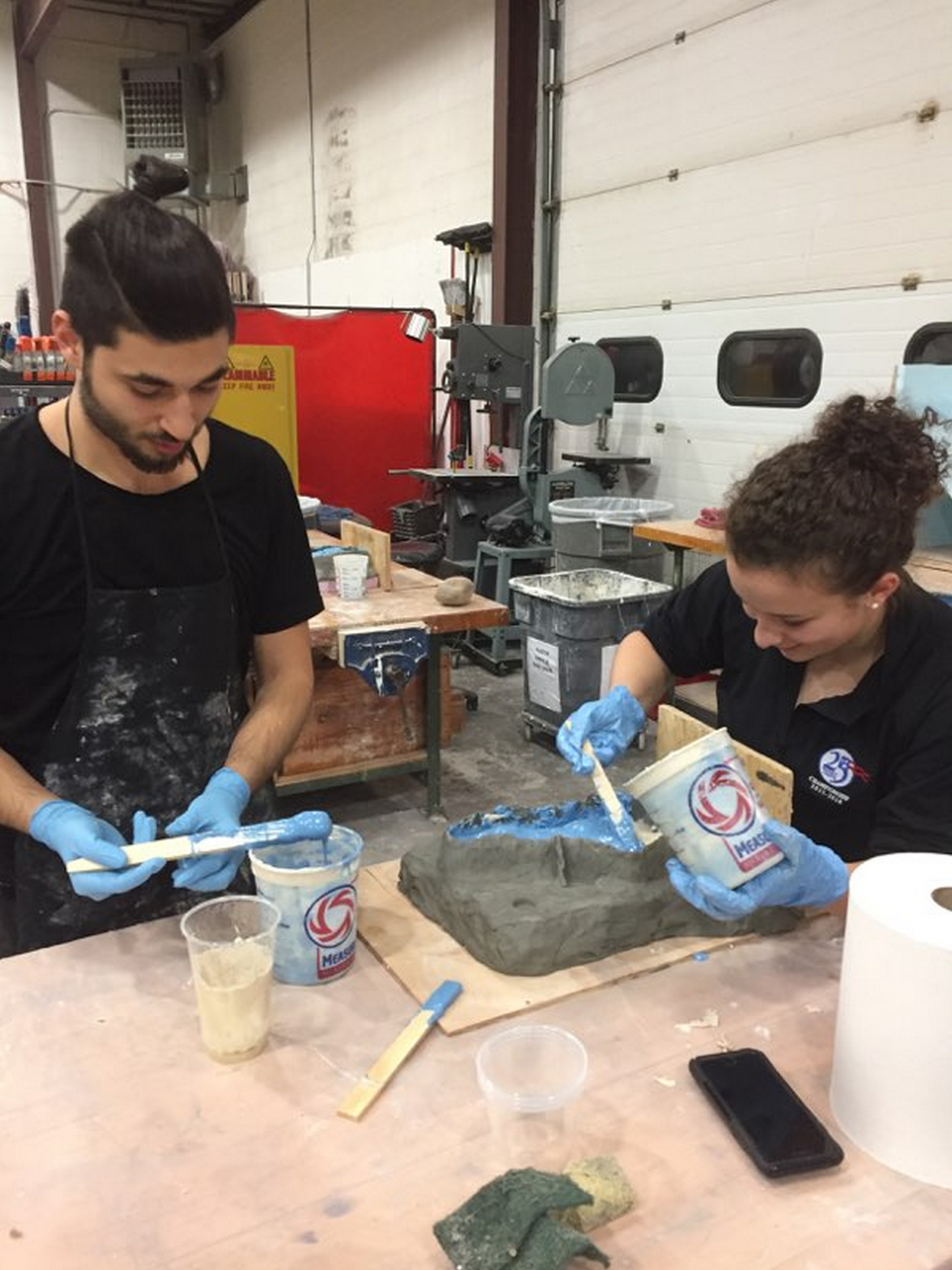
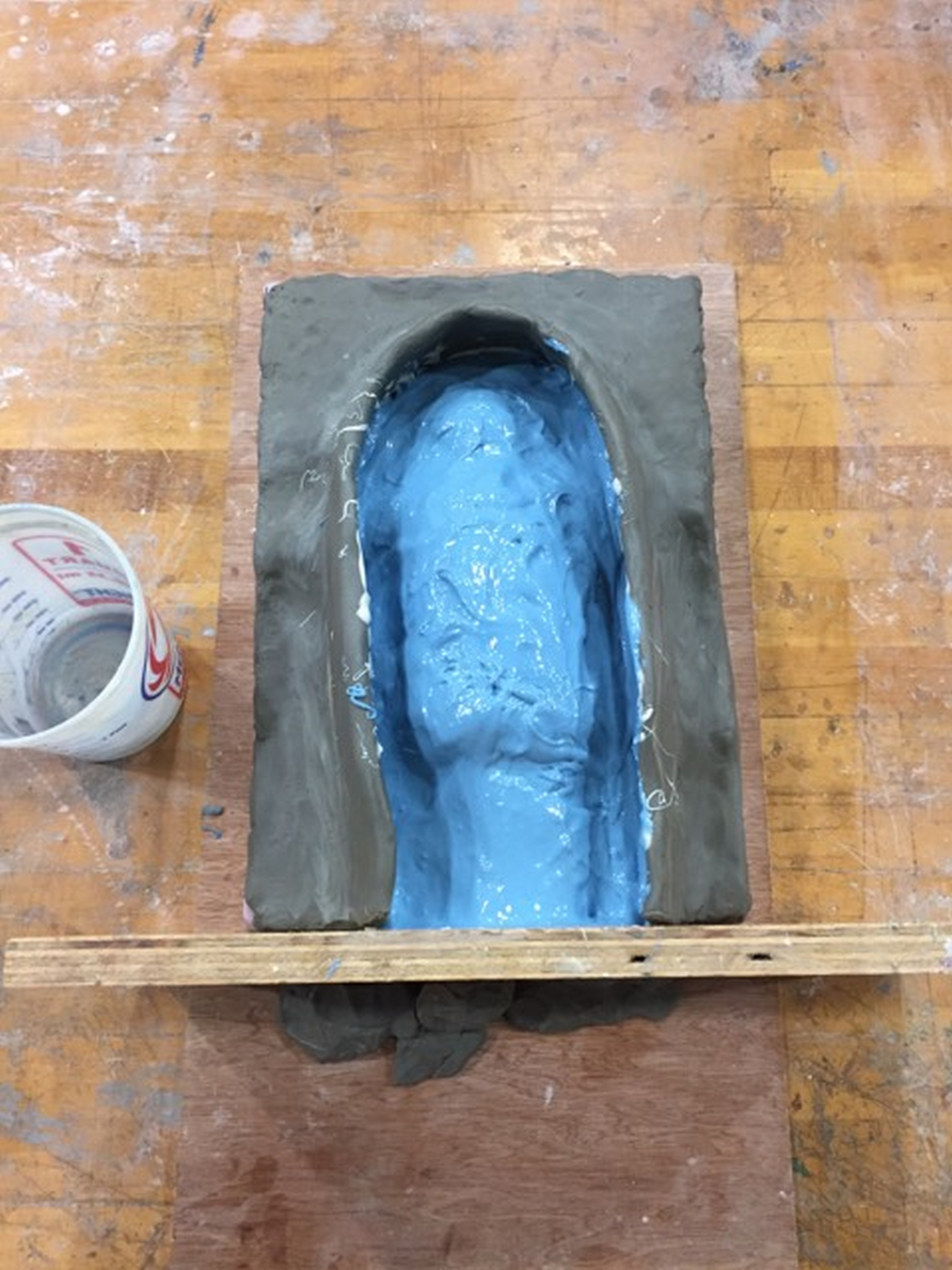
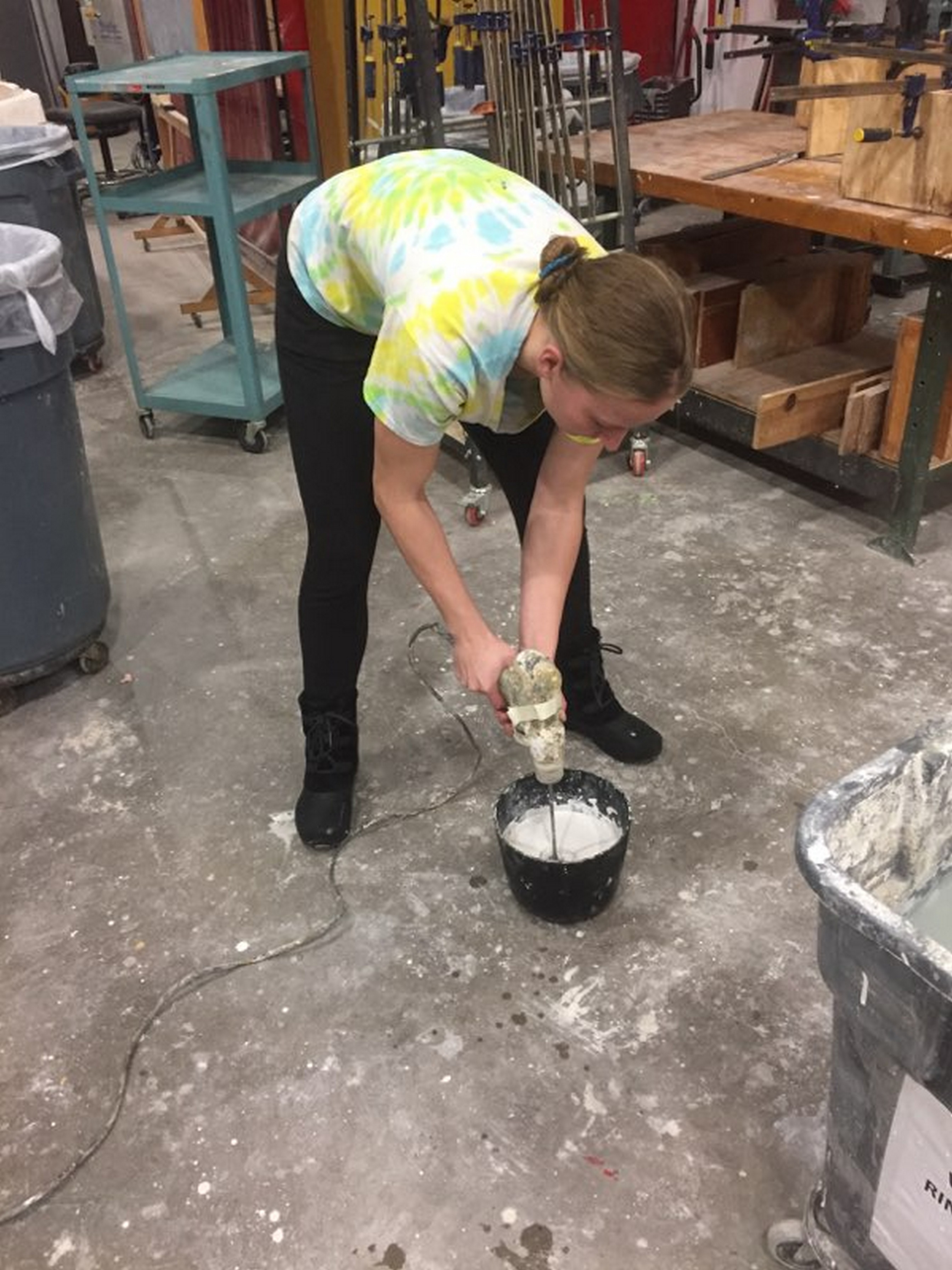
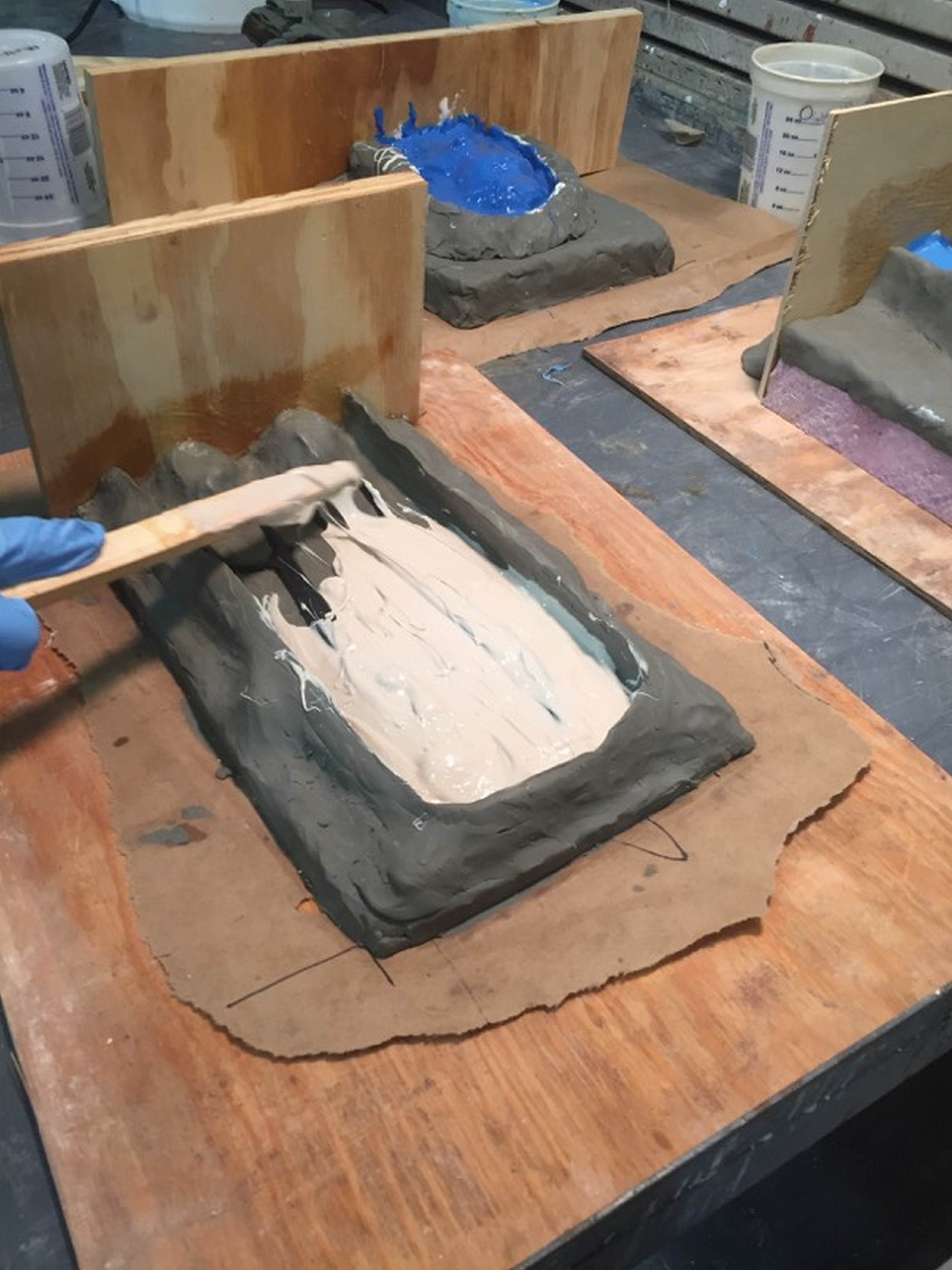
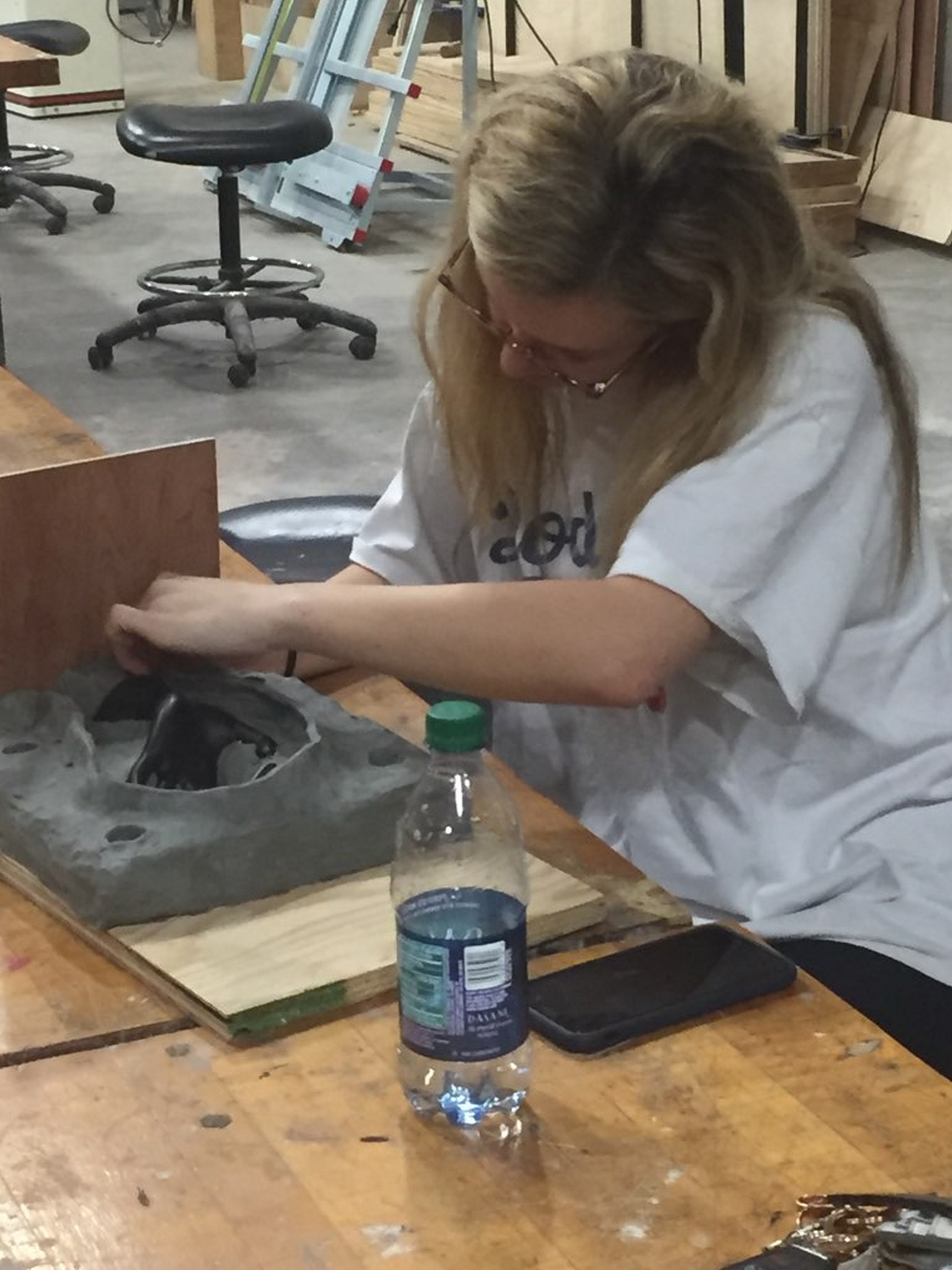
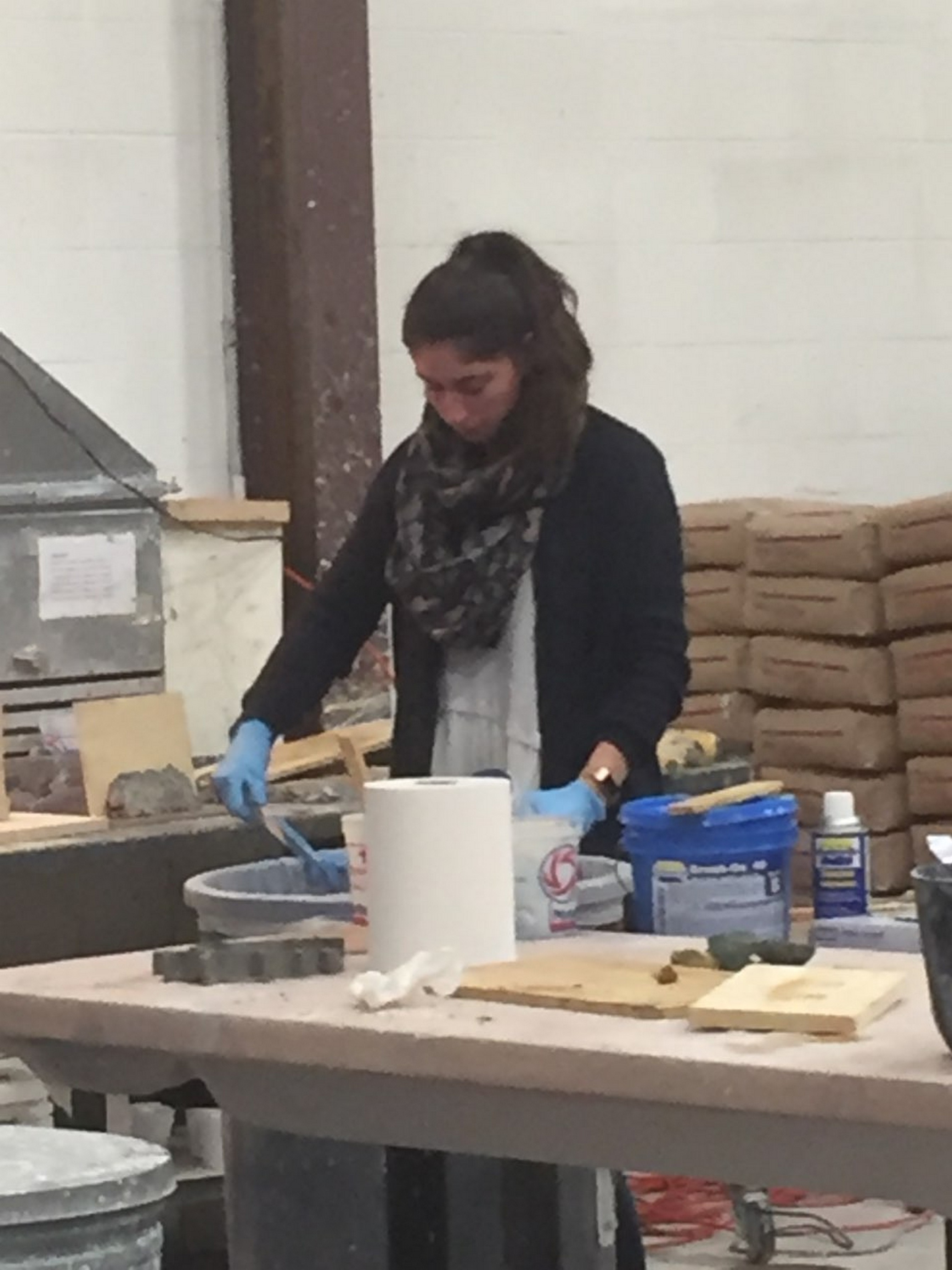
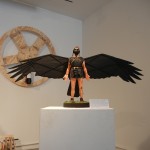
 I chose an owl from the Street of Shops for my item to mold. It looks like it is made out of wood but I cannot figure out what it really is. My object shows the human fascination of nature and desire to replicate its beauty. The owl is sort of a mysterious creature, it is a nocturnal animal that is rarely seen. The owl has the ability to turn its head completely backwards. This can be almost seen in my item where even though his head isn’t completely backwards it would be an extreme angle for a human head. This hints at the owls watchful presence. The owl is rarely seen but seems as if it always sees. I would love to explore capturing this in my project.
Category: Uncategorized
Rubber Mold Making Spring 2018

Maurizo Cattelan’s Olive Tree
Immediate Response
The first thing that catches the eye is the shear size of the sculpture. It’s incredibly tall and has a huge square base. The precision of the edges stands out. The tree seems to be the most attention drawing aspect of the sculpture however there are so many art pieces done of trees and pieces of nature. This brings you to look at the base. Why such a large base for an object normally sculpted with no base?
Objective Despription
This piece is comprised of a scraggly tree upon a massive dirt base. The base is square and at the top the corners are cut fairly sharp. However, as the base nears the ground it thickens and piles at the bottom; taking away the sharpness of the corners. The sculpture is just over 27 feet tall and nearly 17 feet wide on each side of the base. The sculpture was formed with Olive Tree, earth, water, wood, metal and plastic. The exhibit is placed in the corner of a museum with white walls and a gold ceiling. There is nothing near the sculpture. It is set aside by itself with no descriptive signs or posters near it.
Technical Decisions
The Work in the World
This piece takes a very ordinary object and puts a very different spin on it. Most people in the world see many trees everyday and look past them without a second glance. However, when people see trees they do not think about the base and how the tree is supported. Trees are vital to life. They give us oxygen to breath, boards to build, logs to burn for heat and sometimes even food to eat. Cutting this tree out of the environment with the dirt with it allows us to take a step back and look at it for how important it is.
The Story it Tells
A tree is fed by its root system. A tree is often over twice as big underground as it is above ground. We rarely see what is underground. A tree cannot survive without its roots and therefor it is unrealistic to display it that way. Just as people cannot thrive without things to motivate themselves and push themselves for greatness. These things can be things such as religion, family and friends, a desire to do good, money and fame or a combination of them. Just as it is unrealistic for us to look a tree separated from its roots it is also unrealistic to look at people and the world for only their actions and external appearance as if they had no roots.
Matt Armo, Strandbeest (Animaris Currens Ventosa)
Matt Armo
ARST 250
Prof. Meiser
1/29/17
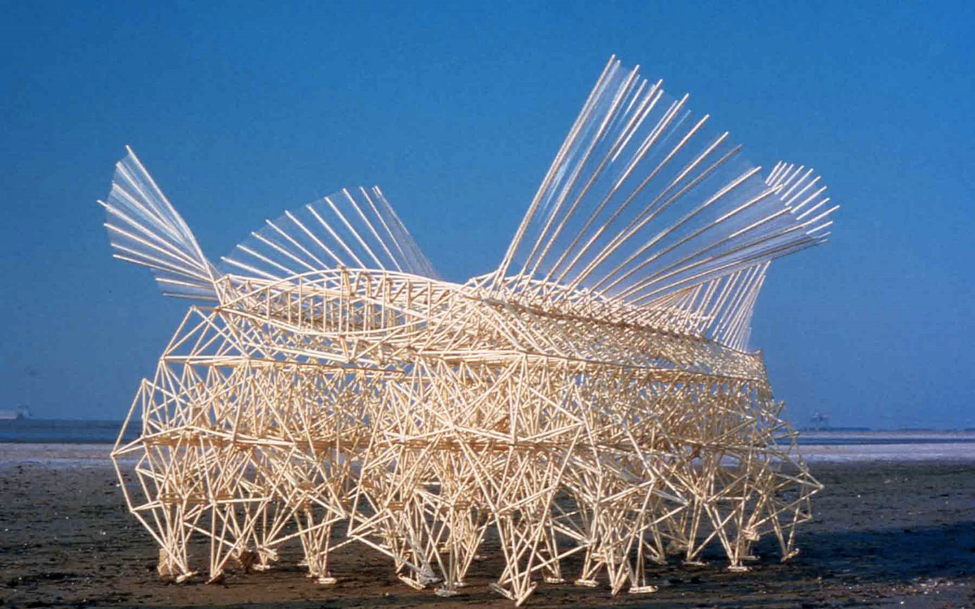
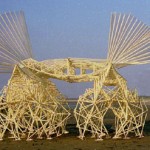
Theo Jansen, Strandbeest (Animaris Currens Ventosa)
Immediate Response
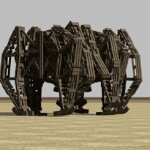
The intricacy of the piece immediately stands out to me. It is made of many sections of a PVC pipe material that includes a bunch of feet, a central body, and what appear to be wings. The “animal” seems complex and able to move fluidly much like a human. The object does not bounce while traveling and is able to keep level. This must require precision tolerance of each leg, to ensure the kinetic sculpture won’t move up and down during translational movement. The piece appears very lifelike and moves kind of like an insect with its many legs and two wings.
Objective Description
I see many pieces of PVC piping all zip tied and connected into a sort of structure and lattice. There look to be about 10 legs that each have 5 feet that are able to move and rotate by stepping on the ground to advance the beast and keep it stable and moving forward. There is an arc of pipes on the top to form the back of the animal which is smooth and flat. There are also two long wings on each side that stretch down the entire length of the body and can capture energy out of the wind and allow the piece to move. These wings have PVC supports running through them like bones to give structure and strength to the wings.
Technical Decisions
The artist describes trying to create a new form of life through these animals and he thinks that they will soon be basically independent. The work was made meticulously and with much thought and looks great as an entire piece but was made with limited materials which leads to sloppy looking joints under close inspection. The way the art is presented is that it is released into the world and onto beaches in the Netherlands. The animal is made of inexpensive piping because of its ease of workability, abundance, and cost. The piece is visually appealing to watch and it also leaves lots of room for improvement, which Theo is working hard to implement to make these animals more lifelike.
The Work in the World
This artwork is unique. It combines both art and engineering into one. I could see it combining even more subjects, like biology, and animal behavior because of how lifelike they may become with different technologies. Theo really believes in how alive these sculptures are and delves into their brain and adaptive mechanism systems which run off of the wind. Each animal created is given a species and genus name, like any real living animal found in the wild, which goes to solidify how alive Theo and some others perceive these animals to be. I would compare it to artificial intelligence in a way. Artwork can integrate artificial intelligence and even non-art related AI can be compared to how creators want to see their creations evolve.
The Story it Tells
AI is man’s way of replicating human consciousness using electricity, wires, and circuit boards, much like Theo tries to recreate life and movement in animals, using piping, zip ties, and pressurized bottles. As much as manmade items can appear to mimic life, it is difficult to fully mimic all aspects of movement and consciousness. Theo is trying to create a primitive form of life that might not coincide with all of biology’s definitions of life, but might be able to exist and move independently. This definition of life includes movement, and the knowledge of survival mechanisms, like moving away from water to prevent drowning and anchoring itself in heavy winds.
Owen Parent, The Raw Edge
Owen Parent
Art Report
Sculpture 2
Prof. Meiser
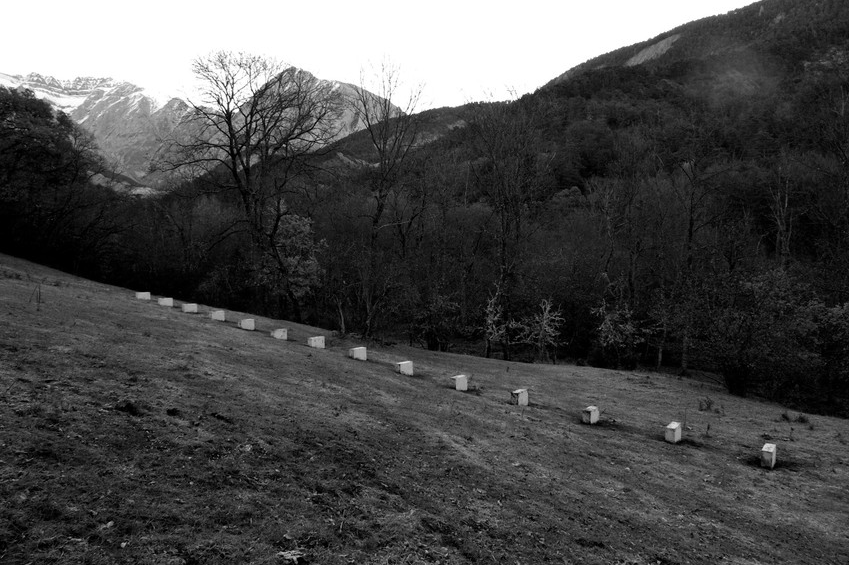
Richard Nonas, The Raw Edge
Immediate Responses:
The first time I looked at this piece, it seemed militaristic. I imagined the blocks of stone lining the mountains as soldiers marching to battle. The art seems abrasive and intentionally out-of-place in the rolling hills and mountains. The sharp edges and meticulous spacing of the limestone blocks aren’t natural at all, and the piece’s overall presence is something that is hard to pull your eyes away from. My eyes were immediately drawn to how the piece interacts with its surroundings because the intentionality of the blocks is in such stark contrast with the woods and mountains. Another thing that I noticed was the simplicity of what the piece was, at its core, it is several lines of stones in a field.
Objective Description:
The Raw Edge (2012) is an installation in Viere, Haut Provence, France by Richard Nonas (pictured above). In the piece, 140 blocks of Luberon limestone, each measuring 45x60x20 cm, are arranged in three locations. At the Viere location, the blocks are aligned in two lines that meet at a right angle in the corner of a field. The blocks are arranged in perfectly straight lines and are spaced evenly at distances of about two meters. The piece is nestled in a field amongst snowcapped mountains and thickly wooded forest. The Raw Edge, much like all sculptures and pieces of installation art, changes as the perspective of the viewer changes.
Technical Decisions:
The material choice in The Raw Edge shows the connection between the artwork and its surroundings. The blocks are made of Luberon limestone, which comes from the Luberon mountain range in southeastern France. This means that the artwork is actually made out of the same material that the surrounding mountains are made out of. The lines in this piece allow the eyes to move incrementally along each repeated block of limestone. The most interesting thing about the lines related to eye movement in this piece is that it does not only have to be eye movements, viewers can actually move through and around the art.
The Work in the World:
In a statement about the piece, Nonas referred to the Nazca Lines in South America, Egyptian Obelisks and Australian Dreamlines as some of the most “direct, simple and immediate marking of human thought onto complex and natural reality.” In some ways, Nonas is emulating these ancient cultural, religious, and artistic works through The Raw Edge. He appreciates the simplicity of straight lines installed in nature by humans because it is a reference to ancient methods of claiming land and honoring the deceased.
The Story it Tells:
After looking into this piece of art more deeply for a period of time, my impressions completely changed from what they were when I first saw it. Initially, I saw the work as abrasive and out of place, however now I see that this piece is heavily inspired by the history of many civilizations across the world. The primitive methods used to create the blocks could have been used thousands of years ago just like some of the world’s early civilizations did. The title of the piece speaks to its almost primitive and “raw” nature, and even though it is raw, the precision with which it is constructed and aligned is elegant.
Selecting an artist for the Art Report and Artist Presentation assignments
To find an artist, go to Bertrand Library and page through either the collection of books Professor Meiser has on reserve at the circulation desk OR the collection of Sculpture Magazines available on Level 2.
When getting a reserved book from the circulation desk, consider checking out one of the following titles—each of which has 100s of artists to choose from:
- Vitamin 3D: New Pespectives in Sculpture and Installation Art
- Sculpture Today
- Art and Today
- Art Now
- Cream 3
- Defining Contemporary Art
- Fresh Cream
- Ice Cream
- No 1: First Works by 362 Artists.
When you go to the circulation desk, be sure to mention that you’re in class ARST 250. Apparently it’s easier for the student workers to find reserve books by looking for ARST 250 rather than the professor’s name or the title of the course. To see the full collection of books that Professor Meiser has put on reserve, you can refer to this list.
To be relevant to our course, your artist should work primarily in three-dimensional media and be contemporary (still alive and making art today). Before selecting an artist, do a preliminary search on the web to make sure there’s sufficient information available. When you prepare for the Artist Presentation you will want to learn what the artist has said or written about their work by reviewing some interviews with the artist and/or articles about their work. These materials will help you learn about the artist’s particular agenda, set of influences, and way of working. If you can’t find any interviews or articles then look to see if the artist has written any statements about their projects. If you have trouble finding information on the artist then you’ll want to choose someone else.
Once you’ve made your selection, email the artist’s name to EVERYONE in the class, CCing Professor Meiser. Please note that each student should select a different artist. First come, first serve. Your classmates’ email addresses are posted on the “contact info” page of the class website.
Project 3 2016 Videos
https://youtu.be/gv4GmLlZaPo
https://youtu.be/RbWgUDRwfZo
https://youtu.be/PhAarplYb4A
https://youtu.be/-ClKpKOQB78
https://youtu.be/jq8Z73As1rc
https://youtu.be/U3b5YpntkNg
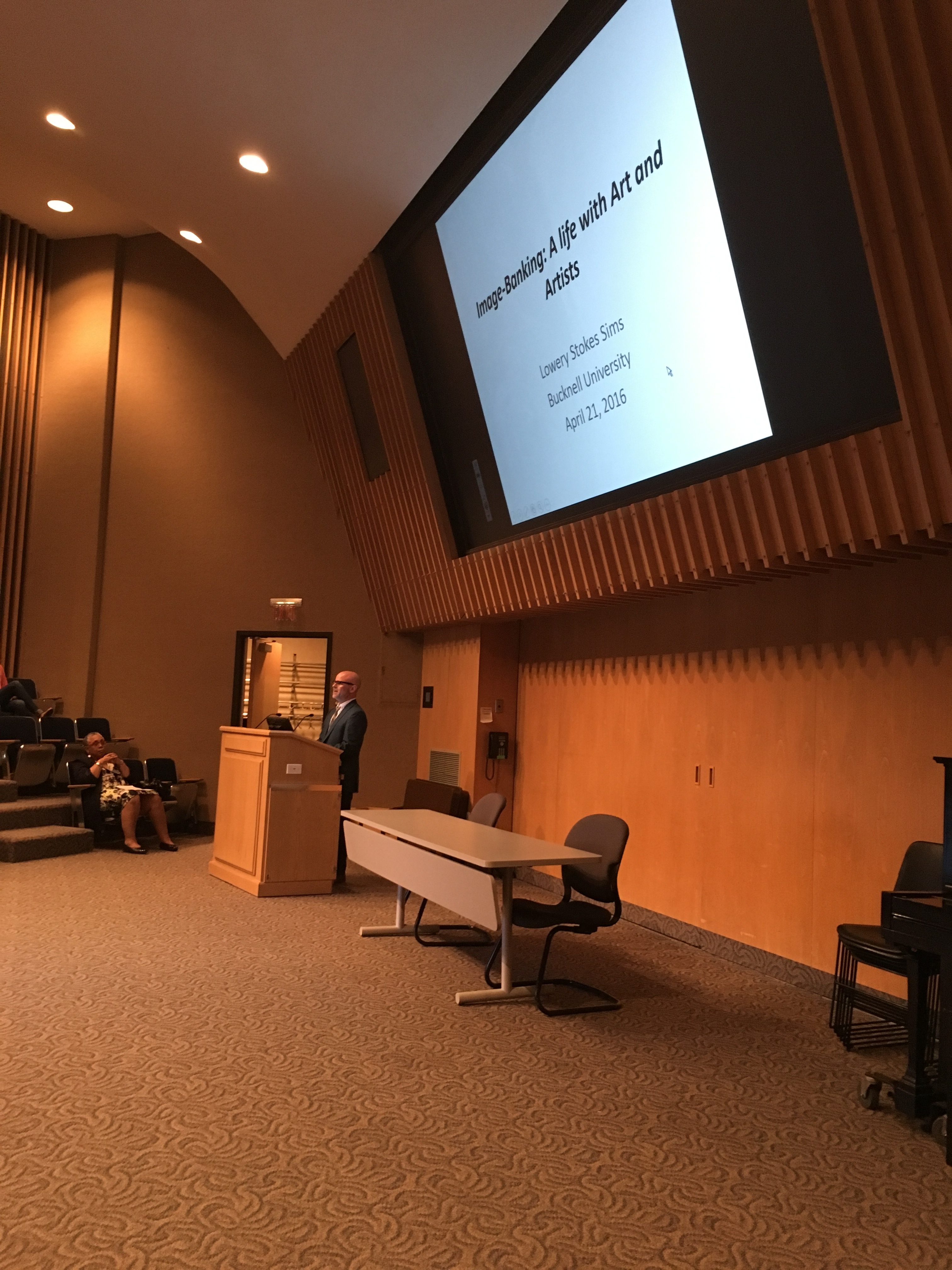
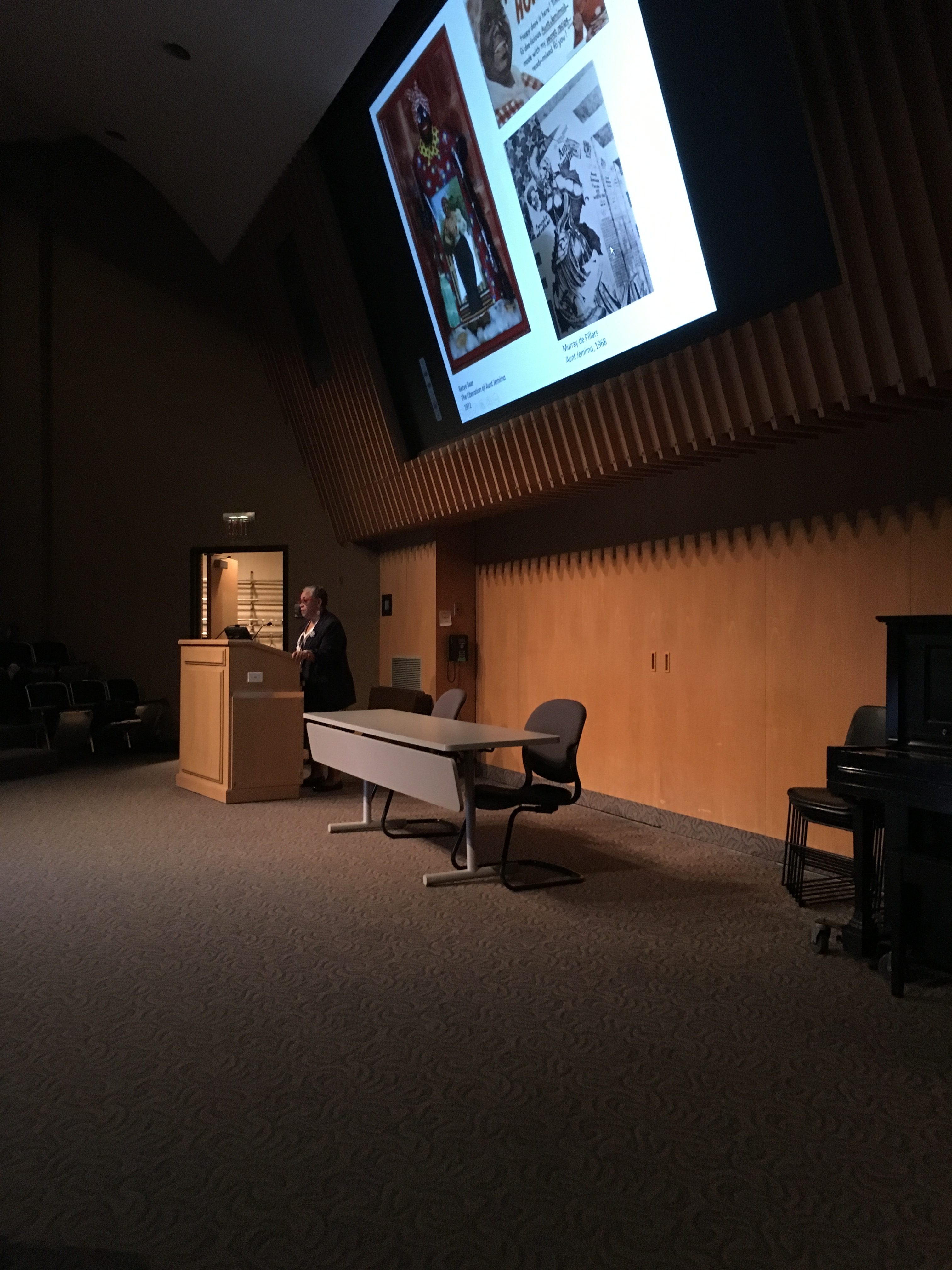
ArtsXpose 4
Title of Event: Lowrey Stokes-Sims Distinguished Art Lecture
Date & Time of Event: Thursday April 21st at 6:00 pm
Location of Event: Forum in the ELC
Type of Event: Lecture and reception
Part 3 – Claire
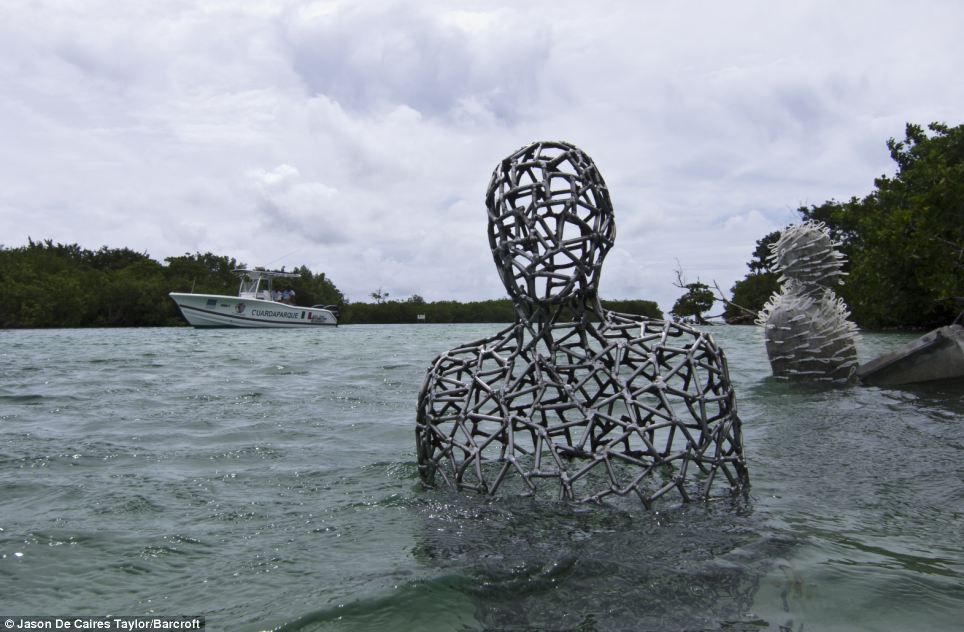
Title: Vein Man
Artist: Jason deCaires Taylor
I am going to borrow the method of making a structure out of a metal weave and immersing it partially in water or having a water element.
Project 3 Part 3
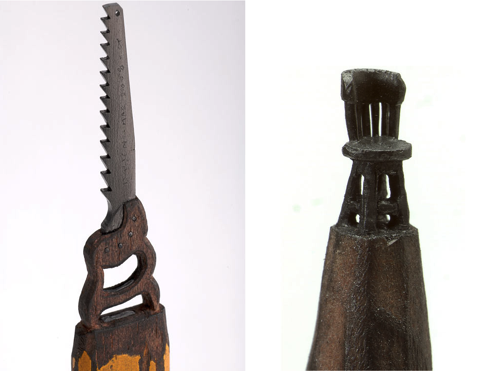
Artist: Dalton Ghetti
Title: Unknown, pencil tip sculptures
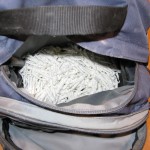
I love the fact that these sculptures make the original object completely useless for it’s intended purpose, which is an idea I plan to use in my own work.
Liam’s Car
https://youtu.be/3Wmi_vBJ9eQ?rel=0
Project 2 artistic reference material
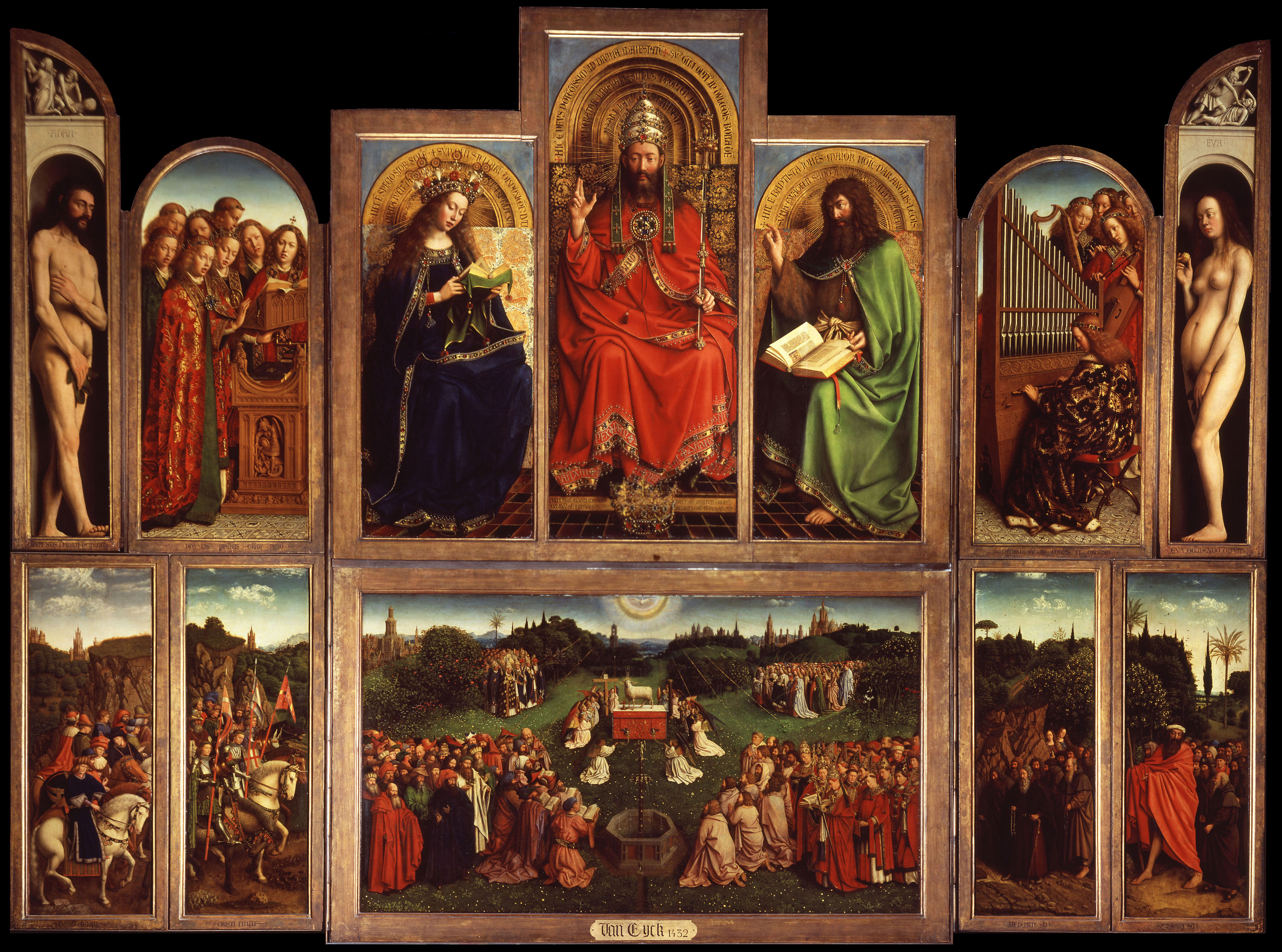
I would like to make my shrine similar to a Renaissance era alter piece that opens and has panels that represent different things on the inside. This alter piece is by Hubert van Eych and Jan van Eych done in 1432.
Borrowed Strategies – Paden
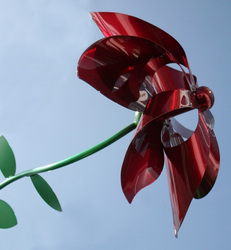
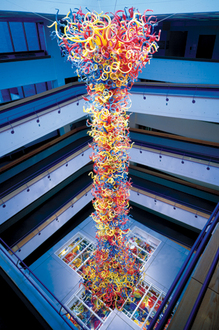
These are two separate works but I would like to borrow a strategy from each. The image on the left is of a kinetic, pinwheel, floral sculpture that is powered by the wind. The image on the right is of a 43 ft tall blown glass installation at the Children’s Museum of Indianapolis. Both of these pieces are bright, fun, and exhibit motion in very different ways.
Lucie Florio- Damien Hurst “Love Lost” 2000
Initial Response
The first thing that came to mind when I came across “Lost Love” was that I was intrigued. I am familiar with Hirst’s sculptures and have experienced some of his work first hand; however, everything I had seen created by Hirst was animal related. Lost Love is extremely different for it is some type of doctor’s office. The cliché yet important questions immediately came to mind: What is this? Where is this? Is this a doctor’s office? What kind of doctor? Why are there fish in the doctor’s office? What is the purpose of the part of the sculpture outside of the tank? Is this a gynecologist’s office? Numerous questions continued to come to mind. Lost Love is extremely captivating because it combines and completely immerses industrialization and the science of modern man with nature. The patient chair and doctor’s white coat immediately stand out to me because they seem so out of place in a fish tank. It makes me think of two different scenarios. The first is some kind of shipwreck and the second is a futuristic scene where what was once a practicing place of medicine is now under water due to climate shift and global warming.
Objective Description
The work is a large square tank, roughly the size of a small room about 8 feet high and 8 feet long. The four walls are all made of class and are held together by white metal around its edges. The tank is filled with a sea foam deep aqua tinted water and is completely filled. The tank holds a patient table that is assembled to sit semi-upright and is white and black with stirrups thus leading the viewer to infer that this is a gynecologist’s office. There are other classic doctor’s office essentials like a white chair for the doctor, a jacket stand with a white lab coat, and a table with different tools for the doctor to use on its patient. On top of the tank are many tubes, pipes, cylinders and boxes; it looks like an advanced filtration system for the tank. It is very industrial and factory like.
Technical Decisions
Engineering and planning was essential in creating Lost Love because not only does it require serious planning for it’s assembling due to its various materials, it has to be a working aquarium to accommodate the living tropical fish. In order to build Lost Love, Hirst needed to plan his sculpture very carefully and with great detail to accommodate the array of important elements: living, stationary, and constructing. The sculpture is designed to look like a room was taken out of place. The viewer is not immersed in the sculpture however the viewer is immediately reacting to it. Hirst took a place that is very familiar, especially to the female population, and immersed it in something unordinary. He makes you react. I think that Love Lost is a great title for the piece because it touches on several factors that can be interpreted by the viewer both on a mass and more personal scale. I think that the title touches on two important factors. Firstly that pregnancy, while it is a beautiful and wonderful thing, can also be extremely controversial, lonely, and scary. Many women are single mothers and their pregnancy can be a path to a loss of love and innocence. Secondly I think the title comments on societies’ lack of love and care for the earth and environment, which is leading to climate change, global warming, and eventually a very different world.
The Work in the World
This work relates to women’s health and women’s rights. Throughout history women have faced inequality and discrimination in various parts of society. Abortion is an extremely controversial topic dealt with today. The concept of pro choice, rape, and government involvement and say in what a woman wants to do with her body makes news headlines and directly affects the lives of women every day. This piece highlights a greater significance in the notion that women continually have to fight these problems all over the world. This artwork intrigues me because it takes a simple doctors office but then defines it as a gynecologist’s office, based on the tools and mechanisms in the office, and immerses it in a tank with tropical fish and a filter. The government is filtering and tampering with society, very much like this aquarium and the fish inside of it. The walls barricade them like society and government in various places around the world restrict women. I think Hirst’s Lost Love relates to artwork commenting on social commentary and women’s rights.
The Story it Tells
Hirst’s Lost Love has many layers. It comments on industrialization, feminism, gender roles, society, government, the earth, global warming, nature, man vs. nature, and science. Each of these categories embodies the role society and humans play in the world. It is a piece that reflects lifestyle and the human race. It is modern yet archaic. Ultimately the piece makes you think, stop, and reflect. Evoking emotion and stimulating the mind, Hirst pushes the viewer to create their own responses to his work by taking conventional objects and juxtaposing them with something completely unordinary. Understanding Hirst’s artwork is a process. One must first look at the work as a whole and then slowly dissect and observe each area of the work. The physical, mental, and emotional responses will come naturally as one discovers each new thought and new part. Overall Hirst’s Lost Love is an innovative and intriguing work that continues to shock and captivate its viewers.
Re: Expectations of Email Etiquette
Re: Expectations of Email Etiquette
Dear Students,
Email is one of the most common means of textual communication in the professional world, and it requires a higher degree of etiquette than social media or text messaging. Over the past few years I have received many emails from students that were written in an unprofessional manner. As a professor I feel a responsibility to prepare my students for the professional world, so I have decided to implement an official policy on email etiquette in all of my courses. If I receive an email from a student that I deem to be problematic in some way, I will send a link to this message and request revision. Please adhere to the following standards of etiquette when corresponding with me by email this semester:
– Please use a subject line that is meaningful and relevant to your message.
– Please begin your message by addressing me directly. When I receive an email from a student, I expect something to the effect of “Dear Professor” or “Hello Professor”. When a message is missing this crucial element it can seem impolite. Launching immediately into the body of your message, or beginning simply with “Hey,” or “Hi,” is not up to professional standards.
– Before sending, please re-read and edit your message to ensure that it is clearly written and grammatically correct.
– Emails should end with a closing of some kind. It is suitable to end your messages with “Thanks” and your name, or “Sincerely” and your name, or if you’re in a hurry, at least include your first name or initials to indicate the conclusion of your message.
Thanks in advance for adhering to these guidelines.
Best regards,
Professor Meiser
–
Joe Meiser
Assistant Professor of Art in Sculpture
Department of Art & Art History
Bucknell University
Lewisburg, PA 17837
studio phone: 570.577.3044
website: http://www.joemeiser.com
Bone Carver in Hawaii
Title of Event:Bone carving studio
Date and time of event: Thursday Feb, 28th
Location of Event: Kailua, Oahu
Type of Event: Studio tour
1.) Provide a brief detail-oriented technical description or summary of the event you attended. I visited a native Hawaiian’s Bone carving studio. Using cow bones, fossilized whale bones, fish bones and water buffalo horn, the bone carvers create unique shapes and symbols that carry different meanings in hawaiian culture. The art began as a method of sustenance, the natives made fish hooks from the bones and through the centuries art spawned from it. The process entailed selecting the bone that best accomodates the form being carved, a drawing of the form being done, roughing out on a band saw, then finer details being cut on a scroll saw, and finally the fine detail being done with a dremel and exacto knife. The one I purchased is a traditional fish hook made from cow bone that represents a provider, and head of a family.
2.) Use the section below to write a well-structured paragraph focusing on your personal criticalinsight / response to the event. How did you interpret or react to what was presented to you?
I found the specific meanings to be very interesting, and the variety, everything from fish hooks to spirals to octopus, and everyhting had a specific meaning and level of detail appropriate for each, the hooks are done with amazing detail while the sea life is left morte vague almost like a cave painting. Overlla the entire experience was very interesting and loaded with the depth of culture and an art that has been practiced and carried down for hundred of years.
3.) What information, ideas, images, etc. most impressed you and why?
The levle of detail and aesthetic quality really impressed me. they make this bone look like pearl through buffing and the detail is almost hard to believe.
4.) Overall, how would you rate this event (10 being the most worthwhile)? 9
eight 5.) Justify your rating in the question above:
I think the experience was awesome, but unlike the tiki i was expecting it to be like it was and i like experiencing new and cool concepts ideas, and processes.
Arts XPose
During my trip to Oahu Hawaii, I was able to see two amazing types of sculpture unique to the islands and culture, The first was a Tiki carver. Although they seem very cliche and a classic touristy thing hawaiians take them seriously, and attribute a variety of meaning to the expression of the mouth and the type of head dress. For example the one I got has a growluing face and is the tiki of protection and a fire head dress which symbolizes passion and drive. The carver used a variety of native woods such as Koa, Hibiscus and Mango. The only tools used in the process are chainsaws for roughing the forms out, handsaws for more precise shaping, and chisels and a leather mallet for removing the material to create the completed form.
Title of Event: Tiki Studio
Date and time of event: Monday March 4th
Location of Event: Haleiwa, Oahu
Type of Event: Culture/sculture
1.) Provide a brief detail-oriented technical description or summary of the event you attended. During my trip to Oahu Hawaii, I was able to see two amazing types of sculpture unique to the islands and culture, The first was a Tiki carver. Although they seem very cliche and a classic touristy thing hawaiians take them seriously, and attribute a variety of meaning to the expression of the mouth and the type of head dress. For example the one I got has a growluing face and is the tiki of protection and a fire head dress which symbolizes passion and drive. The carver used a variety of native woods such as Koa, Hibiscus and Mango. The only tools used in the process are chainsaws for roughing the forms out, handsaws for more precise shaping, and chisels and a leather mallet for removing the material to create the completed form.
2.) Use the section below to write a well-structured paragraph focusing on your personal criticalinsight / response to the event. How did you interpret or react to what was presented to you?
I found the entire process to be very fascinating and culture rich. I love traditiona types of art and the meanings and overall feeling of depth that comes from them. The process is also amazing to me, they dont have any sort of template or list of possible combinations but they just do and invent and expand certain ideas that have been centuries old.
3.) What information, ideas, images, etc. most impressed you and why?
the speed and precision at which they carved, they were clearly masters at it. they made minimal cuts and chiselings to create something that otherwise looked like hours upon hours were sepnt on it.
4.) Overall, how would you rate this event (10 being the most worthwhile)? 10
eight 5.) Justify your rating in the question above:
Just seeing and exanding my understanding on something I thought would basically be a touristy and fake experience only to find i was wrong was amazing. I love being proved wrong like that and have a whole new respect for everything regarding tikis and the culture of the islands.
Brittany Emigh – Accumulation
I want my project to deal with our society’s large demand for energy and the method of mass production as a supply. I plan to create a stack of logs in order to represent wood as a natural resource that could be used for a source of energy. I will represent the worth of the logs as a form of energy by painting them gold and labeling them with barcodes. By displaying the logs as valuable, I hope to create a sense of irony within my work. I think it would be interesting to show the value of a natural resource by painting them gold, however it would be ironic because the plaster molds are actually useless as energy. While mass production seems like a good idea, it is impossible to mass produce a natural resource like wood.
This idea is inspired by a course that I am currently taking called Energy and Society which deals with natural resources and how our world deals with issues involving the demand for resources.
Brittany Emigh – Accumulation
I want my project to deal with our society’s large demand for energy and the method of mass production as a supply. I plan to create a stack of logs in order to represent wood as a natural resource that could be used for a source of energy. I will represent the worth of the logs as a form of energy by painting them gold and labeling them with barcodes. By displaying the logs as valuable, I hope to create a sense of irony within my work. I think it would be interesting to show the value of a natural resource by painting them gold, however it would be ironic because the plaster molds are actually useless as energy. While mass production seems like a good idea, it is impossible to mass produce a natural resource like wood.
This idea is inspired by a course that I am currently taking called Energy and Society which deals with natural resources and how our world deals with a bunch of issues involving our demand for resources.
Instructions for posting artsXpose materials on the class website
All artsXpose assignments will be submitted digitally on the class website, but you can choose to either submit a photograph of yourself at the event, OR a detailed textual response to the event.
Click here to see an example of how to post using the FORM option
Click here to see an example of how to post using the PHOTO option
Follow these steps to post artsXpose materials on the class website:
- Log on to the site by going to: https://sculpture2.blogs.bucknell.edu/wp-admin/
- Create a new post by clicking at the top of the page on the “+ New” button
- Once the post screen comes up, check the “artsXpose” box to the right to put the post in the right category
- Upload photos by clicking on the “upload/insert” button above the text field (remember to click the “insert into post” button while you’re on the upload screen)
- * So that I can give you credit for your work, don’t forget to put your name in the title of the post
Note that artsxpose guidelines and the grading rubric are included on page 9 of the syllabus.
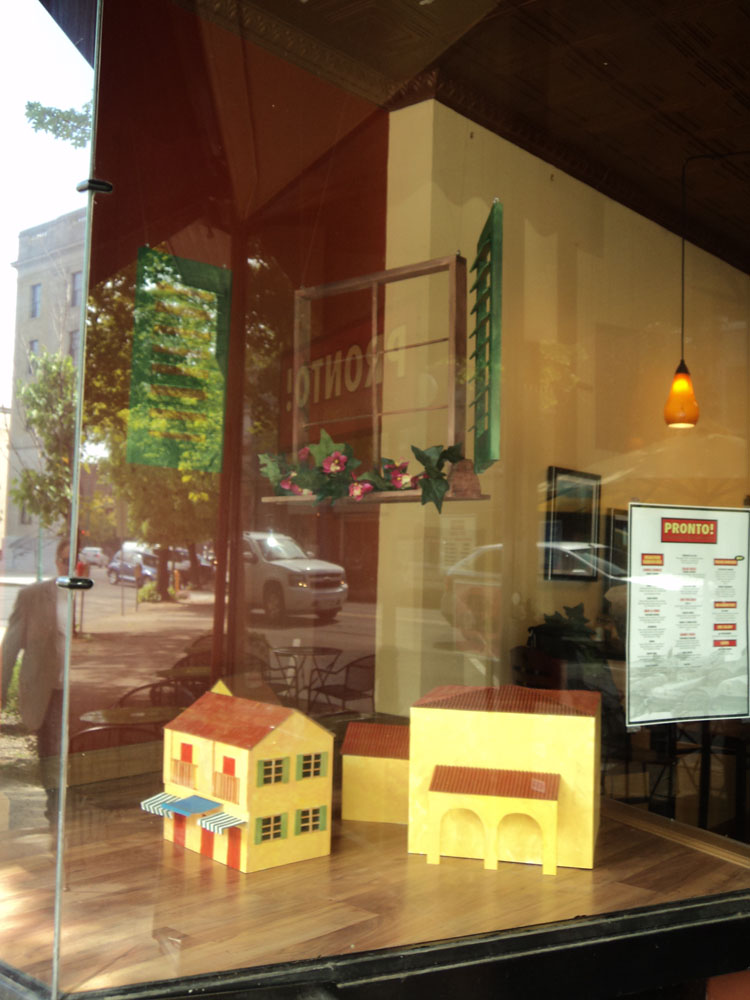
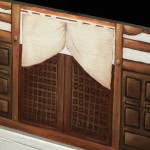
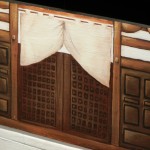
Huang_Pronto Window Display
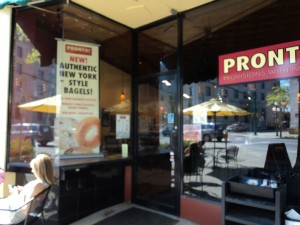
Before Installation 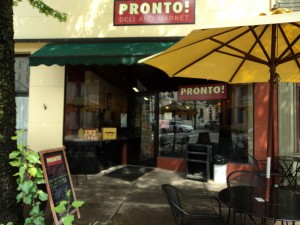
- After Installation
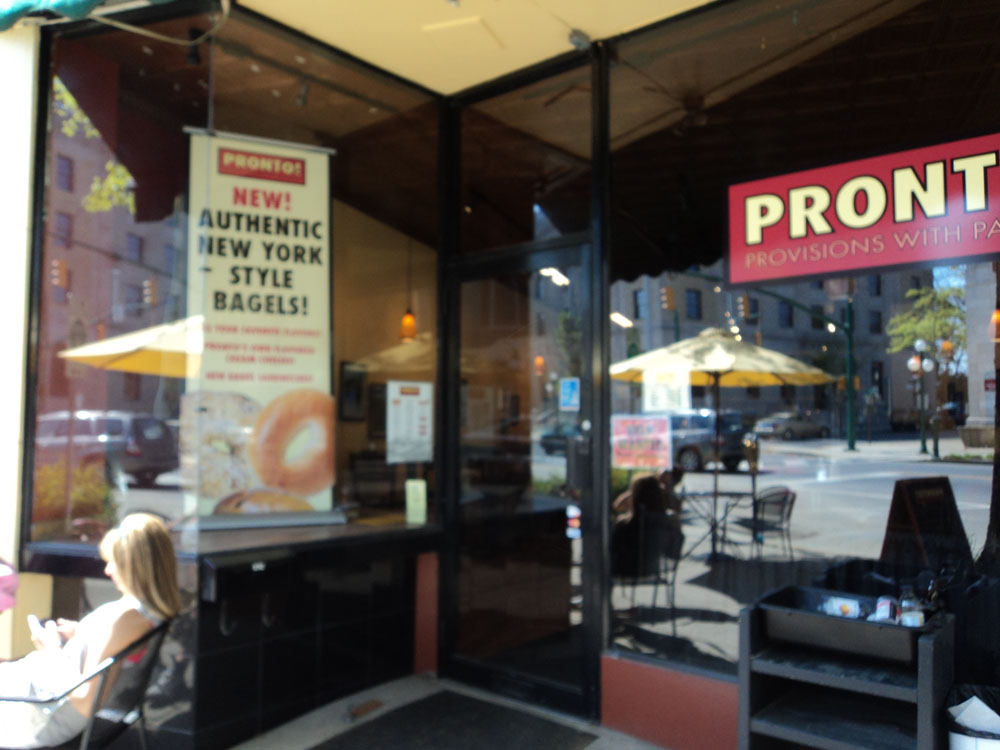
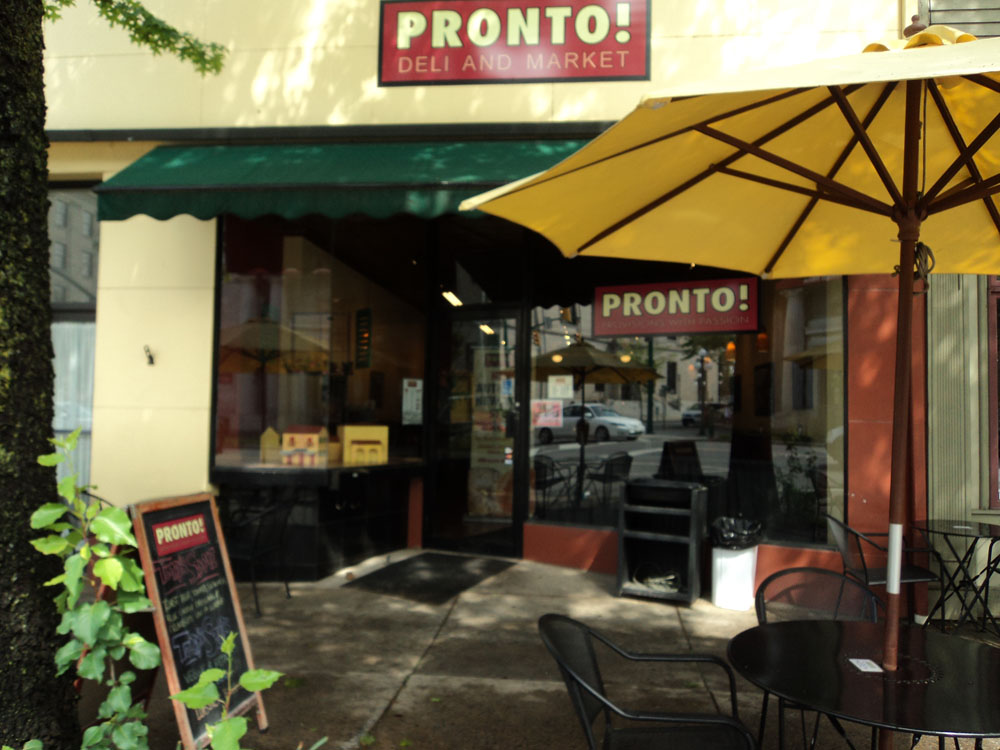
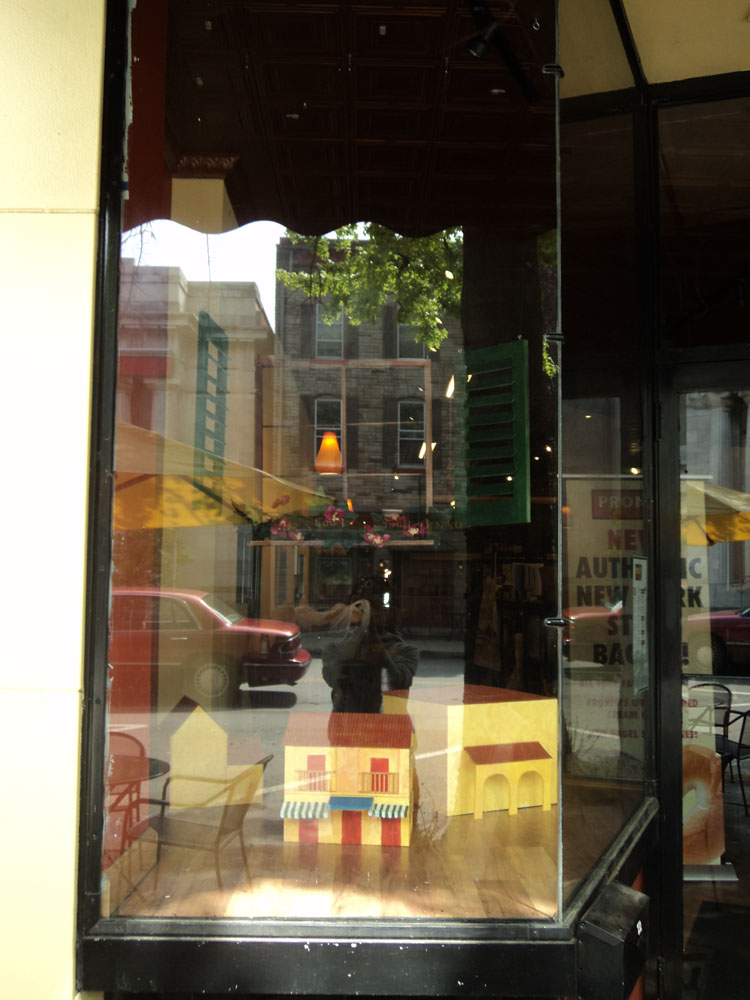
final projects
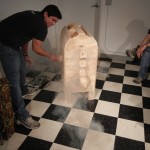
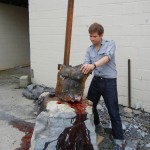
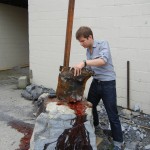
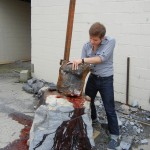
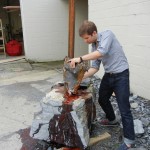
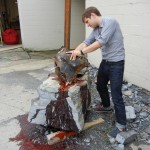
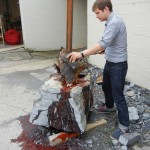
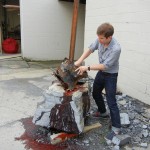
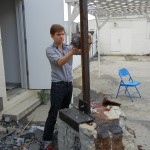
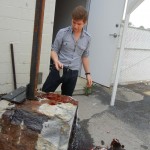
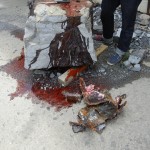
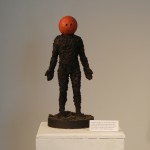
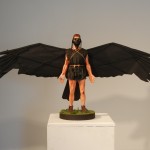
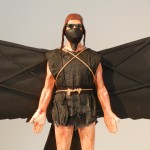
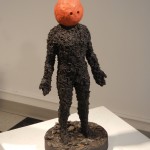
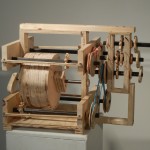
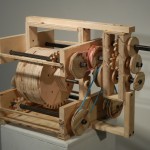
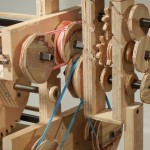
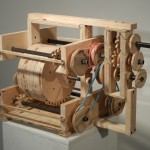

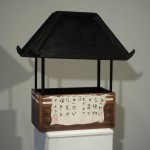
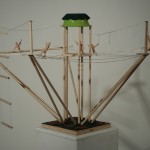
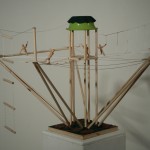
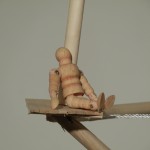
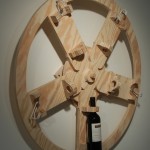
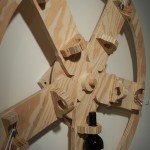
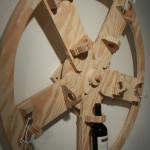
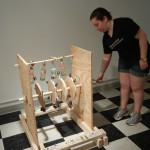
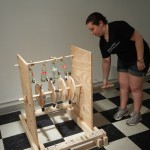
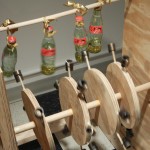
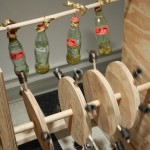
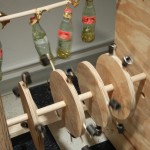
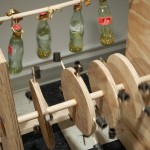
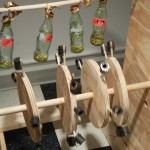
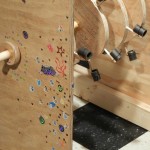
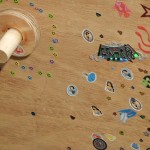
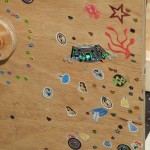
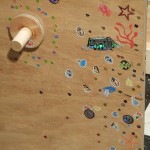
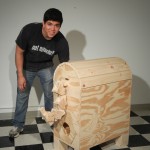
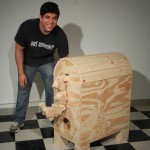
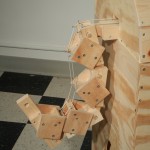
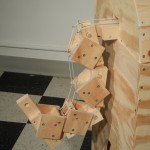
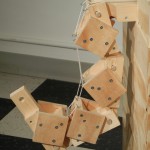
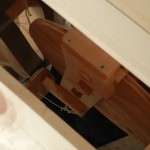
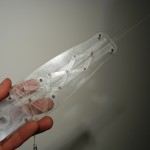
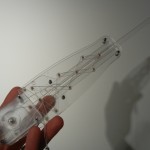
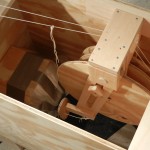
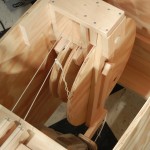
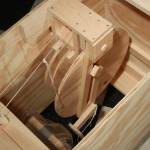
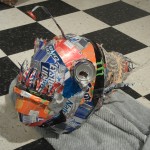
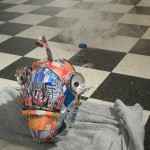
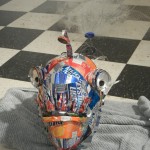
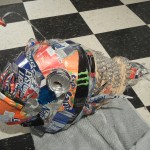
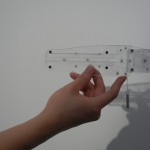
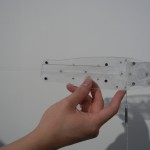
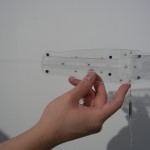
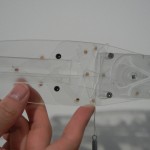
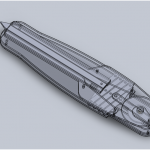
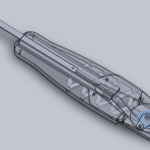
Jordan Rivera’s smoke-signal elephant:
in progress pics
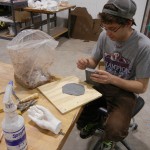
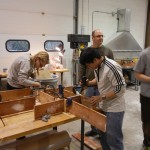
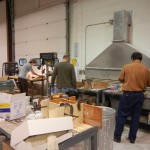
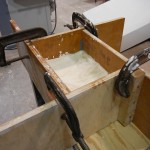
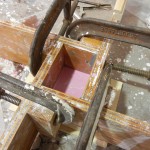
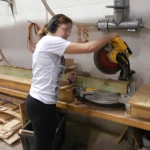
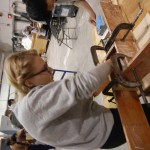
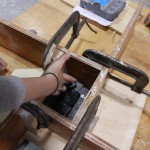
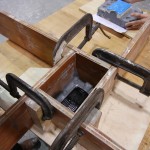
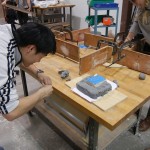
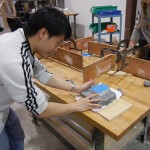
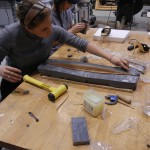
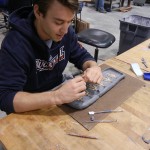
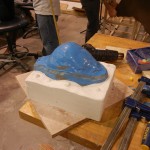
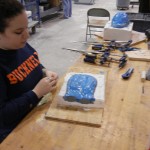
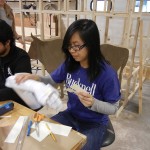
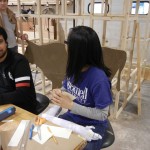
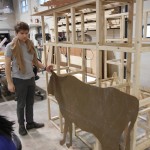
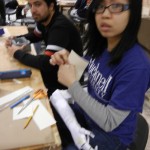
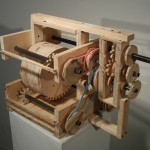
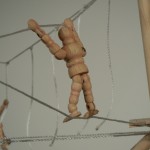
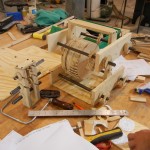
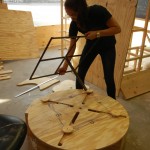
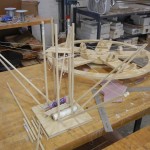
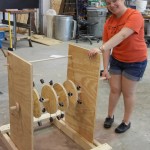
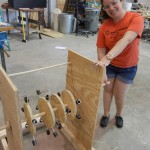
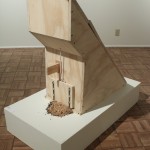
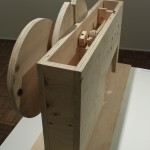
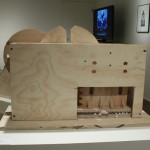
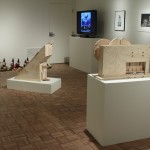
in-progress wooden machine projects
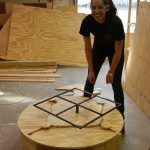
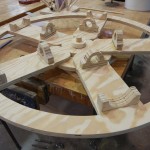
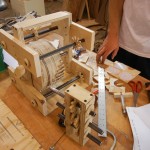
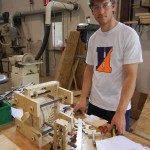
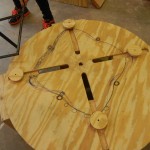
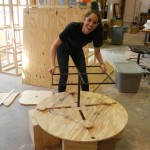
IMPULSE – Sculpture/BIIE Workshop
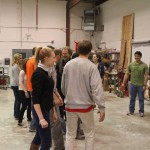
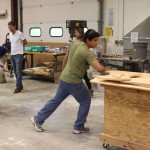
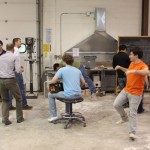
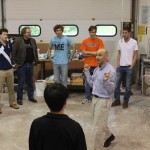
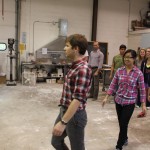
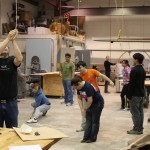
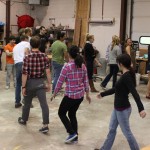
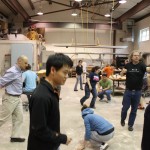
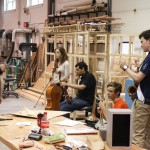
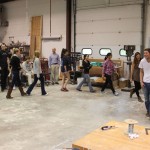
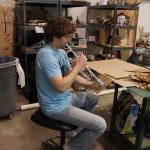
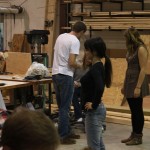
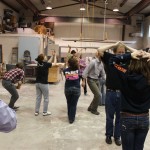
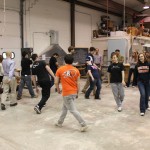
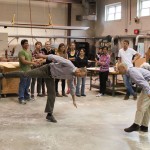
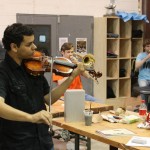
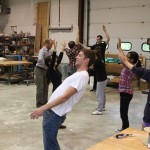
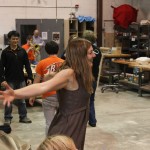
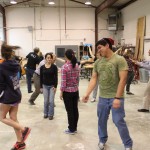
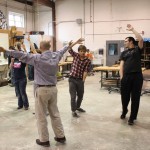
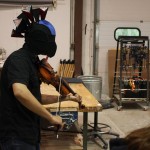
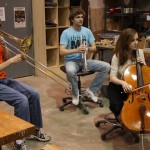
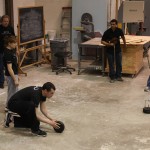
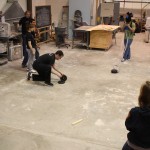
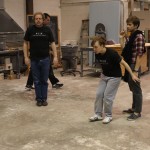
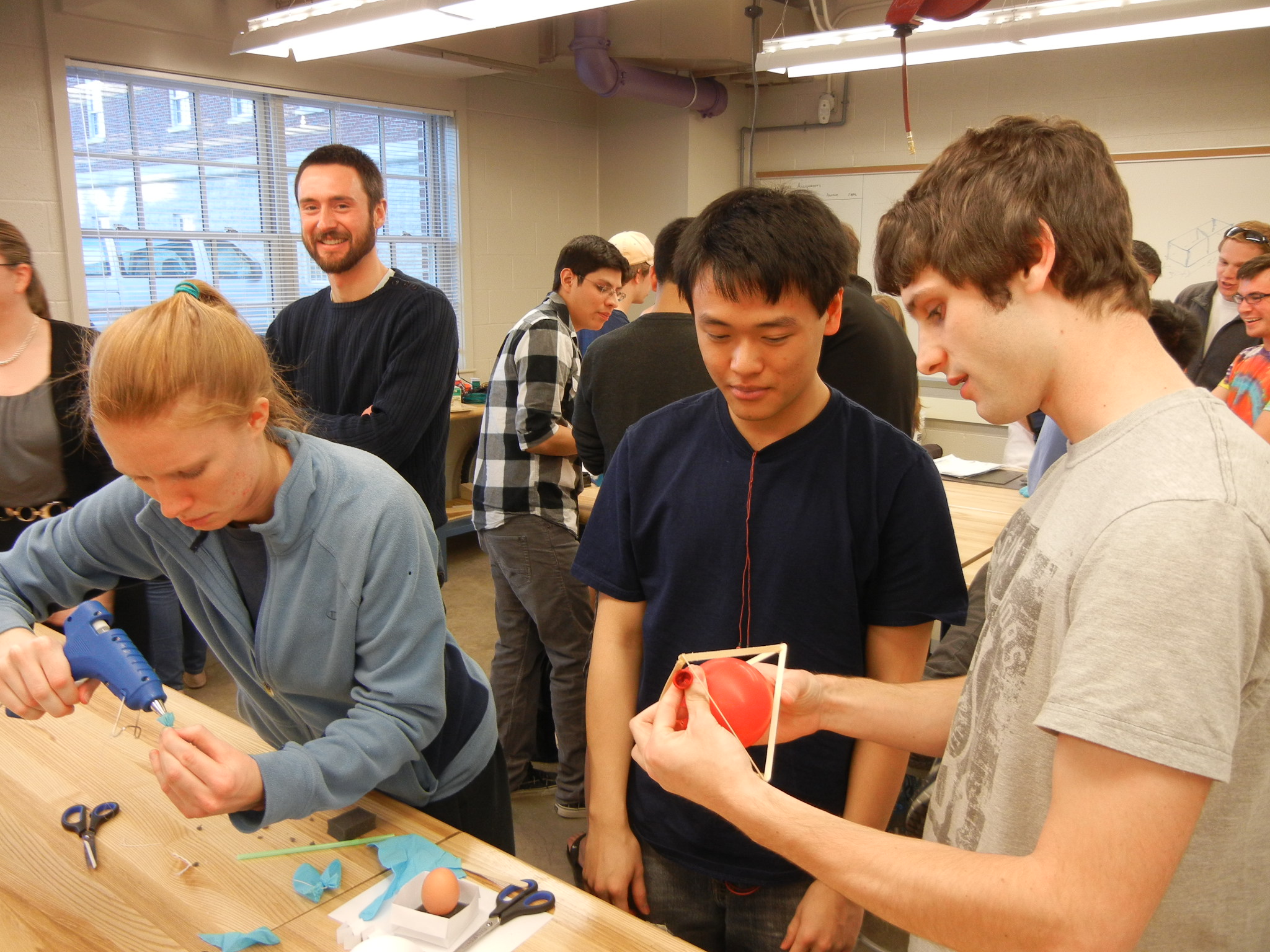
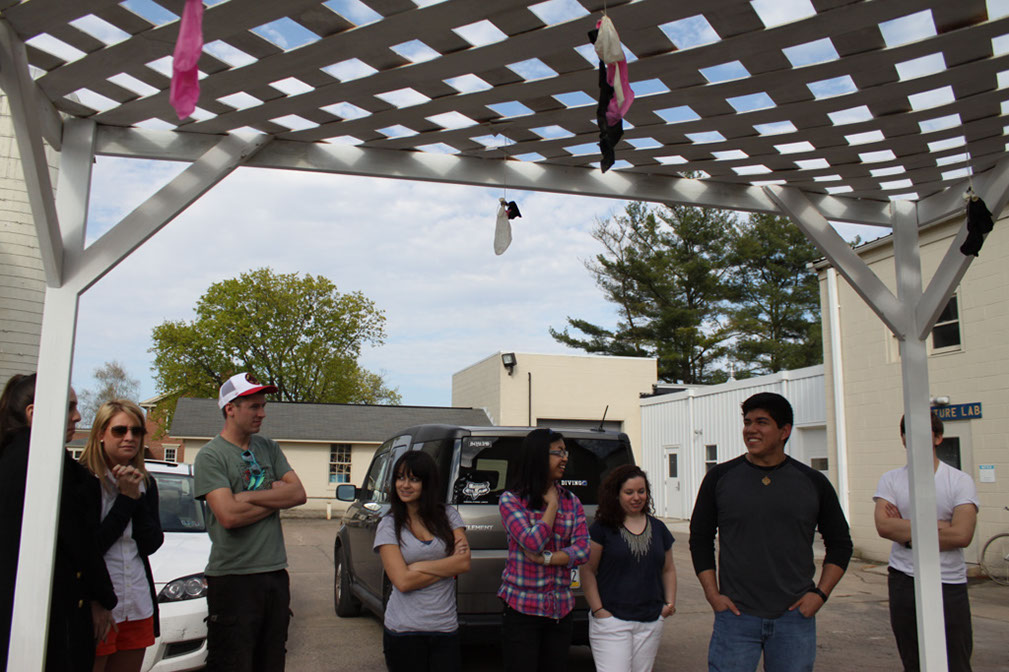
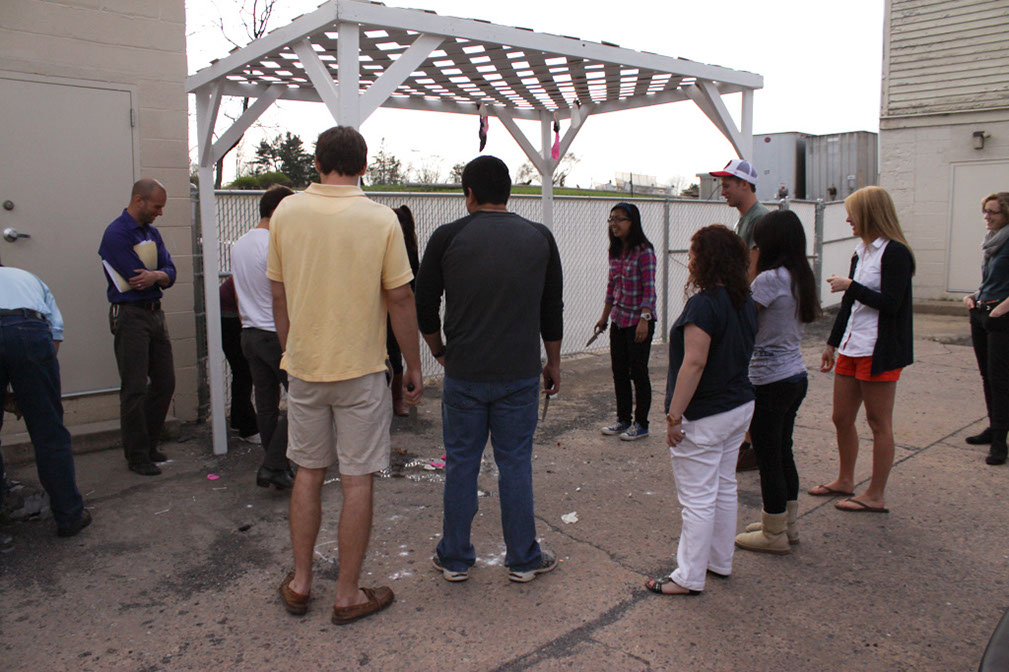
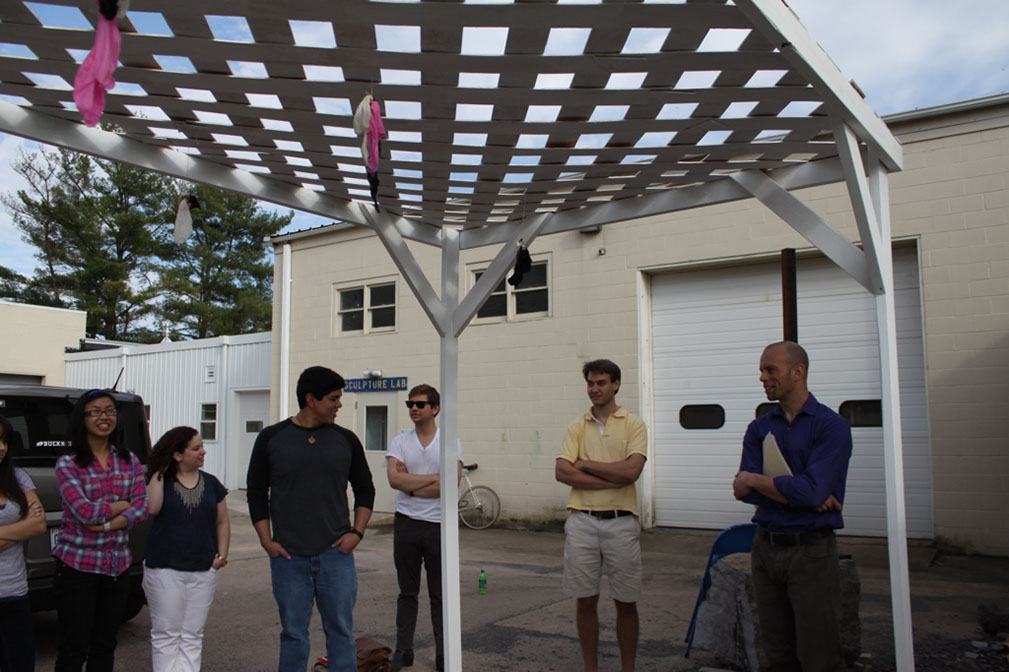
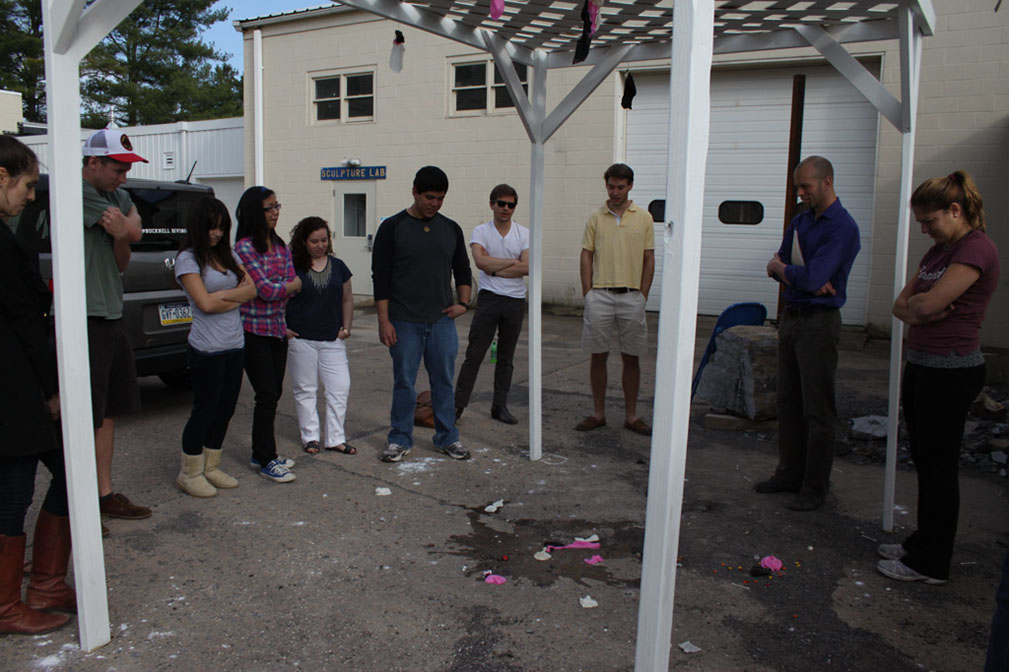
Eric Lynn, Arts Xpose #4, Maker’s Club Egg Drop
Title of Event: Maker’s Club Egg Drop Competition
Date & Time of Event: April 6, 2012
Location of Event: Dana 134
Type of event:5:30
Machines Machines Machines (useful links)
Here is a list of some artists that use machines:
Alexander Calder – While he is best known for his mobiles, which seem so serious, you can’t forget about Calder’s Circus.
Alice Aycock – Some of the works are actual functioning large scale machines while others just use machine imagery.
Arthur Ganson – Ganson make lots of little theatrical sculptures.
Chris Burden – Burden investigates a lot of massive machines and systems, he makes bridges, flying steam rollers, and complex mini car tracks among other things. (google chris burden metropolis)
Jean Tinguely – Tinguely is sort of the patriarch of mechanical sculpture. My favorite project of his is a self destroying machine.
Joseph Herscher – This guy, who is essentially a character from Flight of the Concords, makes awesome rude Goldberg machines.
Marcel Duchamp – Most of Duchamps ready mades were parts of machines, he used machanical imagery in lots of his work, and machines to create interesting optical effects.
Mika Rottenberg- Rottenberg creates human/machine systems and uses them to shoot videos, they are awesome and funny.
Peter Fischli and David Weiss – These guys made the film The Way Things Go, which captures a giant Rude Goldberg machine in action.
Phoebe Washburn – Washburn’s installations create systems to grow plants or make food.
Sadarshan Shetty – An Indian artist whose works range from very poetic to very lewd.
Stelarc – Stelarc makes complex electronic prosthesis.
Tim Hawkinson –Hawkinson is one of my favorites and a big influence on my work. His machine are so interestingly crafted; they are insanely complex and very idiosyncratic.
Zimoun – Zimoun creates sound installations with mechanically prepared everyday objects.
Here are some Links That are useful for making machines or that might inspire ideas:
Bizarre Patents – Diagrams of crazy machines
Gear Template Generator – This is useful for making templates of gears.
Levers – The Wikipedia entry on levers, this is very useful for understanding the types of levers and how they work.
Pulleys– Pully’s are useful for changing the direction of forces and gaining lots of mechanical advantage.
-Aaron
IMPULSE – Finished Projects
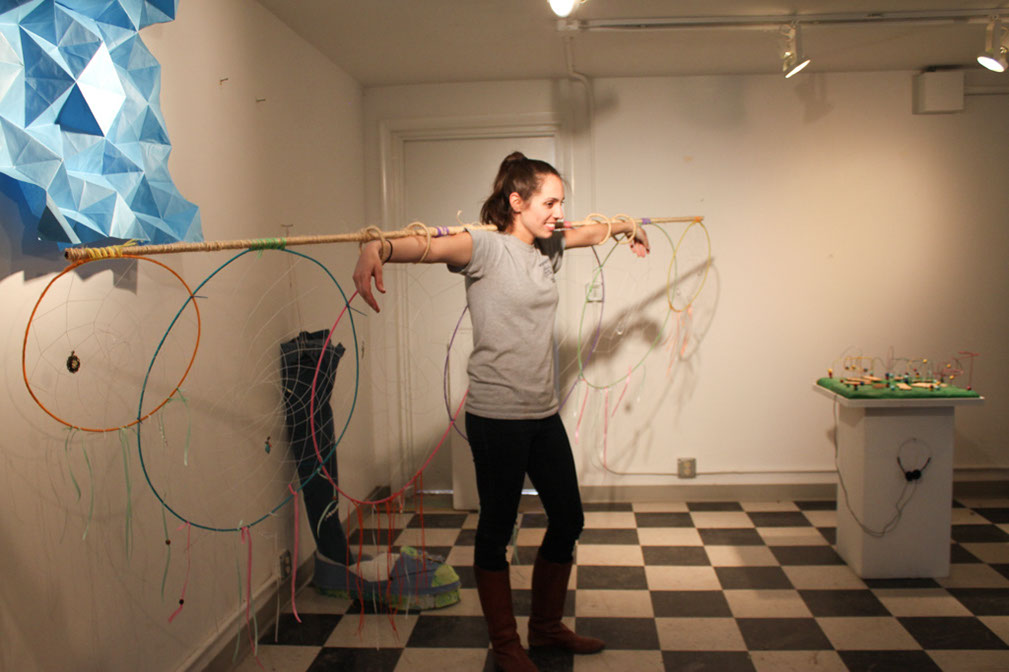
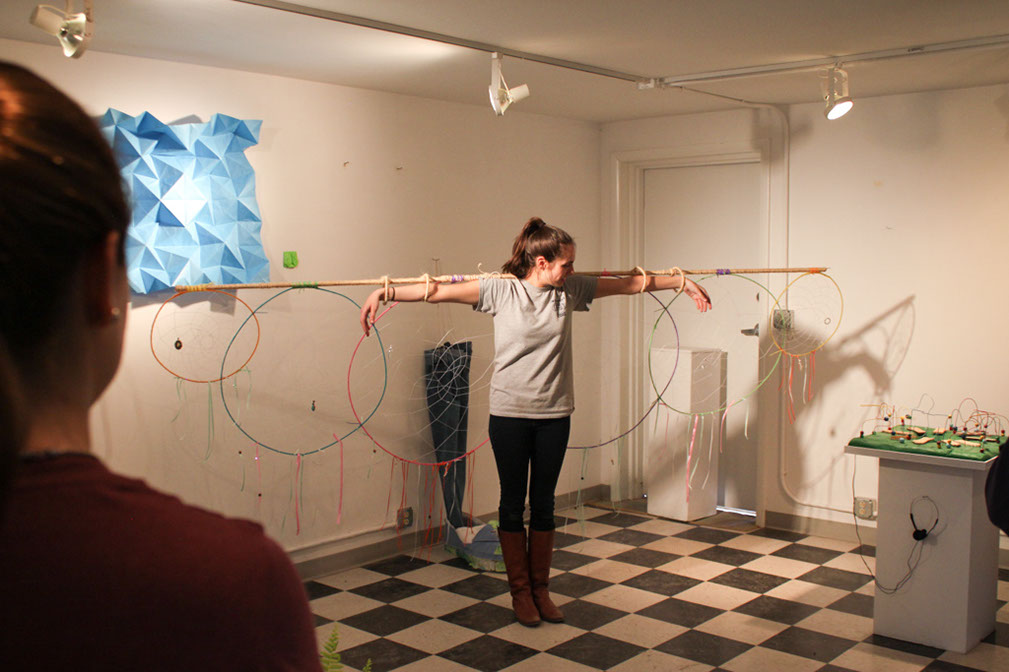
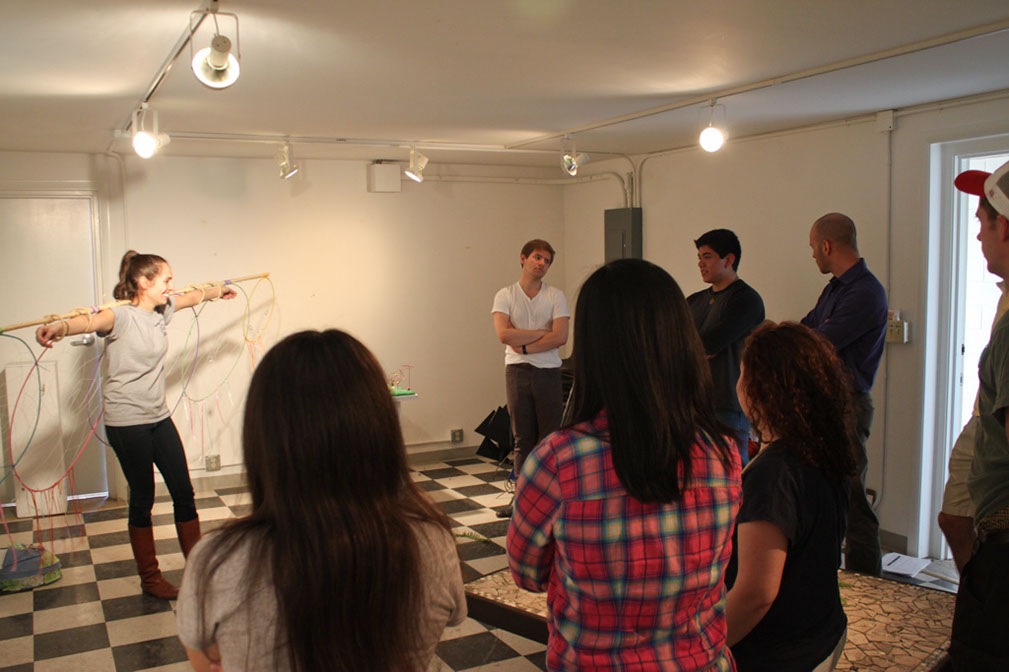
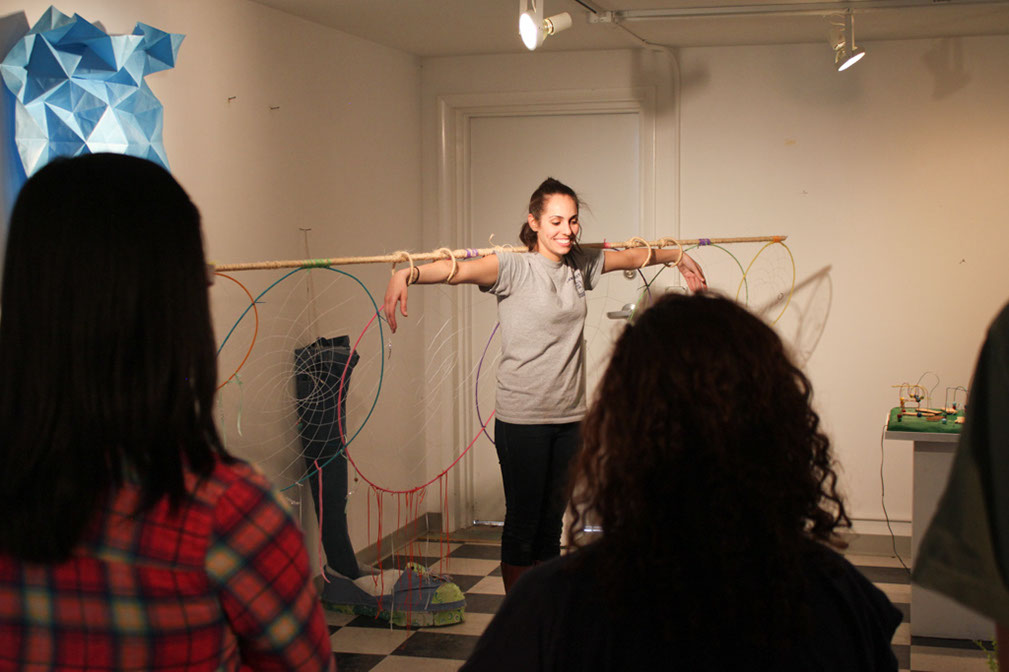
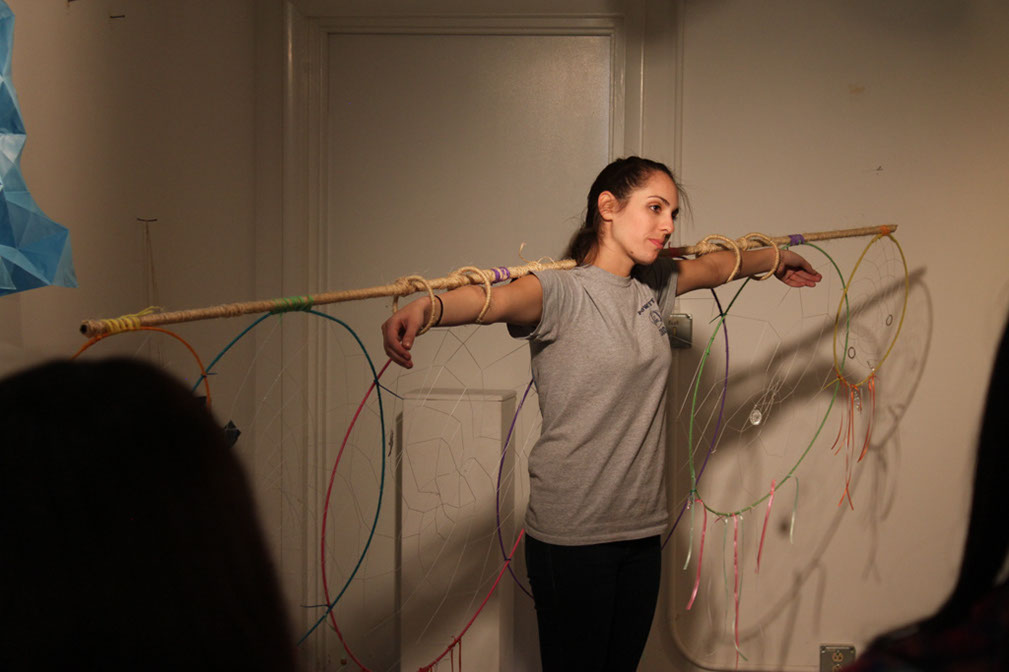
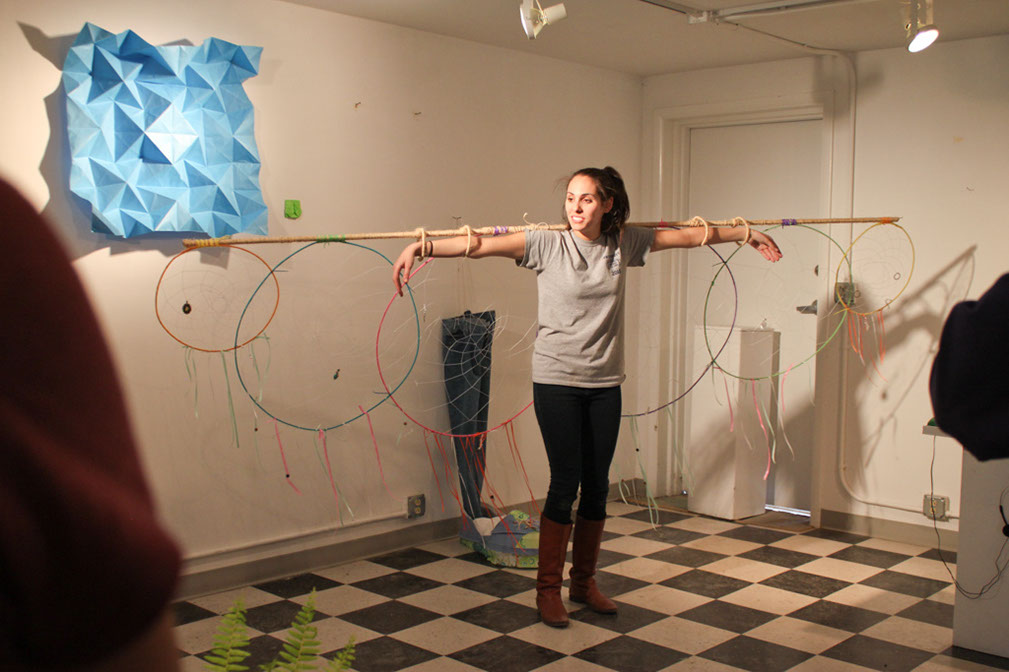
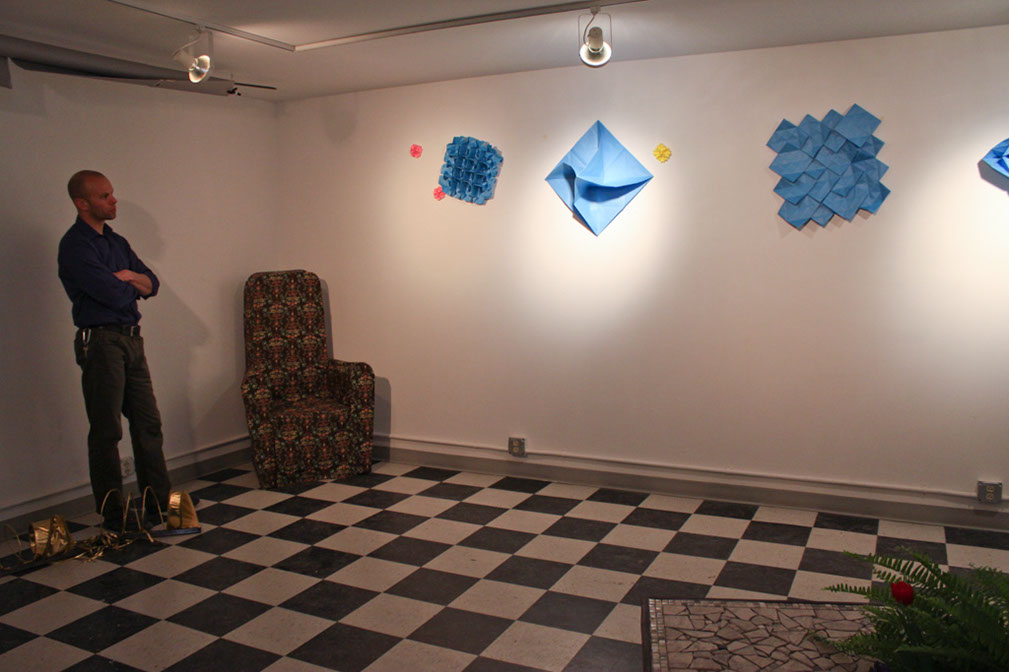
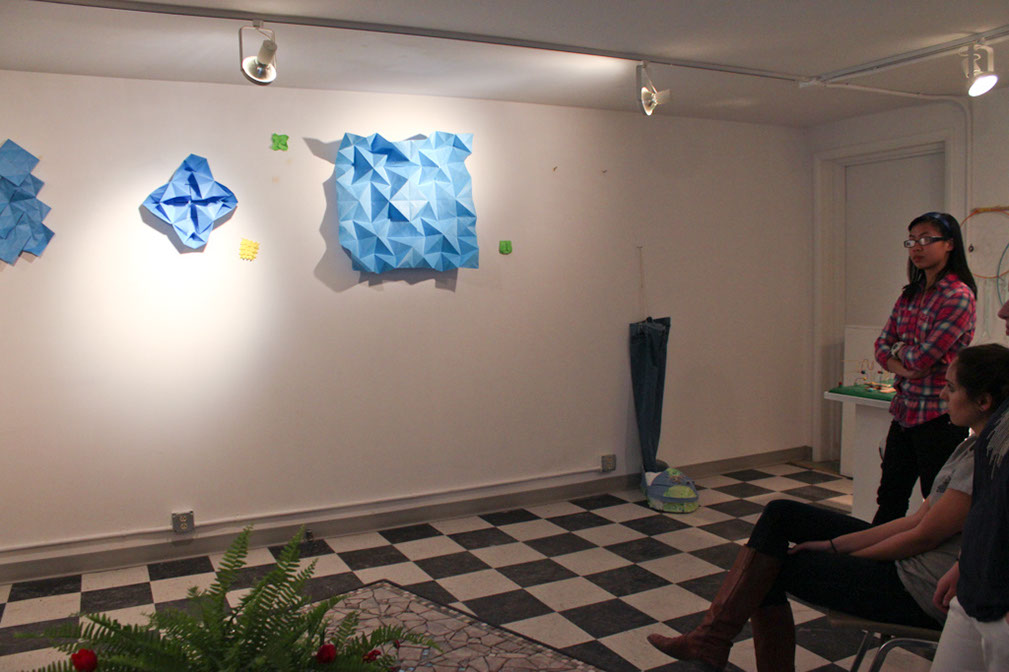
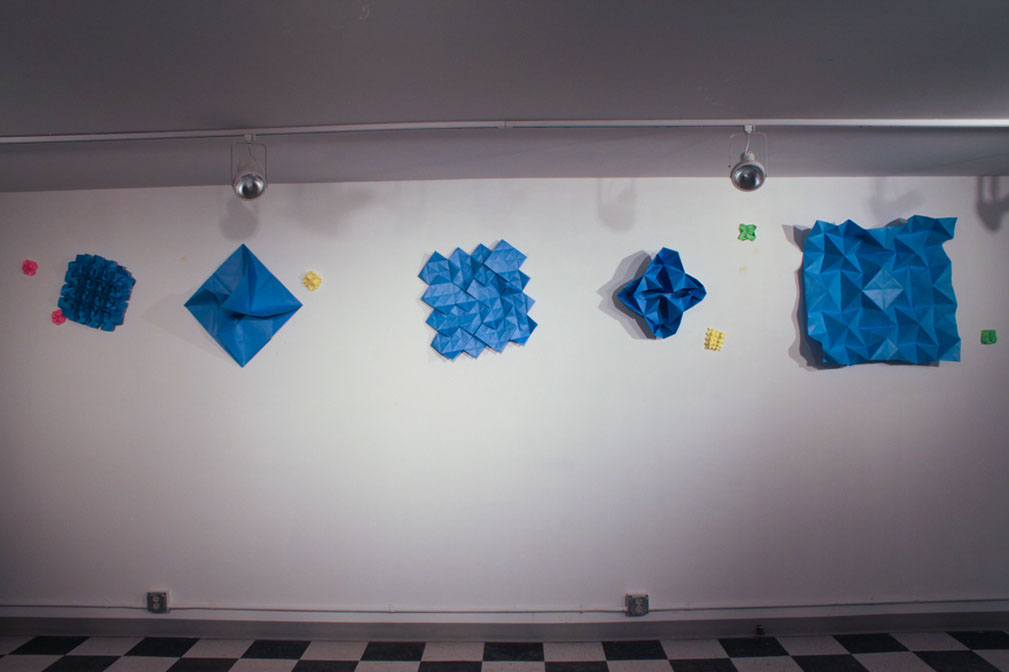
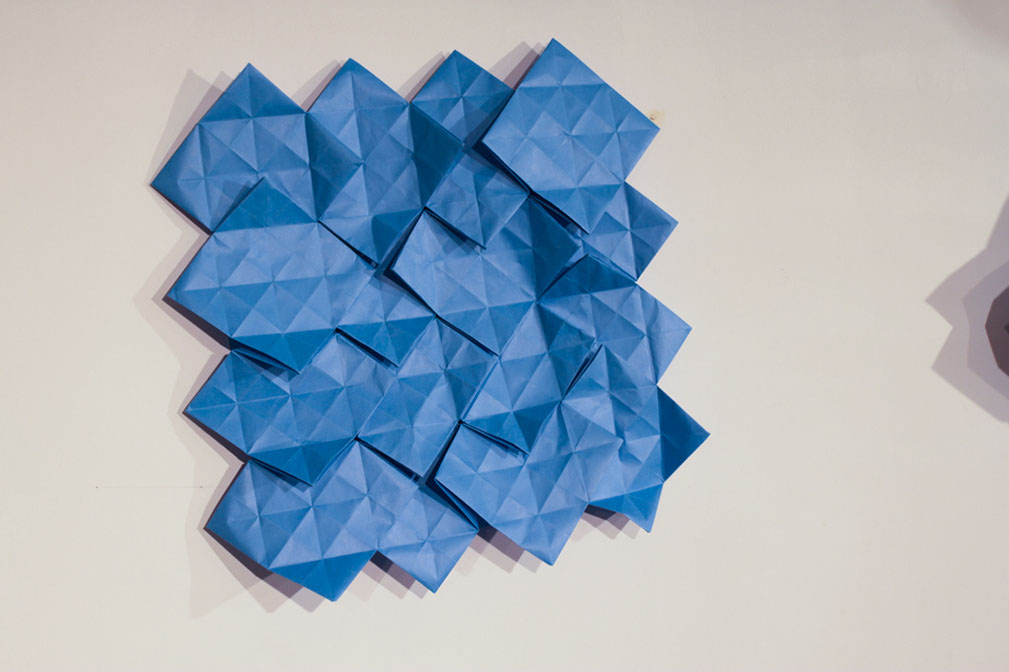
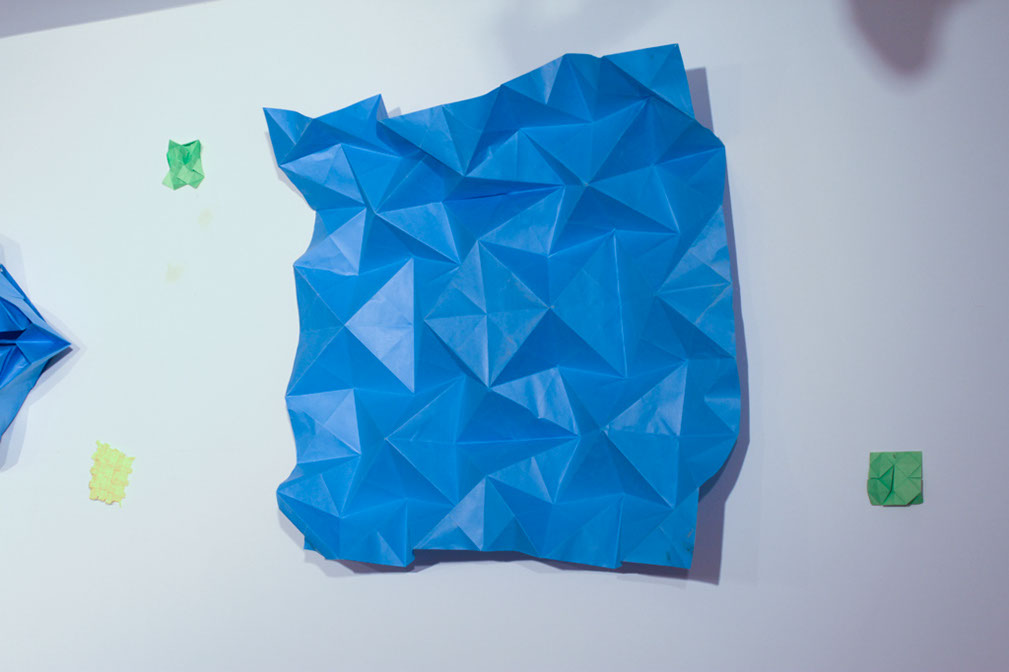
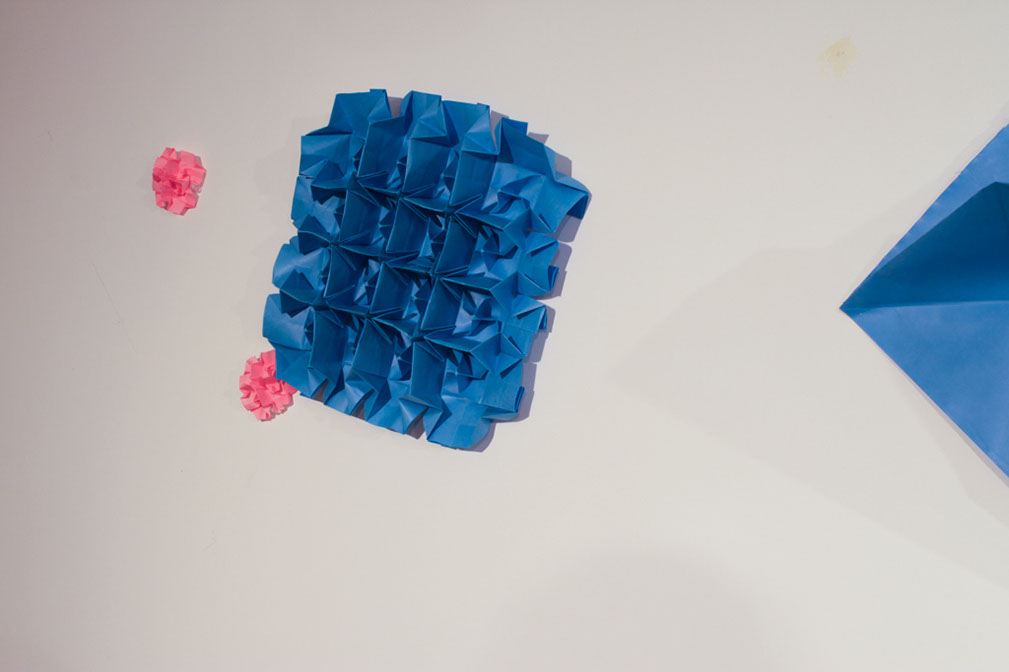
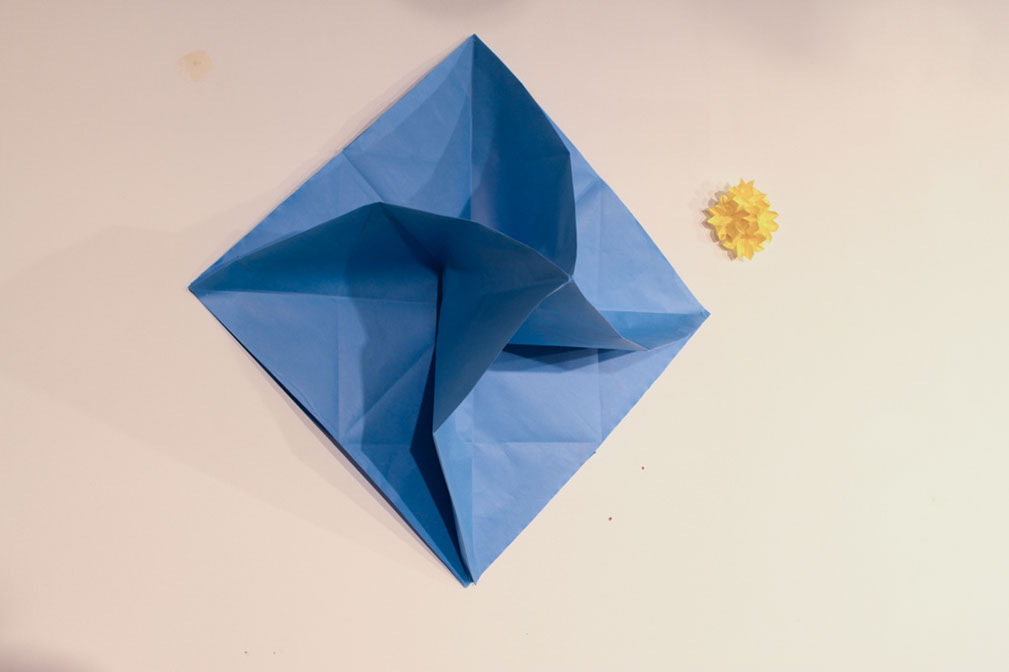
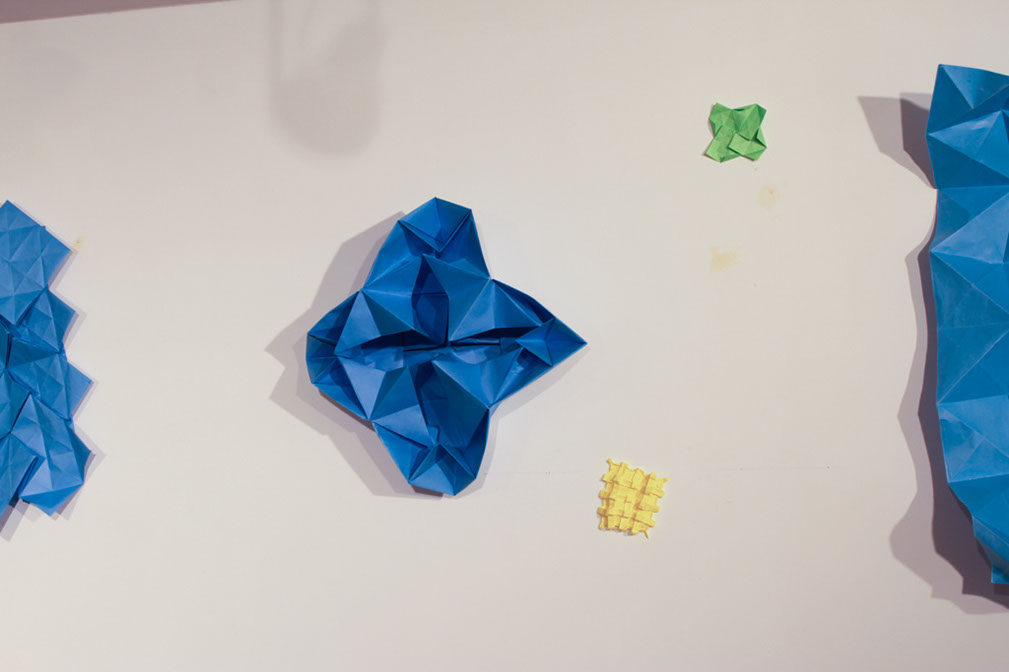
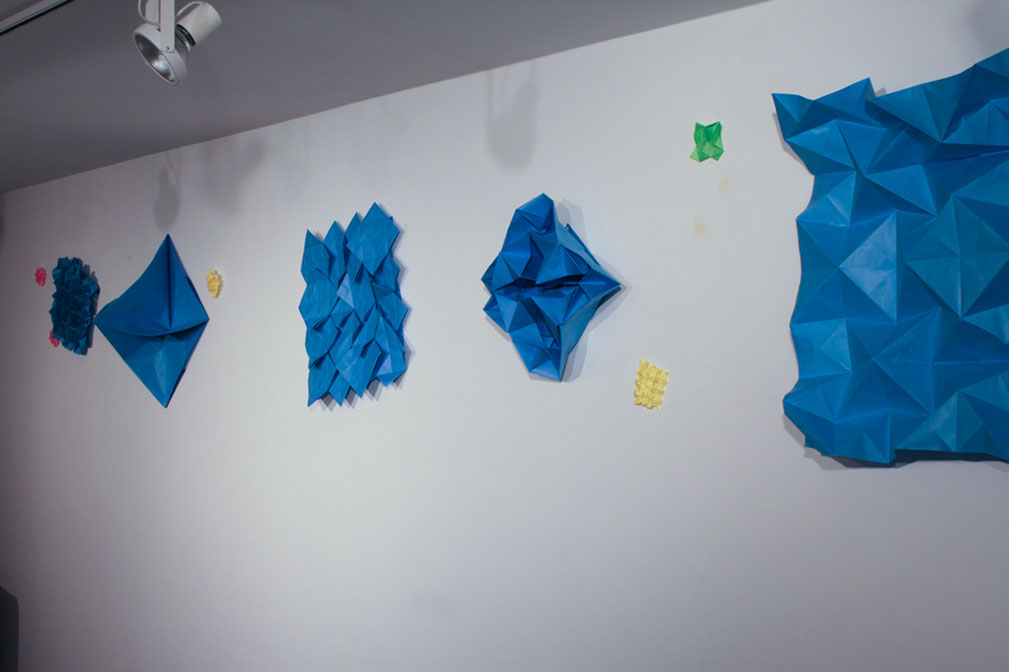
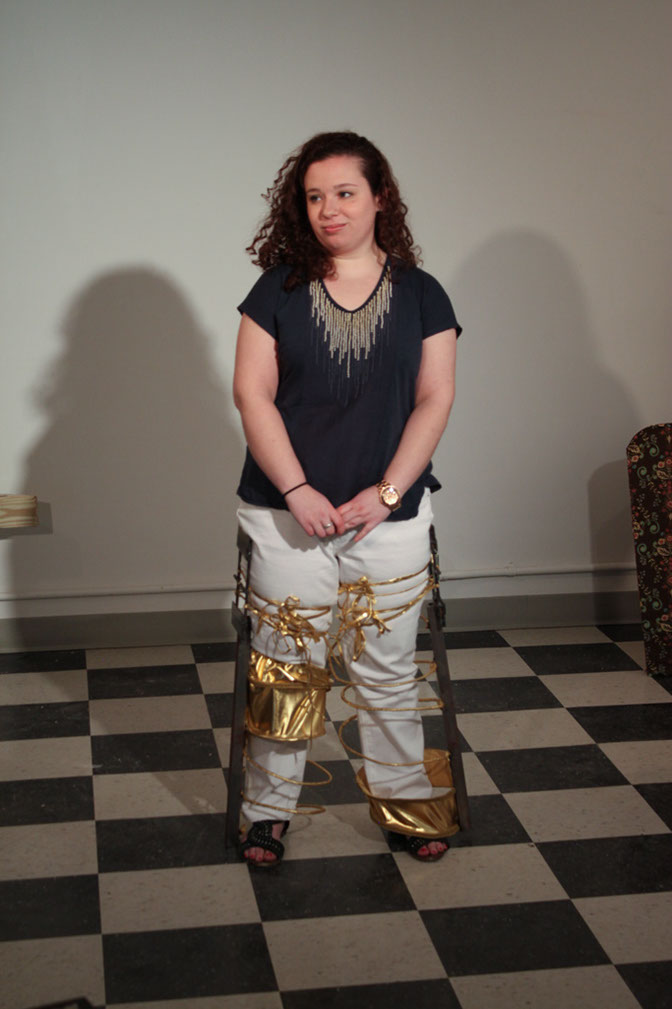
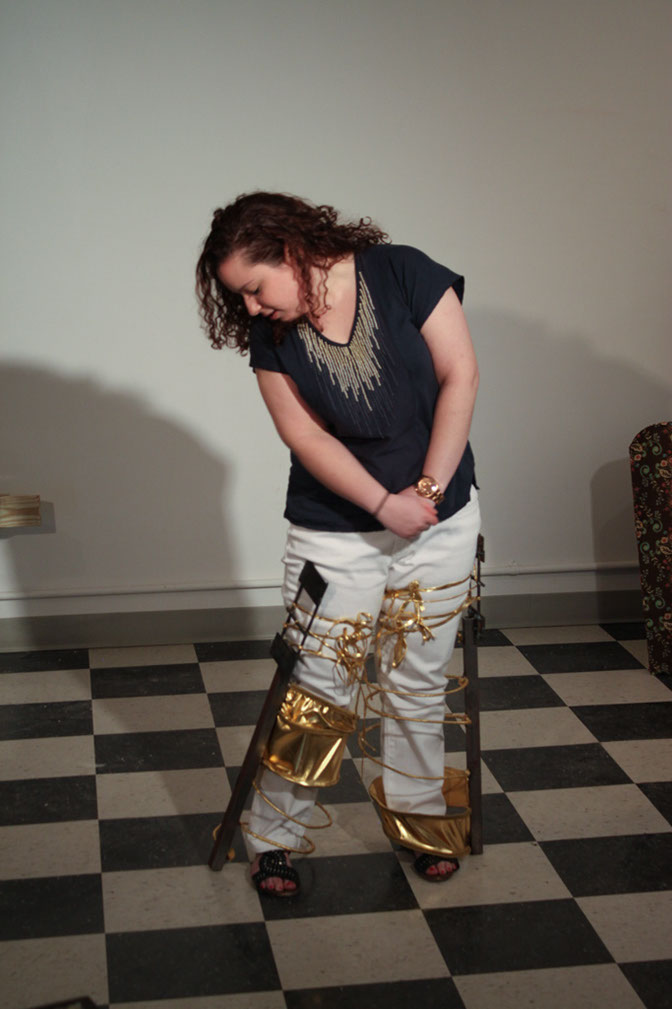
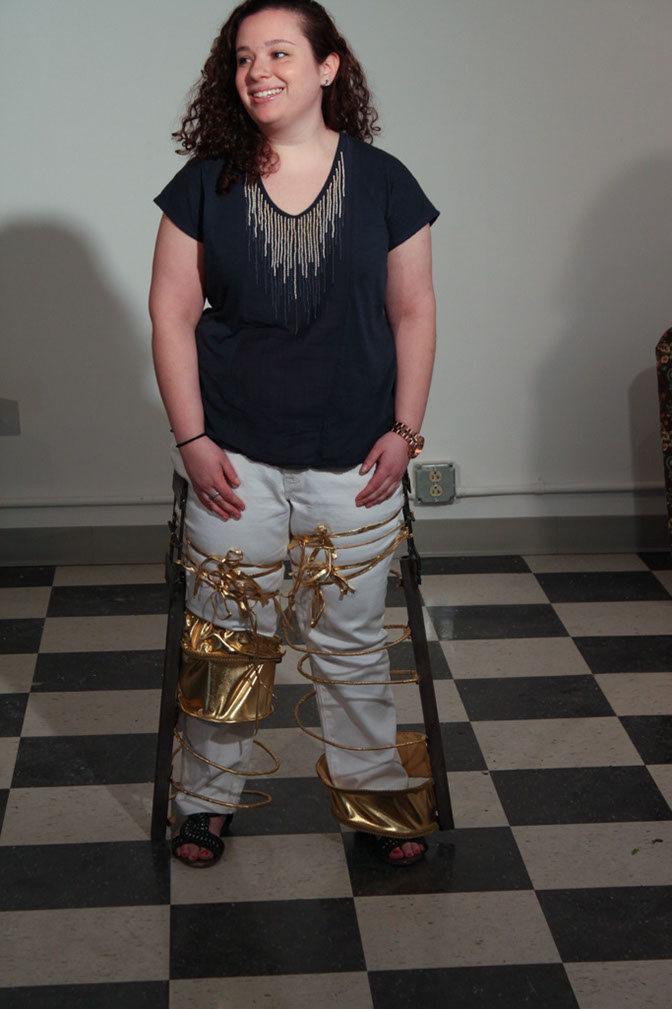
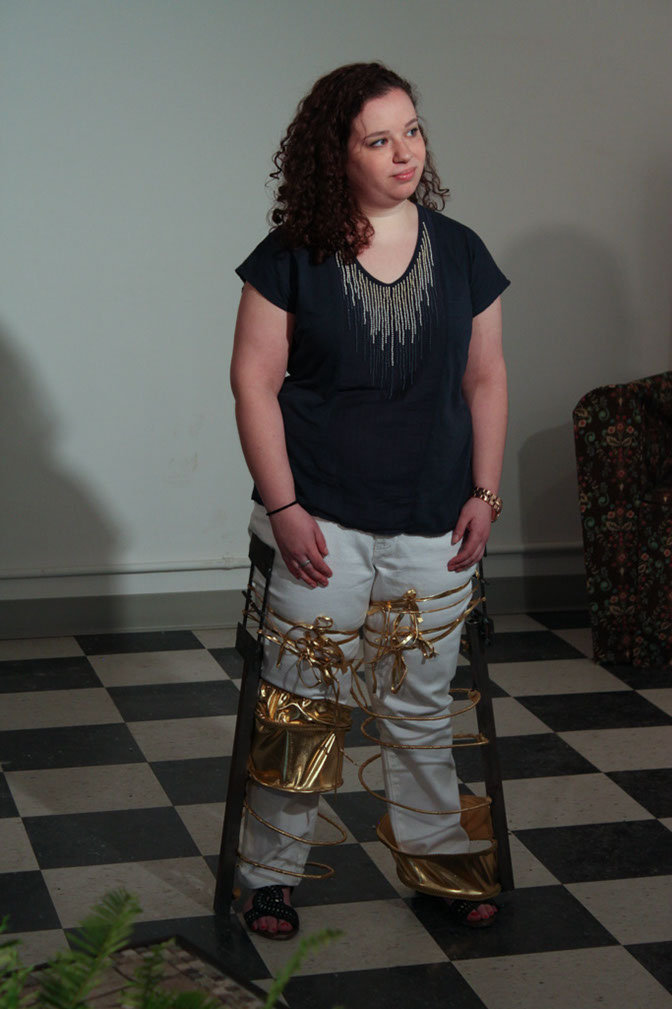
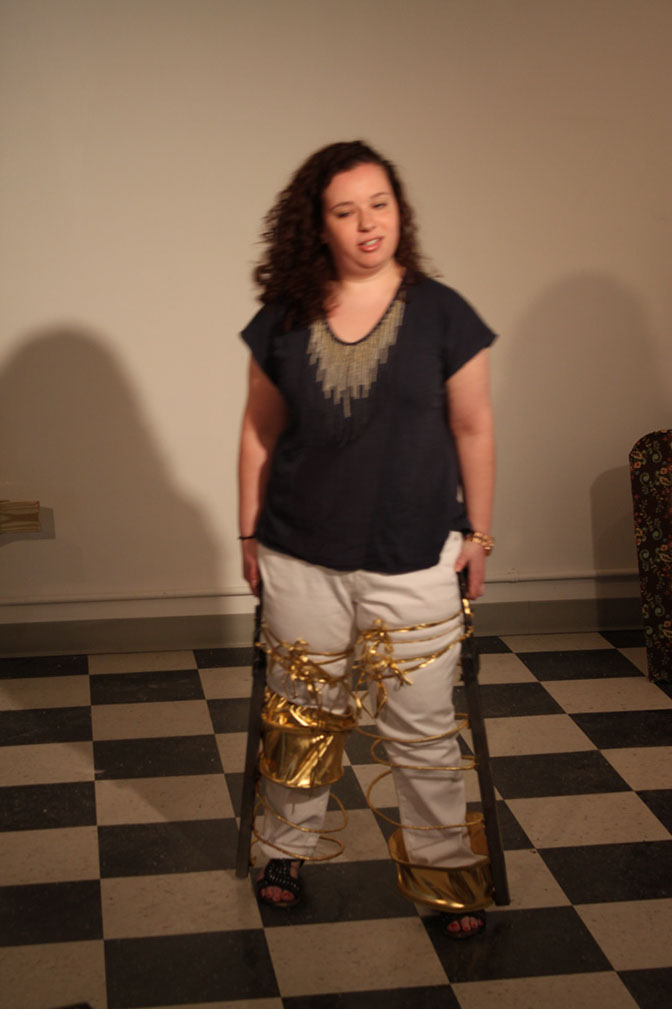
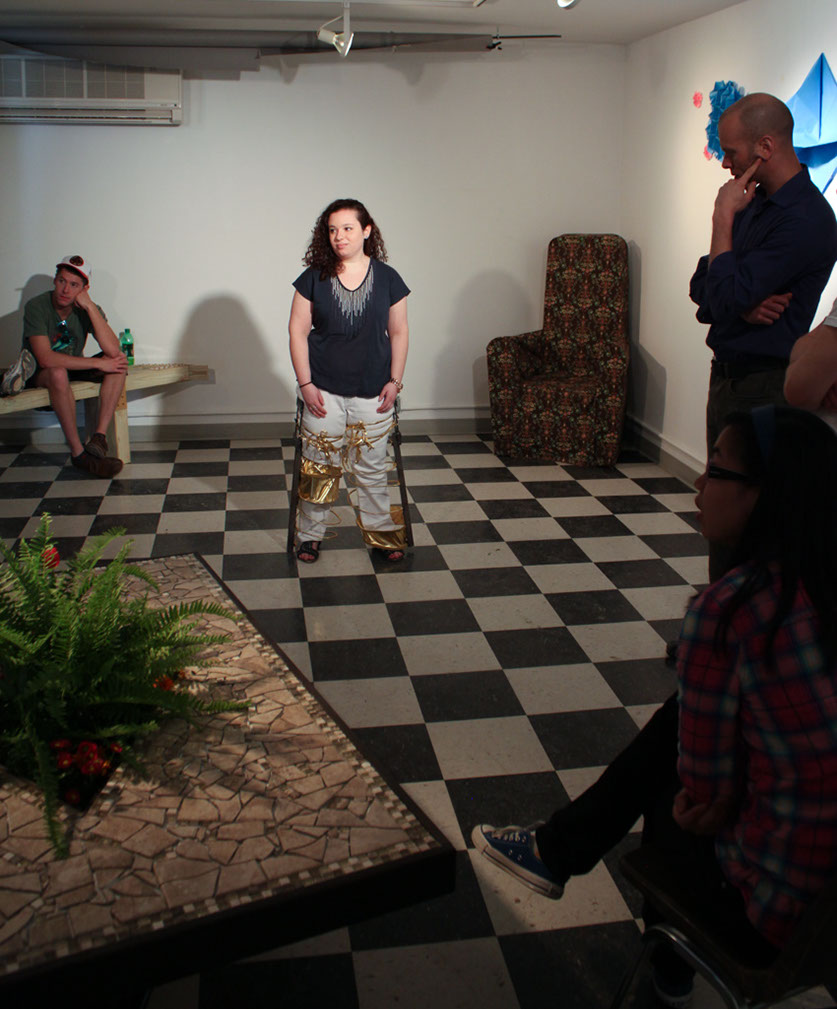
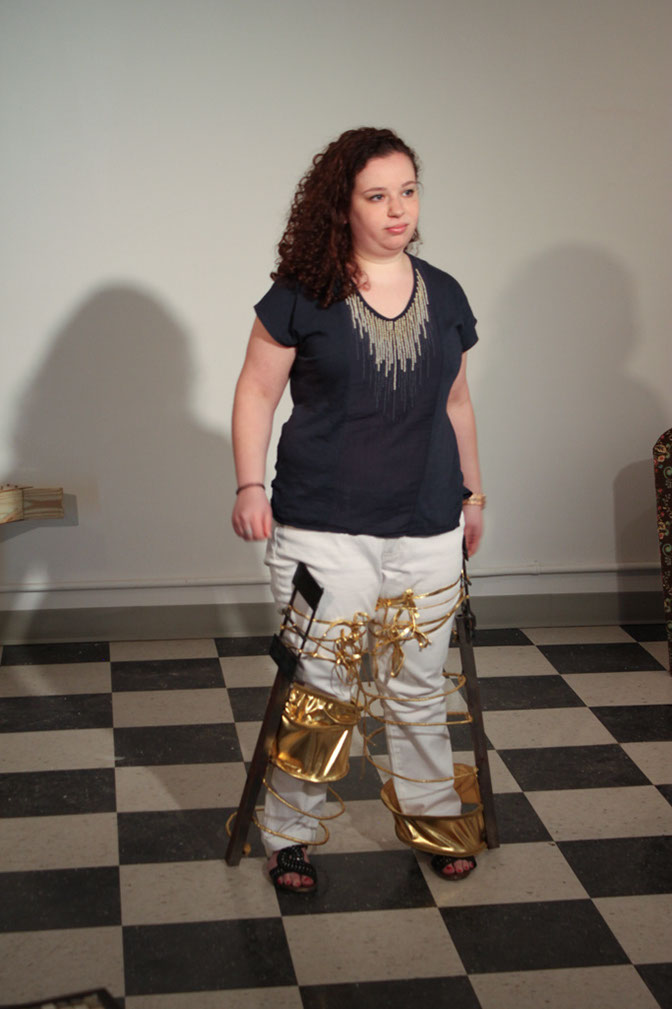
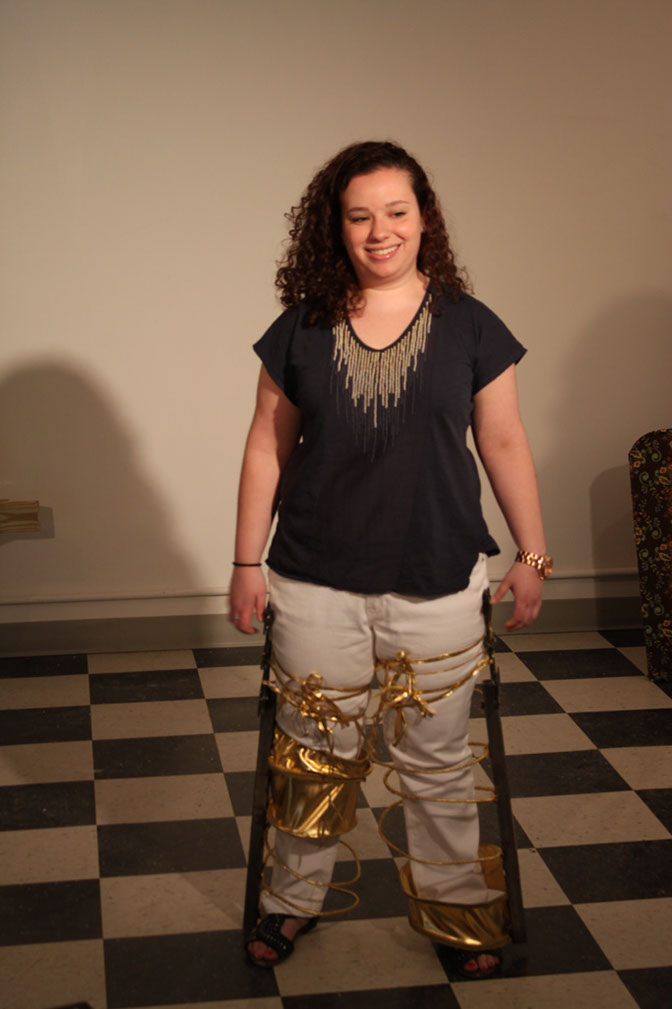
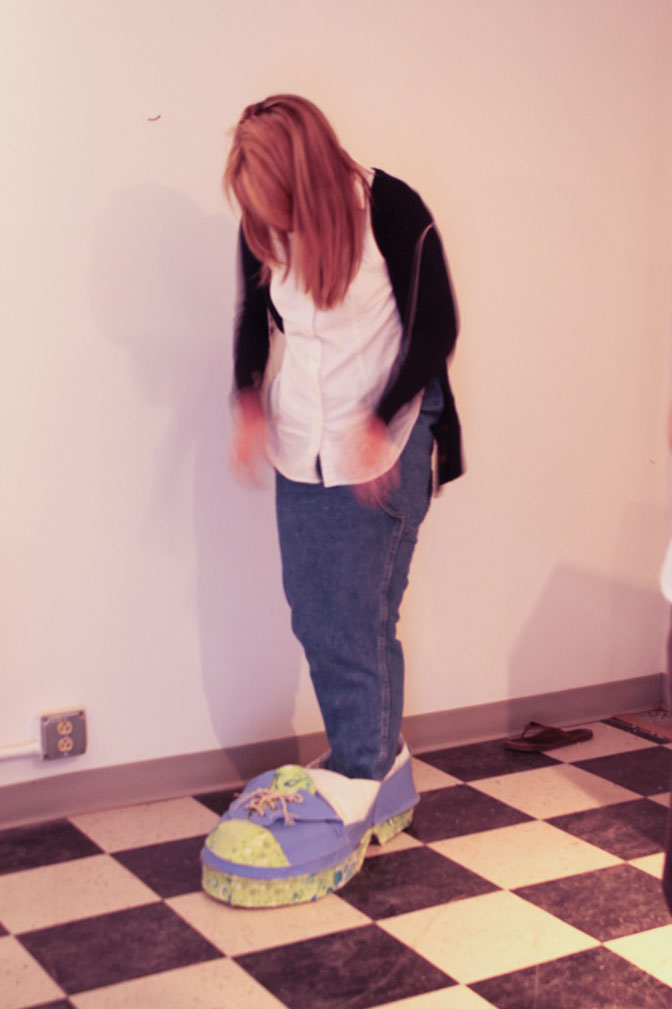
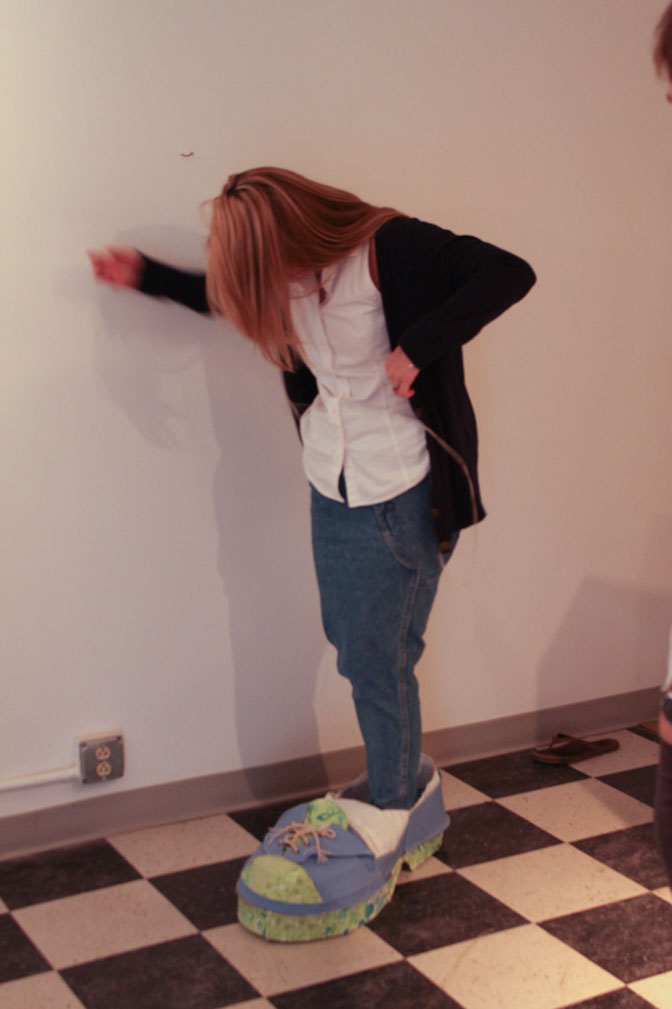
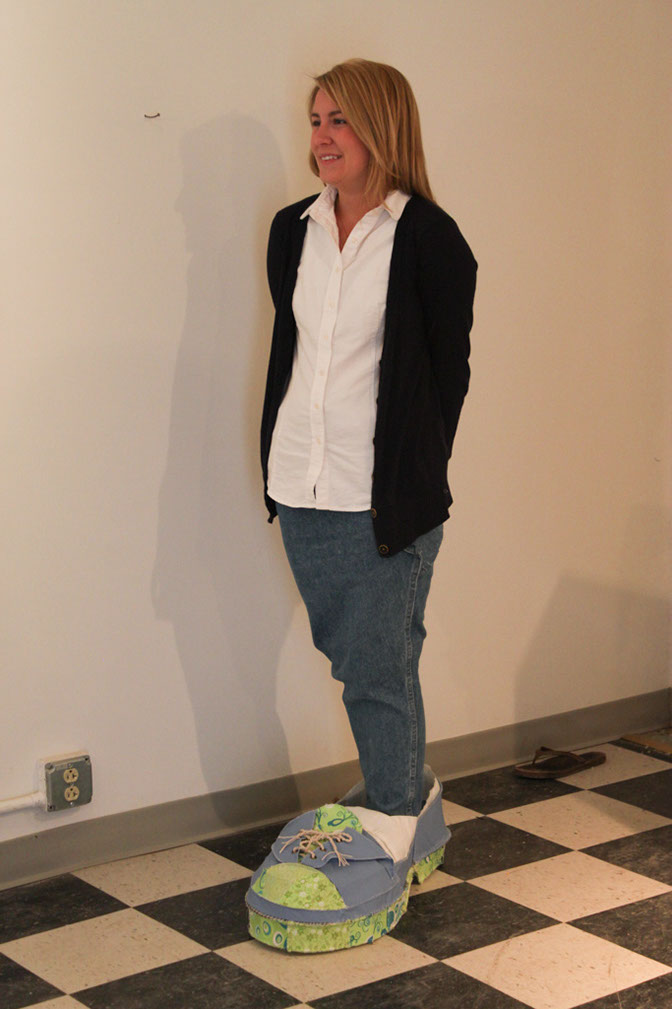
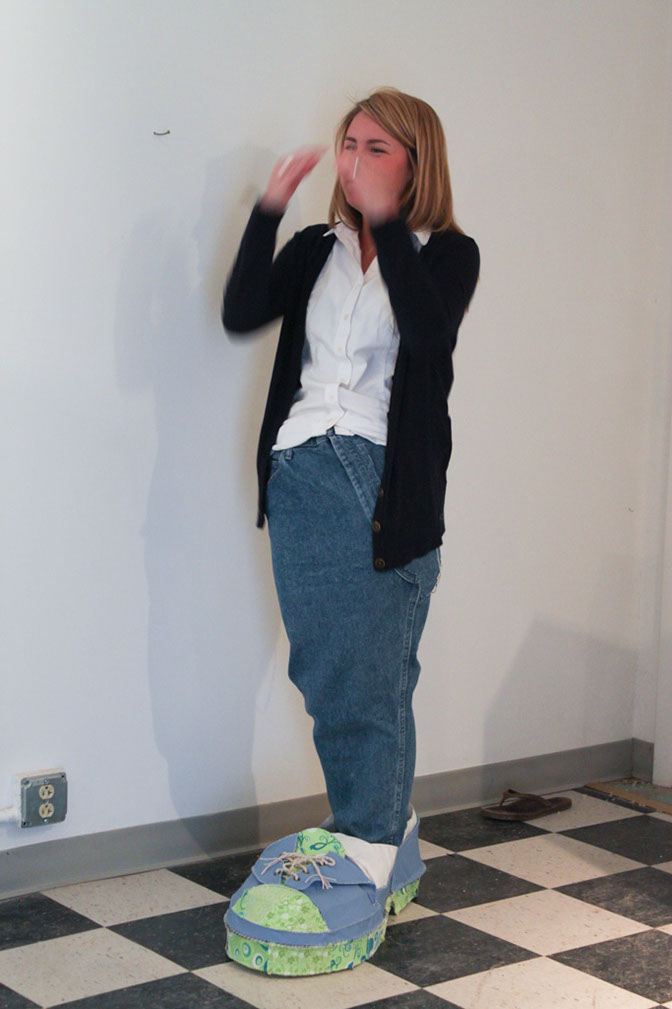
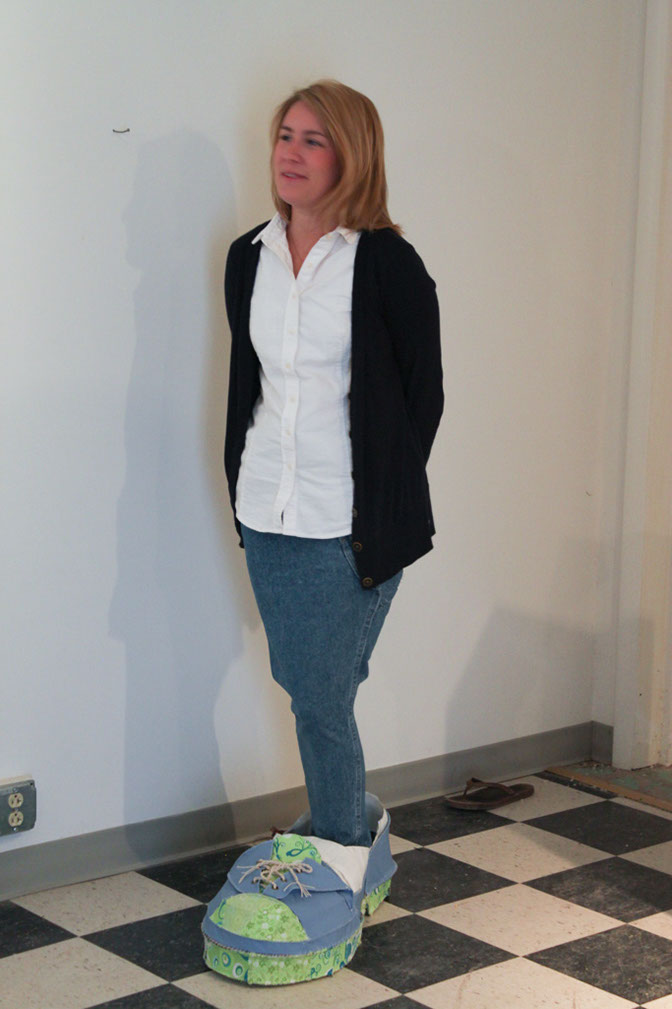
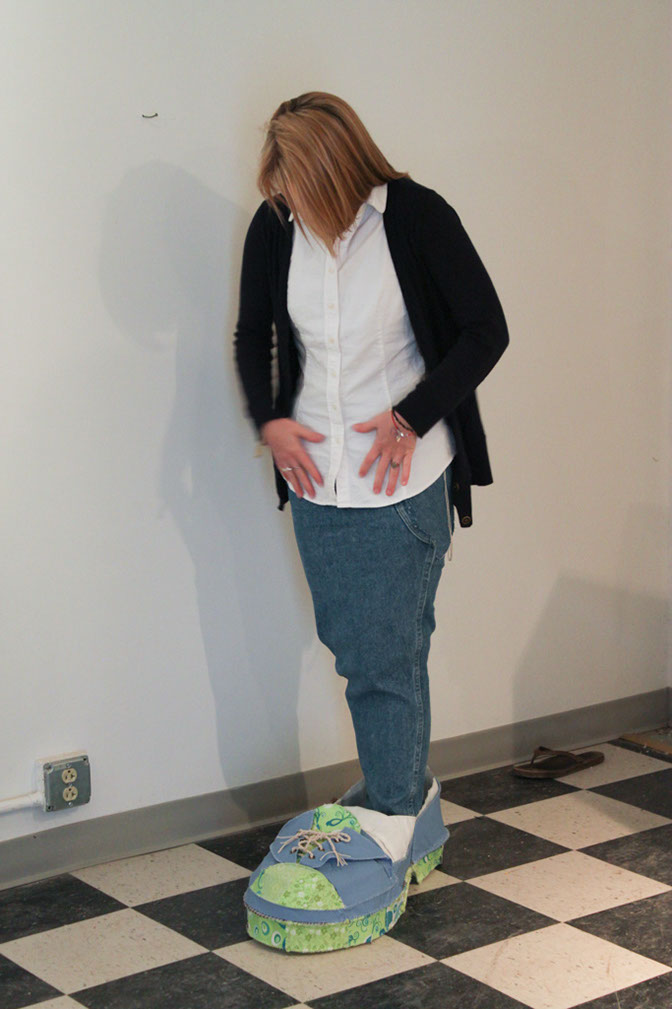
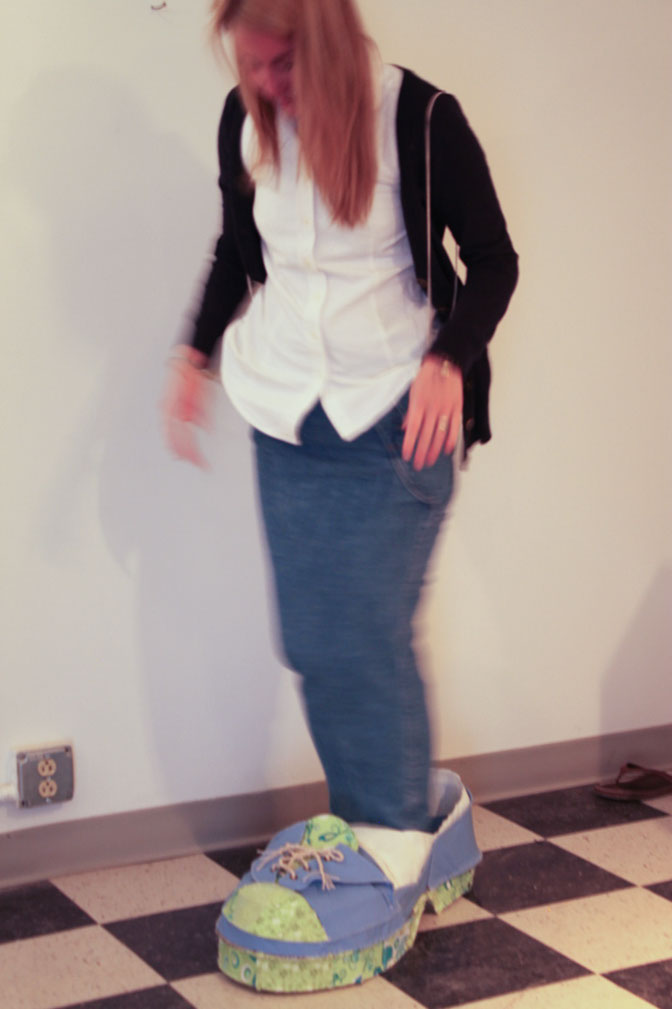
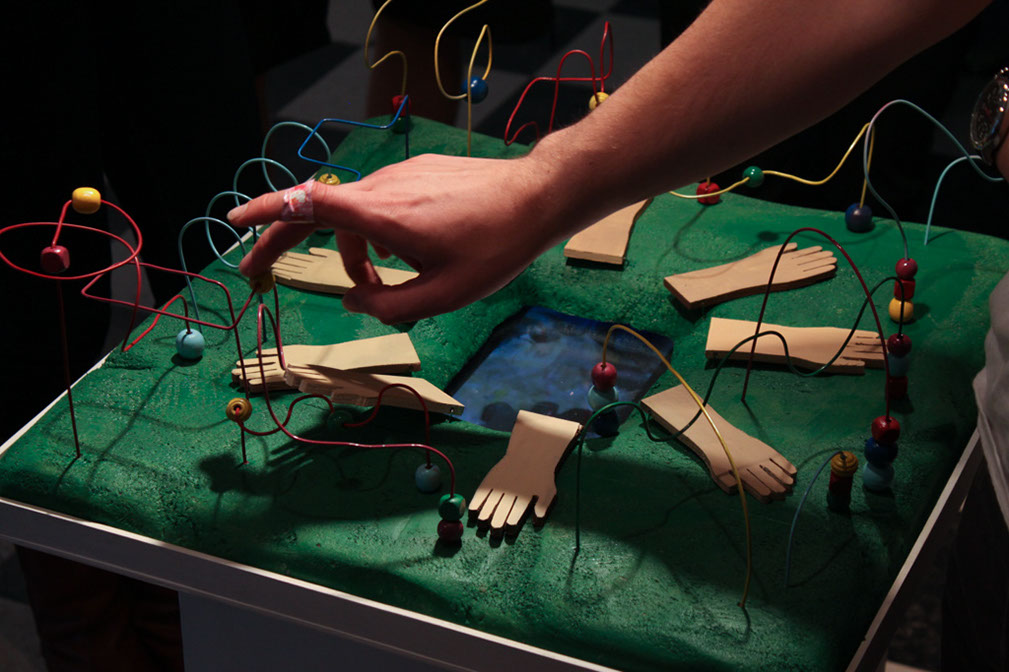
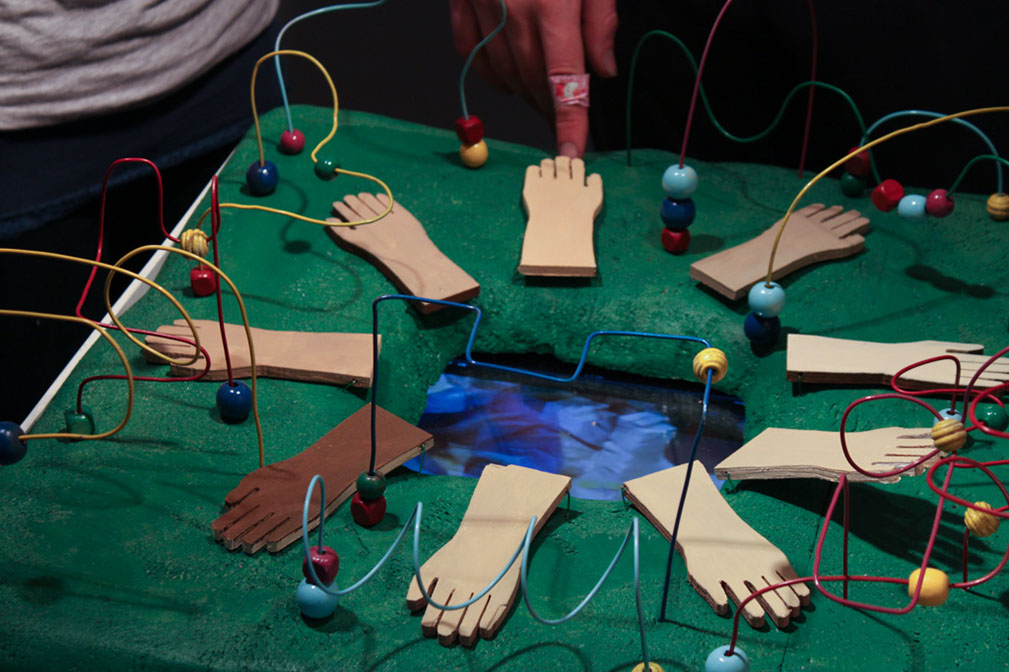
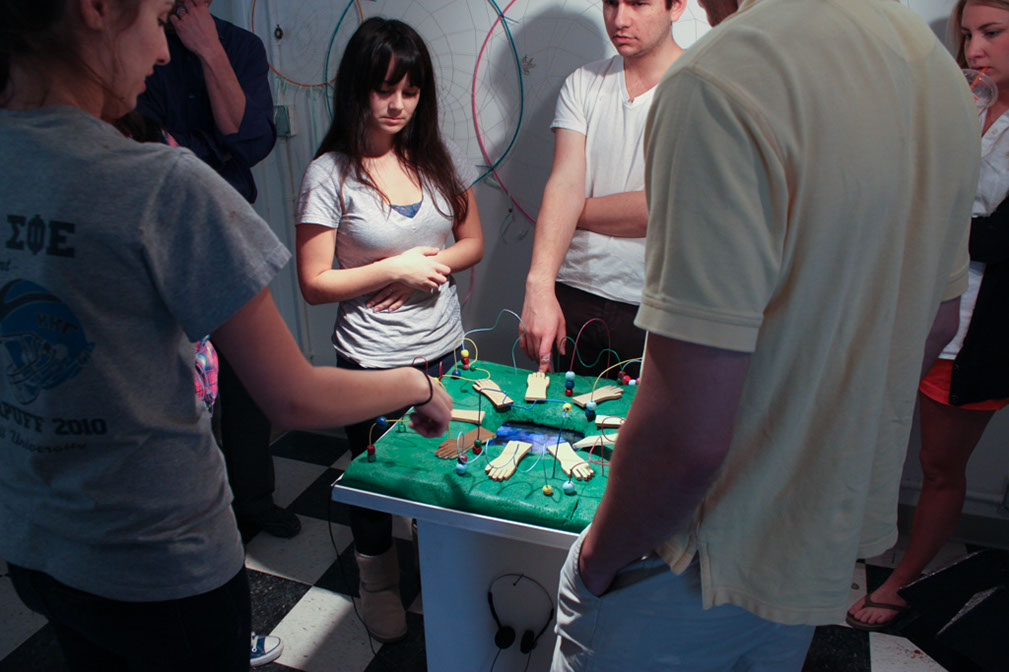
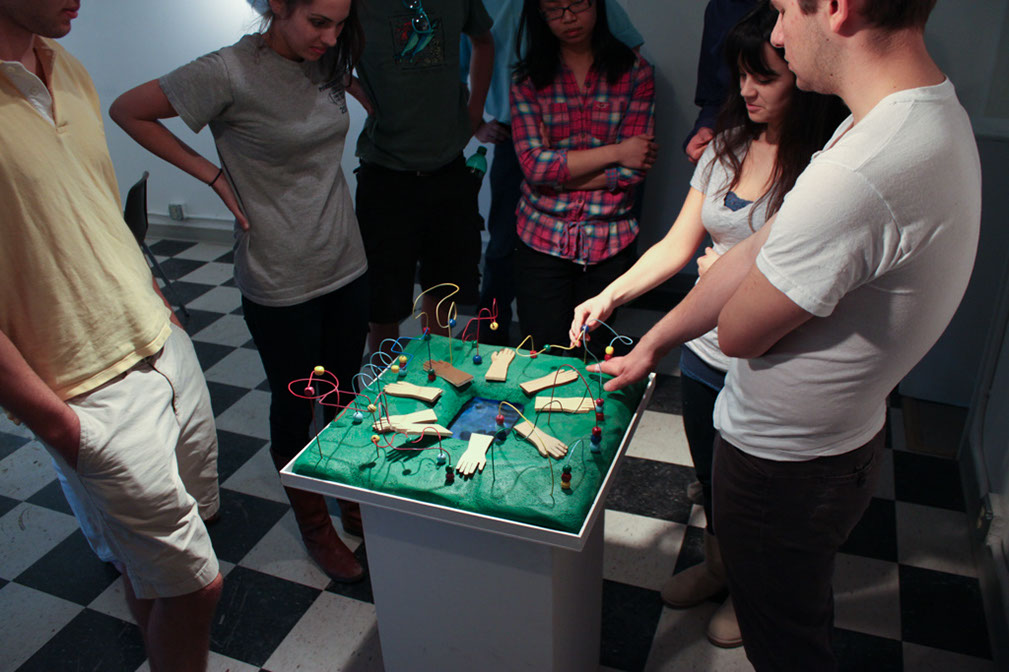
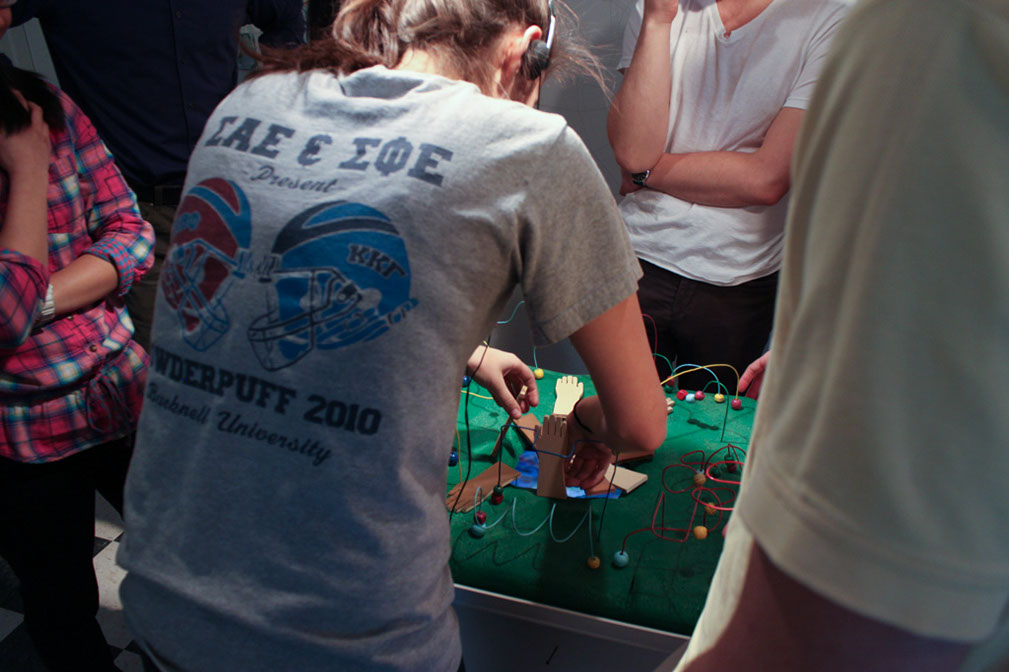
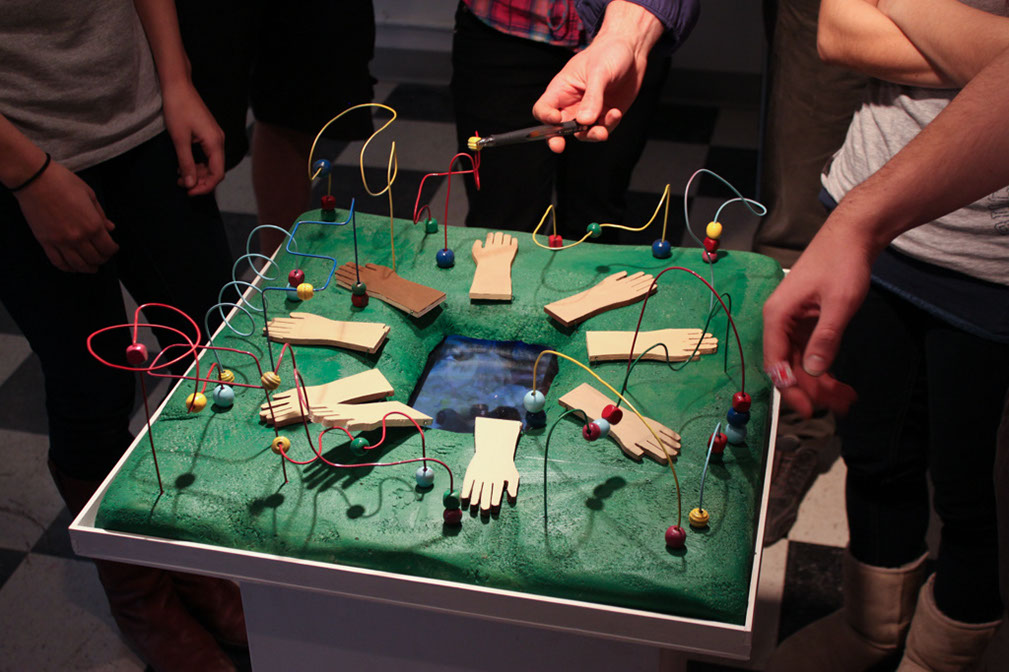
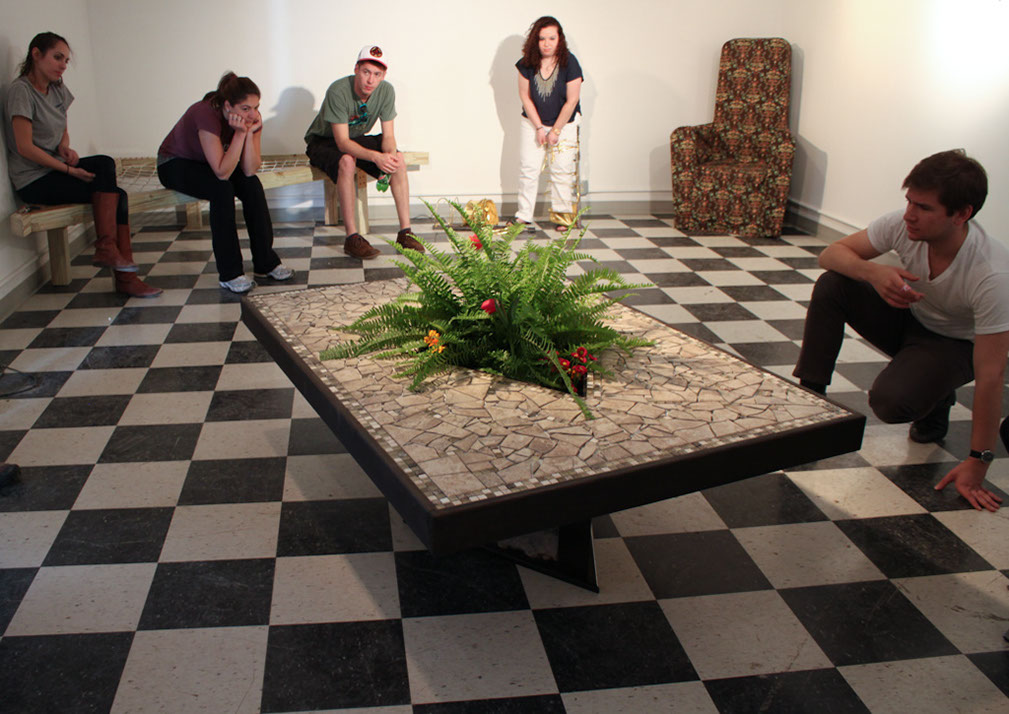
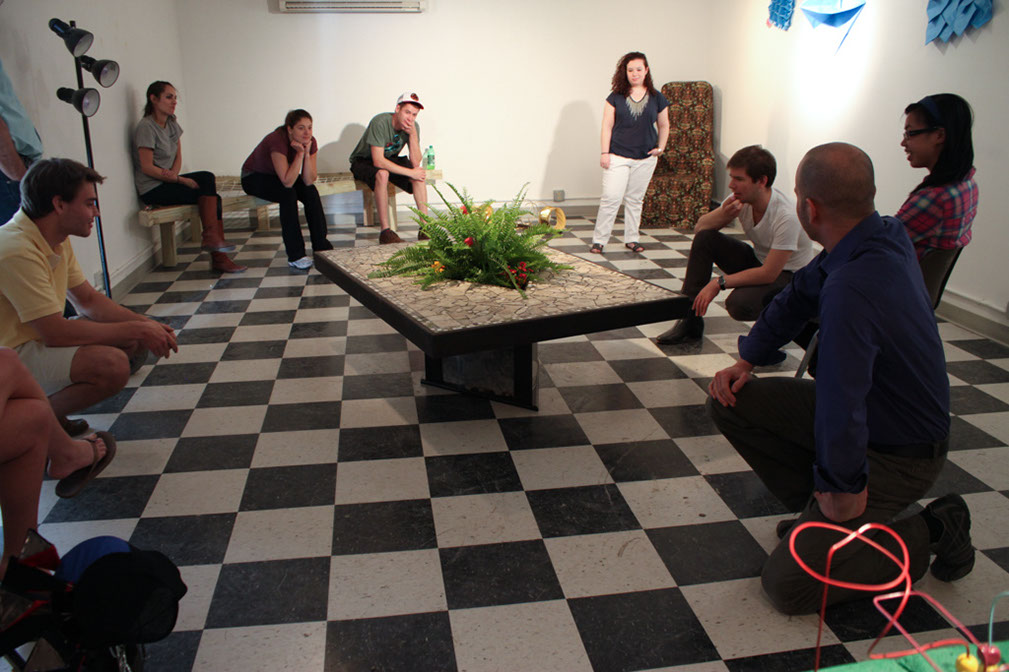
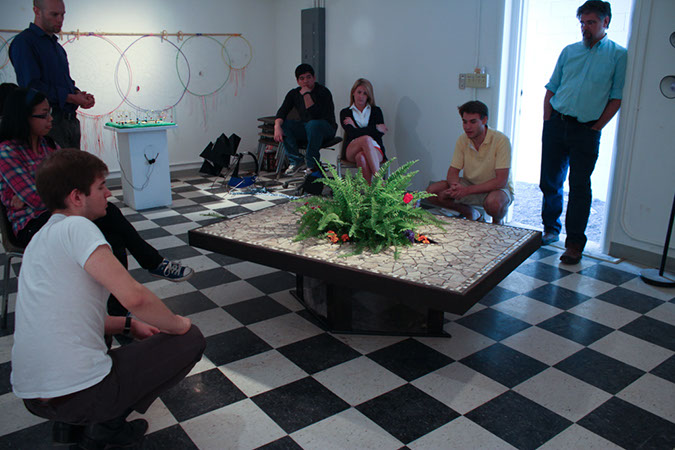
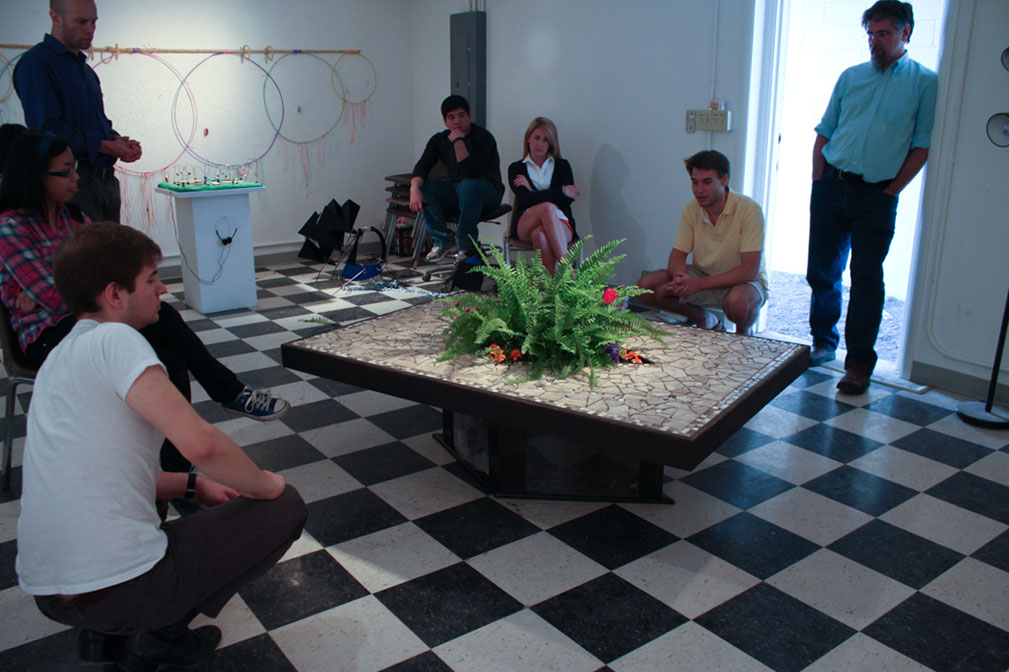
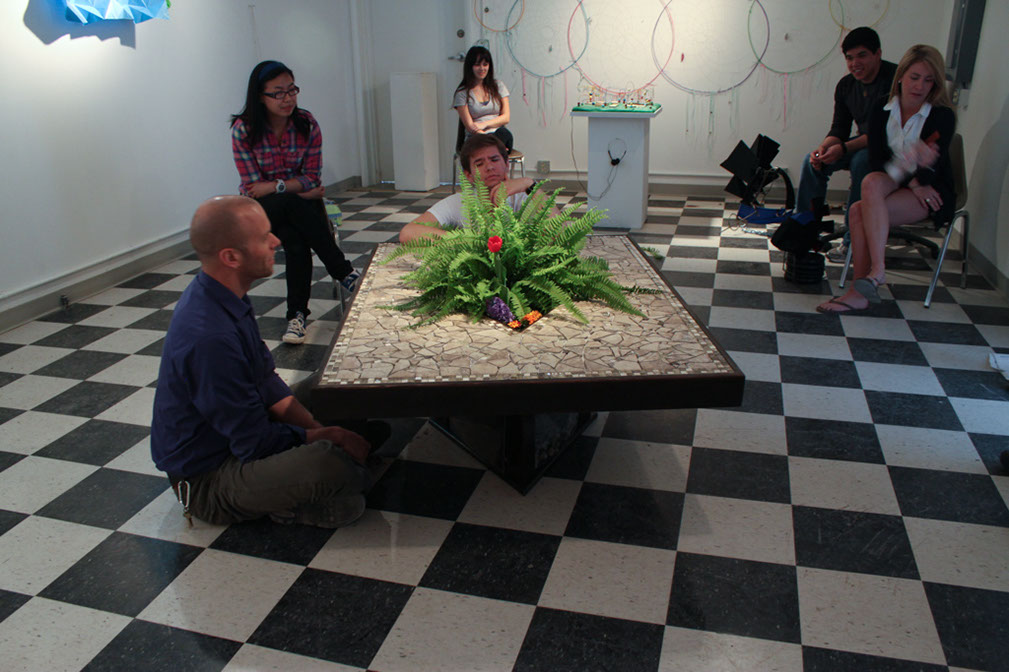
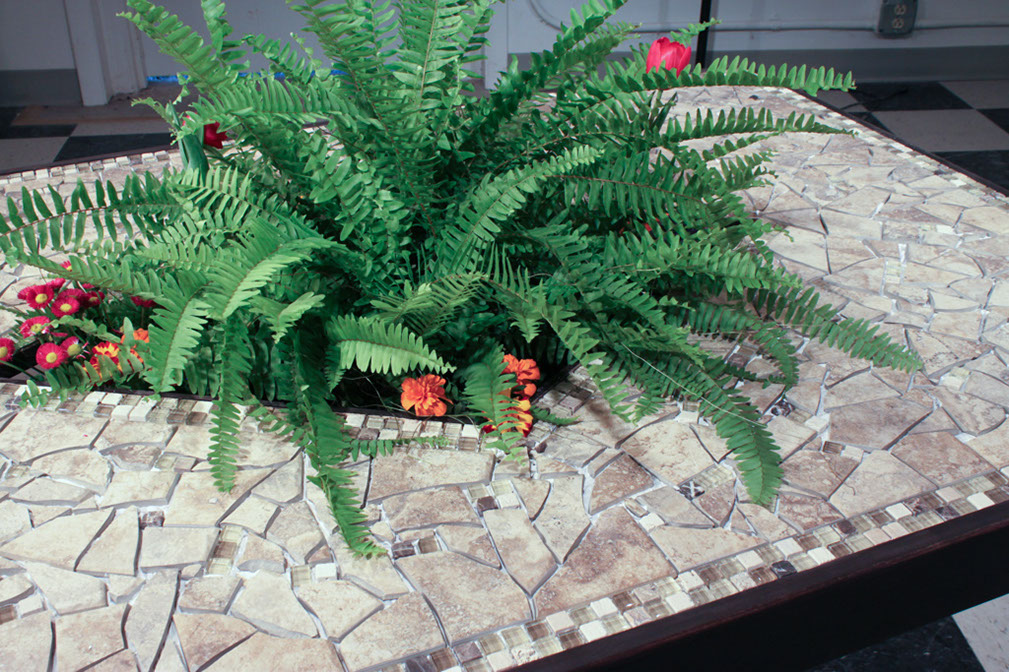
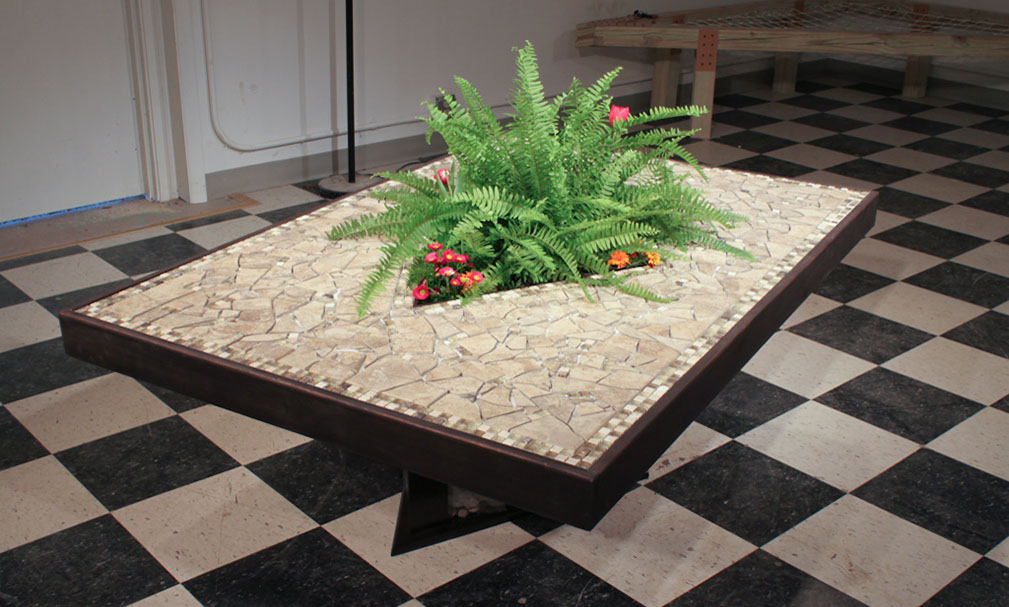
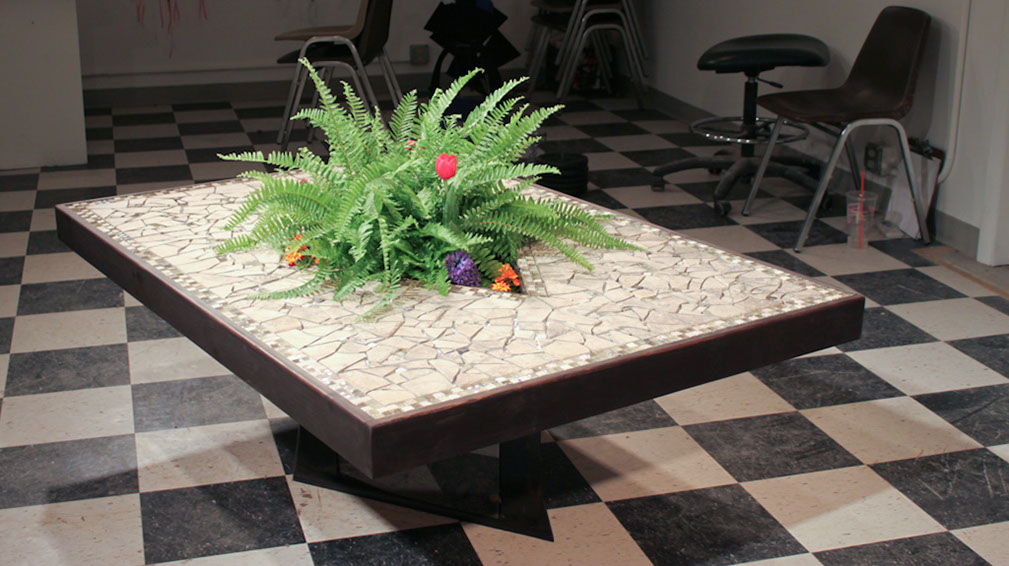
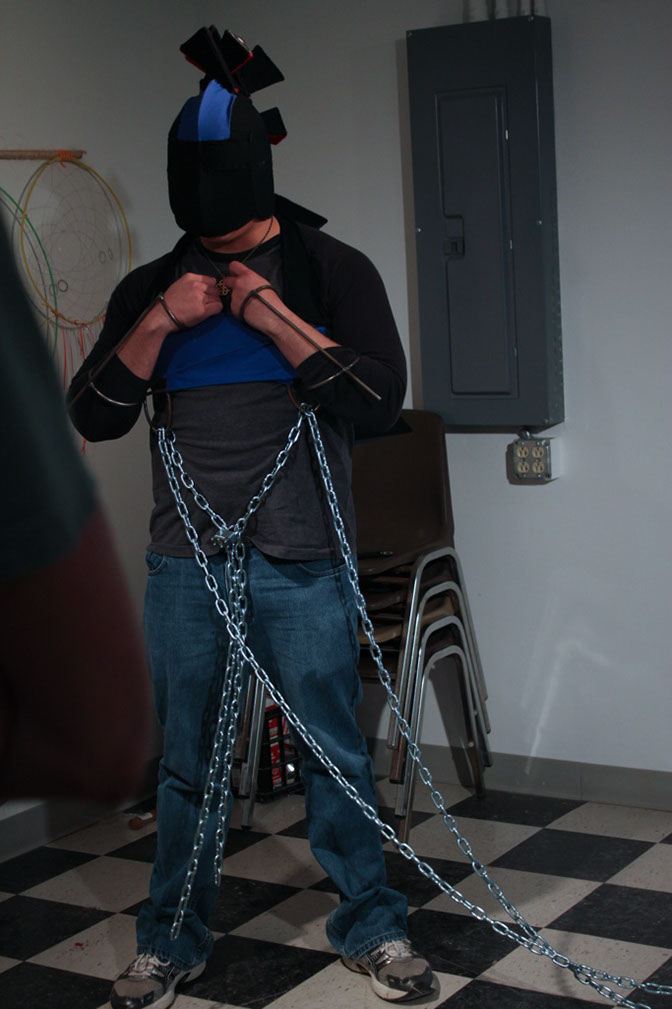
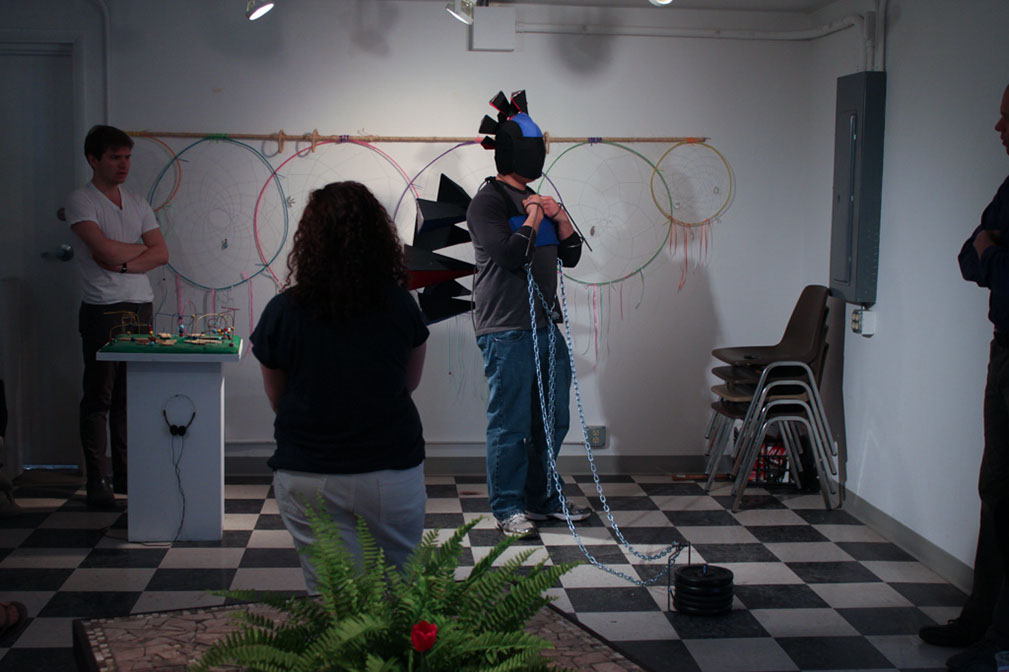
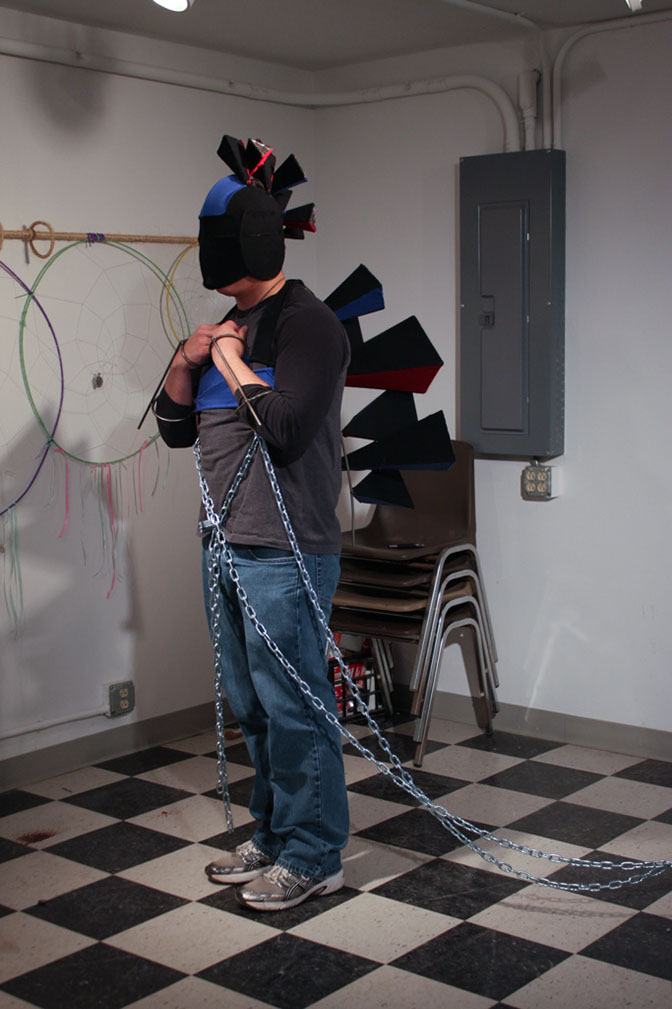
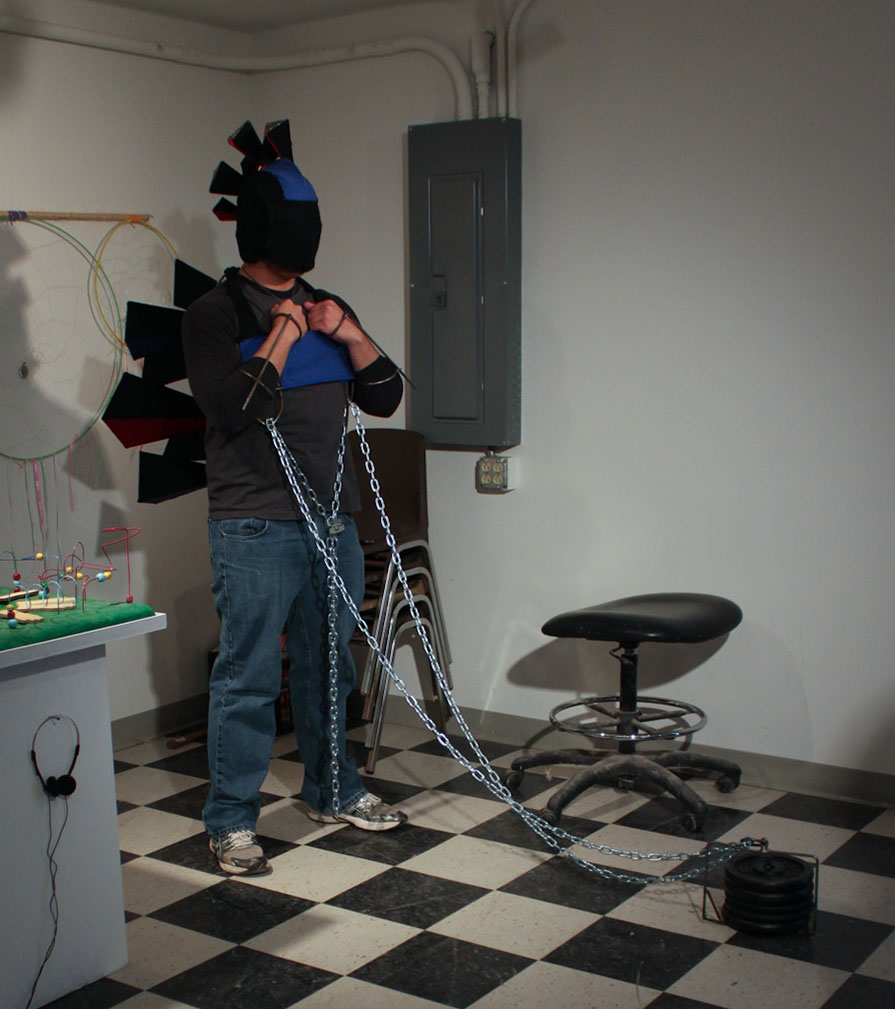
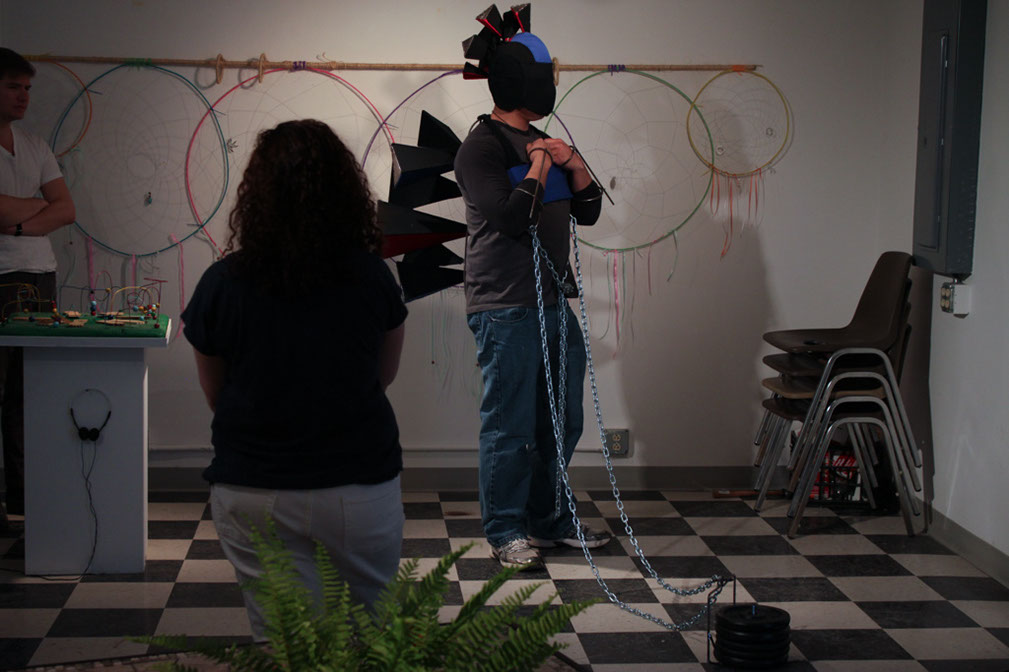
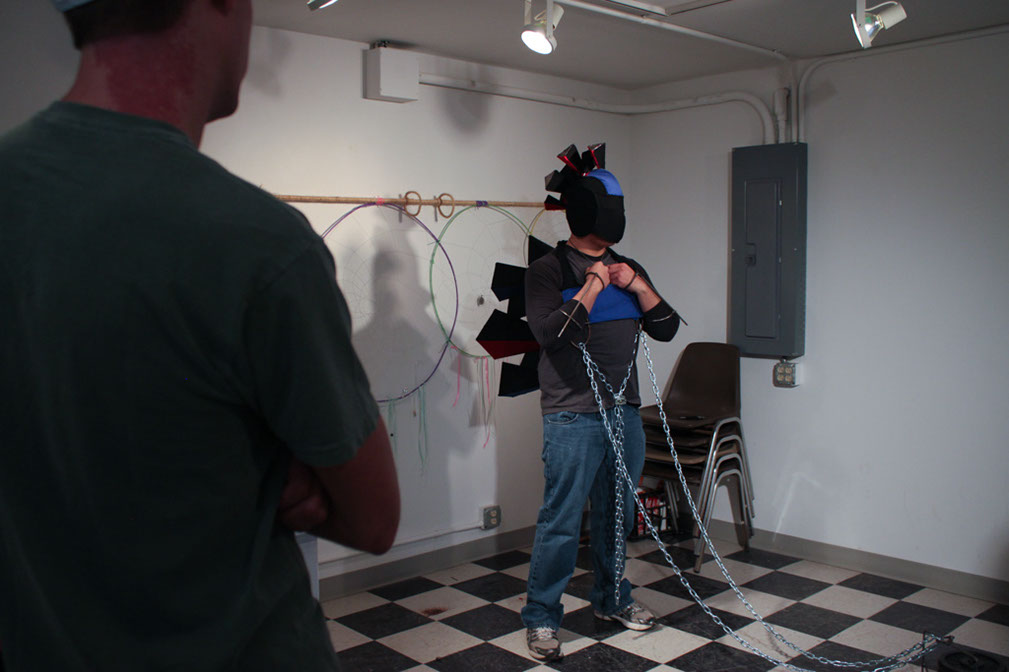
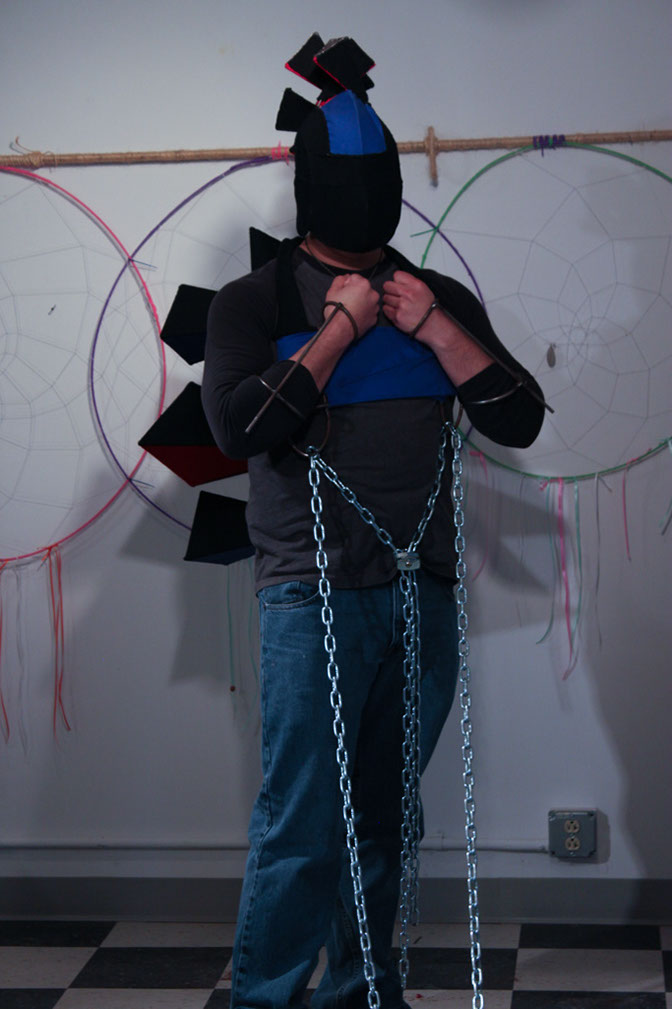
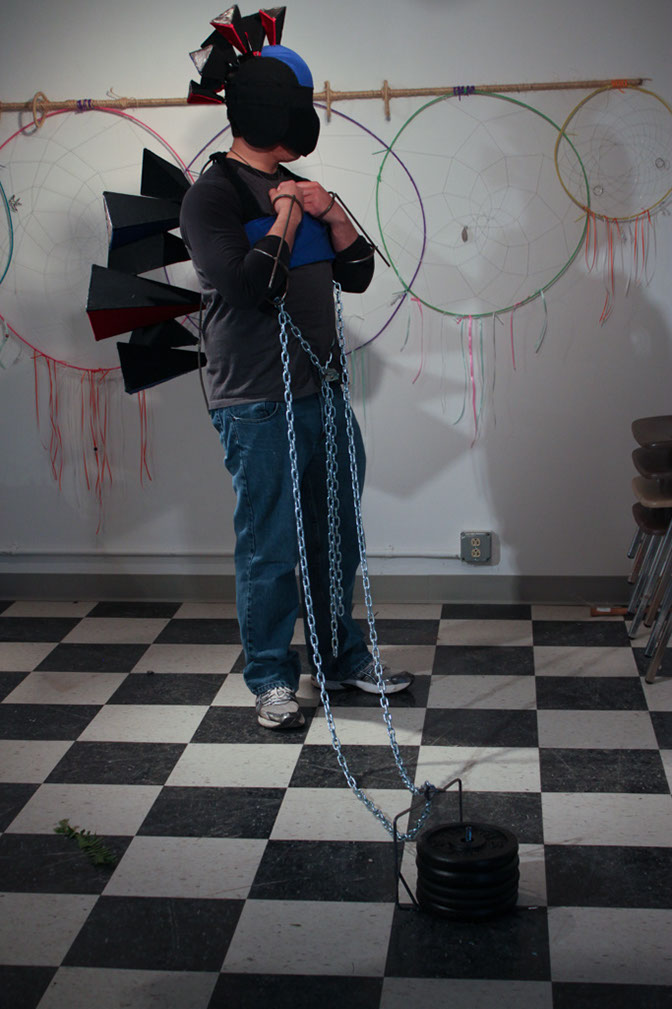
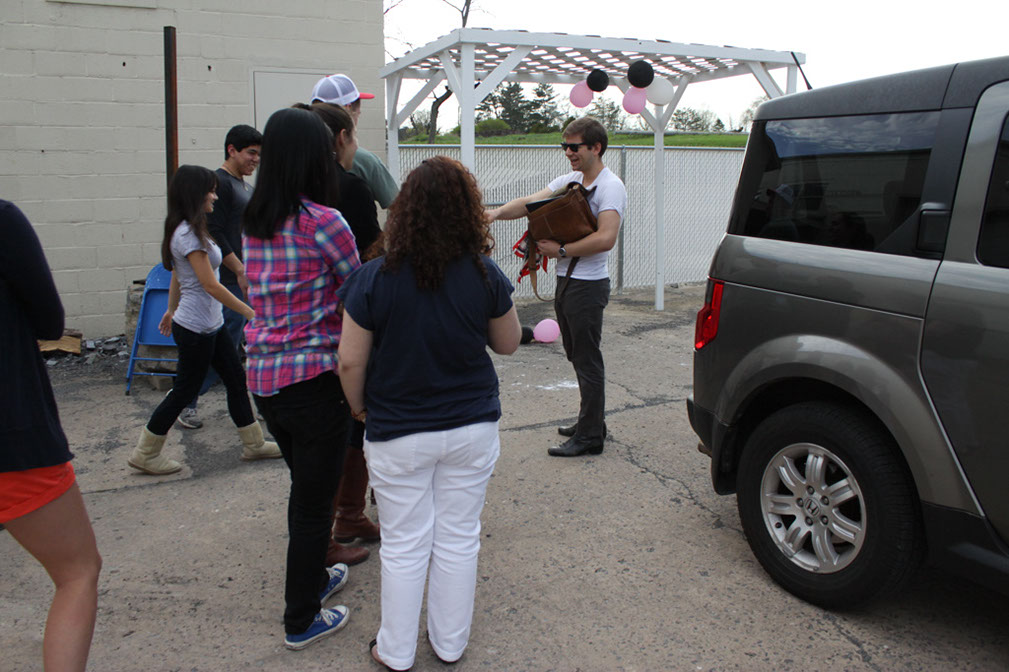
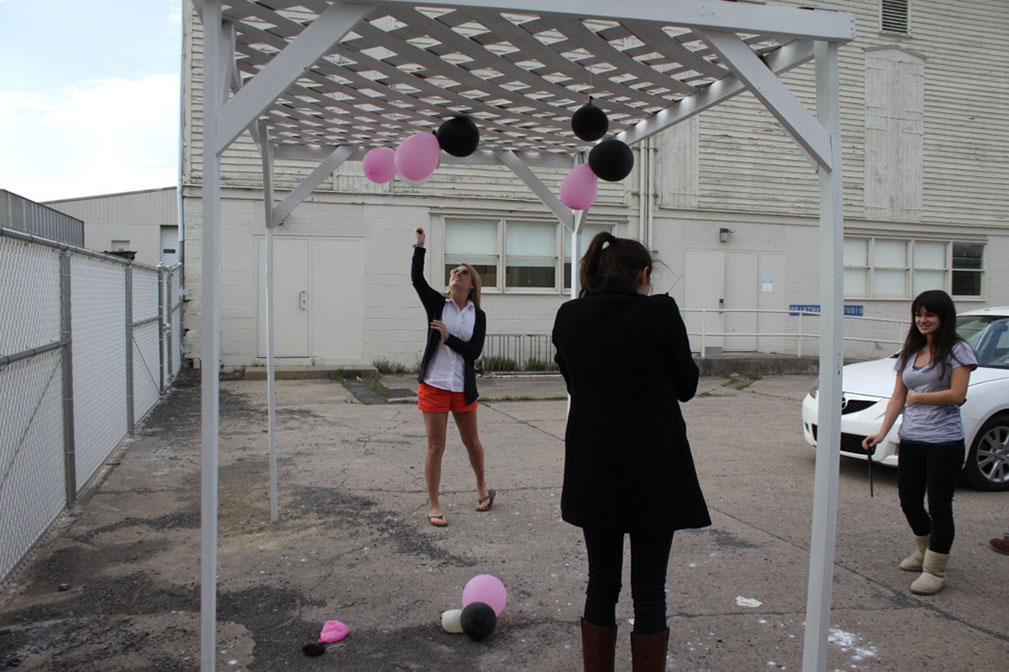
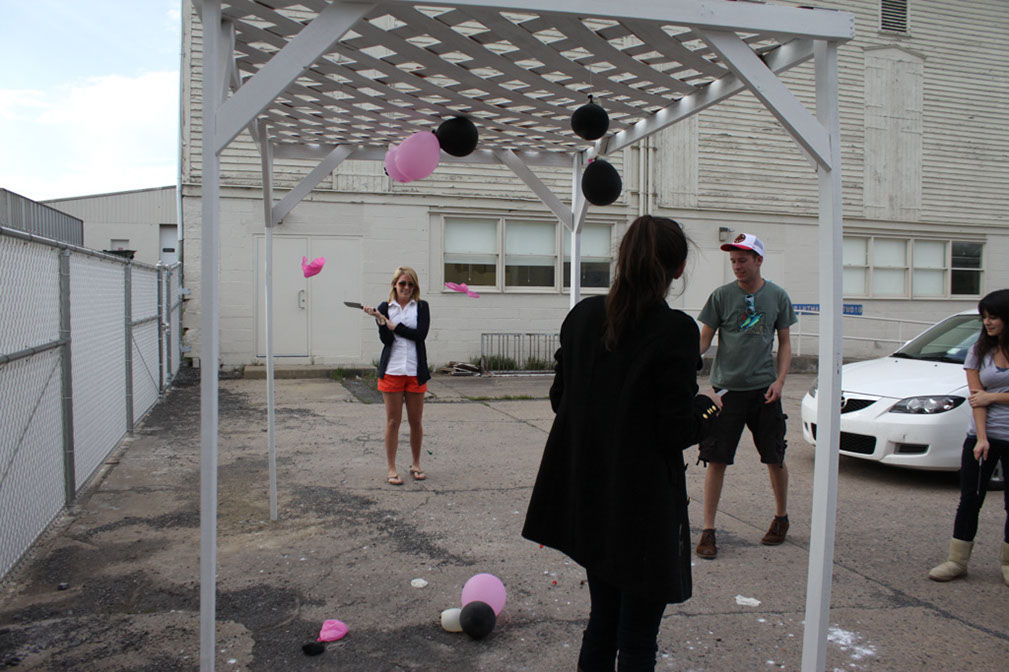
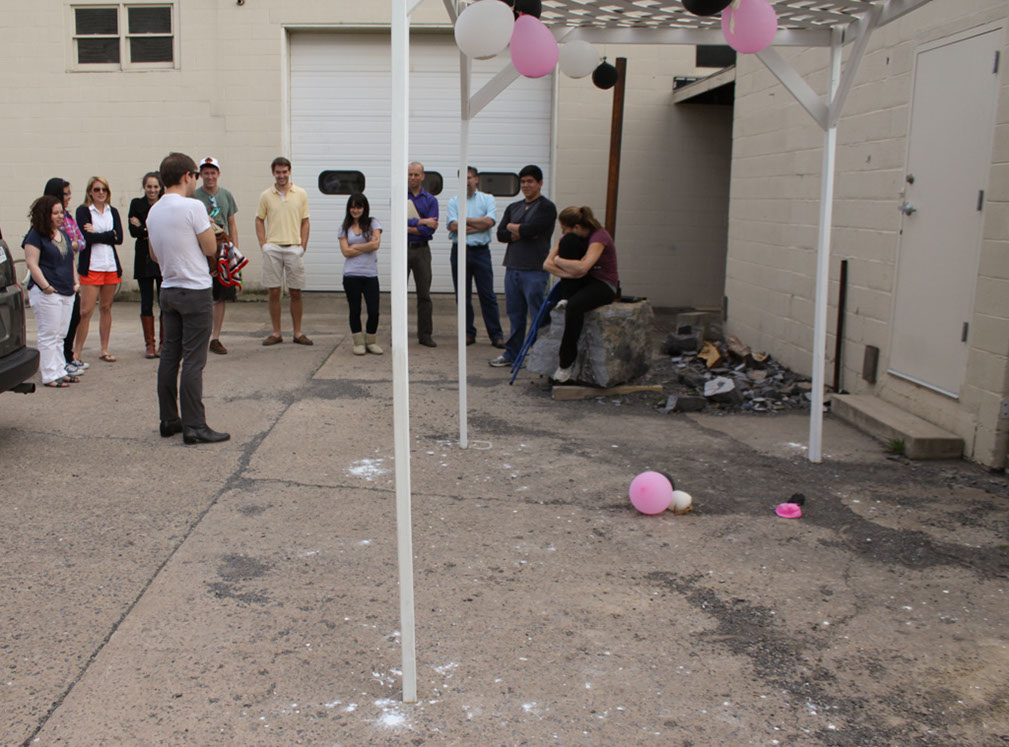
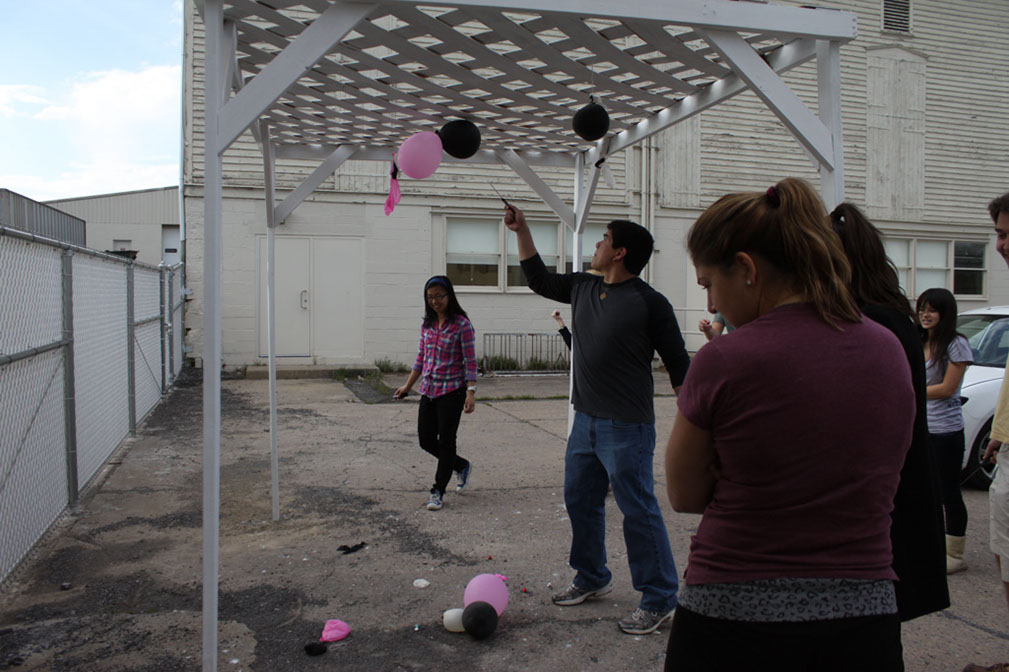
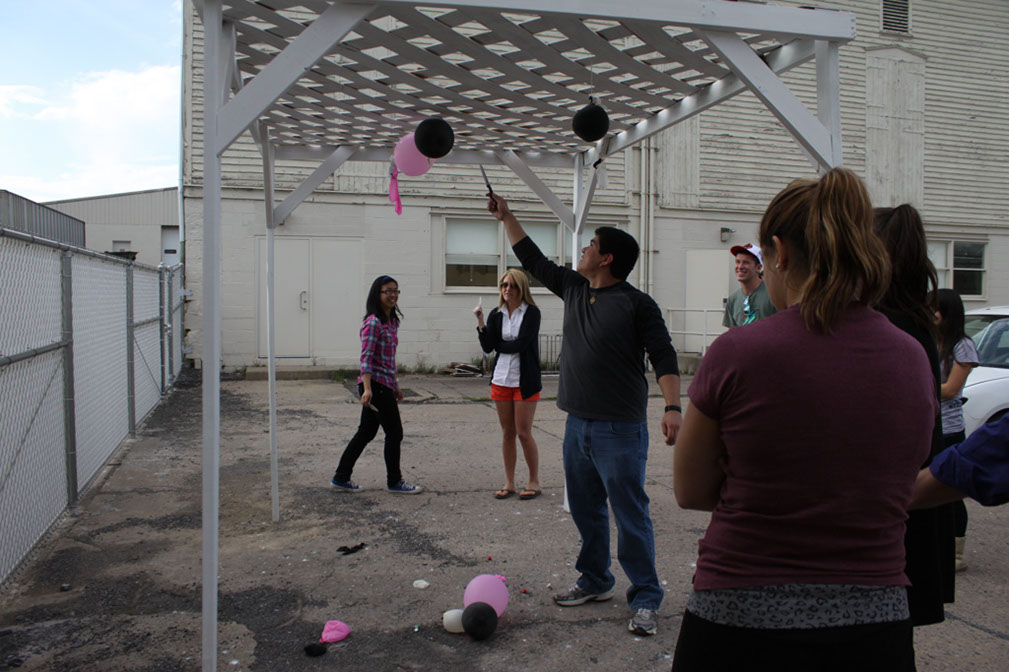
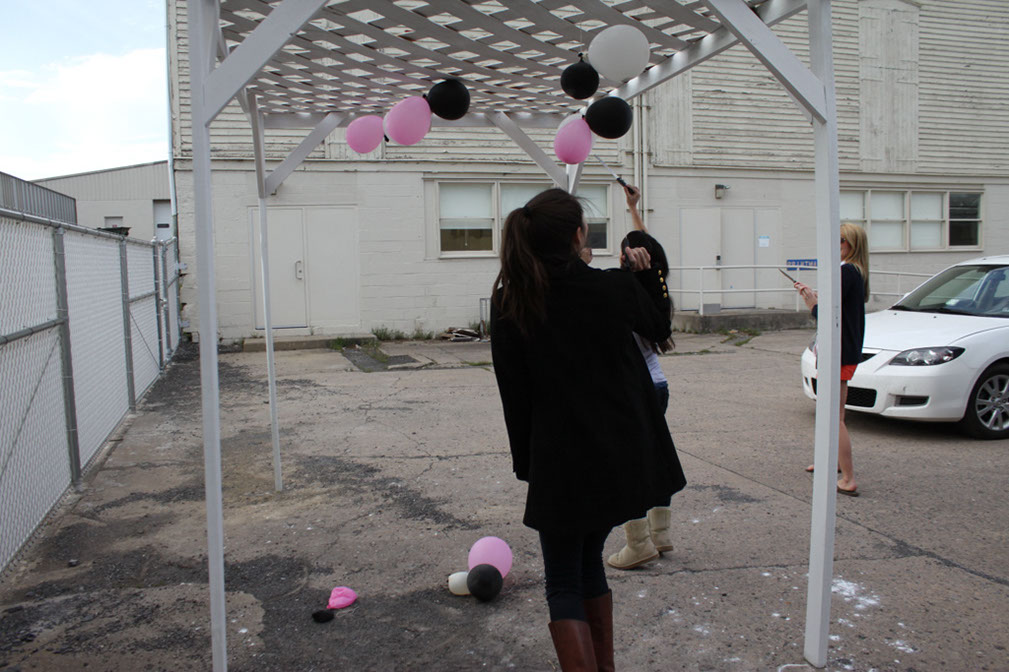
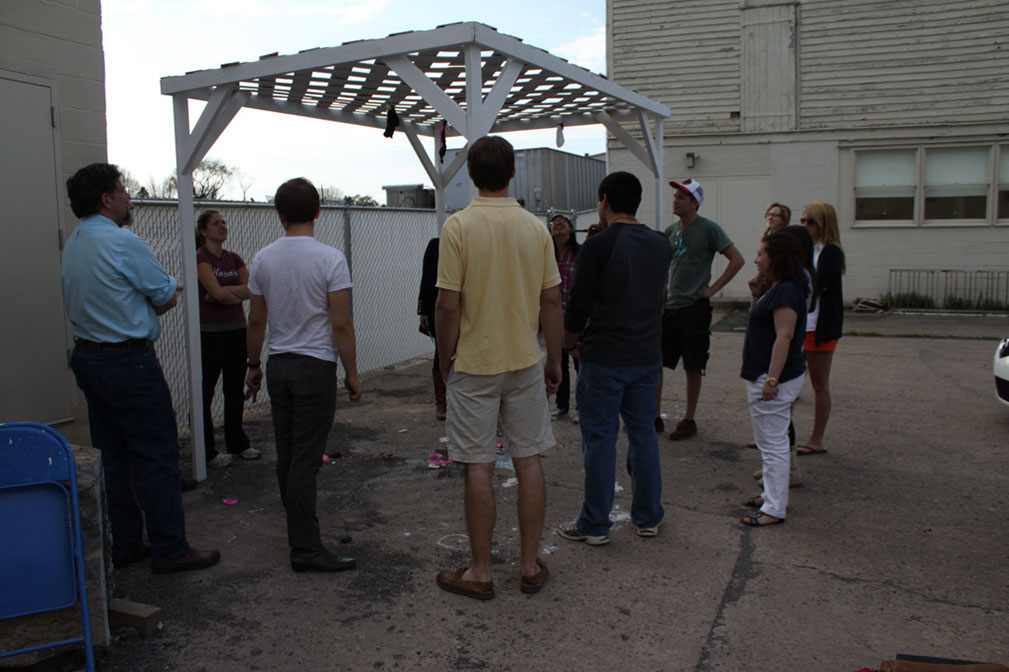
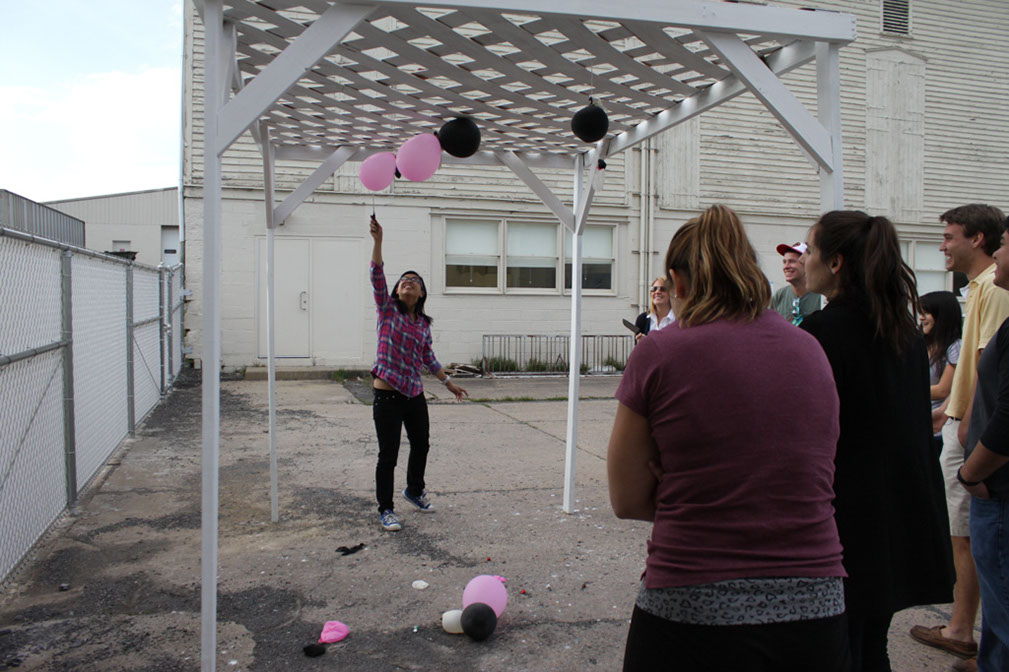
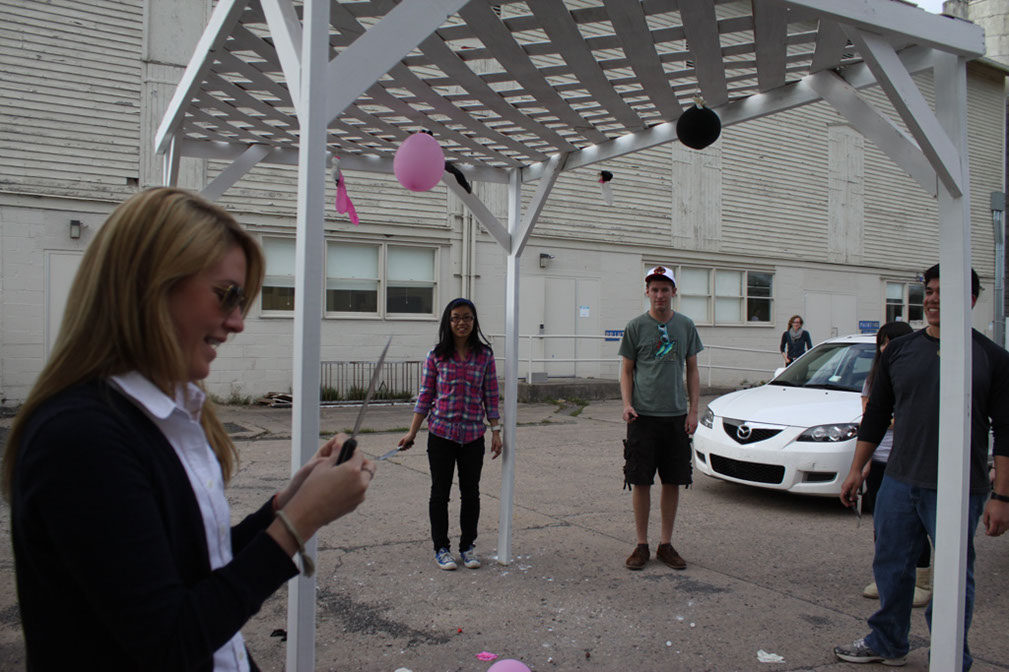
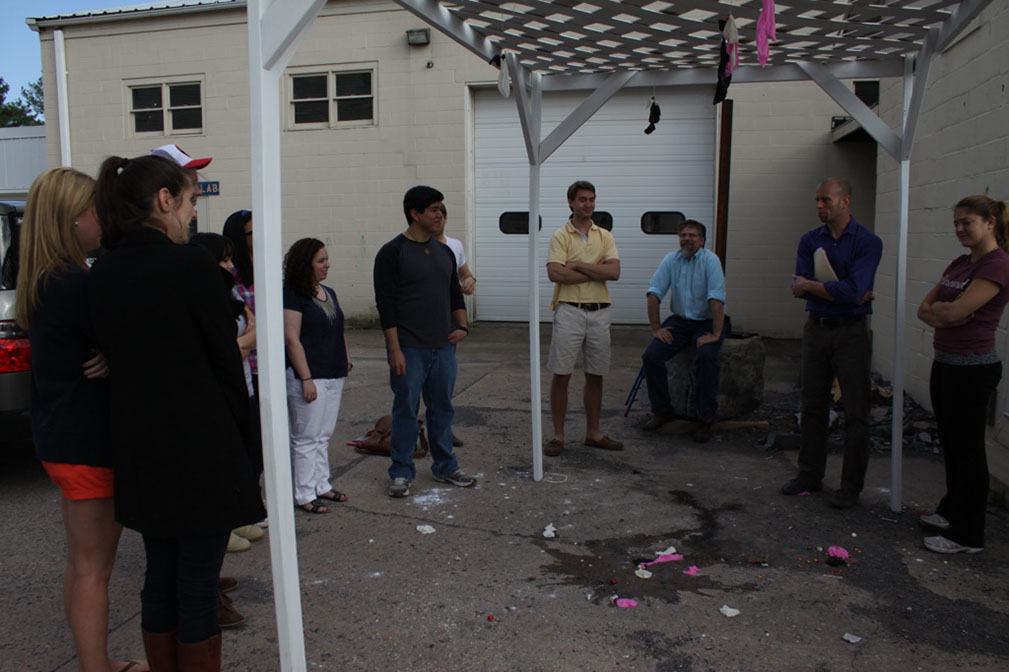
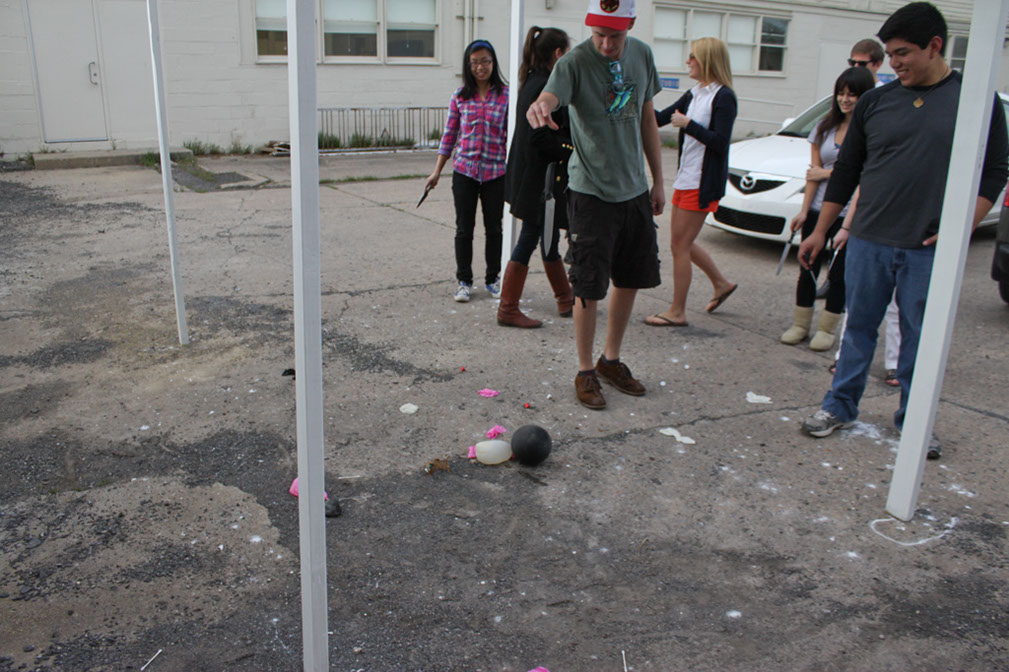
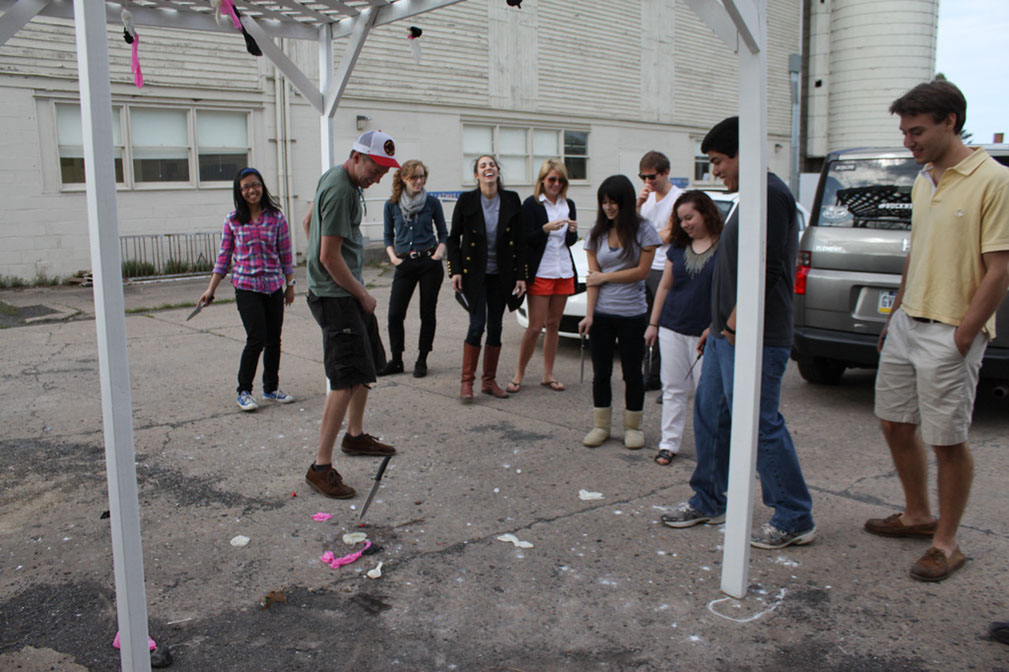
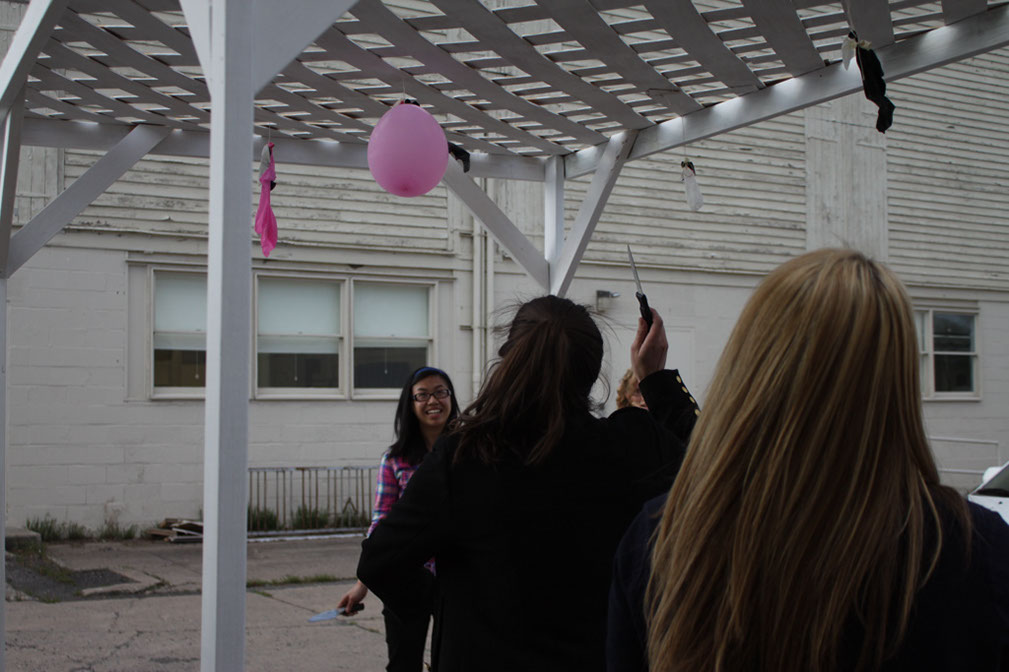
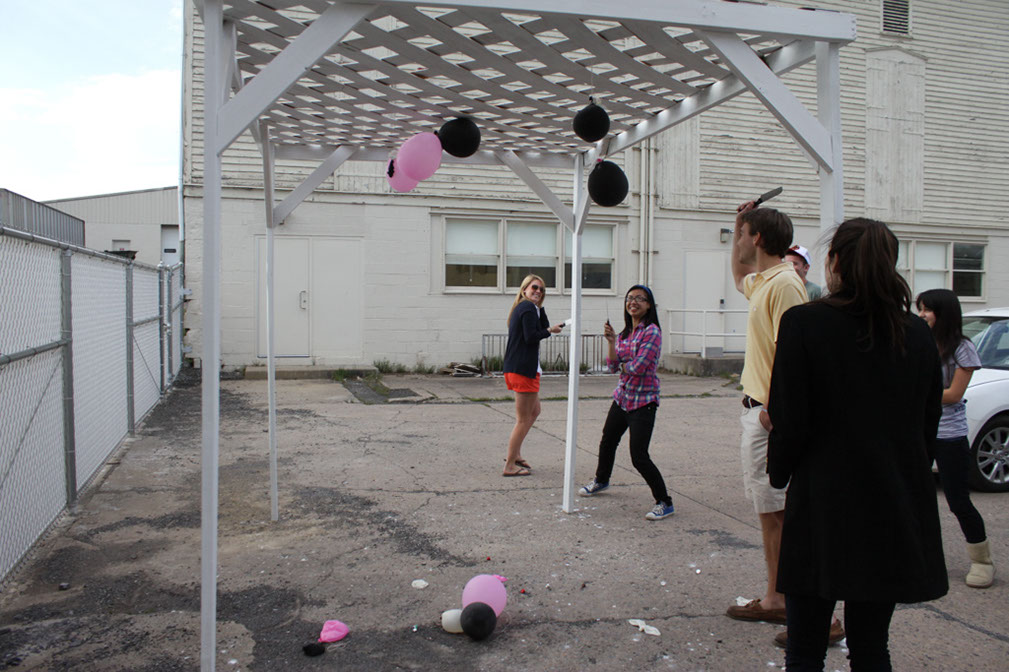
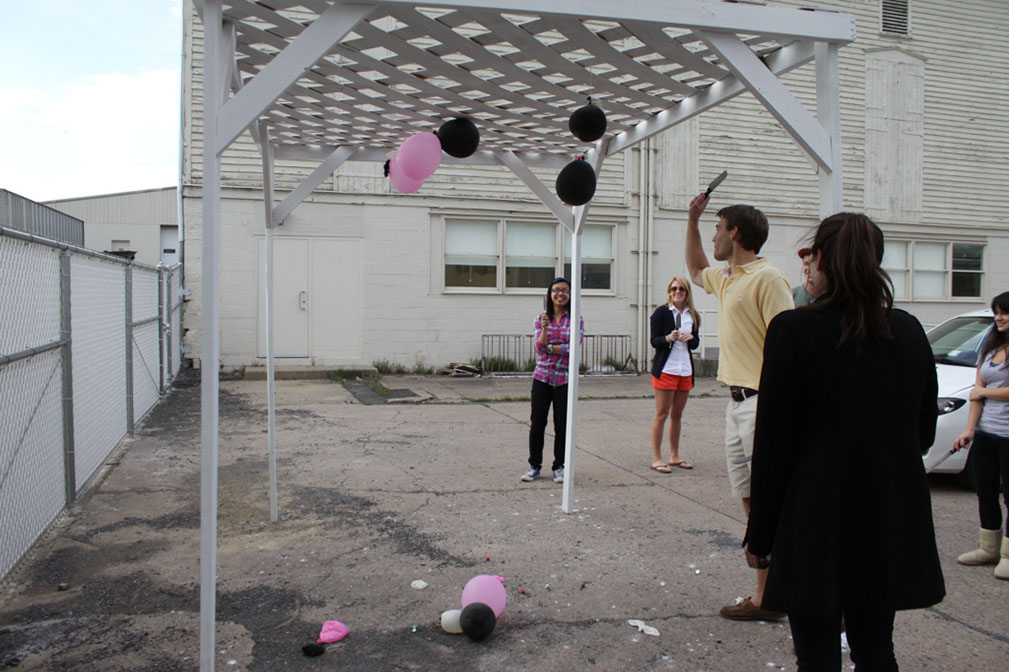
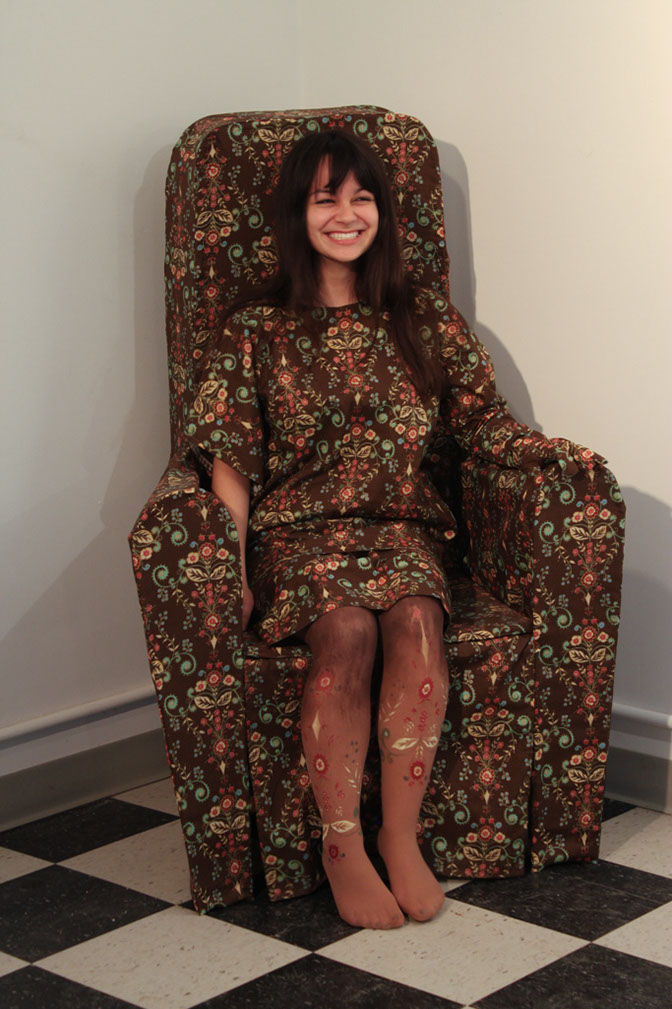
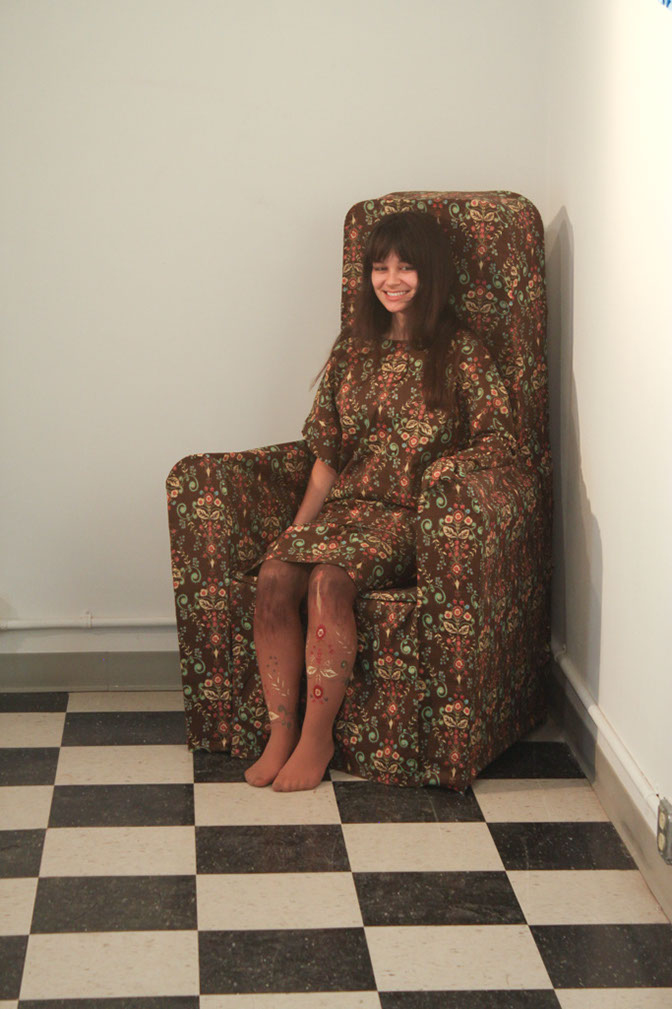
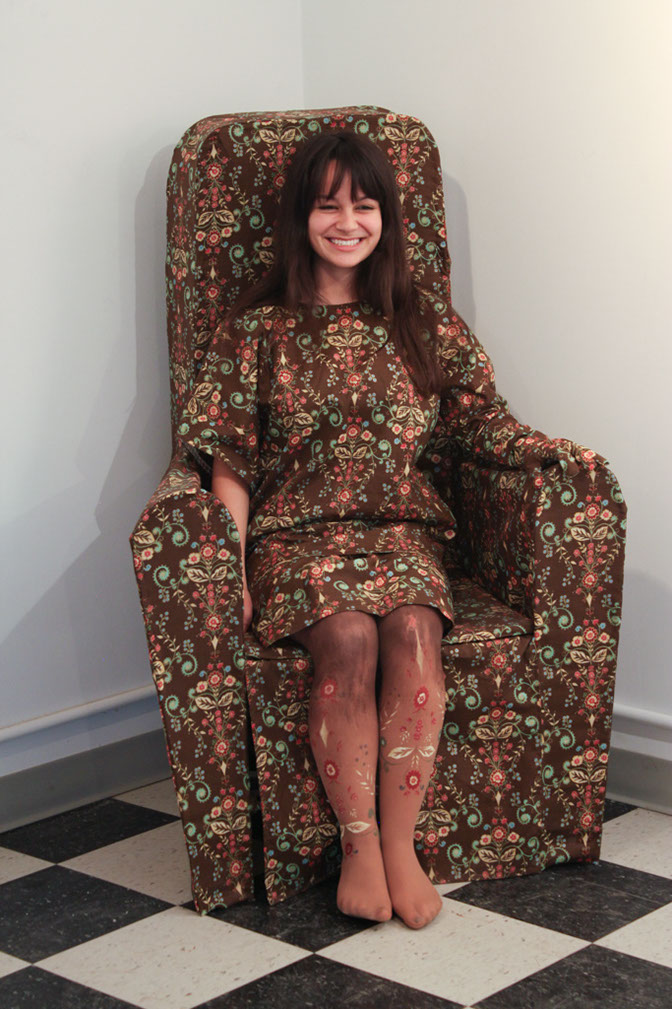
Grand Machinations – past student projects
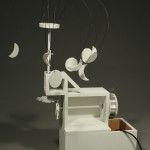
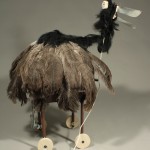
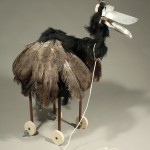
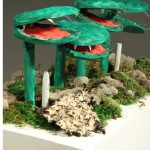
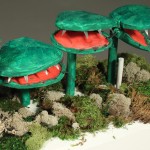
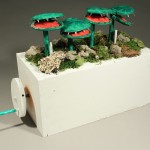
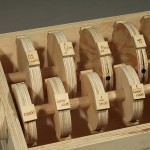
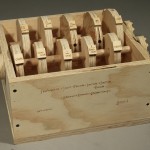
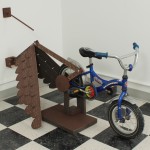
Impulse – In Progress
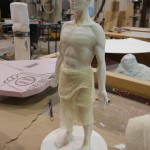
David Brundage Project 1


Cai Guo Qiang
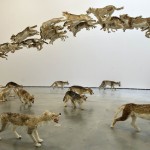
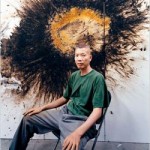
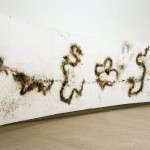
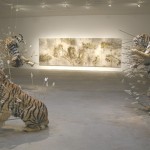
Folkert de Jong
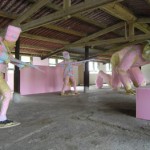
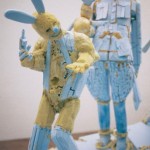
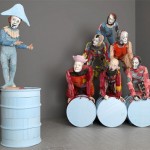

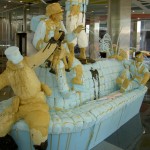

Tom Friedman

Theo Jansen
Miscellaneous

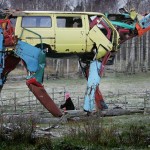
Kenji Yanobe
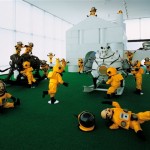
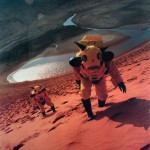
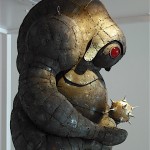
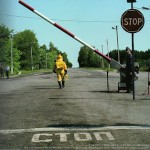
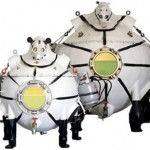


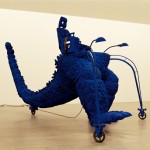
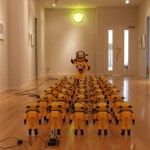
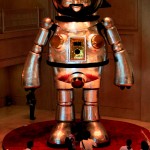
Sudarshan Shetty
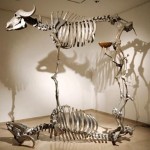
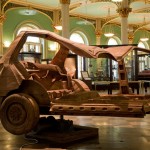
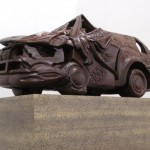
Royal de Luxe

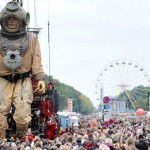

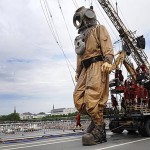
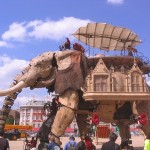
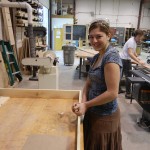
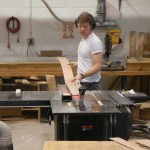
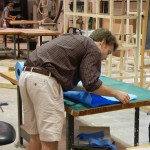
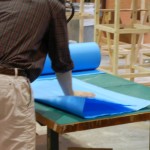
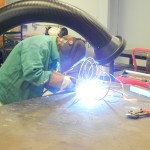
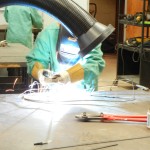
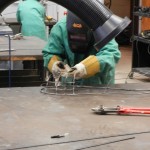
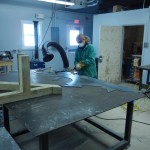
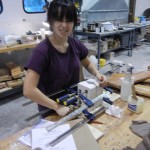
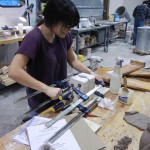
IMPULSE project process photos
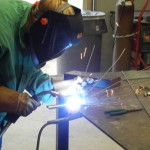
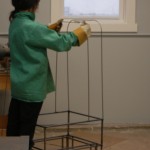
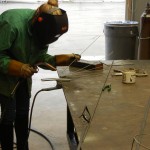
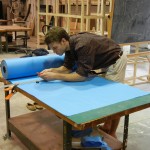
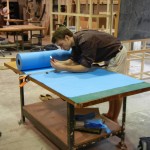
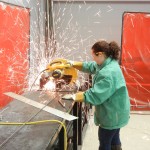
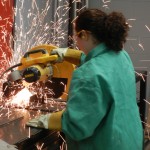
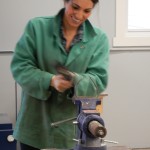
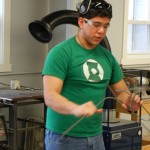
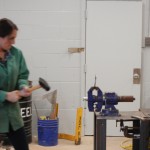
Artist Presentations
Accumulations: Finished Project Photographs
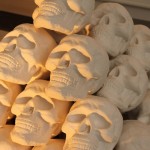
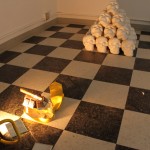
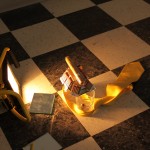
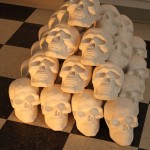
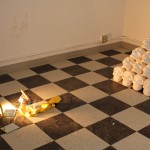
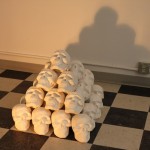
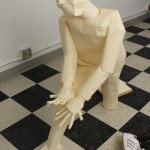
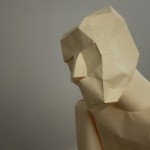
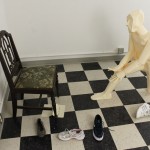
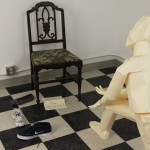
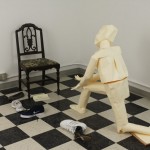
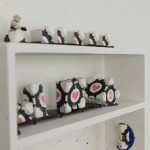
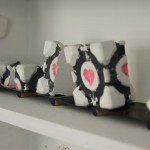
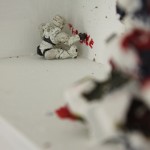
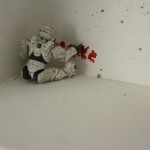
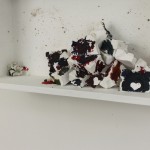
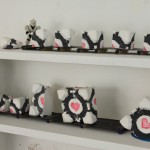
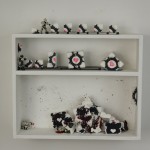
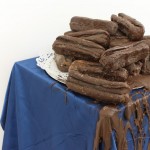
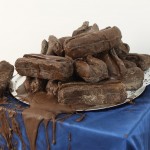
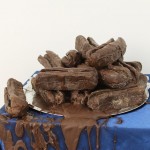
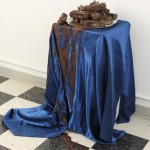
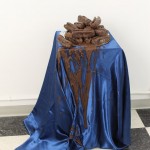



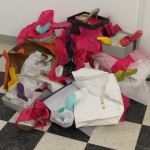
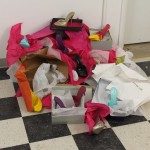
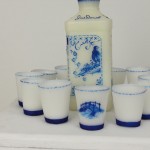
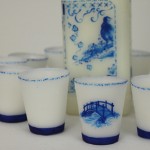
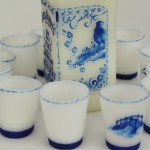
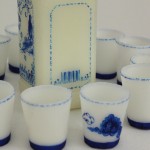
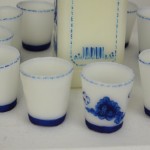
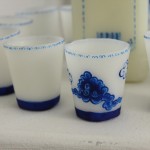
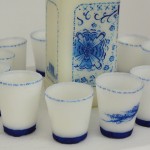
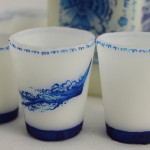
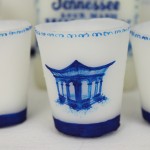

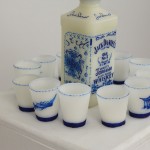
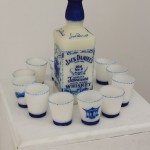
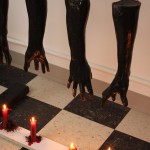



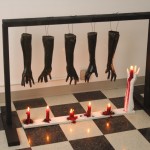
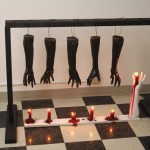
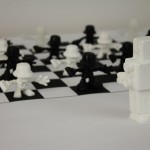
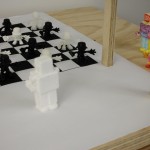
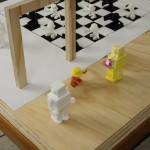
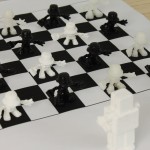
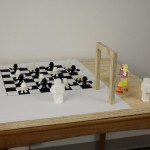
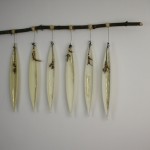
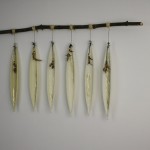
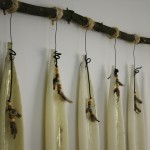
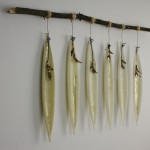
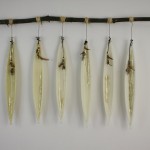
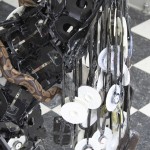
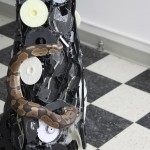
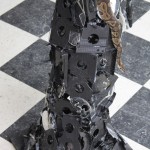
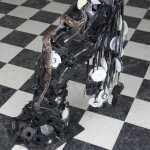
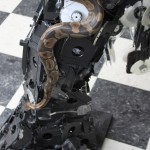
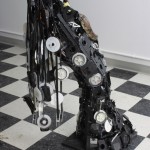
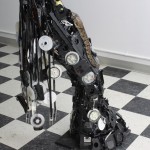
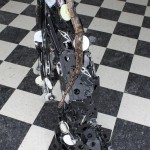
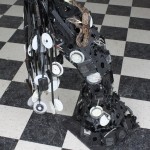
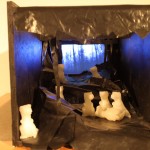
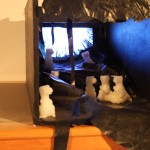
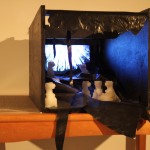
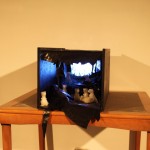
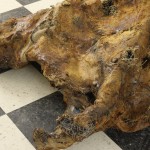
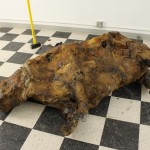
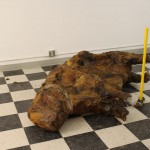
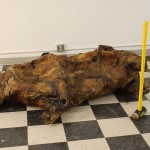
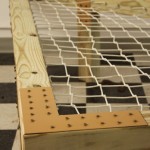
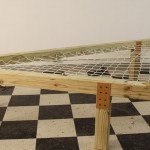
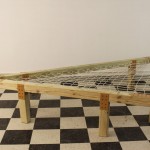
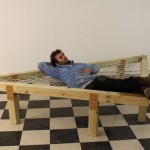
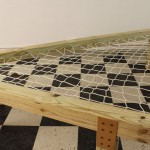
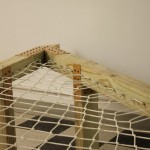
Accumulations: In Progress Photographs
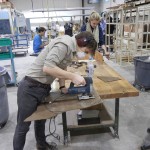
::::IMPULSE::::: weekend research assignments
*** Mark your calendars! *** We will stage a live presentation of your projects on April 27th. *** Your attendance at this event is part of your grade for this project, and you MUST MUST MUST be at the event! ***
WEEKEND ASSIGNMENTS
Step 1: Write about the two impulses you’ve chosen to work with.
Describe each of the impulses and tell how they currently impact your life.
> For the impulse you’ve chosen to FEED, tell why it’s important to make this impulse more pronounced in your life.
> For the impulse you’ve chosen to CONTROL, tell why this impulse is something you’d like to curtail in your life.
Step 2: Borrow a strategy
One great way of improving your artwork is to borrow strategies from other works of art. There are a variety of attributes that you could borrow from a work of art, it could be an aesthetic quality, a compositional arrangement, the subject matter, a means of presentation, a sensibility, a construction technique, a sense of humor… anything at all.
For this step, you are to:
- Find an image of a particular work of art that you find compelling. (The artwork you choose could even come from the artist that you recently presented on in class.)
- Print this image out or post it to the class website.
- In your printout or your web post, include the name of the artist and the work’s title.
- Write just one sentence that specifies the attribute or strategy that you intend to borrow from the piece.
Step 3 : Visual research
Find 5 images that relate to each of the impulses that you’ve chosen to work with (for a total of 10), and print these out—you will use these images as visual references while working on your project.
Step 4 : Create sketches
Draw up plans for 2 three-dimensional forms that would affix to your body — one to FEED an impulse, and one to CONTROL an impulse.
As you create these sketches, please remember/do the following:
> One’s final product can be improved when, at the beginning of a project, one considers a variety of possible end results. For each of the impulses you’ve chosen, create at least three detailed sketches of three distinctly different project ideas.
> As sources of inspiration, refer back to the associative lists you created in class.
> These projects can be fairly large–up to even 6 or 10 feet in length, but keep in mind that you will need to surface your metal structure with a fabric or plastic, so consider your own limitations of time and energy as you draw up your sketches.
Why we write about our ideas
Every decision that you make in the planning and execution of a work of art has meaningful implications. When one begins a project by thinking about what they want to accomplish in the end, this enables them to have more control over the final meaning in their work, AND it provides one with a useful tool for editing their work during the process of creating. While one could employ many methods for thinking critically, writing is especially helpful for developing this skill because it forces one to be precise and clarify ideas.
Why we conduct visual research
Our artwork is in a dialogue with the outside world—this is unavoidable, and conducting visual research enables us to knowledgably position our work in relationship with phenomena from the world. Images are the currency of the visual arts, images are the beginning and end of artistic endeavors; we must conduct visual research in order to tap into this vital resource. Additionally, images can help accelerate our creative thinking and give us raw “material” to work with and respond to. So, collecting images/objects and other source material can practically inform your design, and it can also enlighten your thinking.
Why we create sketches
Preparatory sketches can help you plan your project on a small scale before you commit the time and energy to create the project on a larger scale. Sketches are a very fast means of “testing” possibilities. Sketching enhances creative thinking, and this frequently helps one find innovative and novel solutions to problems. This component is important because the quality of our ideas will have a dramatic impact on the quality we are able to produce in our finished product. When we generate ideas, our first idea is usually not the best idea that we could possibly conceive. Most often, our ideas will continue to improve as we consider a variety of possibilities and think about things from a range of perspectives with a flexible and open attitude. Creative insight does not typically hit a person like a thunderbolt; it usually emerges gradually, through the persistent, patient, tenacious mulling over of an idea or question.
David Brundage Collage
5 Collage, Eric L.
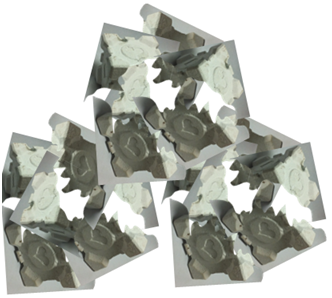
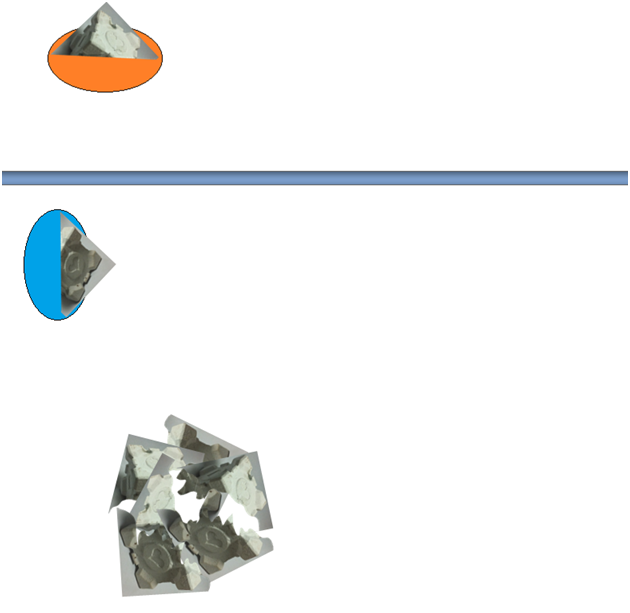
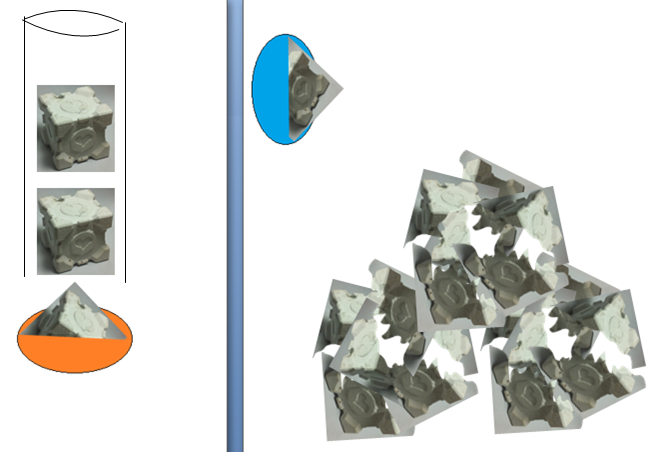
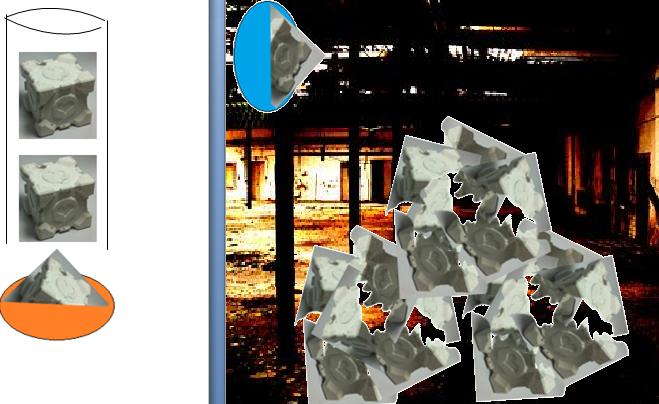
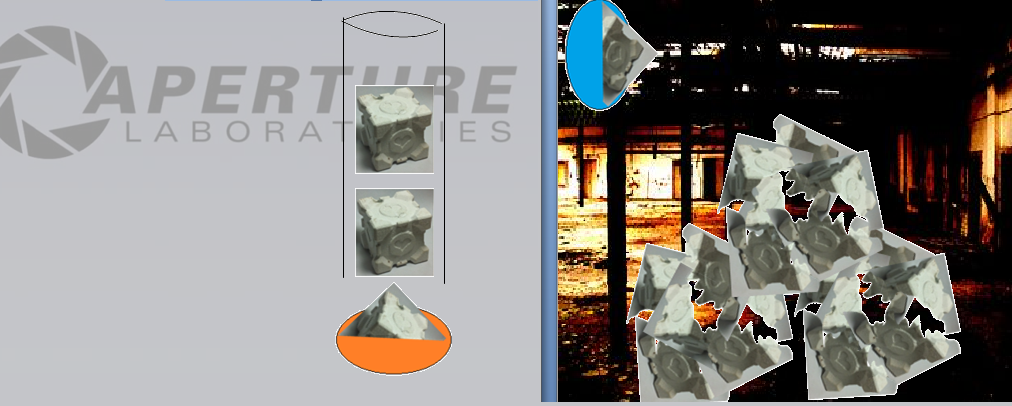
because i don’t have enough ink
Aaron Meyers artXpose #2 (example)
Example of how to submit artsXpose with the PHOTO option
For each artsXpose you complete, you may submit either a form OR a photo–it is not necessary to submit both. Included below is an example of how you may submit artsXpose using the PHOTO option. For the sake of efficiency, you may want to cut-and-paste the text below directly into your post and then appropriately revise the information.
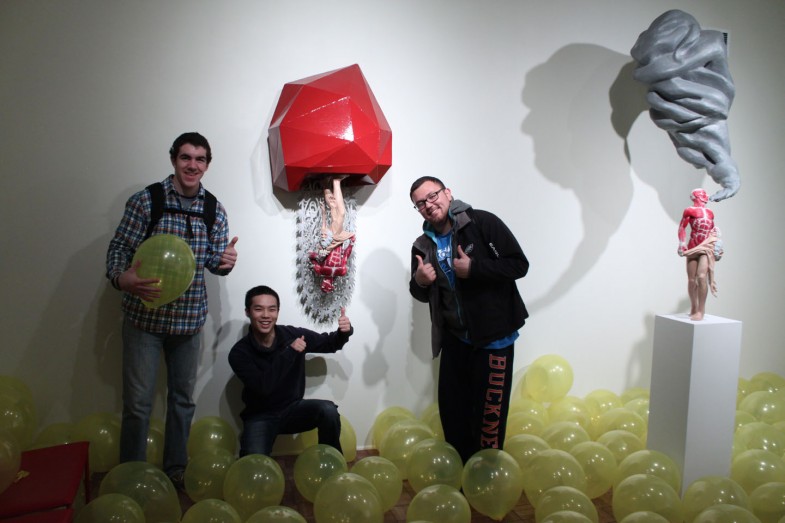
Your photograph should depict you at the event with some distinctive features. This will make it obvious that you attended.
– – –
Title of Event: Joe Meiser Artist Lecture
Date & Time of Event: Friday February 3rd 7 pm
Location of Event: Samek Art Gallery
Type of event: Artist lecture and reception
Aaron Meyers ArtsXpose #1 (example)
Example of how to submit artsXpose with the FORM option
For each artsXpose you complete, you may submit either a form OR a photo–it is not necessary to submit both. Included below is an example of how you may submit artsXpose using the FORM option. For the sake of efficiency, you may want to cut-and-paste the text below directly into your post and then appropriately revise the information.
– – –
Title of Event: Bill T. Jones Lecture
Date and time of event: Monday January 30th 7:30 pm
Location of Event: Harvey Powers Theater
Type of Event: Guest Artist Lecture
1.) Provide a brief detail-oriented technical description or summary of the event you attended. (This section should remain journalistic and should not be reflective of your opinion.)
Bill T. Jones gave an hour lecture with almost a full half hour of questioning. During the lecture he spoke from memory and showed a 15 minutes video of one of his dances being performed by different dancers. He also showed brief examples of his movement throughout the lecture.
2.) Use the section below to write a well-structured paragraph focusing on your personal criticalinsight / response to the event. How did you interpret or react to what was presented to you?
It was clear that Jones was a stage performer. Even in a lecture he had an amazing presence and was very confident. I enjoyed seeing him show bits of his dance moves. He also told a lot of very interesting stories about both his dad and his long time partner. One thing that I found interesting was at the beginning of the lecture he talked a lot about being a part of a counter culture and pushing against society. He described how fruitful it was for him to live in an artist colony that had no concern for material success. However at the end of the lecture he was described some of his current financial realities and the trouble of maintaining a dance company.
3.) What information, ideas, images, etc. most impressed you and why?
I was most impressed by his presence, story telling, and his brief dance moves. They were all very clear but also very unique.
4.) Overall, how would you rate this event (10 being the most worthwhile)?
(10 / 9 / 8 / 7 / 6 / 5 / 4 / 3 / 2 / 1 )
eight
5.) Justify your rating in the question above:
I think for he was a really articulate speaker and was also entertaining. He also gave me two really valuable messages: don’t let yourself get in the way of the work, and why does it have to be anyone in particulars body?
5 Collages IDEATION assignment
Assignment summary: Create five different collages that demonstrate five distinctly different ways of bringing your cast objects together to create a finished work that is visually and intellectually compelling.
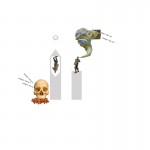
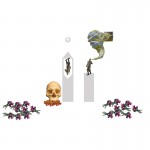
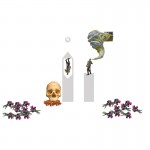
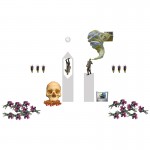
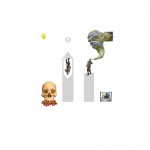
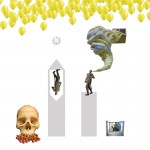

Please return to the research assignment that you completed at the start of this project and reflect on the particular type of ACCUMULATION that you set out to explore. Then, think about the best way to arrange the objects you’re casting in order to address this type of accumulation in a way that is also visually compelling. Be inventive, and consider incorporating found objects and/or building some additional elements to produce a more dynamic finished product. In sculptural projects, ideas are often developed slowly over time through a process of making, reflecting, making, experimenting, reflecting, making, experimenting, etc. This exercise is one final step of reflecting and experimenting that will help you create a stronger finished project.
While sketching is generally a good method of working through ideas, since you’re working with multiples in this project, it would take too much time to actually sketch out five detailed drawings of different solutions. However, on the computer you can easily create a number of images of whatever object(s) you’re molding, and then print these out. This is easy to do even with Microsoft Word by just cutting a pasting a small image over and over again. Then, by printing and then cutting these images out and arranging them in various configurations, you can quickly visualize some possible end products.
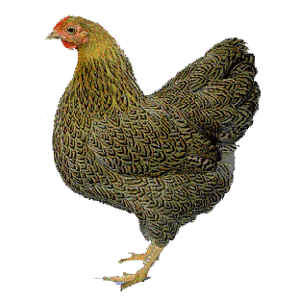
The playfulness and easy experimentation of the collage process is highly conducive to the consideration of various possibilities. Writing will always have a place in the clarification of ideas, but the collage approach is valuable because it is a visual method for working through a visual problem. Collaging will allow you to quickly and vividly SEE what your end product will be, and I think you’ll find it quite useful.
Feel free to simply bring hard copies of your collages, or if you prefer, then you may submit your work digitally via the class website on the “news” page.