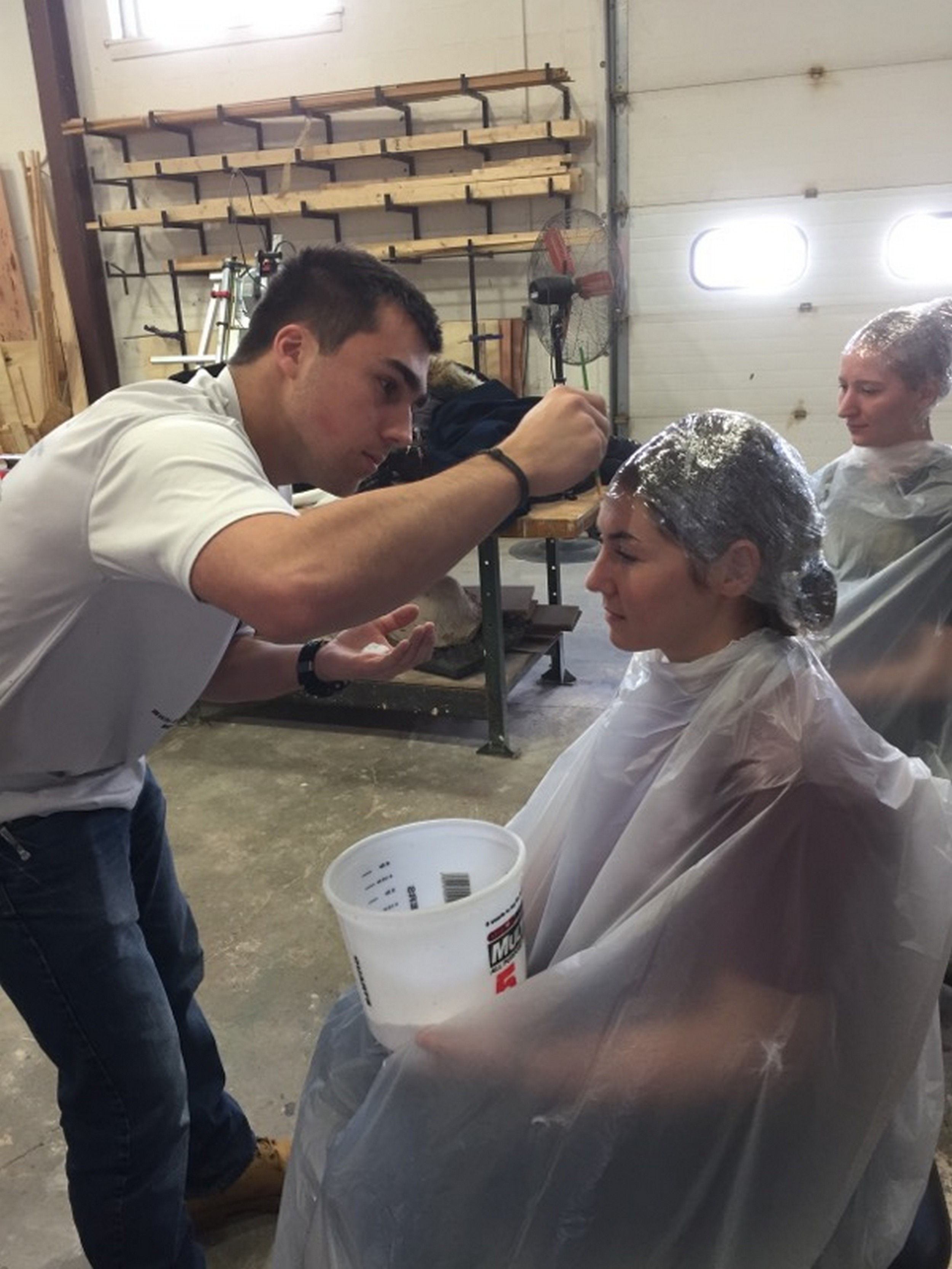
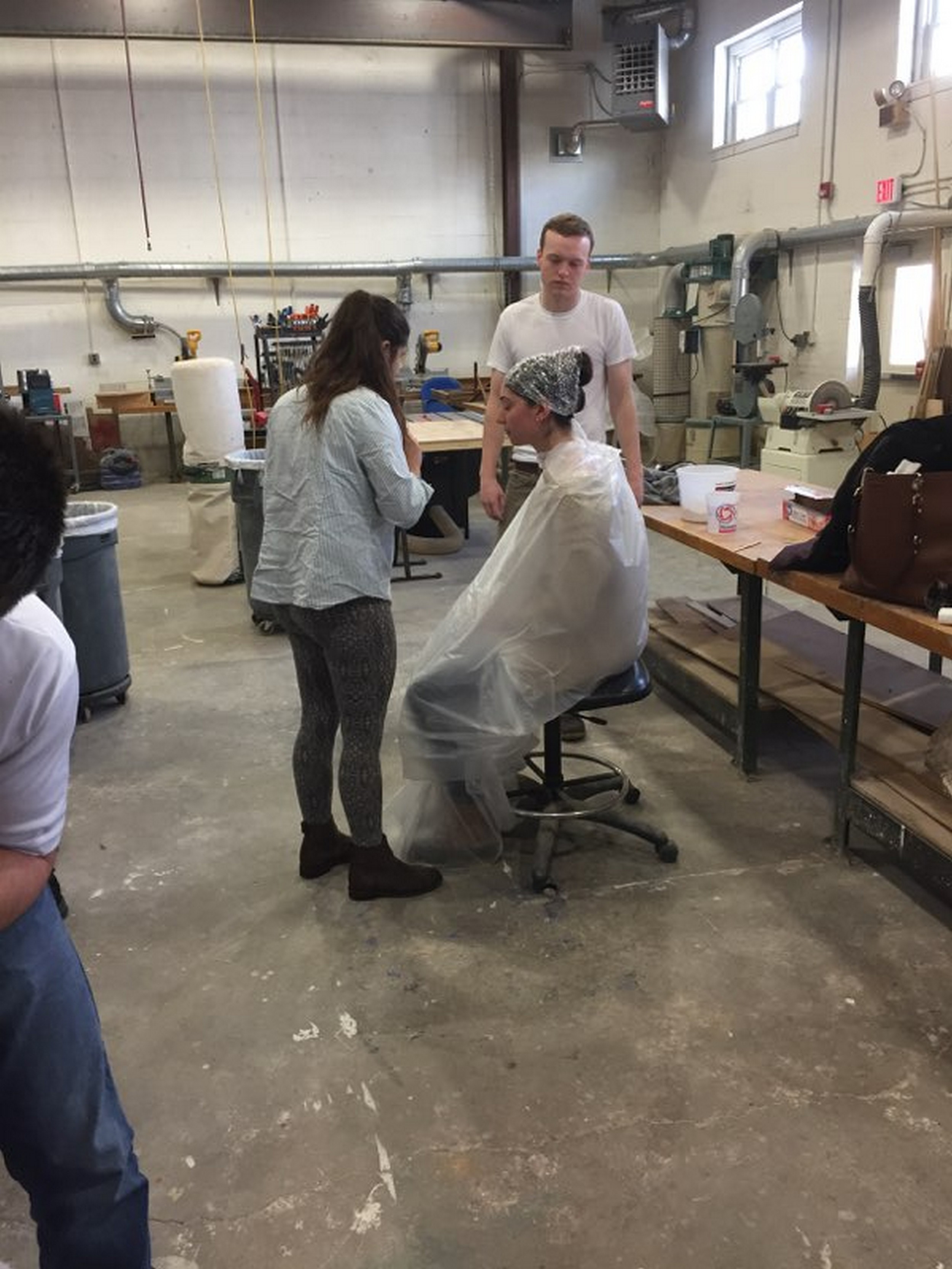
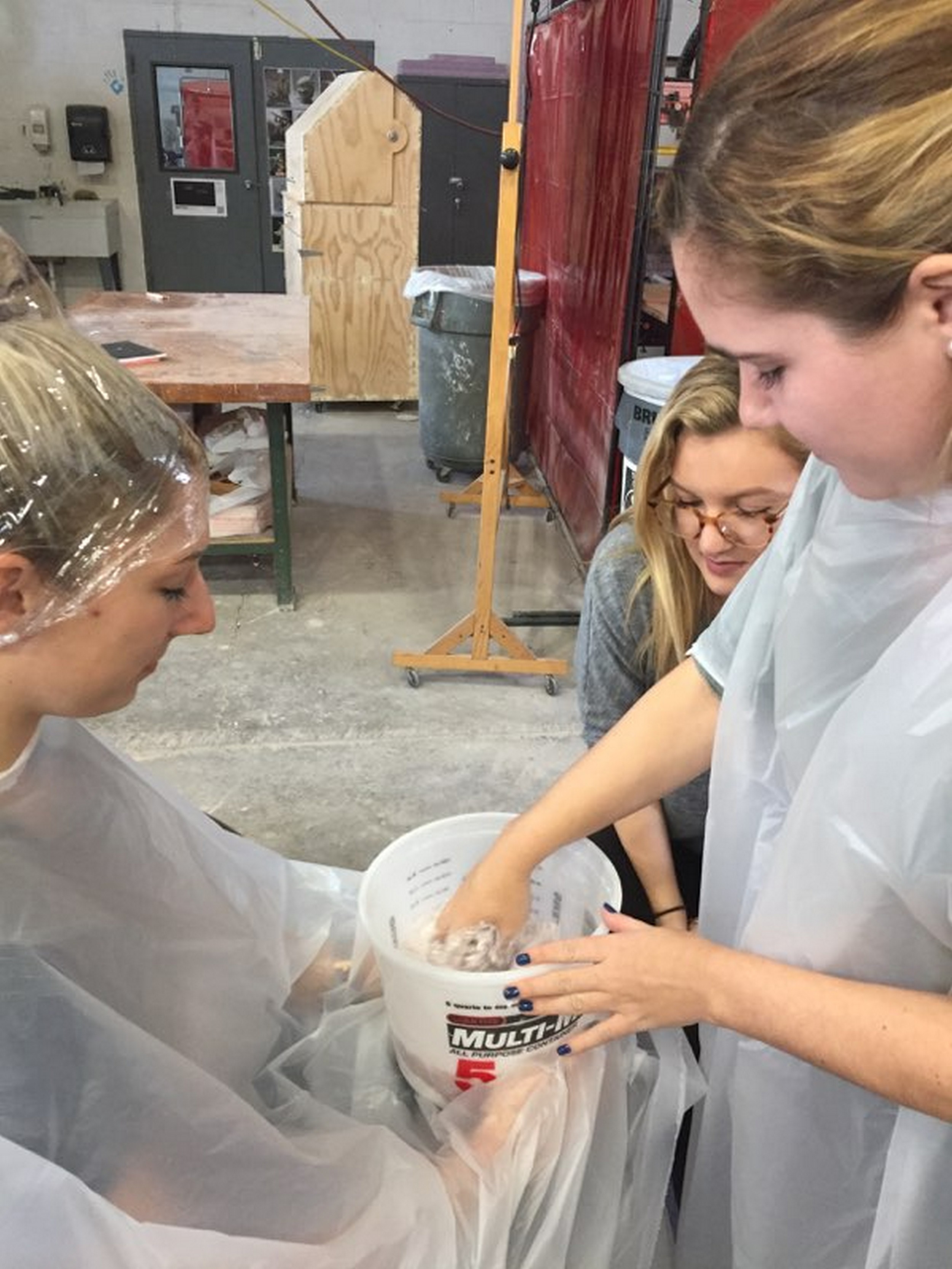
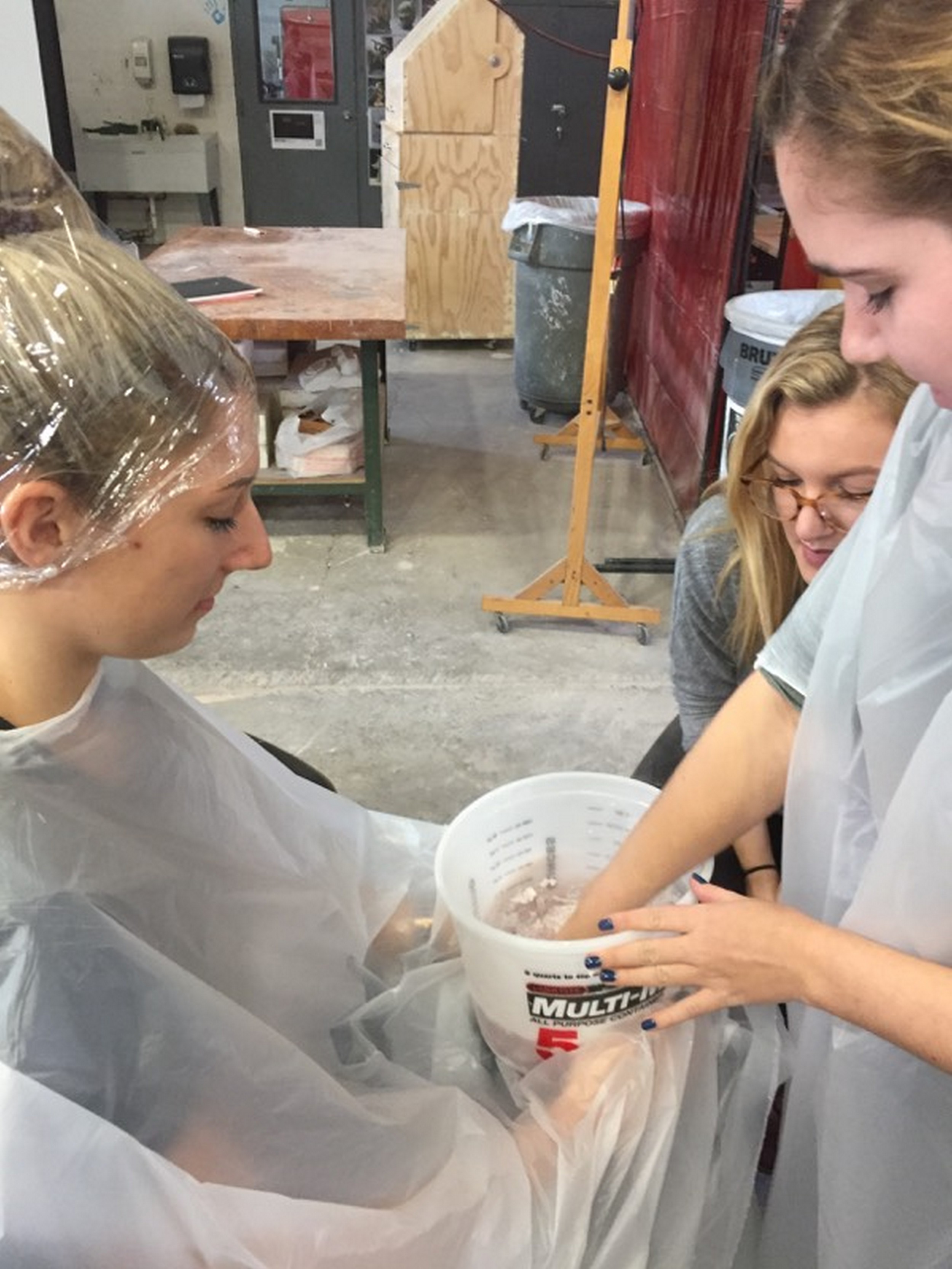
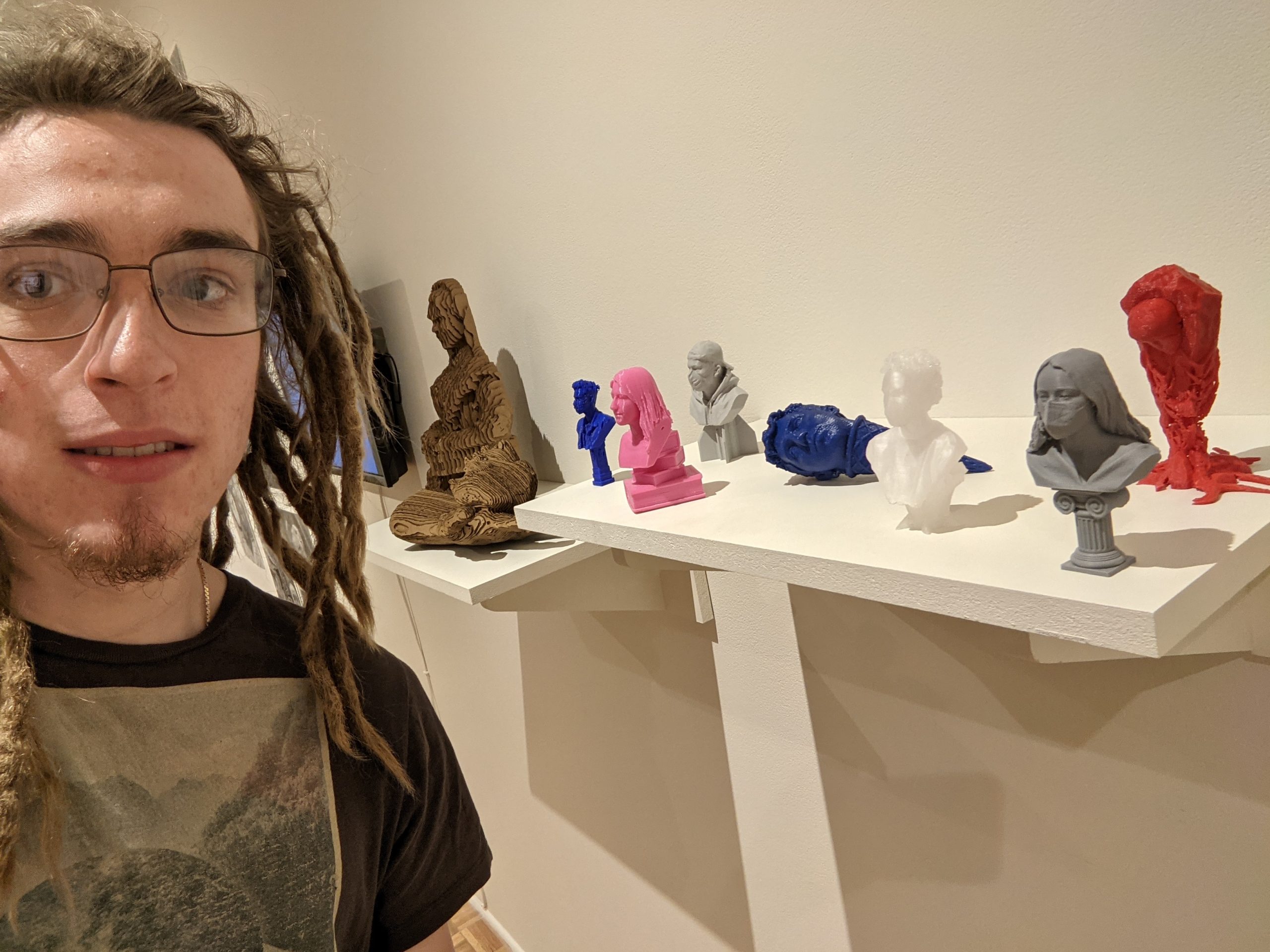
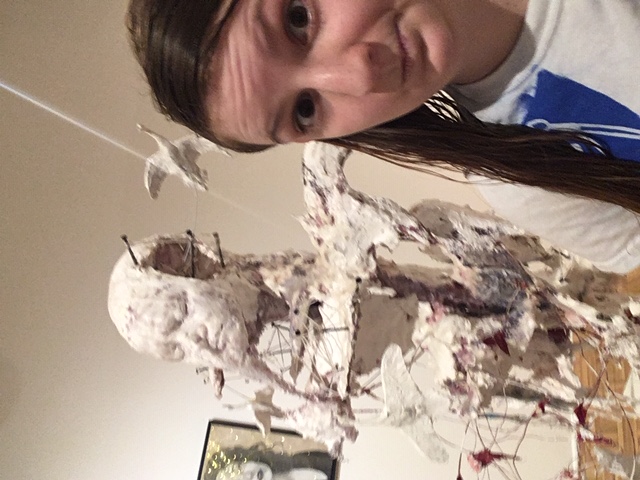
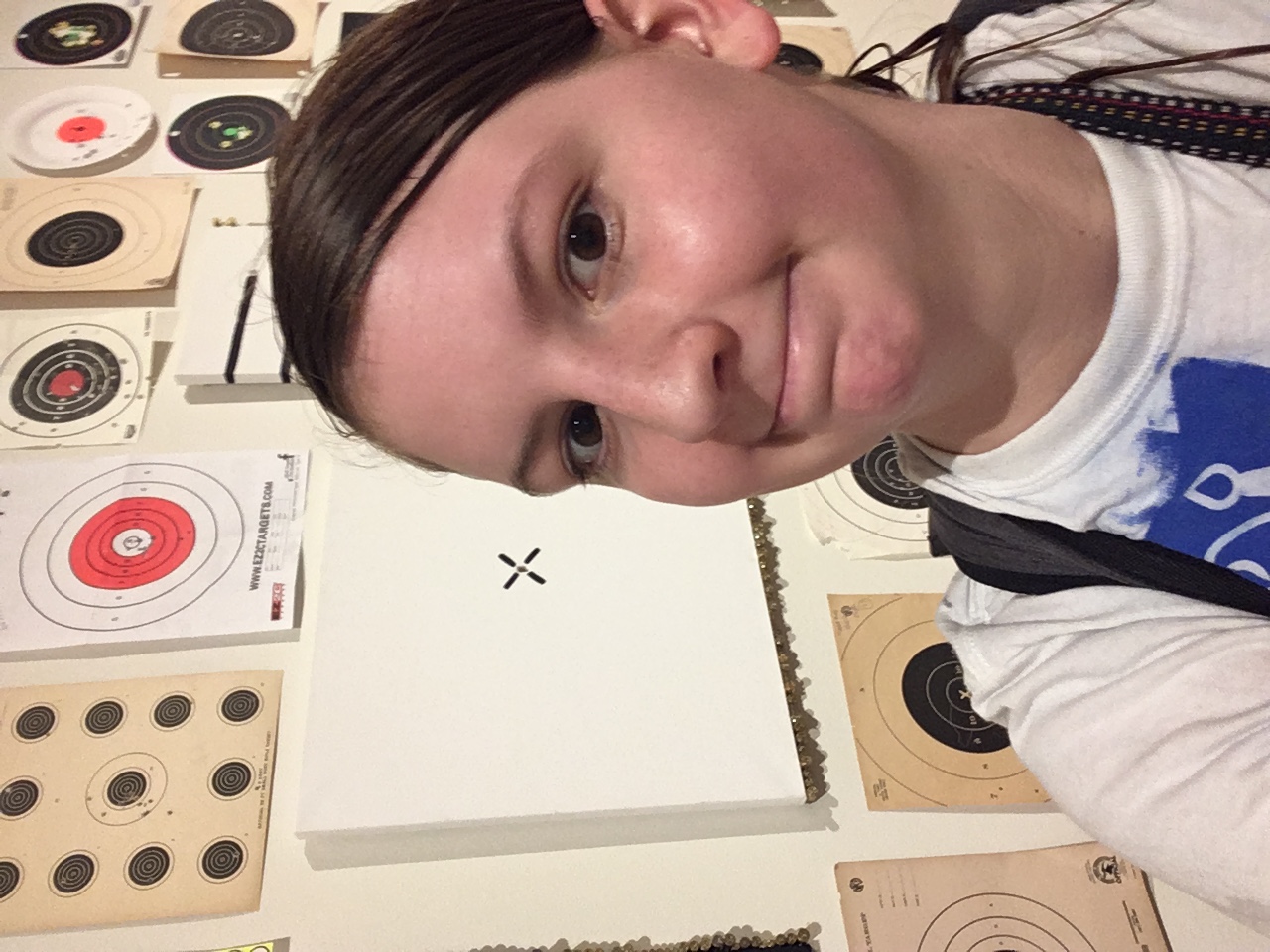
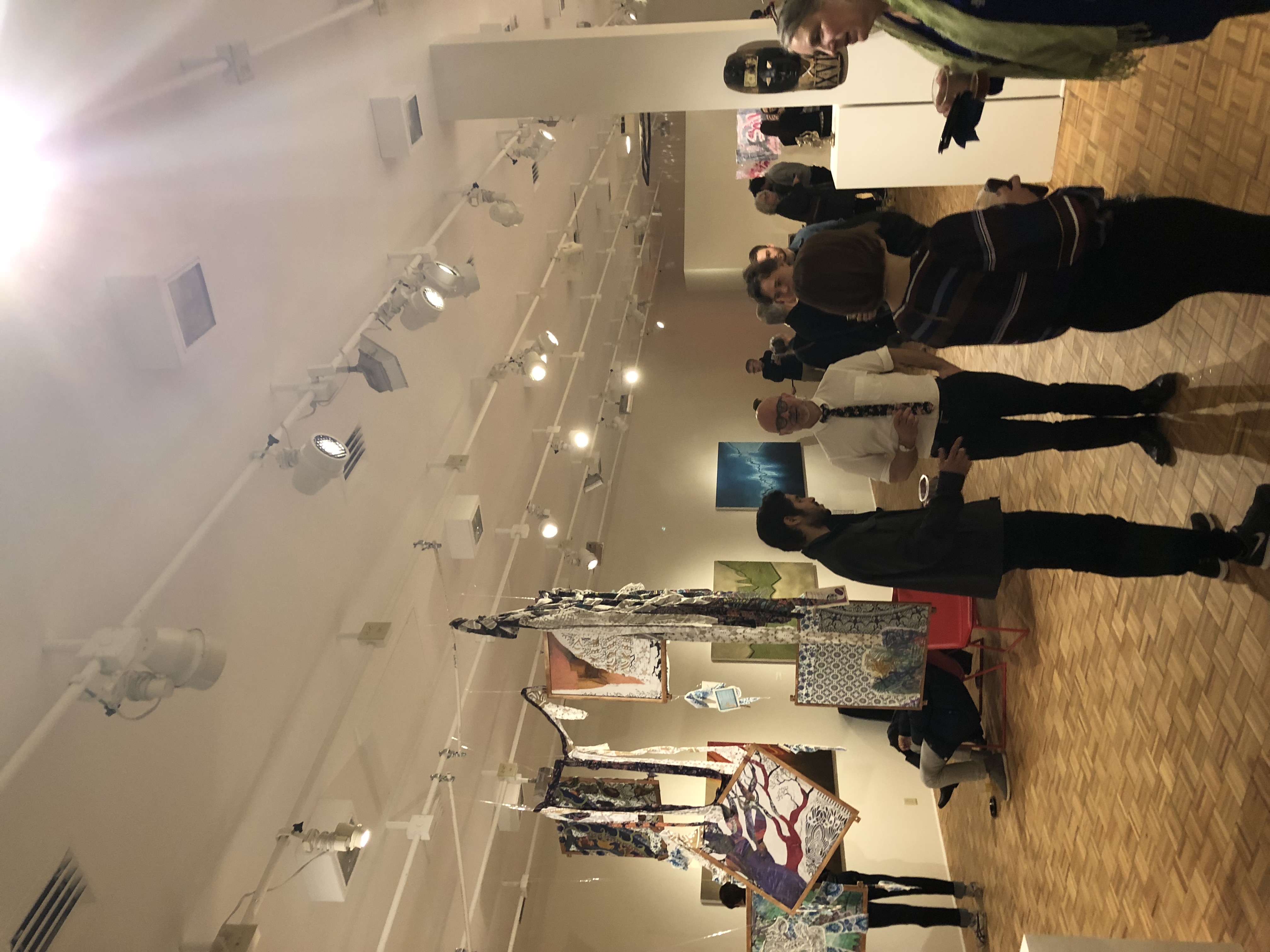
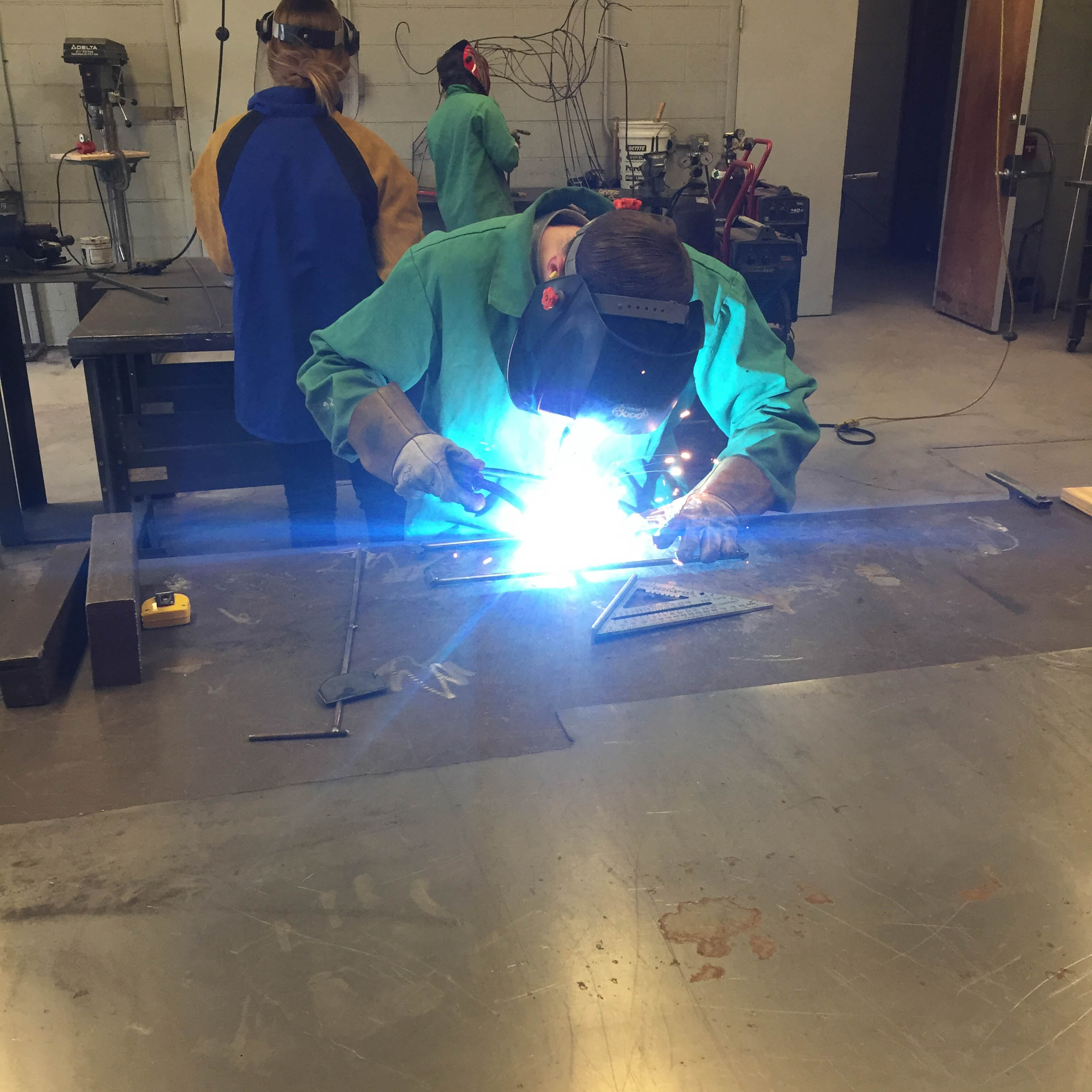
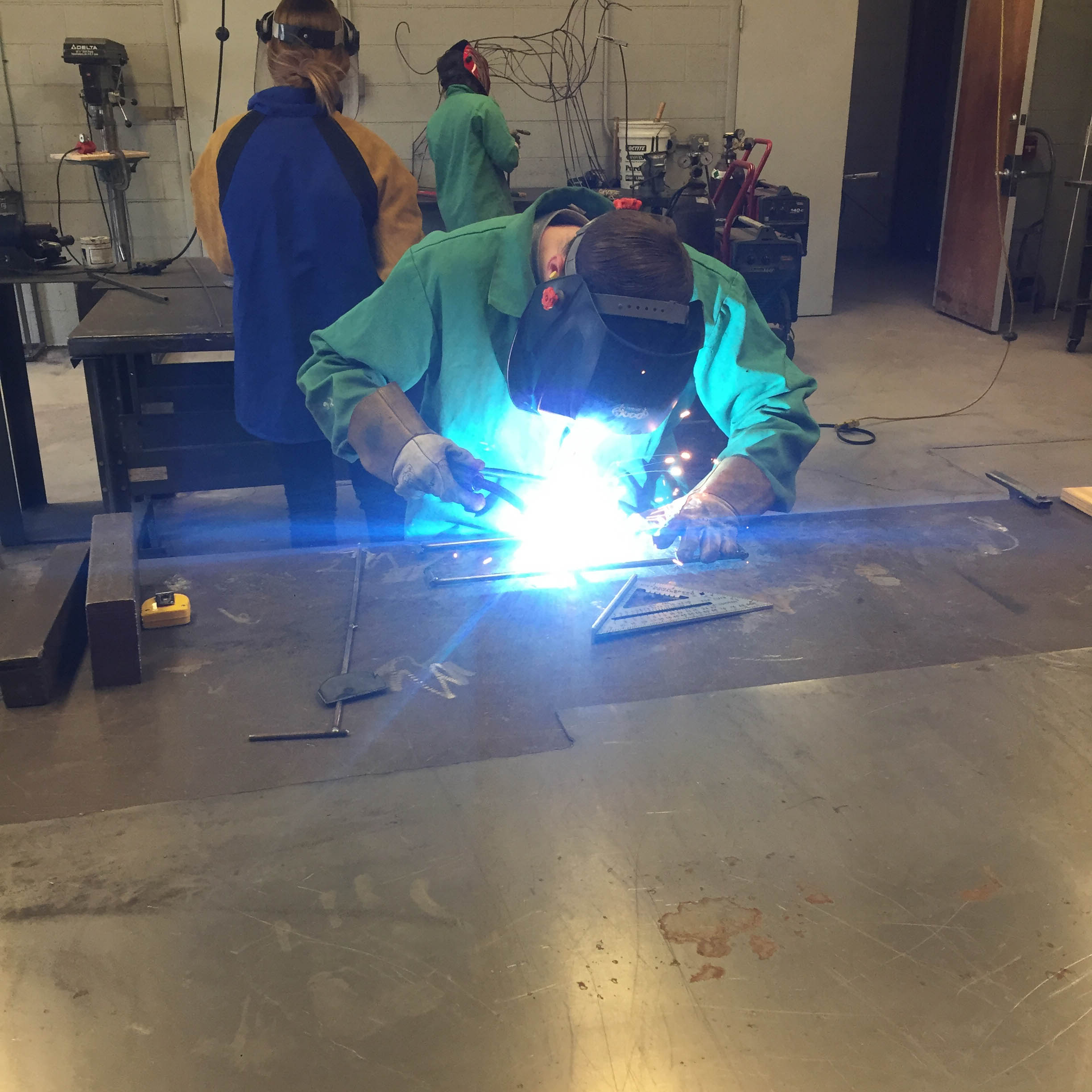
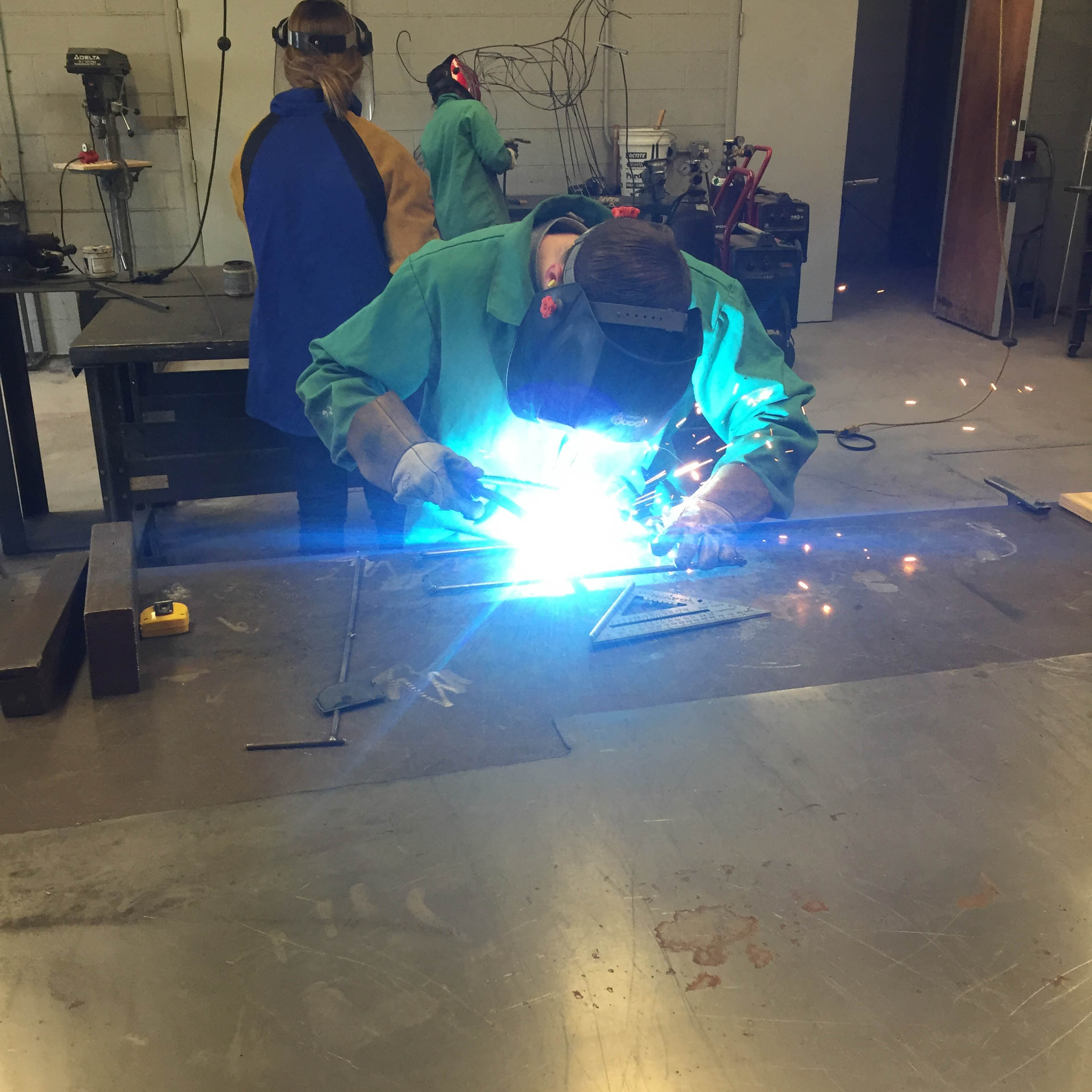
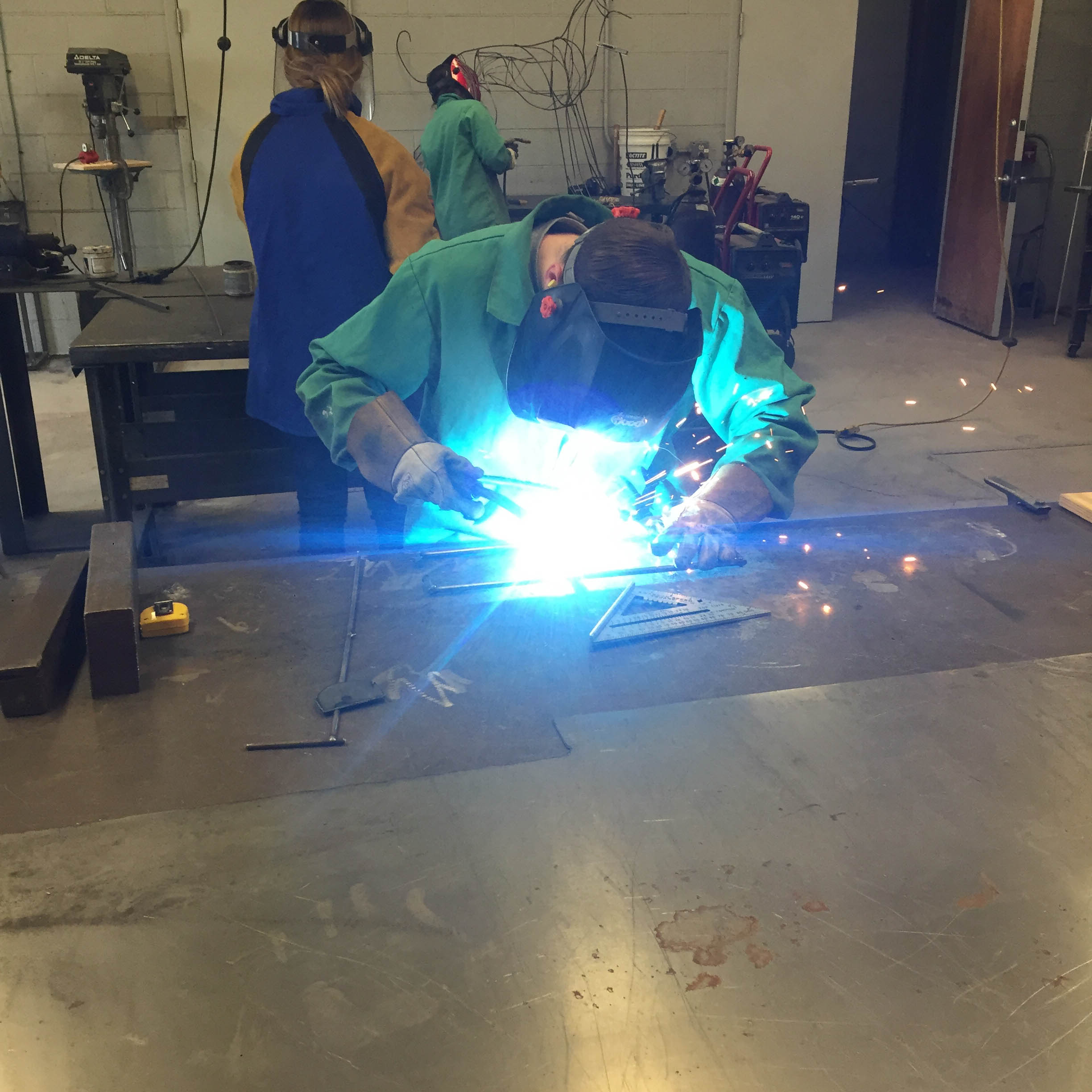
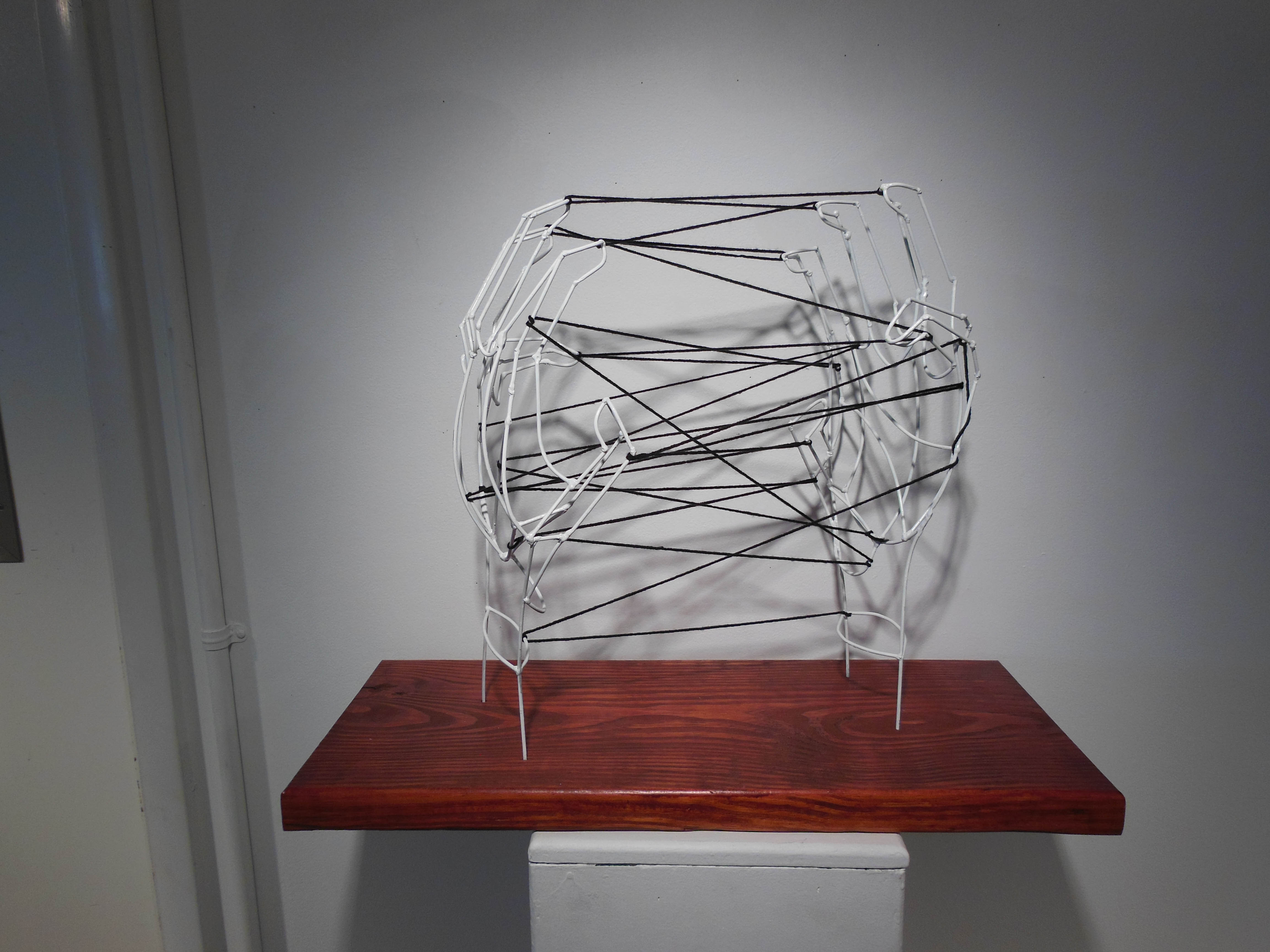
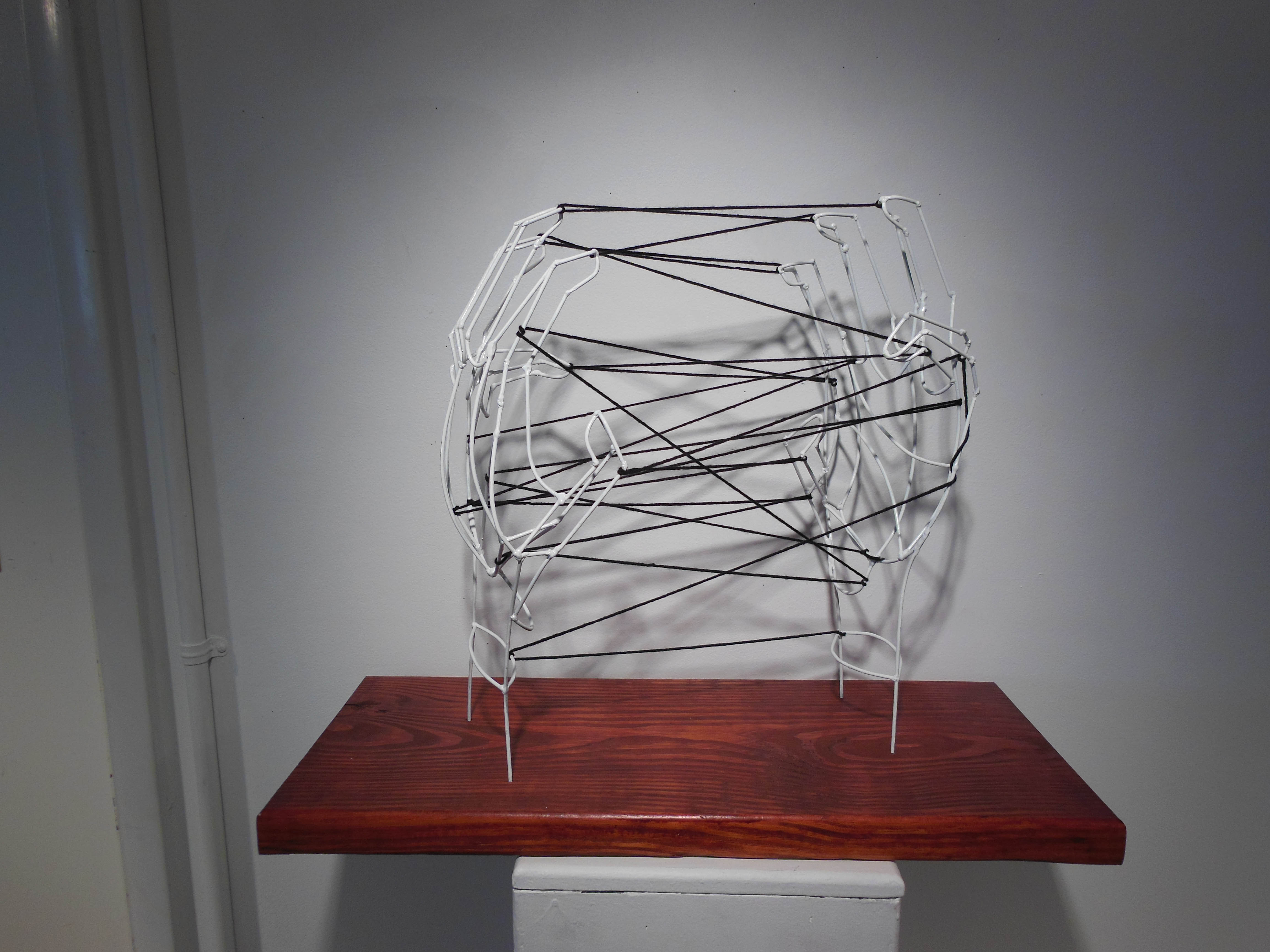
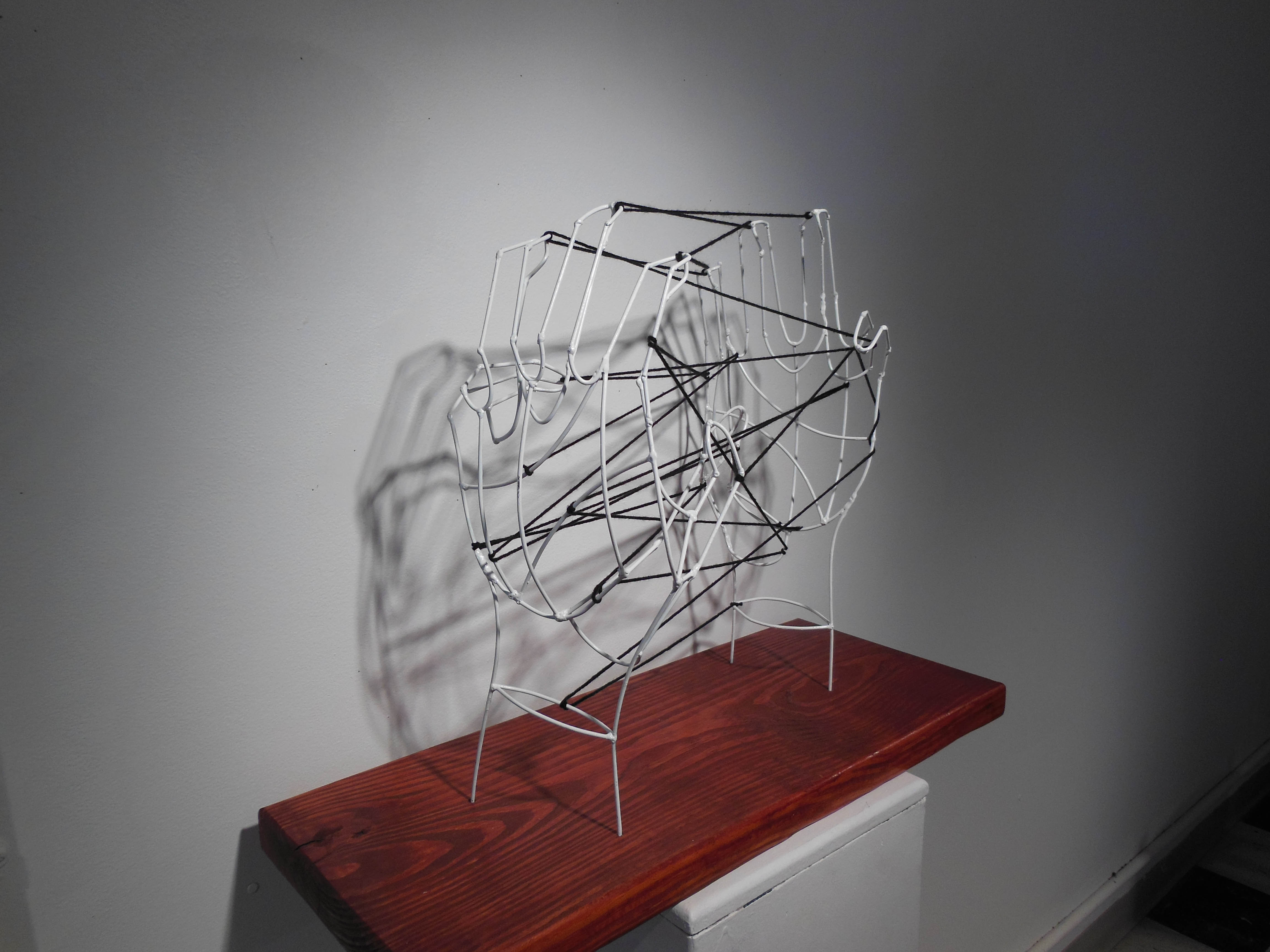
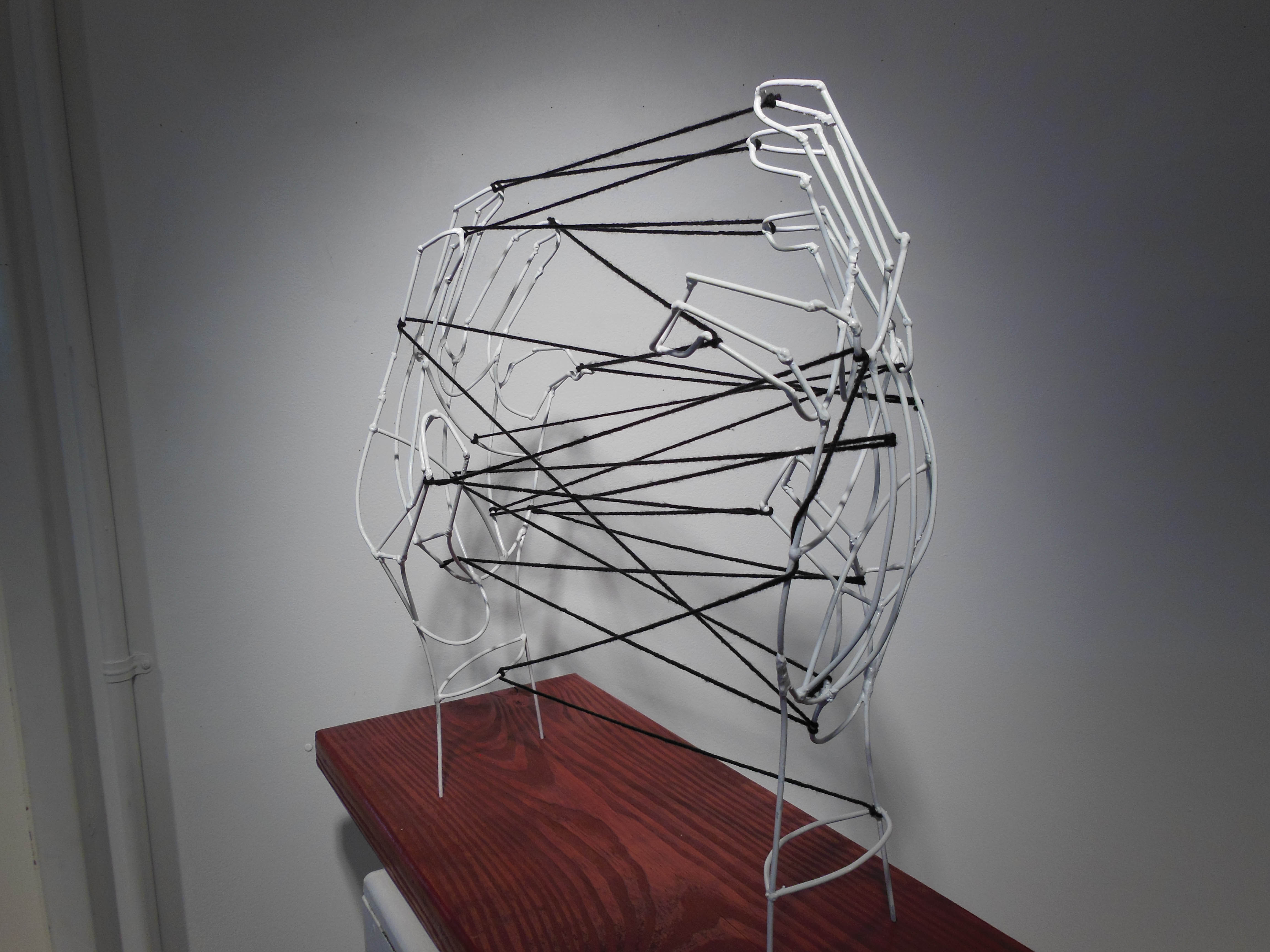
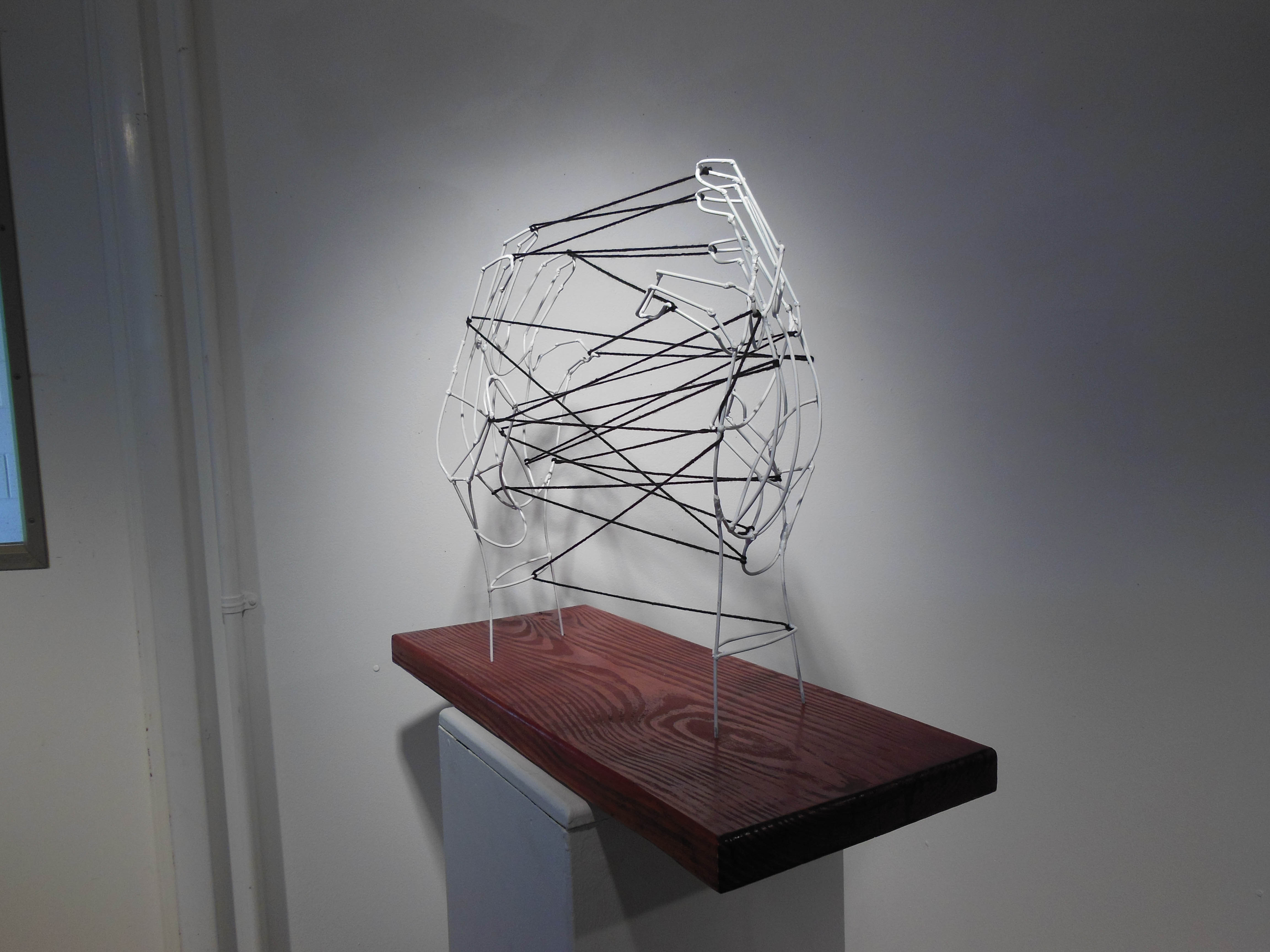
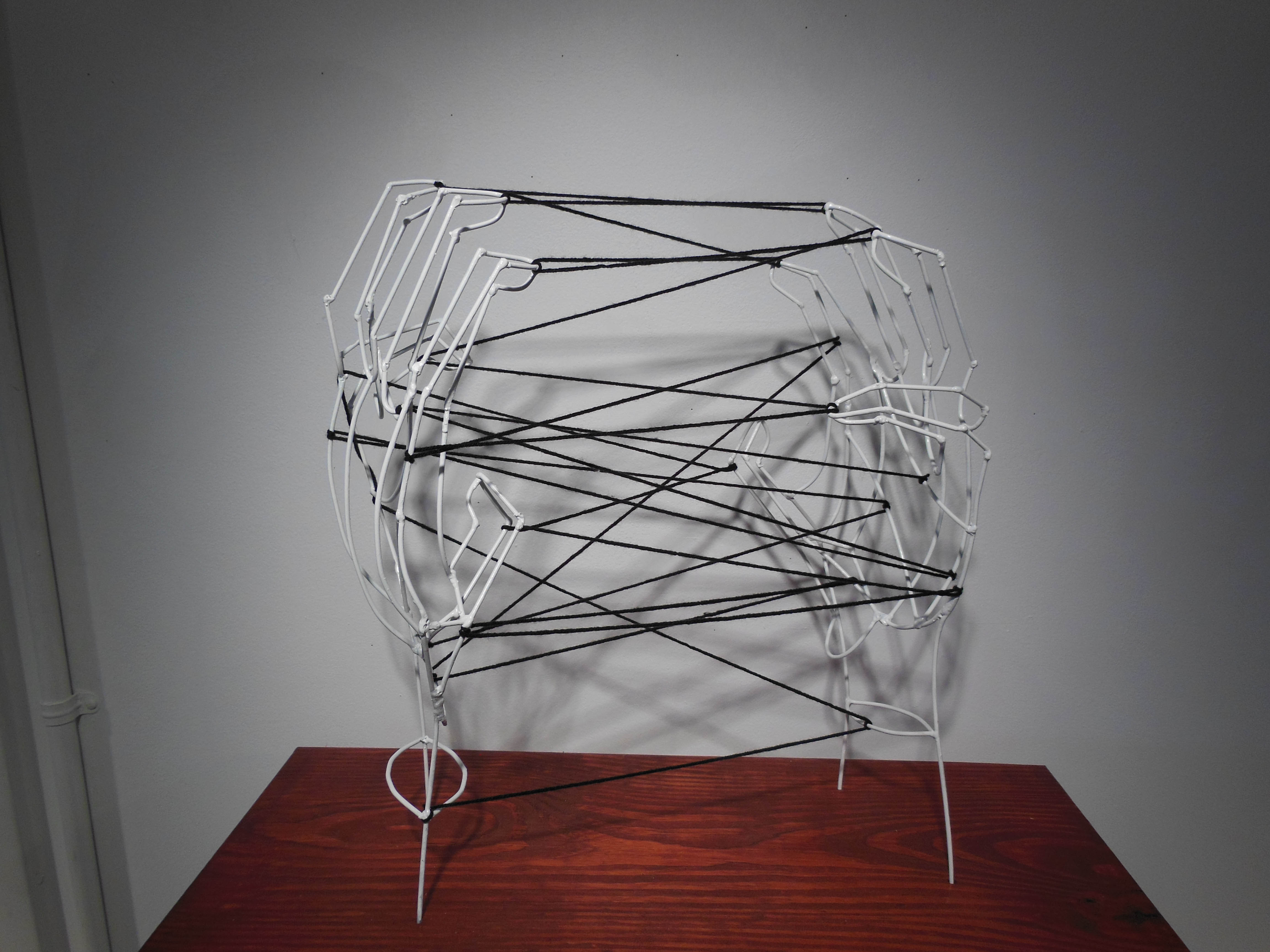
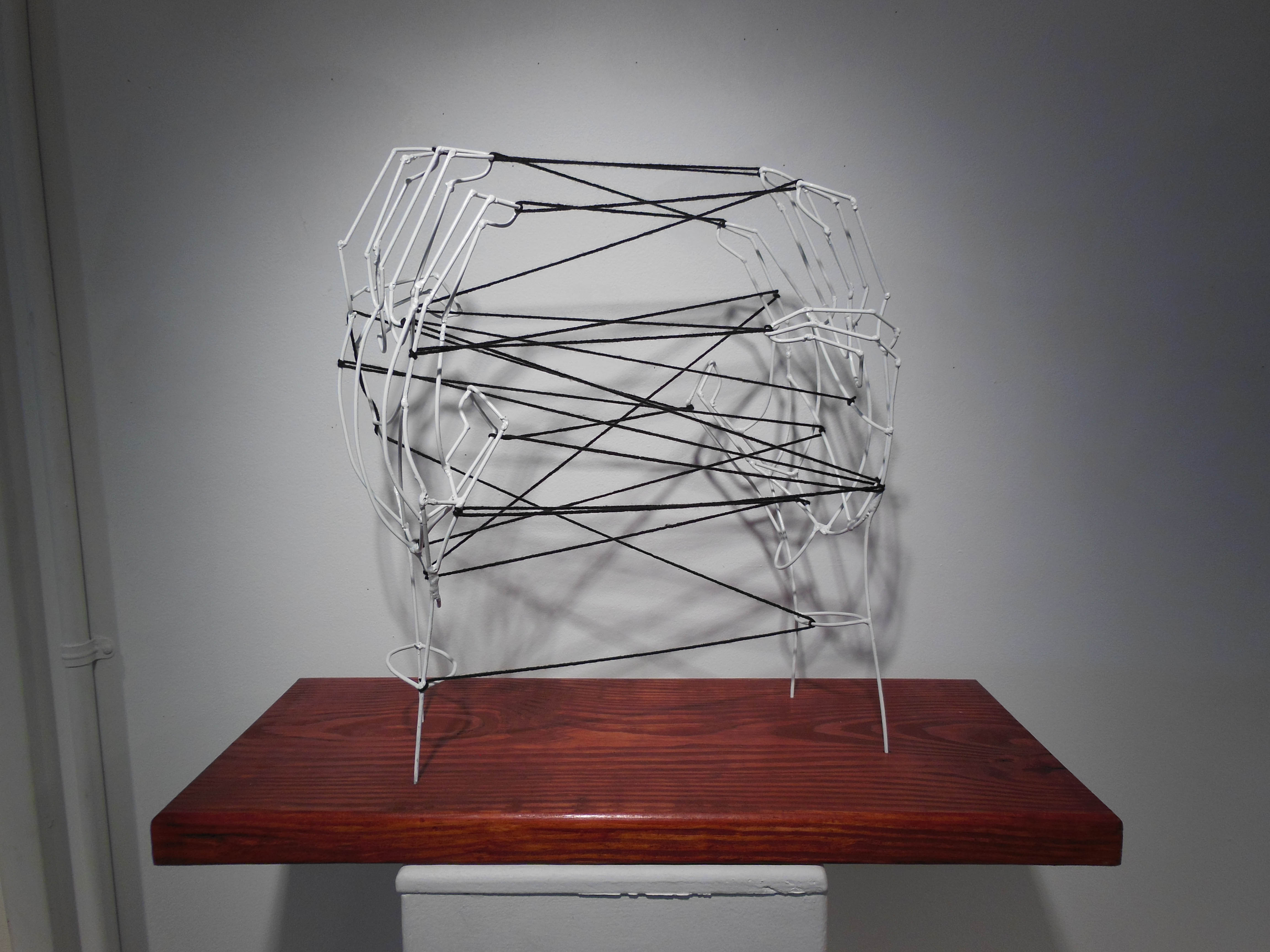
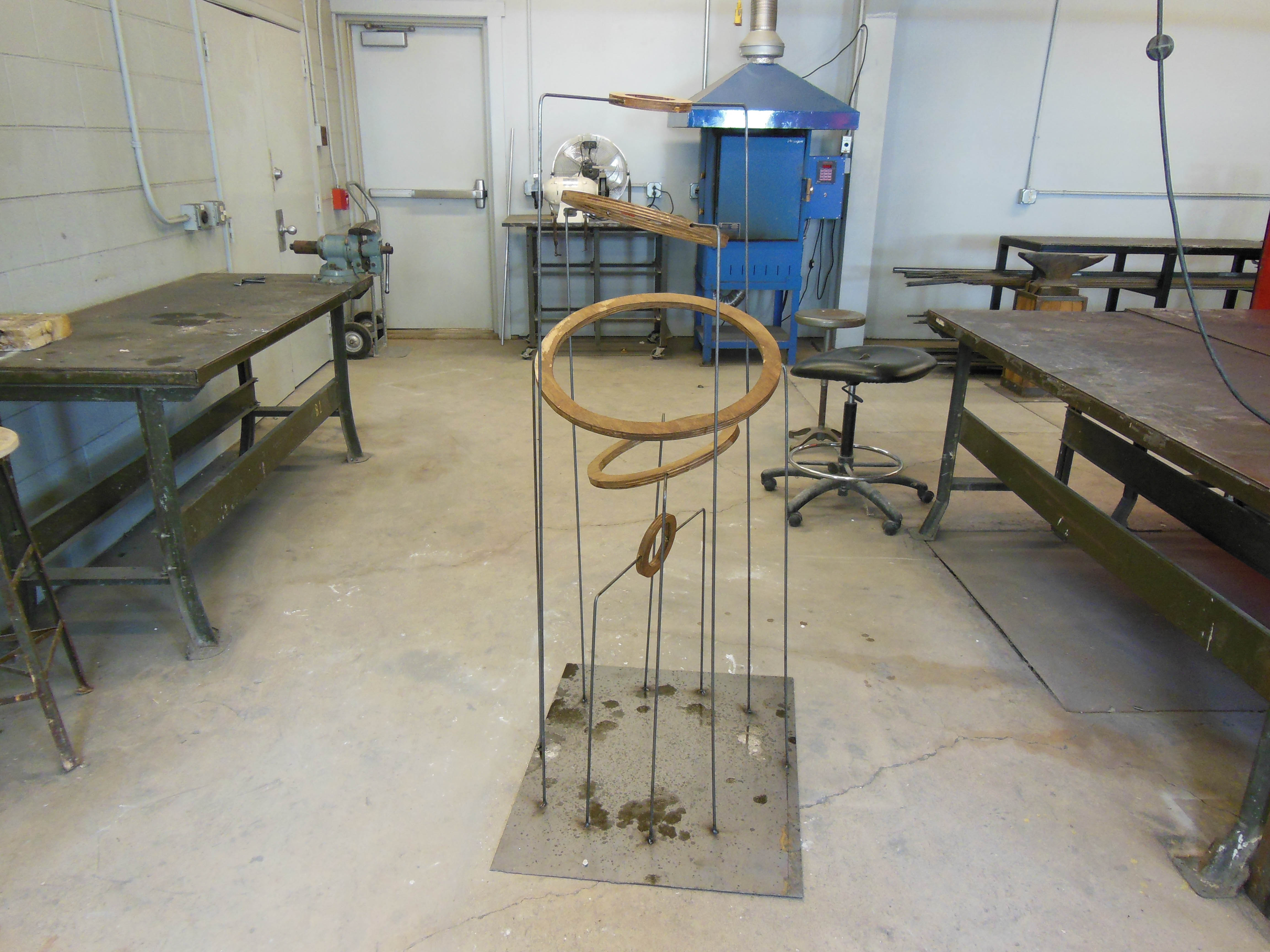
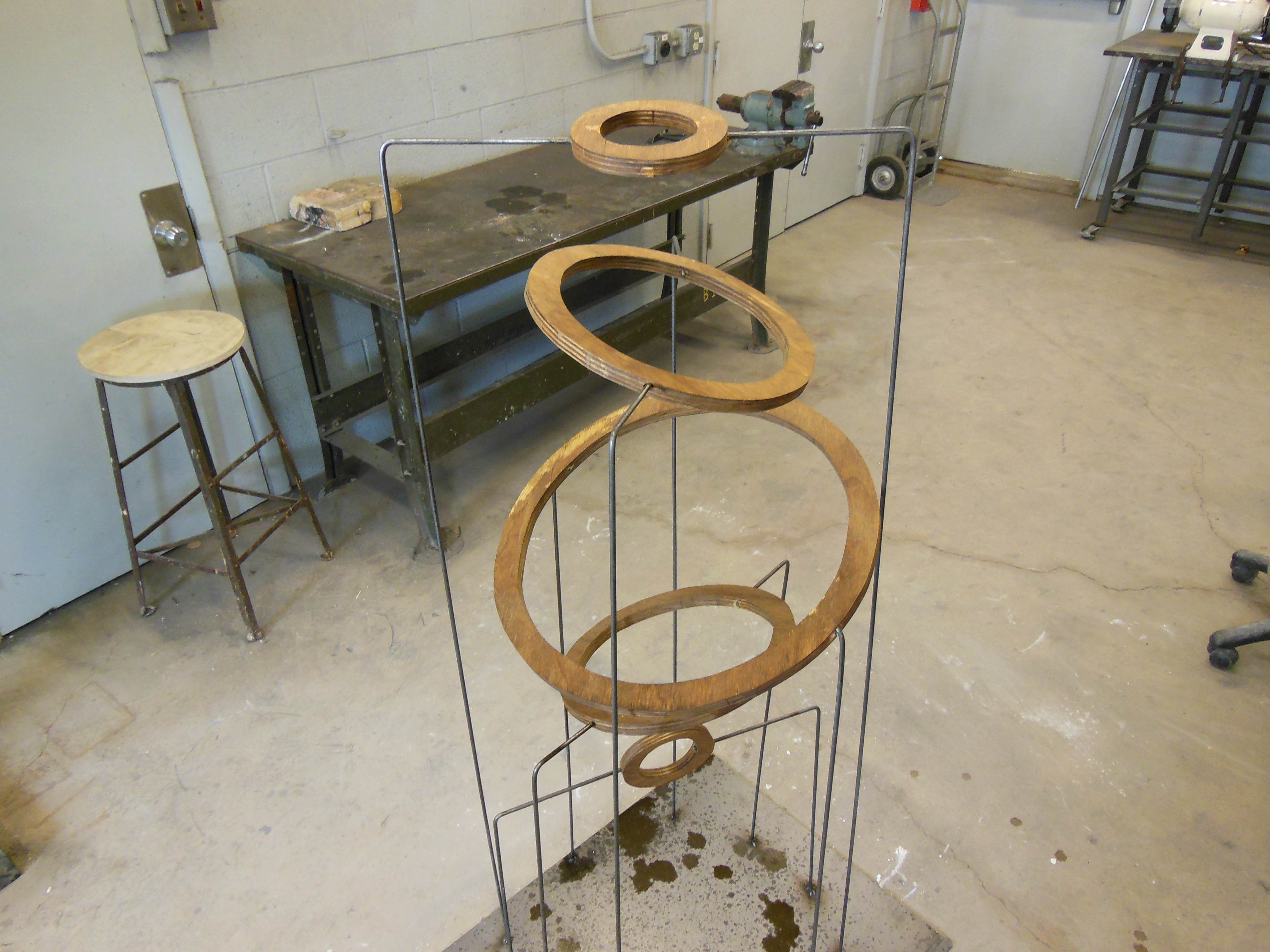
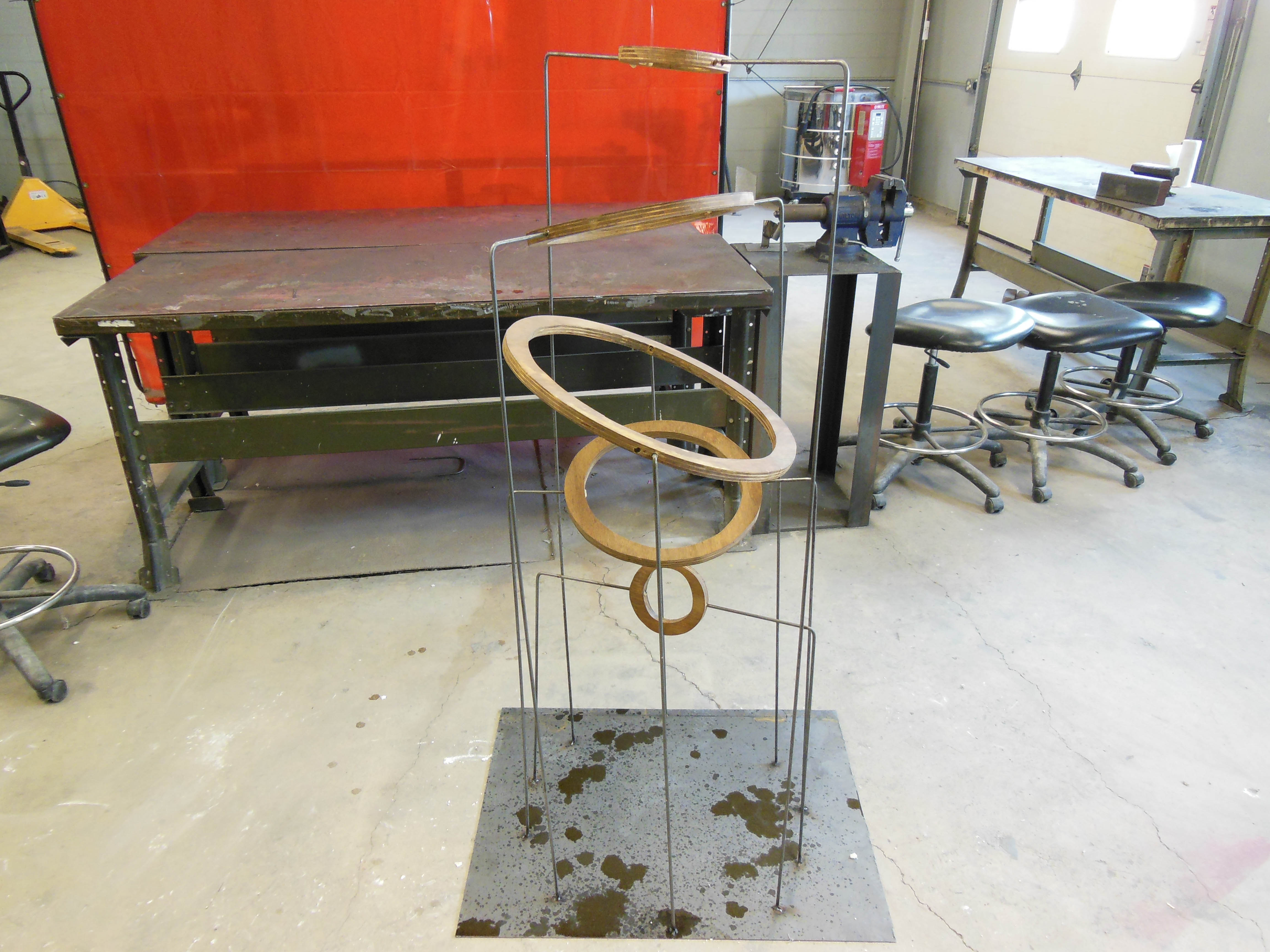
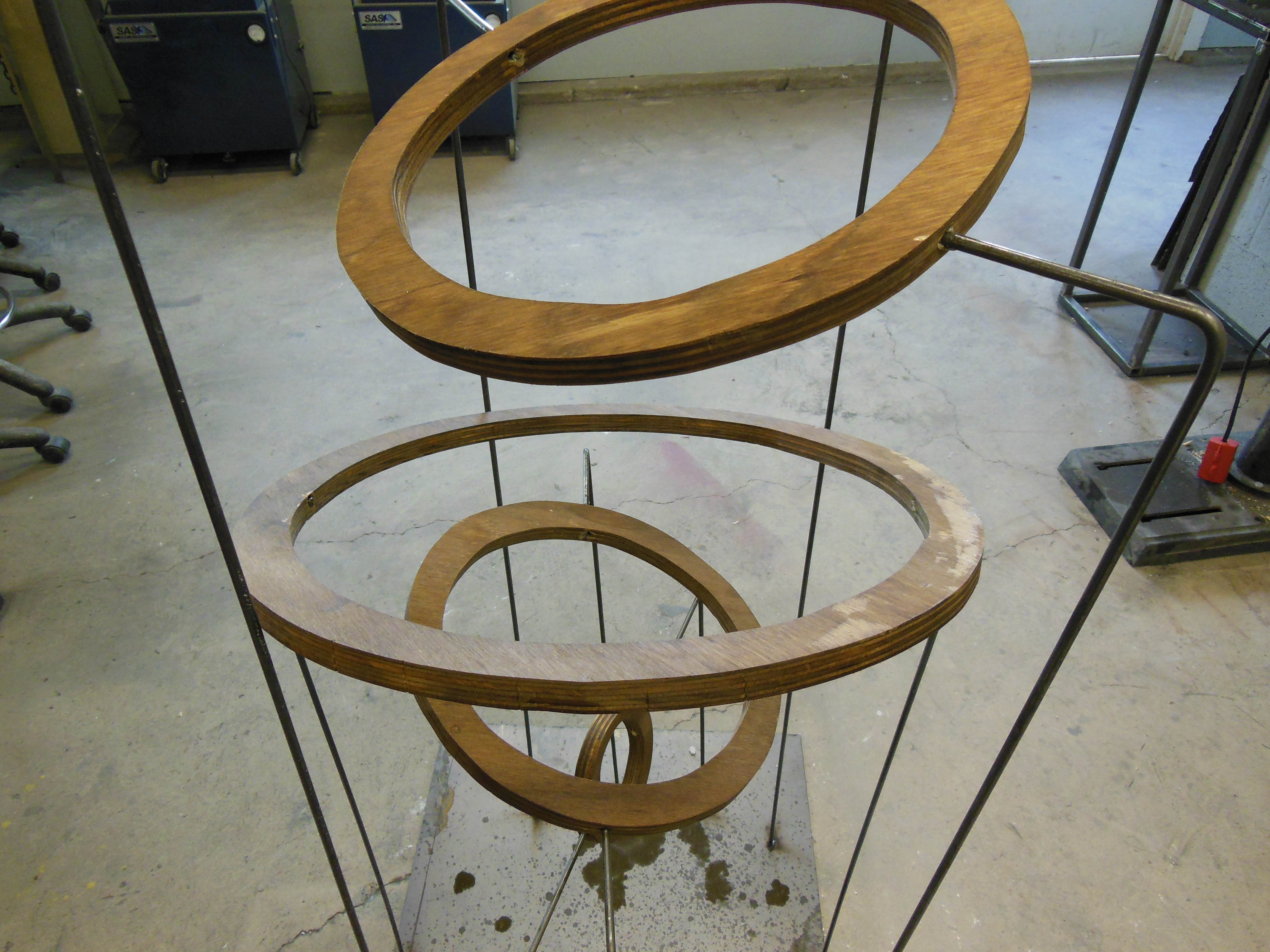
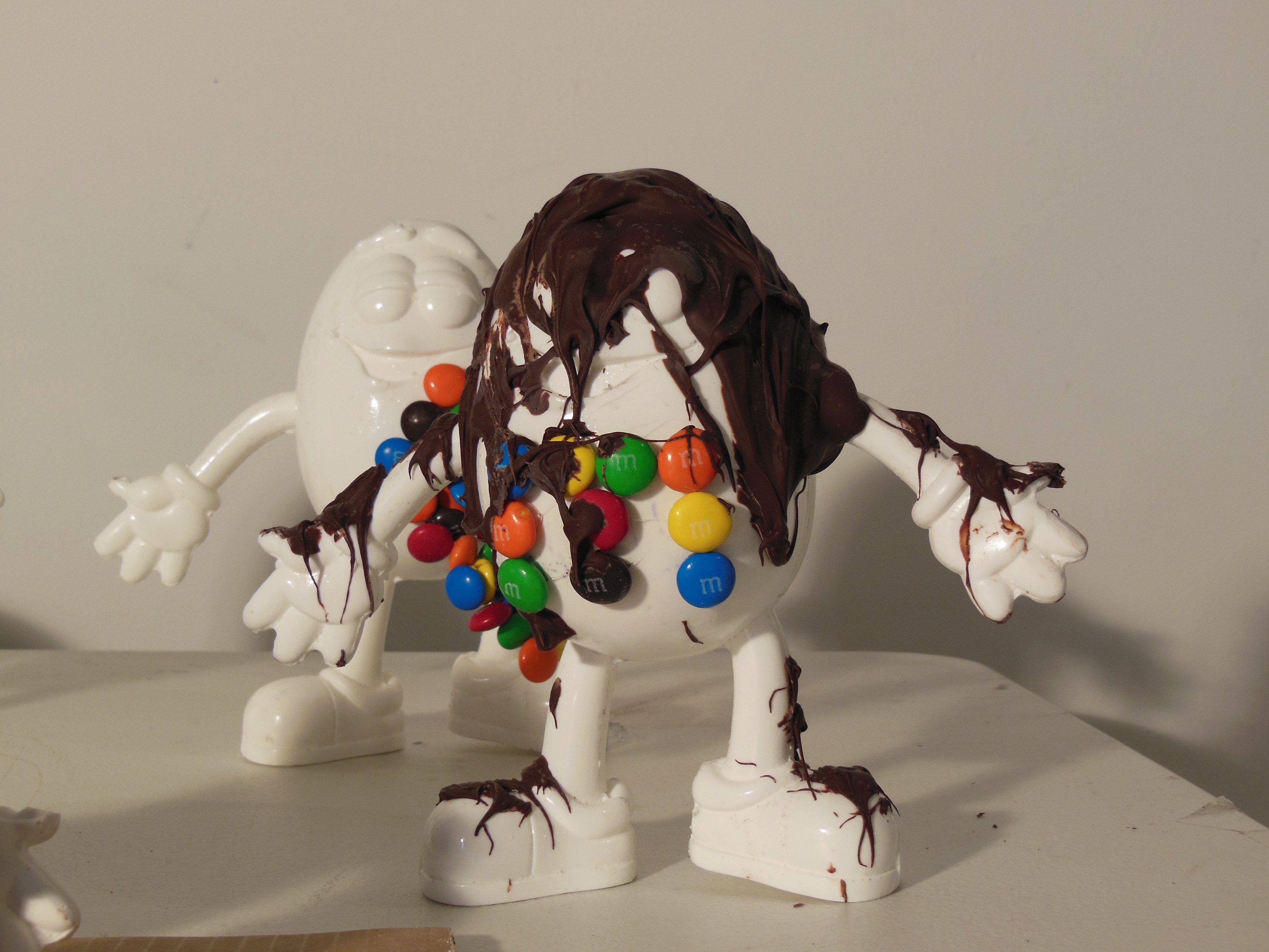
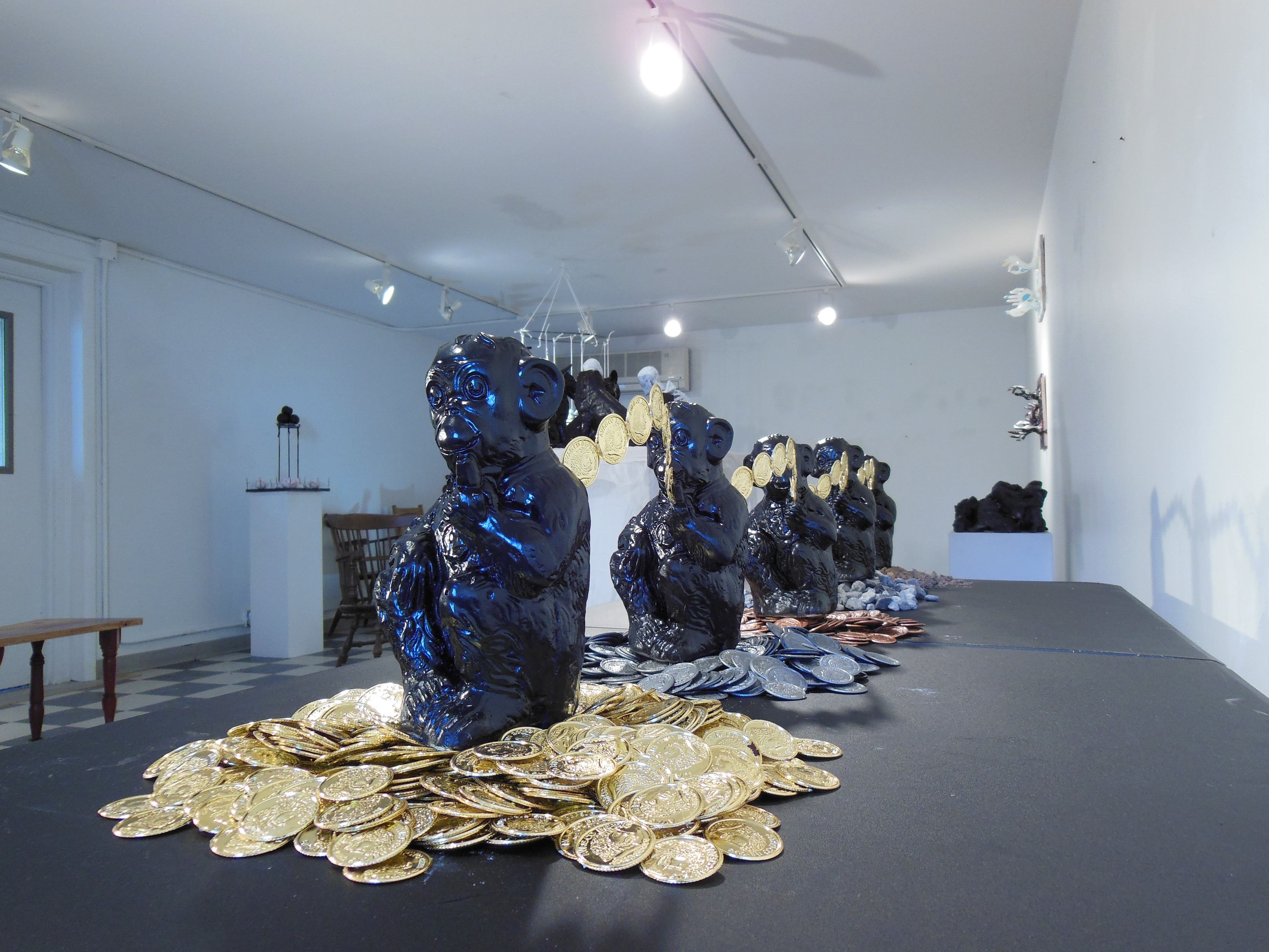
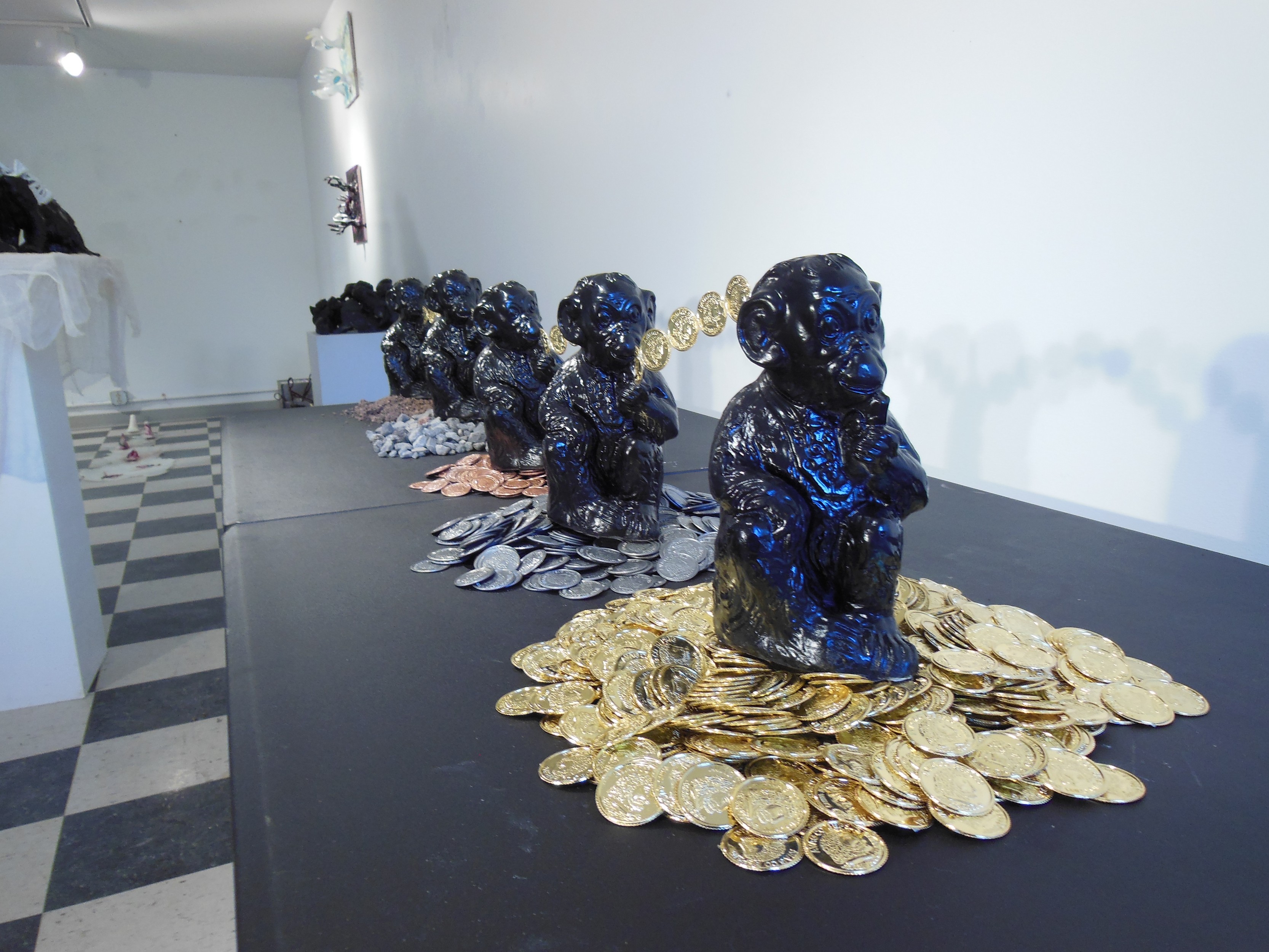
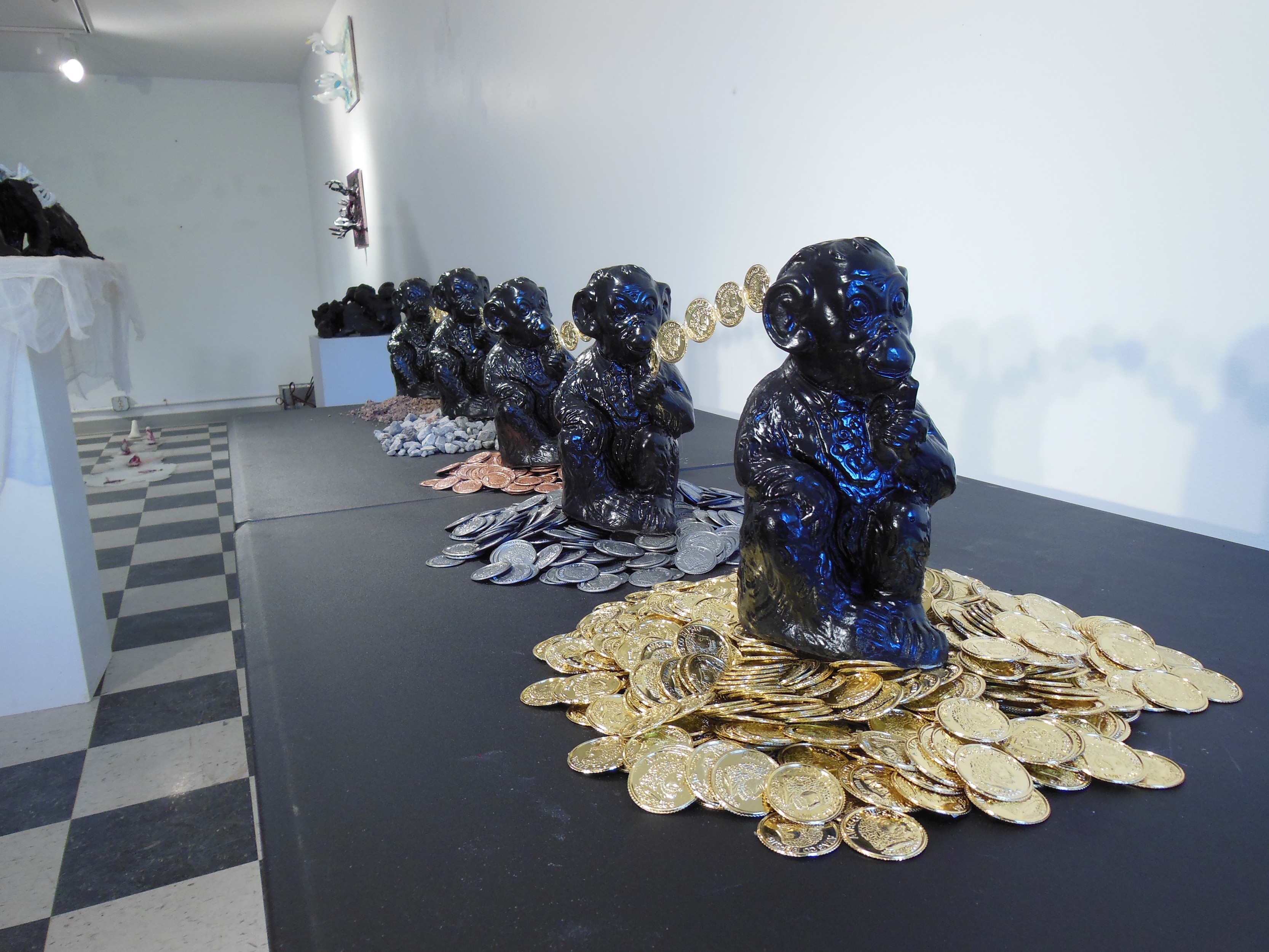
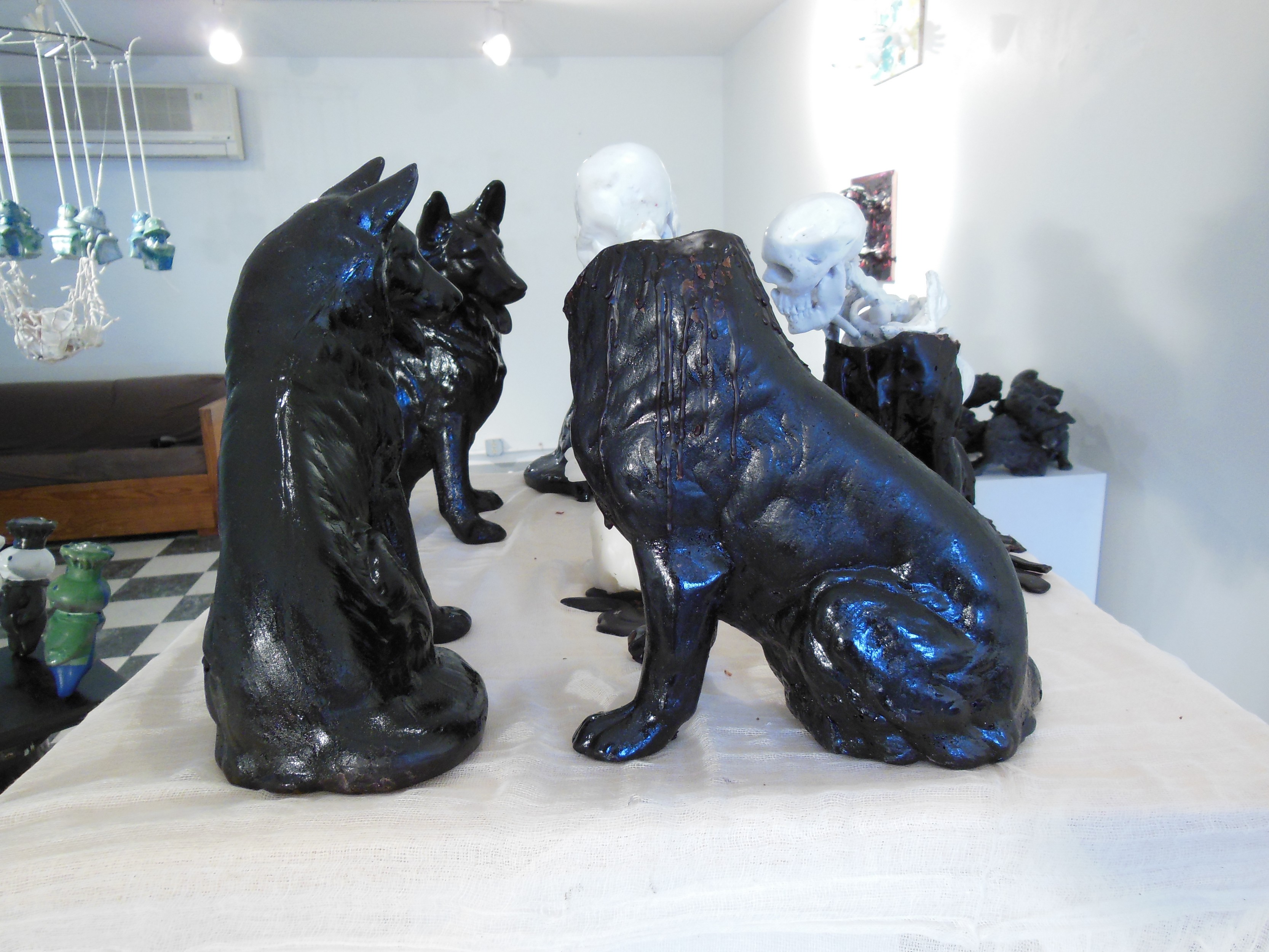
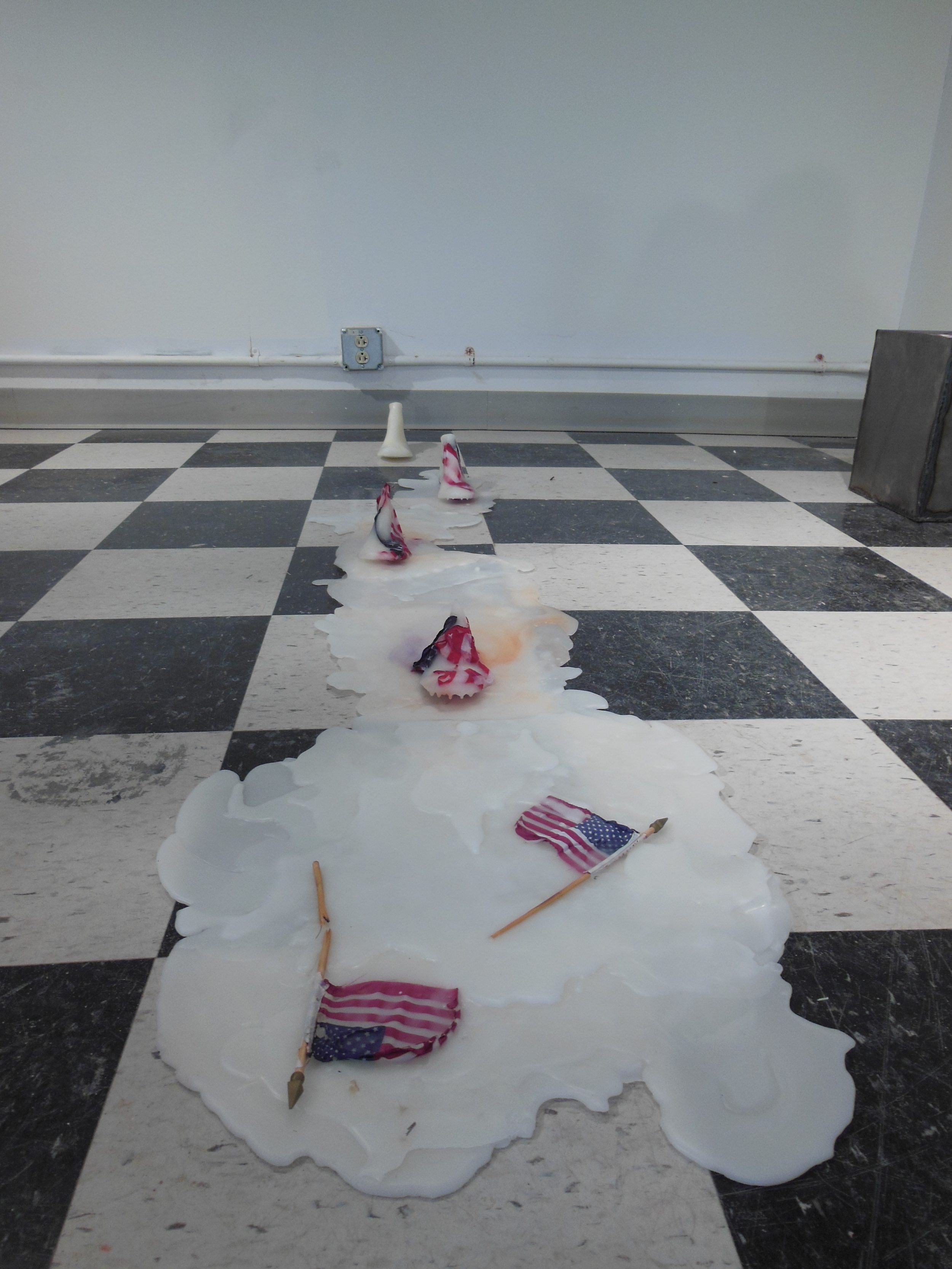
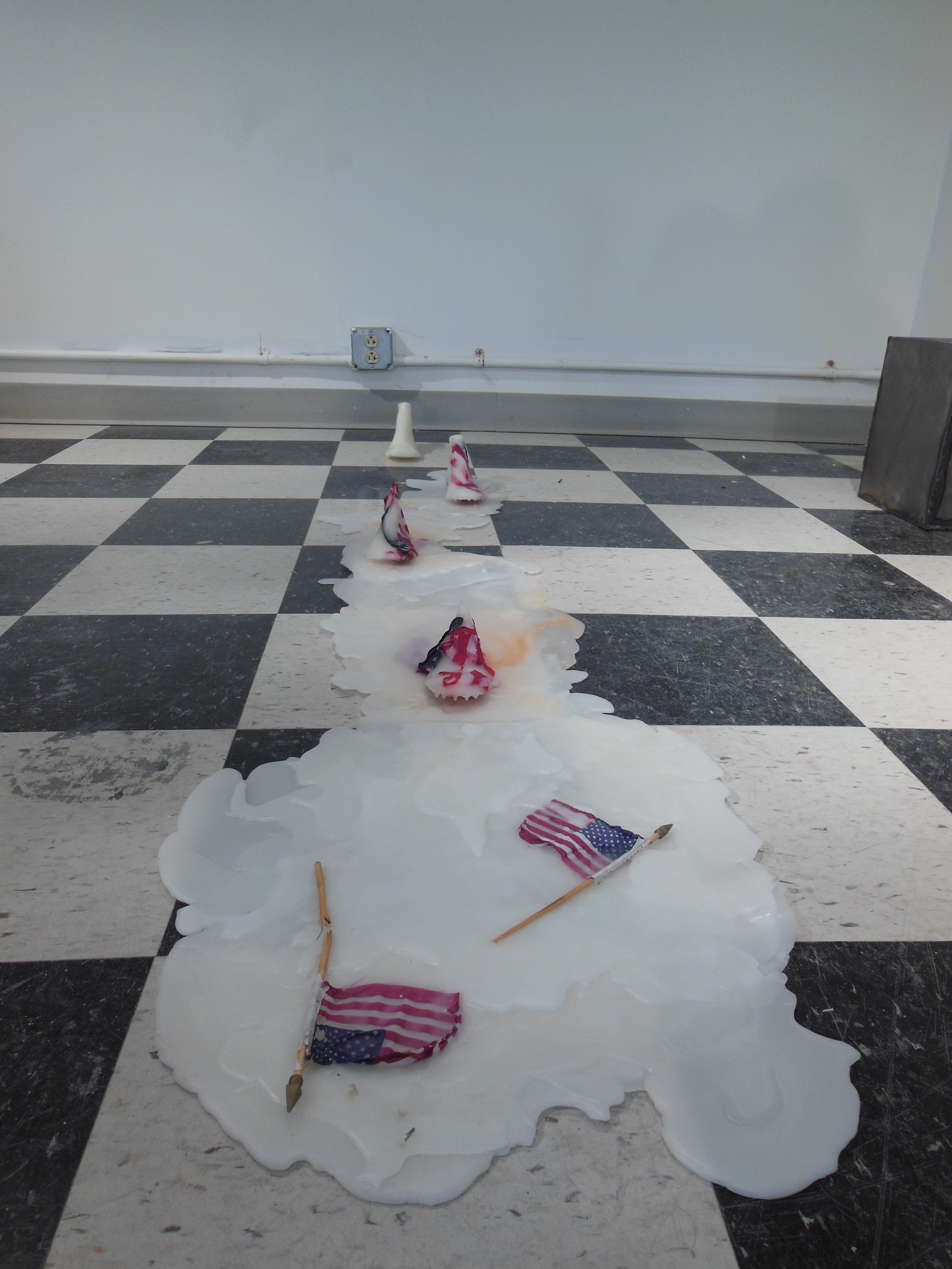
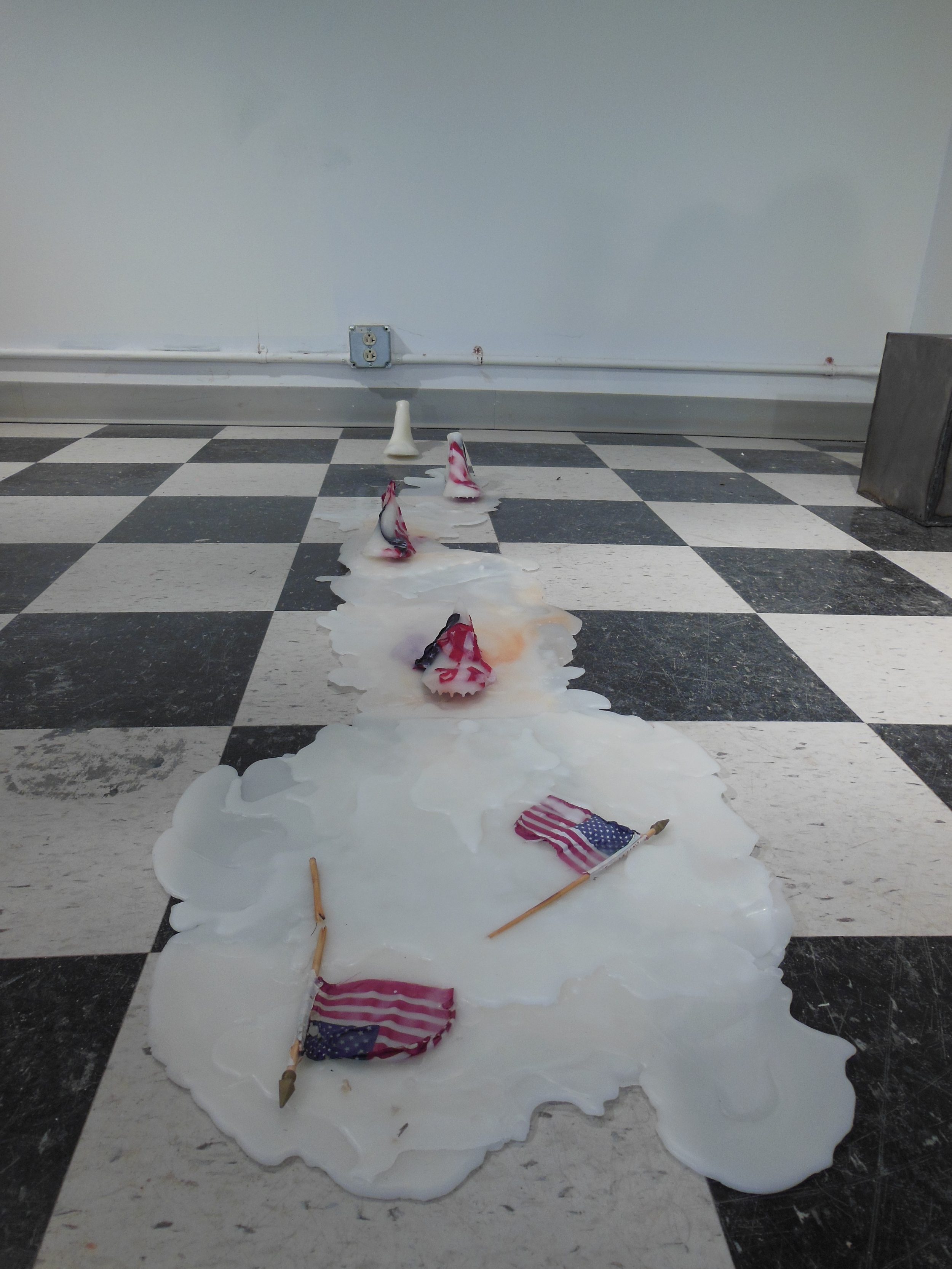
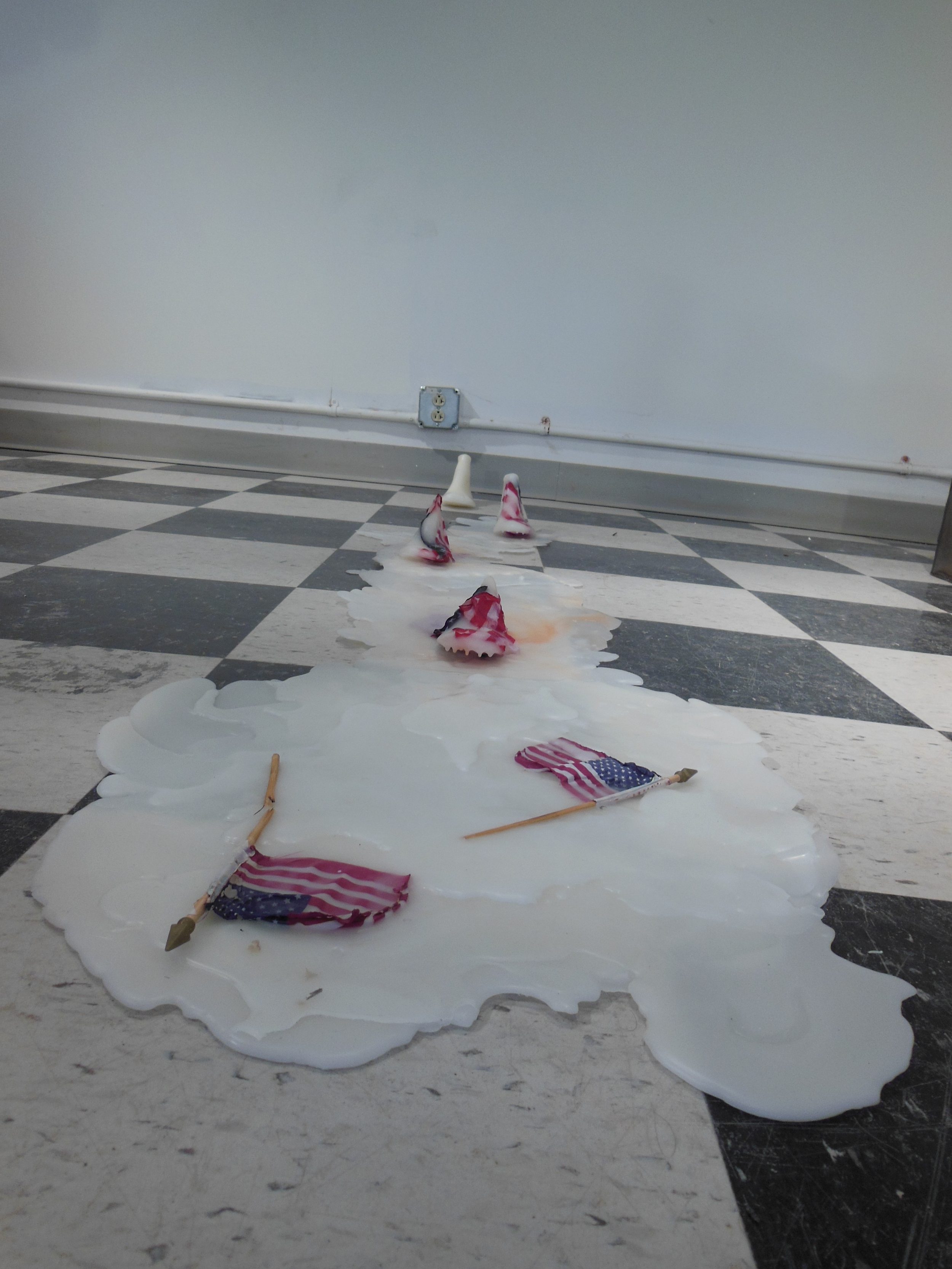
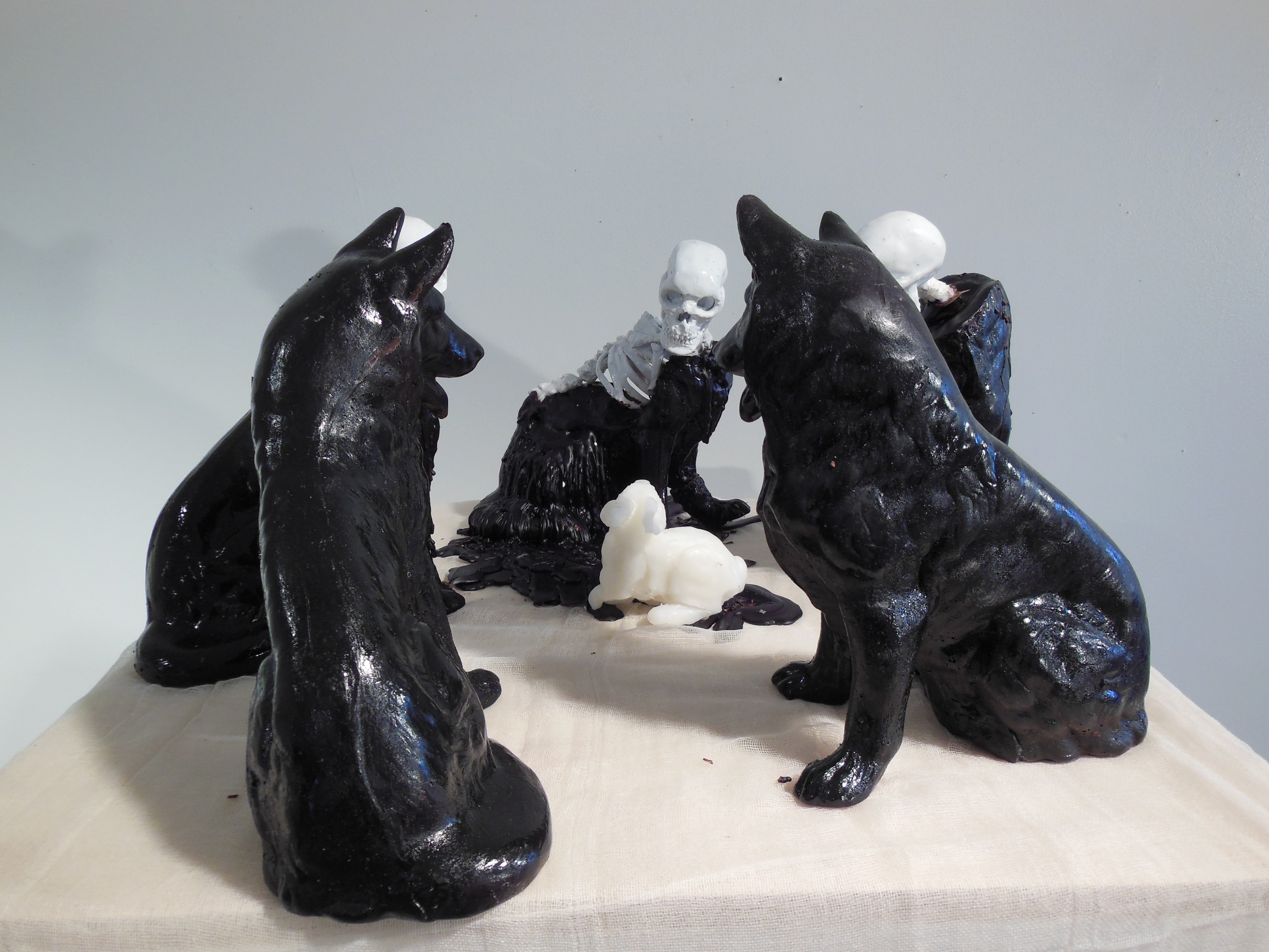
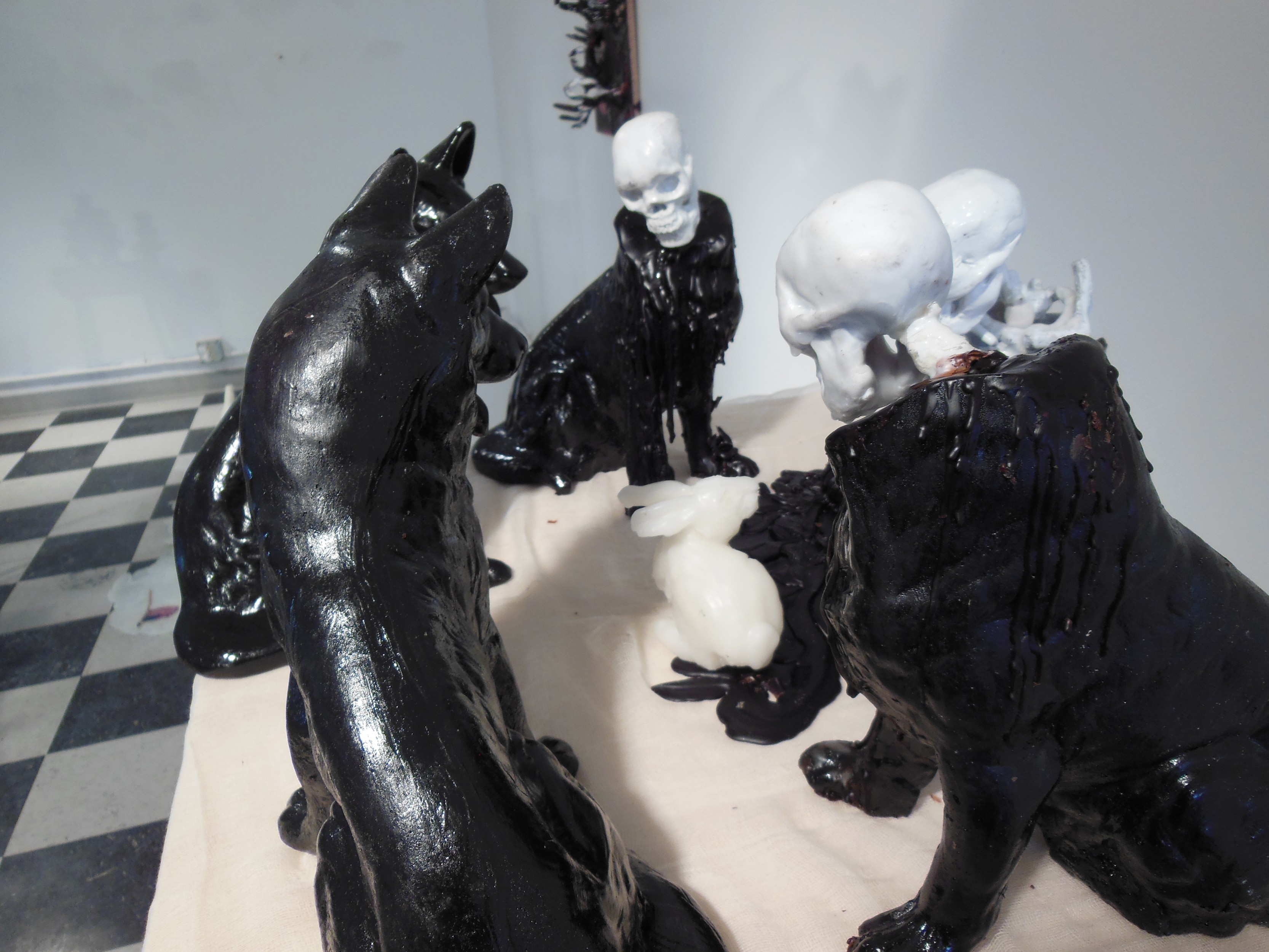
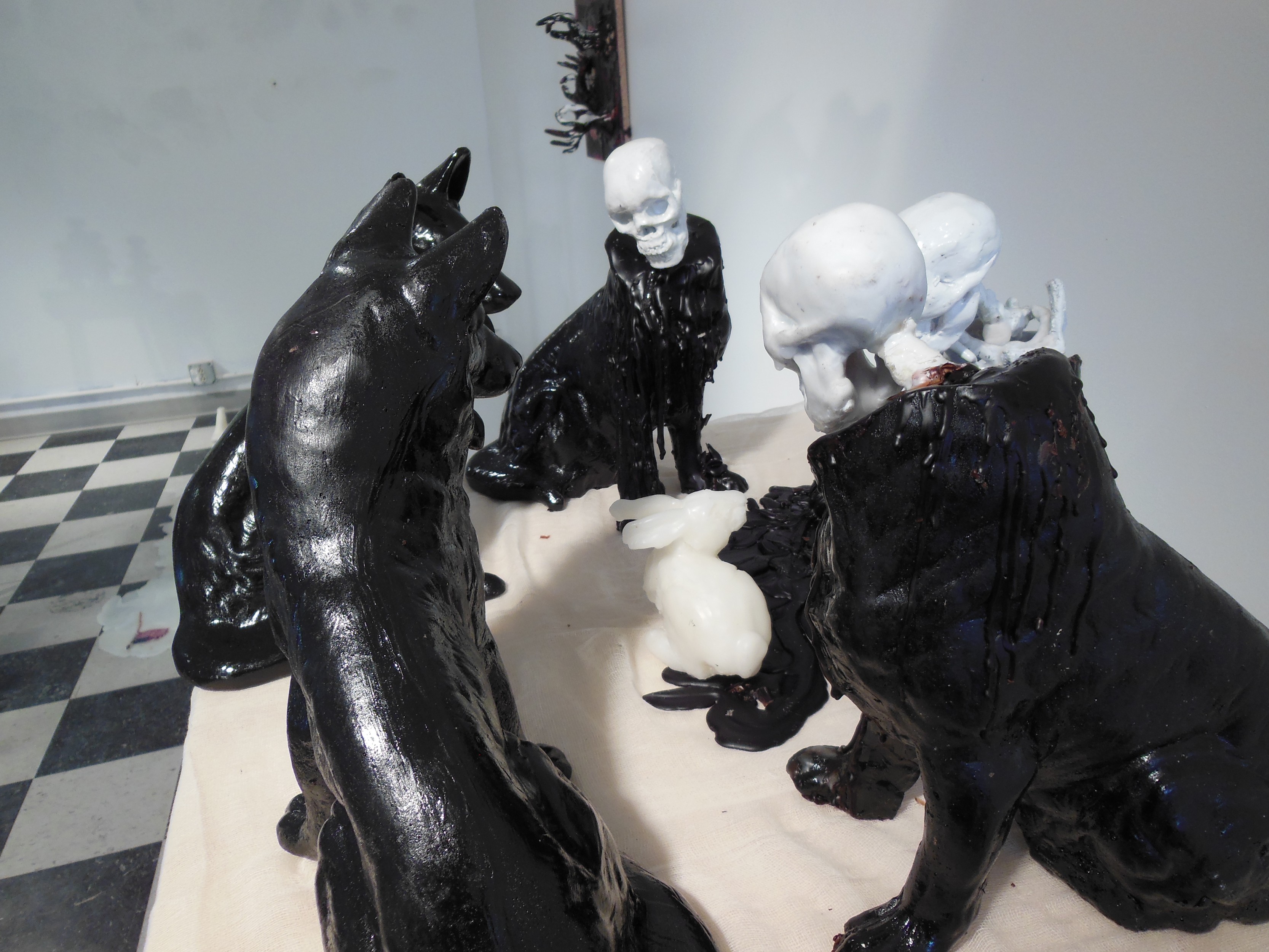
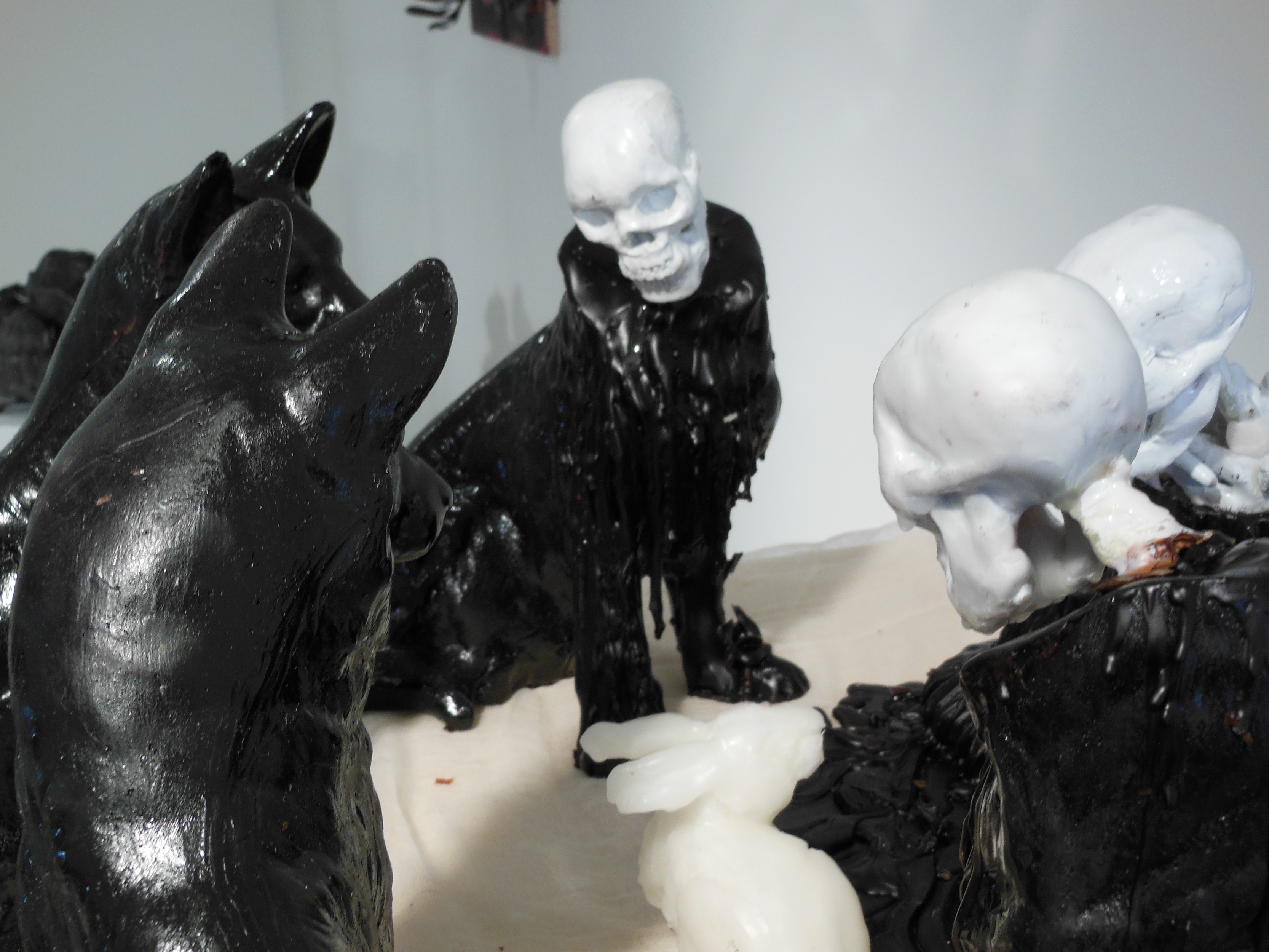
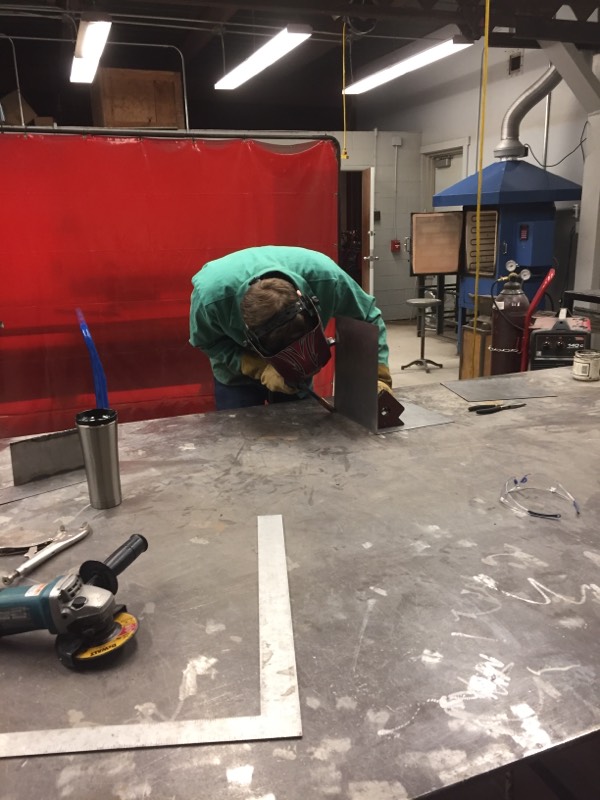
Aidan ArtsXpose 3/4

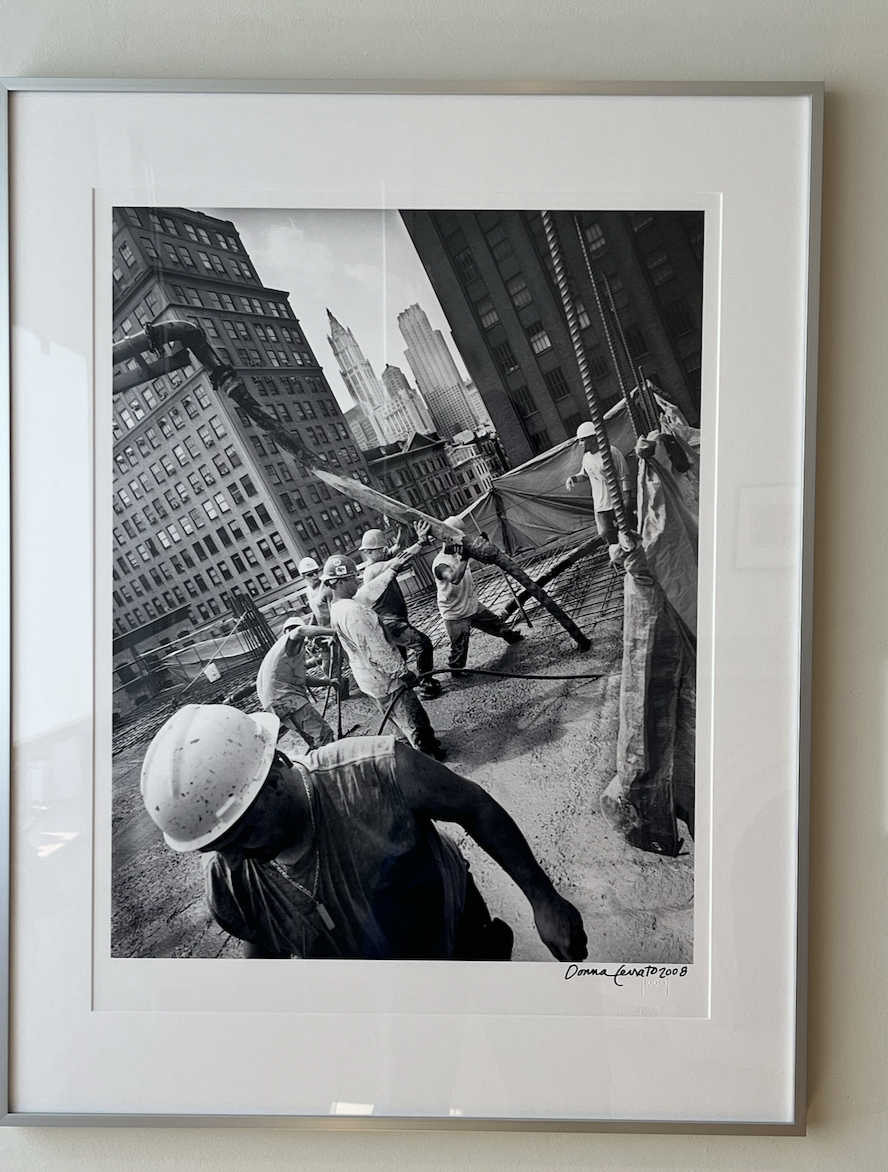
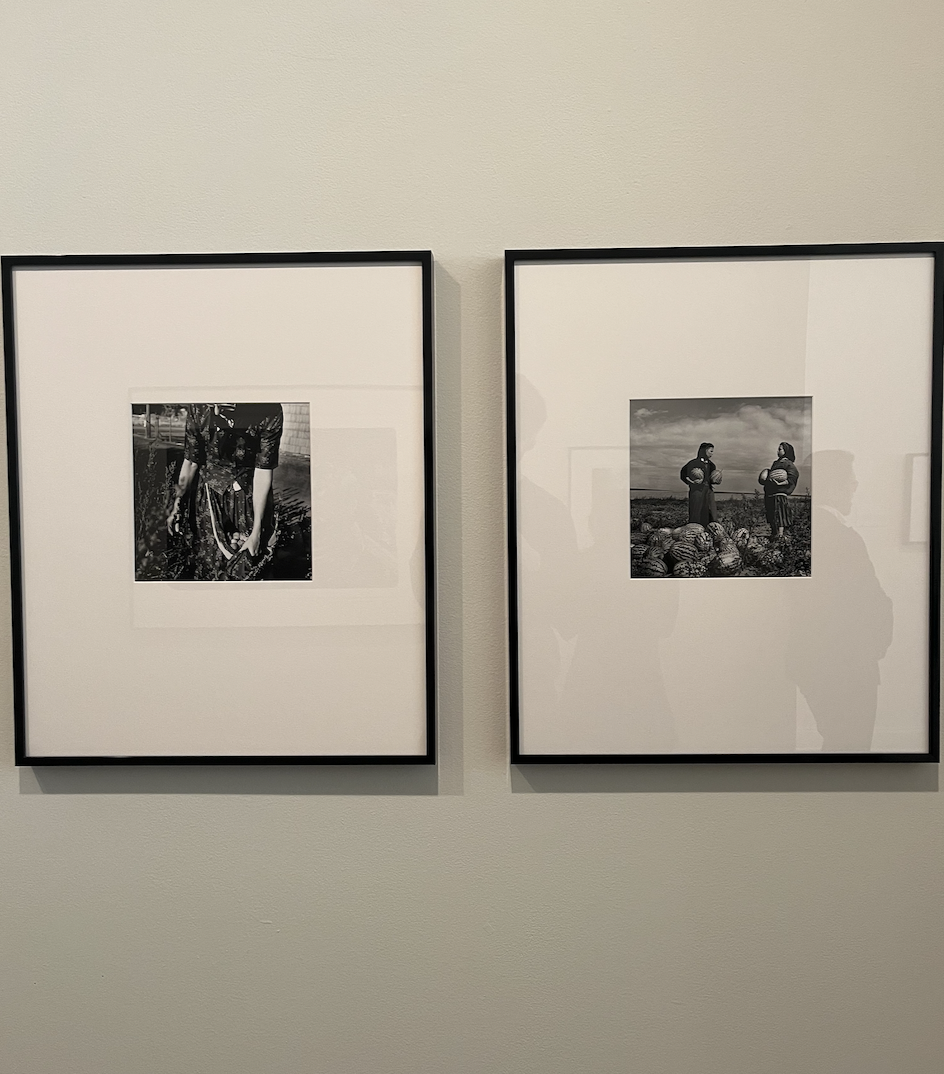
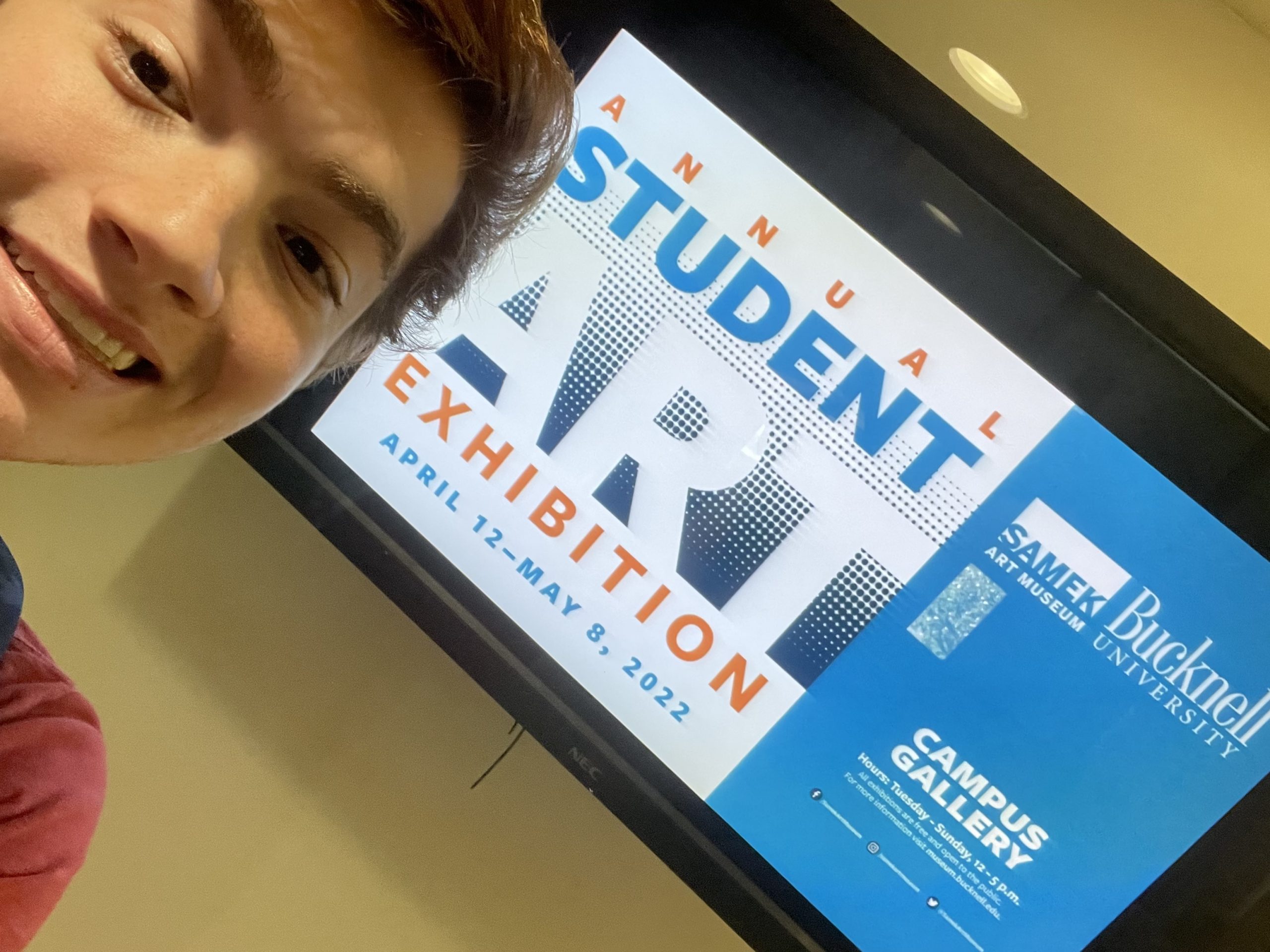
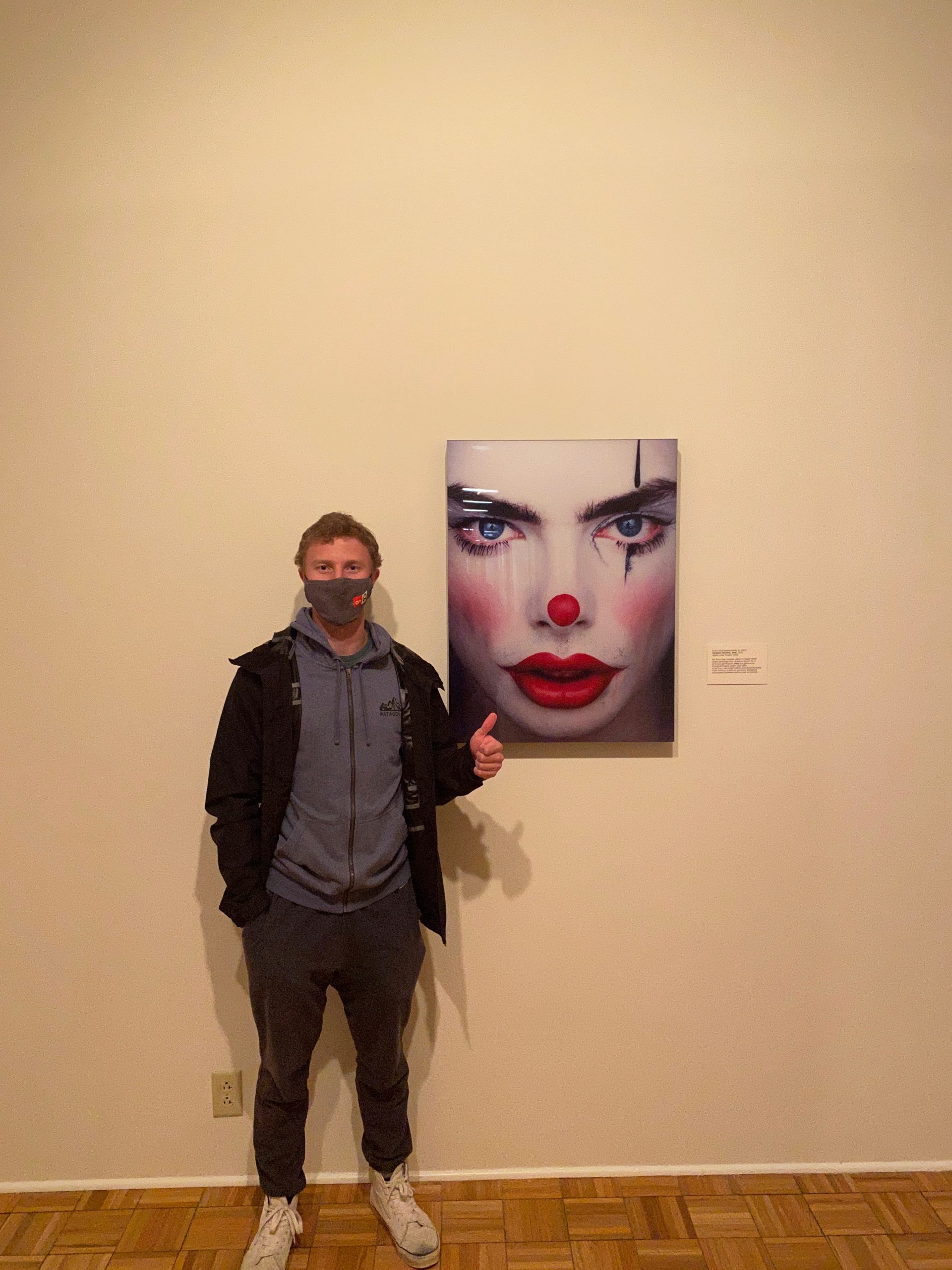
Title of Event:  “All in a Days Work?” Exhibition.
Date & Time of Event: April 2nd 2025
Location of Event: Downtown Samek Gallery
Type of event: Photography Exhibition

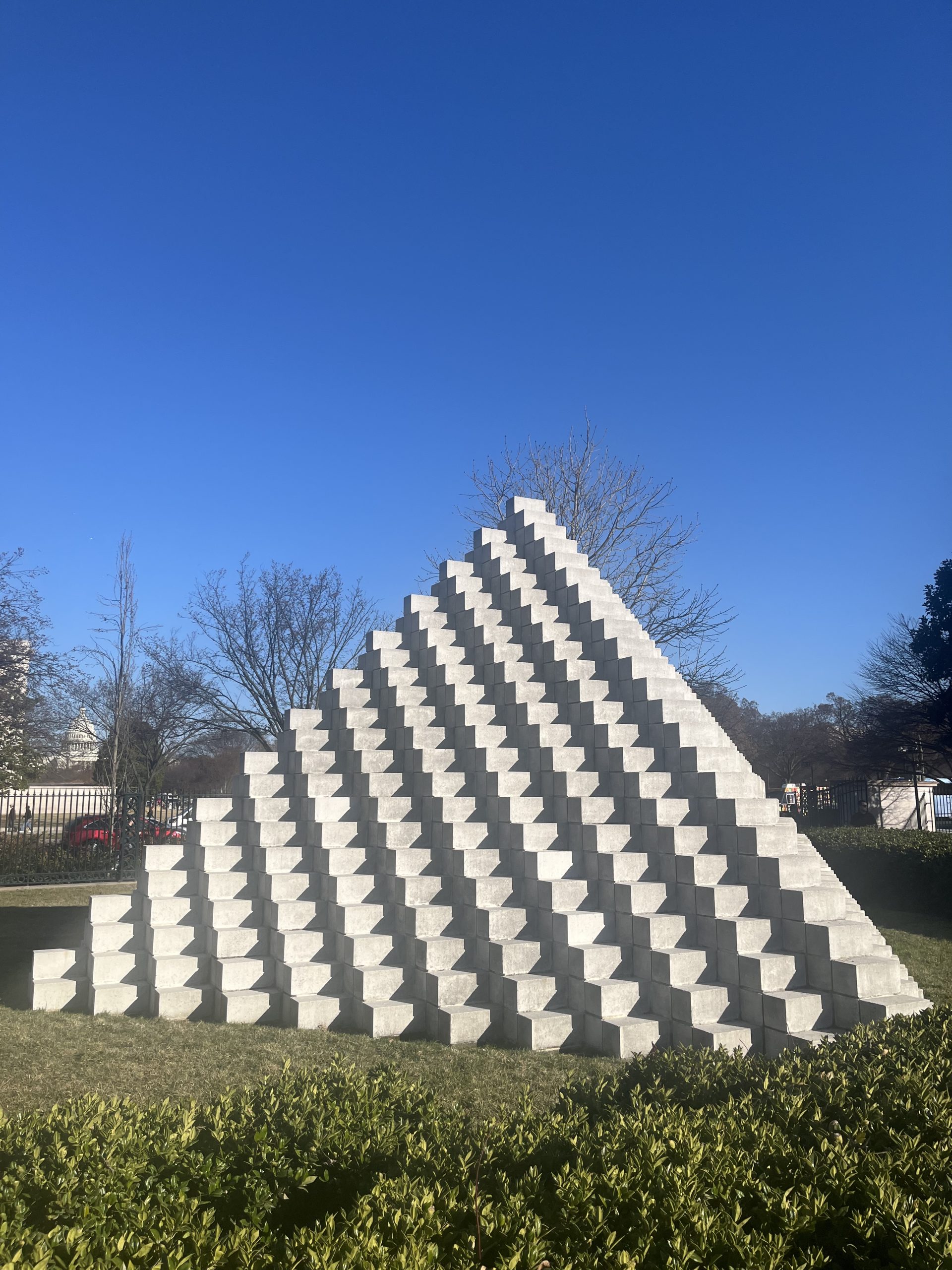
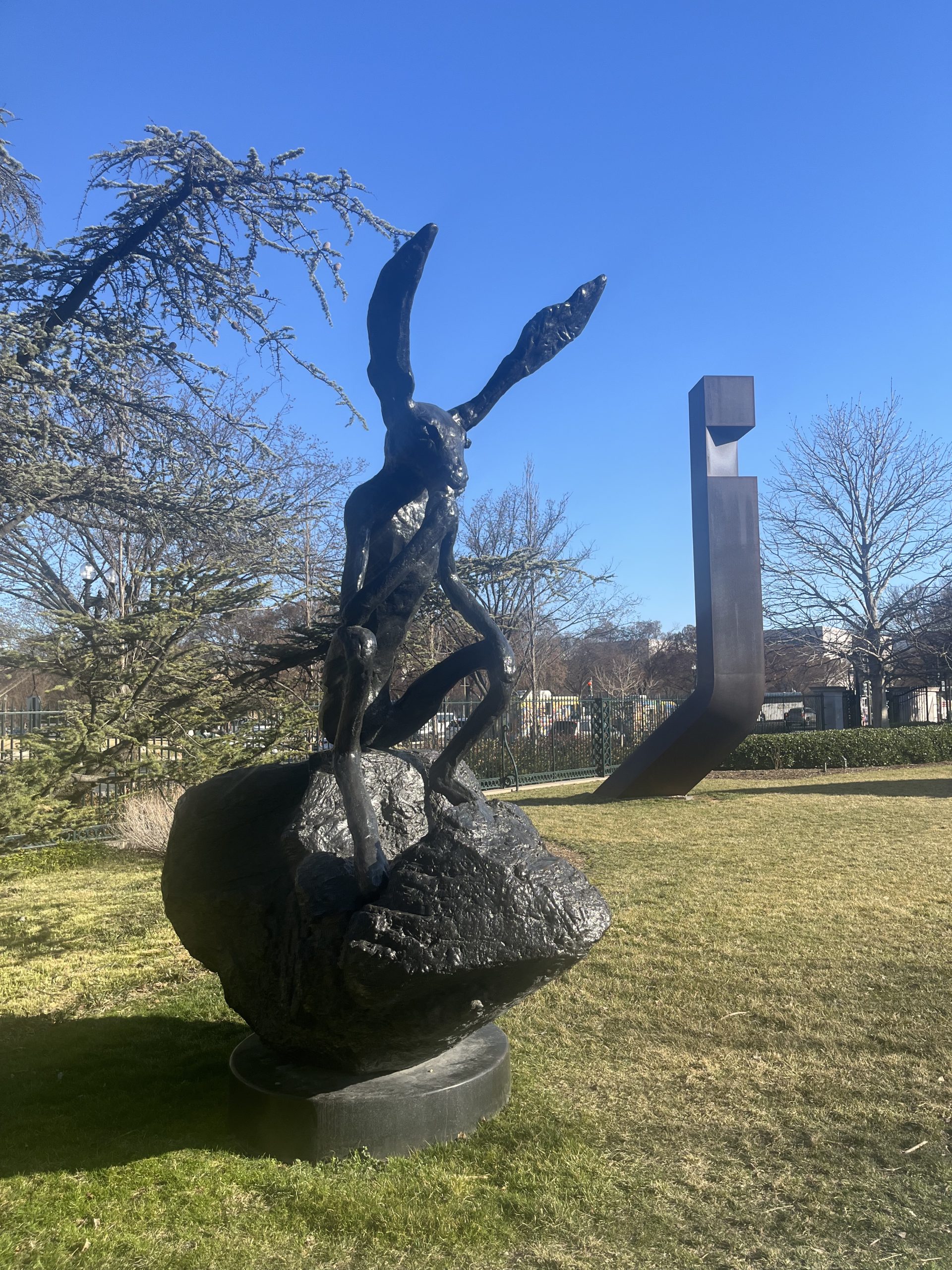
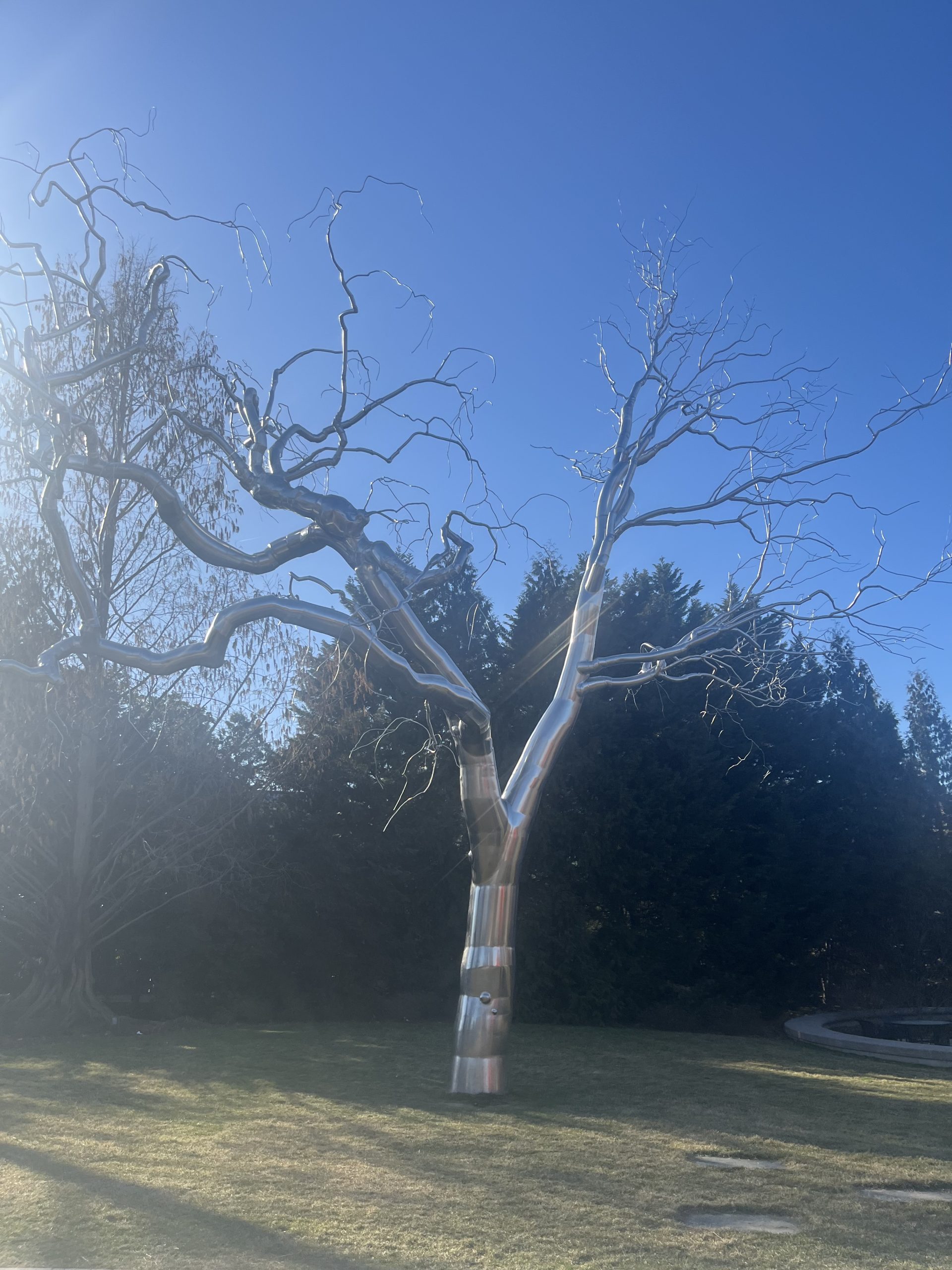
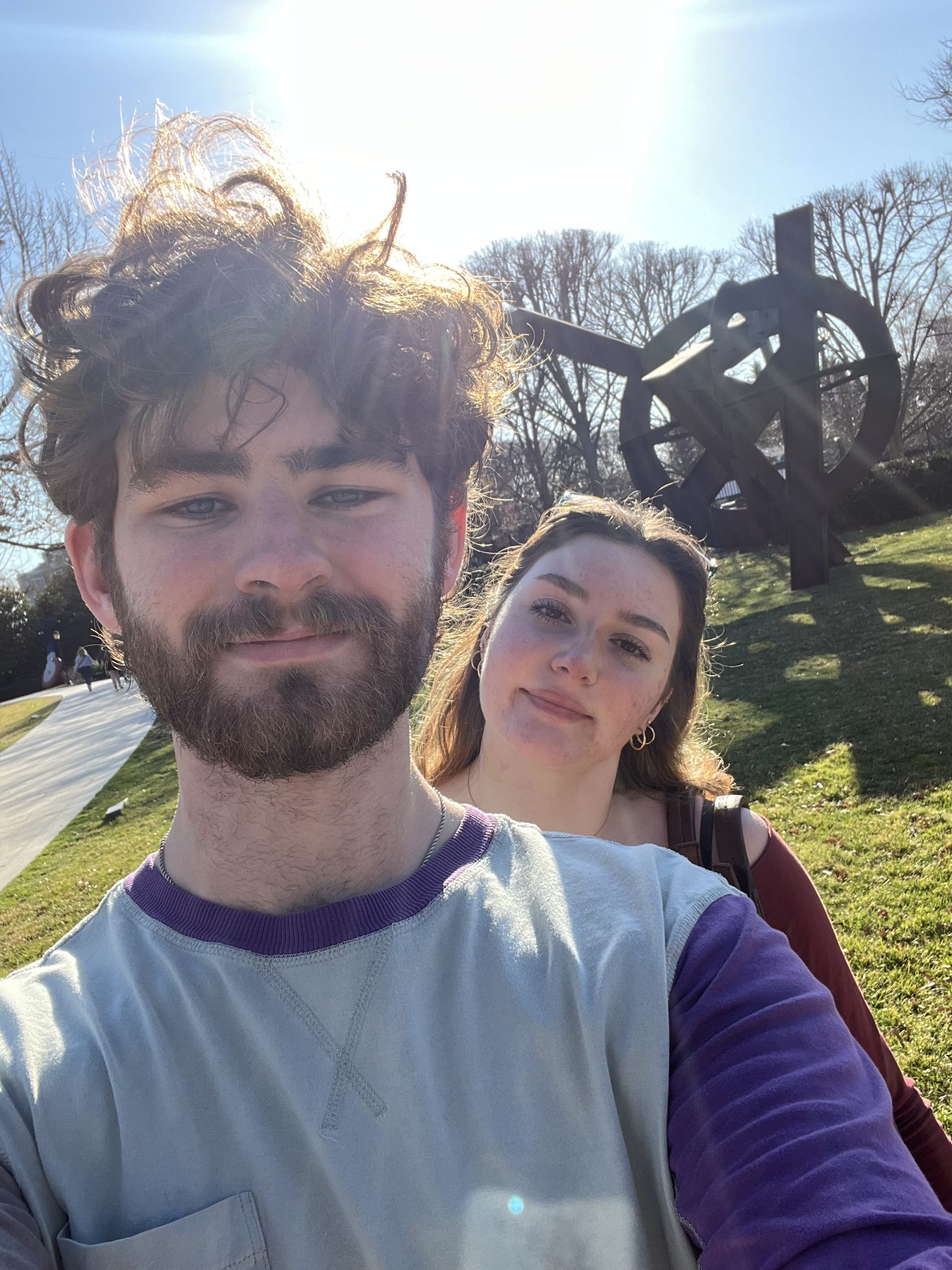
Title of Event:  National Gallery of Art Sculpture Garden
Date & Time of Event: March 11th 2025
Location of Event: DC Sculpture Garden
Type of event: Sculpture Exhibition

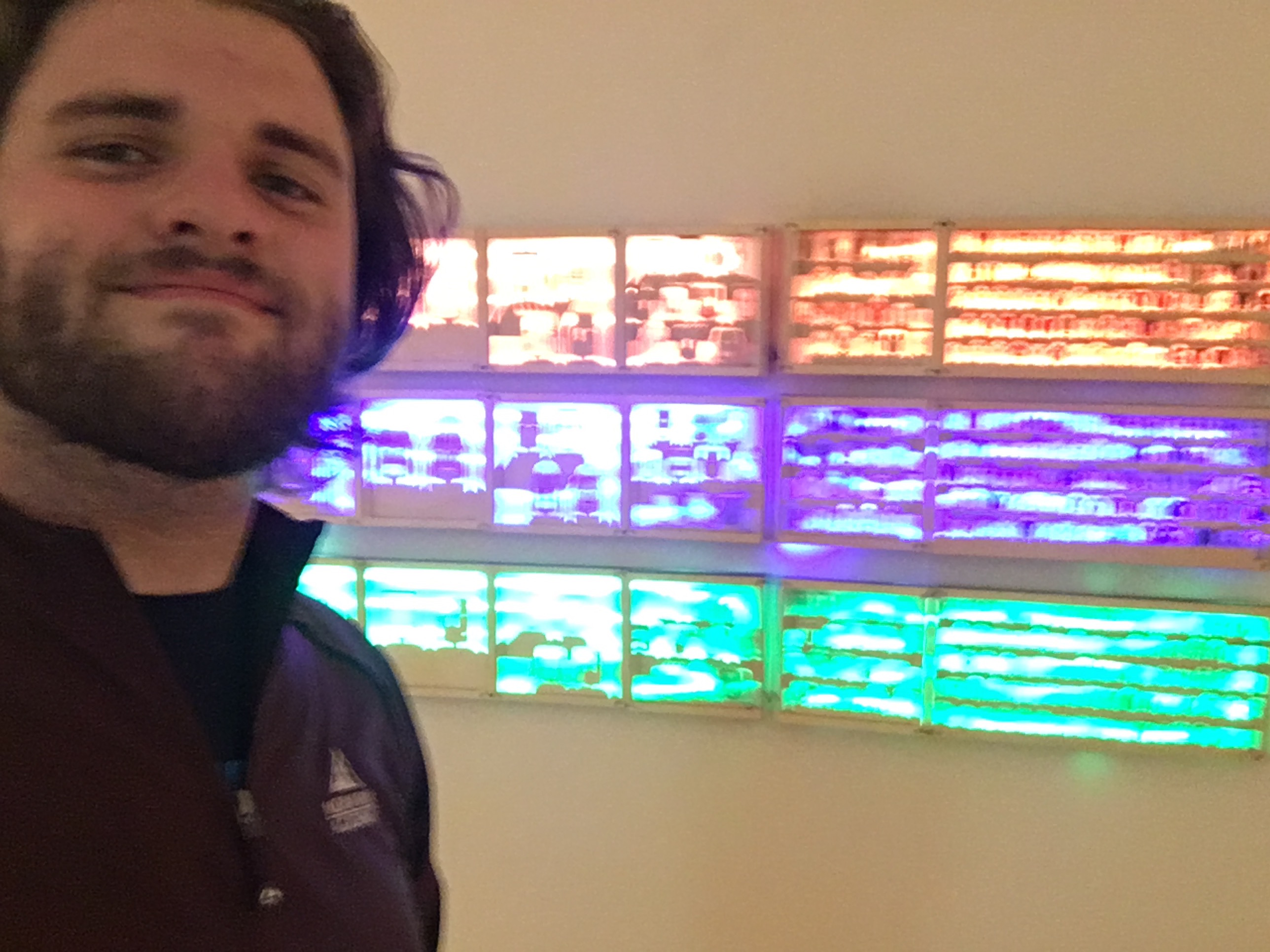
Aidan ArtxPose 2

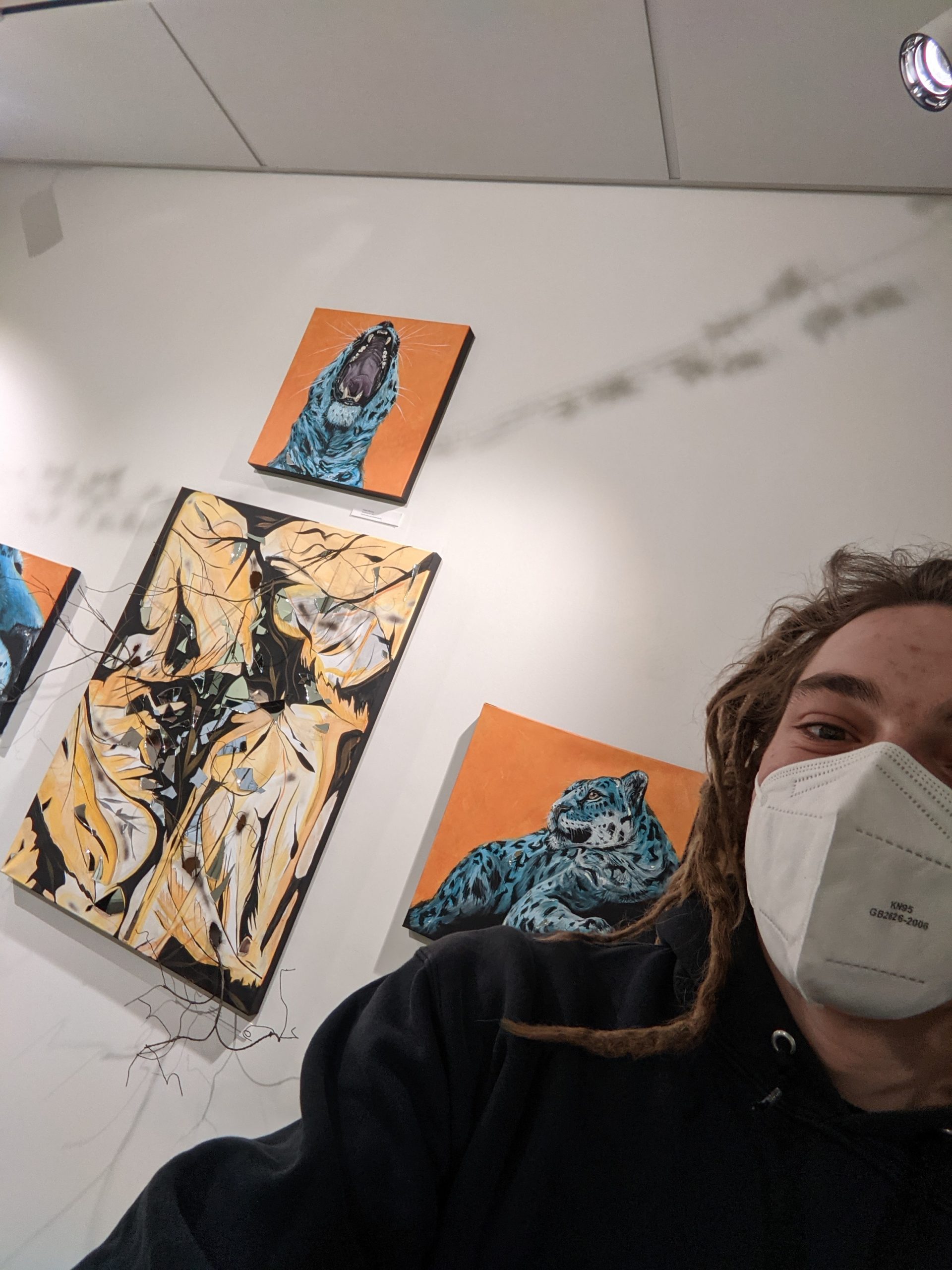
Title of Event: Bucknell Samek
Date & Time of Event: Wednesday March 5th 1:30 pm
Location of Event: ELC
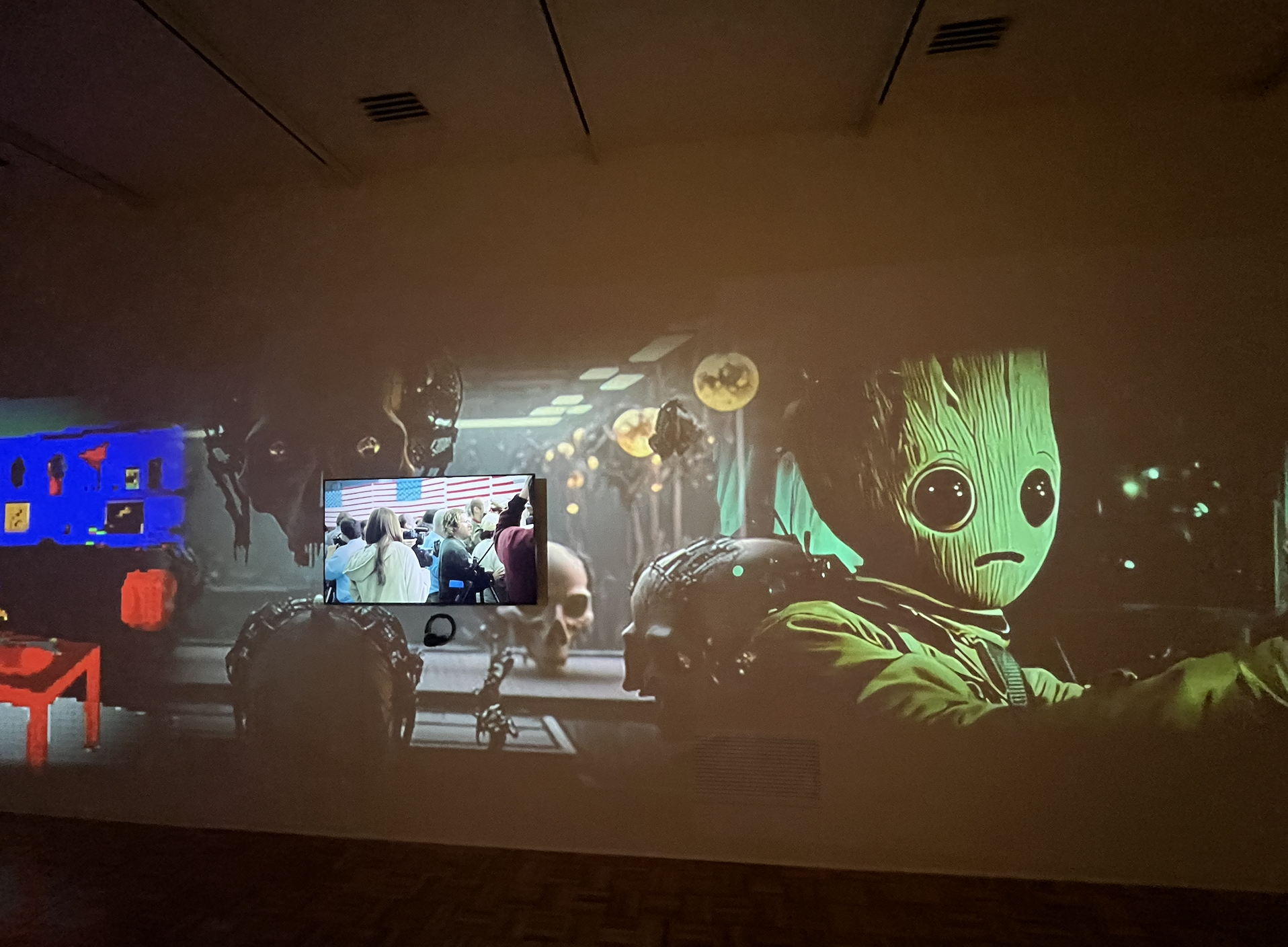
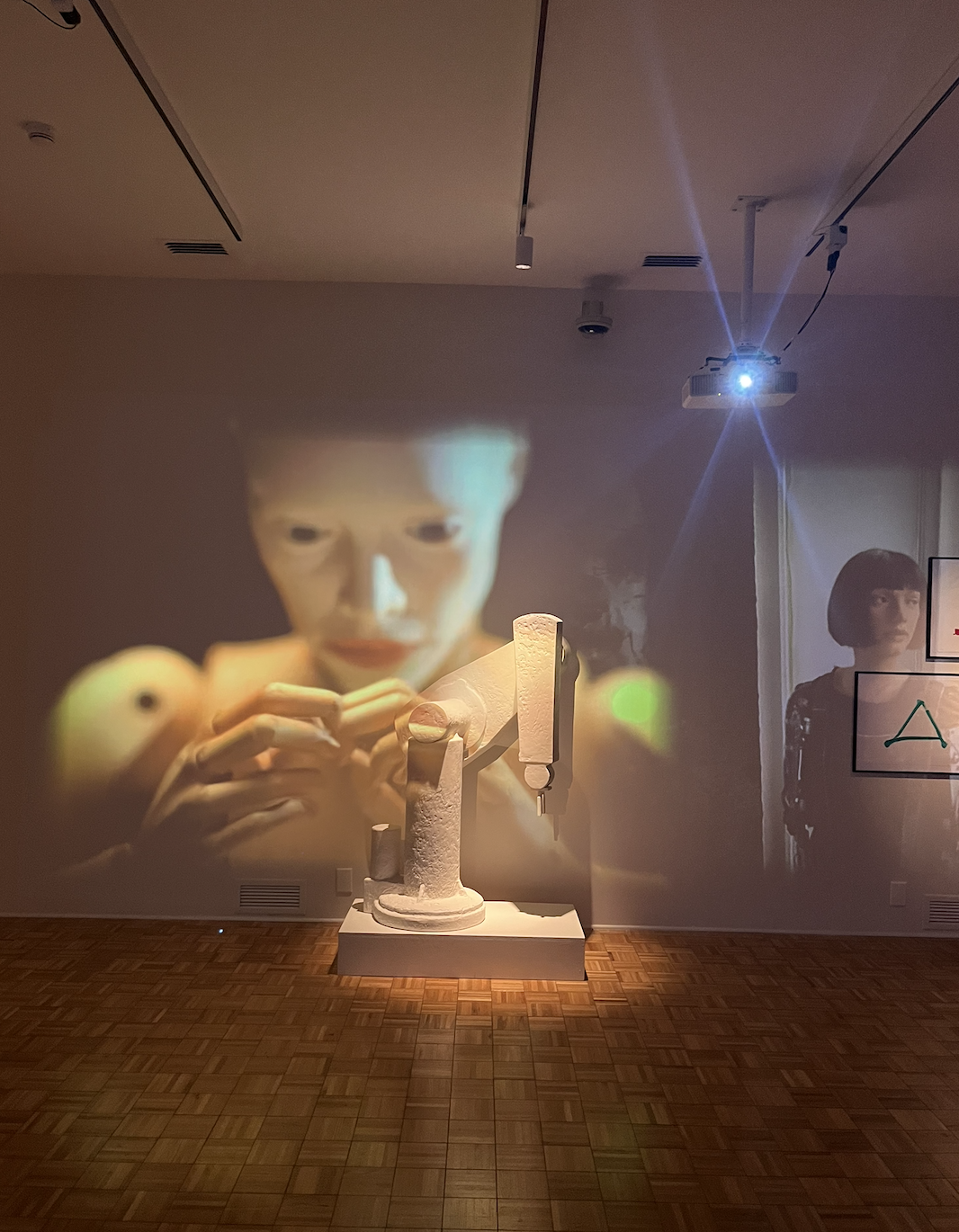
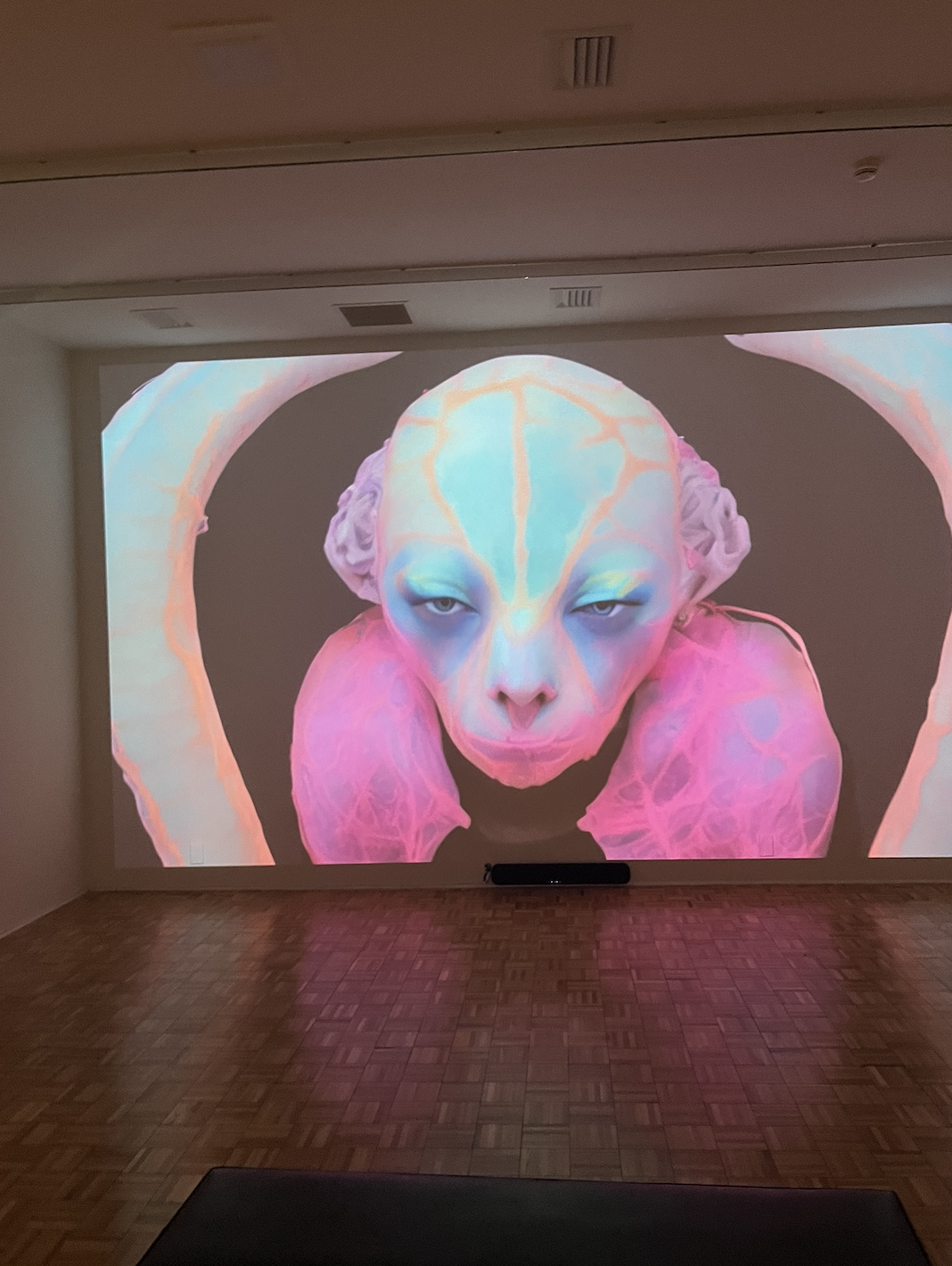
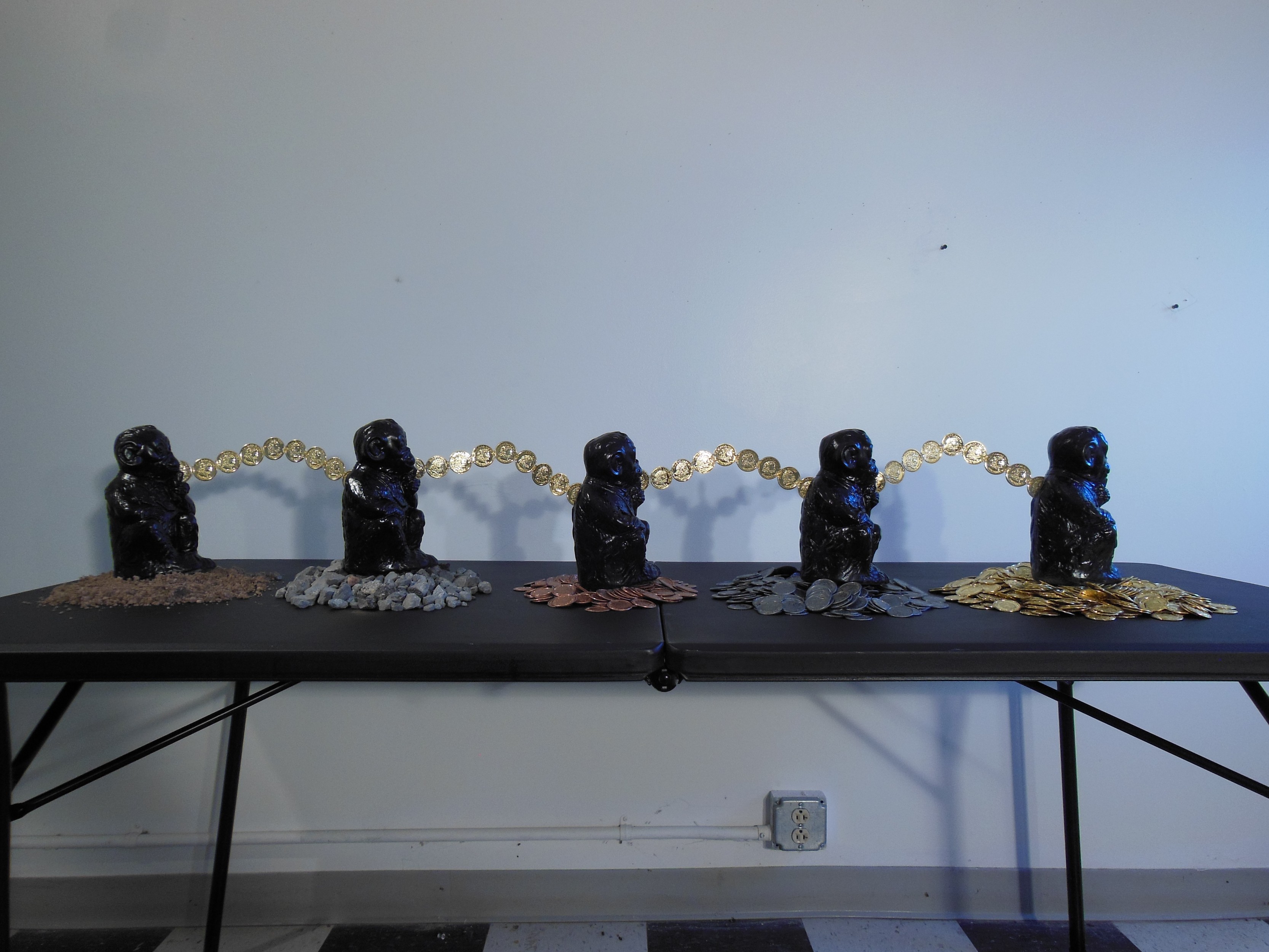
Type of event: The Comfortable Alienation of AI

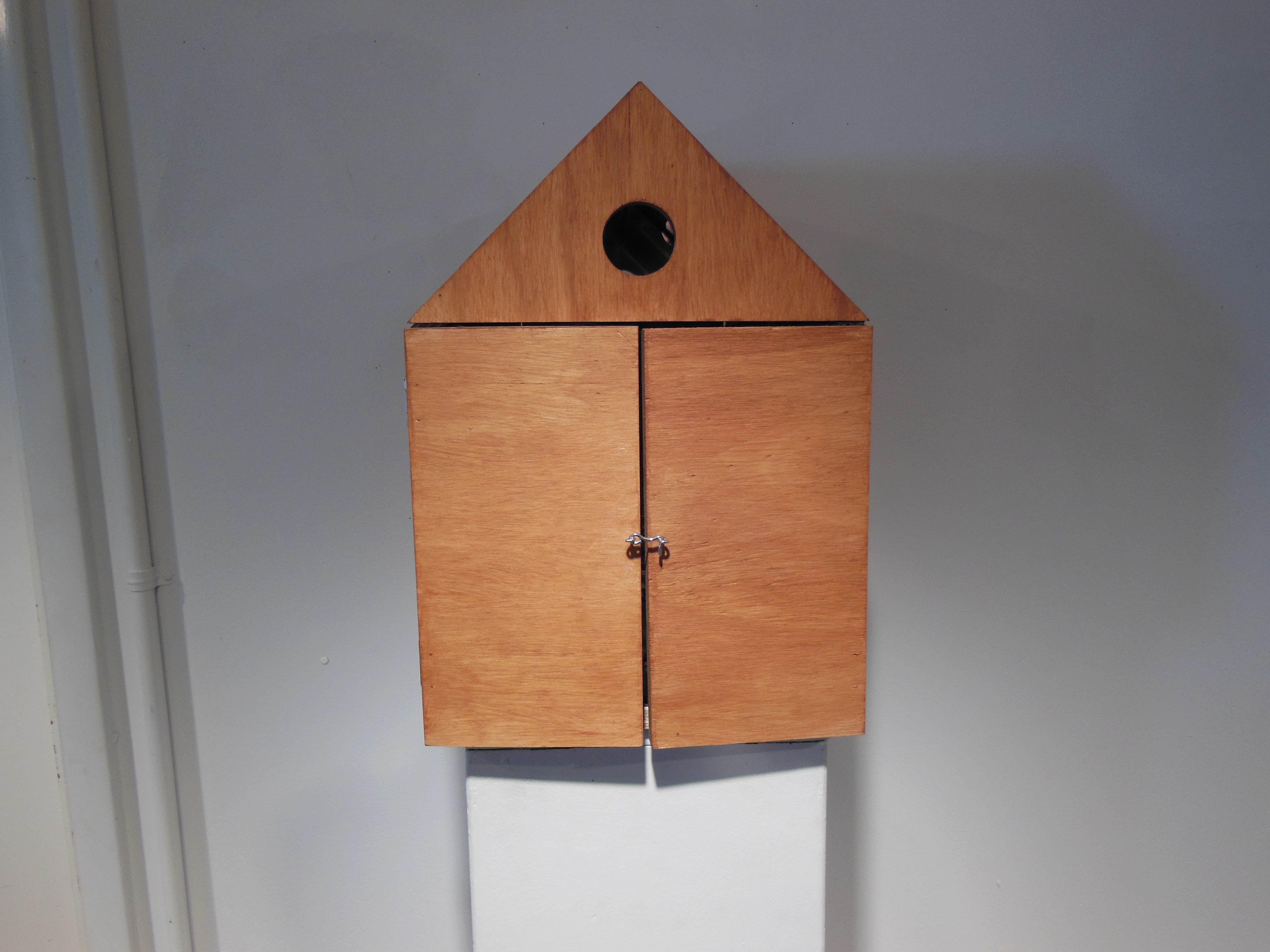
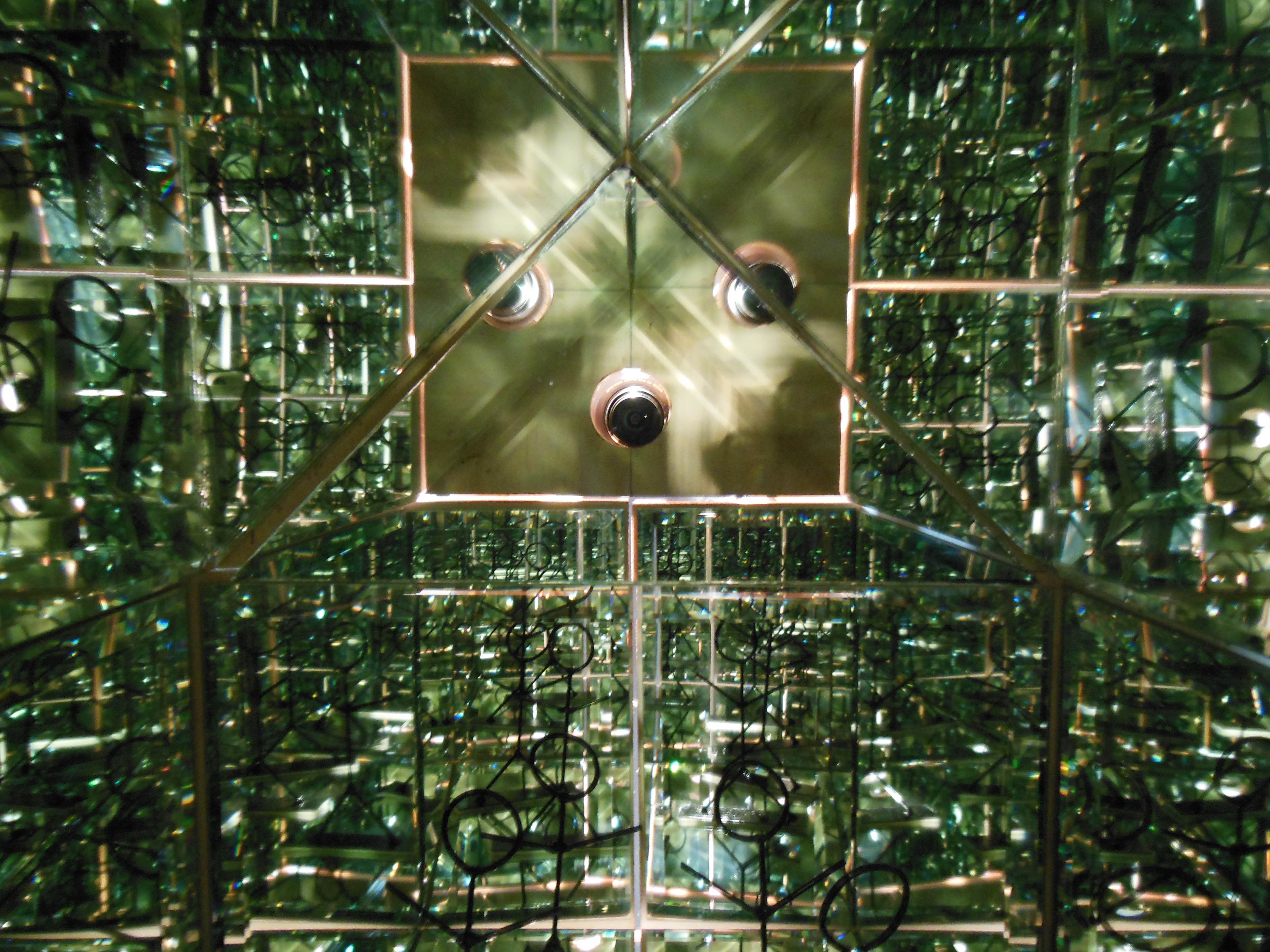
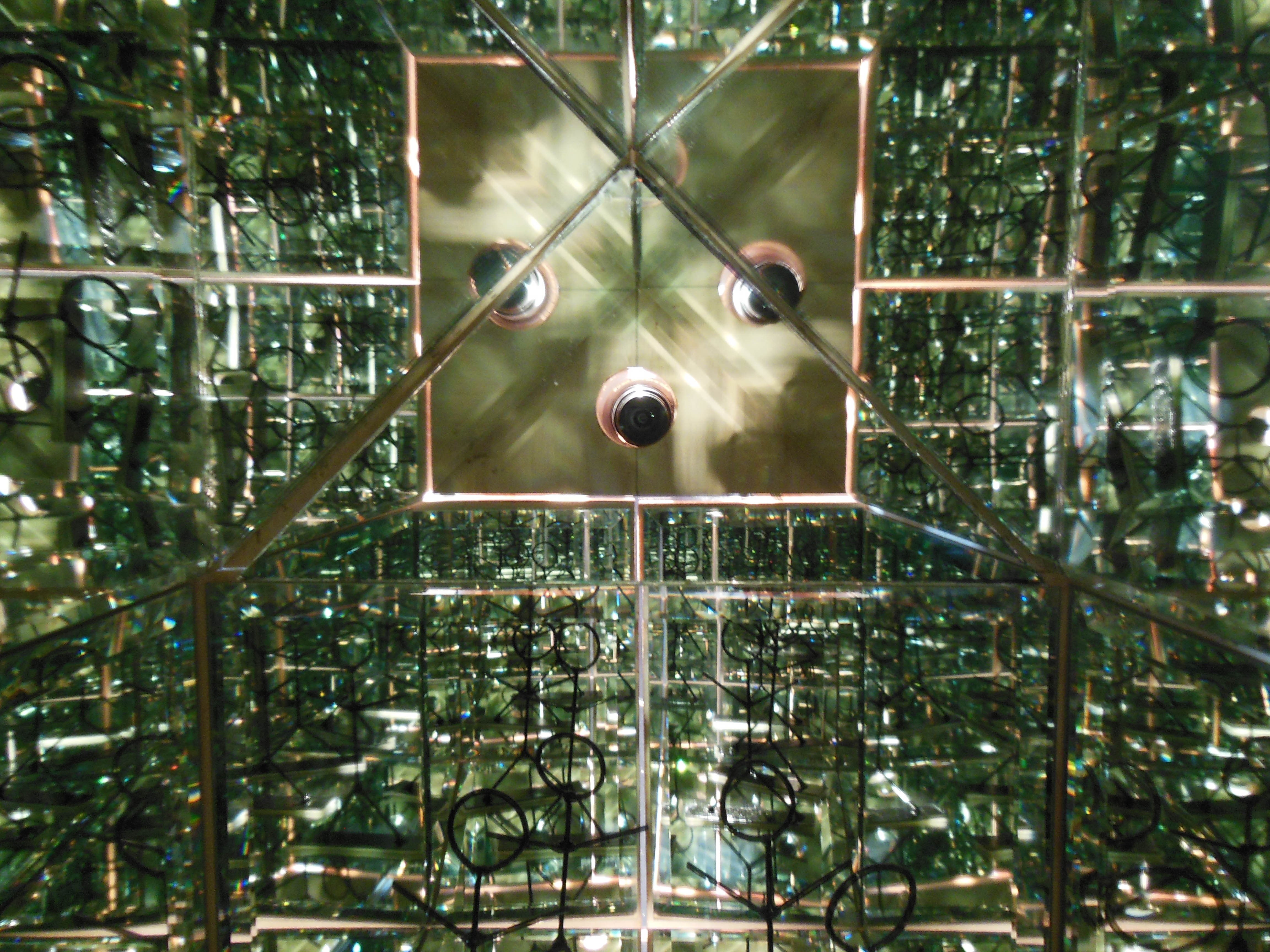
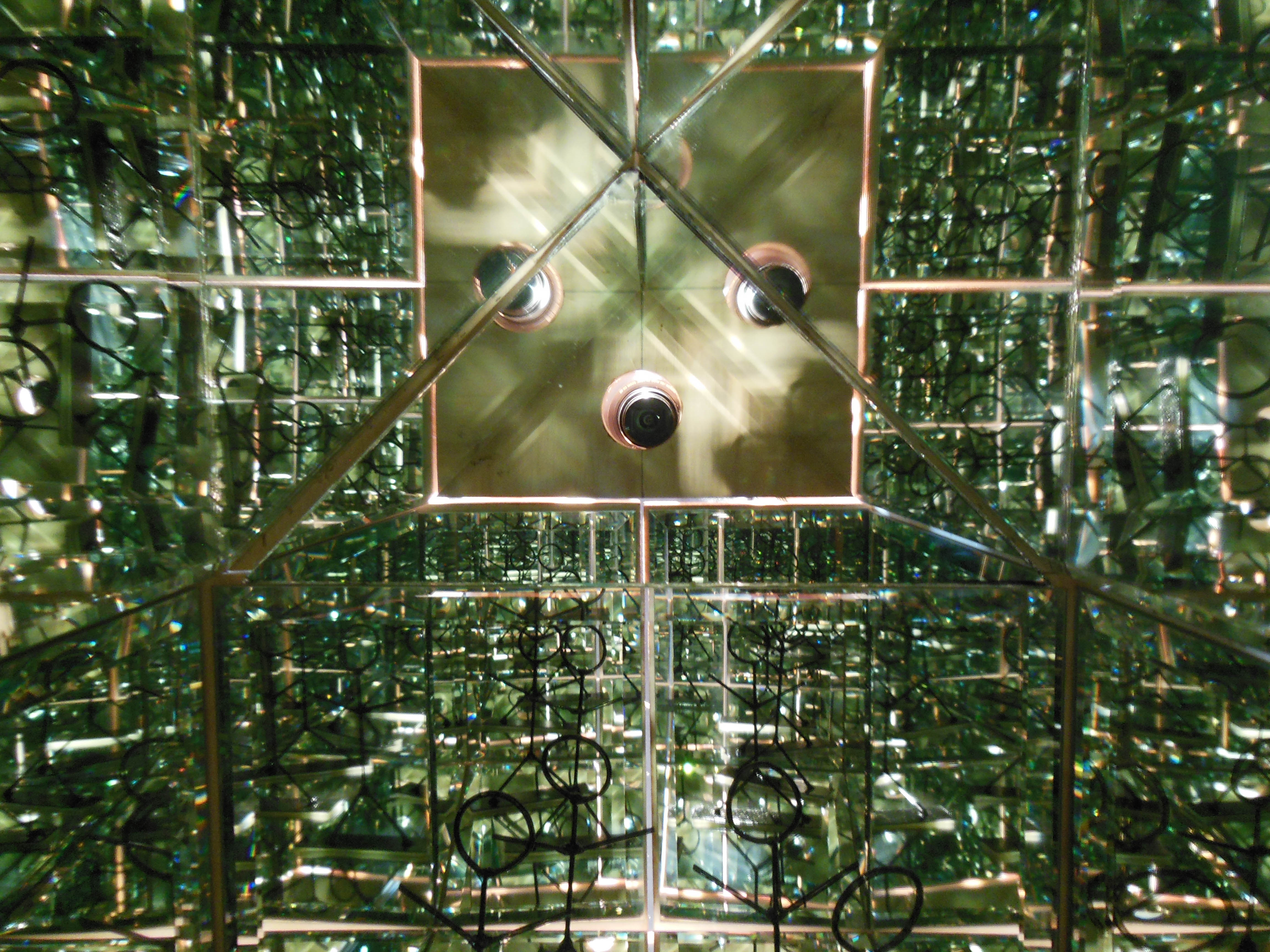
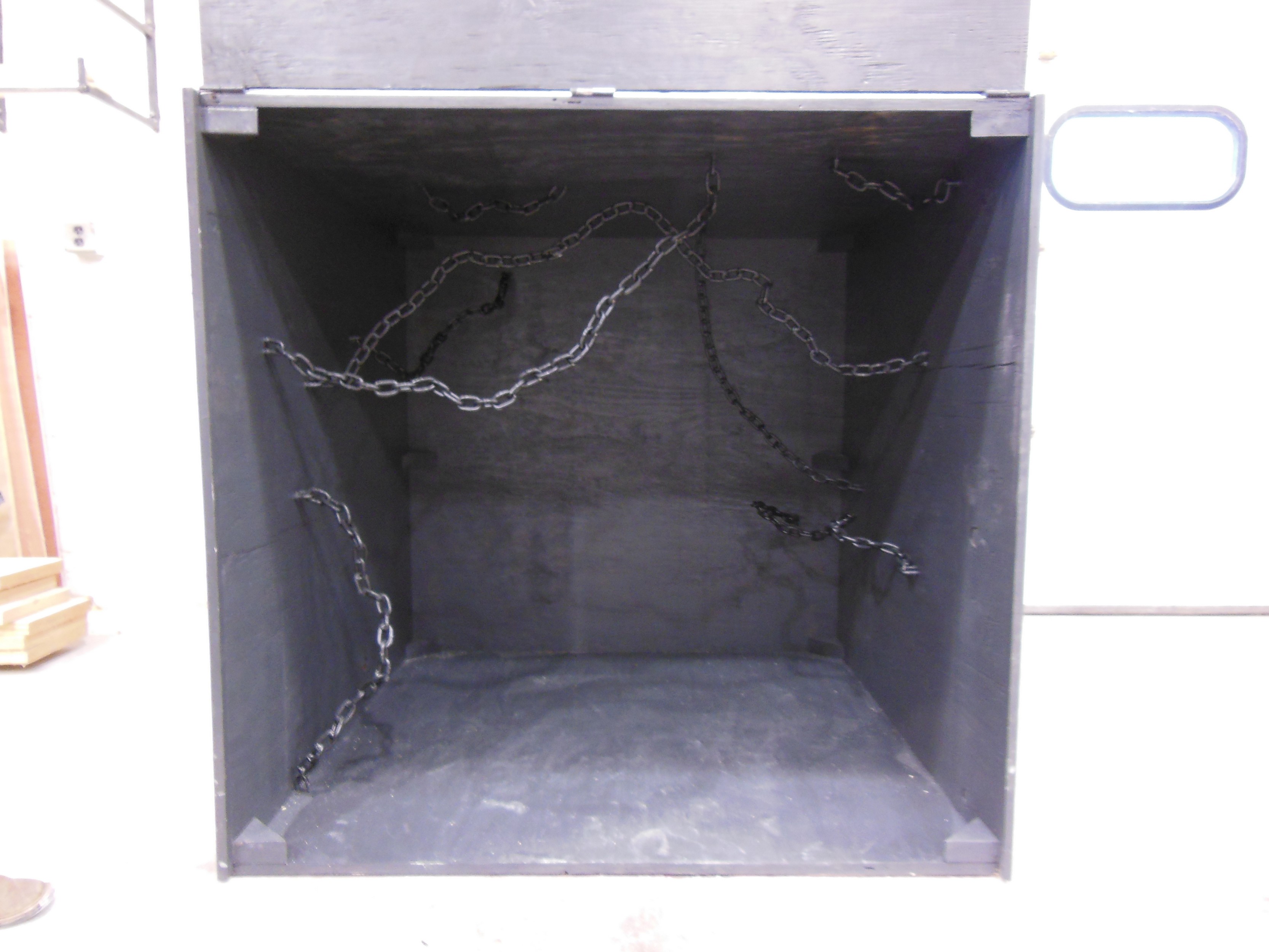
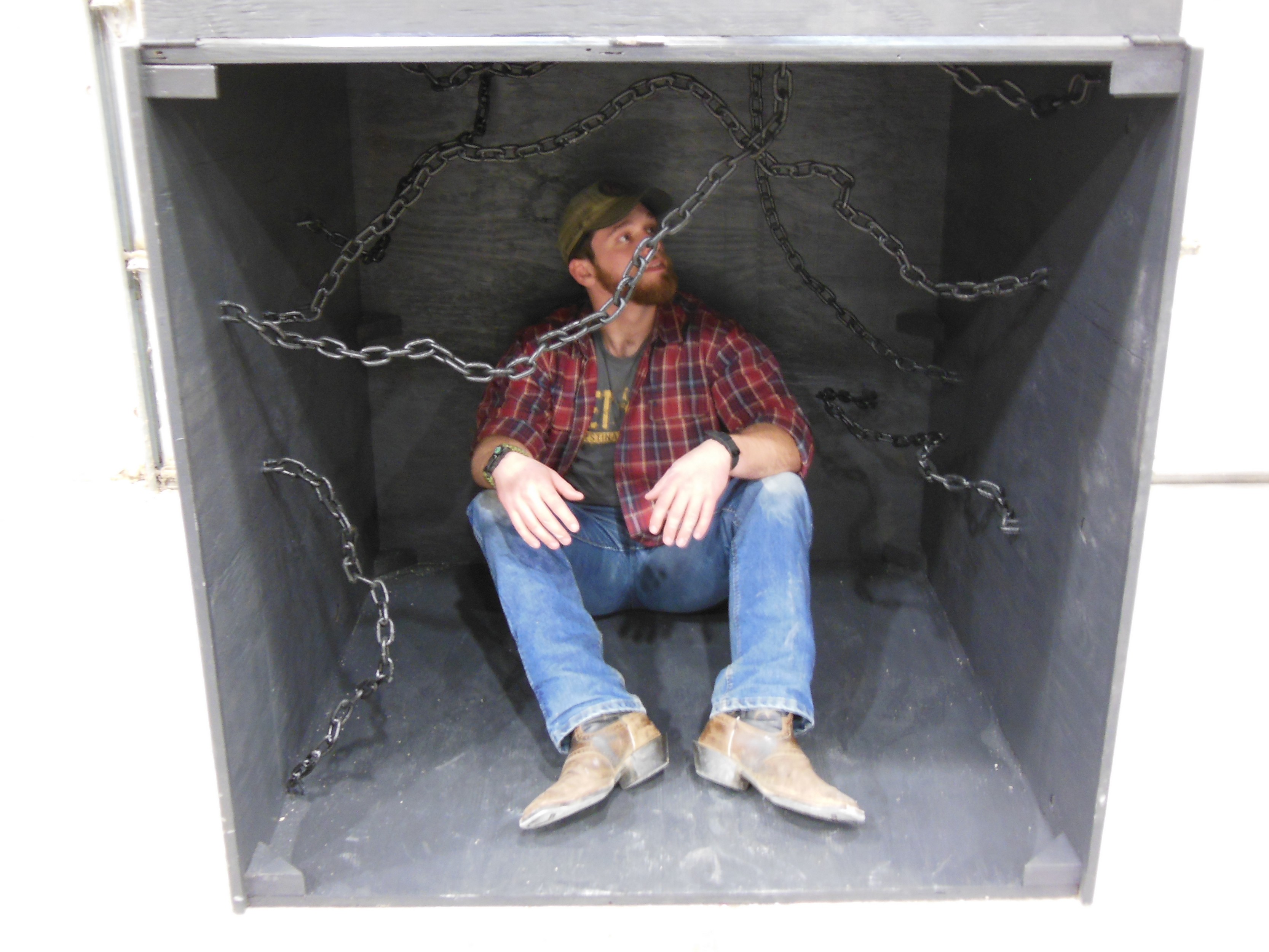
Final Project by Ben Kaller

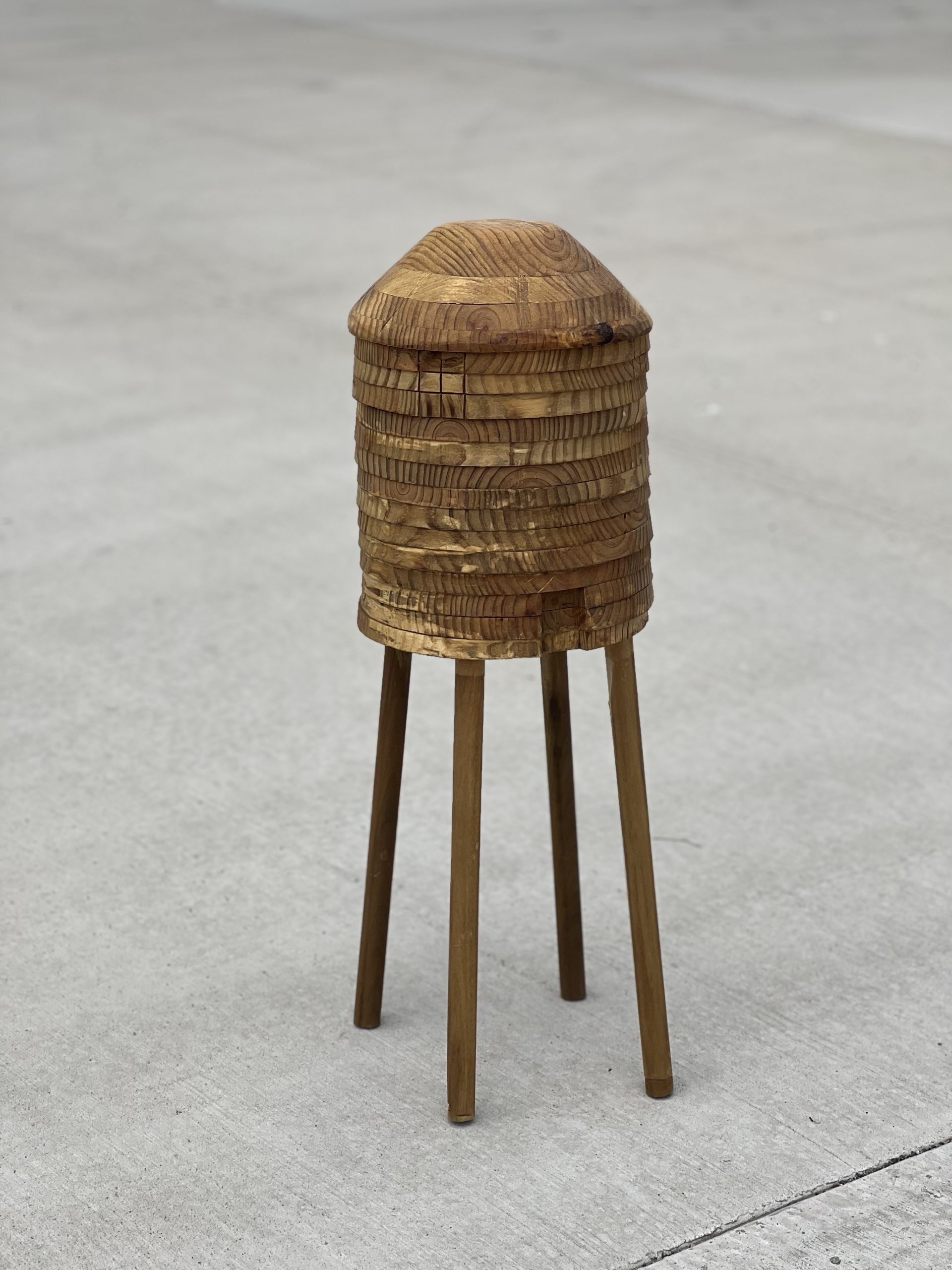
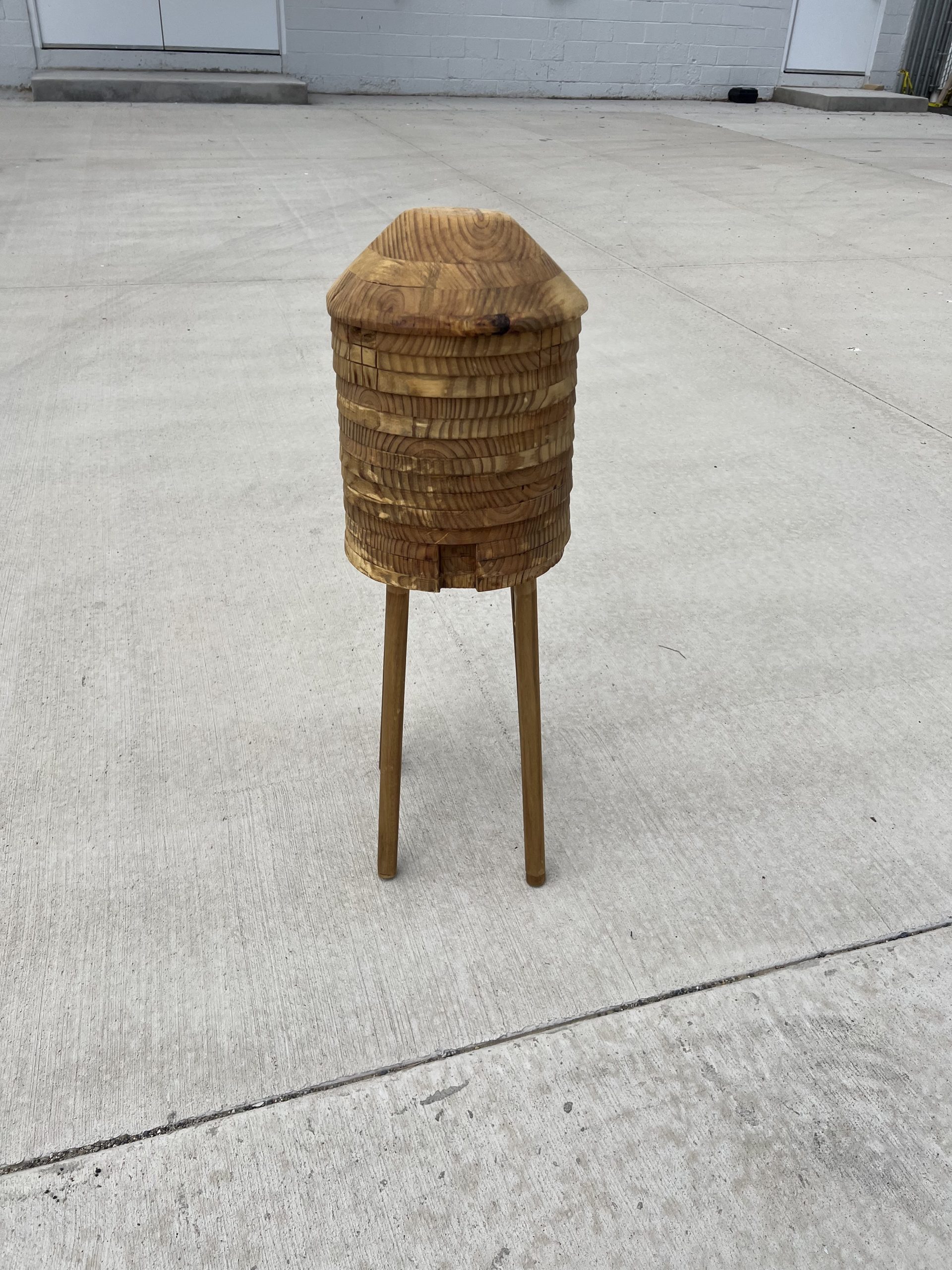
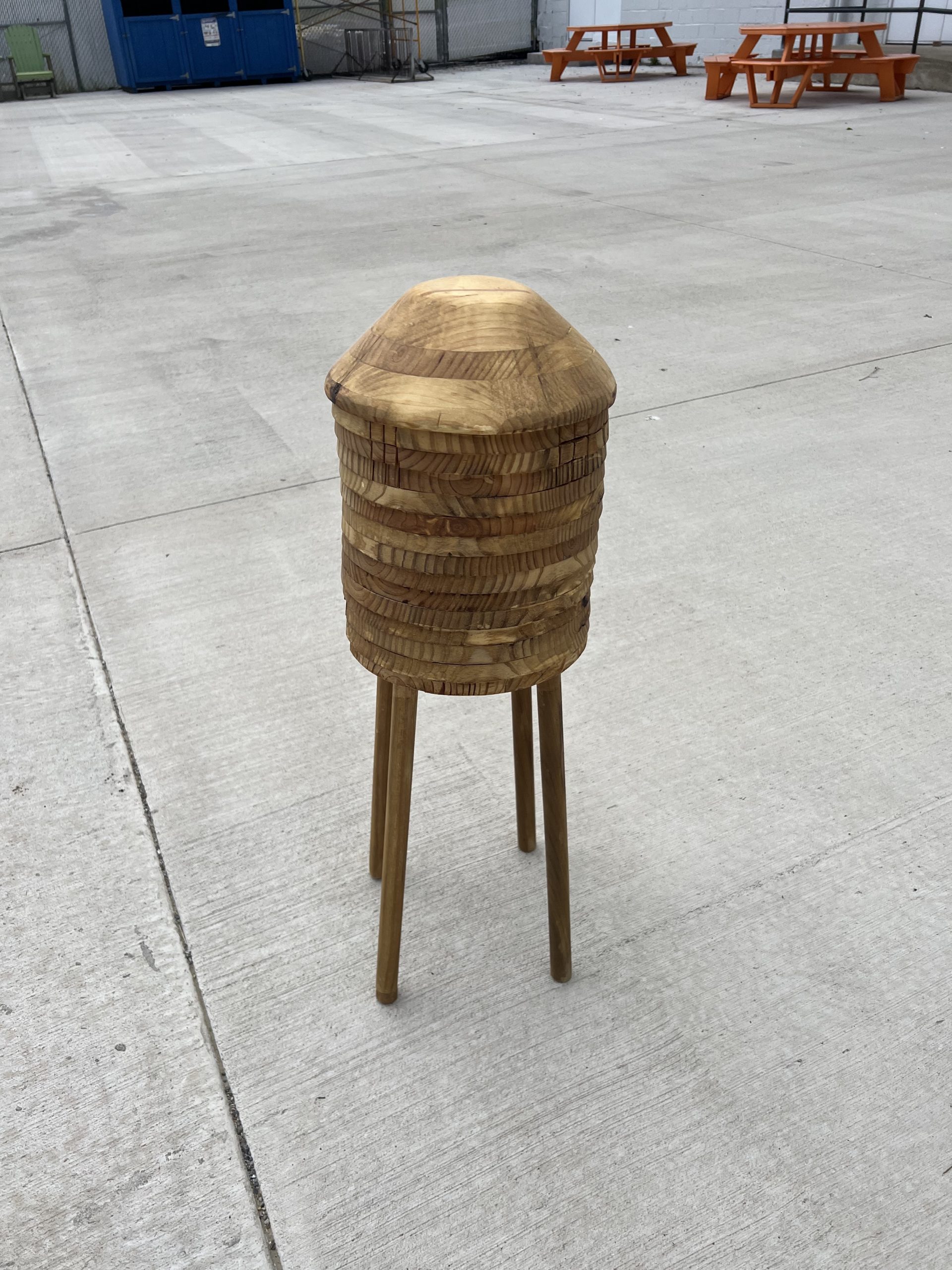
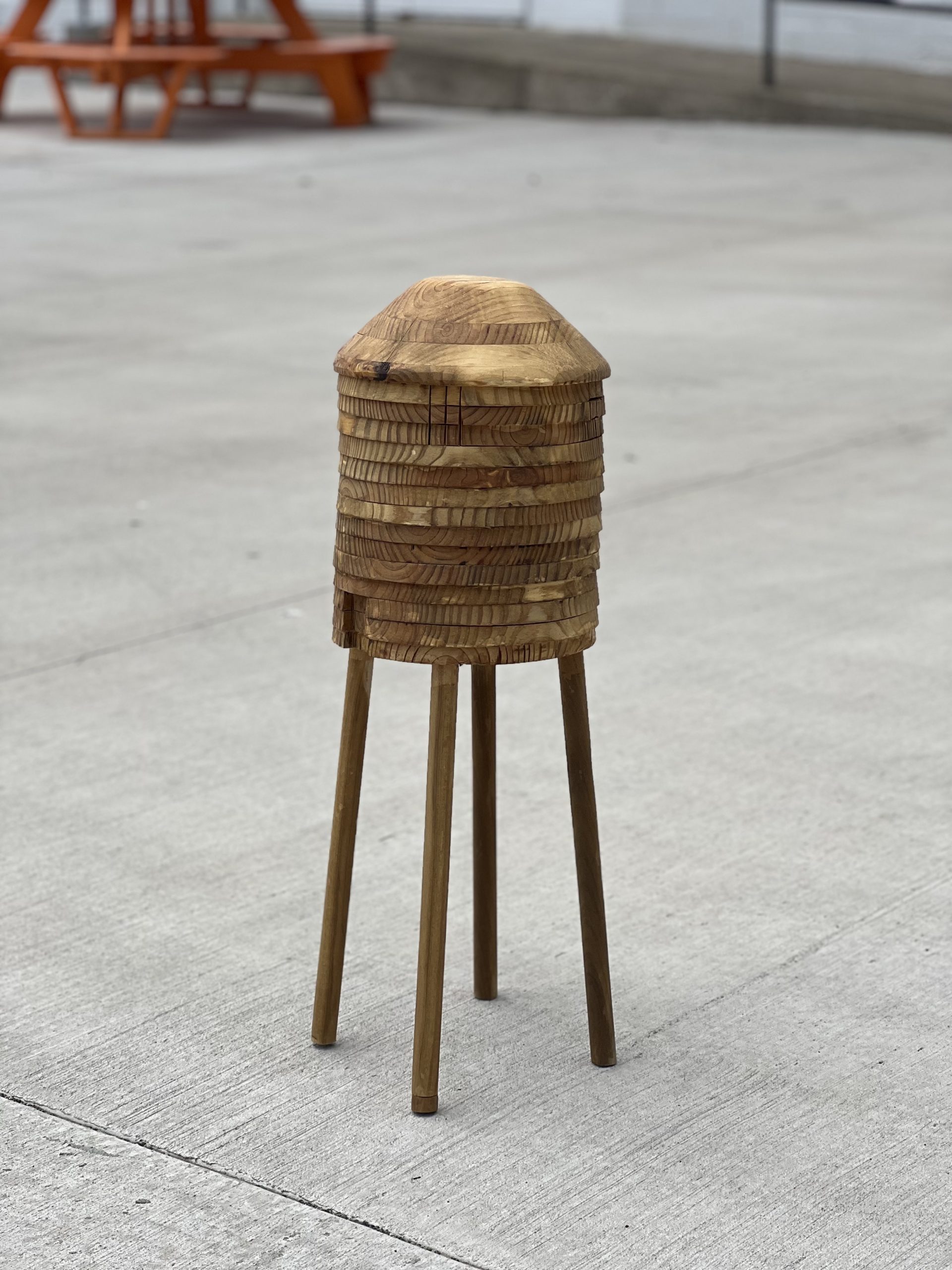
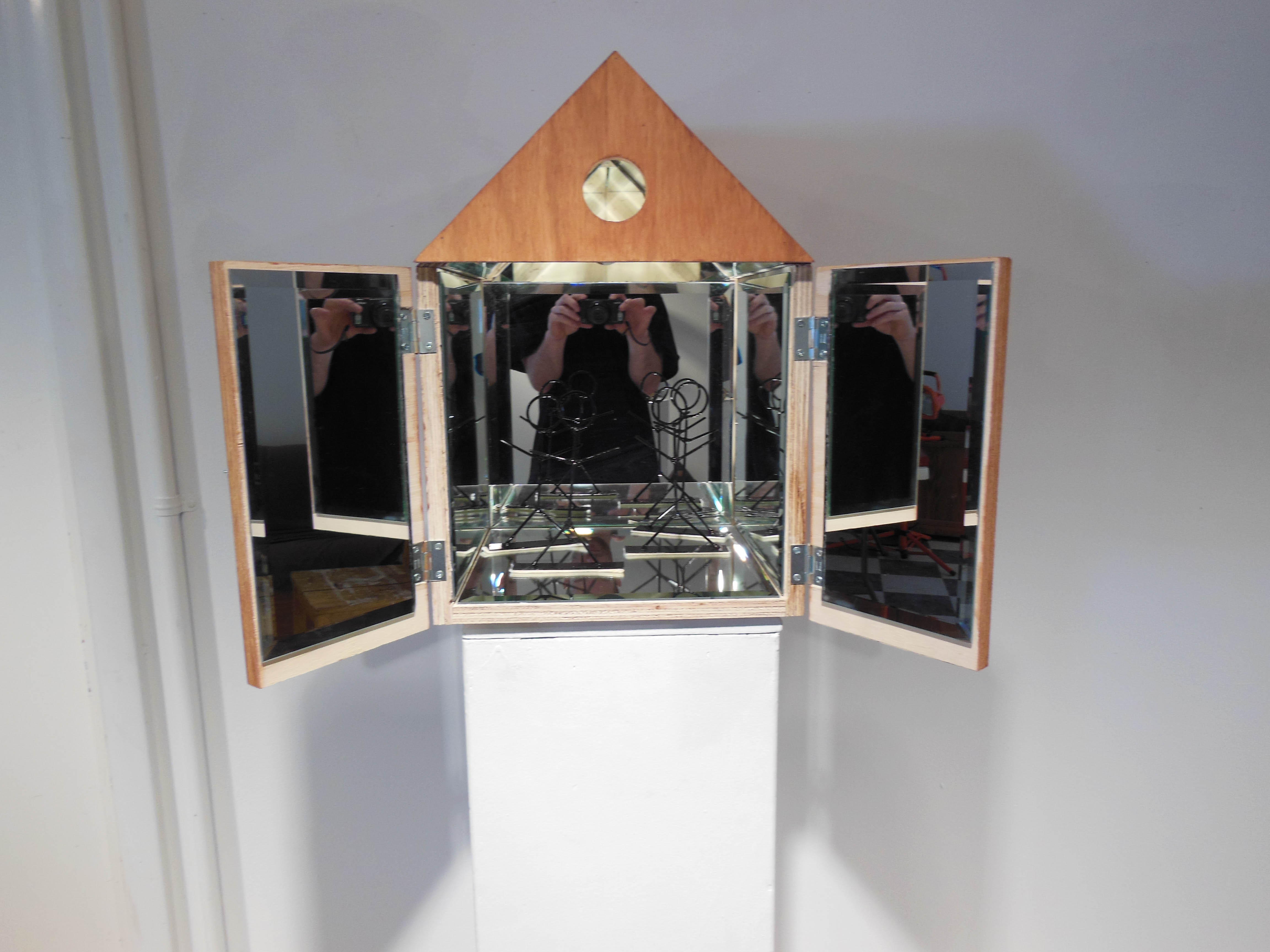
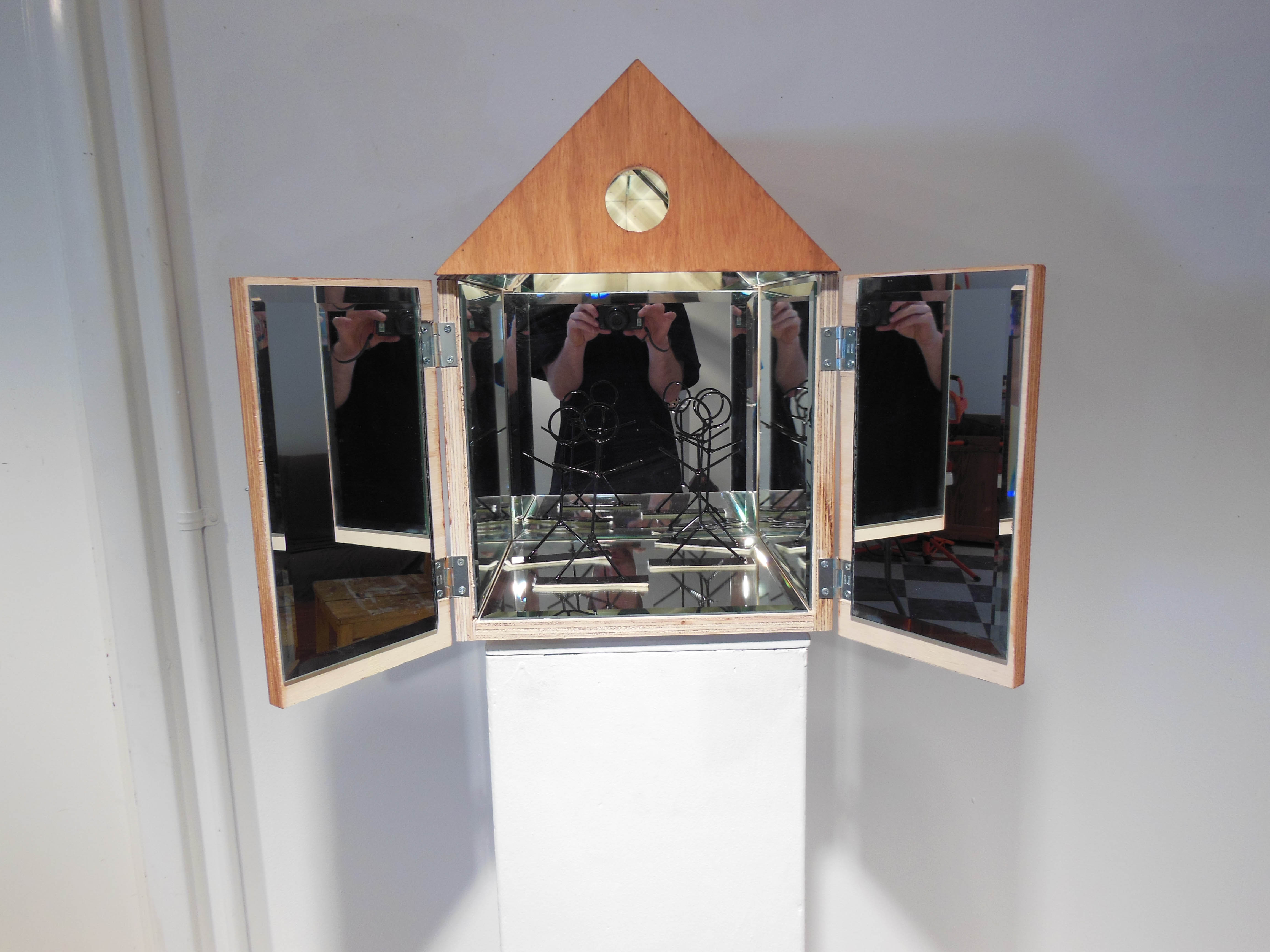
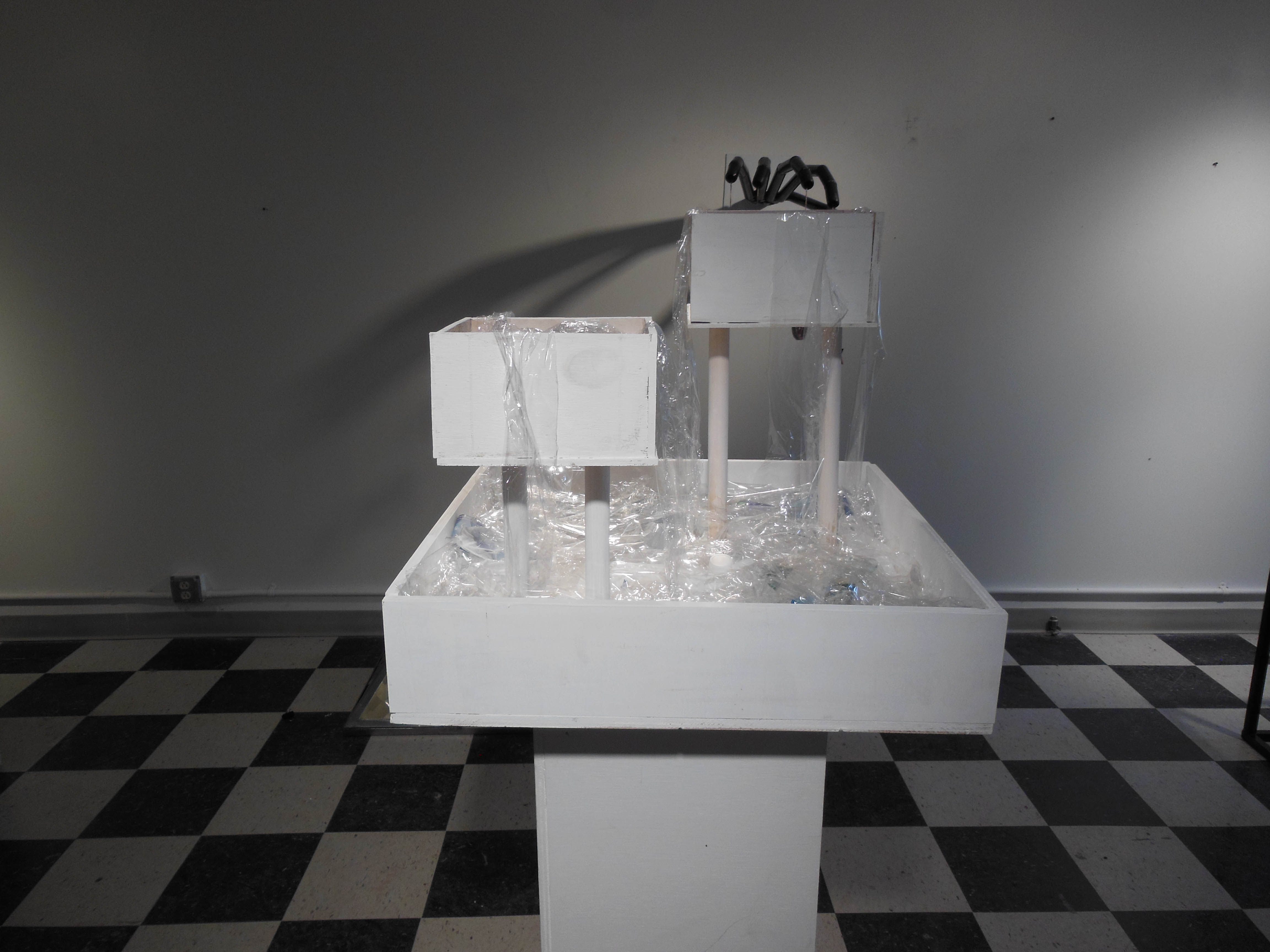
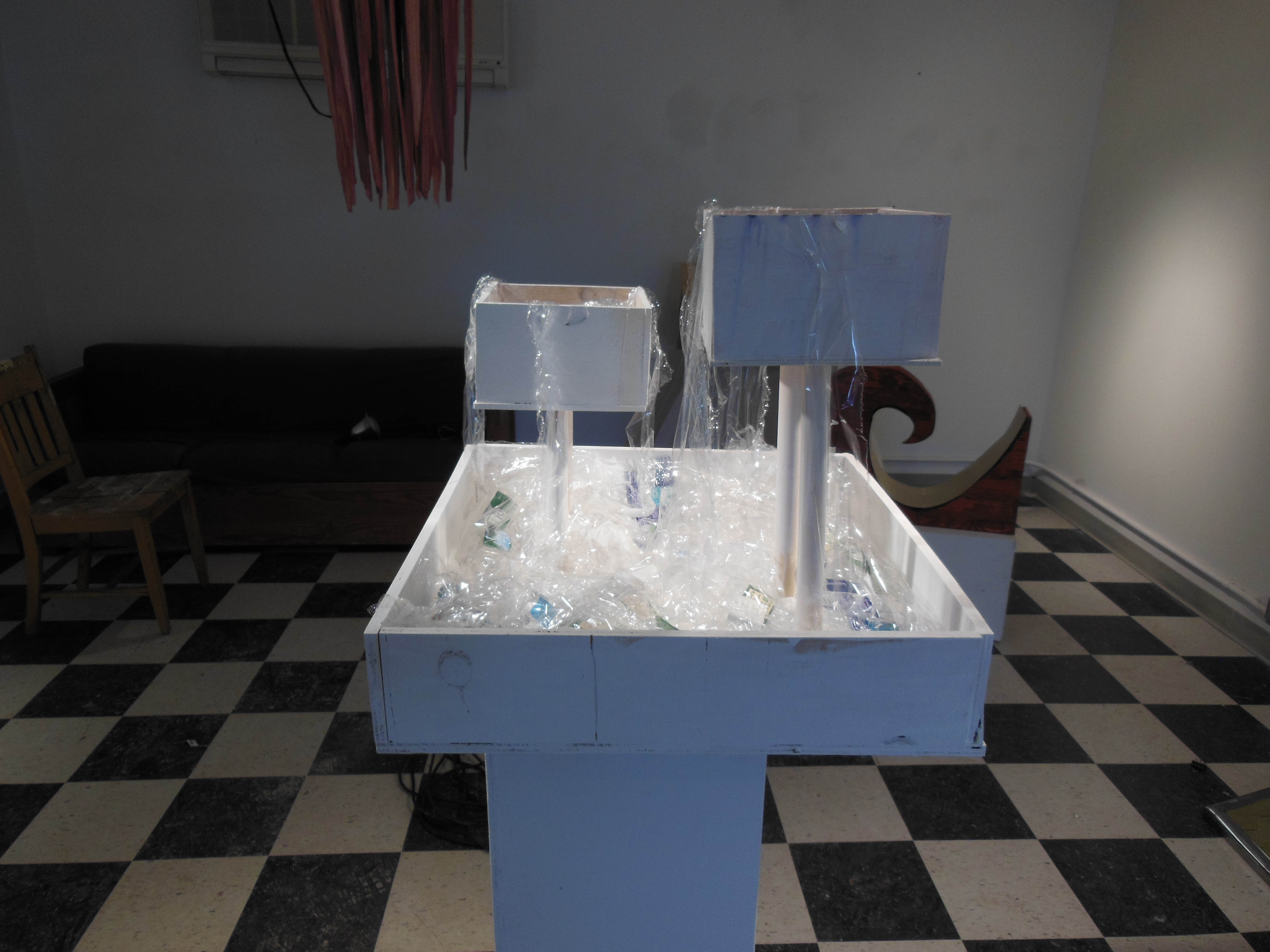
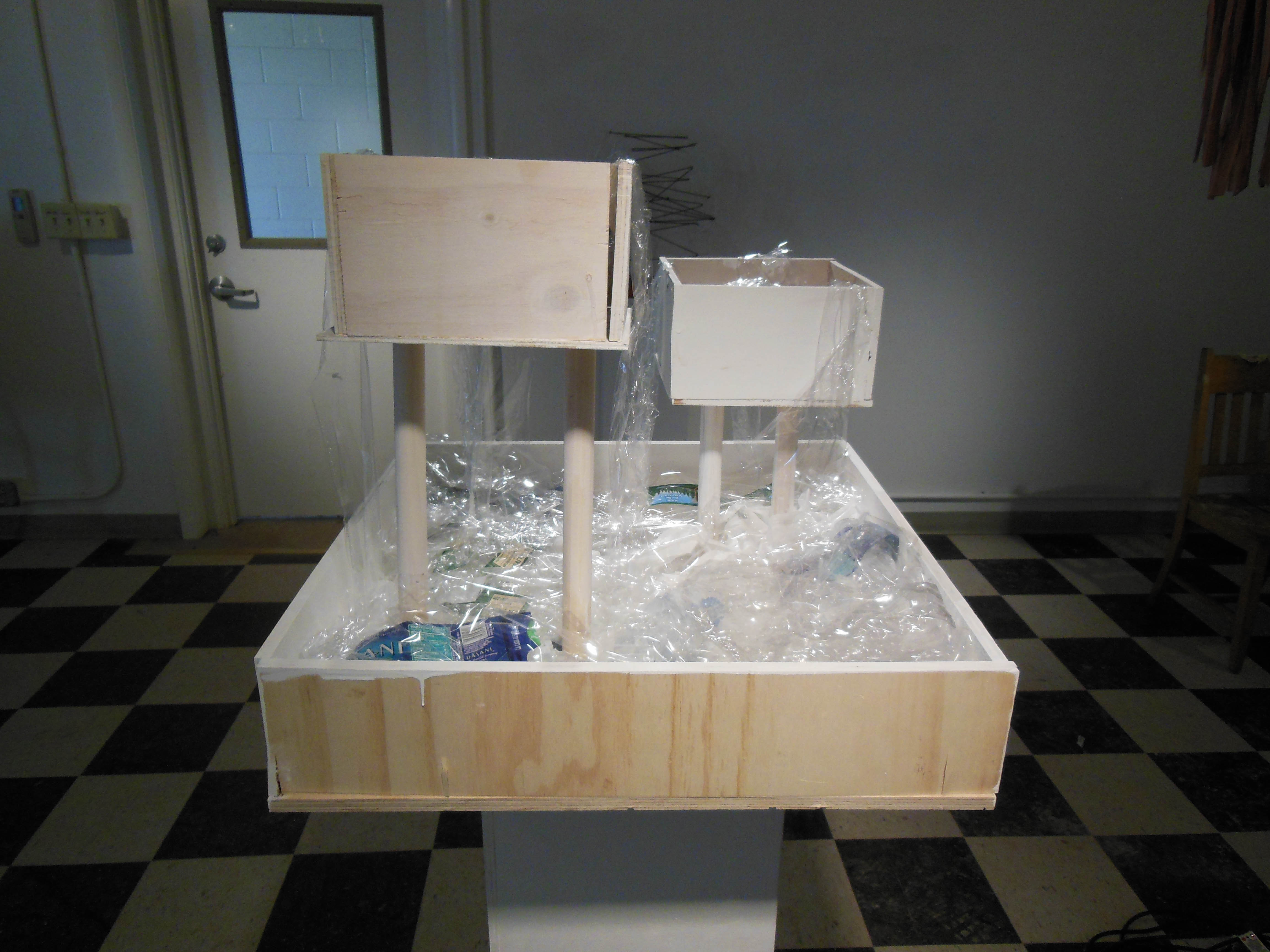
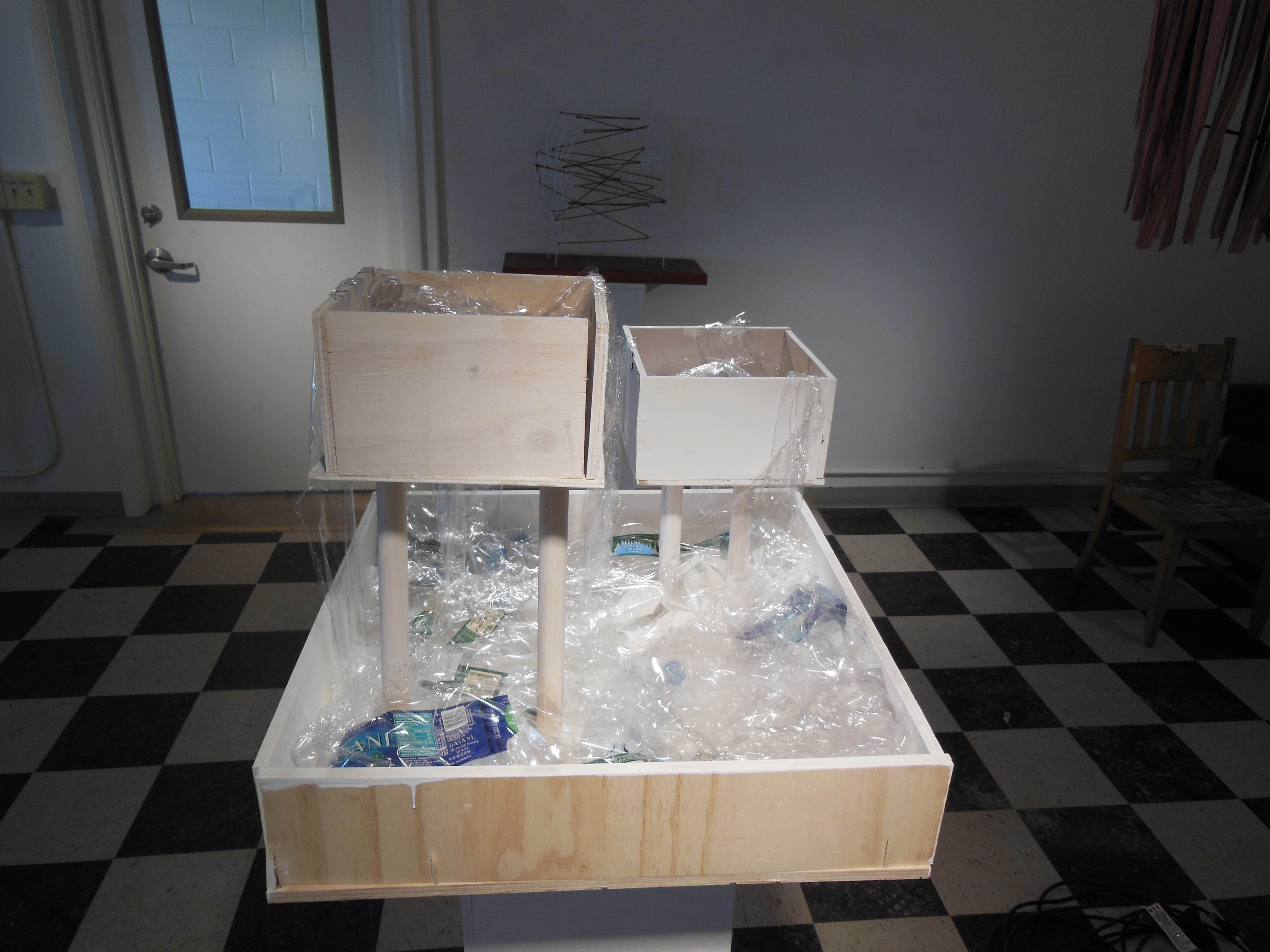
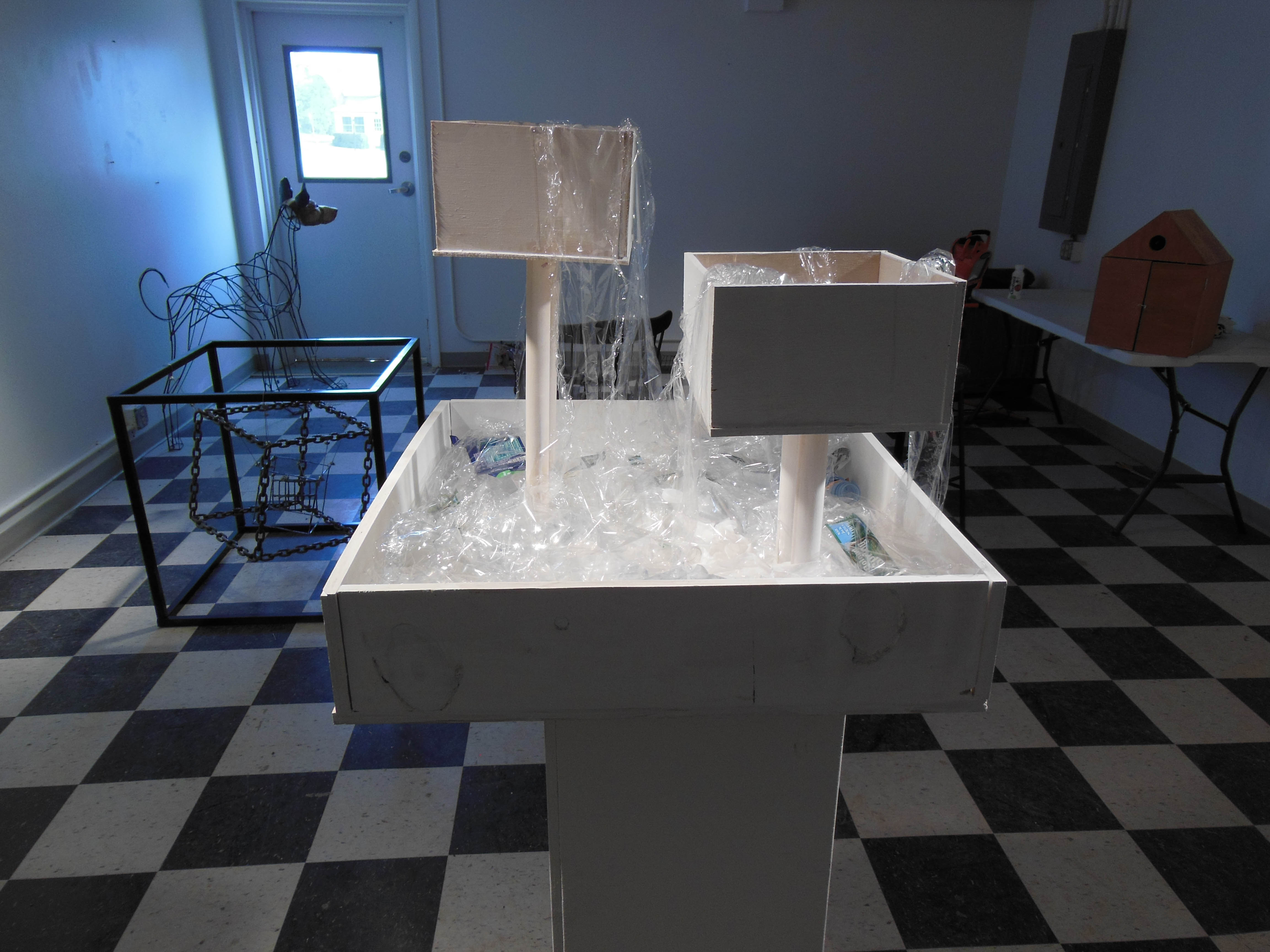
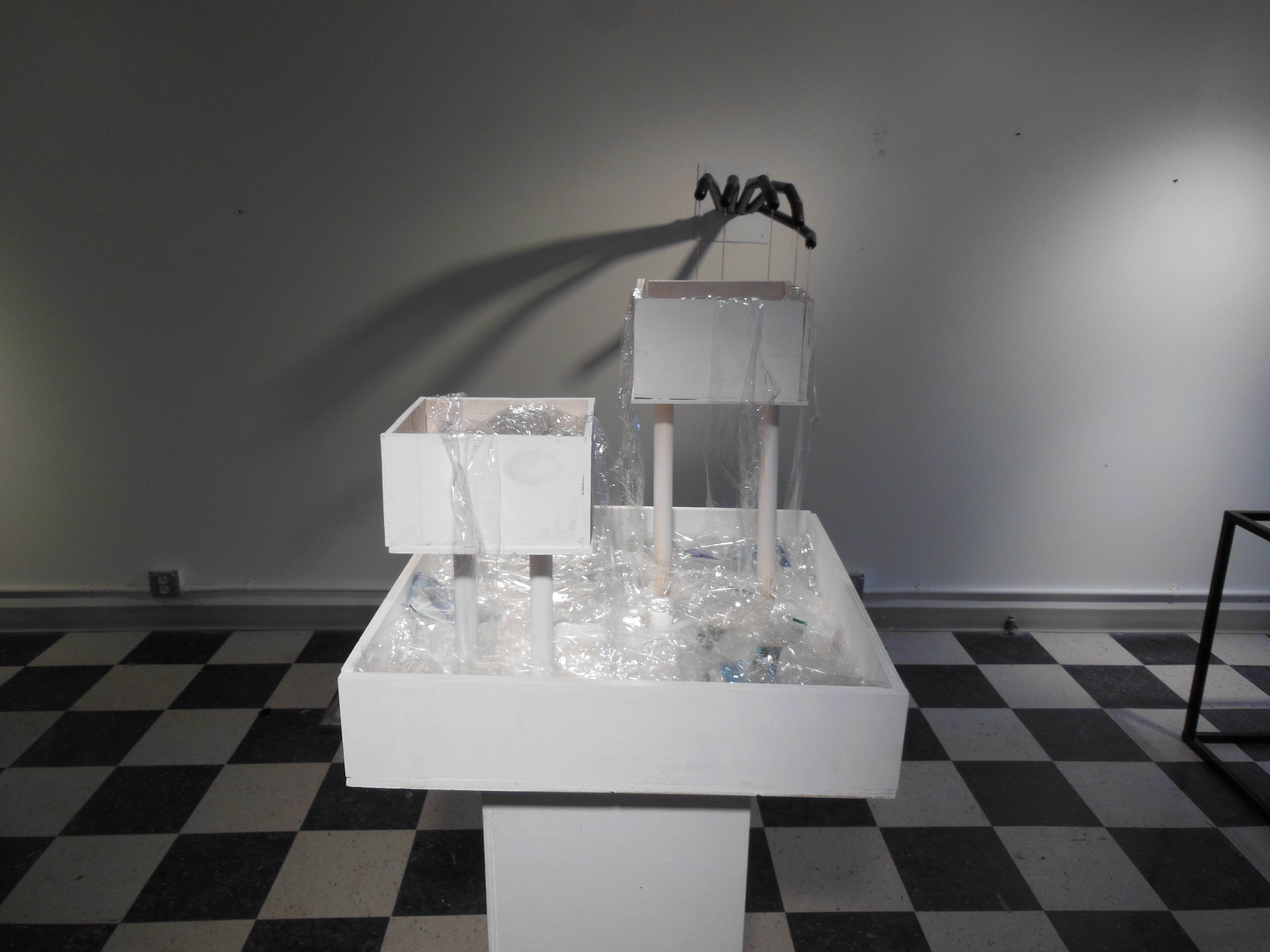
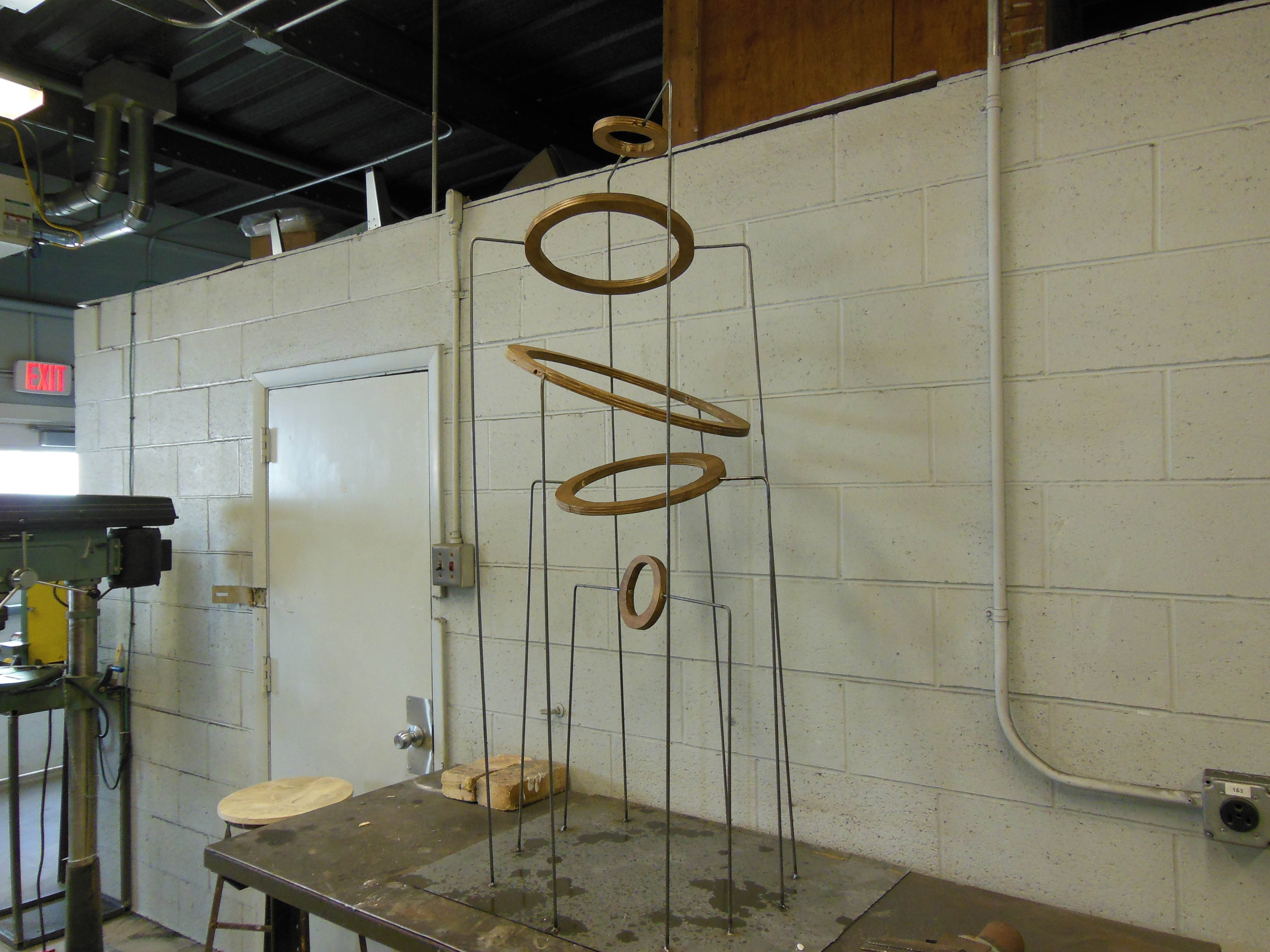
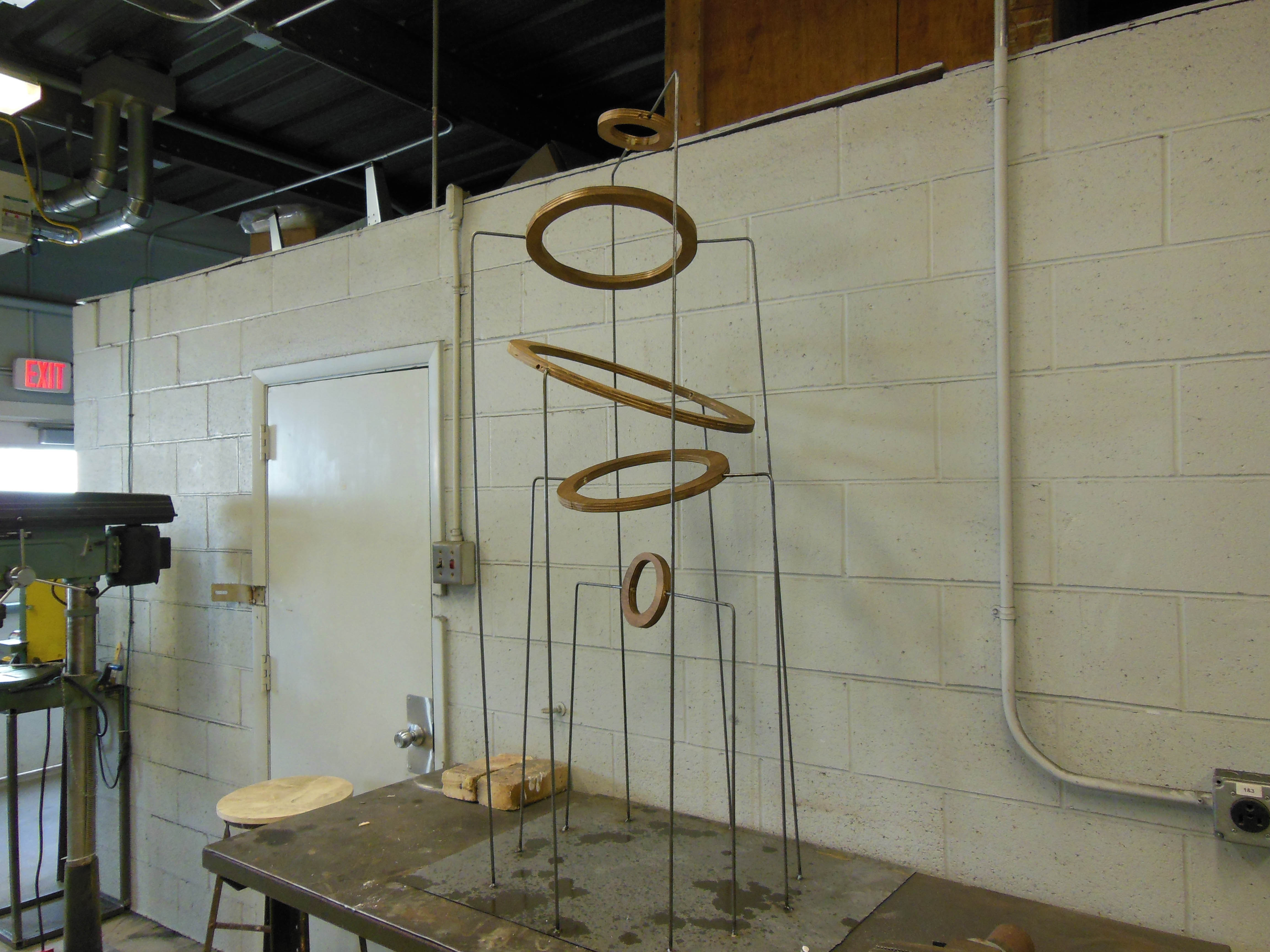
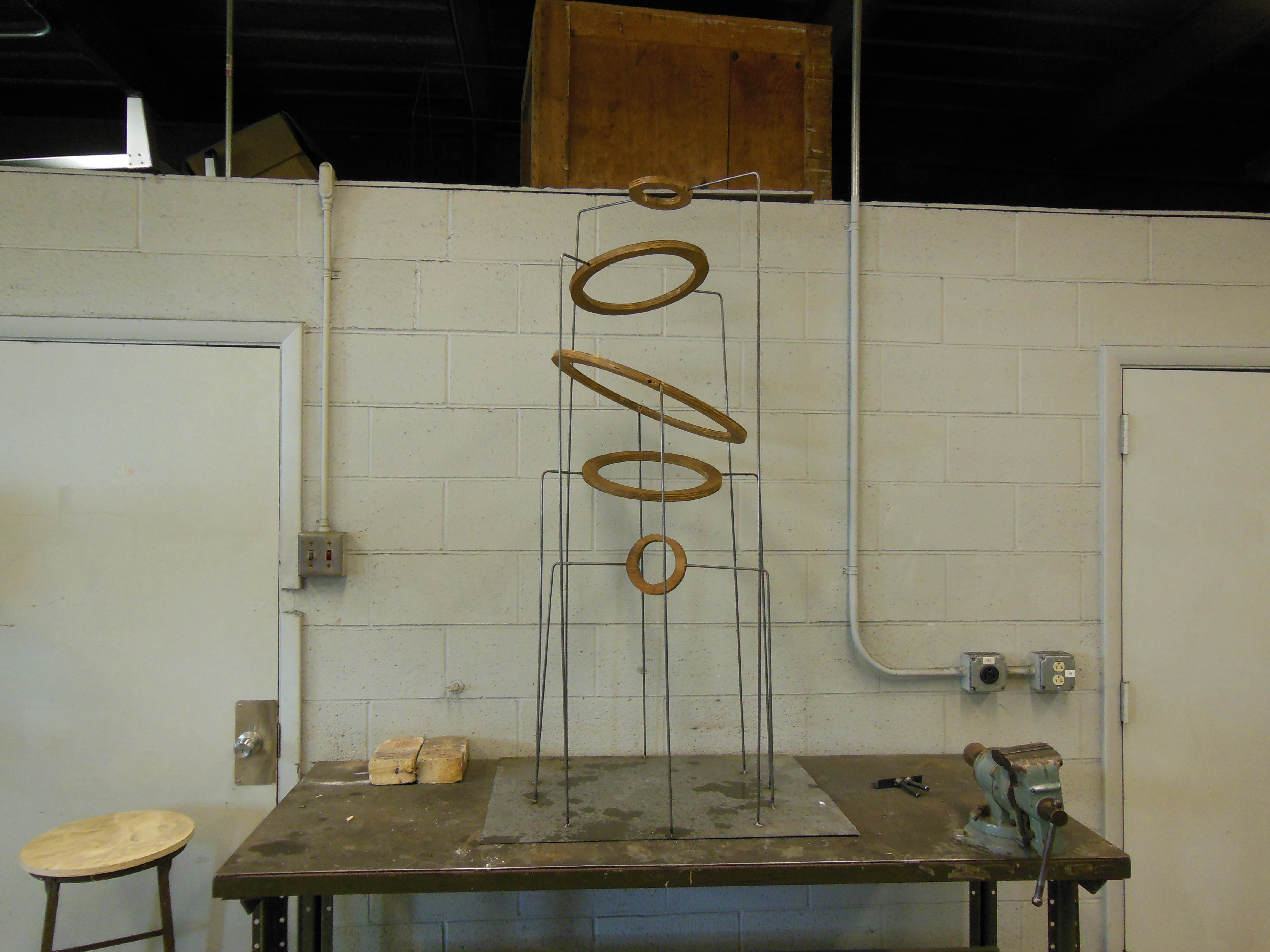
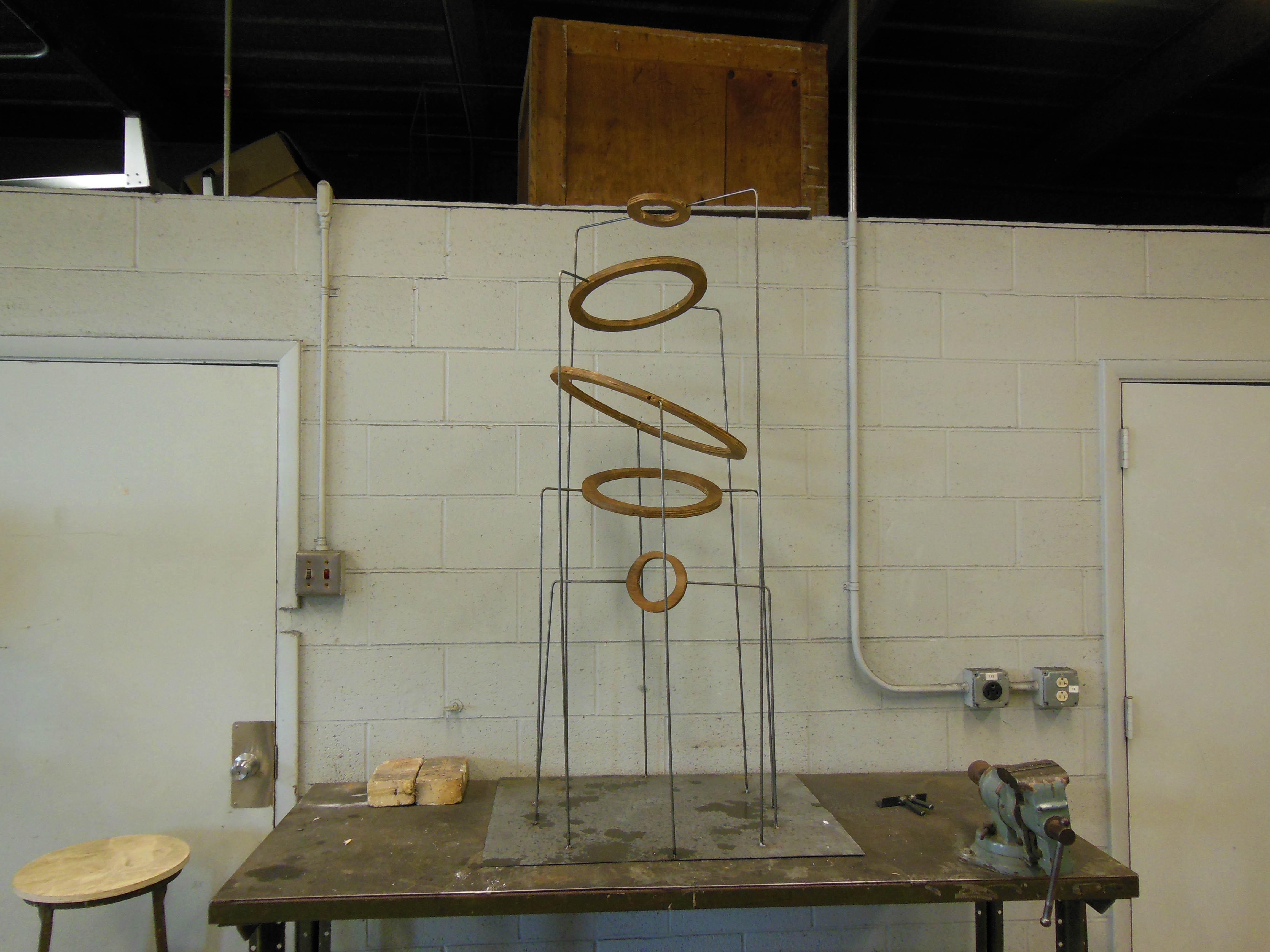
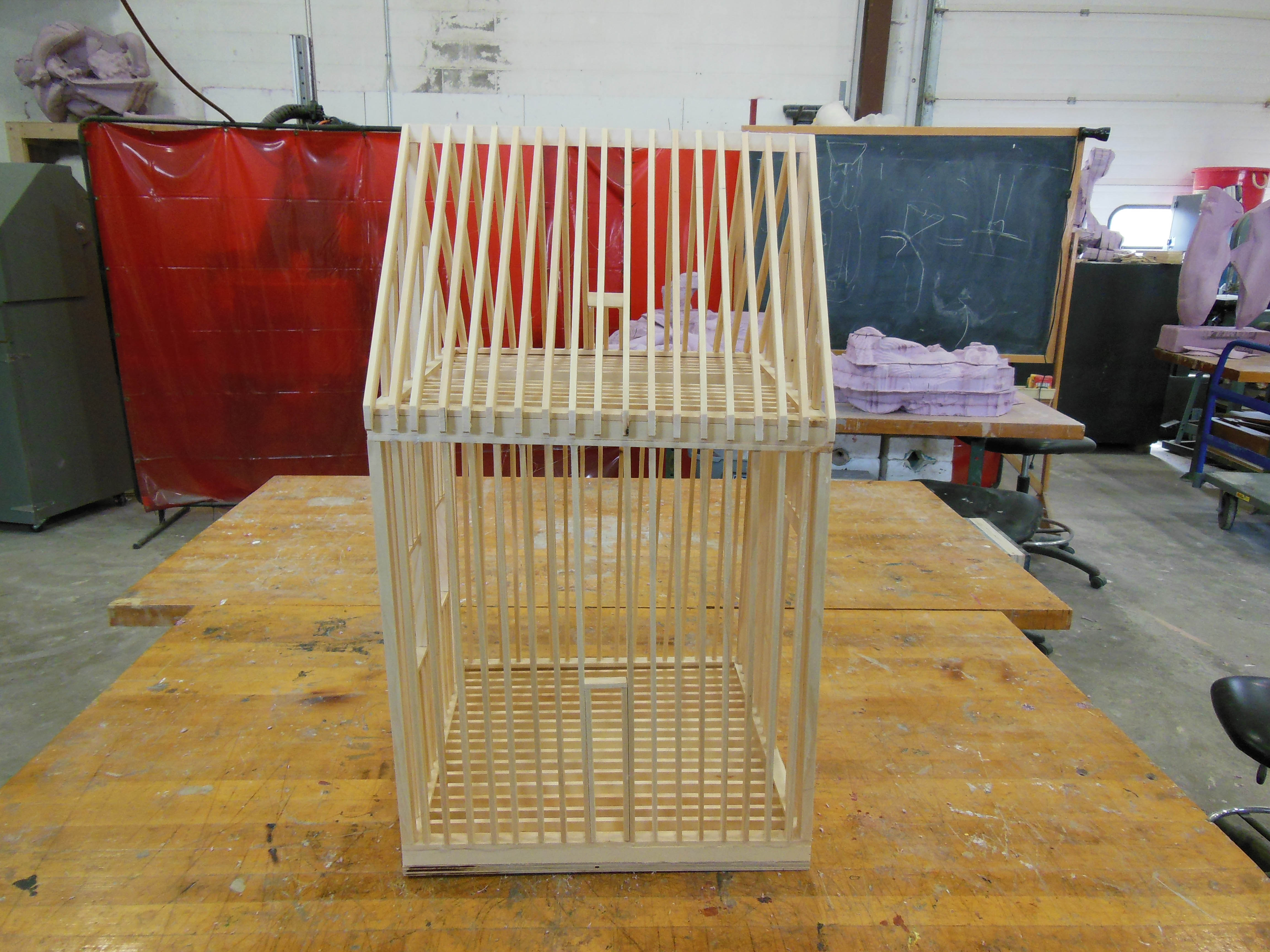
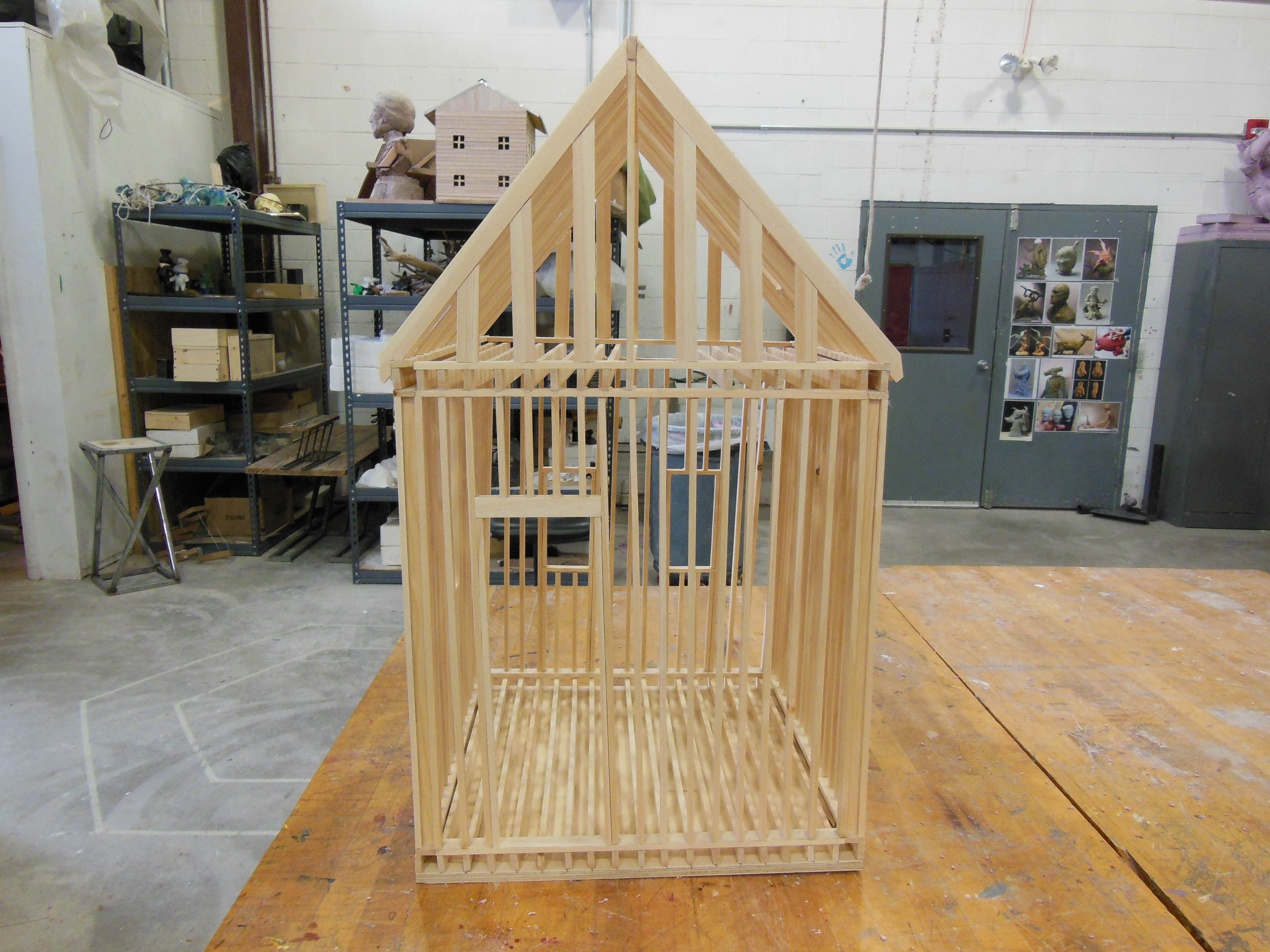
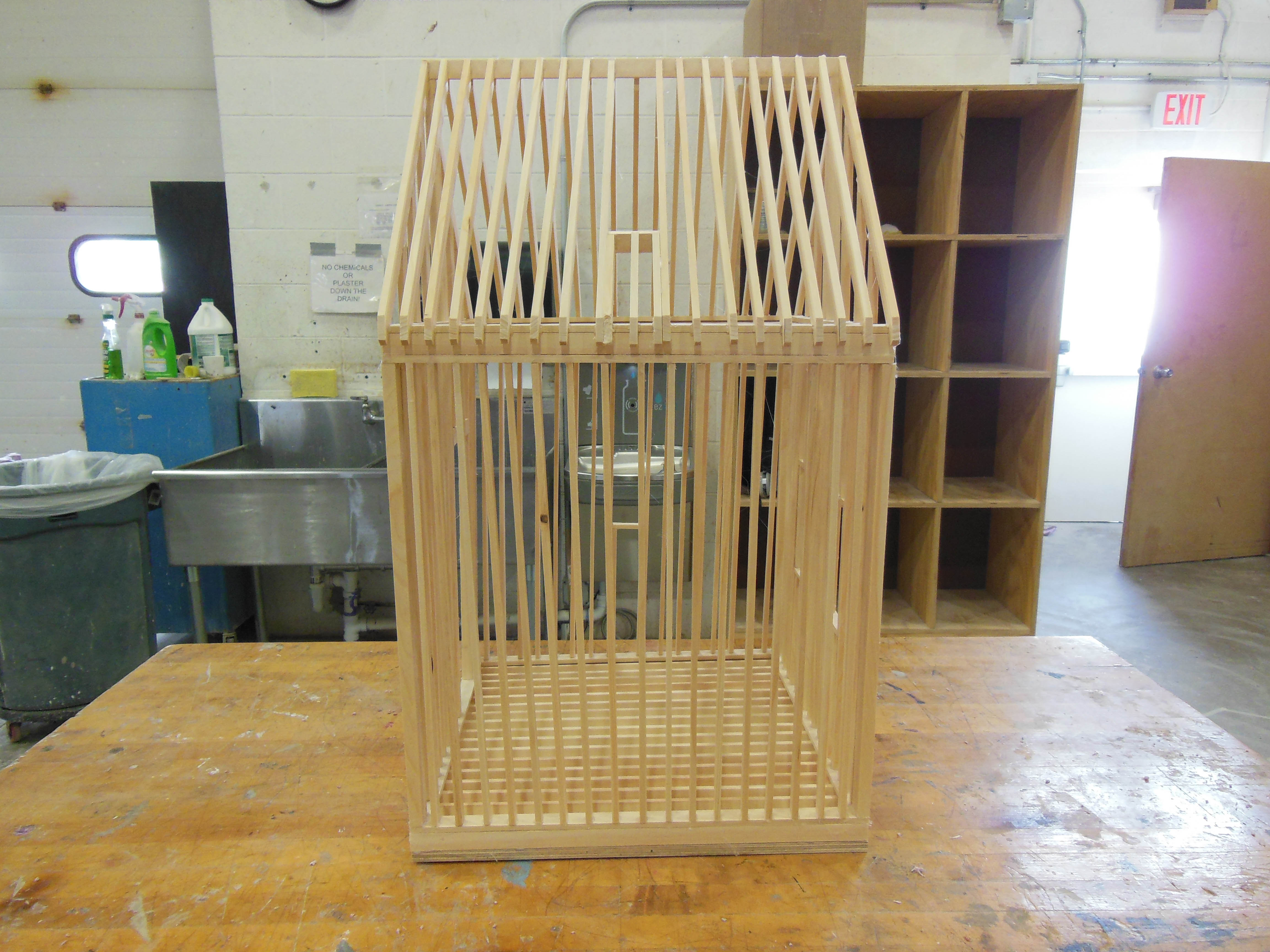
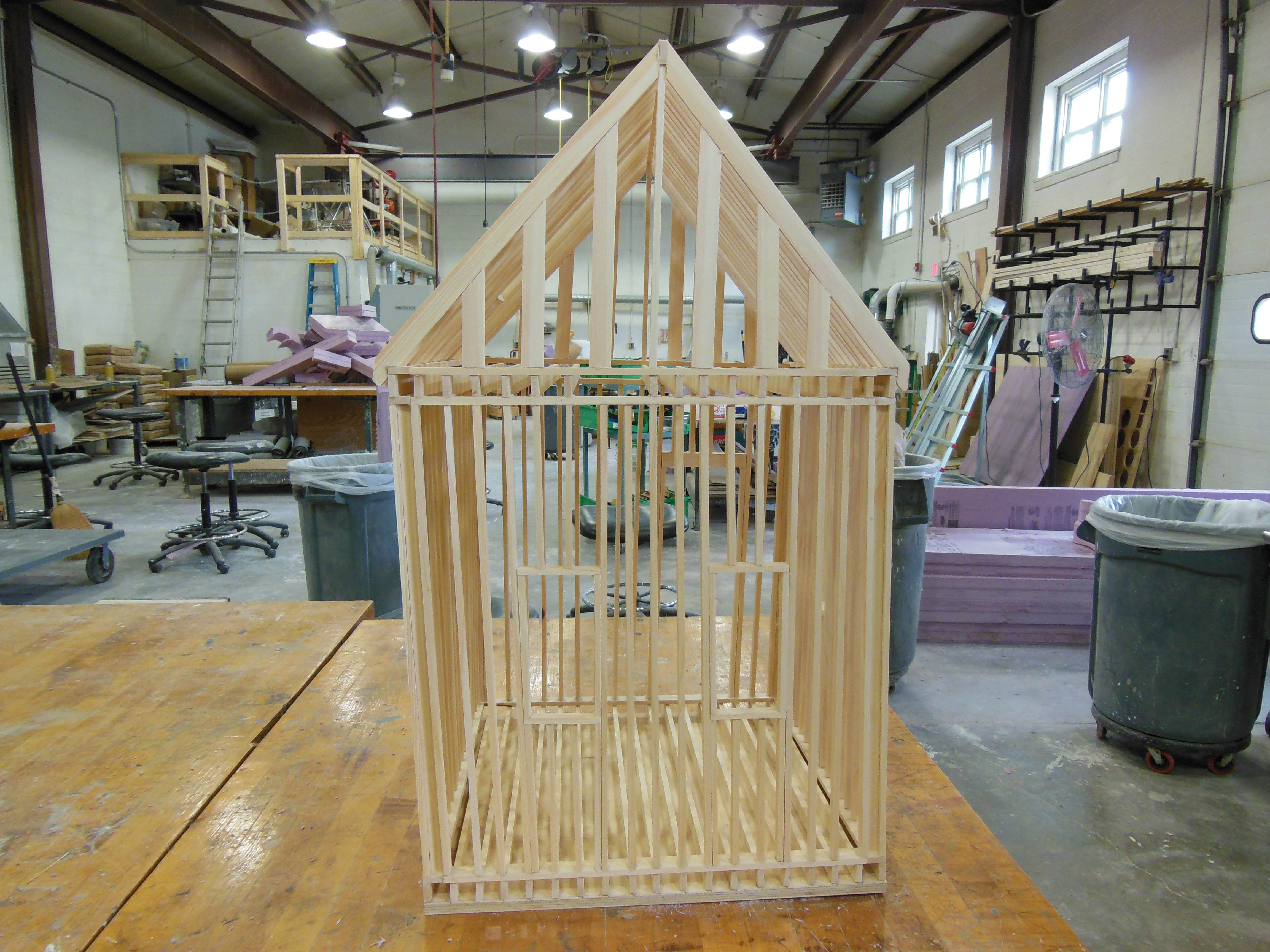
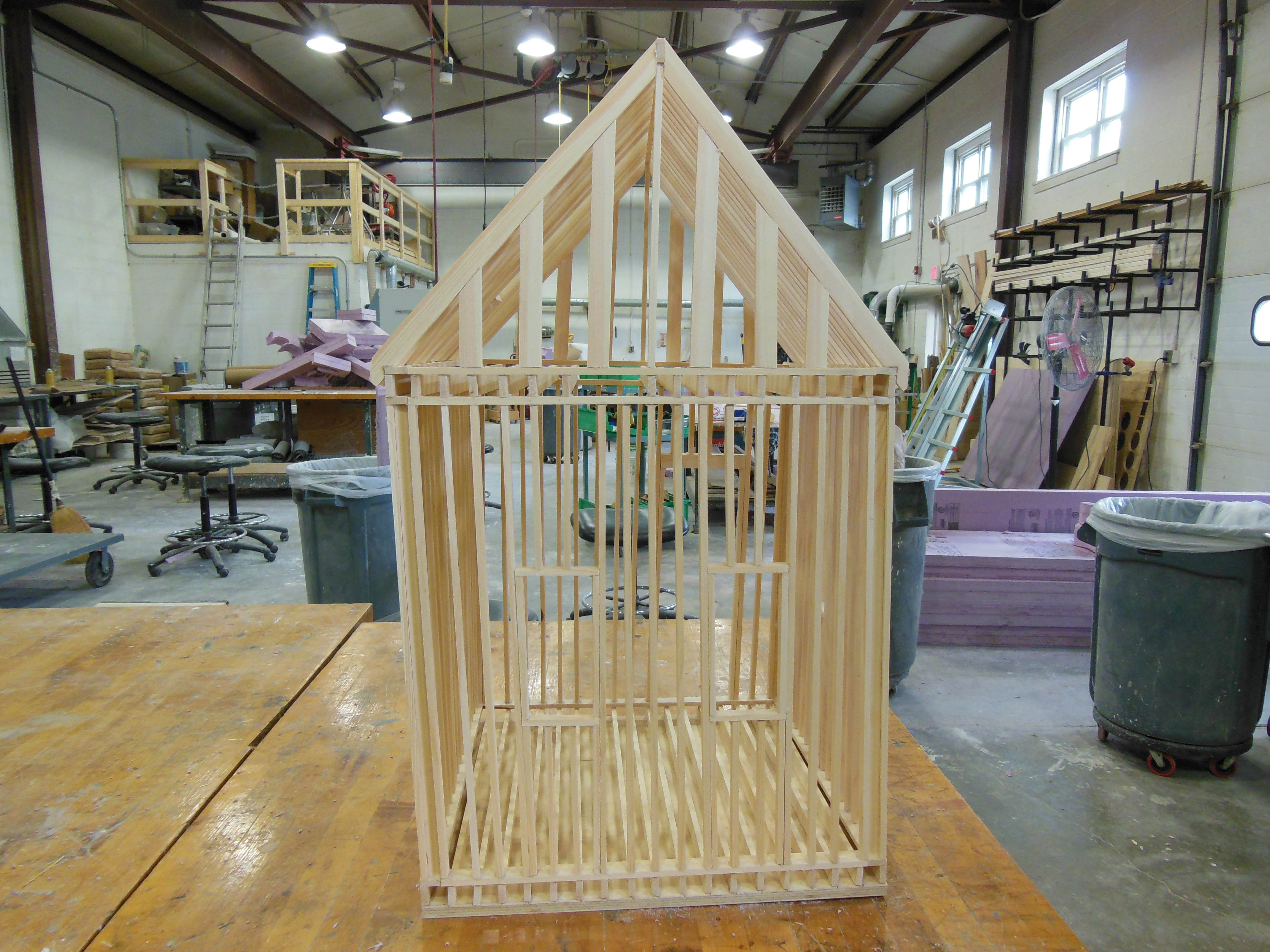
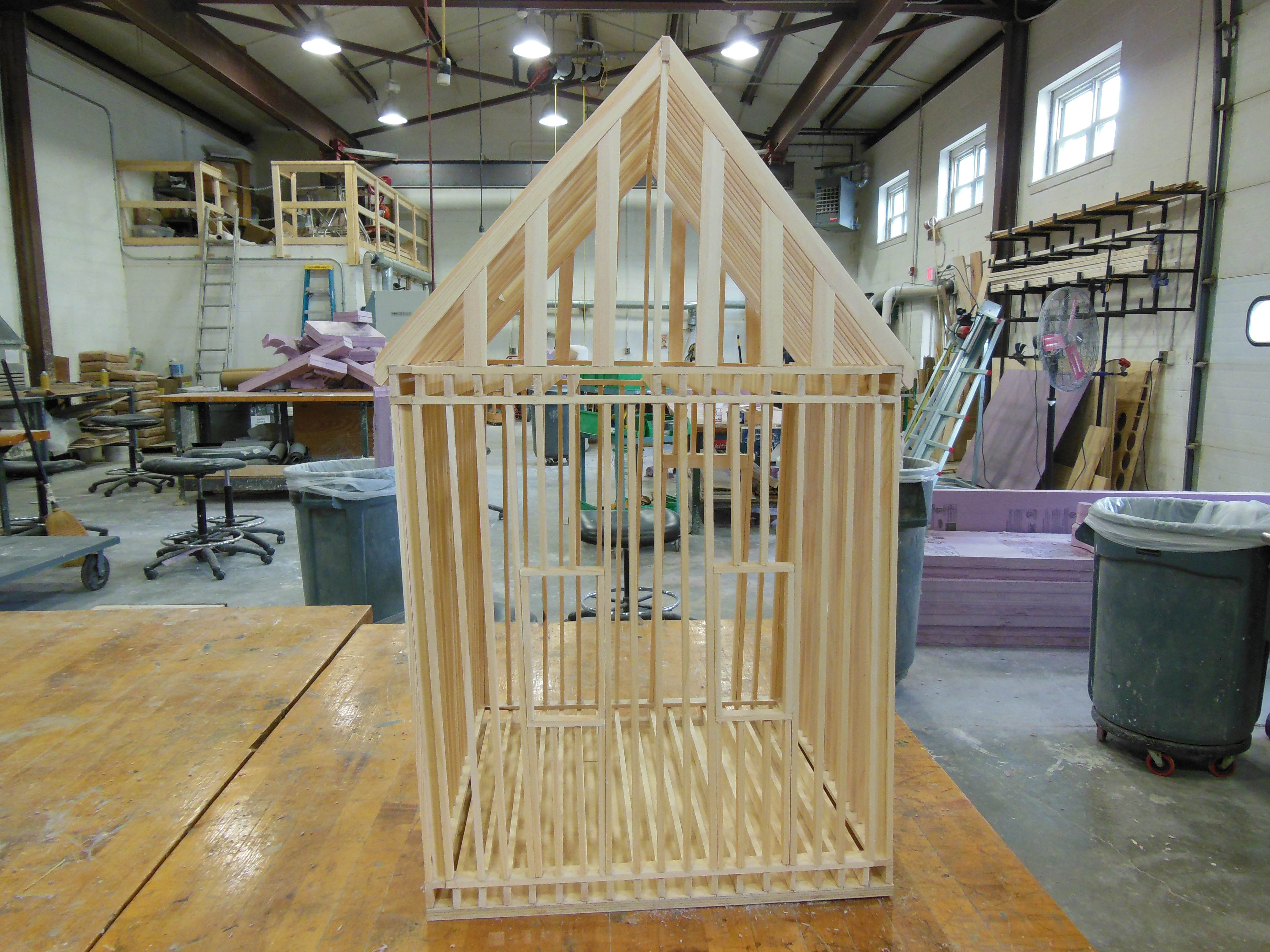
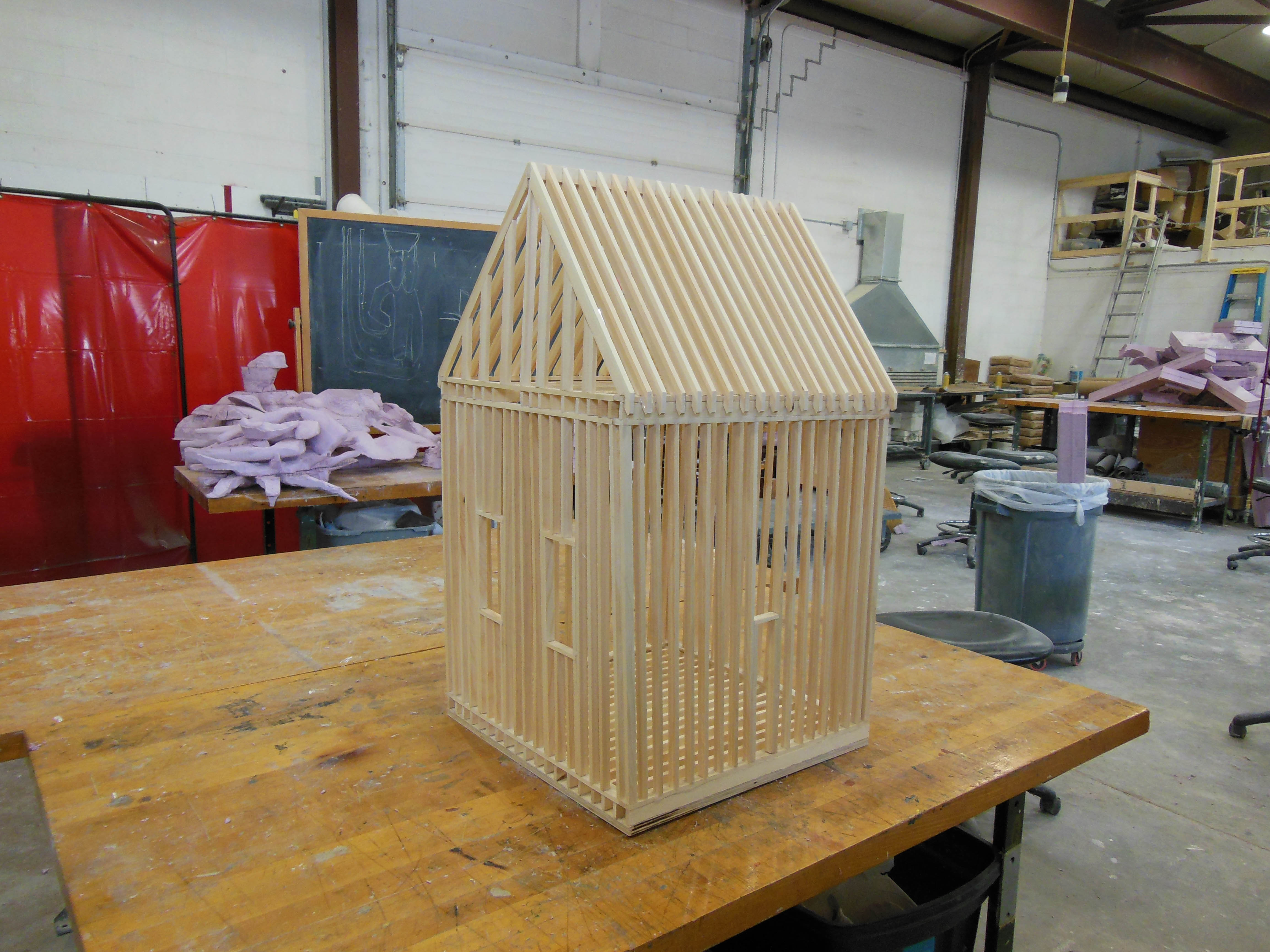
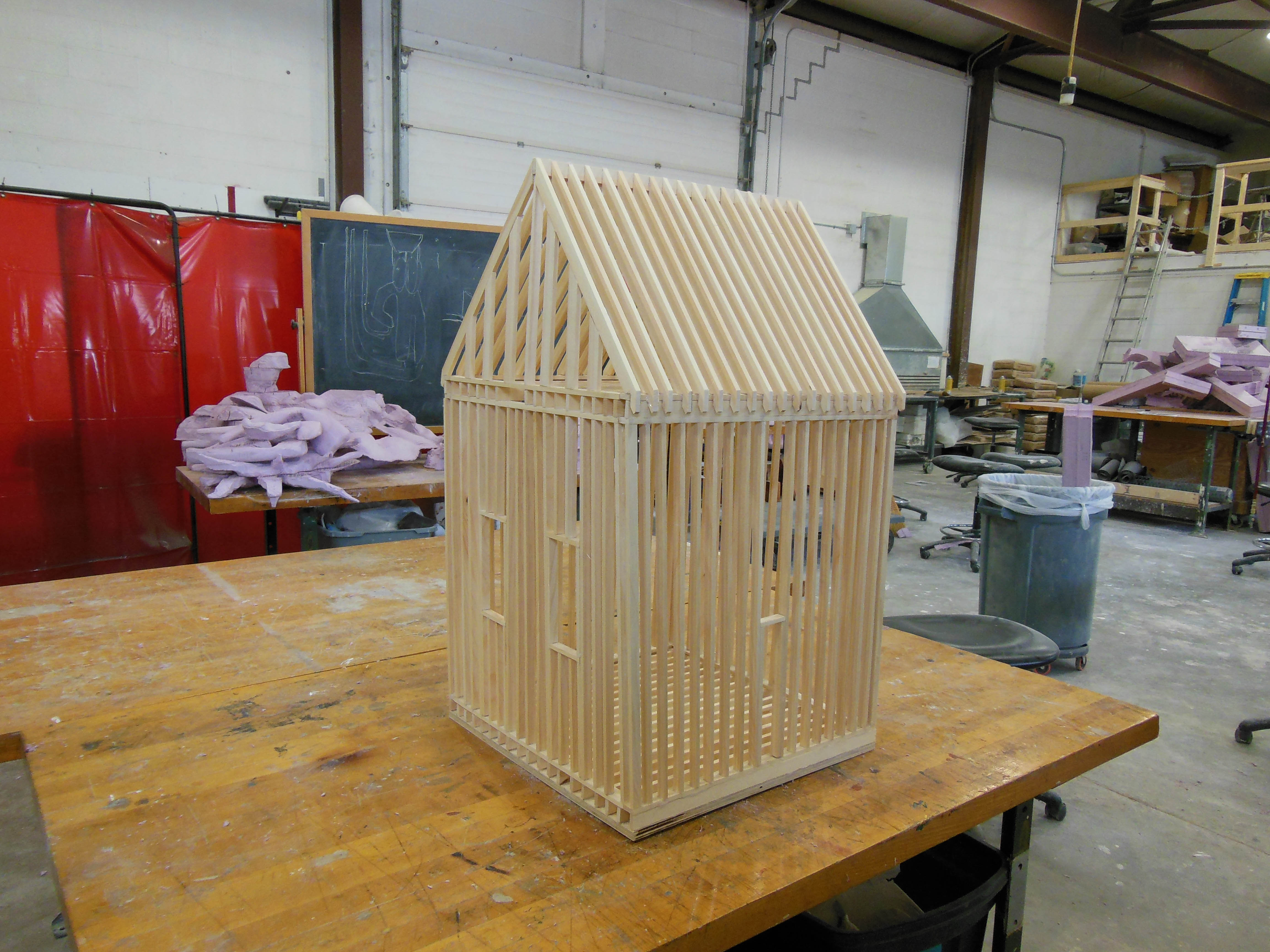
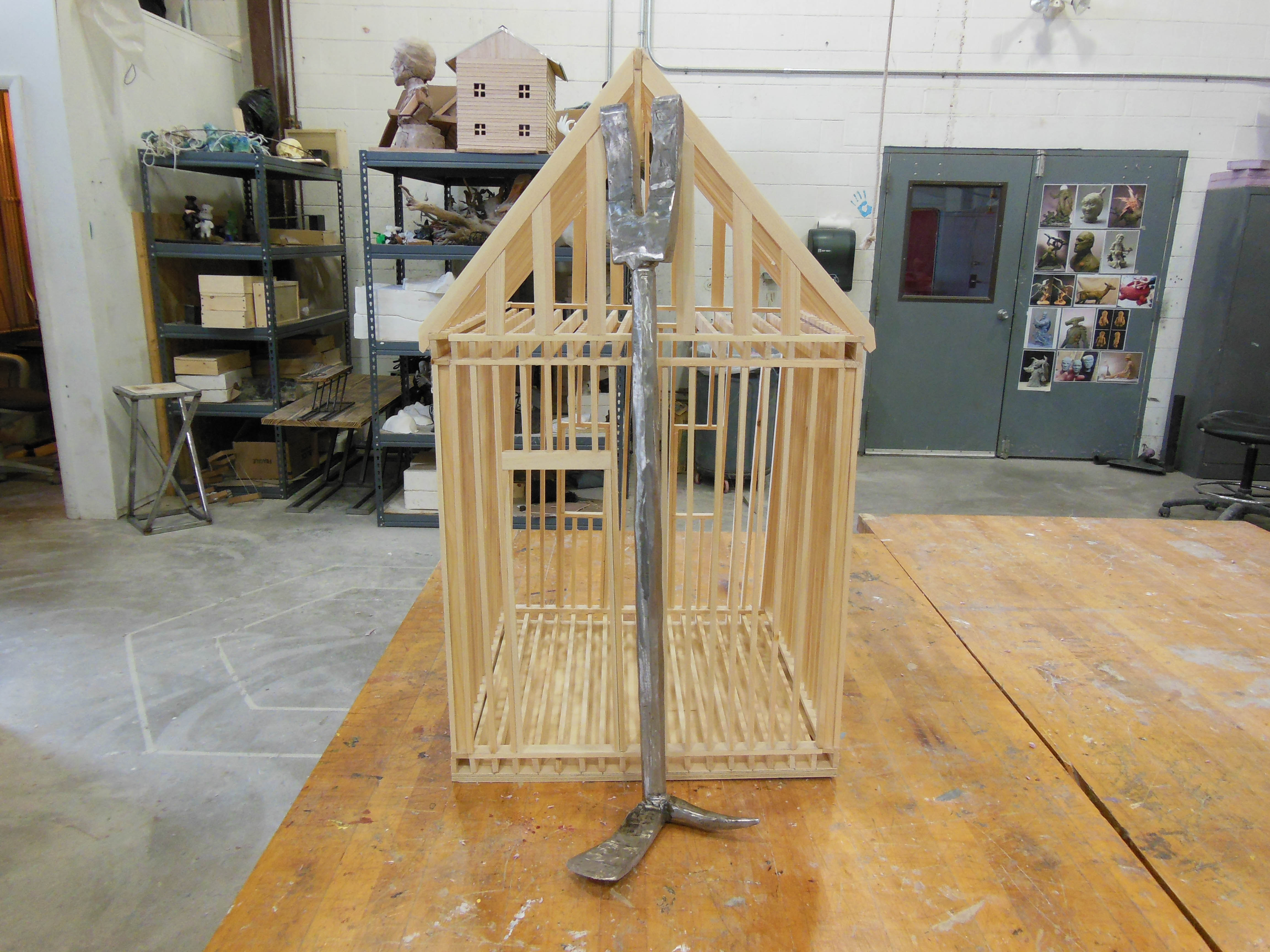
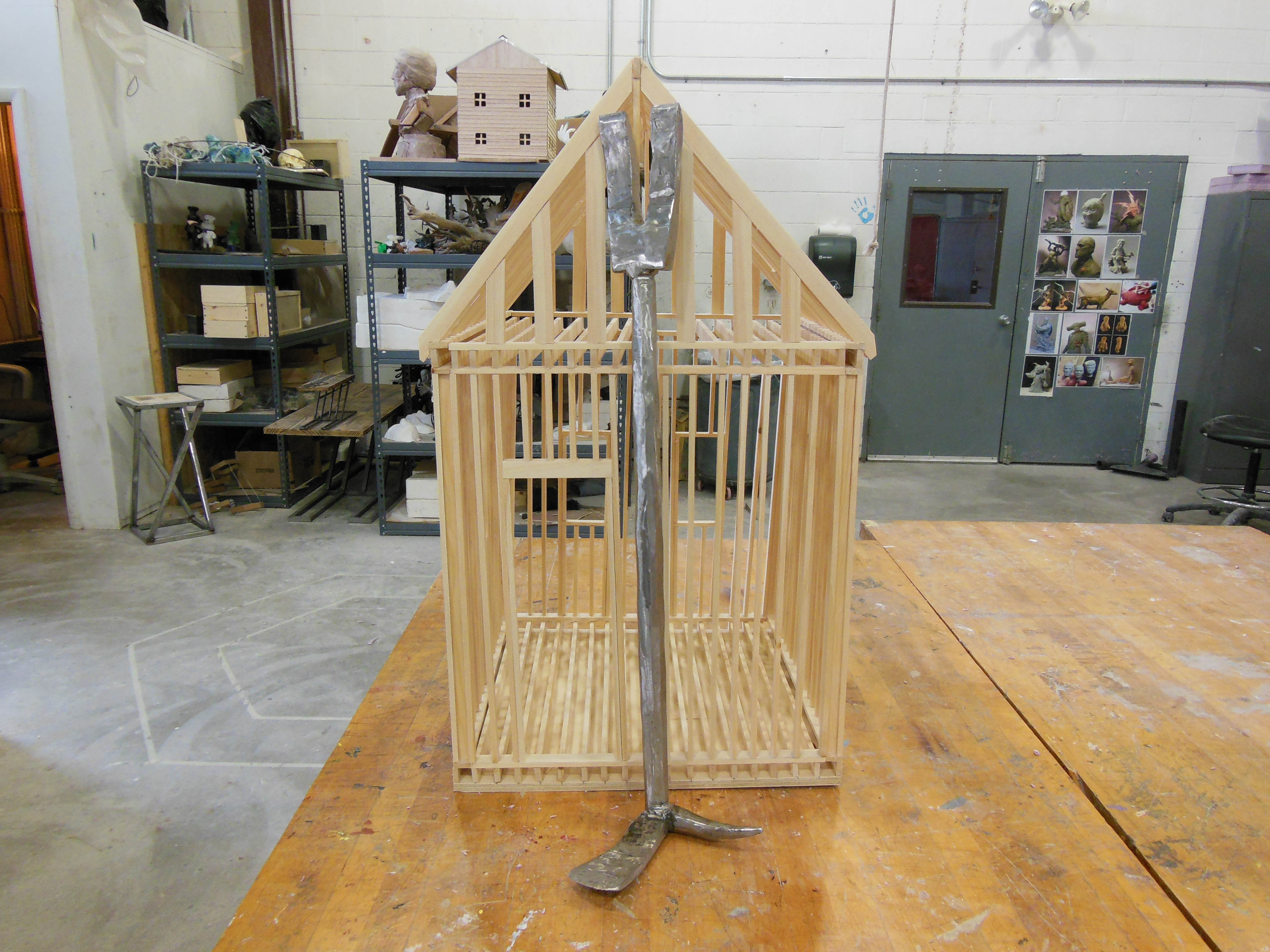
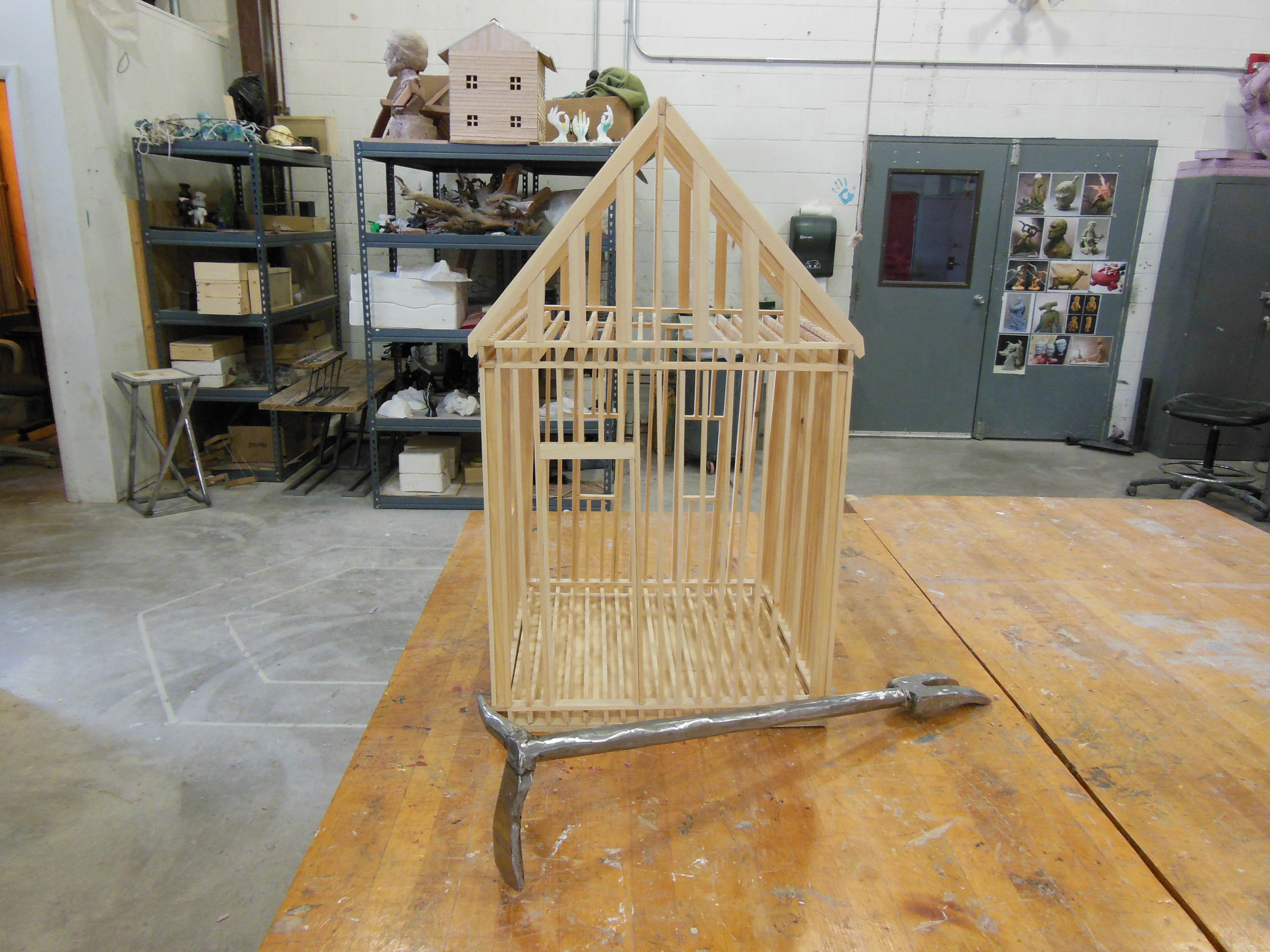
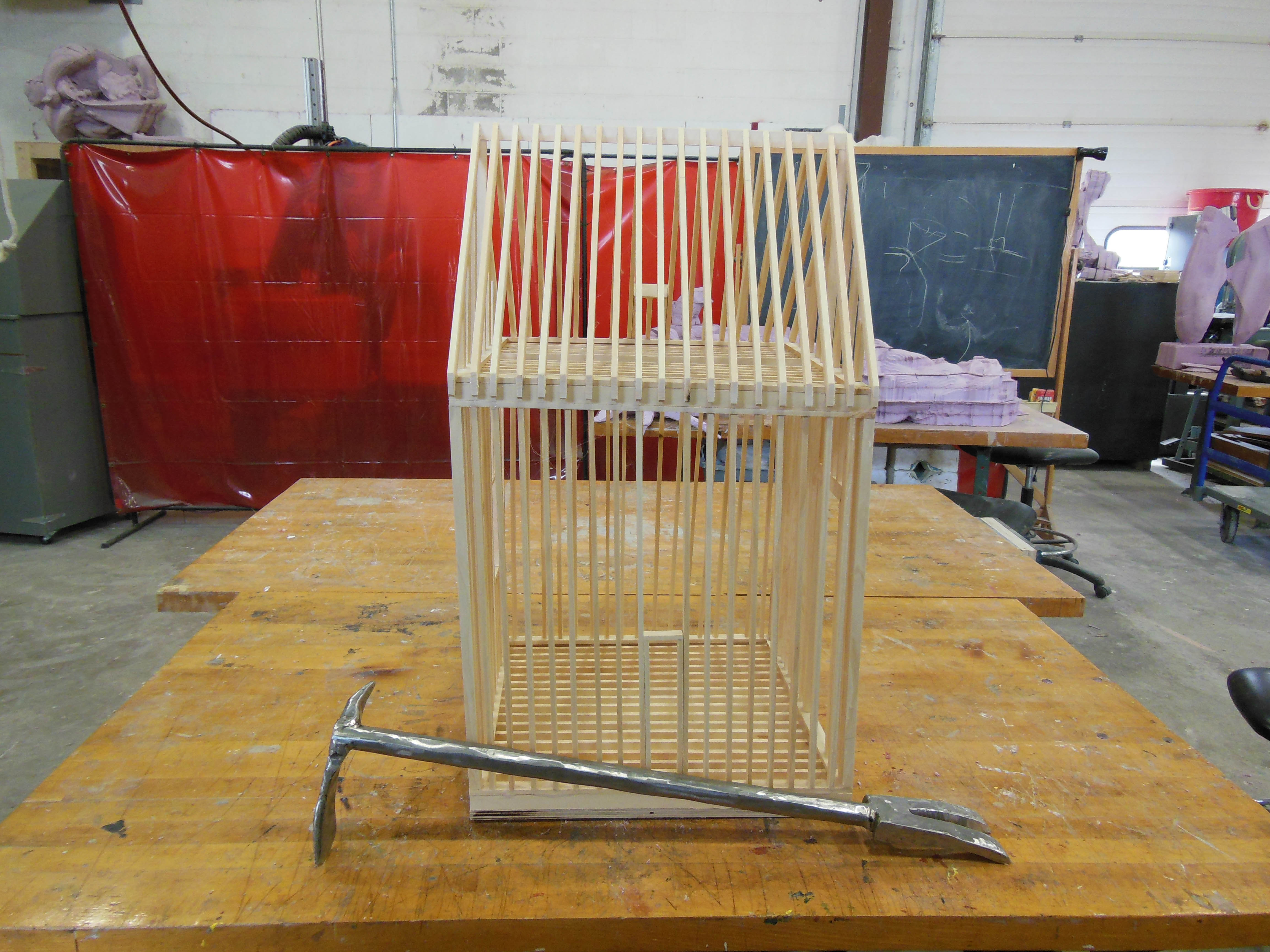
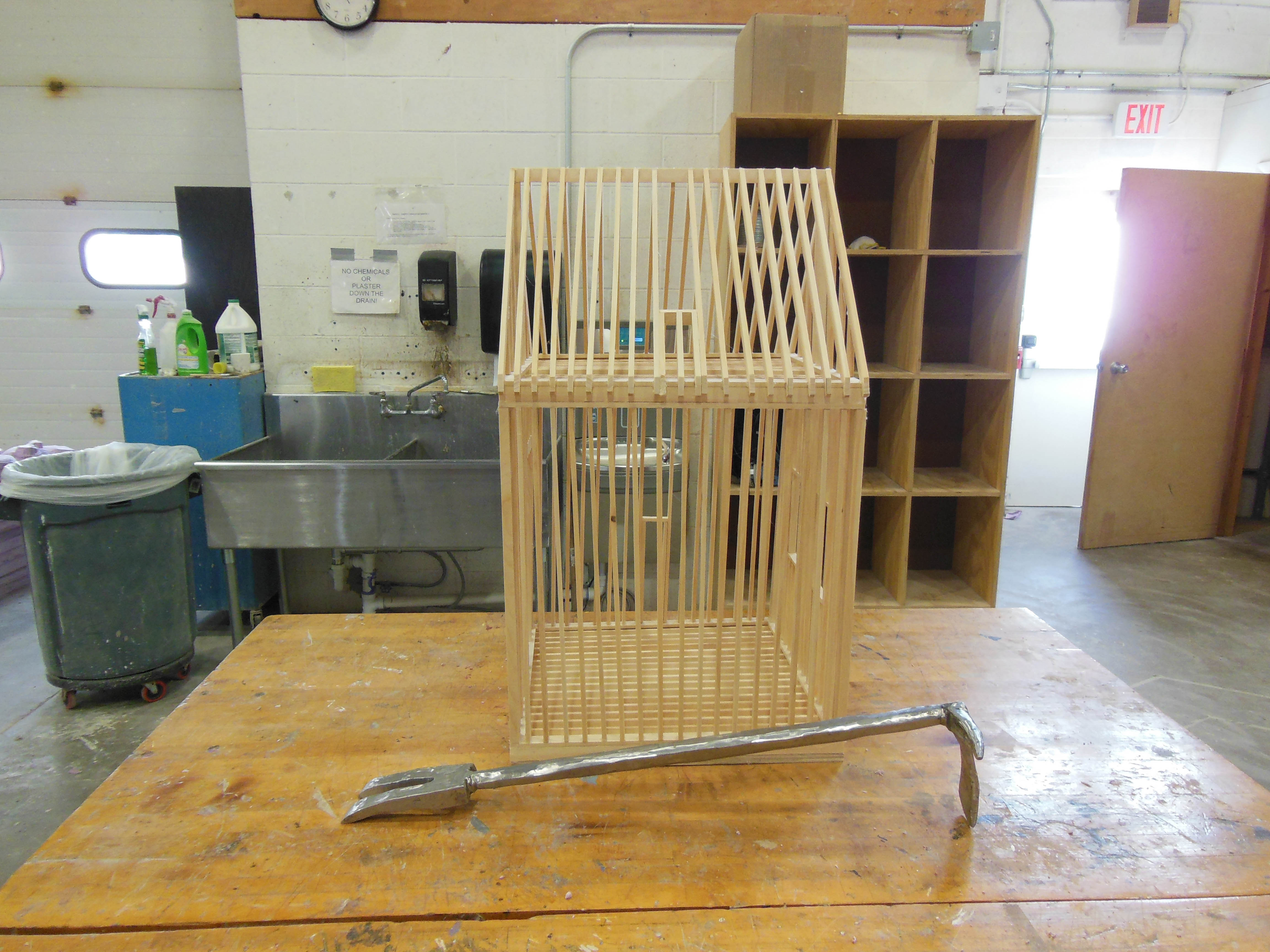
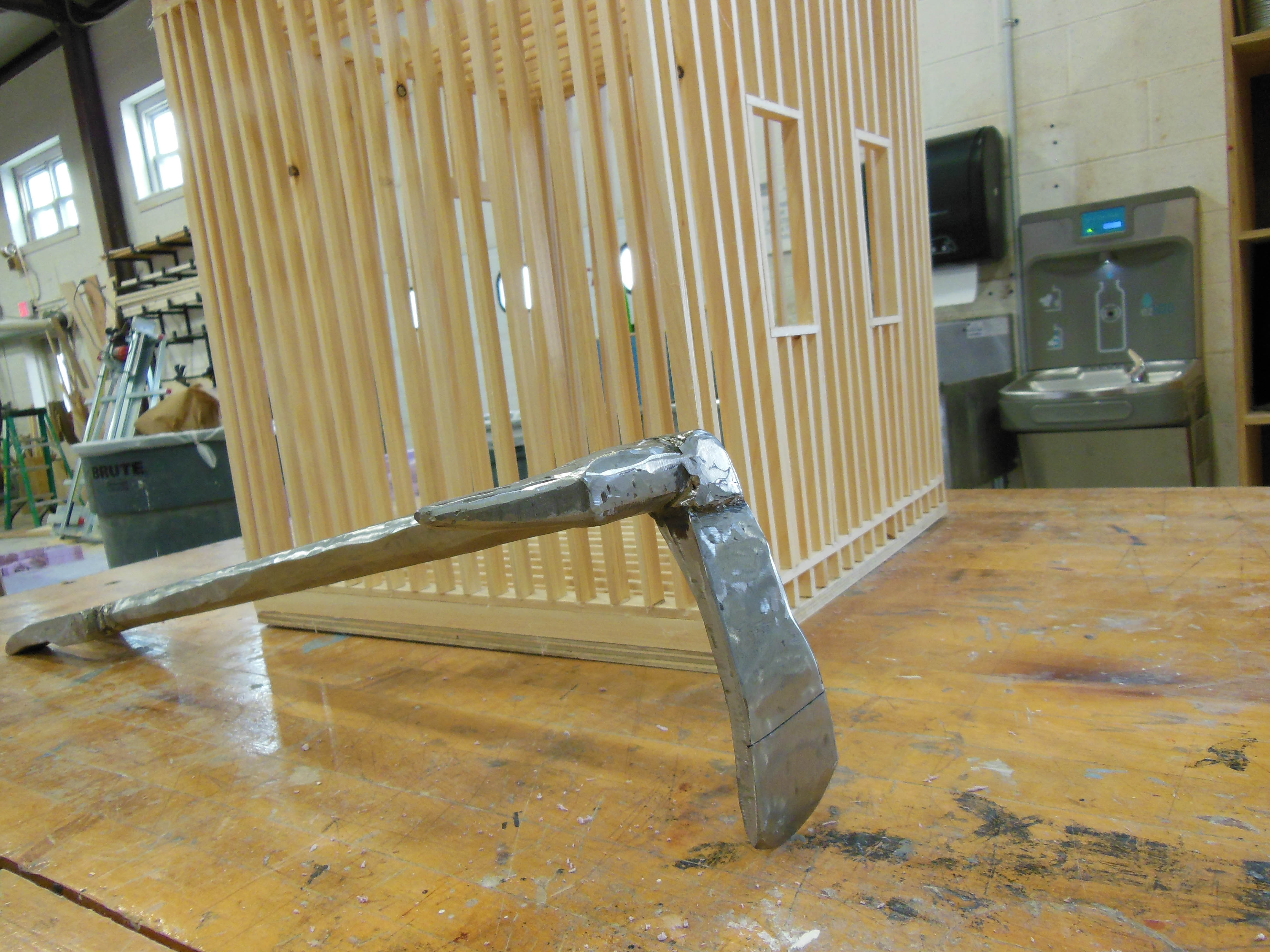
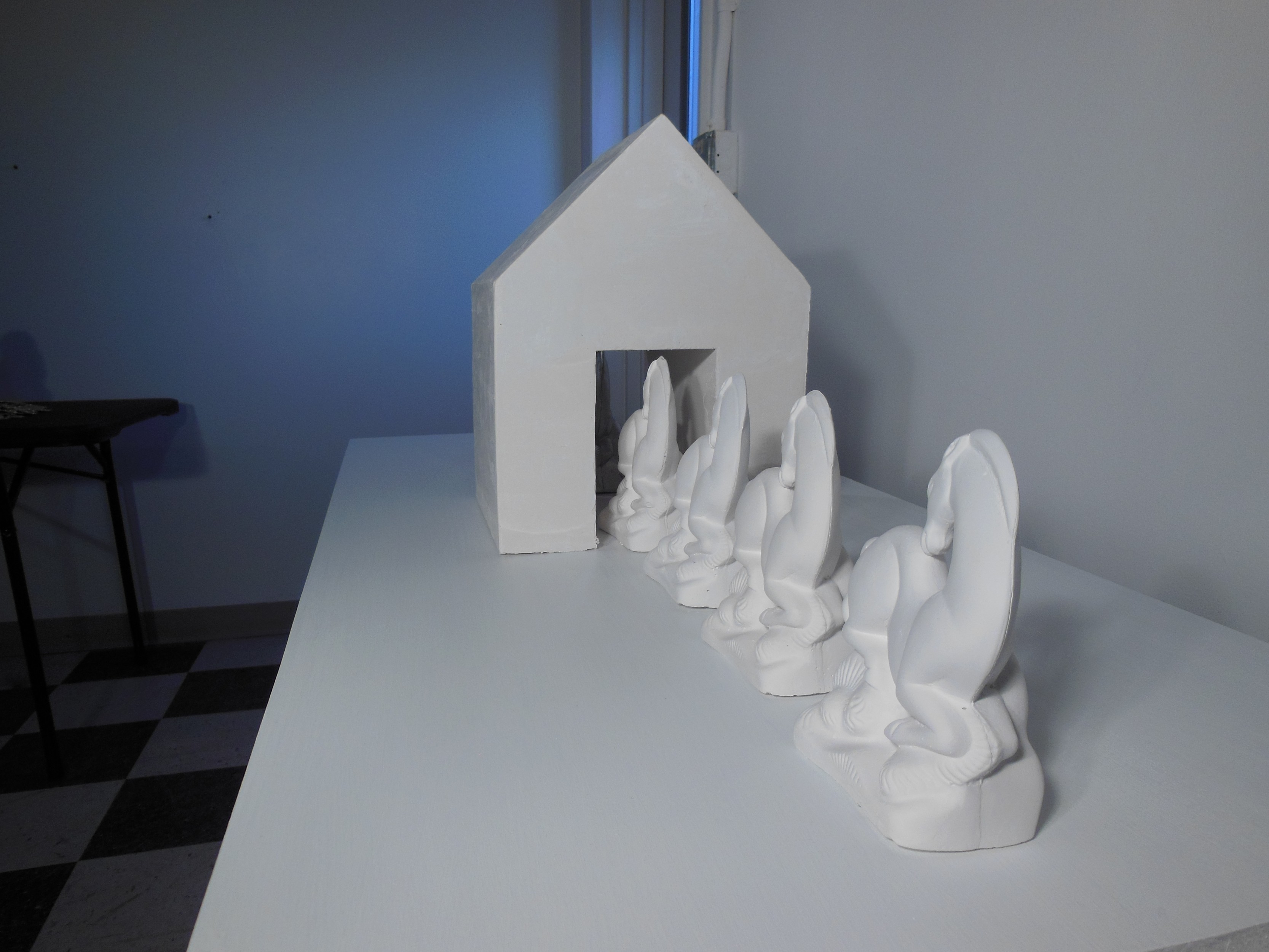
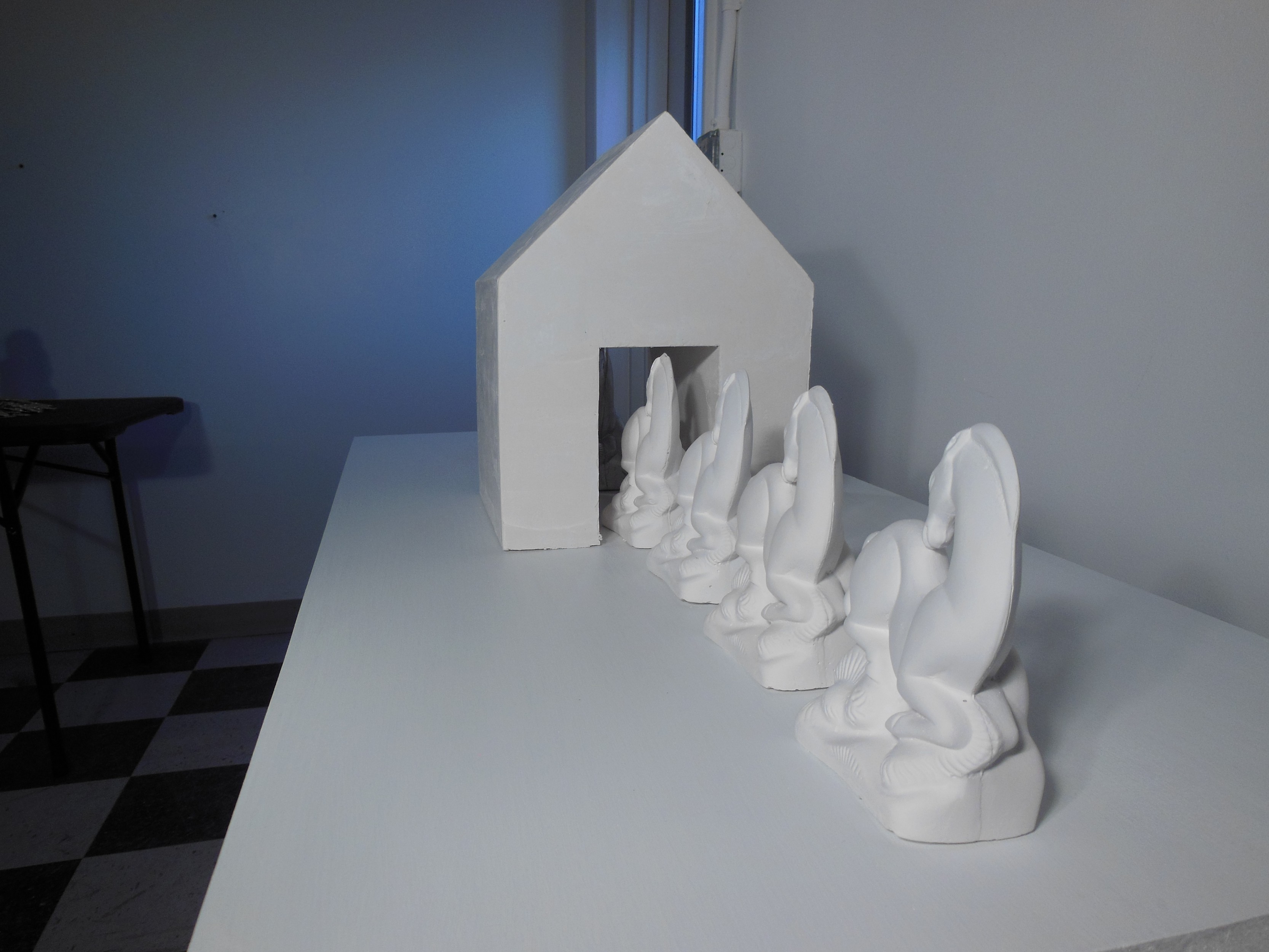
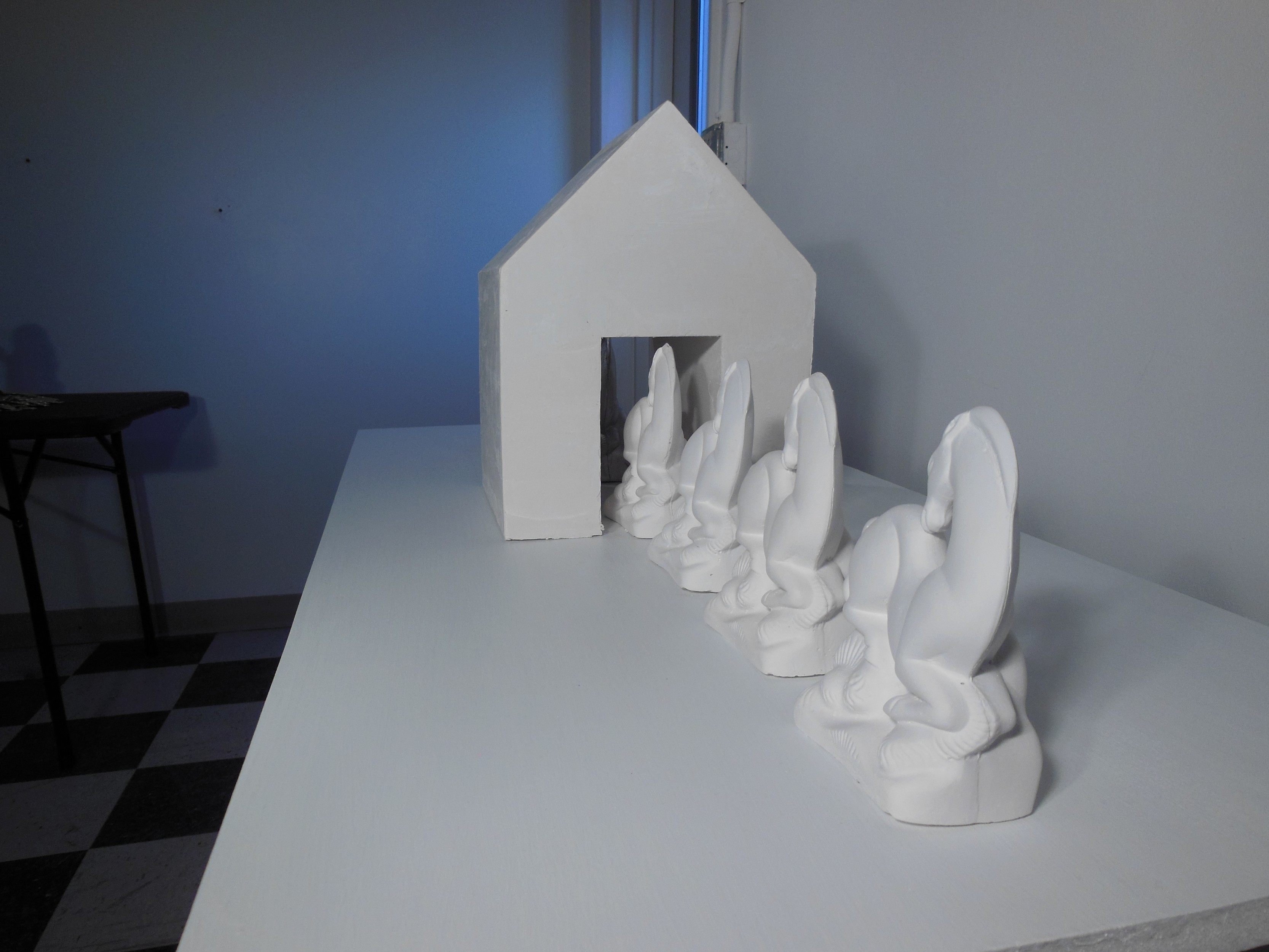
Inspired by a water tower that I thought was a house when I was a kid. I really wanted to live in it, without realizing that I would drown if I tried.

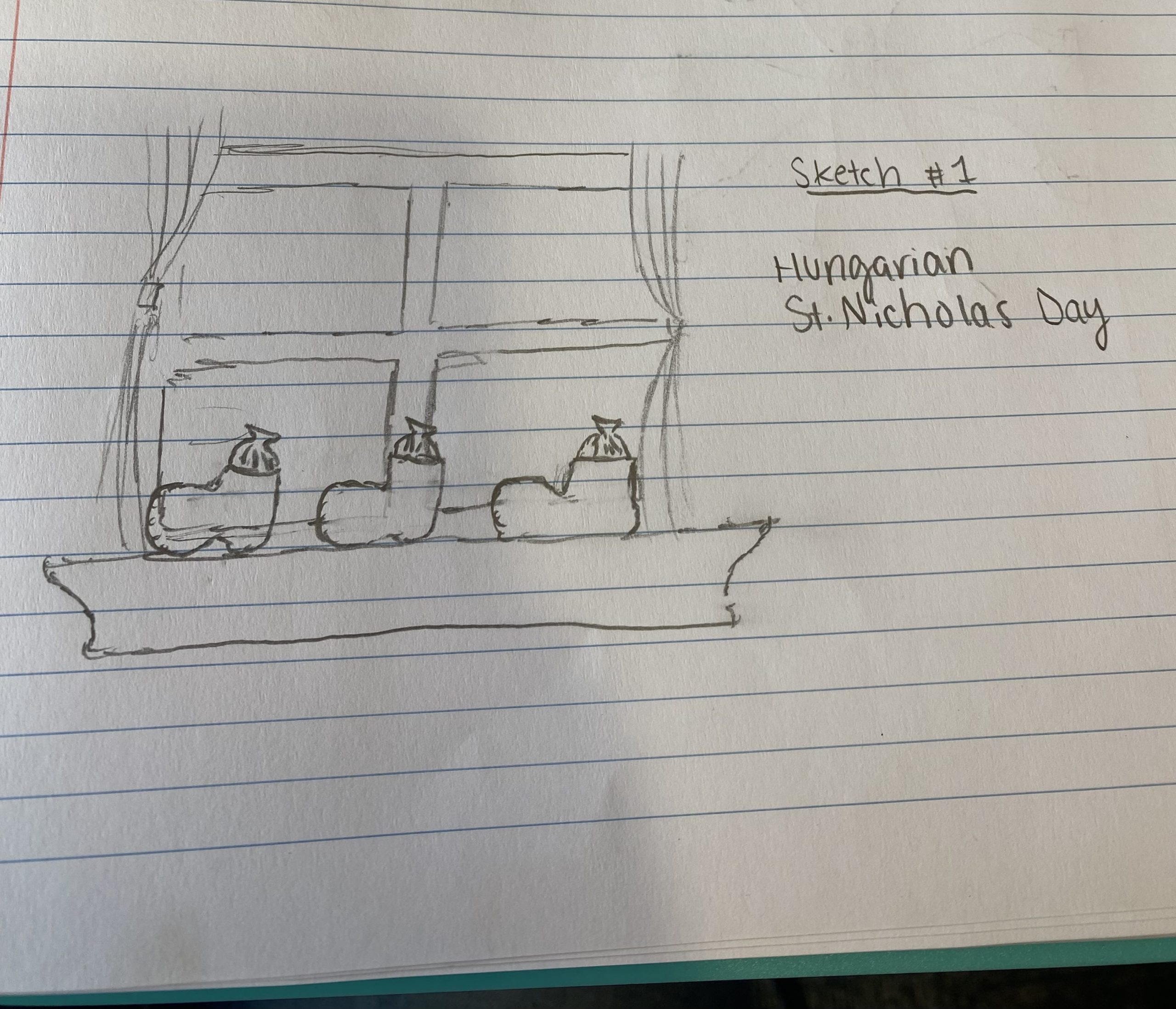
In a direct, literal sense, my object is a boot. It is a sturdy piece of footwear that covers the foot and ankle designed to keep those body parts covered and warm. However, with it being red and having a holly on it, the boot can represent the holidays, especially Christmas and could be denoted as Santa’s boot. The holidays are a special time of year and are often associated with happiness and joy, which are the connotations my object carries. I feel excited when I think of Christmas and I want my object to be conceptually related to the spirit and magic of all the holidays for everyone and everything.

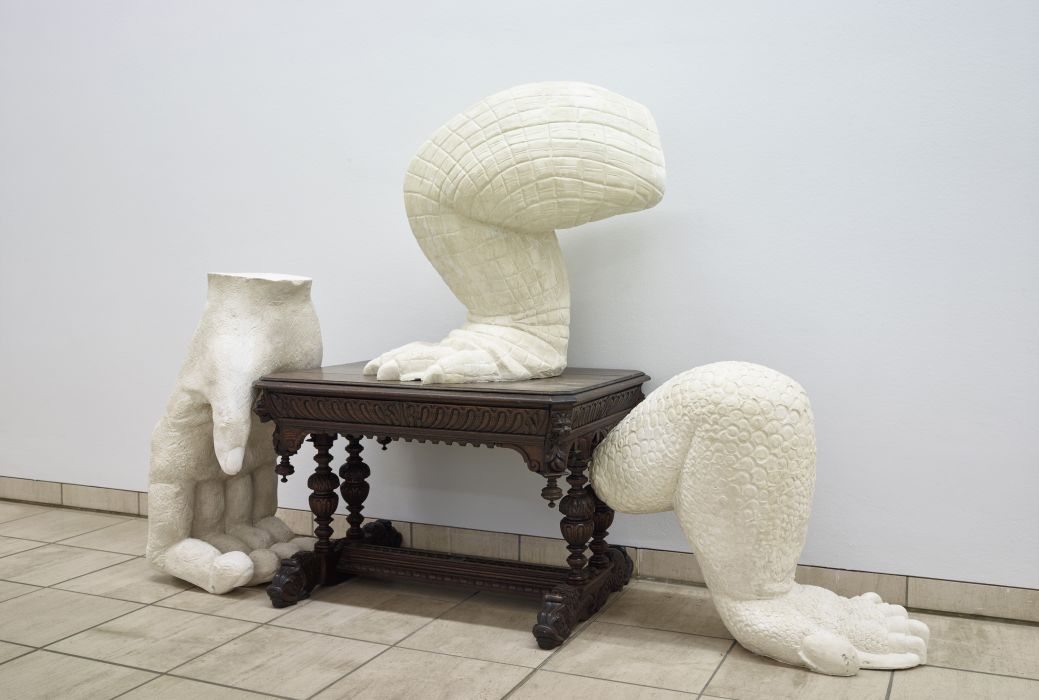
Lily FauntLeRoy, Wildlife by Tony Cragg

    1.Immediate Response

    This reminded me of Where the Wild Things Are immediately. The scale of the three limps compared to the table is really impressive. I think it’s interesting that there are two reptile looking arms and a human hand. The ornate table is interesting, the scales on the leg and the carvings on the table have an interesting similarity between them. I also think it’s interesting that the artist chose to use a human hand and not a leg, I also thought it was interesting that the scale of the hand is larger compared to the reptile legs.

    2. Objective Description

    The sculpture has 4 distinct parts. A dark wooden table with ornate carvings sits on a tiled floor against a white wall. On top of the table is a plaster reptilian looking leg it’s large and the foot stands on the table. On the right side of the table another reptilian looking leg made of white plaster, it looks like it almost protrudes from the side of the table. On the other side of the table there is a large plaster human hand with its knuckles on the floor and its palm perpendicular to the floor.

    3. Technical Decisions

    The use of the dark hard wooden ornate table as the so called ‘base’ of the sculpture has a strong contrast with the white plaster used in the rest of the sculpture. The detail throughout the sculpture through both mediums is consistently intricate. The title Wildlife is interesting especially with the collection of a table, two reptilian looking plaster legs, and a human hand. The human hand rests against the table with its palm facing inward.

    4. The Work in the World

    The piece relates mainly to animals and humans alike, putting a reptile leg above a human hand, both made of the same material. It’s interesting that they chose reptilian looking legs because reptiles hatch from eggs juxtapose with a mammal, a human hand to be exact. The table looks old, which is interesting, it could easily be a valuable antique. The so-called wildlife is placed on an old well-built table.

    5. The Story it Tells

    The piece, called Wildlife, places human and reptile limbs with the same weight within the piece. Wildlife seems to conquer the manmade in this piece with the reptile leg assertively placed on the antique carved table. The placement of the reptile leg above the human hand seems to place the reptile above the human hand metaphorically. This seems to place humans as a part of wildlife and does not place as at the top.

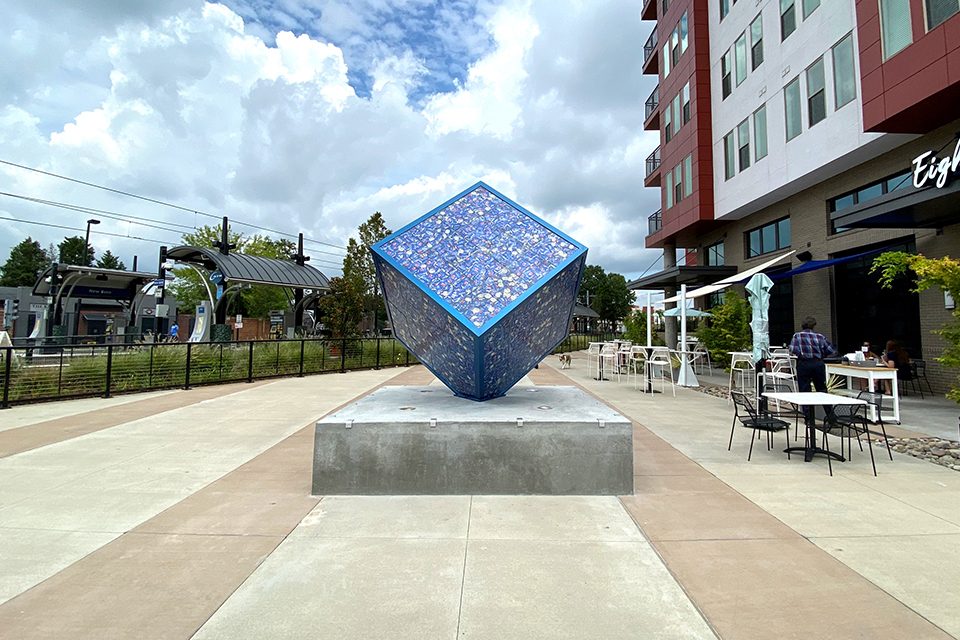
    Future Artifact, Tas Csikos

    1. Immediate Response

    When I first stumbled across the piece ‘Future Artifact’ by Ivan Toth Depeña, I was instantly reminded of the classic Pixar movie: Wall-E. I began visualizing the scene where the Wall-E, the robot, is compacting and shooting out cubes of trash and arranging them in a similar fashion as the art piece. Upon closer inspection, I noticed homogeneity in the trash being used. They were all Pepsi cans? In my head, I exclaimed the obvious, ‘this must have something to do with the soda company,’ and started to search the background for any hints as to why the art piece was located there. 

    1. Objective Description.

    Future Artifact is a giant cube that must be two meters tall. It stands on one of its corners that is buried into a concrete slab on the ground with lights and anti-skateboard studs. The giant cube itself is composed of 4 by 4 by 4 compacted cubes of pepsi soda cans. The smaller cubes are smooth to the touch, indicating that they are either encapsulated in resin or inside some transparent container. These smaller cubes are sandwiched in place by shiny blue L-shaped brackets along the edges of the giant cube. In the background, there is outdoor restaurant furniture to the right and a subway station to the left. 

    1. Technical Decisions

    The description of the art piece gives a lot of background information that wasn’t apparent from visual inspection. The art piece was created from the remnants of the first pepsi bottling plant, and resides near to where the plant used to be. The crushed cans are sealed to give the impression that they are supposed to last a long time and serve as a ‘future artifact’. While the bottling plant no longer exists, the art acts as a memorial and a way to ‘remind viewers of the past’. It is possible that the artist wanted to include some ambiguity in this piece. It is up to the viewer to decide what this piece means to them. 

    1. The Work in the World

    To the average viewer, the art piece looks like a giant cube of trash. Judging by the materials used, this art piece does not serve as a commemoratory artifact to the first Pepsi bottling plant, but rather to criticize how much trash the world is producing. One interpretation is that the piece is foreshadowing a world similar to the world in the movie Wall-E, where the Earth becomes uninhabitable due to the vast amount of trash that we have generated. 

    1. The Story it Tells

    Although we are limited by the short description the artist provides us about the piece, it is clear that there could be many different interpretations of this art piece. Like I mentioned in the previous section, this piece might allude to the growing pollution problem we are facing in the word, but it could also convey how the surrounding community has developed after the demolition of the bottling plant, or the economic opportunities the plant brought with it. The piece is very well preserved, hence the name, and will serve to provide the history of the place for many years to come.

    Future Artifact 2020, Ivan Toth Depeña

    Art Report – Maizy Troxell

    1. Immediate Response

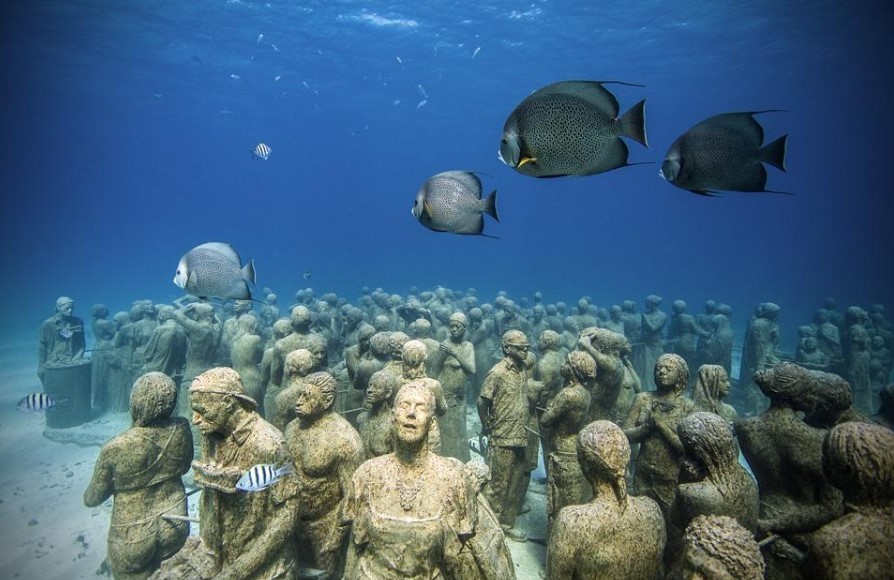
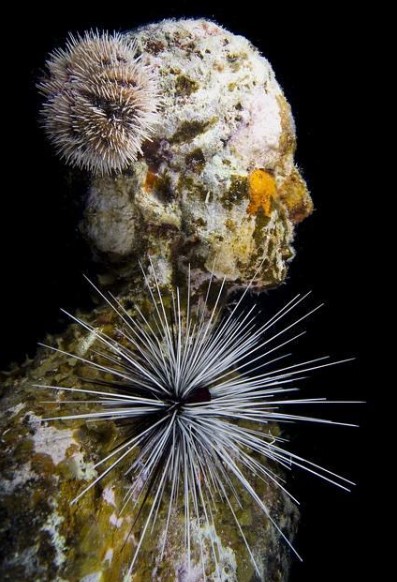
    When I first saw Jason DeCaires’ work I was blown away. I’ve always been really excited by art that features the interface of human infrastructure and nature. I love the way that nature always finds a way to reclaim human creations for its own. This is apparent in much of deCaires’ work, especially in the pieces featured in Museo Subacuático de Arte. To be honest, I’m not sure if the figures are meant to be interpreted as one giant sculpture, or as a gallery of many different pieces, but from both perspectives, the piece is very interesting. I have included 2 different pictures below, one of the ‘gallery’ as a whole, and one of a specific human form covered in sea life that is particularly interesting to me for discussion.

    2. Objective Description

    This underwater gallery features many human forms presumably made out of concrete or some other similar material. They come in all different shapes and sizes wear different types of clothing and bear different facial expressions. The figures are scattered in a way that doesn’t necessarily make sense, similar to a random congregation of people in a public space like a city park. You can tell that the sculptures have been submerged in the ocean for a while because they are weathered by the tides. Some figures are covered in different colored algae, coral, and other sea life such are barnacles and urchins.

    3. Technical Decisions

    I would also like to discuss the craftsmanship that went into the creation of these figures. From the looks of it, it doesn’t seem like any of the figures are repeated. This means that there are at least 30-40 unique figures. They are also very detailed. Even after being weathered by the ocean you can still clearly pick up distinct emotions that each of the figures is feeling based on their facial expressions. Along with this, you can clearly see wrinkles in the clothing that the figures are wearing which is very impressive to me that the artist repeated this many different times with all different figures.

    4. The Work in the World

    I didn’t do much research into the background or purpose of this piece of artwork. However, in my mind, I like to think that maybe somehow this sculpture represents how people react and band together when bad news breaks on a big event. Most of the people have a look of grief or shock on their faces but besides this shared emotion, not much else seems to connect these people. The first historical event that comes to my mind that this piece could be a response to is 9/11 however since this sculpture was created by a British man and featured in Mexico in 2009 it seems unlikely.

    5. The Story it Tells

    After looking future into the purpose of Jason deCaires’ work I found that much of his art is in response to mankind’s negative effects on the planet. In this piece specifically, he sought to highlight the importance of the ocean as a source of sustenance and economic welfare globally. I found that he makes his sculptures out of pH-neutral, environmentally-sensitive materials to instigate natural growth. This means that the grief on the figures’ faces that I mentioned above is most likely in response to the ecological harm that humans have caused to the oceans and reef ecosystems. I hope that others interpret this art as a form of environmental protest and seek to make changes in their own lives to impact the planet in a positive way as a response to it.

    Michael Duncan Arts Xpose #4

    Title of Event: Samek Student Art Exhibit
    Date & Time of Event: Sunday, April 24th, 4 pm
    Location of Event: Samek Art Gallery
    Type of event: Self Guided Tour

    Danielle Porter–ArtsXpose #3

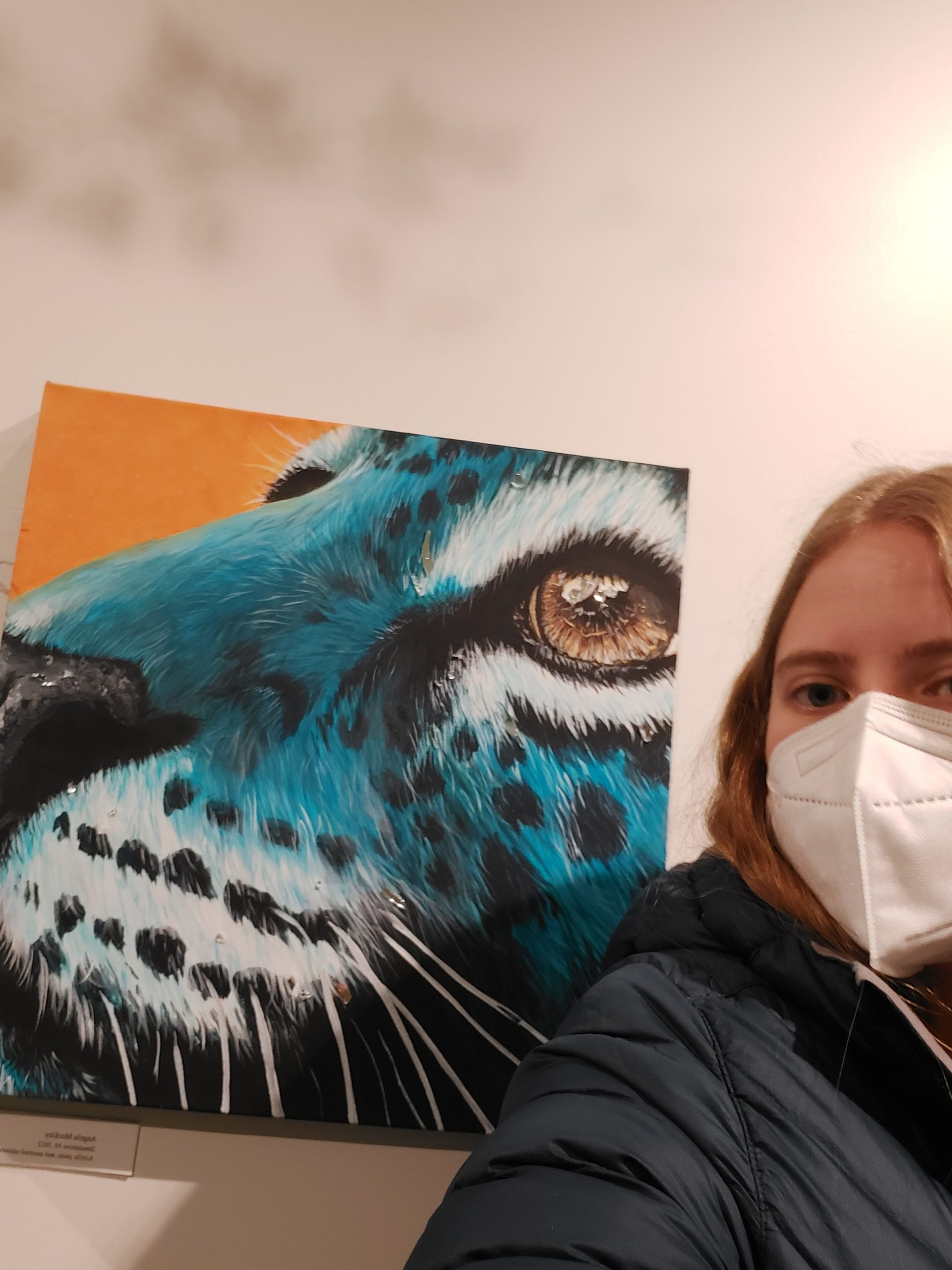
    Title: Student Senior Art Exhibition, “Simulations”, by Angela Meckley

    Date/Time: March 4th, 5pm

    Location: Holmes 103 First Floor Gallery

    Event Type: Artist Reception

    Michael Duncan Second ART21

    After watching 60 minutes’ worth of Art21 videos, I walked away with a few gained insights and ideas. This time around, I focused on watching videos of artists who used 3D sculpture as their form of expression and excluded performative pieces. One very intriguing concept I appreciated learning about was the idea that the past is only remembered through the 5 senses that we used to experience it and that to accurately represent it we must accurately represent these 5 senses. I also really appreciated the desire to produce pieces that do not scream a specific interpretation right away but rather slow down the interpretation response and allow anyone to take away important topics from the work. Finally, I want to touch on a more physical technique that was brought to my attention that I would like to incorporate into my work technique which is the act of splitting workpieces systematically into simple geometric shapes and focusing on these regions one at a time.

    Michael Duncan: Final Project

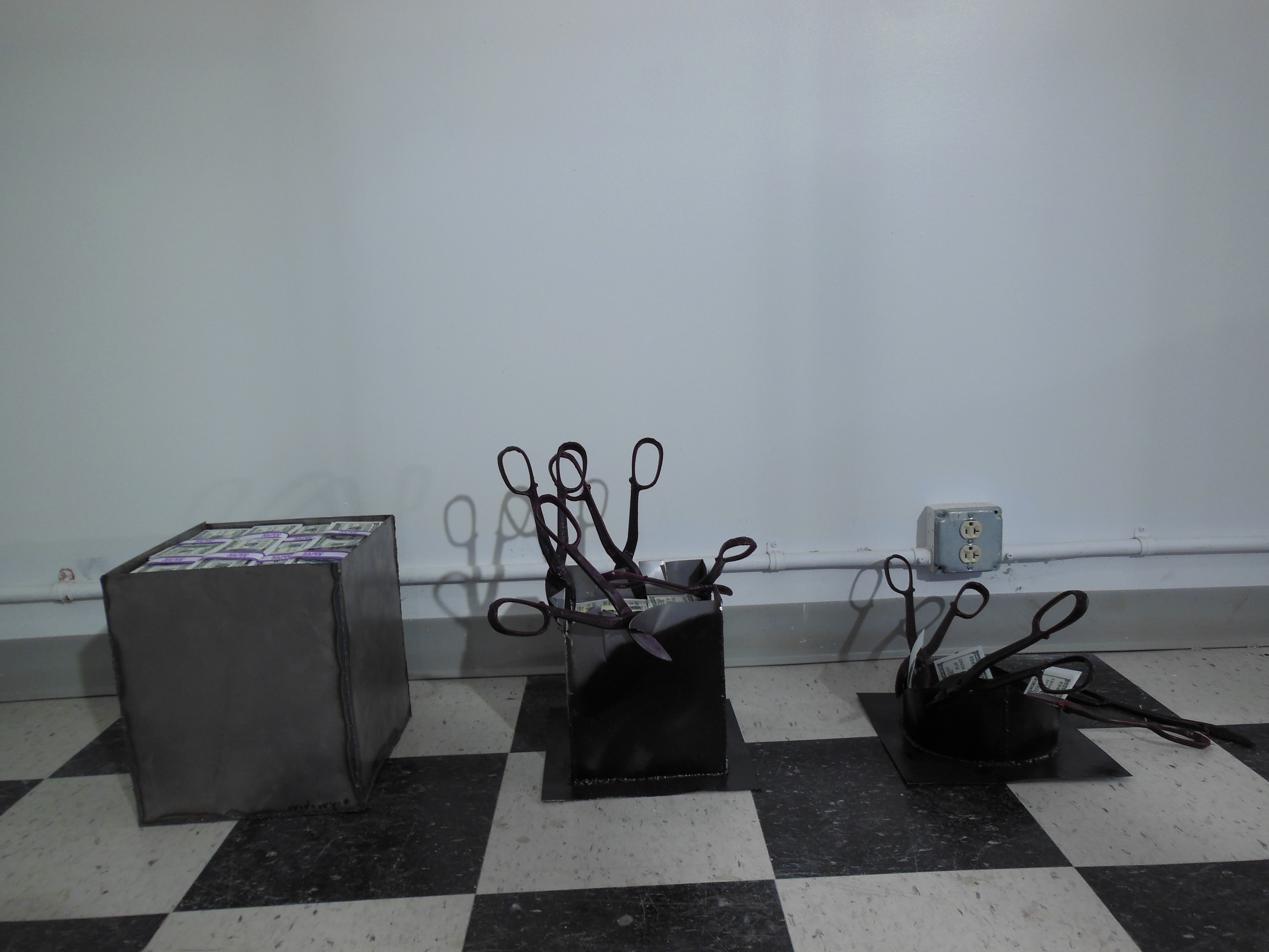
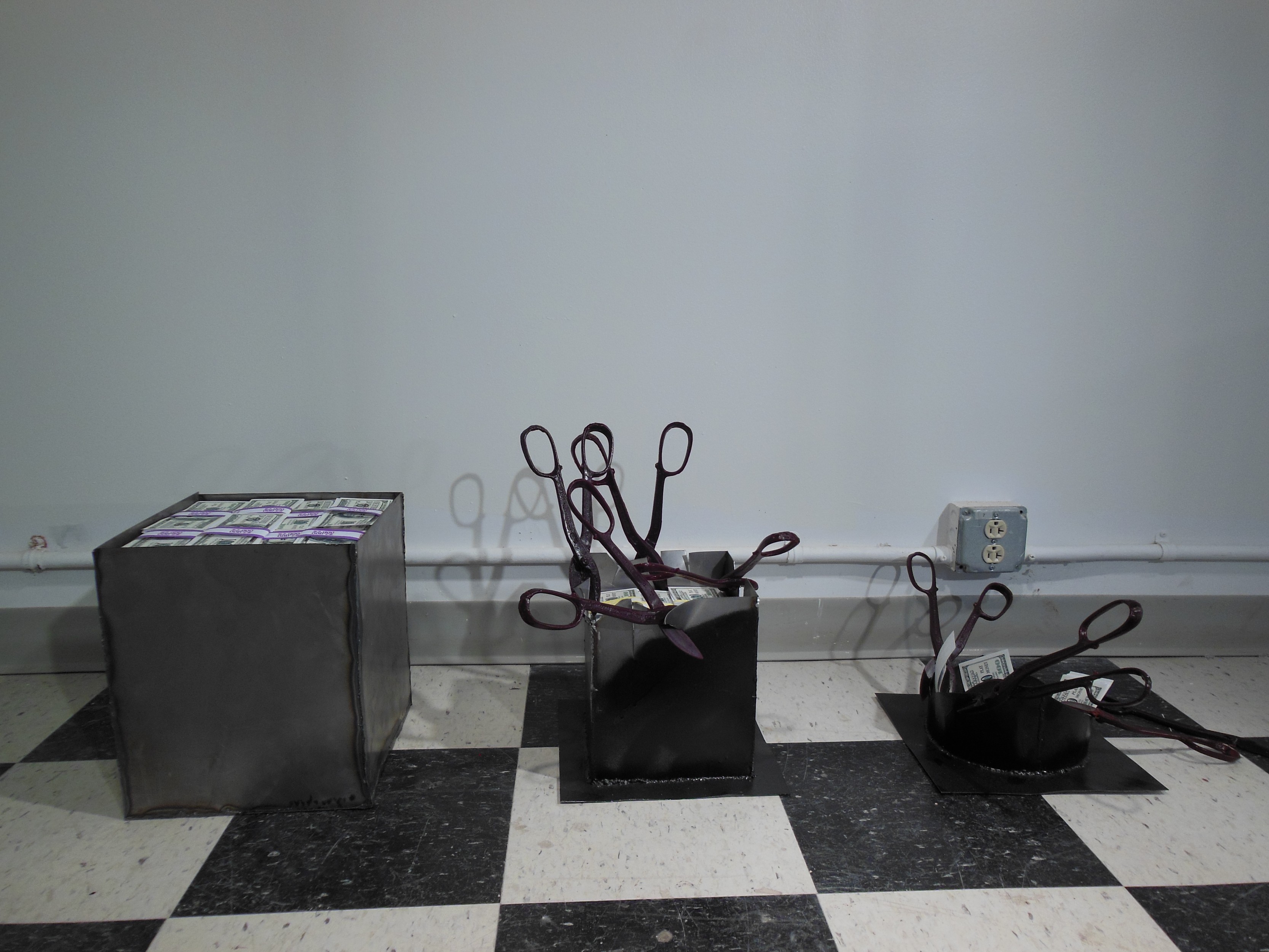
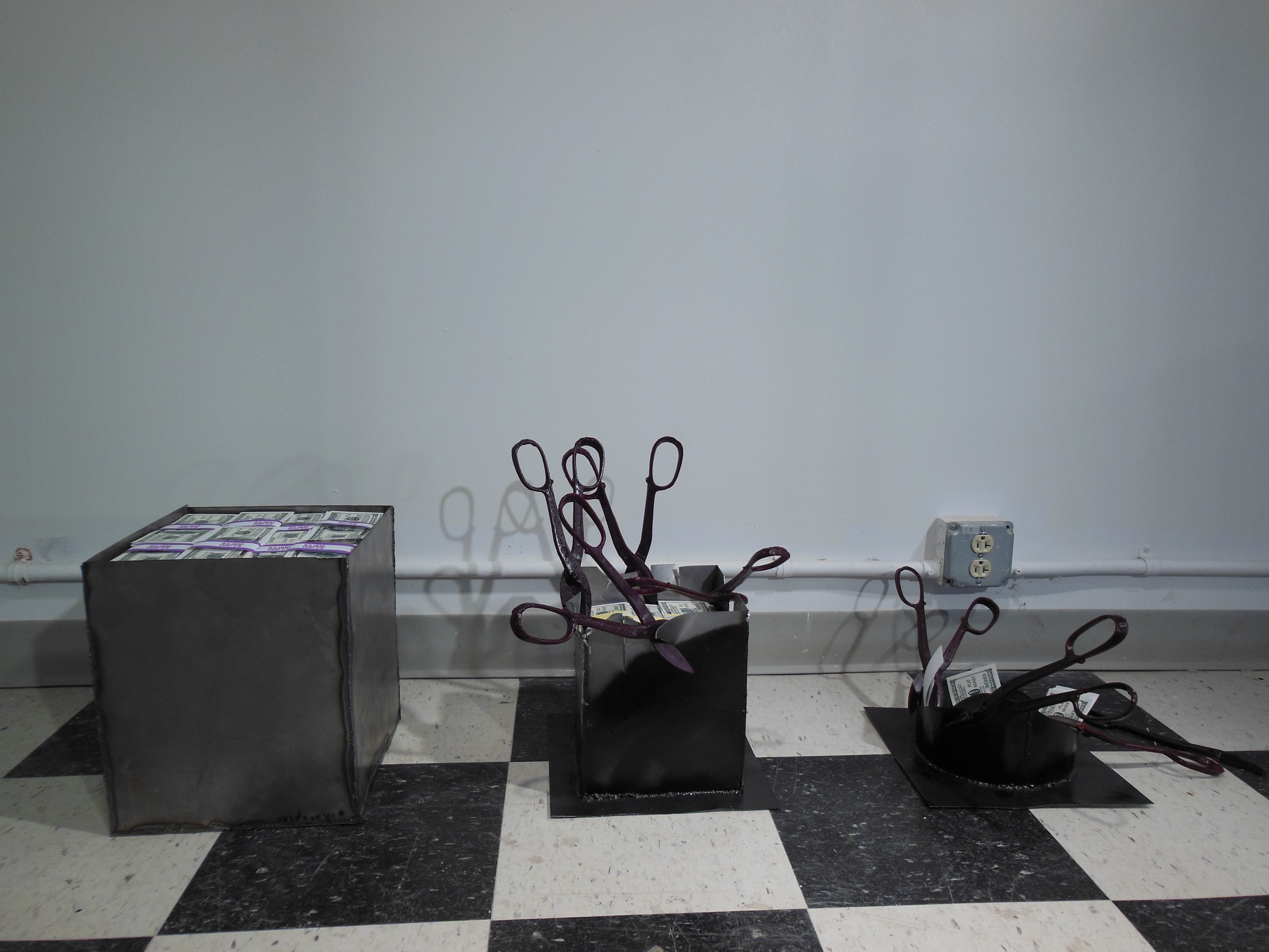
    For the final project, I wanted to focus on the paradox of how as we become more comfortable in various situations we become more vulnerable at the same time. I chose this topic mainly due to the fact that it is something I am faced a lot throughout my life. I feel like almost all the aspects of my life are met with this same paradox, and I am often left on the side of putting walls up to avoid this vulnerability or being ignorant to this vulnerability until eventually I am left wounded. 

    This problem is often caused by people becoming too relaxed after they have had the same outcome over and over again. When they continually receive the same outcome over and over again they begin to forget what dangerous outcomes are also possible, they begin to believe that their familiar outcome is the only outcome. This false sense of security then leads people to put their guards down and start taking far fewer precautions than they did at the beginning, making them more susceptible to the unlikely but harsh outcomes.

    Ten tangible people/places/things that are associated with this are:

    1.) Free Soloing

    2.) Not putting in protection

    3.) Not studying hard for exams

    4.) Not wearing a seat belt

    5.) Not wearing safety glasses

    6.) Swimming alone

    7.) Drinking and driving

    8.) Driving fast

    9.) falling in love

    10.) Growing Close to people

    Ben Snook Project 3

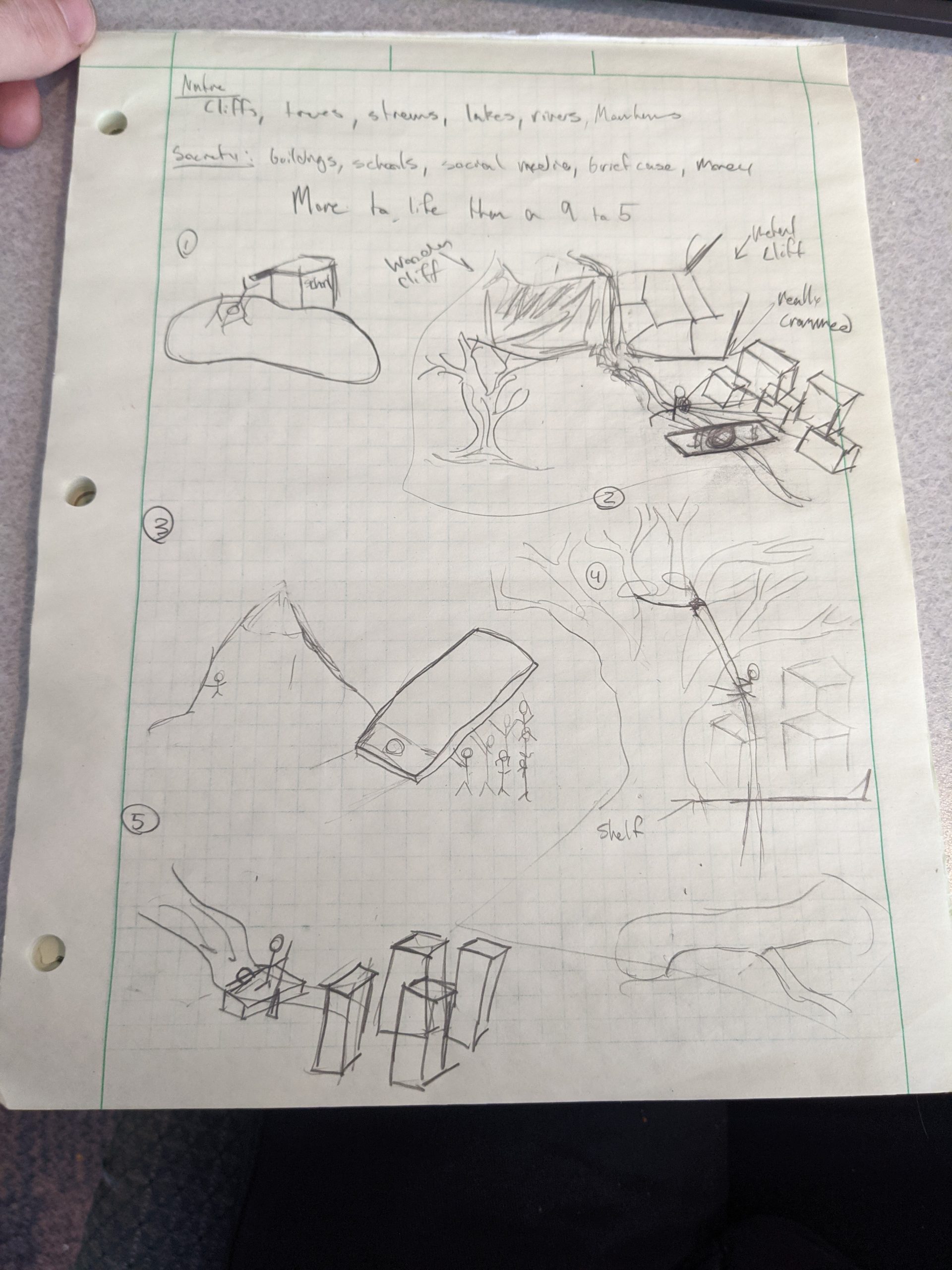
    Consider and Clarify your topic: An issue I find compelling are the unknowns of both deep space and the deep ocean. We have spent decades working tirelessly to discover the mysteries that lie beyond the stars and despite this, there is still so much that we still do not understand. In contrast, the Oceans which reside much closer to home are equally as unknown to us. I find this to be fascinating how at times it seems like there is nothing left for us to discover, but in reality we are completely ignorant to many of these mysteries left unsolved. As an avid physics fan, and someone who loves to read about what lies millions of miles from earth, I am intrigued by this vast unknown space. There are massive gaps in the theories used to describe the world around us, despite some of humanities brightest minds devoting their lives to unlocking these mysteries. While the Ocean may feel like a familiar place, roughly 80% of earths oceans are unexplored and therefore-unknown. These may seem like two entirely different entities: Space and the Oceans, but they seem to be similar in many ways to me. Vast, dark environments with objects and perhaps species entirely undiscovered. I would love to create a piece that is able to encapsulate the idea of the unknown within both of these contexts. I think by combining many of the well known aspects of both of these, viewers will understand the parallels between the two. Ive created a list of some things that embody this: 1) Astronaut, they’re the people walking into space themselves. 2) Stars, one of the few things everyone on earth has equal opportunity to look upon every night. 3) Darkness, an inherent quality to both the ocean and space that enhance the feeling of mystery. 4) The solar system, our closest neighboring objects. 5) Fish, populate earths oceans. 6) Seaweed, very common aquatic plant. 7) A door, walking through a door represents moving from one place to another. 8) Water, the substance composing earths oceans. 9) Question mark, standard symbol for unknown. 10) Beach, The boundary between our world and the ocean.

    ArtXpose 2

    Title of event: Samek Art Museum

    Date and Time of event: Noon, Thursday March 10

    Location: Samek Art Museum, ELC

    Type of event: Art Exhibit

    Michael Duncan ArtsXpose #3

    Title of Event: Angela Meckley, Senior Student Art Exhibition

    Date & Time of Event: Friday, March 4th, 5-8 pm
    Location of Event: Holmes Hall
    Type of Event: Art Exhibition

    Natalie Patterson Matthew Barney Essay

    Natalie Patterson

    Professor Meiser 

    Matthew Barney Essay

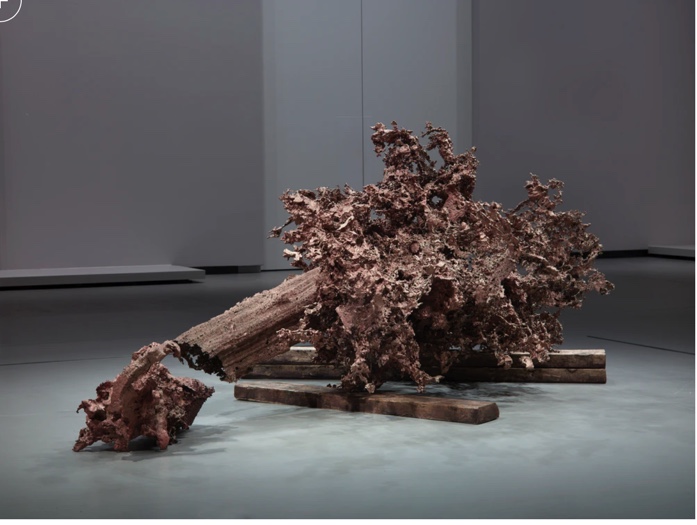
    Matthew Barney is a mixed media artist that derives drawings and sculptural works from his elaborately produced films. Known for his fascination with anatomy, anthropology, and nature, Barney created Water Cast 6: a sculptural work that serves as both a still, three-dimensional piece and a documentation of an action. Through a unique process of pouring metal into a combination of clay and water, Barney creates a sculpture that documents the path of the material weaving through the clay mixture. Upon first glance, the bronze sculpture appears delicate and fragile, yet the tone of the piece indicates a sense of natural power and sublime status. Without the information of how this sculpture came to be, one may assume it was formed by some kind of dangerous, quick pouring action. 

    The poured bronze sculpture is displayed over three planks of wood. Two of the pieces, longer than the third, are stacked on top of one another in parallel while the smaller third plank is placed at a slight angle. The angle of the plank adds to the rhythm of the sculpture by forcing the viewer’s vision towards the separated piece of bronze that sits flat on the floor of the gallery space. The main part of the bronze structure has a protruding tube-like section that further directs the viewer towards the separated small piece of bronze in a triangular fashion.

    Created in 2015 and one of fourteen works in the series, this work, in particular, has several identifiable attributes. First, this work, although rather large in size reaching 130.8 x 200.7 x 299.7 cm, takes up a rather short rectangular block of space that is low to the ground in comparison to the viewer. This, in turn, enables the viewer to fully navigate the nooks and turns of the bronze without any optical issues like some that would occur if the sculpture took up more vertical height. Mirroring some kind of explosion, Barney displays this piece as a sculpture in the round rather than one meant to be shown against a wall. This further illustrates to the viewer that Barney intended for the viewers to inspect the entirety of the piece without facing obstacles. 

    Like many of Barney’s sculptural works, the idea of casting water into a sculpture followed a film of his titled, “River of Fundament” that also featured the collaboration of artist Jonathan Bepler. The film has a protagonist that reincarnates three times throughout the film into different bodies. Each time, the actor wakes up in a river of feces below a Brooklyn Heights apartment. With this pairing of the film’s narrative and the sculptural work, the viewer better comprehends the choice of bronze, a brown-toned metal, to represent the reincarnation into a river of feces. In particular, the smaller, separated part of the bronze is alluded to being birthed from the main component of the structure. In all, Barney’s work combines visual narrative with physical representations of a plot to intensify the viewer’s experience when viewing the works as a pair. 

    https://www.fondationlouisvuitton.fr/en/collection/artworks/water-cast-6

    Aiden Smith, LUMPENPROLETARIAT (ALIVE), Matthew Day Jackson


    Lumpenproletariat (Alive) – 2010

    Immediate Reaction

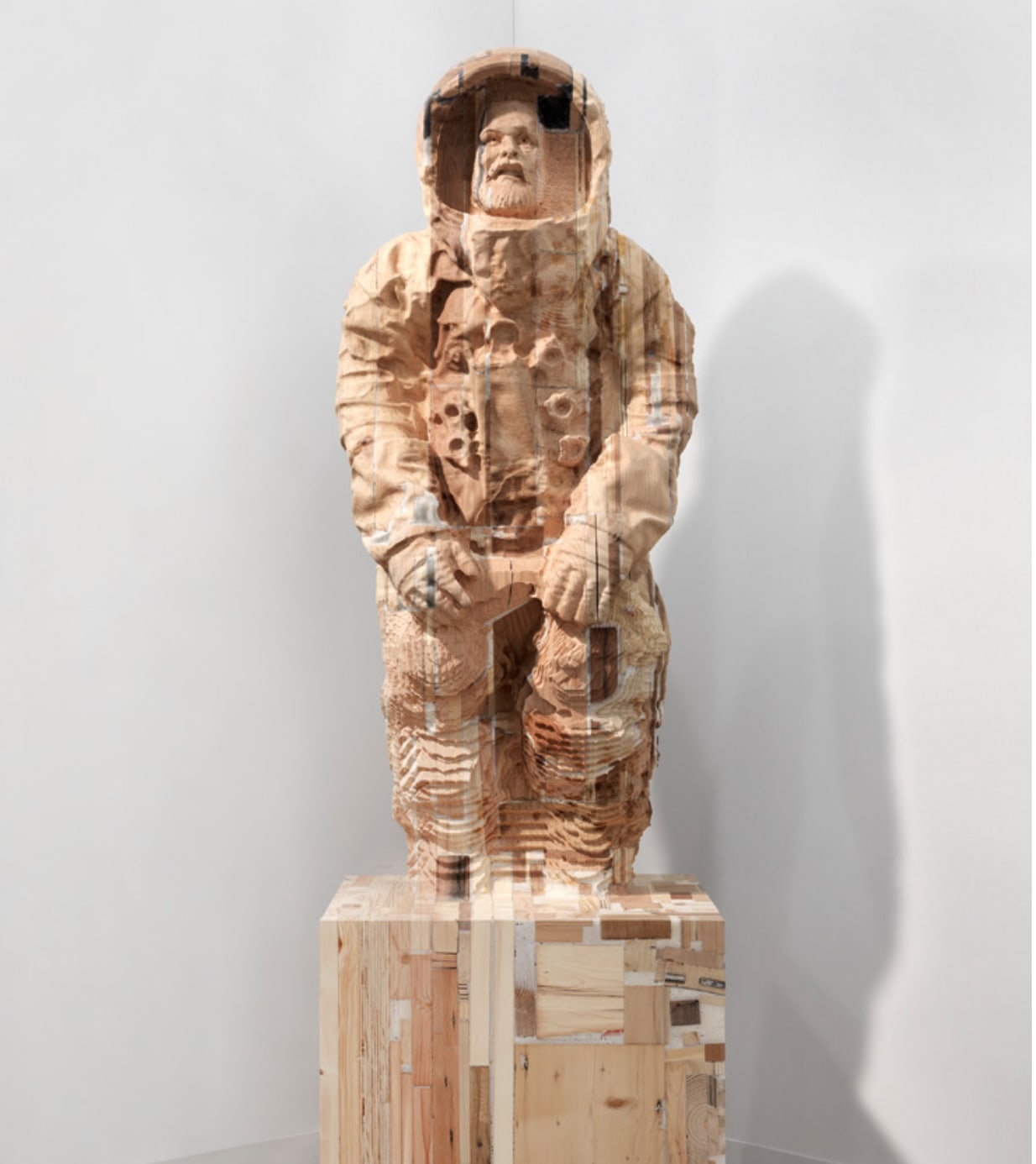
    The reason I chose this piece was because of how fascinated I am with space exploration and how I felt this piece reflects the idea that everything that can go wrong will go wrong. The ruggedness of the sculpture itself and the pained expression of the subject’s face represent a common theme with Matthew Day Jackson’s work. Like many of his other pieces, it represents the exact opposite of happiness and contentedness. It reminds me of how difficult life can be and how nothing ever goes according to plan.

    Objective Description

     This sculpture immediately seems bulky but in a controlled way, like none of the usable space was wasted. The first thing that pops out is that the sculpture has a face instead of a completed space helmet. The face seems almost as if its unhappy or uncomfortable. The rest of the suit is extremely detailed. The arms and chest seem puffy, like an actual space suit, with little room to move. The legs are detailed in a similar way until a little below the knee, where the space suit becomes a smooth rigid block.

    Technical decisions

    The sculpture is made of a mix of wood and plastic, and it seems like layers of these materials were put together and then cut away to form the final product. The helmet, face, and chest of the sculpture are extremely detailed, and look like they took up most of the time. The arms and legs seem much simpler and are smoothed out. The hands have almost as much detail as the face and seem like they took as long to design. The work sits on a cube made of both materials, but is part of the sculpture, the legs become the cube slightly below the knee and show a lack of movement for the entire piece.

    The Work in the World

    Currently, the world is in the age of space exploration, but is limited by science and costs. This work, which depicts an astronaut that is essentially “stuck” goes hand in hand with the lack of our ability to explore space beyond our relative atmosphere. Also, the pained expression on the astronaut’s face, which seems to show that the astronaut is experiencing some type of problem represents all the problems that occur during space travel. The first example of this that comes to mind is the Challenger disaster in 1986, where something that people thought was a small problem ended up causing the deaths of all the astronauts on board.  

    The Story it Tells

    This sculpture to me represents the helplessness of having to deal with a problem but at the same time not being able to do anything about it. The pained expression and the sculptures feet being a solid immovable block go along with this. I came to this conclusion because space travel and any other type of scientific progression can be painstakingly slow processes. People working in these industries often feel stuck or limited by their own knowledge. This sculpture also follows the pattern of having some dark undertone or meaning like many of Jackson’s other works. In a way, this sculpture could represent Jackson’s anger with a lack of technological progression, or simply that he is familiar with feeling stuck or unable to move forward.

    ArtExpose-3&4

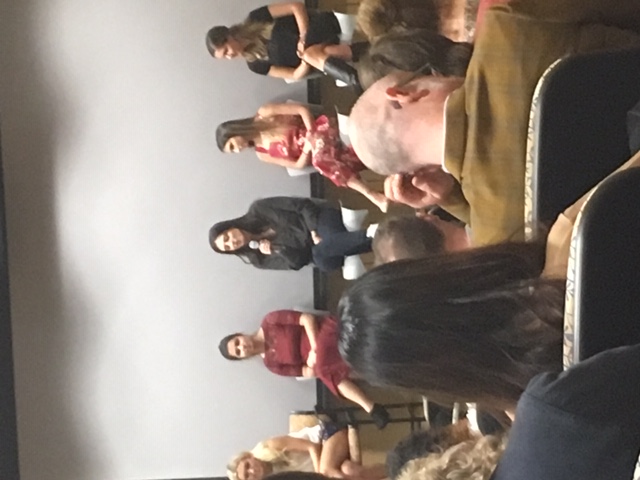
    The senior talk and gallery. (I don’t know why these are sideways)

    Deon Art Xpose 3 and 4

    Title of Event: Artist talks and gallery

    Date and time of event: Friday April 12, 5pm

    Location of Event: Gallery theater and LC Samek gallery

    Type of Event: lecture and exhibit

    1.) Provide a brief detail-oriented technical description or summary of the event you attended. (This section should remain journalistic and should not be reflective of your opinion.)

    First, five senior studio art majors discussed their journey as artists and the meaning behind their pieces. They then answered questions from the audience. Afterwards, everyone was invited for appetizers and to view the students’ work in the exhibit.

    2.) Use the section below to write a well-structured paragraph focusing on your personal critical insight / response to the event. How did you interpret or react to what was presented to you?

    I enjoyed learning about the pieces that my peers have been working on all year. I knew all of these students but was unaware that a couple of them were studio art majors. I most appreciated hearing about the stories and experiences that lead them to creating these pieces and exploring these themes. It was interesting that each of the students used distinct techniques and styles: mosaic, painting/layering, sculpture, painting/shooting and cartoon-style drawing. I think that each of these students had well developed concepts and especially after hearing about their concepts, I saw them depicted through their pieces. Additionally, it was interesting to hear about the artists’ processes and how they experienced frustrations even during something they love/

    3.) What information, ideas, images, etc. most impressed you and why?

    I thought Heather’s mosaics were very impressive. I liked that she incorporated letter writing. Also, I liked her set up including the desk and photographs of her grandparents.

    4.) Overall, how would you rate this event (10 being the most worthwhile)?

    (10 / 9 / 8 / 7 / 6 / 5 / 4 / 3 / 2 / 1 )

    10

    5.) Justify your rating in the question above:

    I really enjoyed seeing the work of my fellow students and their successes.


    Cooper Giesen, Psychogeography 97

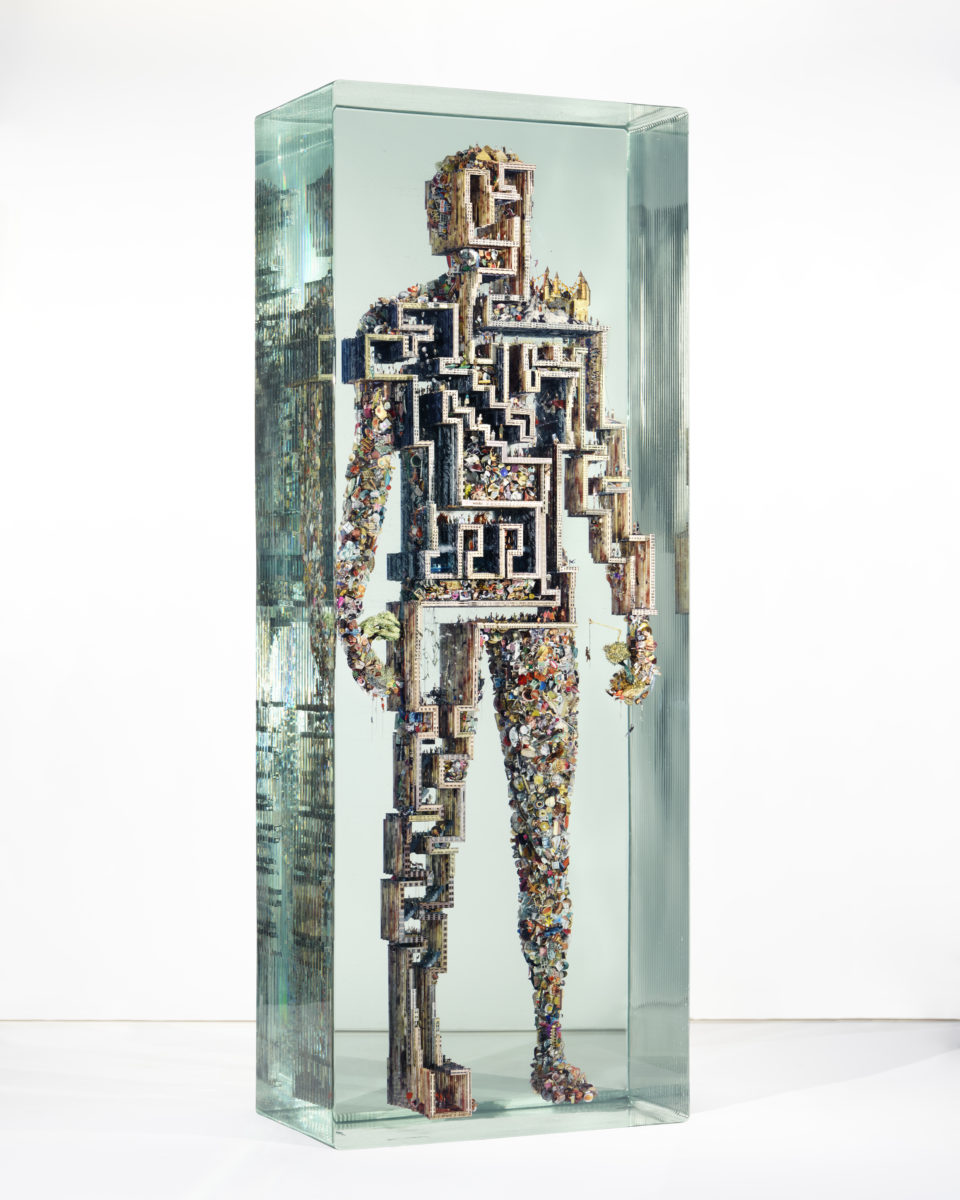
    Dustin Yellin is a sculptor that creates stunningly detailed and abstract visuals using a technique in which he sandwiches imaged between panes of glass in the general figure of a human. The exposition of 7-10 of these massive sculptures as presented in the large room initially give an eerie but comforting visual of seeing a group of people on display encased in a glass box. The bodies almost look as though they are part of an experiment, but open closer inspection, the arbitrary selection of collage cutouts does not appear to have any correlation with the remainder to the images.

    Psychogeography 97 depicts a person who was drawn with what looks like an “etch-a-sketch” pattern from the head, through the torso and left arm, and down the right leg. The line is made of rows of windows from an apartment building, giving an industrial texture. The left leg, right arm, and the area around the window rows are covered in magazine cutouts of castles, beachballs, people, and many miscellaneous objects that overlap from pane to pane in order to make a human outline. Within the body, there are many different gatherings of people engaging in activities like jumping into a pool, climbing a rope from one row of windows to the other, and sitting around a fire. There is a tremendous amount going on.

    This tedious process grants Dustin Yellin many artistic choices in order to display overlapping events in order to have a two-fold expression. On one hand, there is the detail of picking magazine cutouts that fit the right color, shape, size, texture, and on the other hand, there is the placement and location of the pieces that give the overall human figure that displays body language and emotion. Some of the other pieces have 2 heads, a sun for a head, a tear in the chest, but Psychogeography 97 has a rigid and confident stance. The choice of using epoxy and glass allows Yellin to add a three-dimensional element to what looks like a solid block of glass with a person stuck within.

    The piece of art seems to discuss the relationship between the industrial world and humans. In this context, the industrial window setting is taking over our psychology and understanding of people, miscellaneous objects, and other people. The cluttered overlapping of objects also speaks to the state of disarray in cities. The careful compartmentalization of different elements through the person depicts not only our complex psychology as a human, as well as the many other elements to our lives that we separate our social, economic, personal, and more aspects of our life. The concept of having overlapping layers of images turn the piece into a multimedia representation of the many elements of being a person. The many individual experiences that we have cumulatively develop us to become who we are and the way we think. All in all, the cumulative emotion, shape, and texture allow Dustin Yellin to accurately and creatively express representation of human nature and our current state of togetherness.


    Alli Horn, Artsxpose

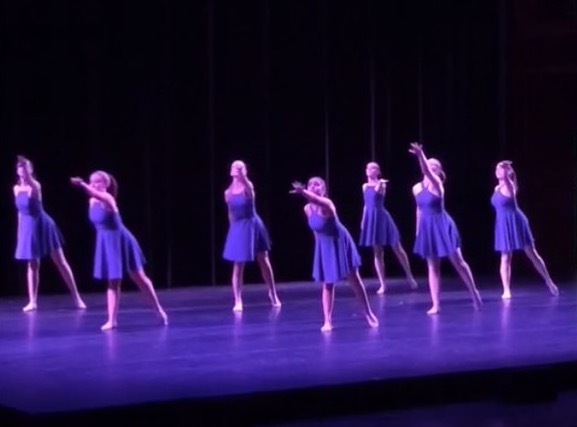
    Title of Event: Bucknell Dance Company Spring Concert

    Date and time of event: Sunday 4/29 at 2pm

    Location of Event: Weis Center

    Type of Event: Dance

    Owen Parent ArtXpose

    Title of Event: Samek Art exhibit
    Date & Time of Event: Friday April 28
    Location of Event: Samek Art Gallery
    Type of eventArt exhibit

    Art 21 video response

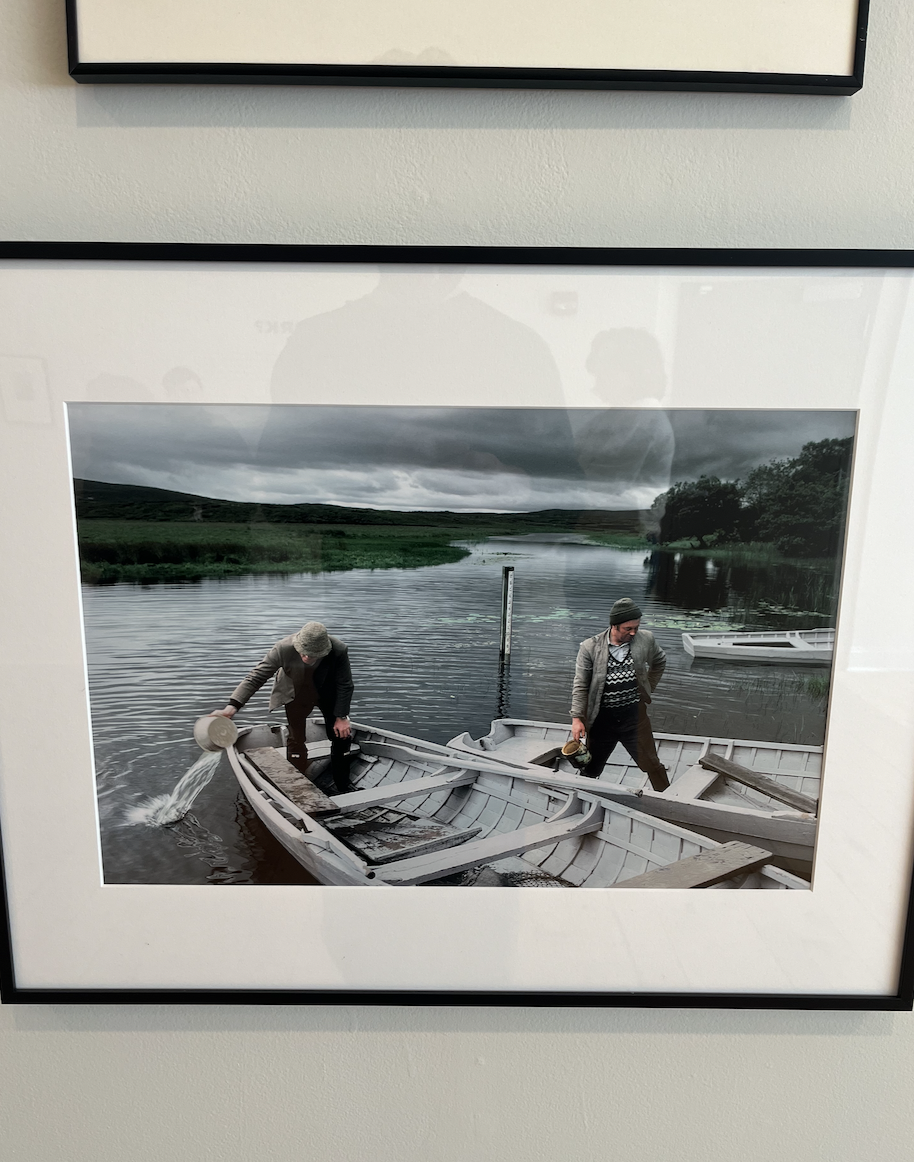
    I watched Season 6 Episode 1: Change. The way that the photographer talked about change resonated with me. She said that she often views change as an escape of sorts. For one of her works, she harkened back to her childhood where she would go to a specific lake to escape the stress of things going on around her. She photographed these very serene images when she was in her 50s for a commissioned work at a hospital, and chose this location because that change in location would help her to feel at ease. The video showed the photographs in the hospital, and it was interesting to see these images in that location after having this background knowledge. At face value, the calmness of the images is apparent. It seems suitable for this location because patients, or their loved ones, would be looking at art possibly to distract themselves from the reason why they are at the hospital in the first place. Having the knowledge that the artist saw this place as an escape contextualizes the work so much more. The way I see it, she wanted others to find a similar feeling of escape or relief by looking at these images as she felt in her childhood.

    Art21 Video Response

    I watched the Art21 Video from Season 7 called “Secrets”. I really enjoyed learning about the artist Elliott Hundley. His work is very colorful and playful. I admired his loose way of making art. He makes choices but realizes that he could have made 100 different choices that he would’ve liked just as much. I liked how he had so many layers of mixed media that create his images. He starts off with an already developed image, and then uses found objects and images, sometimes his own photography to create these collages. They do the collages on foam and then carve into them. They then embroider into the carved image. The end results are so beautiful. He talked about his formal ties to Rauschenberg which makes a lot of sense why I responded well to his work because I love Rauschenberg’s work. His ties to “secrets” were that his works have none. He says that every technique is self-evident which is really cool.

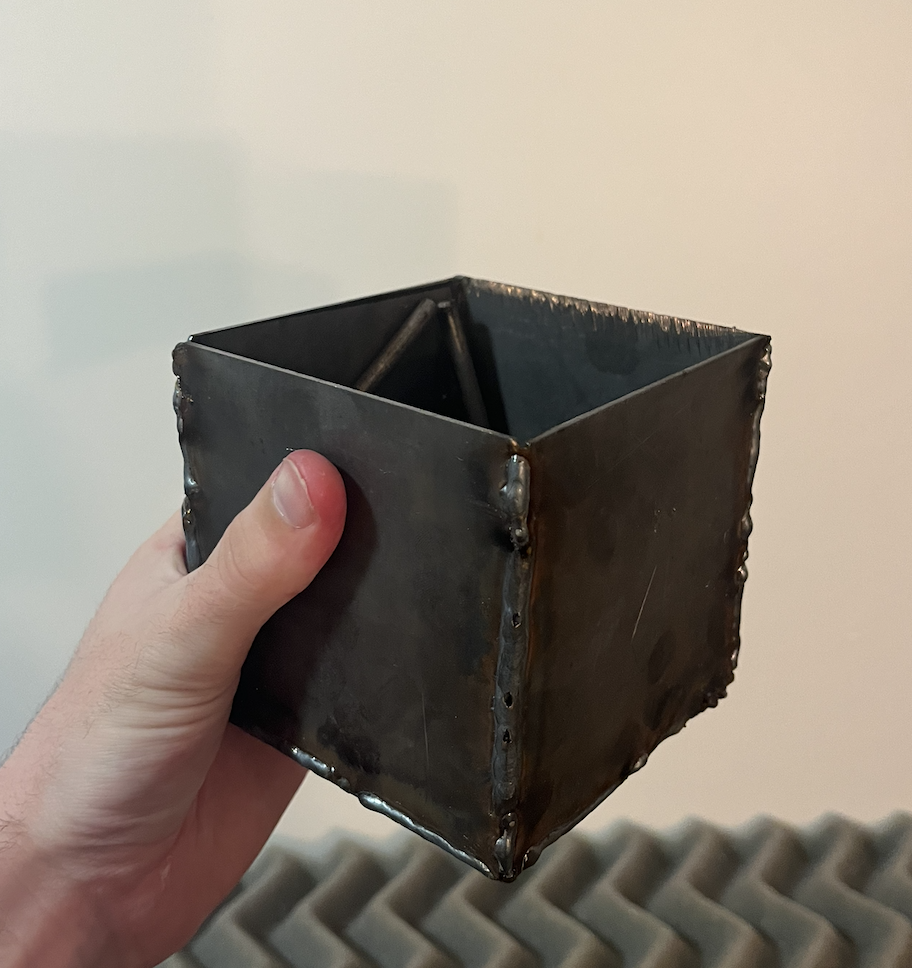
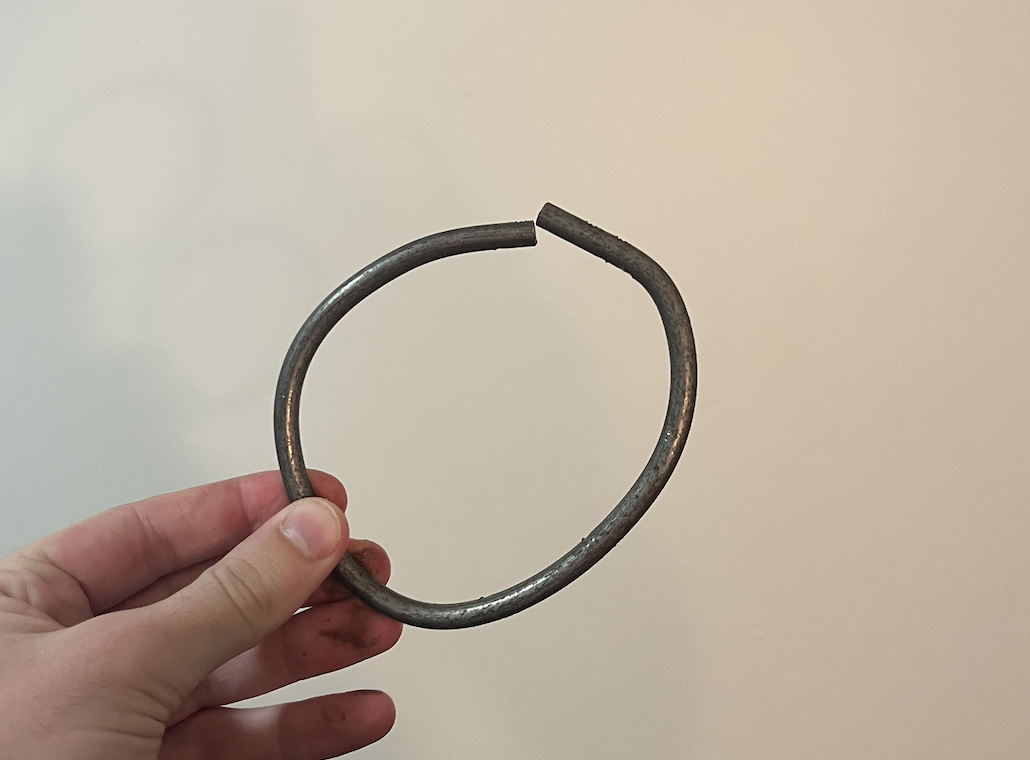
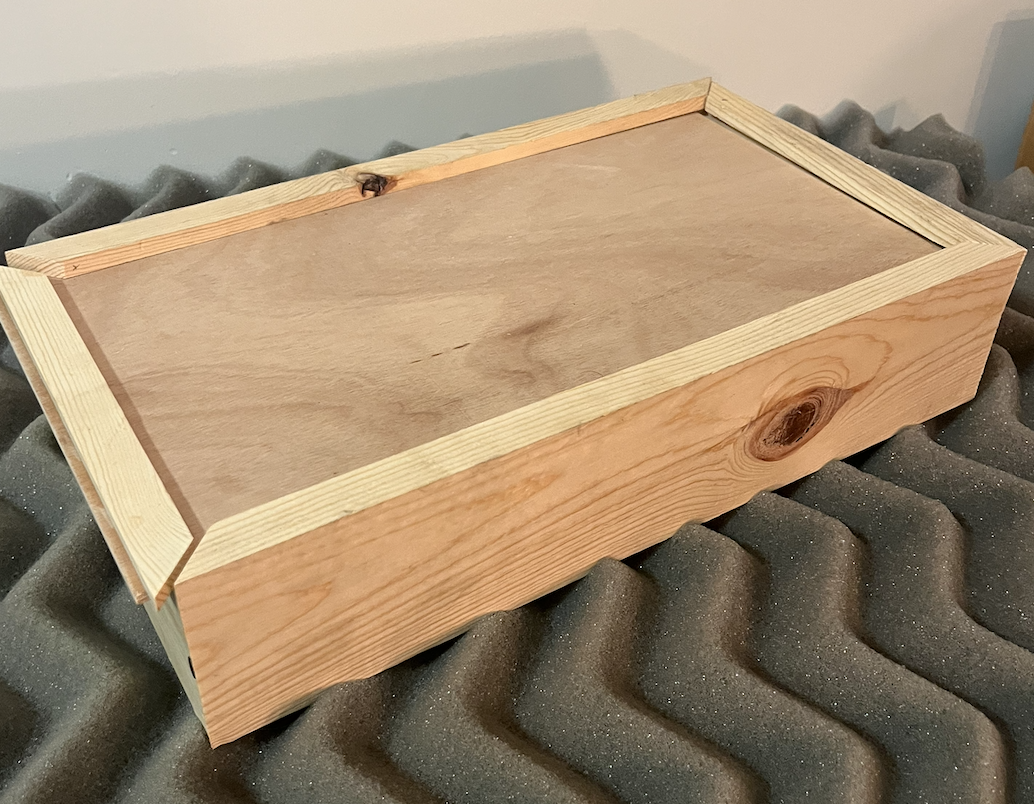
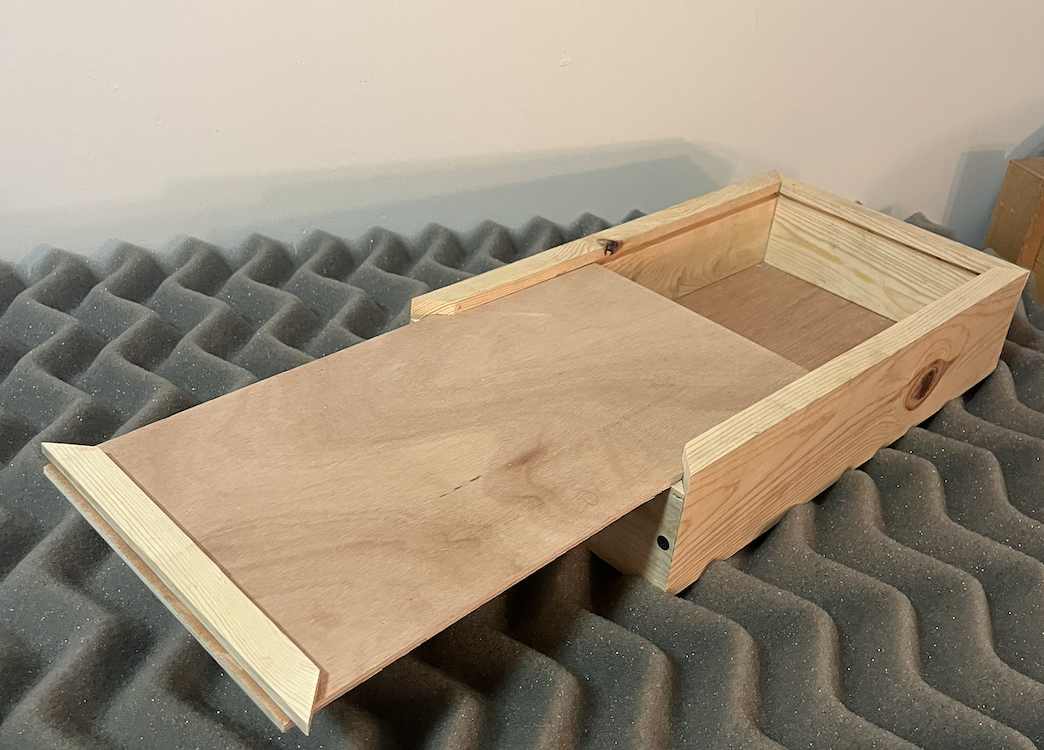
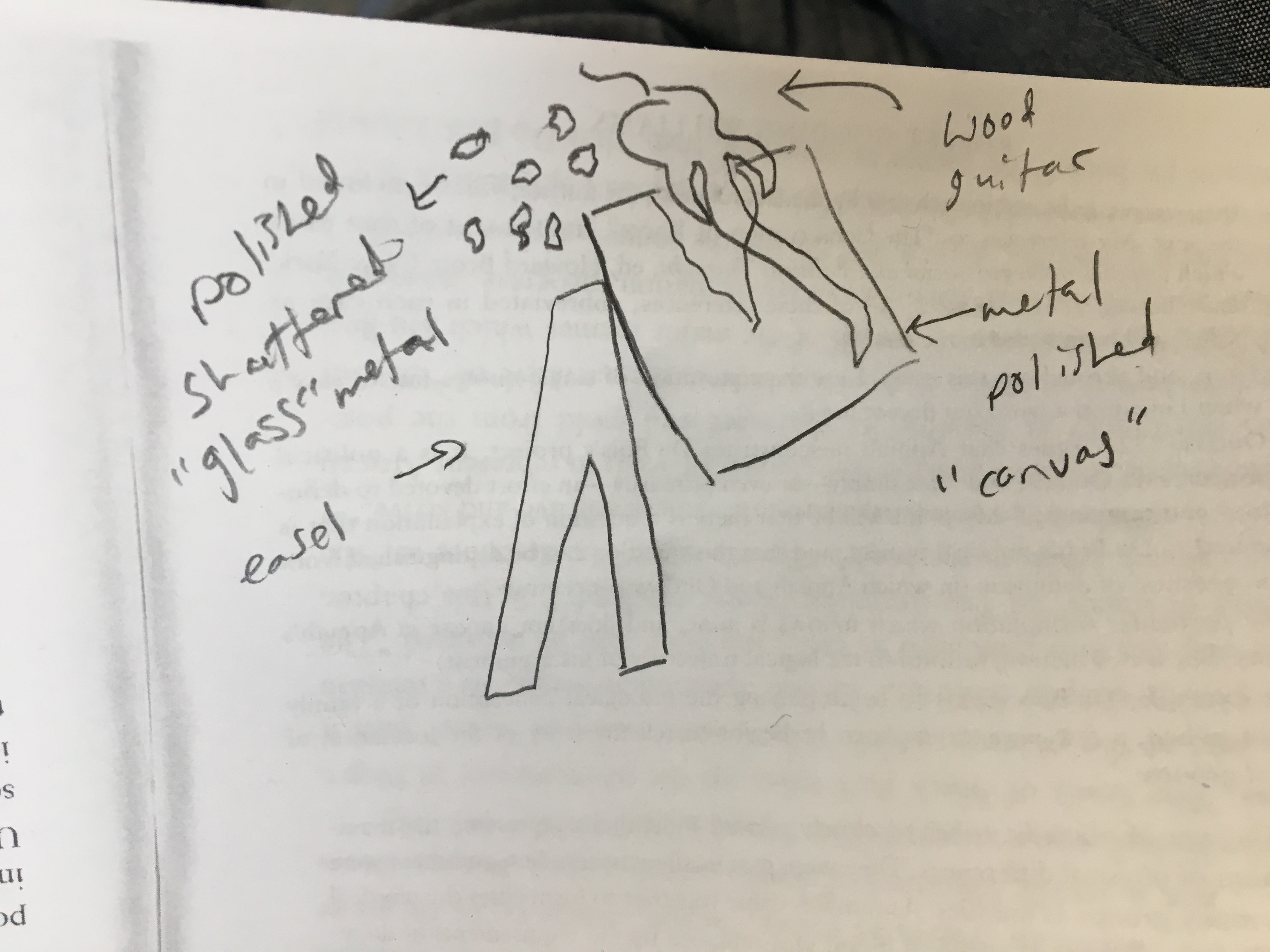
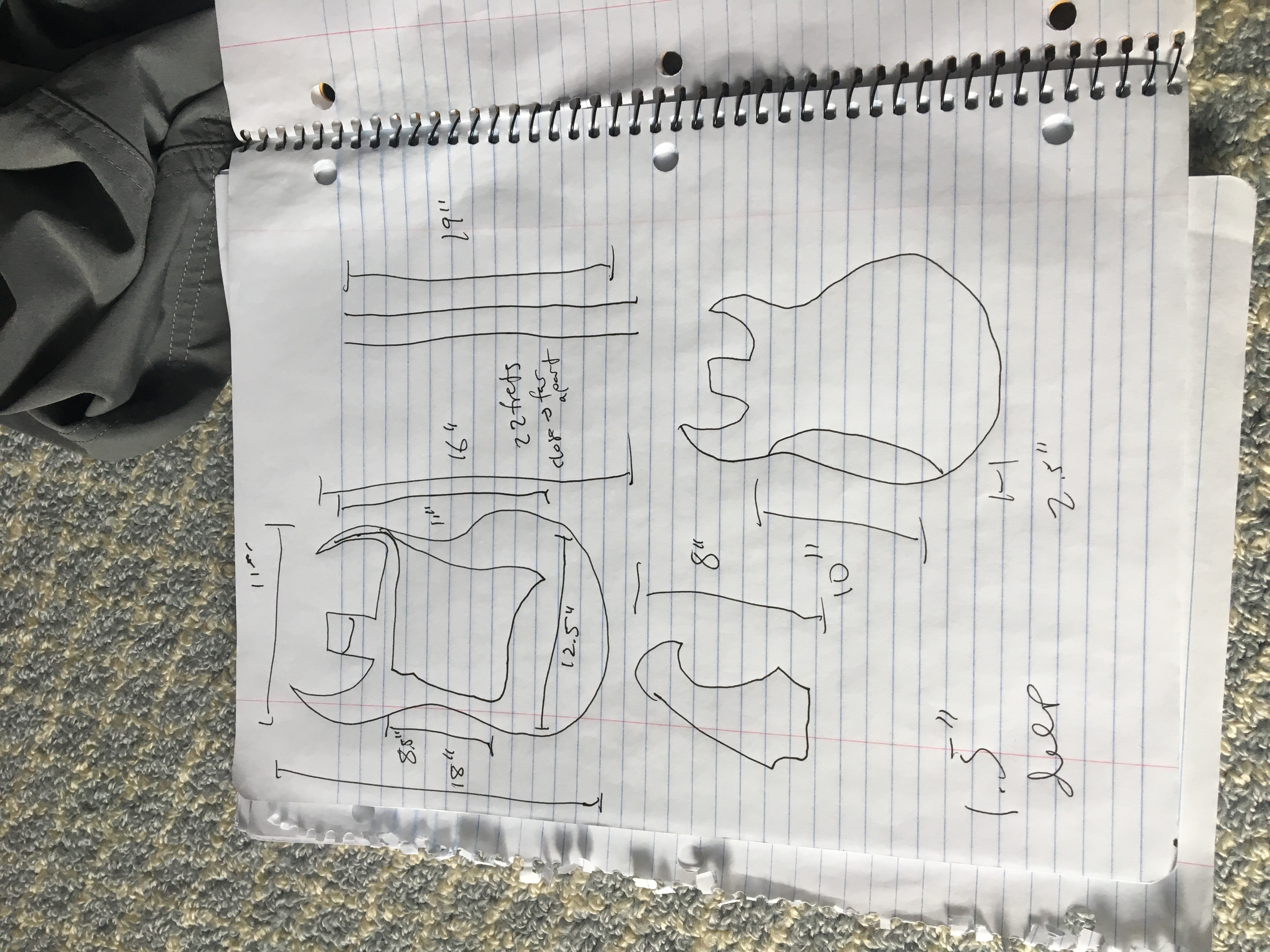
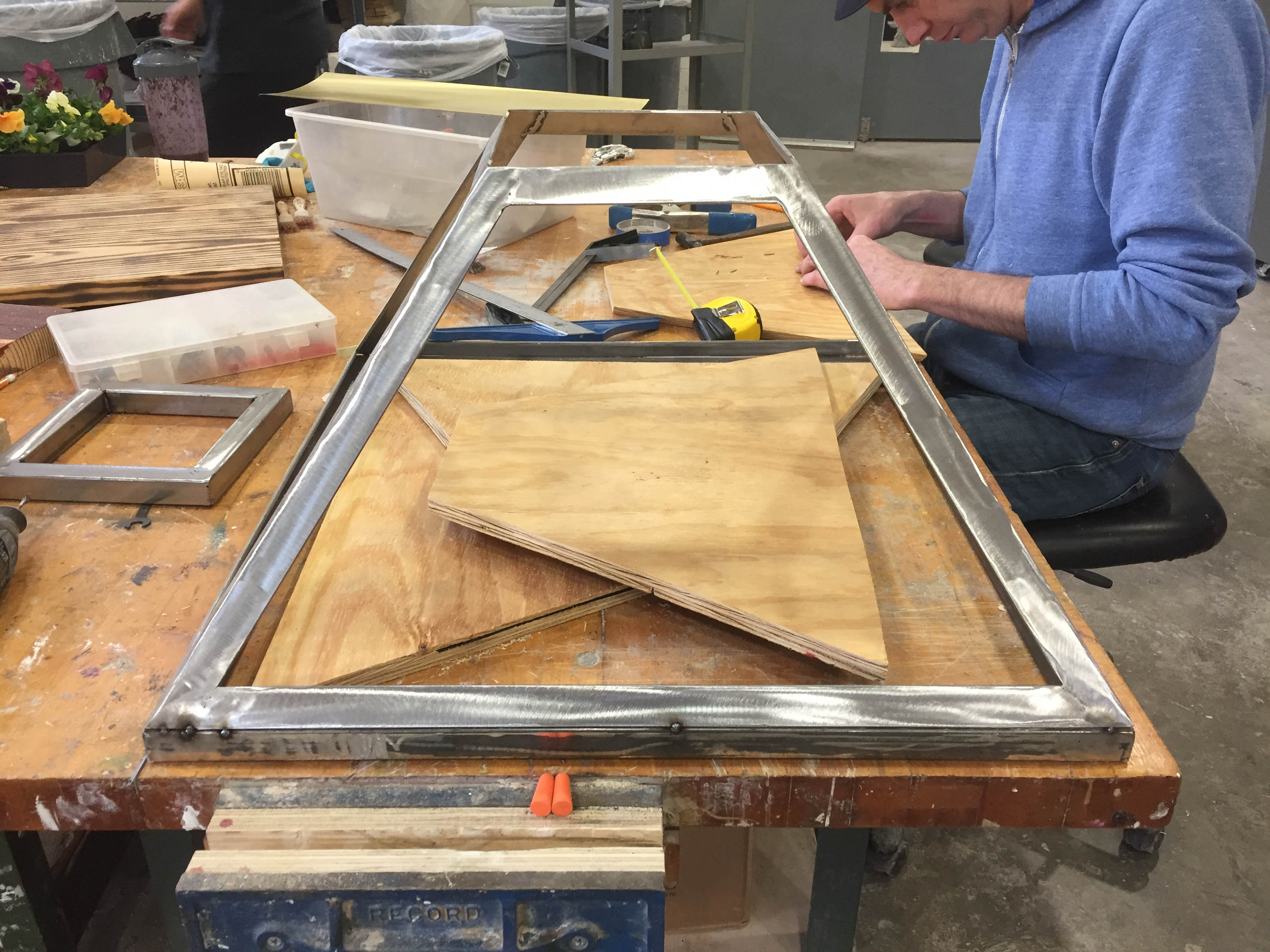
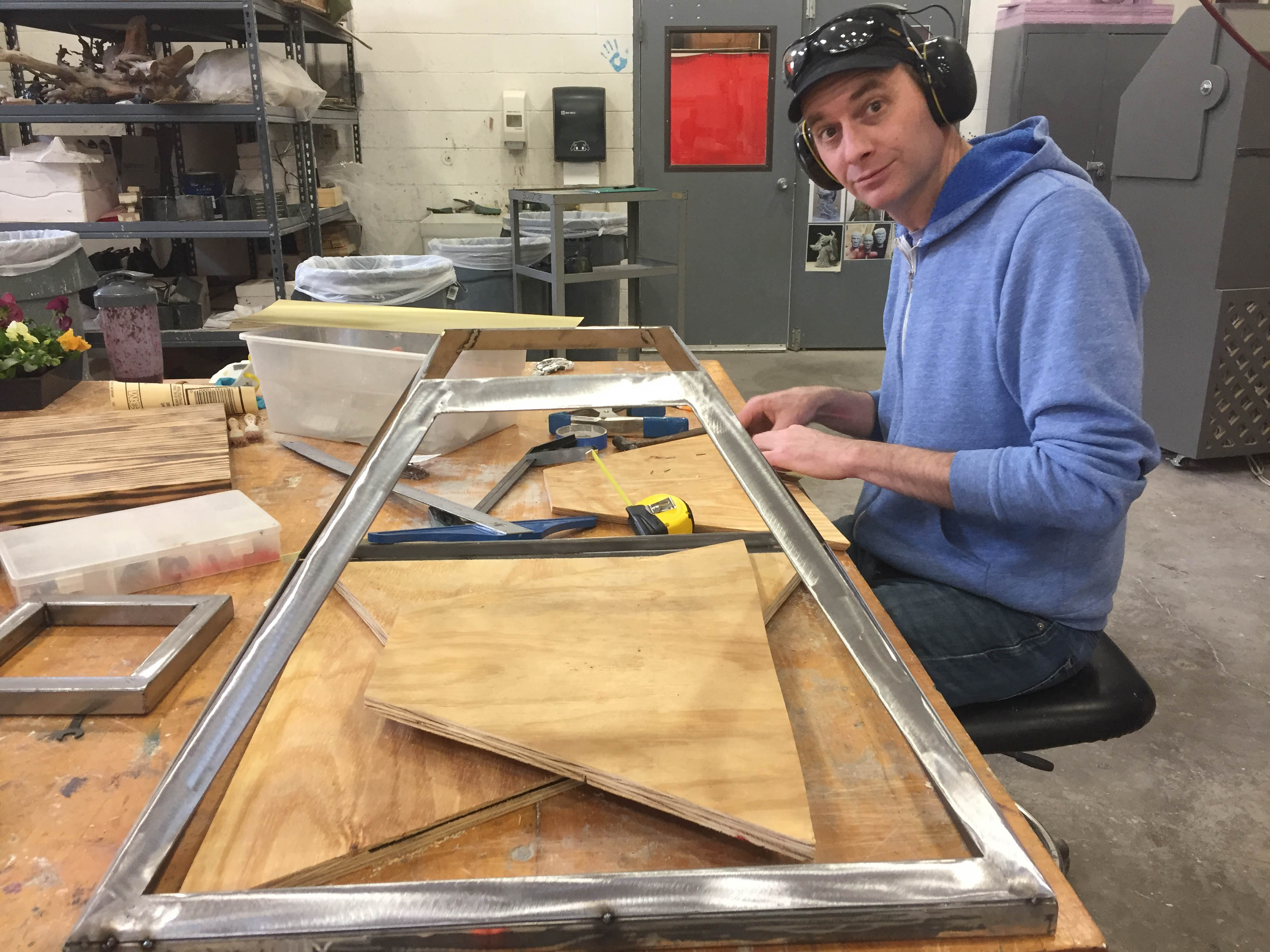
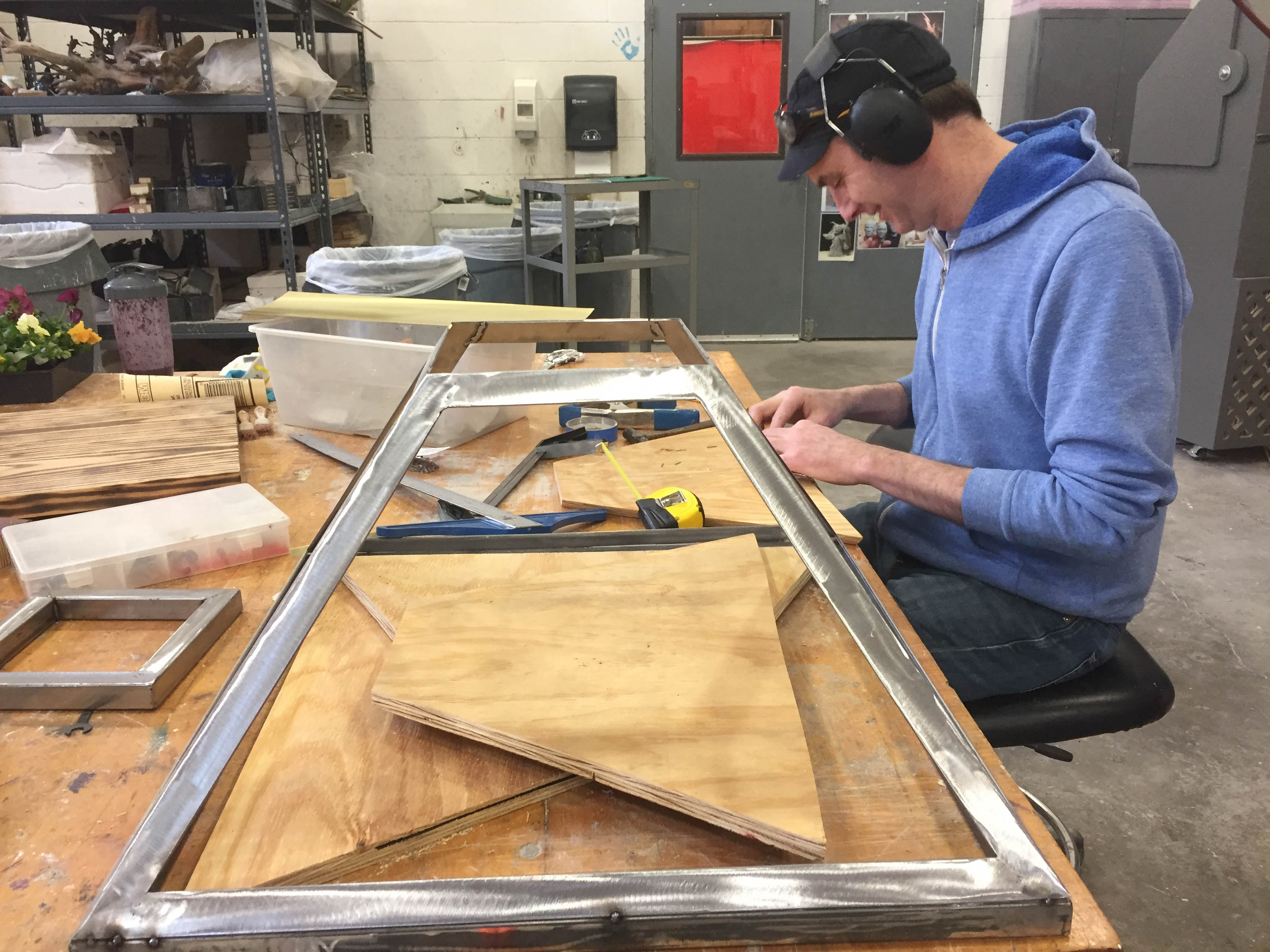
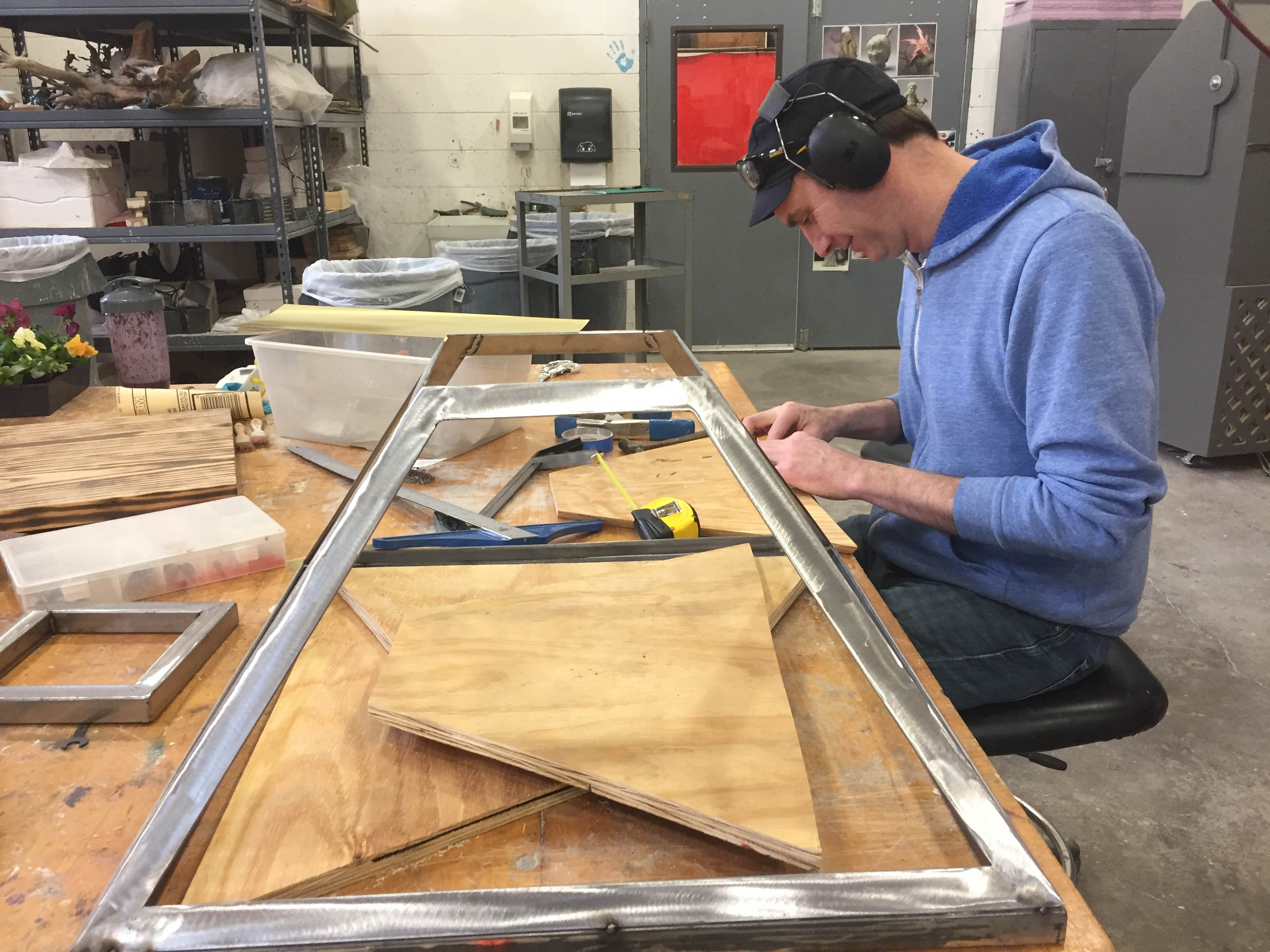
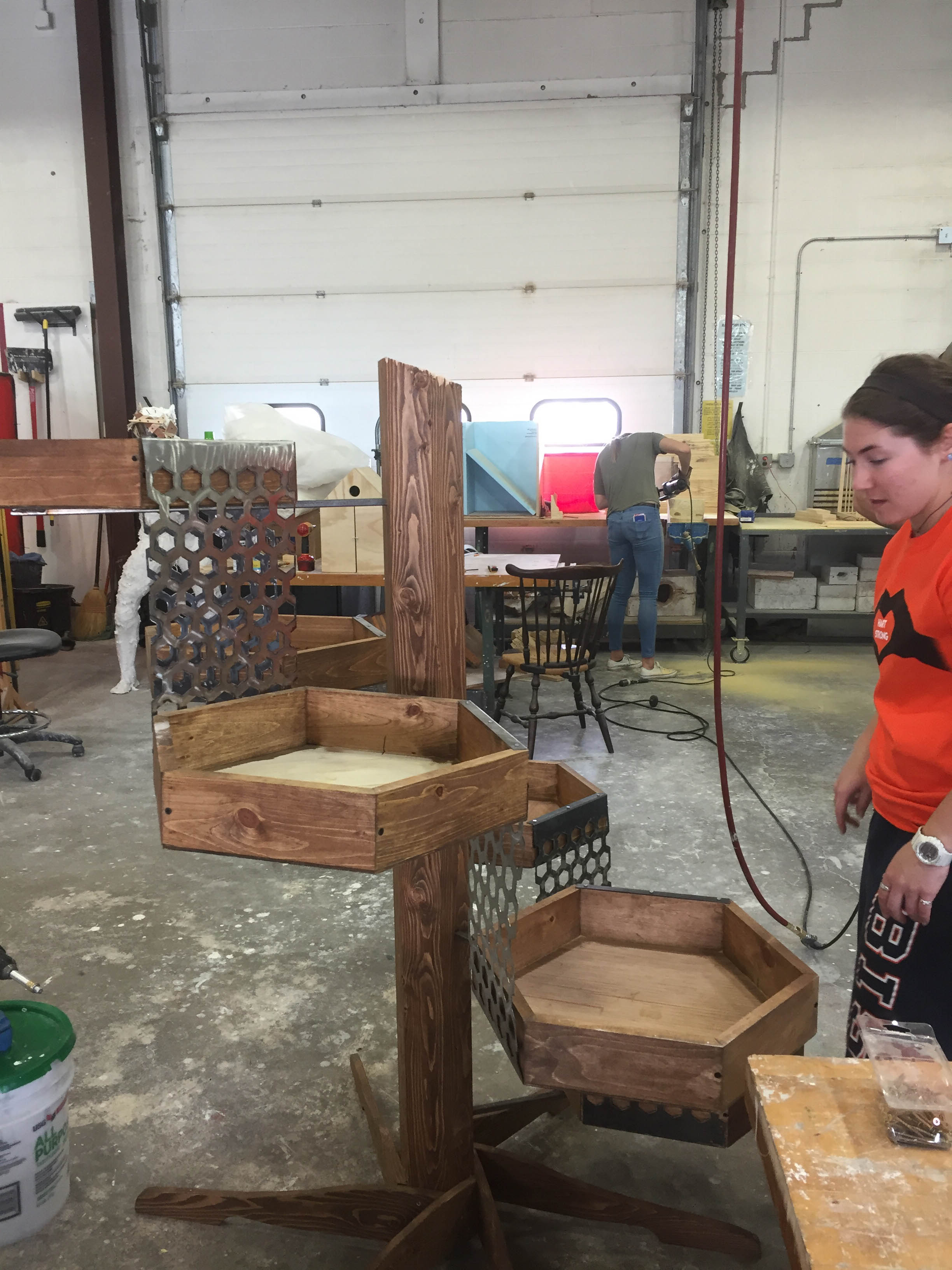
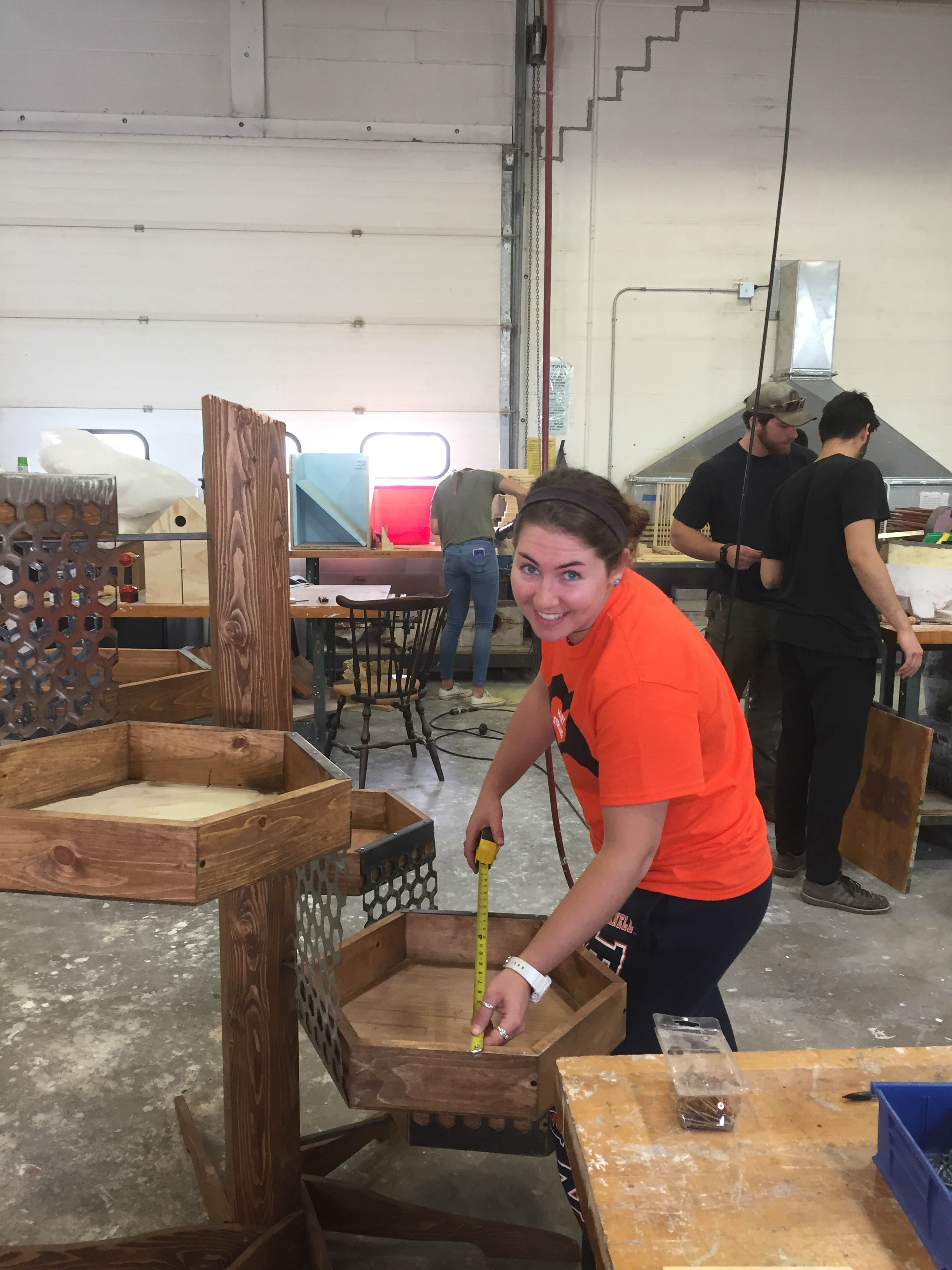
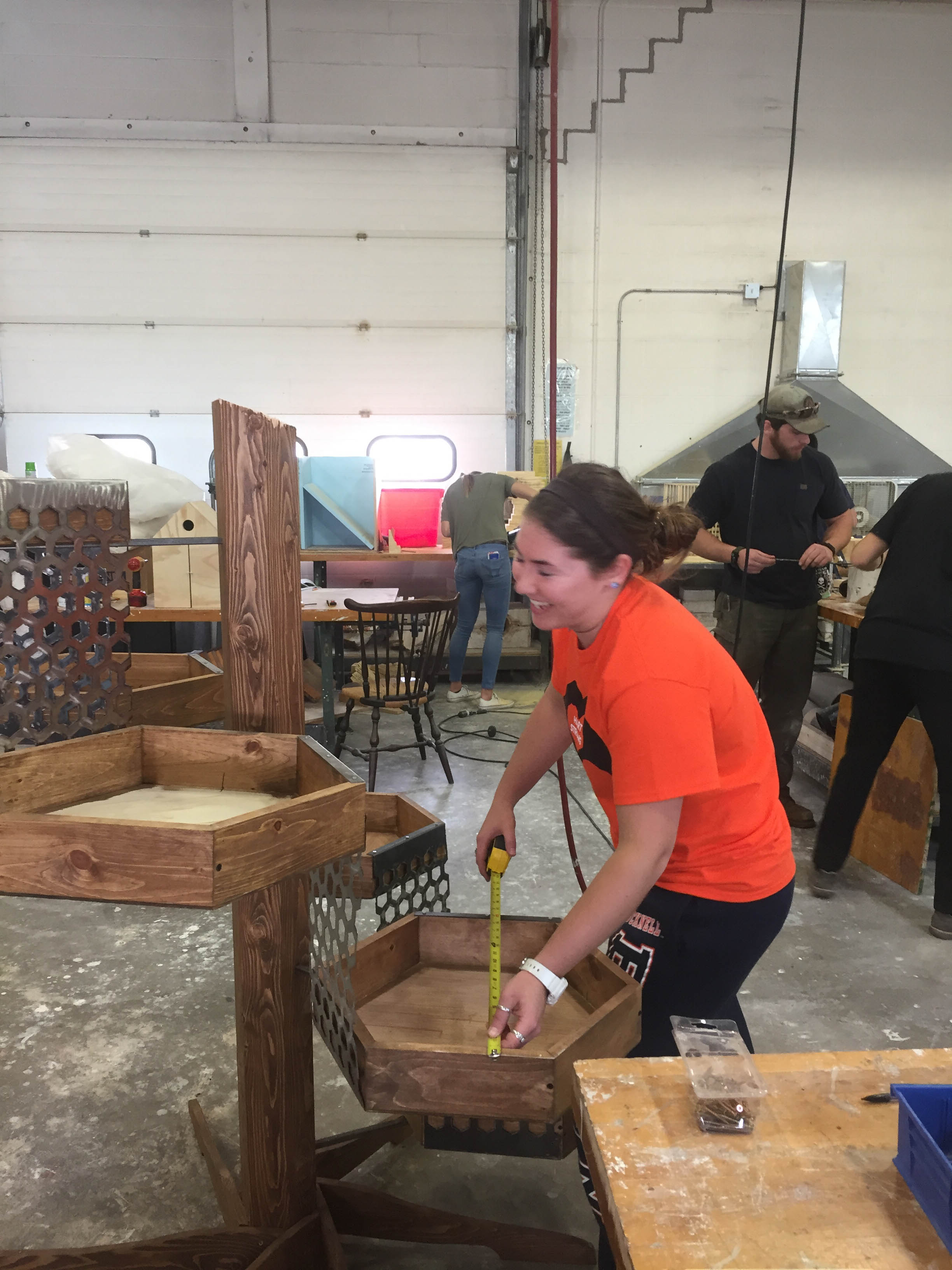
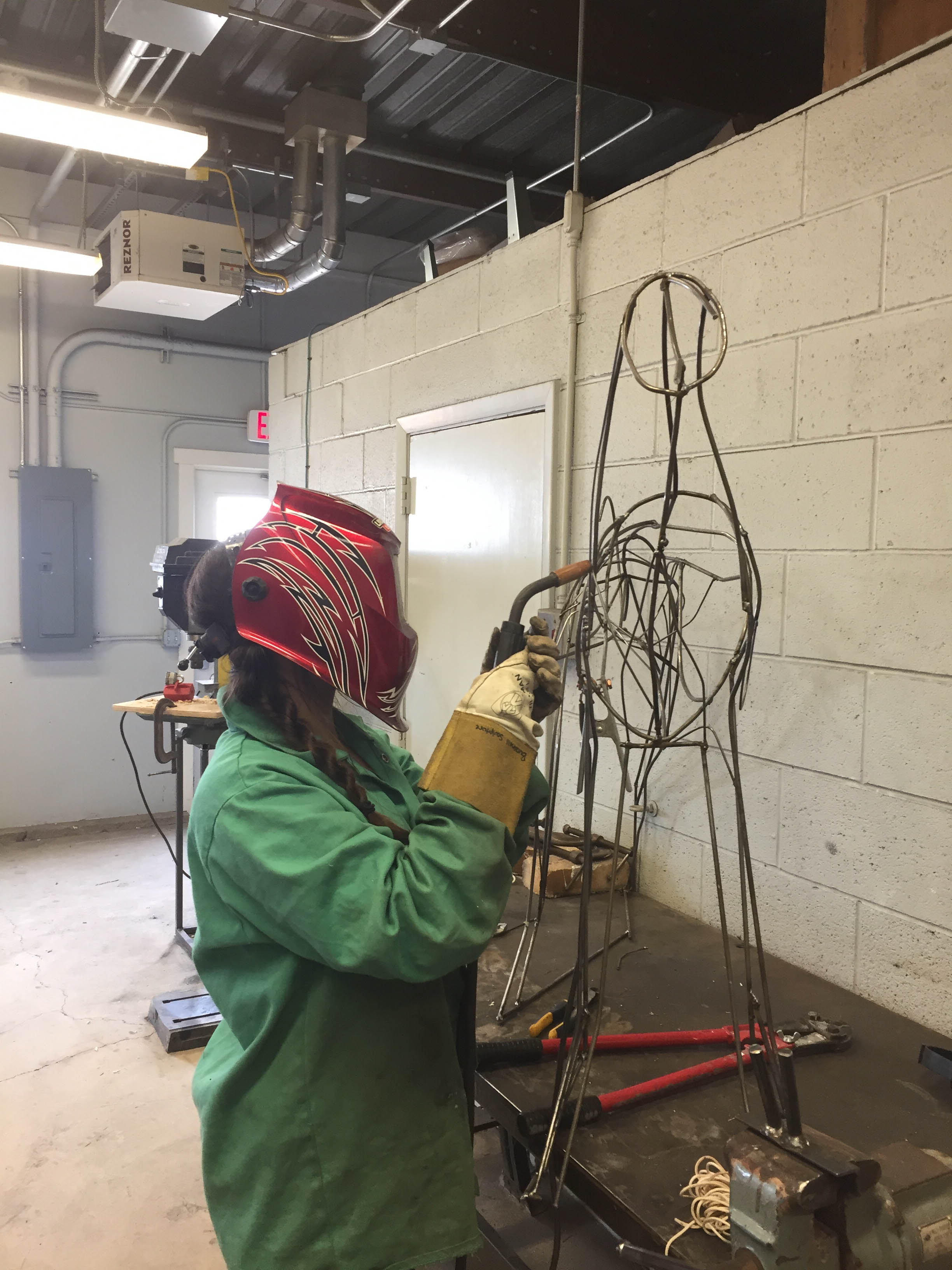
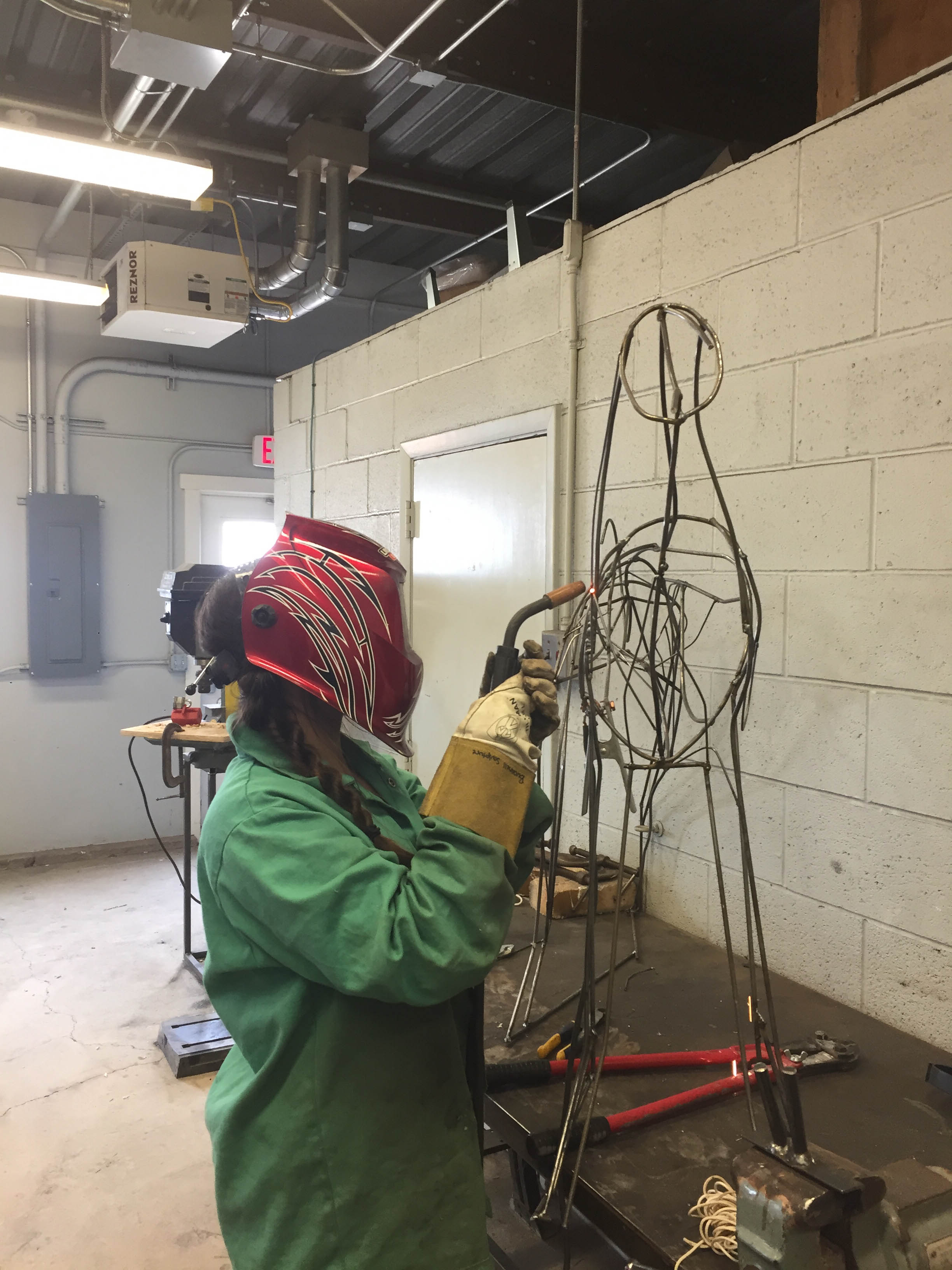
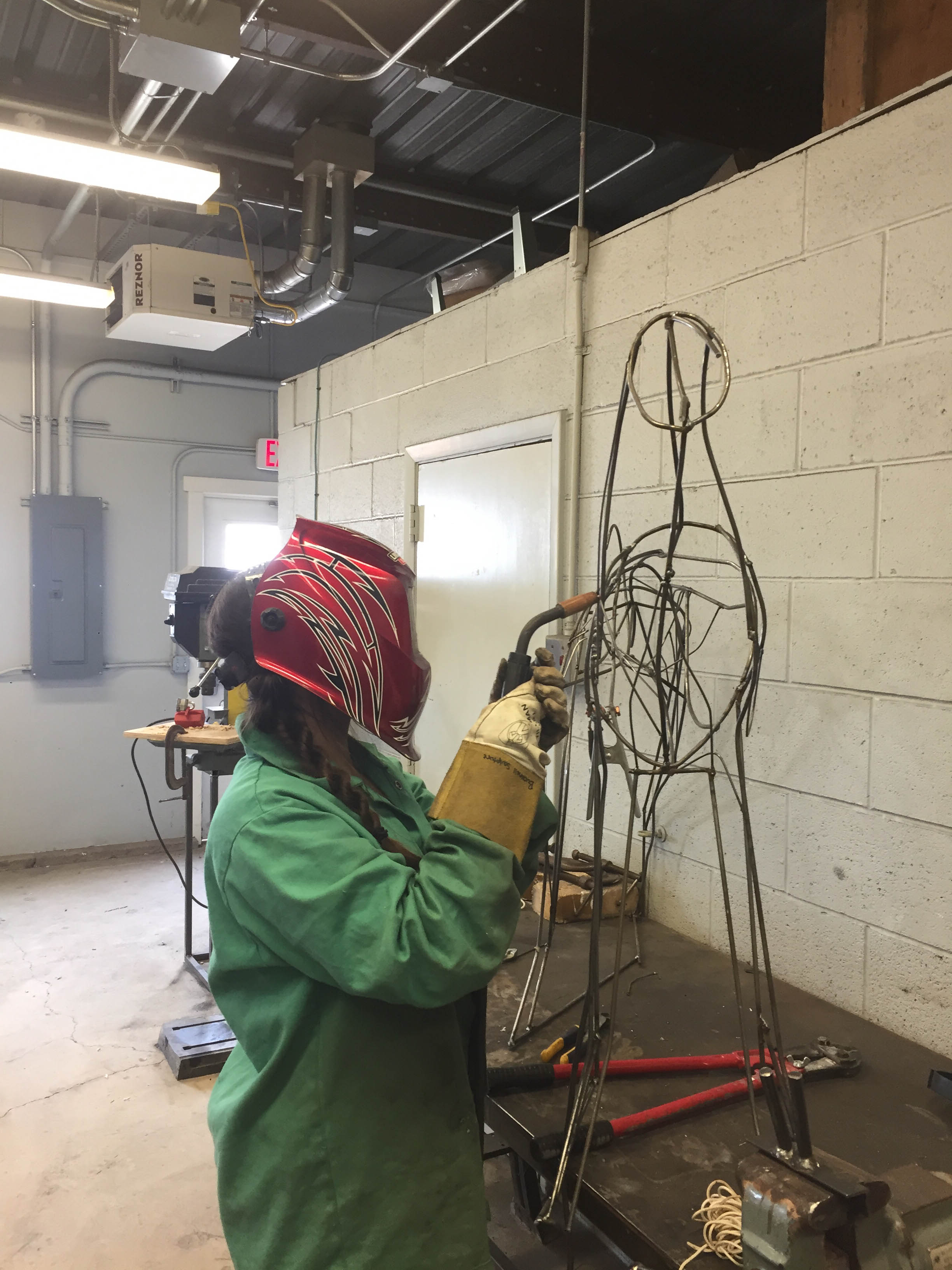
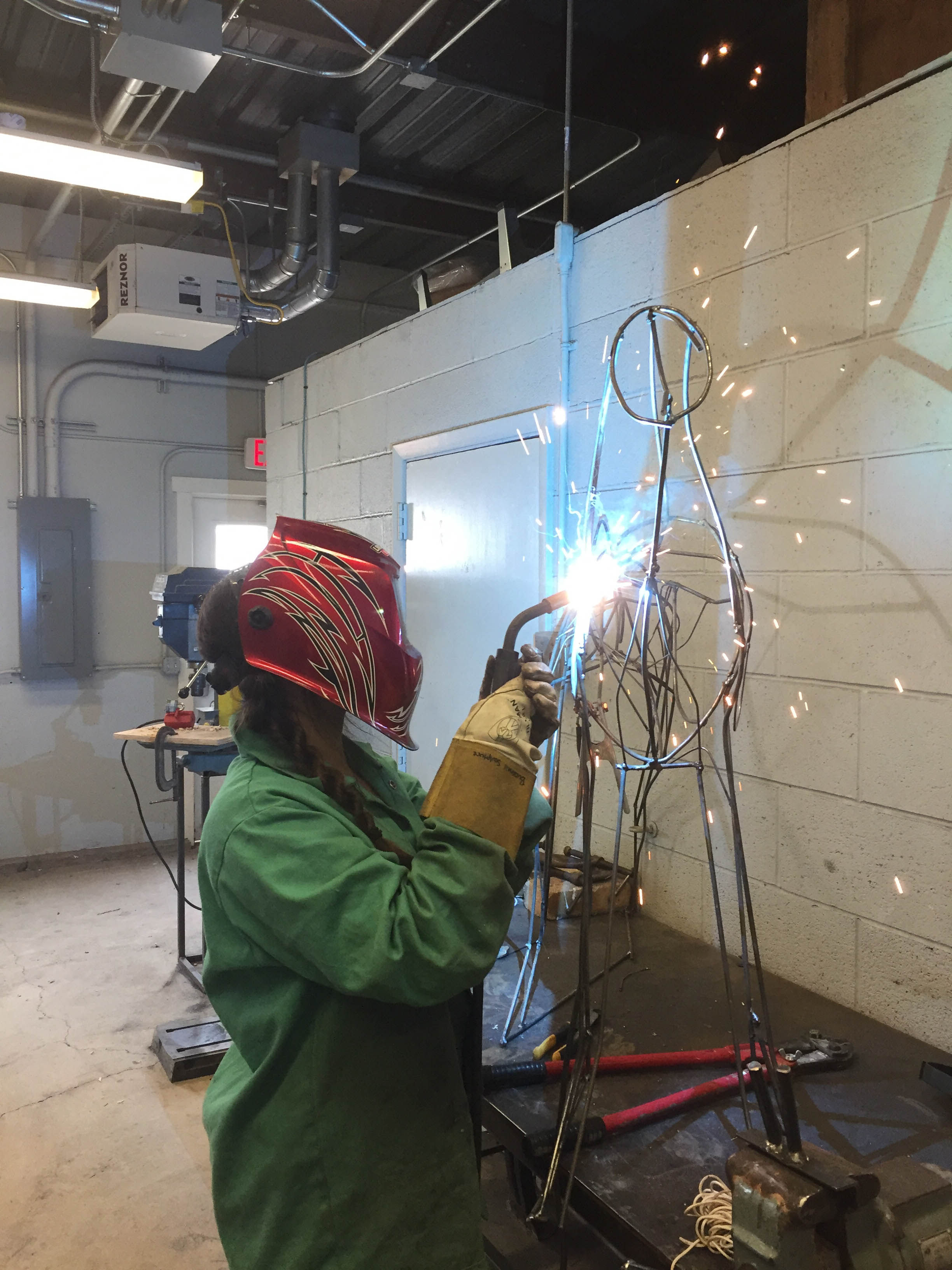
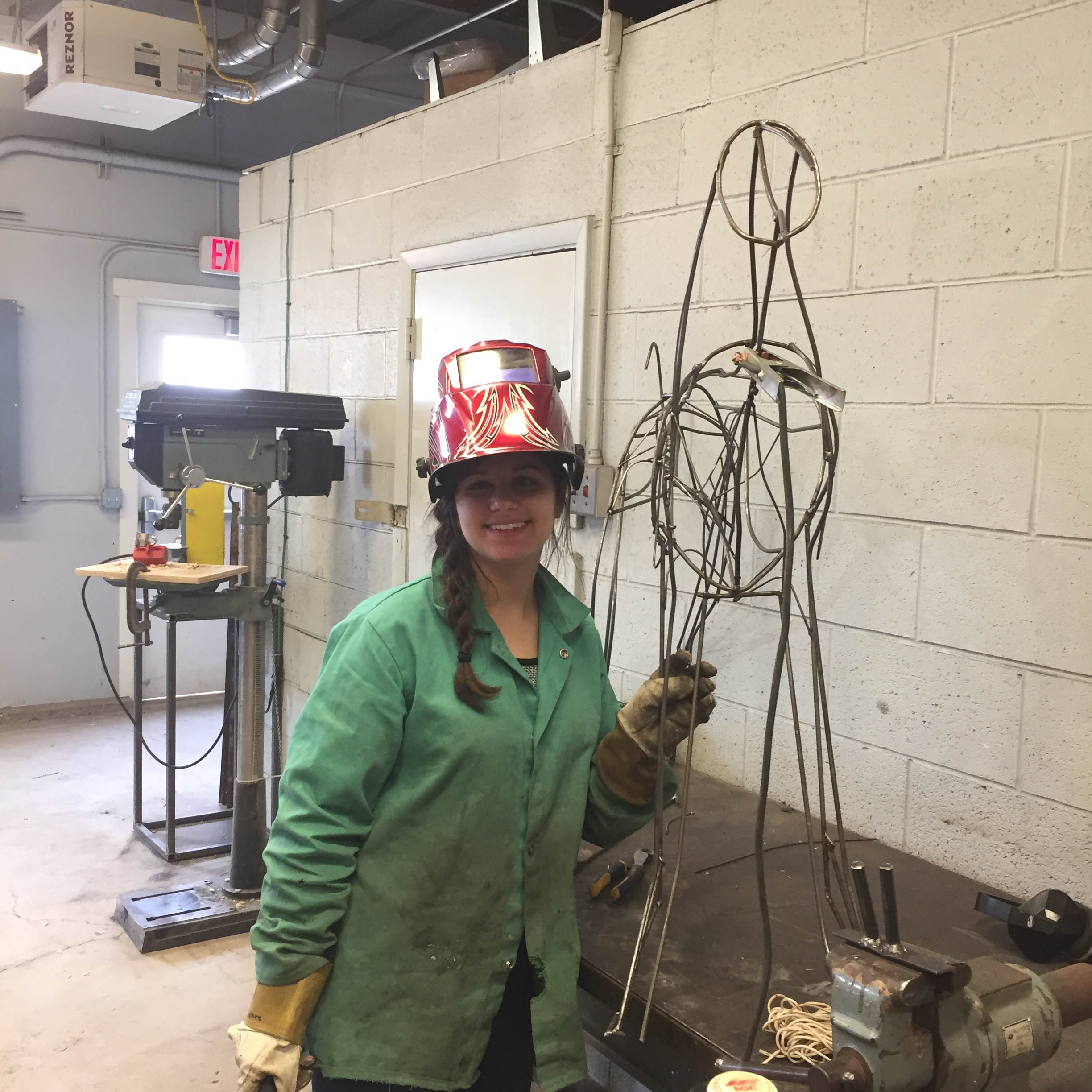
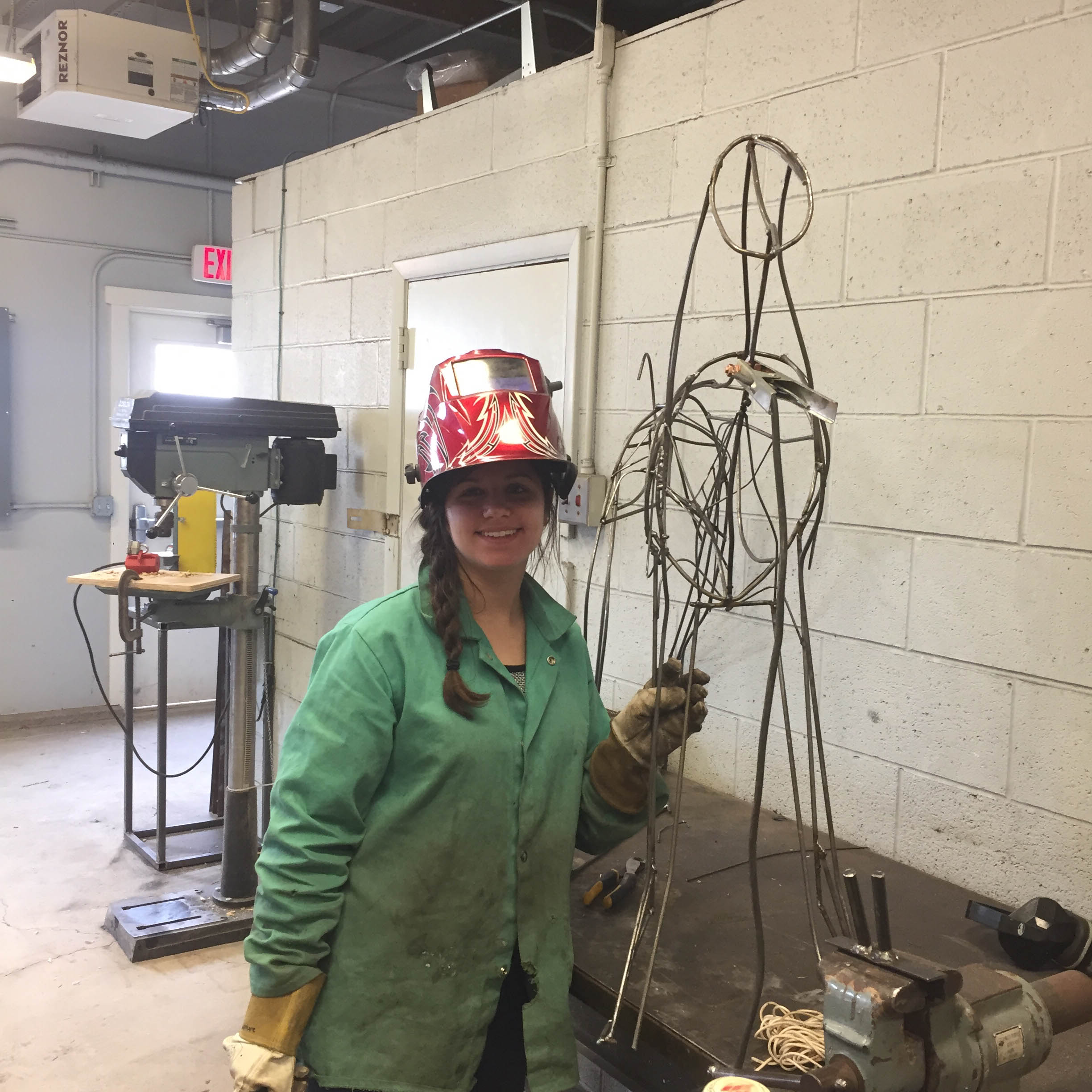
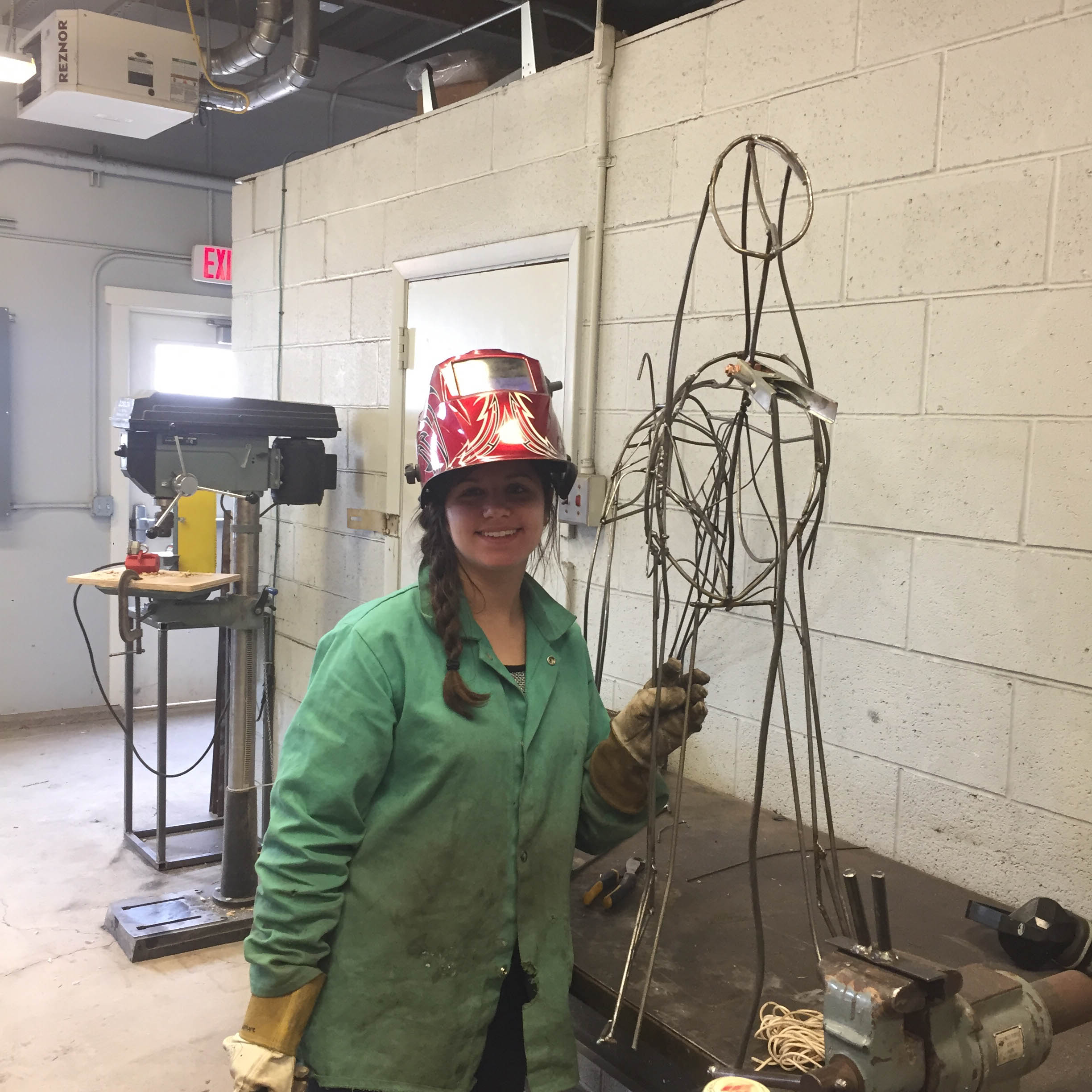
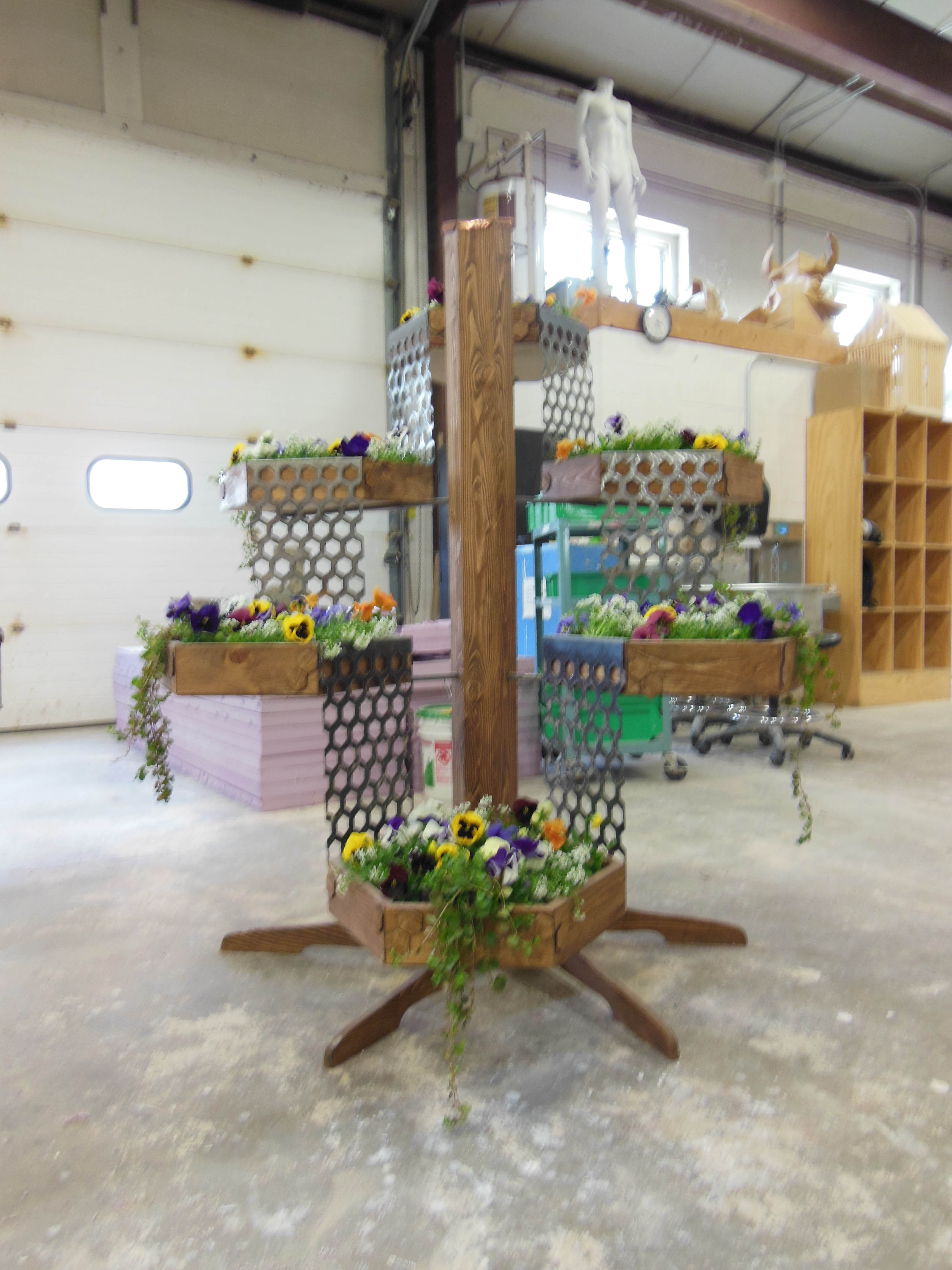
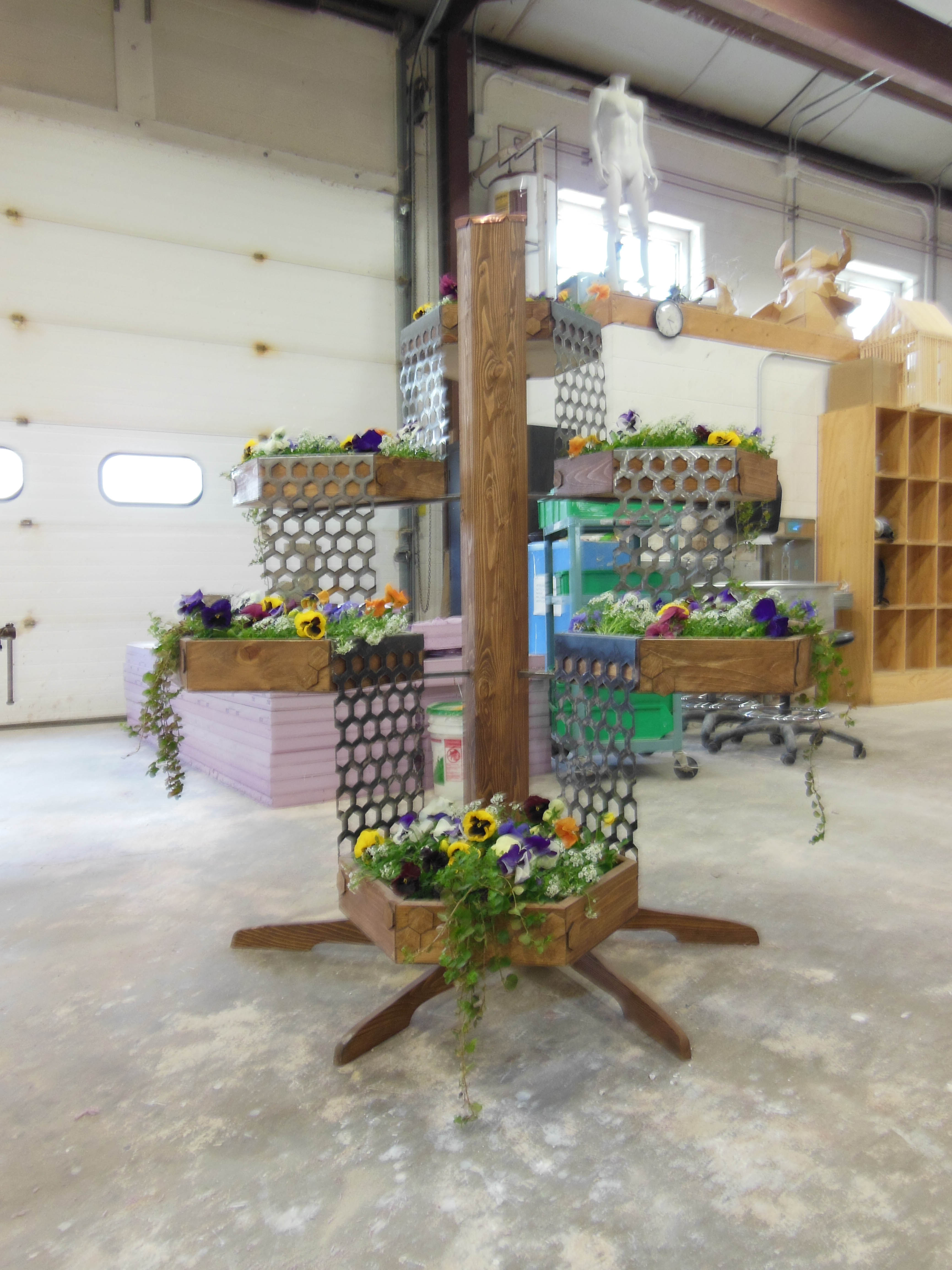
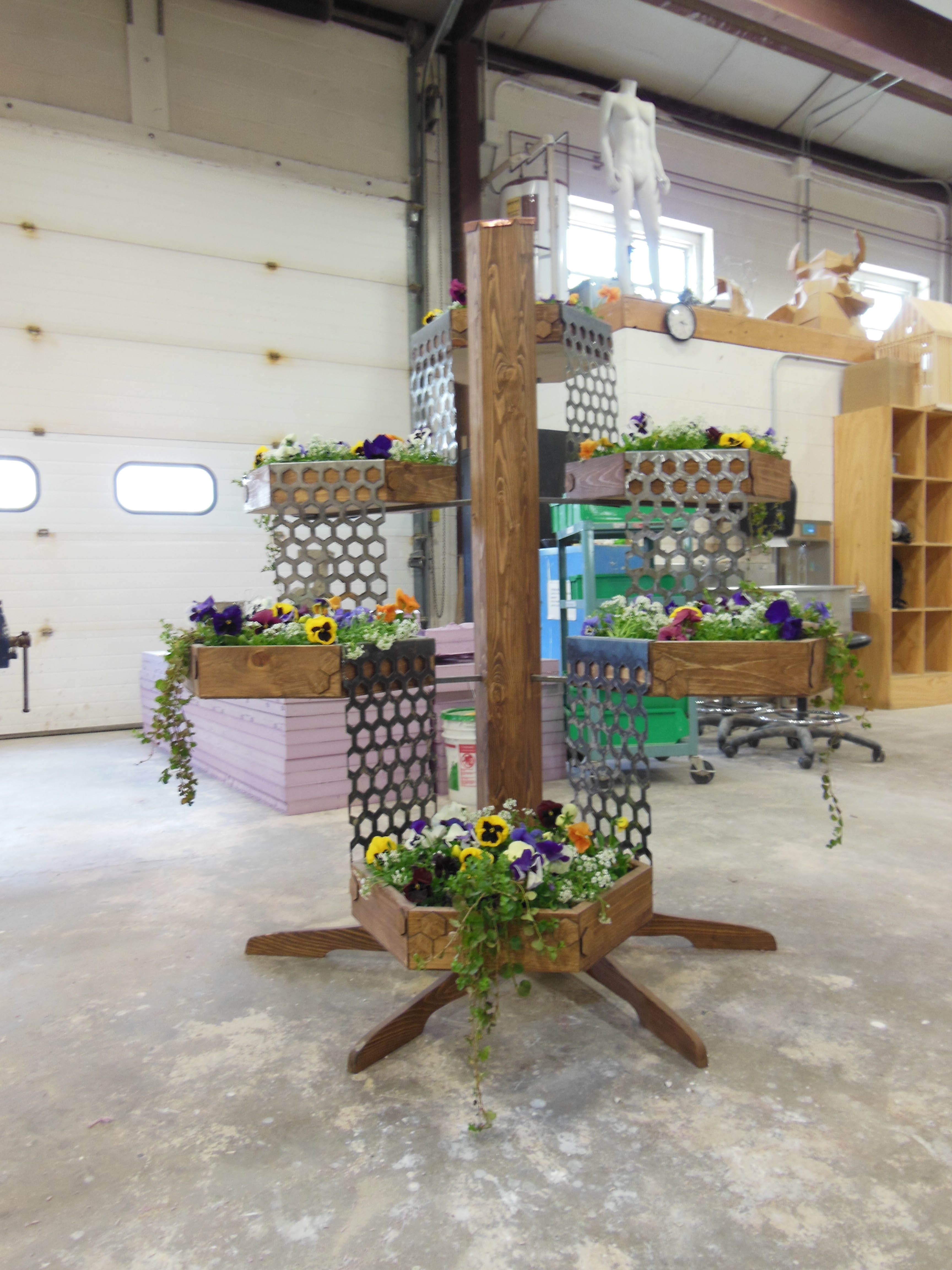
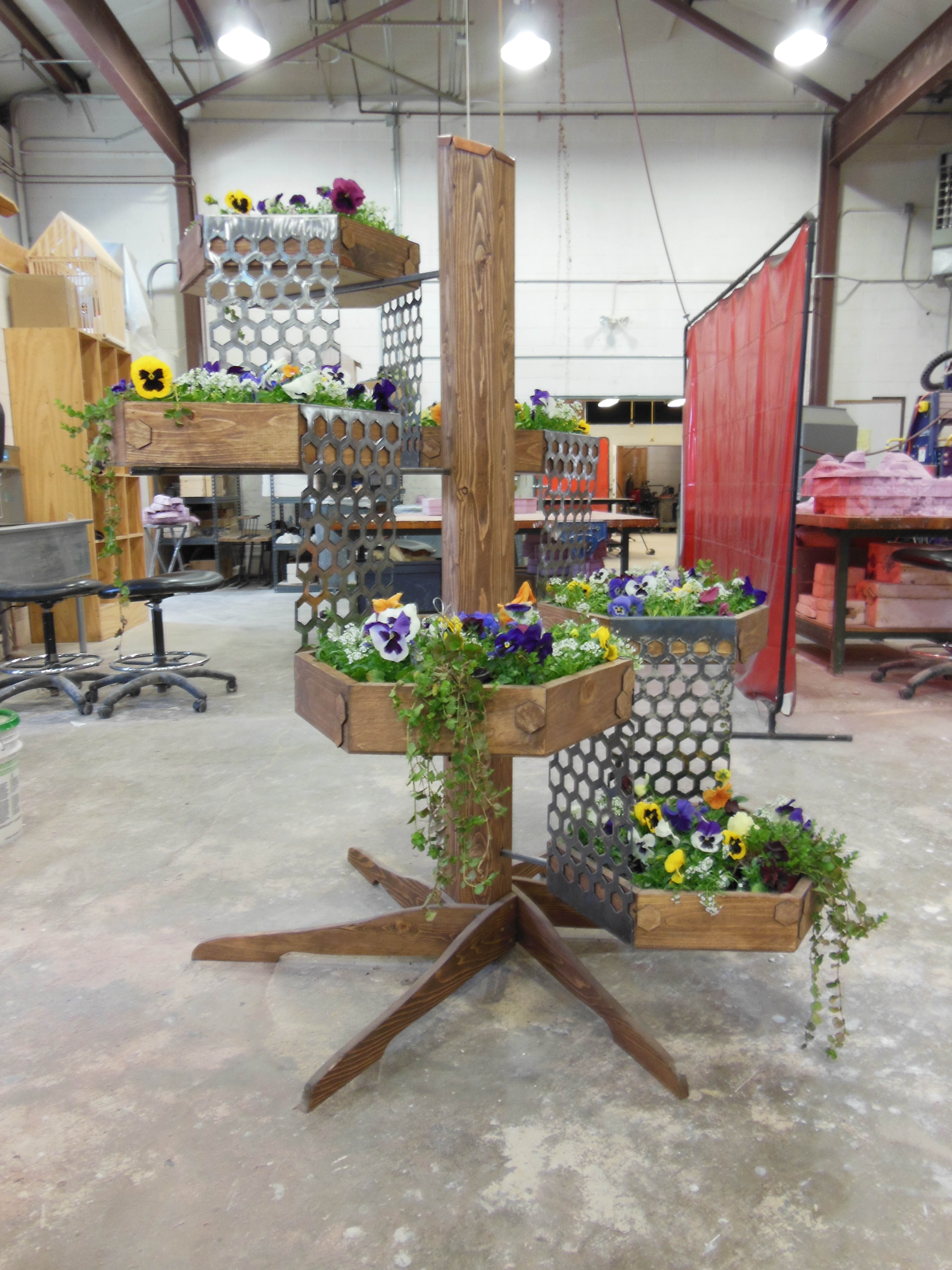
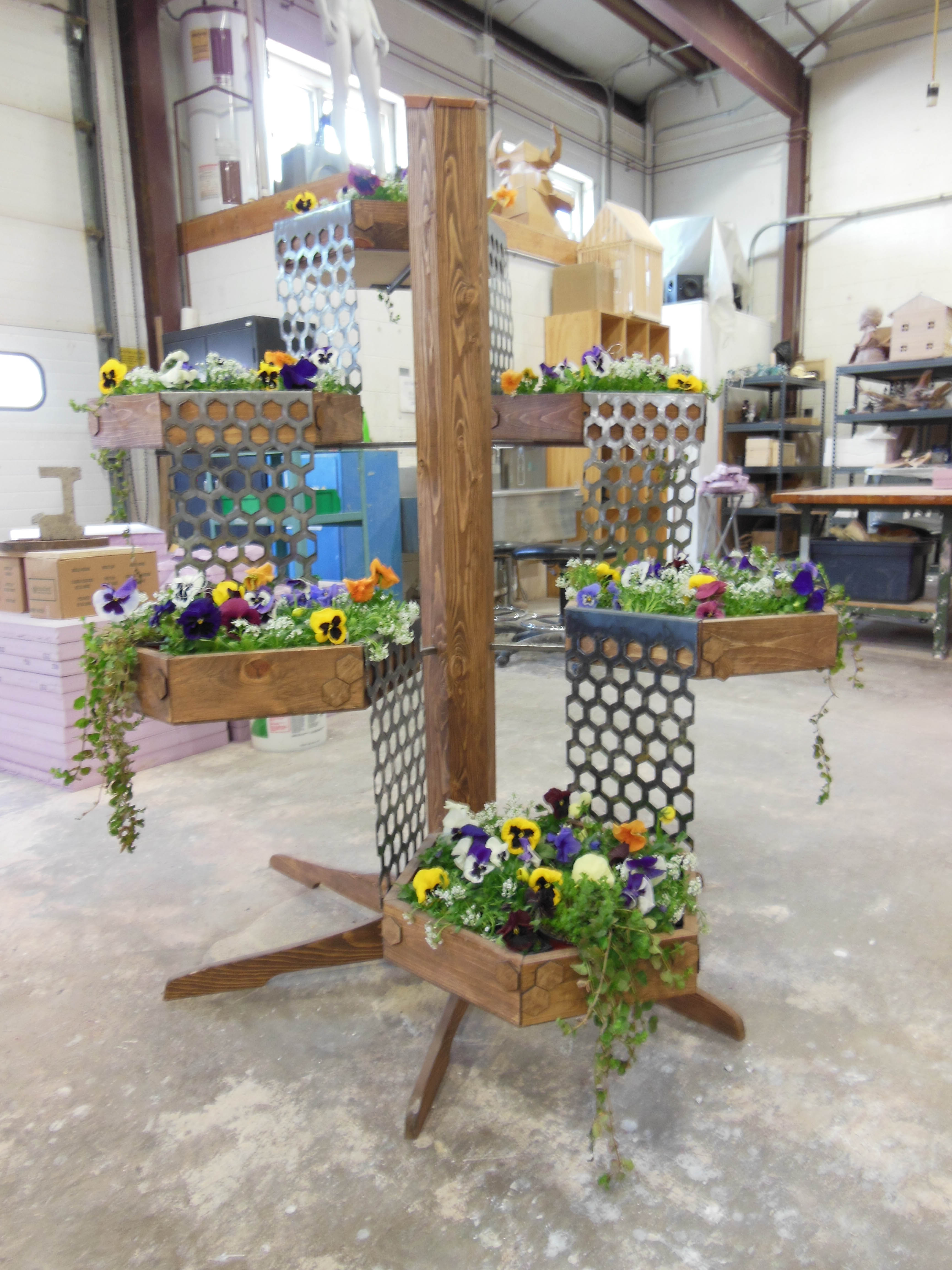
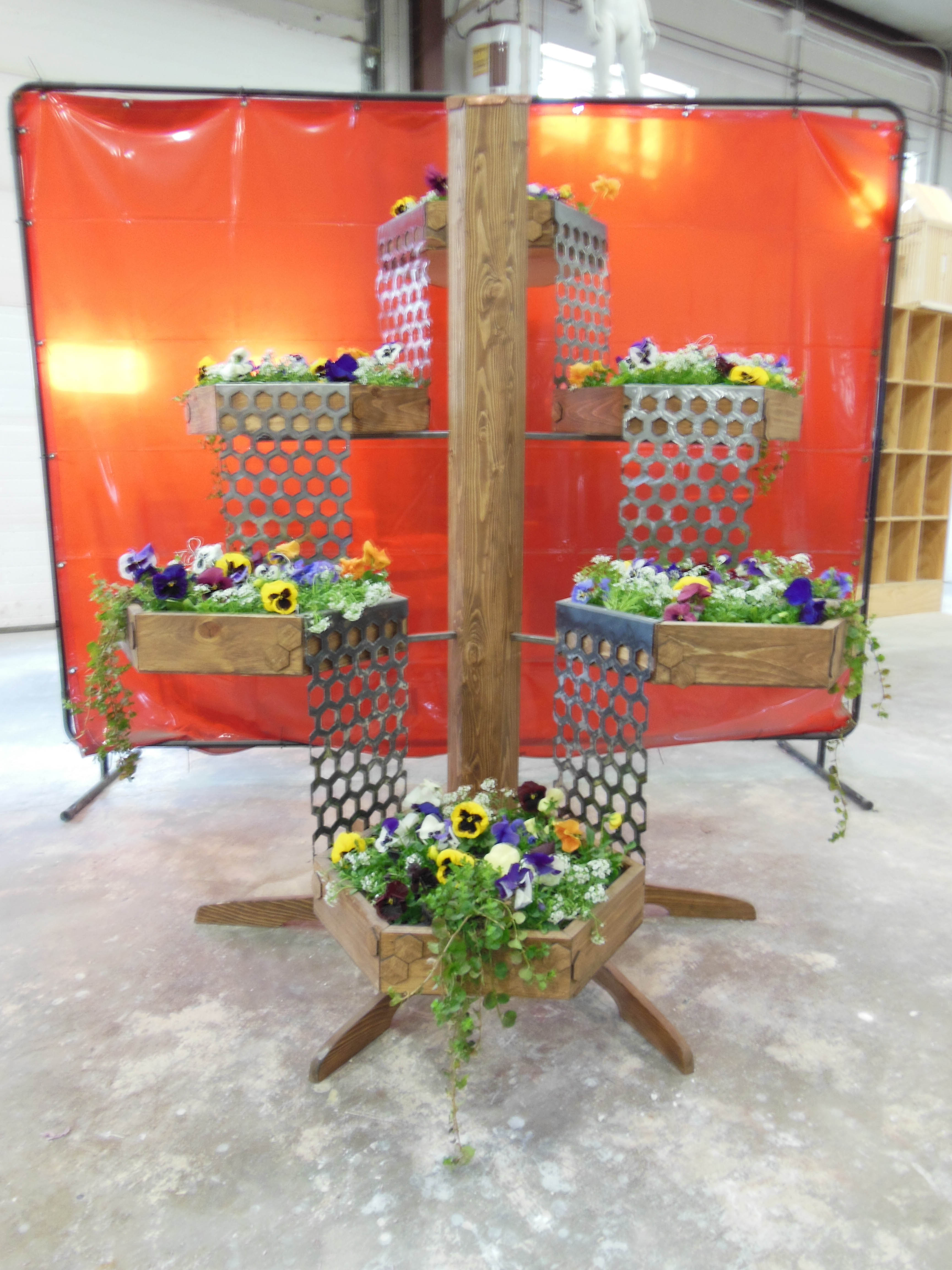
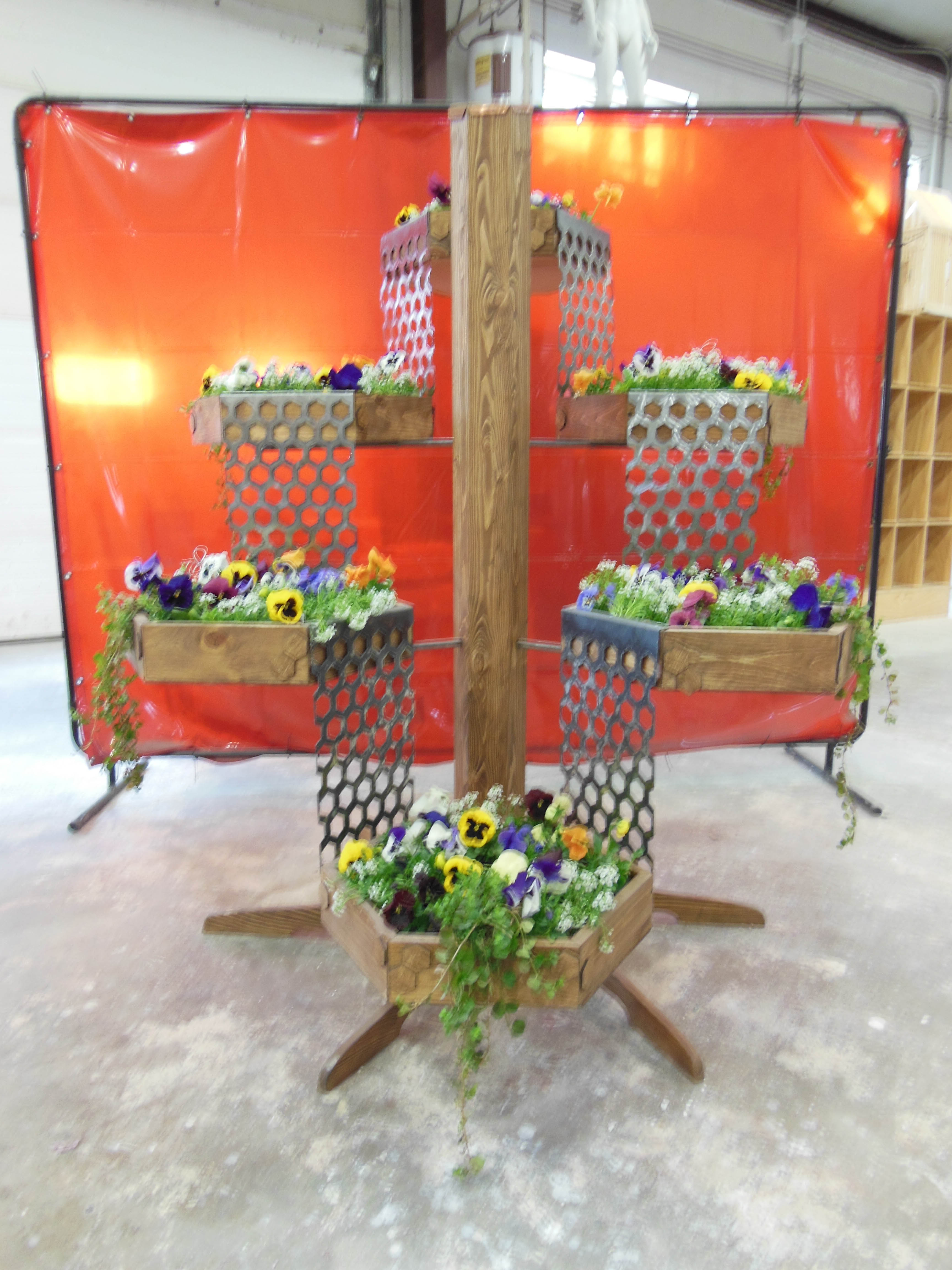
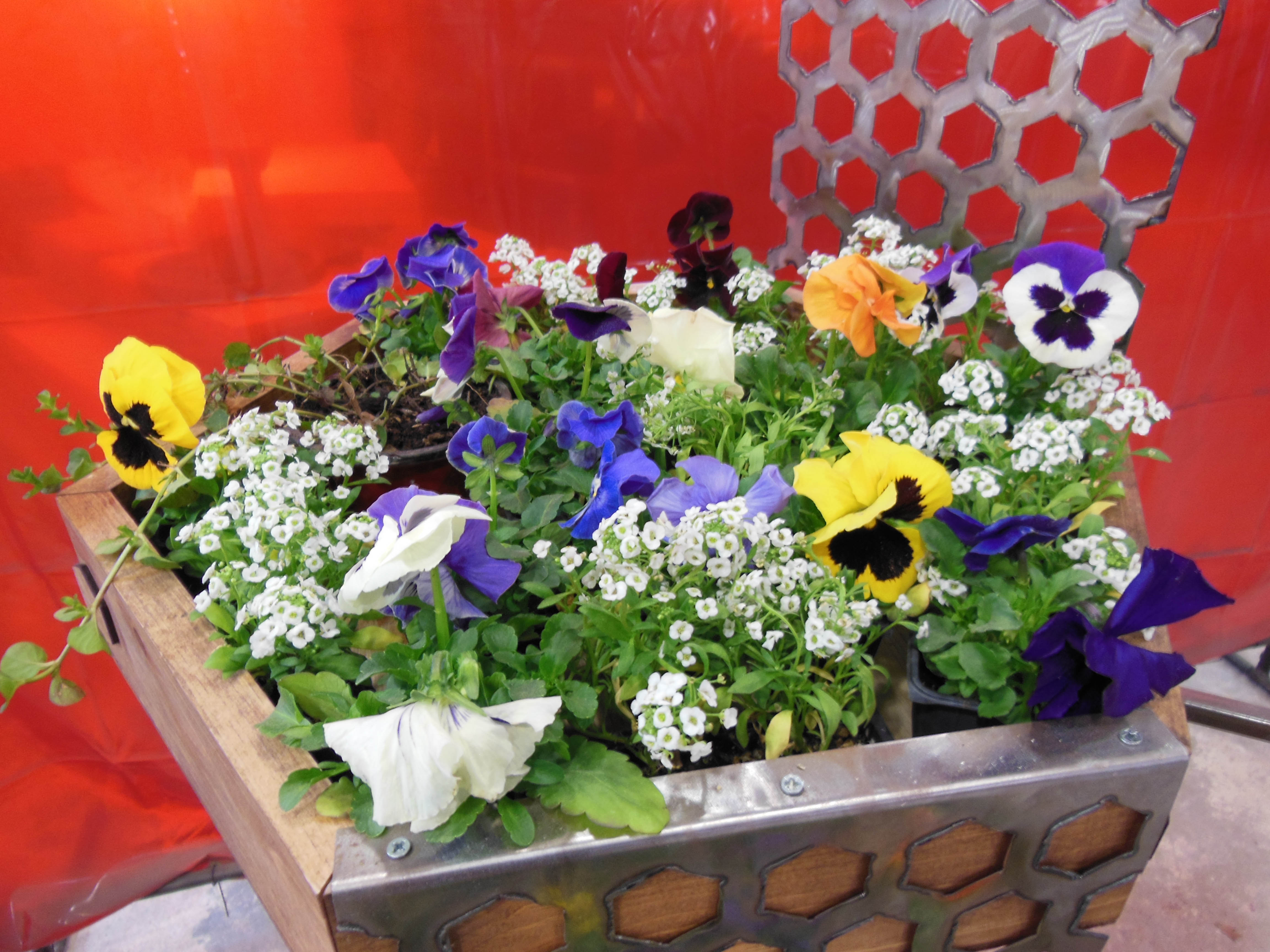
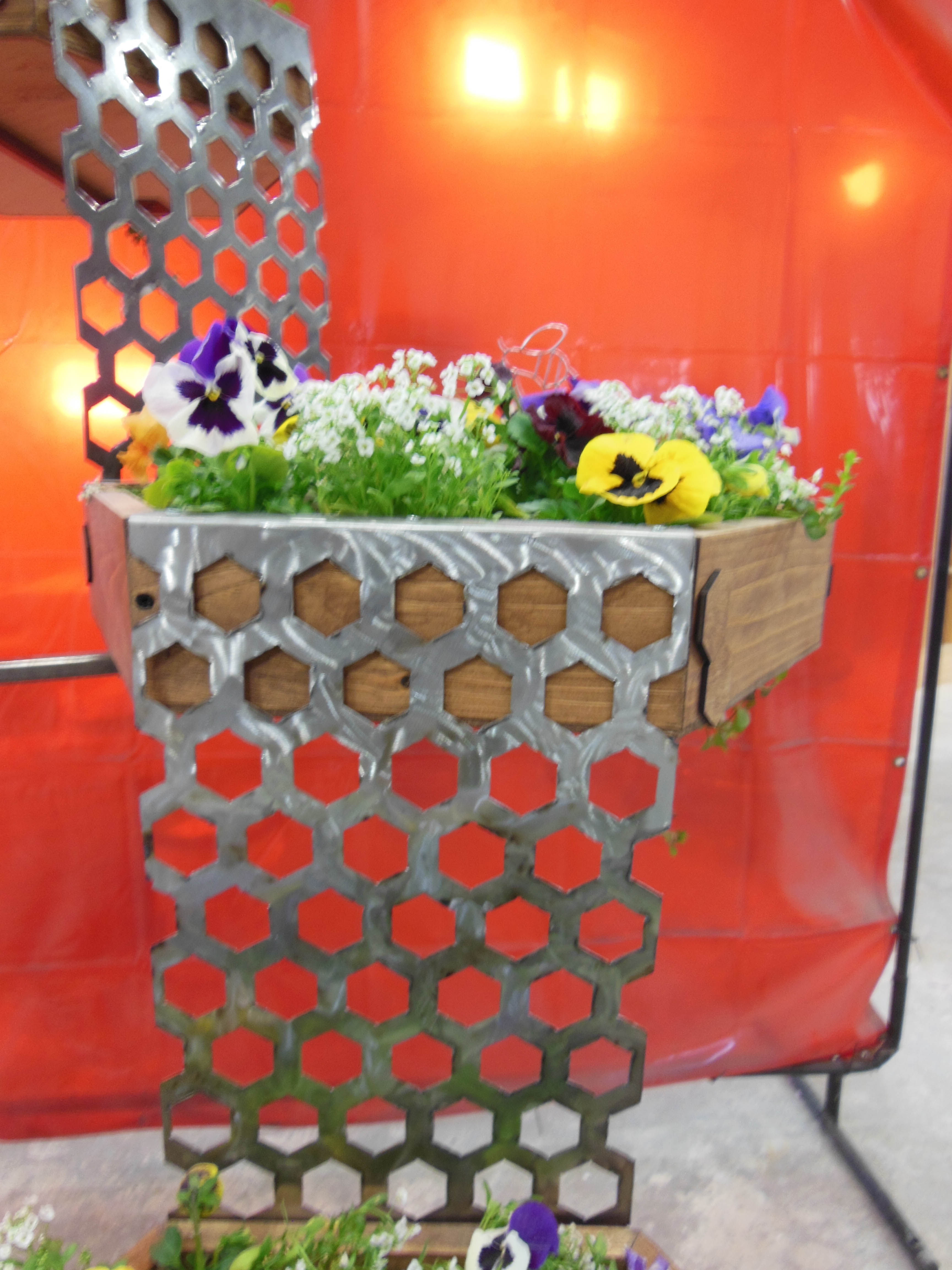
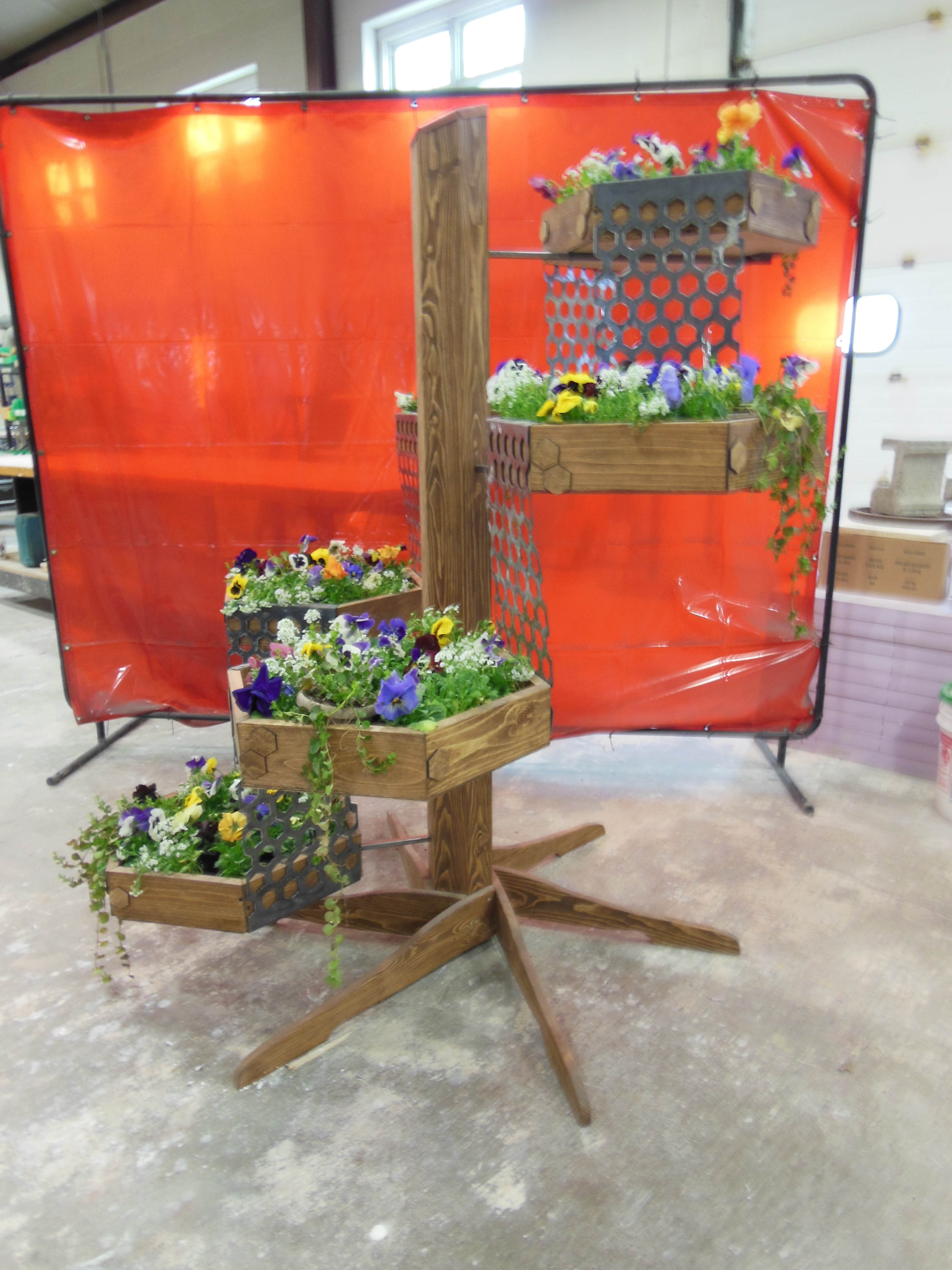
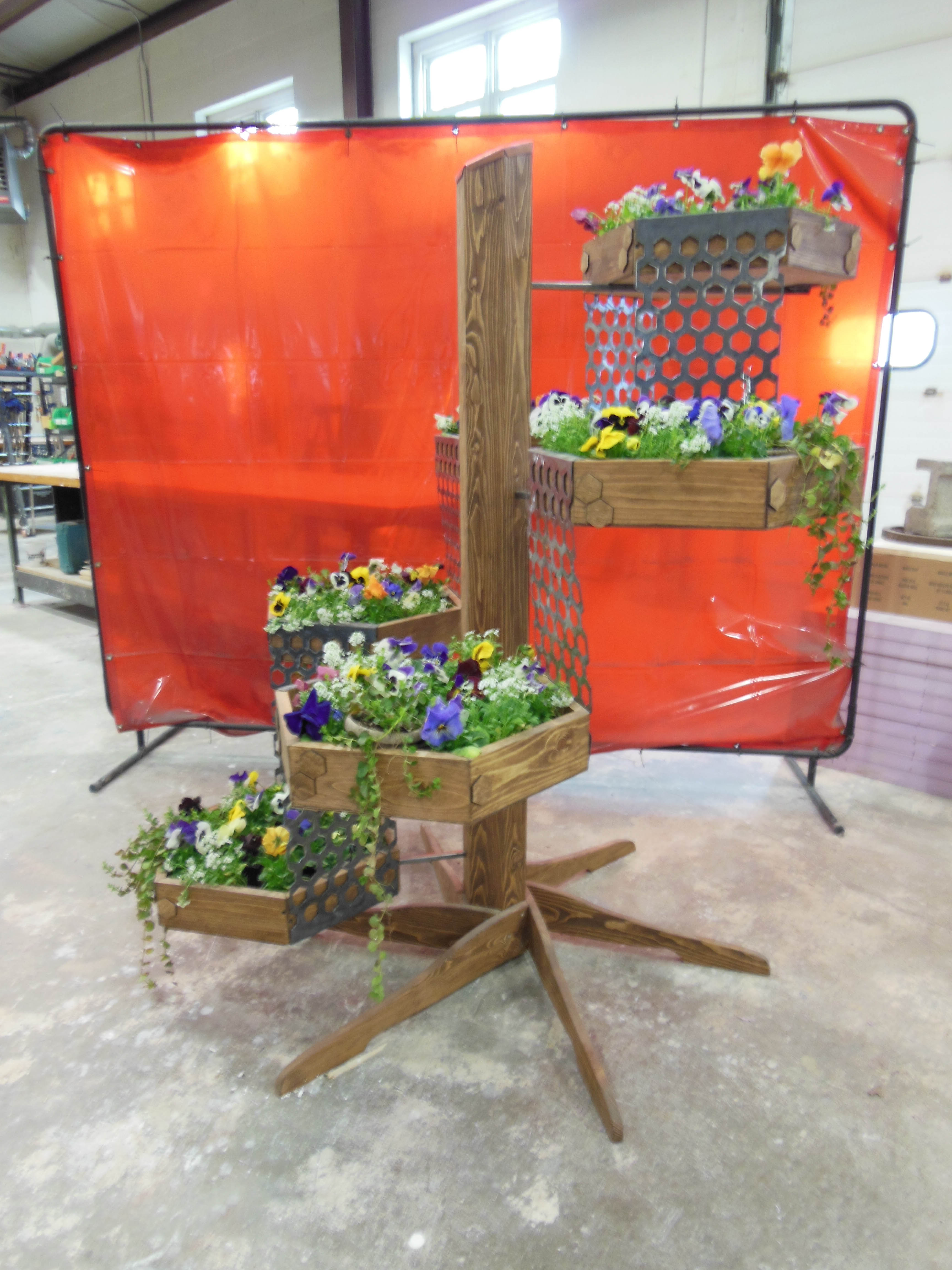
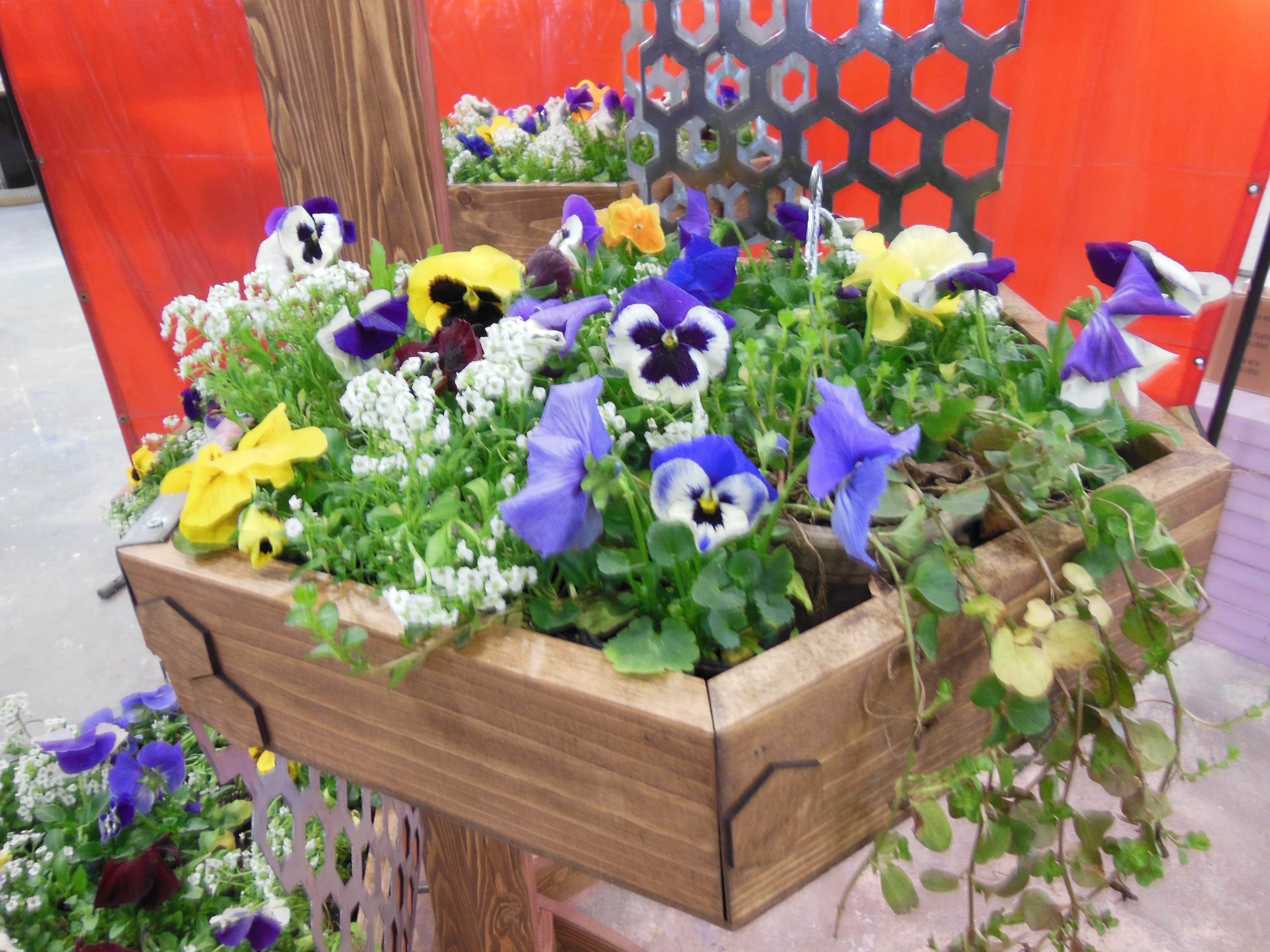
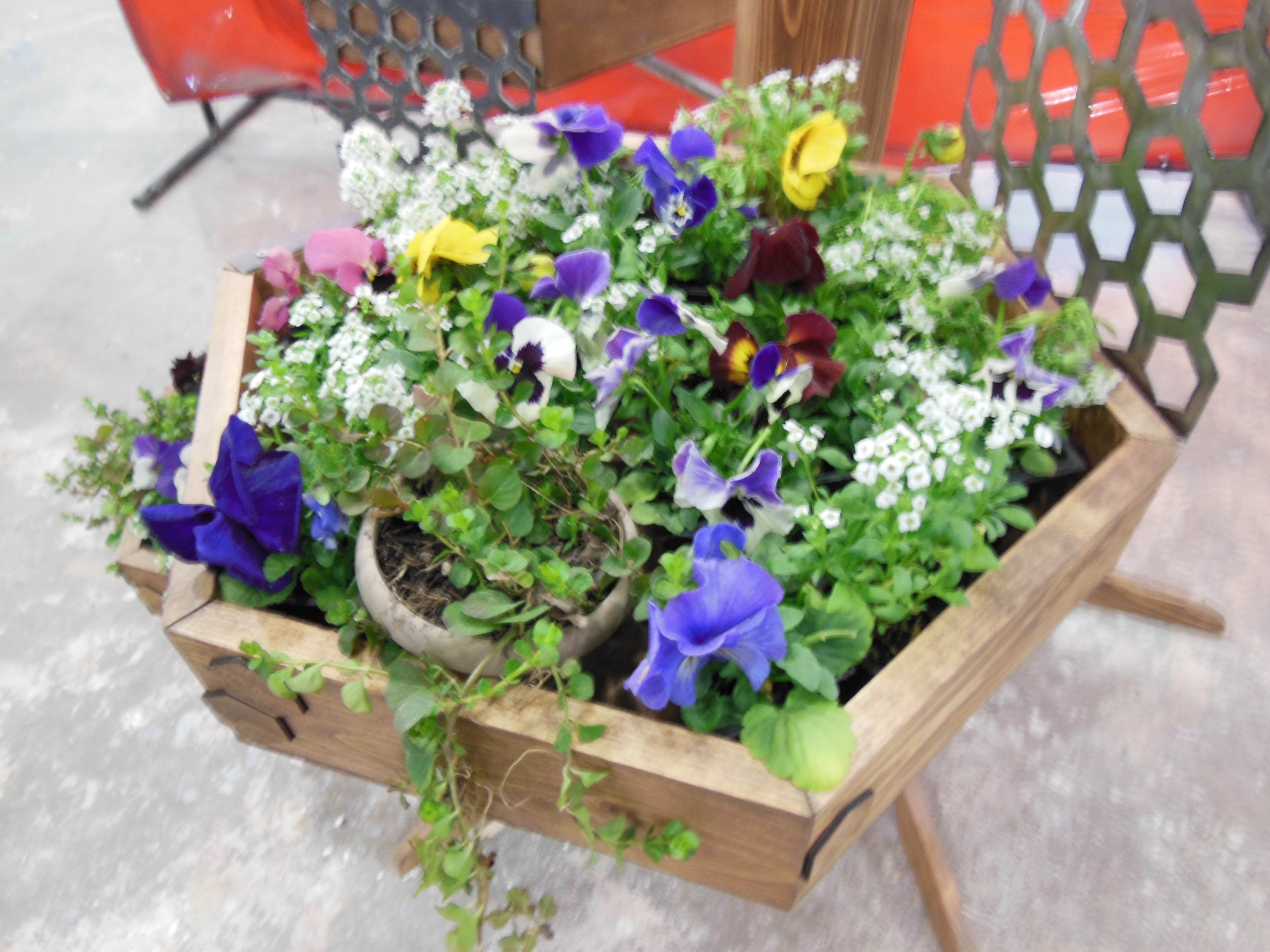
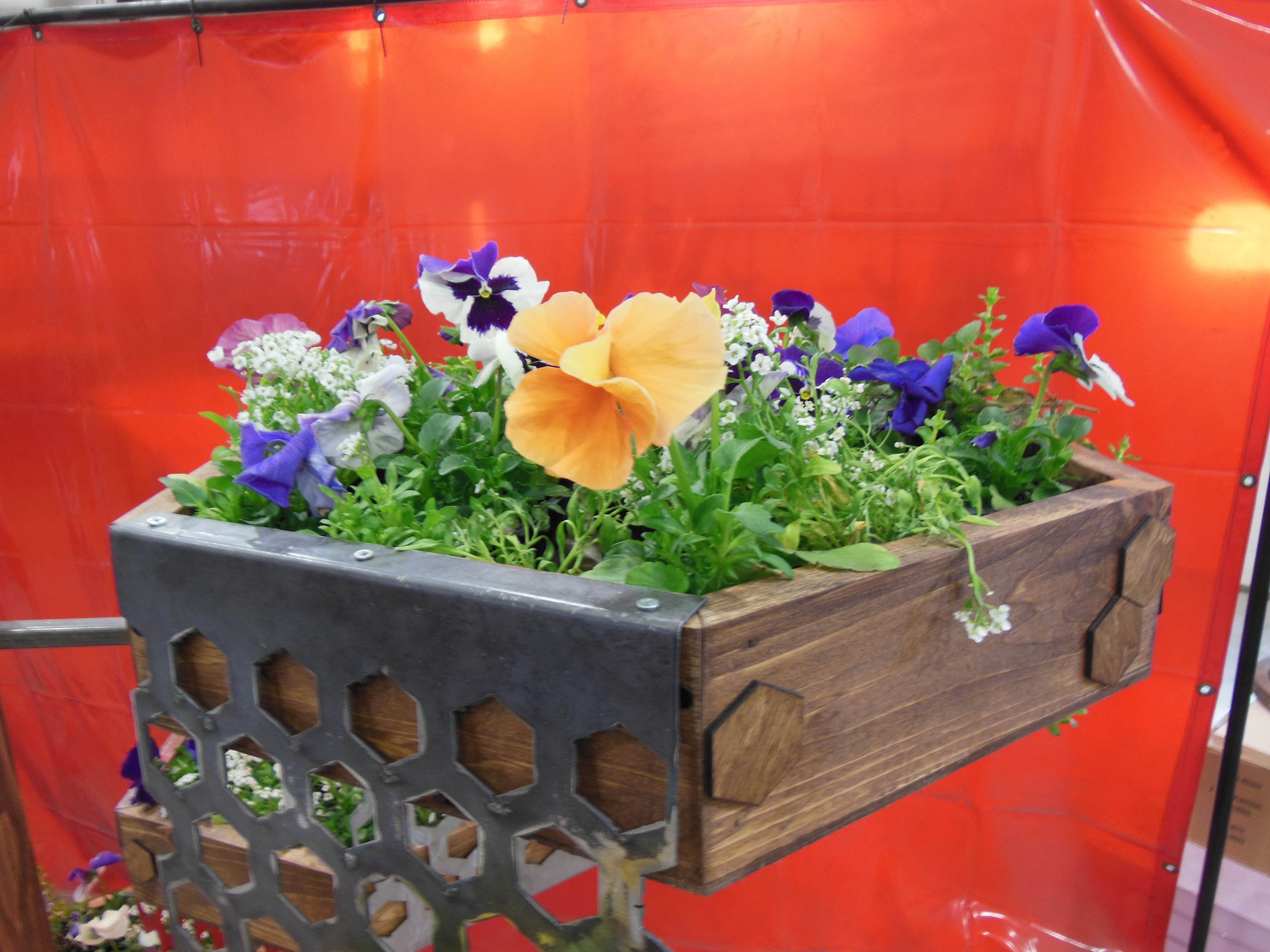
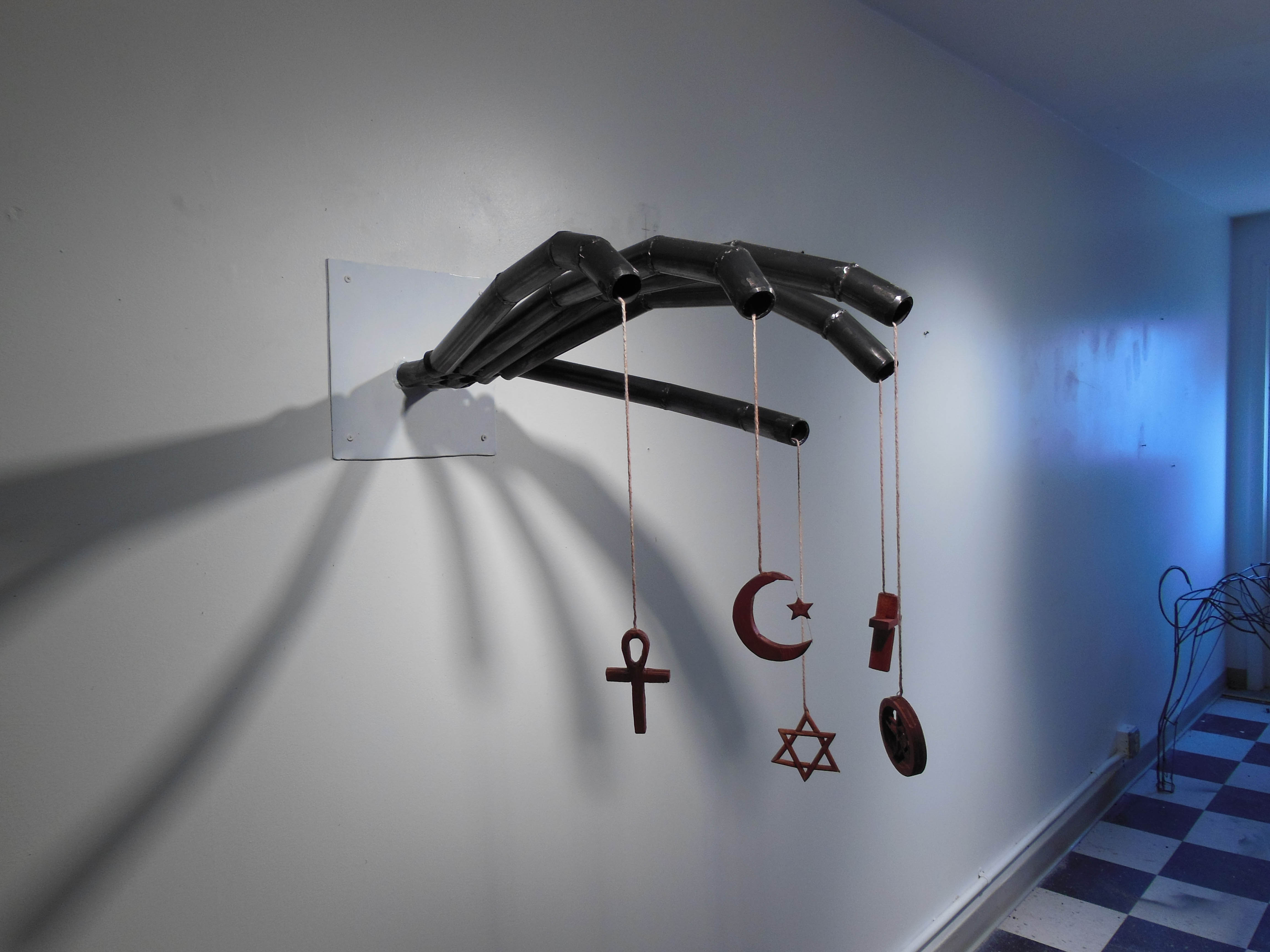
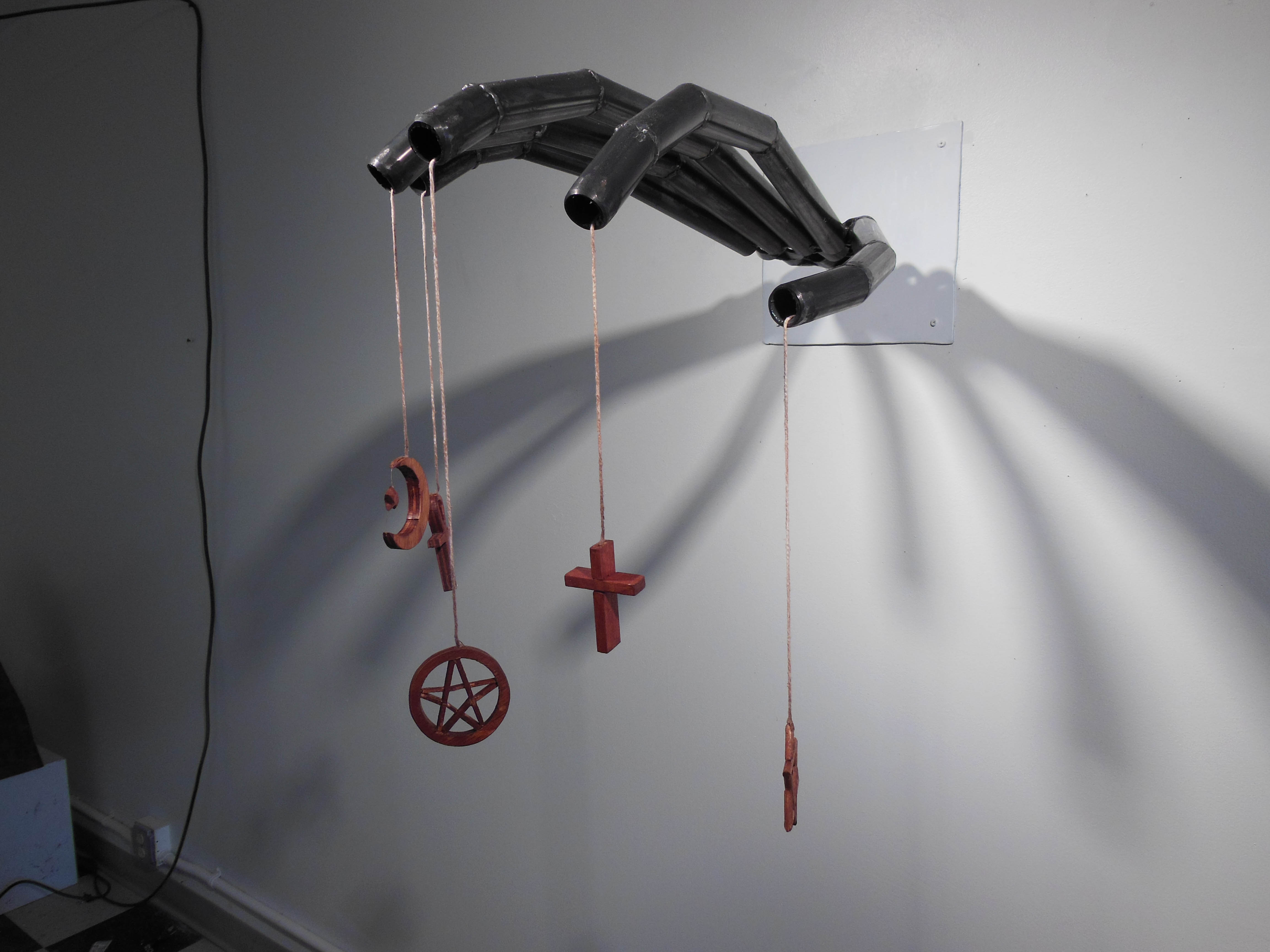
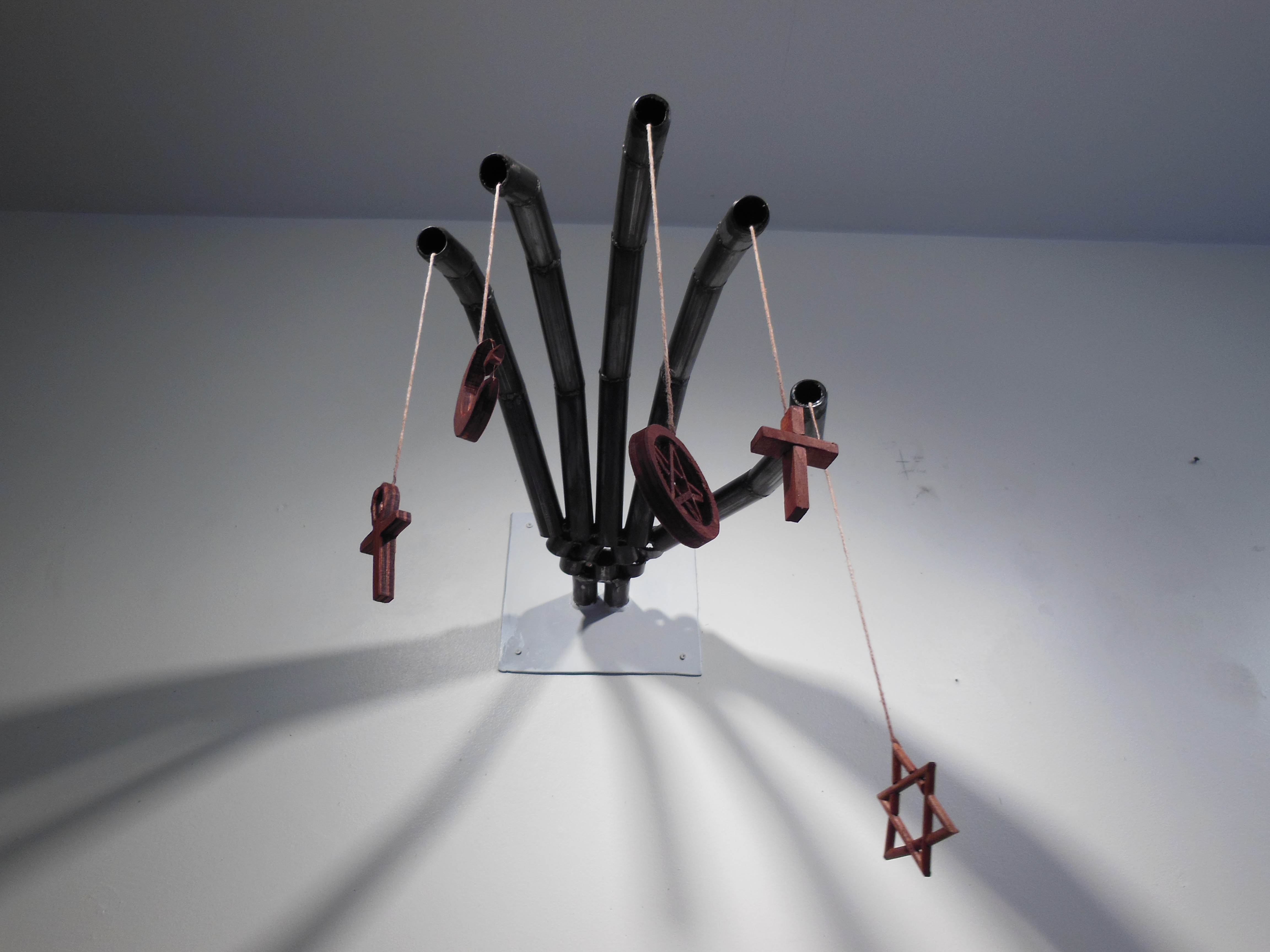
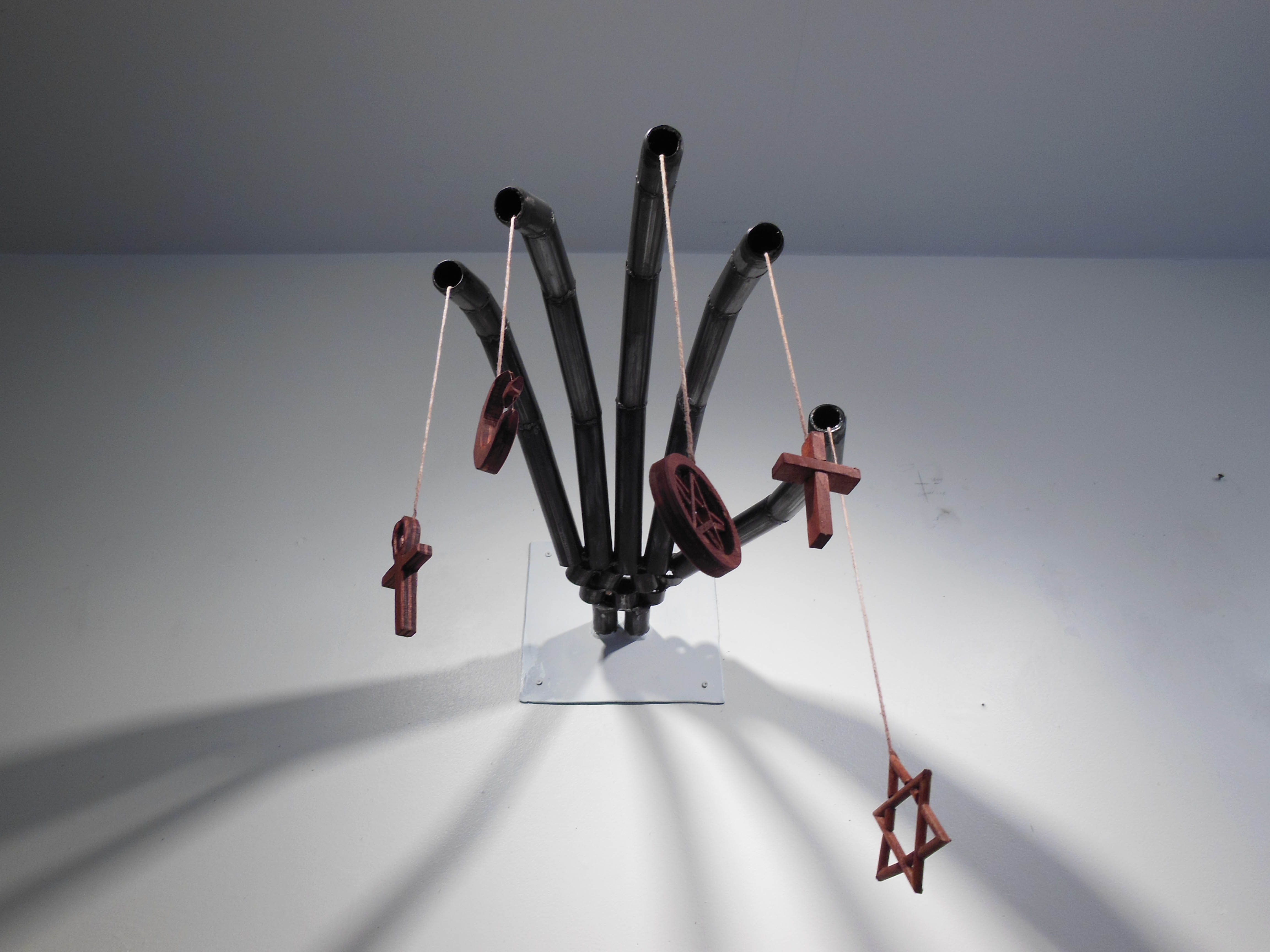
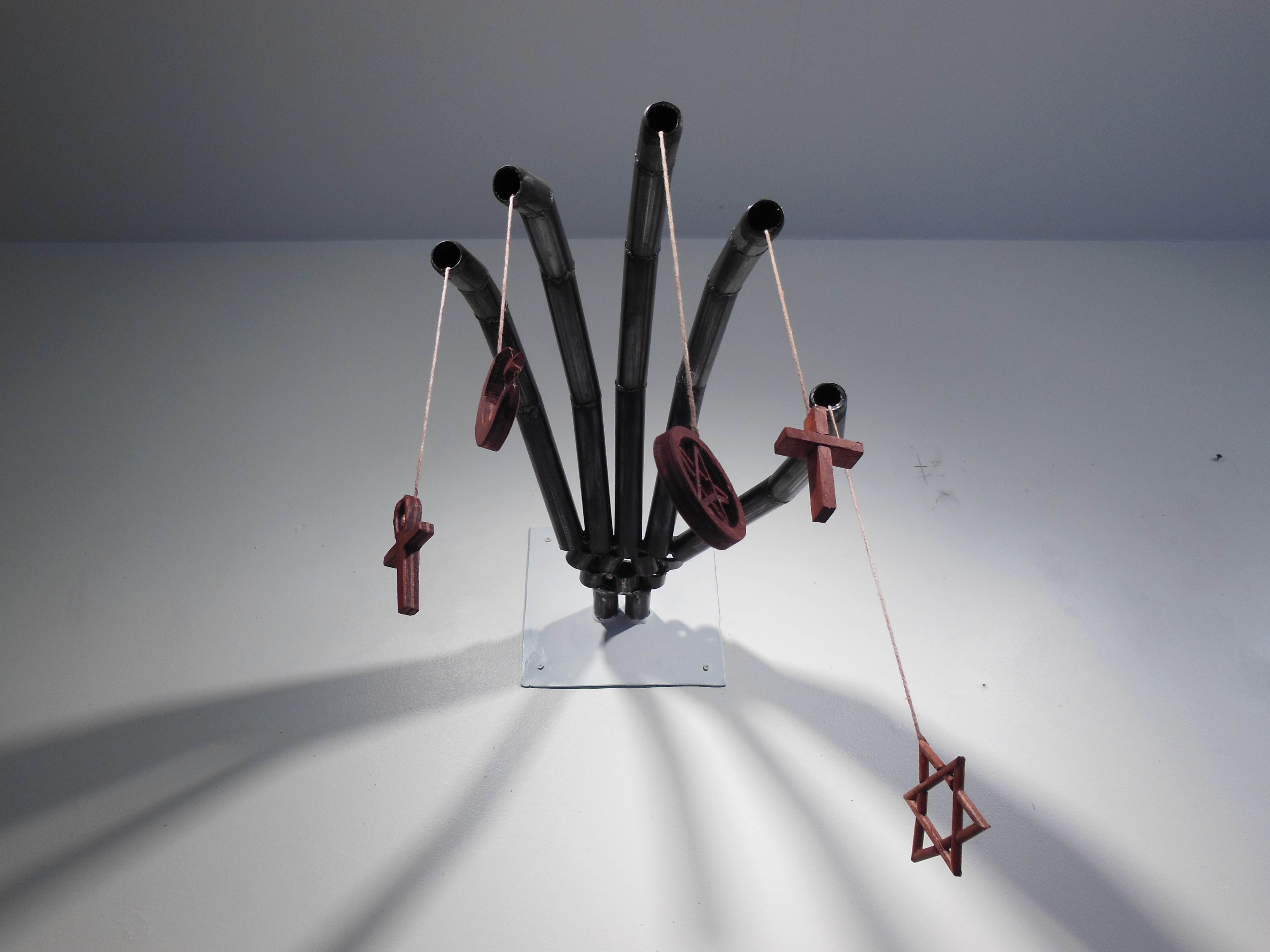
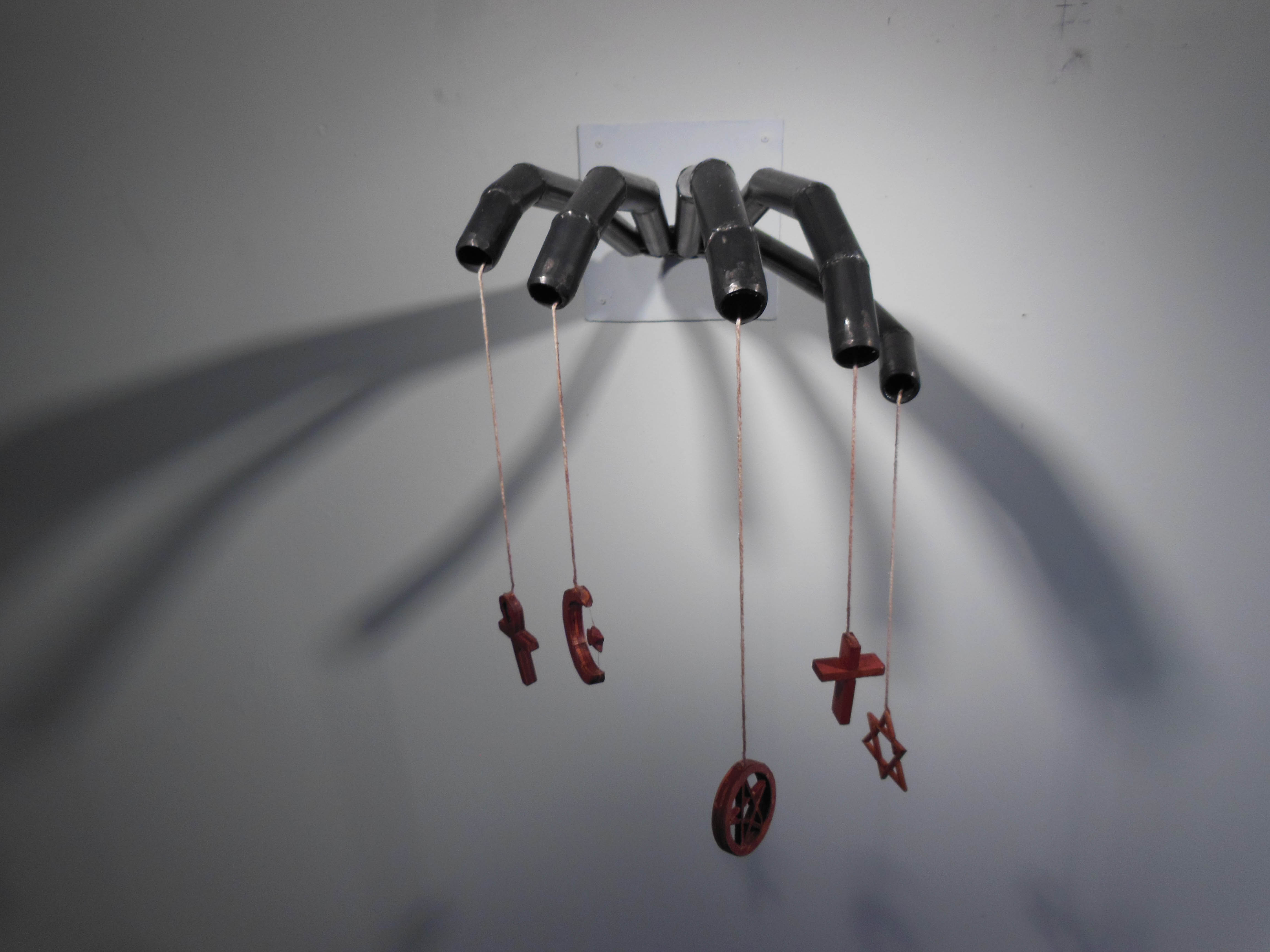
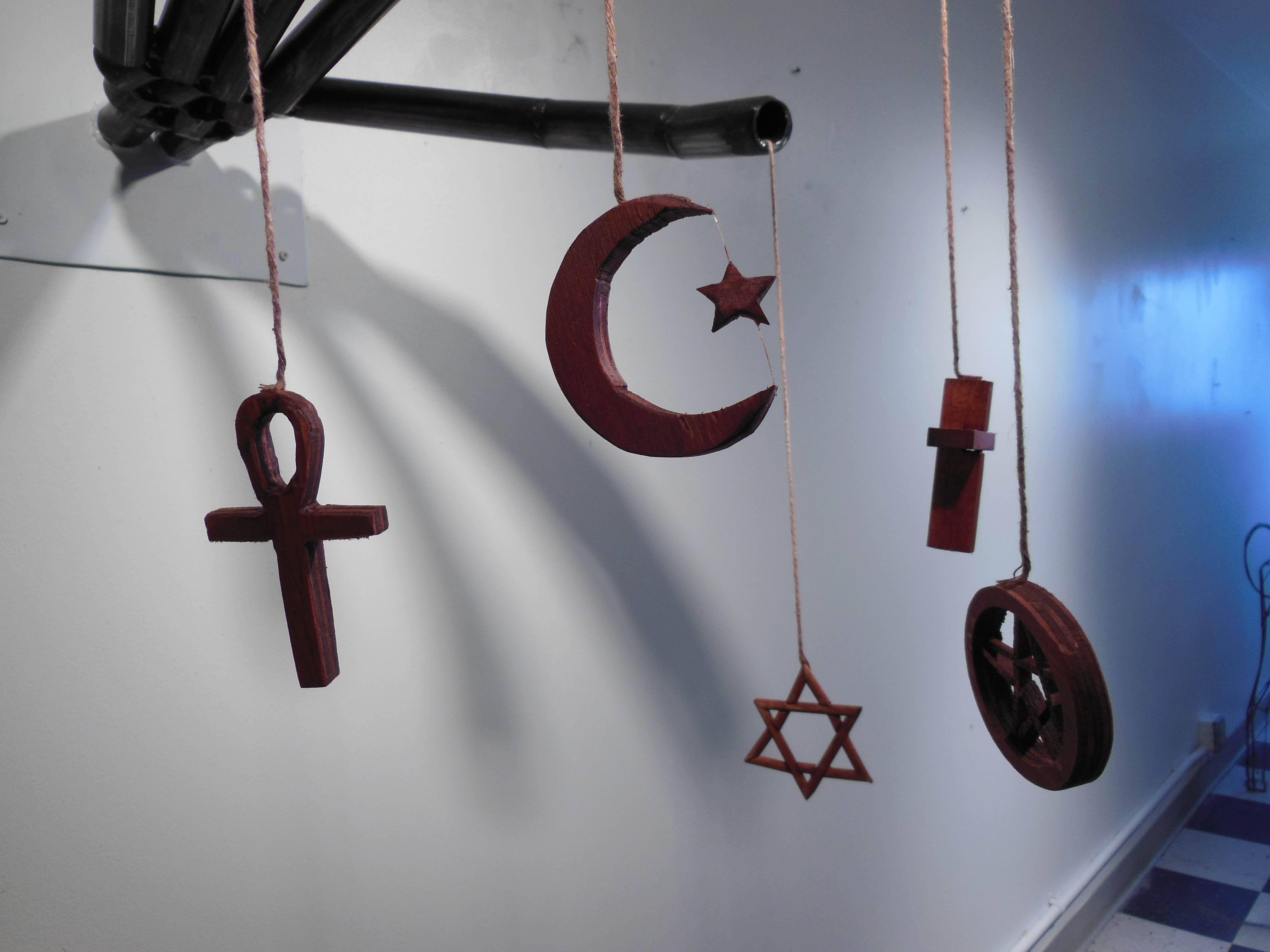
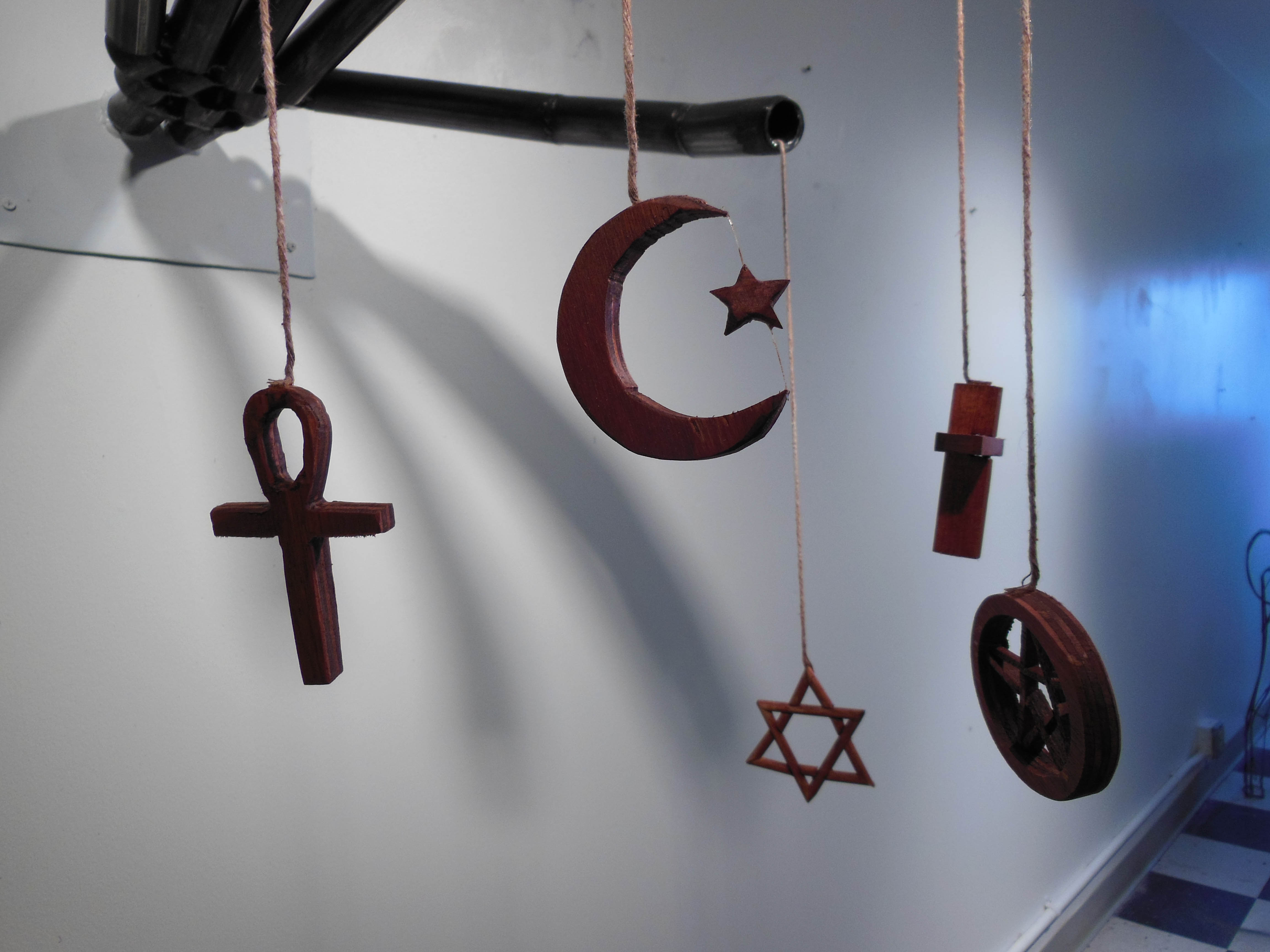
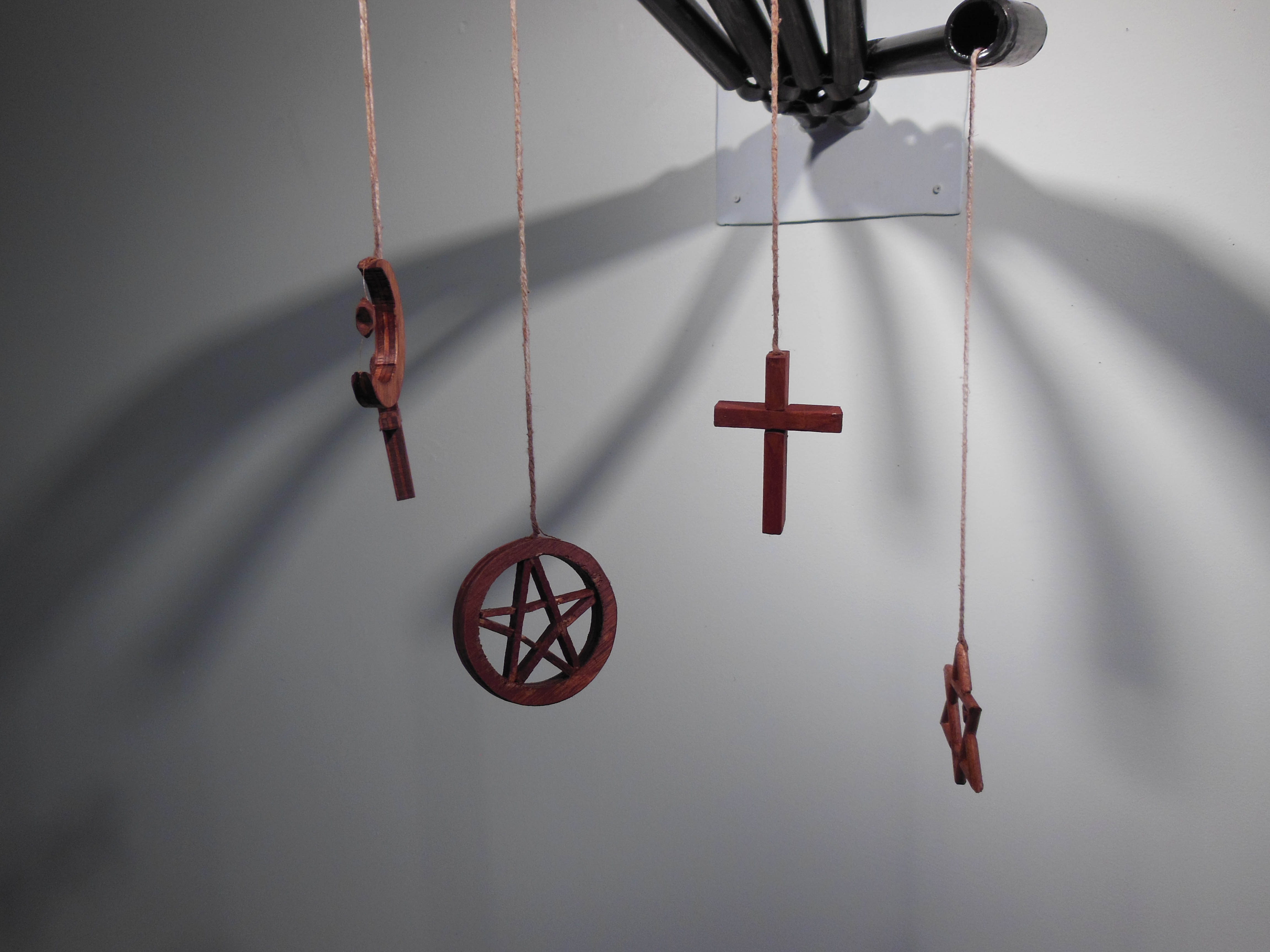
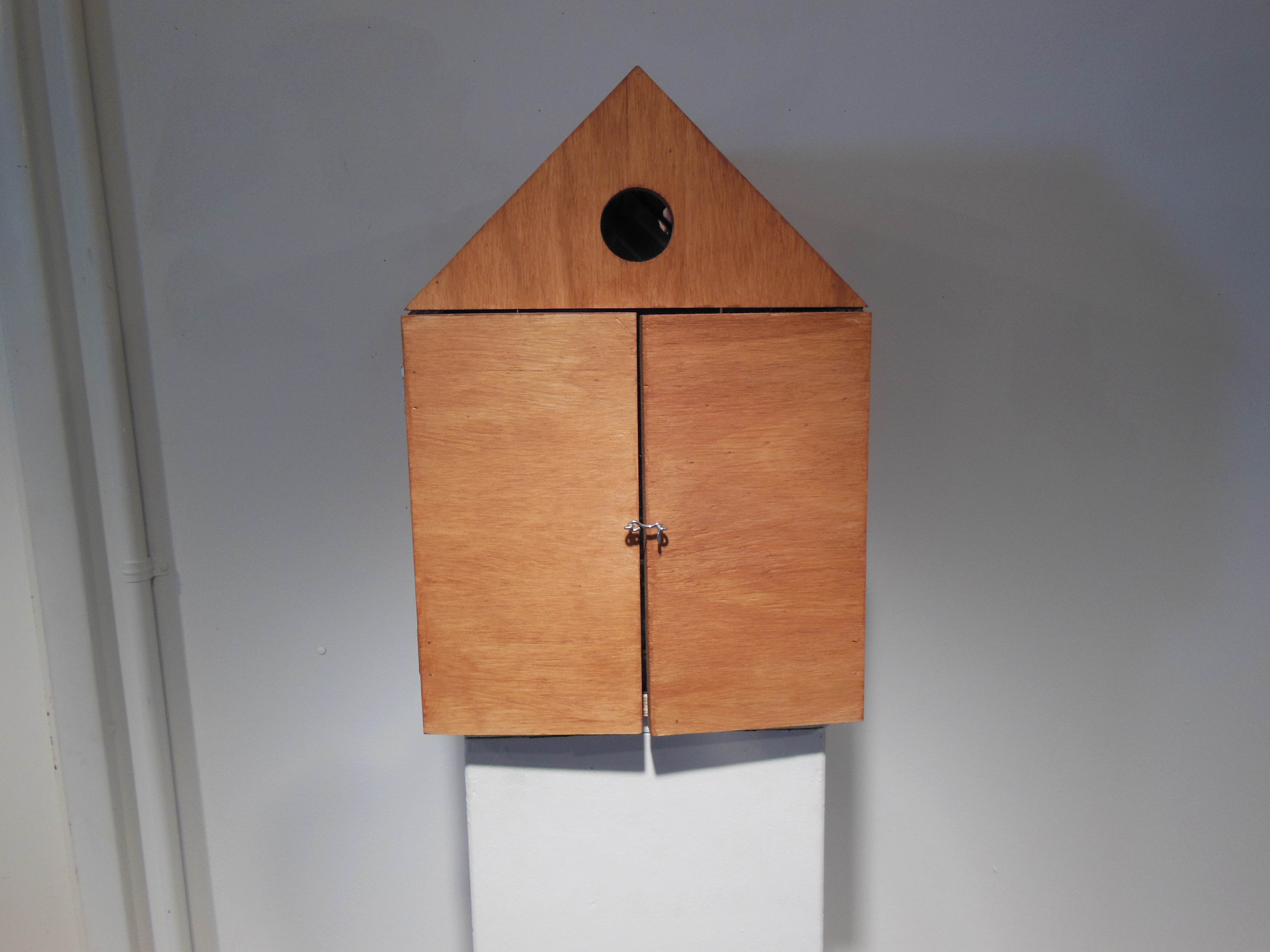
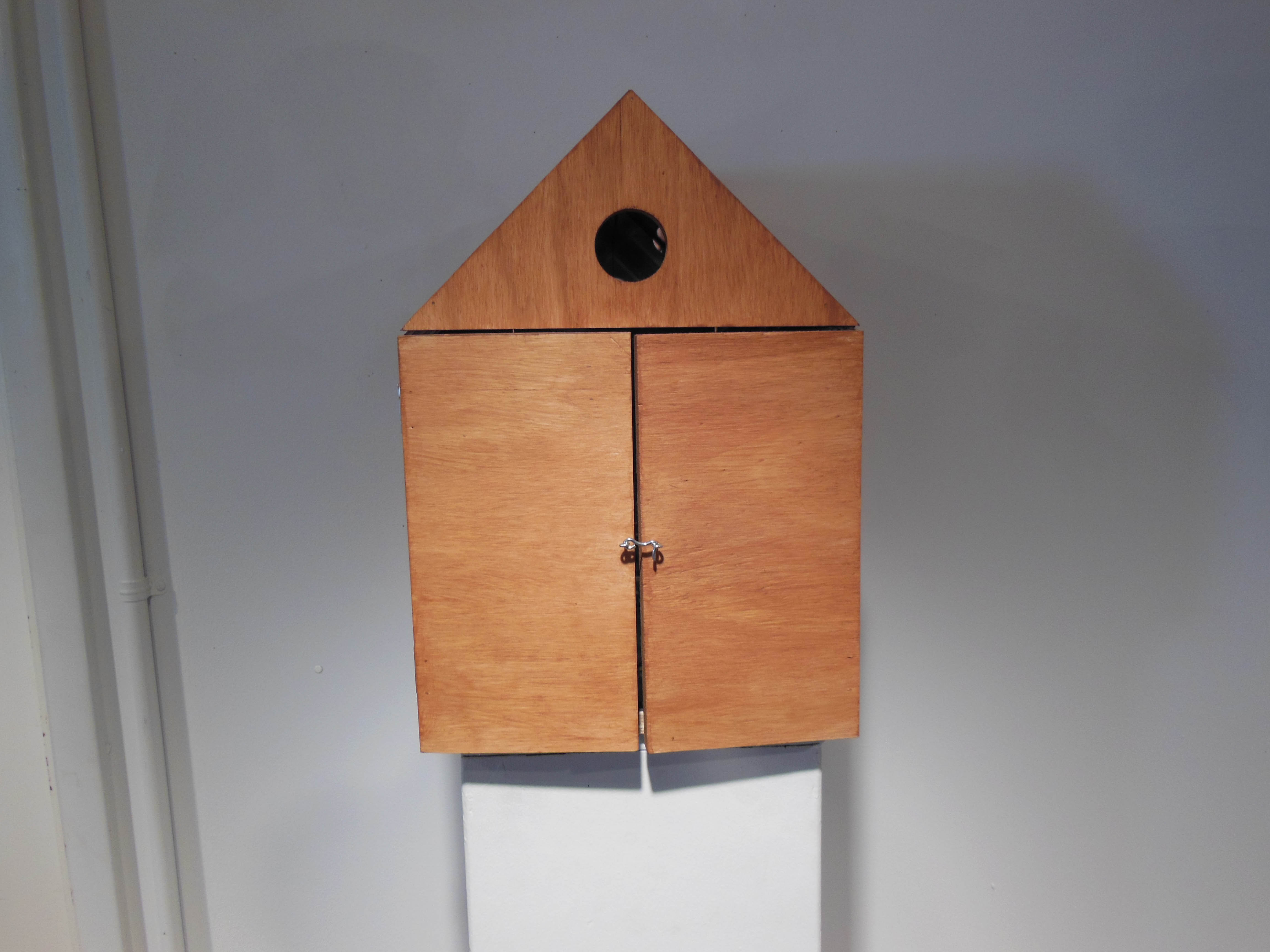
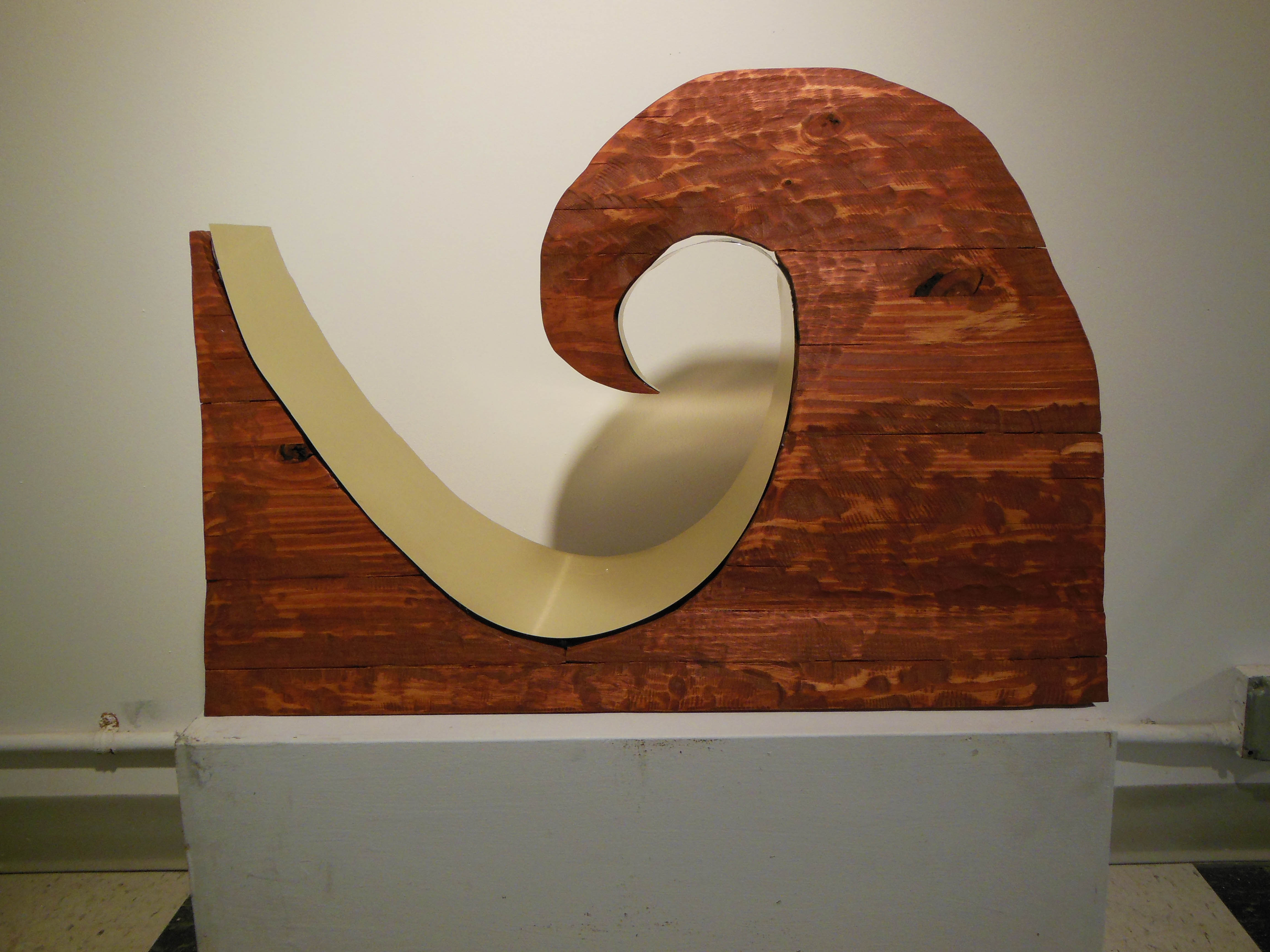
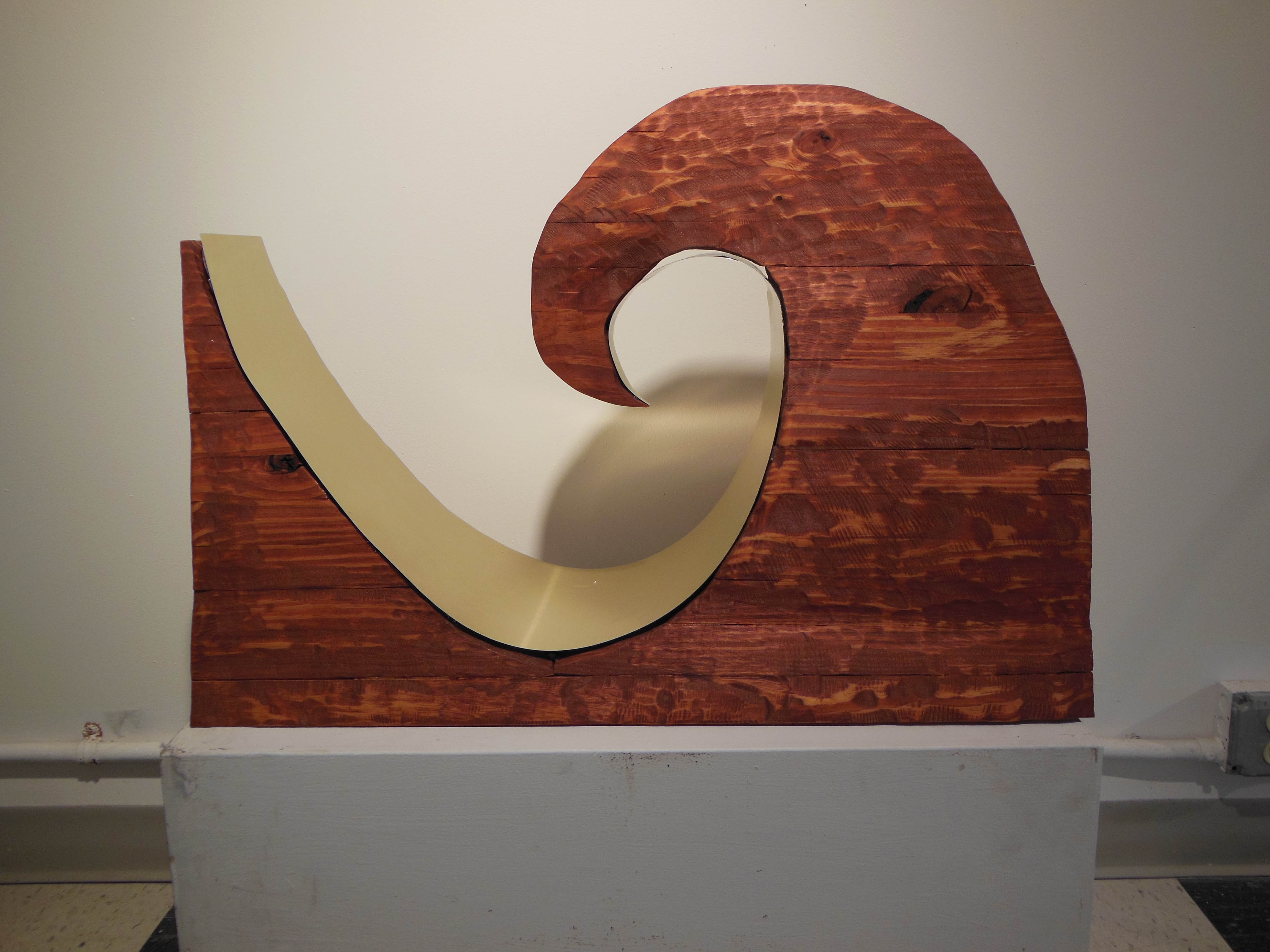
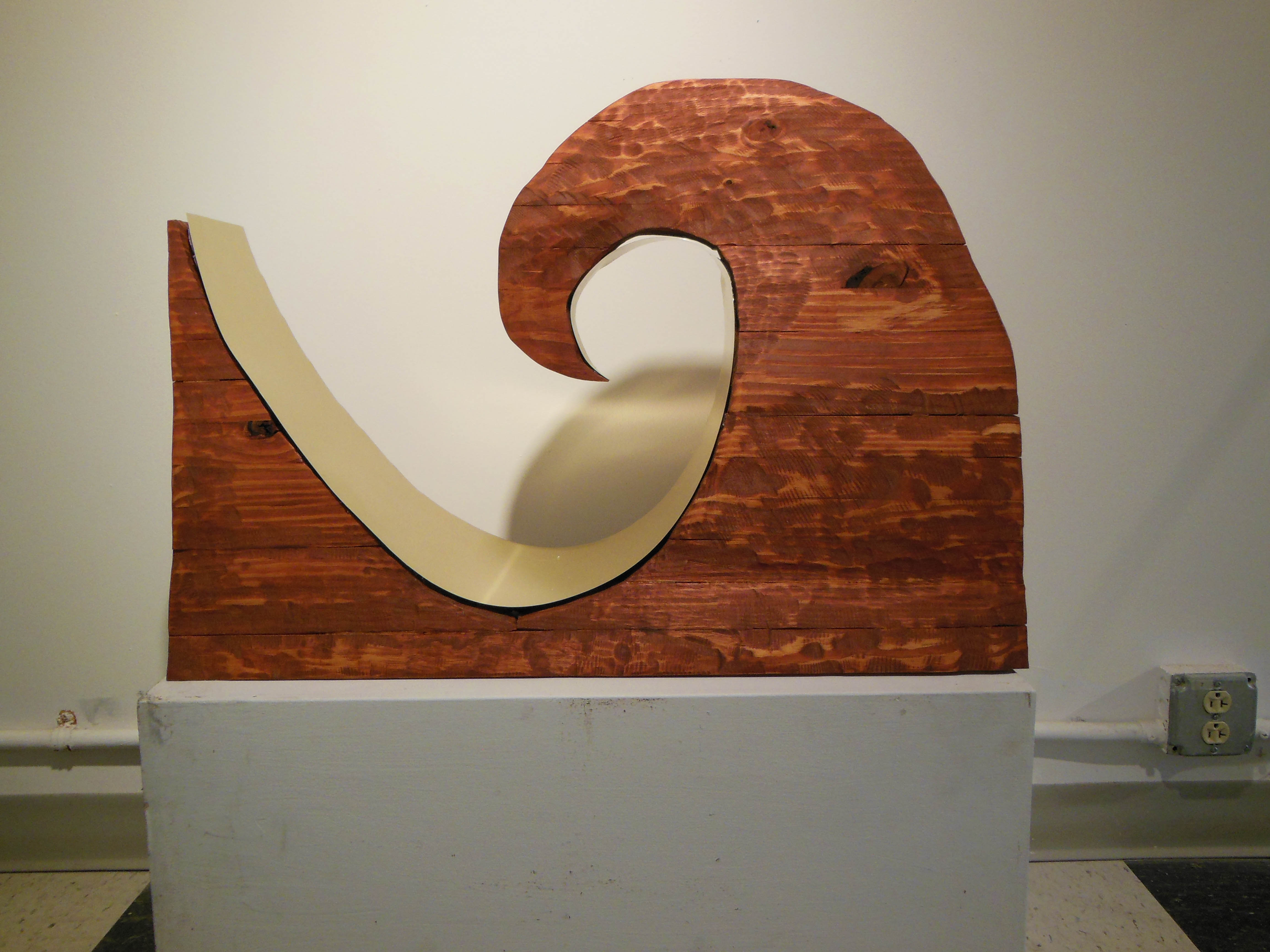
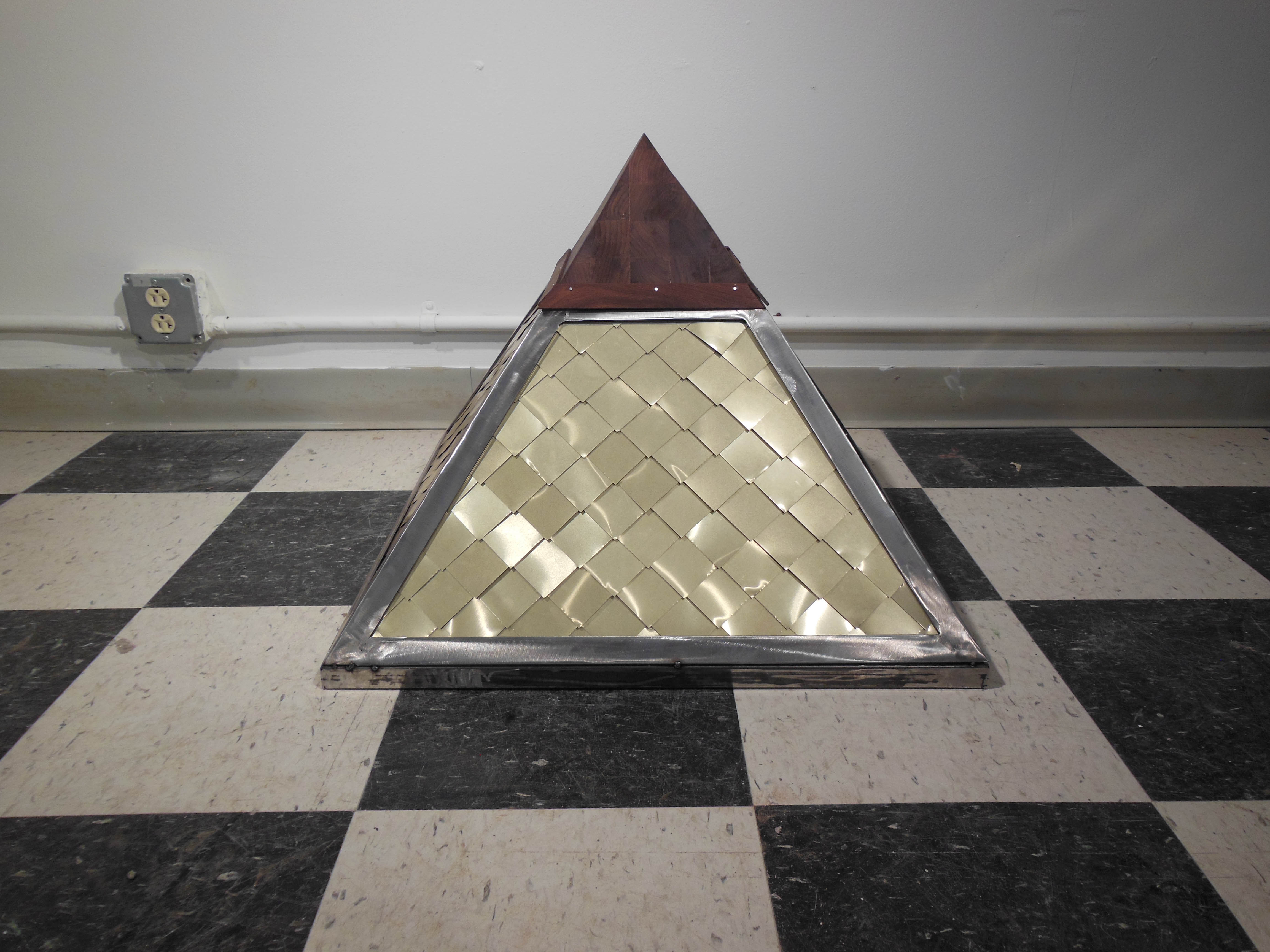
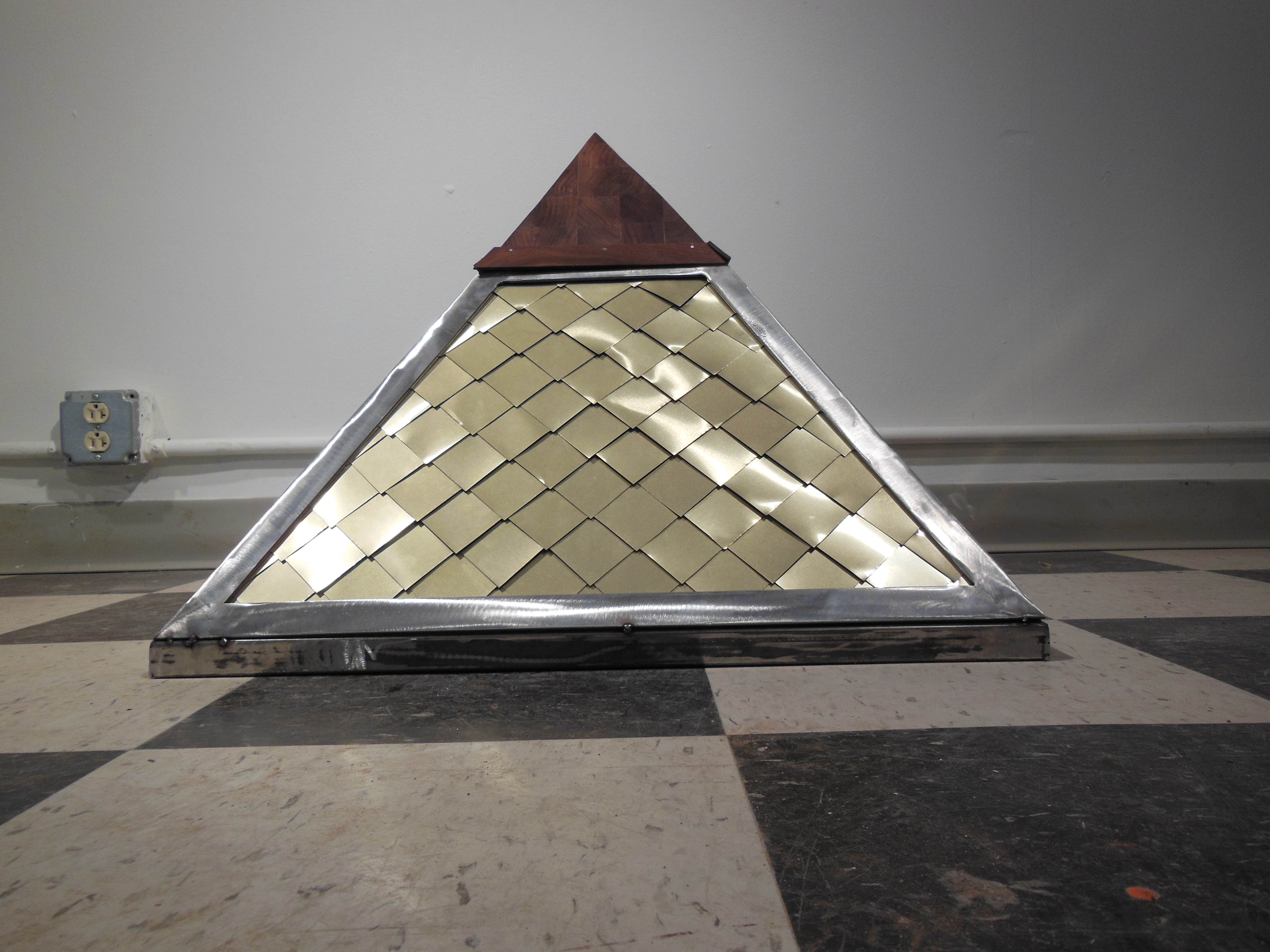
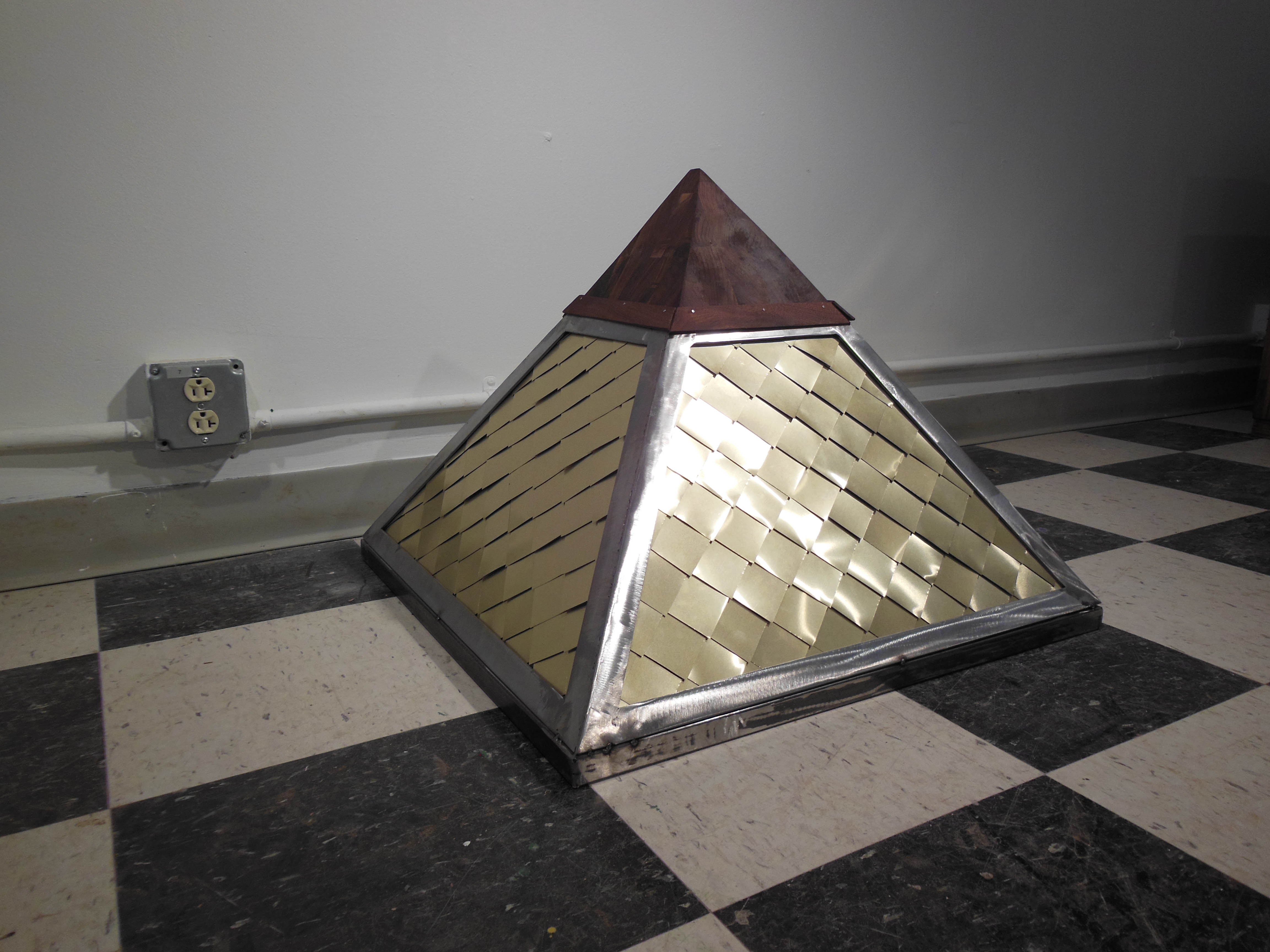
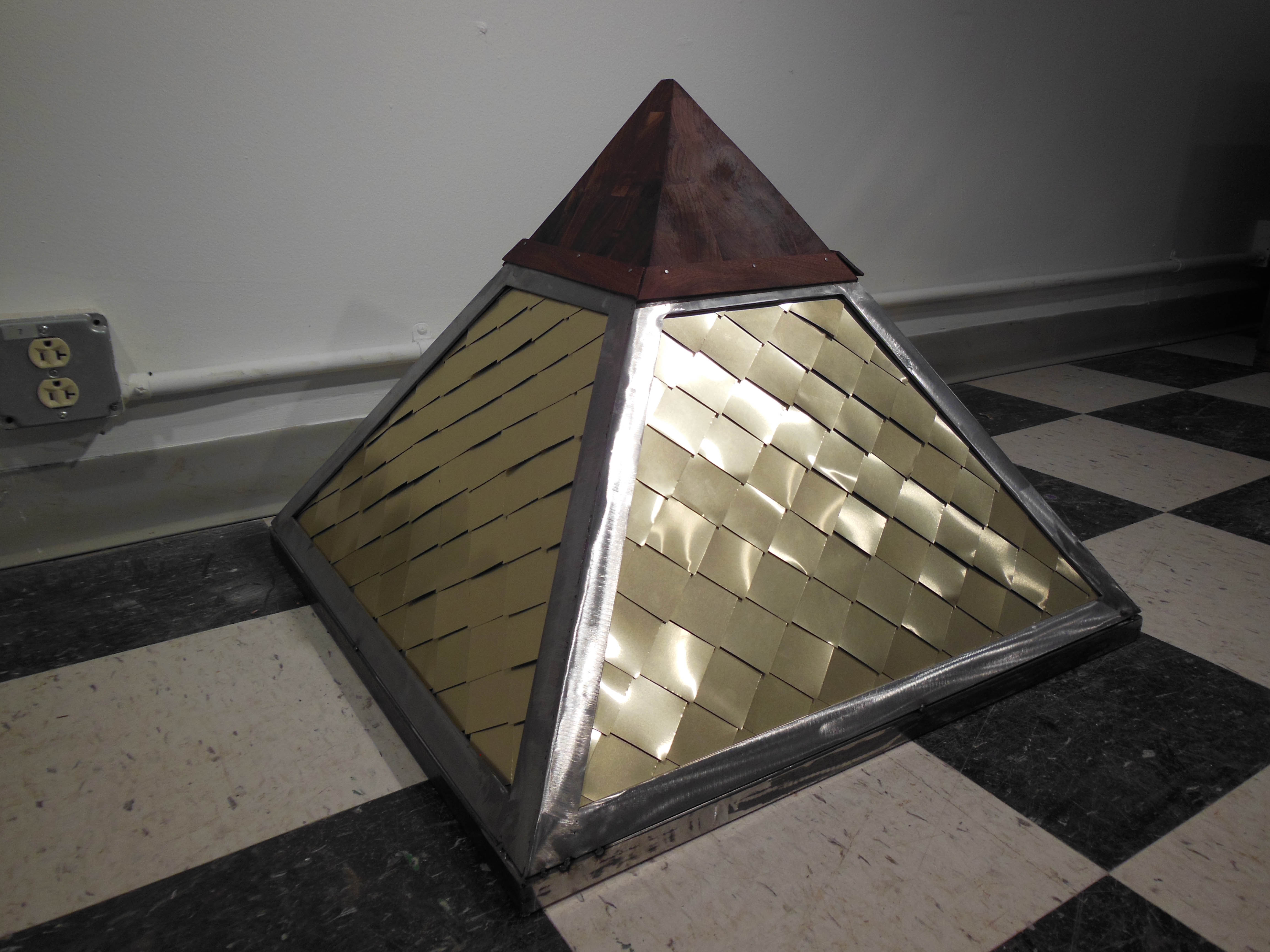
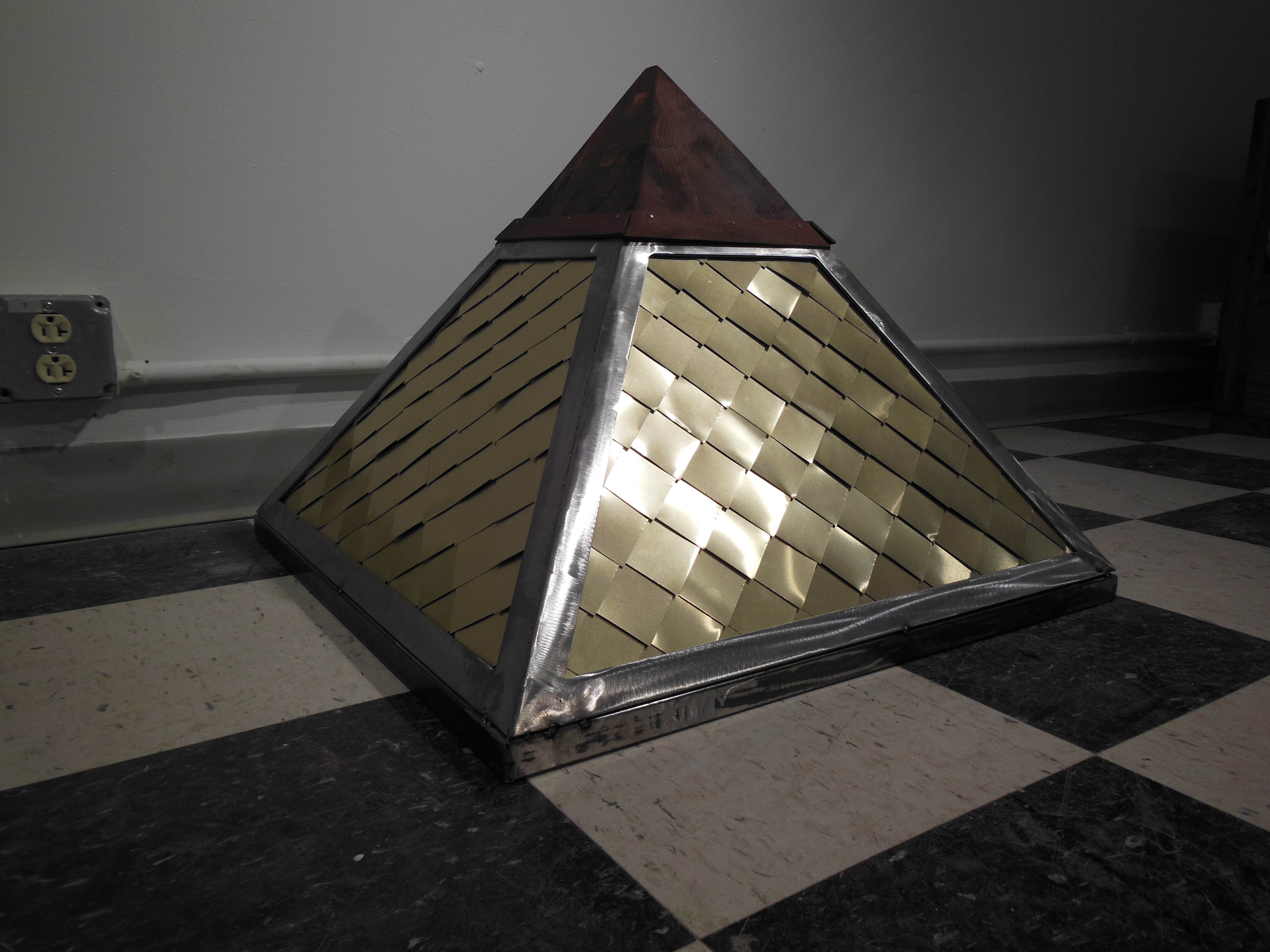
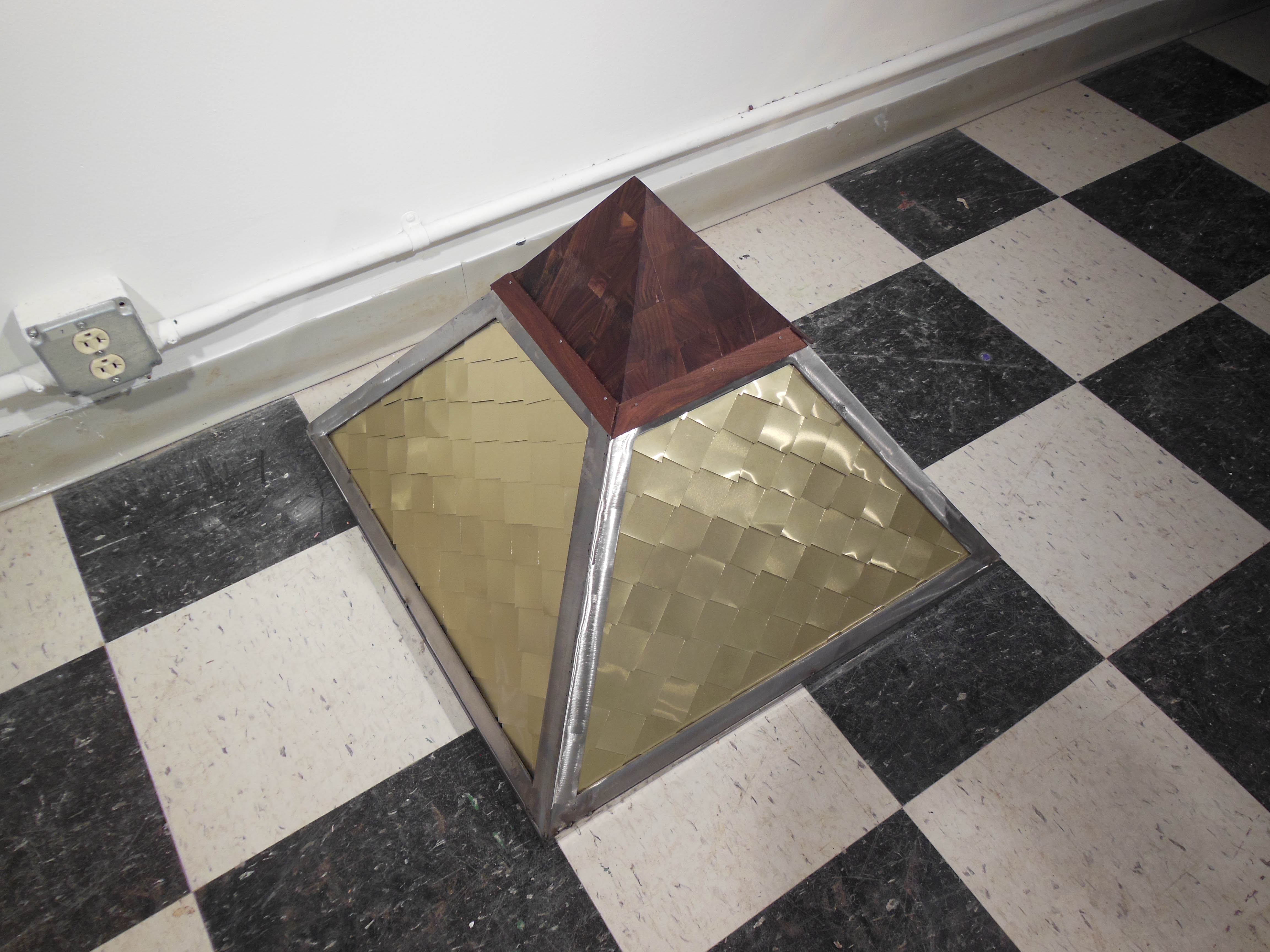
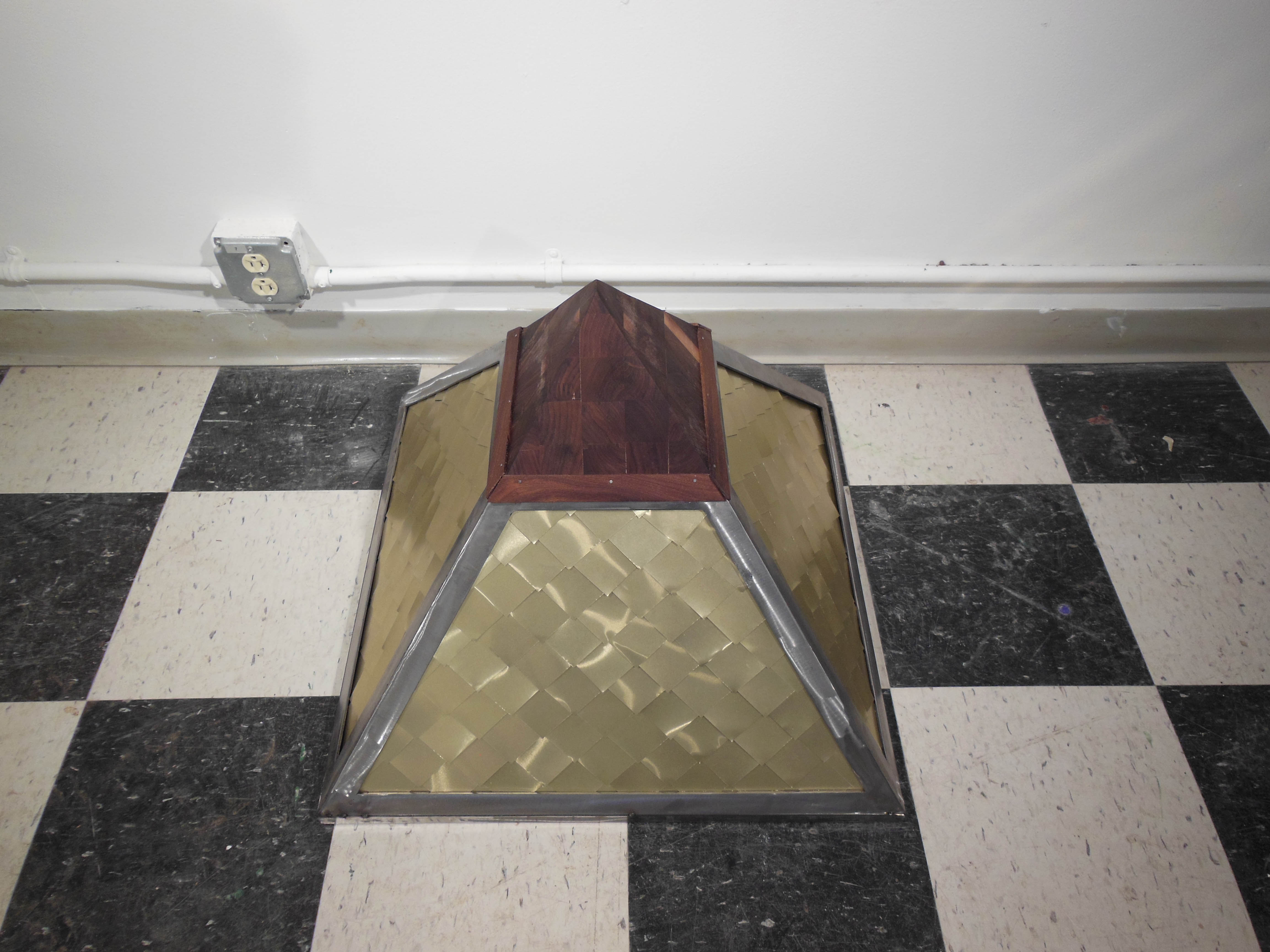
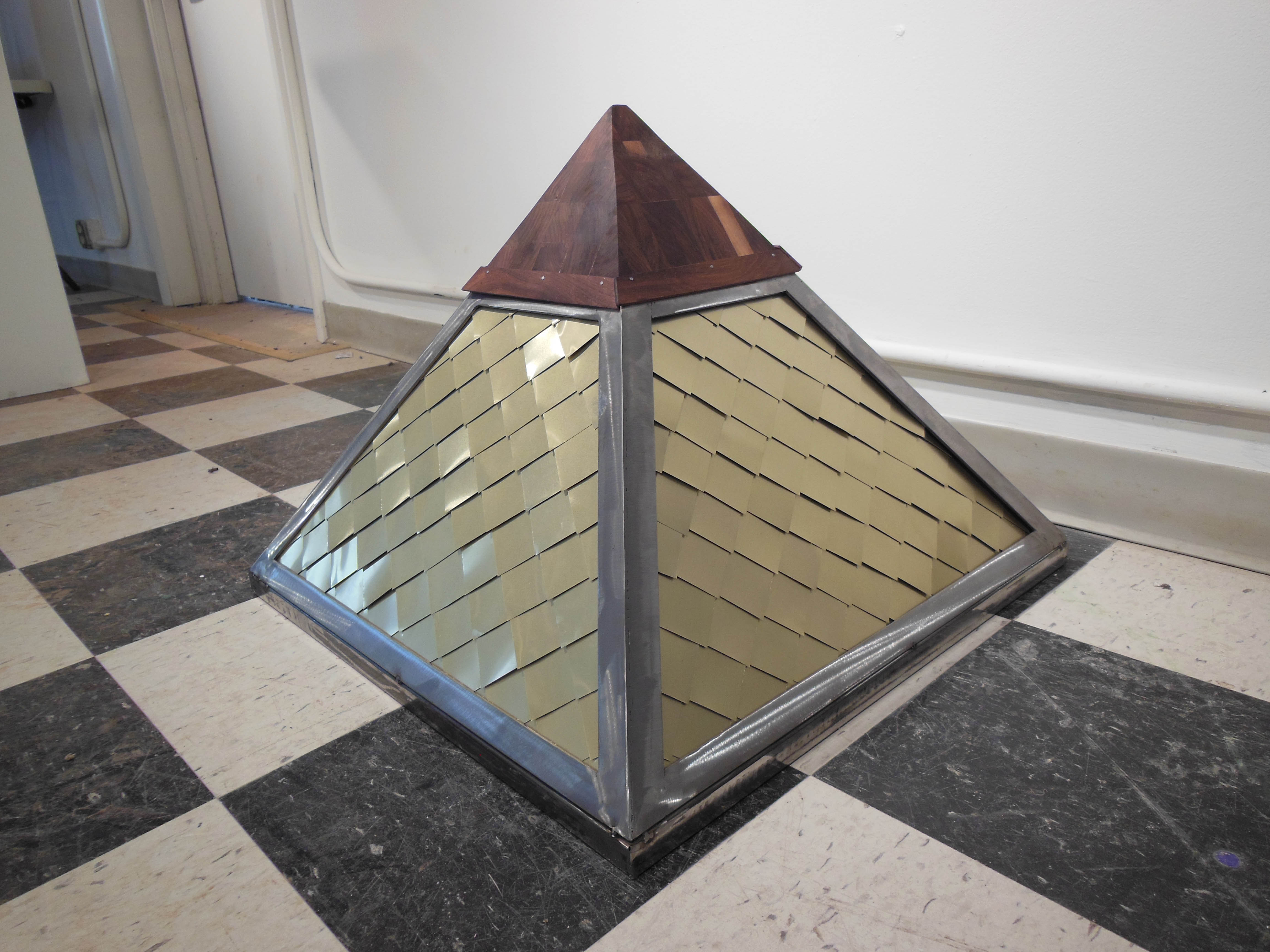
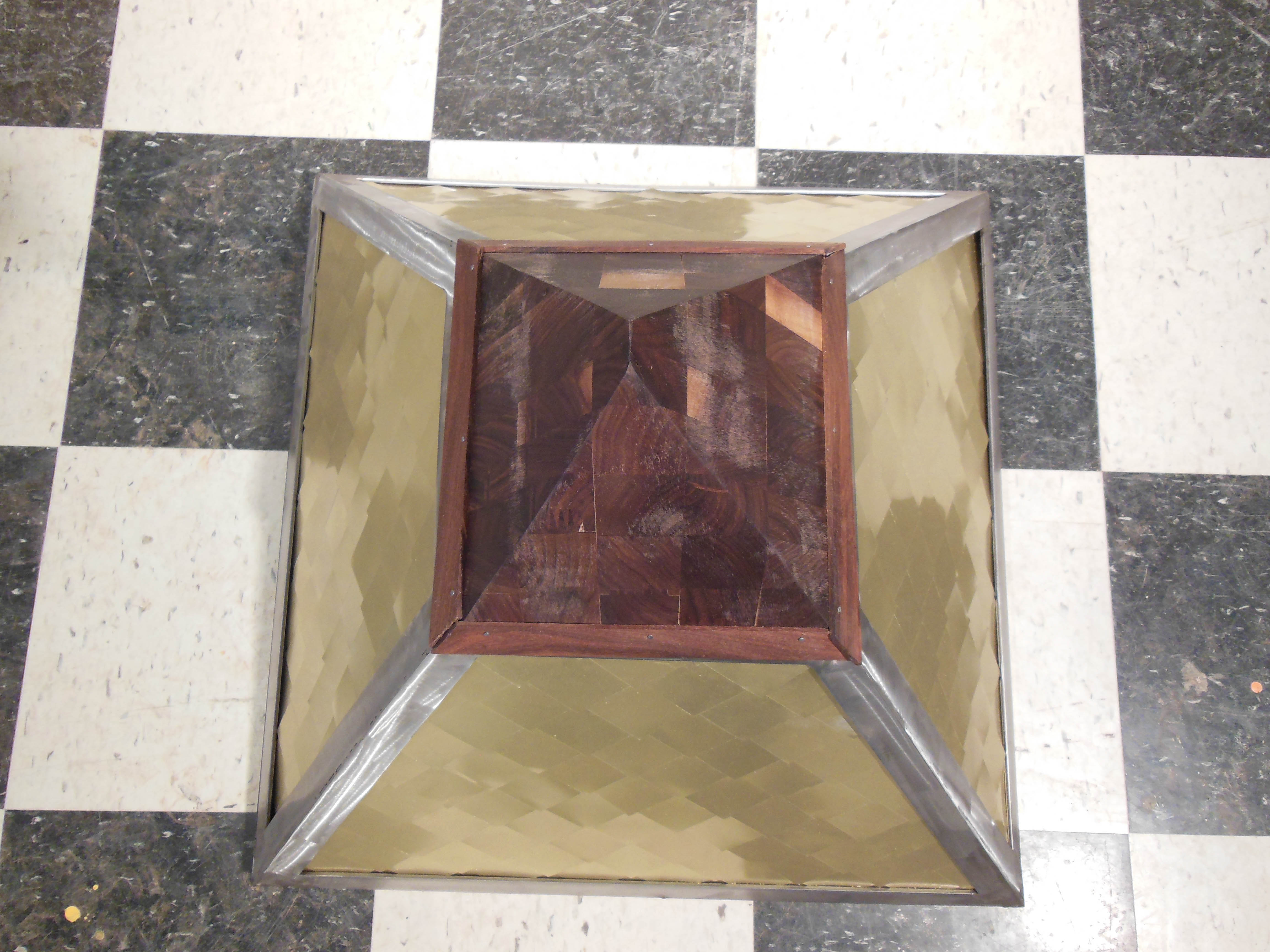
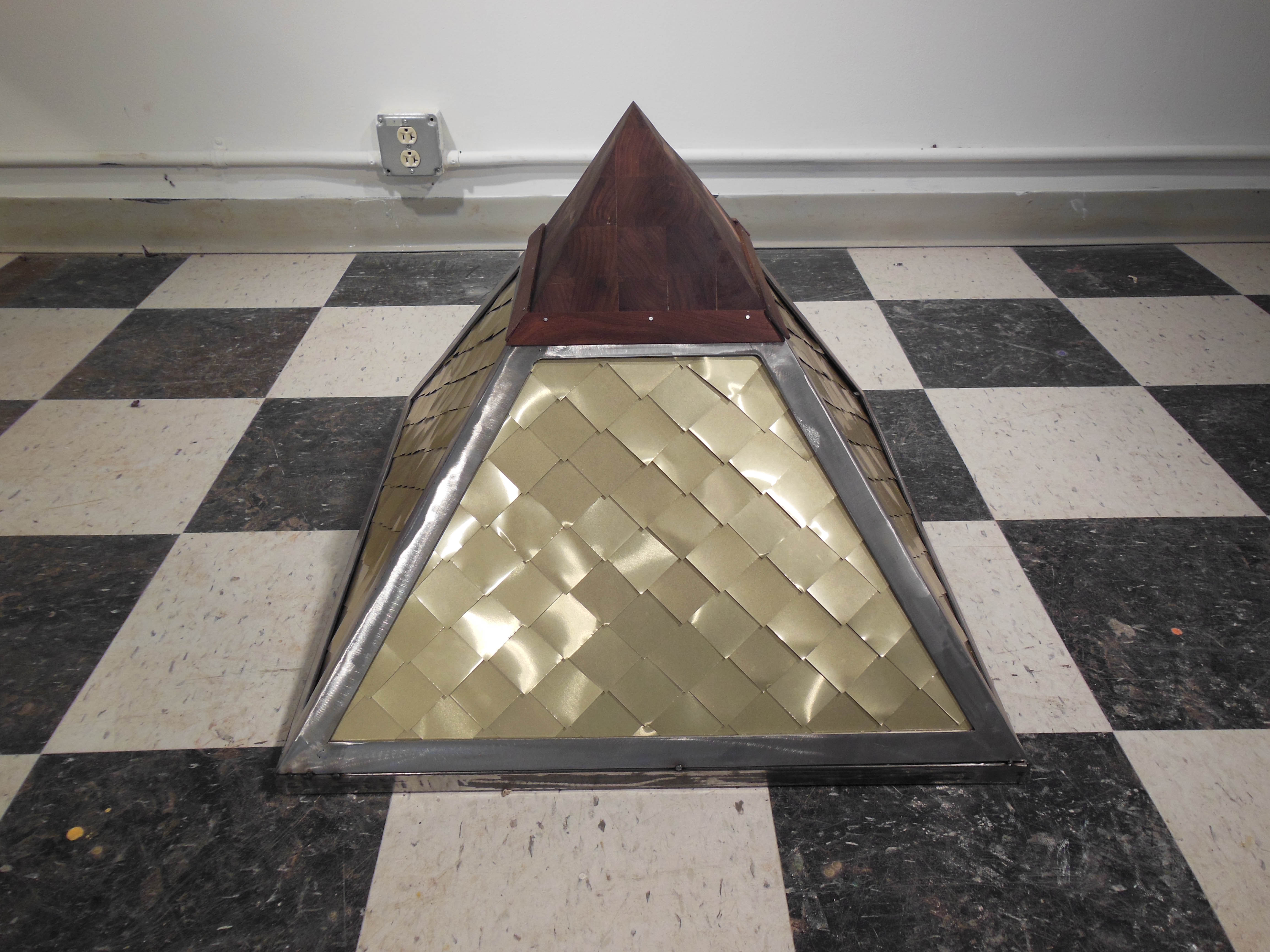
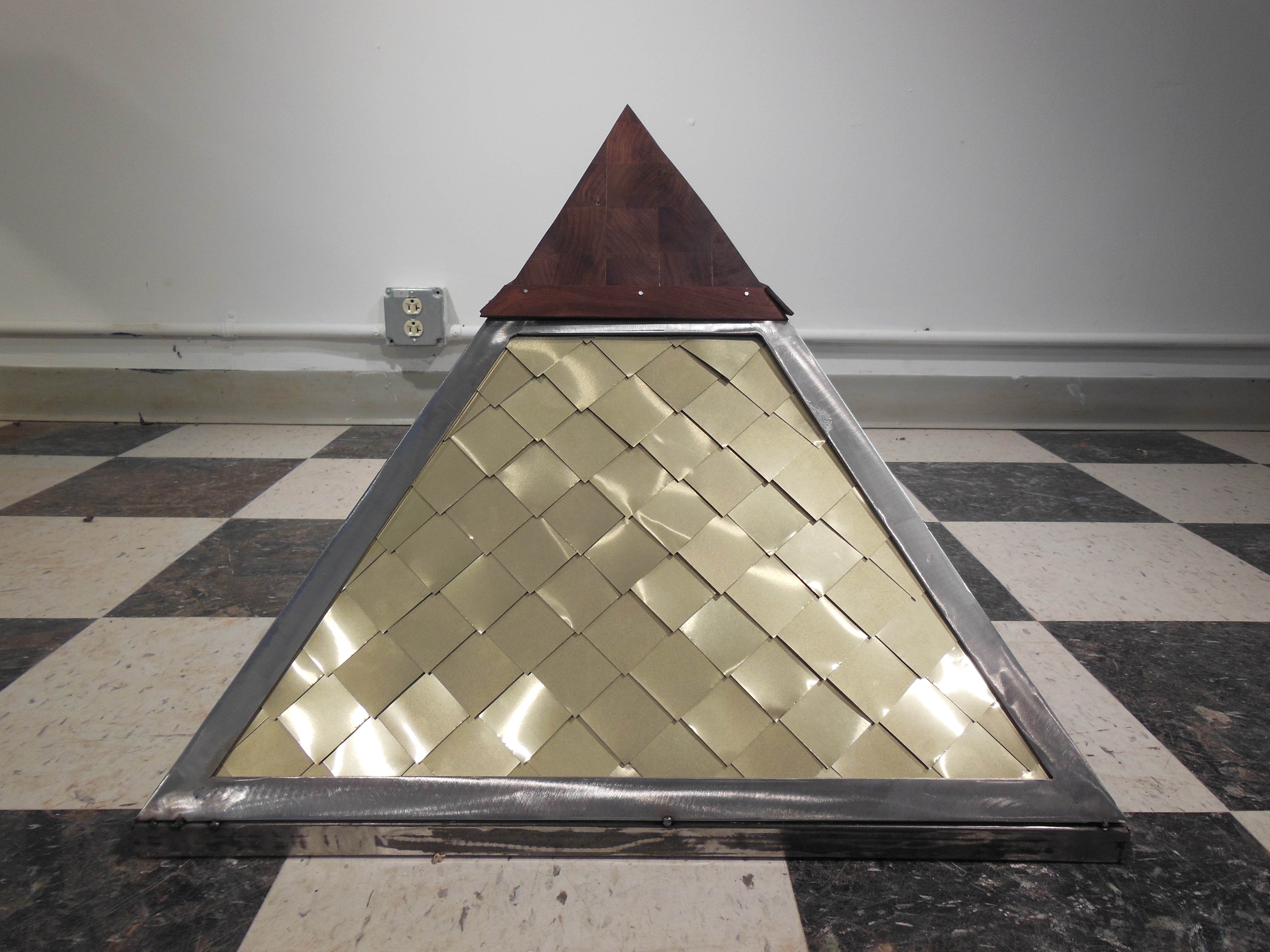
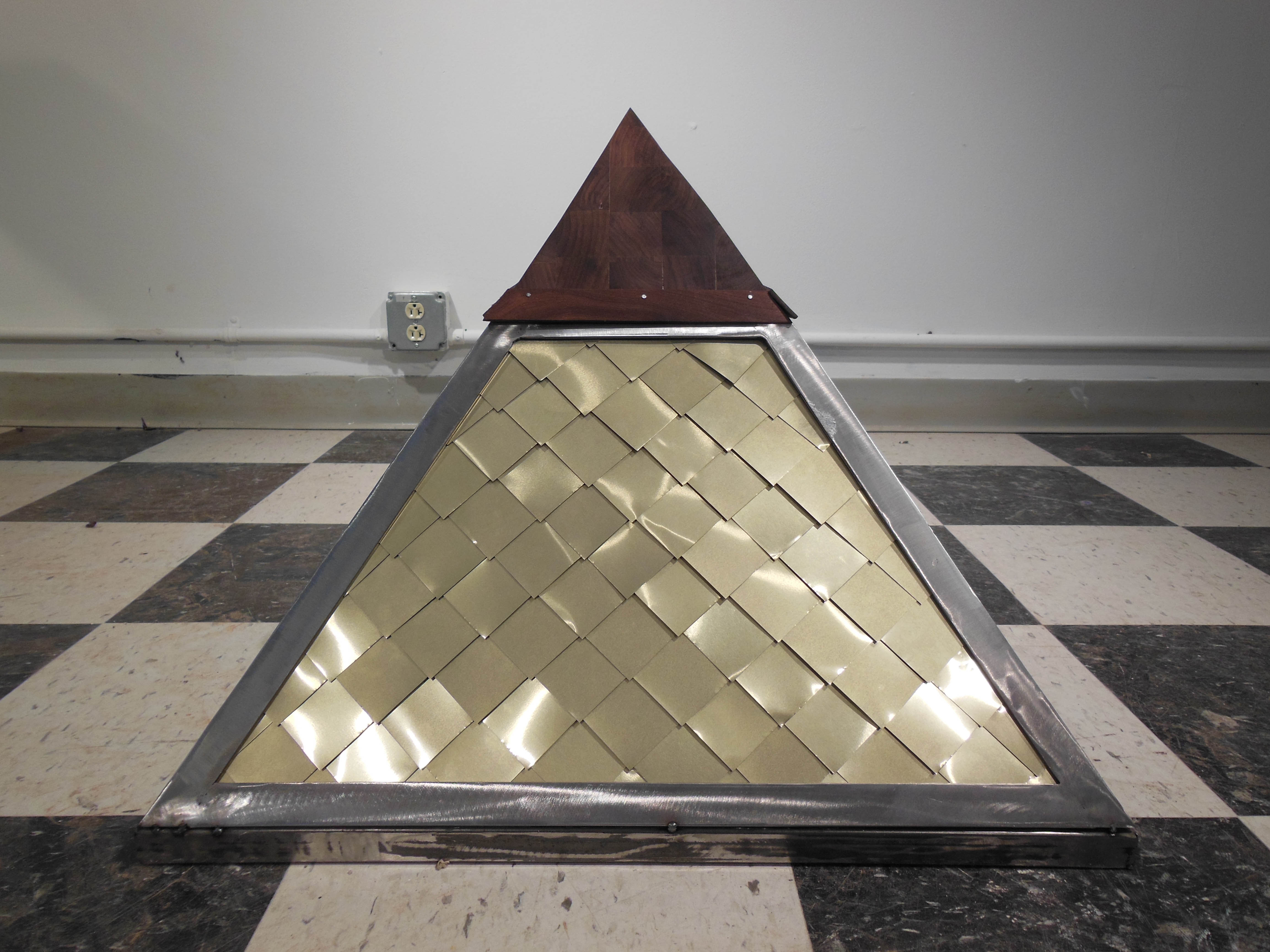
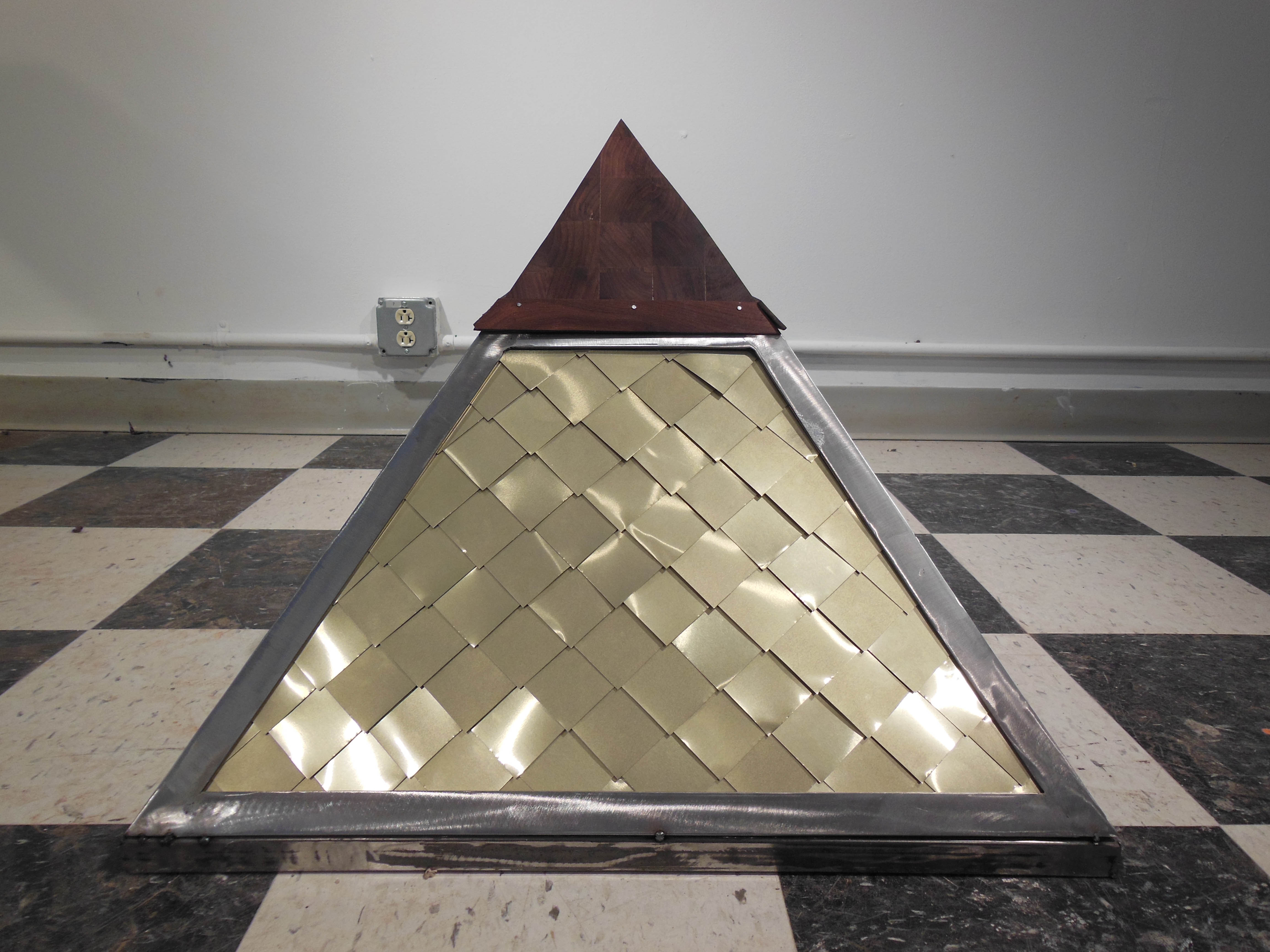
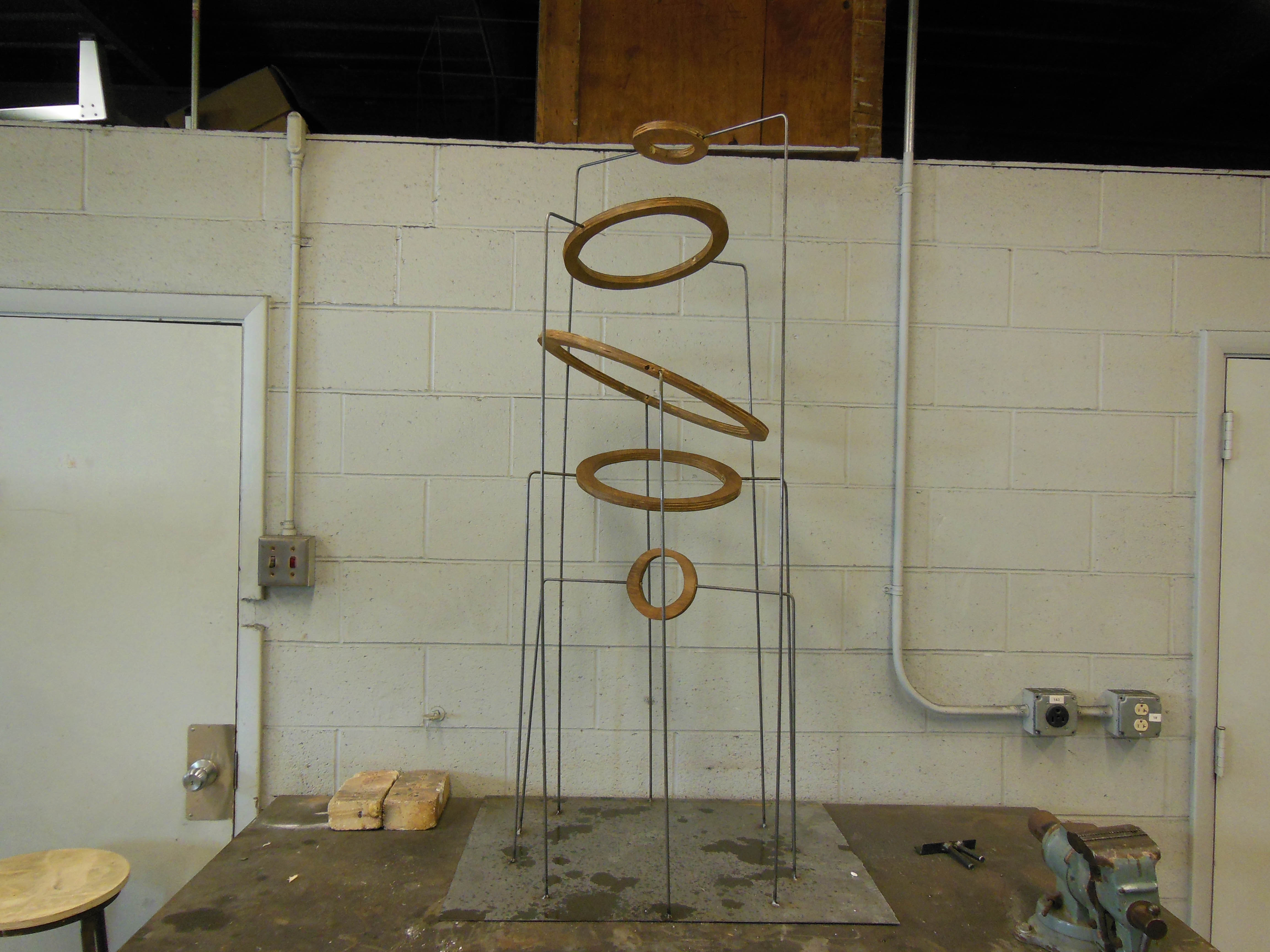
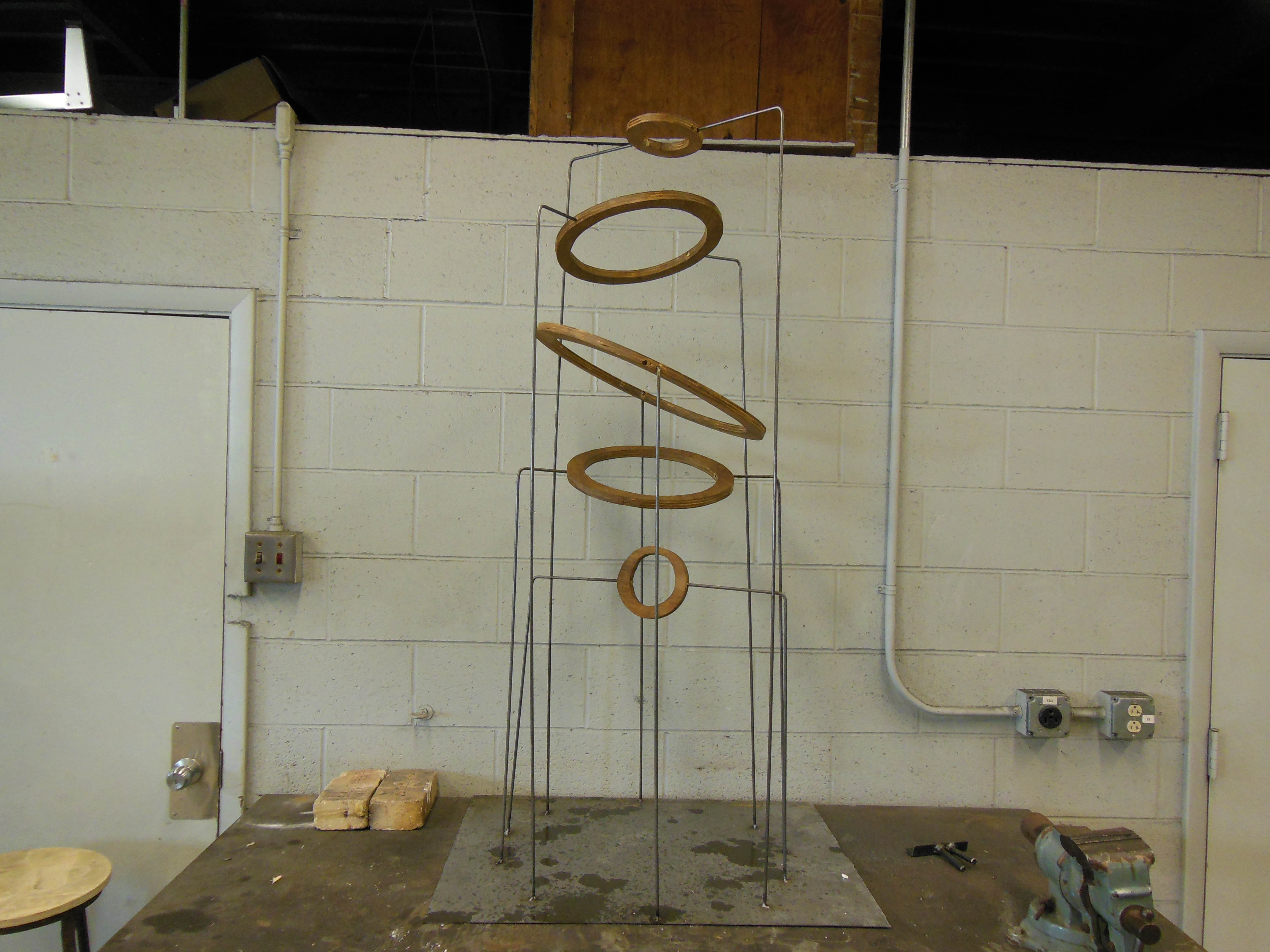
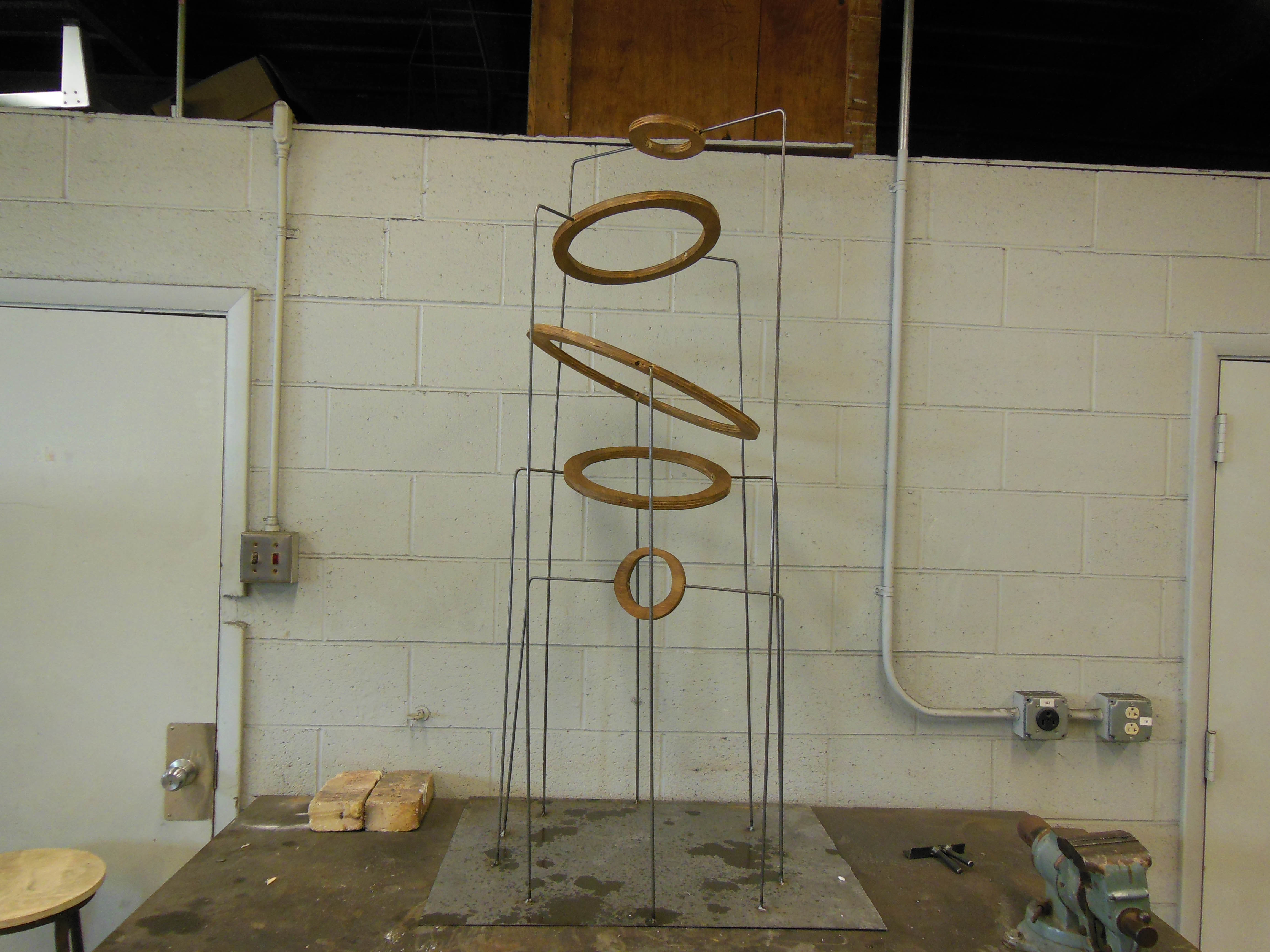
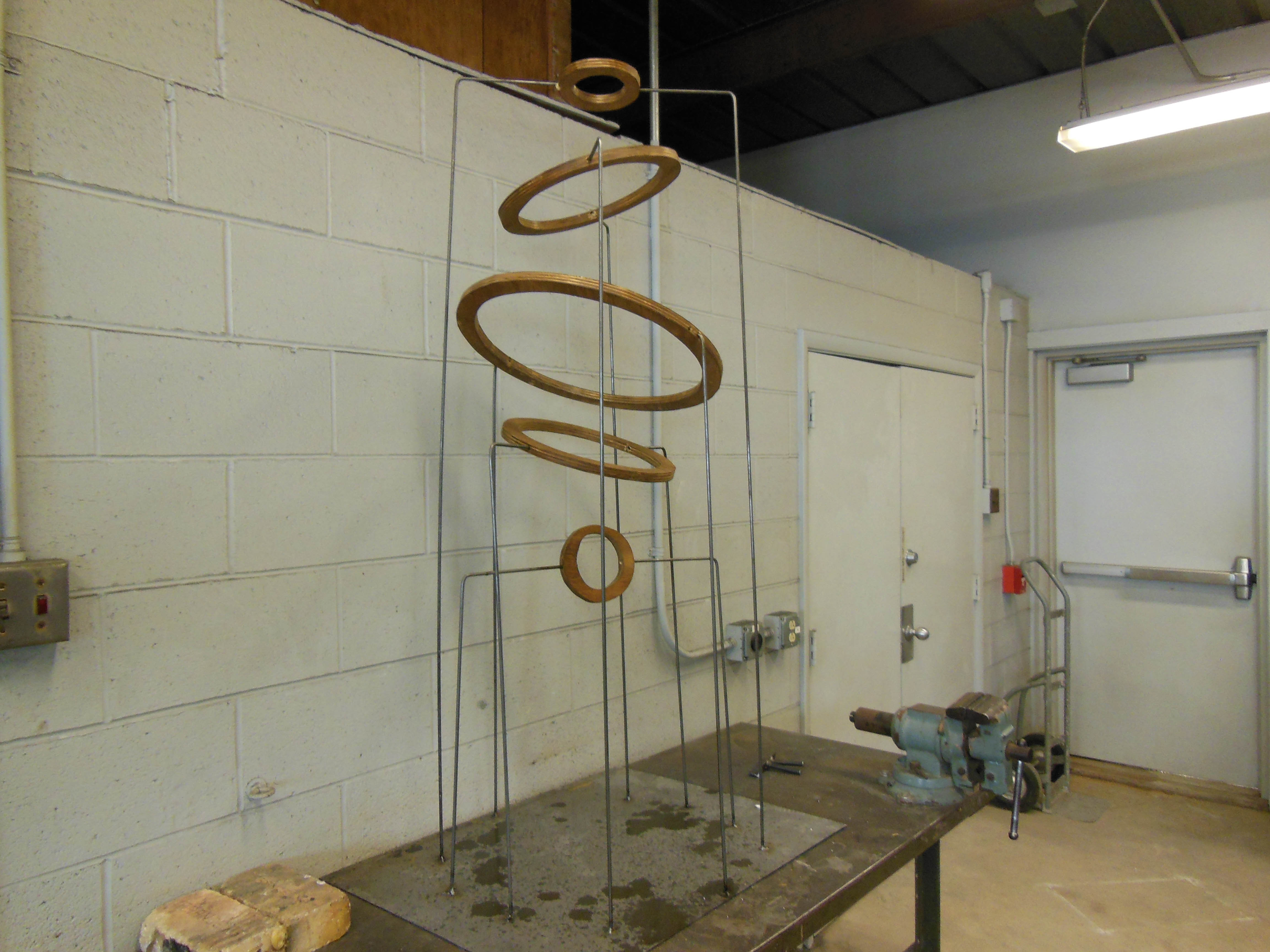
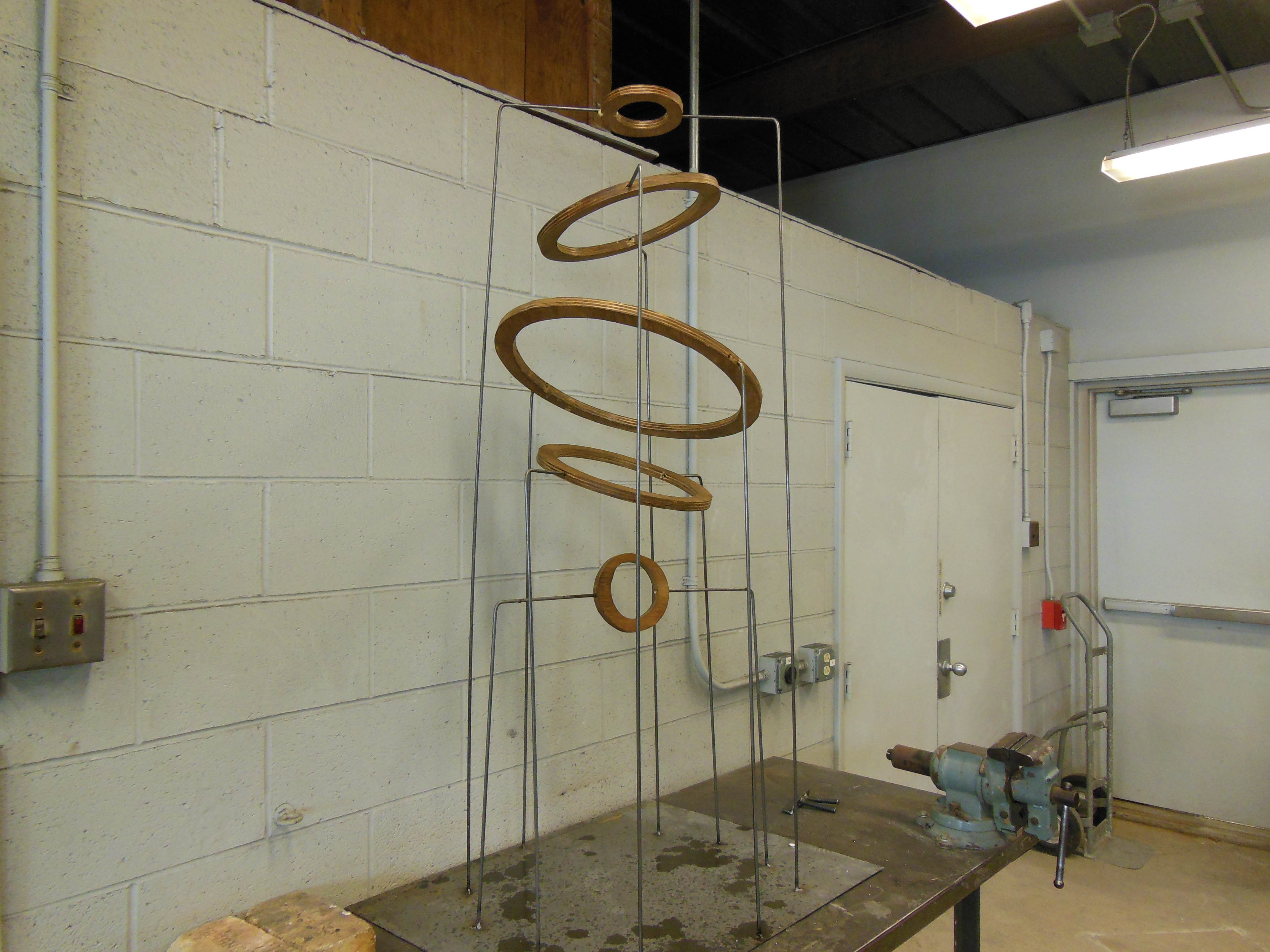
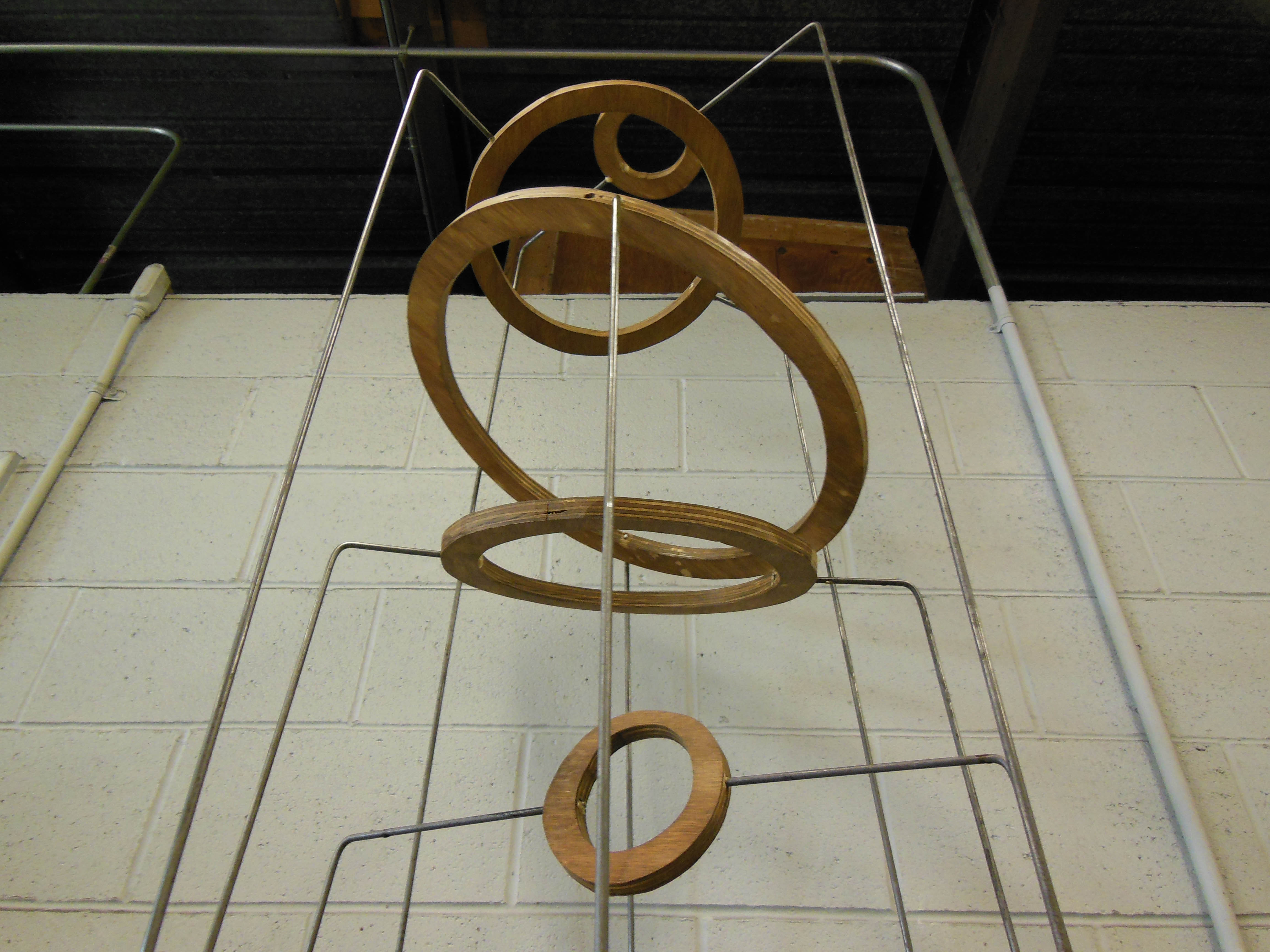
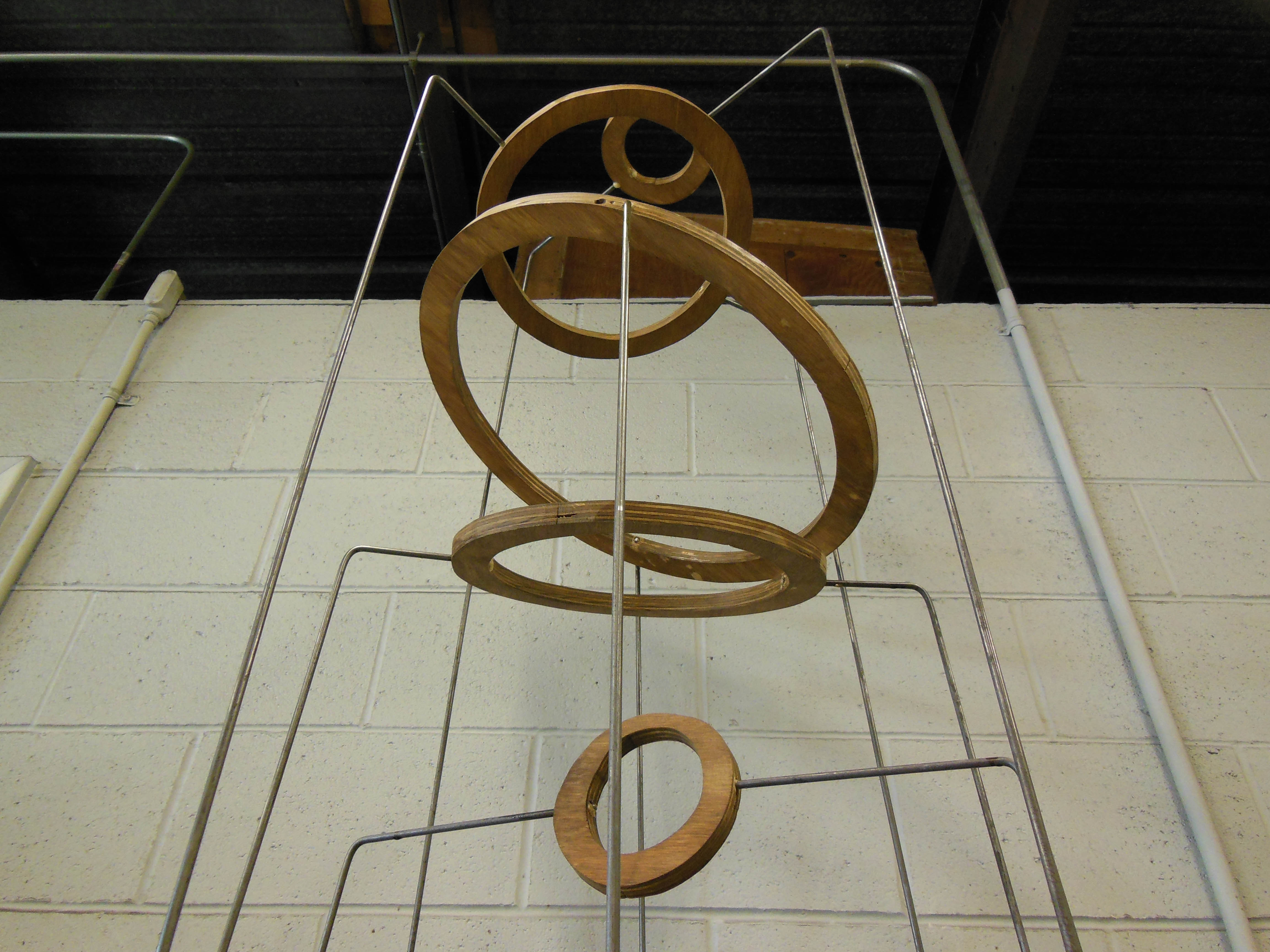
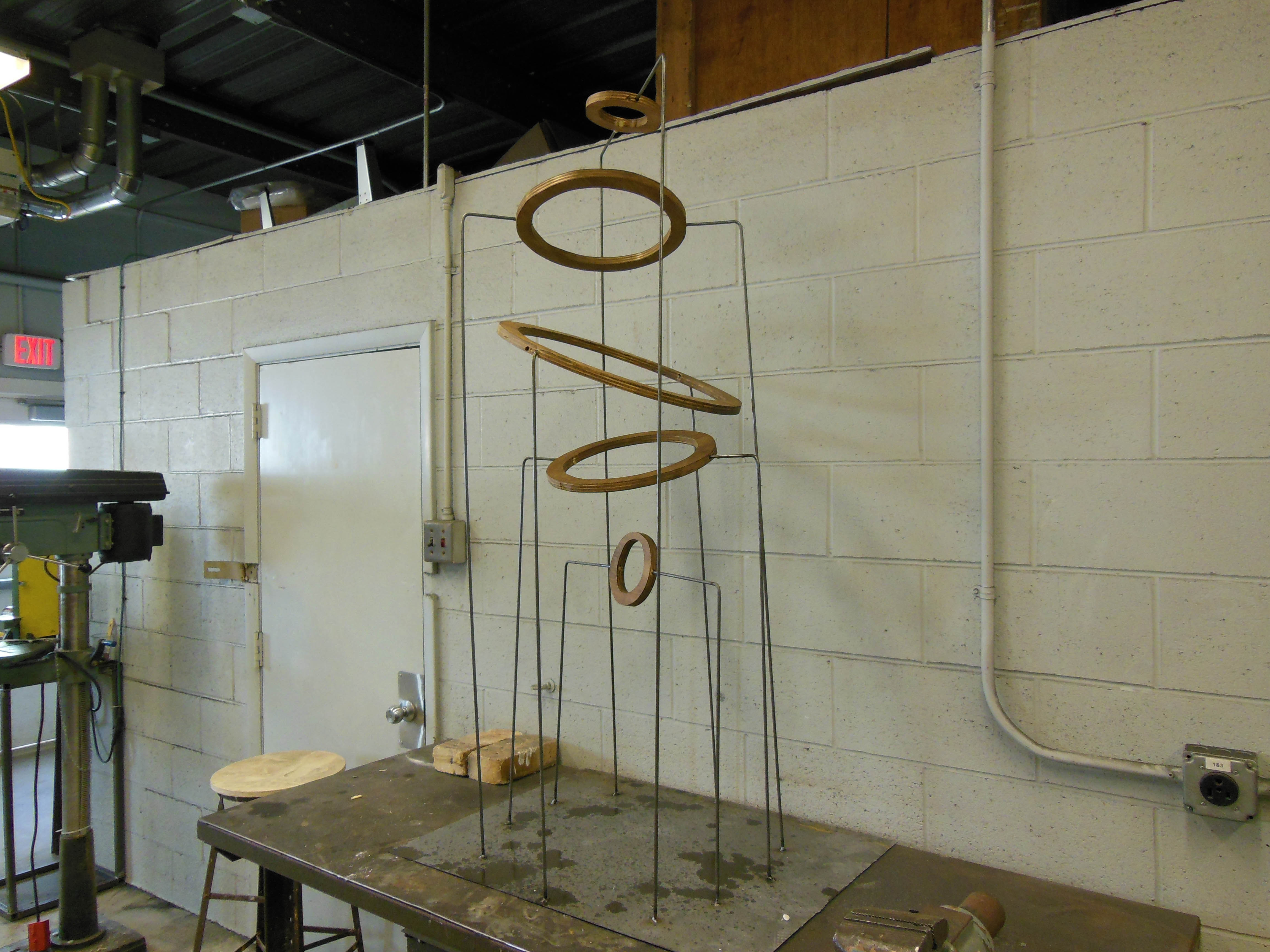
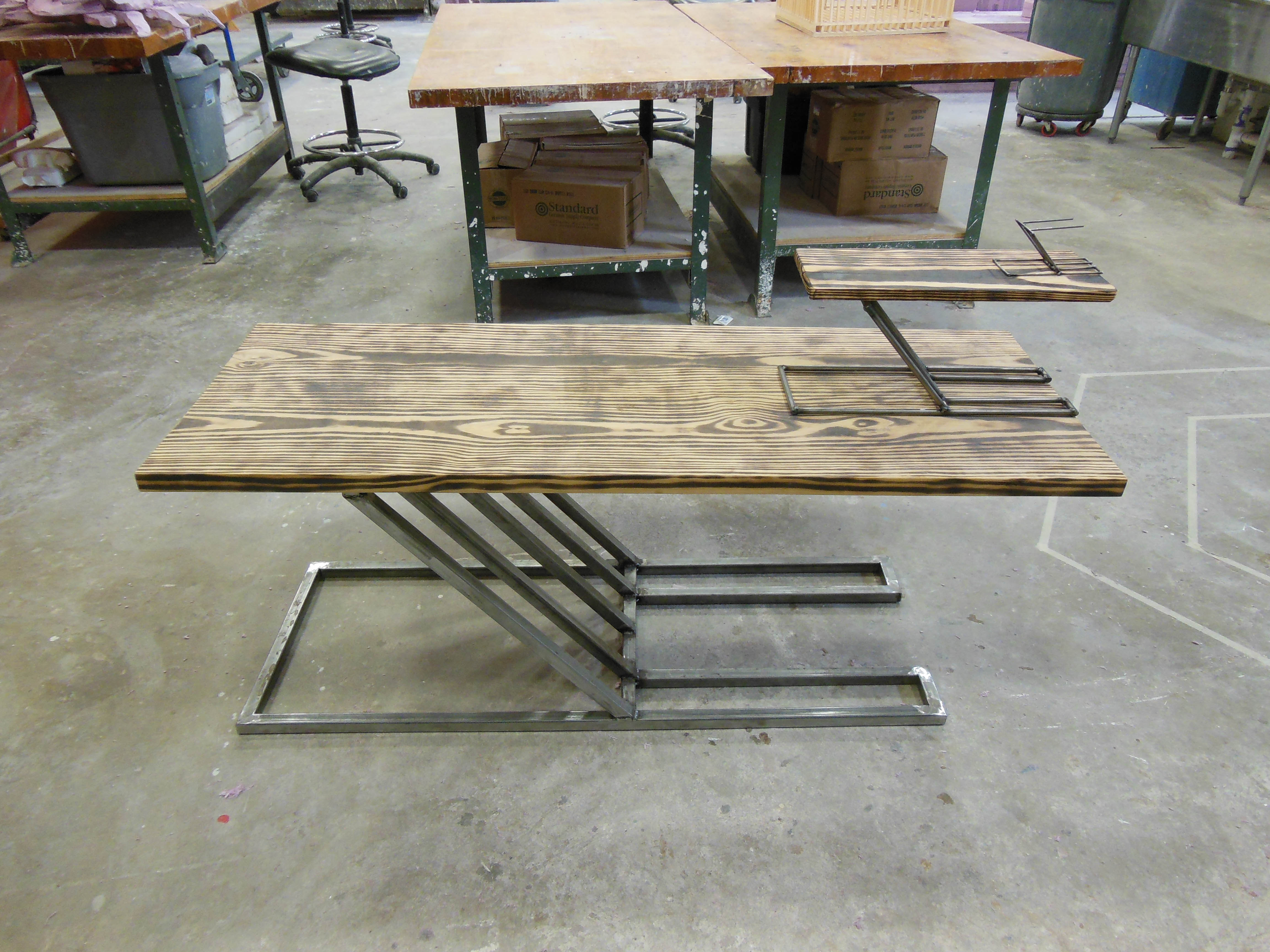
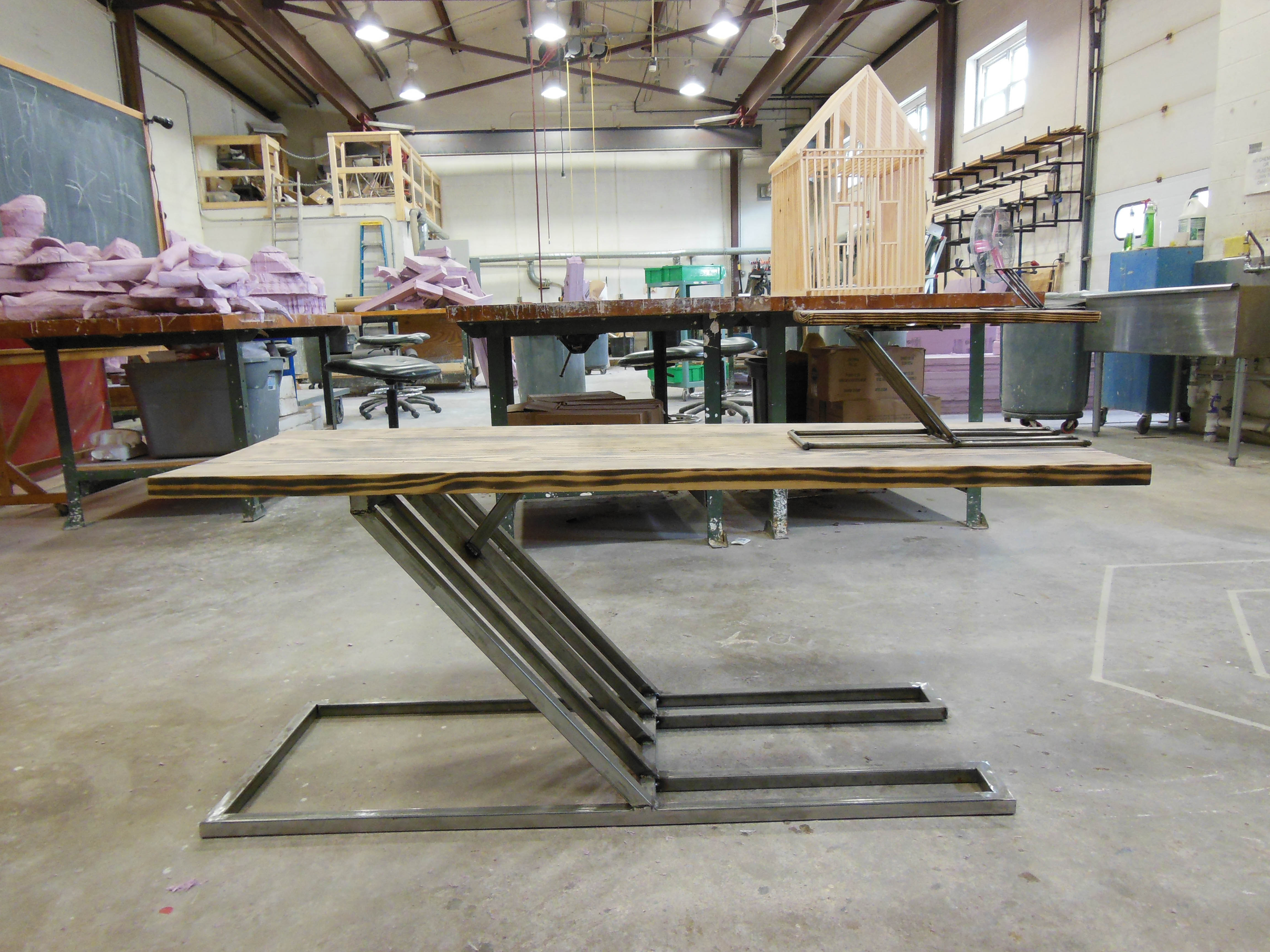
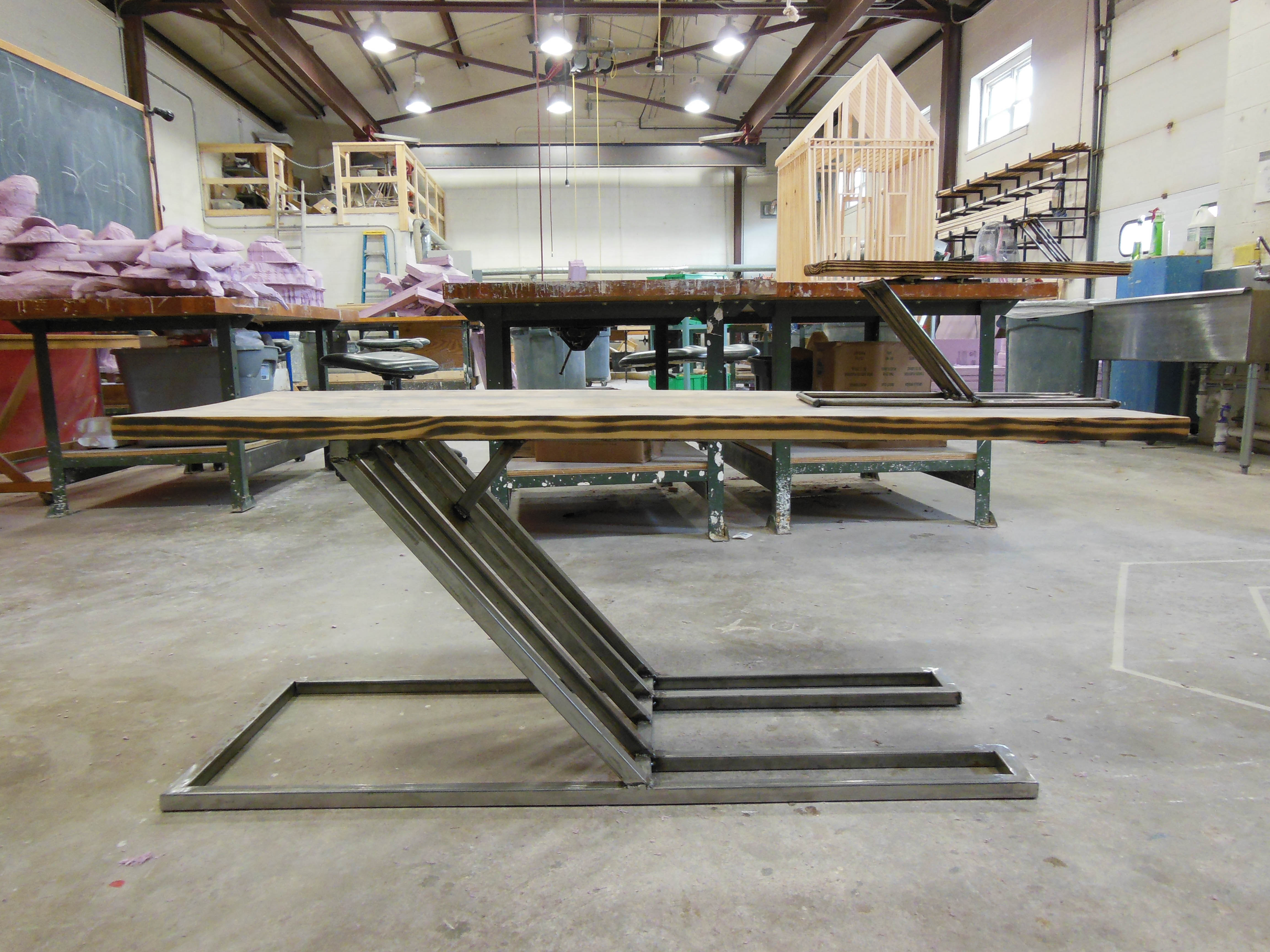
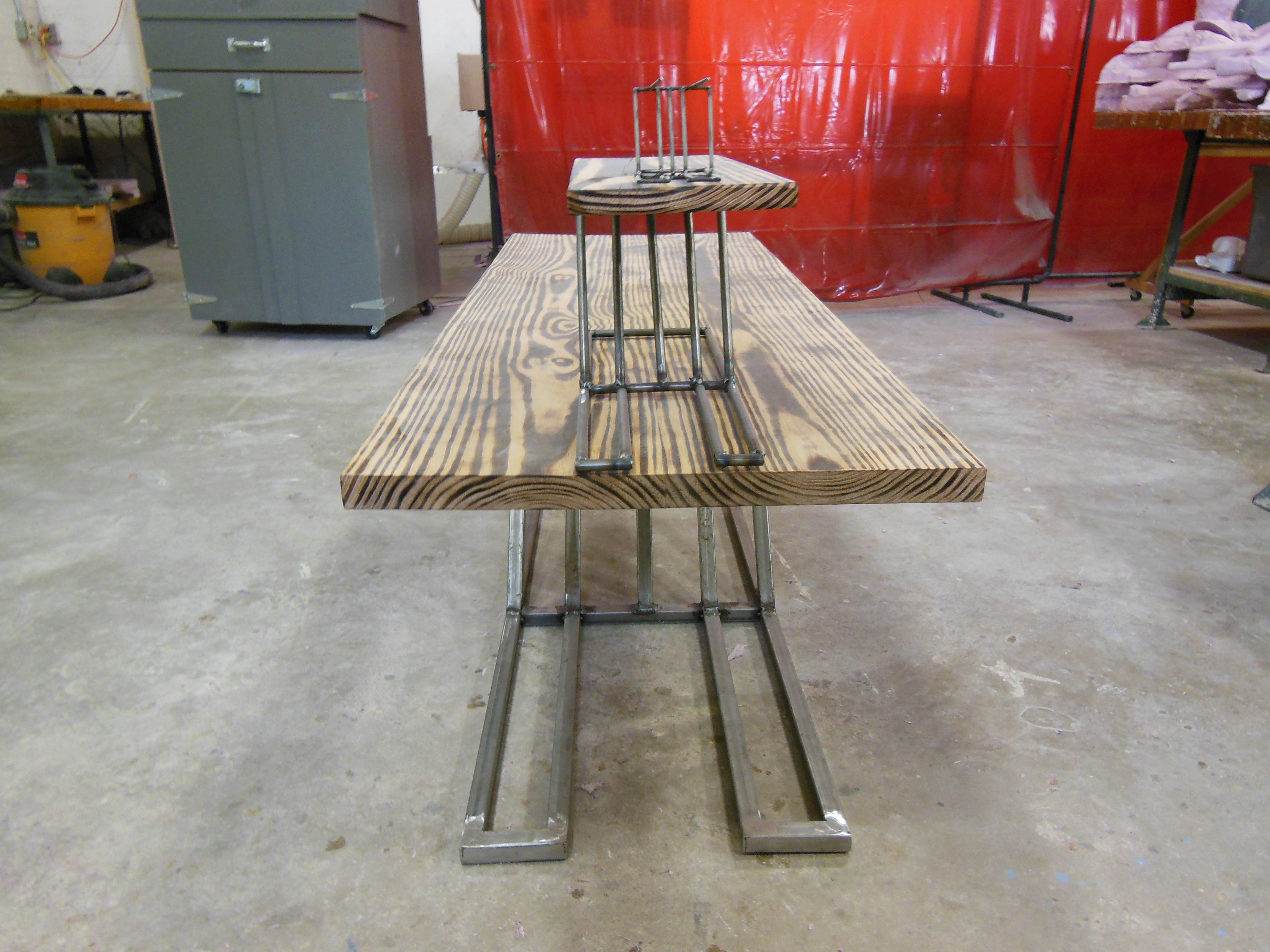
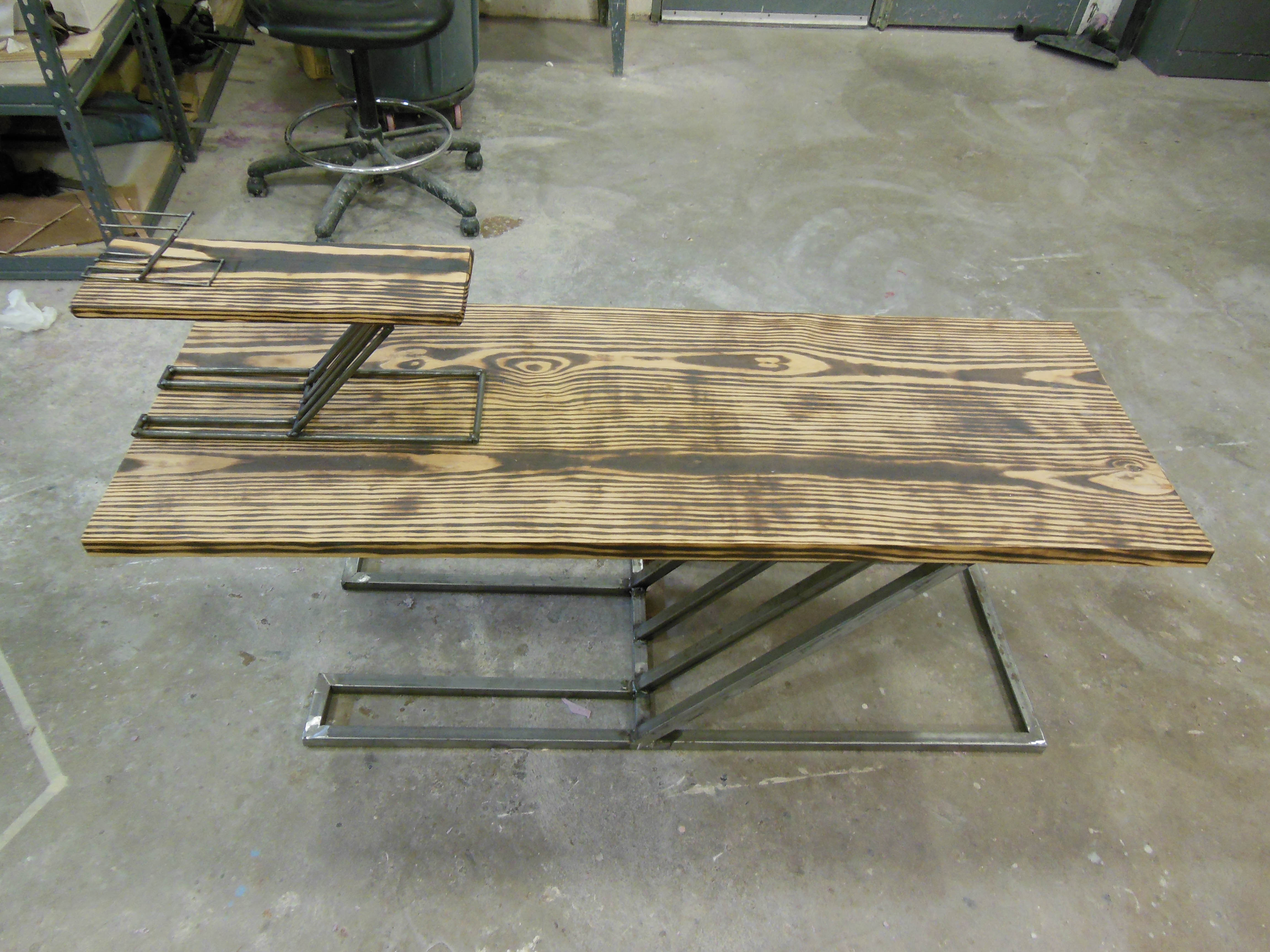
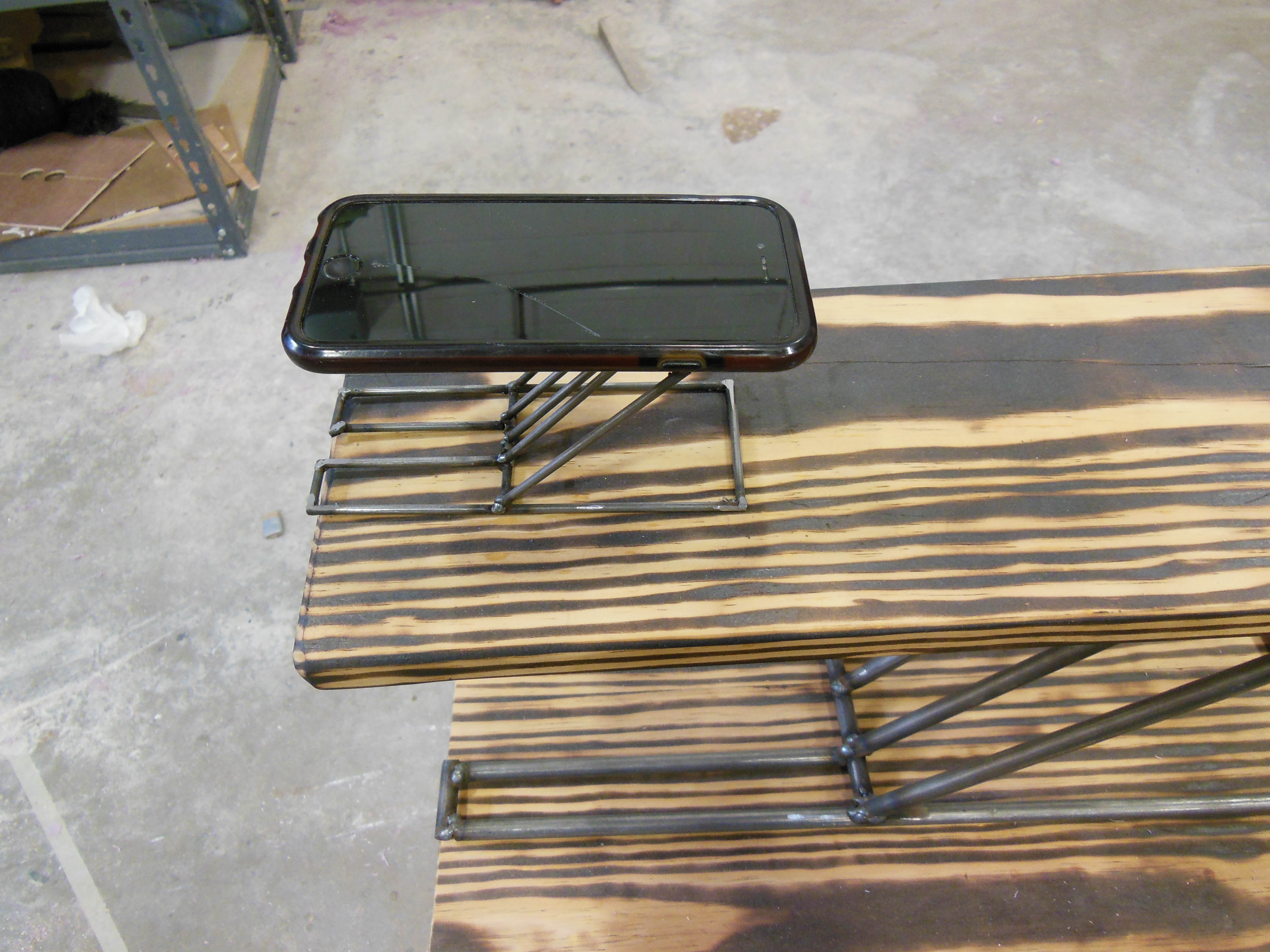
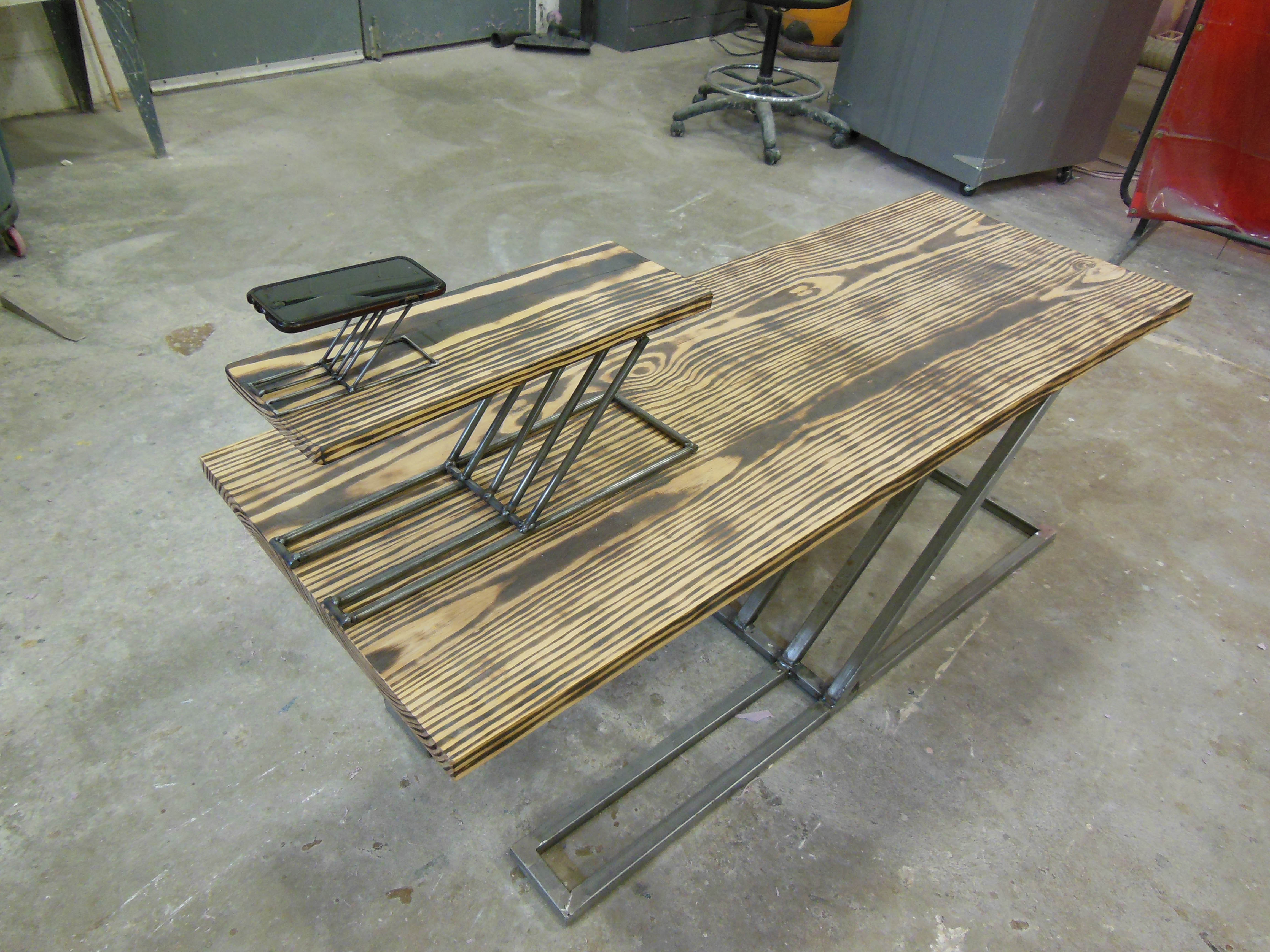
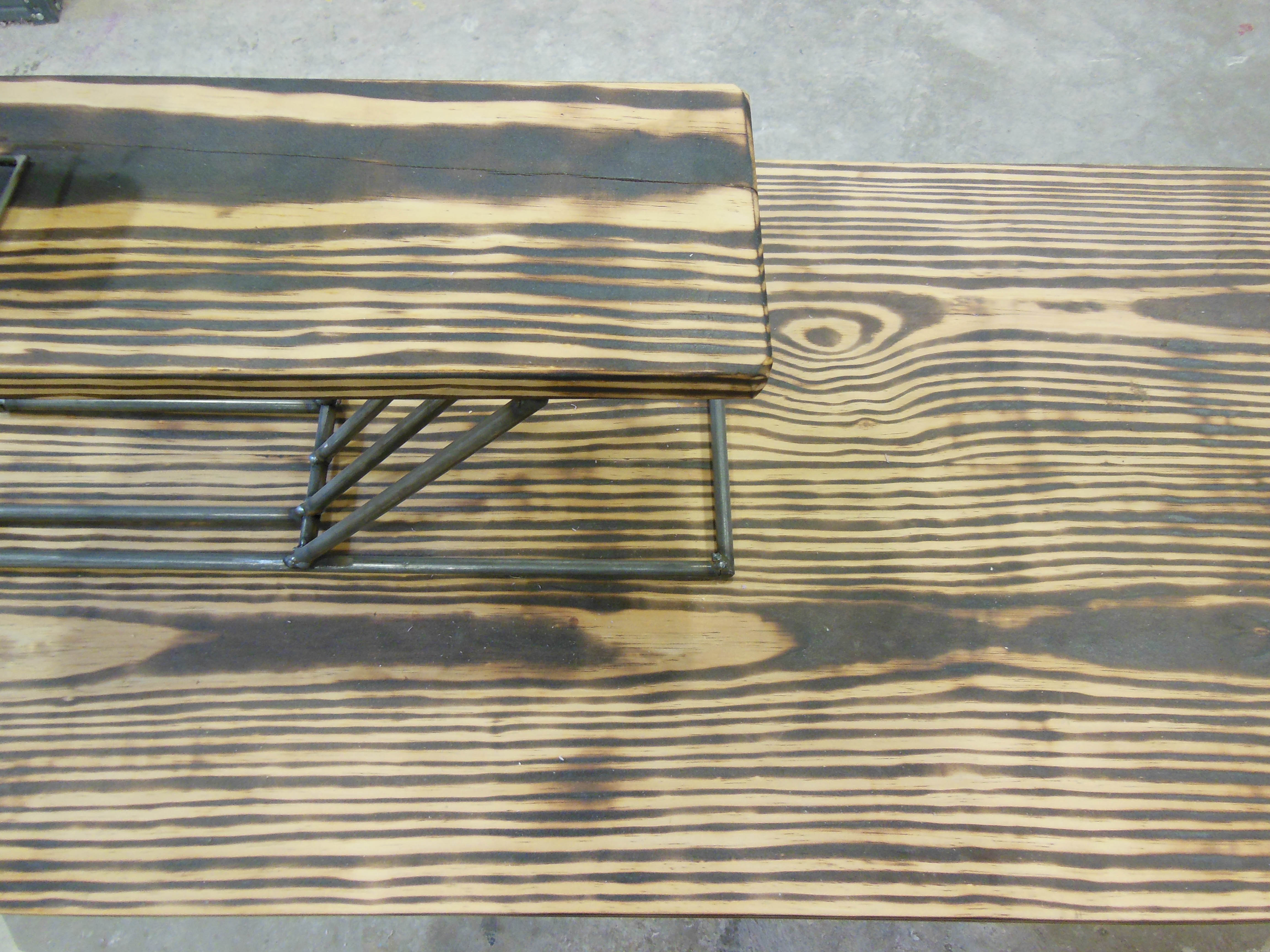
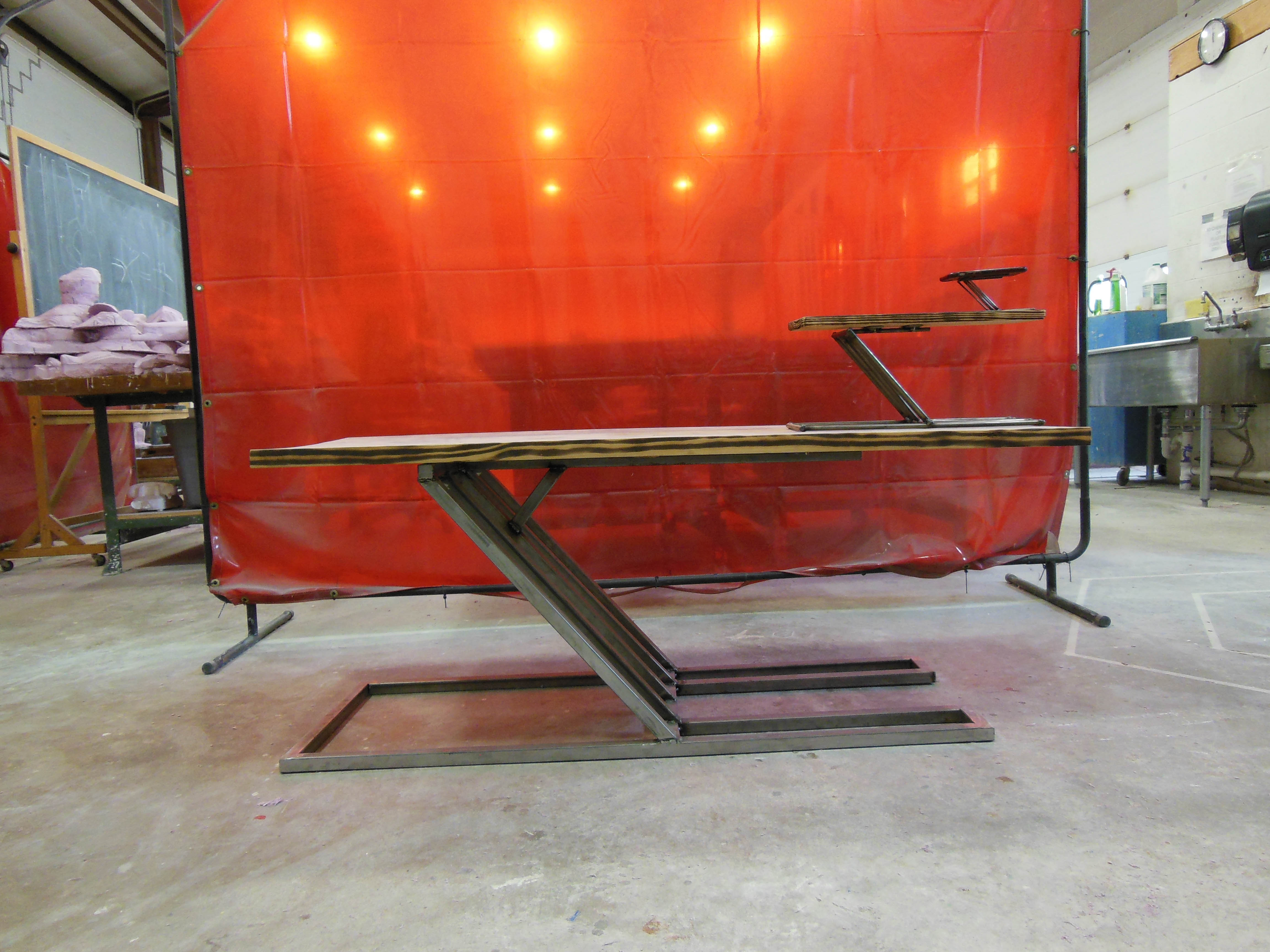
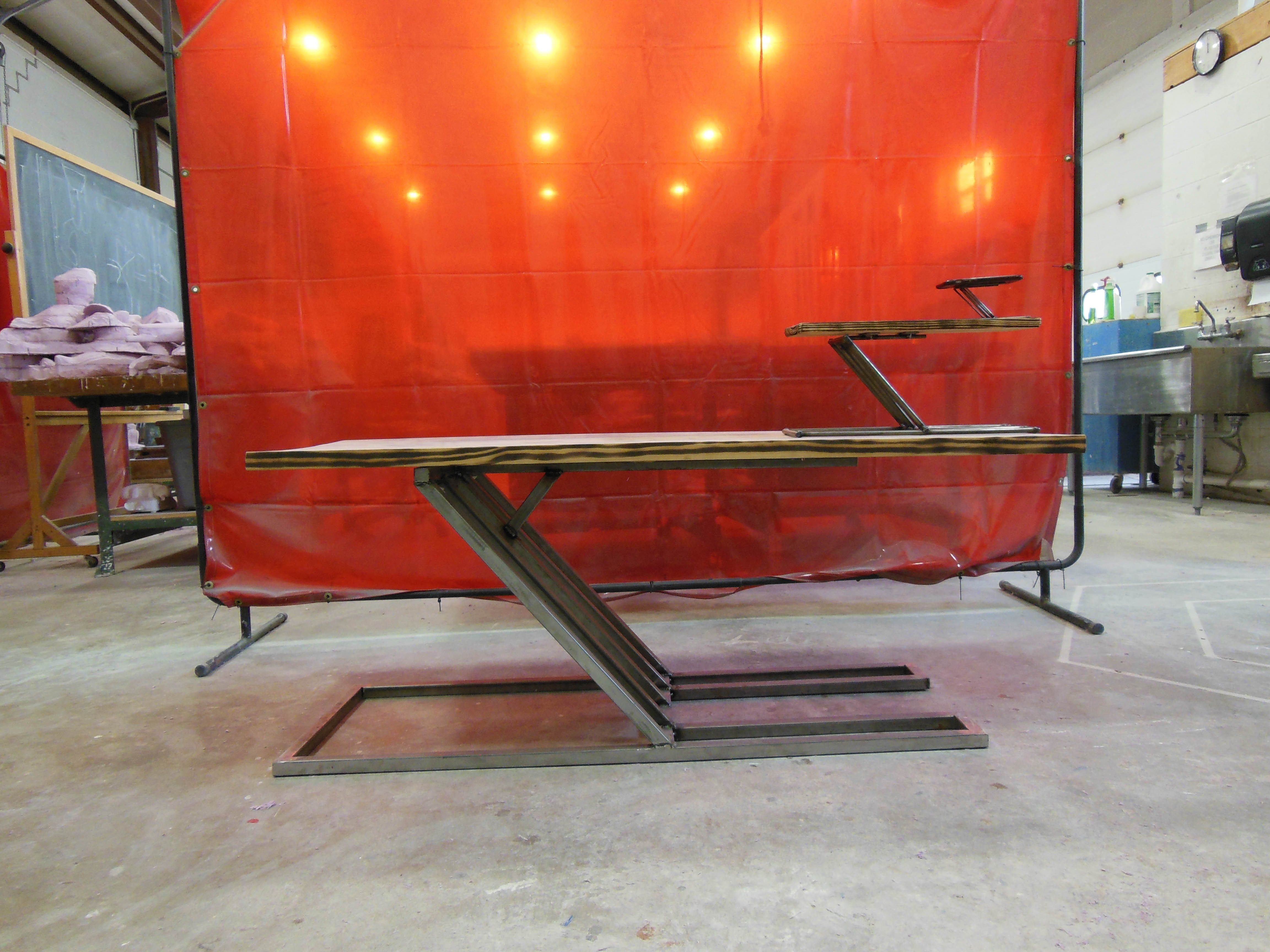
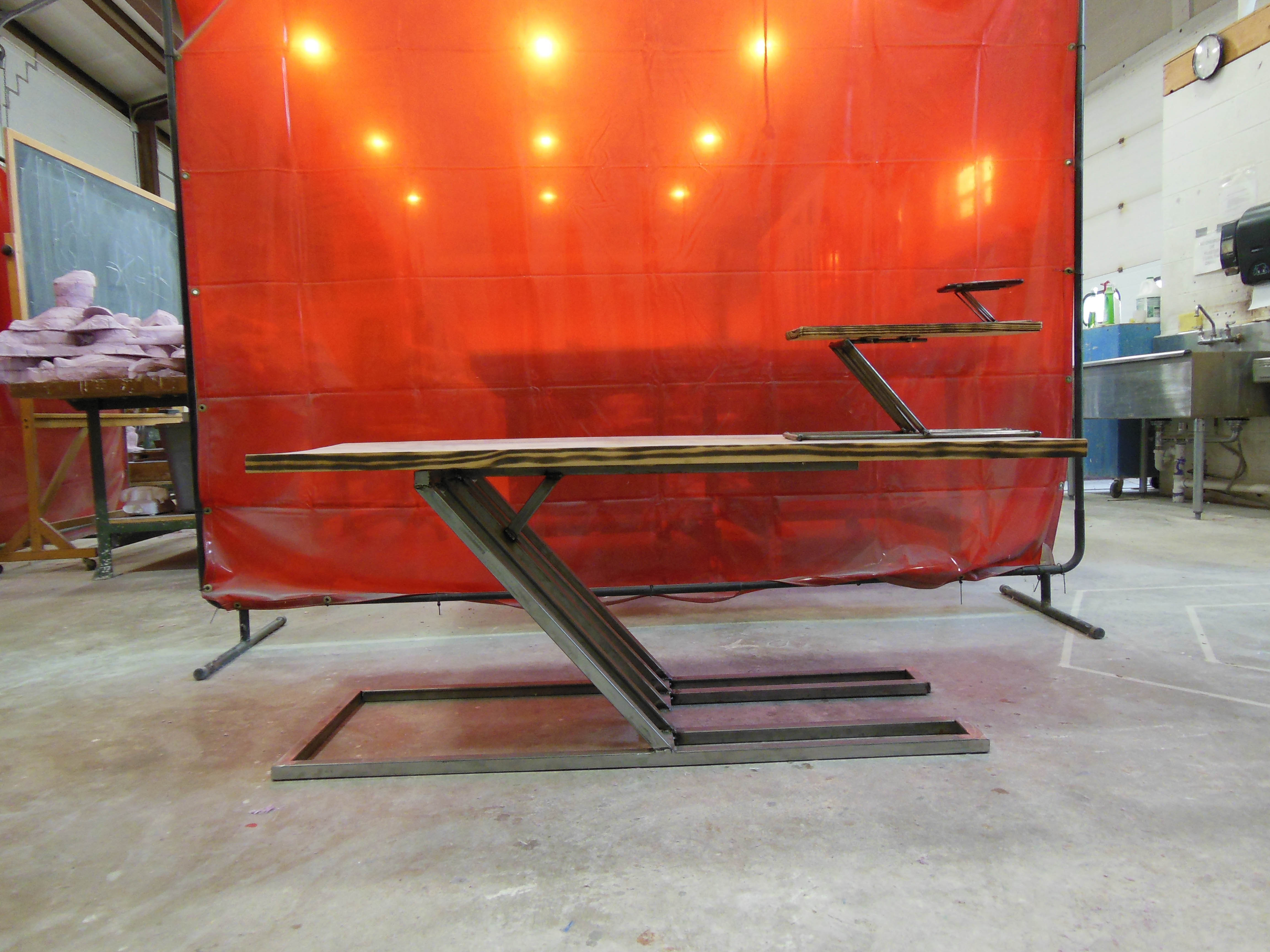
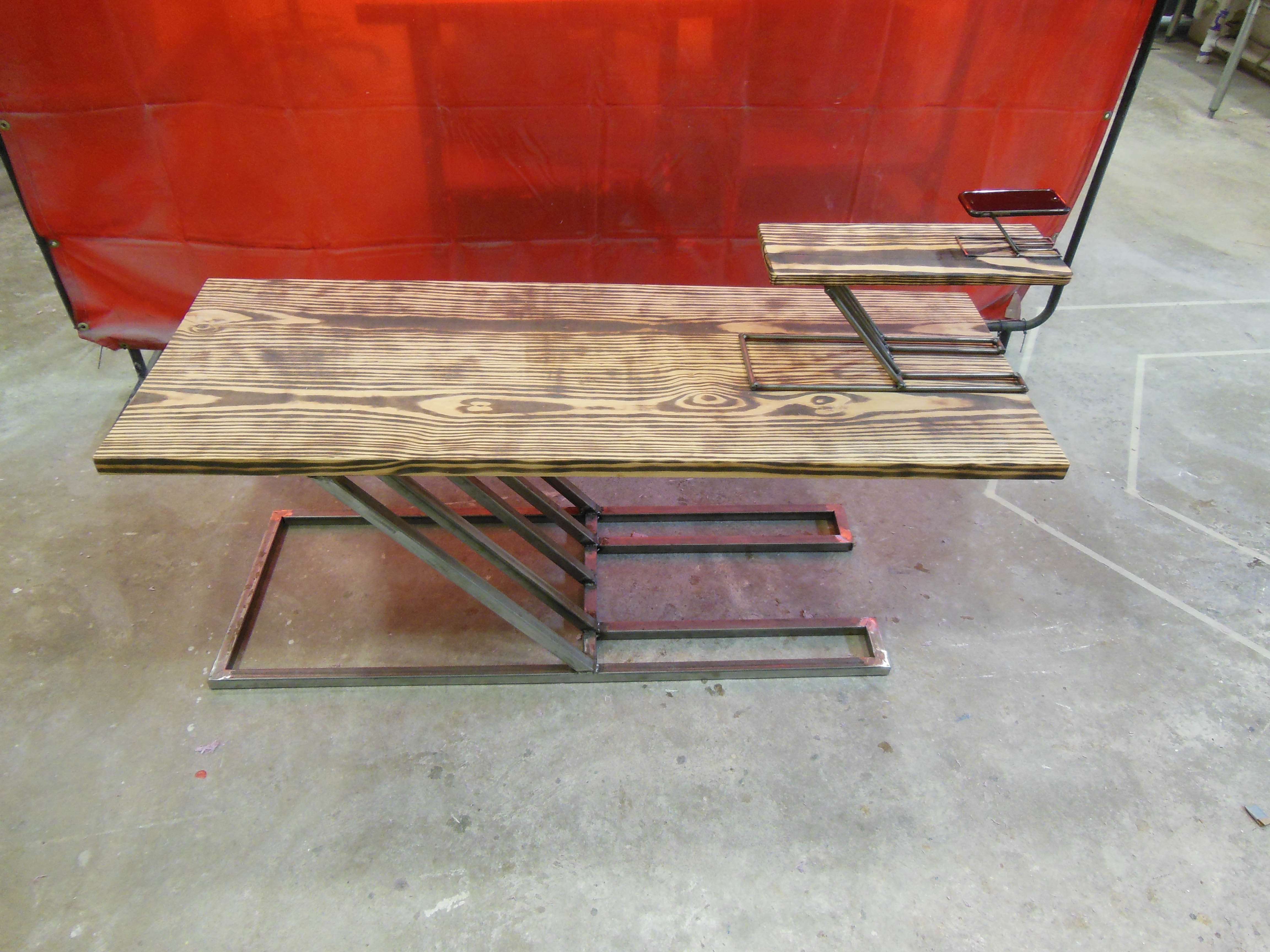
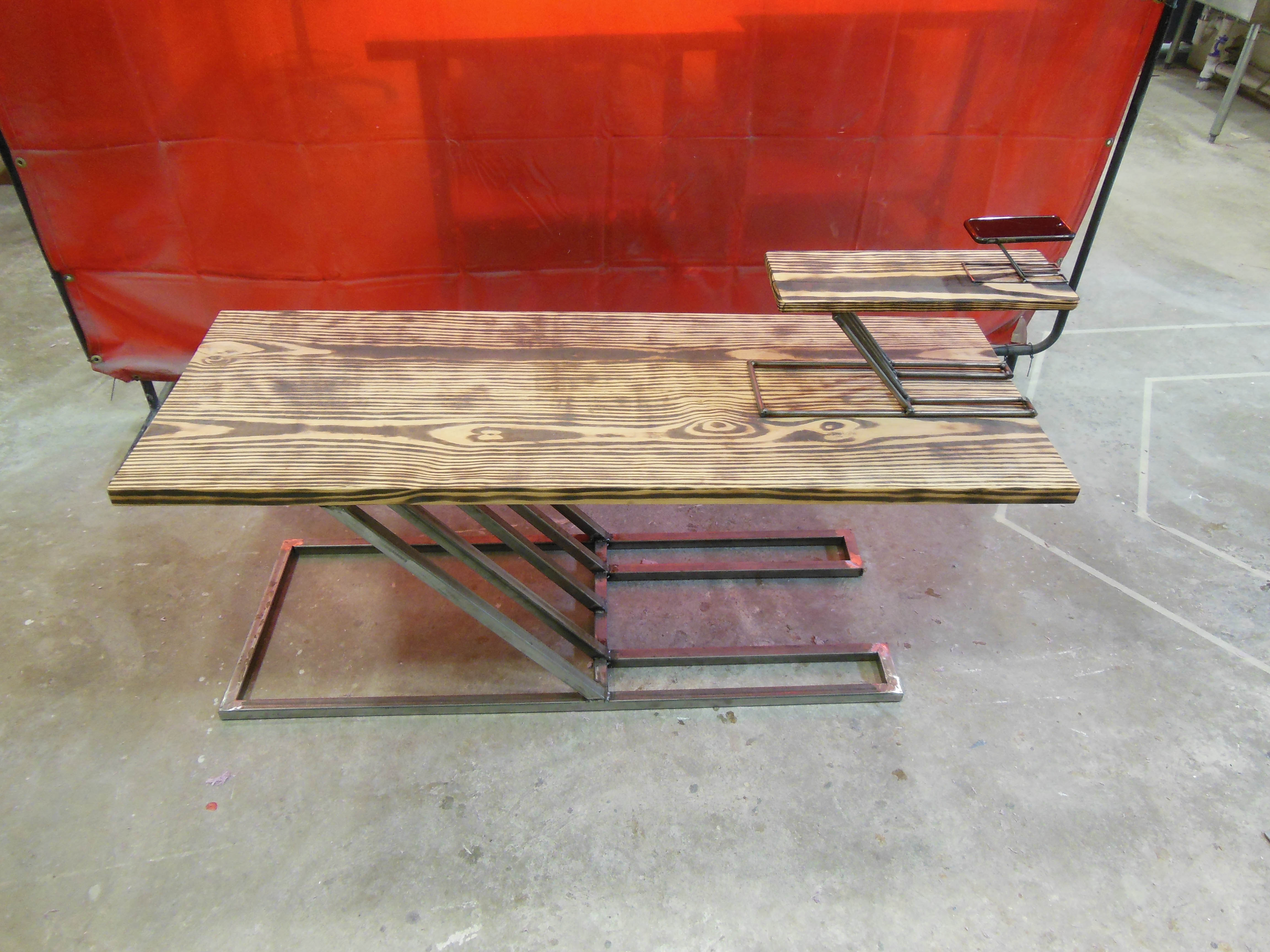
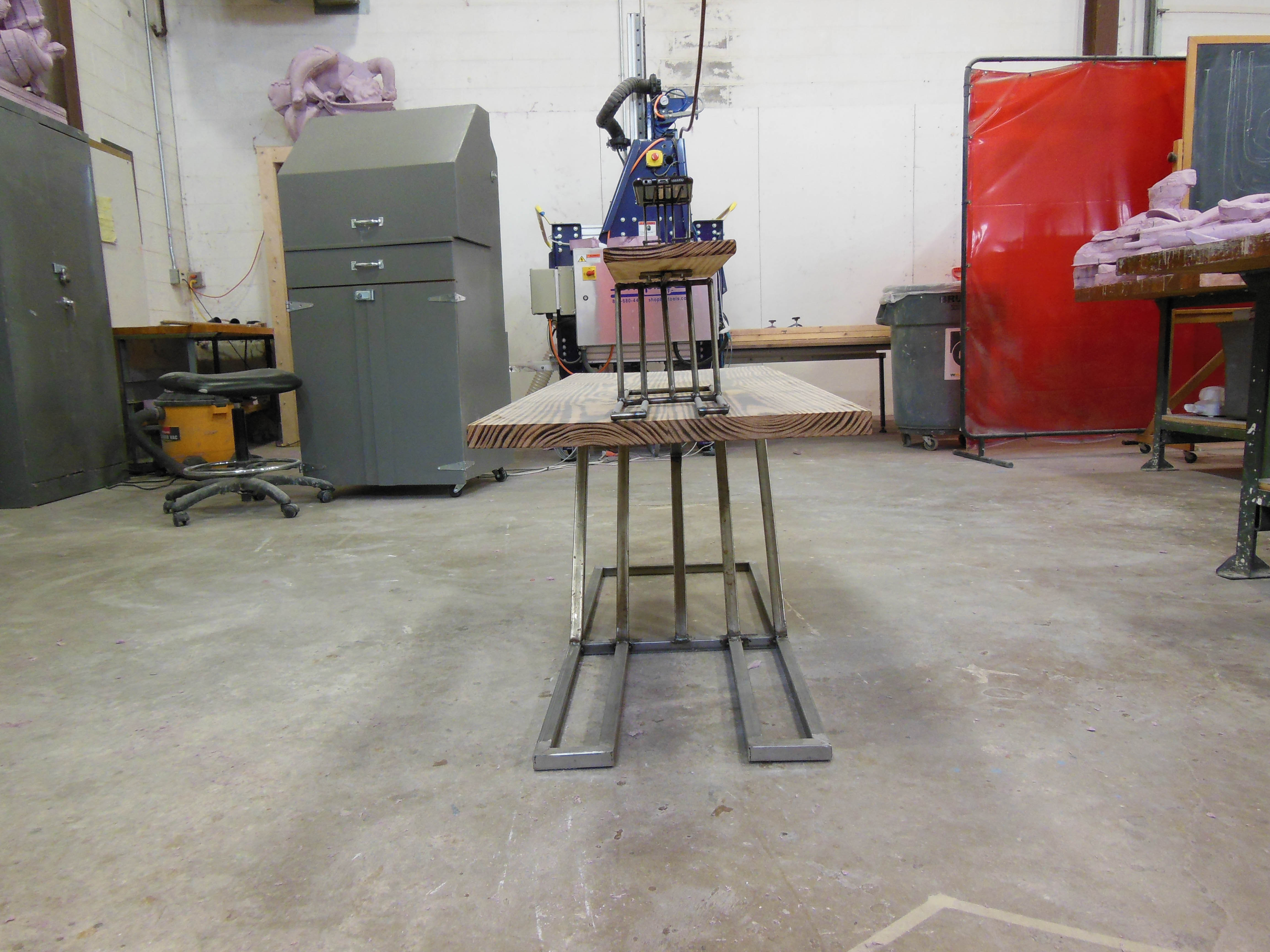
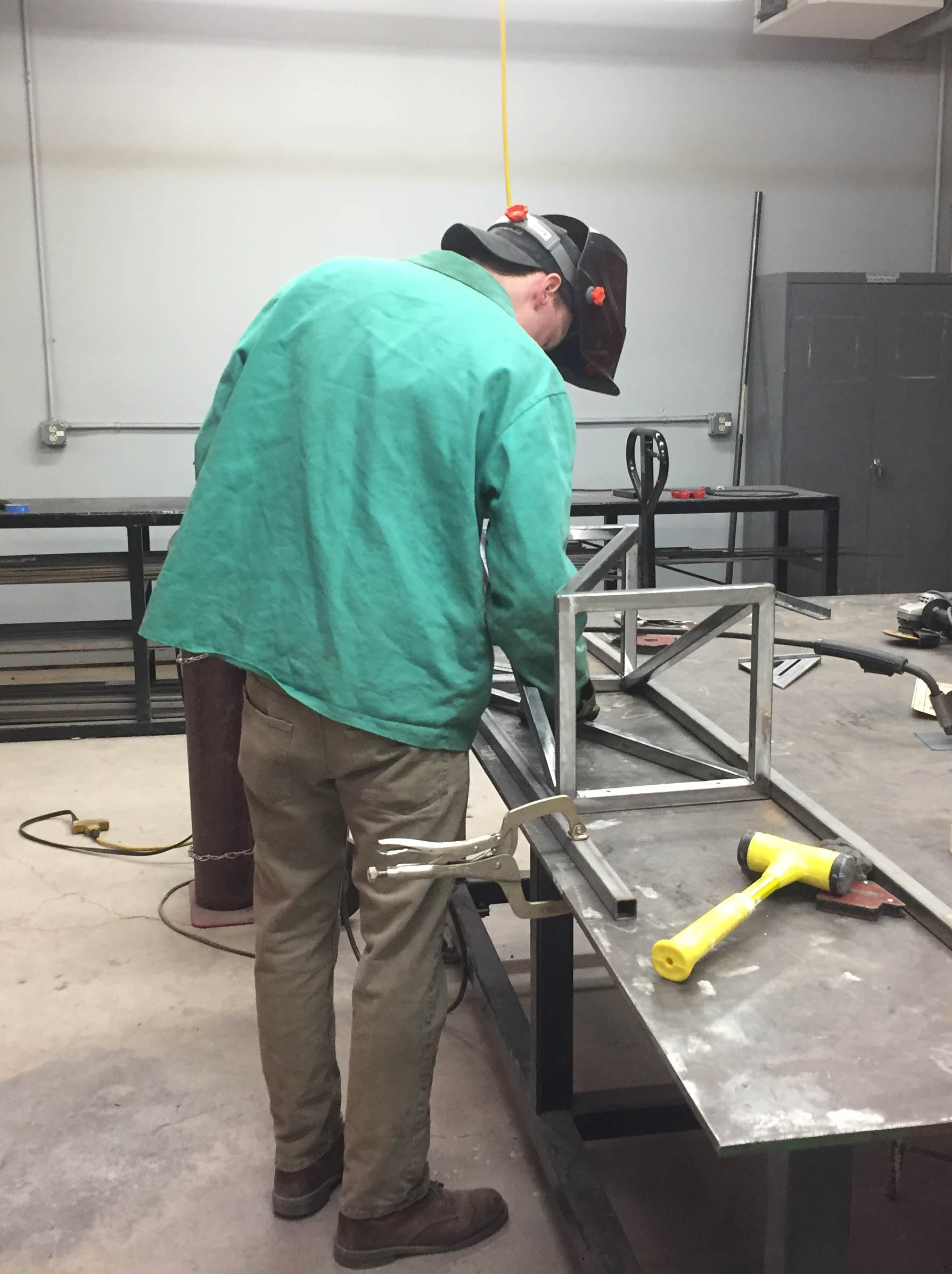
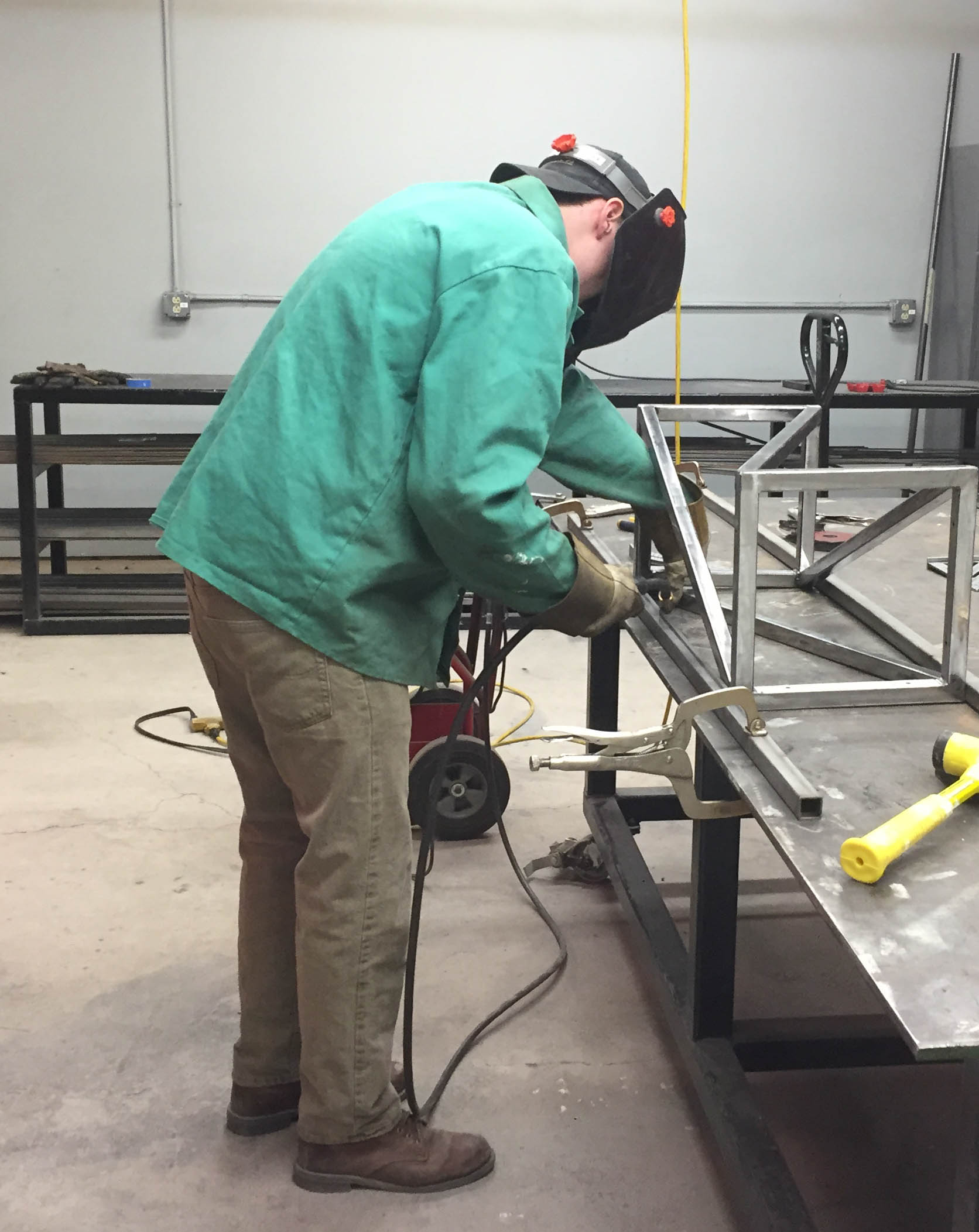
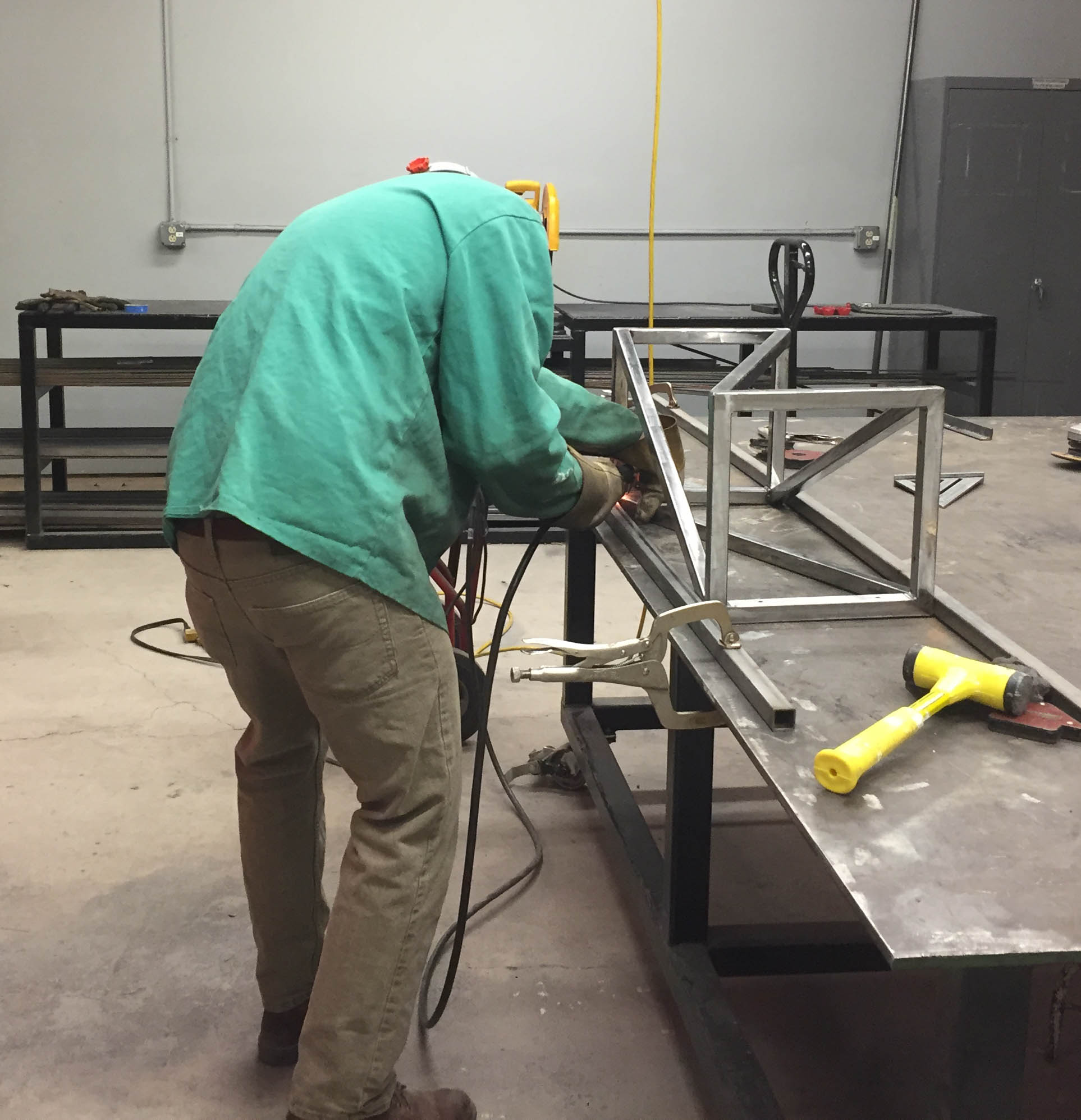
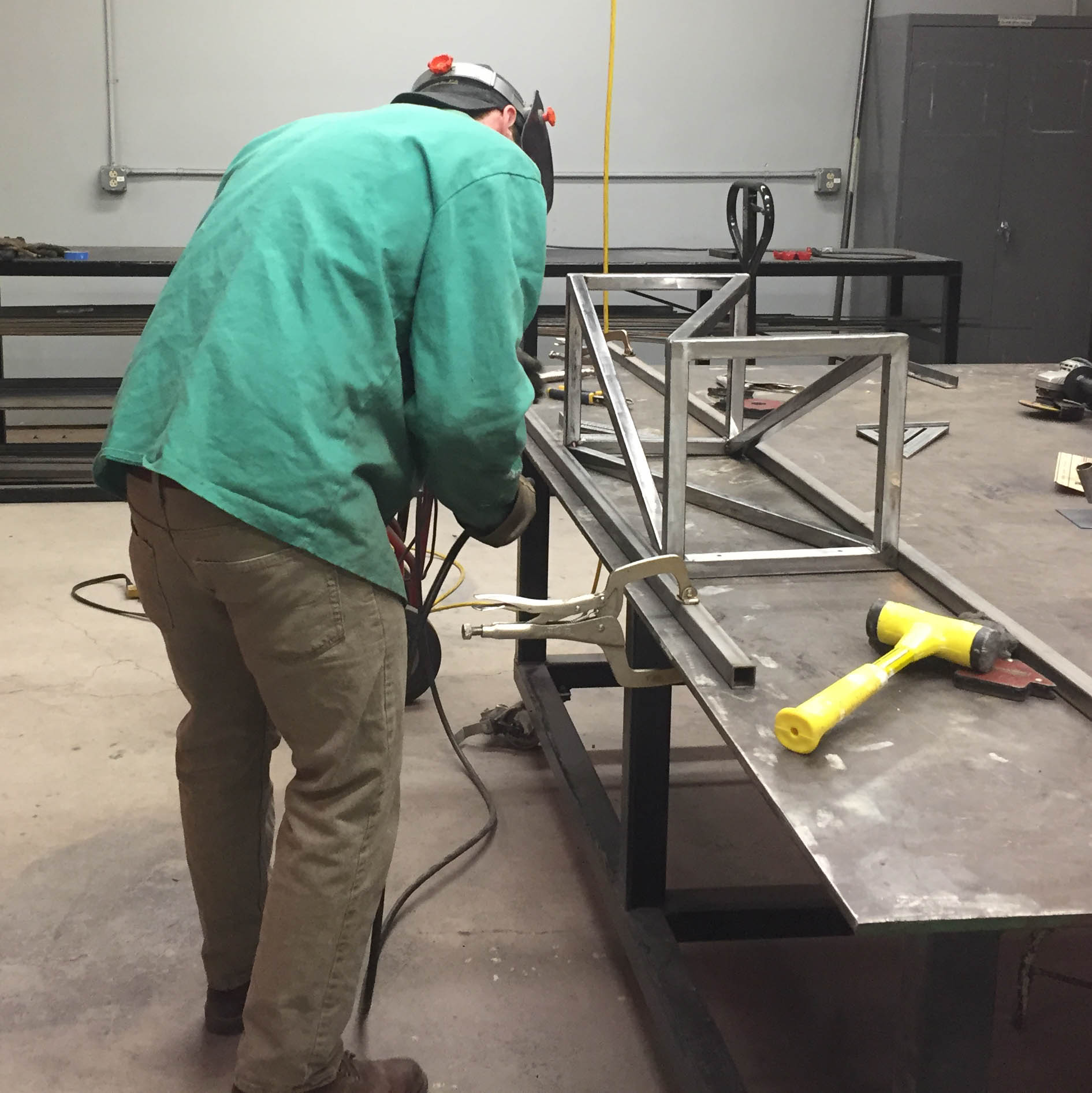
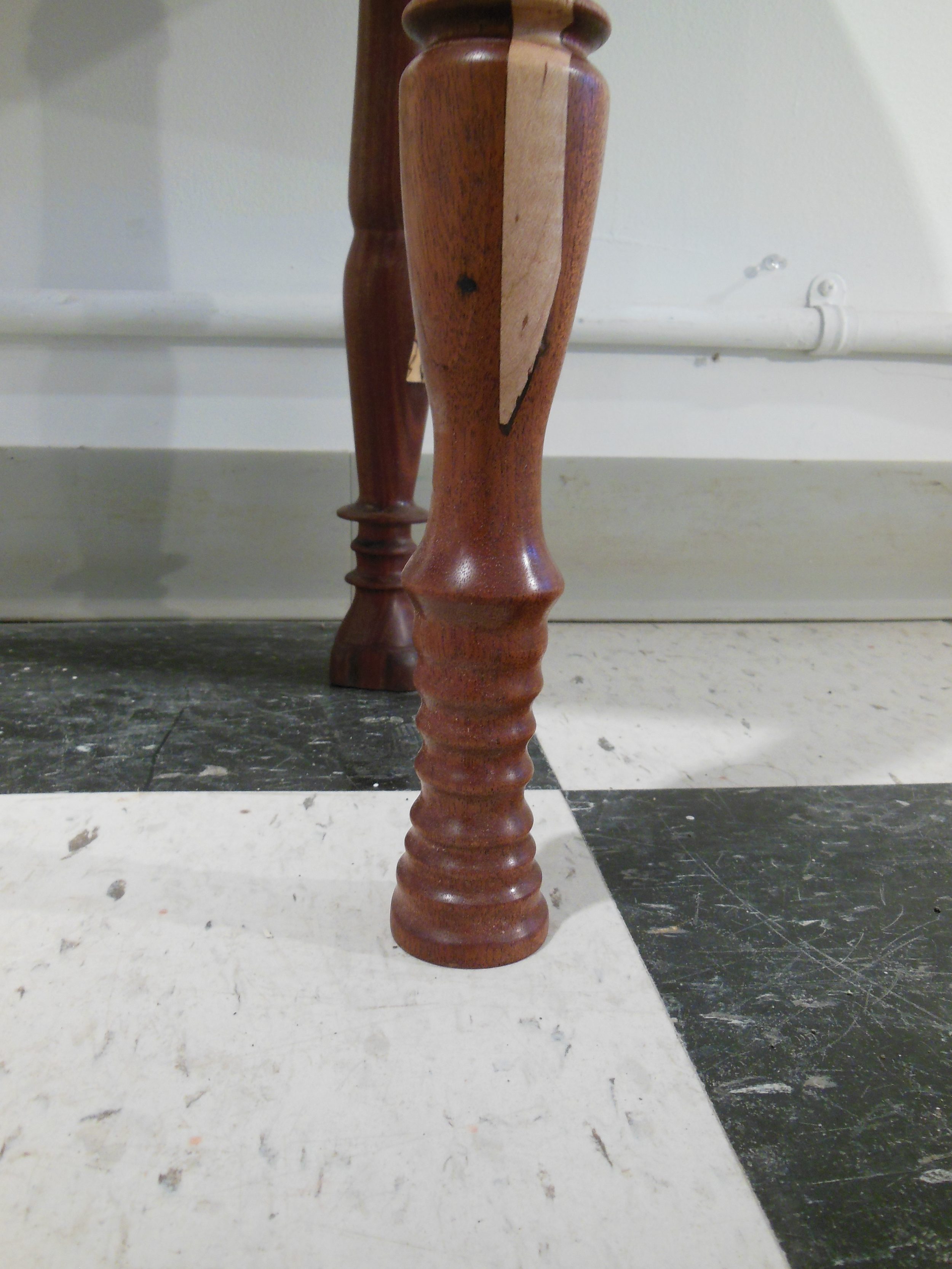
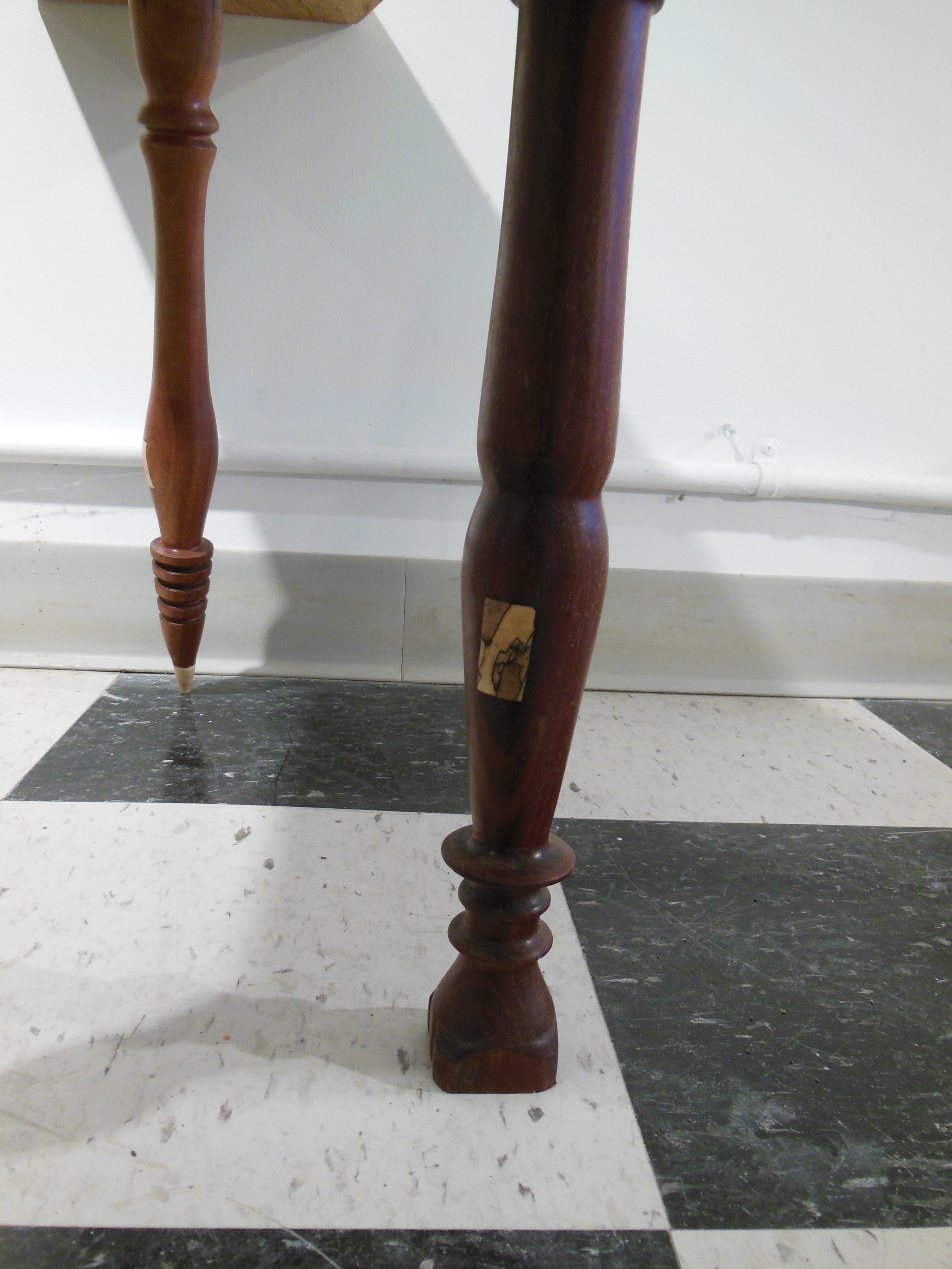
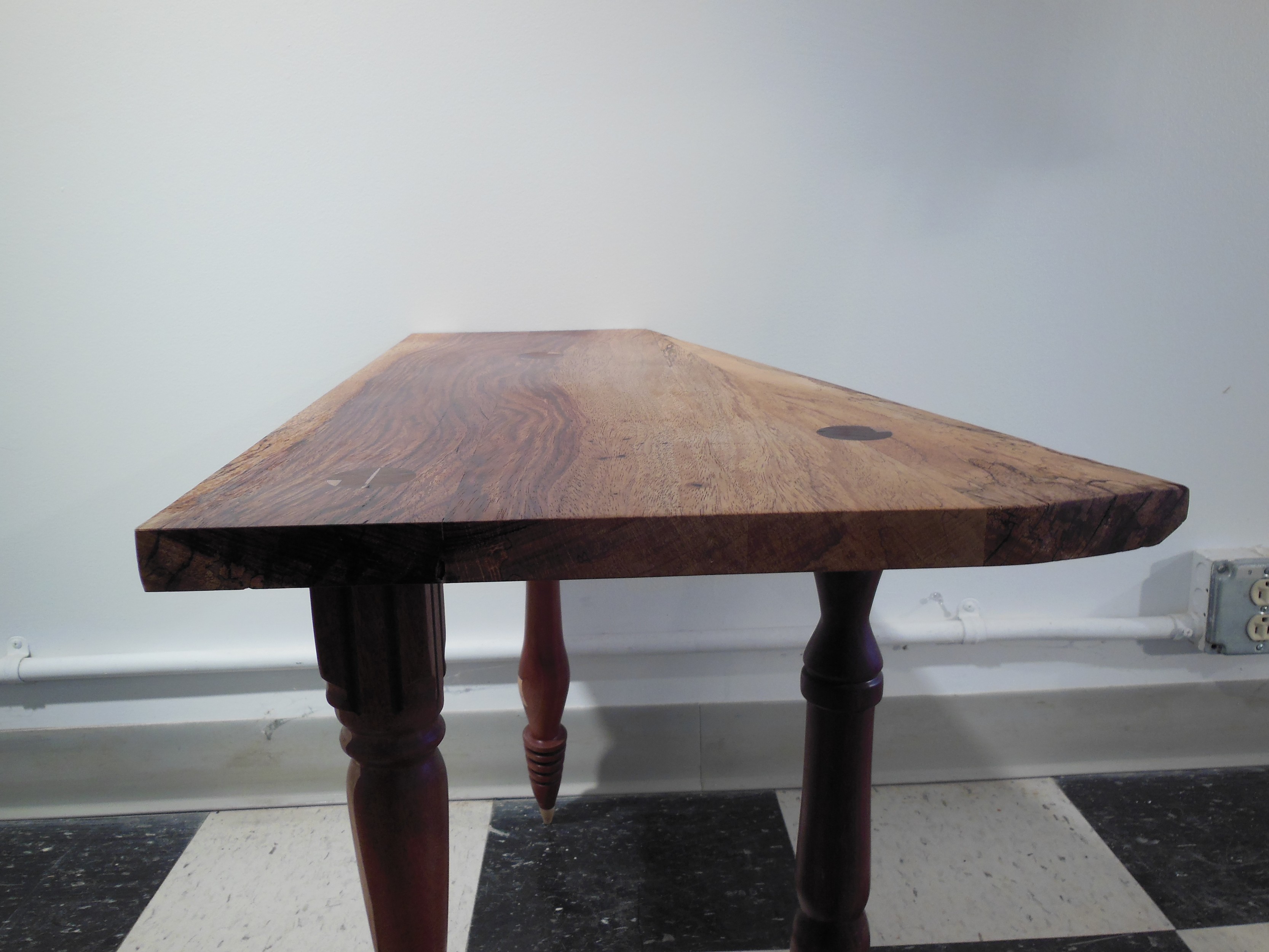
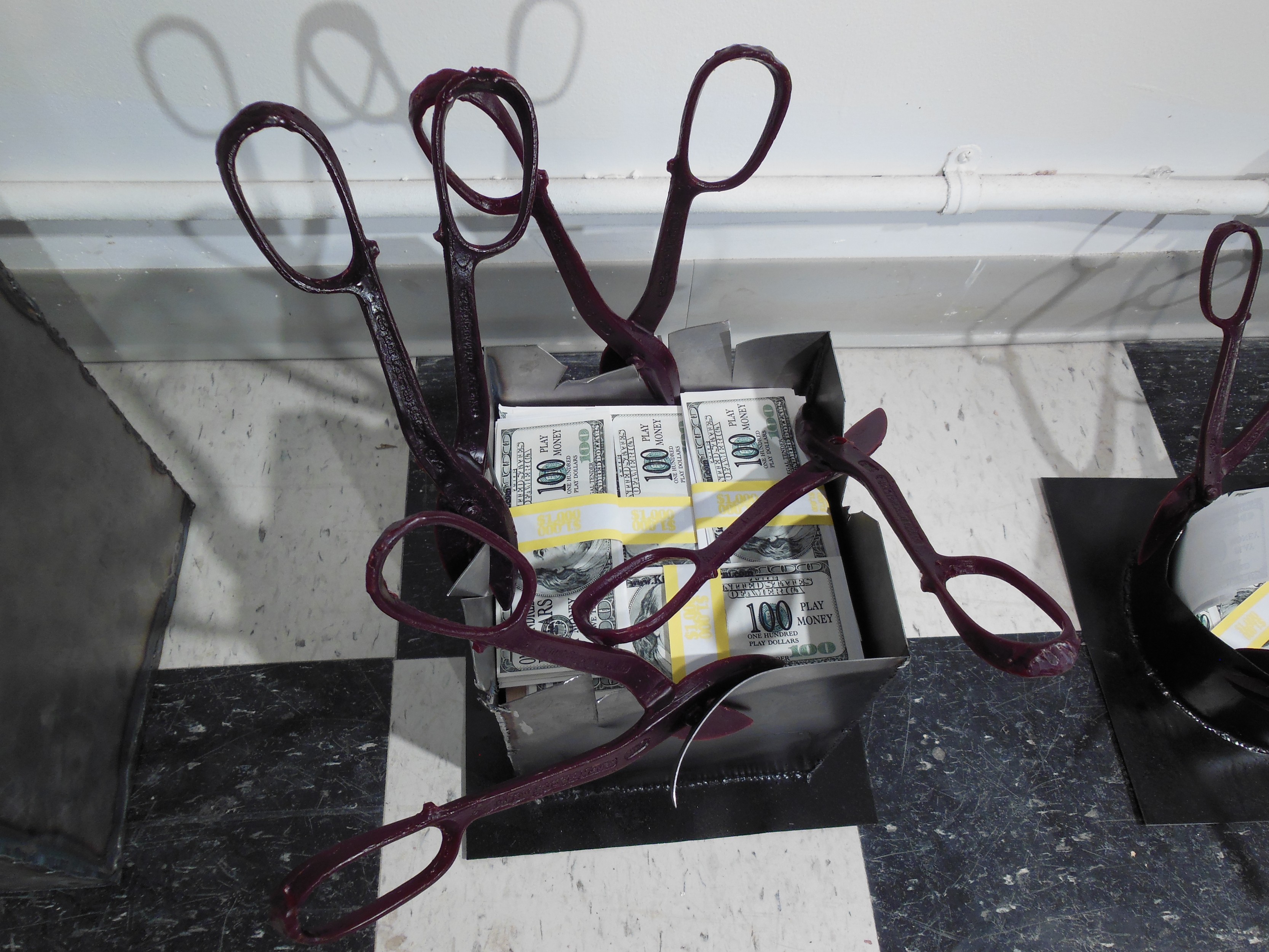
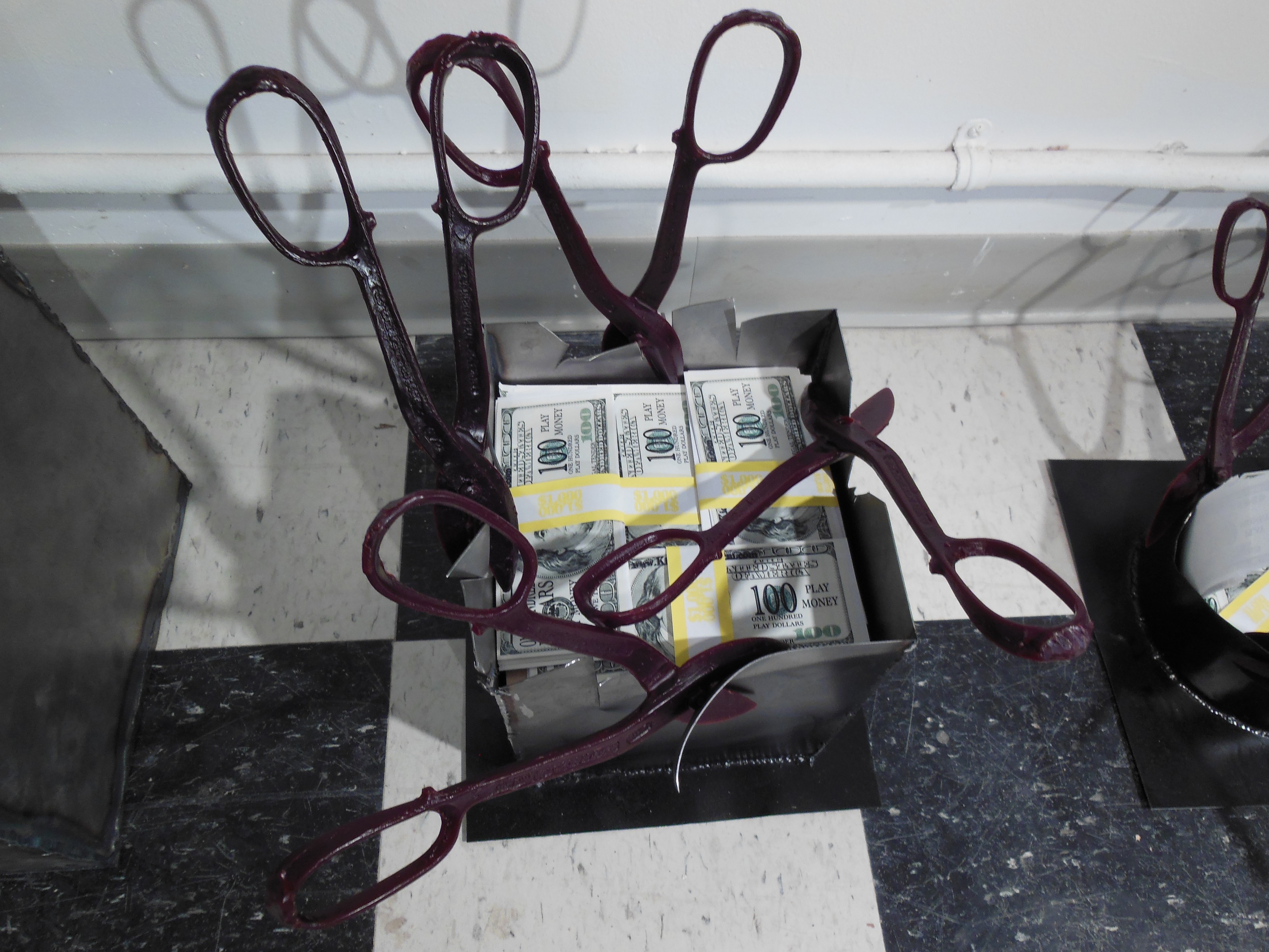
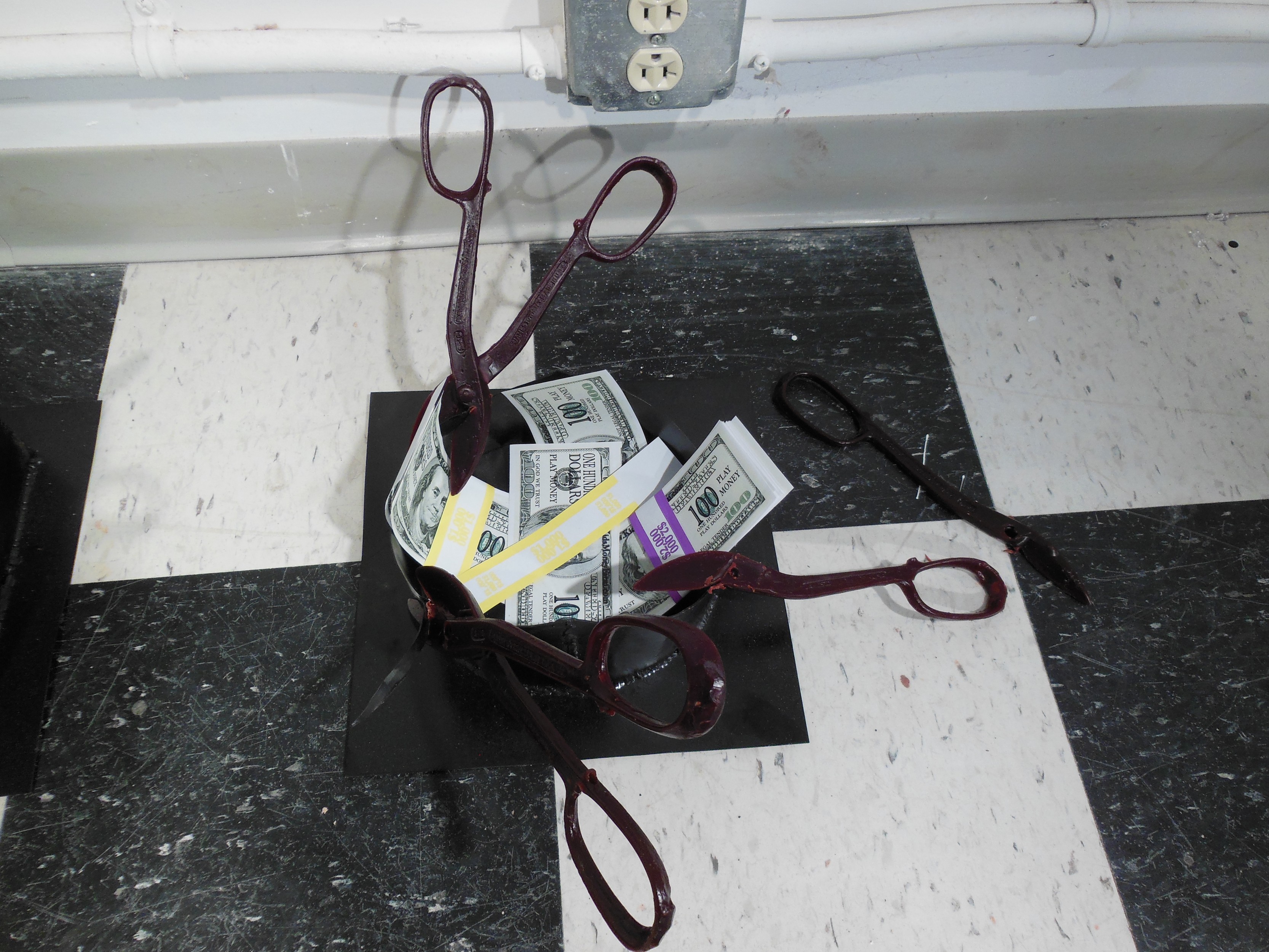
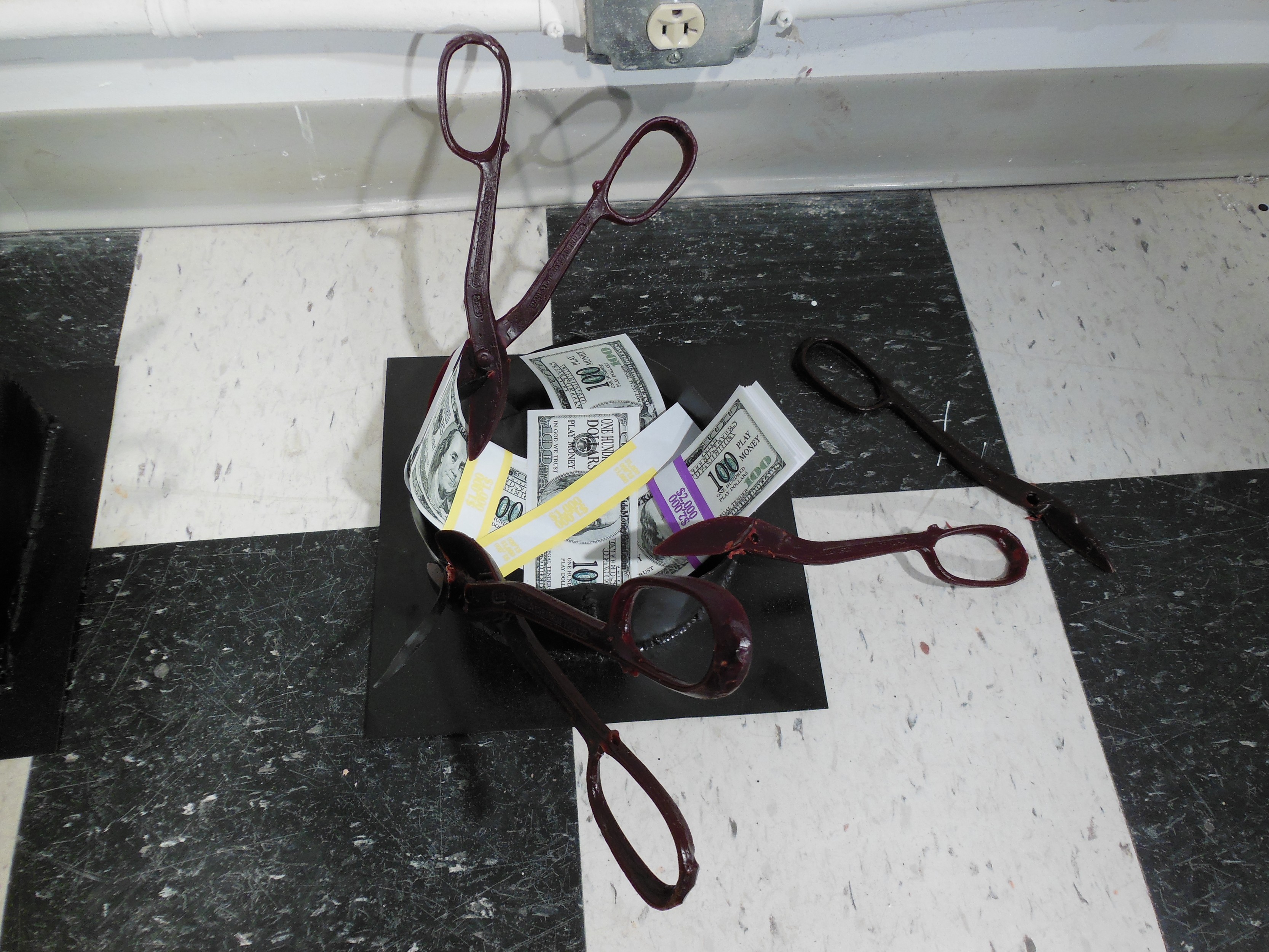
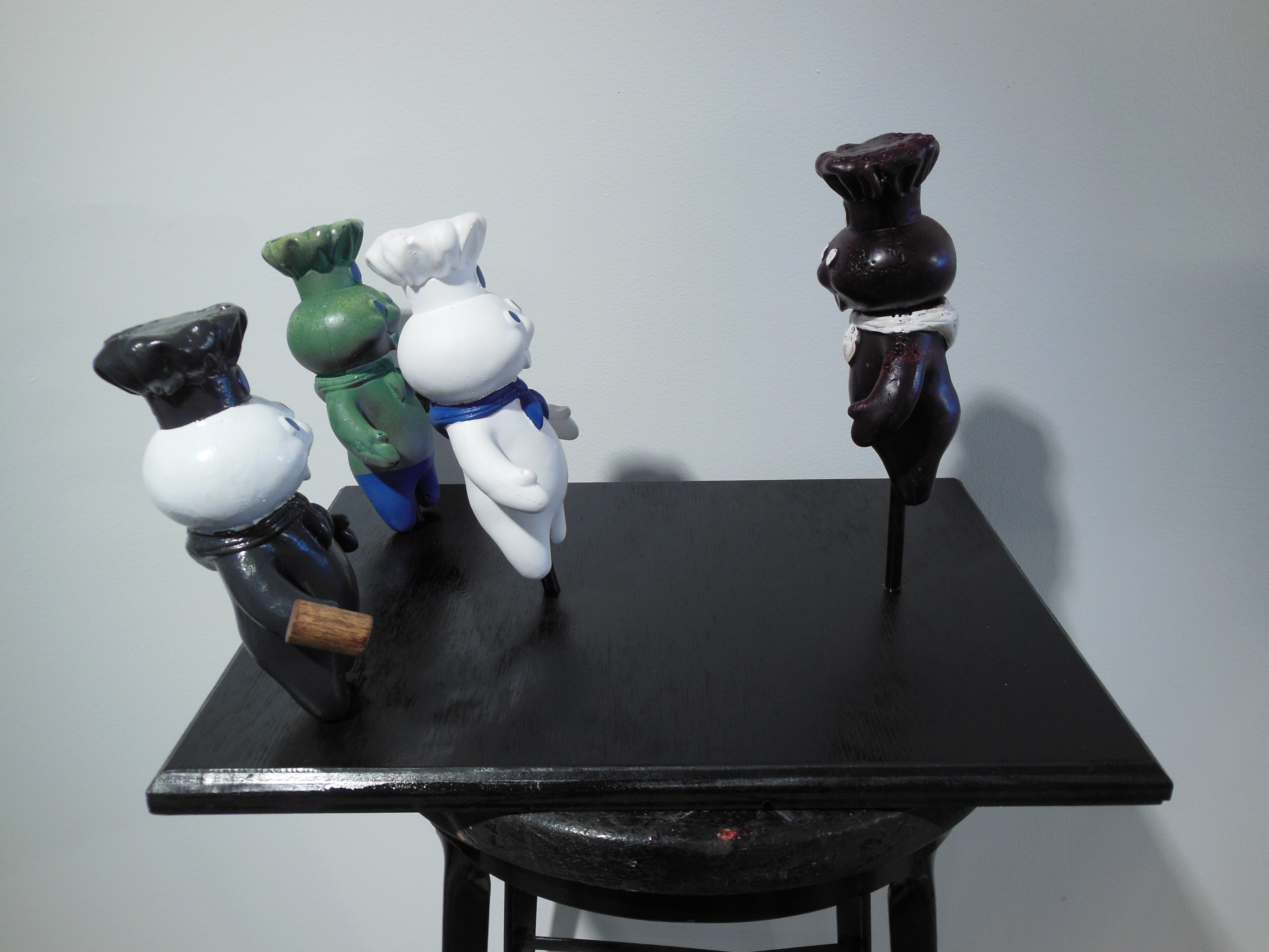
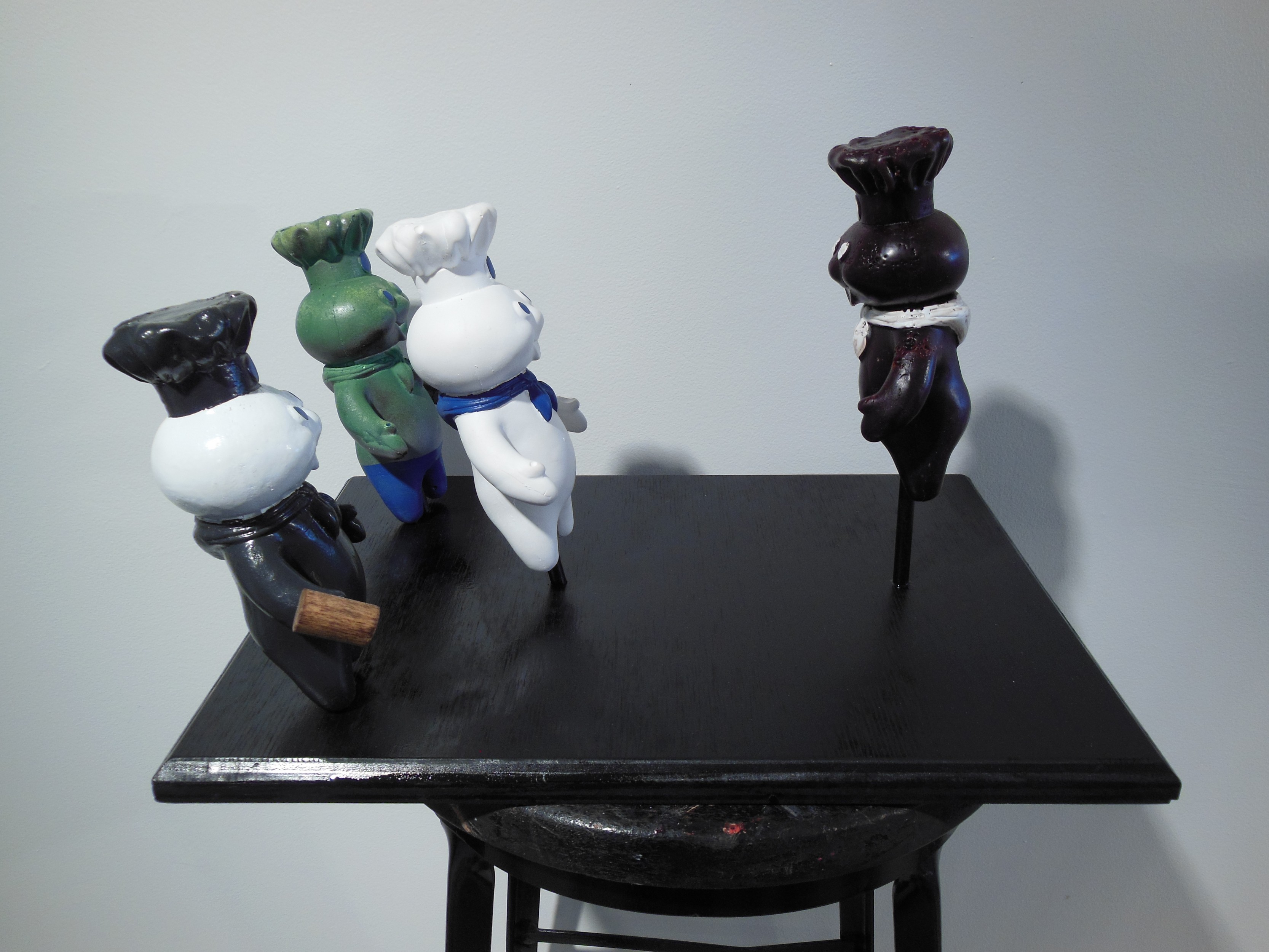
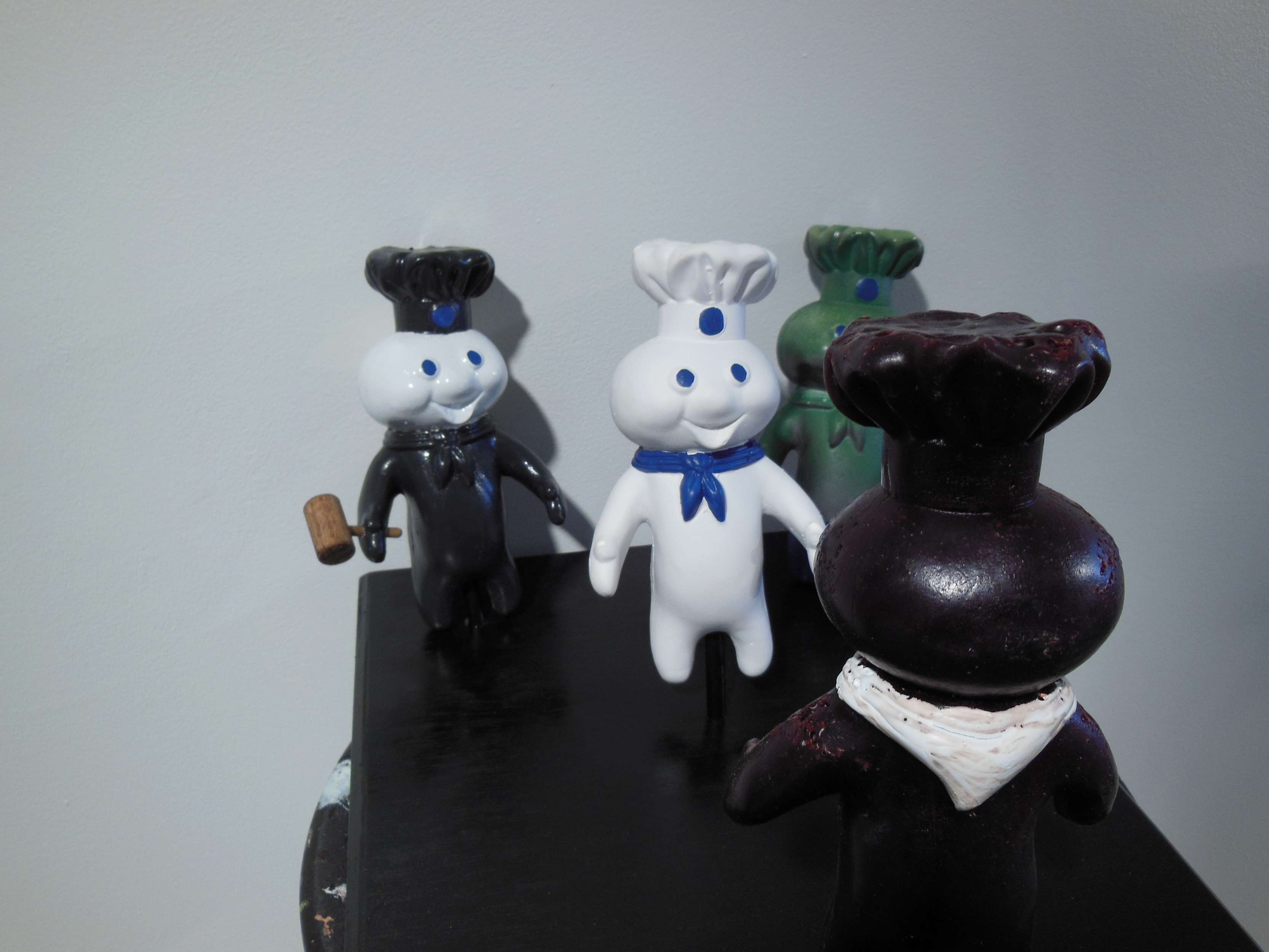
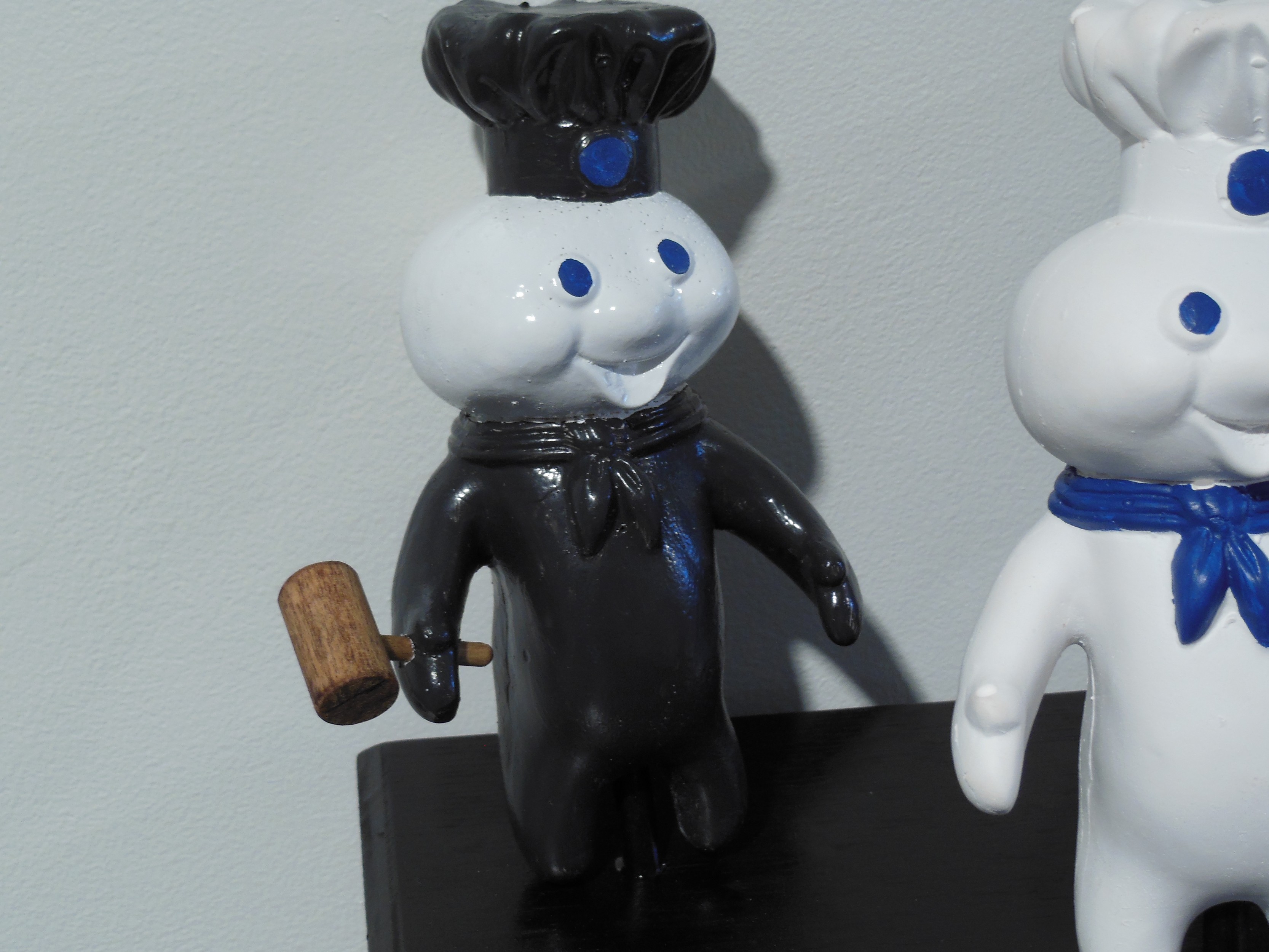
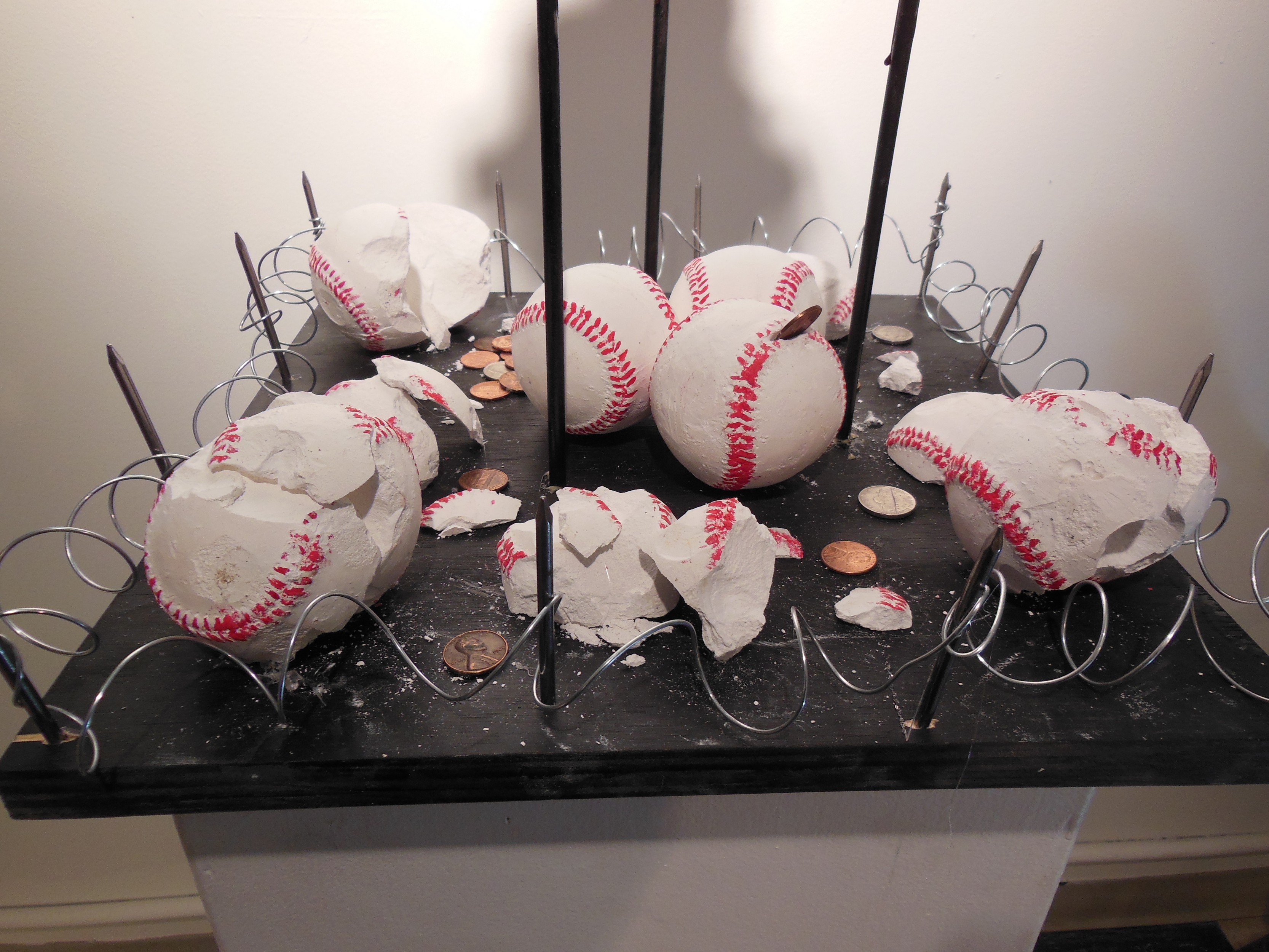
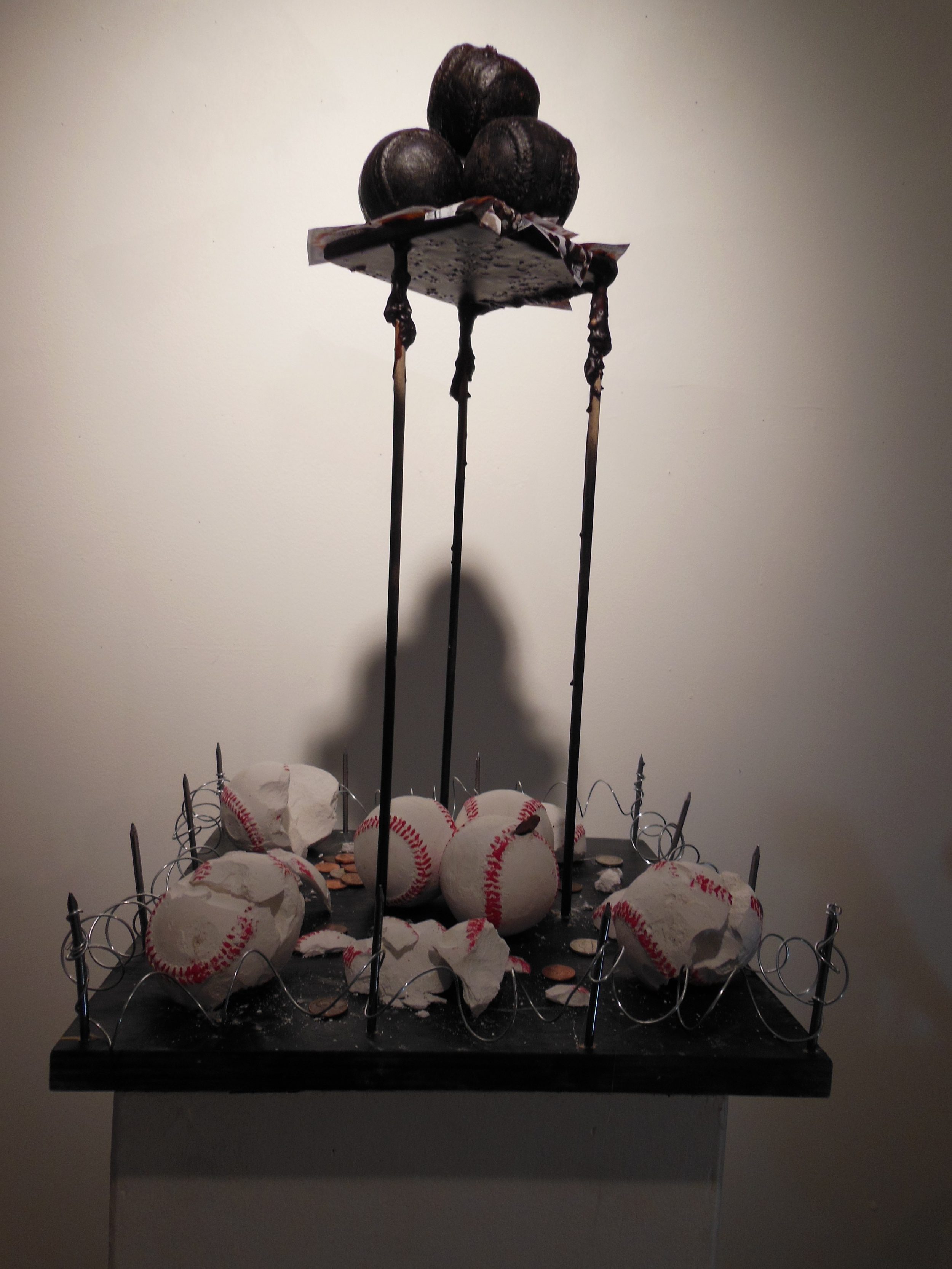
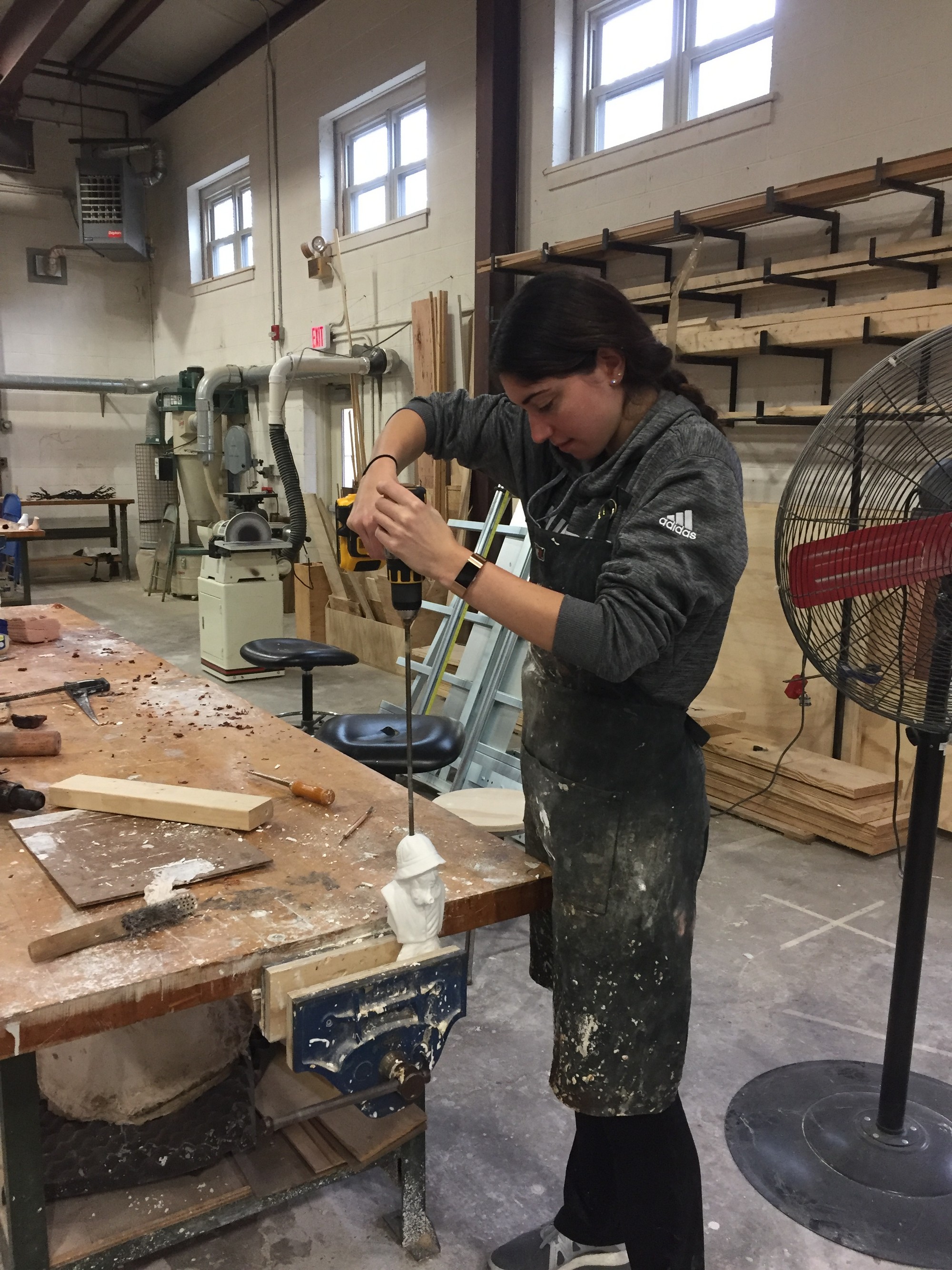
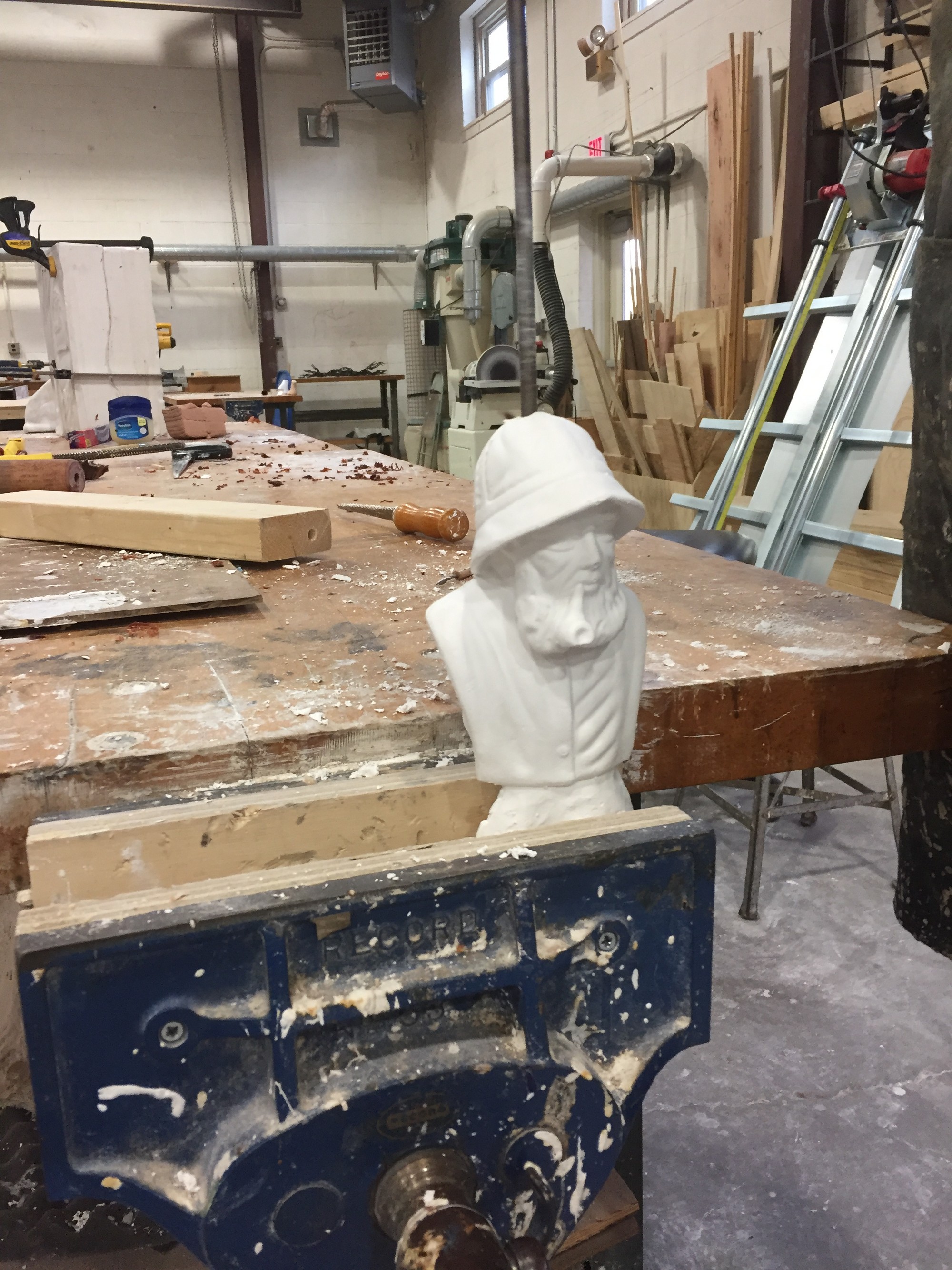
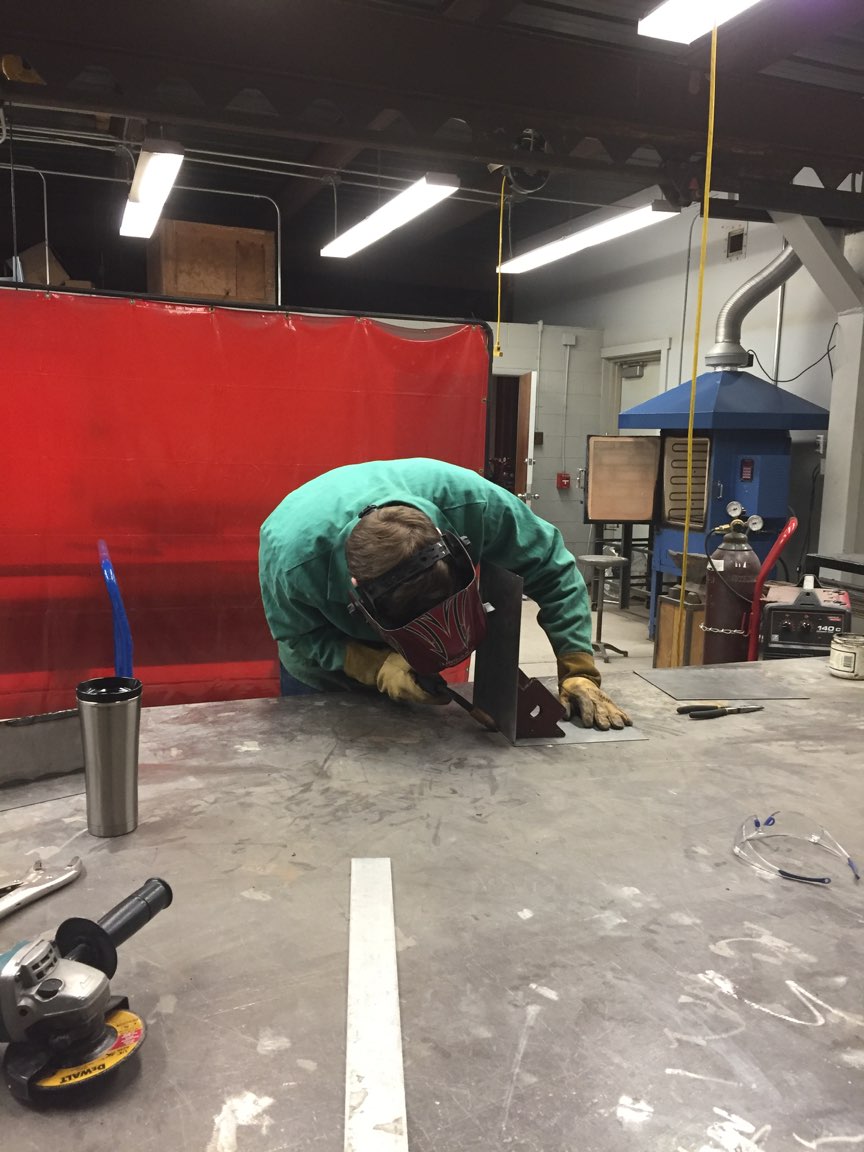
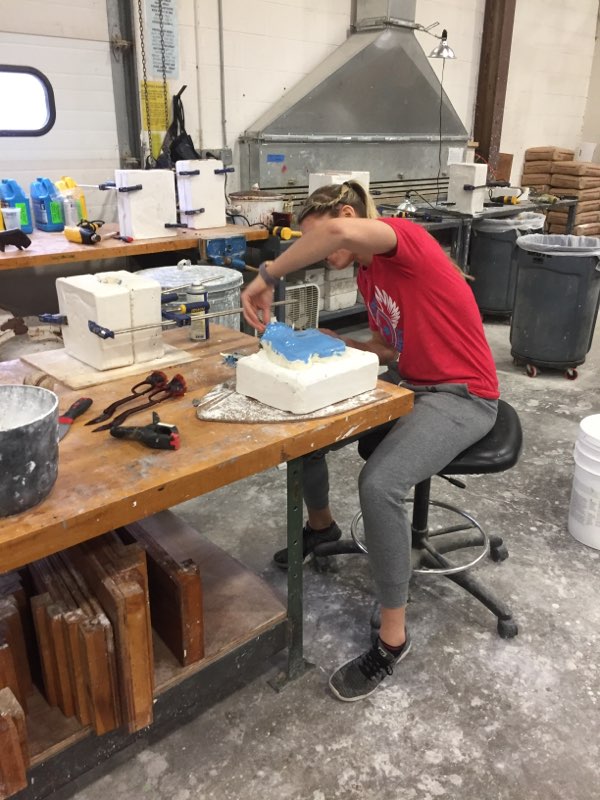
    Shrine Projects Made of Wood and Steel, Independent Study Projects – 2018

    ART 21 response

    I watched the episode about artists in Mexico City and many of their works were politically motivated or tried to challenge systems of bureaucracy. For example, one of the artists created musical instruments out of guns that have been removed from Mexico City’s streets. This project was not only combatting gun violence in Mexico City, but it also aimed to change the perception of guns and violence by physically transforming the object from something with the potential to kill to something to make music. Also, one of the artists created fake student ID’s, tickets and other kinds of documentation in order for people to be able to receive things for free. I thought that this was an interesting way to make a small stab at the system. Although it will not make a critical difference to the establishment to provide people with fake student IDs so they can get student discounts, it makes a difference to the receiver of this piece of art. Additionally, another piece that struck me was the artist who was spotlighting all of the missing young boys and the political crisis that surrounds this. Her art (and all of the pieces described above) are an interesting way to create works that are also pieces of activism.

    Chicago Video Review

    Nick Cave makes unique sculptures. He forms costumes out of abstract objects to convey ideas about society. Some of those including racial injustice, police brutality and poverty. These costumes have are created to have forms that do not resemble things we see in our everyday lives. These costumes make noise and are made with a very wide variety of materials. Chris Ware was a cartoonist. He created comic strips for books and pamphlets. He was very interested in capturing people’s struggles and emotions with very few words.  Barbara Kasten uses plexiglass and transparent plastic sheets with different lighting arrangements to create pictures that distort reality so it’s difficult to tell what is real and what is a reflection. She then expanded her work into dances with moving parts and props. She designs the costumes, creates moving backdrops with colorful lighting and builds the props. Theaster Gates was originally a potter but became an artist of many materials. He creates objects and murals made of everyday materials we often see as worthless, such as tar, that represent how Theaster thinks the world can be. He uses sounds, especially the gospel choir, to guide his work.  I find Theaster’s work challenging to me because for me it is very challenging to represent a sound with a physical. He then started using his abilities to restore buildings for housing and other purposes. I think it is very cool how each artist created very different works of art to but they all conveyed what they value in their heart.
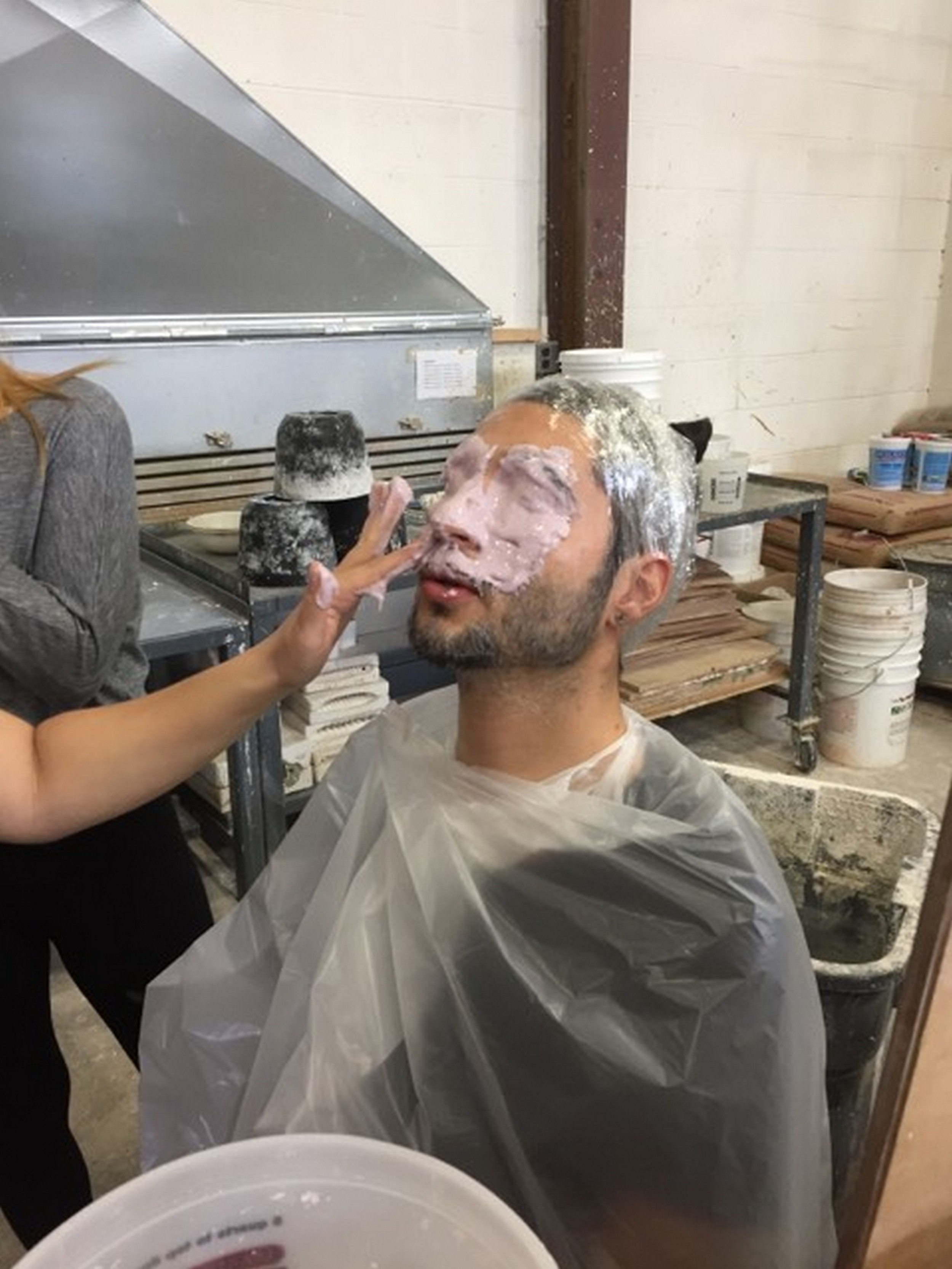
    Owen Parent ArtsXpose

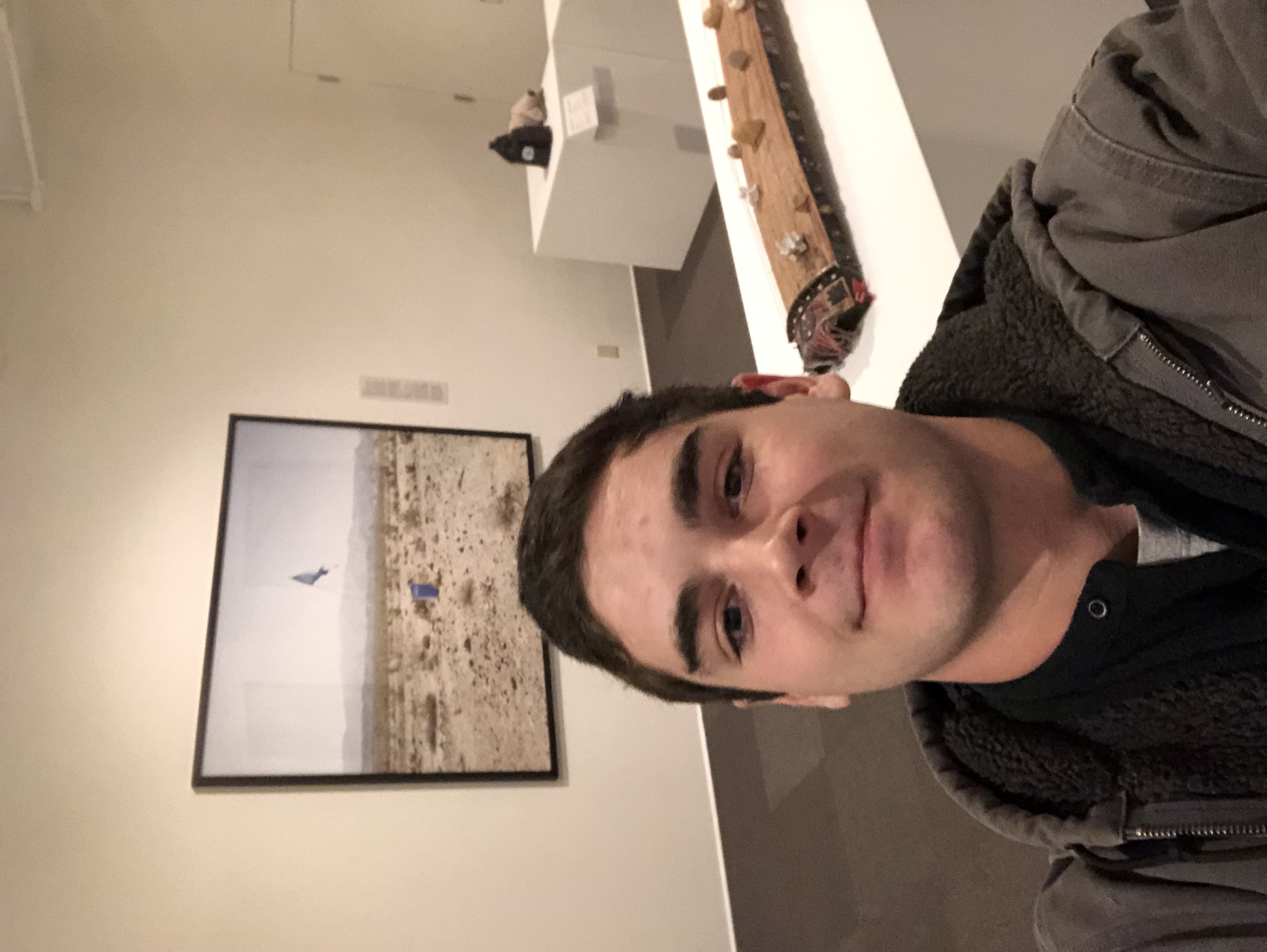
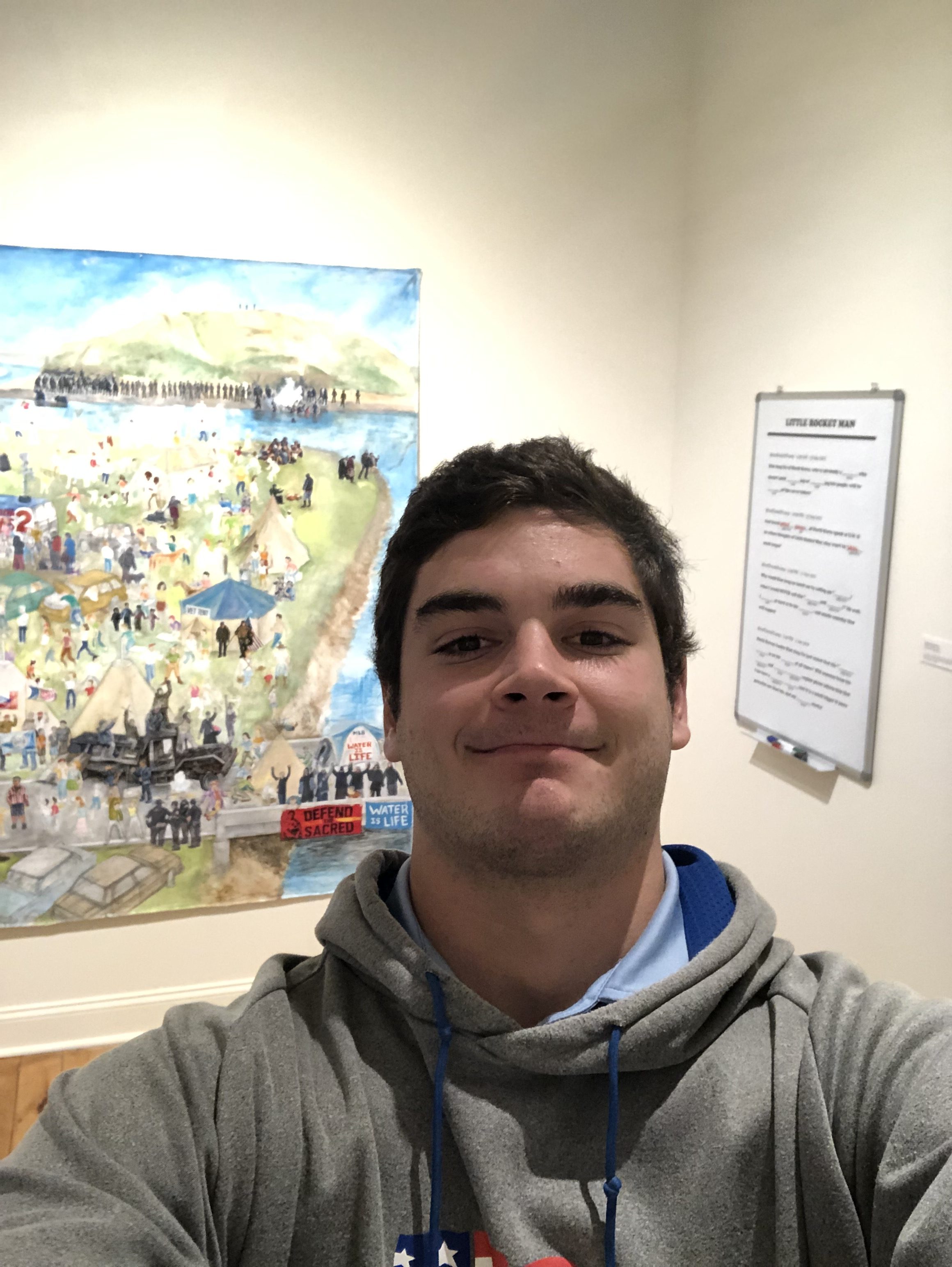
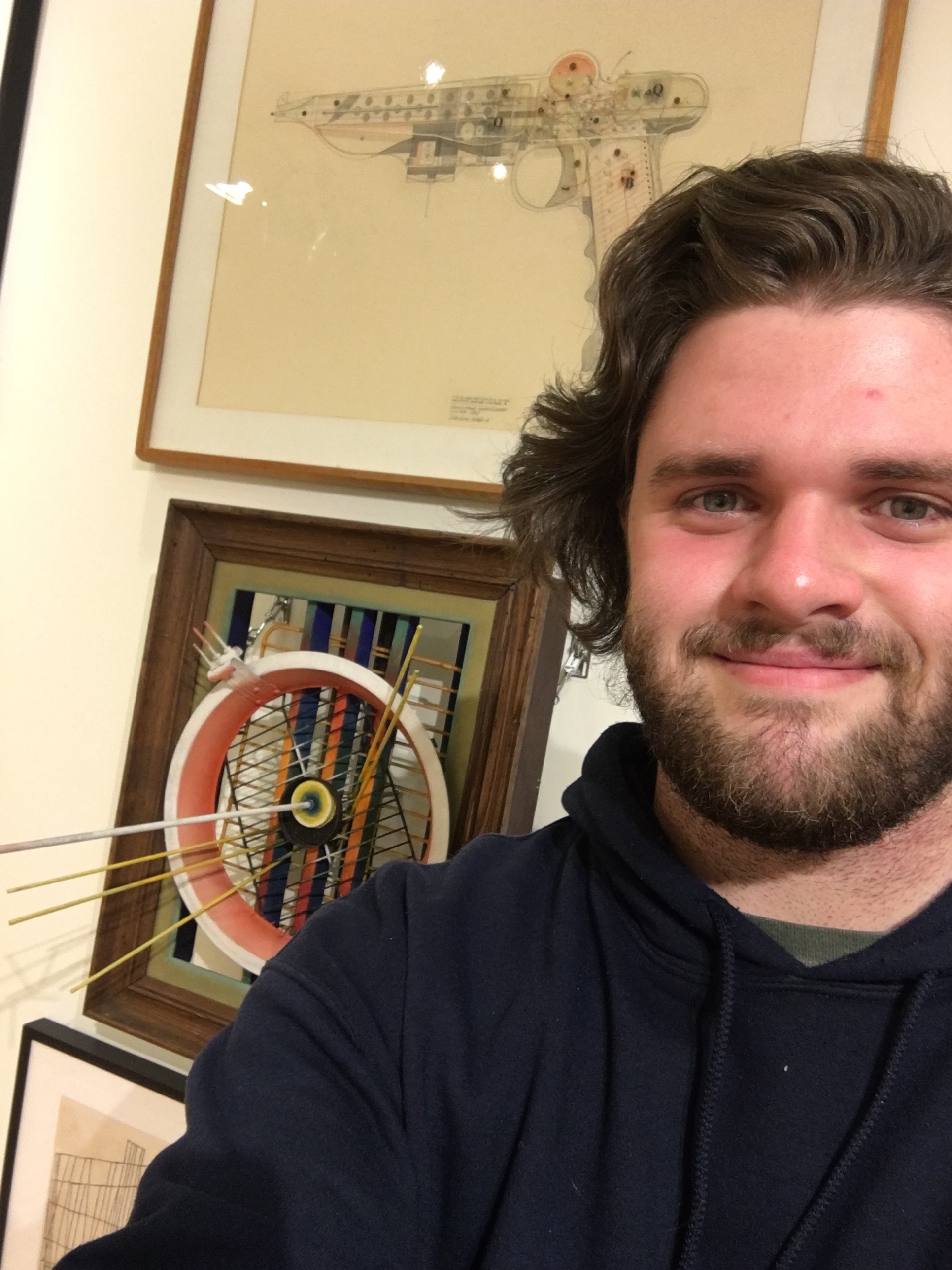
    Image 1: Visit to the Samek Art Gallery in the Langone Center (March 6, 2018)


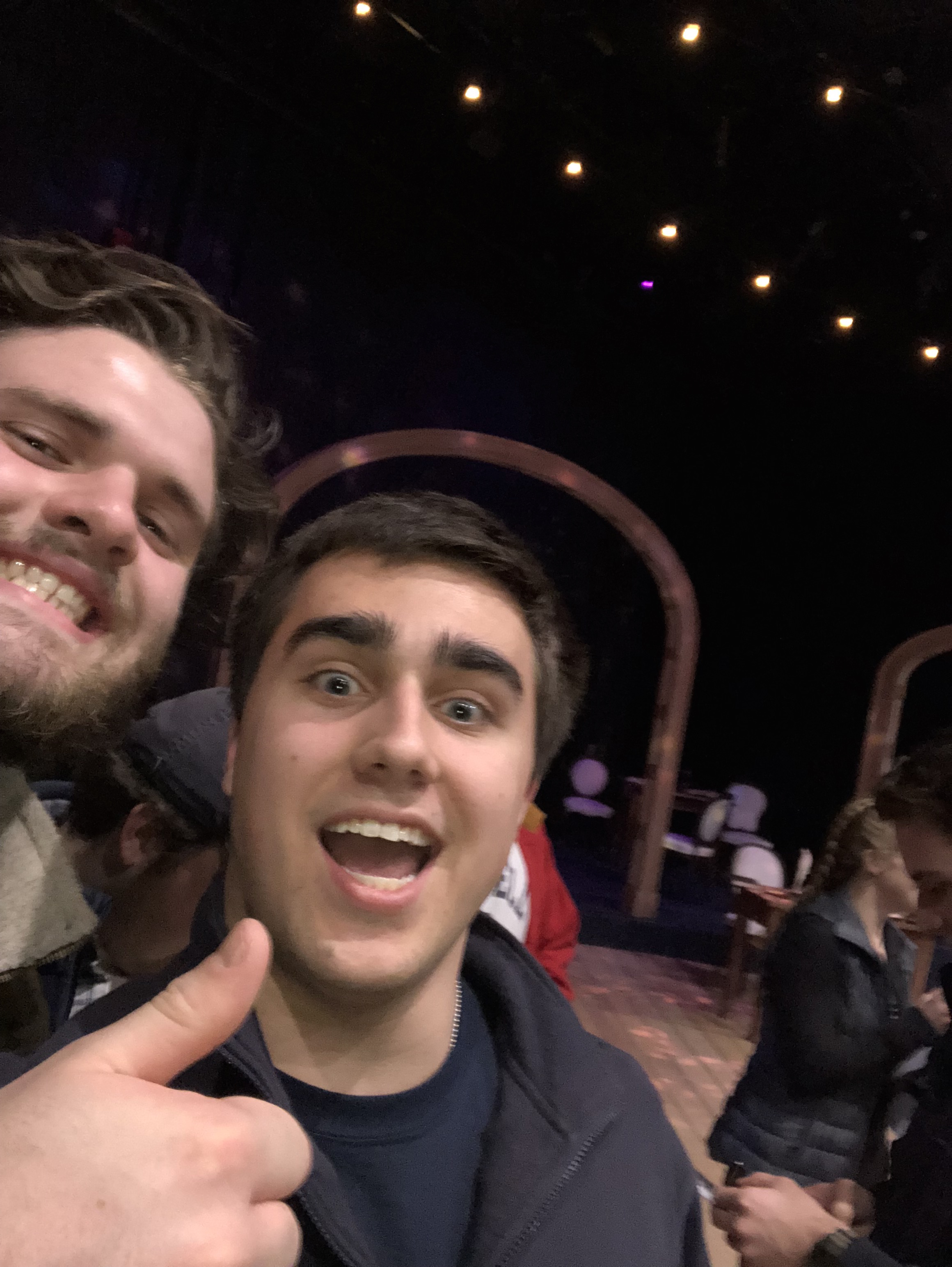
    Image 2: Performance of Emilie: La Marquise Du Chatelet Defends Her Life Tonight directed by Casey Venema on February 16, 2018 (with Matt!)

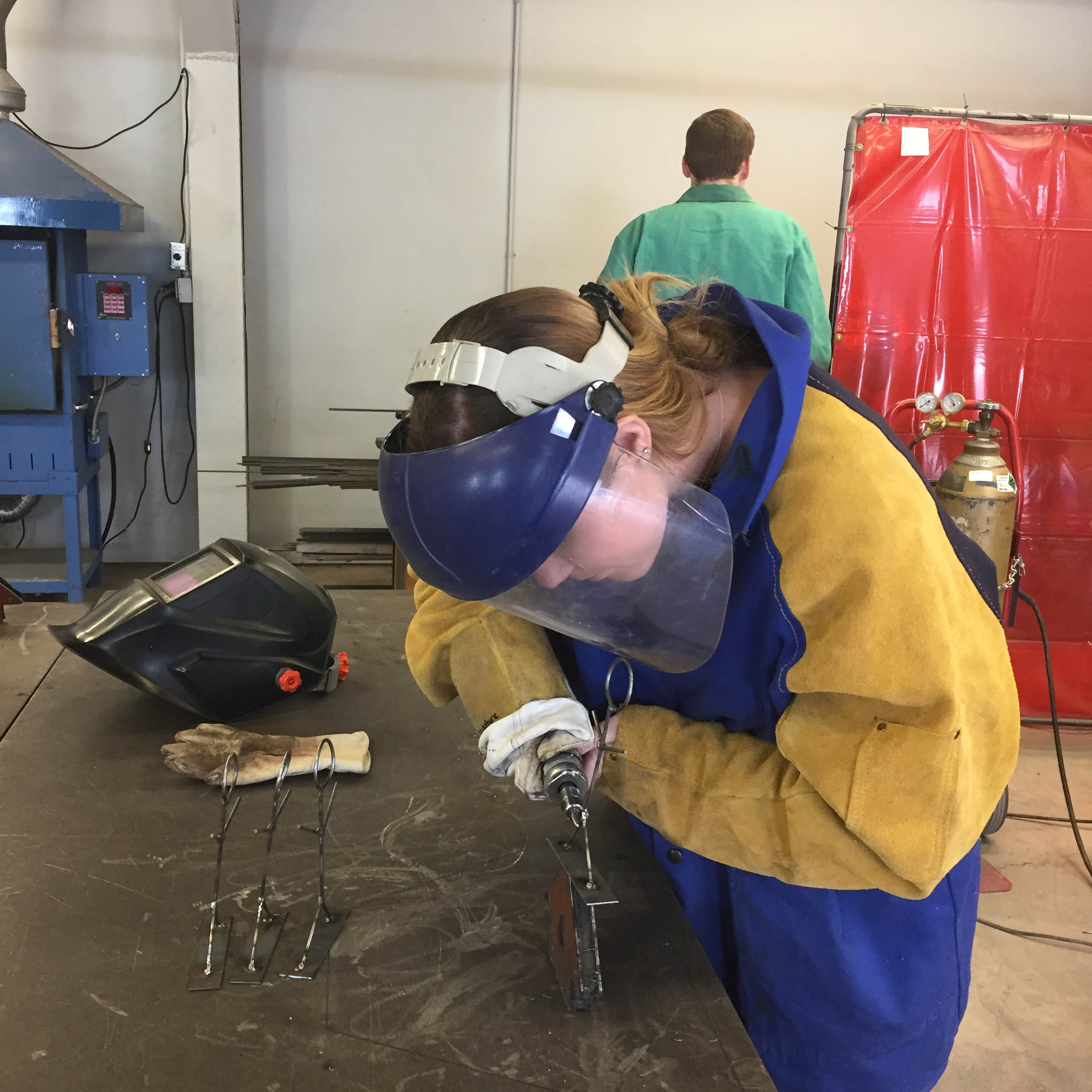
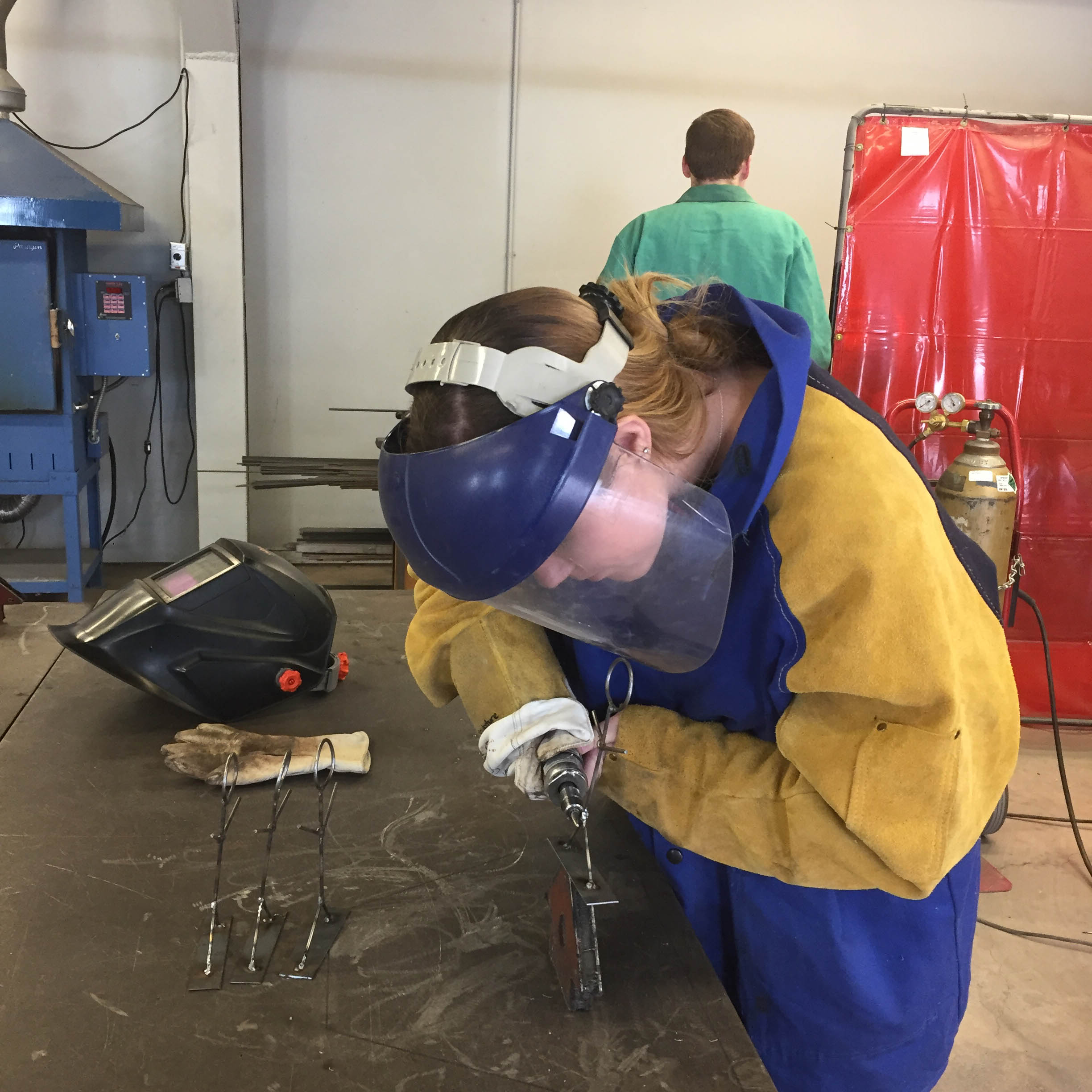
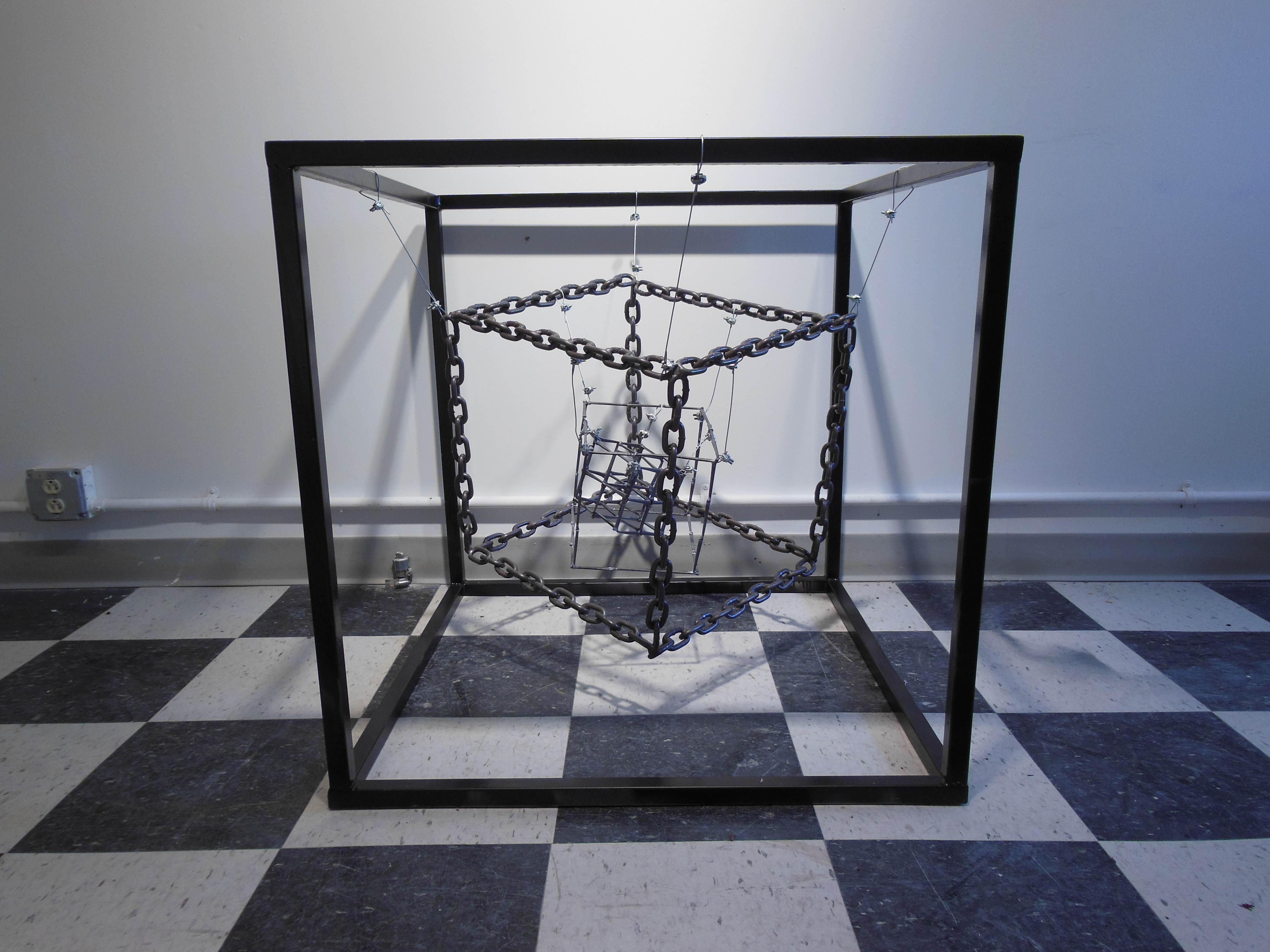
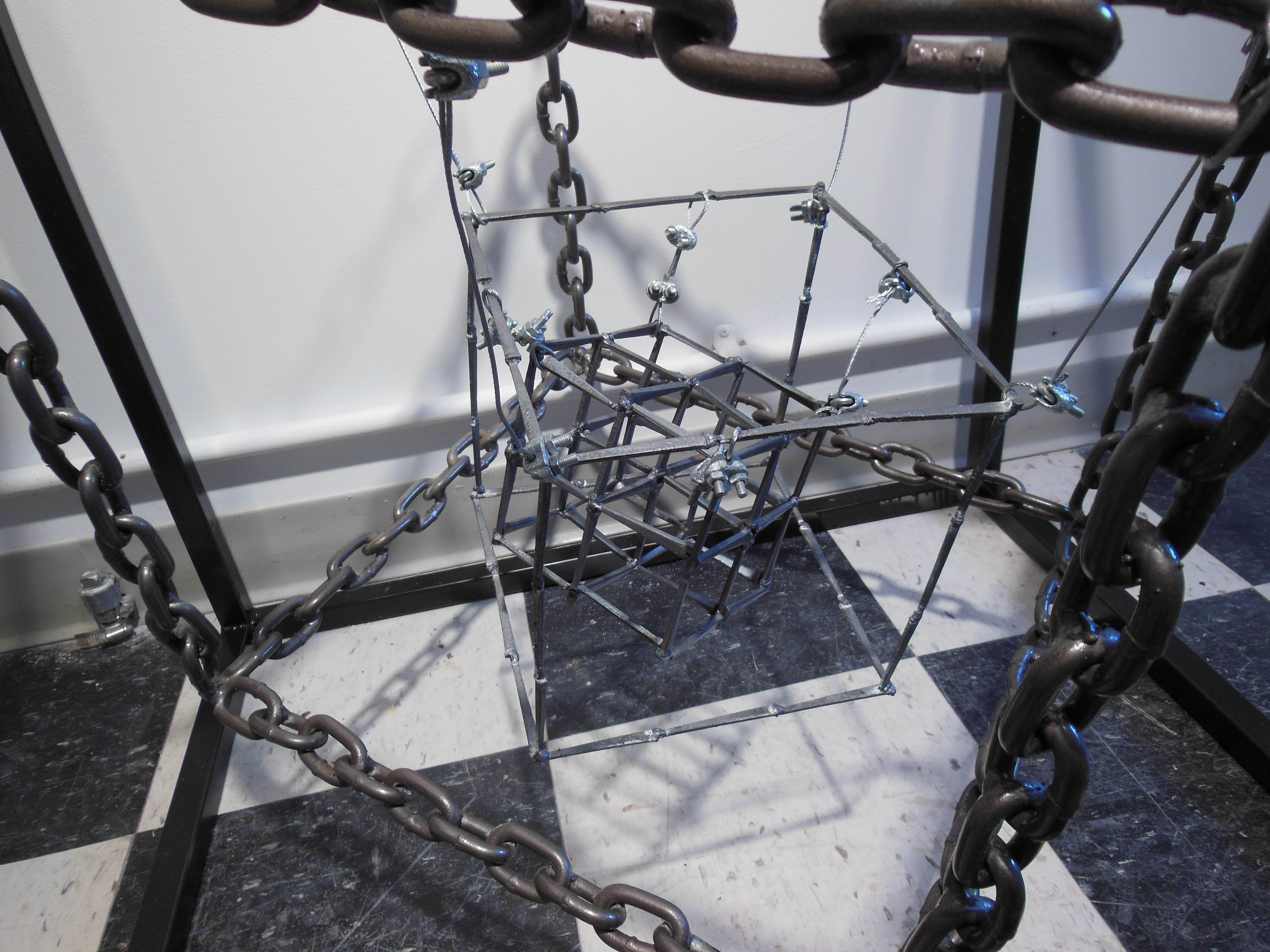
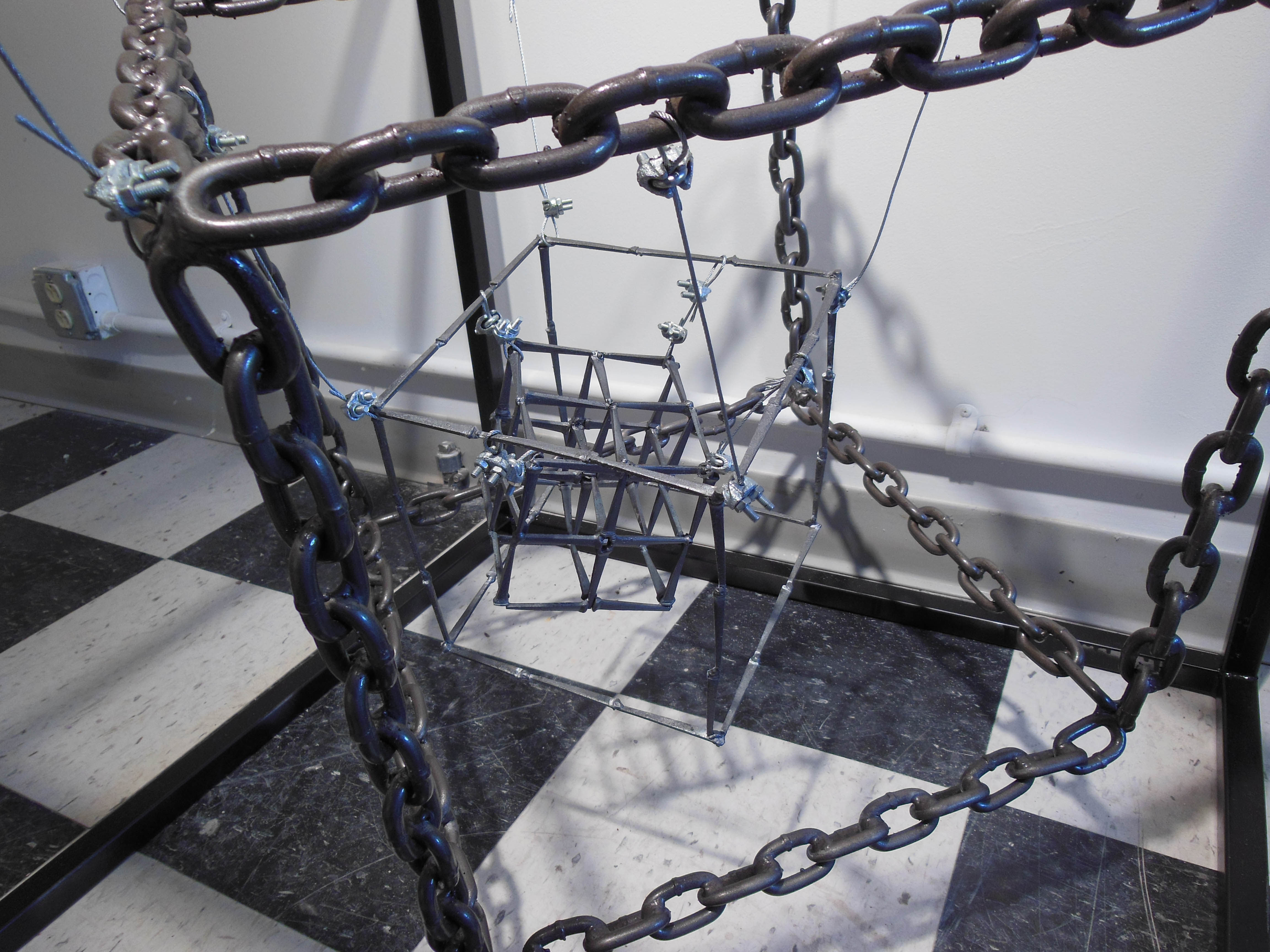
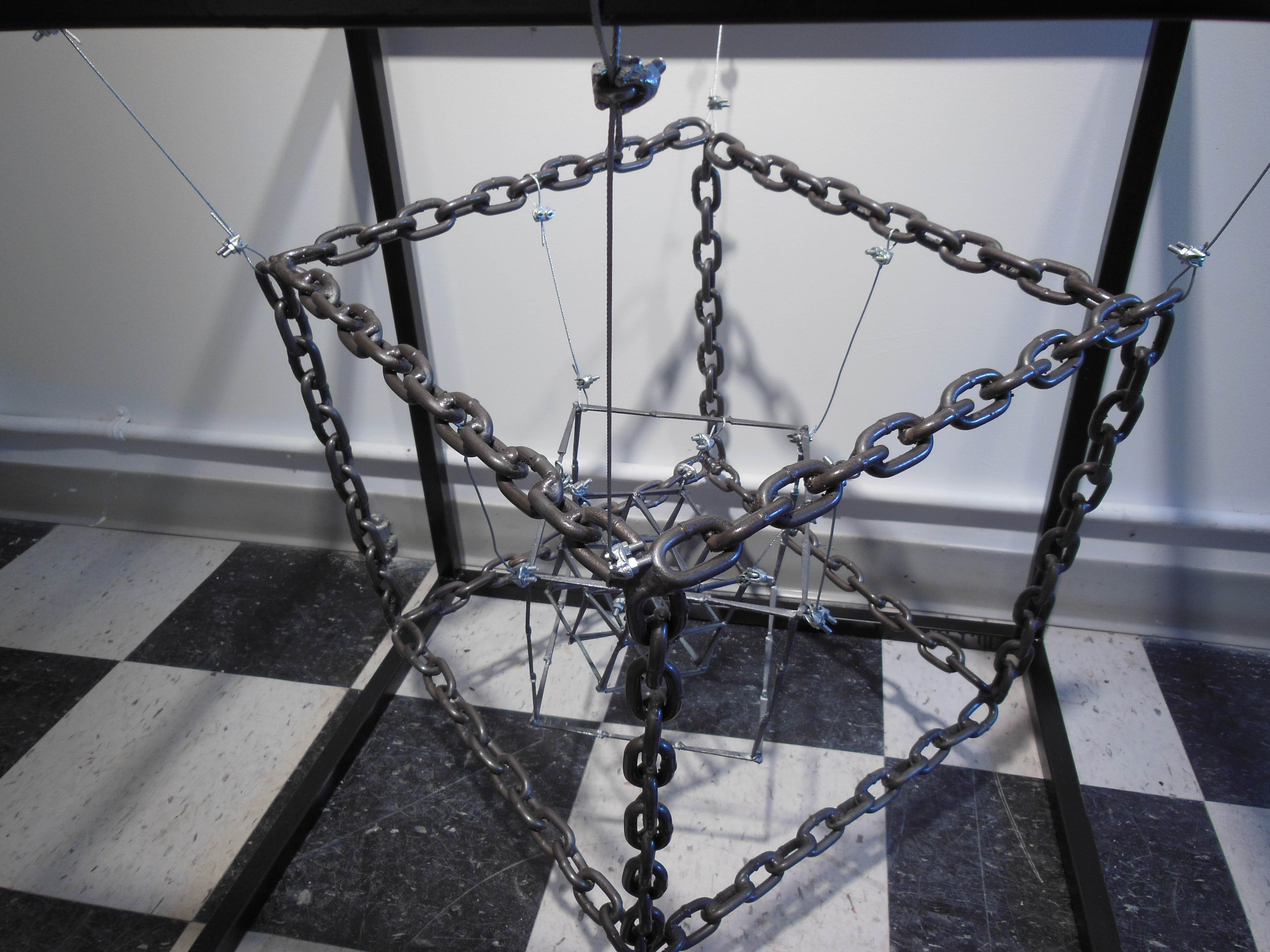
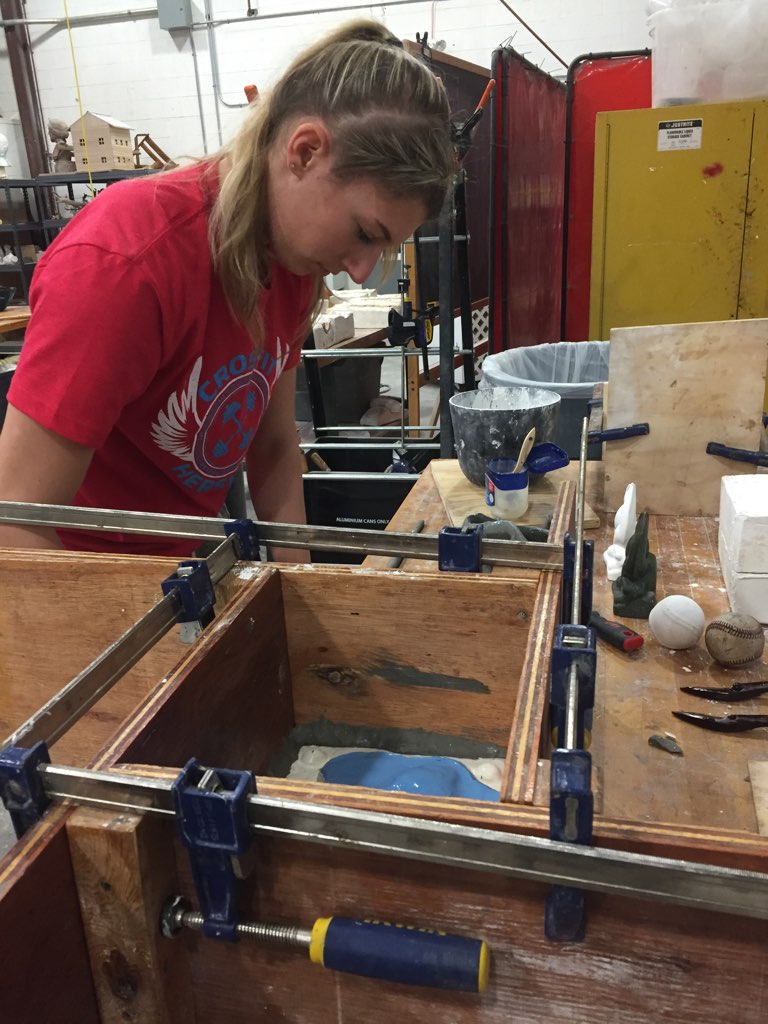
    Independent Study Projects

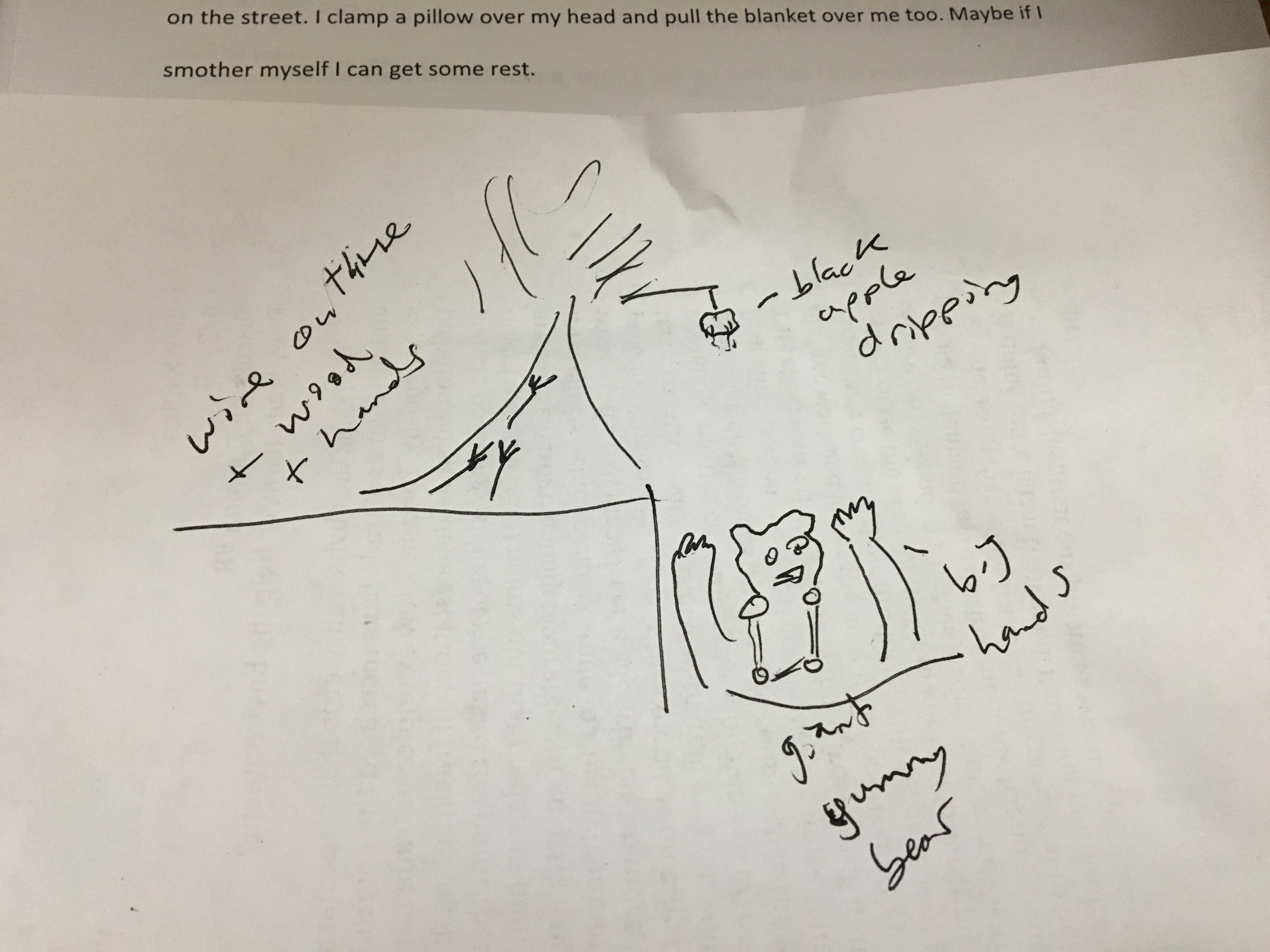
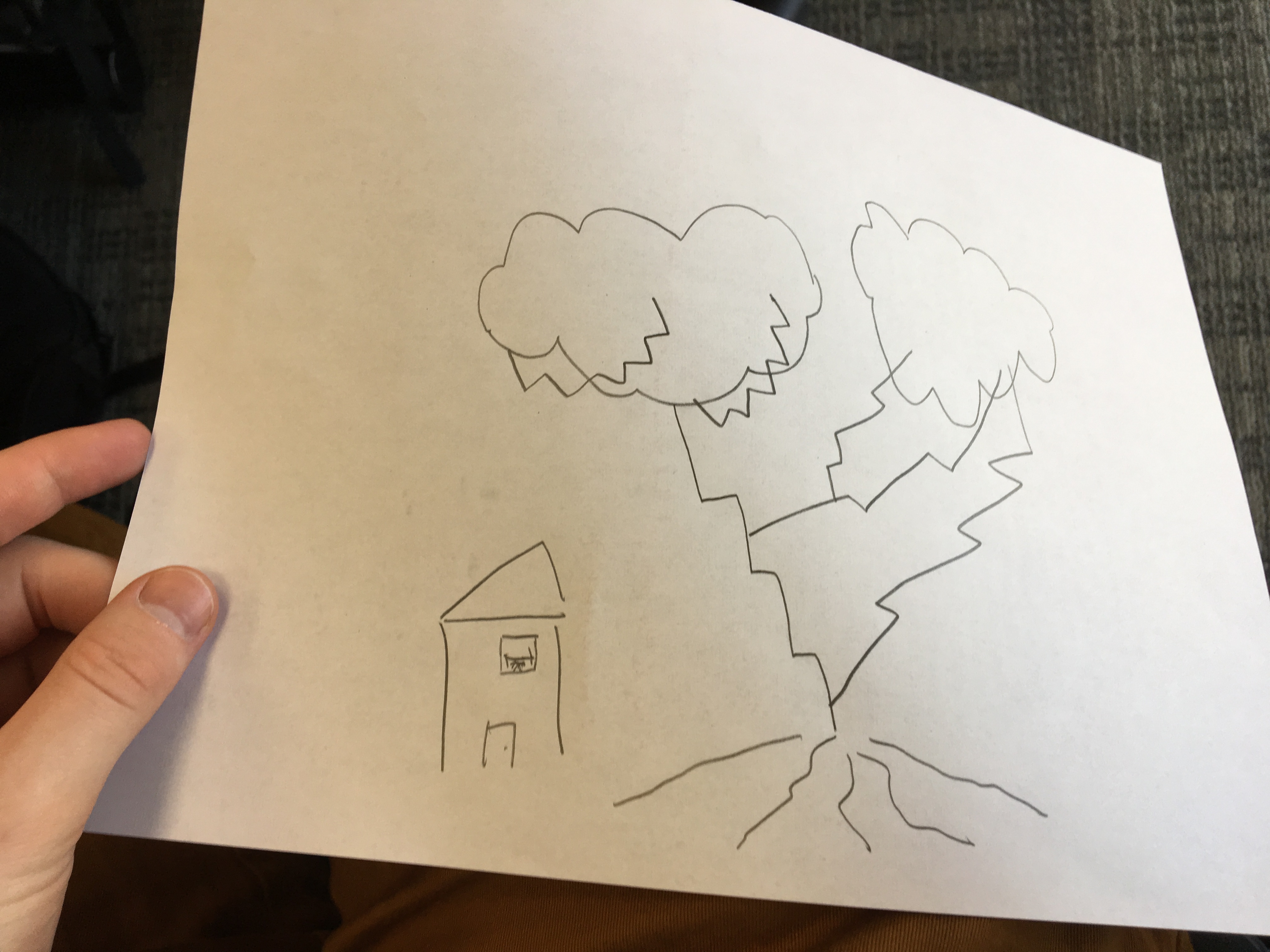
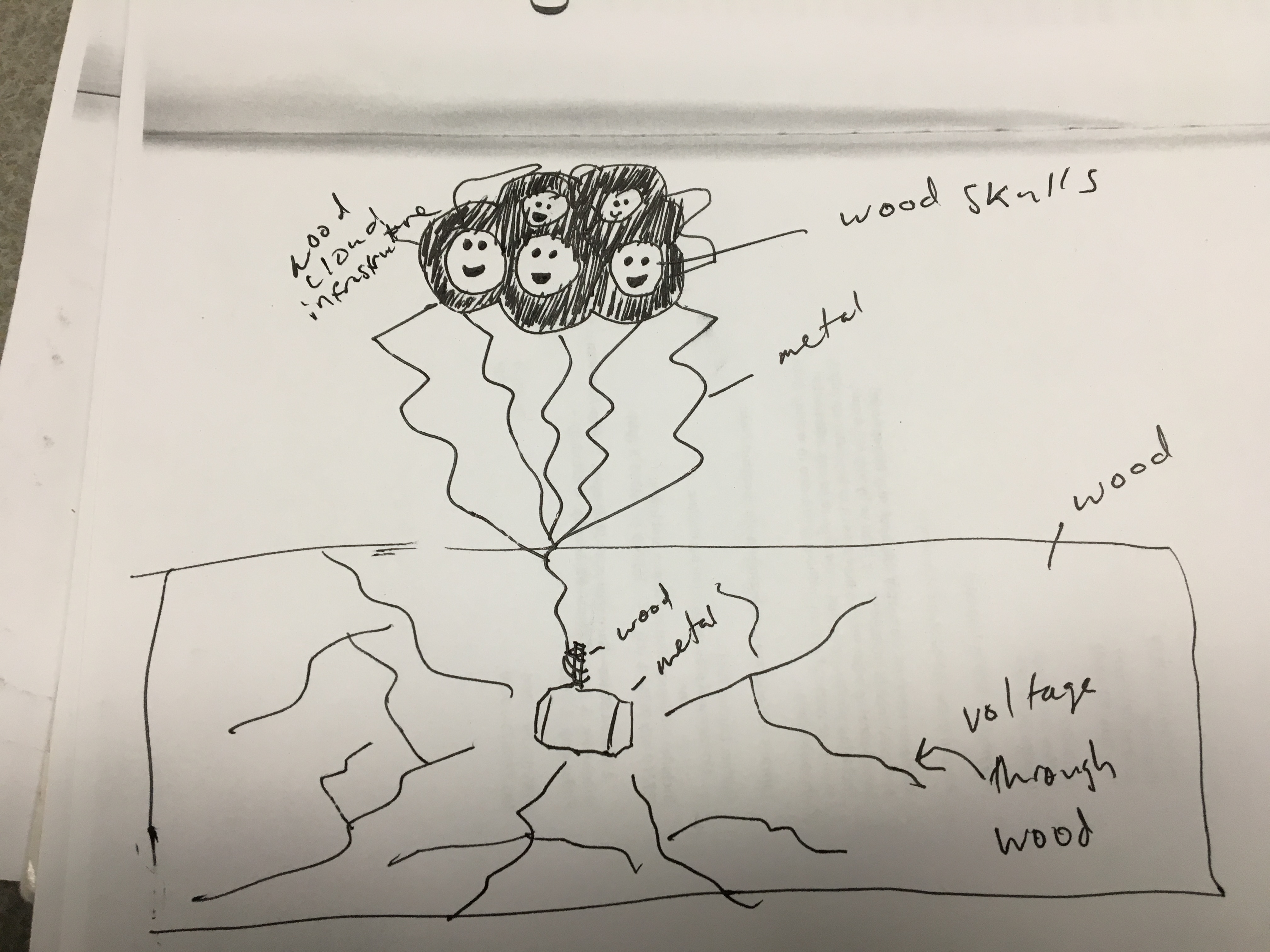
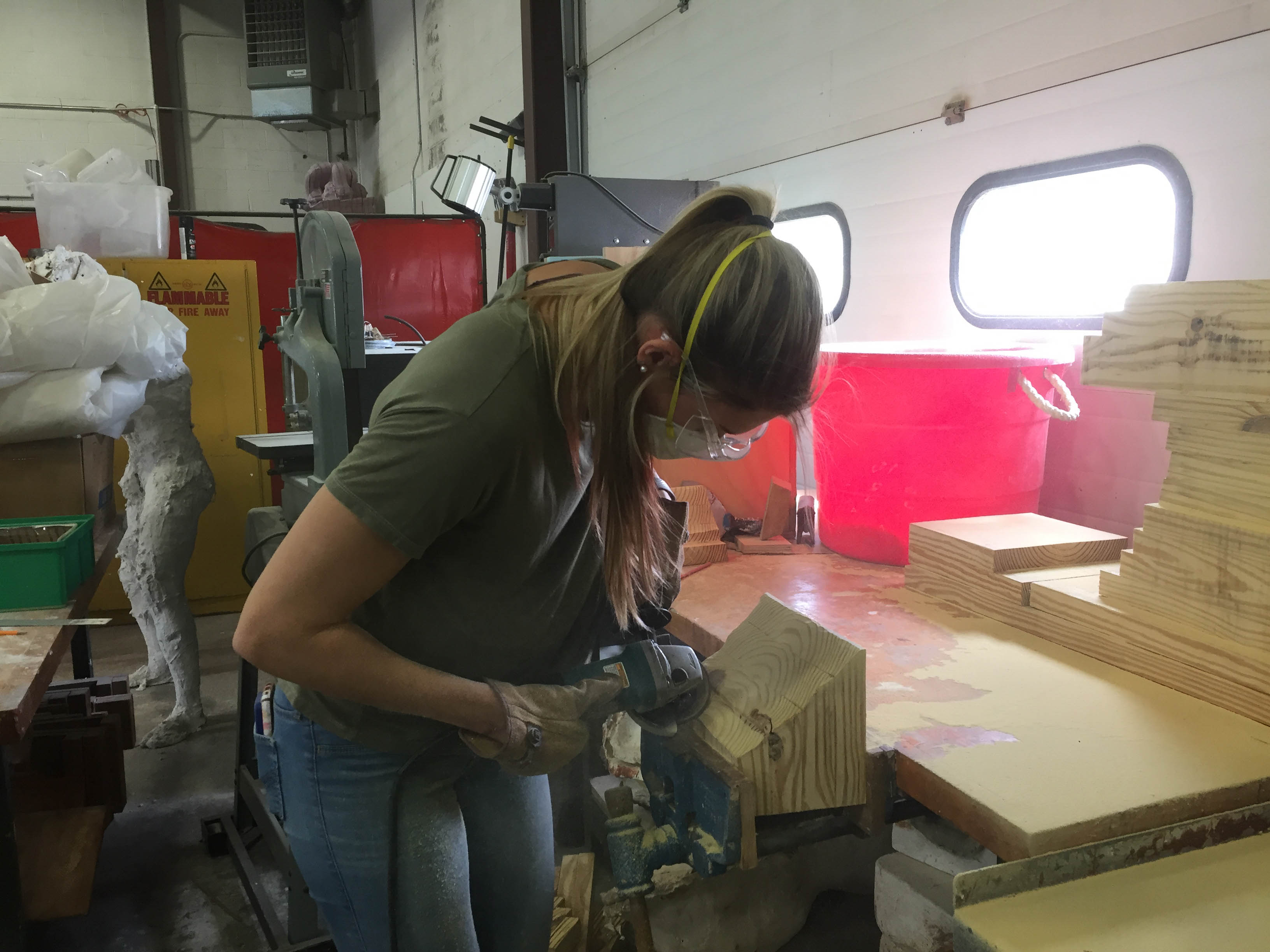
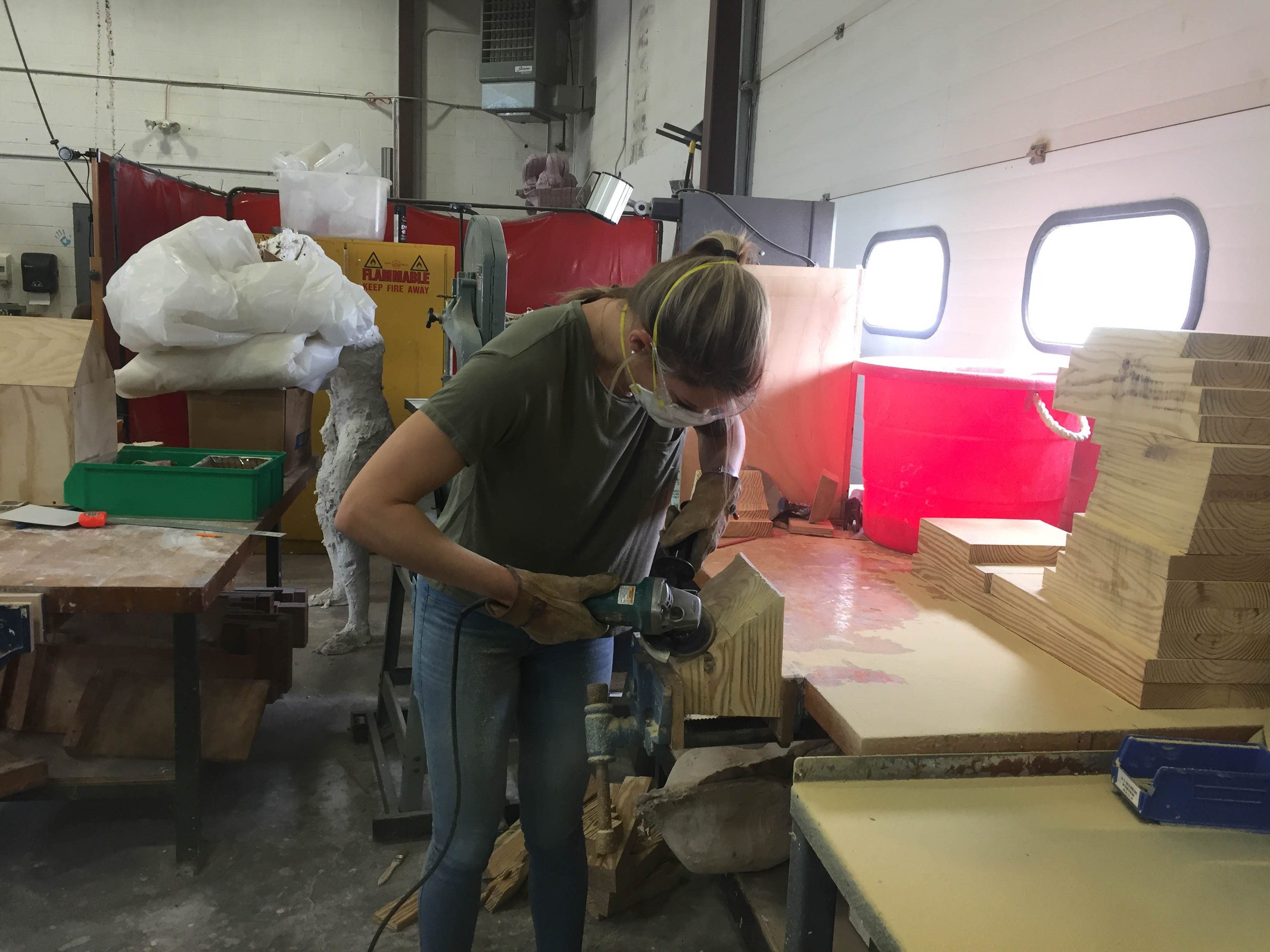
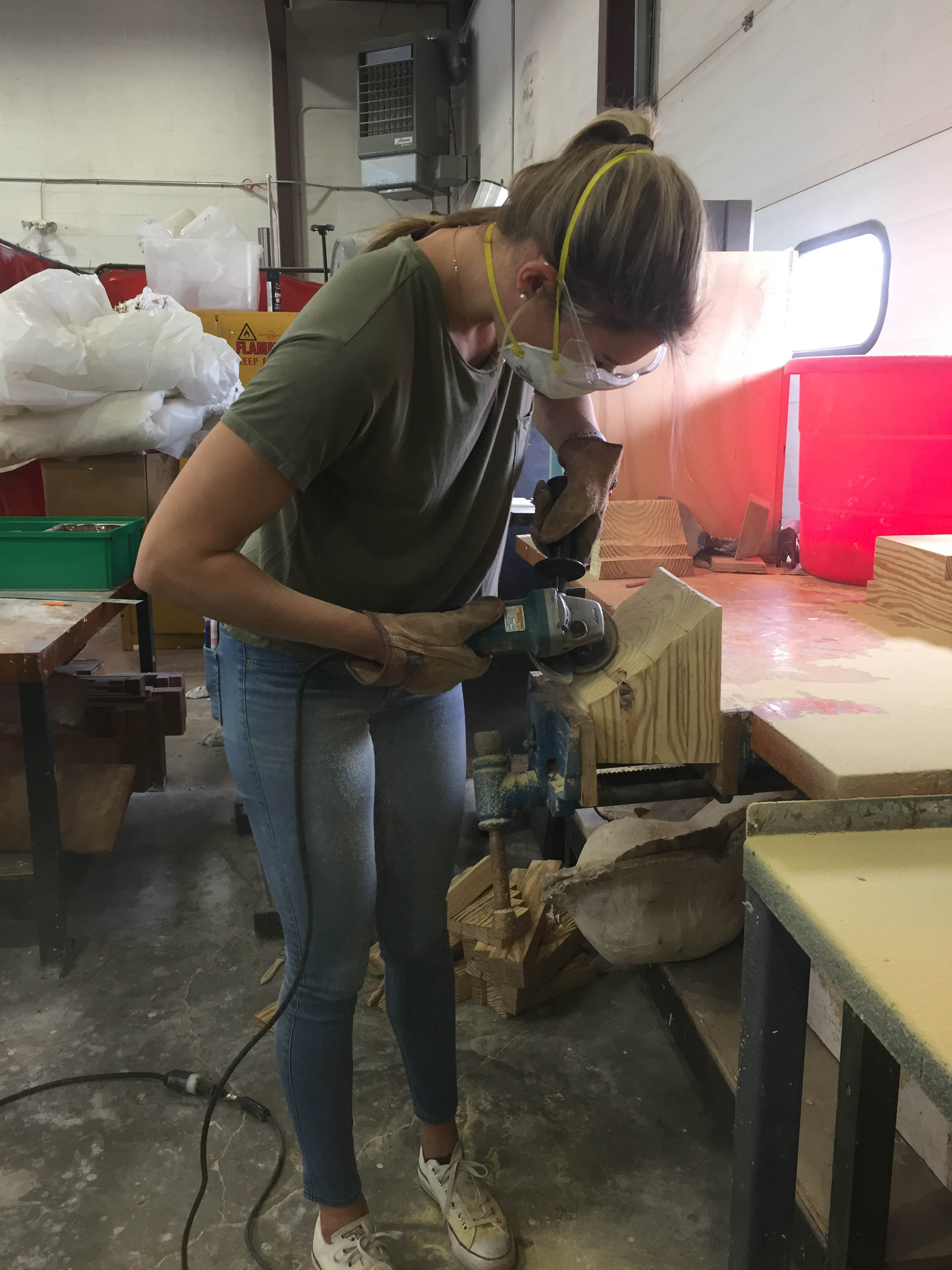
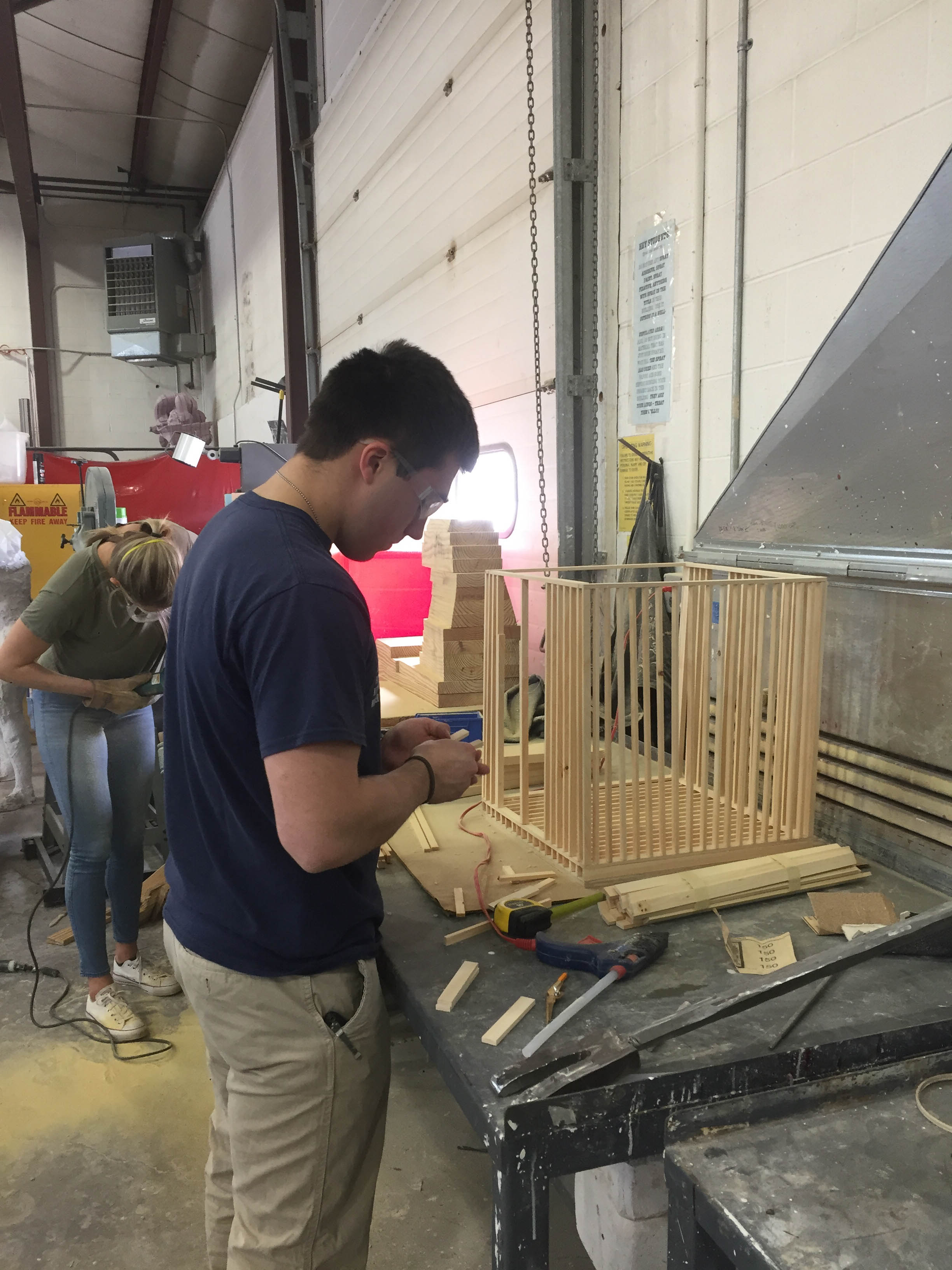
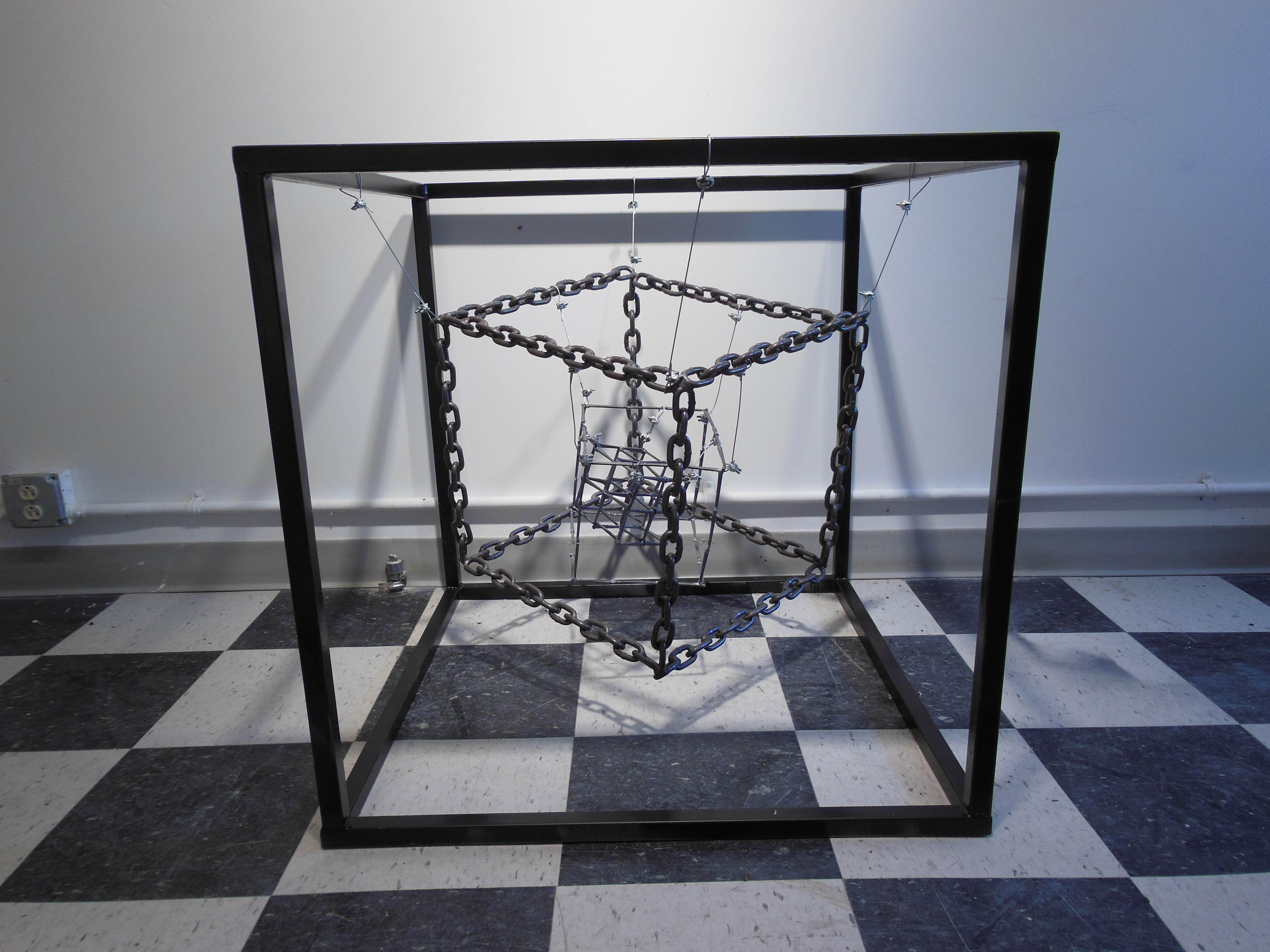
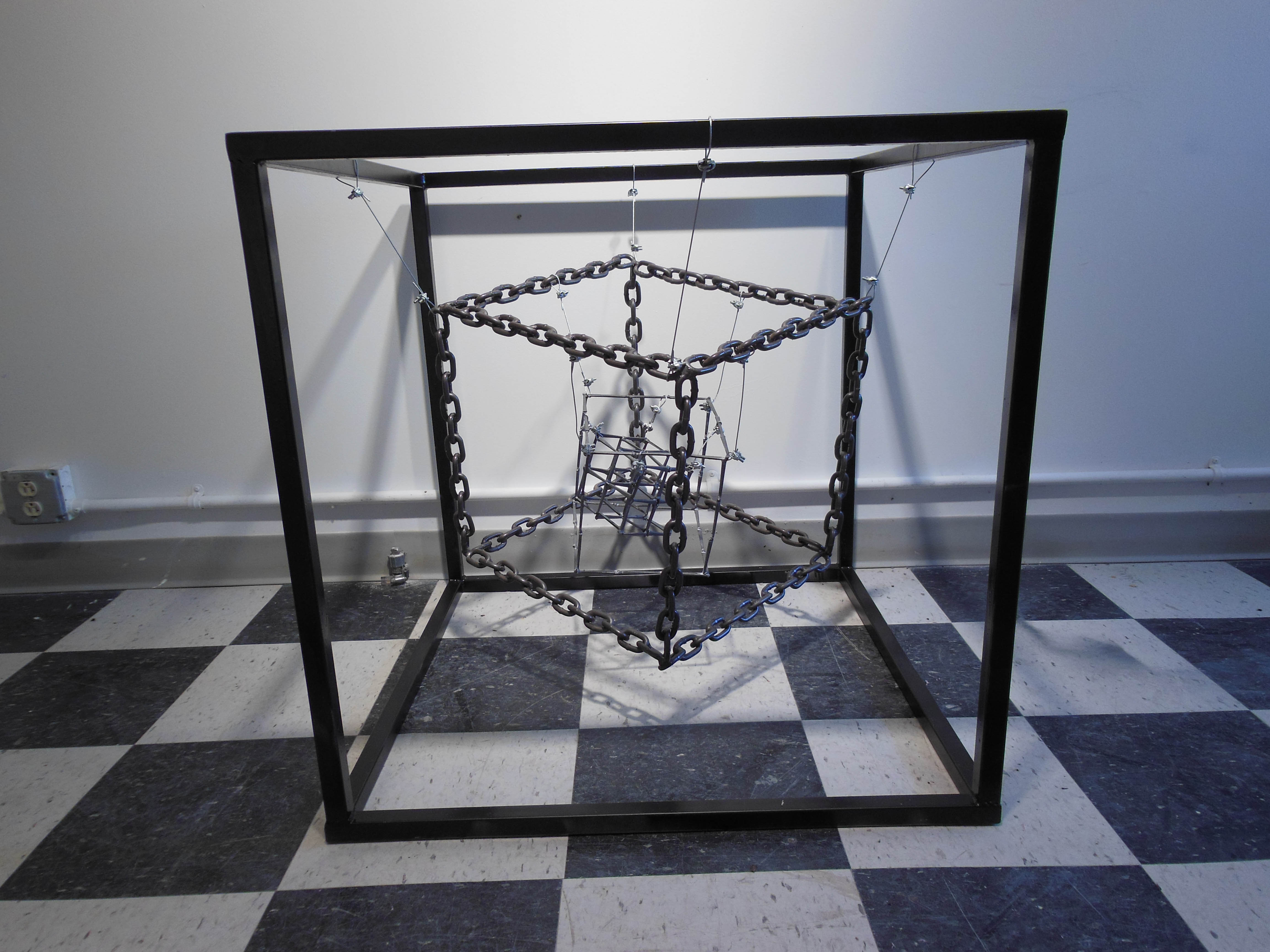
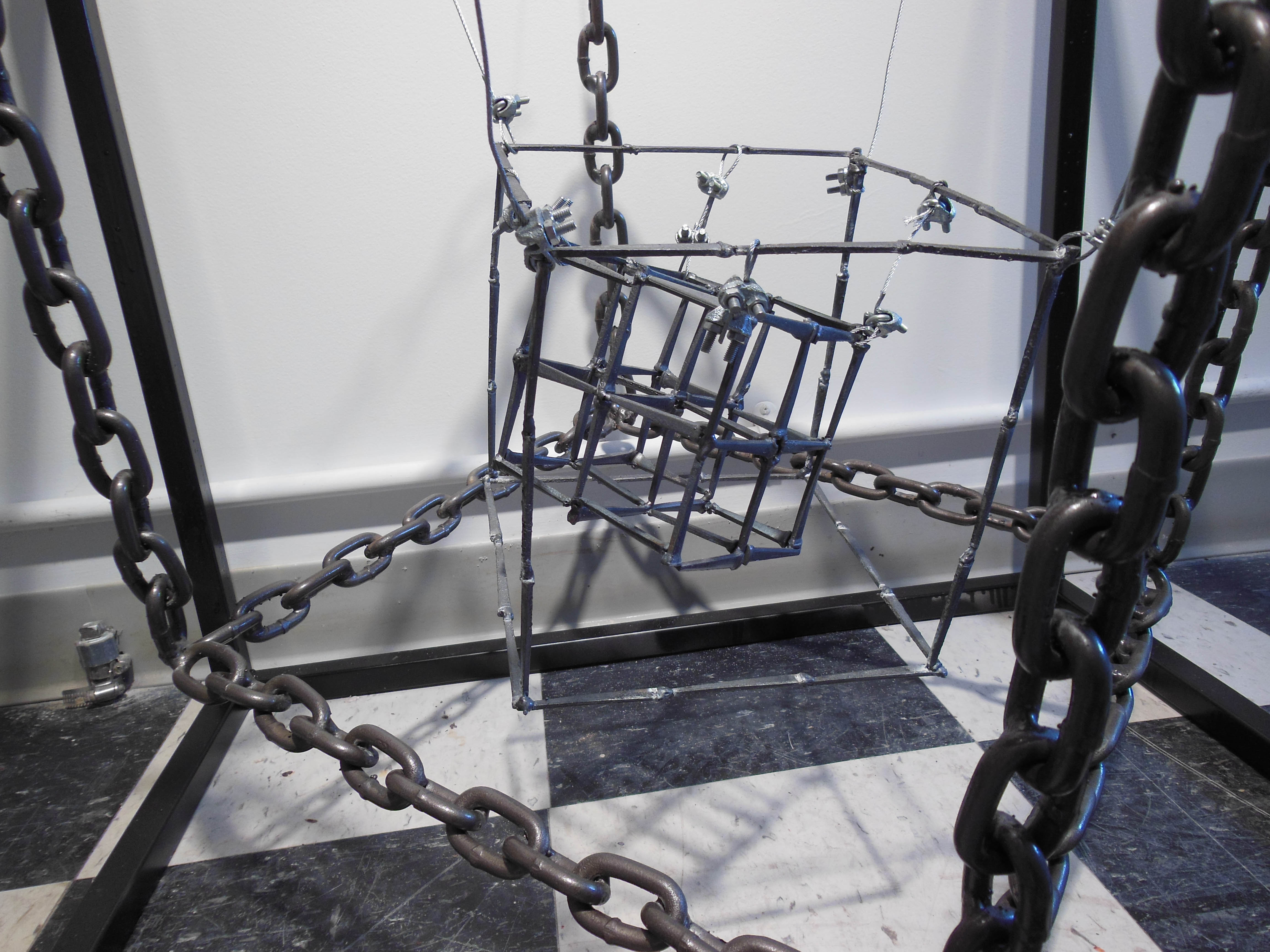
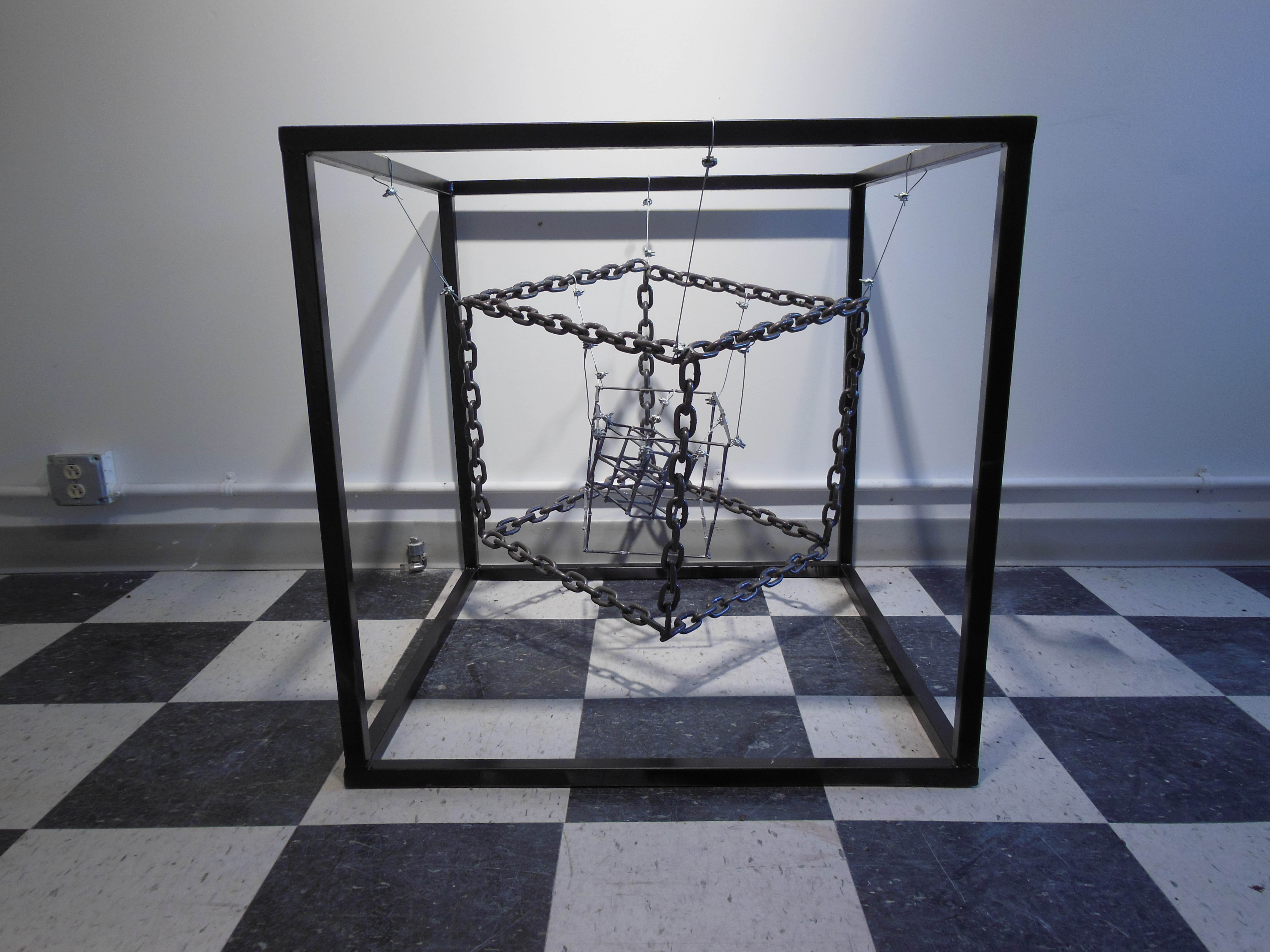
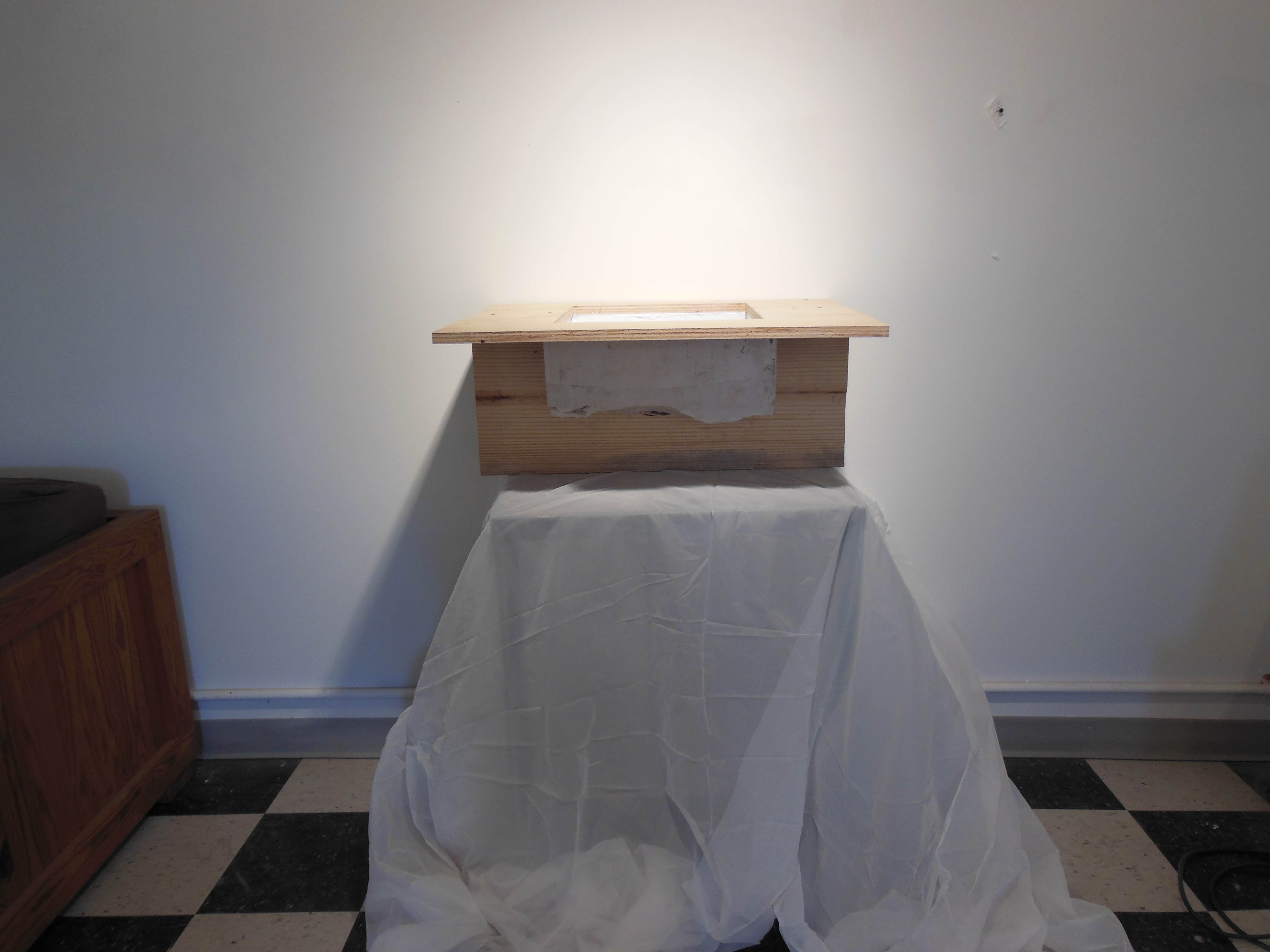
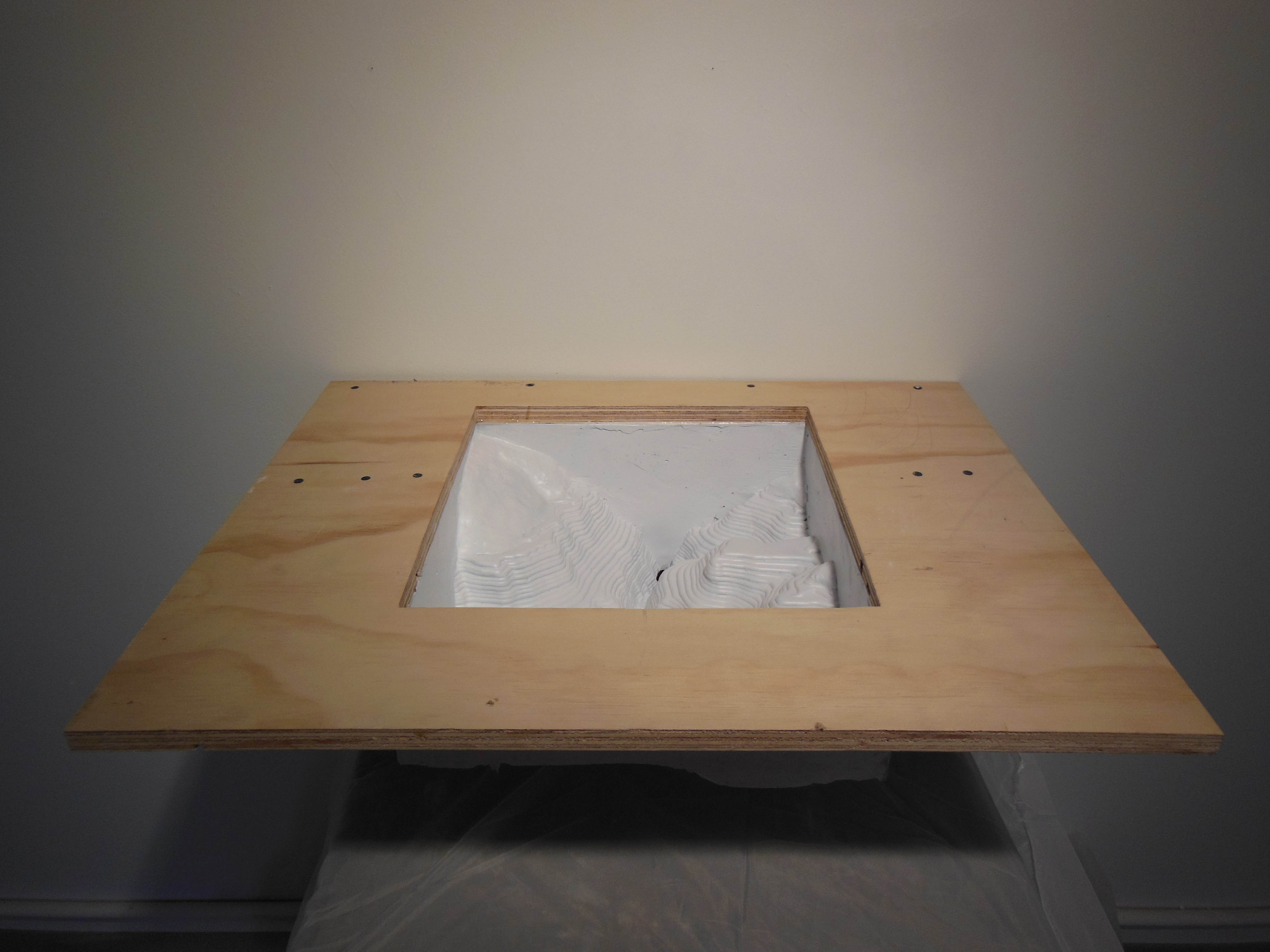
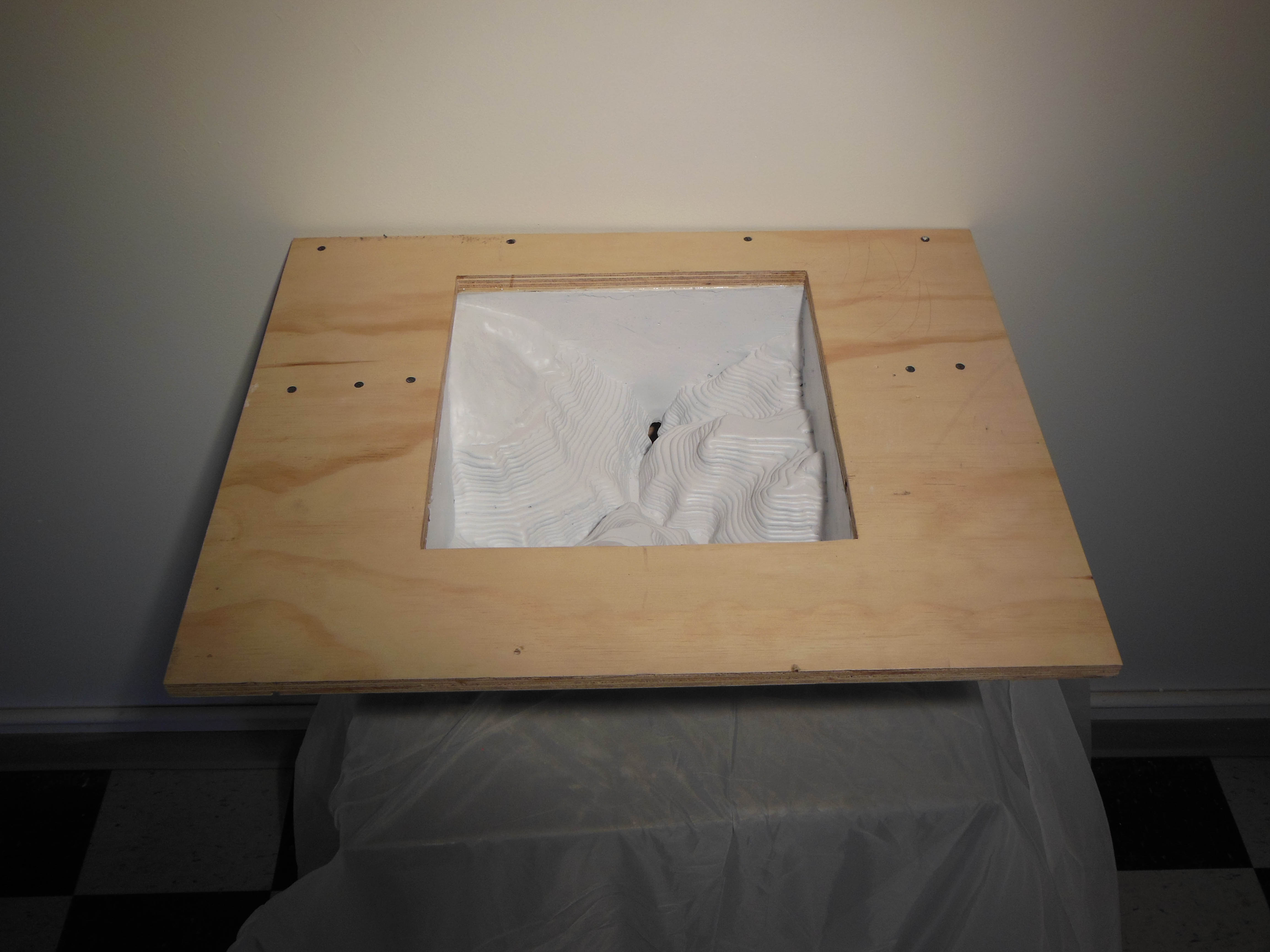
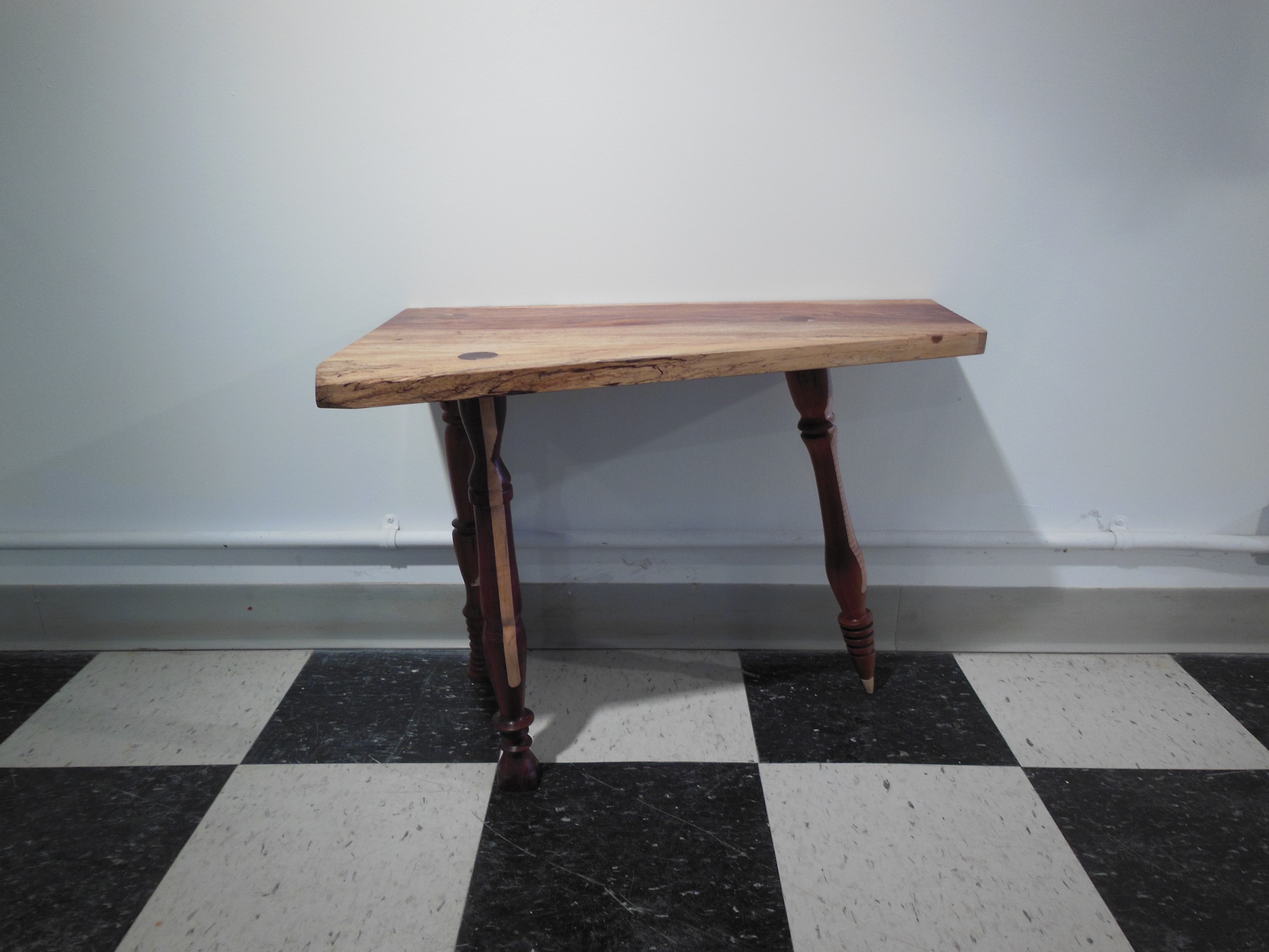
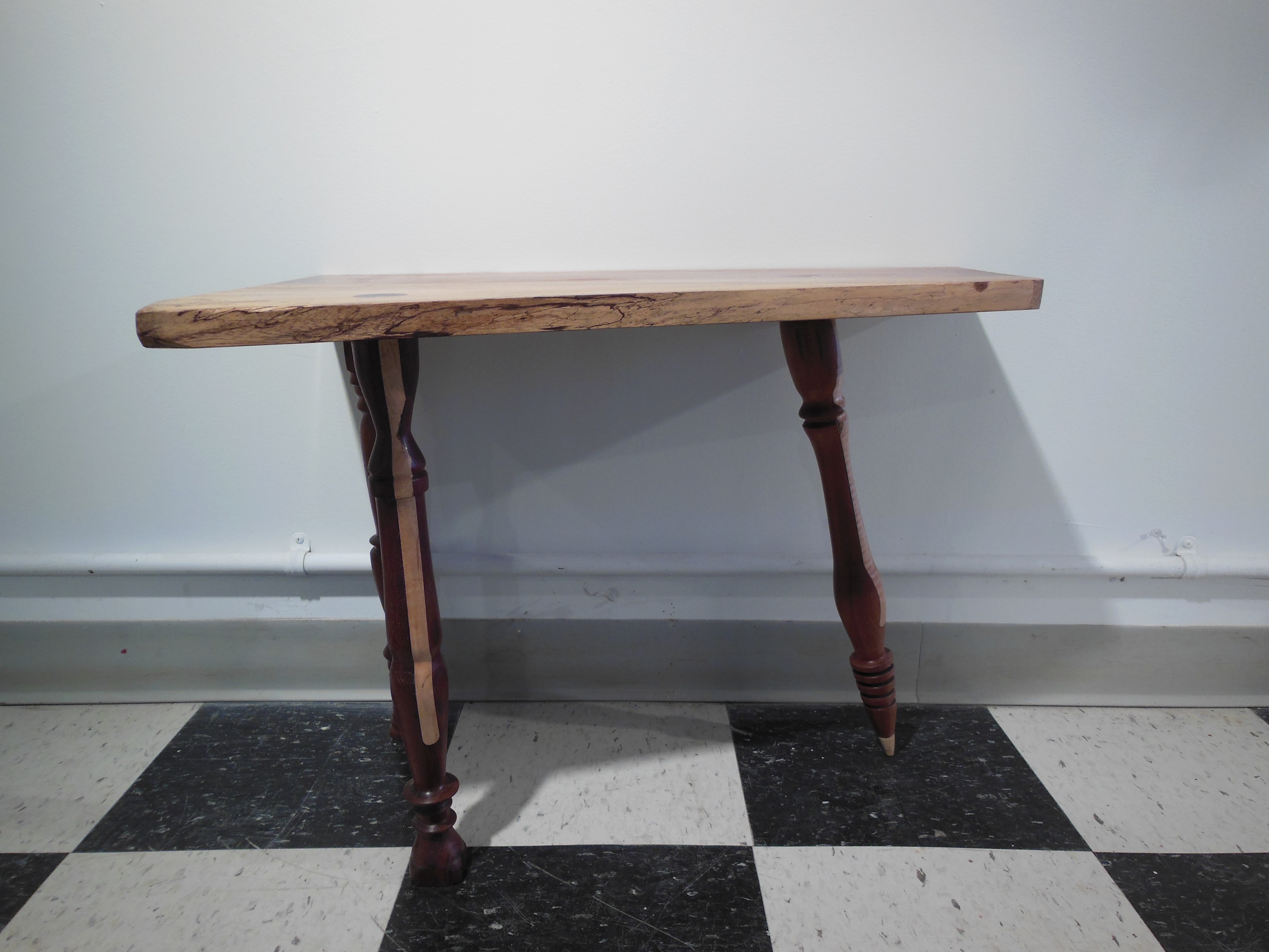
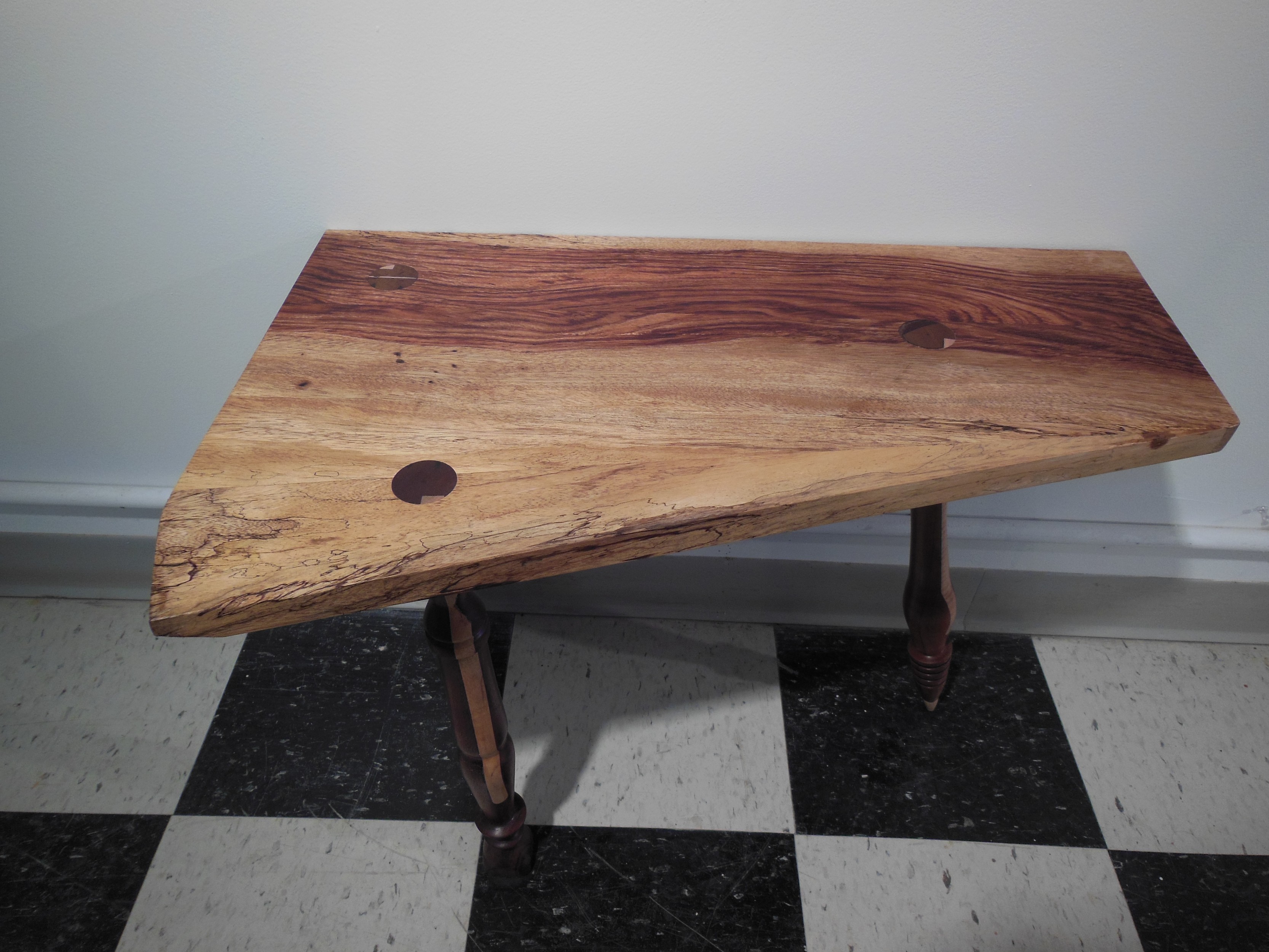
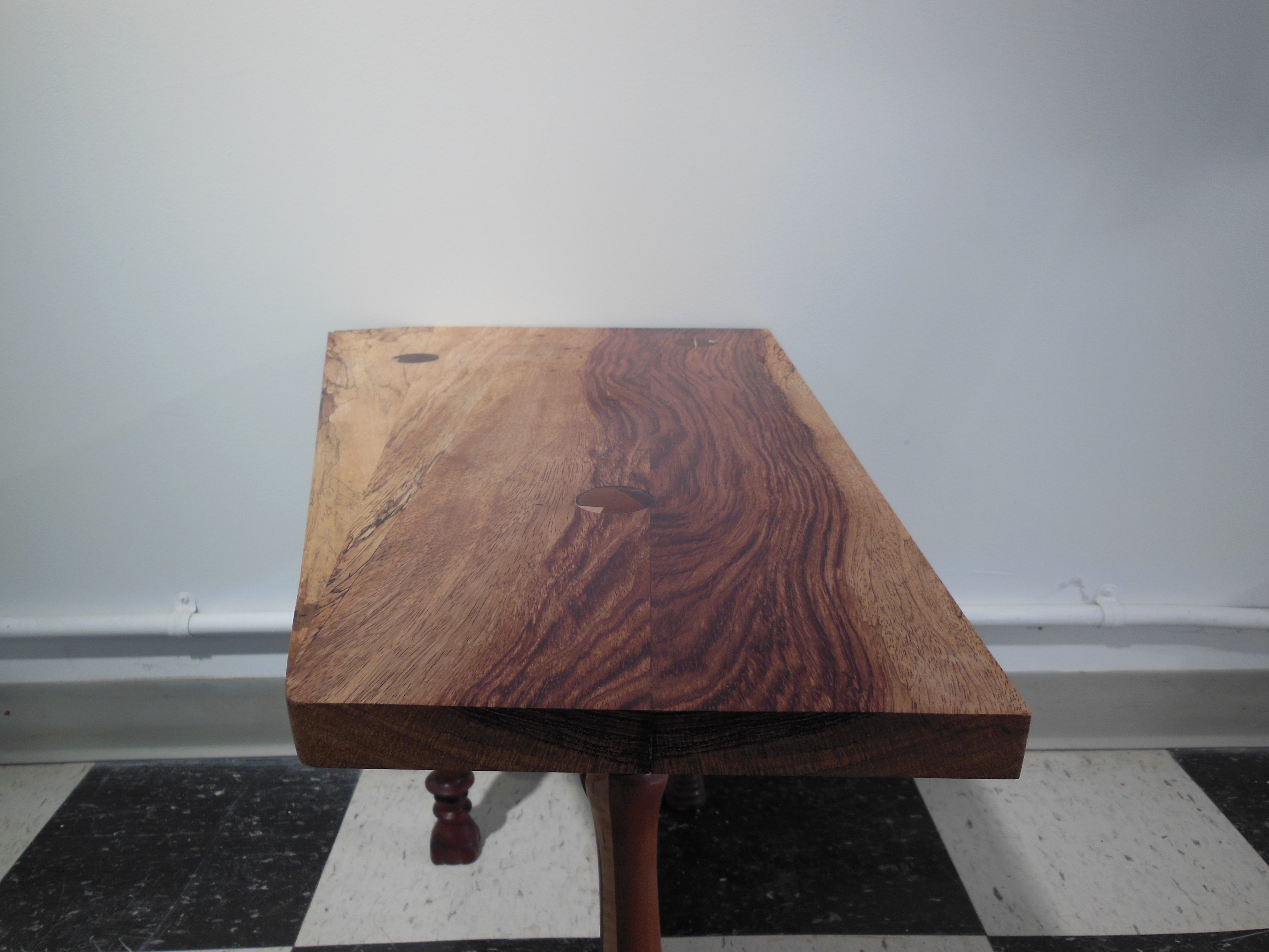
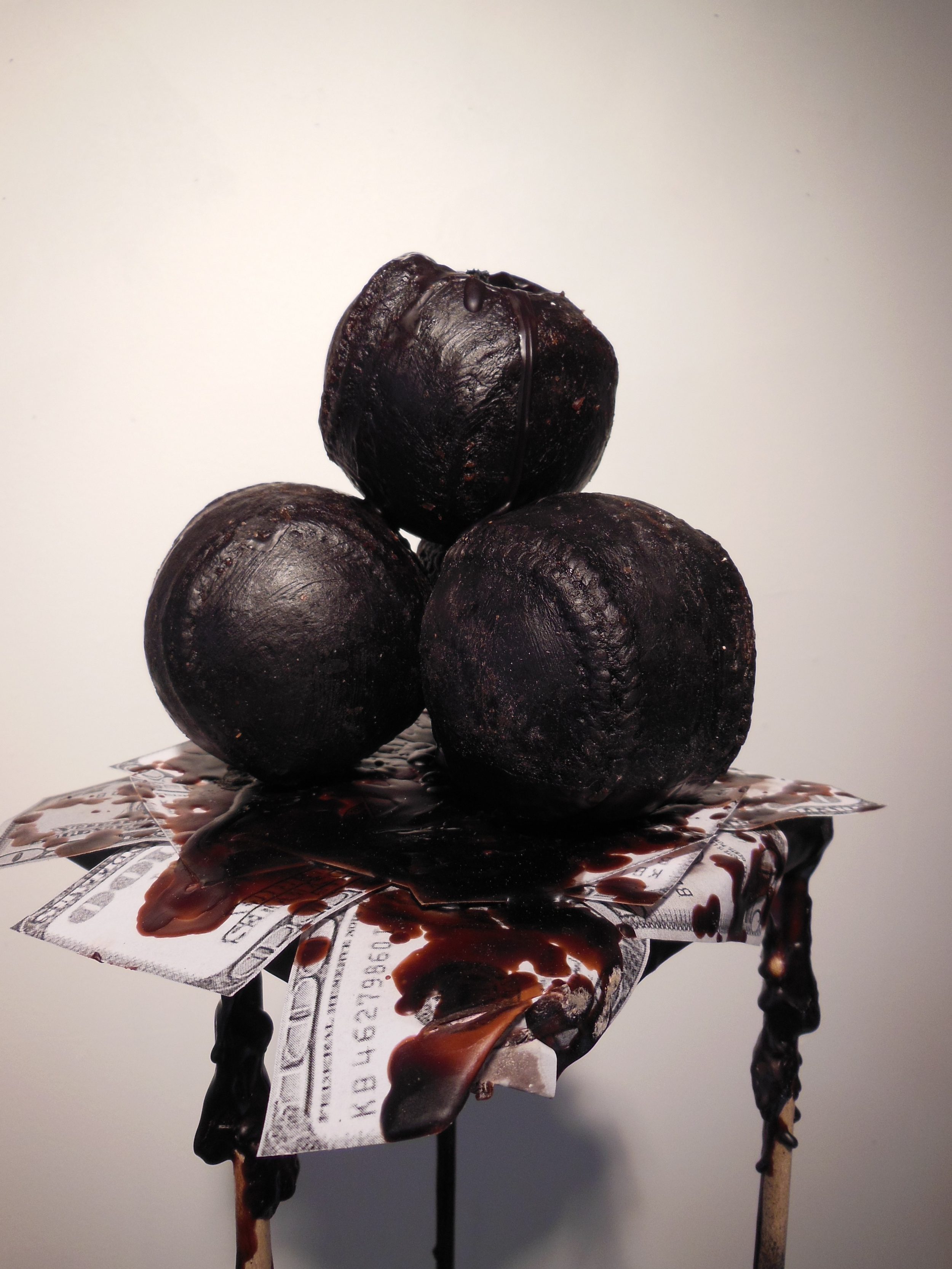
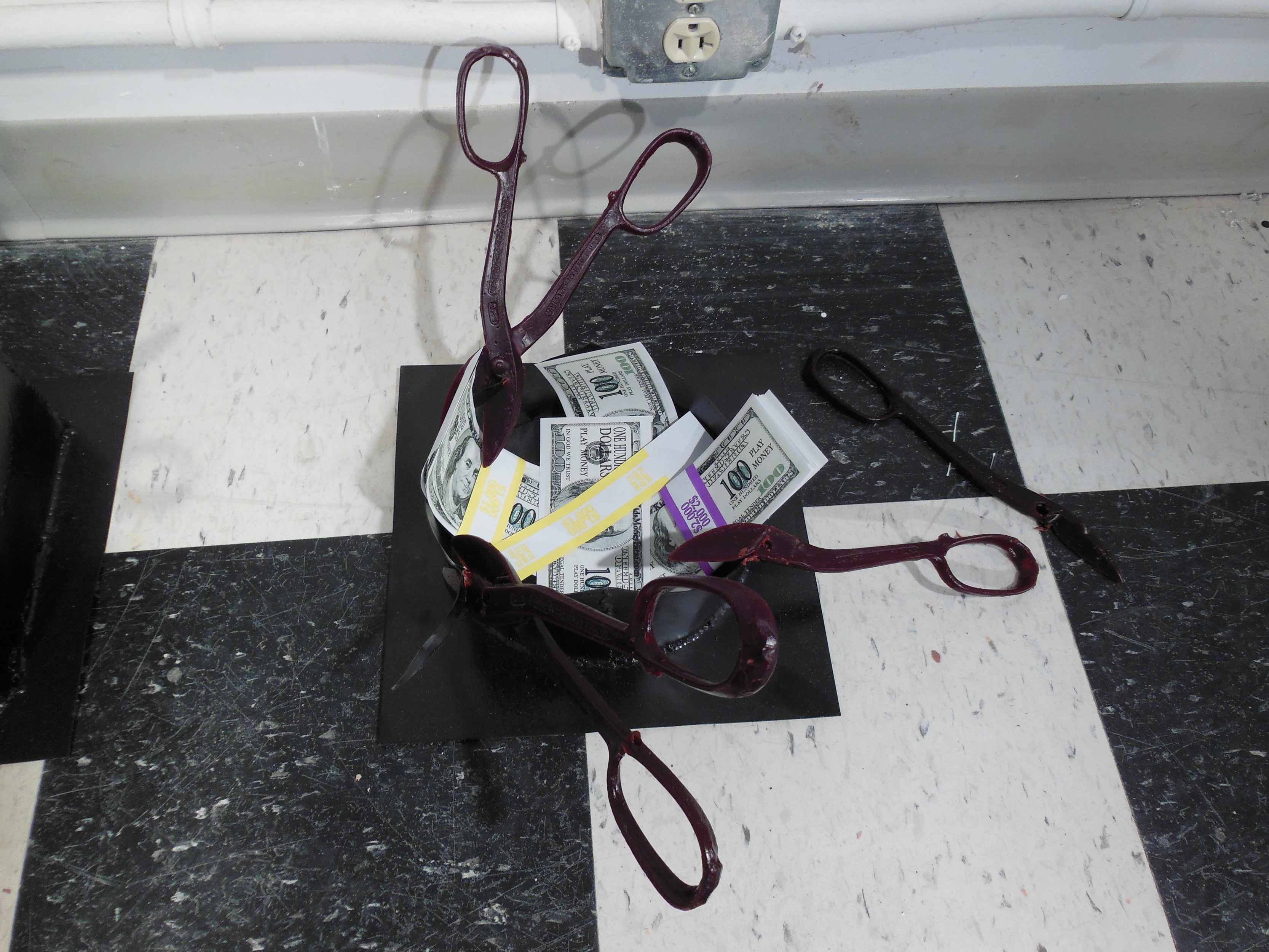
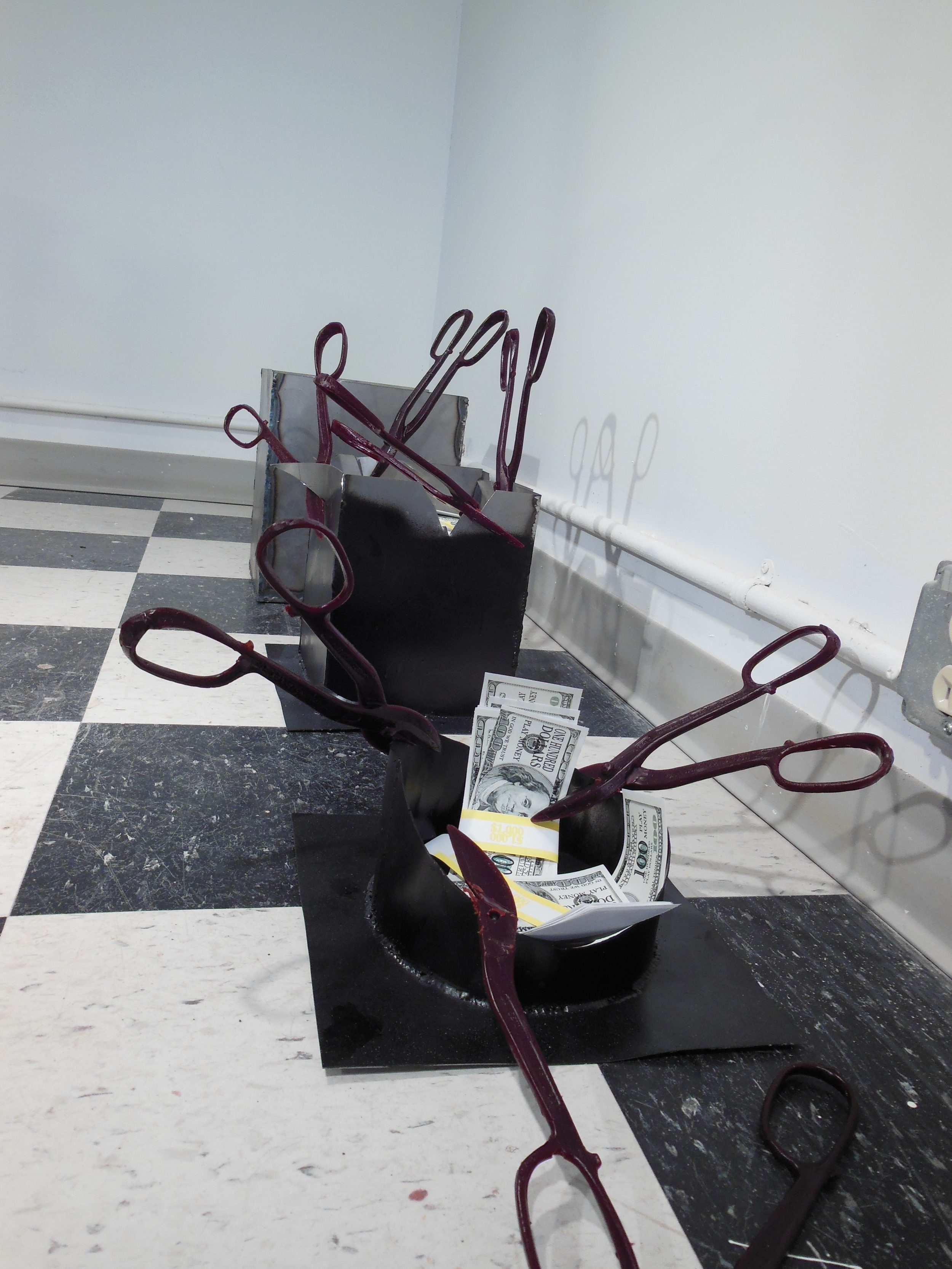
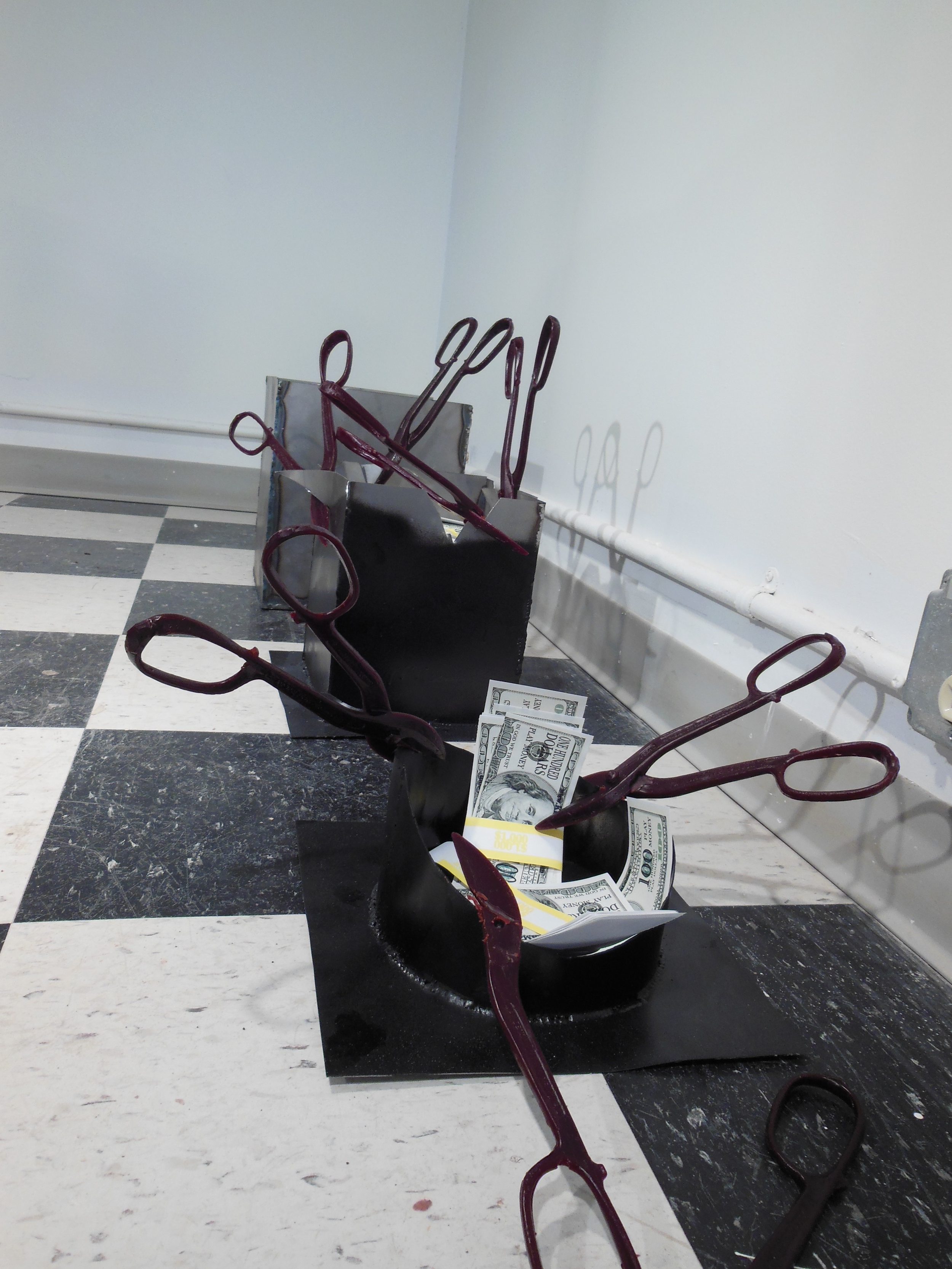
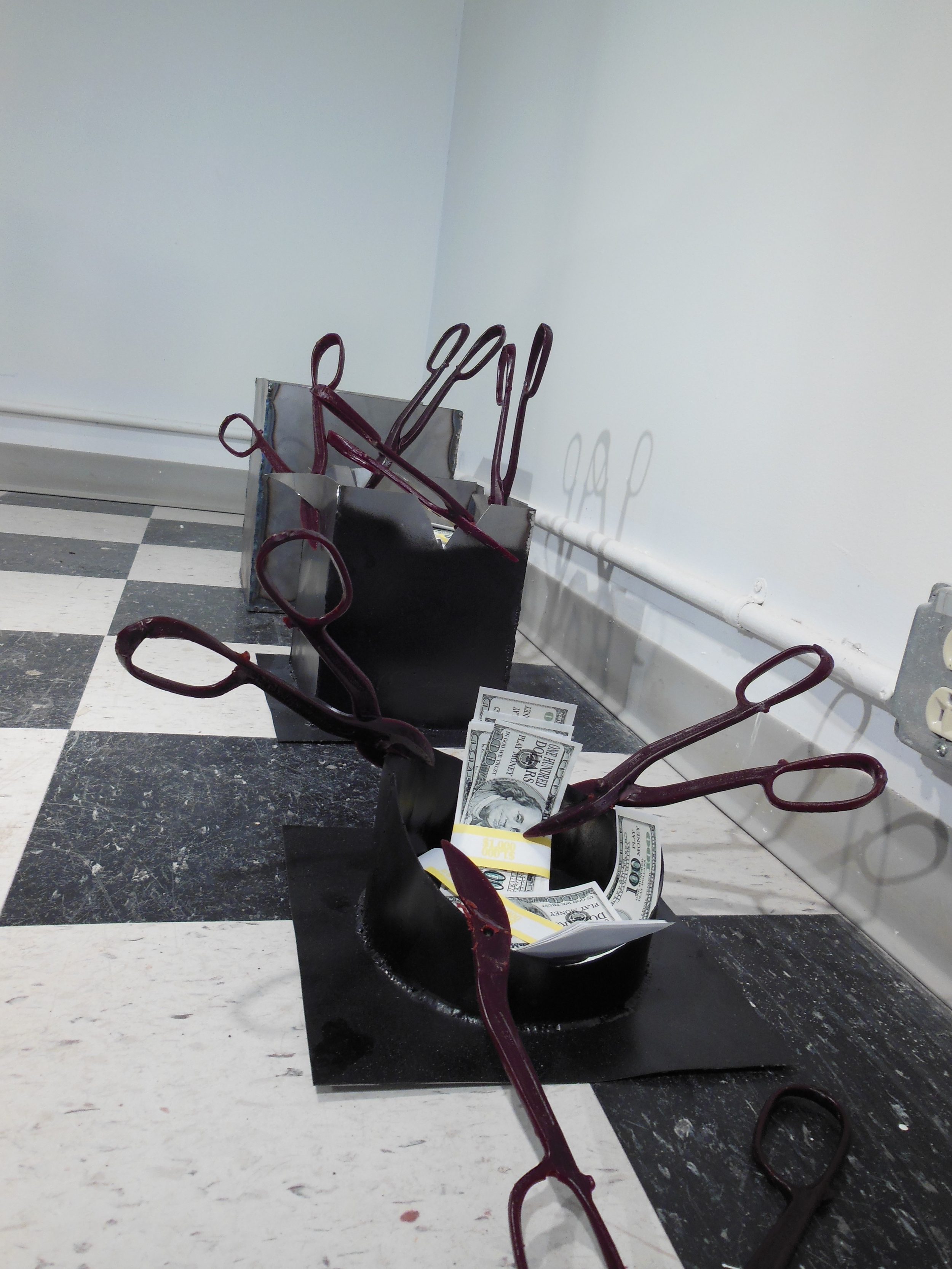
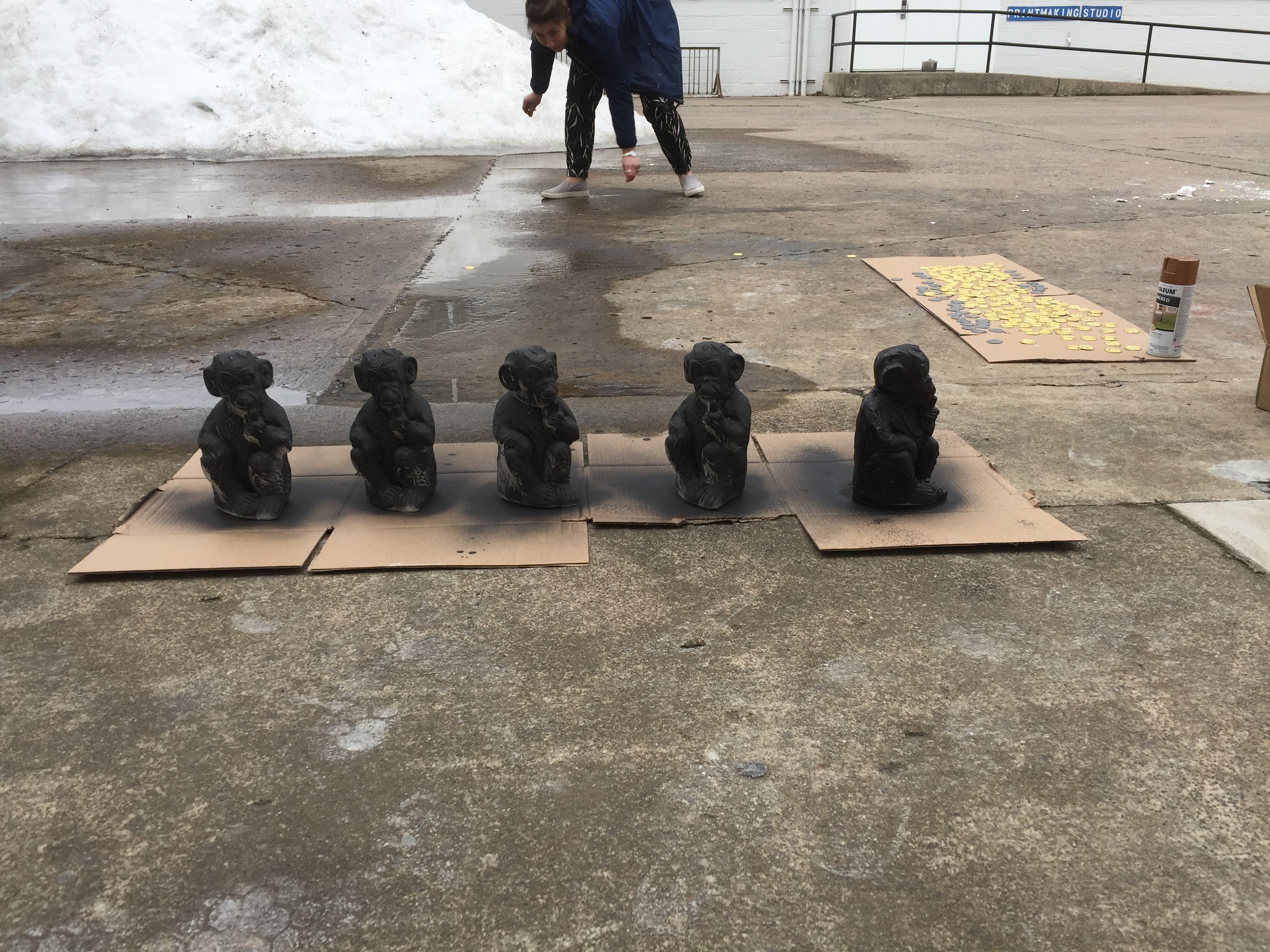
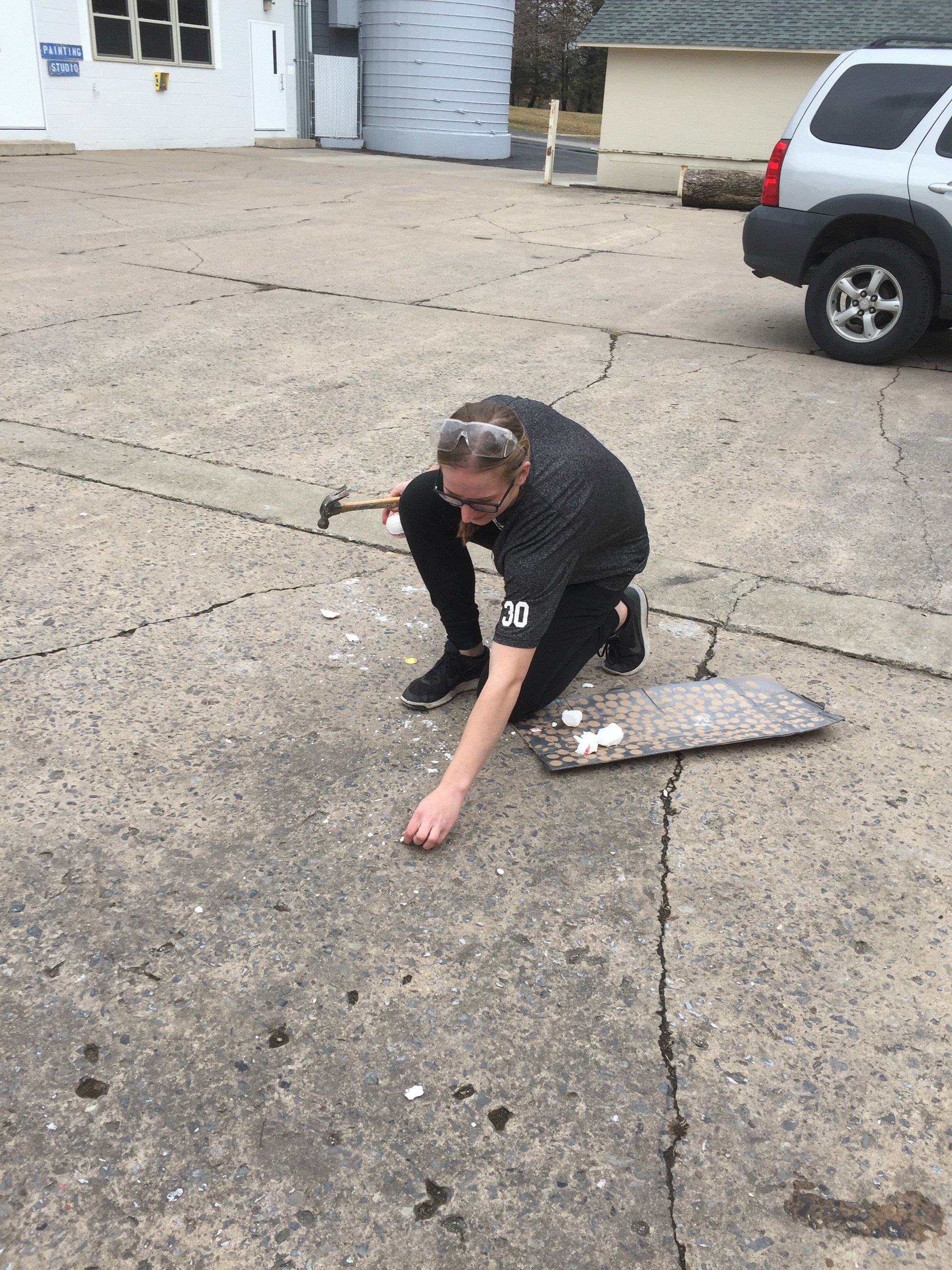
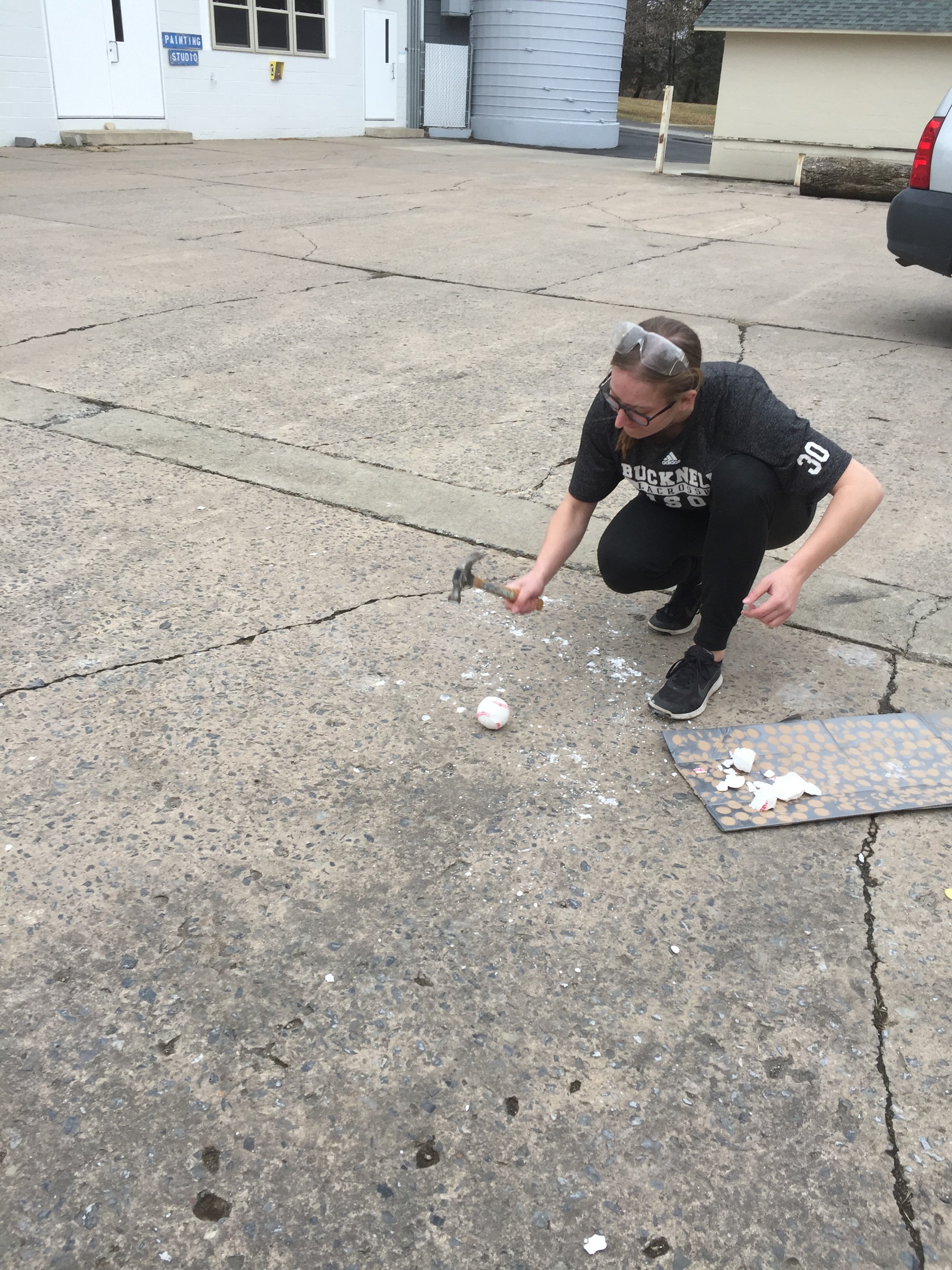
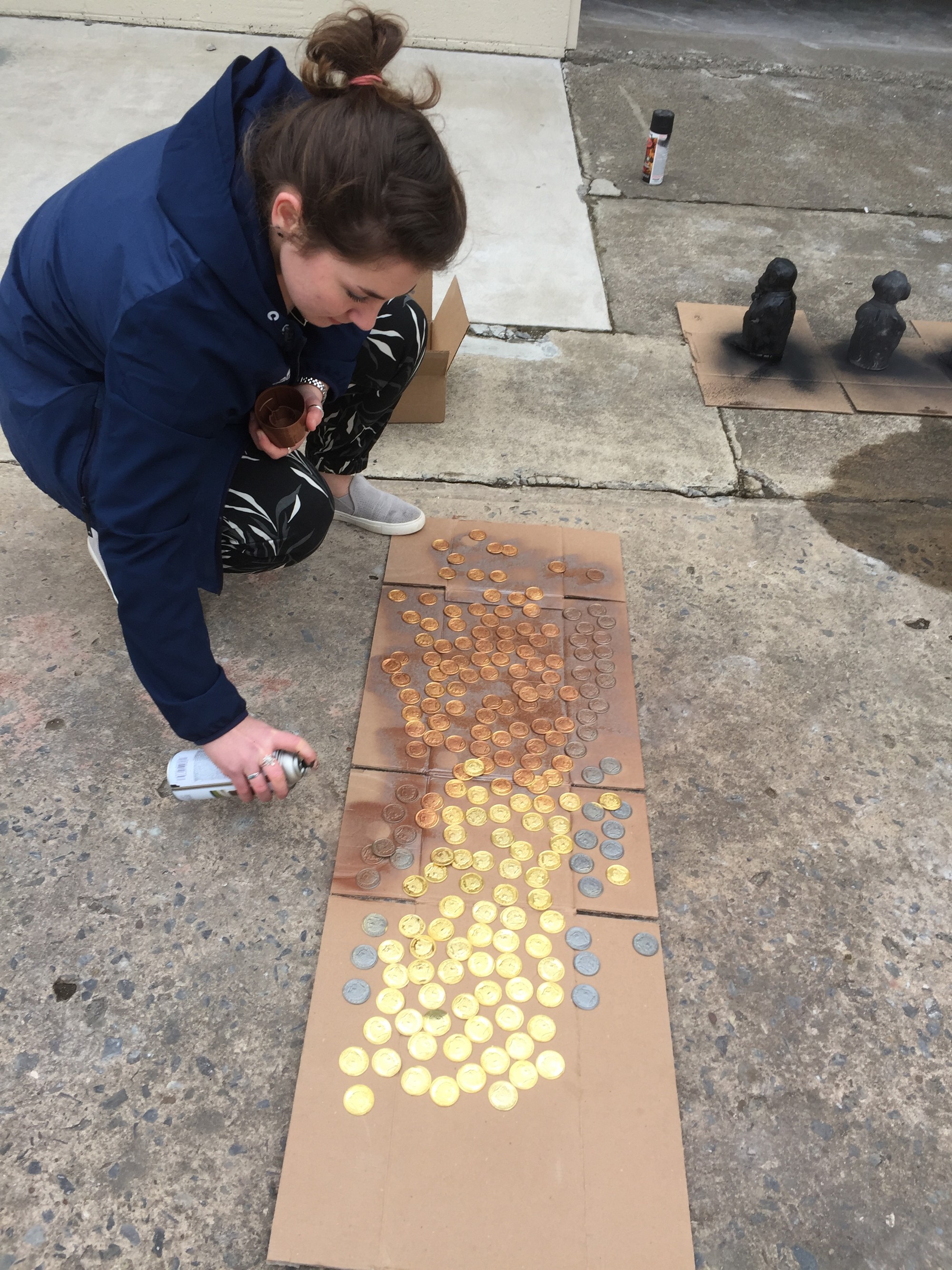
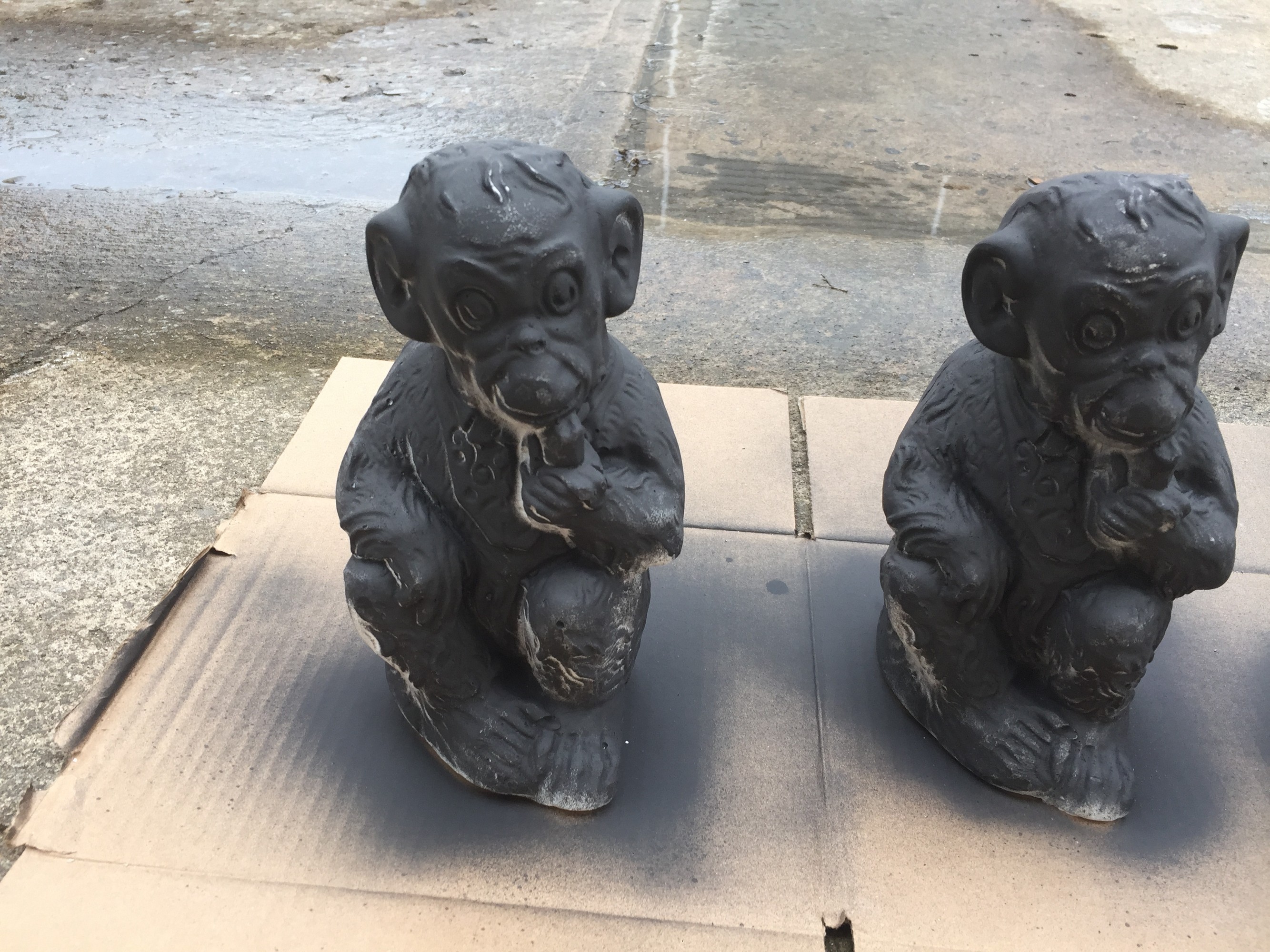
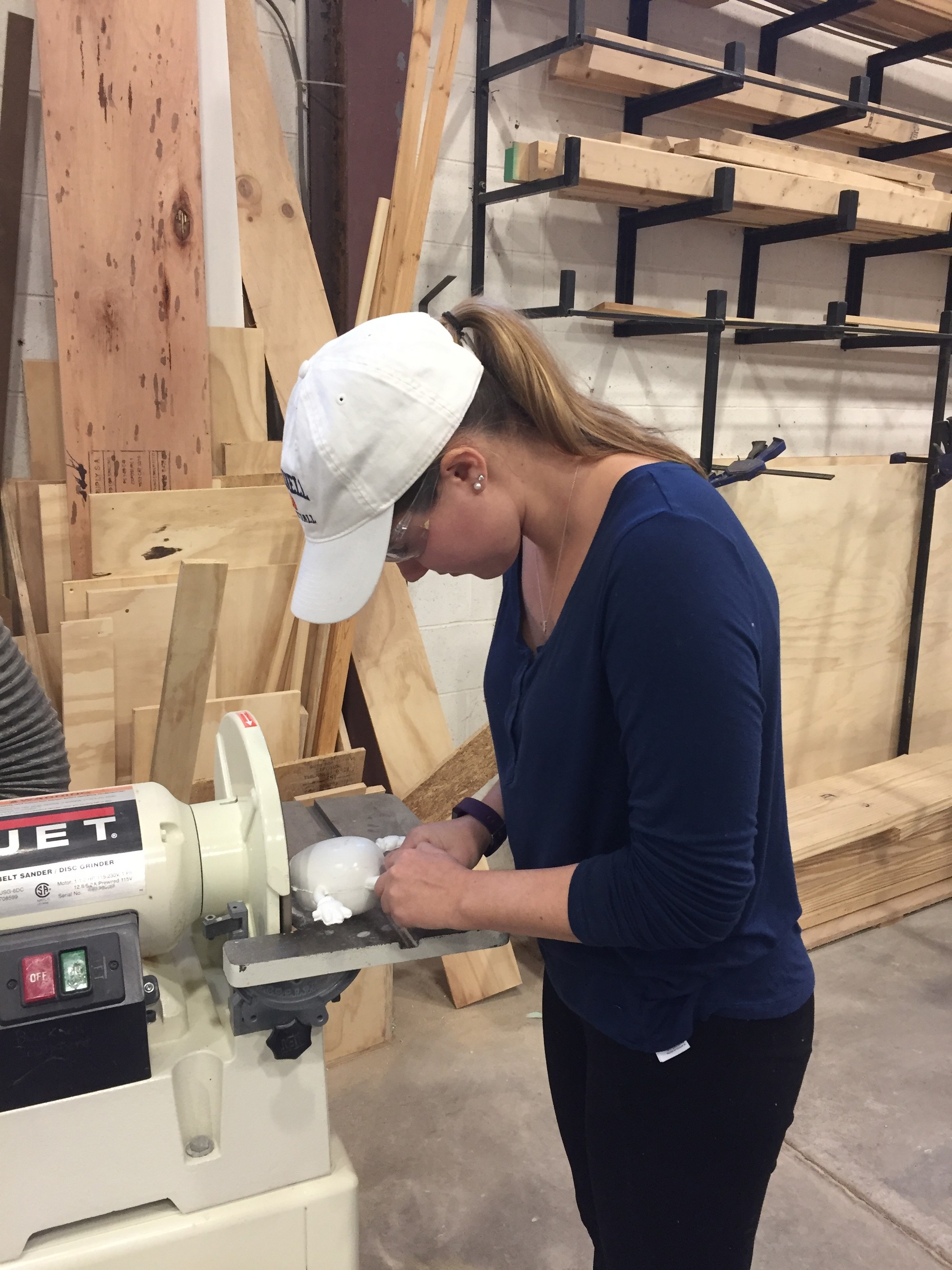
    Project 1 “Accumulations” Spring 2018